Ireland - Price central
3 September 2018

After a slowdown over Summer due to holidays and various requests! We are back, we will be hitting 3 emails per week to catch up on the events in the market and look back at trips to Ireland and the US too.
The Irish market is one that is fiercely competitive and one where Tesco have had so much success with their strategy to take on discounters by matching prices, and lowering where applicable to the discount level for a couple of years now.
However previously, Tesco Ireland were in a worse state than the beleaguered main estate business with horrendous like for like figures, hammered by Dunnes and Supervalu at one end and the discounters the other end.
The under investment, lack of price competitiveness and a weak offer with uninspiring stores meant that the business was in disarray, some price action had been taken but it was very hit and miss and did not resonate with customers.
Andrew Yaxley (now back in the UK as chief trader) came in and whilst Dave Lewis will rightly get headlines for his turnaround of the Tesco business, the Irish turnaround is arguably one of the great tales in retail in recent times.
Showing what executing a clear strategy means in reality, not compromising on the price led recovery and believing that, even when results weren't favourable (like for like e.g.) it remained the right, long term play.
More to come on the Irish turnaround tale and what they have been doing to maintain the momentum, it's never just about price after all, however in Ireland it certainly has helped matters.
The growth and work from Tesco has meant that other retailers have had to up their game on price, but also the wider store environments too. Supervalu remain strong with their largely franchised model and focus on fresh foods and local producers.
Both Aldi and Lidl appeared to be quieter than usual on the store visits I conducted, Lidl were pulling levers and had their '16' deals of the week (intriguingly their US business has followed suit with this strategy) alongside branded price work and also 'new' ranges.
Interesting to consider that the discount model has allowed for an increase in range, certainly Lidl Ireland stores are big enough - but the fact they're increasing range shows how much they must be impacted by Tesco.
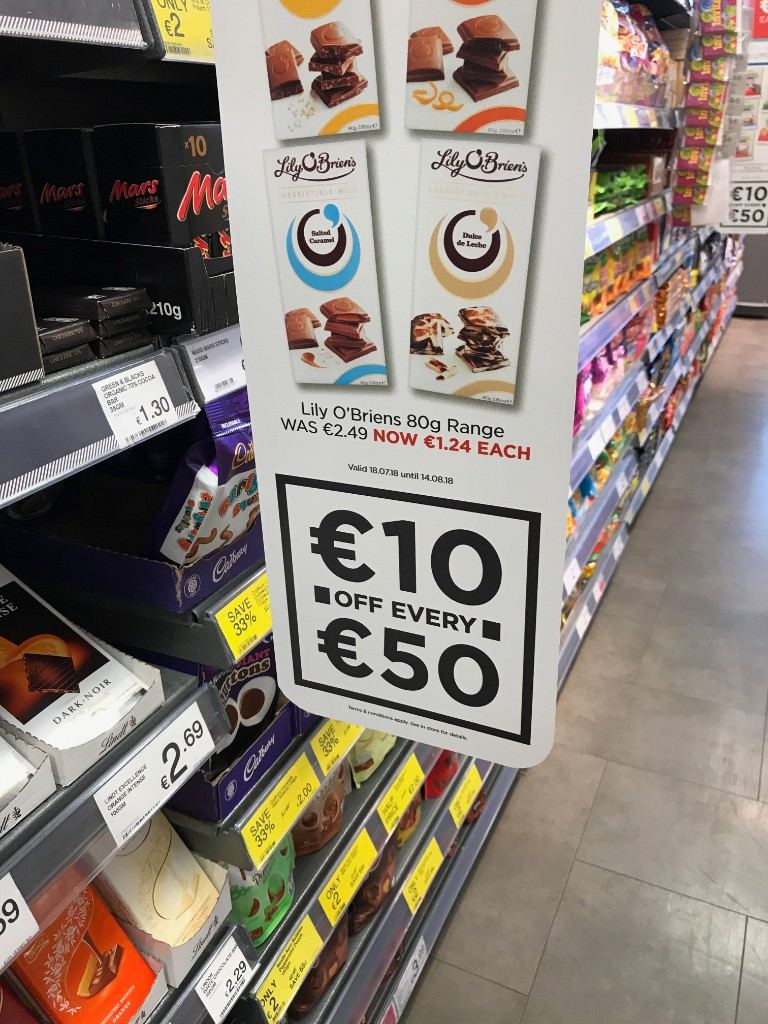
Dunnes were the most interesting retailer in terms of their stores, they continue with an 'old school' spend / stretch voucher, where a customers spend 50E and then gets 10E off their next shop. An expensive way to build loyalty and also, a difficult one to wean oneself off.
However it appears to be working for them, their new store development work in Dublin and Cornselscourt is hugely impressive and appeared to be going very well indeed. As ever with any store trial, the proof of the pudding is in the poorer stores / areas receiving a treatment that fits with the affluence of the area.
However - their trade was strong on reflection and clearly a simple message around quality, but also value with their base tier was notable.
M&S are often not considered as a retailer with a huge presence in Ireland, but they do retain a number of stores - they had also reacted on price with "M&S for less". A campaign to lower prices on a number of staples seemingly; similar to what we have seen in the UK, but also a number of deeper cuts in the Grocery aisles too.
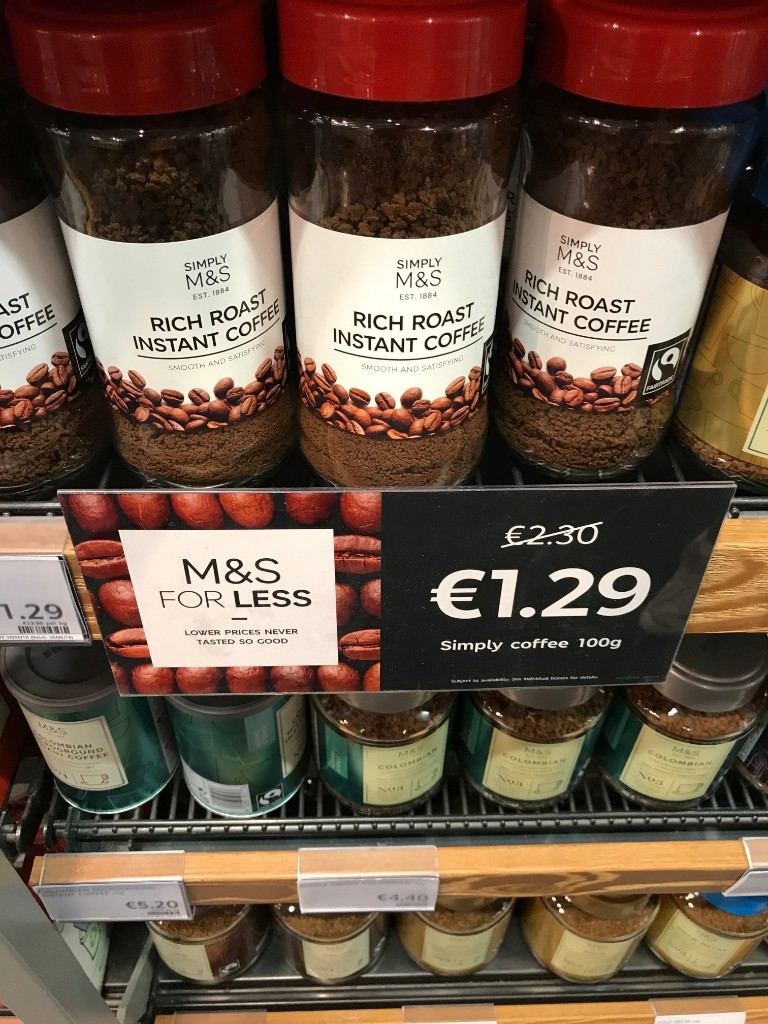
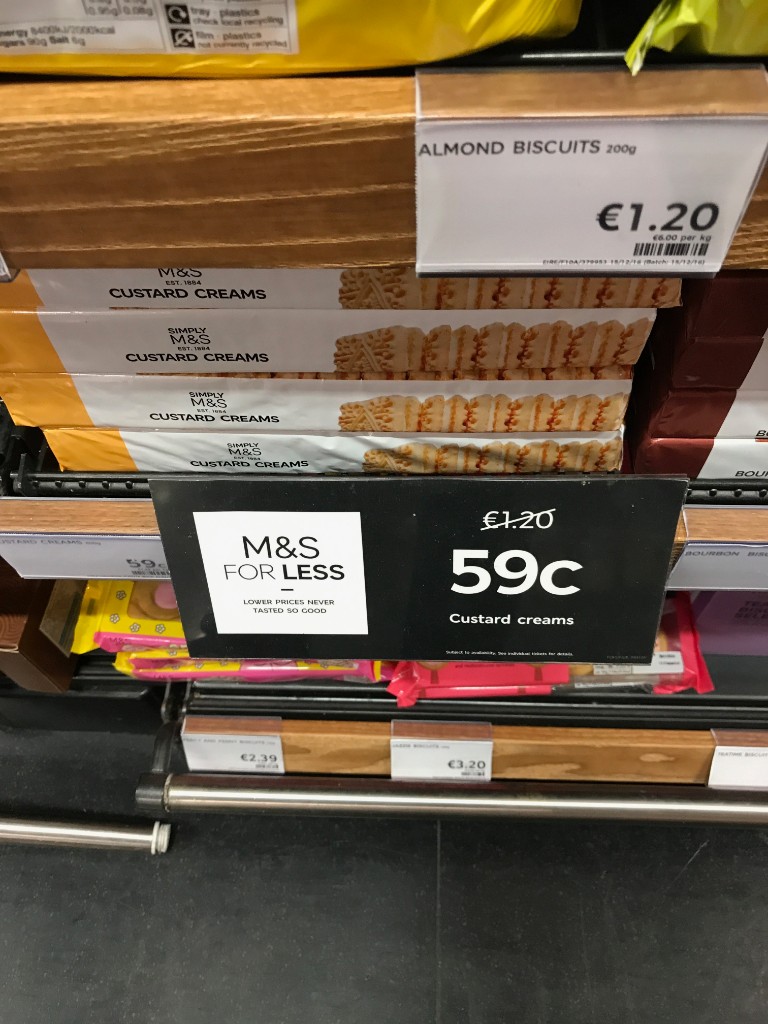
Certainly a couple of decent depth cuts there, designed to compete more with the general lowering of prices across the market(?)
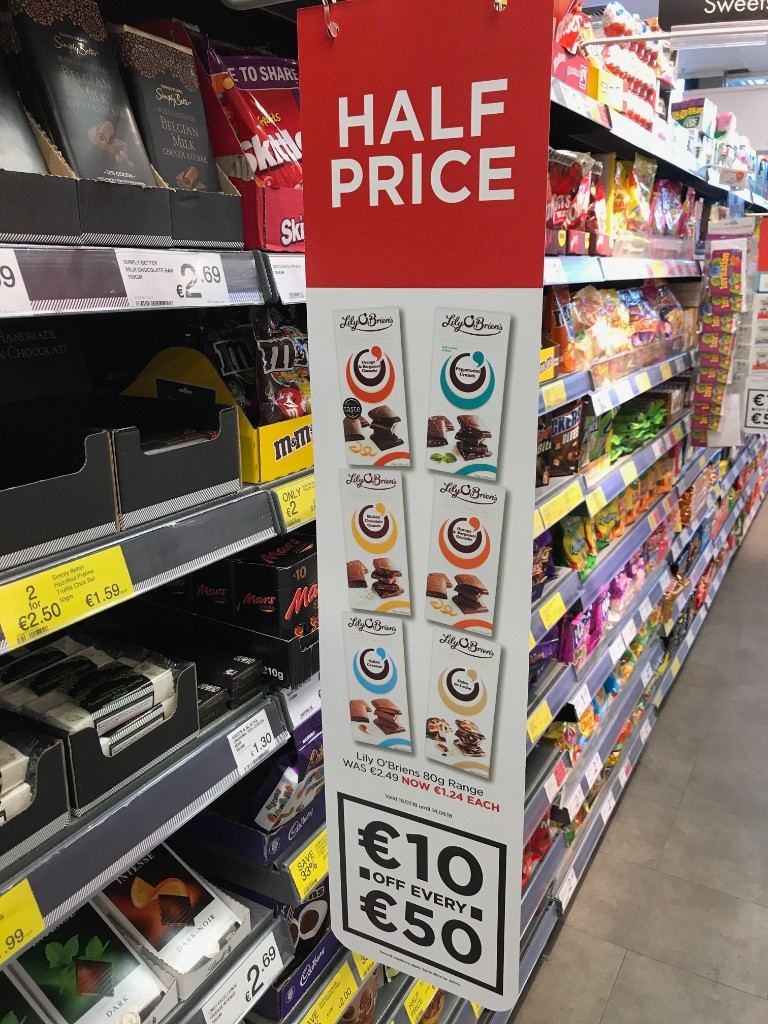
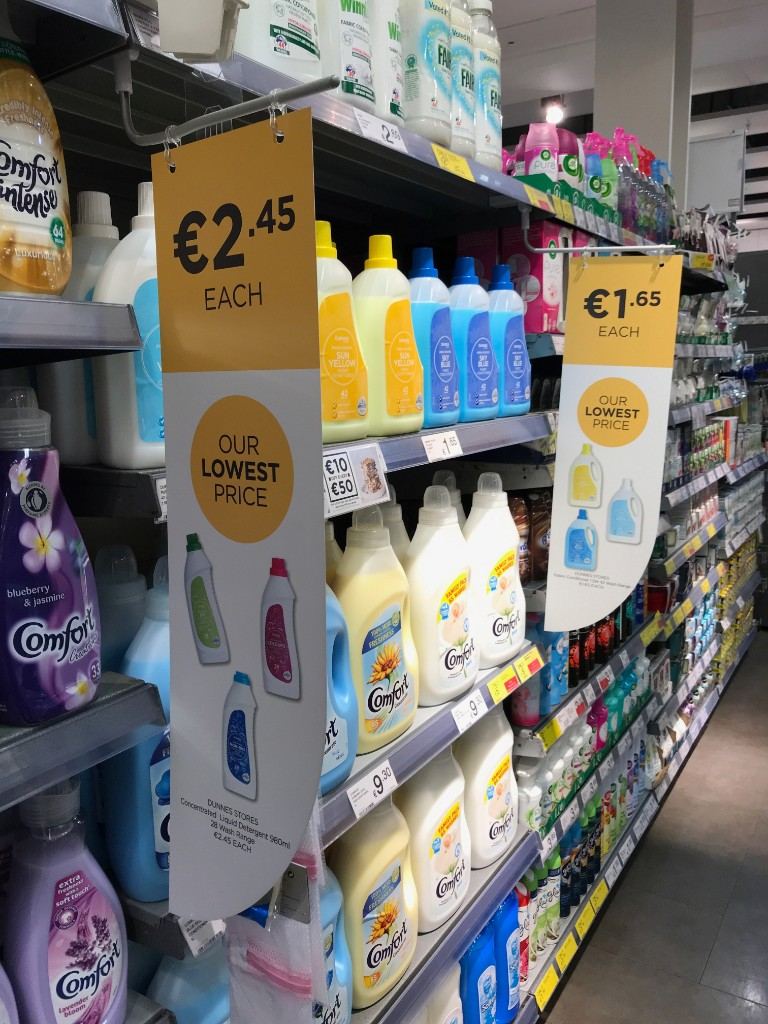
In terms of Dunnes; their new work is really strong across counters and fresh foods. (see below) with a good blend of their own offer and the use of 3rd party concessions too.
Price remains key for them, they work at a premium to discount, Tesco and Supervalu, but do highlight value with their signage on the value tier - 'lowest ever price'. Also noted were numerous deals and also their 10E off 50E shop.
Each retailer in Ireland has to be strong on Irish produce and local, these both are a given and a reason why discounters did so well. They're incredibly strong at reading the market and adapting their signage etc to focus on these elements.
Fresh foods is also key, especially counters, where the UK has become somewhat homogenised and low on inspiration as retailers battle the times A.D. (after discount) with lower margins, counters can struggle to justify their place in the world.
However even the smaller, corner shops in Ireland have a fresh sandwich counter churning out all manner of sandwiches and baked goods, their market demands it. The petrol station offer is something else also.
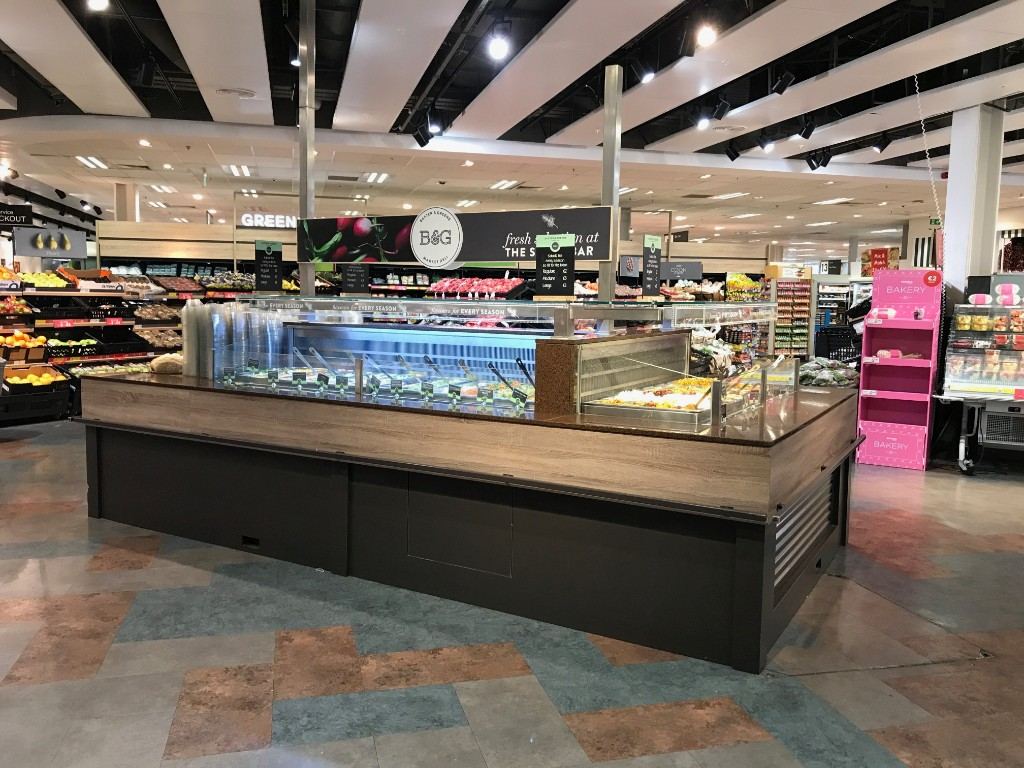
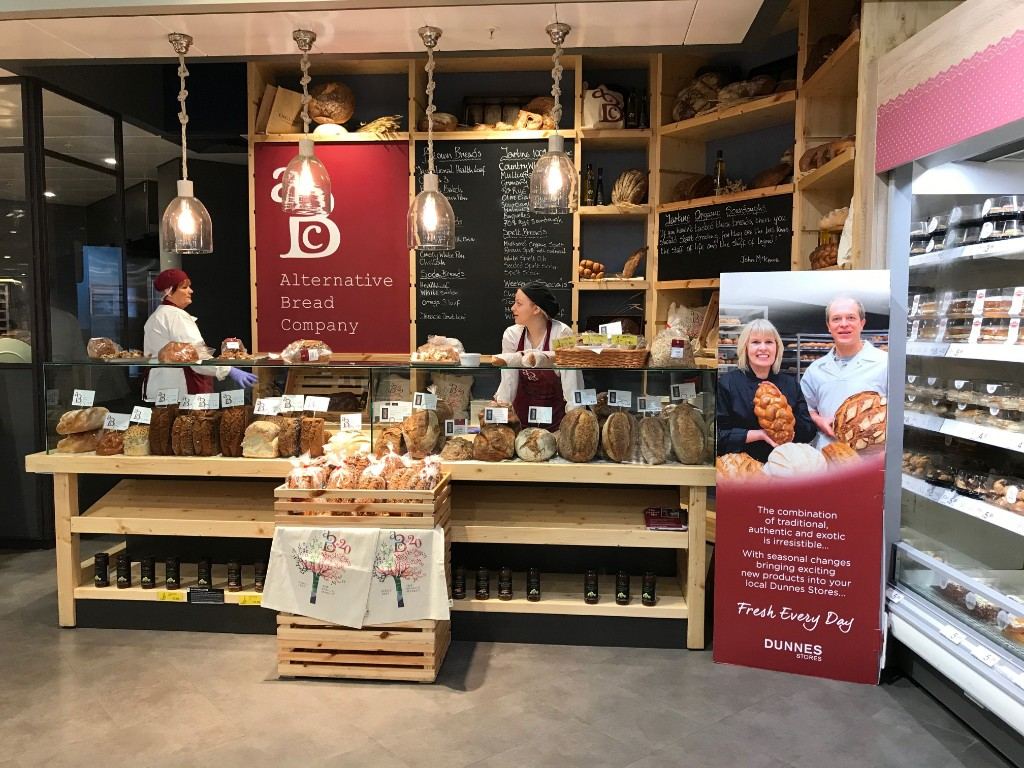
Supervalu are a retailer who have performed very well over the recent years and provide one of the best fresh food arena's (for my money) in the shopping centre at Swords. A superb store and a former Superquinn, so already had a high standing with customers.
Their work with fresh foods, Produce, Bakery and the general look/feel of the store is great and it's always a first stop for me. Their work on value does pale versus the wider messages on fresh and value. In the franchise owned stores, these can be more value driven as the operator looks to squeeze more sales per sq ft.
However their value message had changed slightly, favouring yellow/black (was formerly red/white) with price based messages noted around the store also.
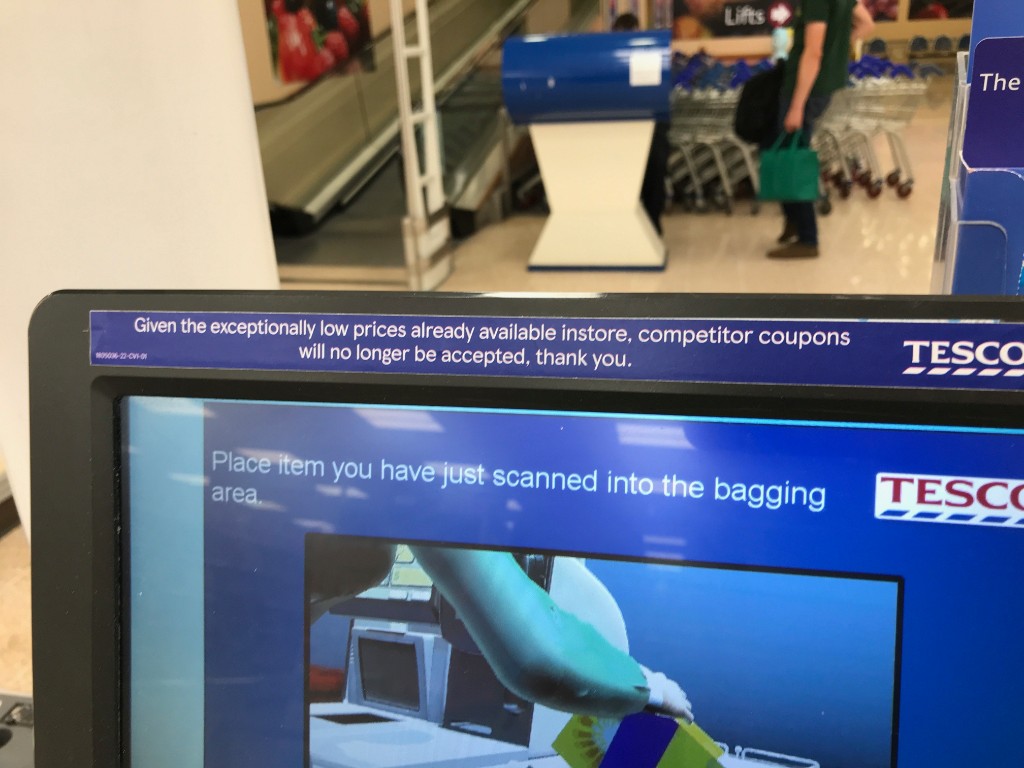
They appear to have backed away from coupons, everyone was offering them at one stage but the retailers (bar Dunnes) appears to have stopped this practice, although some accept the Dunnes voucher, Tesco didn't due to 'exceptionally low prices in store'.
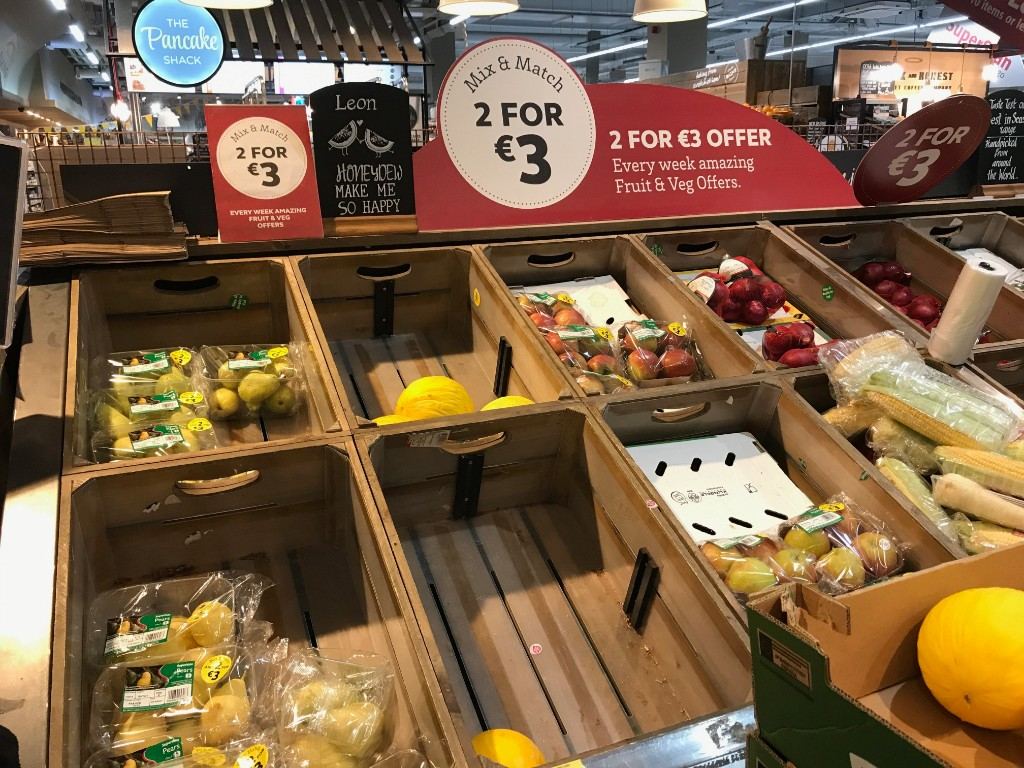
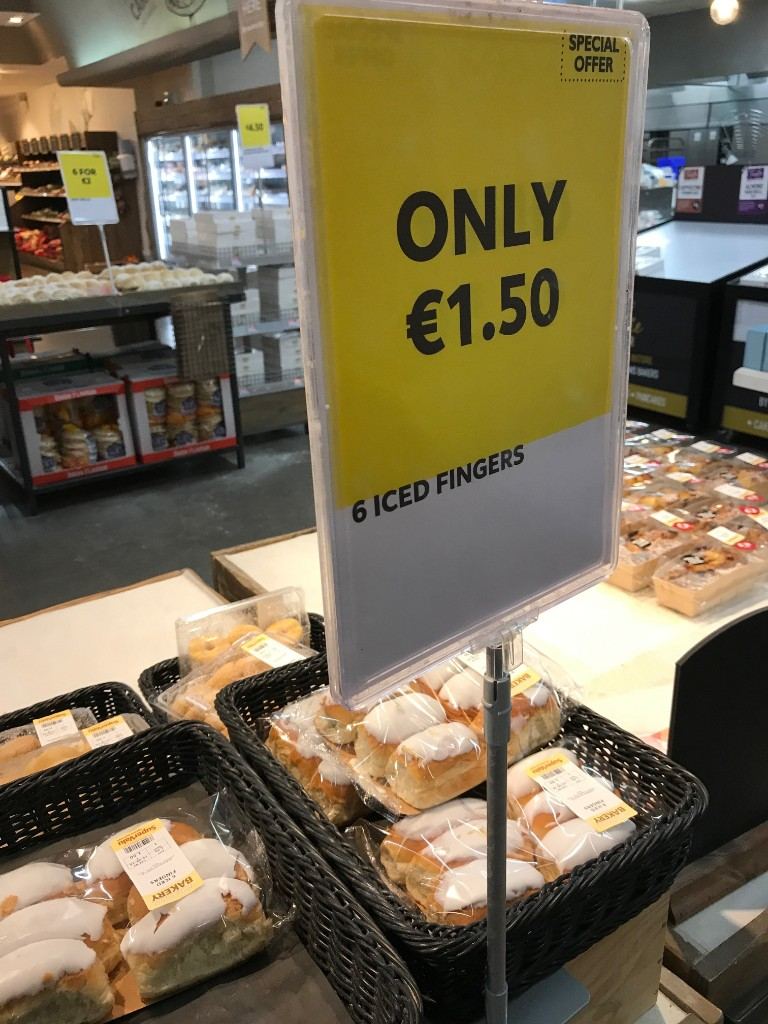
Lidl are ones who appear to be breaking out of the strict discount model, to an extent.... They have added range which is intriguing in itself, given the limited ranges.
The fact that the work by Tesco, and others has forced Lidl to add range perhaps says a lot for the strategy adopted by Tesco and the work undertaken there.
In addition, Lidl Ireland have the new Lidl US promotional strategy with 16 big offers a week, as flagged in the doorway.
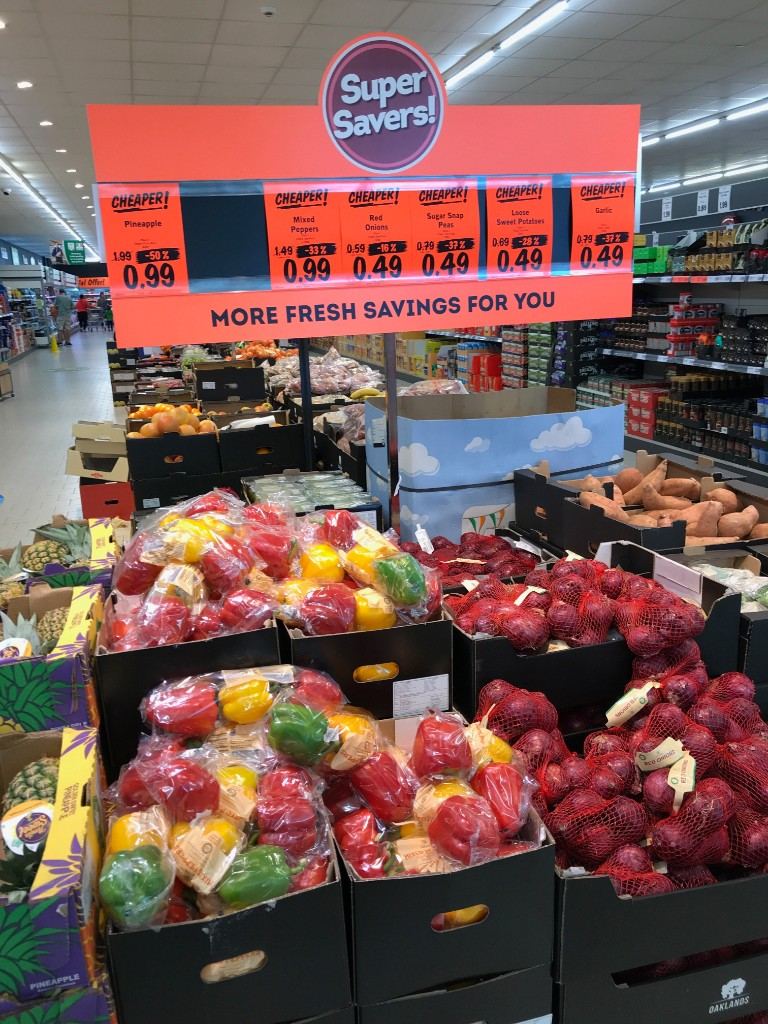
Plus numerous branded price cuts, either temporary offers or permanent lower prices, as Lidl become more promotional.
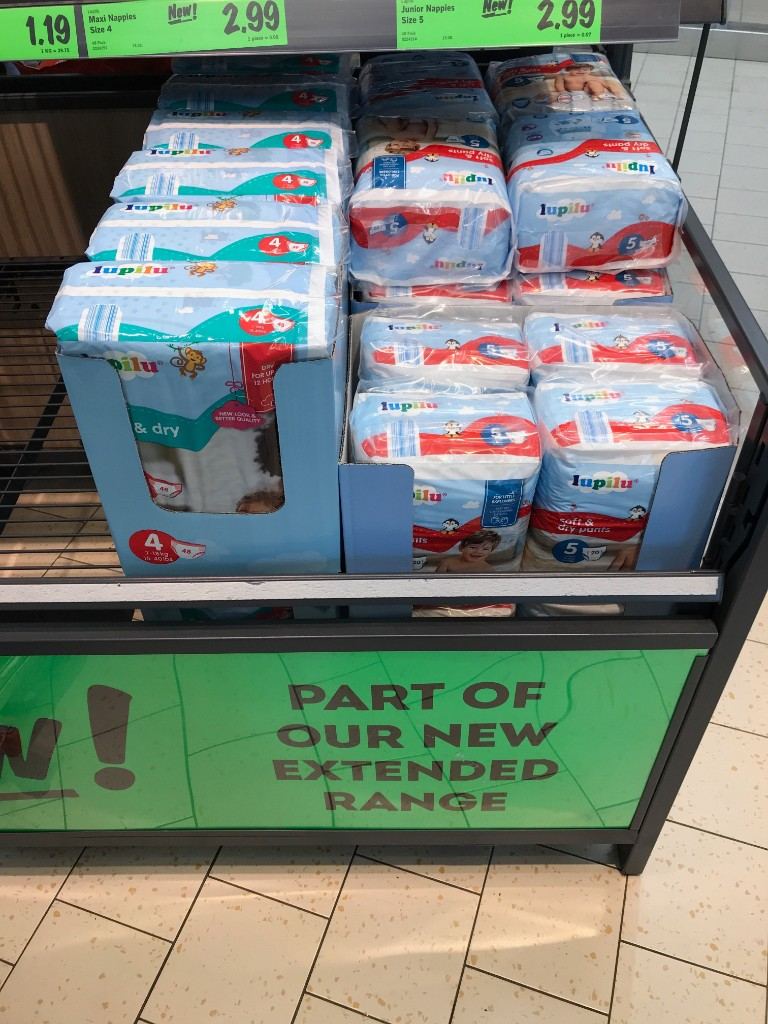
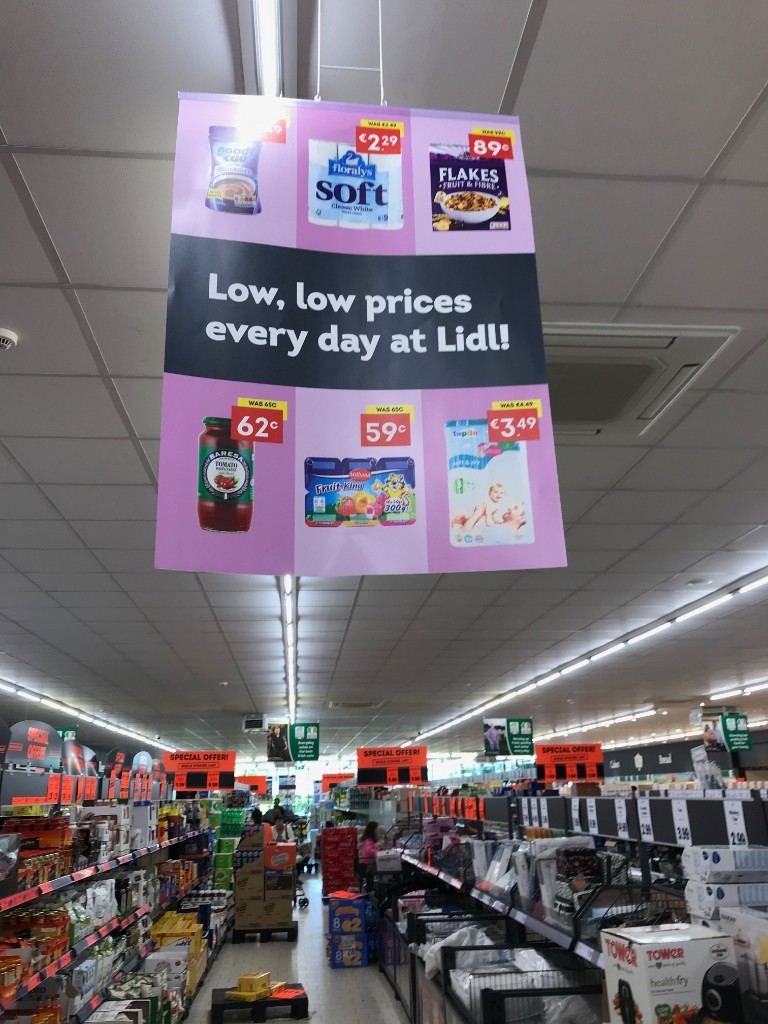
Expansions on range across Baby with new Nappies and pack sizes alongside other products that are being introduced to enhance the range.
Signage in the doorway and overhead highlights the low, low prices at Lidl with small price cuts to further bring down the price of shopping.
Aldi are ones in the Irish market who I have always felt are relatively utilitarian, they do a decent enough job without any bells and whistles versus Lidl, who have nicer, brighter stores e.g.
The Aldi MD for Ireland, Giles Hurley is now across in the UK and it remains to be seen what he makes of the UK business and all the bells and whistles that come with it.
The Aldi business in Ireland is focused on price and provenance and didn't appear to be conducting anything around a price campaign.
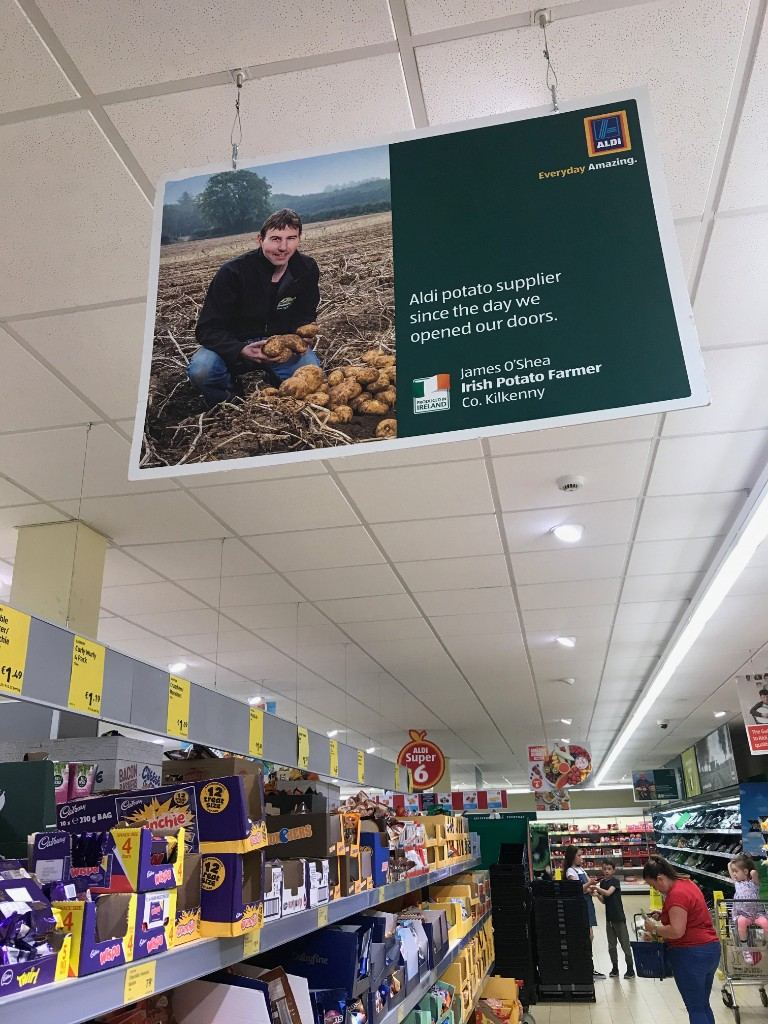
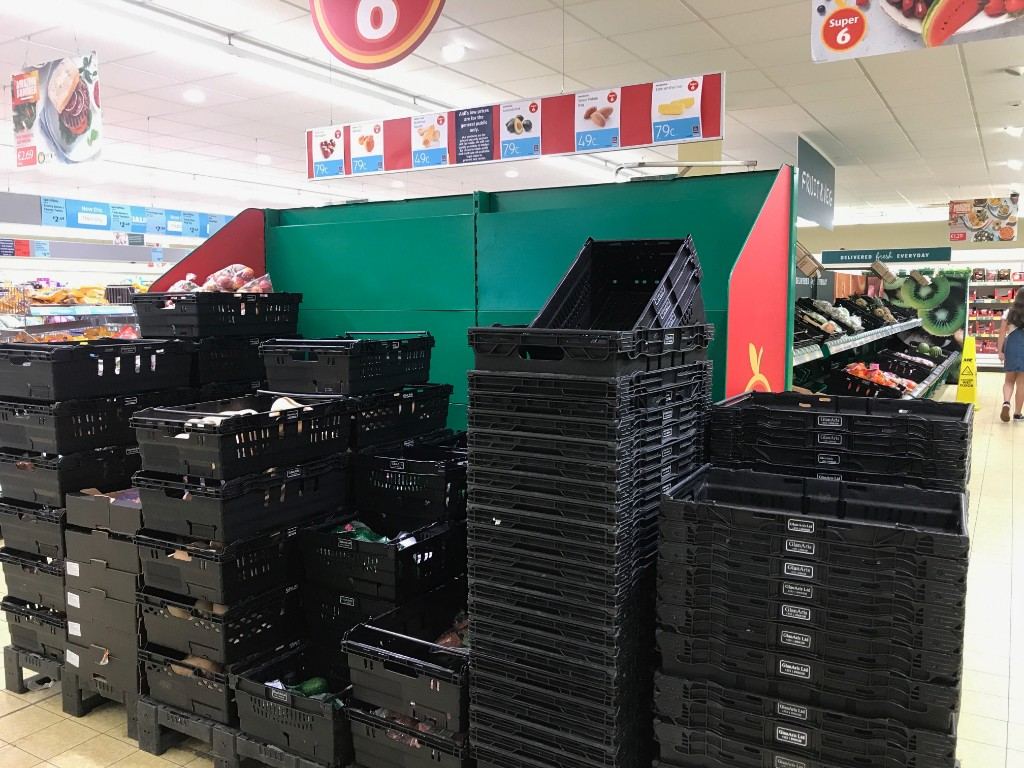
Standards weren't great in the stores I visited, certainly worse than Lidl but also the wider market too. They felt relatively out of kilter which is rare for discount, no attempts at any real differentiation in fresh foods and are almost crowded out on noise and provenance.
Super 6 was a good example of bulk selling that had turned in to a sea of empty crates.
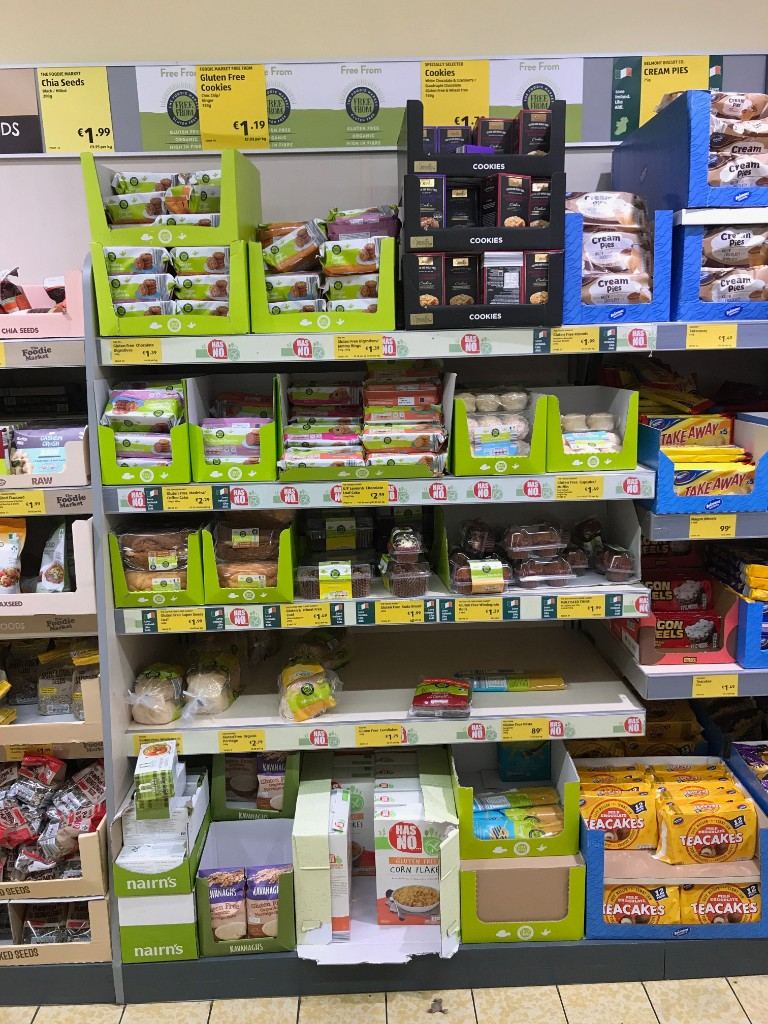
They are pushing hard on their free from range, as you have to in Ireland given the marketplace there. A good focus here, but again, there isn't the total range available as the space / model just does not allow for it.
Whilst I didn't visit a remodelled store in my time in Ireland, but they are in existence. It's also unclear whether Bakeries are being rolled out, as they are in trial and we know what it does for fresh perception.
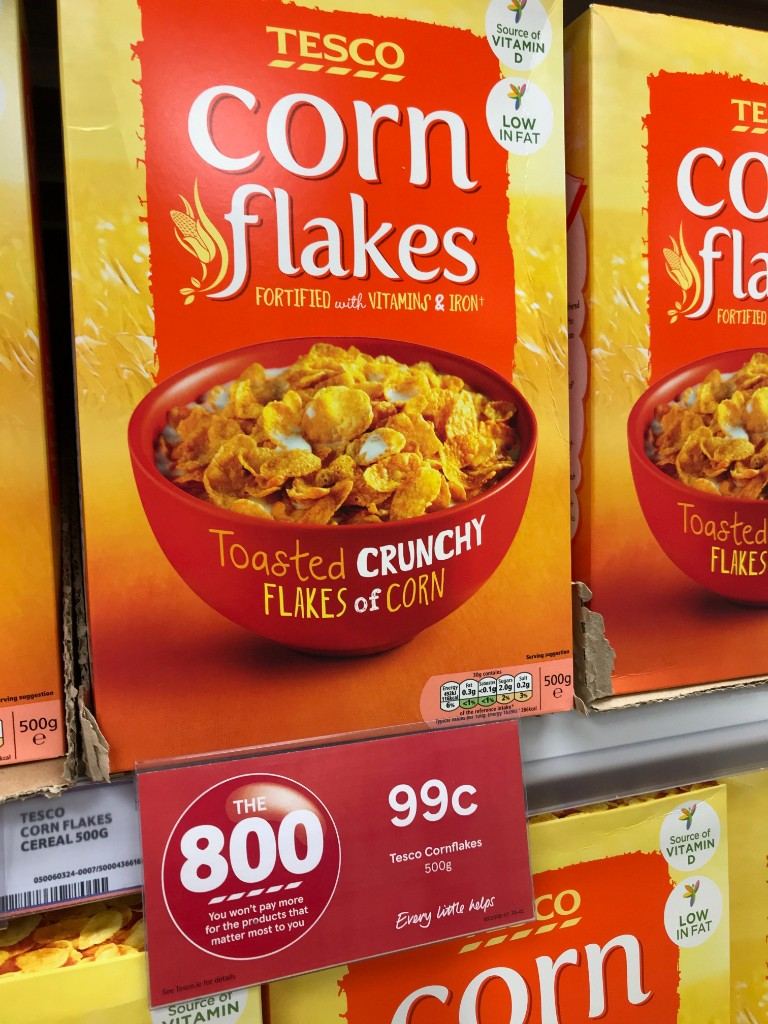
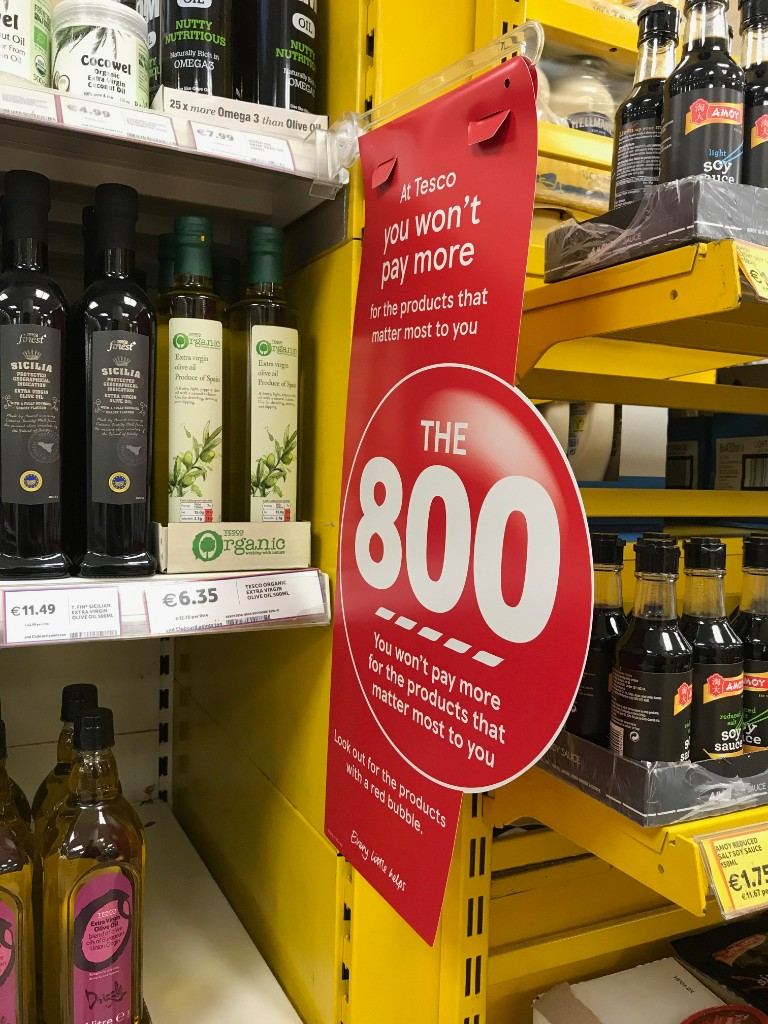
So to Tesco, if you judge yourself in terms of what you hand over to your predecessor versus what you inherited, then Andrew Yaxley will have done well in this regard.
A business transformed by the focus on low prices, better marketing, better ranges in fresh foods and a tight strategy that they have stuck to, even where the numbers on a like for like basis were not good, due to the price matching.
Volume came through to underline the strategy and whether this thinking has informed the Tesco world in the UK with their new strategy of revamping value tier as a discounter brand equivalent and matching prices accordingly.
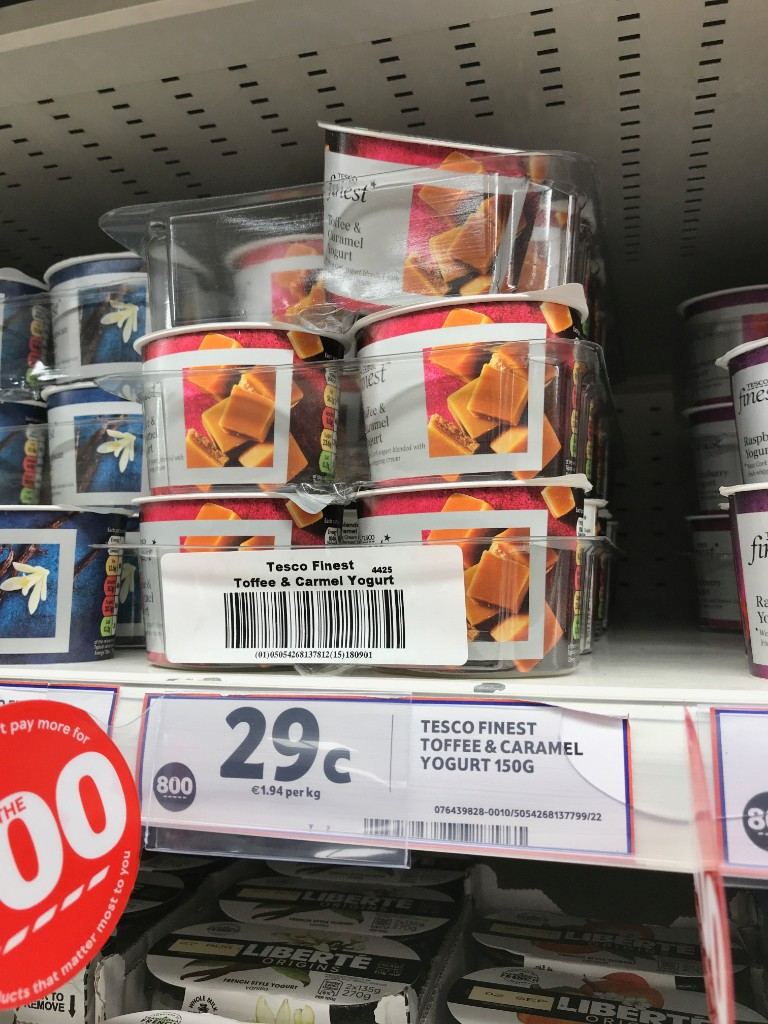
A good example of the price matching in action was the Finest yoghurts down at 29c, matching up versus discounters who were down at the same price in the week.
This can skew the category as a whole, due to the fact that premium ends up being lower than core, but being in the '800' demands price matching, regardless, as it provides confidence on price.
It becomes a strong message.
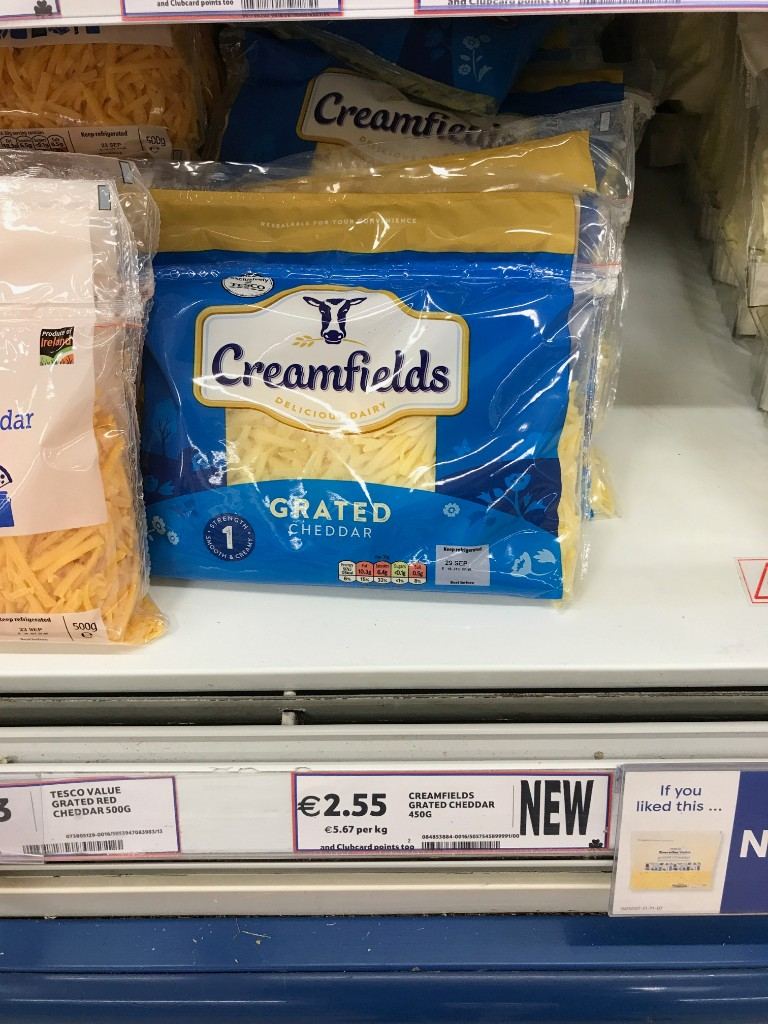
One interesting finding was the replacement of value with the same brands from discounters we have been seeing over in the UK.
Where value Cheese existed for example, it is replaced by Creamfields and thus is repeated around the store in various categories.
This strategy is interesting as Tesco have broadly matched up on the own label mid tier versus discounters, should they continue, then their value tier products could be lower than value tier in some cases, if activity is noted elsewhere.
Do Tesco move the 800, where relevant to the value tier products(?) Thus leaving own label to be a touch higher? Or do they continue as they are matching up on own label and offer the value as a lower priced alternative in some cases?
The longer term play remains interesting, can Tesco eliminate one tier and push the volume in to another product? Thus flattening input prices further?
It's a nice problem to have as Kari Daniels, the new CEO of Tesco Ireland.
All eyes on the UK business as Andrew Yaxley takes charge as Group Chief Commercial officer.... Can he bring some of the Irish thinking to the UK business to continue to put pressure on the discounters here?
From the Grocery Insight newsletter archive, first sent to subscribers on 3 September 2018. Steve now writes at read.groceryinsight.com. See also the blog archive and briefings.