Produce prices and inflation
7 January 2022
View this email in your browser
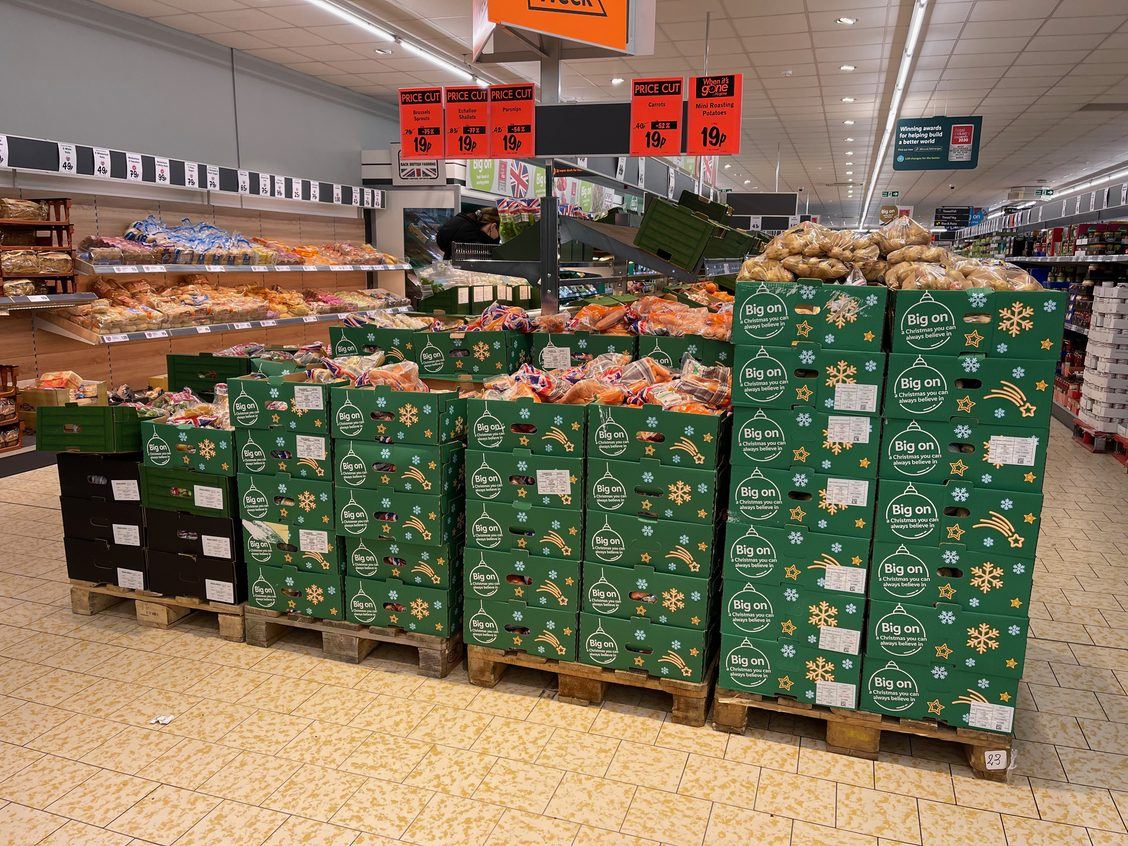
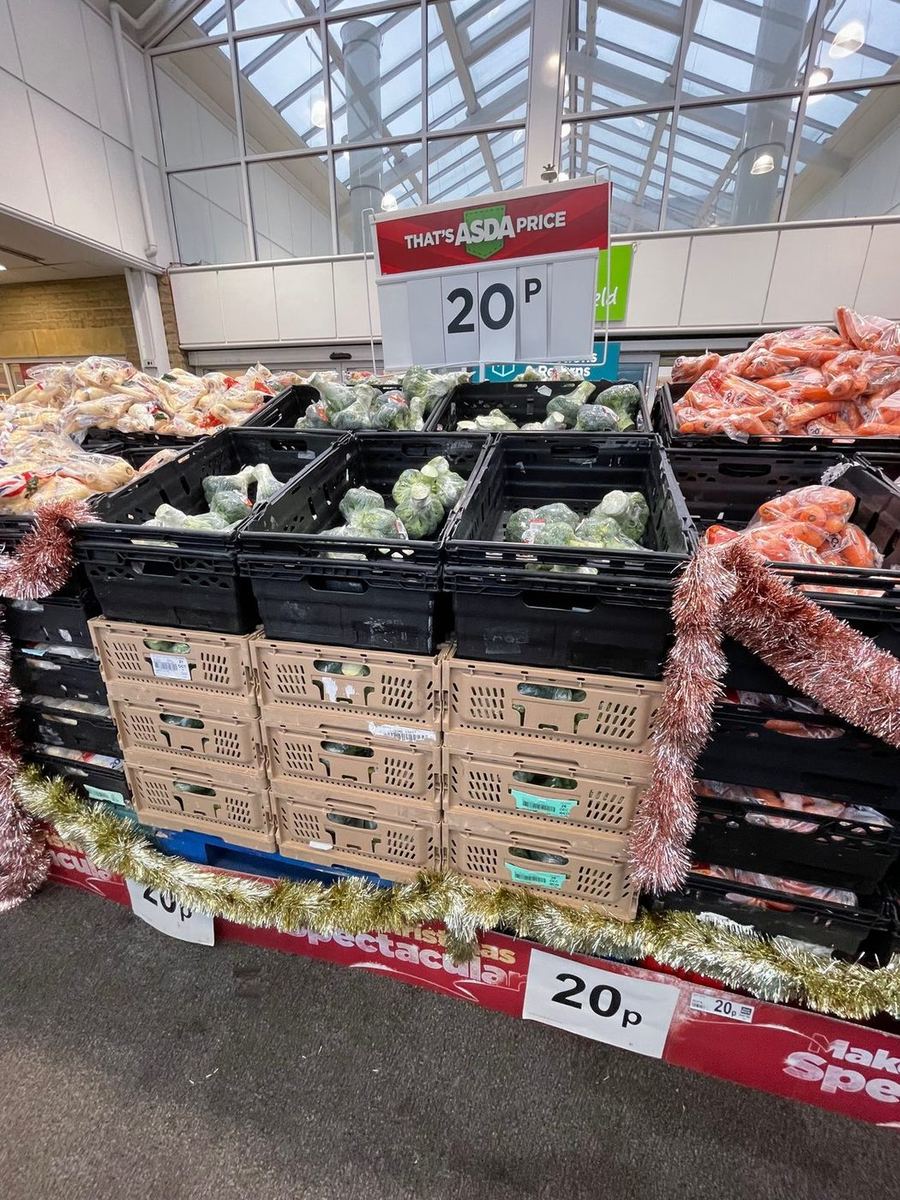
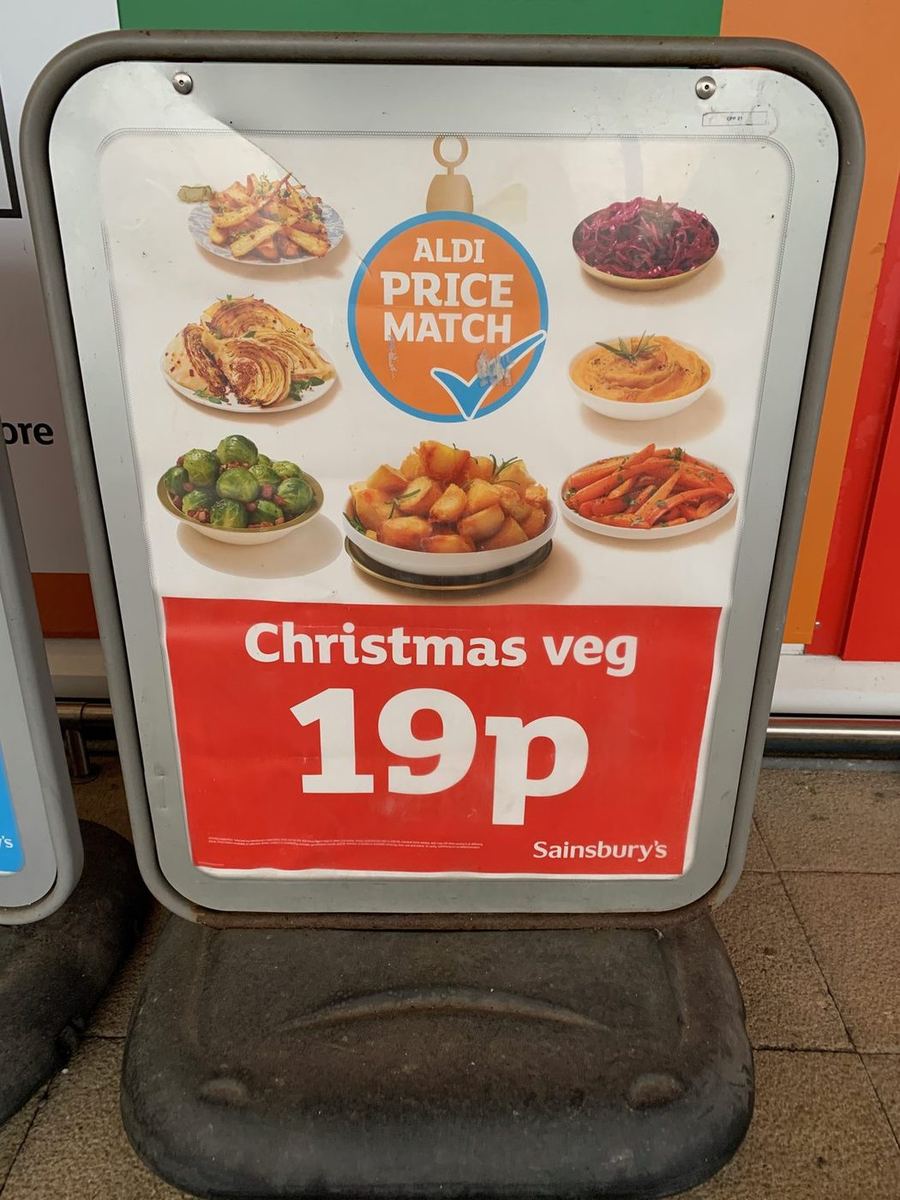
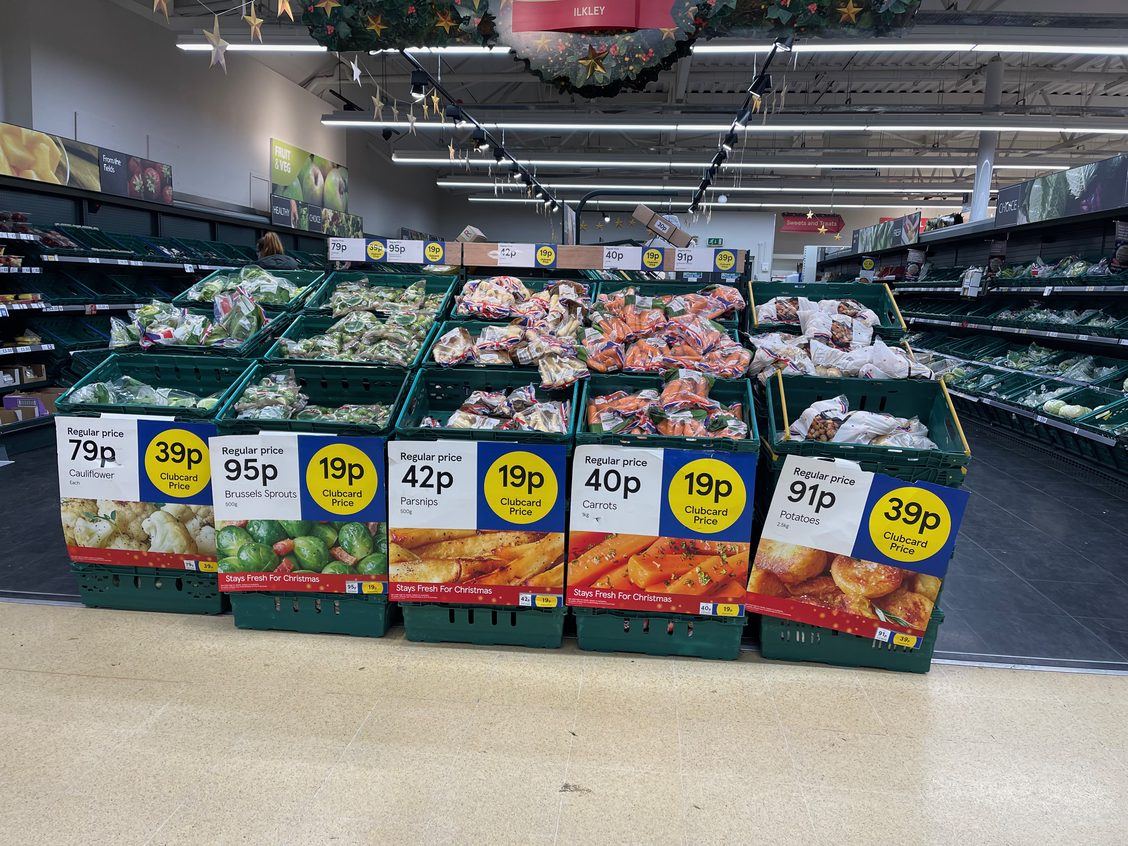
Produce prices and inflationWe saw at Christmas that key lines were reduced to 19p in all retailers, with Sainsbury’s joining the party with their Aldi price match, although that does alienate some customers who don’t want the 19p Veg.
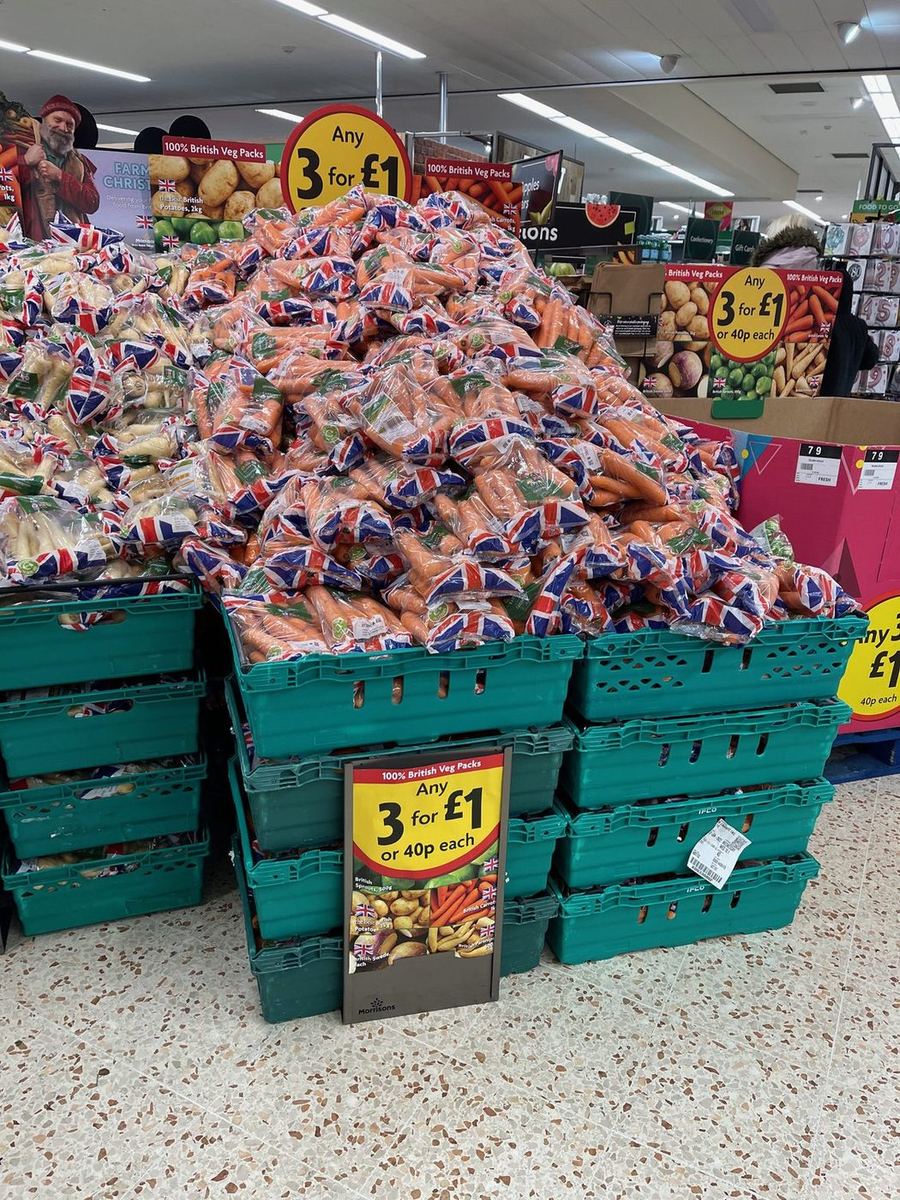
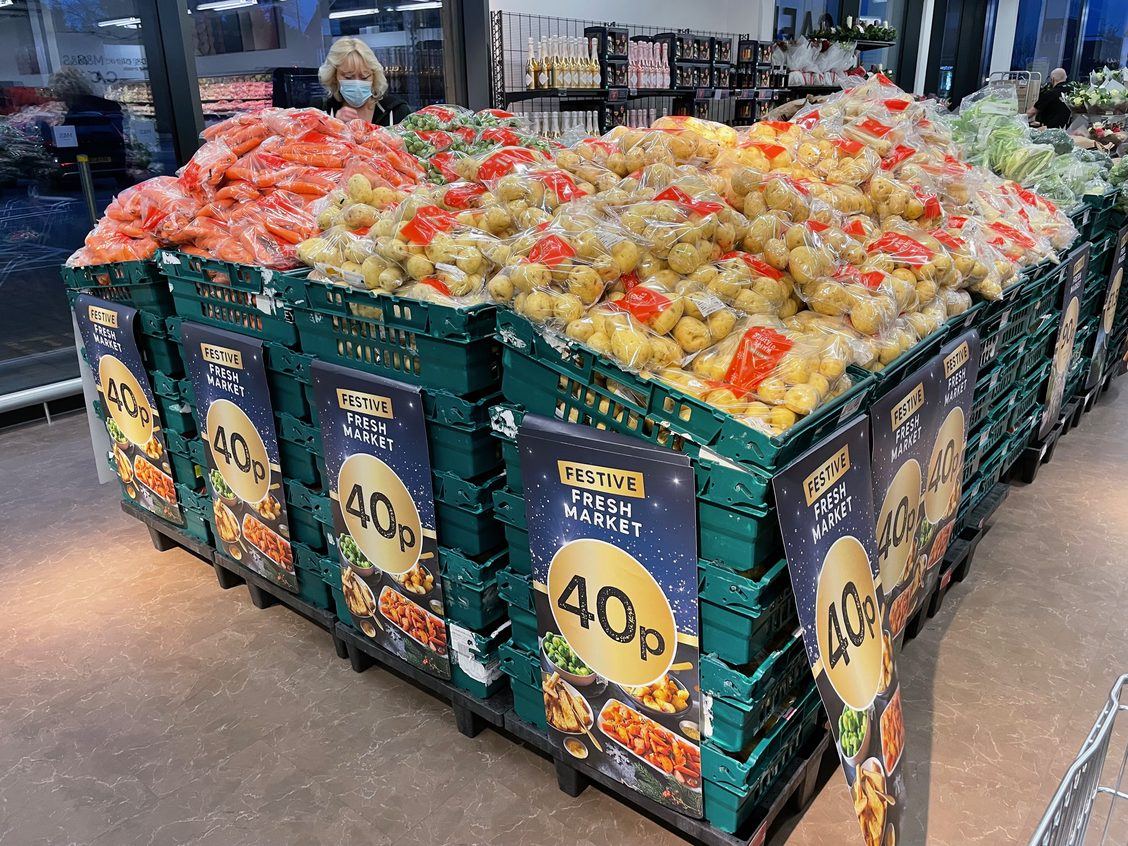
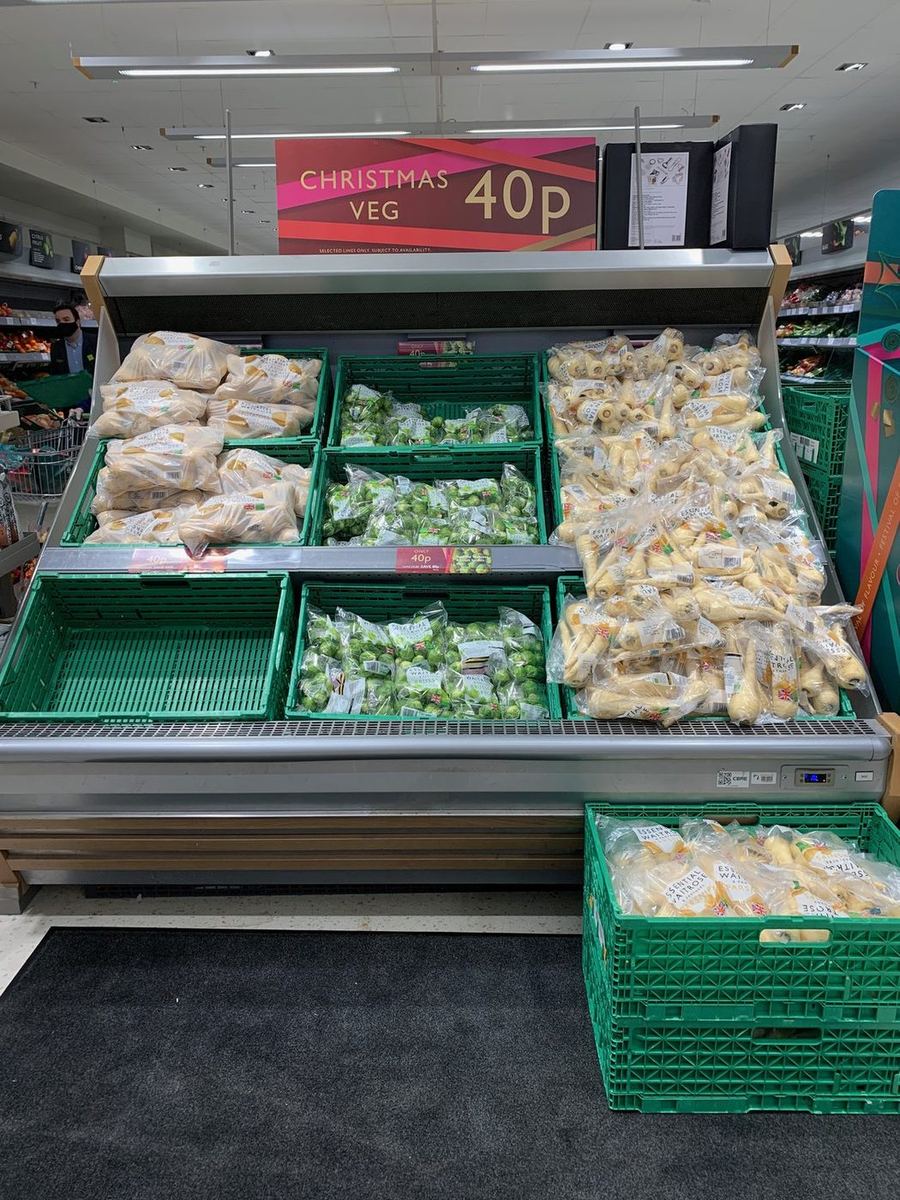
So it’s a balance, but Sainsbury’s had to do this, given the work by Tesco (pioneering) and Asda who dropped to 20p too. Alongside this, Morrisons ran their 3 for £1 deal (40p each) which was the same price (per pac) as both M&S and Waitrose. Albeit with a multibuy overlaid that meant the lines were cheaper.
Interestingly, Morrisons added some premium lines to the mix, via their “The Best” range of Potatoes. M&S ran their festive specials last year at 40p and this year, Waitrose matched up, a growing sign of their competitiveness.
Of course discounters remained at their record lows, with a race to the bottom almost as Aldi went down to c.9p nearer Christmas, reflecting the volume of stock left around. Asda were giving their Veg away nearer Christmas, rather than wasting it.
 The question is
What does it mean for 2022? Inflation is with us, well and truly, and there will be more price rises in the coming months as retailers grapple with numerous elements that all contribute to the rise in associated costs.
I have often said, if the current scenario was “war gamed”, it would be dismissed as too unrealistic. We have had the first global pandemic for a generation which was difficult enough and remains a huge challenge.
Whilst it’s not as unknown / deadly as it was in the first wave, we are now facing huge staff absence due to the prevalence of Omicron and where the NHS are struggling, you can bet your bottom dollar that retailers are facing the same absence levels and challenges around staffing stores.
Then the supply chain, with proximity of workers and nature of the work also facing in to higher transmission of any virus. Which then turns to supply chain challenges, the depots suffer with a similar problem due nature of work and how the depots physically operate. Contact can’t be avoided.
But alongside the COVID problems; we have seen Brexit become a reality and the “oven ready” deal look like anything but. Delays are commonplace due to a myriad of factors and the supply chain problems are just another factor now.
The latest changes sees the introduction of systems (that were not widely tested in the sector) so vehicles can come in to the country, with their loads declared. But as we know, delays can be apparent here and the border forces are not going to to let anything in, without declarations, which means errors are costly.
The labour forceThe secondary element of Brexit has impacted the labour force, there are issues around labour shortages across the world, with the US certainly struggling in a similar vein across the retail space. Post pandemic, it appears that people are reassessing their options and retail, for all the positives, can be a terrible career choice at the same time…….
But for the UK; we do have a labour shortage and the European imports for the most part worked and filled the gaps, especially in hospitality, food production and retail to an extent, too. Therefore Brexit has really taken a sledgehammer to the availability and flexibility of the labour force.
This has driven costs up, especially at an agency level as the simple economics of supply and demand take hold. We all know about the issues around HGV drivers and the lack of availability there, this has also contributed to the inflationary pressure.
Suddenly, costs have risen significantly around import/export, supply chain, stockholding increases (working capital tied up in stock due to the concerns over movement of goods). Then additional costs in logistics due to paying the drivers more, without any increase in productivity. (IE they suddenly can’t drive two wagons at once because they are paid more).
Not necessarily recession behaviourPost COVID; we saw pent up demand that was not like any recession we have experienced. Typically you expect widespread job losses and economic challenges, a lack of borrowing from the banks and the like. But with lockdown, furlough and the widespread state stimulus, this meant that people were at home without a great deal to do, other than decorate their homes/gardens and improve things, generally.
This pushed inflation northwards due to the supply challenges, where we know that supply chains closed down around the world which suddenly impacted long term supply for a period of time. Materials were harder to get hold of, delays are still commonplace (IKEA is often very uneven) and Lumber/Timber was at record highs for a number of months too.
Then the Suez canal was blocked which led to shortages…….(!)
Specifically for food?Where did this feed in to the food supply chain? Any time that Oil prices rise then we see a knock on effect, energy prices are through the roof as we know and again, when you consider the energy that goes in to food production, and the stores themselves - it’s a contributory factor.
Even packaging can’t escape, with a reduction in recycling rates due to COVID, alongside yields being far lower due to the COVID based delays. Added to the increase in e-commerce deliveries that use cardboard… Ready meals and other products that utilise Cardboard have been impacted by packaging delays. It never rains… But it pours.
Wage rises have to paid for, as does the increase in costs around simply moving goods from the EU to Britain and all that administrative work that now goes in to this. Alongside this, there is the potential for further costs around shorter dates (due to increases in shipping times) which then can lead to higher wastage in store.
The supply challenges have also caused markdown to be higher on seasonal events, particularly Christmas, where products like Christmas lights were landing in stores very late on, typically these are sold by the 1st week in December (once the trees are up). All of these factors, alongside rises in the living wage mean that things are stretched for retailers.
Alongside inflation - the structural change in the industry mean that the profits outlook can be bleaker and that harder work will be needed, just to maintain the status quo. Online groceries, although they have fallen away somewhat in recent months - the channel remains at record levels versus a world pre COVID.
Whilst this is great for retailers in terms of their online growth, there is no getting away from the fact that fulfilment of online groceries is expensive. The £1 delivery slots (the norm now capacity outstrips demand again) in no way cover the expense of picking, packing and then delivering the food.
It’s not going to be easy and consumers, largely insulated from the fall out by a significant fall in expenses (no holidays, or fewer, due to border closures etc alongside hospitality impacts so not as many meals out / drinks etc) alongside their income remaining steady via furlough, self employment schemes (not all, but many were protected) are now facing a rise in energy, food price inflation and wages not moving anywhere near inflation.
Plus the surprise interest rate rise will catch people short too and there will likely be more rises on the horizon. This is challenging because customers have become accustomed to record low interest rates, indeed, some homeowners will have never known rates above 0.25% in any case, ever.
Challenges everywhere and whilst prices need to rise; it’s a fact, given the pressures across the supply chains and the costs that have come with it….. The skill of any retailer is managing the rises in a way that leaves the customer feeling as though they are still getting value for money.
Meaning key lines being as low as possible is key, as are promotions and providing good, honest, everyday value. One area where the discounters are very, very, strong indeed.
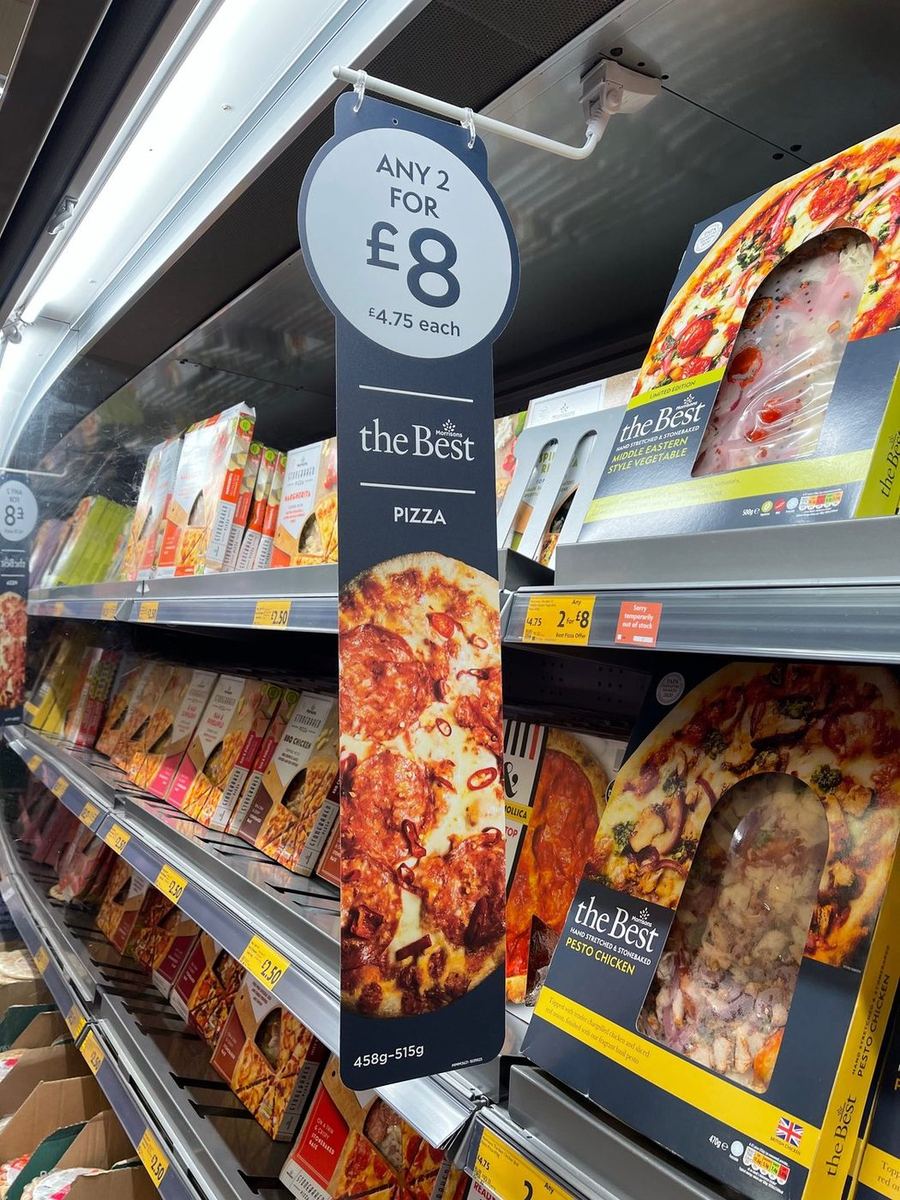
Also important? Removing all signage relating to old deals. Thus not highlighting poorer value promotions to customers, where the value proposition has changed via inflation.
All to play for this year of course and there’ll be plenty of twists and turns on the way to keep us all occupied.
From the Grocery Insight newsletter archive, first sent to subscribers on 7 January 2022. Steve now writes at read.groceryinsight.com. See also the blog archive and briefings.