Tier 4
20 December 2020
To subscribe to this service and benefit from our expertise
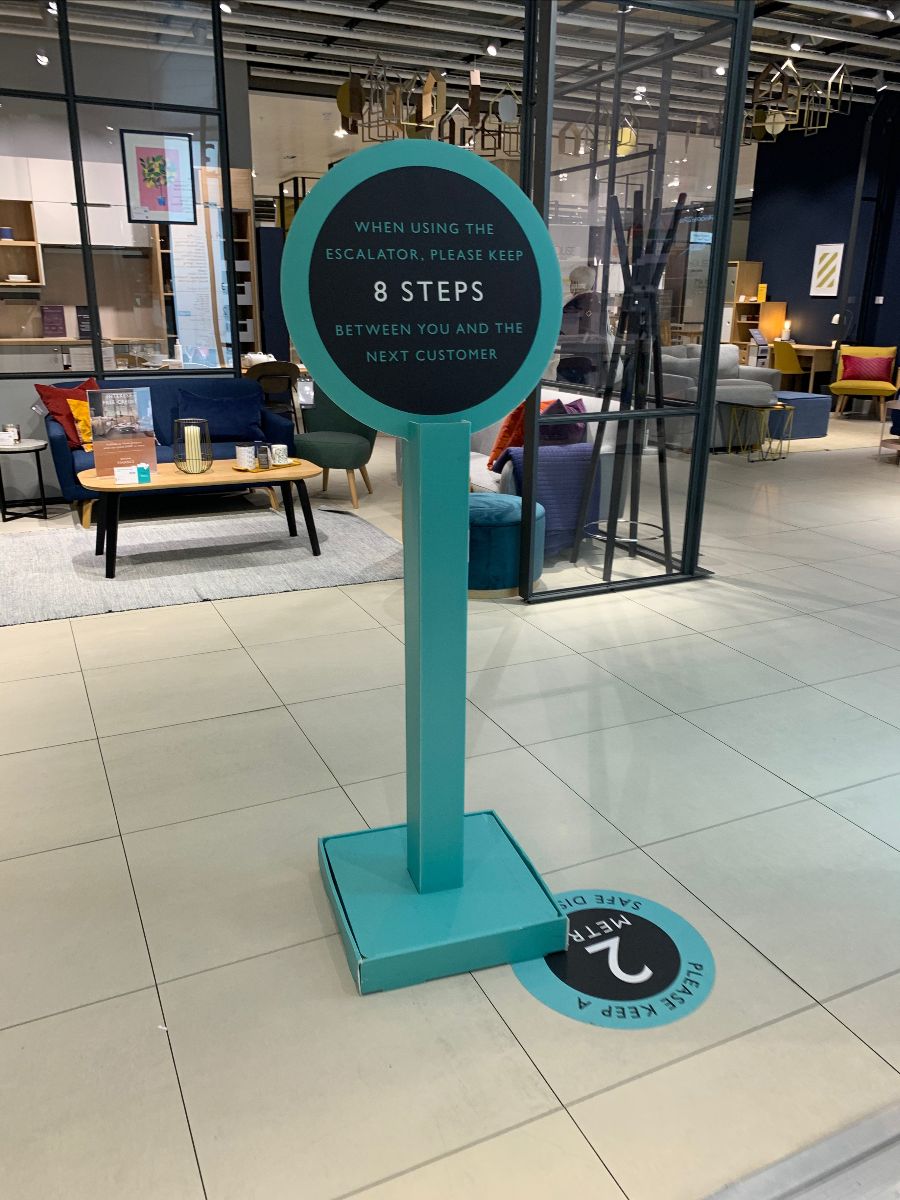
More tears for retailers, especially non essential retailers with the latest announcement around a move to a tier that didn't exist until 4pm yesterday.
Whilst the new mutant strain is spreading faster, we don't yet know what effect it has on the mortality, however, the challenge, as it always has been, that it spreads from those with healthy immune systems to those who are vulnerable and indeed, then leads to higher deaths that way.
The reality is that, the timing is dreadful. There's never a good time to impose such regulations but when the health secretary mentioned this strain earlier in the week and then the Labour leader spoke to the Prime Minister at PMQ's on Wednesday.
He was accused of trying to cancel Christmas, which Boris then did, yesterday. Wales then followed and brought their action forward, with Northern Ireland already having announced restrictions for 6 weeks from 26th December.
Scotland close their non essential stores for 3 weeks from 26th December. The January sale is heavily impacted too.
On the 19th December, meaning that non essential retail in the south of England is decimated, coupled with the non essential retail closures in November, the pent up demand was being realised somewhat in December.
Despite online growth, the logistics networks and Royal Mail are now experiencing delays, the impact of this isn't necessarily volume (although that doesn't help) rather the social distancing requirements in depots and warehouses and then the absence of people who are either absent due to COVID19 or indeed, self isolating due to test/trace or a close contact testing positive.
So this backs up and people like to shop and we've seen some rise in shopping trips in recent days, with queues forming at shopping centres, exacerbated by the social distancing of course which means that queues form due to the limits on the number of people in stores at any one time.
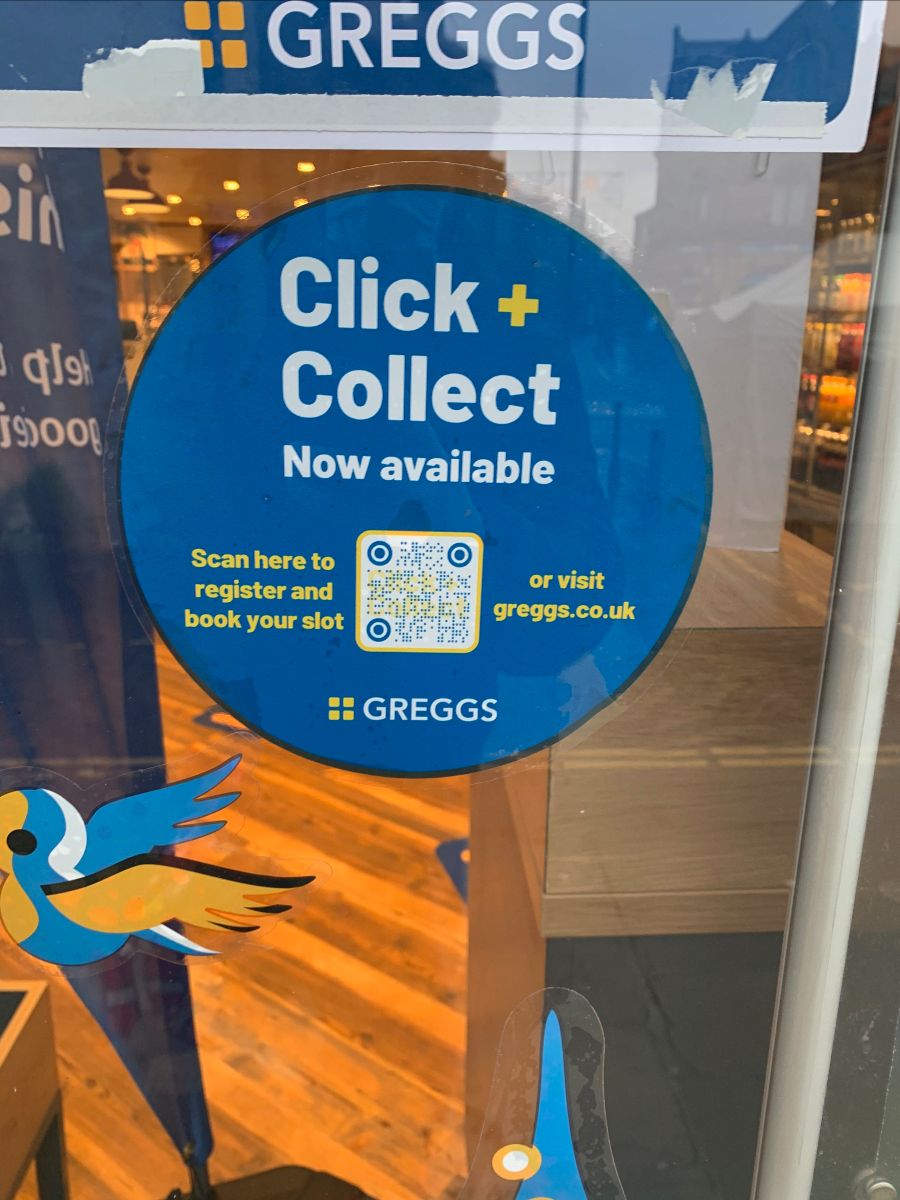
Pivoting is a new business phrase for 2020. Greggs showing a great example of pivoting, with their click and collect offering for customers.
For the wider retail world, there are so many questions. The whys and wherefores of the late call, Christmas being changed, plans adjusted, self isolation wasted and all the food potentially wasted as well.
Alongside this; there are a number of people who are now either displaced, or had their plans changed and have to go shopping, which is something we highlighted the other day.
Online slots have gone, as have pre order slots which means they'll converge on the retailer and with the closure of non-essential in the appropriate areas, a boon for retailers trading the last of their gifts and homeware products.
It also means positive news for B&M and Home Bargains who are able to take advantage of their 'essential' retail status and for the larger retailers, better news on their markdown which is likely to be significantly reduced in terms of full price sales, given the increased trade in the coming days.
However, as one area 'wins', another must lose and for non-essential retail, the closure, on the 19th December is tragic. The death knell for the sector in some cases, however, the BRC have spoken about it like John Lewis have closed two branches, or the White Stuff ran out of table covers, with phrases such as 'hugely regrettable'.
Consequences for the sector will be severe they said, severe. Honestly, it's end of times and retail needs better representation, there needs to be a proper support package, backed by government stimulus in the form of vouchers, if necessary given the news.
If we stop to think about the impact on non-essential retail, it is literally, huge. The challenges being so close to Christmas are that stores have stocked up with staff, many will be on overtime, or temps working until the big day.
What about those? Do they still get paid? Comes too late for furlough I believe.
The level of stock will still be significant and the lack of trade in November due to closure shouldn't be underestimated either, therefore the markdown will be significant here, perhaps near obliterating the year's profits given the lack of opportunity to sell the stock after Christmas (tier review at end of December but no changes expected).
Then as time passes, the stock becomes less relevant and thus, discounts rise which further impacts profitability. Factor in depressed spending (post Christmas, it always happens) and the prospect of further job losses, people are not going to be buying gift sets at any price, as it makes no sense.
I appreciate that there is a chance to move the stock to other stores, but at this short notice? How can anyone mobilise their logistics network with no notice? It's near impossible to get the stock moved en masse, and indeed, John Lewis have 16 of their stores closed, for example.
The lack of any acknowledgment for the timing, but also the severity of the closure was a real surprise. The question was finally asked by a journalist right at the end (believe FT) but it was merely brushed off with mentions of furlough and the loan scheme (both introduced in March, not December when the legs were cut off the sector at the busiest time of the year).
It's the usual tale, £xx billion spent and we stand ready to help. But the reality is, financial compensation is not even mentioned, but it needs to happen. Proper support for the sector, because the closure, after November, where trade was lost also is essentially the death knell.
They may as well have not bothered spending anything if the support is cut off now. it makes zero sense to expect businesses to support themselves when it's a government mandated closure, especially at peak trade, so close to the big day.
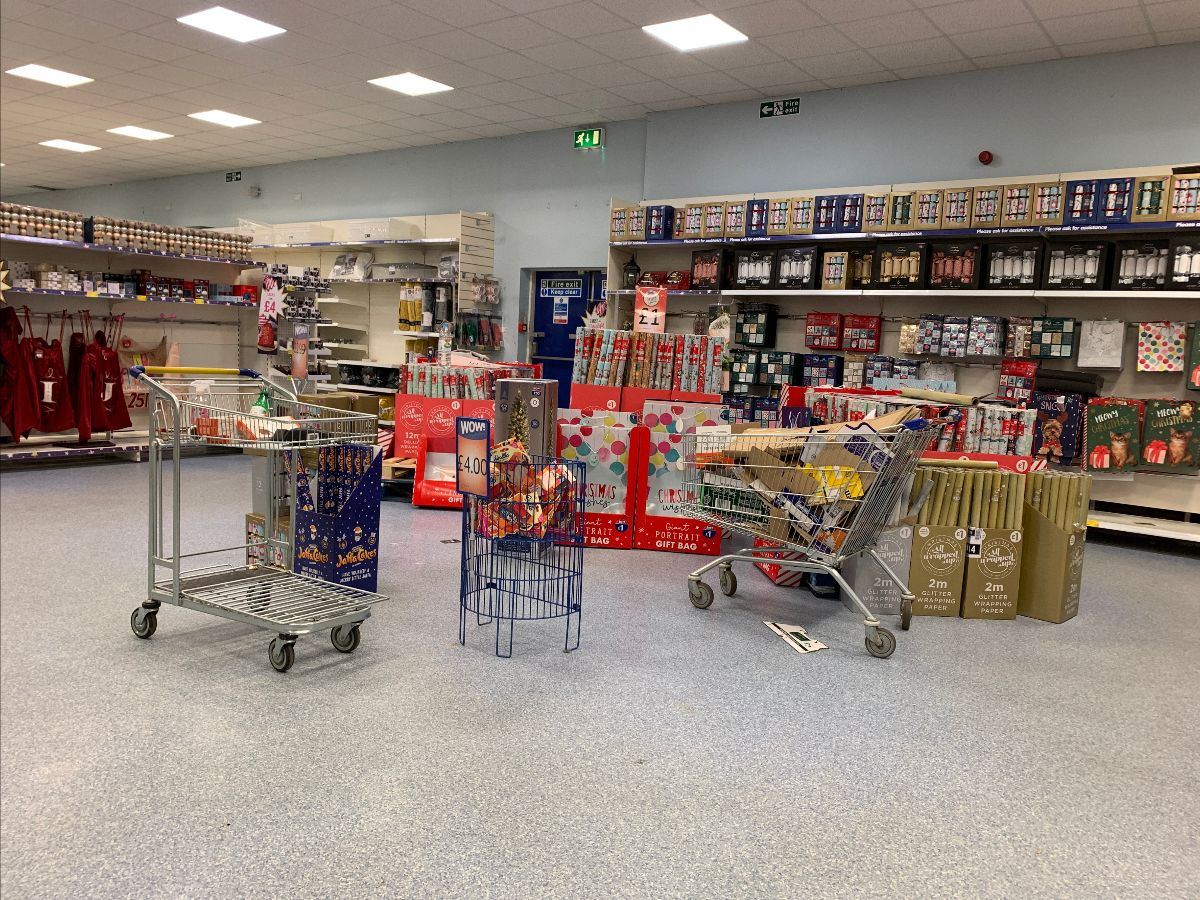
Sales on decorations and other festive lines look to have been very strong at B&M as customers flocked to their stores in November to stock up and decorate their homes.
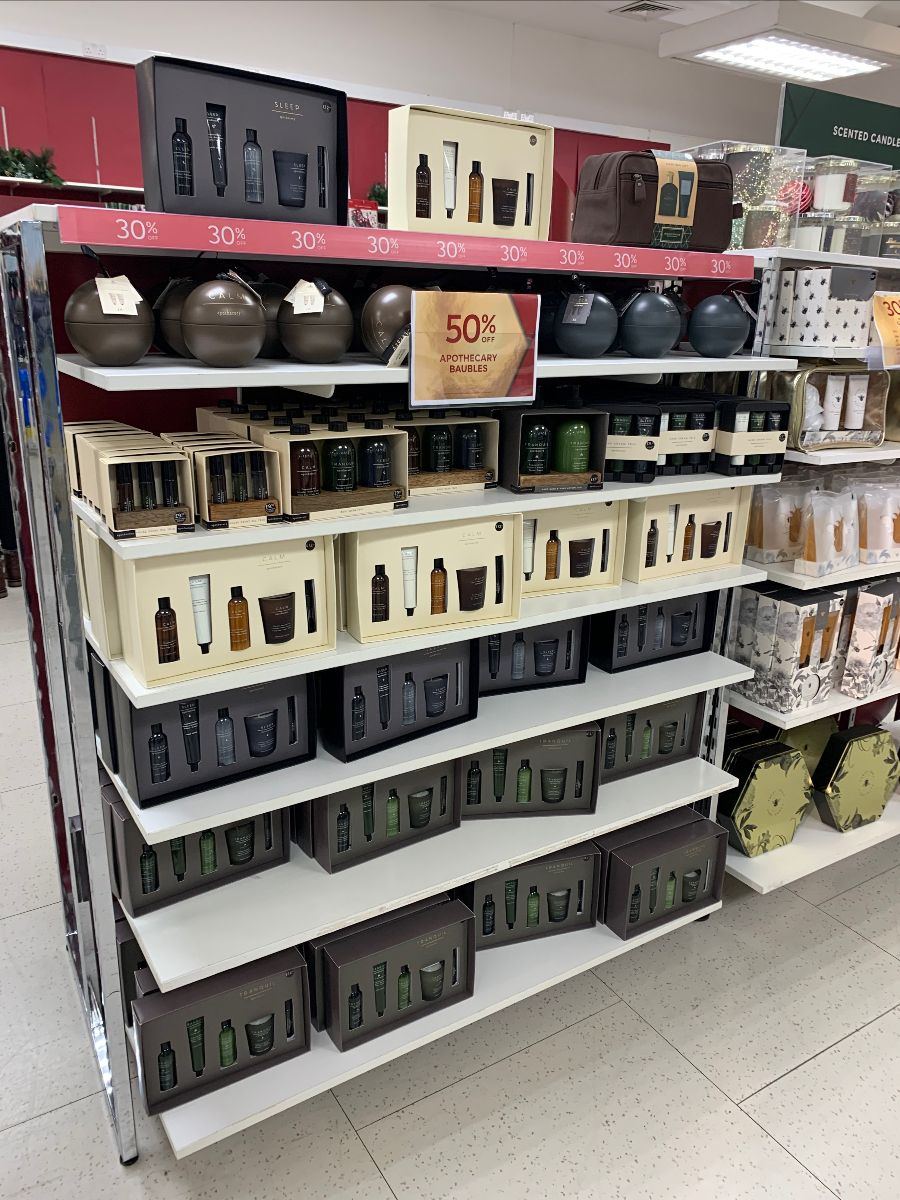
For the major retailers, it's bad news for M&S who have been hammered by their franchise stores struggling alongside their travel outlets which have been clobbered by a huge decline in rail and air travel too.
Alongside this; the stop/start nature of the non-essential retail closure means that some stores have performed well, with others seeing a sharp drop off in trade as the clothing/home areas of the store were closed off.
The main challenge for M&S, alongside convenience sites for Sainsbury's, Tesco and the Coop is the city centre's which have been bereft of customers for many months, even when open, trade has been sharply down.
For the tier 4 stores in city centres, the trade will be vastly different but still, food outlets will open. However their performance will be inherently unclear. Will customers venture to a city centre M&S in tier 4, thinking it'll be quieter?
Who knows? The non essential area of the store will be lumbered with markdown and a picture of clearance and no visibility when that will be able to be cleared through.
For John Lewis, Waitrose will perform better, one would think than expected given the increased volumes of John Lewis parcels (although the Coop also offer this service for JL, so should see a boost) driving footfall alongside their food offer and standalone locations.

For food retail; the news is likely to be greeted with broad indifference. No one ever turns their nose up at extra trade but how it's come about is deeply unpleasant.
Stores with a southern tilt (IE Tesco / Sainsbury's) are likely to see a boon for sales given the tier 4 restrictions but also, the rest of the country are largely in tier 3, with a lack of areas going to tier 2 had already set things up for a stronger festive period.
Non Food and Gifting which often creates issues around markdown is likely to be largely sold through as customers hunt for gifts and the food shop will also benefit, with more customers needing to buy in this year.
Indeed, the early appearance of the January sales lines (cheaper electricals, headphones, health and fitness products) designed to drive post Christmas spend should sell better pre Christmas (the ranges often appear pre Xmas anyway due to space opening up) as some of the range can offer gifting opportunities.
But for the rest of retail (we have focused upon John Lewis / Waitrose and M&S given their food focus) the outlook is all kinds of grim. Closing in March, with furlough and rates waived is fine, to a point.
November closure was inconvenient to say the least, given that trade picks up but then it was all set up for a bumper Christmas. But closure with virtually zero notice on 19th December, just as things get going, with the busiest 4 days of the year ahead is unforgiveable.
Understand the need to move at pace, but unless there is a real package to resscue the sector, it will be bad news for 2021, and beyond.
Whilst online exists, you can't just wave away physical retail because 'oh amazon' or 'oh, we are moving to ecommerce anyway' whilst shutting down physical retail stores without any form of acknowledgment of the challenges it brings.
Not just the sales, but the associated issues around managing stores, stock levels, markdown, when will that be cleared? January sales, another key time for department stores and the high street is also largely cancelled in tier 4, and if cases rise elsewhere, as they have in the south, then further restrictions will be placed on the rest of the nation too.
The outlook is very poor indeed. Merry Christmas.
From the Grocery Insight newsletter archive, first sent to subscribers on 20 December 2020. Steve now writes at read.groceryinsight.com. See also the blog archive and briefings.