*sample content* HFSS - Change incoming
10 February 2022
View this email in your browser
Why not subscribe to this industry leading insight service?Need further perspective on HFSS? Click here.Retail by Email - Issue 466 - HFSSWhat is HFSS and what’s changing?HFSS is the intended UK regulation of Foods that are High in Fat, Sugar and Salt. The precise definition is reasonably tight and the government has a calculator to allows people to work out which products fall inside, our outside the new rules, based on their nutritional information.
The nutritional model calculates numerous factors around each product and its nutritional information. Any product that scores 4, or higher, for a food item and 1, or more, if its a drink is classified as HFSS and thus, can’t be displayed in high traffic (ends, checkouts, tills) areas in store (whether they’re on promotion, or full price).
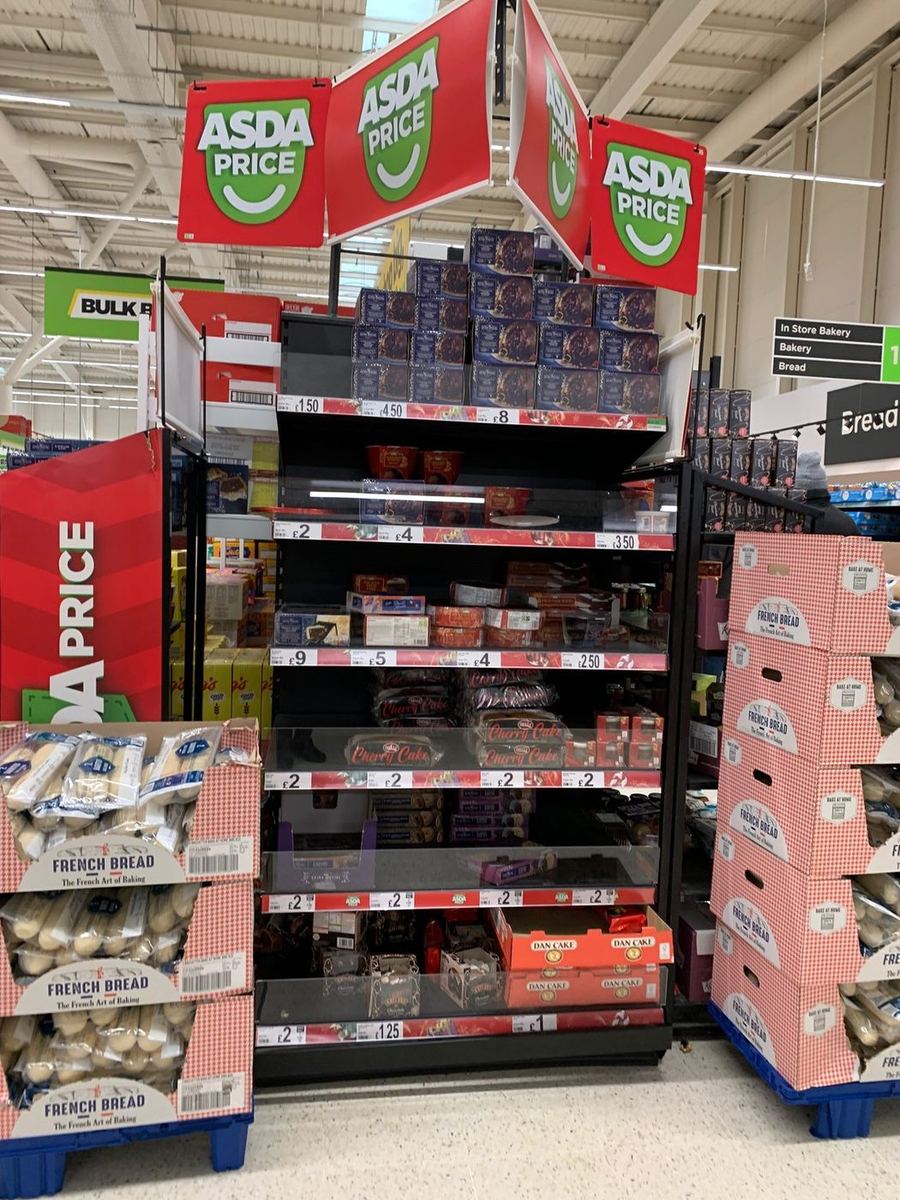
These changes are to help resolve a growing obesity crisis for the UK. With government implementing legislation that will prevent retailers displaying products that are classified as HFSS (high in fat, sugar and salt) in prime locations around the store, and limit deals to a pure ‘save’ mechanic.
What will change in store?Central and Checkout aisle ends (gondola ends/end caps) will not feature anything that is classified as HFSS (in the respective categories). Also prohibited is the locating of any shipper, stack, ladder rack etc in this primary space - IE where customers will see it. Store foyers are also banned for the HFSS products.
We can see in the examples from a Sainsbury’s trial store here; they are experimenting using paid partnerships with healthier brands, like Graze.
Alongside removing a number of ends entirely and replacing them with digital and fixed print based signage also.
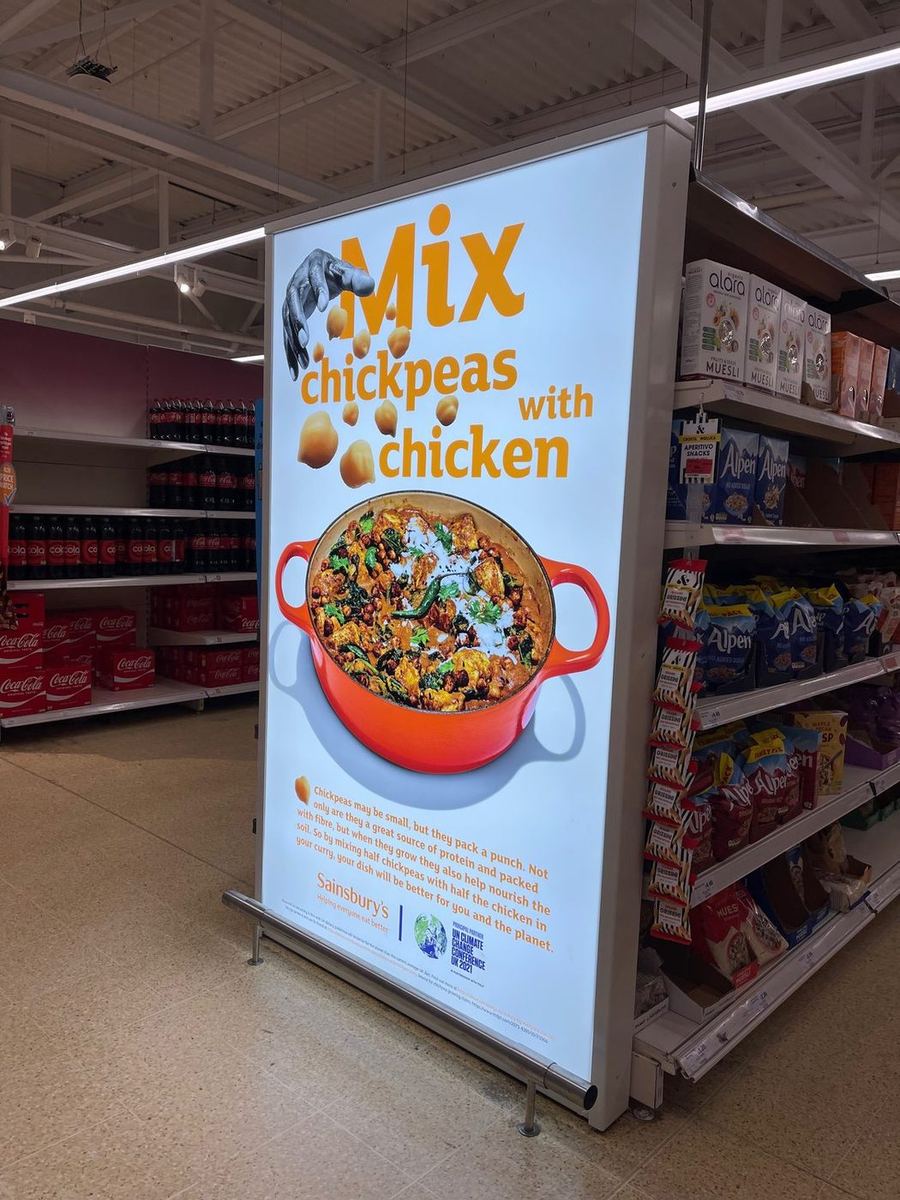
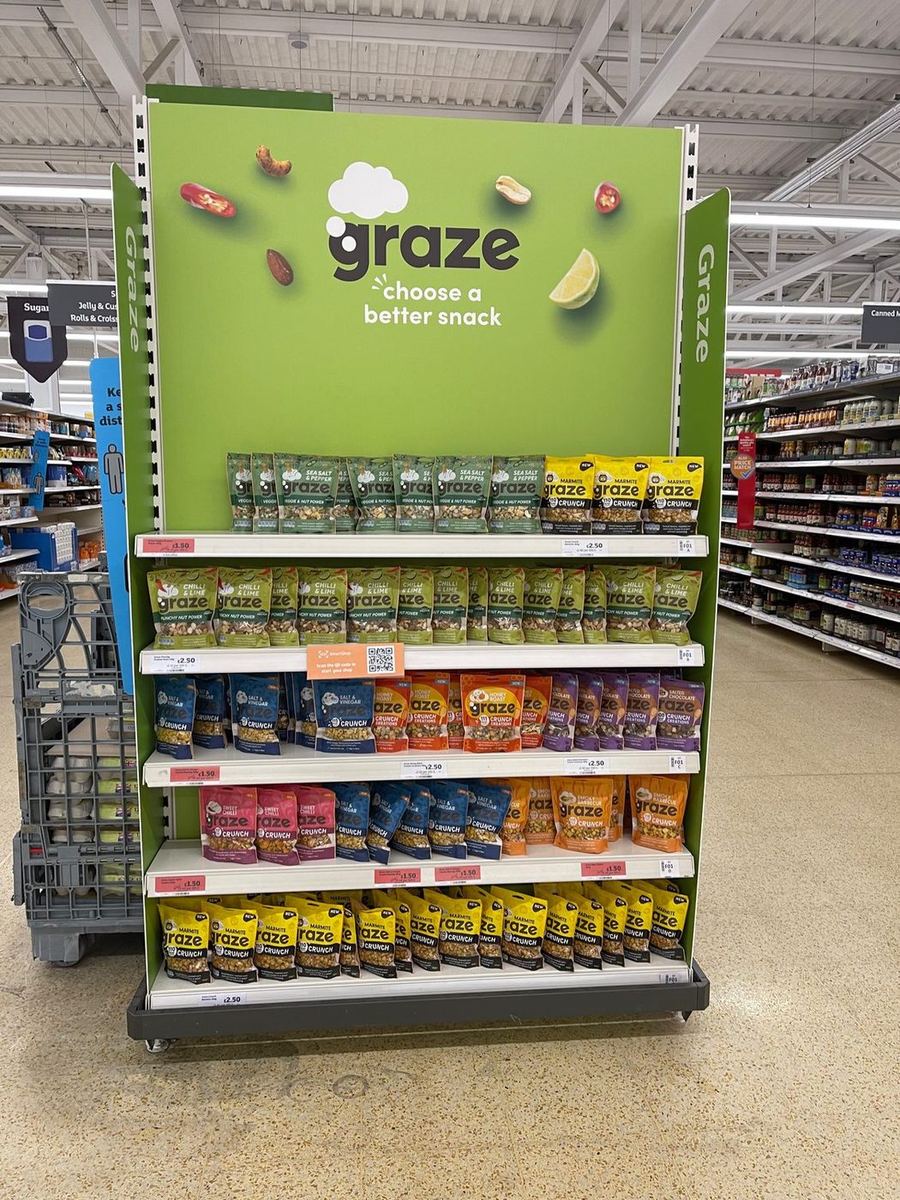
One example of a HFSS friendly end in a Sainsbury’s “trial” store.
Fresh Foods and Frozen Foods are also impacted with the rule changes. Although any ‘meal deal’ can remain in place as that deal brings the overall cost of buying products down, so Dine in for 2 can continue apace!
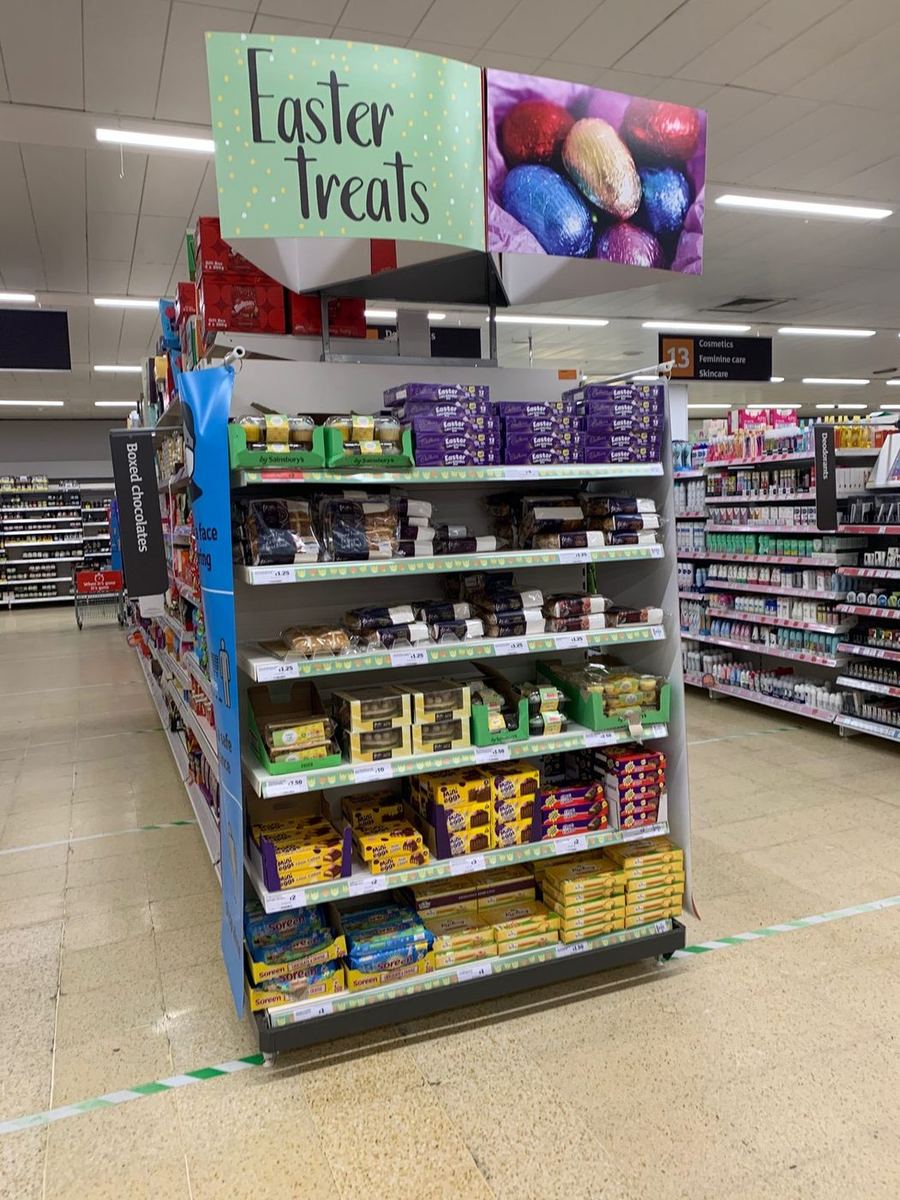
In addition to the prohibition of ends and other secondary sites for HFSS products, store entrances are not to be used either for trading these products. Which immediately puts the brakes on numerous trade driving activities via Cadbury’s and the other impulse based suppliers, alongside making the trading of seasonal events notably difficult.
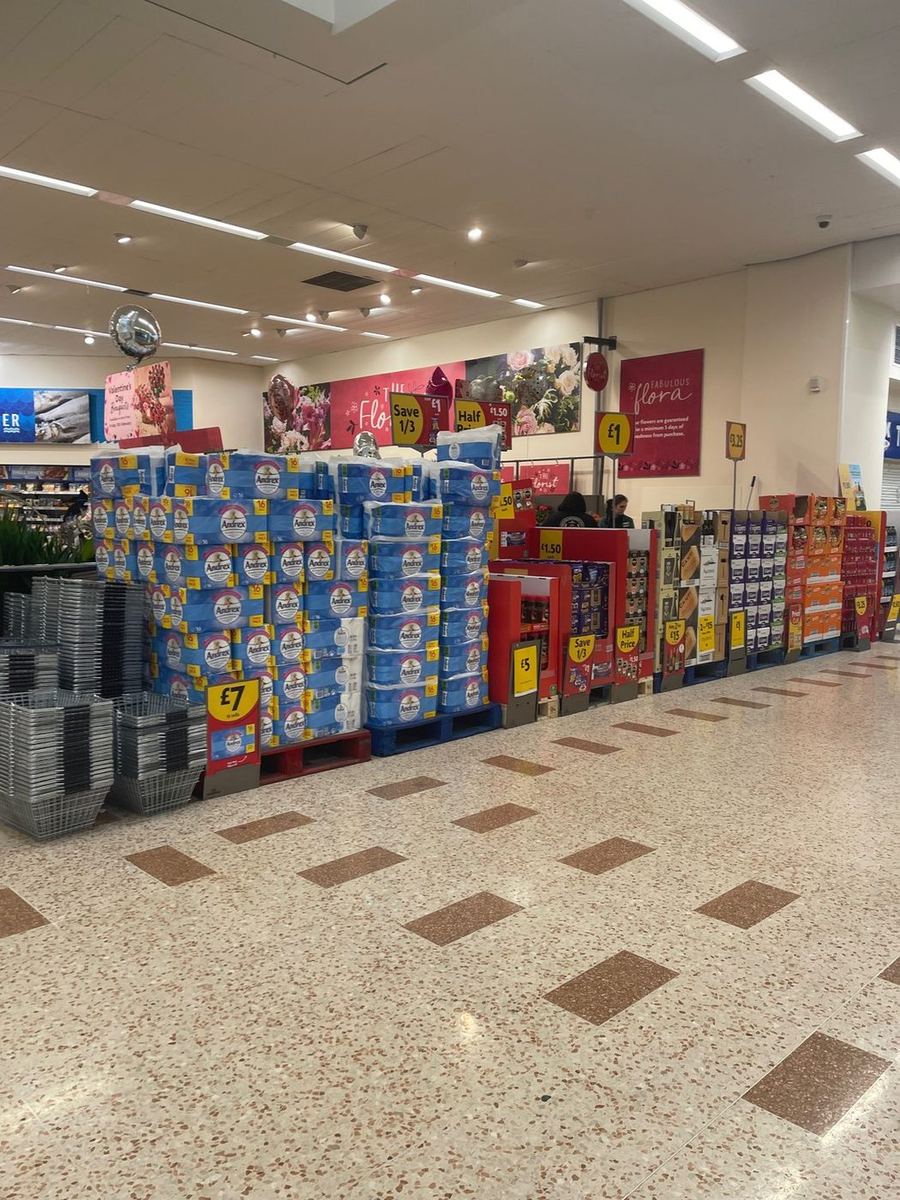
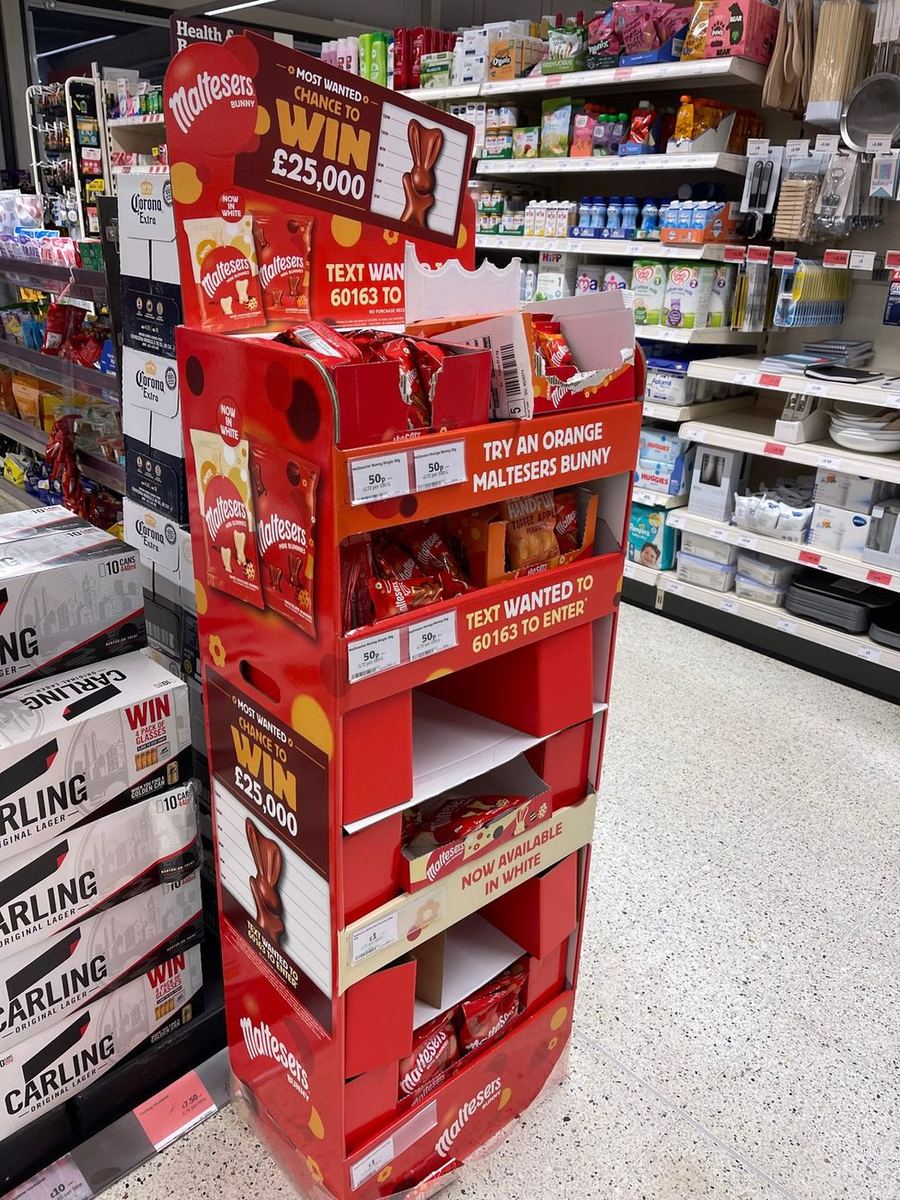
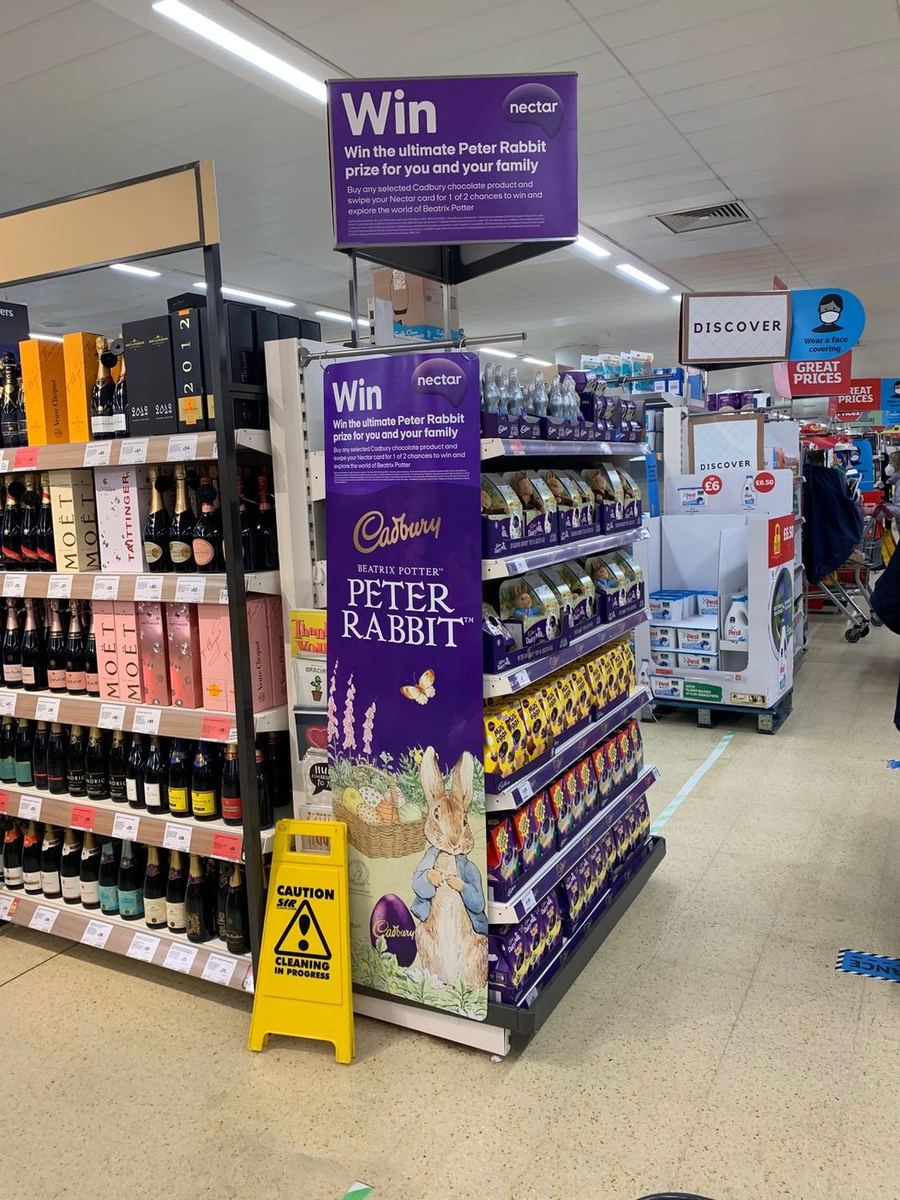
Confectionery is often featured in store foyers and entrances. More so at Halloween and Christmas, with Easter an obvious issue, also.
Some changes to the law are largely irrelevant however. The industry has made moves to change Sweets being located at checkouts for example. There are no retailers selling confectionery at checkouts, any longer.
In addition the restriction around deal mechanic, such as barring BOGOF (Buy one, get one free) and 3 for 2 on HFSS products have already largely ended en masse too.
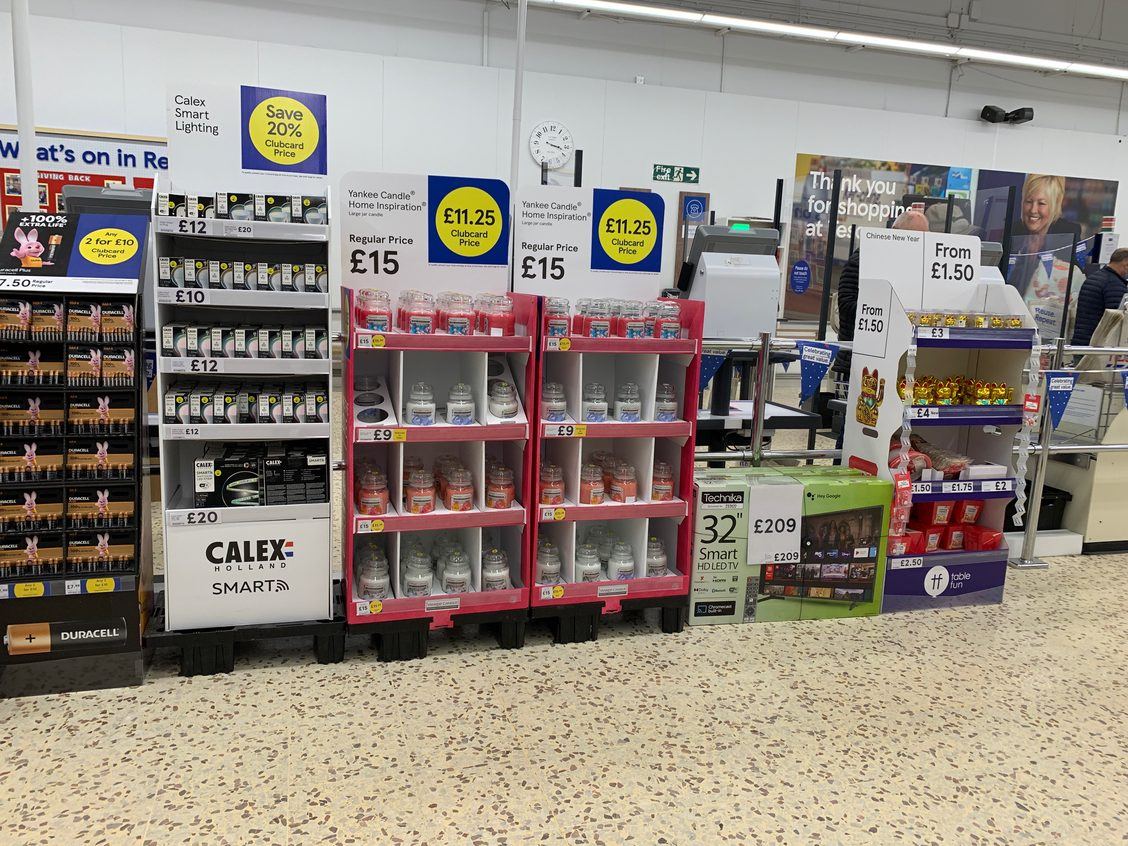
A somewhat HFSS friendlier shipper run near checkouts in Tesco.
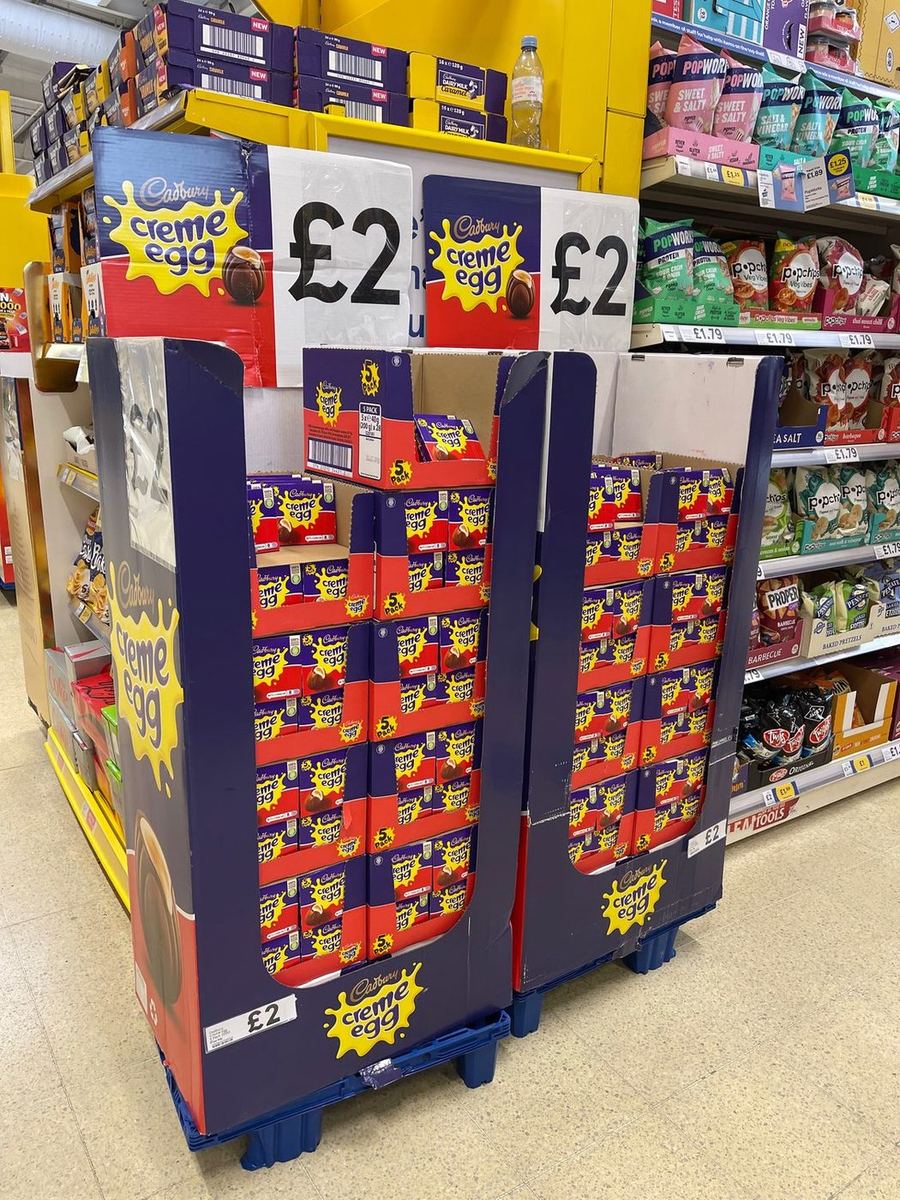
Seasonal events are also affected, no more HFSS shipper units from October .
The only feasible location for the display of HFSS promotions is the back aisle (IE at the back of the store) and in aisle hotspots too, (see below). Even then, there can be confusion over what the back aisle specifically looks like to a customer and whether there is any point utilising this space (lower footfall).
In reality for stores, it’s literally a case by case situation. Some stores that are smaller may be able to put some deals together on the back wall / back aisle anyway due to their smaller size. But for larger stores, those deals would be ‘out of flow’ for customers (IE quieter areas).
Deals are adjusted of course and the secondary space will be gleefully snapped up by other suppliers and categories (Household etc) alongside healthier products featured on said ends too, but it still leaves a gap between excess space and what’s actually required.
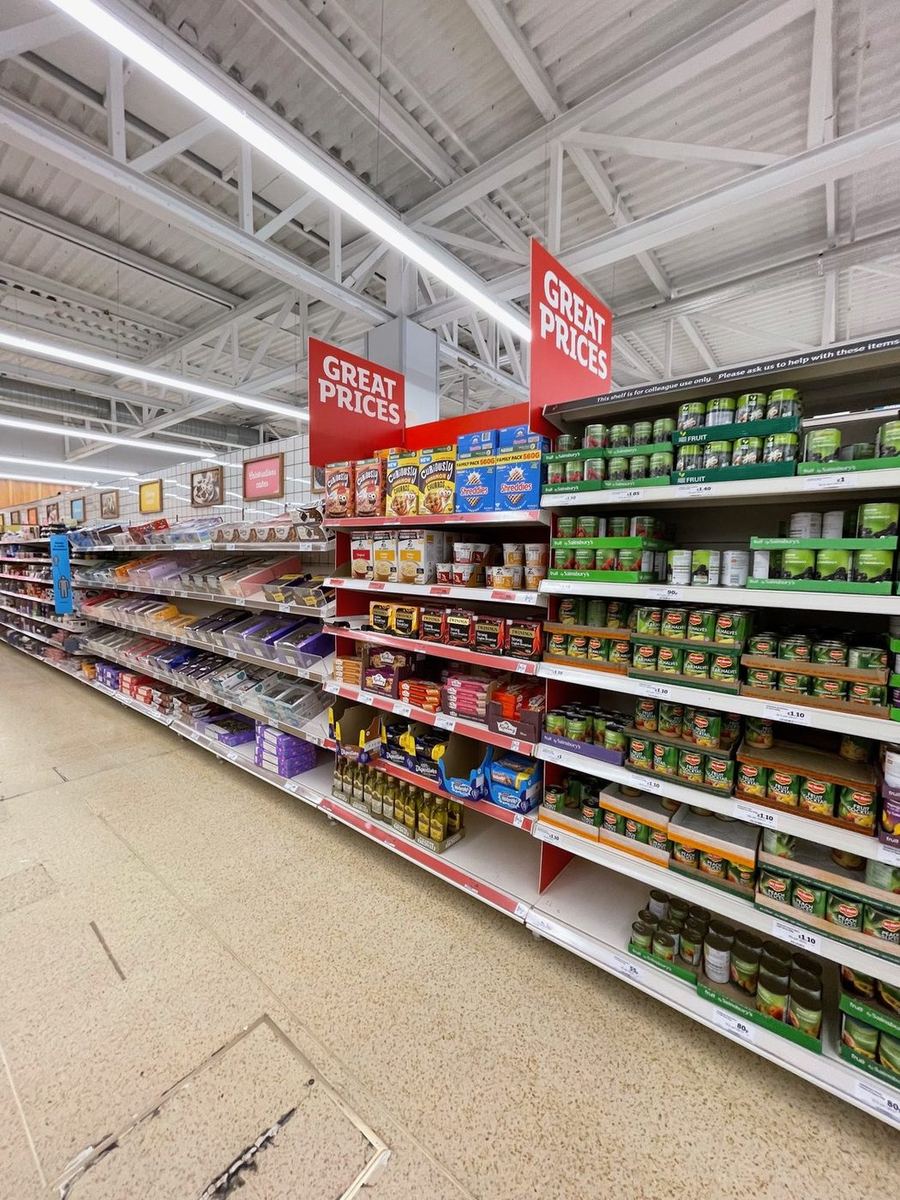
Also who puts all their deals together in a retail sense, on a back wall for example? Ends work because you can ‘break things up’ and jolt a customer to look at what the retailer has got on offer.
Why not subscribe to this industry leading insight service?Hotspots are ideal for this, with a bay ‘freed up’ on the end to potentially allow for a space swap for the core ranges.
Shopper convenience is also a factor and retailers have a lot to weigh up here, as do suppliers too.
Suppliers such as Mars, Mondelez and Nestle are suddenly faced with their products being in very real competition in the core aisle space, where they trade their wares on a daily basis. Featured space is a must.
Which products are affected?A great number of categories were in scope initially, but a number were removed post the initial consultation. However the usual suspects are all caught in the crossfire: Chocolate, Ice Cream, Crisps, Baked Goods, Pizza, the list goes on and on.
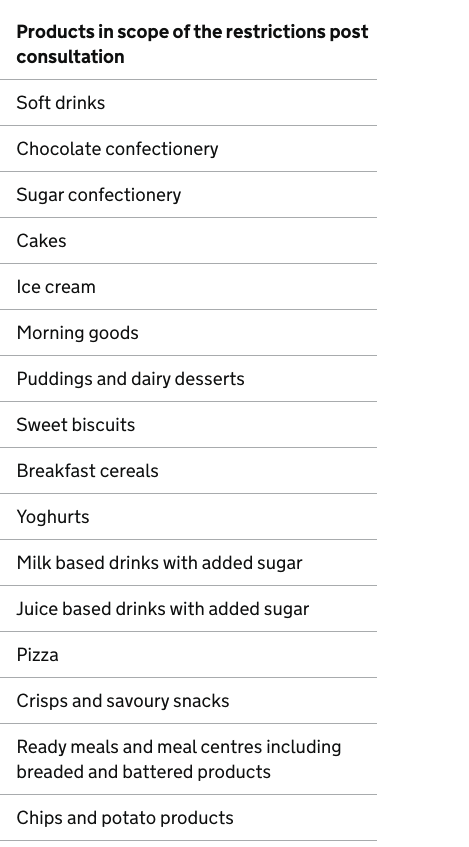 Rules changing around promotions
There are also rule changes around multibuys and other deals that incentivise volume buying, these are to be eliminated too.
This means that retailers suddenly find themselves landlocked in terms of the space they have available and how they may market that to other suppliers, who are unaffected by this change.
Forcing suppliers to think differently about how they activate deals in store and how they stand out in a crowded category. Think of Confectionery with all the big brands there, huge challenges to create stand out.
But for some retailers; some of which are still too reliant on “easy” money via the likes of Cadbury’s and Mars, adding numerous branded messages and putting similar deals on, month after month.
It’s time for some longer term thinking.
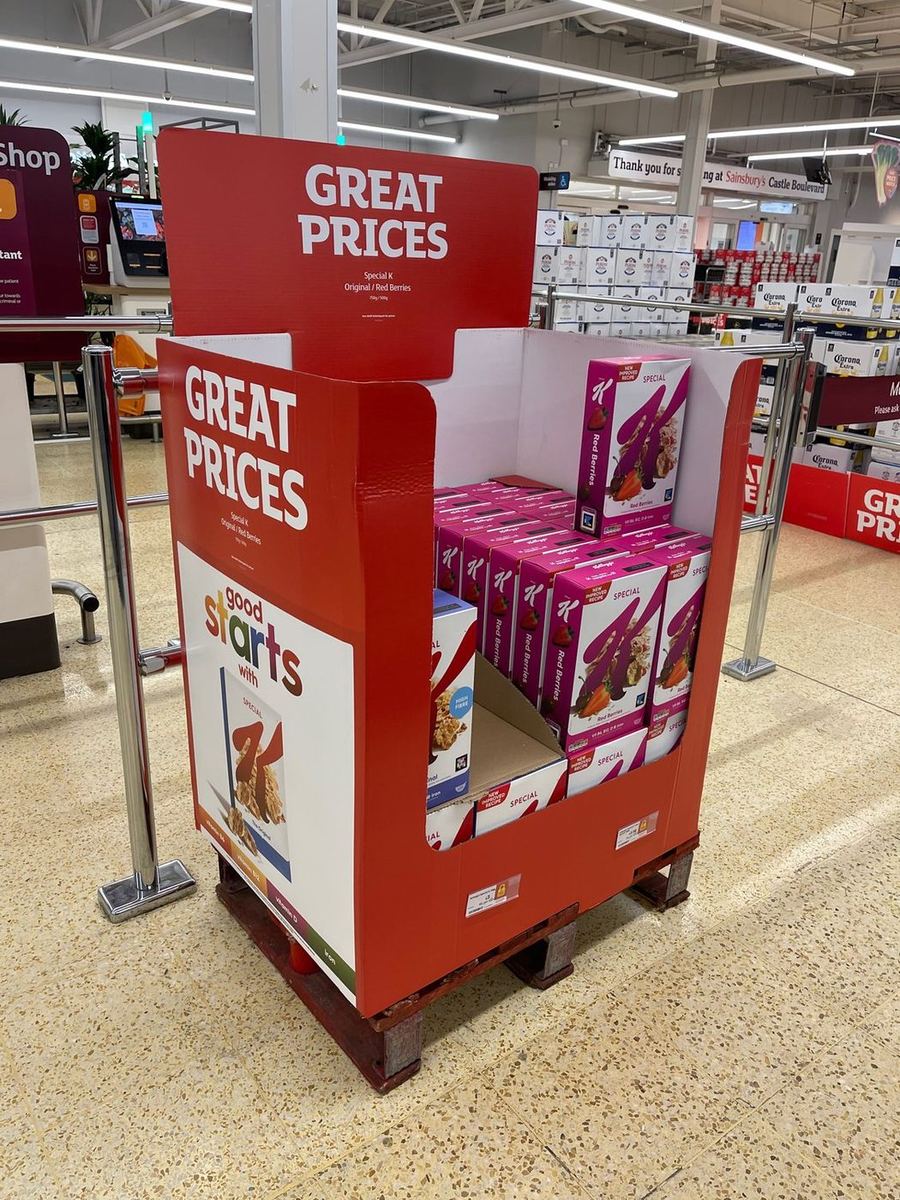
Healthier Cereals would be allowed to be featured; presumably as they’d fall beneath the scoring using the government’s model.
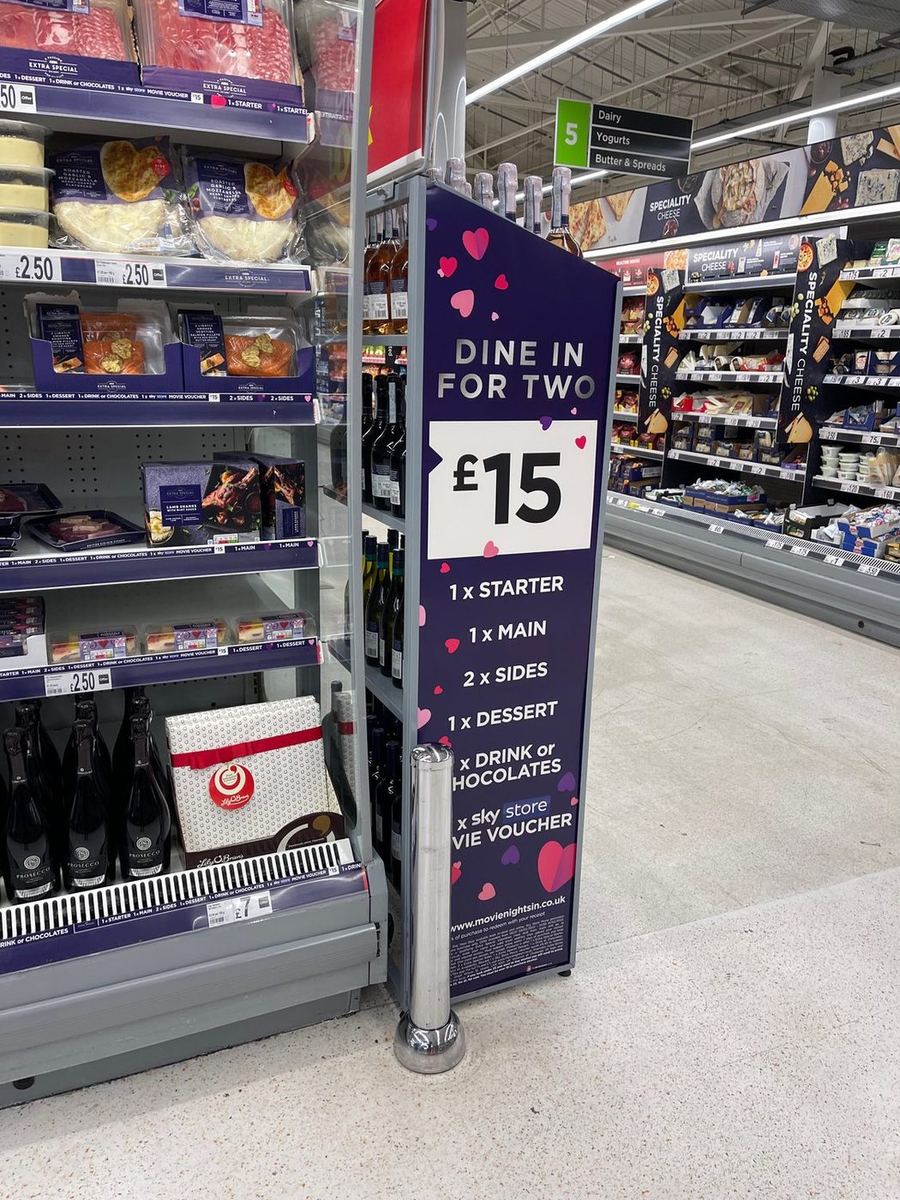
Meal deals and “Dine In” are permitted, despite being multibuy based deals that save money and encourage the volume purchase. This was clarified in updated guidance and permitted because it saves the customer money and is for a specific occasion, not to ‘stock up’.
Alongside these changes, there are more. Any product that is marked as “extra free”. where the customer gets 8 bars for the price of 6 (for example) or ‘big packs’ etc are also to be banned and sold through some 6 months post legislation.
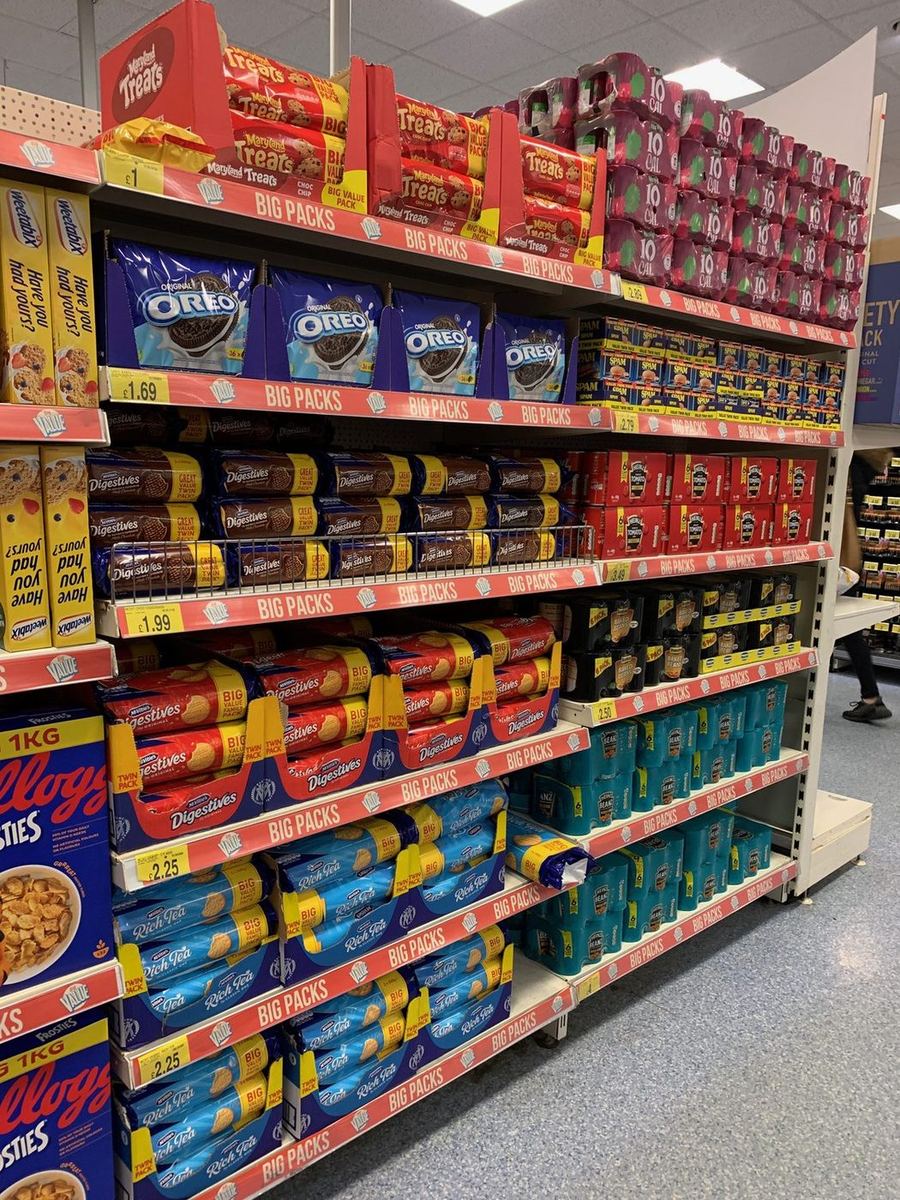
These on pack deals that are beloved of the discounters and variety stores like B&M (alongside the suppliers themselves) are to be outlawed in full.
Which does pose problems for suppliers who sell in to variety/discount alongside the main bigger retailers with the same pack size, albeit with one indicating it’s a short term promotional pack.
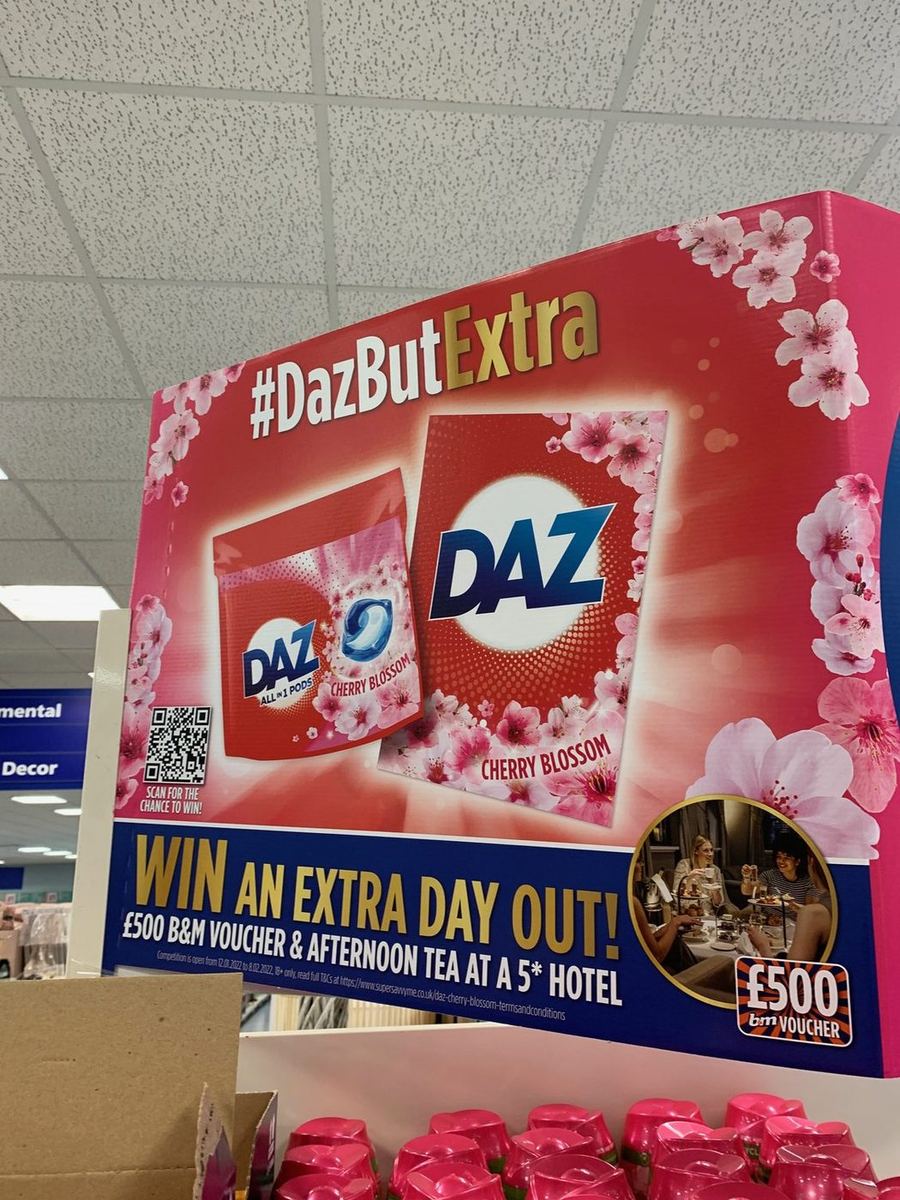
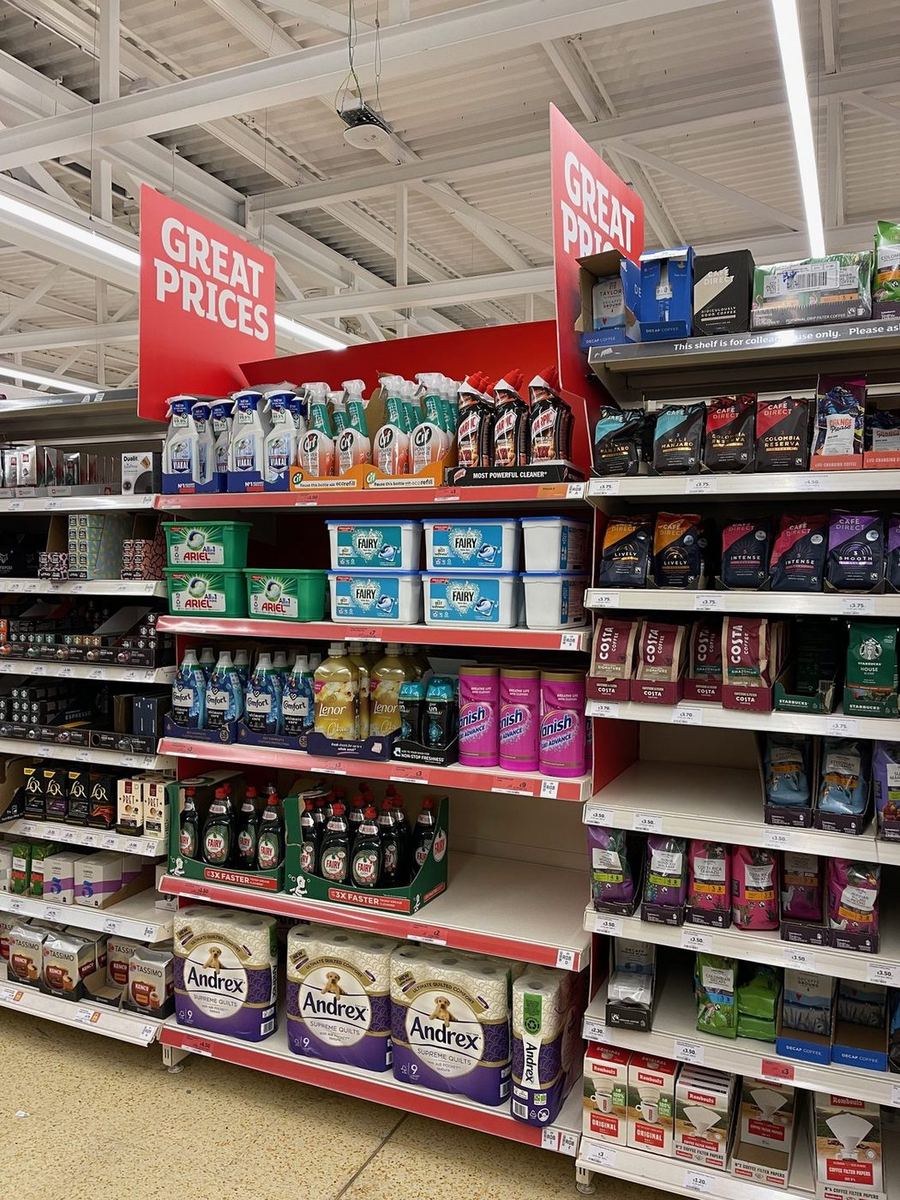
Good times for Household suppliers like P&G though; they’re going to have the run of the central aisle featured space alongside other sub categories (and products) that are permitted to be featured.
That said, Sainsbury’s were utilising their hotspots in the trial store to trade Household and other categories alongside the outlawed HFSS foods. This one is in the middle of the aisle dedicated for Tea & Coffee.
Designed to “jolt” the customer in to buying, clearly.
 Who benefits from this legislation?
 Boon times for healthier brands. household and health/beauty firms alongside other standard product that don’t form part of this rule change.
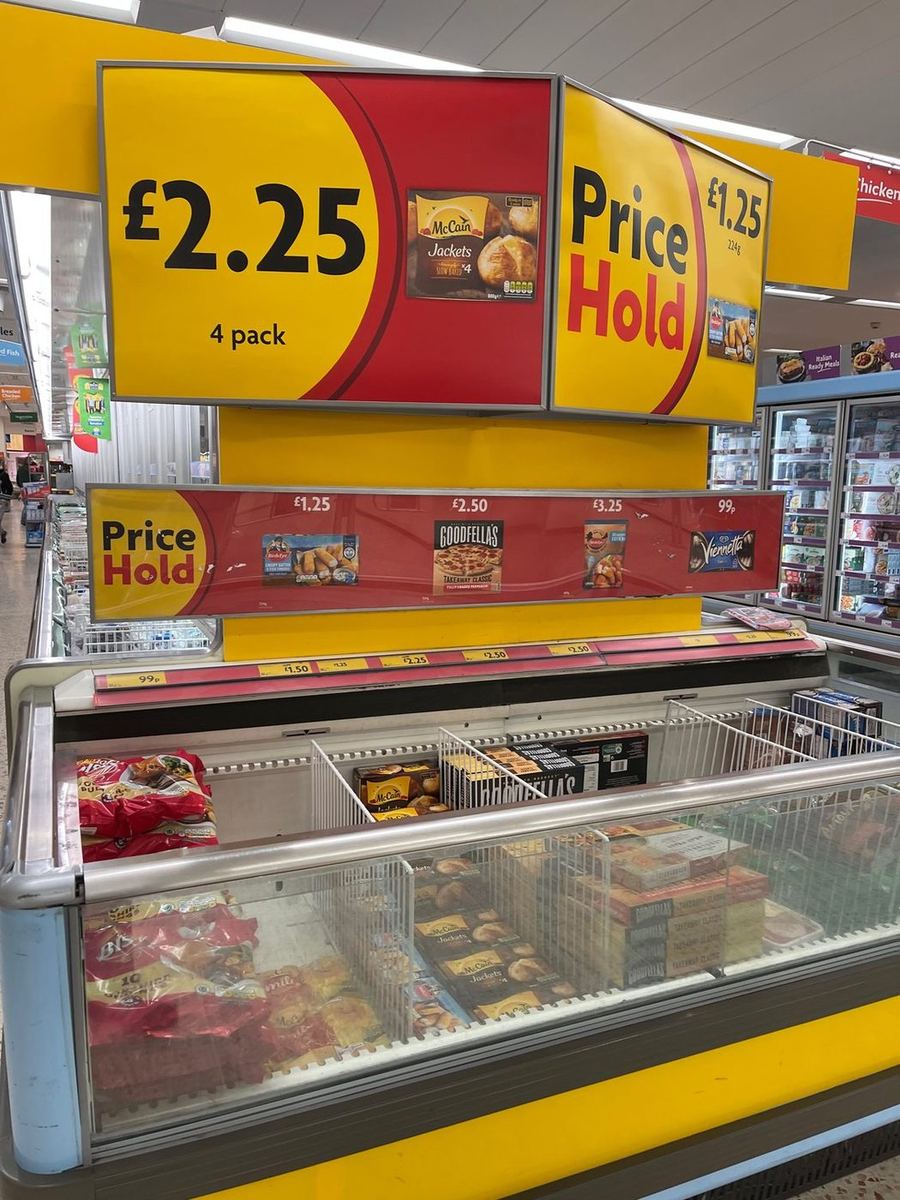
It’s also a positive for discounters who end up being absolutely unaffected by these rule changes, due to their store layouts and lack of promotional ends.
Even with discounters using their spaces for shippers and featured space in special buys for branded deals, they won’t come under this regulation as they’re not ‘gondola ends’ in the true sense of the word.
Customers seemingly will via their improved health via a lower calorie intake, that said. Variety and Discounters (especially) will be scarcely affected so there are retailers that won’\t see a great deal of change.
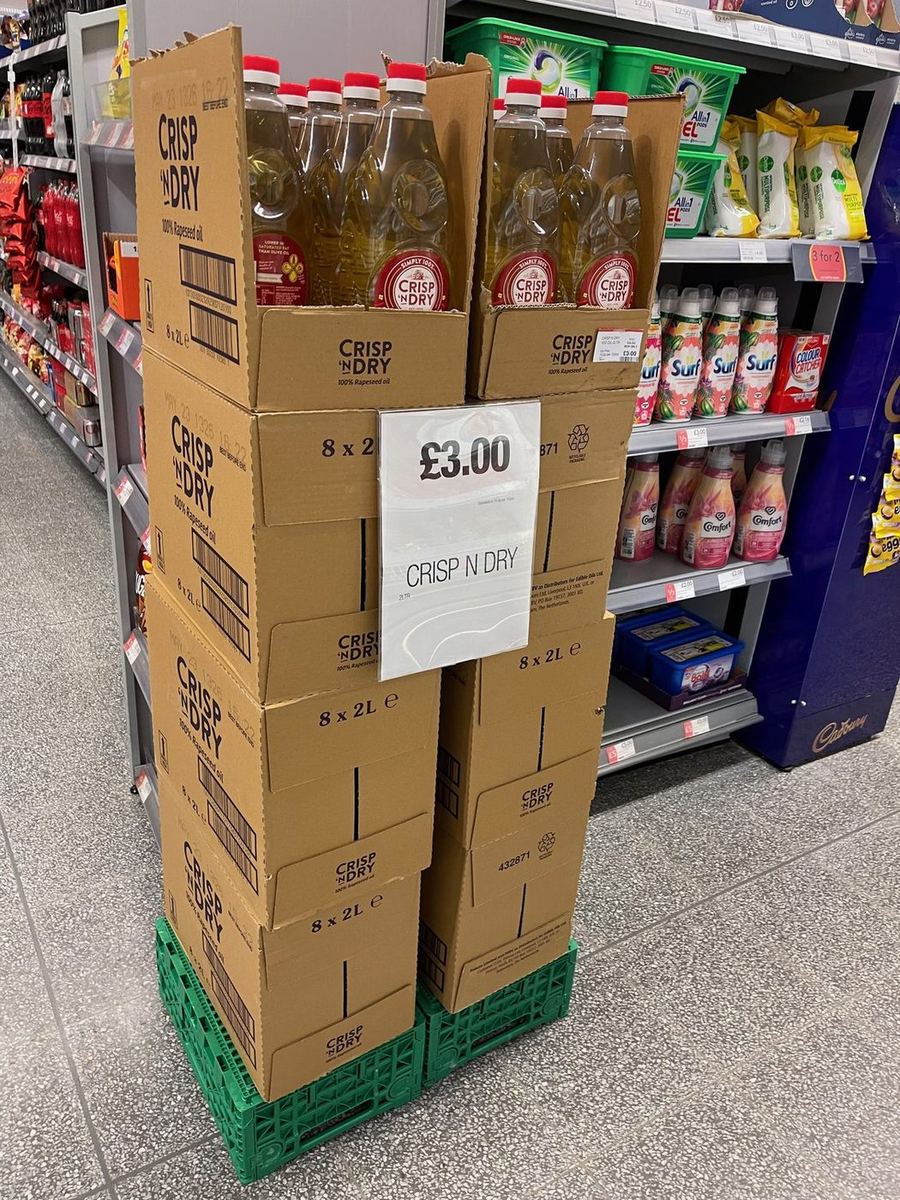
One could argue, on the other hand, customers will not benefit as their shopping bill will rise due to the weaker deals on offer.
Especially with the likes of a 3 for 2 deal being eliminated, Easter being one example that springs to mind.
That said, there has been a much greater push towards EDLP and simpler deals in the former years to this day, anyway.
 Even online is impacted
Online is also impacted with bans on HFSS based products being advertised to customers at the landing and checkout page, or indeed, any page when the customer shops online.
There is also a change for advertising rules, with any ‘junk food’ advertising to be banned until post the 9 pm watershed in 2022.
Do the changes affect all stores?In a word, almost. Anything 2k sq.ft or greater is impacted, even if that store is independent, they’re having to follow the rules. Symbol groups too.
Smaller convenience stores are also hit by this and they’re going to be unable to use their space to trade appropriately, given this legislation.
Enforcement is unclear, it looks as though councils and trading standards will deal with any infringement via fixed penalty notices. However, trading standards are not blessed with resources and indeed, there will be a grace period too for all retailers.
THe suggestion to make the store limit 3k sq.ft in line with convenience / Sunday trading hours was sensible and would have cleared up enforcement, but alas, that was rejected.
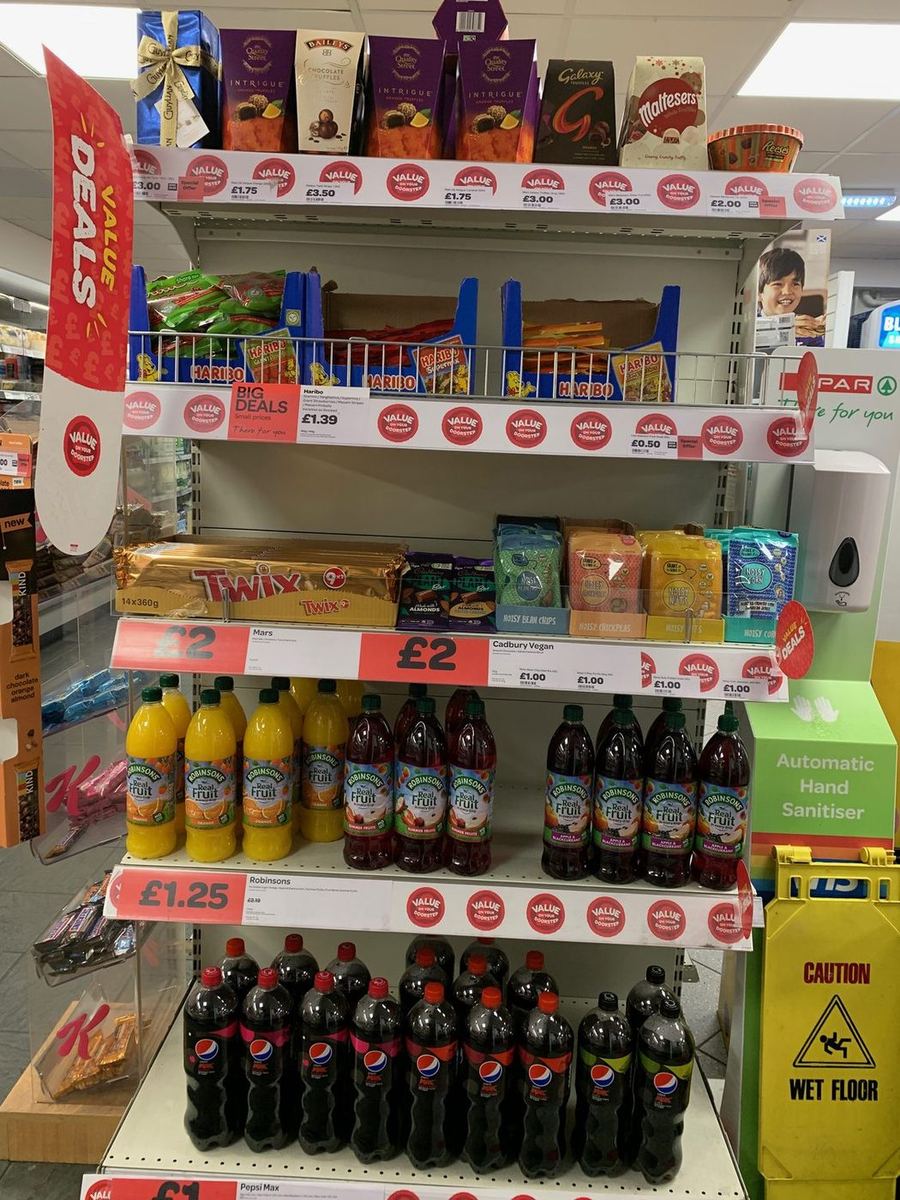
Large retailers are likely to adhere to the rules due to the PR fallout from not doing so, in addition, their space is centrally planned so adherence is easier to achieve here.
For smaller retailers and independent stores, the challenges are numerous. Not least the impact on sales that will no doubt be felt.
It seems inherently odd that the government hasn’t done anything about stores within 1/2 square mile radius of secondary schools (eg) with some form of change there. Also the countless eateries that offer Burger and Chips for £1.99 are also entirely left alone, despite their obvious contributory factor.
 To conclude
The HFSS regulations will force a step change with retailers and more importantly, suppliers of HFSS products. Whilst some pack and product engineering can be done around ingredients and pack sizes, there are still huge numbers of products that will no longer be featured in key, high traffic areas.
That’s bad for both retailers and suppliers. But there are ways around the restrictions, such as in aisle hotspots that will help things in the interim.
Longer term?
We may see some adjustments to store layouts when stores are refitted, or opened, in an attempt to capitalise on the regulations and change things around to level the playing field a little. Discounters are barely affected here and their special buys in the centre of the shop can continue apace too.
There is a lot of mileage in the theory that suppliers and retailers get a little lazy and just end up putting the same stale deals on for customers, on ends and featured space to maximise the commercial revenues.
Commercial monies remain important and the suppliers that are impacted here are the ones who do spend big money in seasonal aisles and around the store to ensure their brand stands out.
This is appealing to retailers who are desperate for some certainty with the ever uncertain picture on sales, so they take the commercial monies and display signage and the rest of it. Alongside promotions on ends (continually) and sometimes, very weak deals just to get various fees for placement.
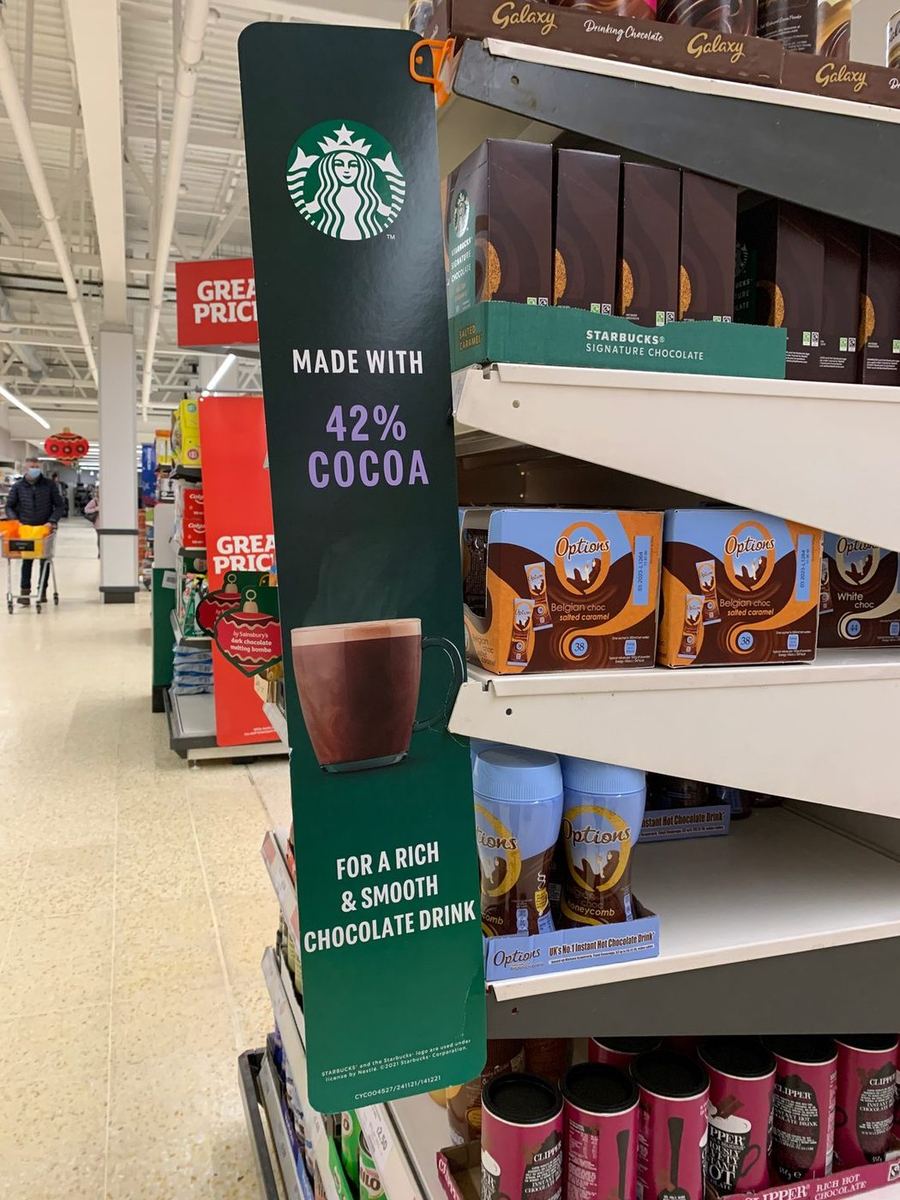
A buying mentality that is understandable (it’s always a struggle for the numbers) but ultimately erodes value as the certainty of commercial monies overrides any thought of competitive deals and ‘taking a chance’ on more sales.
This leads to more money needed to bridge the gap as sales slip away, leading FMCG suppliers are more than happy to spend it, assuming they get the exposure in store. But with these changes, those areas in which to promote deals and also display their branded wares will reduce, significantly.
Which means it’s a great time to find another way.
Whatever happens in the future with the changes to this legislation and the prospect of further delays, shopping in England is about to become very different indeed.
Not just shopping, but running the store too.
For example; where will all the Confectionery and Bakery go at Christmas? No ends are able to be used to trade anything remotely unhealthy, no featured space is allowed.
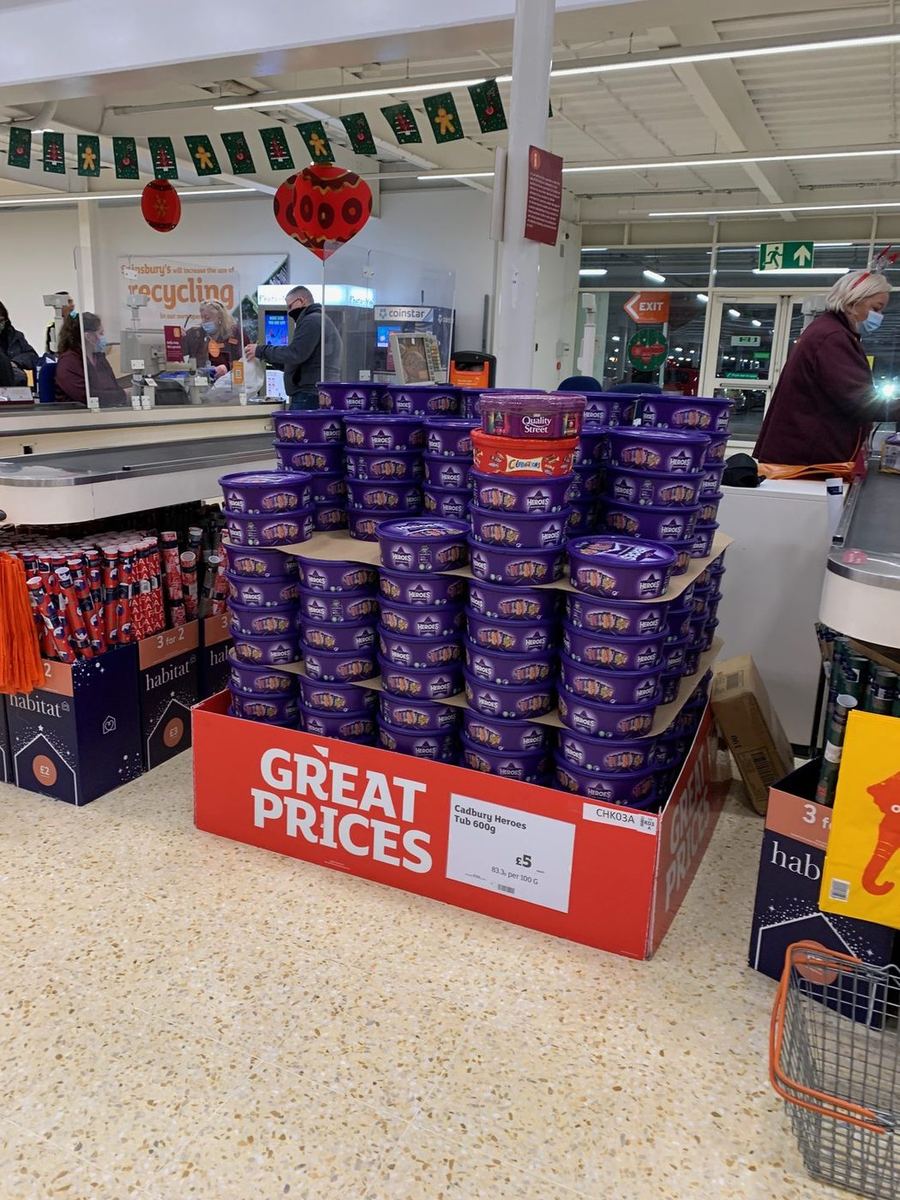
Where will the volume go?
Where will all the Easter Eggs go?
They’re sent in, en masse, to clear depots and get volumes moving. From an operational viewpoint, HFSS will be a nightmare.
 Can we help guide your HFSS strategy?
From the Grocery Insight newsletter archive, first sent to subscribers on 10 February 2022. Steve now writes at read.groceryinsight.com. See also the blog archive and briefings.