IKEA
25 November 2021
View this email in your browser

Subscribe to this service to benefit from our world class insight.
Could our advisory and consultancy services help you?
Key Takeaways - IKEA
1) As noted prior; John Lewis struggle against numerous competitors and IKEA is one of those, perhaps explaining why the Anyday brand came in. Trying to bridge the gap on price? However, as this email shows, the distance between IKEA and John Lewis only looks to be widening across other categories.
2) IKEA has suffered with the supply chain woes like everyone else in retail, and of course the UK has been harder hit than most. The overlay of the Brexit issues has not helped, at all. Key lines were out of stock and whilst that was understandable, given the disruption across the world, it wasn't ideal.
3) The most disappointment was felt in the warehouse where lines that were in stock in the showroom were actually out of stock at the pick up point. The customer then had no real way of finding an alternative office chair (eg), without heading back some distance to the showroom area to find another location. Poor.
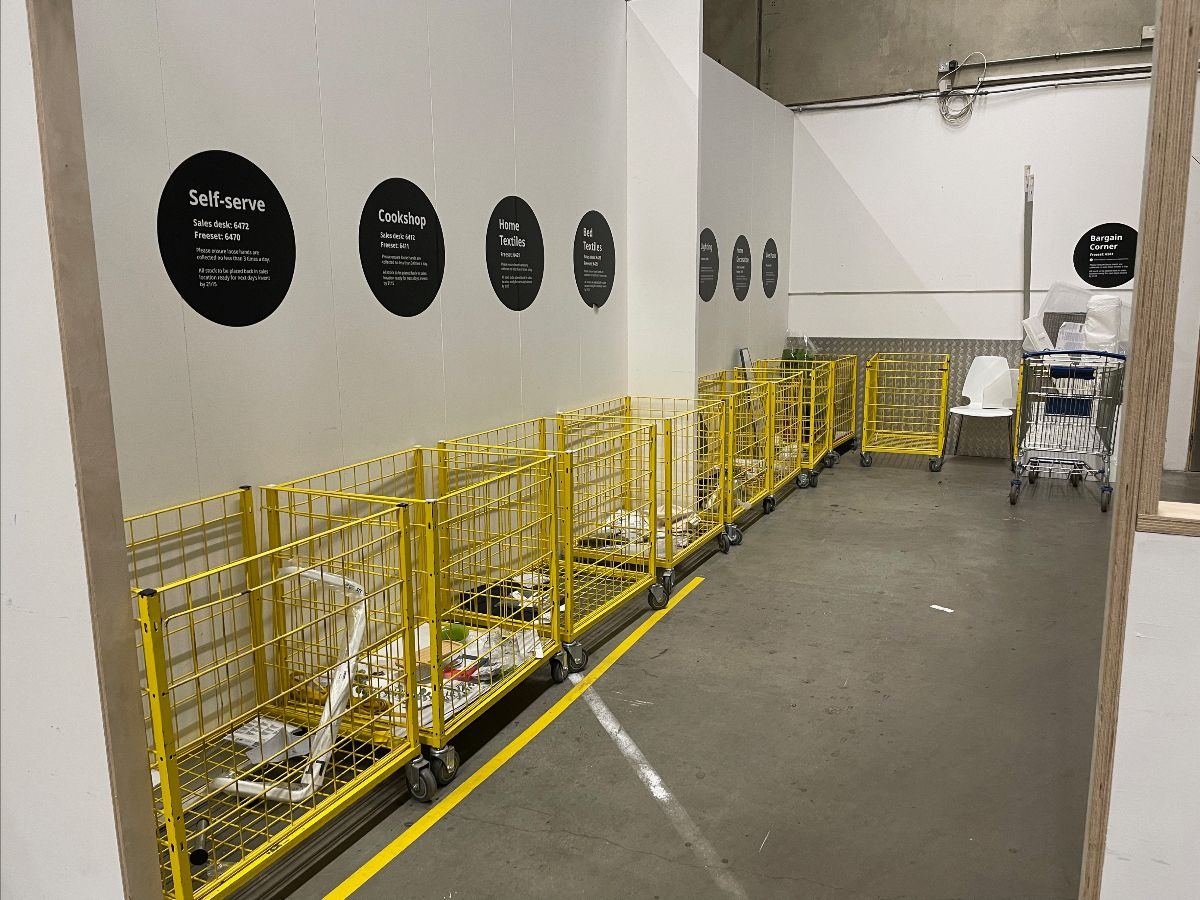
Quite the retail masterclass in IKEA. It's like the 8th wonder of the world. This is an area where goods that are left behind by customers, either at the checkout or indeed, anywhere else in and around the warehouse area can be taken back to their location in an efficient and effective fashion.
The colleagues do the work by putting the relevant product in the 'bin'. With these bins then returned to said departments throughout the day to ensure that products are put back on sale and not lost, or needlessly wasted, either.
What a great solution! Goods left behind or "dump stock" is something that each retailer has to deal with daily. But rarely is there an idea such as this to combat the ever growing number of products that need returning and the growth in the time taken to do this, alongside everything else.
It's a classic 'nobody's job' in store and always leads to stock loss of some description. It warmed my heart to see something like this, so well thought through for colleagues.
In the larger retailers. They'd implement this at great expense then cut the store hours budget to compensate.Even though the store received zero extra hours for the task in the first place........
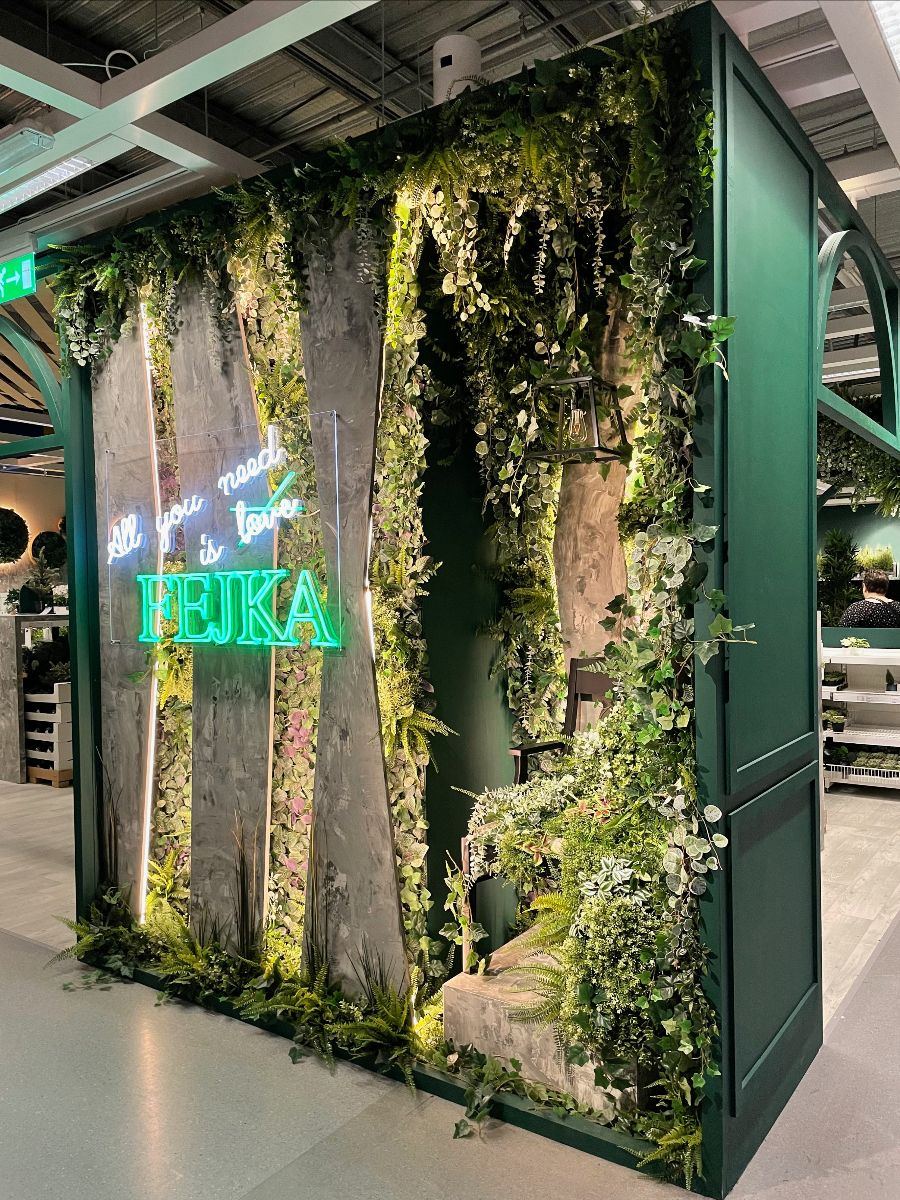
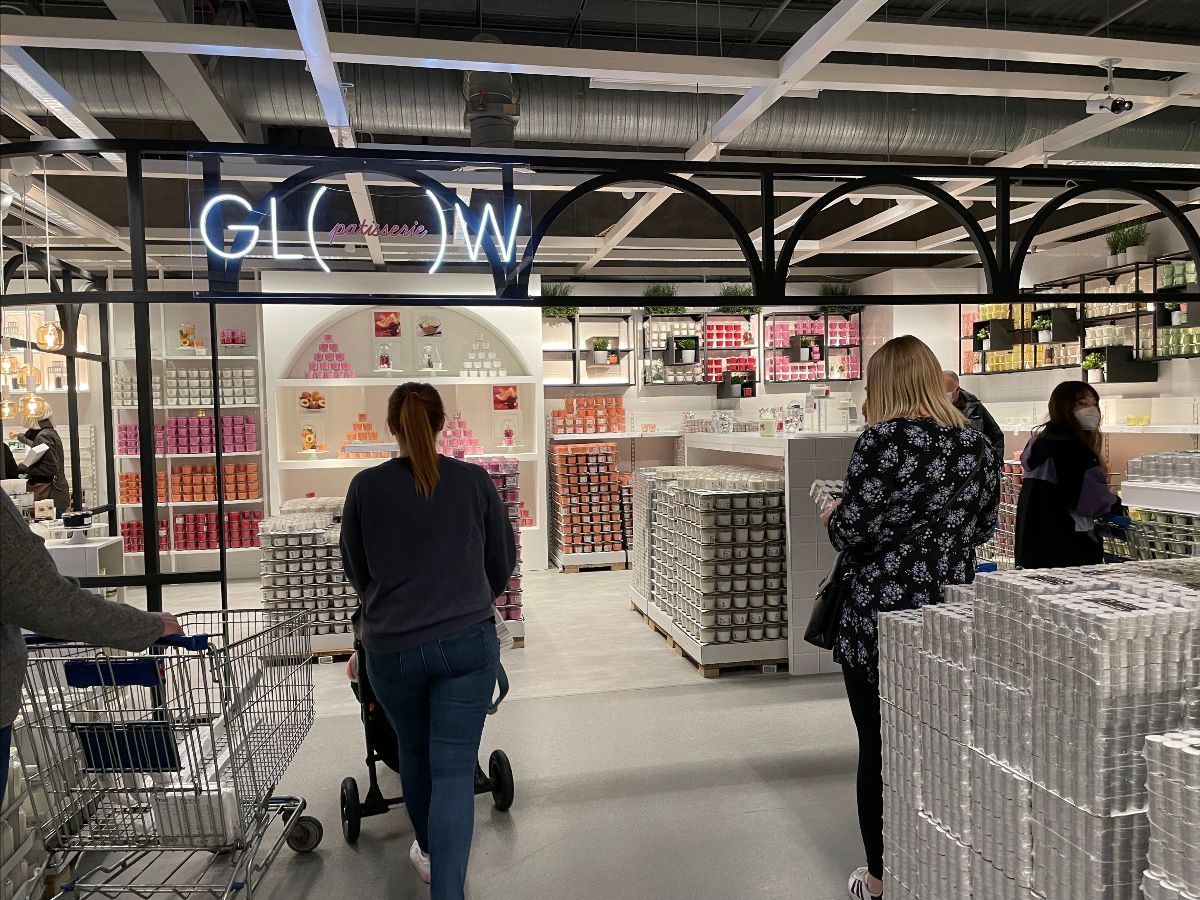
It certainly felt that IKEA had used the pandemic well to smarten up some areas of their showroom based store environment. There are not many better in the trade at selling appropriate products for your home at the appropriate time.
So many "jack and jill" lines exist to drive sales and their showrooms are full of inspiration, solving problems for the customer. Not just with flatpack either.
Their planning service has always been popular. COVID impacted so they were offering virtual dial in sessions to plan out wardrobes, kitchens and anything else that was required by the customer.
These have resumed In store now - there's a screen dividing the customer from the colleague in the store design area, and the customer has their own screen that shows them what the colleague is designing for their home. Simple workaround and still allows the service to be provided.
For the tech savvy amongst you (IKEA aficionados who also enjoy the challenge of not overbuying components also) there are touch screens available to facilitate building of wardrobe and storage systems based on your own measurements.
In other areas of the store; there has been real development in the visual merchandising side of the operation. With specific 'shops' inside the wider store that house plants, soaps and other such products.
These give an uplifted feel to the store environment and brings IKEA away from one that is just centred around flatpack and furnishings in a utilitarian environment.
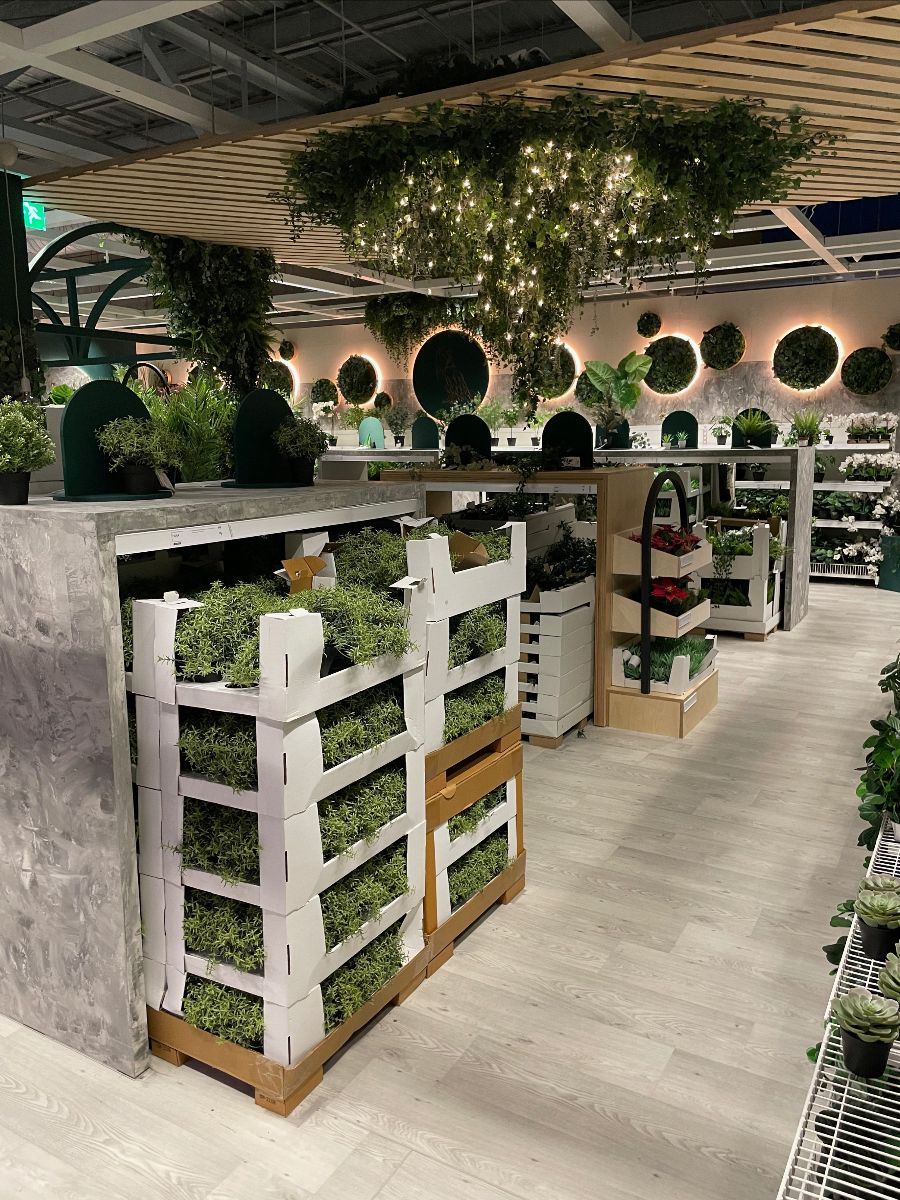
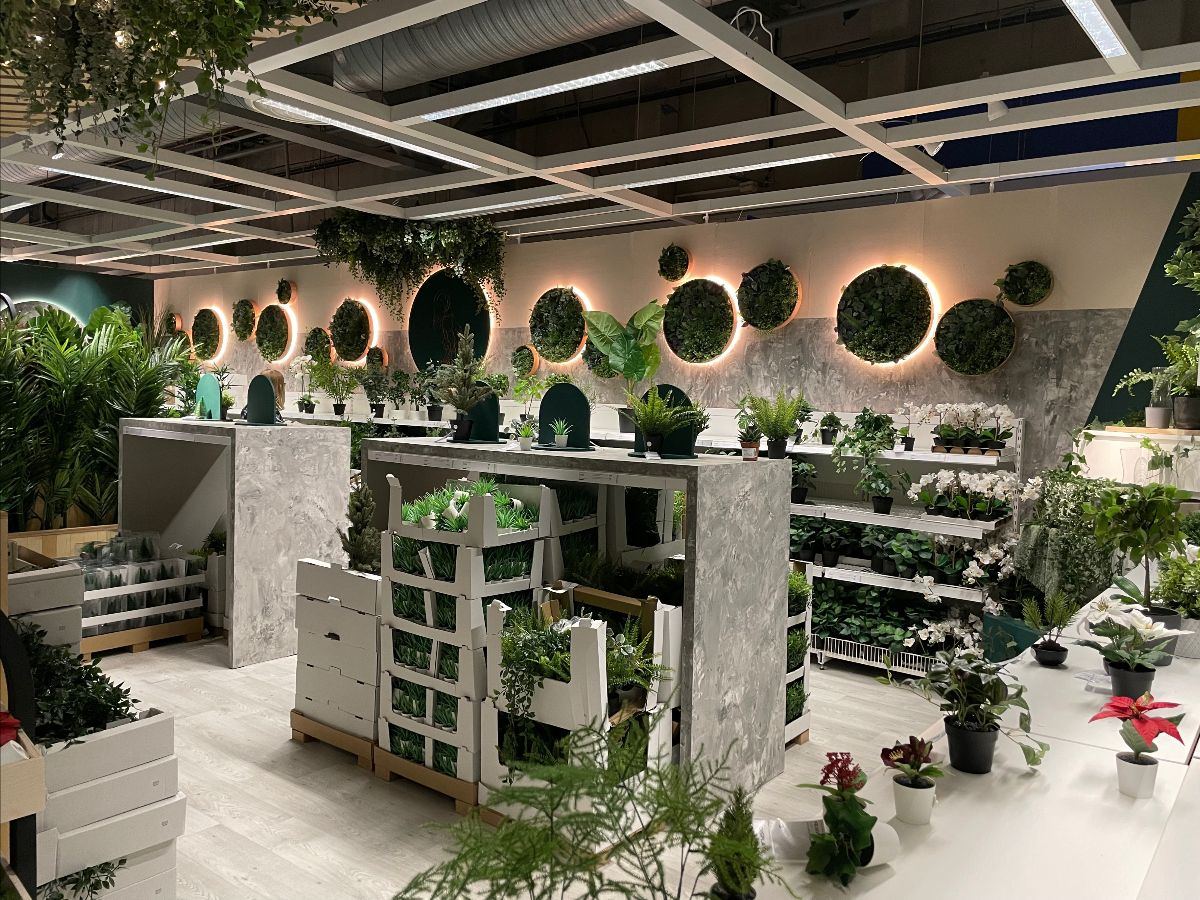
Plants are uplifted with new surroundings highlighting the various ranges available for customers. It stands to reason that customers would opt for plants via IKEA, given they are for the home.
But it's not always been an area of strength for the chain, but the new world feels more like a traditional florist style operation.
Indeed, often it can be a near forgotten area. Often just as you enter the land of flatpack doom in the warehouse, you find a 'sea of plants'.
But here. It's far stronger and drives inspiration for customers too.
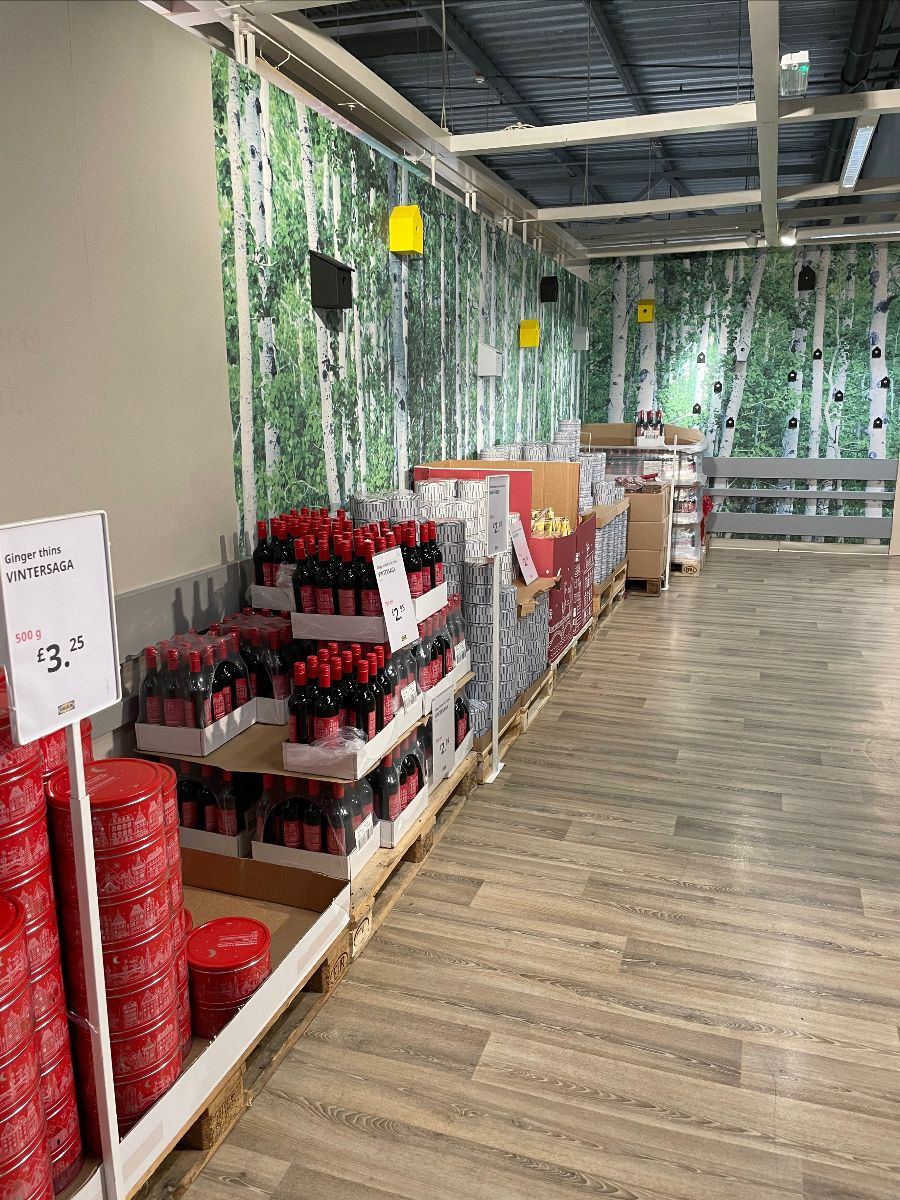
Christmas was challenging however. Usually the chain has far more product in and around for Christmas with their Swedish products often dominating the space, alongside Dime chocolate.
Yet here, near the Cafe, it was almost an apology of range for the festive period. Things were very light indeed, not a great deal of anything.
Clearly supply chain based. Stock may well arrive (this was a couple of weeks back) but it will be later than usual and will heighten the risk of markdowns.....
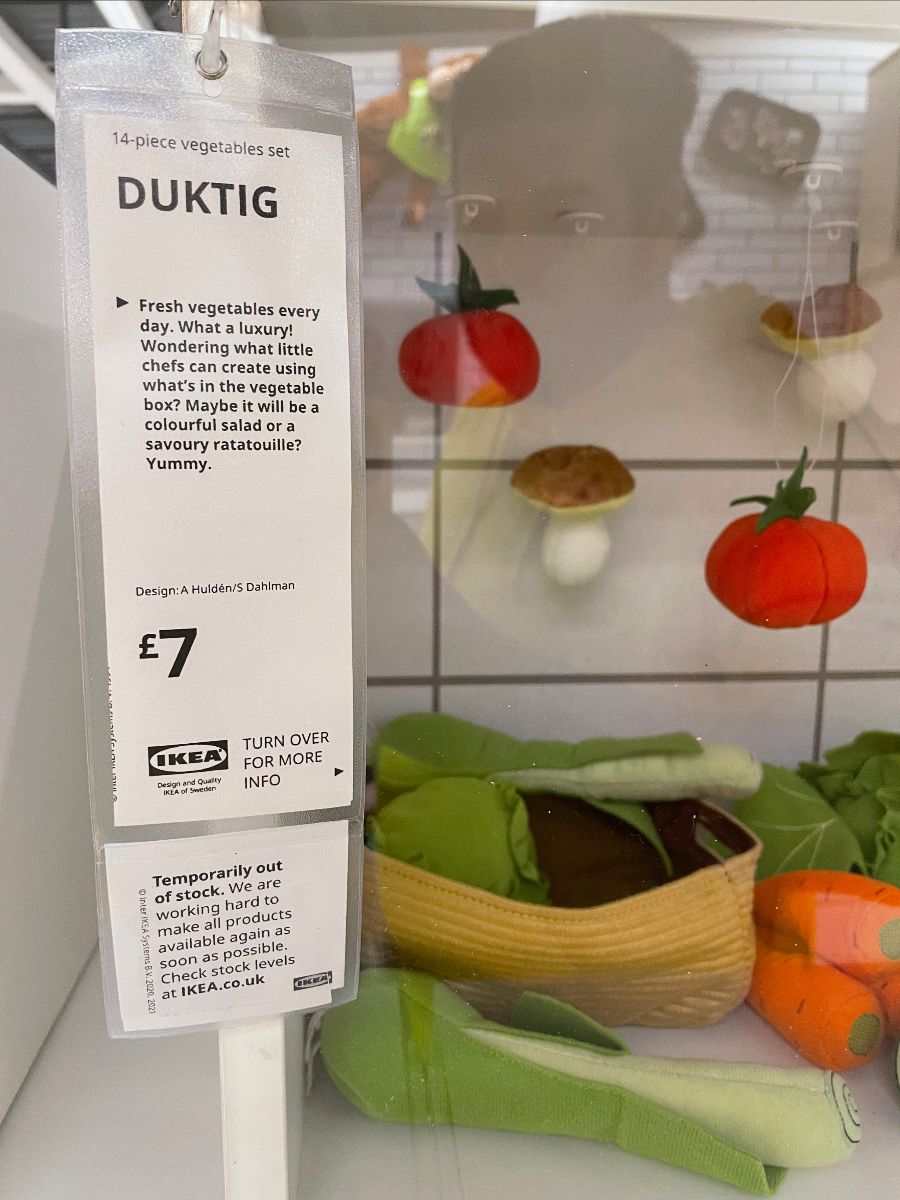
Even the kids' faux food for the wooden kitchen wasn't safe from supply chain based woes.
The length of time for stock to come back in is also troubling, estimations are good but there is never a guarantee and at the moment, with various delays in shipping and transportation too...... Who knows?
I spoke about John Lewis on this very service and highlighted the challenges they have around providing a solution for the customer, in terms of what a product would do for their home.
Often it was a case (in John Lewis at least) of them displaying the photo frames, as frames.
Not as containers for memories. Which is precisely what they are. Which is the core issue for me.
This extends to answering the question of why their displays are so lacking in inspiration, there's little resonance in far too many areas when you walk around the store.
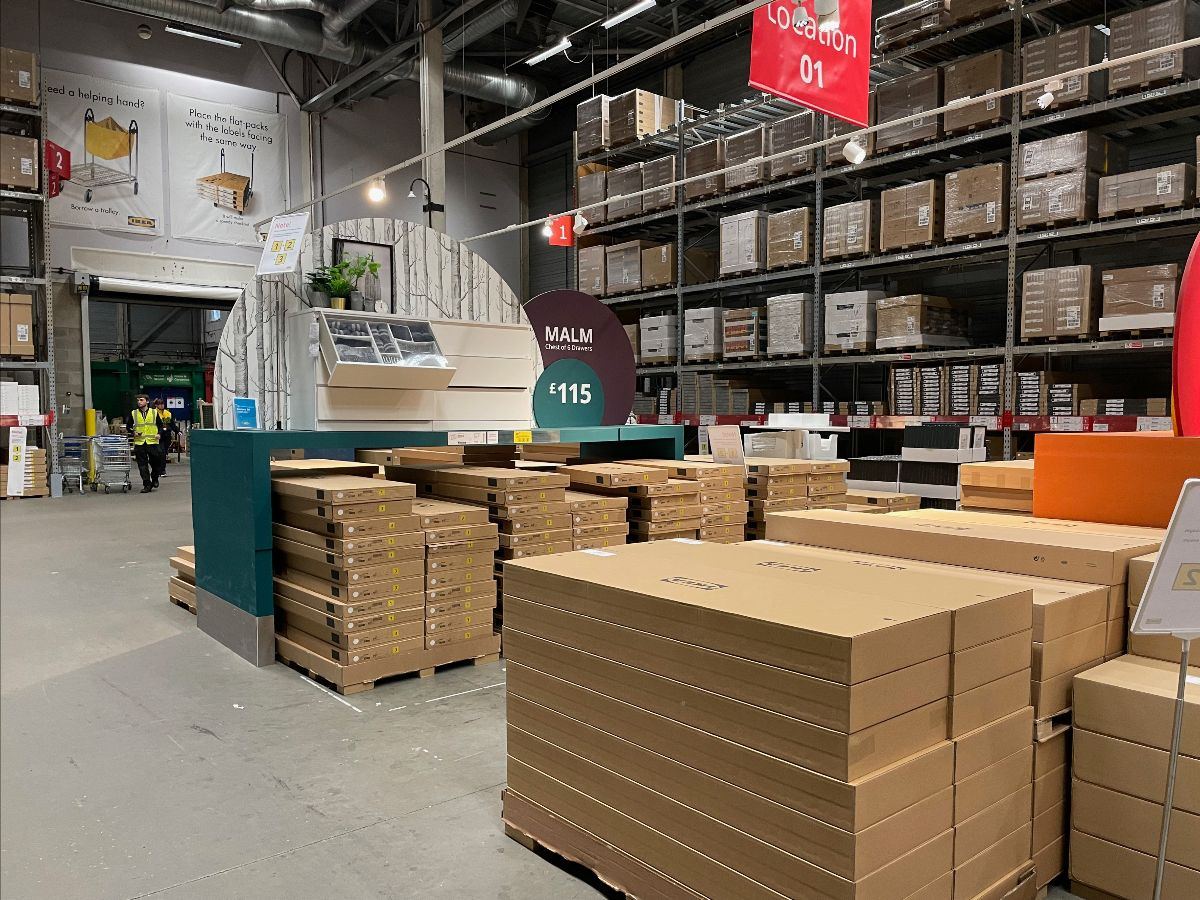
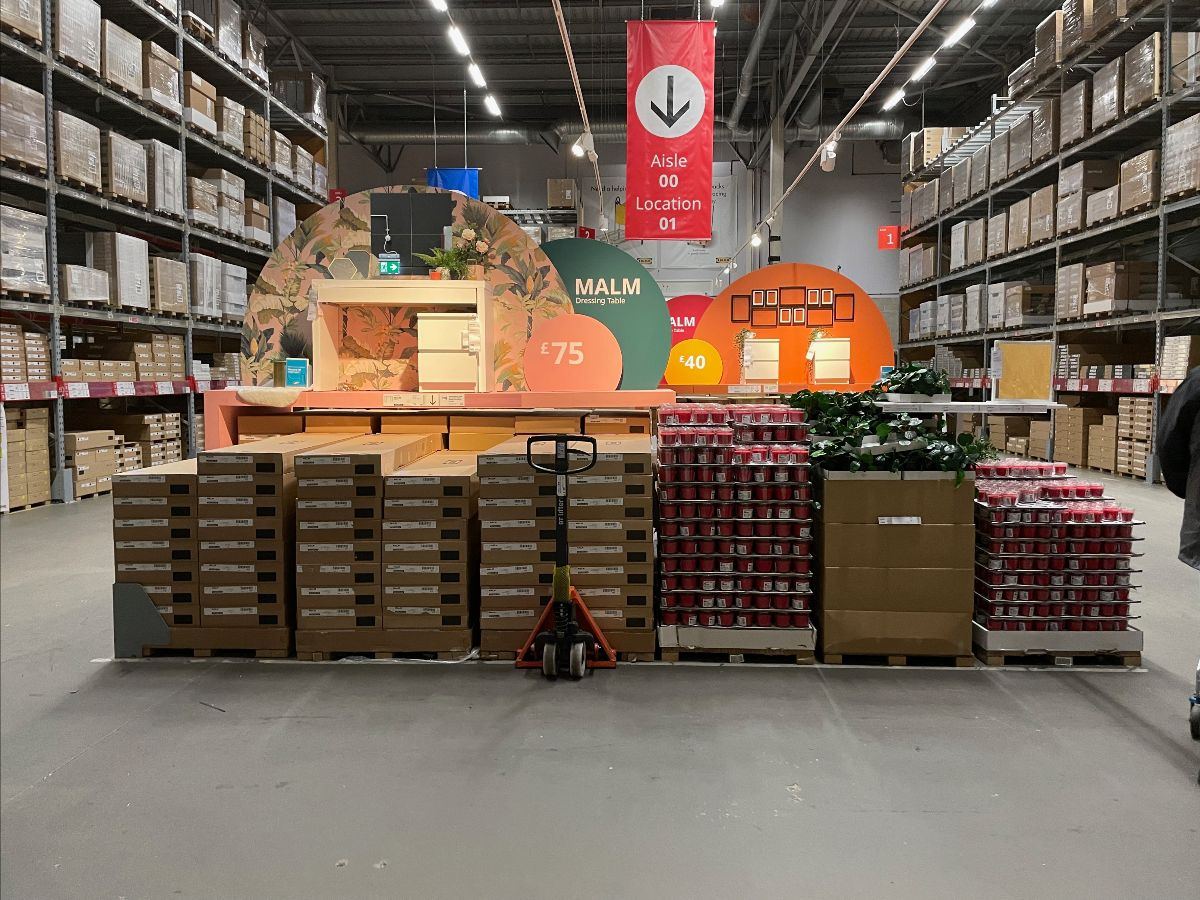
IKEA even manage to make the Malm (either a standard desk configuration in their range for £75, or a chest of drawers for £115) look great, complete with signage and a little bit of theatre too.
There's no huge discount. It\s just the price. (note John Lewis shooting themselves in the face over Black Friday again this year).
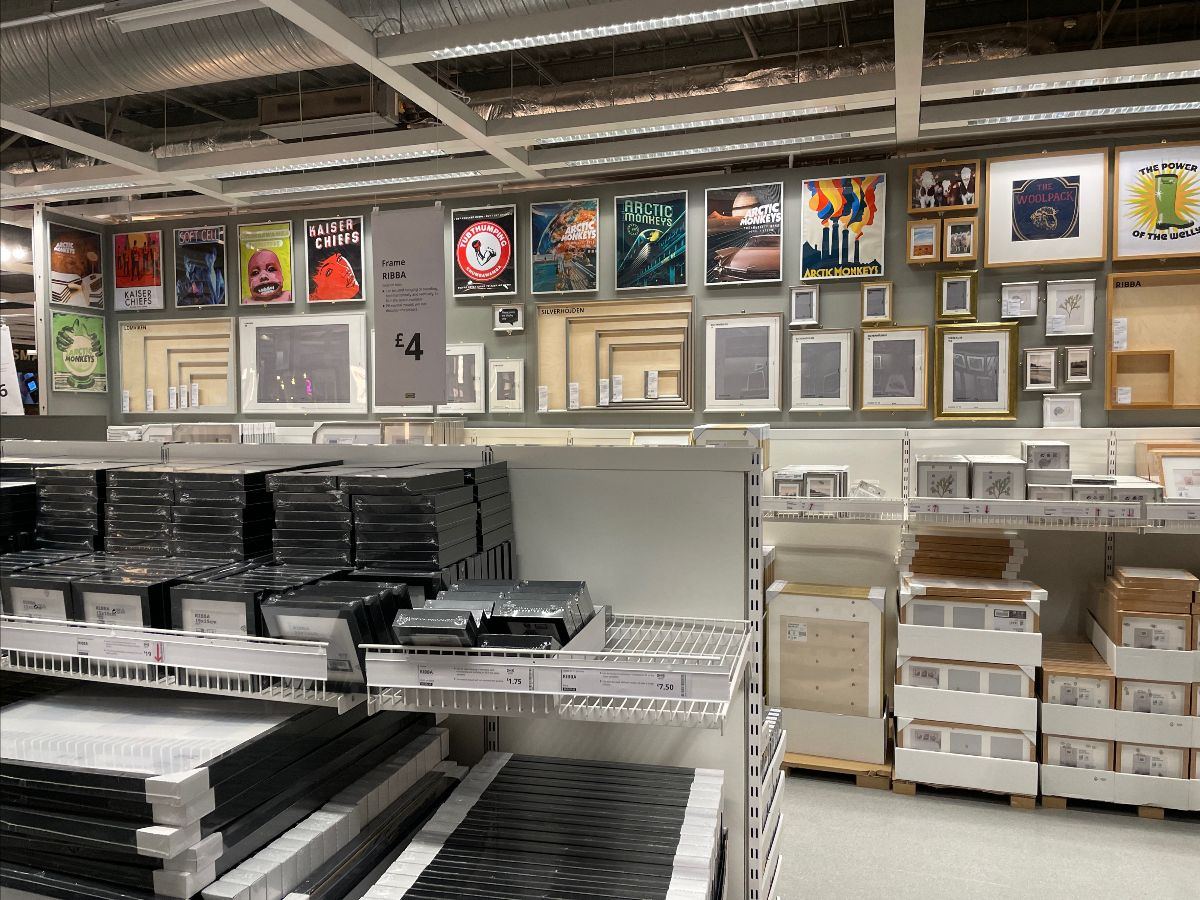
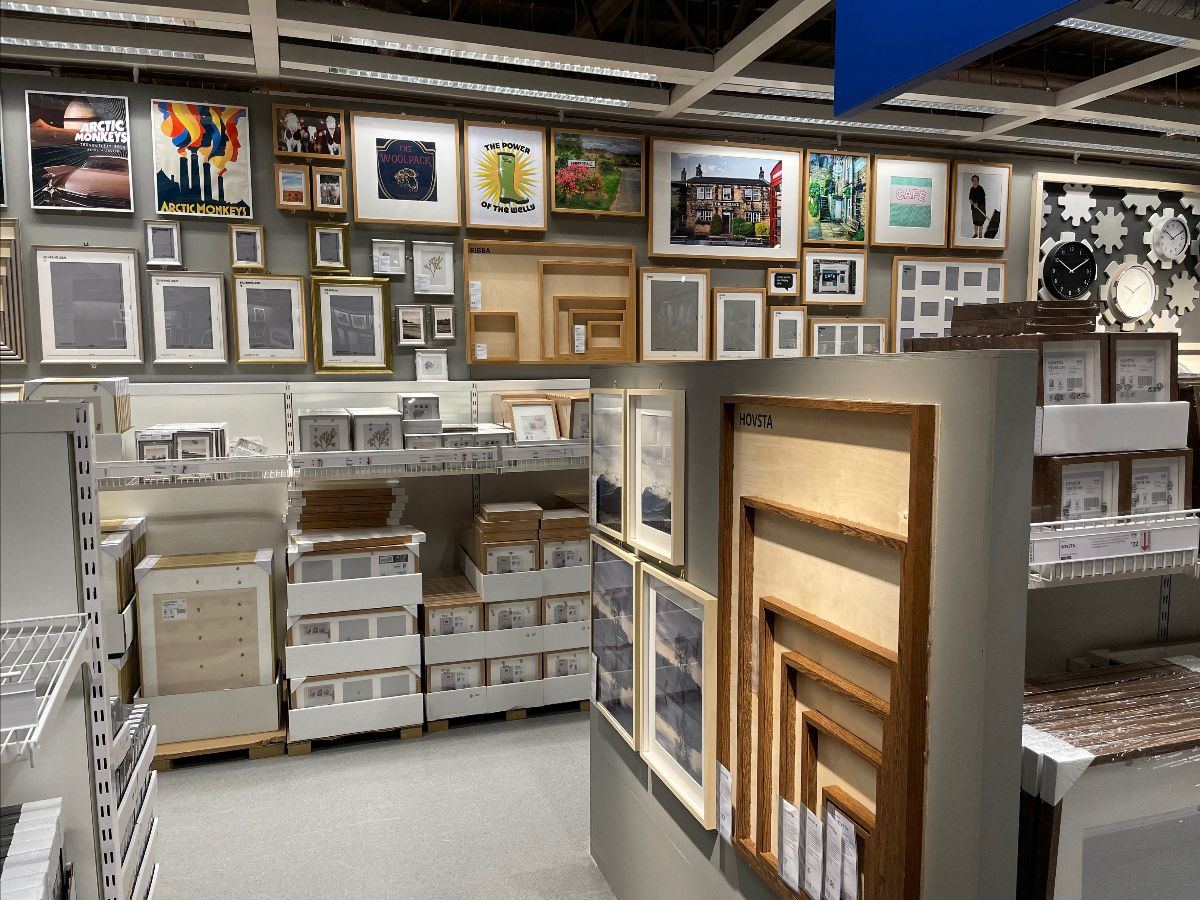
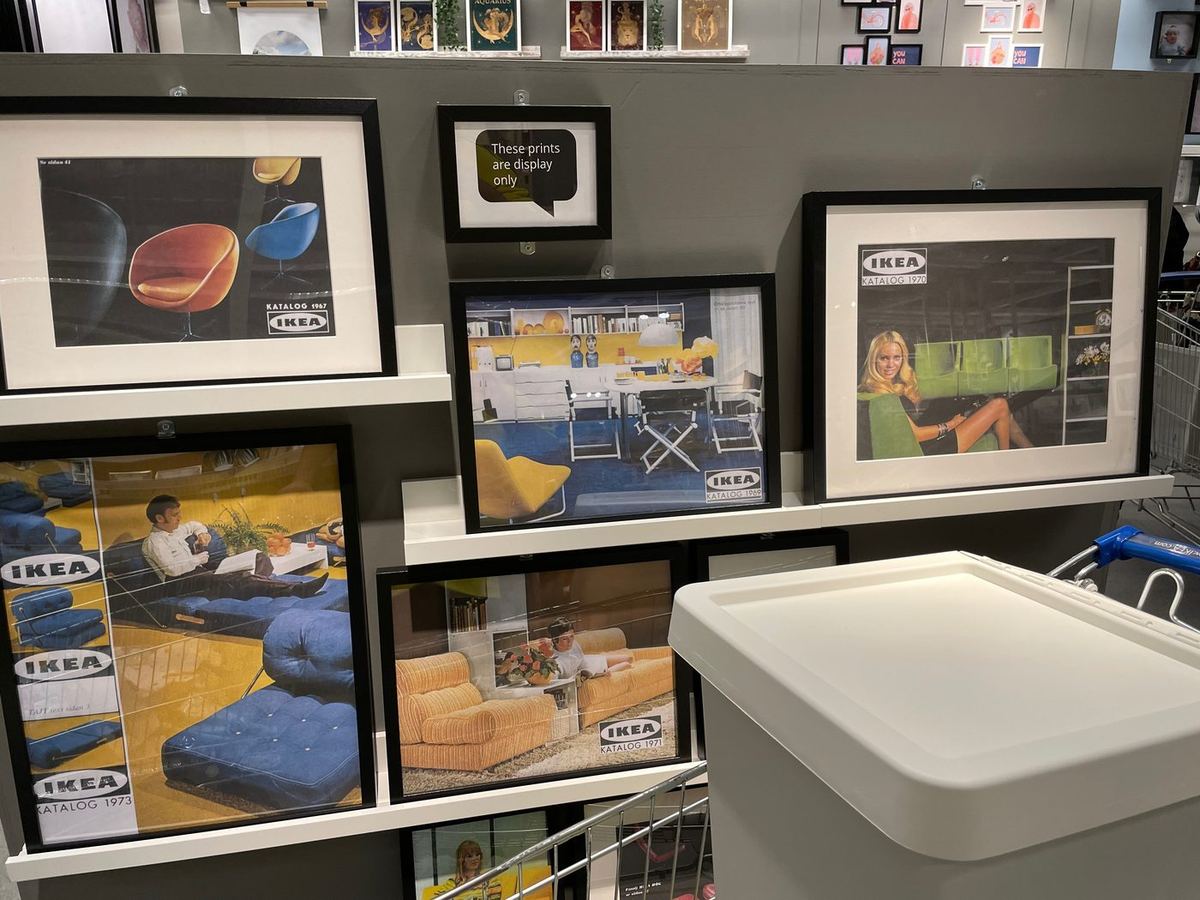
Photo frames in IKEA are a bulk affair; with numerous product sold en masse at low prices.
John Lewis have no business really chasing IKEA down this route, with these, or tealights for that matter. Just focus on the solution that your range provides, why it's better, strong design work, etc.
The IKEA frames are nothing special, but the store themed their collection by using local inspiration in poster format and they put these images and artwork inside the frames. For Leeds, it was all the Kaiser Chiefs, Marcelo Bielsa and local ales.
But for John Lewis, there wasn't anything of the ilk.
This display wasn't perfect. The store had former IKEA catalogue prints framed and displayed, these would have been quite nice to purchase. However, the 'NOT FOR SALE' sign spoke volumes...
Not that a sign like that should ever be on display in a retail store.
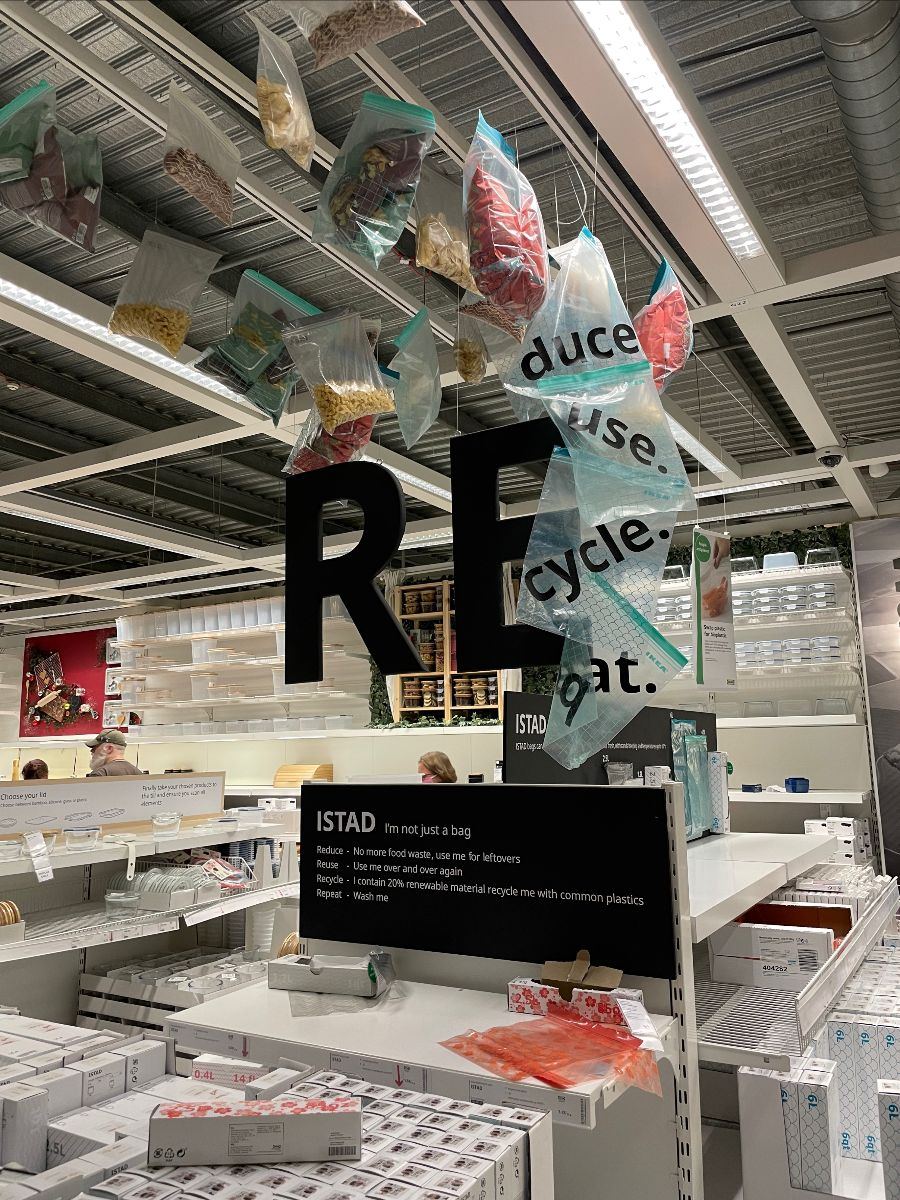
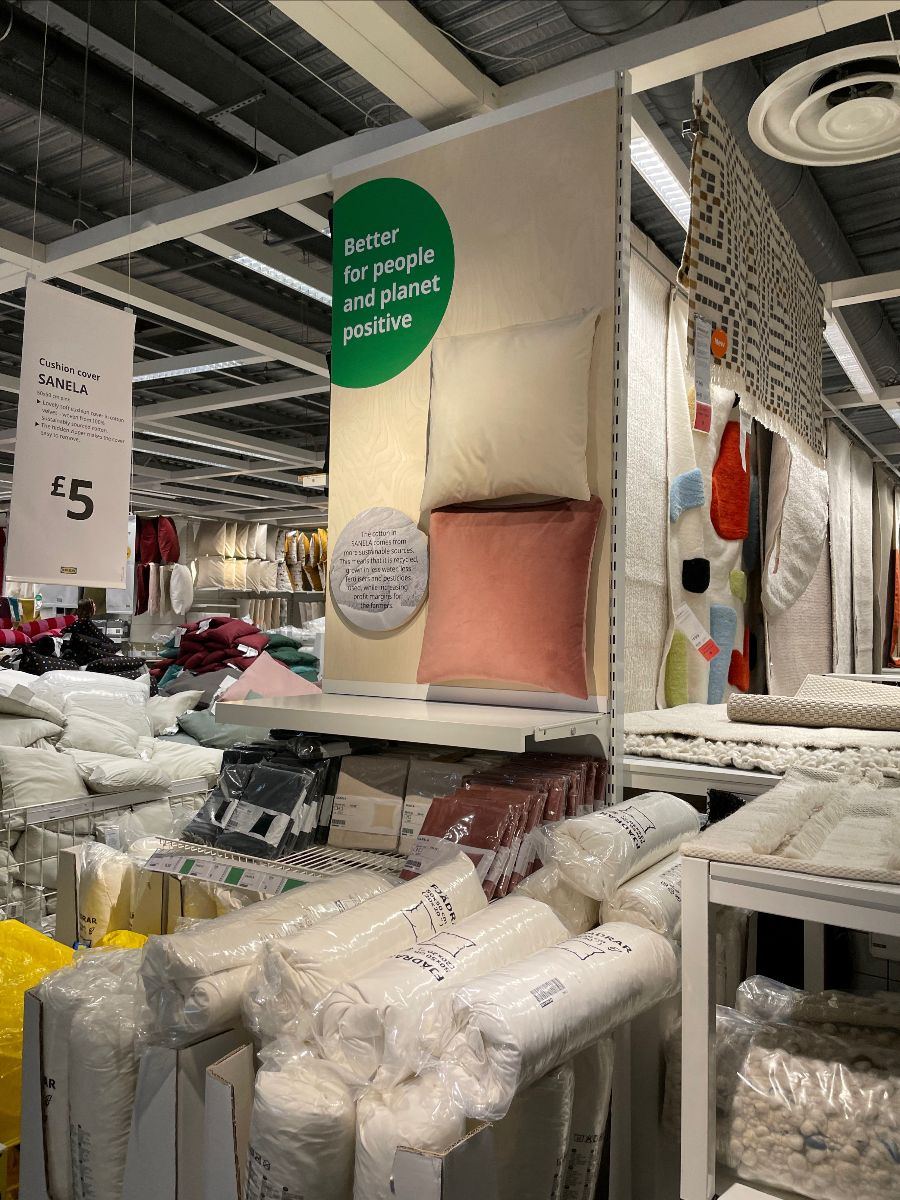
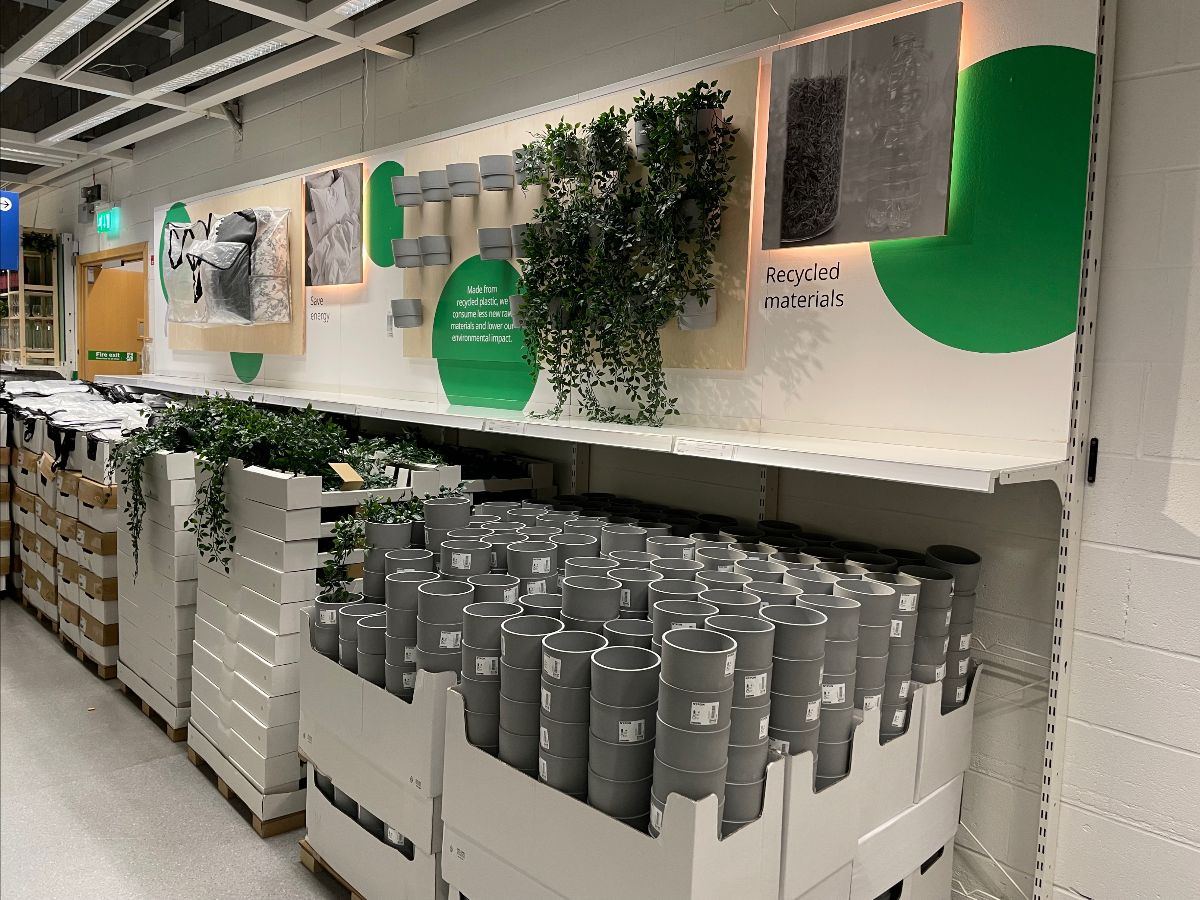
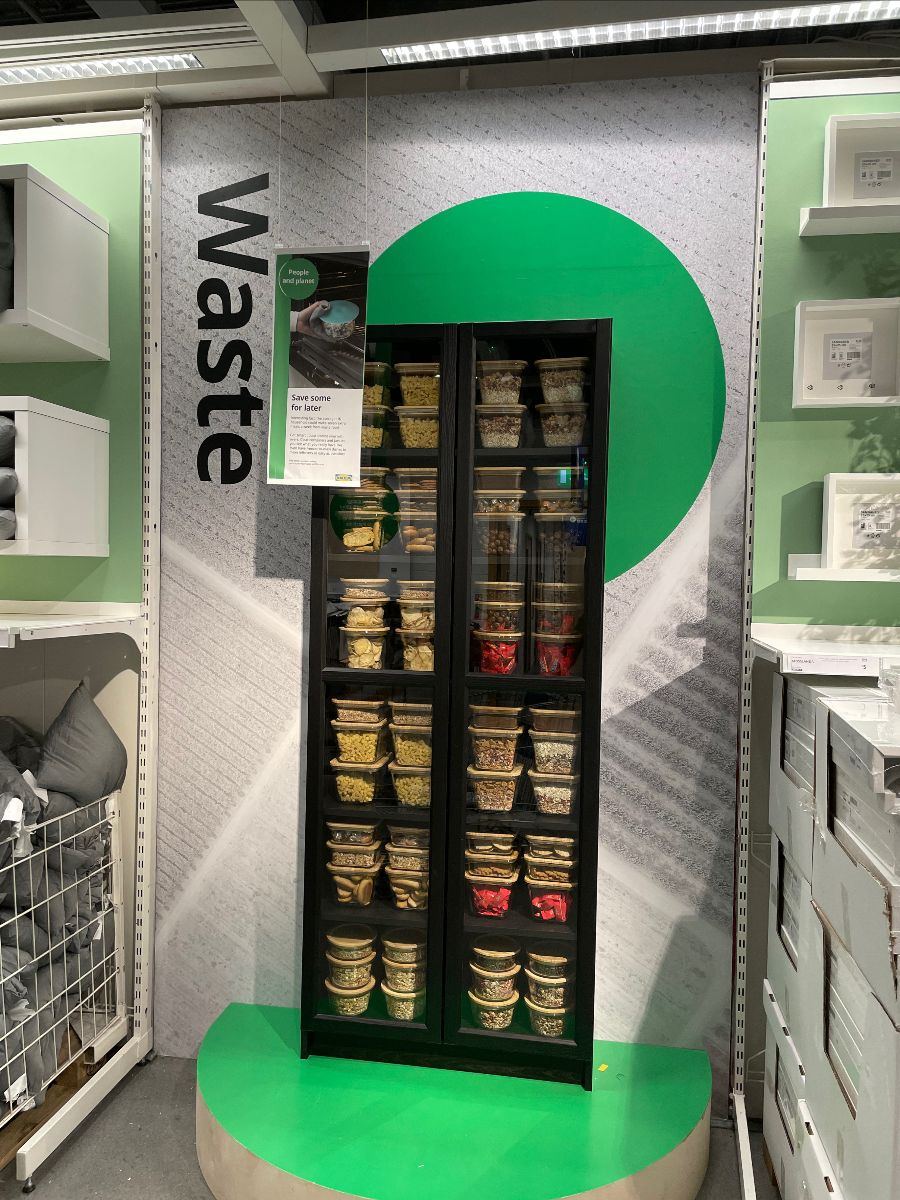
Sustainability is huge for retail and indeed the world. The recent COP26 conference showed the alarm and urgency in which retail, alongside other sectors, and the world must work at in order to reduce emissions and consumption and to increase reuse and recycling too.
"Don't buy more" is not a message that any retailer should be comfortable in sharing, but this is where we are as a population. IKEA product can be little bit 'disposable' in terms of the longevity of some of their items and naturally, their consumption of wood and production of plastic is also significant.
So they like other retailers in the space are working hard at reducing their usage and carbon footprints whilst increasing the messages around sustainability. They utilised a number of displays in store that highlight their work across these areas, each category typically had one of these displays.
"Planet positive" messaging in cushions was used, alongside displays that showcase recycled materials being used for faux plant pots and numerous other products stood out well.
Of course. Refill foods / loose foods that do away with the need for packaging is a 'must' and IKEA highlighted their reusable zip lock bags as a solution, alongside a plethora of containers too.
There is only so much as the retailers can do, the customer also needs to step up.
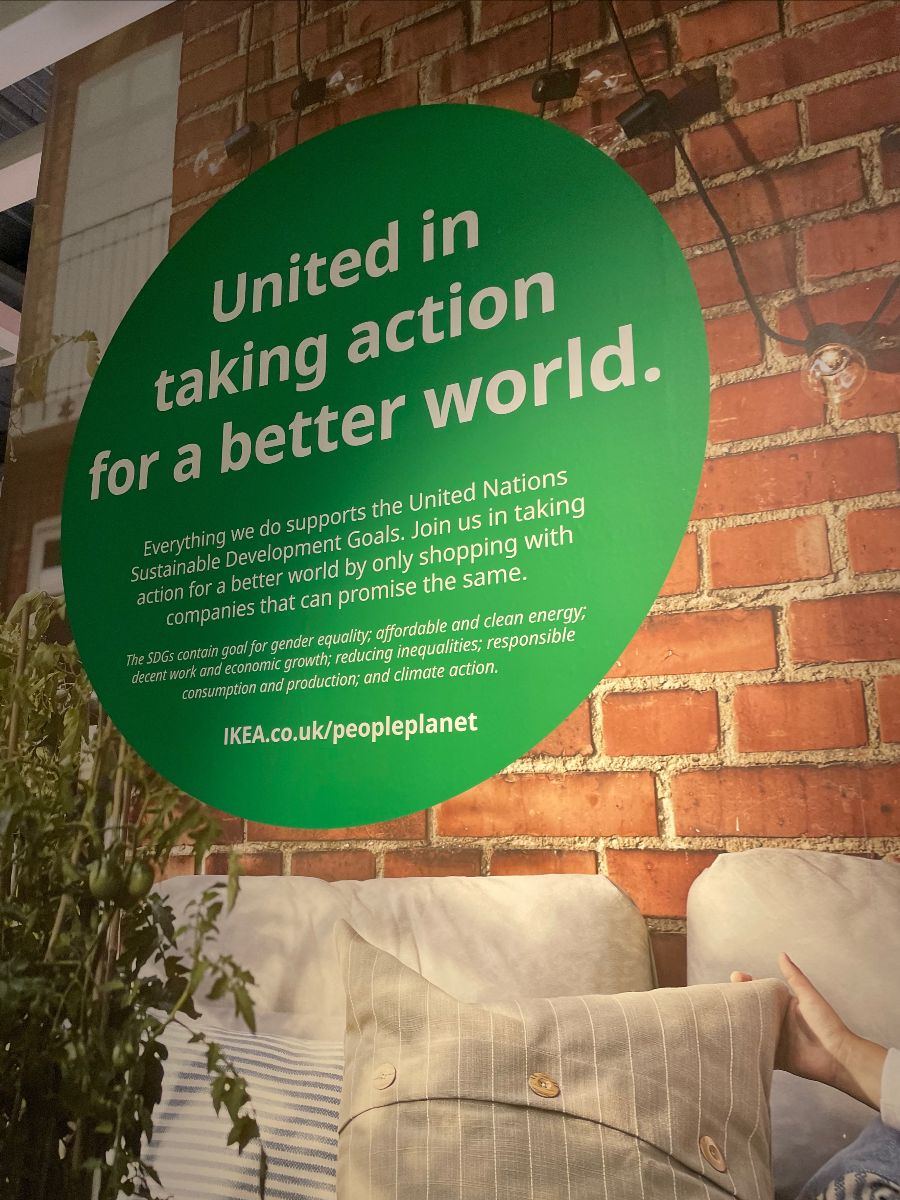
With IKEA supporting the UN sustainable development goals, customers can be confident that the chain is doing all it can to be more sustainable and highlights that other retailers may not be part of this scheme.
Thus, presumably. Those retailers are not as green as they could be.
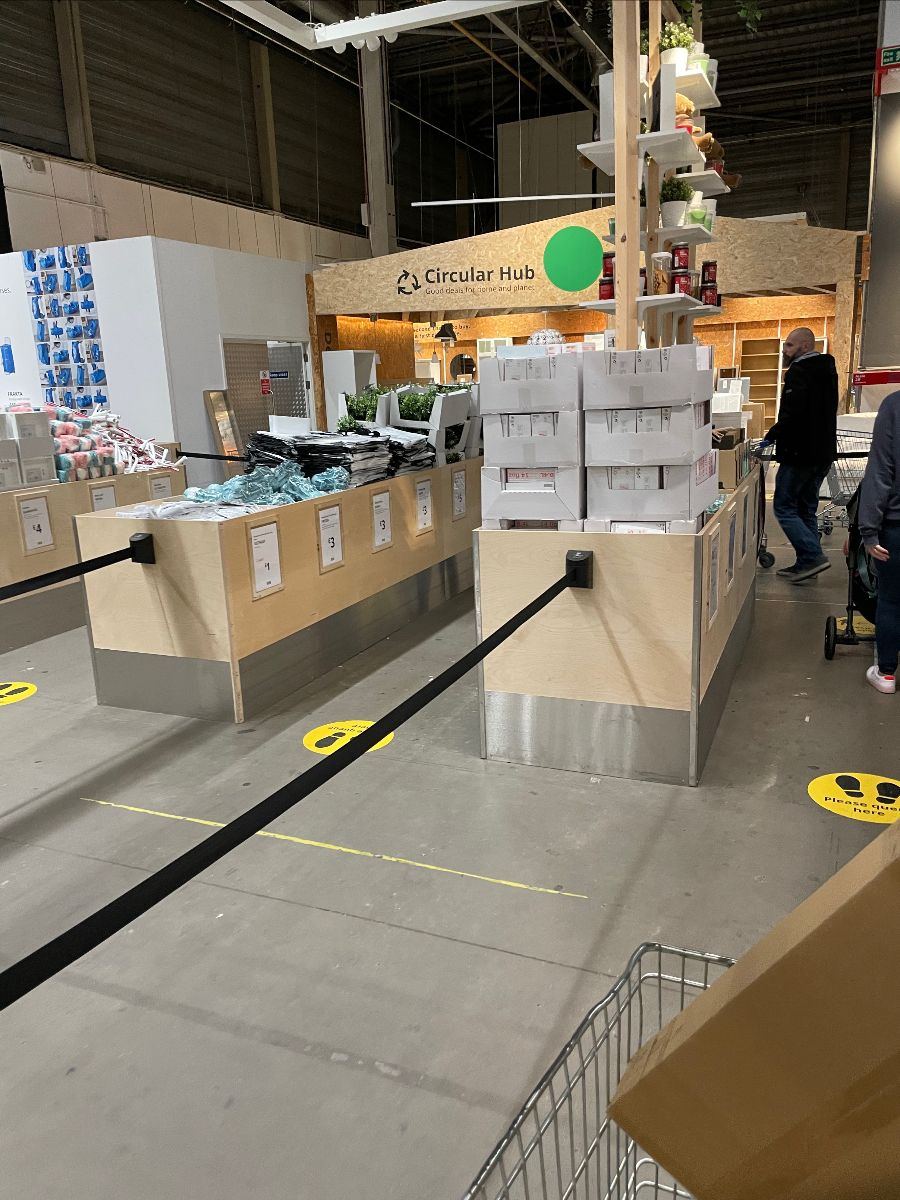
As we complete this smaller walk around IKEA (virtually at least). It's important to note that IKEA is reducing waste by advertising their 'circular hub' for 'seconds'. Products that are built, ex display or have broken packaging and the like, etc.
This is a treasure trove of product. I was however a little put out when browsing, that my barely damaged boxes were declined for a refund, but some of the examples in here featured packaging that barely covered the product.......
In any case. The development and naming of the circular hub (alongside the prerequisite wooden signage that goes with any work of this kind) is another move for good.
Less of a positive was queue for the checkouts that took at least a minute to navigate and was designed to aid social distancing, one presumes.
It was a total maze and trying to navigate 50kg+ of flatpack through narrow, winding roads left a negative lasting impression of the store, sadly.
However, their food store was well stocked and featured new collections of product and stock levels were good too. Overall, IKEA is what it is but they're doing a great job within that.
John Lewis need to learn far more from IKEA.
To get closer will take far more than a new tier / sub brand that gets a bit nearer on the price of tealights.....
Forward this note to a colleague
From the Grocery Insight newsletter archive, first sent to subscribers on 25 November 2021. Steve now writes at read.groceryinsight.com. See also the blog archive and briefings.