Sainsbury's - Top stocking incoming
16 October 2017
COMING UP
Now: Sainsbury's - Questions over operations
Soon: What about Wilko?
Later: M&S - Did the lack of a sale impact food?
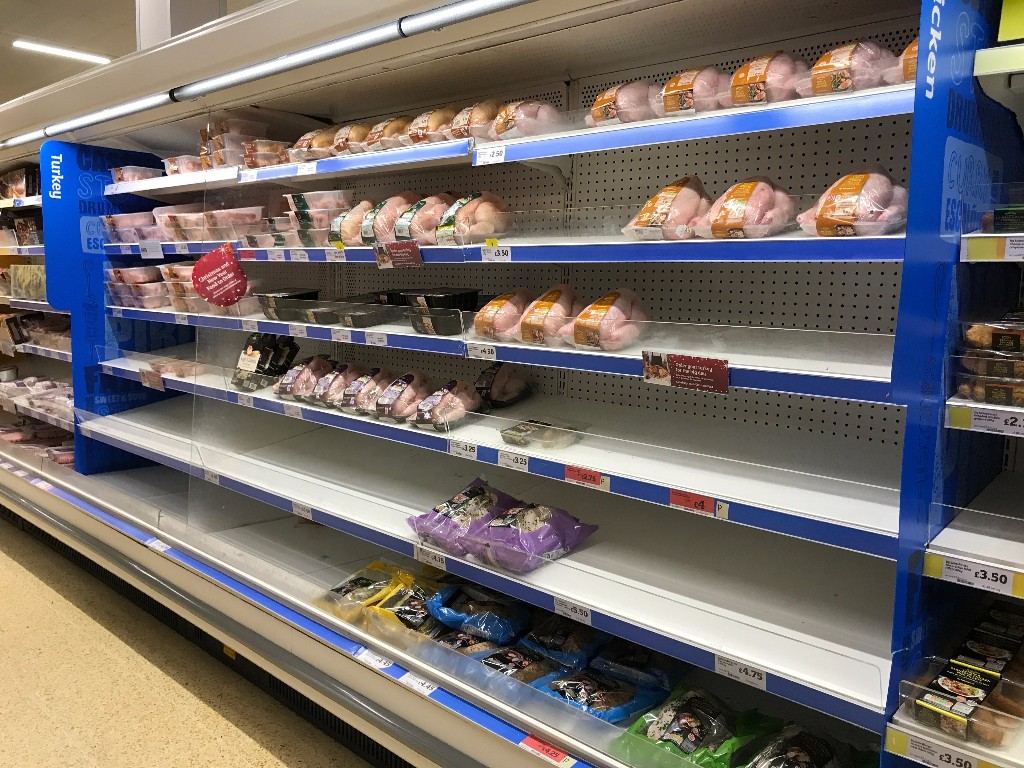
Sainsbury's have a challenge at the minute within their stores, namely their operational changes around abandoning night fill and moving towards early morning / evening replenishment are now impacting availability for customers.
Recent store visits, both North and South have seen standards go backwards sharply and it now must impact customers both in store but also the online customers too.
Notably, Sainsbury's have introduced top stocking which does alleviate some of the challenges around in day replenishment. However there is an impact to the look/feel to the store, it doesn't look great, nor is it seemingly helping availability either.
With the bulk of the Sainsbury's estate being in the South, and indeed their core 'share' of the market is at its strongest in the South East, but there is competition from all angles, not to mention discount..... Can Sainsbury's afford to run their stores in this fashion?
Affluent customers still factor price in to their overall buying decisions, but service and also, the store environment and availability factor too.
Sainsbury's cannot afford to neglect the last two, cornerstones of their relative success in the market have been built around consistency on store operations and great availability too.
I'm reminded of the quote by David Glass of Wal-Mart fame when thinking about Sainsbury's these days.
"In retail, you are either operations driven—where your main thrust is toward reducing expenses and improving efficiency—or you are merchandise driven. The ones that are truly merchandise driven can always work on improving operations. But the ones that are operations driven tend to level off and begin to deteriorate. So Sam’s item promotion mania is a great game and we all have a lot of fun with it, but it is also at the heart of what creates our extraordinary high sales per square foot, which enable us to dominate our competition.”"
It feels like Sainsbury's are very operationally driven now, but they have been reducing costs in a sustainable way for many years now. Indeed, they've never really had a great deal of credit for their slick operation and how this has fuelled their growth for many years.
However these improvements means that it then left them without much fat to cut when it came to further savings, especially with inflation rampant. Not to mention discounters continuing to grow, increasingly encroaching on Sainsbury's territory with their premium products too.
With their move to eliminate multibuys still causing some confusion for customers (red labels flag value, if there are less of them but customers still buy in to them = an issue.) and now stores creaking, what do Sainsbury's do in the mid term?
Sainsbury's were always very product focused and strengthening the own label, however whilst it's not necessarily the case Sainsbury's have stepped off the gas on own label. It's as much to do with the competition strengthening all the time...
So what's occurring in store?
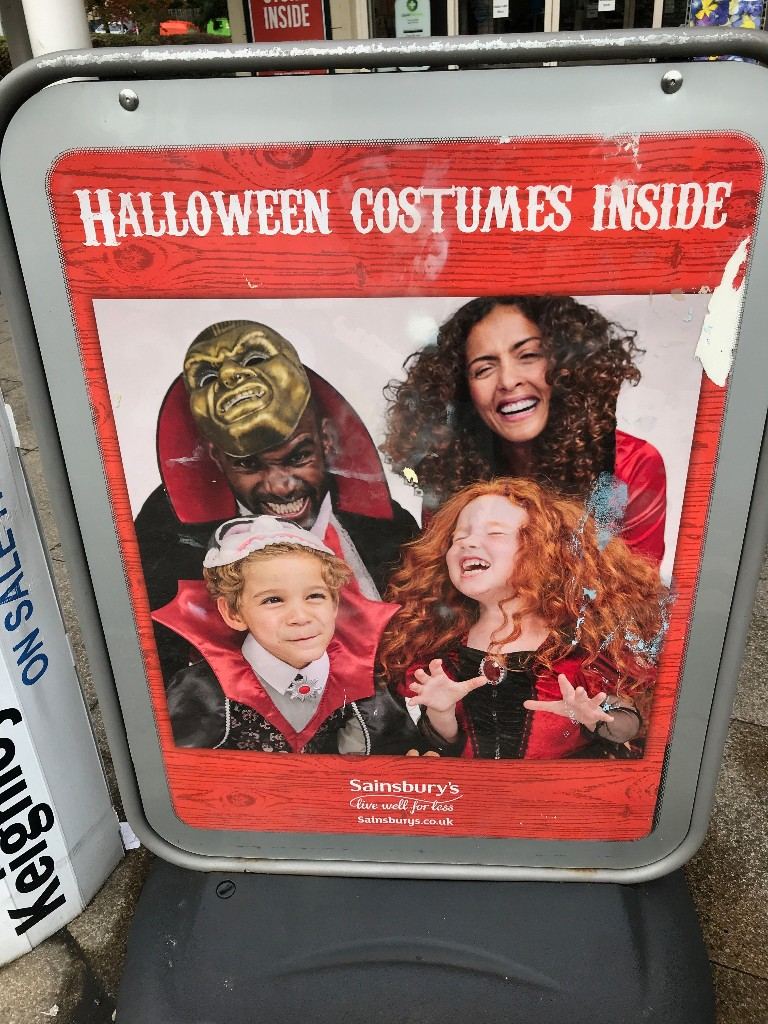
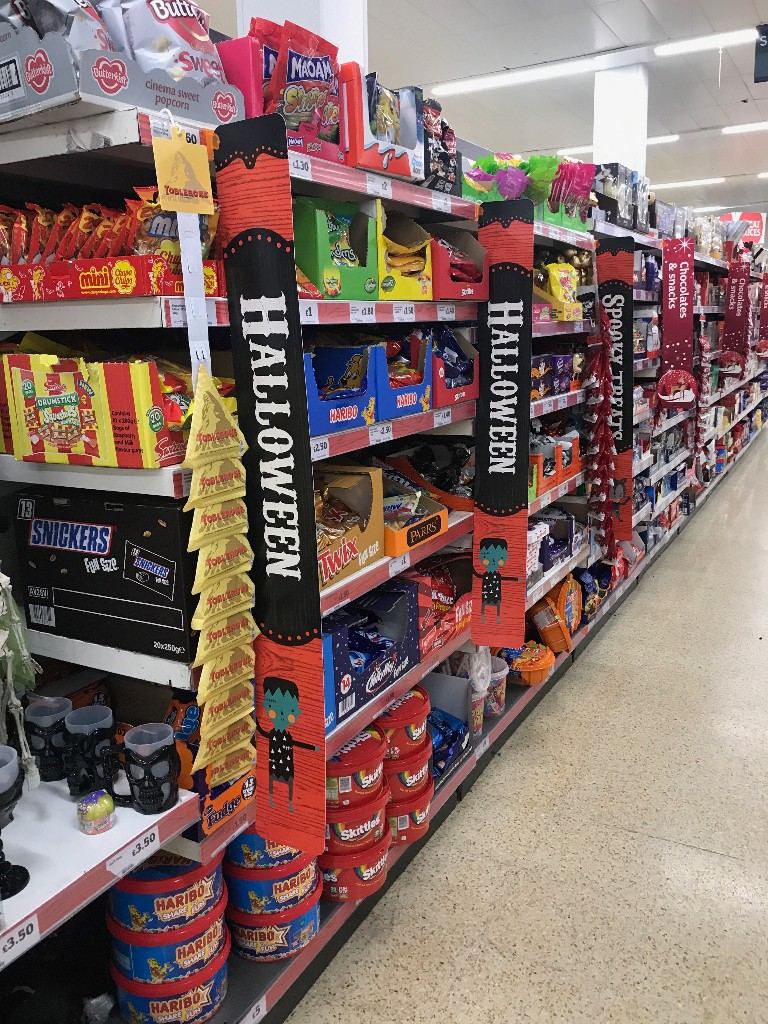
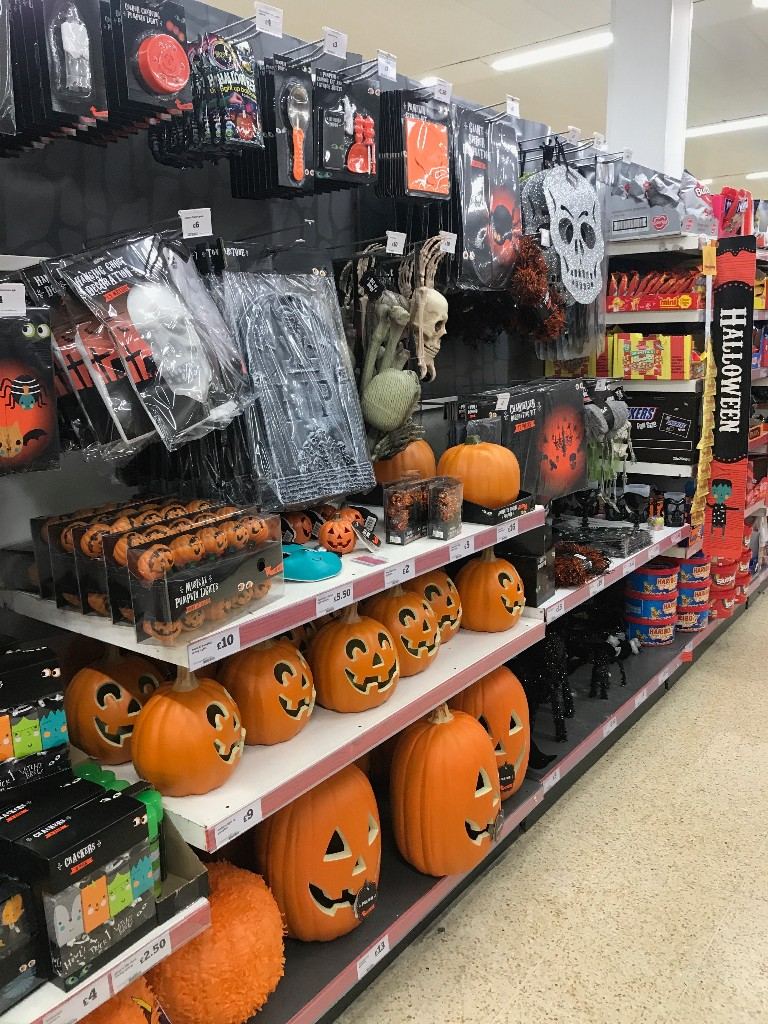
Events are something that Sainsbury's have been a little hit and miss on recently, either using the same signage as the year before, or not doing a great deal in general for the wider event (IE food links).
Christmas last year was a sign that things were too 'samey' versus the year before, but they have been tweaking things notably. Back to School was far sharper this year and Halloween in the early stages already looks strong too.
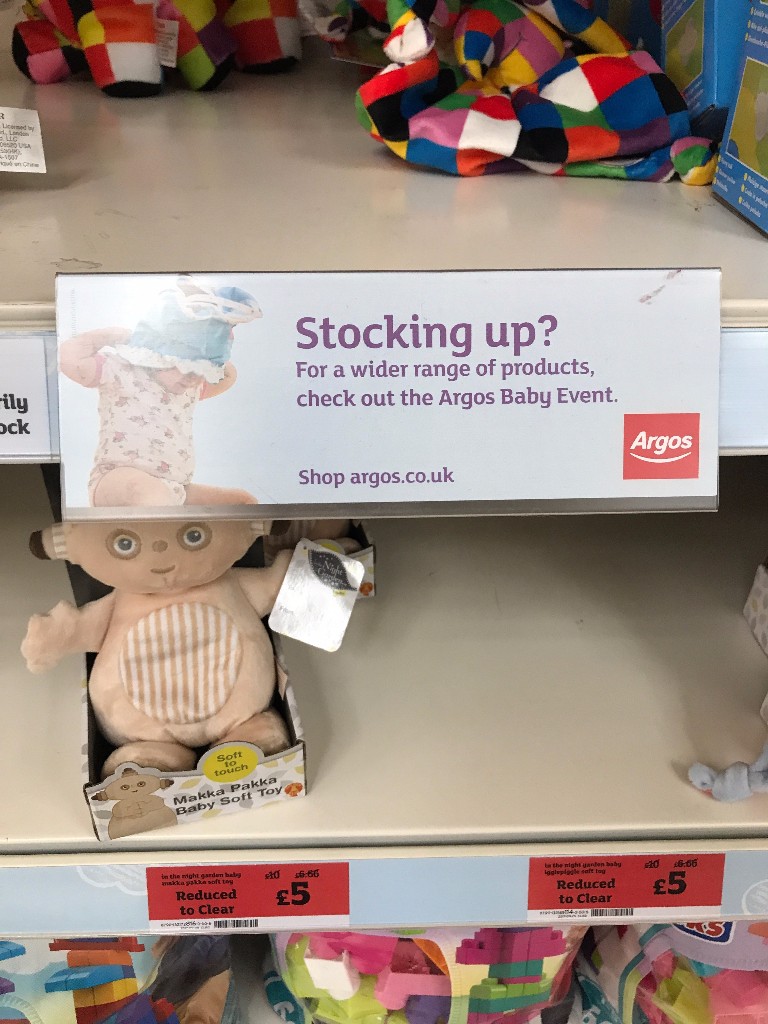
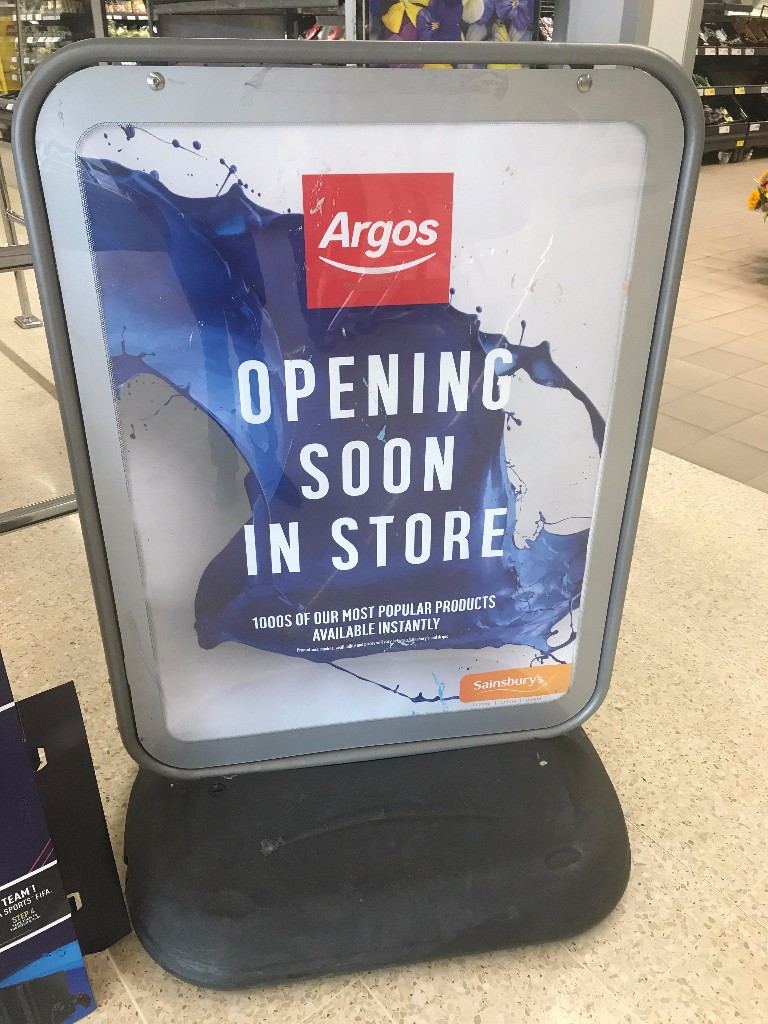
The major 'cup final' in Sainsbury's is the Argos integration that continues apace around the country.
Stores do receive some uplift from the Argos being inside the store (believe it was quoted at 2-3%, which isn't much) as it does drive footfall to store.
However the confusion comes from the non food range being reduced to accomodate Argos and crucially, areas like Toys that are a valuable footfall driver. Hiding those in Argos doesn't necessarily translate to the sales line.
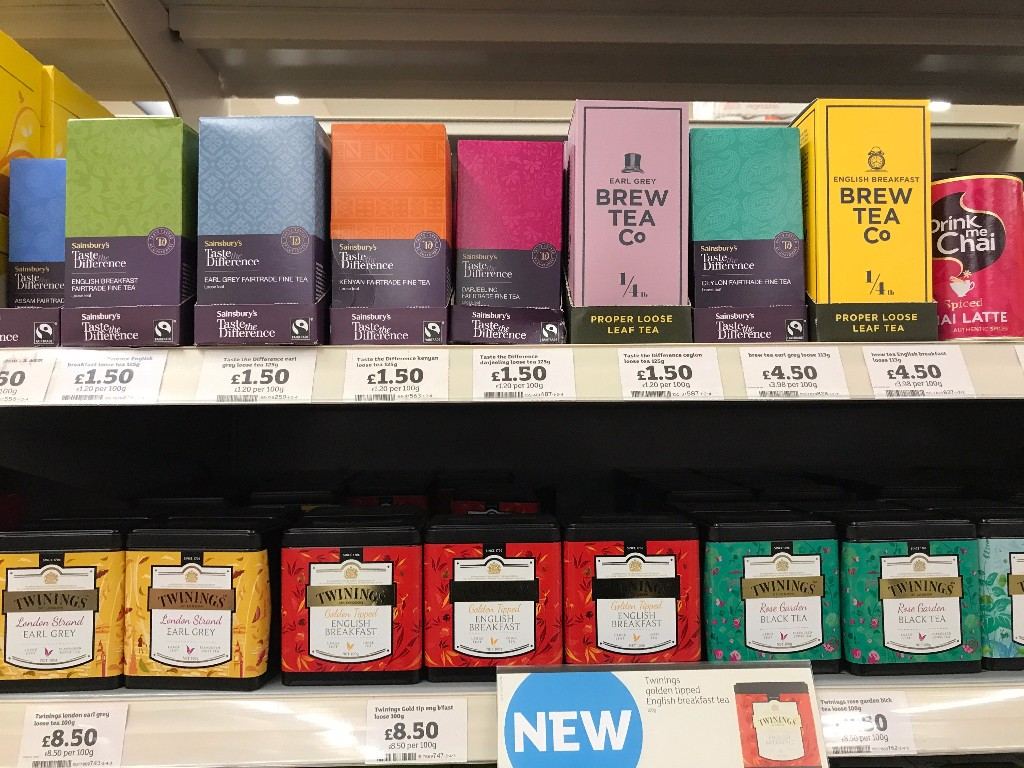
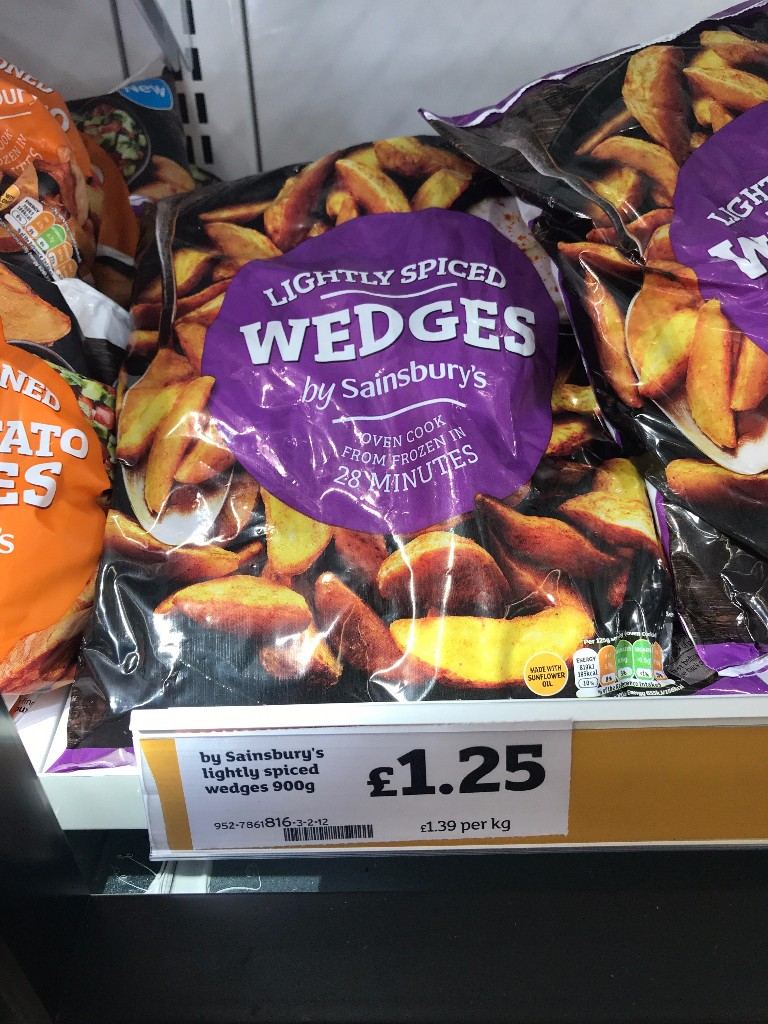
Within own label, there has been a flurry of activity recently as numerous categories have added 'new' flags to highlight their new products being added to the range.
As noted previously, the work to intersperse free from Flour in to the home baking category is a good example of moving convention to capitalise on the latest trends.
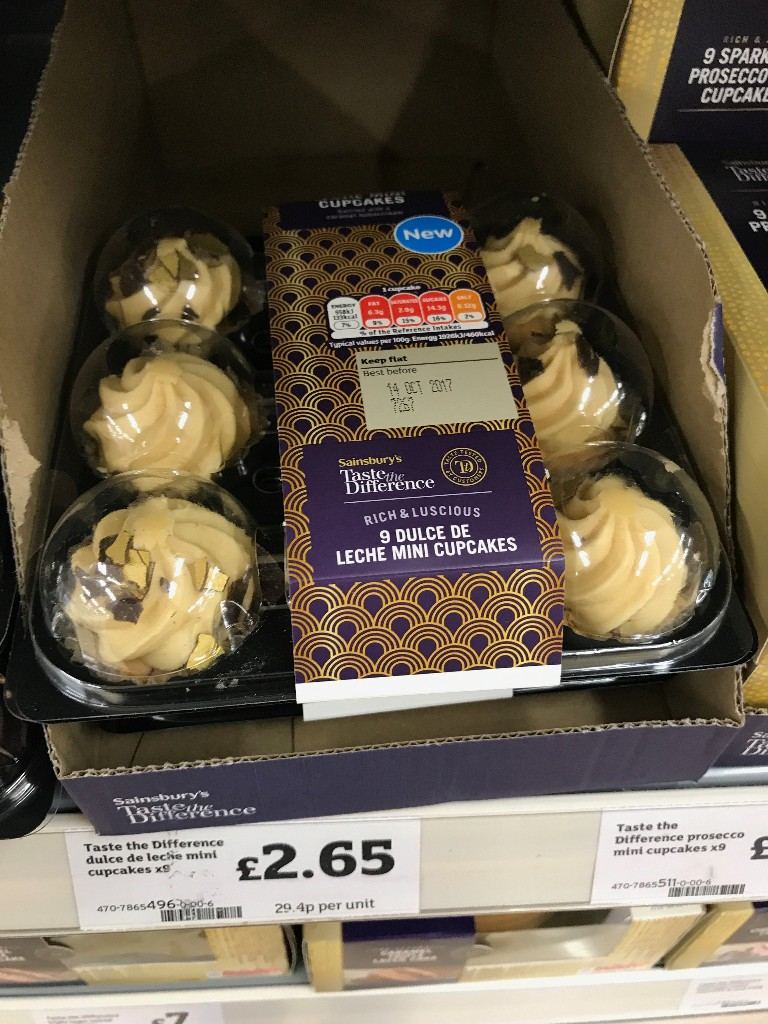
Premium remains very important to all retailers, but Sainsbury's more so, as their 'Taste the Difference' brand has been a bastion for great product for years now. Some interesting new lines are coming through at the shelf edge, Dulce de Leche mini cupcakes were noted, alongside Mini Processo cupcakes too....
However the days of this being half copied by the mainstream rivals are long gone, expect an Aldi / Lidl equivalent to appear in no time, probably at around the £1.99 mark.
Whether the Tea was an error within the layout or a store problem it was unclear, but they'd interspersed branded lines within the premium Tea on the top shelf, cluttering the message entirely.
Not always about the premium labels, there have been some signs of the core own label being sharpened in tems of look and feel, also often carrying 'improved recipe' signs on pack too.
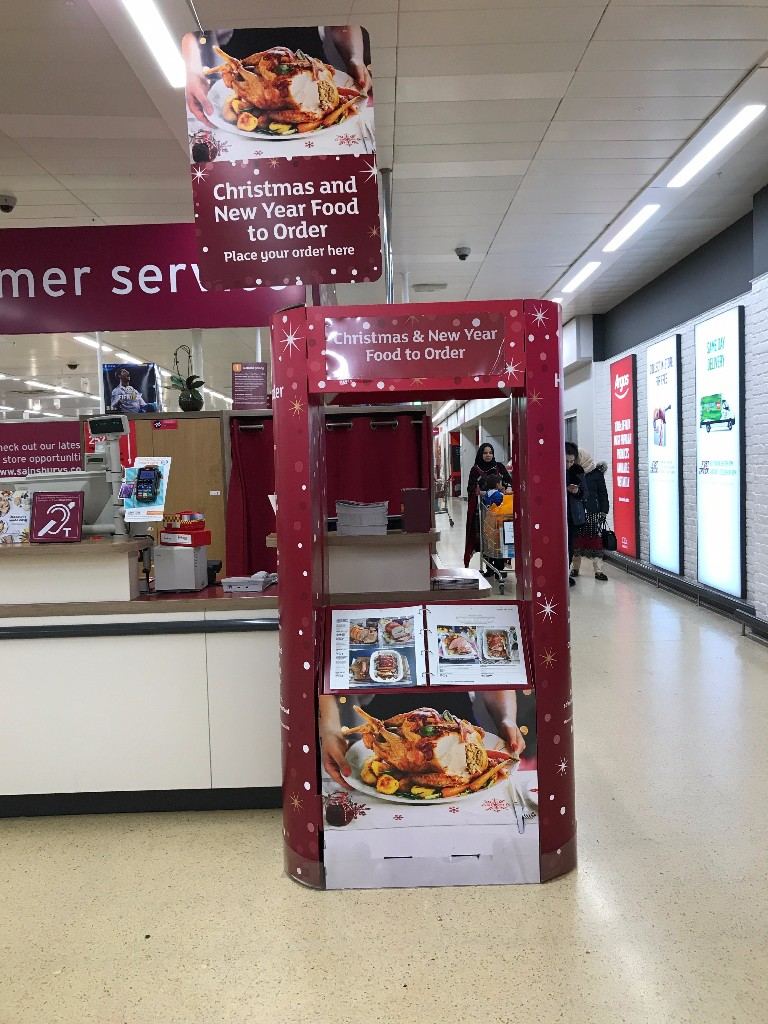
Christmas and New Year food order stands arrived recently, however this one was oddly located next to the customer service desk. The front of the stand was given over to the larger printed brochure that customers could review in store.
The takeaway books? Not located inside the stand itself (the whole reason for this stand is to display the books) as the stand is next to the desk itself, blocking access for customers.
Instead, they put the booklets on the customer service desk itself, a bizarre design and use of a shipper really.
It seemed an opportunity to site the brochures on the front of the stand as well as the back?
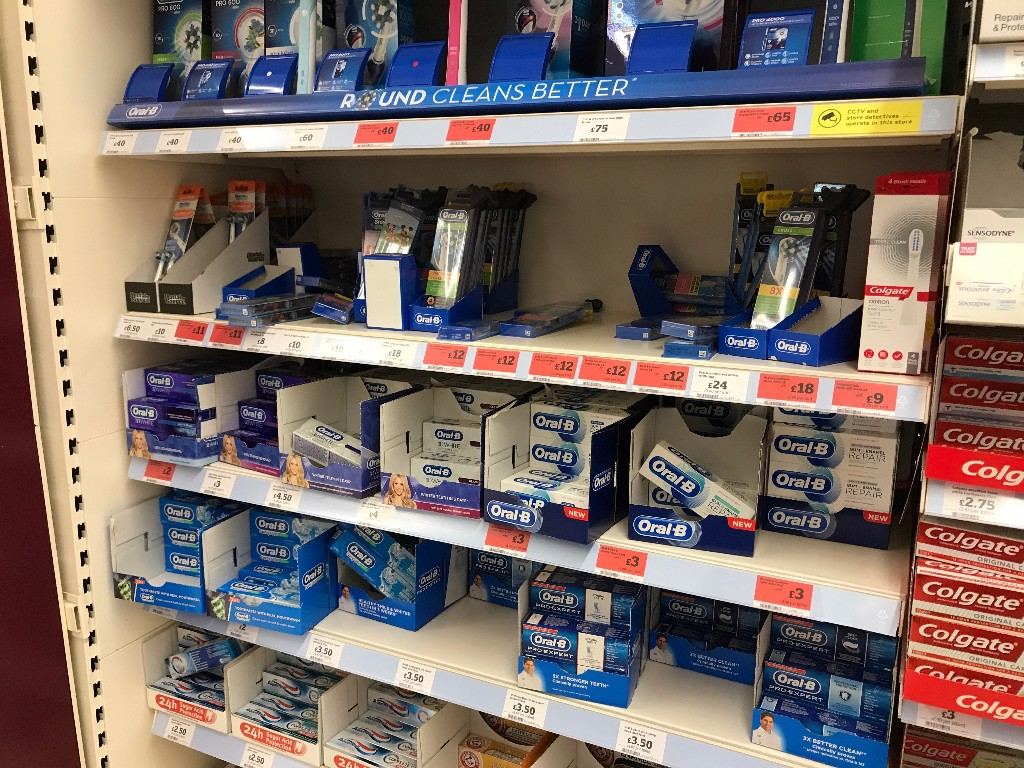
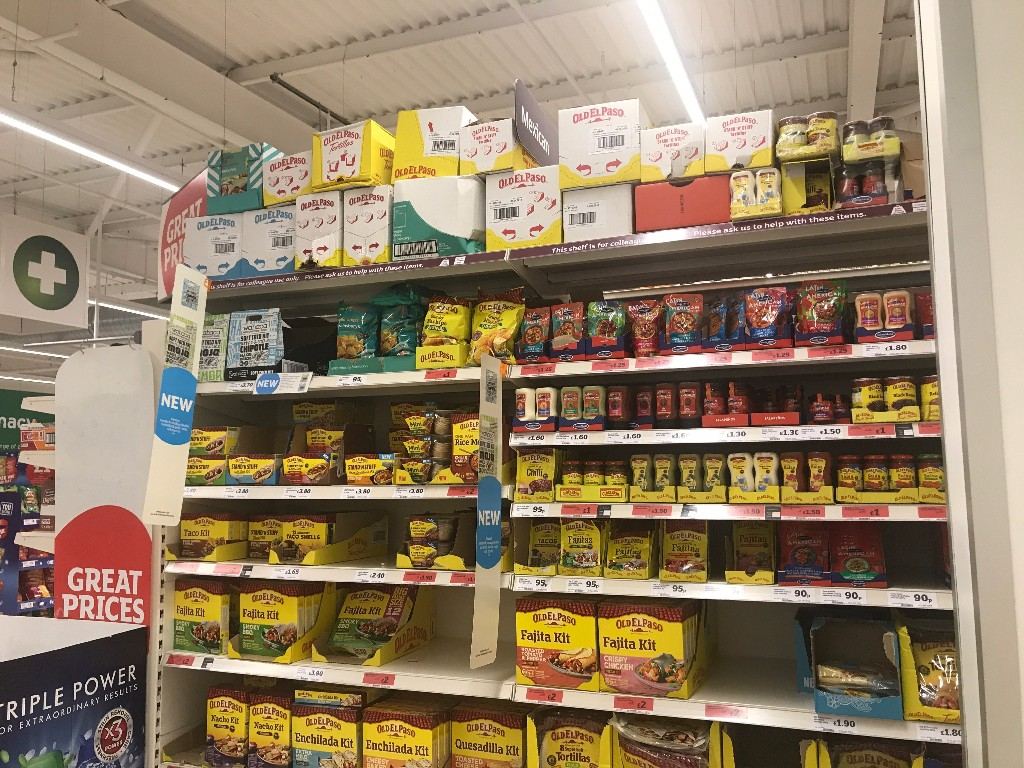
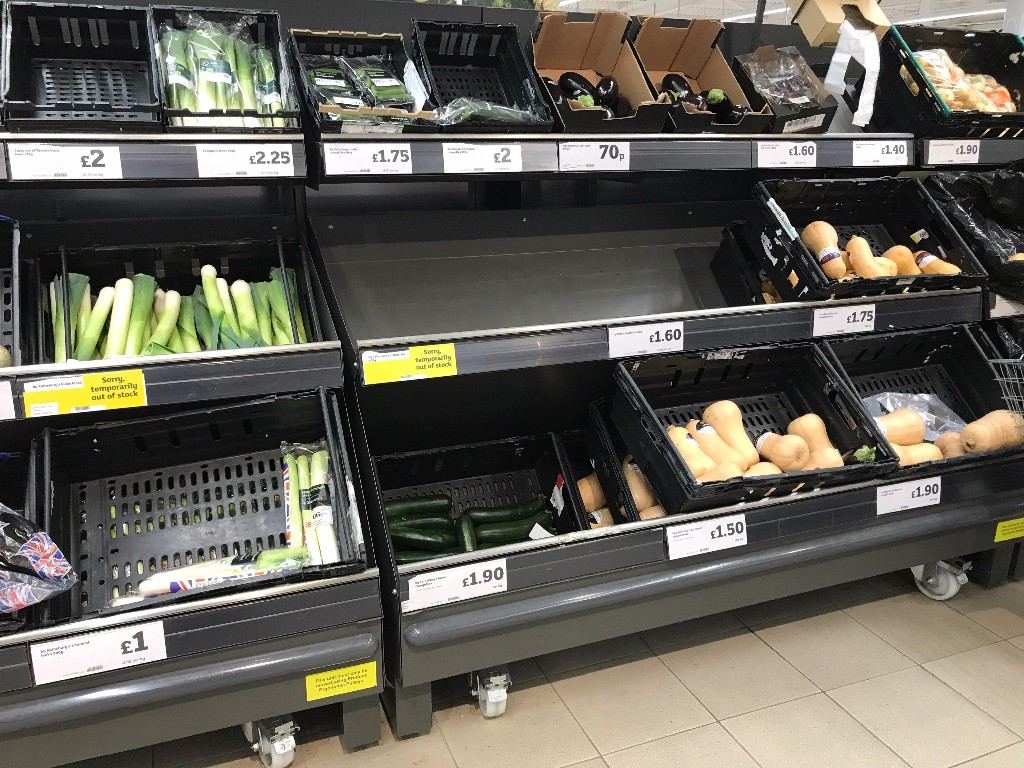
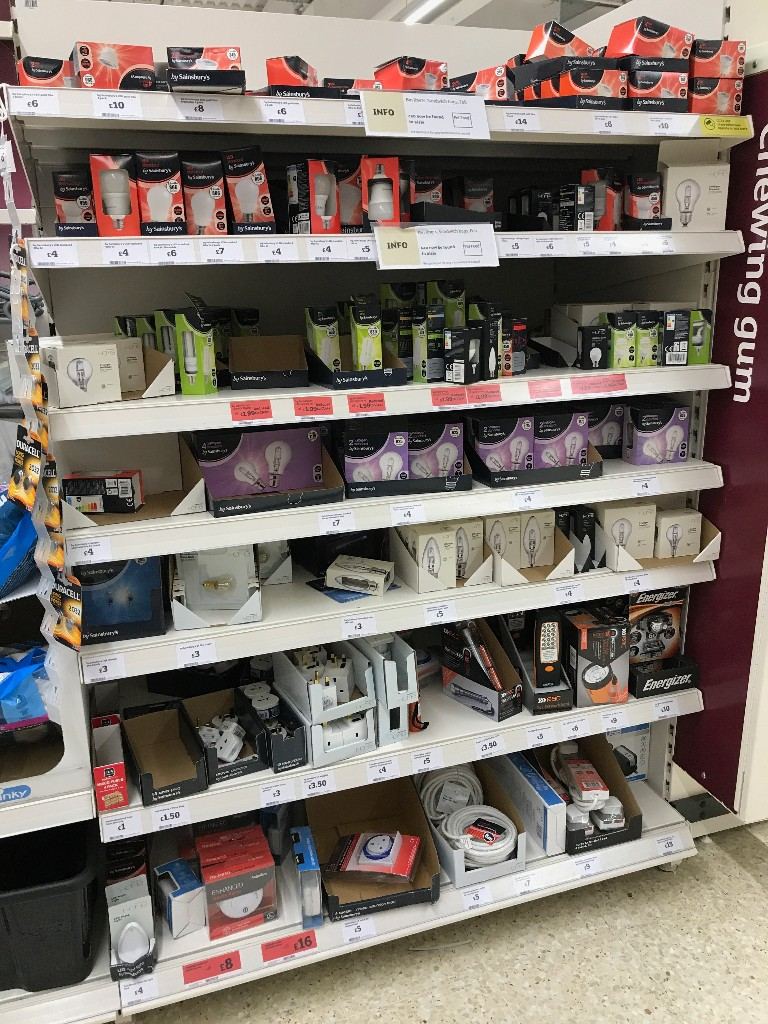
As for standards..... I could fill an email in its entirety about the levels of fill, core availability weakening and the rest. Top stocking as we can see is now in many stores, part of the savings on night shifts and the daytime replenishment too.
It's a good piece of work when used correctly, perhaps where promotions are popular. But to put everything up there.... It doesn't look right and also then becomes harder for colleagues to see which products are which.
On the nights / days shift, initially stores were cut across to day fill where their sales were low and could therefore cope, however if the store picked online shopping then their night shift remained in place.
However a second raft of changes meant that many more stores were included in these operational shifts, some of which had higher sales rates and also those online picking stores were also affected.
Some of these images were taken in the south, some in the north and crucially, were taken at both morning and afternoon/evening.... Produce was a Monday morning for example, not great for sales.
The toothpaste/toothbrushes shows what happens when things are run a little tightly in store, it becomes a lower priority. Night fill is great in that nothing else can get in the way......
However on day fill, with the best intentions, checkout calls, customer service, sick calls and the variability of the operation mean that time cannot always be dedicated in the same way.
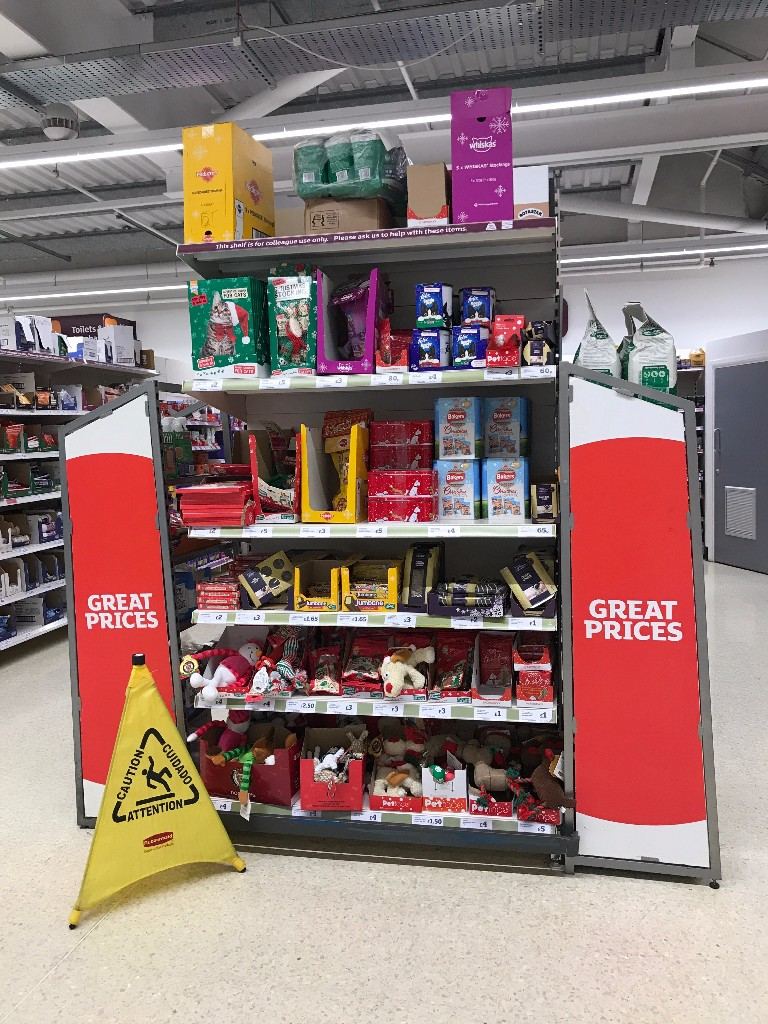
Top stocking always needs to work properly, it's surprising this has been landed in such a way that the store put Christmas stock above the core fixture.
Top stock works best when the faster selling items are placed in aisle, to reduce the miles walked between warehouse and shop floor. Promotions are particularly key for this, as are high cube areas like Crisps (IE bulky items, where shelf space doesn't always match the sales rates).
Christmas lines on Pet? In October? Not really.
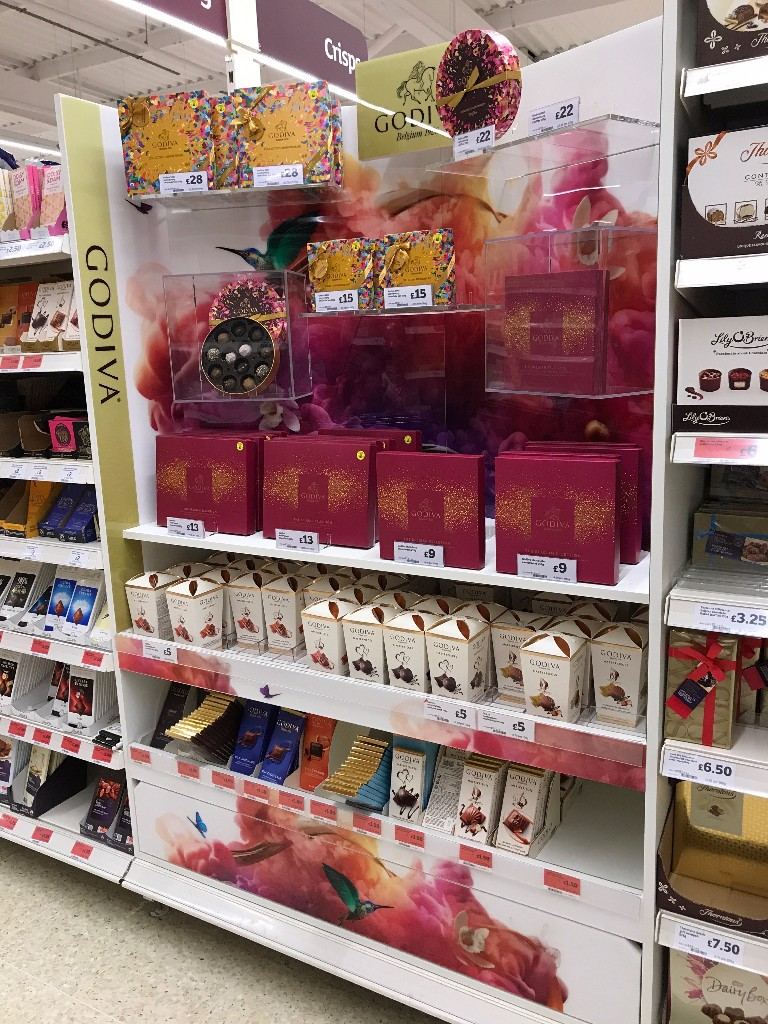
Godiva looks strong on shelf though, there is some good work here within brand development and particularly the display kit. It looks really well and the products are sharp too.
Highest price in aisle is £28 for a box of Chocolates, which could be a magnet for shrinkage rather than sales perhaps. But it represents some new thinking, which isn't a bad thing necessarily.
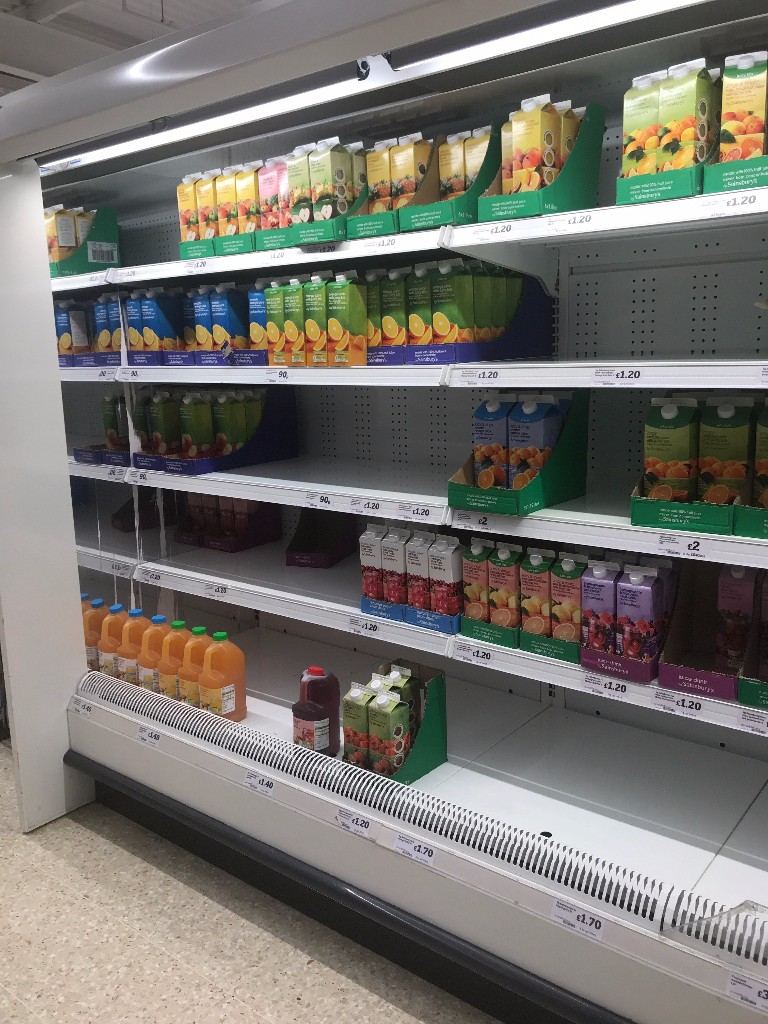
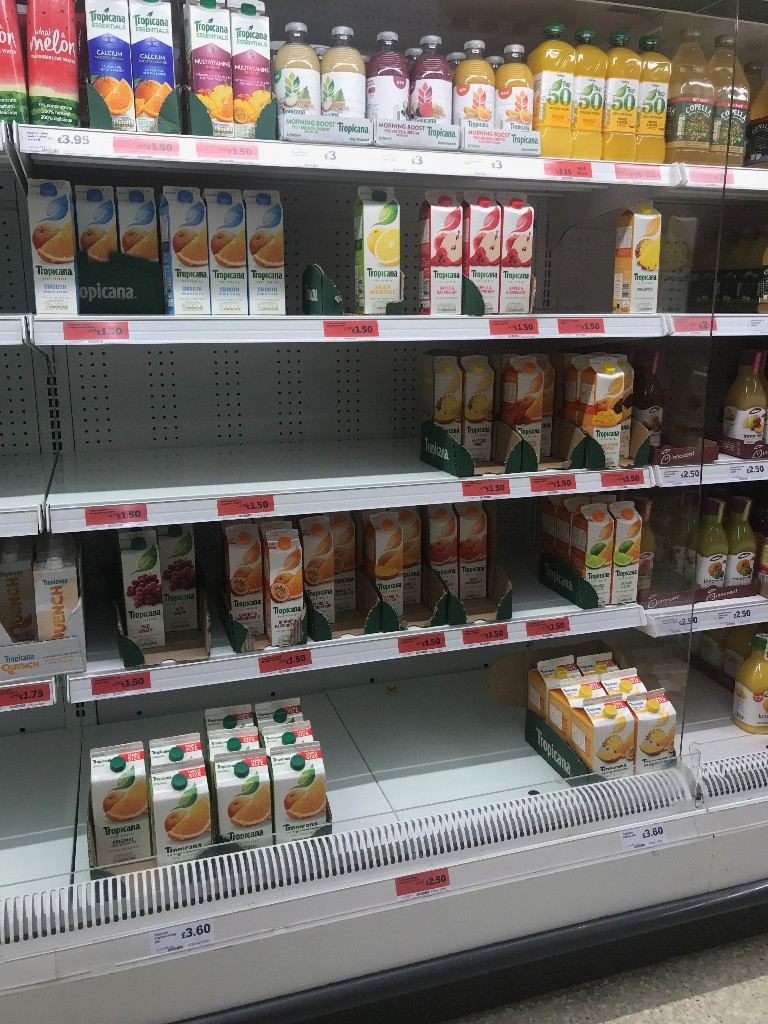
This was a Monday morning in store on the Juice fixture. An example of exiting a busy Sunday with low stocks, Monday is generally a quieter day in terms of deliveries anyway which doesn't help matters either.
But if we look across the two images, it can be an example of where just reducing the number of deals isn't enough. Perhaps a full elimination of deals is necessary for Sainsbury's to smooth the demand curve.
They can't do that of course.
Availability wise, a 'save' deal is slightly easier to forecast versus a multibuy deal but still difficult as what is the pickup? Do customers trade in to the deals still?
It seems they do, the 'red' label is still a flag bearer for value and visits have seen promotions blown out on shelf as customers buy the red label. We love a deal in Britain!
It seems the law of unintended consequence comes in to play, because the deals are less frequent on shelf now, sales are being channeled in to fewer deals which leads to gaps.
When the promoted lines are then off sale, customers are faced with the rest of the range at full price, whilst prices are more stable, that doesn't necessarily mean they are 'low' for customers.
There is also the case where, as in the example above, sales shift in to own label and they sell out too. Never a bad thing for sales to move to own label, but the demand curves must be all over the place in some categories.
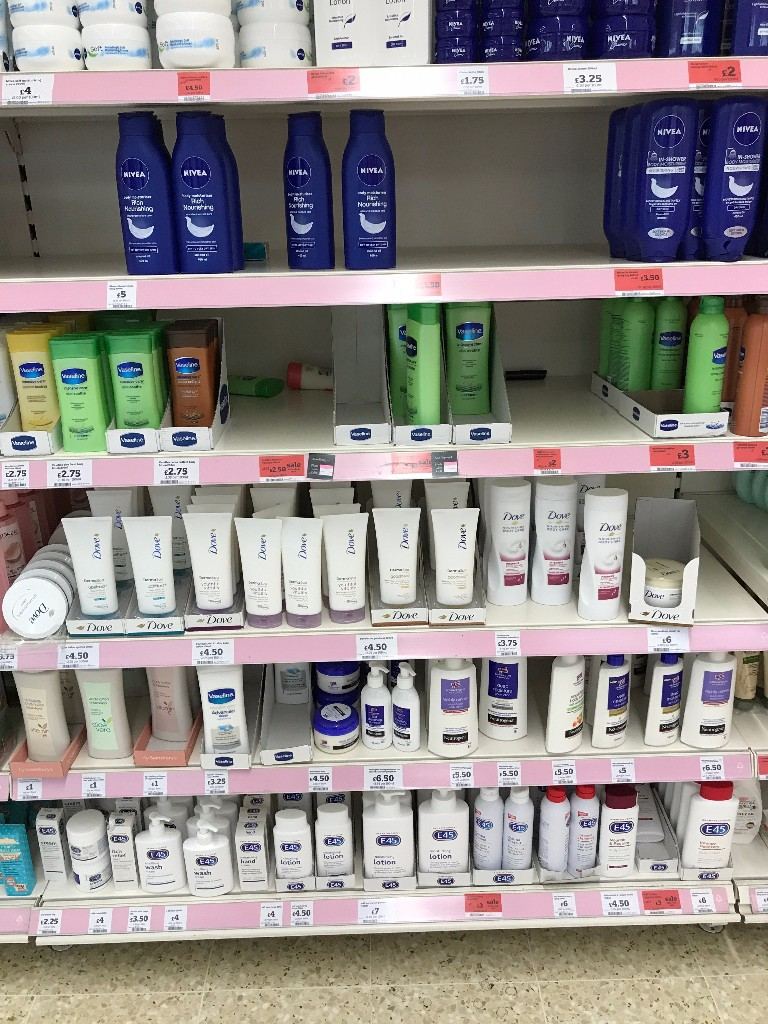
A further great example of this in Health/Beauty, trade in the red labels and the rest remains on sale.
Ultimately, this can harm price perception as the customer arrives to the fixture, finds the deal off sale then looks at the other full price alternatives.
Whilst Sainsbury's are far more stable, and have done a decent job of flattening their price points around the categories.
Promotions are still very important to customers, more work on own label is needed too, especially in the Tesco theme of prioritising own label on shelf.
So, not easy for Sainsbury's as they grapple with Argos integrations, revamping own label and trying to fight back against discounters who are increasingly moving in to that premium space too.
The concern is the obvious impact the operational changes are having at store level, which means the customers are also seeing this. Availability and consistency have been cornerstones of the Sainsbury's story, so to move away from that is a major risk.
Never underestimate what impact standards/service have on the shopping trip. Customers accustomed to good standards/service/availability will stop mentioning it as a priority for them as it becomes a 'given'.
However once it changes for the worse...... They may end up looking elsewhere for somewhere to shop....
From the Grocery Insight newsletter archive, first sent to subscribers on 16 October 2017. Steve now writes at read.groceryinsight.com. See also the blog archive and briefings.