Own label developments
15 December 2017
I am always a fan of the 'win together, lose together' mentality in life, and indeed, retail as it stops the short term behaviour we saw pre discounters.
Buyers who were chasing the dollar to boost their sales figures and no doubt, were bonused as such, leading to unhelpful strategies that meant Coke once had 36 SKU's in on retailer and each aisle had about 4 brands advertising their wares with no benefit to the customer.
But it benefitted the buyer, or indeed the commercial teams so that was just fine.
Over time, the figures become harder and harder to achieve in a depressed market and as we saw with discounters, once the volume disappears - a fundamental reset is needed.
It happened everywhere in the sector and eventually the categories basically ate themselves as everyone decamped elsewhere, taking their business with them.
Brands were arguably as much to blame, with 'innovation' becoming a bit of a running joke around flavours and packs. How many types of Mini Rolls can be brought out in a calendar year for example....
The sub total was brands struggling, retailers losing and discounters winning, without very many of those leading brands at all......
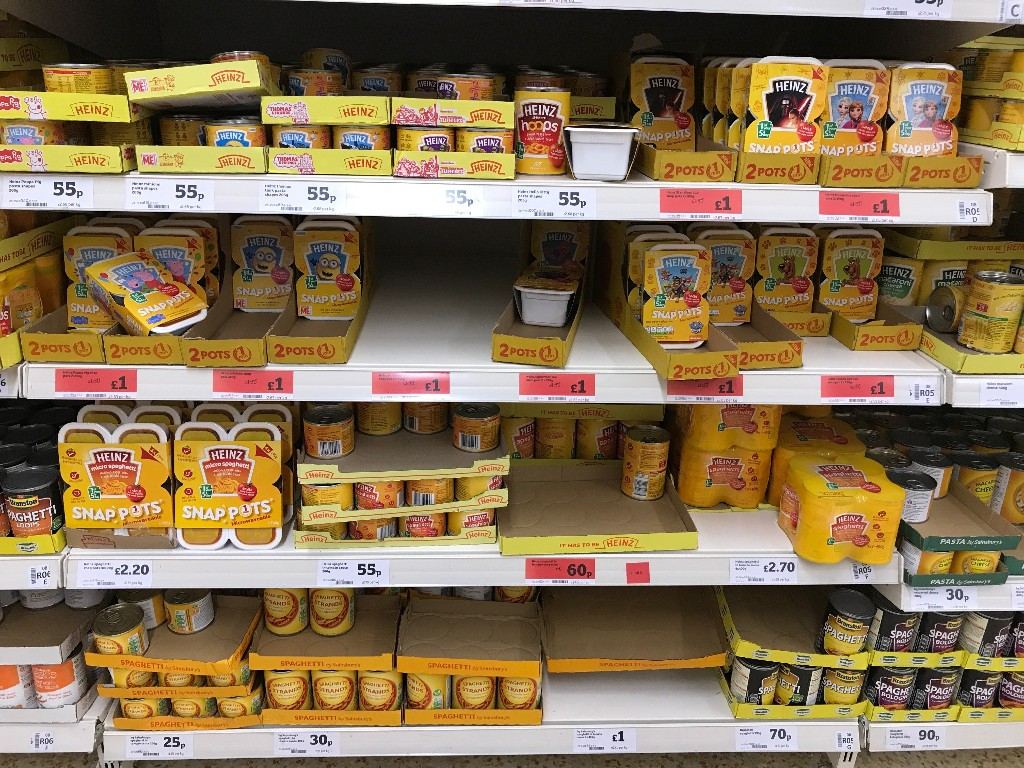
With discounters changing the market fundamentally post the recession, showing that customers are a) quite happy with EDLP and b) actually don't mind the own label either where the price is right, it did lead to a step change in the industry.
But not instantly, whilst management is now changed at all the big retailers, there were a few mis-steps when coping with discounters in the early stages. Attempts to price match a number of 'essentials' rather than looking at the bigger picture of 1500/1800 lines, or just adding more deals in to the mix.
Whilst big offers are great for customers, the mindset has changed and the 'big shop' is all but over, save Christmas and perhaps Easter. If a line is 2 for £1, some customers would rather not invest £1 and instead have a lower price day to day.
Equally expensive promotions were commonplace in stores, with 2 for £10 on Coffee as an example. Forcing customers to pay £10 to get £5 per jar, showed how wrong things had gone. Discounters who were knocking out Coffee at just over £2 and nearer £3 were immediately able to show a saving to a customer.
So the step change in the market has taken new thinking and new blood before anyone was able to take tangible steps to resolve the issues between price, brands, offers and own label.
Dave Lewis was the first to kick off any fundamental change with Tesco, with their yearly focus on growing own label sales and despite the criticism of the mis-steps from Sainsbury's on this very service. They took similar steps to change their offering with less 'hi/lo' pricing and more regular prices, particularly in dishwasher.
Asda and Morrisons continue with deals, price crunch and rollbacks but are still fundamentally leaner and more focused on a 'price' for products, not just whether a deal is available at the time.
There is far more to cover around how Tesco drive own label sales in their respective categories, the changing in how bonuses are calculated and the changes in behaviour probably has a fair bit to do with it.
The customer also wants lower prices and are open to trying own label equivalents, which is a positive for the retailer, assuming that the product stands up to scrutiny.
So things are slowly changing, rather than just aimlessly promoting brands and the associated vicious circle within that....
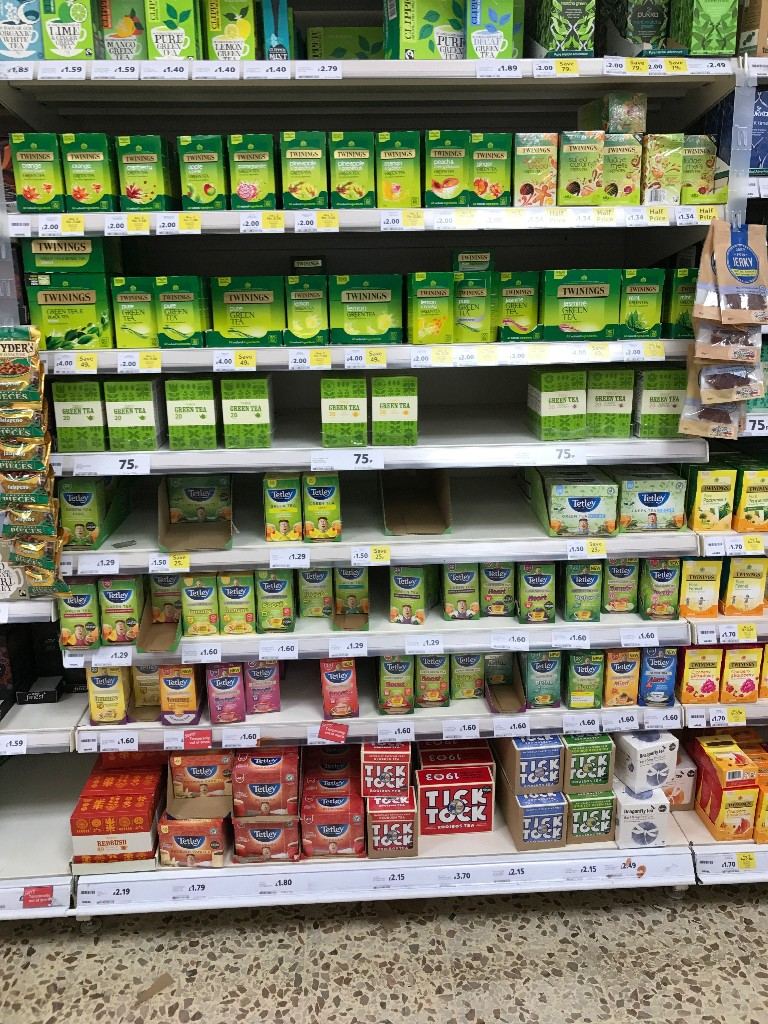
So whilst we know, and have covered that Tesco prioritise own label in the fixtures via better placement of their own label at eye level and above.
Certainly this strategy has continued in years 2 and 3 of their 'reset' with culling of brands, highlighting own label and now, expanding own label by flagging products as 'exclusive to Tesco' or indeed adding barkers to showcase the new recipes and/or flavours.
In many cases, this gives the own label lines a greater presence on shelf and drives loyalty to Tesco as you can only buy their cooking sauce, in Tesco.
A long term plan.
Chasing volume shows that a retailer is serious about rebalancing post discount, after all, that's what is lost when a customer switches to a discounter. They will buy familiar products first, before gradually expanding their shop to other lines, all of which are low price.
Consider tins and packets in the centre of the shop, low priced products but Aldi / Lidl are cheaper still. A number of customers who switch to discount take the bulk volume with them, not necessarily a huge sales value... But it's the start of more shopping transferring to discounters.
As retailers talk about EDLP and lower prices, we have seen evidence of this across the market, but also, we have seen examples of the 'discounter esque brands' appear too.
Sir Terry Leahy was well ahead of the curve when Tesco reacted to the discounters initially, booming in 2008 when they refocused on Finest (a tactic we now see the discounters pushing) the meal deal and also, crucially, landing some 600 products that were branded like discounter products.
Daisy bleach, Country Barn Cornflakes and other sub brands were added to the ranges, designed to bridge the gap between value tier and any own label entry price point to allow customers to save money without necessarily compromising on quality.
Some brands were around until recently, but many of these 'brands' have disappeared. But the strategy wasn't entirely wrong, we have seen 'farm / fresh food brands' from Tesco that aimed to close the obvious gap between themselves and discounters in key categories such as Meat and Produce.
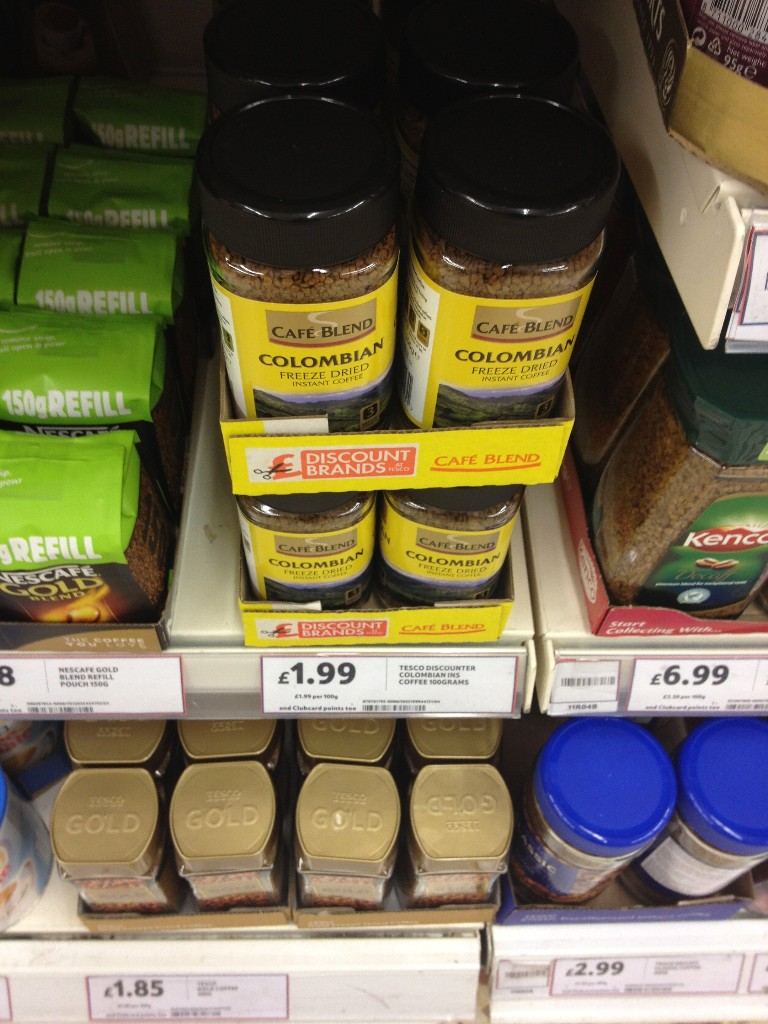
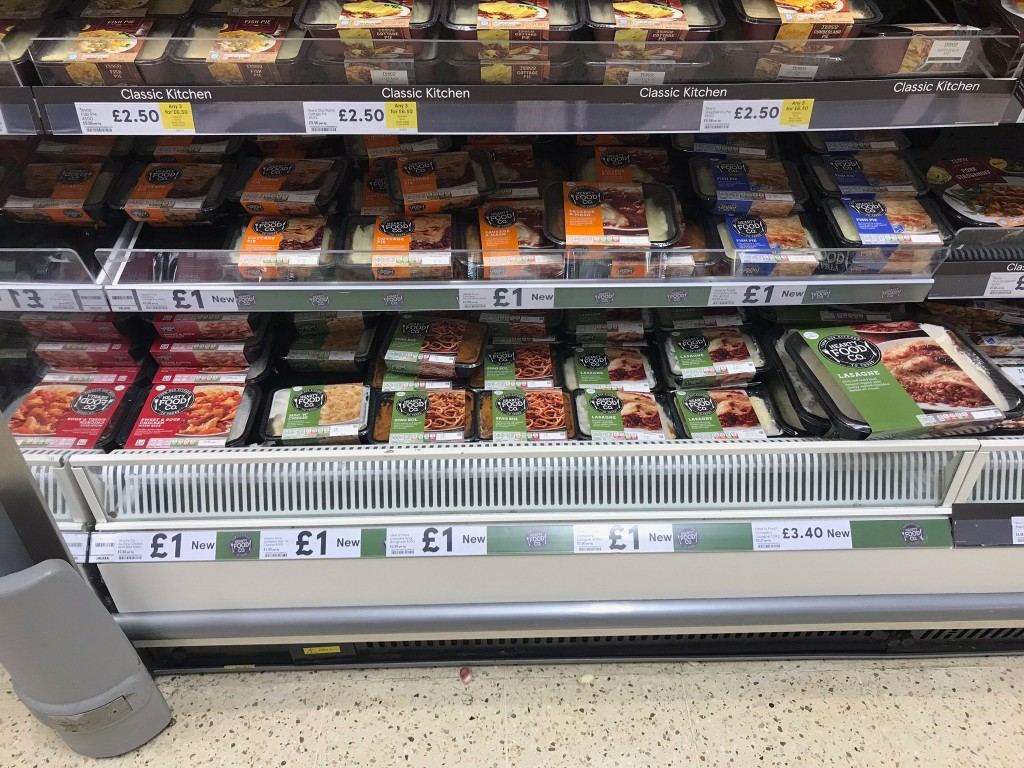
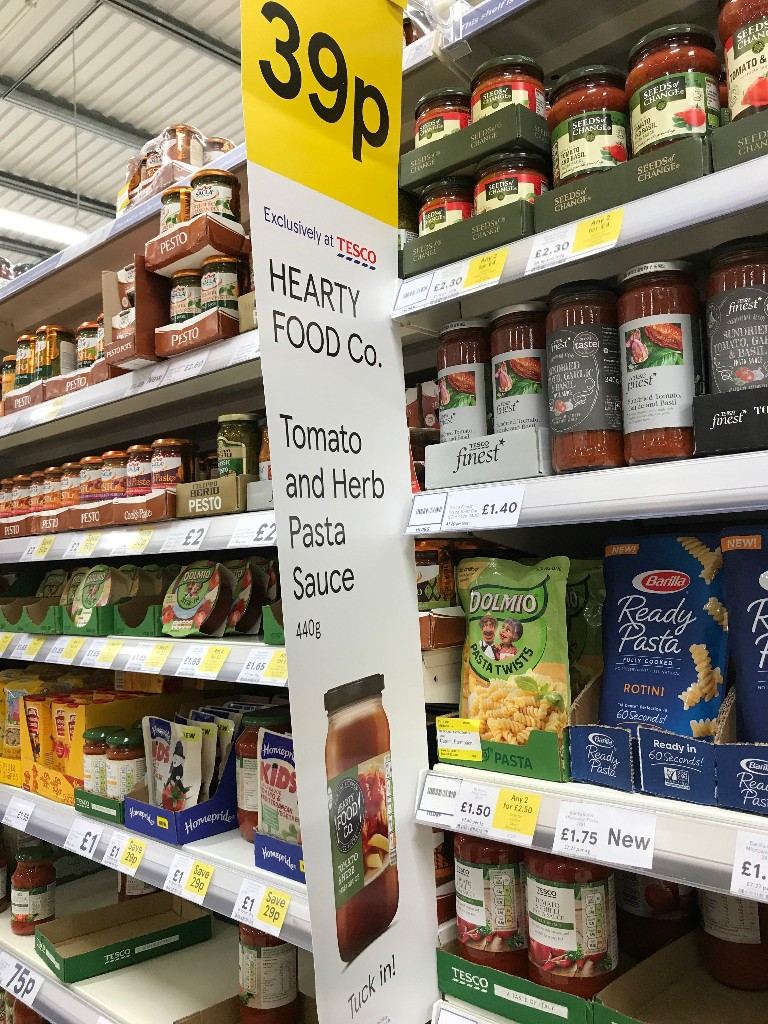
This has now extended to ambient, with value coming out of categories centred around scratch cooking, to be replaced by 'Hearty Food Co'.
Ready meals have been revamped recently and Hearty Food Co has replaced Value meals in this category too. Aiming to drive sales of the own label / entry tier, offering value with a brand that looks more appealing to customers.
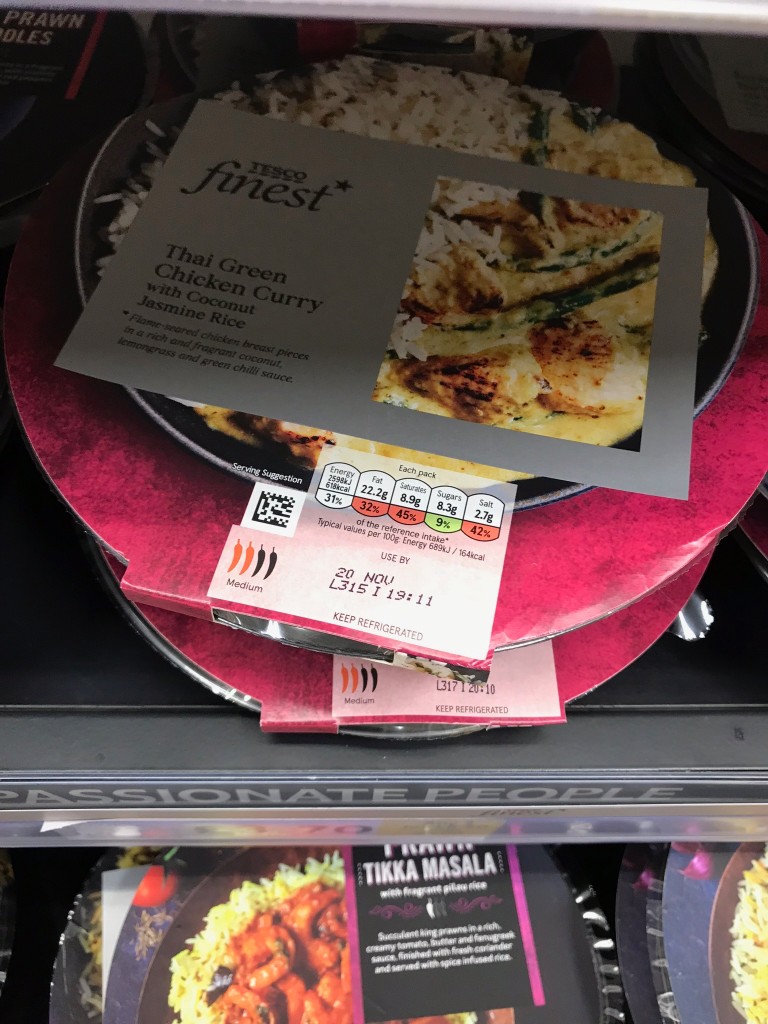
Another note was the change in Finest, which links together the Sir Terry Leahy era nicely.... As in they've revived the branding and packaging that served the chain so well, preferring a silver colour on pack.
The Finest brand was revamped hugely under Philip Clarke in 2013, where they lost their way that Christmas, pumping Finest in at every turn and essentially, making themselves look very expensive. In addition, the relaunch of the tier in that October was solid in that signage and shelf presence was everywhere.
But they forgot a crucial detail, it was near impossible to read the product description on some of the packs.......
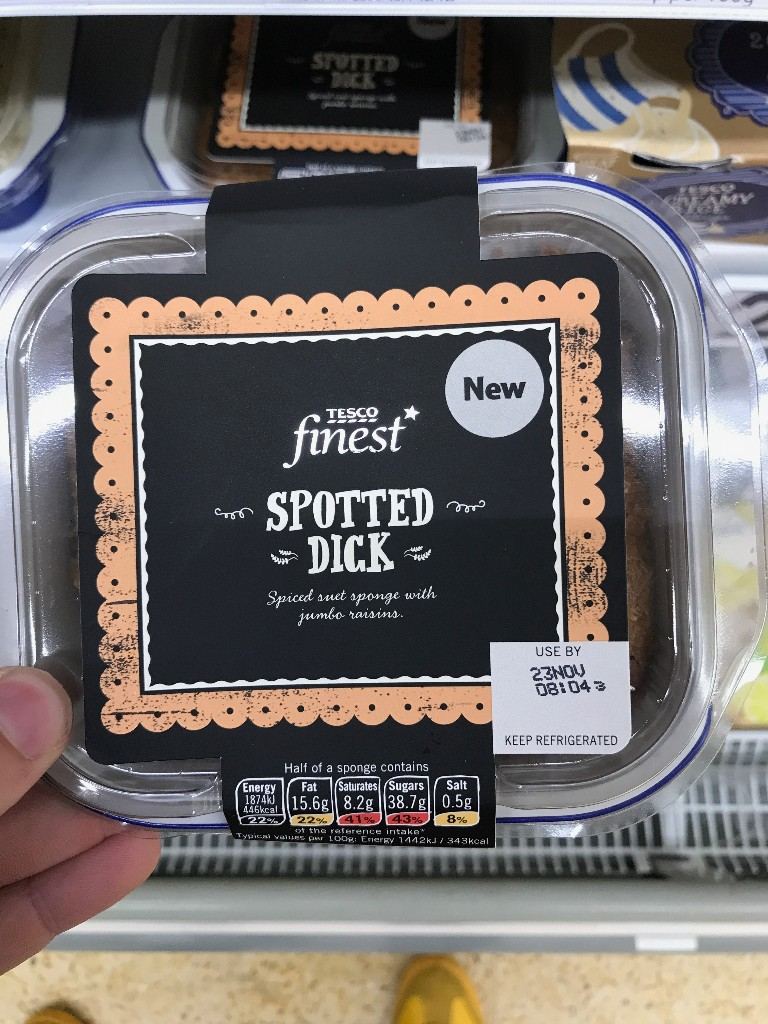
It did improve, but the 'newer format' packaging is seen here.
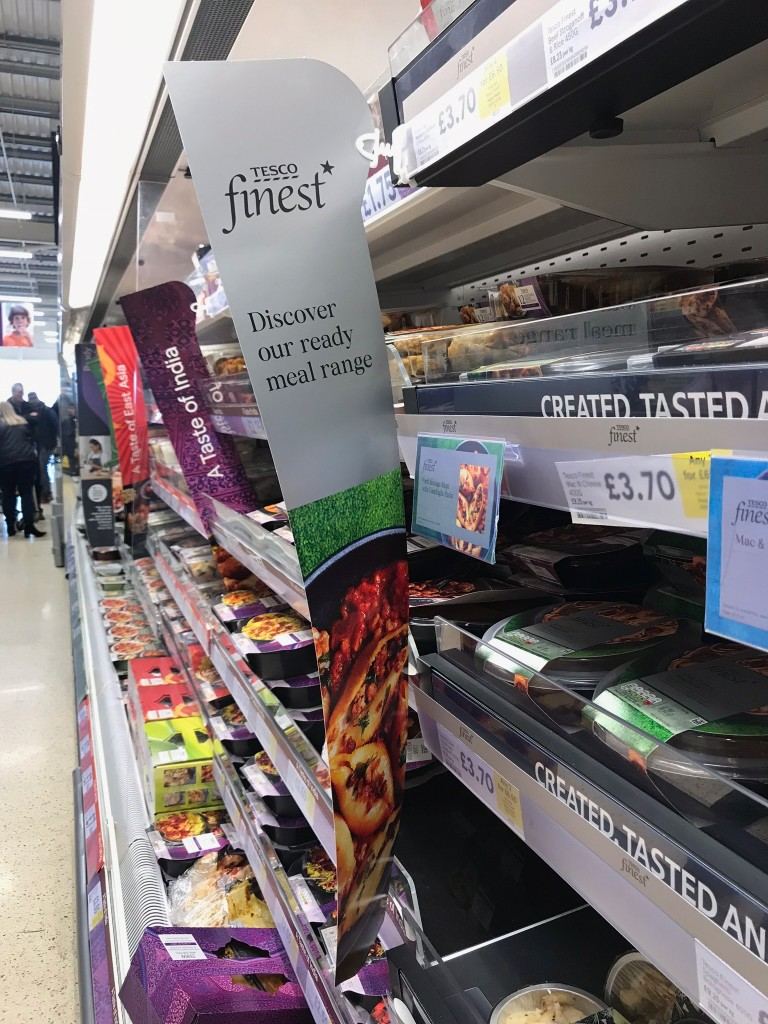
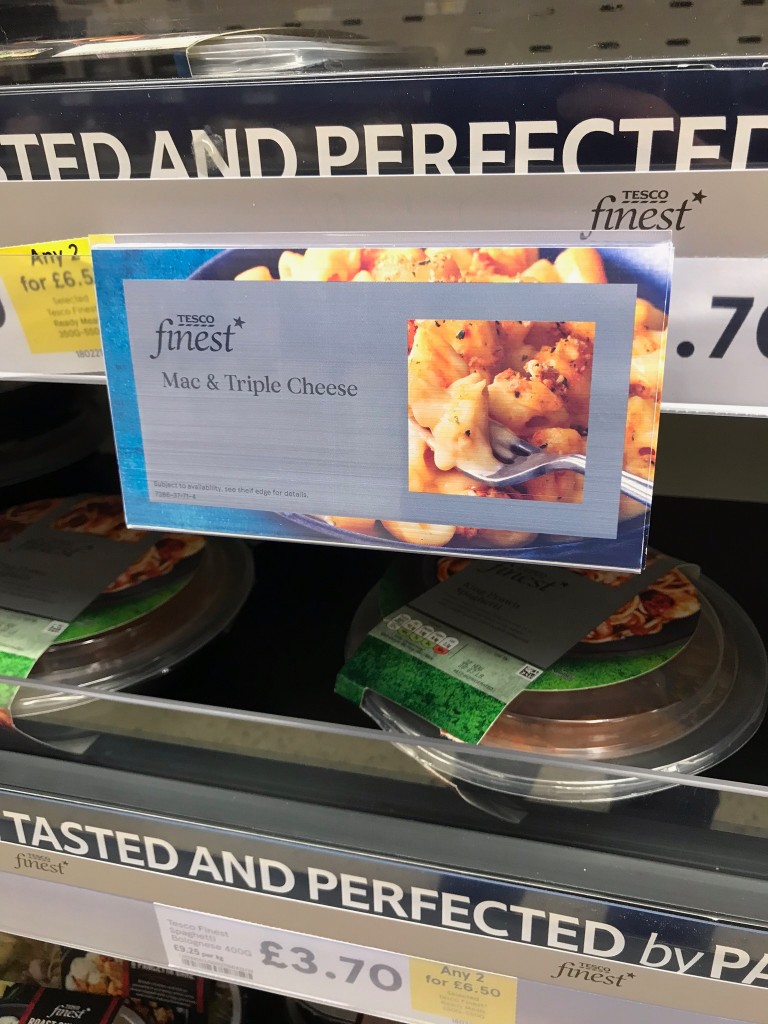
Below is the 'new world' signage, which is in fact old world but still looks relevant, noted in ready meals and also across in ambient scratch cooking too.
The ready meals packaging looks a little odd though, with an awkward grey rectangle almost dumped on the middle of the product.
Another retailer who are seeking to build brands and the 'exclusive' element within are Sainsbury's. They have a number of partnerships with Godiva (Belgian Chocolate brand), Off the Eaten path (a tie up with a healthy nuts/snacks brand) and other brands within the Health/Beauty category too.
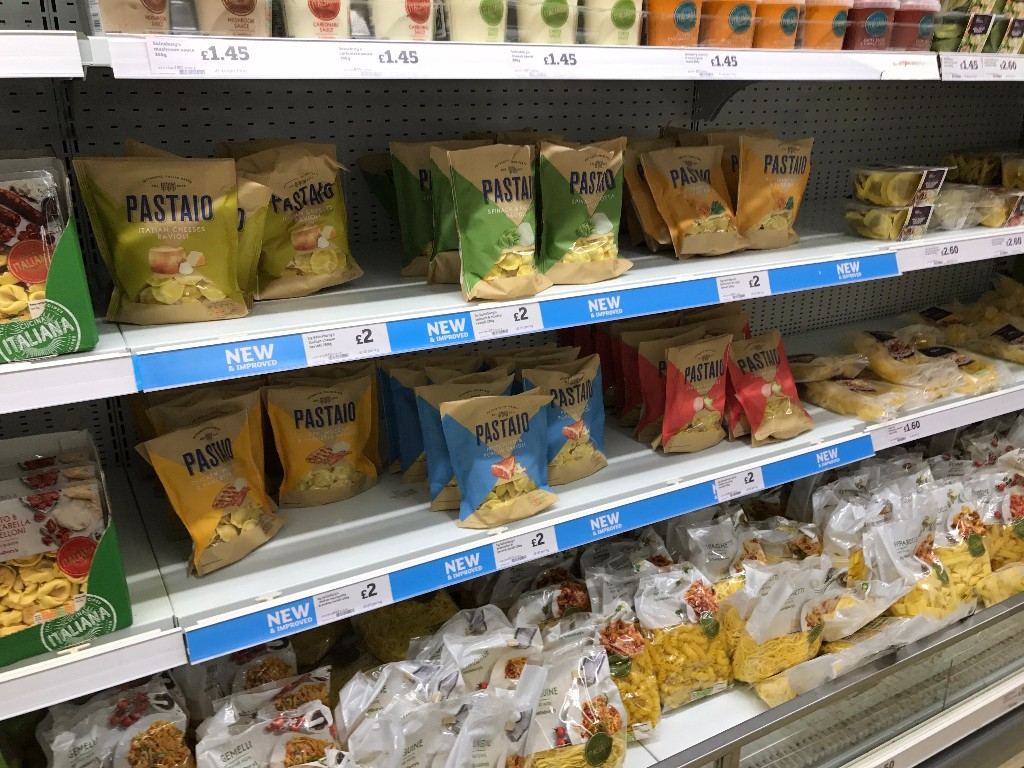
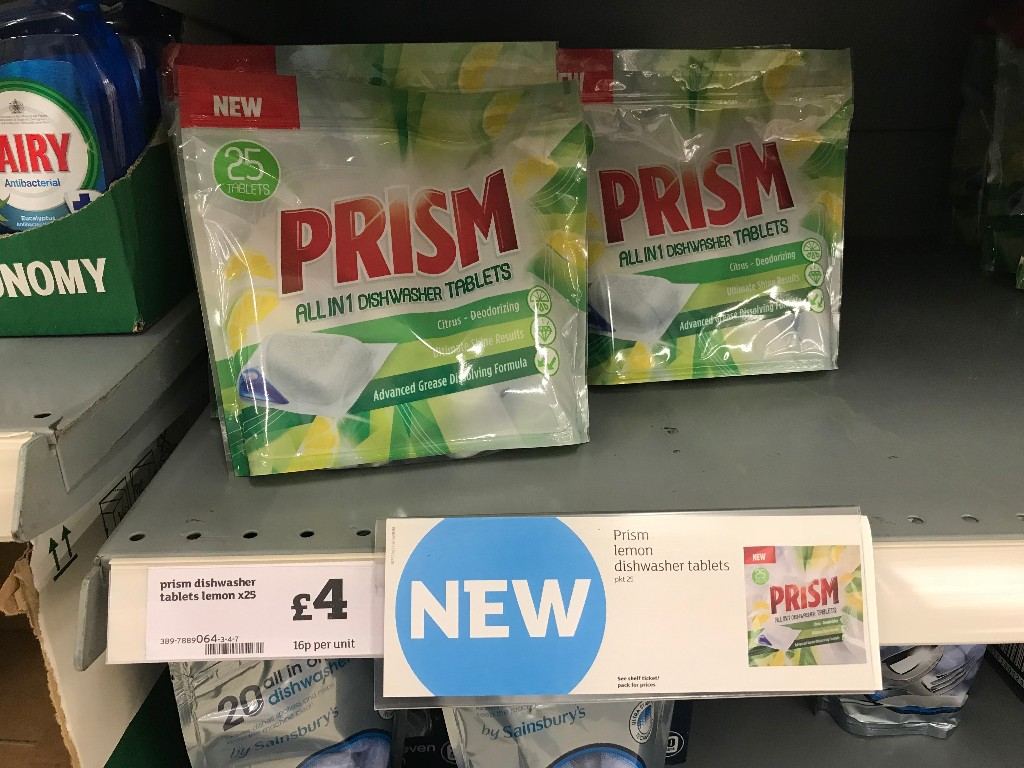
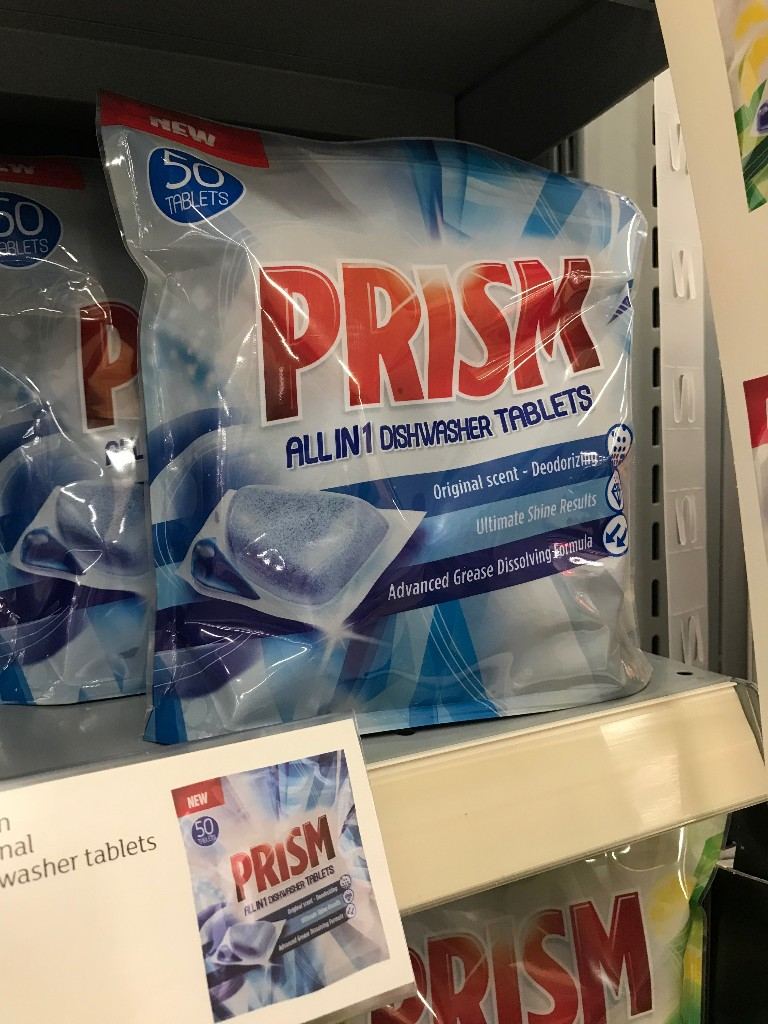
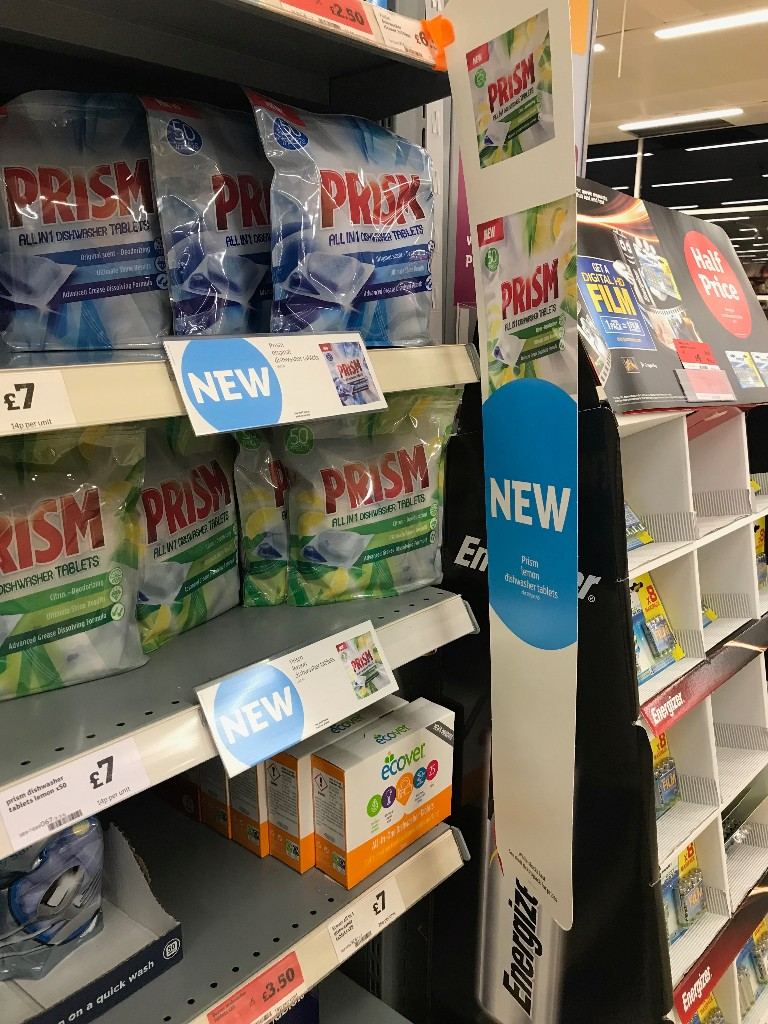
Their own label Pasta was changed to 'Pastaio', a Sainsbury's brand and recently; 'Prism' a 90's looking dishwasher tablet brand has appeared on shelves, seemingly replacing the Sainsbury's own label.
So sub brands within the store can drive loyalty, as you can only get said 'brands' in the retailer themselves. It can reduce the 'stigma' (if there is one) around the supermarket own label too.
Own label is still important, with Sainsbury's seeking to re-assert their previous dominance in this arena. Whilst they have gone off the boil somewhat in recent months, their focus on own label hasn't ever really gone away.
Rather the efforts elsewhere have seen the gap narrow with innovation at discounters, Morrisons relaunching their older labels such as 'Best' and 'Eat Smart' and stronger efforts from Asda on innovation too.
However a well timed new product is effective, bringing in a Shloer equivalent under the own label so close to Christmas is smart trading!
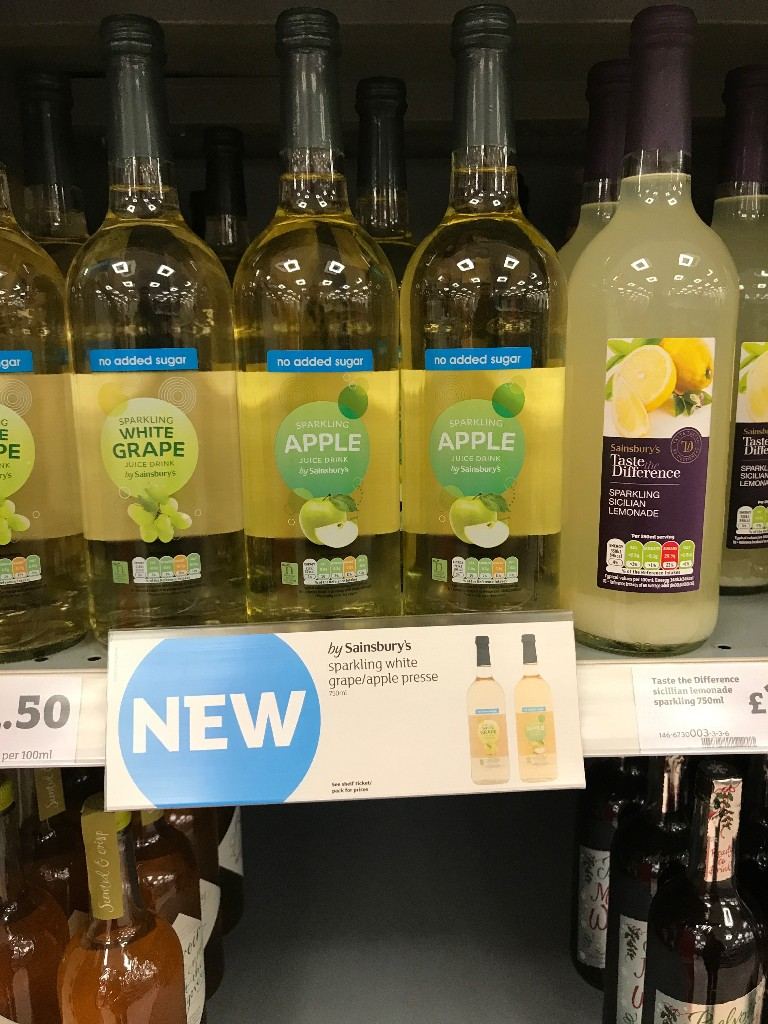
Certainly feels like there's more to come from own label in 2018; we have seen a lowering of prices across the market, with priority given to the own label in fixture with extra facings too.
But the retailers are now moving in to developing brands of their own, with Pastaio and Prism in Sainsbury's alongside the Hearty Food Co in Tesco too.
Not quite discounter beware, but, it is remarkable to think just how far ahead Tesco could have been with discounter brands, all those years ago......
From the Grocery Insight newsletter archive, first sent to subscribers on 15 December 2017. Steve now writes at read.groceryinsight.com. See also the blog archive and briefings.