Sainsbury's - Ongoing trading and future outlook
27 July 2018

So to Sainsbury's who were a slight laggard in the latest Kantar figures, up just 0.8% as the rest of the big four put on at least 2% growth,
Naturally, Kantar isn't always the most representative now given that Sainsbury's have diversified in to Argos, Tesco with Booker and Morrisons have their partnerships with Sandpiper (Channel Islands) and McColl's too.
Despite that, both the recent Sainsbury's Q1 figure, and Kantar (with very favourable hot weather and beer sales) do not make great reading and especially given that Argos are within the base and also, Q1 was a long quarter - some 16 weeks and featured numerous calendar based events that should have boosted sales.
There has been a degree of turmoil in the Sainsbury's business with their much publicised management restructure seeing numerous experienced managers leave the business and indeed, it appears the case that filling these vacancies has not been easy. Most stores are now advertising for managers to join the business.
The challenge with that is the experience isn't always what the fast paced world of food retail management requires, especially with potential recruits from slower paced sectors such as General merchandise, or DIY for example. It's a doable transition but not easy, a bit like switching from Rugby league to Rugby union.
The 'job' of managing in a Sainsbury's for example has got easier in terms of the technological advancements, sorted deliveries, less paperwork, intelligent systems for stock management etc.
But like all retailers, it's a case of organisation, leadership and prioritisation. Experience is needed as hours are not limitless and tasks need doing, in priority order. Customers bring variability and the focus on service trumps all, thus delivering a good shopping experience relies on managers who are able to manage.
Consider that Sainsbury's took away the 'team leader' role which sat under the manager to provide support and leadership for a colleague when the manager wasn't in situ and the job suddenly becomes harder still.
Therefore the restructure is understandable but the impact to stores has been notable alongside the move from night to morning/evening replenishment. Impacting availability and shop standards for customers who were accustomed to a much sharper shopping experience all considered.
However it's costly to provide this shopping experience when there is a pressure via inflation, pressure on price, via wider factors (such as increases in living wage) but there is always a trade off.
Sadly, it remains the case that it's hard to account for the experience / tidier stores but one can easily show savings of culling night shift or cutting back in store hours.
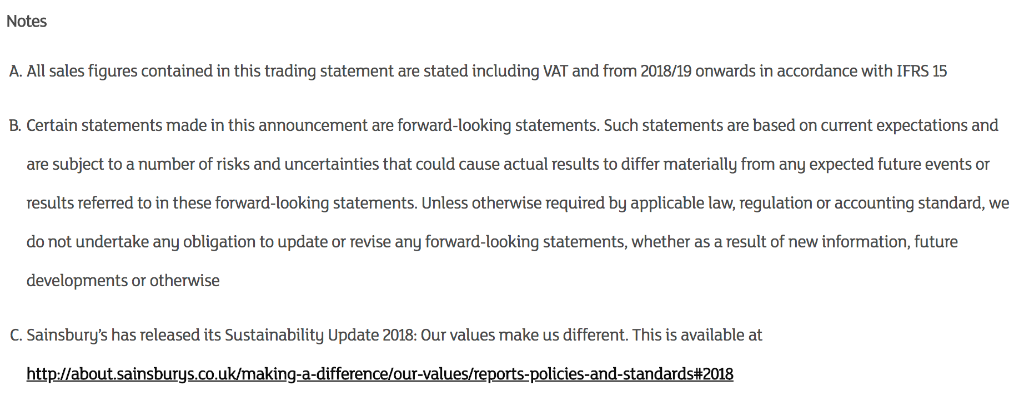
Why are Sainsbury's still including VAT in their sales figures though? This isn't how other retailers account for sales and it does give things a boost, especially with their increased exposure to non food too.
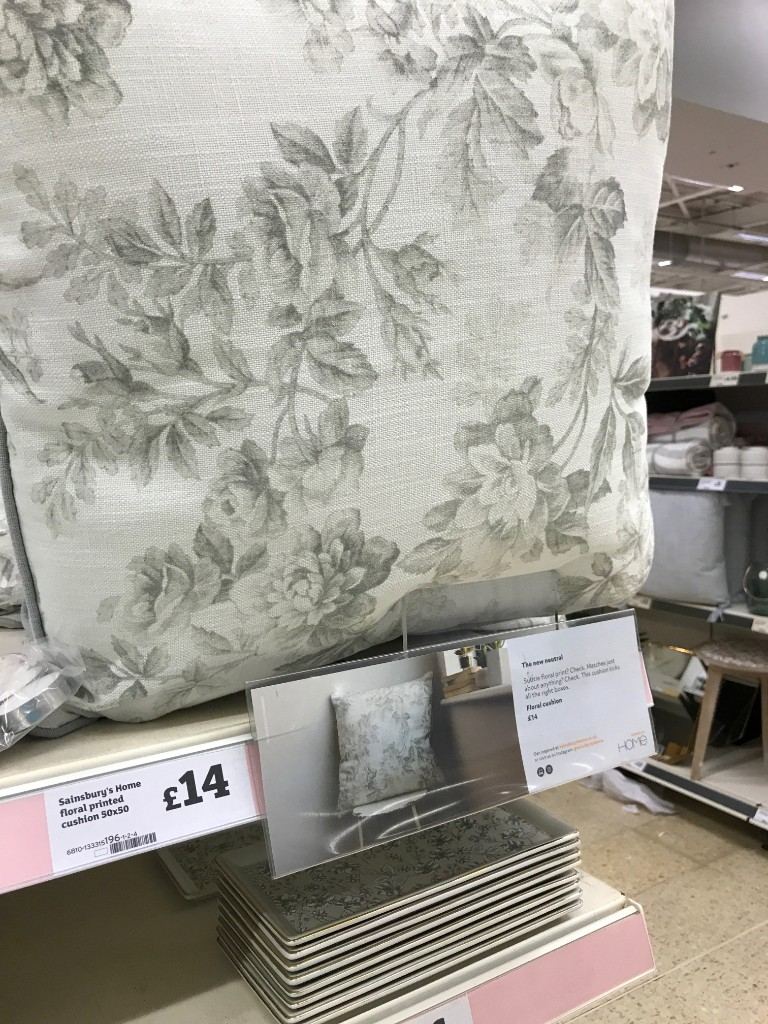
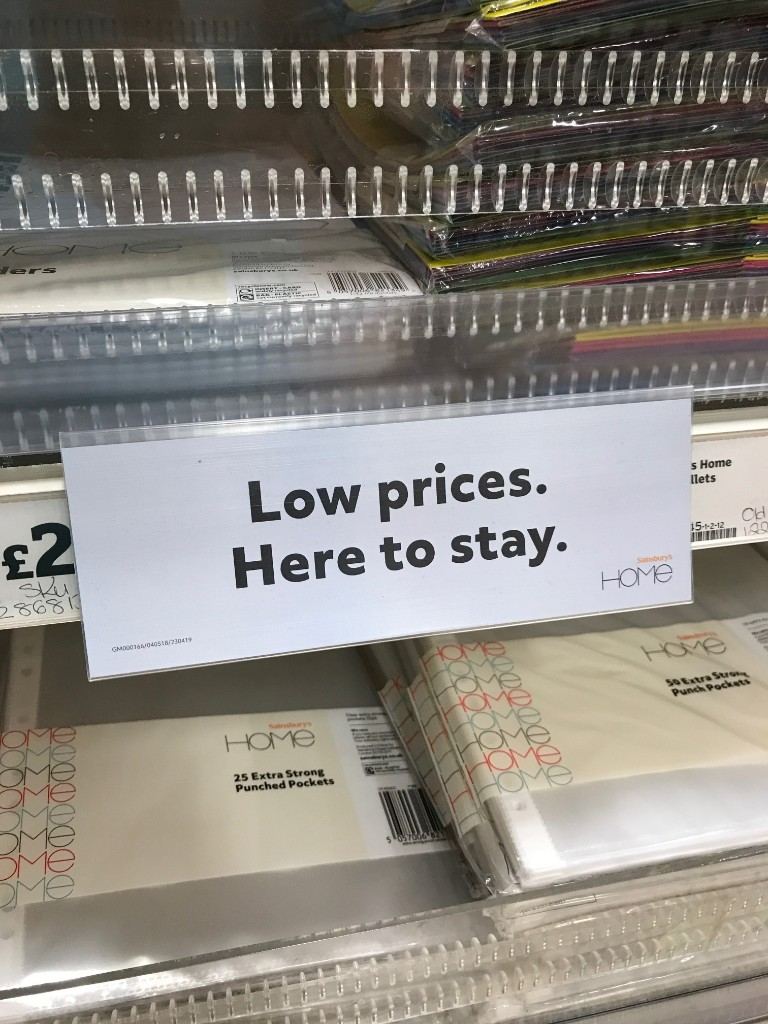
In terms of non-food, the wider Sainsbury's business continues to impress in the non food arena. New signage has arrived with a slight change to feature the 'home' branding.
A little like John Lewis perhaps, also noted was their focus on low prices being here to stay. Unclear what is was before, knowingly higher prices perhaps?
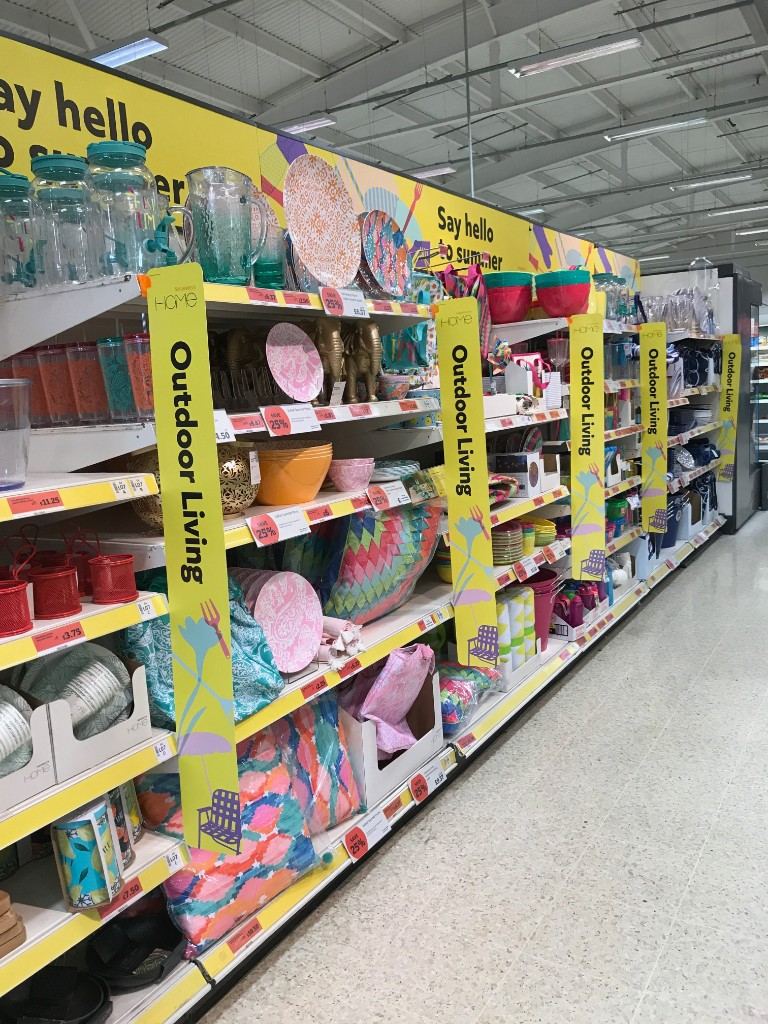
Areas such as seasonal are stronger, particularly the Summer based / outdoor and toy range. This range was impressive and well timed give the legions of kids who now need occupying, by parents, for 6 (six) whole weeks.
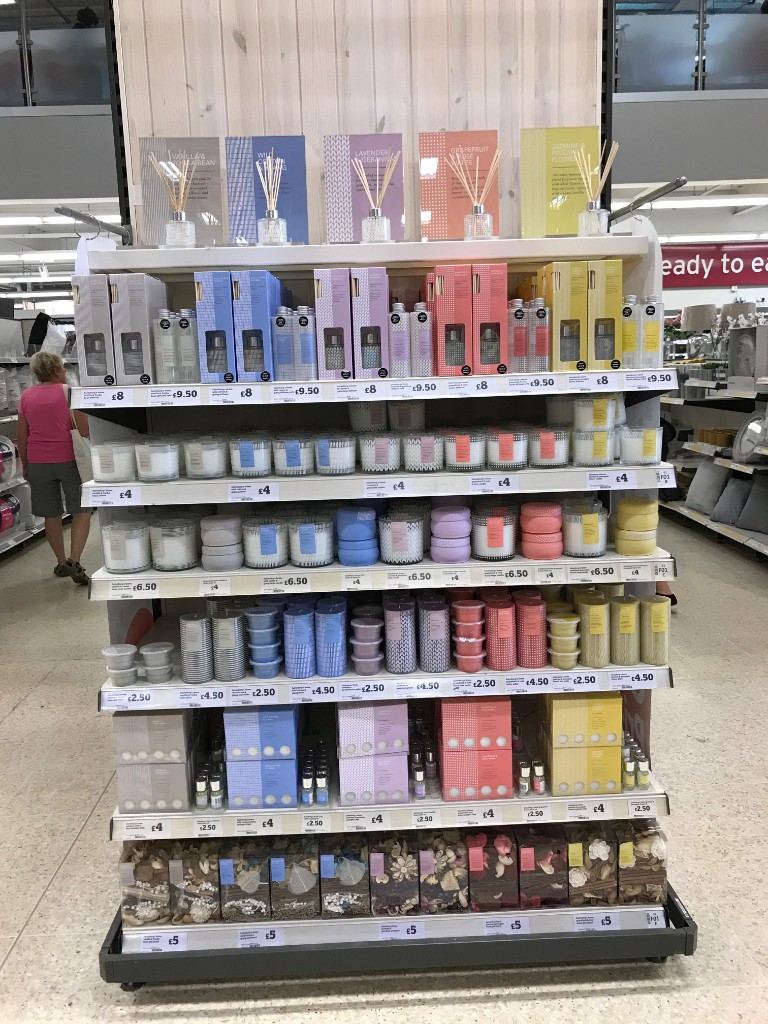
Home fragrances are in growth with all manner of retailers getting involved, Tesco, Morrisons and Asda all have their varieties.
Sainsbury's do a great job in this arena, really strong packaging and merchandising here.
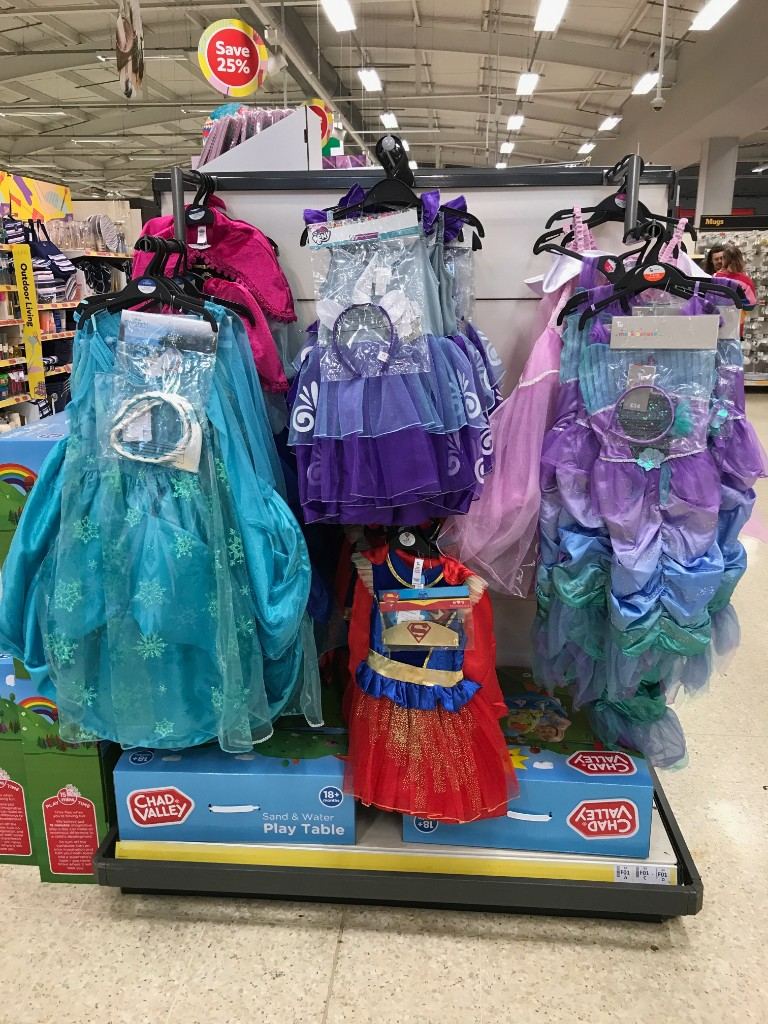
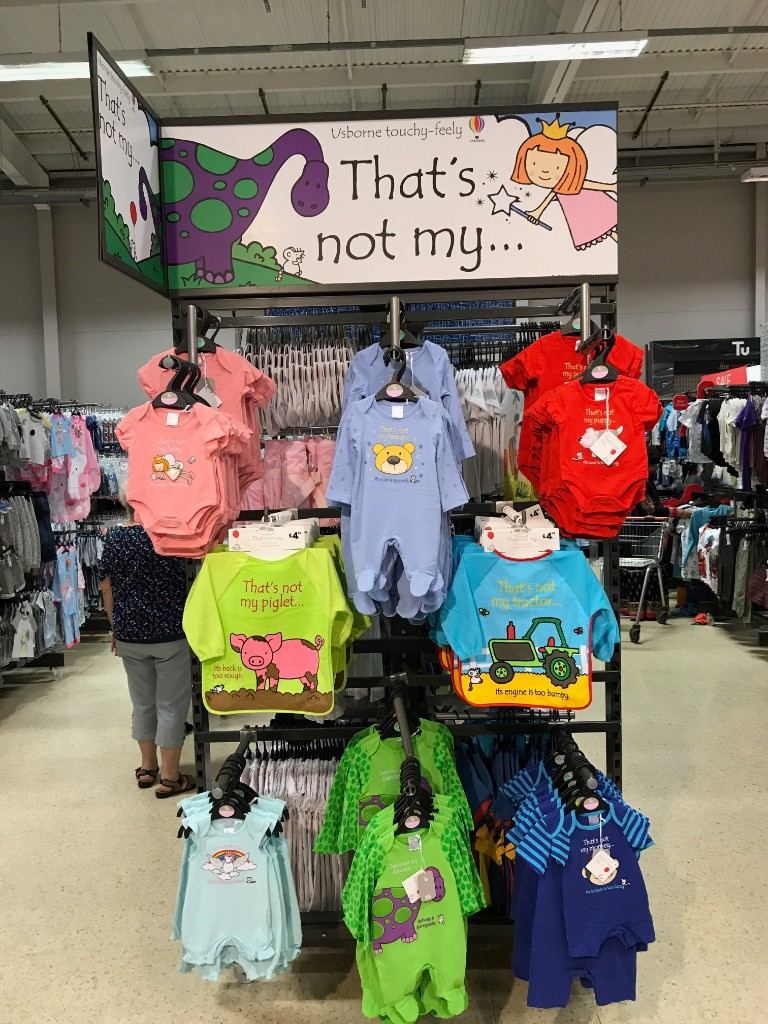
Once again in non food, you could fill a newsletter about how strong they are in the arena. Very impressive in kids clothing, costumes are well timed for the school holidays too.
The 'that's not my' display with Kids clothing, bibs and the like was genius. Great work, great products and a superb piece of work all considered.
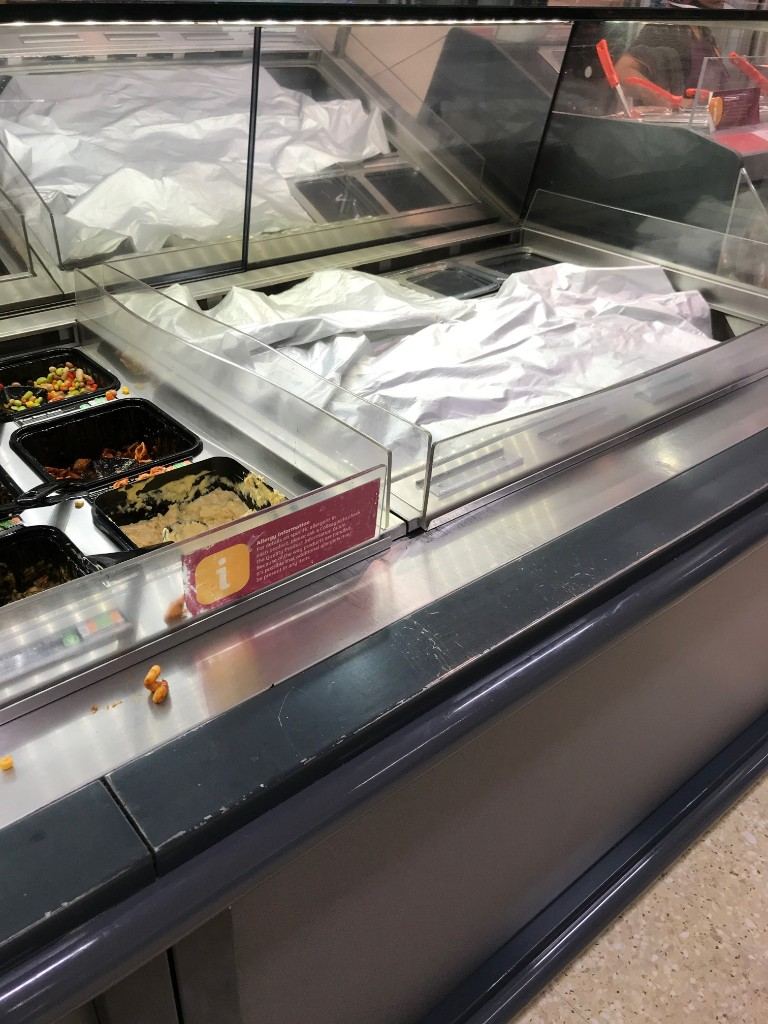
However in Food, it is like two worlds. Non food is easier to make look good as there's no shelf life consideration admittedly. Plus there's generally more colour and vibrancy with the seasonal based events.
However Food is vital. the reason for being and woe betide anyone who takes their eye off the ball in this arena. The challenge for Sainsbury's is their operation has been weakened by the loss of night shifts alongside the restructure too.
Better for the cost line, but it's clear that it has had a short term (at least) impact on the food operation. Also impacting is a falling sales line in some stores, especially with fierce competition (and discounters) nearby.
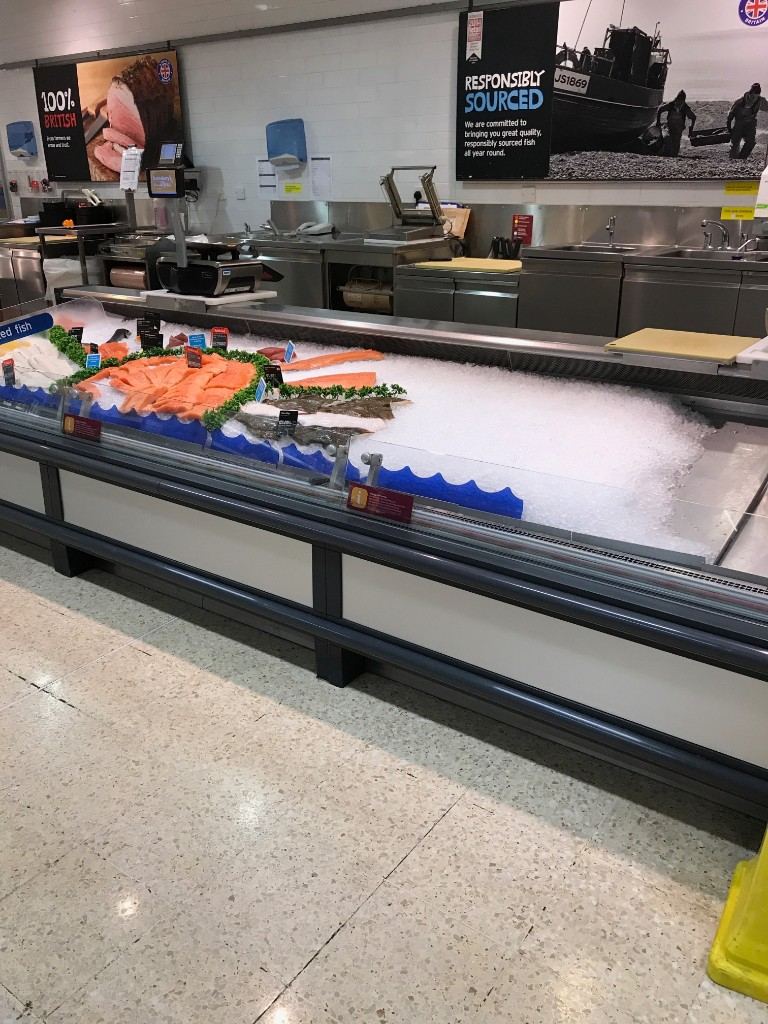
However counters either need to be invested in, or closed. Closing half of them in such a way can look like you're closing down. They're not cheap to run but do bring a halo based effect to the chain, especially on Fresh Foods.
It's curious with the counters themselves as a lack of investment makes no sense, the cost is in the counter when built, in the the colleagues etc. So why not try to push that side of the business? It is one store admittedly, but it's a recurring picture.
You do not want a race to the bottom versus discount as a Sainsbury's, otherwise you'll end up closing the Cafe's, counters and the rest to fight on price.
You still won't be cheap enough either!
Also another note - the sign on the backboard of the fish counter relates to Fish retailer of the year award winner.
In 2014.
I guess you never forget. (For example, I am a 2005 West Yorkshire Merit Schools U19 winner).
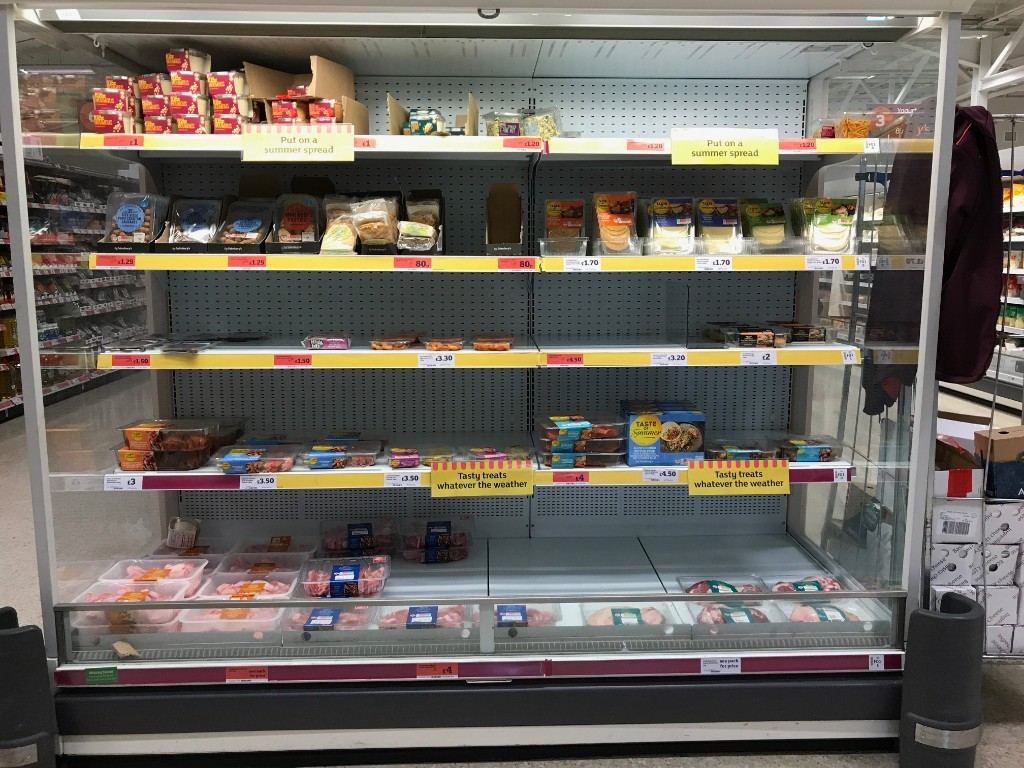
Fresh foods is another area where, when cost savings are mentioned, we sort of know the direction of travel is the wrong way. It's easy to save money in fresh foods, you stop sending as much in to save on reductions and waste ultimately.
The problem is, people can not show me, despite several occasions of asking, how much they have lost in sales alongside saving about £100 a week on waste or whatever it is.
The levels here are just not strong enough and it's not clear why. Often earlier week is weaker and it's so defensive. It just harms sales ultimately and looks like there's not a great deal of stock around.
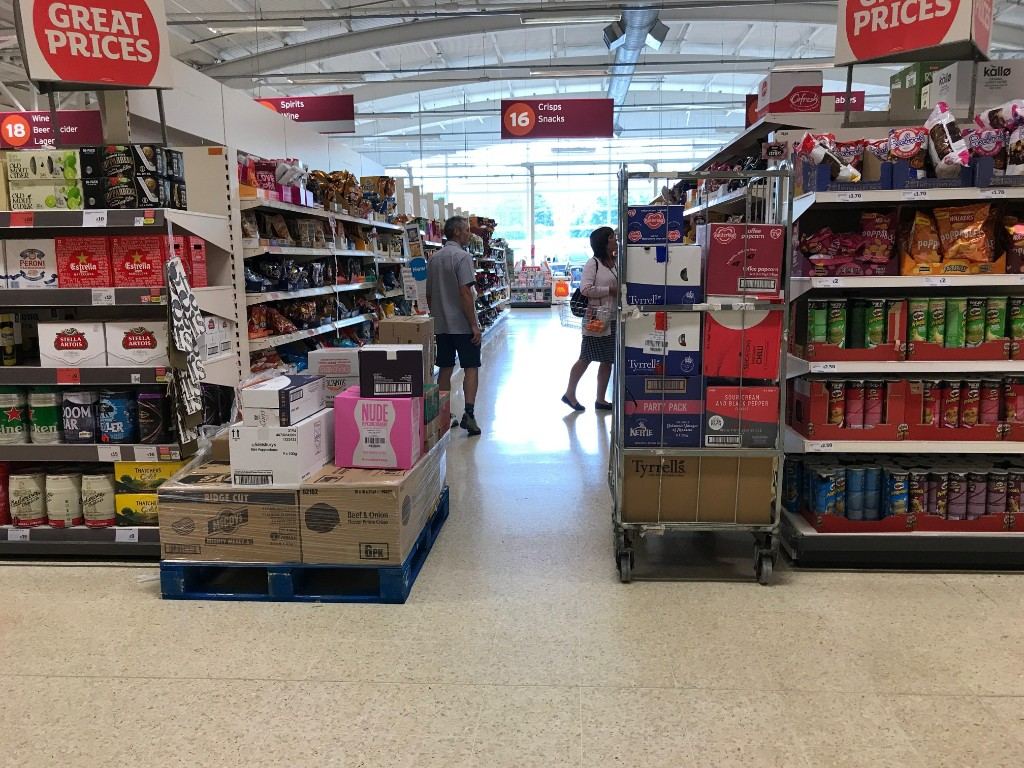
The move to daytime replenishment shouldn't have led to pallet boards and cages blocking the aisles, this is just poor management. However the need to fill the shelves means that tasks overcome the customer journey here.
Not at all customer focused.
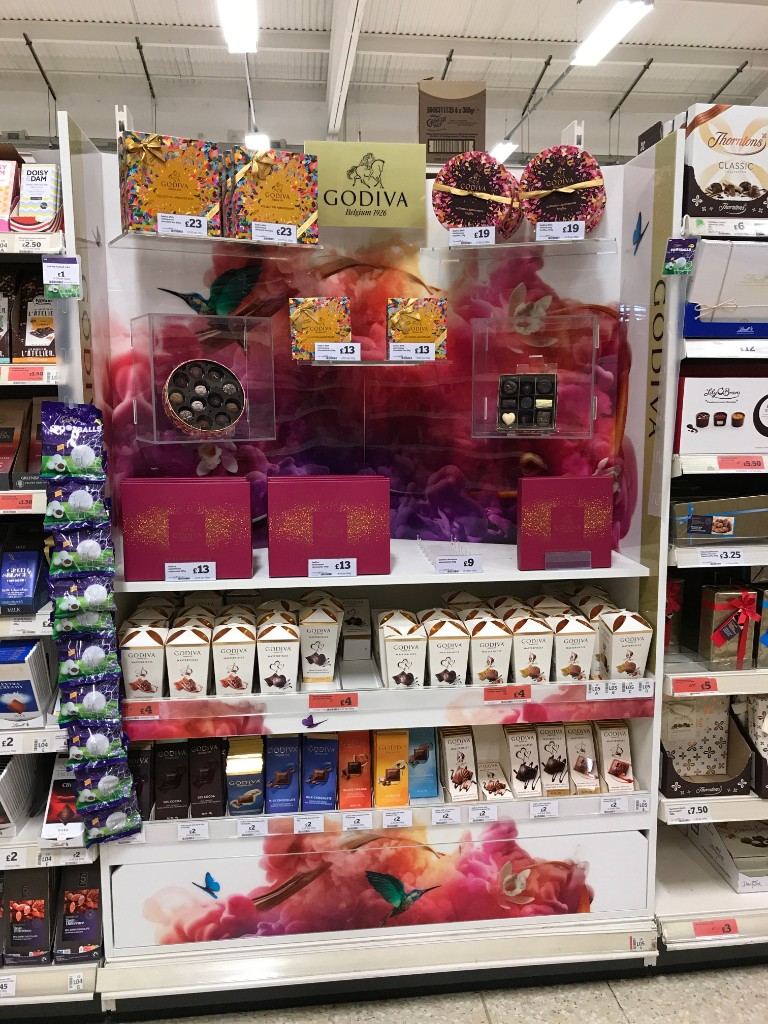
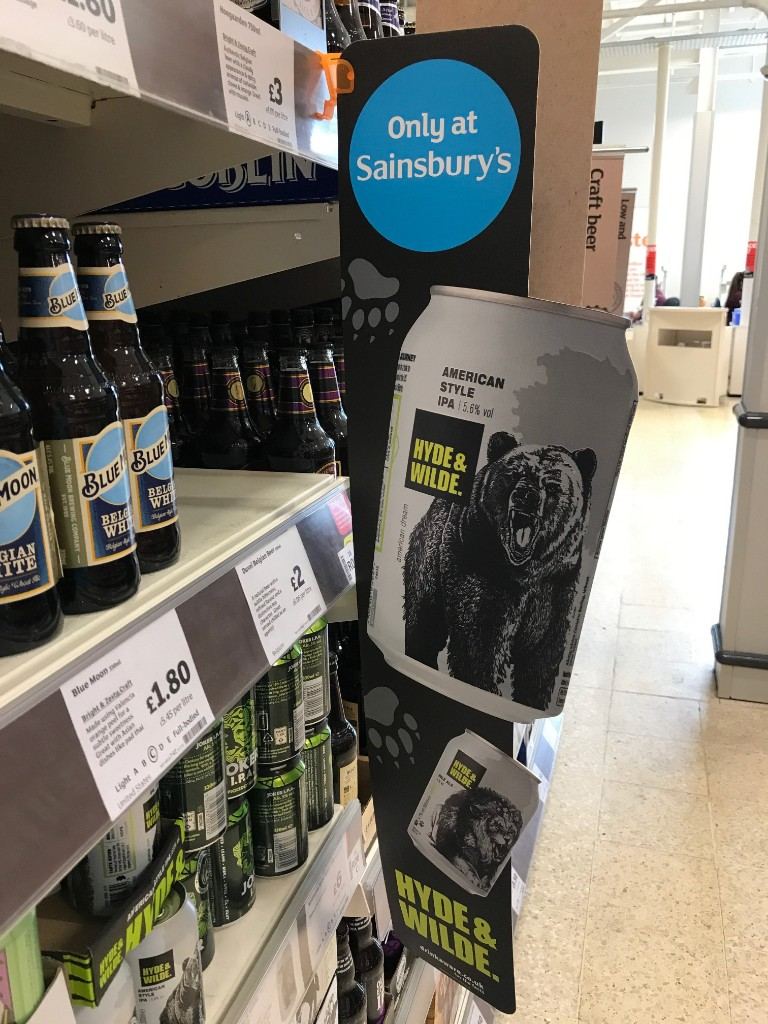
There is a fair amount of innovation though, some work with suppliers who are shipping in to Sainsbury's on an exclusive basis, these 'house brands' look the part and are either Sainsbury's own, or brands that are selling on an exclusive basis.
The discounter equivalent Pasta "Pastaio" never returned in fresh foods however. But Godiva looks strong in Confectionery, some products have appeared in the Co-Operative in recent weeks though.
Their work in Baby with "Little Ones" (private tier) being relaunched in to Food, Snacks, Milk and ready meals has been very impressive and looks an effective defence versus discounters and indeed, other retailers.
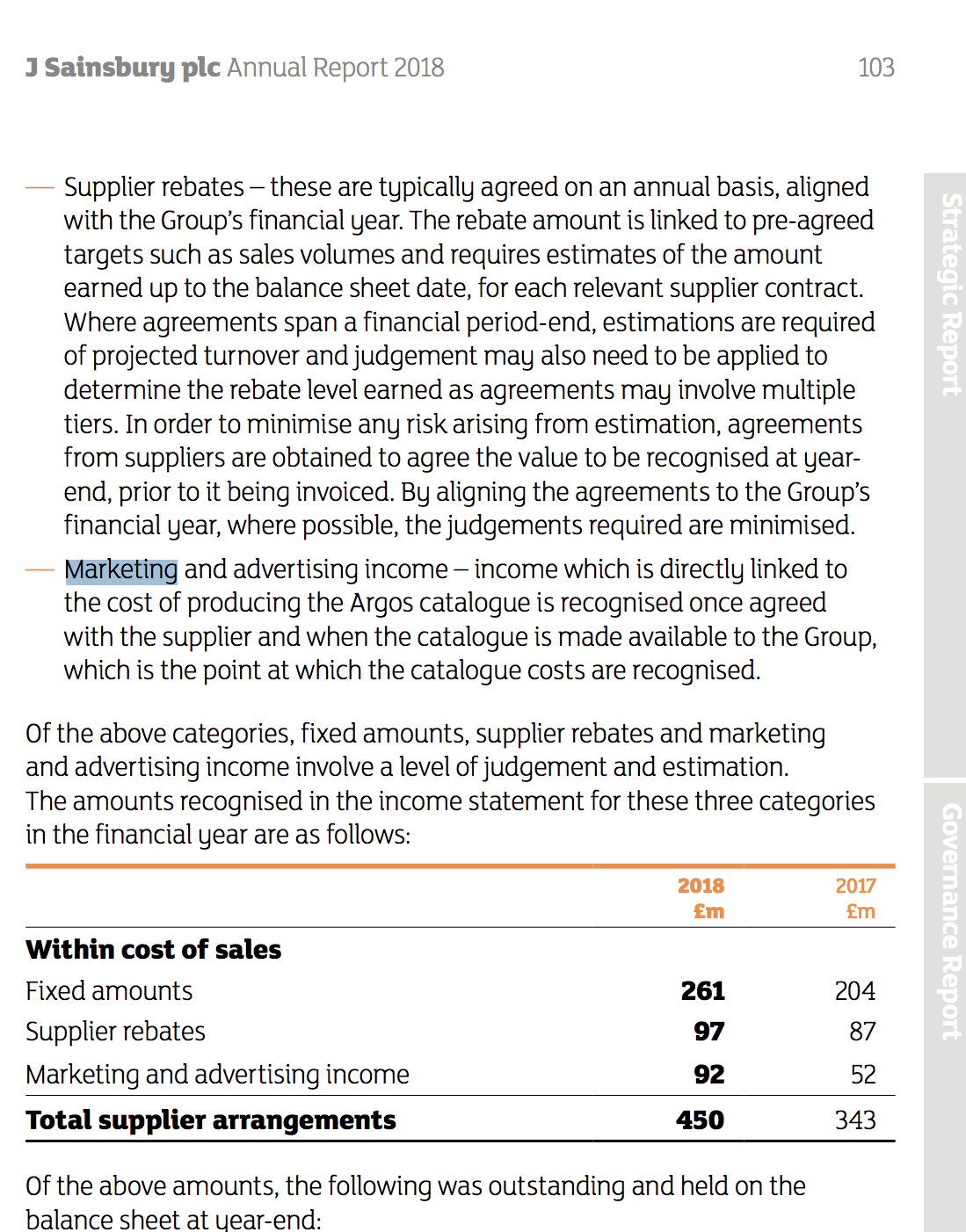
Sainsbury's recorded a decent growth in their commercial income monies last year, some of it could be attributed to Argos perhaps and the monies that the electrical firms throw around.
However it's a significant increase (over £100m) with fixed amounts growing alongside rebates (good for the volume). However marketing / advertising income has shot up.
You can still see this across the store, it appears to be more of a strategy given the signage that is almost everywhere, alongside shippers and the like.
Sainsbury's in their glory days were very much clear aisles, clean and consistent stores and not featuring a great deal of commercial signage around the stores at all.
Whereas now, there is a great deal more. Nothing wrong with the odd promotion linking with Nectar and Argos, but there is more and more appearing on the shelves.
Equally, some aisles are absolutely full of branded signage with images of products and their prices. For a retailer that is focusing on own label and simpler pricing, it seems an odd way to drive value perception.
Equally the end for meal inspiration I was very suspicious of, I am all for these ends to drive inspiration for customers. However this was brand focused and featured very little own label, why?
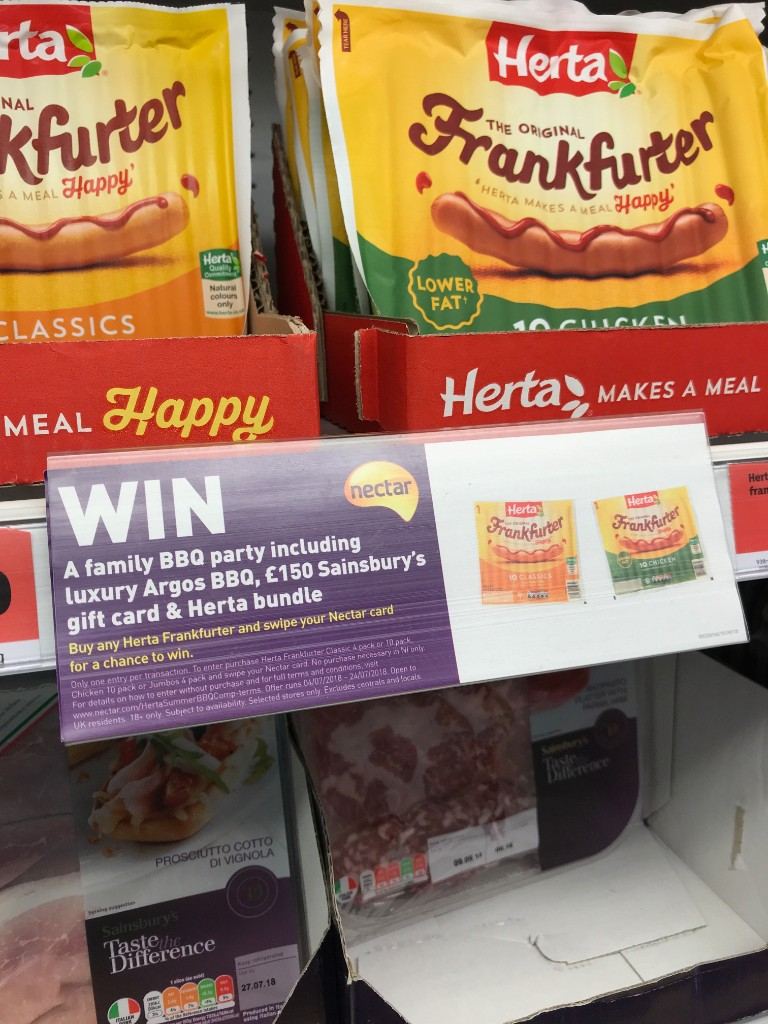
The links with Argos are notable and to be fair, these make sense to continue the message of the enlarged business, however one does not associate Herta Frankfurters with a BBQ necessarily.
However brands will pay good money for this campaign as it allows their brand to be associated, you can only win as a customer if you buy Herta Frankfurters.
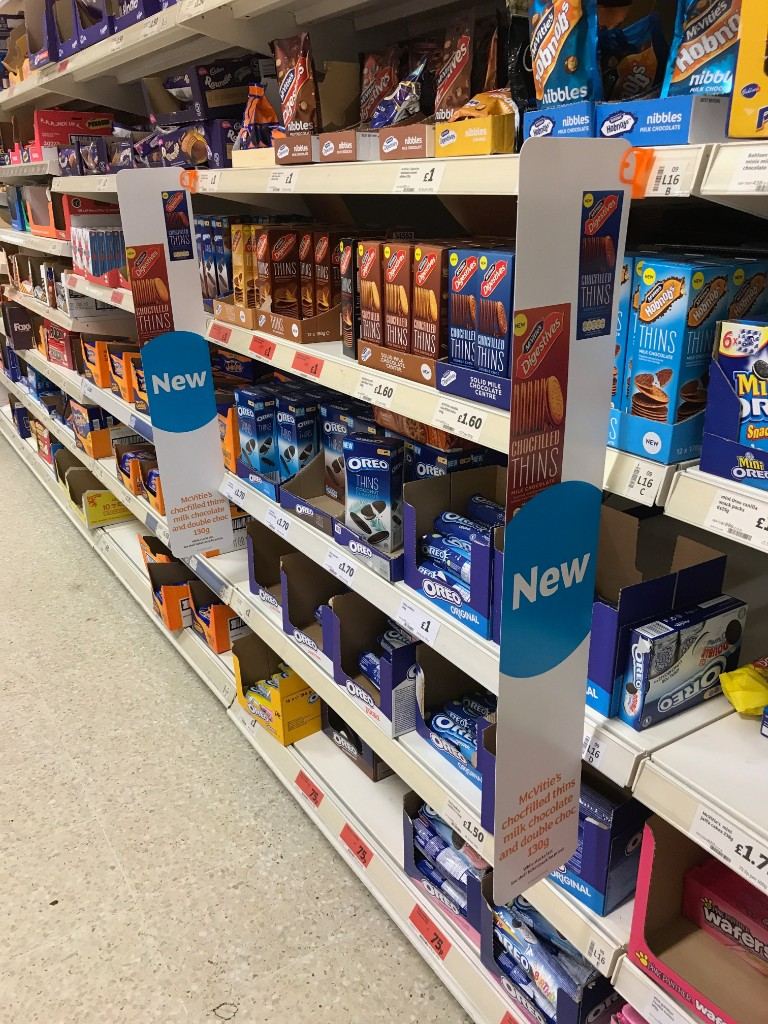
New is nothing new, especially in Biscuits. The new product development guys are often bringing in variants, flavours and then en masse copying the latest big trend that someone else has stumbled upon.
Lots of signage for the new 'thins' here, again, perhaps fair enough in this category.
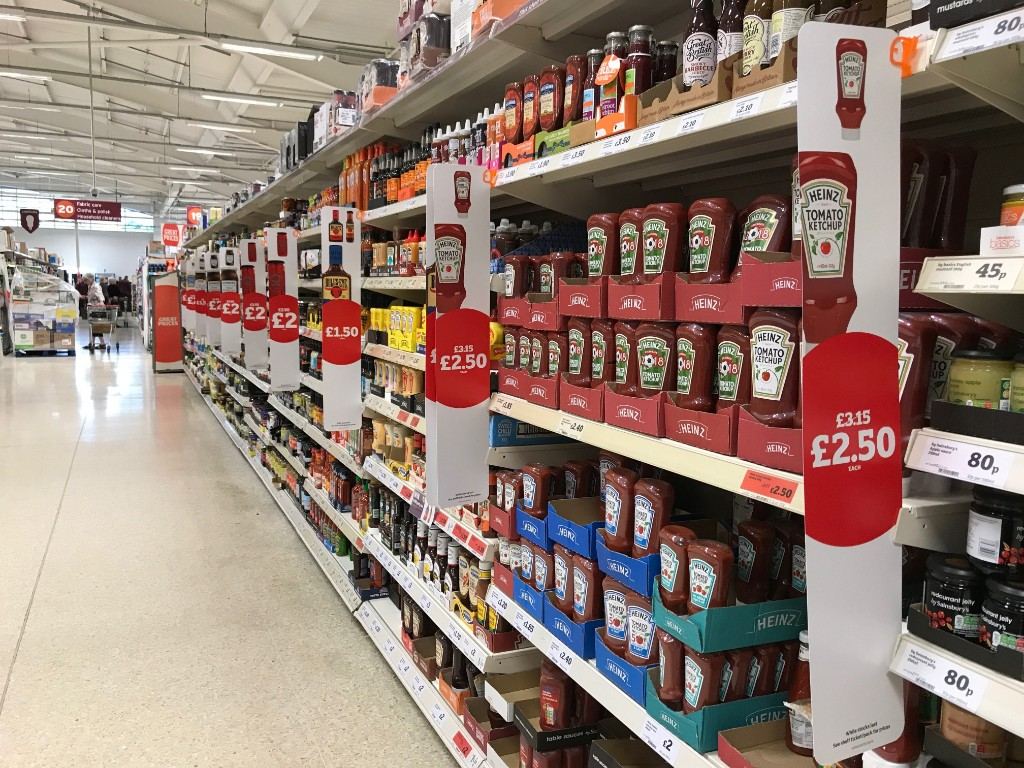
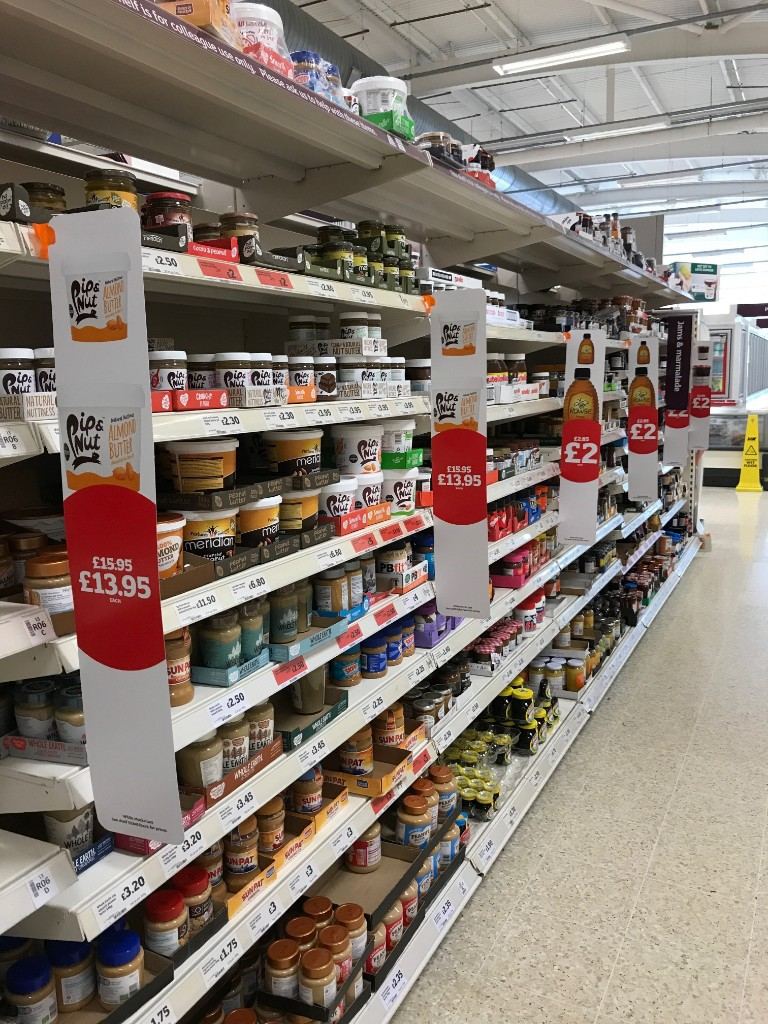
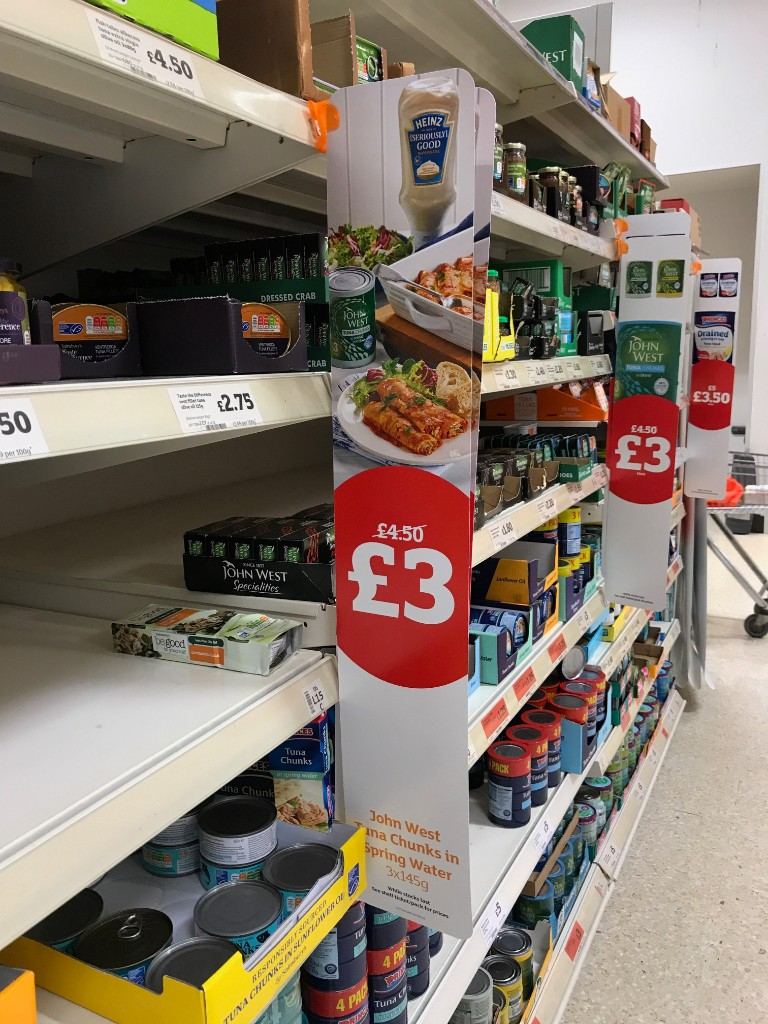
However lots of branded price messaging here, this is one store but you do generally see numerous price based messages in other stores at other times too.
Lots of branded messaging on price points and indeed, so many that you lose the will to live almost with the overload.
The advertised cut to £13.95 for the Honey is near ridiculous quite frankly.
The other side of this aisle featured a similar level of signage, with this combined message with Heinz Mayo (not Hellmann's) also featuring on an end for 'meal ideas' or similar.
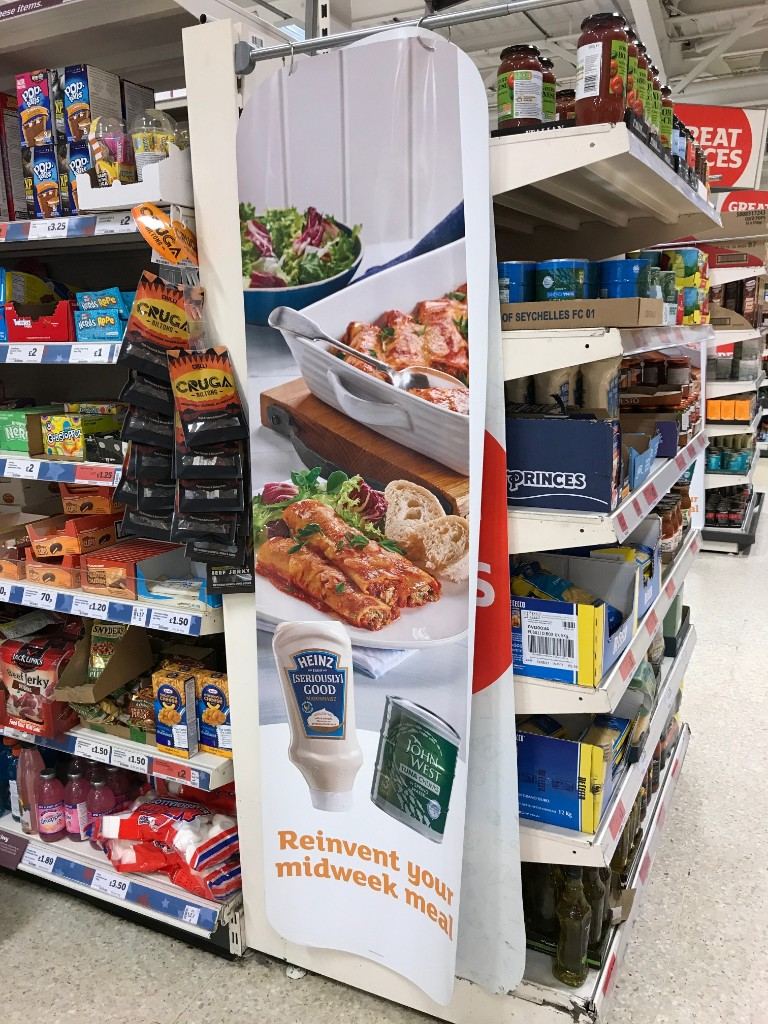
The end was featured here; reinventing a midweek meal is never easy and any inspiration can be difficult for retailers. Especially with price is considered and customers just want convenience based food.
However this end didn't feature own label, which was immediately rather suspicious given the market trends for that tier and also the lower prices offered within own label.
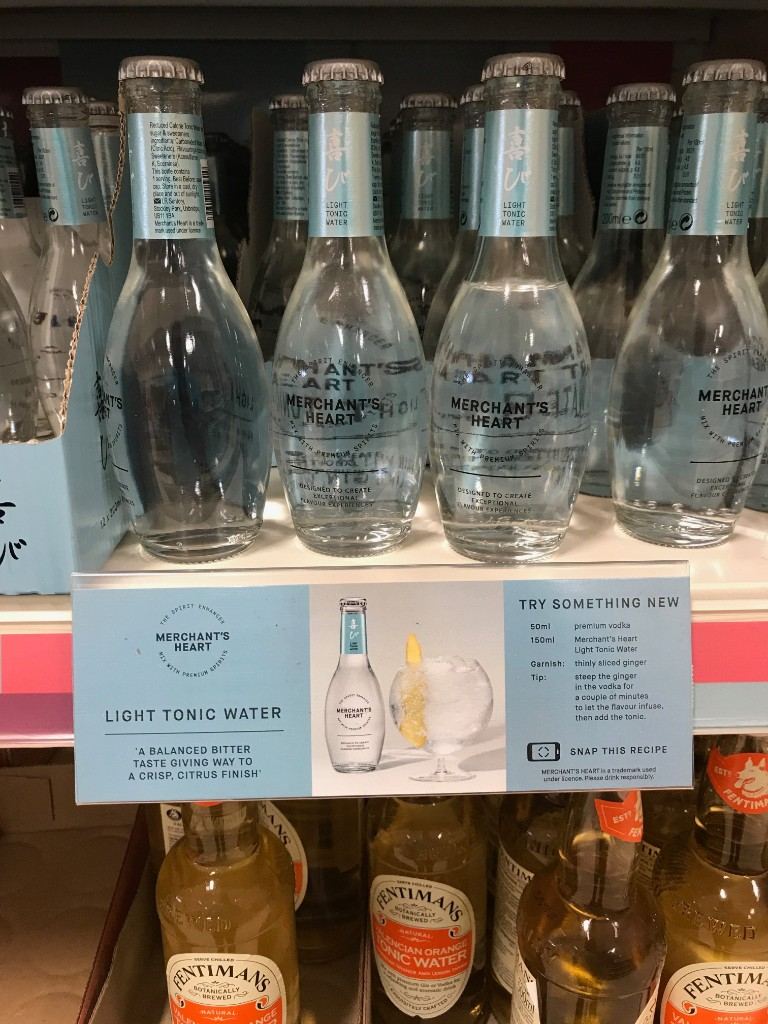
Some of their more exclusive brands here; this range has had a number of signs attached to the fixture. Very unlike Sainsbury's of old who wouldn't allow anything supplier related on the shelves.
Recipes are always a nice thing to feature, but all of the examples above, around the store are amplifying the messages and leading to a degree of overload.
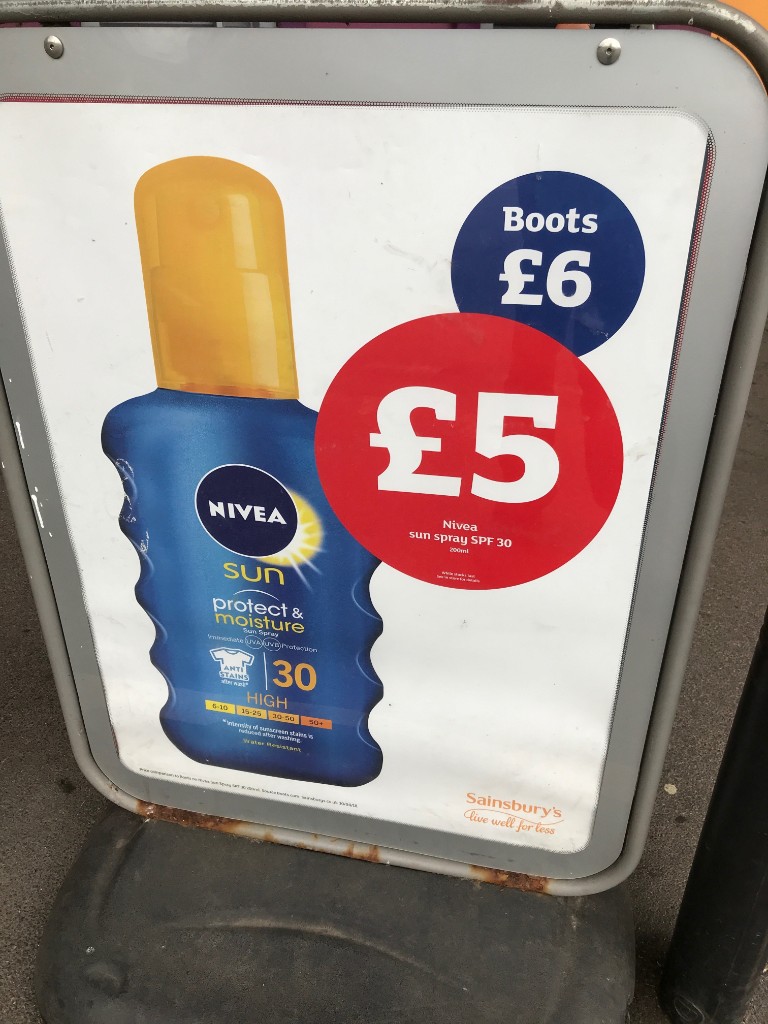
Price remains all important, Sainsbury's have had a good go on price in the first few months of the year. This has continued with further waves of cuts in chilled and own label has also benefitted.
Their price comparison versus Boots is effective in the doorway, only £1 cheaper and Boots are hardly the bastion for high street value either.....
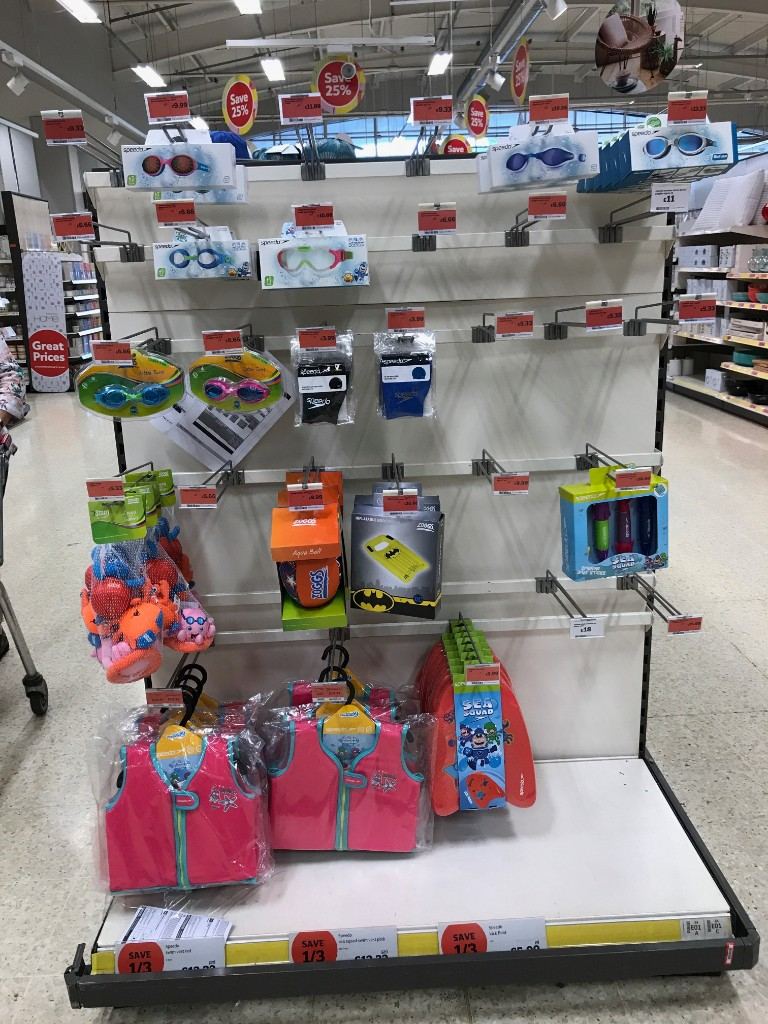
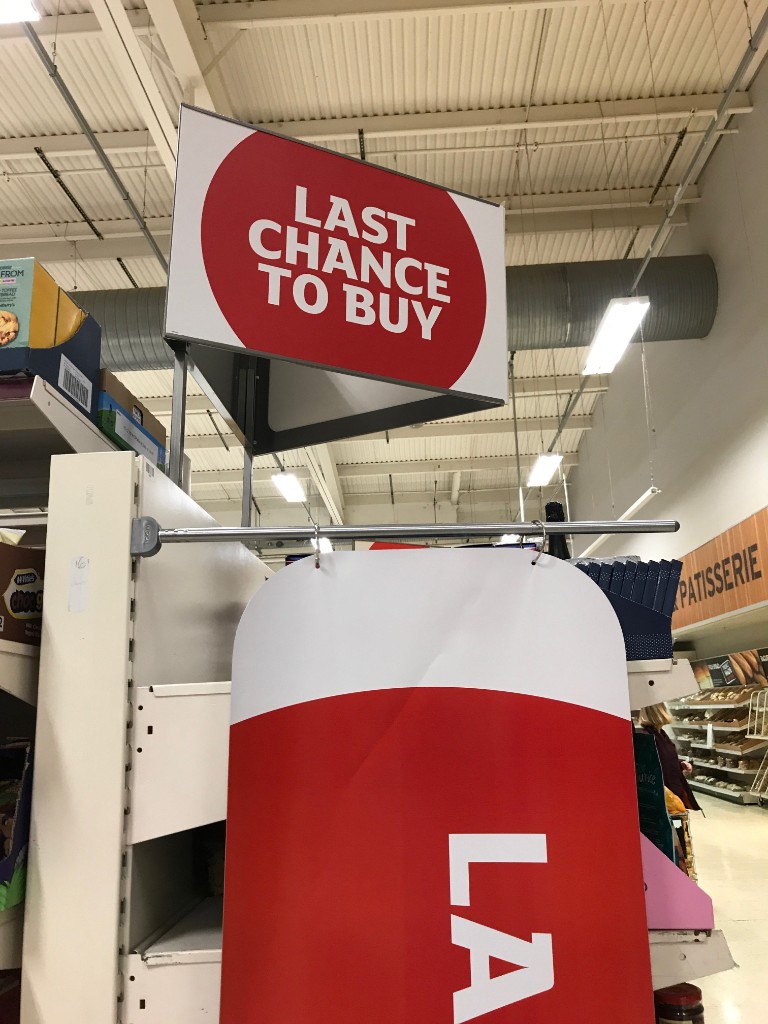
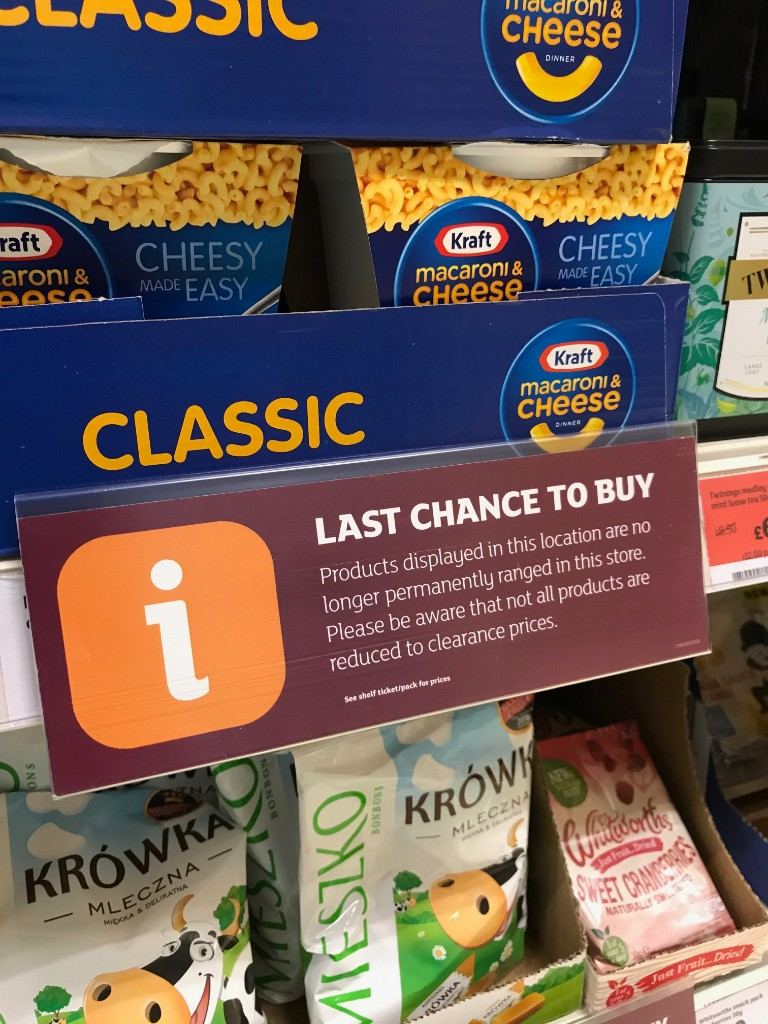
Another area of note for Sainsbury's is their clearance strategy, in the past, Sainsbury's were incredibly effective at clearing through old stock with some lines reduced to 90% off in order to sell through.
Indeed Justin King had to write off around £50m in old or incorrect stock when he joined the business, leading to numerous lines at 90% off as stores cleared through to ensure the right range was on sale.
Fast forward to the modern day and the biggest risk to profits is the seasonal aisles and the changing nature of the events within. However Sainsbury's remains strong in this arena, clearing products before the season end and not having boat loads carried over, given the rapid nature of the event churn.
However in ambient, the story is somewhat different. Products that are delisted by the company (for any number of reasons), or even just at a store level (space change or internal matrix changes, affluent store etc) means that stores can be left with numerous lines in Cereals, Tins, Coffee etc.
These products do pile up over time and aren't promoted as they're sold at 'one' price. So it becomes dead stock that doesn't turn, thus a discount is applied to get the products moving and keep the working capital freed up.
In recent months, I have noted that Sainsbury's have not been reducing these products as much, or in some cases at all. As evidenced by the signage above which highlights some lines are not reduced.
This seems odd, given that products are located out of the way and some are slow sellers anyway (given their delisting). It seems odd not to reduce and could lead to stock piling up and becoming an issue at a store level too..
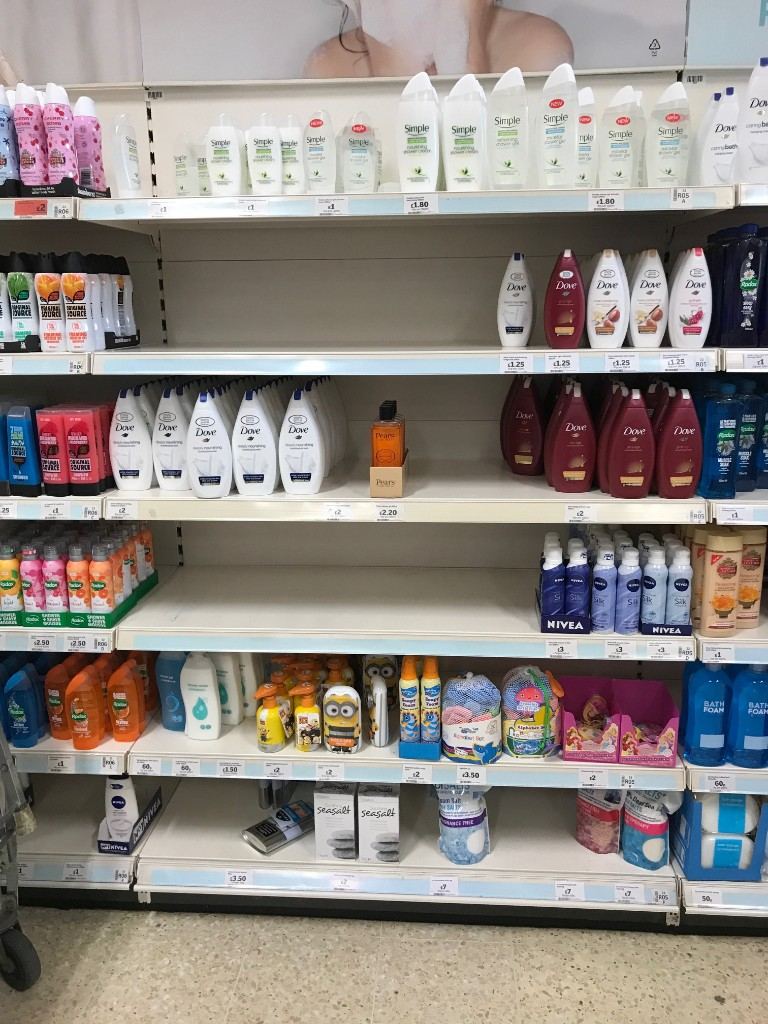
Two images to wrap up, I noted a lot of activity that involved 'relaying' fixtures when in store (a relatively quiet Tuesday afternoon). Not ideal given that shoppers are trying to find products, but perhaps more of a necessity now night shifts have gone.
Can point to a lack of experience post the restructure too.
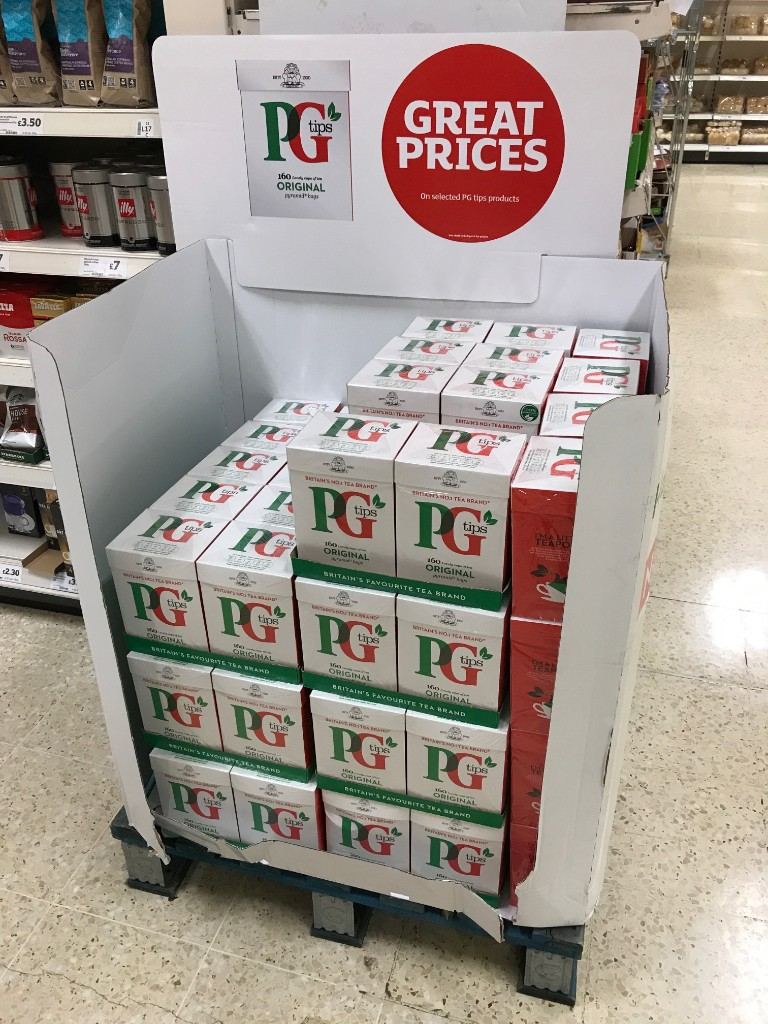
Another pointer was the shipper featuring PG Tips with a 'great prices' message. Not intended for a specific deal seemingly, so can end up sitting there for a number of weeks.
Also became 'guess the price' too, given the lack of a shelf label!
So, for Sainsbury's. It remains as it ever was really, albeit with a notable trend for more sponsored messaging from brands, Nectar competitions and some questionable retail practises.
Non food remains ever so strong and improving all the time, a marked step up in clothing also I feel. But for Food, it's not all about price (it never is) and remains about a wider picture.
Weaker trends on availability and in areas like counters in some stores do not aid the wider message of quality. Price is one thing, but the wider shopping trip remains so important to customers too.
From the Grocery Insight newsletter archive, first sent to subscribers on 27 July 2018. Steve now writes at read.groceryinsight.com. See also the blog archive and briefings.