Aldi - Intriguing developments
6 March 2017
Subscribe to this service here!
Aldi continue to chug along in the UK, 77% of lines sold by Aldi are in fact sourced in Britain which was a striking headline over the weekend via their CEO Matthew Barnes.
He also noted that the price gap is growing between Aldi and the rest of the market, well, there may be some volatility as we adjust to Brexit and the promotions change - heading towards some year ends for retailers etc. But Aldi are not immune to the price hikes either.
Even if buying British, there's still a fair '%' that is coming from either the EU or indeed wider USD based buying which is impacted by the same currency volatility. Similarly the conversion of profits to EUR for their parent group will presumably impact the overall take given the weaker exchange rate?
They note that profits will fall if they have to, in order to retain the price gap. Very noble but profits have already fallen based on last year at least, despite record growth and expansion, their profit levels fell versus the year before.
Aldi will continue to invest and expand and they continue to be very popular, their growth in stores will open up new markets and 'necessary cannibalisation' taking the pressure off over trading stores.
However it also leads to 'unintended cannibalisation' of course, alongside some stores that just don't work as intended, thus becoming low balling stores - struggling with theft, poor sales and not delivering the returns intended.
Growing pains! Smaller sites and a simple build means the investment isn't as big as a Tesco Extra would be, but opening so many sites leaves them vulnerable to some not working as intended.
In terms of the stores, their range growth continues as they try to offer as much as they can to existing shoppers, switchers are a risk to Aldi - any customer who needs to go to a rival for one / two products may well end up reverting to that store for more of their shopping.
Particularly with the recovery in the sector and especially with Asda strengthening their position. The Grocer 33 has seen them win the '33' the last two weeks, they were over £10 cheaper to the nearest rival this week for example. Plus the other '3' are strong these days too...
So Aldi look to stock more products and not harm their efficient model, which they're certainly doing, ranging more products that is.... However the concern is that their model looks to be creaking a bit, especially on Fresh where lines are effectively merchandised '1 wide' and not given space based on sales.
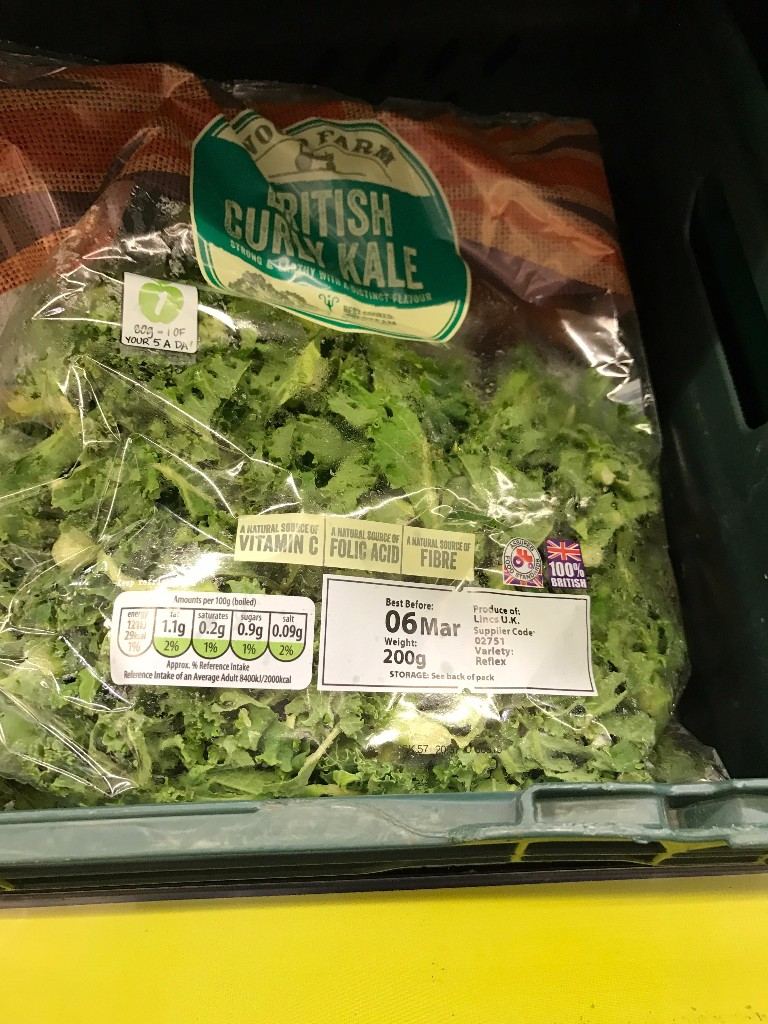
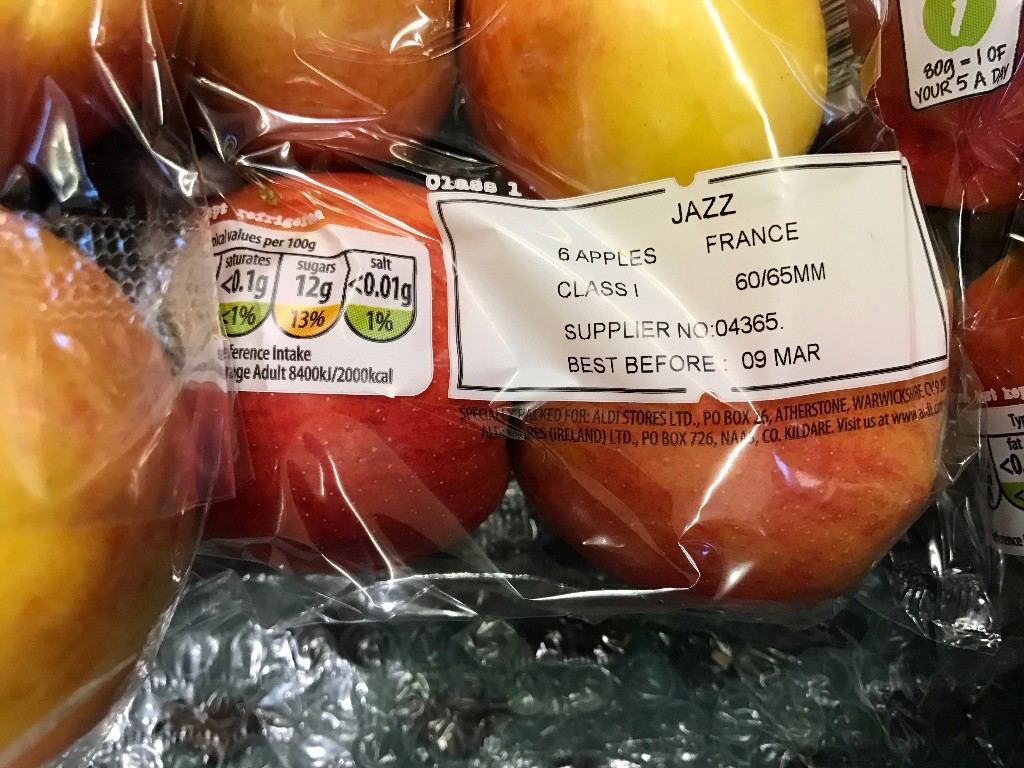
In terms of complexity and the operation, Aldi have started to add 'Best before' dates to their Produce range, breaking with tradition. They used to have a code that employees understood which indicated how long some lines had been on sale and when they should be removed from the shelves.
A number of quality checks saw Produce removed if it wasn't fit for sale, but Aldi had a tiny range in the older days and always turned their Produce regularly due to decent sales and tight ordering.
Of course, as the range has expanded and sales growth alongside that, it makes that rudimentary system a little too basic for the levels of complexity now within the Produce range.
A number of customers have told me in conversation that their Fruit/Veg 'goes off' straight away at Aldi. When discounters grew in the early days - customers found the value easy to understand - Apples are Apples after all and quality / shelf life was good.....
However it has now started to work against them a little, particularly with customers buying in to Produce in a significant way in Aldi.
Customers who purchase Produce in Aldi (pre date on pack) were sometimes finding that they were only getting 1/2 day life before it went bad. The reality is those lines could have been on sale for up to a week already. Thus it erodes the quality perception, so adding dates to packs makes sense.
Tesco know that Produce is strong for discount, hence their launch of Farm brands. That has probably stemmed the tide and seen customers switch back in to the other retailers, alongside prices coming down across the market too.
However it's another layer of complexity for Aldi, who now have to add hours in to their model for a full date / code check / reduction walk across the Produce and Fresh departments, taking ever longer given their extensive range.
It is great for customers though, they can now make a decision based on the shelf life of the product and have their expectations managed accordingly. However it will be more expensive for Aldi.
Another sign of them becoming a mini supermarket, more range, adding dates on the Produce and more work into their well refined and costed model. Can it go on forever?
No, you can spend profits maximising the gap on pricing, of course you can but that isn't sustainable year after year....
Especially with the rates of growth which should get them to a place where the equilibrium tilts in their favour due to the scale and volume of lines being bought for the UK business.
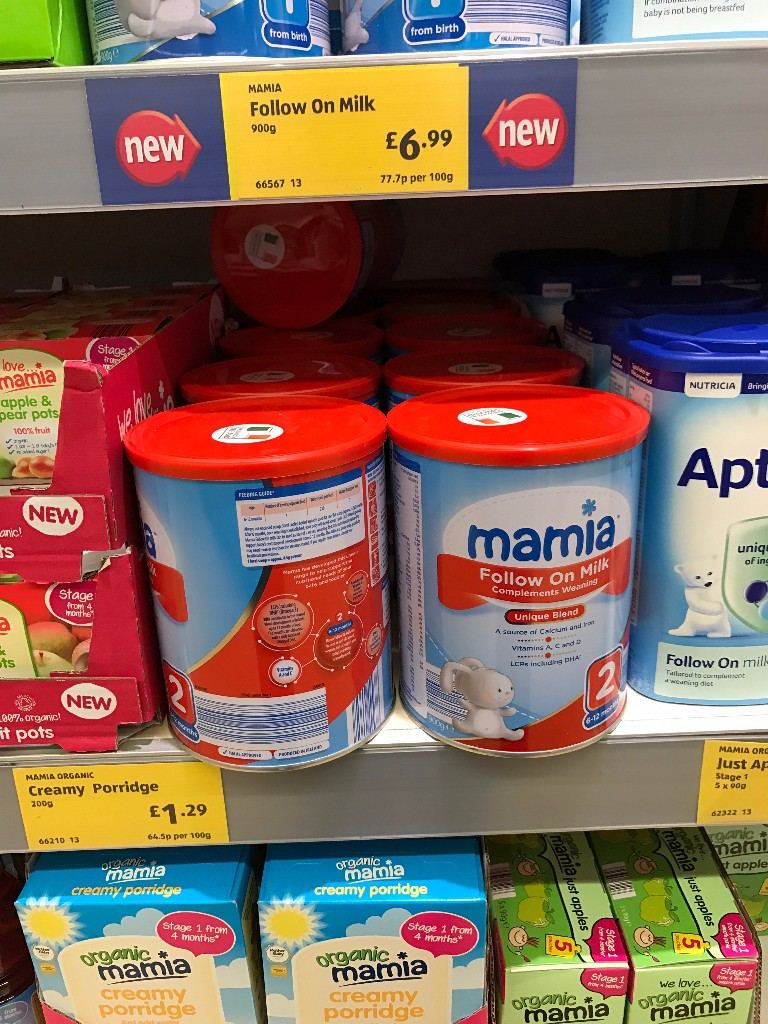
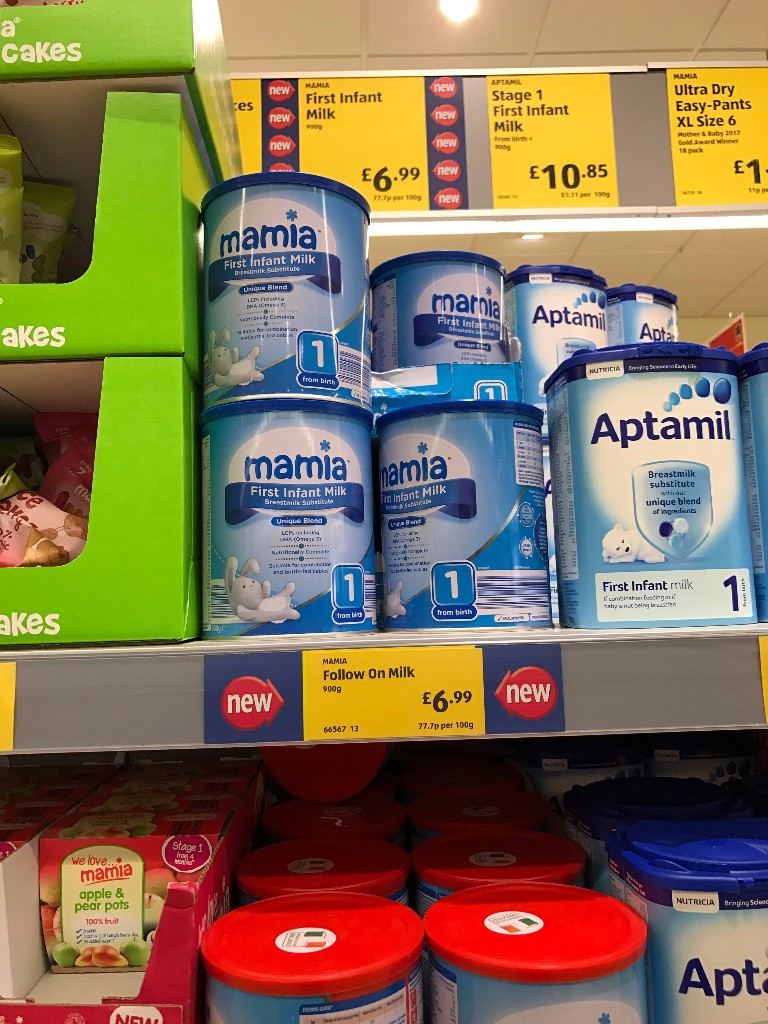
Intriguingly in terms of their range expansion, they've gone into baby milk now. Launching two lines of their own baby milk is very interesting indeed.
Firstly no other retailer does their own label formula milk, leaving it to the branded suppliers to do their best work. Trust is everything in baby, so the established brands do more than an adequate job across the market.
Aldi have started to add lines into their baby assortment for 2-3 years now. The baby category relies on choice given each baby is different, formula milk for example needs at least each of the leading brands and the age bands (first, growing up, follow on etc) to be compelling.
If you can't carry all those lines, then it's near pointless and customers will have to go elsewhere. Families are huge for the retailers, lifetime loyalty and all that.... So Aldi moving in to baby makes sense, but baby formula?
Unclear if it's near genius given their trust and brand loyalty for Mamia, plus the exclusivity angle too..... Or is it just even more range extension?
Mamia / Baby for Aldi has been very successful, Nappies are known as being excellent (byword for quality) and they've added the larger boxes into the range permanently due to their popularity.
Mums will tell me that they go to Aldi for baby things, some are not even remotely Aldi shoppers, but go off to Aldi as 'they've heard the Nappies are very good'. True of course, causing Pampers to compare themselves against Mamia last year.
It's a range hungry / space hungry assortment is baby, especially in order to do it 'well'. At odds with the discount model? Maybe, but it won't stop Aldi (or Lidl) from trying to expand things further.
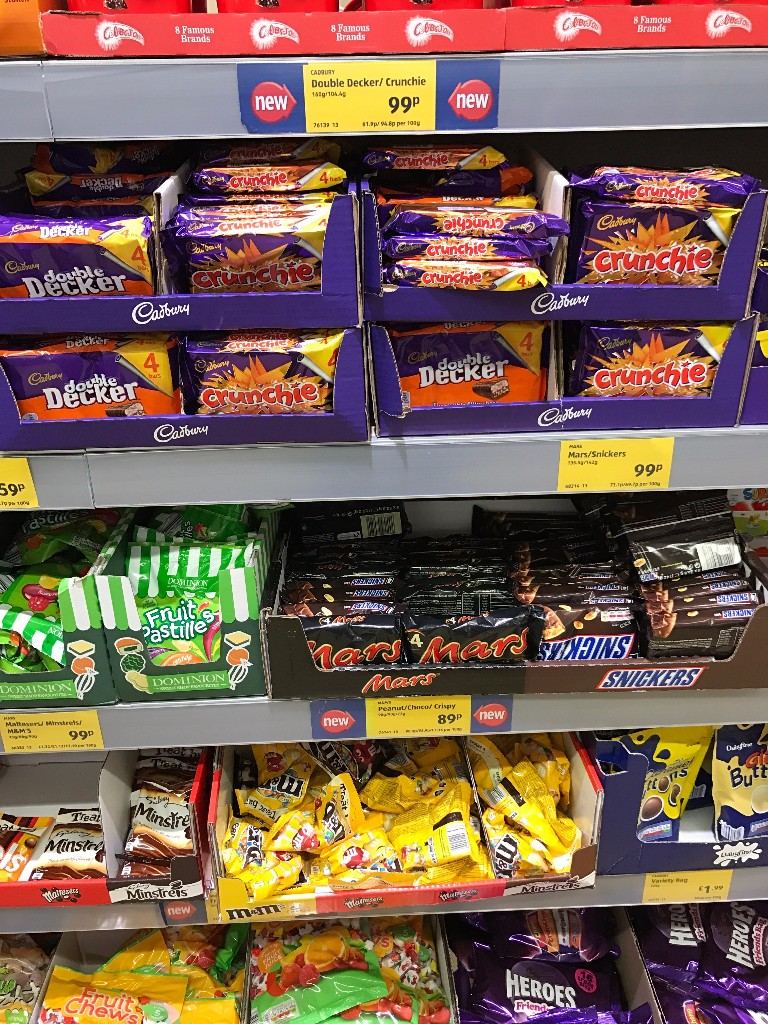
Cadbury's / Mars and Nestle all have a presence in the Confectionery fixture now as Aldi presumably aim to head off the likes of B&M and Home Bargains, famed for their ranges of branded lines.
Cadbury's have adapted their outer trays to combine multiple lines inside the one case (counts as one line) and the pack sizes also seem to be towards 'snack size' to keep the price down too.
Tesco are £1.79 for a 4pk Double Decker (218g) whereas these Aldi lines are 160g for 99p. Over 20p cheaper per kg at Aldi, however Asda have Double Deckers at £1. Making them cheaper than Aldi per kg here.
Having trained customers towards own label and the merits of branded vs. own label comparisons, to then add in brands (at eye level no less) seems odd.
So there we have it, ongoing 'supermarket' work from Aldi, whilst they've not (yet at least) landed a loyalty card, there is ongoing signs they're continuing to refine the range and bring in more lines / ranges for customers.
Fatigue is a big risk for them, they're low price and high quality and it's endless good news. But people just like a change sometimes, and trip off to Asda for a look around and could then not return for 4-6 weeks.
Sticking to the knitting works for them, but they need to stay close to their principles and not allow too much range 'creep', otherwise they might end up with irrelevant ranges themselves......
From the Grocery Insight newsletter archive, first sent to subscribers on 6 March 2017. Steve now writes at read.groceryinsight.com. See also the blog archive and briefings.