Larger packs at Tesco...
9 August 2017
COMING UP
Now: Trends - Bigger packs
Next: Mergers/Deals : Morrisons/McColls
Later: Market - A look at Asda
There has been a very definite trend emerging over the past few weeks, certainly at both Morrisons and Asda around bigger packs and the better value that they bring.
Especially with the school holidays for the kids' now in full swing and parents counting the pennies, wondering where the £120 full shop went as the cupboards are bare after two days.....
Morrisons and Asda have reverted to tactics used a few years back (by Asda particularly) where larger packs of Biscuits (mini packs e.g.) are sold within an outer case / large box for a higher unit price - £3 for 30 bags let's say.
Asda also have their favoured staple of 6 packs of Maryland Cookies for a £5 in a specially sealed box. A true 'special purchase' in the same style of pack as you'd see at Costco.
Morrisons have done similar to attract value driven customers, but lest we forget. £3 for 30 packs of Biscuits however good the wider economics are, is still too expensive for some customers.
We often see the larger pack at Christmas, the 40pk Walkers Crisps are a staple in many households. However bar the 6 week holidays (in Asda and Morrisons) and perhaps Christmas too, the wider market still has a bit of a struggle with the economics of larger packs and 'bulk' style buying.
This is mainly because high unit prices which can scare customers and are out of reach for others.
There is a school of thought via EDLP/discount that the shelf price is the most important therefore should customers want value, they can buy 1 or 10 - the price is low enough.
Not all discounters necessarily think like that; Lidl have a fixed range structure in the same way that Aldi do which means a standard pack size for many products.
But the 'XXL' event that Lidl seem to run monthly is popular and offers even better value on their core 'favourite' products. It's a convenience factor too, one large box of Laundry powder is easier to transport and store than 4 smaller boxes.....
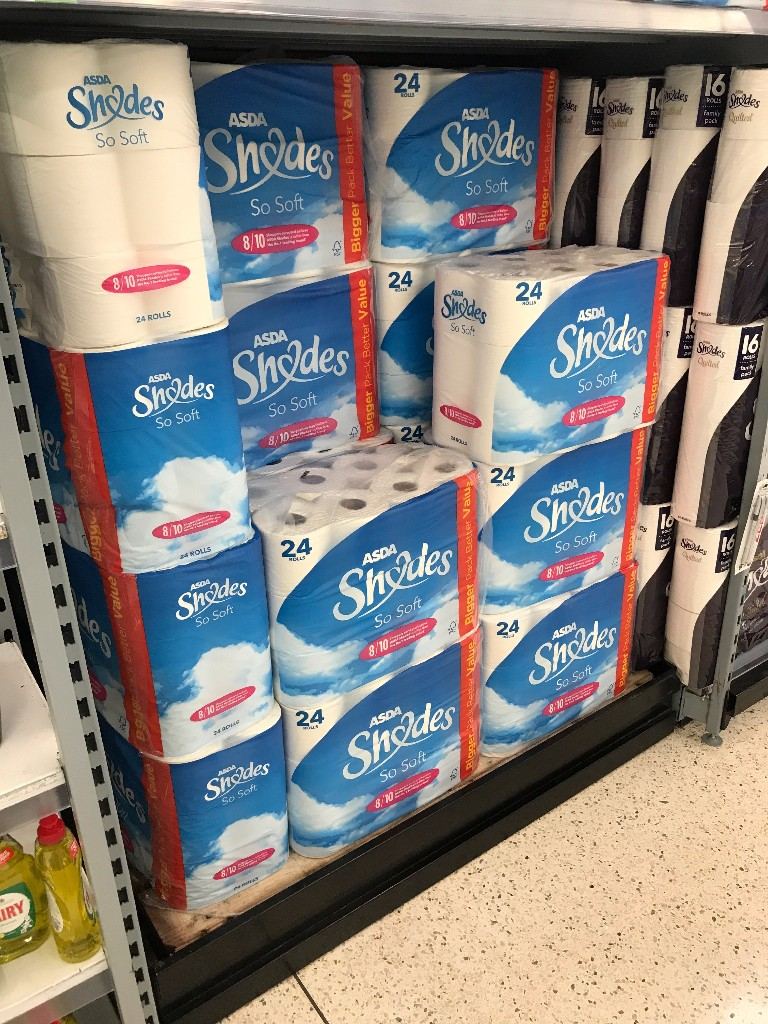
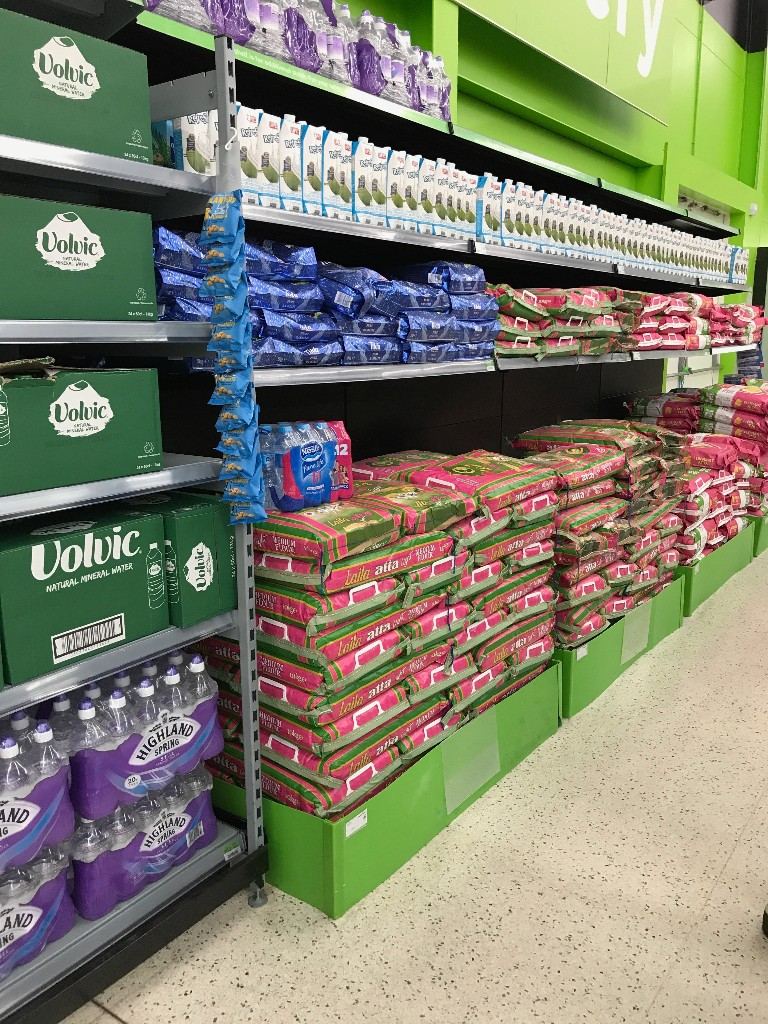
Asda reported poor yearly figures last week, poorer given their investments at the store level. They couldn't keep the £1bn profits line going in the light of falling sales.... There are some signs that they're starting to try and grasp the challenges ahead of them though.
So putting the own label inside a 24pk makes sense here, especially when considering transportation and storage. But there's still a feeling for me that £8 is too high for core Asda customers, there is value elsewhere of course in the range.
But £8 for some Asda customers is still too much, they'll only buy a larger pack of toilet paper at Christmas so they don't run out when guests come around.
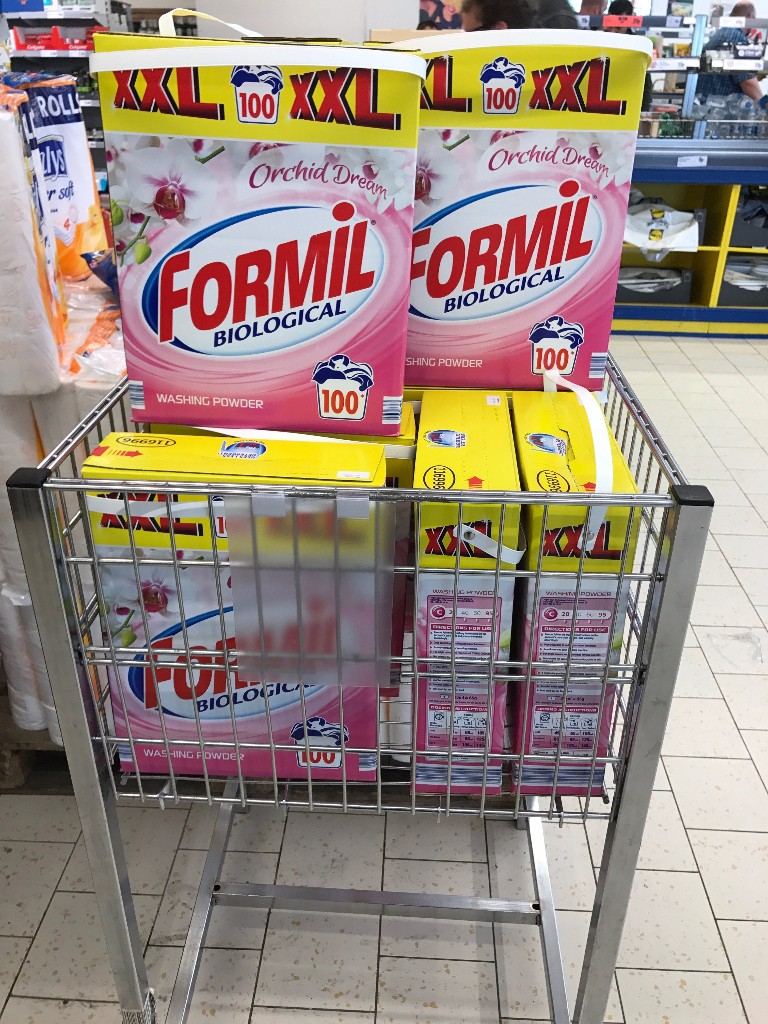
We have covered Lidl with their bigger packs and we have seen them dropping these XXL packs in to their super weekend offers, which can mean the larger packs are around in store more often than not.
A higher price again, but for those customers who can see beyond a shelf price (some customers are so price sensitive which ironically costs that customer more), and look at price per wash and a longer term view, these packs represent good value.
However whatever the mathematics are; retailers can not afford to lose sight of value and some promotions remain too expensive for customers - even on a flat 'save' mechanic.
The intriguing element around large packs is the Tesco range here. "Drastic Dave" has been busy cutting away at the staff and making savings around the business as he recovers profitability as they're no longer the sick man of the industry.
It's a sad day when folk lose their jobs, no one likes it but practically, we know the reality in the market. Discounters have changed everything...
Under Philip Clarke, Tesco (along with others) were filling Sugar on a night, onto the shelves and selling it for 30p more than Aldi/Lidl. Tesco also were busy spending £m on Giraffe and coffee houses, and private Jets but I digress.
On the flip side, Aldi/Lidl (where all the sales and volume had gone) were filling Sugar once in the day, displaying on a pallet, only taking the outer wrap off and leaving it to 'run down' until empty.
They were 30p cheaper too per bag!
The rules of the game change and whatever your feelings are personally on job cuts, I have known Tesco throughout their good days, decline (indeed writing about on this very service) and recovery and it's good to see them performing better than they were.
Lewis has a plan and he's executing that plan, we should never forget what he inherited.....
Many of the former Tesco projects that were either a waste of time, effort, money or indeed all three have been closed down and/or sold off. Lest we forget Blinkbox, or the ill fated Hudl tablet to take on Apple et al (oh please...)
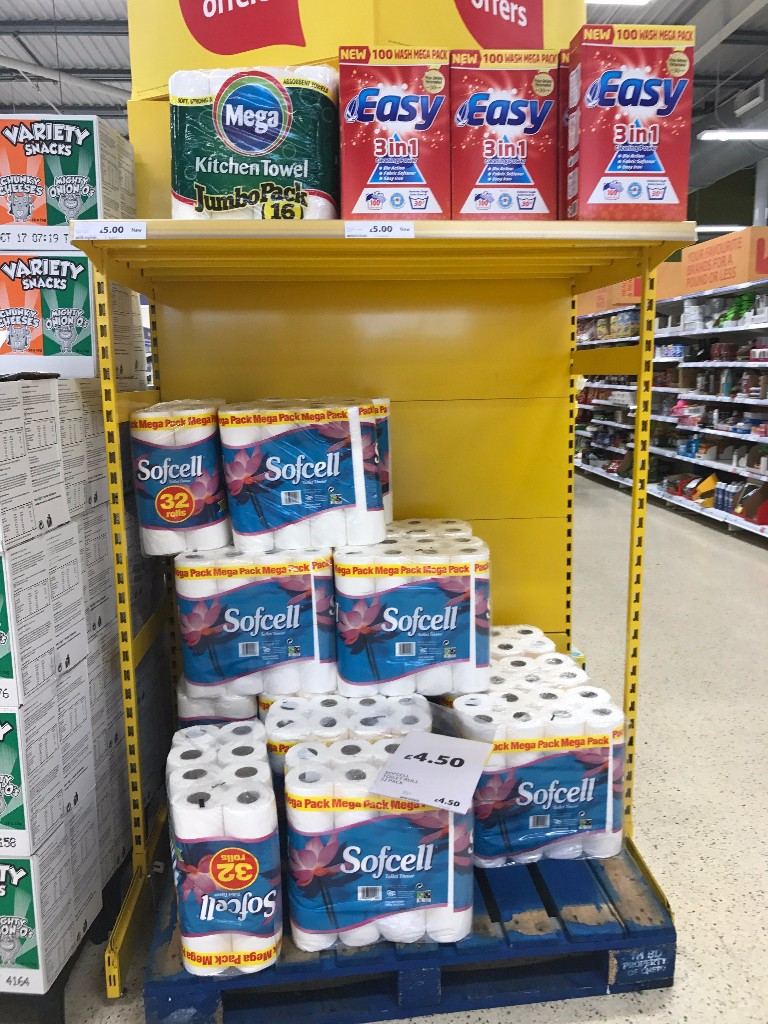
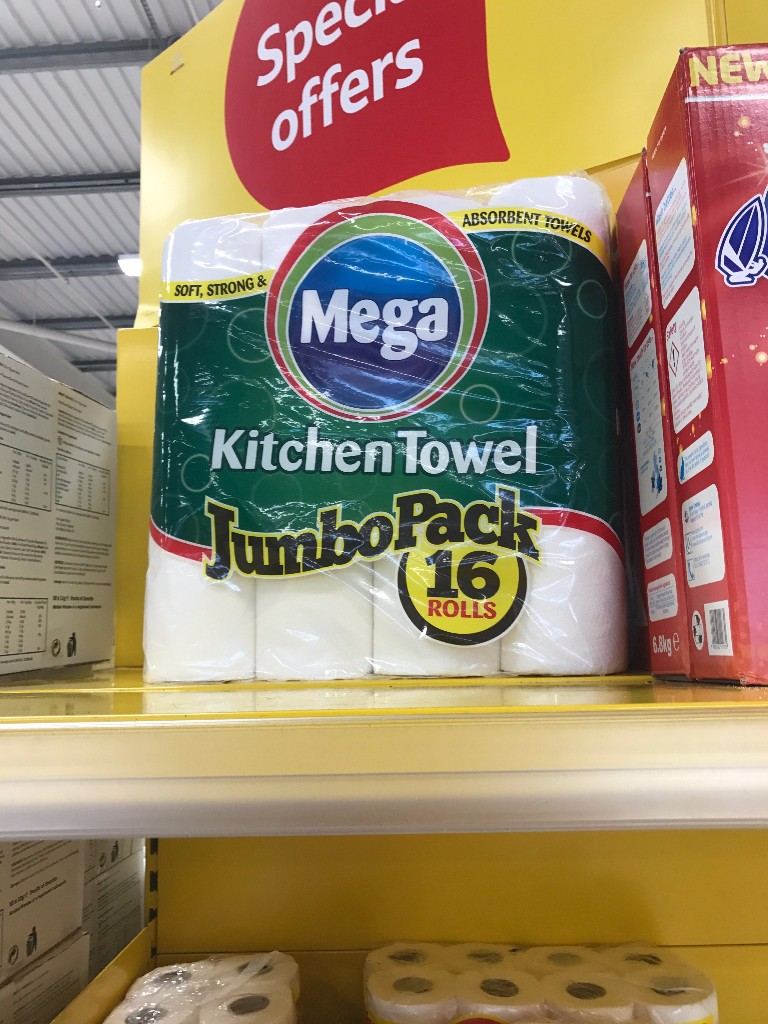
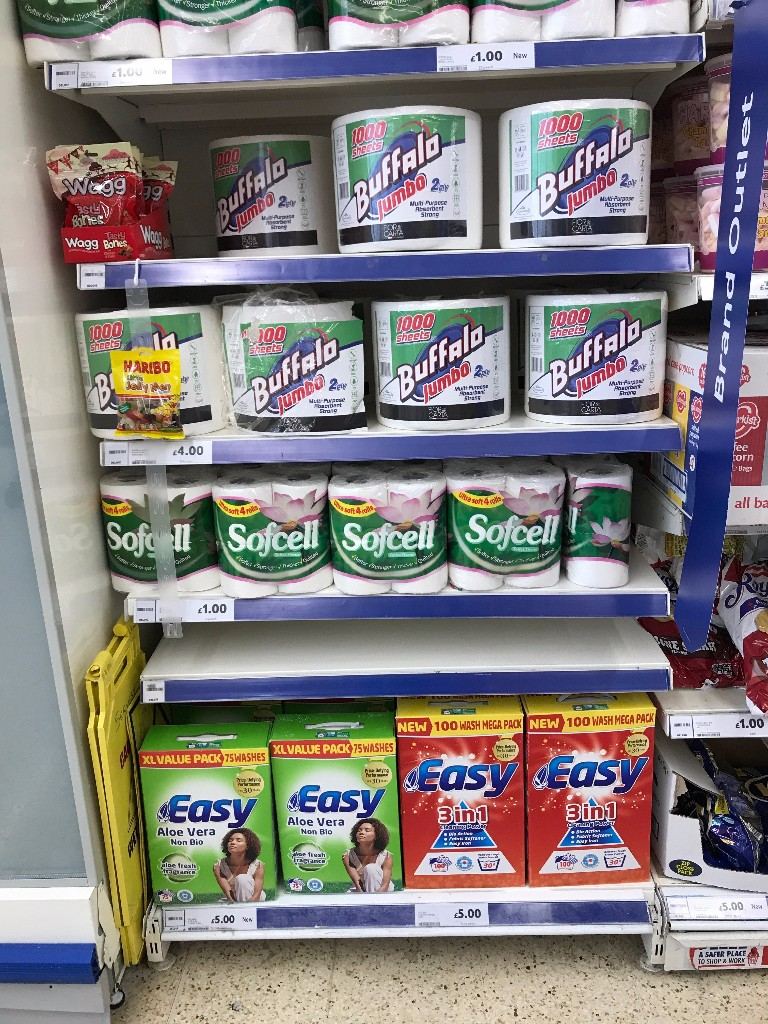
Remember Brand outlet? The Tesco attempt at fighting off Home Baragins, B&M and co with a value aisle has survived! A new range has arrived with a number of larger tertiary branded lines in Laundry, Impulse and Paper.
Could this be a test run for a "Booker lite" aisle or two in larger stores perhaps?
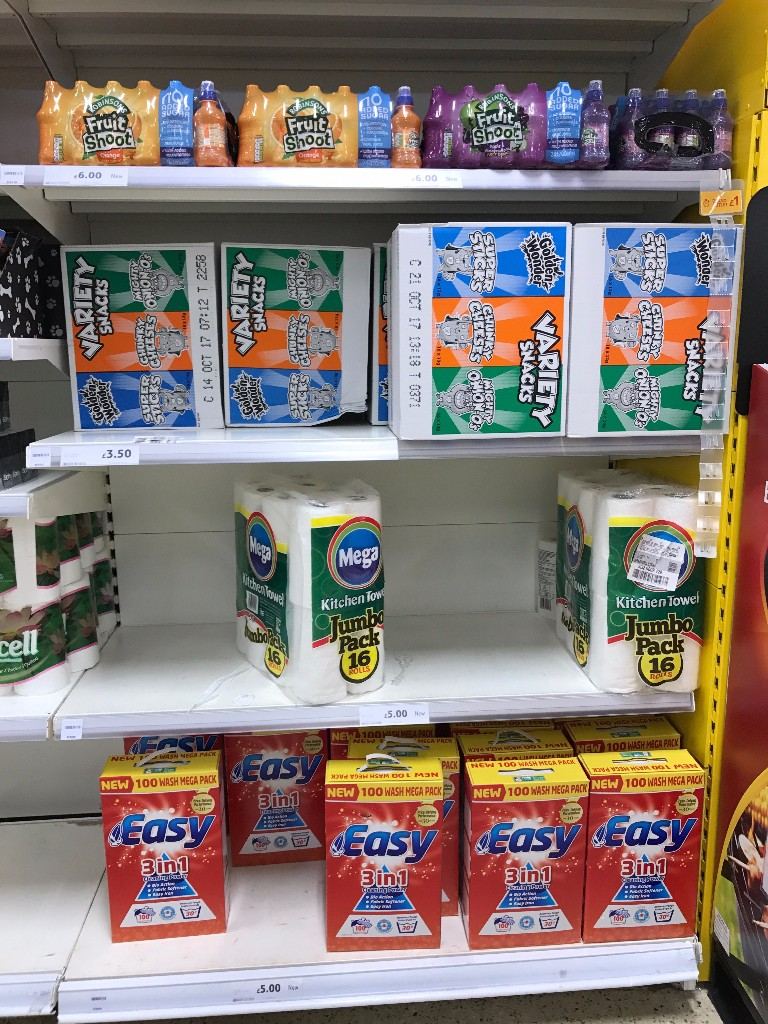
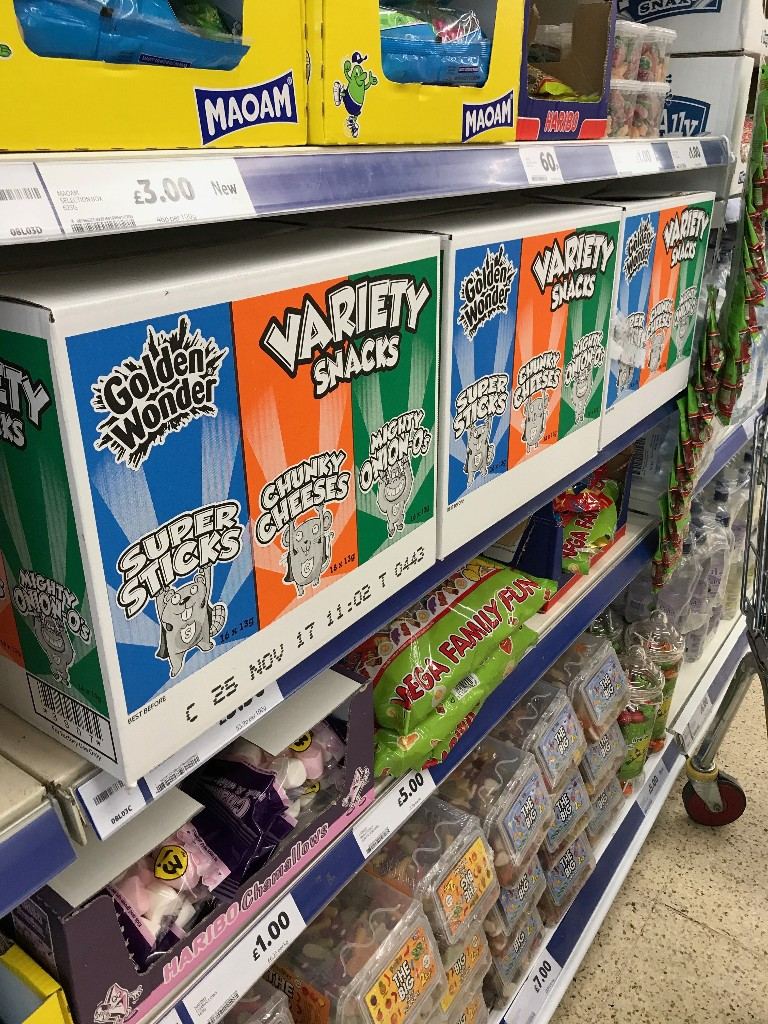
The range is centred around £1 bays and larger cases of generic brands or larger pack sizes. Noted in store were £3.50 boxes of variety Crisps/Snacks and 24 bottles of Fruit Shoot for £6 (No added Sugar note!)
There isn't anything ranged that crosses over and conflicts with the core range / message; this wasn't always the case in the dark days, where most of what they did was confused within the store environment alone, never mind what it did to customers.
A memorable one was £1 for 4 Mars bars in Brand outlet, and then the 4pk Mars Bars in the core fixture also at £1. However the brand outlet lines weighed less.......
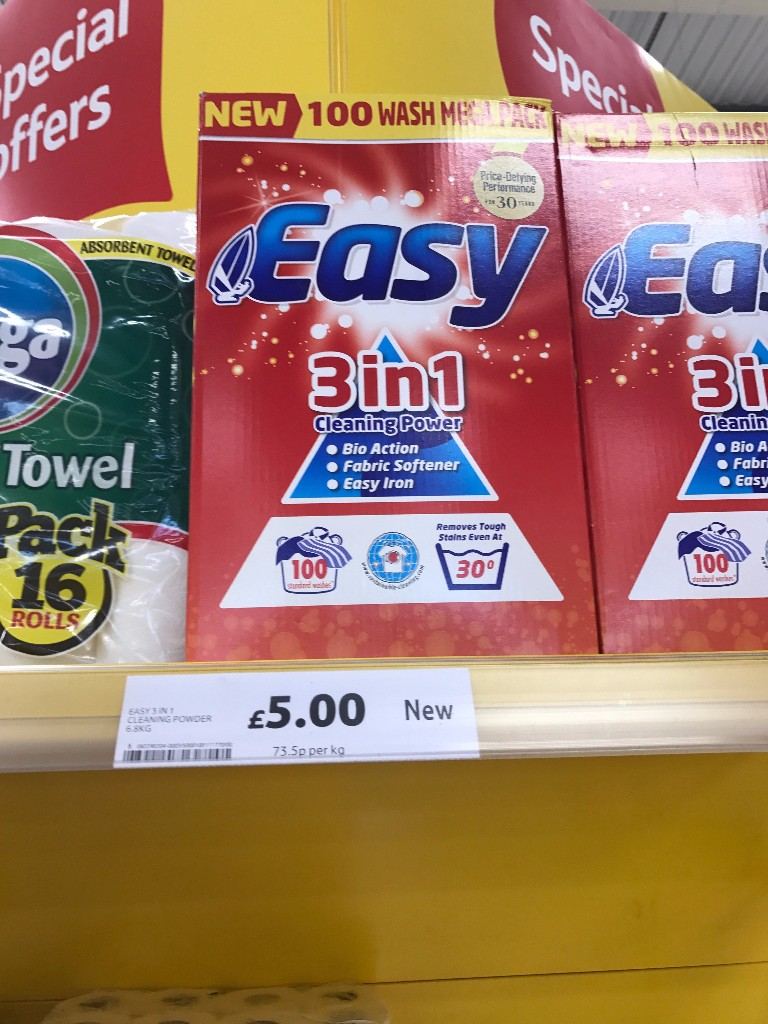
Many of the lines featured are generic / tertiary brands that you'd find in B&M or Home Bargains, not brands that you'd beat the door down to have in your home necessarily - but 100 wash 'Easy' 3 in 1 for £5 - if you find it's right for you - it's a great price.
It also allows Tesco to have differentiation within the range without a) adding loads of new products in to core fixtures and b) enables differentiation for Tesco versus discount.
More here; 1000 sheets of Buffalo Jumbo paper at £4 - a catering based line clearly but the value is here for any customer who purchases in that way.
You have to look at the success of Costco and their membership rates to see that more customers are switching on to this way of buying.
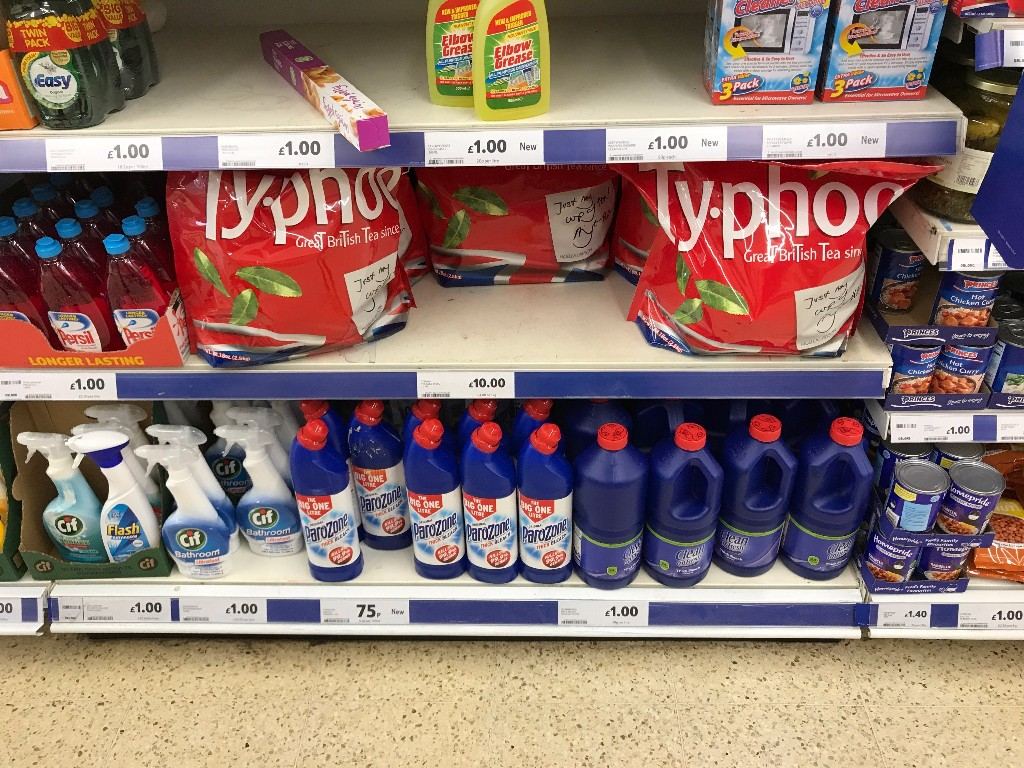
The £10 Typhoo is ideal for anyone on the office tea run and in Tesco shopping, but would that customer visit this aisle? Brand outlet is typically tucked away down seasonal so challenges remain. A full end is given over to the larger pack sizes so there are attempts to signpost this value a little better.
The strategy of large packs does enhance wider appeal; whereas if they added the large Typhoo in to the Tea core fixture, it would confuse the value hierarchy and leave the customer thinking prices had risen (they haven't).
A price sensitive customer would 'take away' from the fixture that Tesco were charging £10 for a sack of Tea, irrespective of the price per cup.
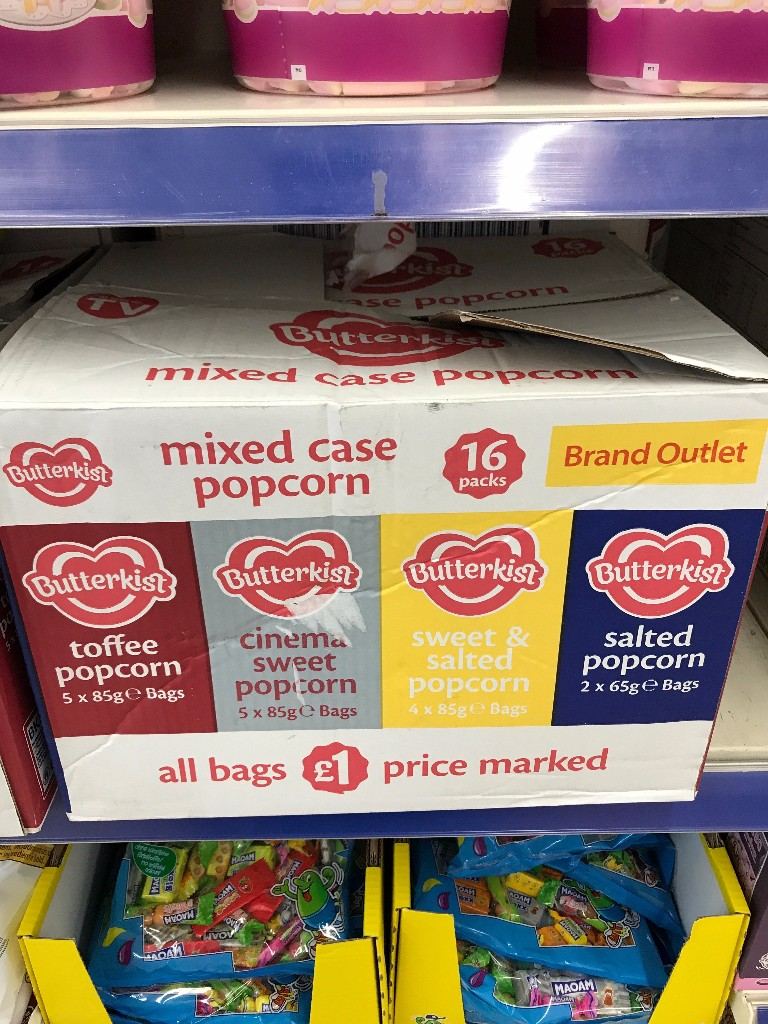
Note on the Popcorn that the outer case has the words 'brand outlet' and this is physically printed on the box too.
This shows that this is a deliberate strategy, these lines haven't been picked up on the spot / grey market and added to the range.
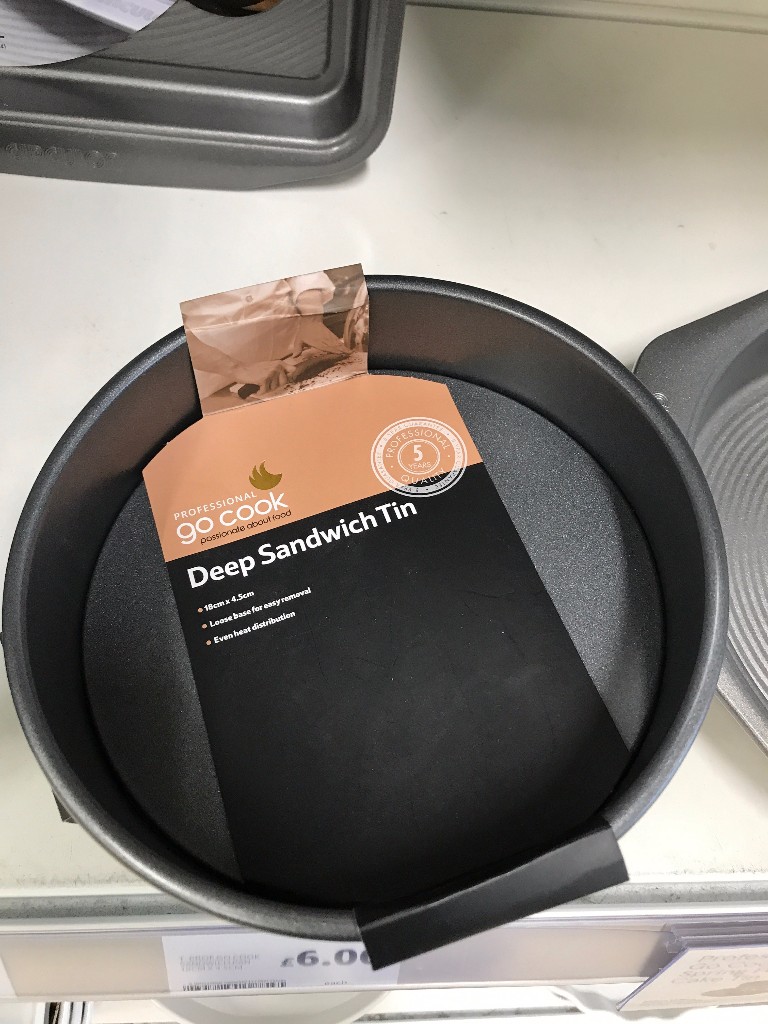
The Non-Food performance in Tesco has been covered on this service a few times; the category can generally be found wanting post the move to daytime replenishment to save cost.
It's impossible to track what impact poor standards in the non food department do to sales, otherwise it'd be more of a two sided discussion when the decision comes down the track to cut the hours out / change the way it's replenished.
However when savings are needed, then the hours budget in store is the biggest one to attack. Overtime can be cut and savings banked instantly.
It's a bit like looking at your expenditure and instead of carving up your Sky, Phone Bill and Power which takes time and eventually saves money...
Why not just not pay your mortgage for a month? It saves a good chunk of cash, the effect isn't felt for a while (bank don't repossess your house after one missed payment). However if you keep missing payments and don't sort the other issues out, you eventually lose your house.
You eventually lose customers as there's enough choice elsewhere.
Gaps on shelf means lower sales, but poor standards, empty cardboard and stock all over have a negative effect too.
It will be interesting to see how Tesco cope on non-food and what they do to overcome their challenges here as/when Booker come on stream.
Especially with their aims to sharpen cross-shoppers and bring caterers in to the non food world and Tesco shoppers in to the Booker cash/carry world (as we see above).
Some new non-food lines have arrived in store and there looks to be a bit of a push around ranging on Candles and homeware at the minute. That said, they're a million miles from Asda and Sainsbury's, which given the space Tesco have on non-food is near baffling....
Real work to do.
But a 'professional' Go Cook baking range appearing in stores about now does speak volumes......
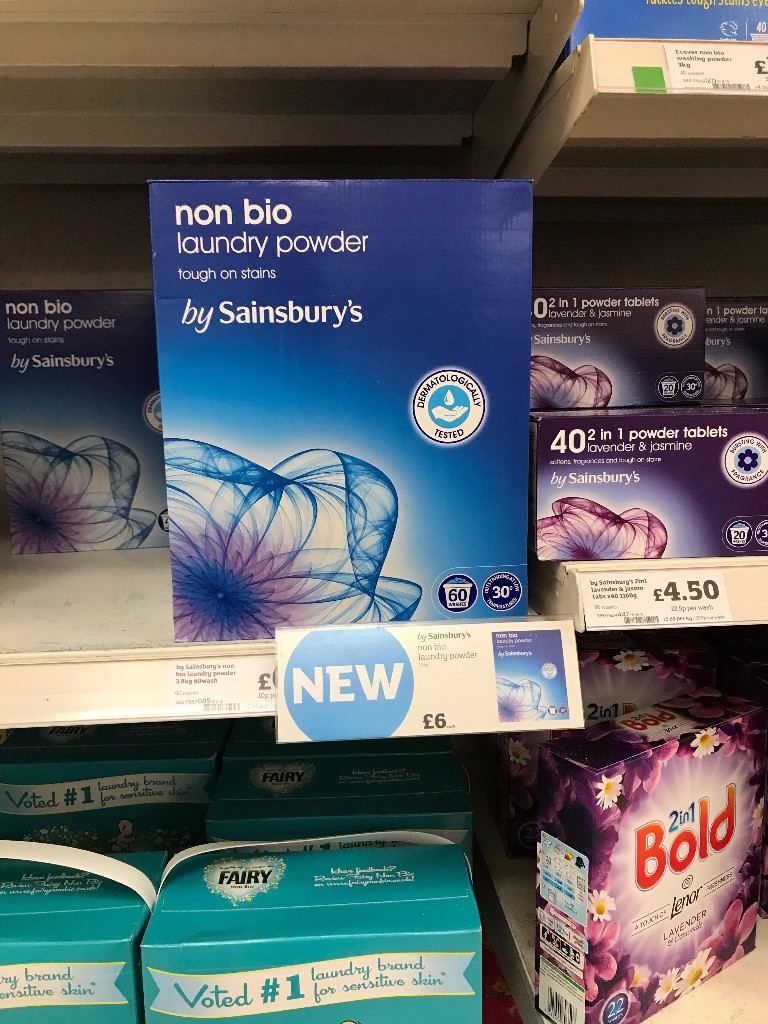
In other large pack news; Sainsbury's have done a fair amount of work within value on their Laundry category, bringing prices down and reducing a hi/lo reliance on brands.
Driving value via large packs looks like a logical next stage for Sainsbury's, so their large pack at £6 represents good value for customers who buy own label and will spend more to secure value.
One of the few examples where their new strategy could work effectively perhaps, kill the reliance all round for deals and then bring in larger pack sizes on own label to grow share there.
So large packs? A notable trend, a way to grow own label share and a decent defence versus discount - who, bar the weekend specials can't then start ranging larger pack equivalents of every single line....
However - what about those customers who don't have £6 for a larger pack? Beware expensive promotions!....
From the Grocery Insight newsletter archive, first sent to subscribers on 9 August 2017. Steve now writes at read.groceryinsight.com. See also the blog archive and briefings.