There are chinks within the Aldi armour - price isn't one, health is...
29 May 2014
Promotions remain an important part of the multiple retailers armoury, however a reason for discounter growth were customers becoming fatigued with the volume of deals.
Several deals are set up via the supplier, which is why Coke is forever on deal (even with the new bottle size). Big brands such as Coke, Pepsico, Heinz and Mars pay 'big bucks' for their brands to be featured.
The 'ends' which feature promotional goods are sold by the retailer to the manufacturer, guaranteeing exposure for their brands and hopefully, getting volume to support their investment.
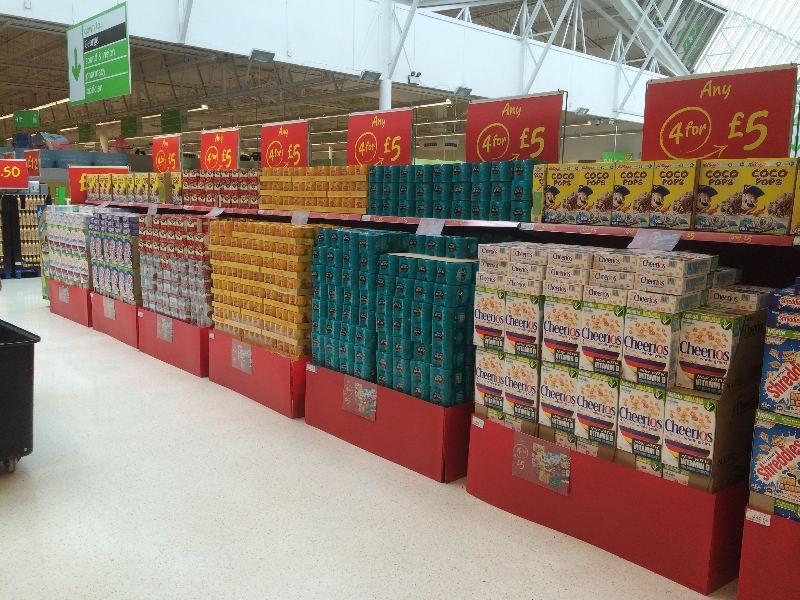
With customers becoming 'bored' of the same deals across the retailers, the onus is on the retailer to work with suppliers to deliver a package that works for both parties.
Driving value through promotions was a key component of Ken Morrison elevating his chain to a national player after their acquisition of Safeway in 2004.
There is a fine balance though, Ken was scathing of the Safeway business for their 'hi/lo' promotional package, stating it eroded core business with Wednesday (promotional changeover) becoming their busiest trading day.
The example above shows Asda really driving value for 'mum' with an excellent cross promotional / category 'x for y', General Mills, Nestle, Heinz and Kelloggs all featured too.
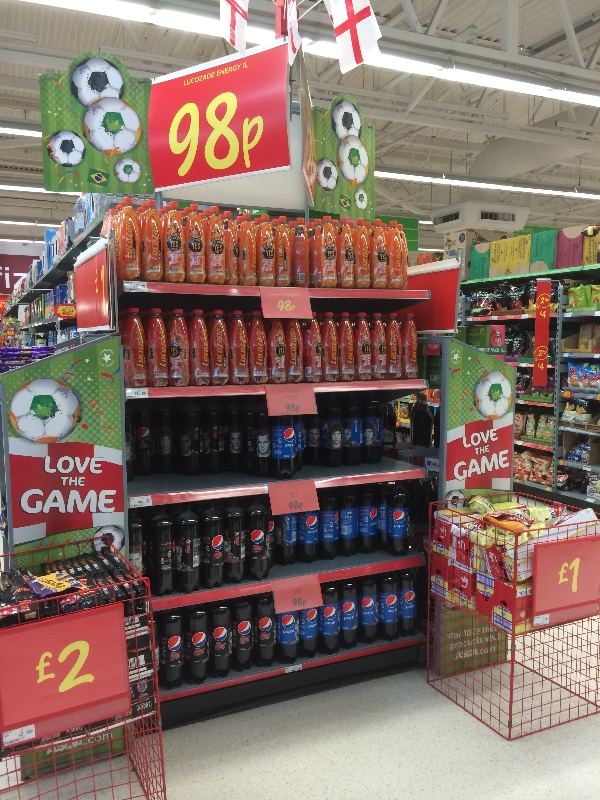
Another notable point from this promotional cycle from Asda, is how their price points have been tweaked.
Typically Beans, Pasta Sauce, Pepsi and Lucozade would be rolled back to £1, however Asda have offered a 97p/98p price point to fight back versus the single price point retailers.
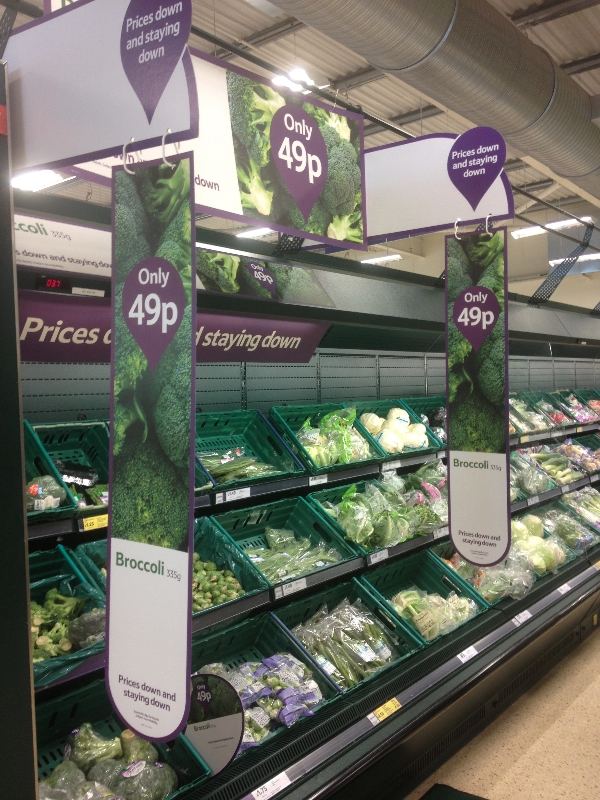
We have seen a lot of price activity on fresh produce, and an email detailed the various price campaigns by retailer - after all 'Apples are Apples'.
With obesity rising, the health of the nation could suffer and with the NHS already creaking, it's a timebomb that requires defusing.
Legislation was mooted (for a change) by introducing a 'sugar tax' which is utter madness, it'd impact everyone and why penalise people who are already on a budget but manage to eat well?
One area where the discounters are yet to expand into is 'healthy eating' as the limited SKU range prevents a wider range being developed.
There are some healthy 'be light' lines within Aldi, but it's typically limited to a few products. If you're slimming down, or following a particular diet then you could struggle at Aldi.
Their limited range could potentially be an achilles heel if a trend appeared for healthy eating, as the single price point retailers have found.
Great value can be found at £1.50 / £1.20 but a £1 price point can exclude you from the game.
Health is likely to form a major part of the agenda going forward, and the usual 'traffic light' system on packaging is the norm, how can retailers steer customers towards more healthy food and steer from the low priced discounters?
The Times magazine at the weekend had an interesting review with the CEO's of the supermarkets, ascertaining their diet and shopping habits. Philip Clarke shopping exclusively at Tesco made him sound a little tragic.
Andy Clarke came across as a completely, in tune with his customers with a relatively standardised diet (and Champagne).
There was acknowledgment from all CEO's that they had to watch what they ate, and tried to make a conscious effort to reduce intake of Chocolate for example. This must feed down to their stores and strategy.
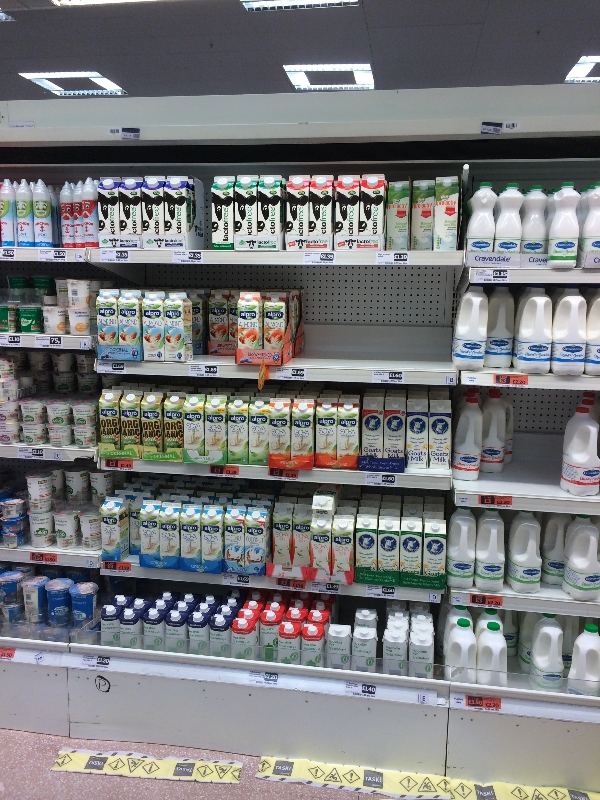
Listening to dietary needs and trends is something Sainsbury's have done, moving soya and milk alternatives to a full bay in aisle. These lines are typically merchandised above Milk.
Giving exposure to these products helps customers with dietary requirements, and these customers are on the rise.
Dietary requirements (and obesity) are on the rise, and multiples can cater for these customers with ease, in many respects they already do with healthy sub tiers, vast free from categories and branded slimming products such as those from Weight Watchers.
Health and dietary requirements are channels in which the discounters cannot compete, and where the range of choice offered by the multiples is a necessity.
Although not across every category.
Next up - I've collated some Produce pricing at Aldi, so will be comparing that to the multiples to assess the price gap. Produce has been a huge customer footfall driver for Aldi, so with the noise in the multiples, has the gap narrowed?
From the Grocery Insight newsletter archive, first sent to subscribers on 29 May 2014. Steve now writes at read.groceryinsight.com. See also the blog archive and briefings.