The Coop - doing what they do
24 November 2020
To subscribe to this service and benefit from our expertise
One struggles to think of a business like the Coop that has managed to turn itself around in the first instance, from the depths of despair, with a poor core business, unclear mission, brand, values and customer appeal. But then having to integrate a similarly poor business in Somerfield (which in itself is no mean feat, at least with Morrisons/Safeway, the core Morrison business was very strong) and managed to come out of the other side.
But to actually turn itself around from a branding, 'reason for being', quality, value, standards (the list goes on and on) perspective and crucially, maintain that trajectory is something else entirely. As we see so often in the UK retail, the recovery often takes hold before cost savings and the need to drive profits northwards take over and threaten the very improvements that drove the recovery in the first place.
The recovery has held and despite some of this market change being cyclical, around smaller shops, customers conserving their budget and convenience being a viable option for customers. Or indeed, to save on travelling (especially with a pandemic ongoing), the Coop's appeal has been enhanced by a number of strategic decisions that they've continued to work hard on, sticking with the knitting and remaining laser-focused on their work - driving quality upwards, sharpening value and being consistent across their stores.
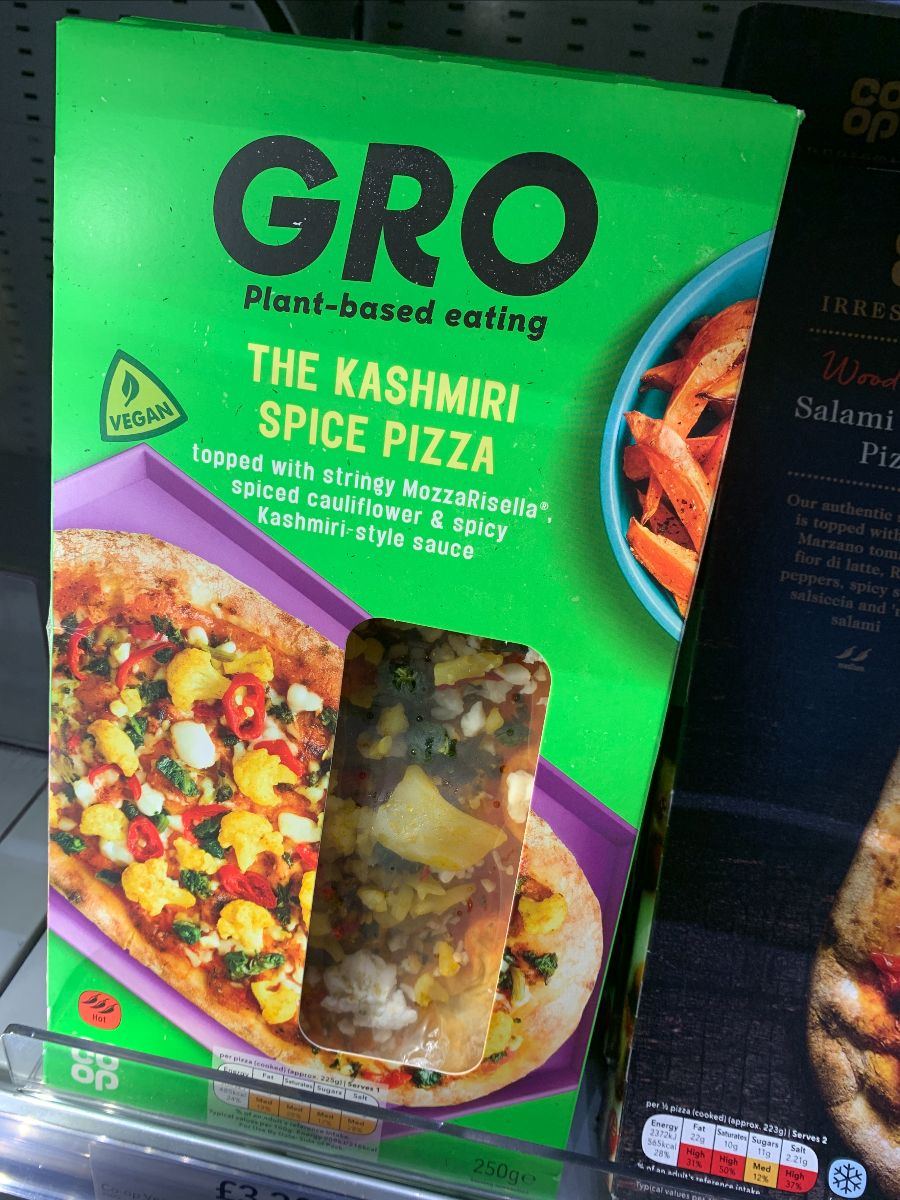
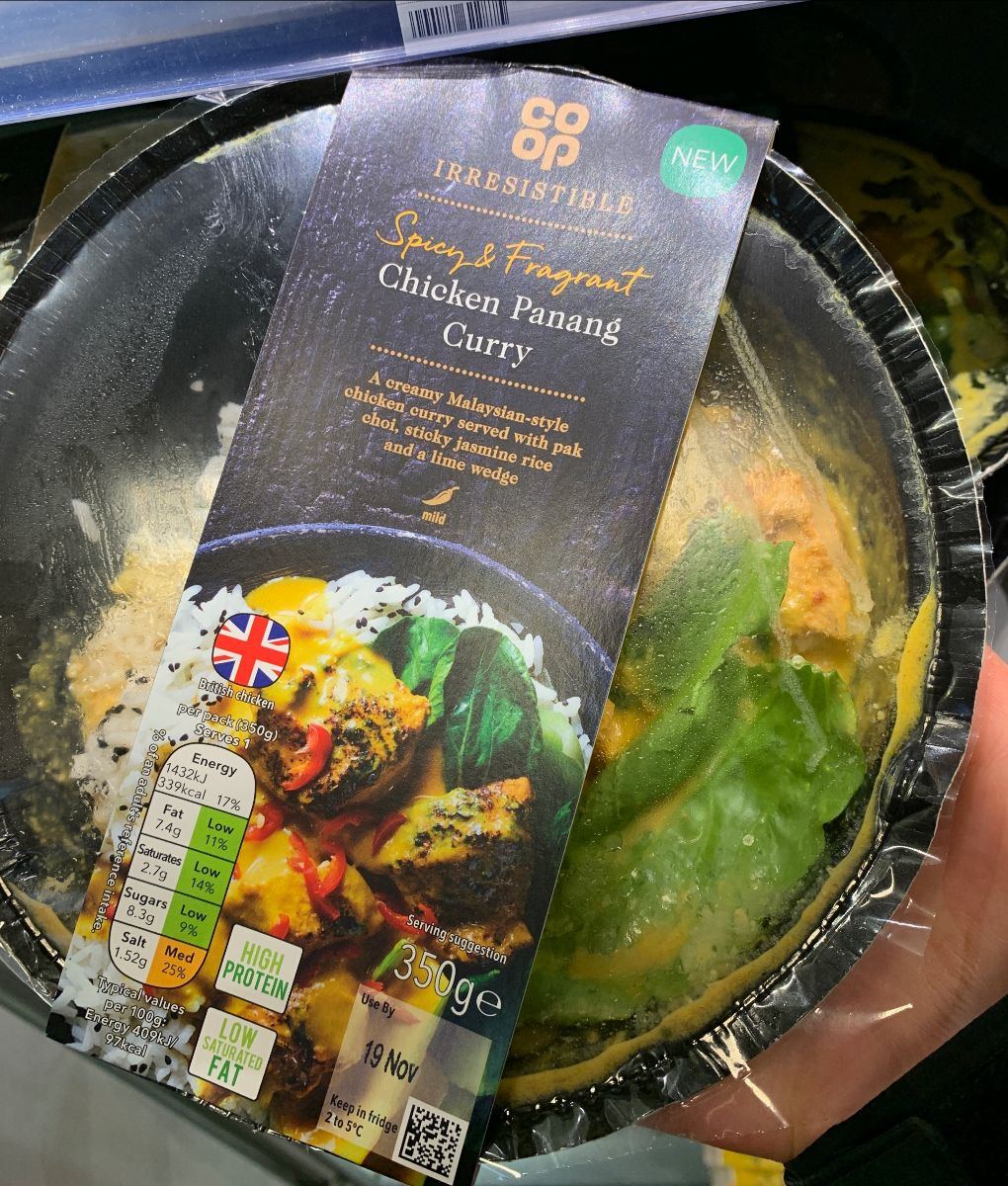
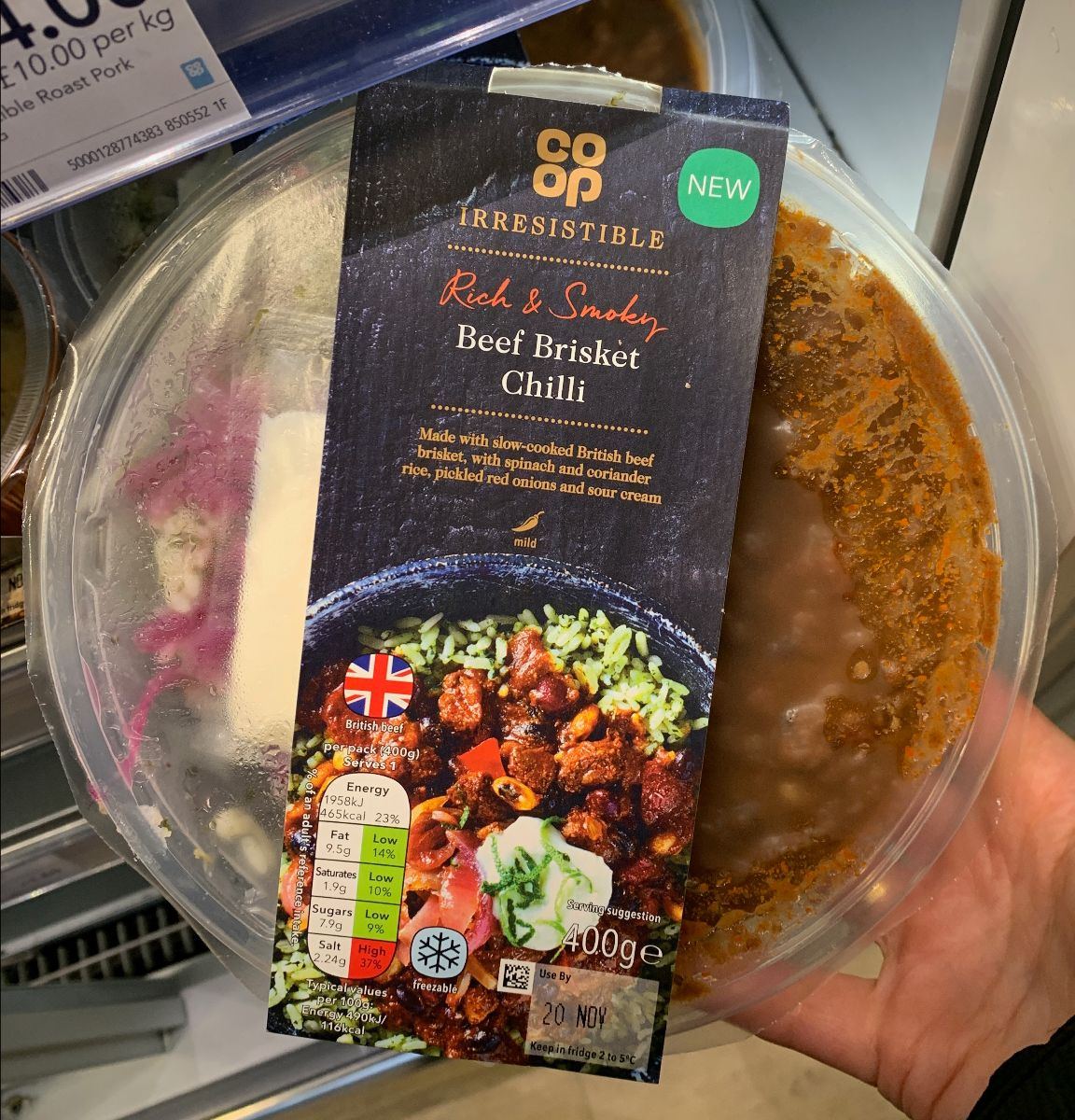
Private label continues to work hard for the chain and their uptick in quality remains a vital cog in the wheel of turning perceptions around. Their premium product stands out well on the shelf and drives the all-important margin, so often, the Coop, like other chains would have put the focus on branded items and the associated supplier monies.
Whilst that has played a part, the own label has continued to come through and work hard for the chain, providing reasons for customers to visit the stores and developing and driving innovation. Not just their premium tier, but also their additional tiers and cuisines, such as Gro (Vegan own label) and the recent strong work on Takeaway meal boxes within ready meals that are not only well priced but feature superb stand out on shelf too.
No mean feat when customers are time-poor and in need of inspiration. Getting products to stand out but the work on the shelf edge to enable packaging to breathe is difficult but the Coop need to achieve that, and their own label does a great job of this.
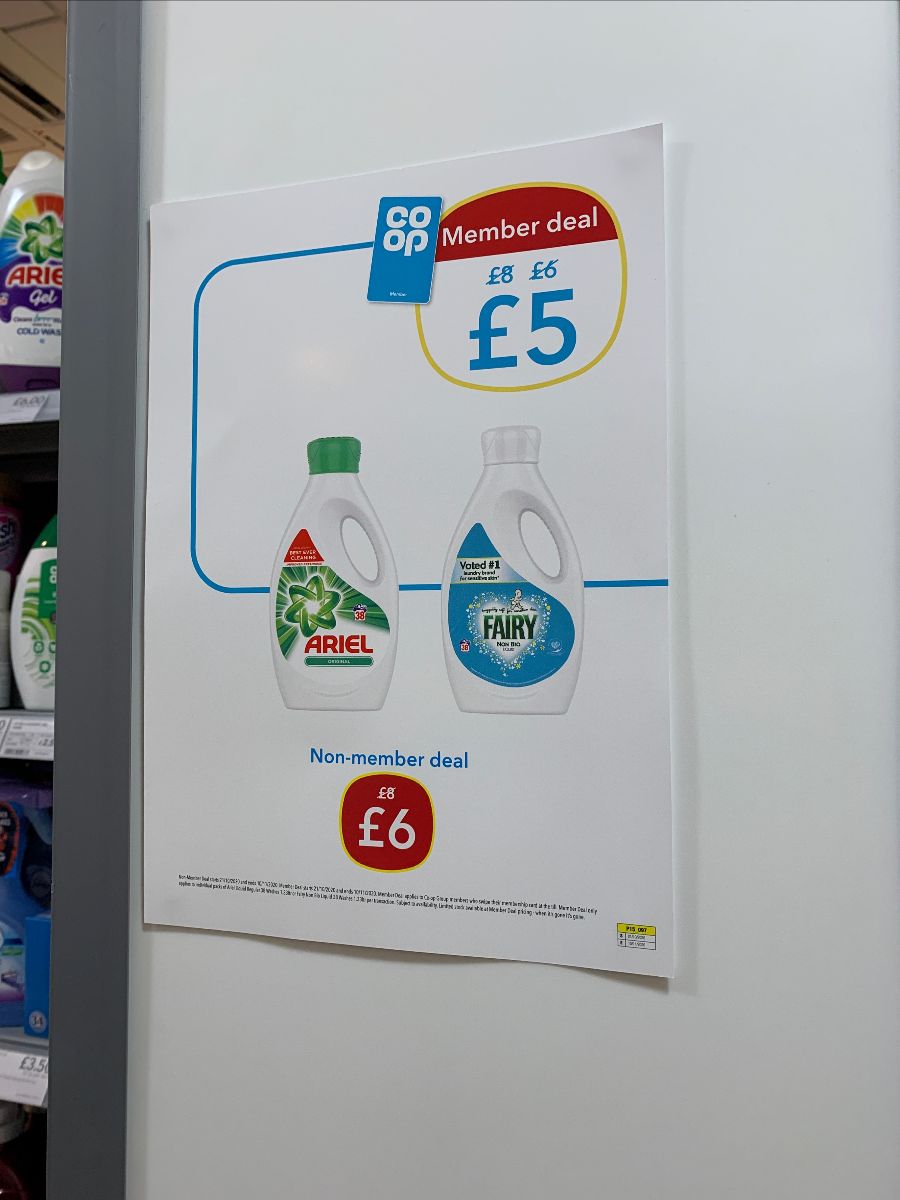
Despite own label being sharper and the focus being in this arena, brands have a part to play of course. Be it on ambient ends and driving value through with stronger deals, aligning with the marketplace (or near to it on price), but using the member's deals via the loyalty scheme drives a positive for the brand owner but also the customer, driving loyalty only prices that we continue to see across the market.
Buying Argos for Sainsbury's had a number of benefits, not least the footfall being driven by customers who were picking up orders in Sainsbury's within the Argos implant, driving sales upwards in Sainsbury's that featured an Argos store.
However it is an expensive way to drive footfall and there is no news if that 'halo' remains in place, especially with the shift to online ordering and delivery with the pandemic, but it still provides a likely valuable route through to some growth for the chain.
Tesco also used to benefit from footfall for Direct parcels when they offered non-food online, with Express stores taking all manner of products for customers to pick up. However, this meant that stores were overloaded, especially at peak times and then this means that it becomes an expensive way to drive trade, especially when you factor in the £40m that the Direct business was losing every year.
Of course, it was also a challenge because Tesco wanted people shopping larger stores and buying their non-food in there, rather than Tesco subsiding the click/collect alongside online to the tune of £40m.
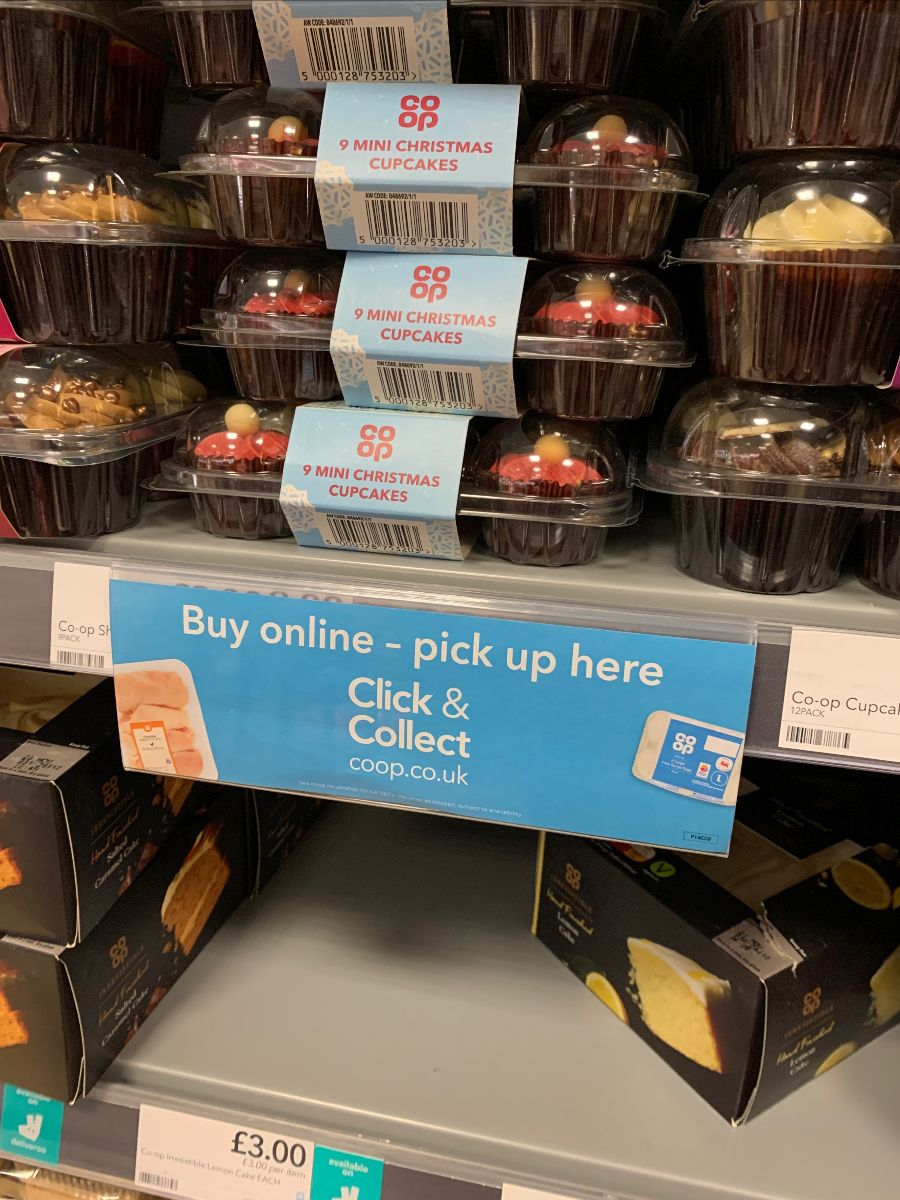
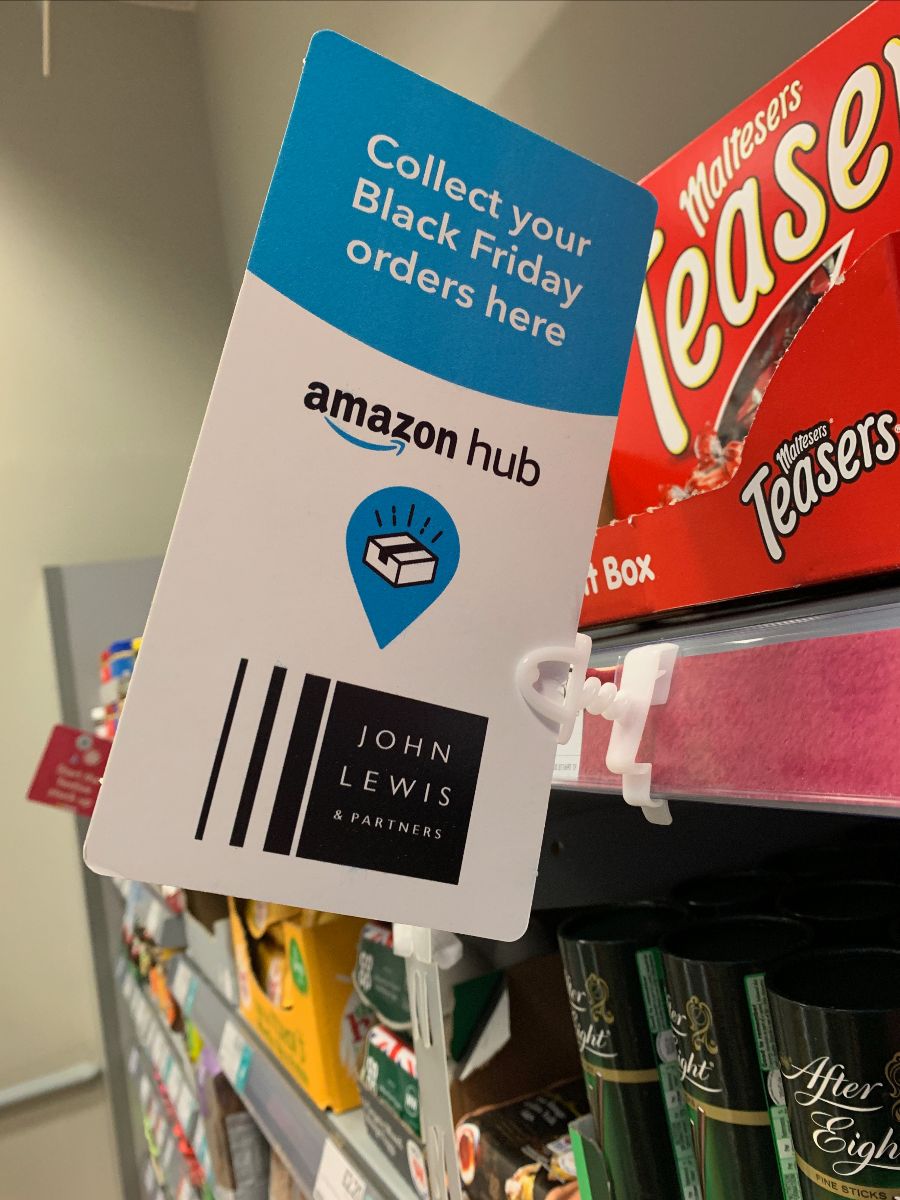
However, for the Coop, they don't have these competing agendas of a non-food offer to balance up against their need to drive trade online, so as a result, their fulfilment option is to scale their locations around the country to offer click/collect for other partners, like John Lewis and Amazon too. The signage in aisle works well and this can drive valuable footfall in the coming weeks for the stores.
There are also options for fulfilment via the Coop with their expanding online offer, either via Deliveroo or through their own network too, with click/collect opportunities and delivery also possible, they've got in to online in entirely the right fashion.
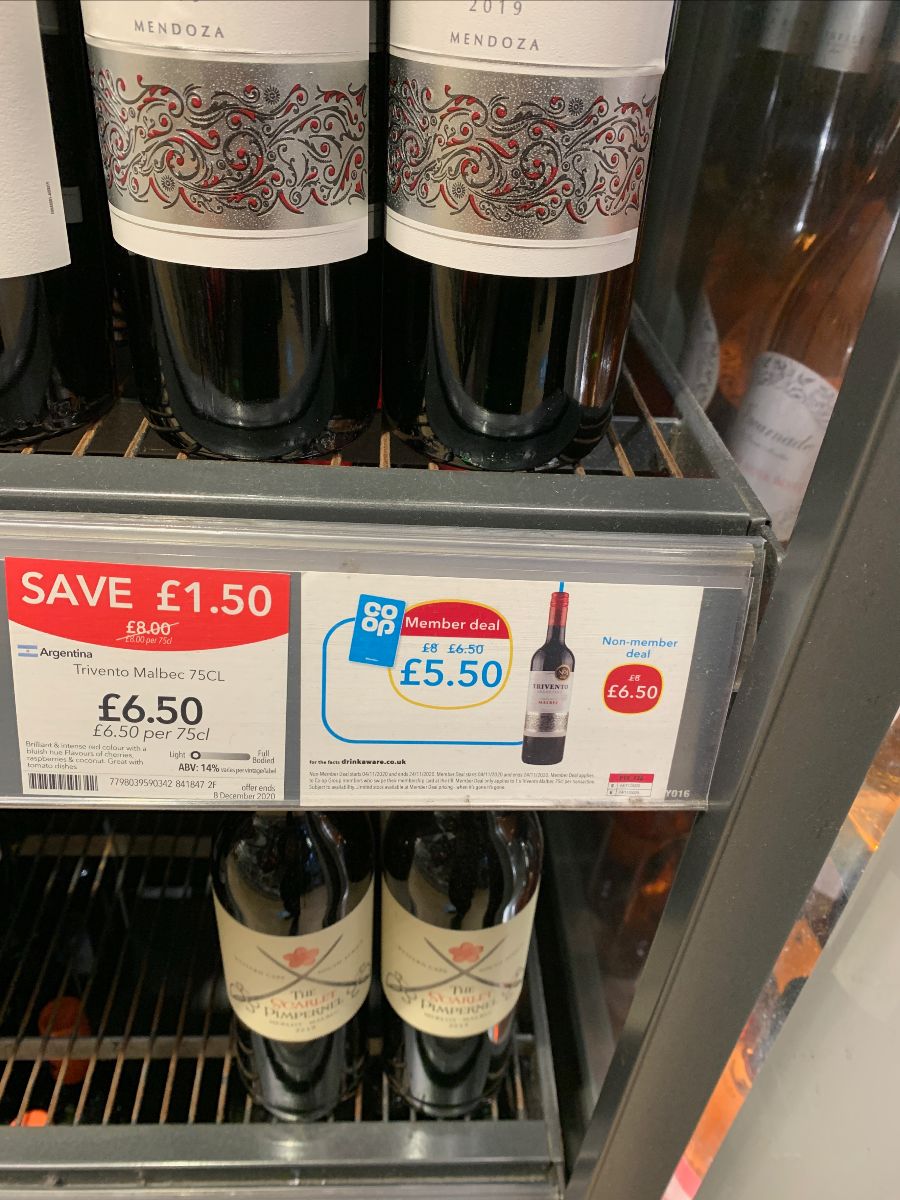
Further work on member's pricing has been noted in other categories too, and on key lines, whether they're branded or own label, Wines were a big beneficiary as the card itself shifted from one that purely did good and gave customers redemption on own label purchases, to offering member pricing on selected lines, which is another reason for customers to buy into the loyalty card and thus, share their data with the business.
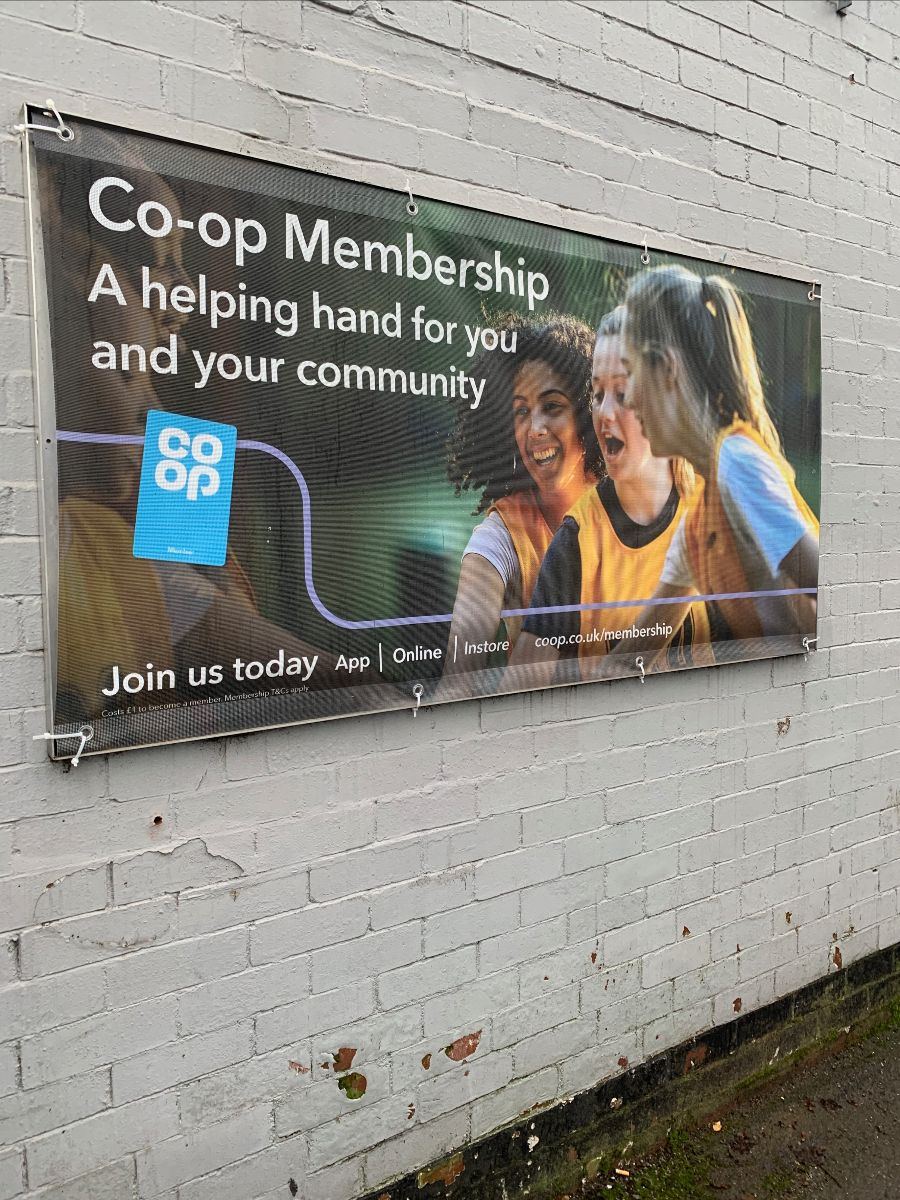
A valuable commodity in convenience retailing, where customers are time poor and don't scan their loyalty cards, generally, as a rule. The community elements are still notable for the customers, these are advertised strongly around the store as a reminder for customers to use their loyalty card.
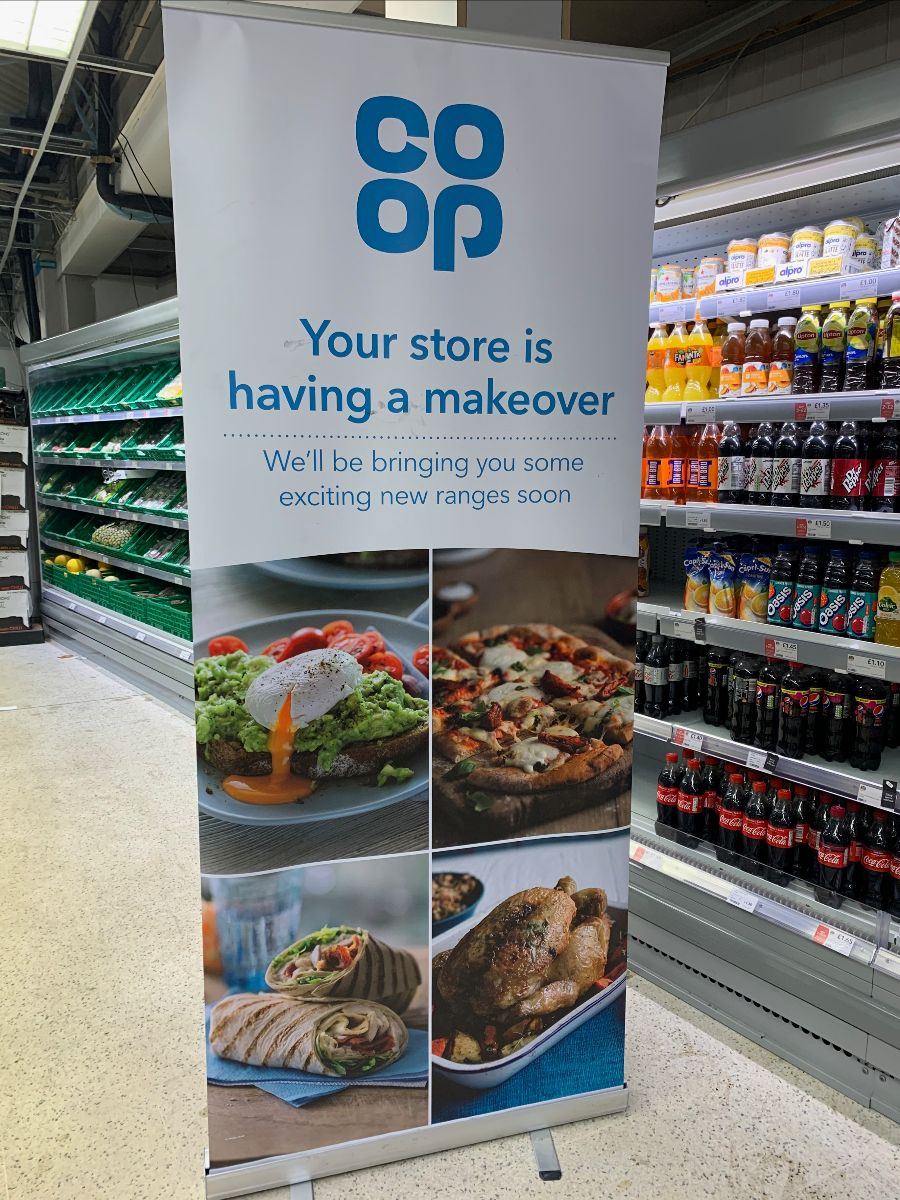
Refits remain the order of the day around the country with a number of stores still displaying the old world signage and indeed, signage even older than that. The estate has been through numerous divestments and changes as Somerfield, then Alldays were integrated into the chain, with other stores sold off to McColl's and other retailers based on their prospects of 'hope' for the future.
So the stores that are remaining are the ones for the future and the refits continue apace, despite COVID and refits feature new fixtures in Bakery, a new focus on meal solutions and local product, all important for the chain.
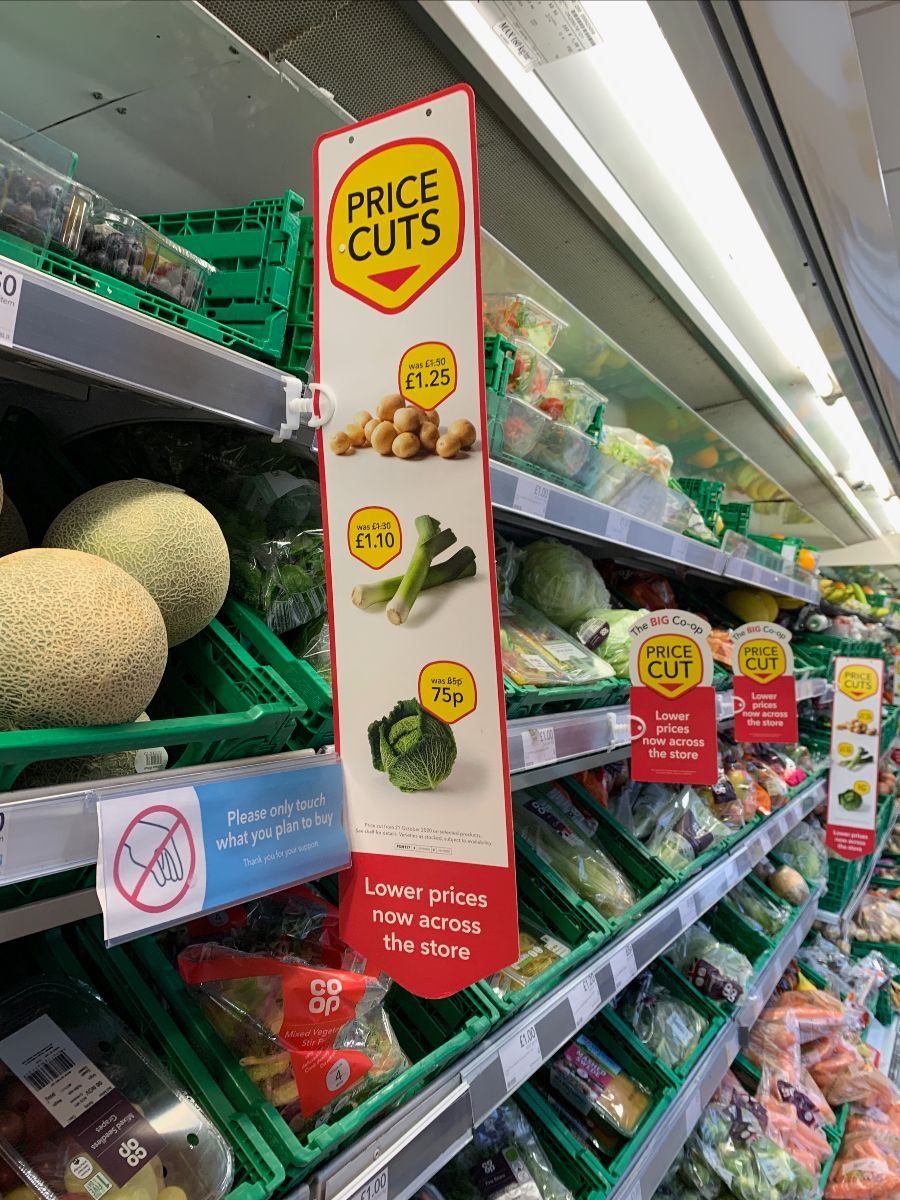
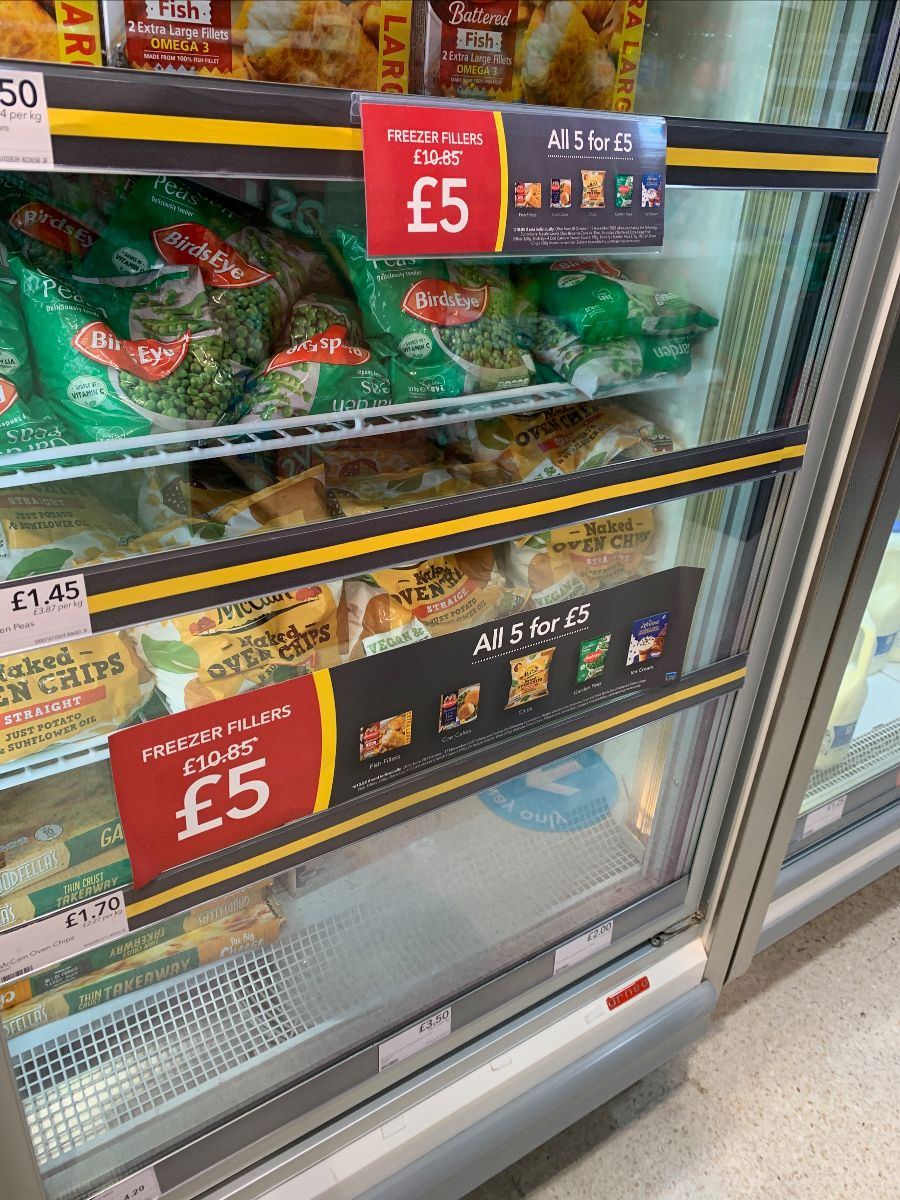
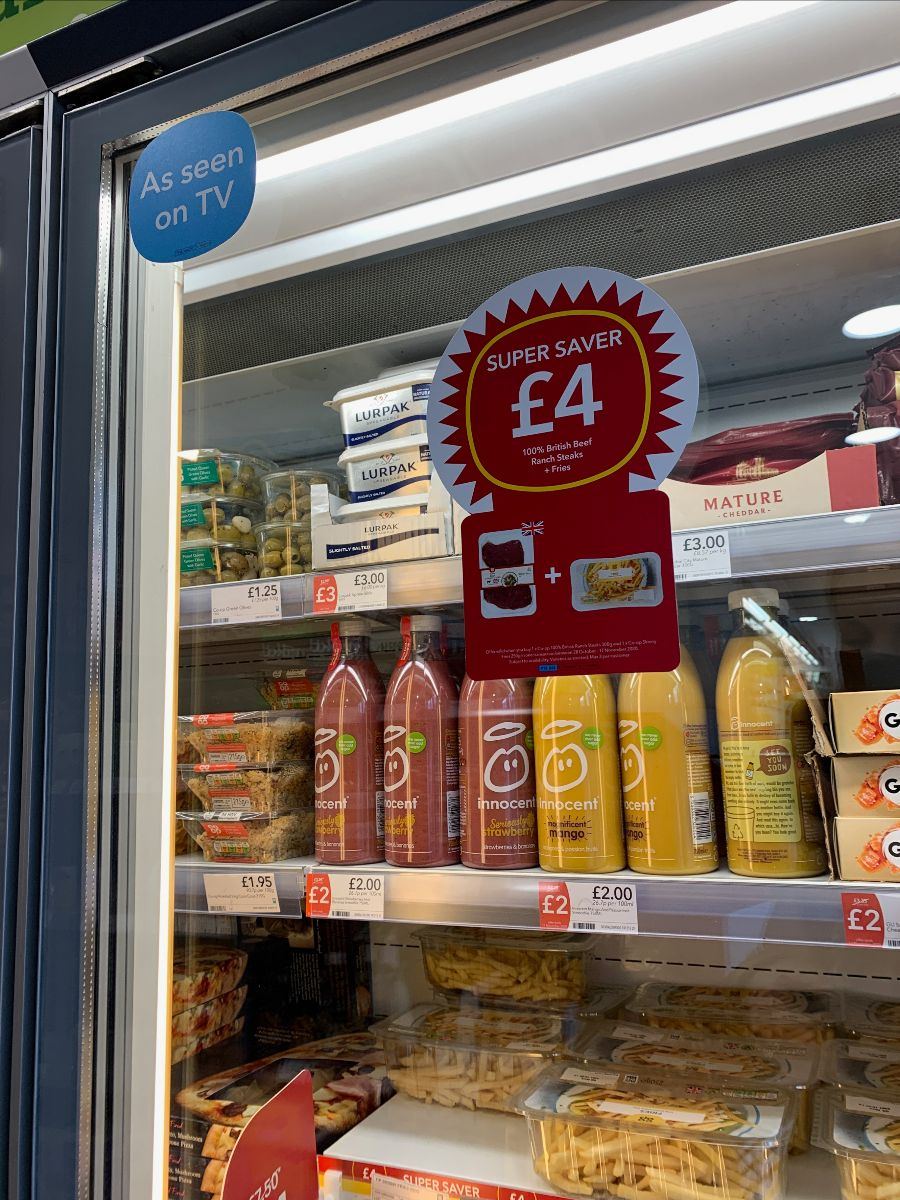
The most striking work has been on value, with Steve Murrells memorably talking about removing the 'insult prices' and convenience stores are far more than the latest Food to go iteration, or concept and this point, so often missed by those looking at stores, is that they don't consider the customers who have to use these stores as one of their few solutions for shopping.
Super Savers in Fresh Foods featuring Alcohol/Soft drinks and a meal solution, either Pizza or Burgers, alongside their oft-imitated 5 for £5 deal on Frozen which offers a real opportunity for customers to 'set their watch' by these deals and then buy other products to make the deal worthwhile for the Coop to run.
These 'big deals' are combined with promotions in Produce and also lower prices across the board on own label and other lines and thus it becomes a palatable experience for customers, with value front and centre.
It's not just an offer that's based on food to go iterations or modernity, for some, it's their only opportunity to shop. So insult pricing is a key factor, you don't want to upset any customer who needs to purchase something as they're desperate to do so, because if the price is too high then they're forced into buying, it's a double negative.
The customer remembers the price and then feels forced into buying, almost exploited. It's never a good look. The key is to bring prices down across the board and target the margin in key areas, differentiate on innovation and premium too.
Whilst new food to go elements look nice and attract lots of attention from the plaudits, the reality is, any new concept doesn't last long and it becomes just 'any other store' to regular customers.
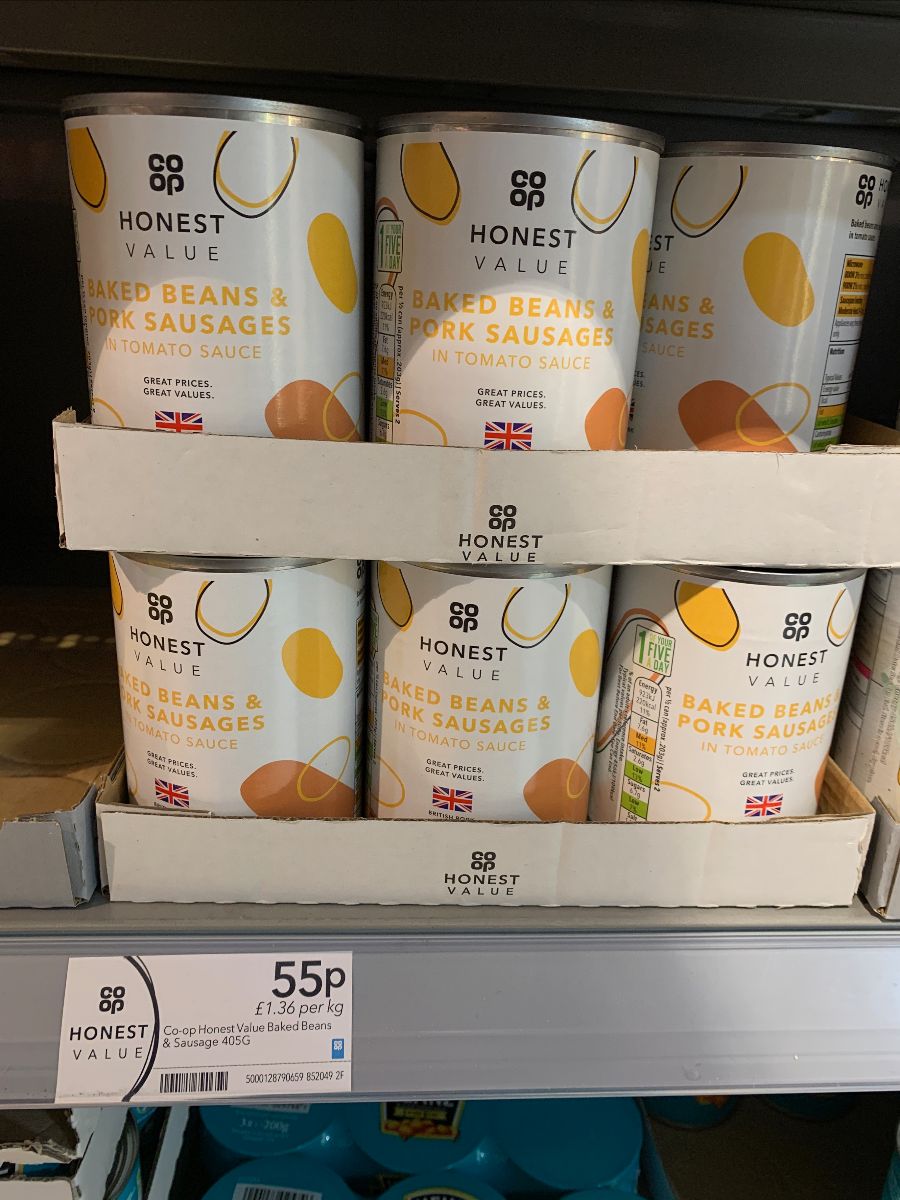
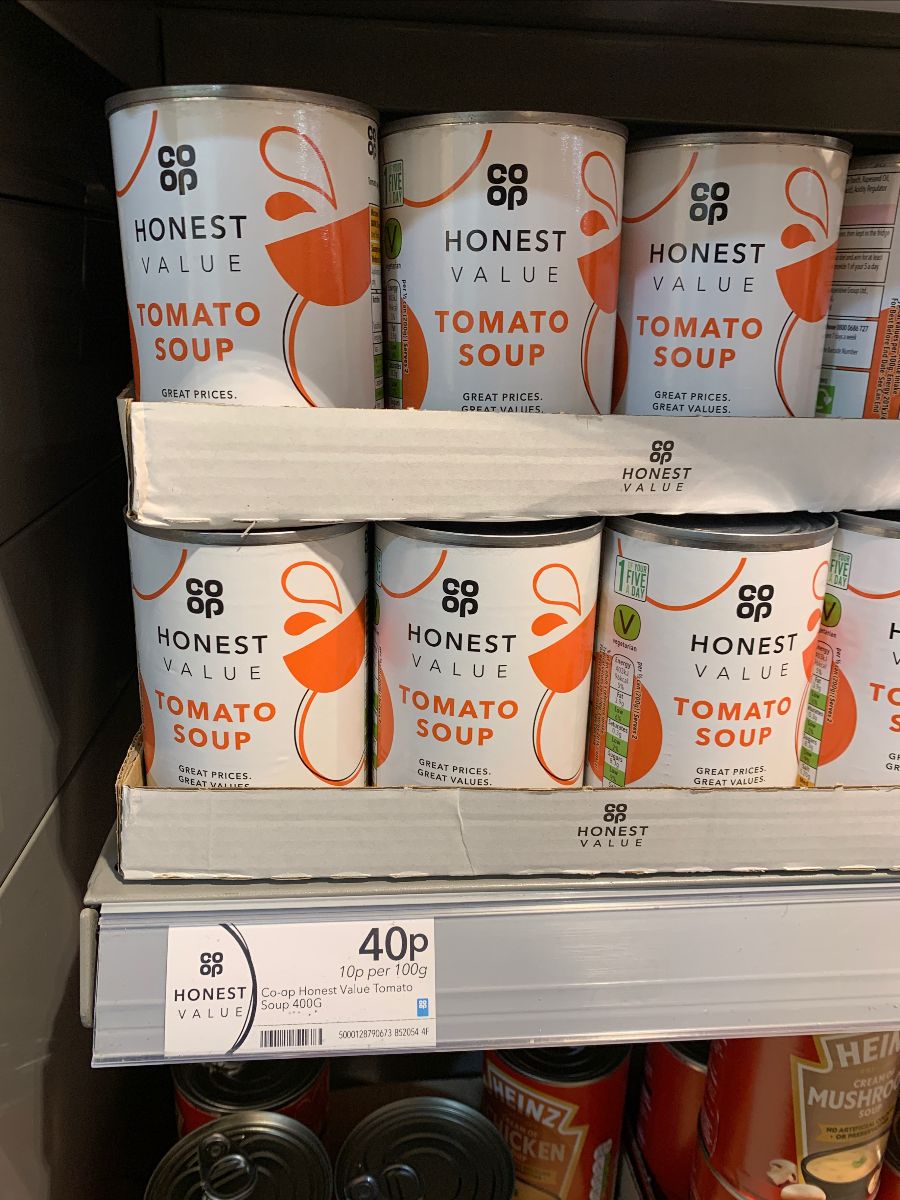
So to close this email, with Honest Value, the replacement for a myriad of generic and value tier products in the Coop's range of products feels fitting. Whilst these prices are not equivalent to the market, in some cases, they're more than the core mid-tier product (Tomatoes 28p value / 35p core e.g.) but they offer a solution beyond a branded item that may be c. 90p+.
There are a number of value tier products around the store and the price position is a nudge above the market but, palatable and that's the key for the chain to continue driving home their advantage on value and ensuring that customers who may have shifted into the Coop for any reason, be it COVID, warm weather or location continue to shop with the chain and switch more of their shopping to the chain.
The stores are often in better shape than they once were and consistent too. By adding sharper value, better promotions, new product development and continuing to further their offer, despite the challenges with central locations and COVID, then it'll see the chain on good, solid foundations for the future.
Benefit from our retail expertise
From the Grocery Insight newsletter archive, first sent to subscribers on 24 November 2020. Steve now writes at read.groceryinsight.com. See also the blog archive and briefings.