Loyalty and Non Food developments
4 February 2021
To subscribe to this service and benefit from our expertise
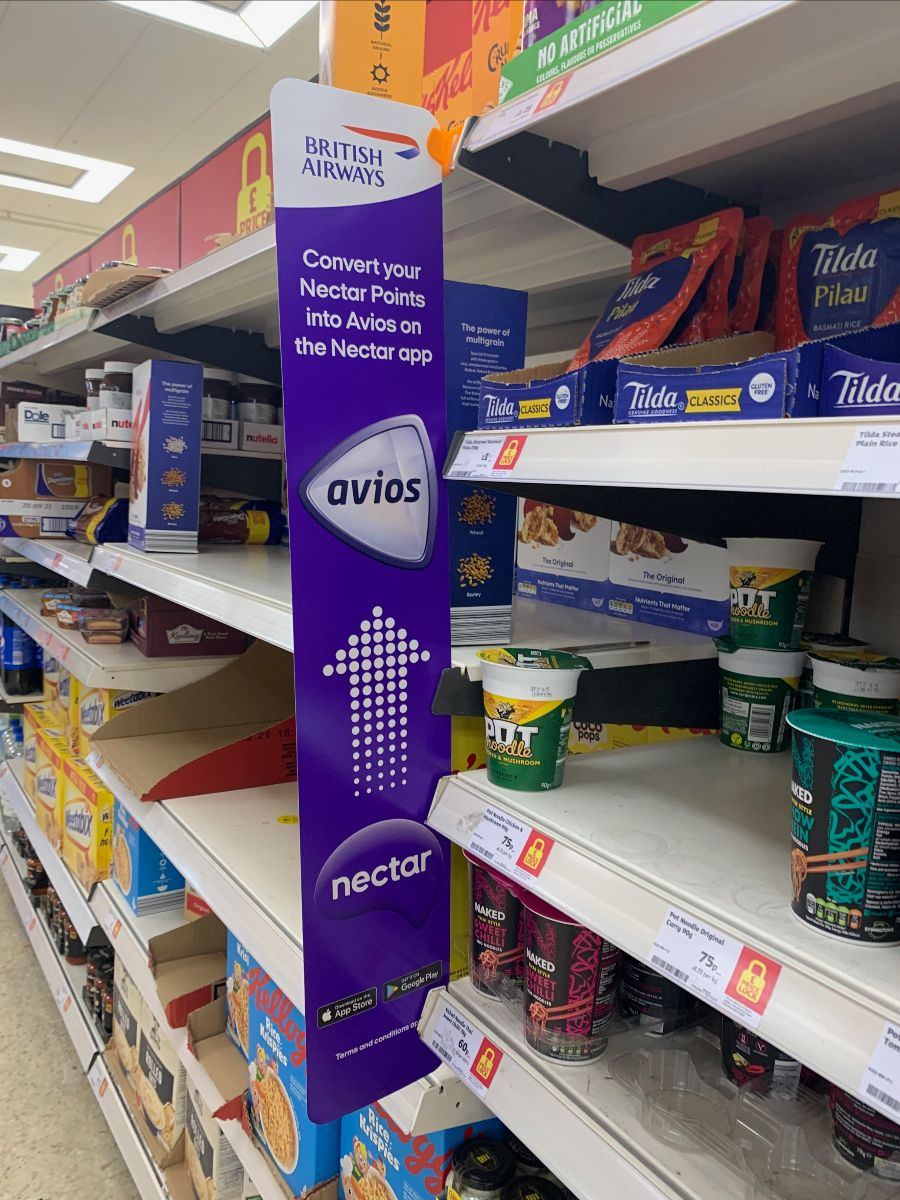
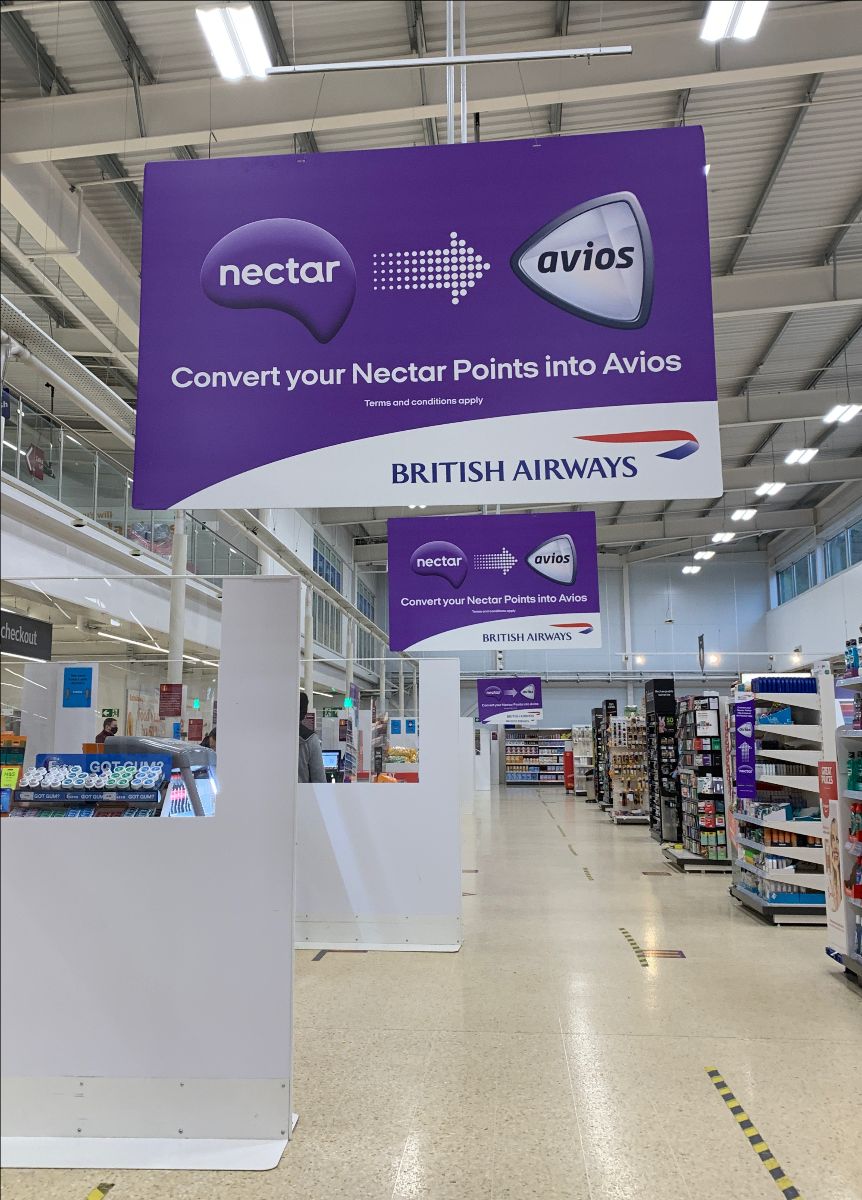
Bit more on Sainsbury's today as we focus on their work on non-food and indeed, the ongoing push on loyalty and the Nectar scheme.
Loyalty has changed demonstrably in the past year or so, with loyalty based prices, first pioneered by Waitrose and Tesco many years ago coming back with real force via Tesco and their Clubcard prices.
As we see around the stores, Tesco have put a significant proportion of promotions on to their Clubcard price scheme, which means that products are available at the discounted price, assuming the customer scans their Clubcard.
A smart move with a very low barrier to entry, IE a customer only needs a clubcard and can sign up for one whilst shopping, it improves the data flow from customer to Tesco greatly too. Meaning that the chain can see a much greater flow of information around what customers are buying.
Promotions remain popular but changing some to loyalty only means that the loyal customers are rewarded, of course, for a minority, this is too much and they won't / don't have a Clubcard and will shop elsewhere, no doubt, where they can benefit from low prices.
The interesting thing is around deals, if the deals are too good to miss, then customers will gravitate to Tesco as those prices are not available at other retailers, there is a great chance of Tesco retaining those customers with the data they hand over, by default, by utilising targeted deals in the future.
For suppliers, they're more inclined to back said deals because of the wealth of information, segmentation and everything else they get from Tesco via the loyalty scheme. Sainsbury's have done similar on their Nectar only deals in aisle (competitions to win an afternoon with Shay Given (40+ ex Premier League Goalkeeper) aside via Cadbury's.....
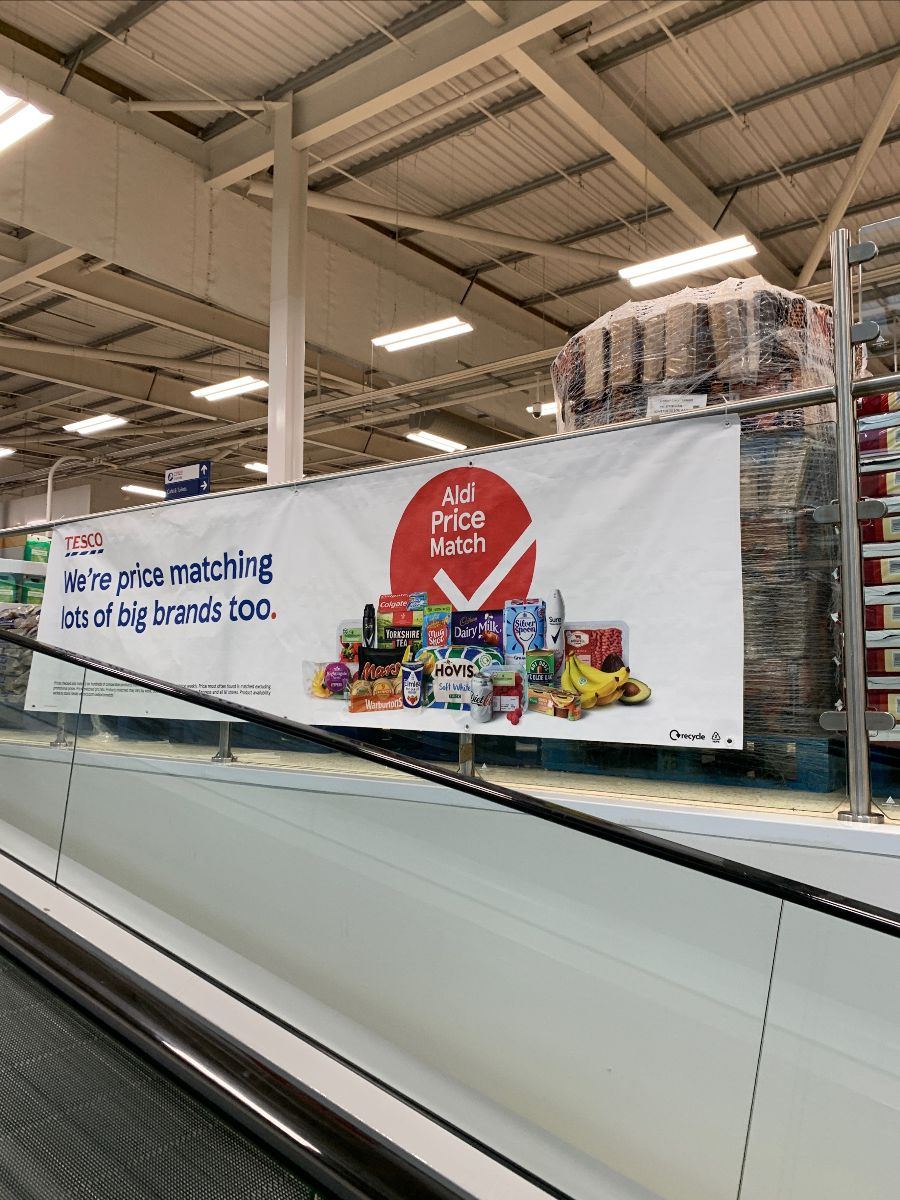
Alongside Clubcard prices, the Aldi price match is also signposted around the store after signage stepped down a little for Christmas.
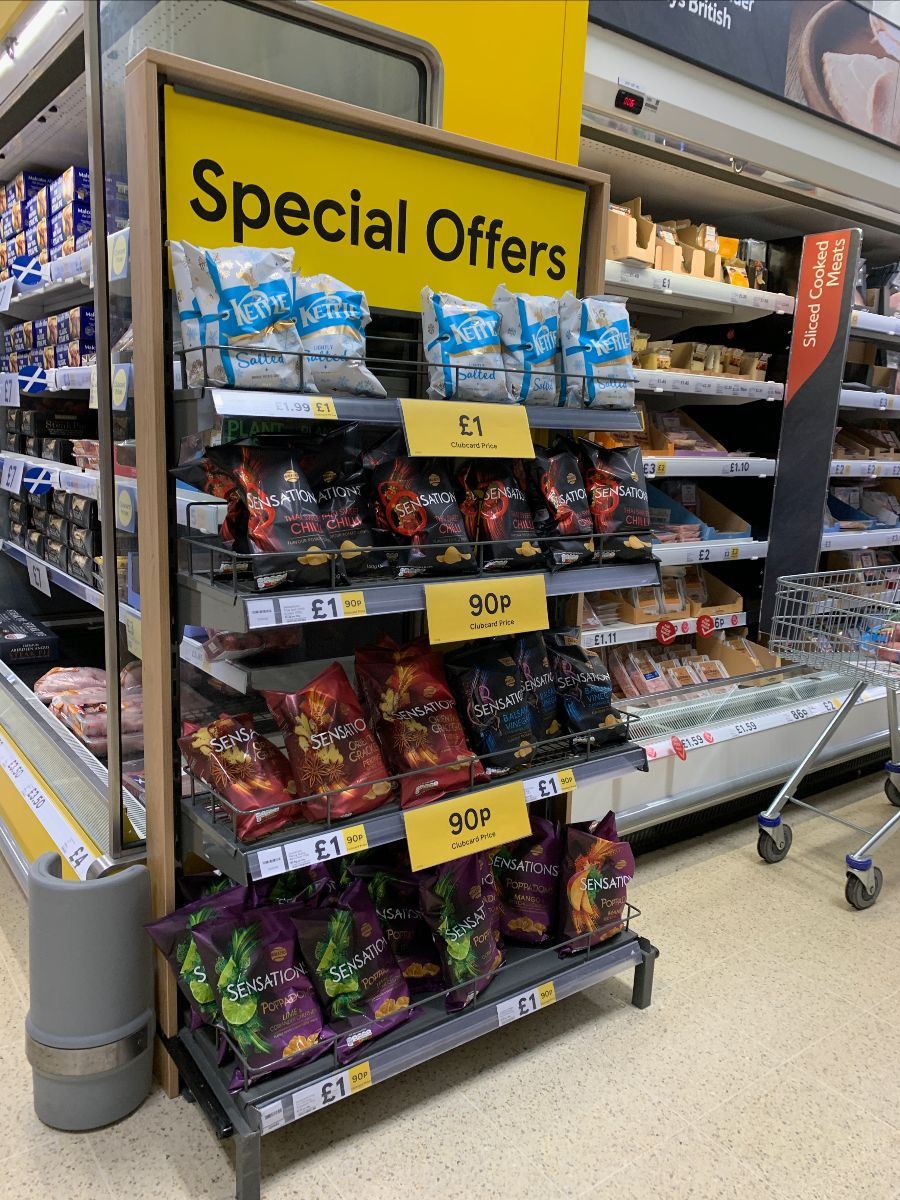
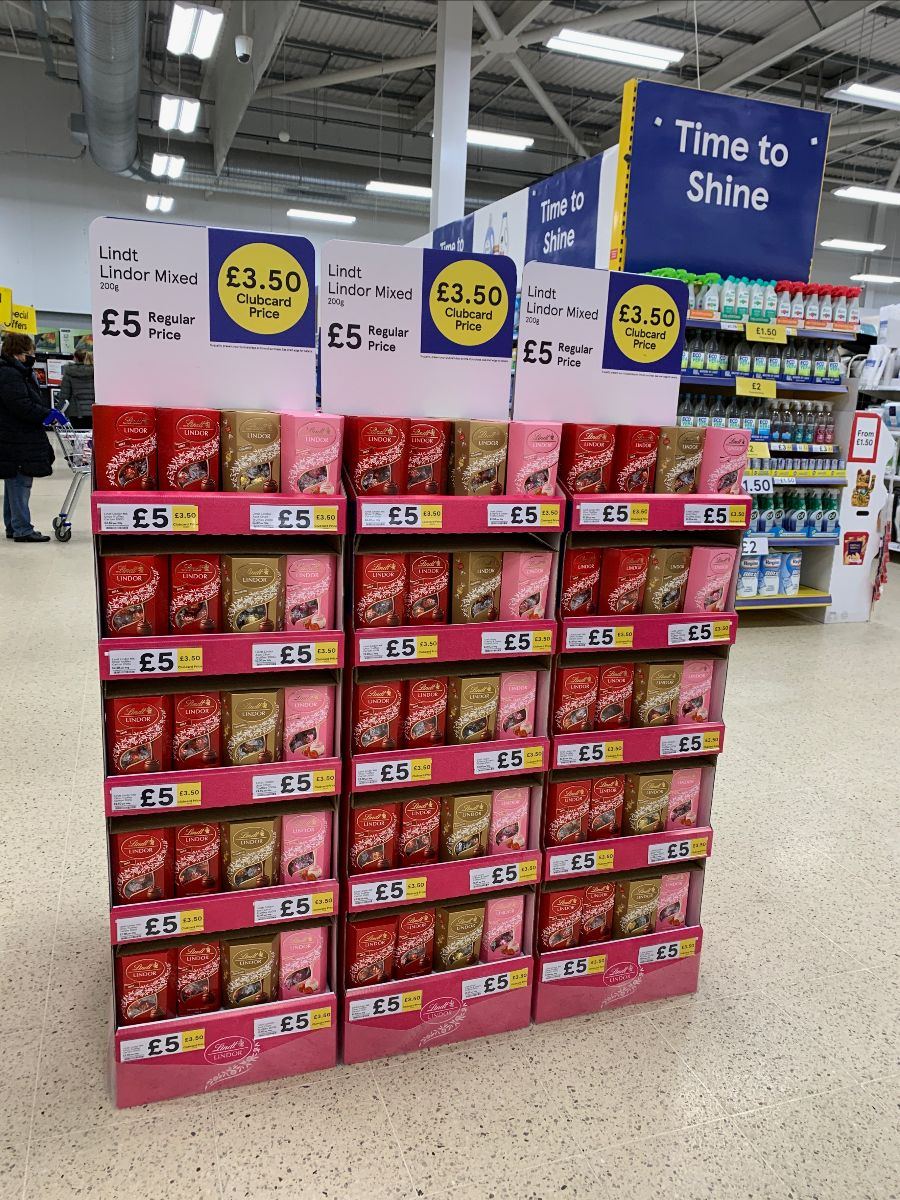
However those deals run the risk of customers trading in to brands because of the competition, not the product, which is the opposite of loyalty. However, all data is good and their purchases can be tracked and vouchers etc used to further target customers.
It's clear loyalty is taking a bigger step forward with mobile apps and the ability to target customers whilst they're in store no doubt a possibility too.
Customers need a reason to believe and the utilisation of further brands and partners where one is able to spend their shopping can only be a positive. Notably, I recall when at Sainsbury's (many, many moons ago) we were told that the least profitable way for customers to spend their vouchers was in store. as the margins on food were so low.
This is BD (before discount) so the numbers now must be even worse. This is why we see deals on non-food and various boost deals on non-food, clothing and electricals. Because it makes sense to direct customers away from the redemption on food.
Indeed - the extra partners are also lucrative in terms of voucher spend and there's typically a 3x / 4x multiplier on spending vouchers with partners in hospitality, or cinema. However, as we know, that sector has been hammered by COVID and thus it means that customers are racking up loyalty points without anywhere to really spend them beyond the store and selected partners who aren't impacted by COVID (however few that may be).
Sainsbury's have recently added Avios/BA on to their Nectar scheme, allowing customers to collect points for redemption on flights and tickets (down the track). Of course, this is a no-go at the minute but the scheme allows vice versa spending, so converting Avios points doing nothing towards shopping is a positive for Sainsbury's and one presume they'll be rewarded for offering this.
Which means the customer is happy and it offers Sainsbury's a chance to attract loyal customers who will make choices on where they shop for all manner of reasons, loyalty points and the collection thereof is just one of them....
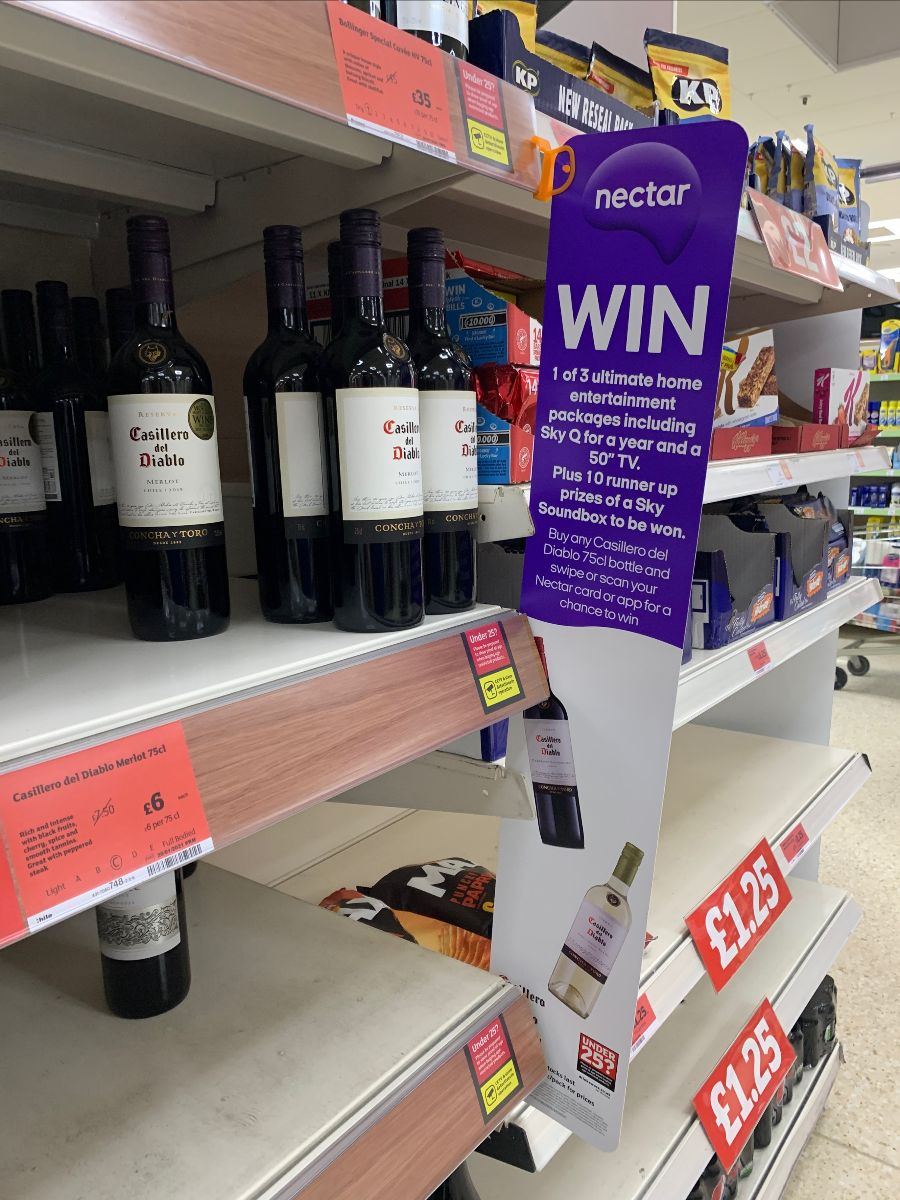
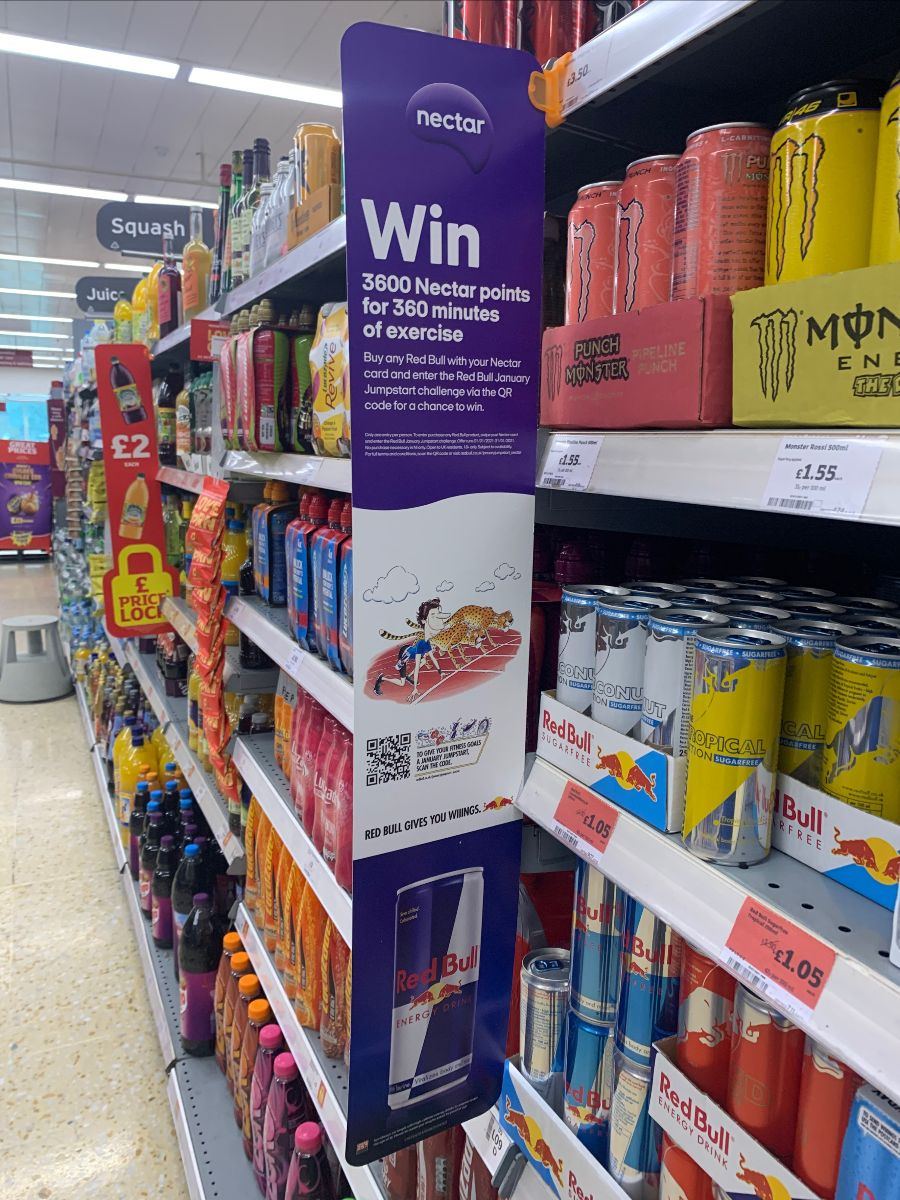
A couple of the more outlandish deals via Nectar, often driven by suppliers and marketing teams, driving commercial income. which is no bad thing. But all too often, in the wrong hands, becomes another example of 'why we can't have nice things'.....
The exercise one is niche, ideal for January, how does one track it....?
The wine tie up with home entertainment is a bit left field, where's the tie in here with the wider brand? Not an easy one to see but customers must appreciate these.
The challenges with non-food are all too clear for JS, Argos was a big buy for them but the fact that it's essentially all online growth is not great, especially given the plaudits for the deal were largely about the hubs being dropped in to JS stores and the aid that gave the store from a footfall perspective.
Talk of fresh counter space being replaced by Argos is very short sighted, a number of stores already have Argos implants but have lost their counters. This still feels tactical based on COVID, strategical would see people coming in, concessions and other elements, like Asda have done.
As they are. they remain eerily empty.
The challenge now of course is the pandemic means people are shopping differently, Argos has done well with online and their same day delivery is all kinds of wonderful, however categories in growth are low margin, electricals, printers etc have sold well but don't get massive margin.
Homeware is a strong category from a margin perspective, Habitat, acquired with Argos of course has seen a few 'shop in shop' appear around the country but nothing meaningful.
The newer stores such as Hedge End merge Argos, Habitat and core "Home" Sainsbury's ranges together, but as noted on this very service previously, it's hard work when shopping these categories.
Sometimes you'll find Argos and Sainsbury's lines together which confused further, where is the hierarchy? Habitat clearly has a place too and their ambition is to grow the share of market for Habtiat - thus, space in General Merchandise has been given over to the Habitat range.
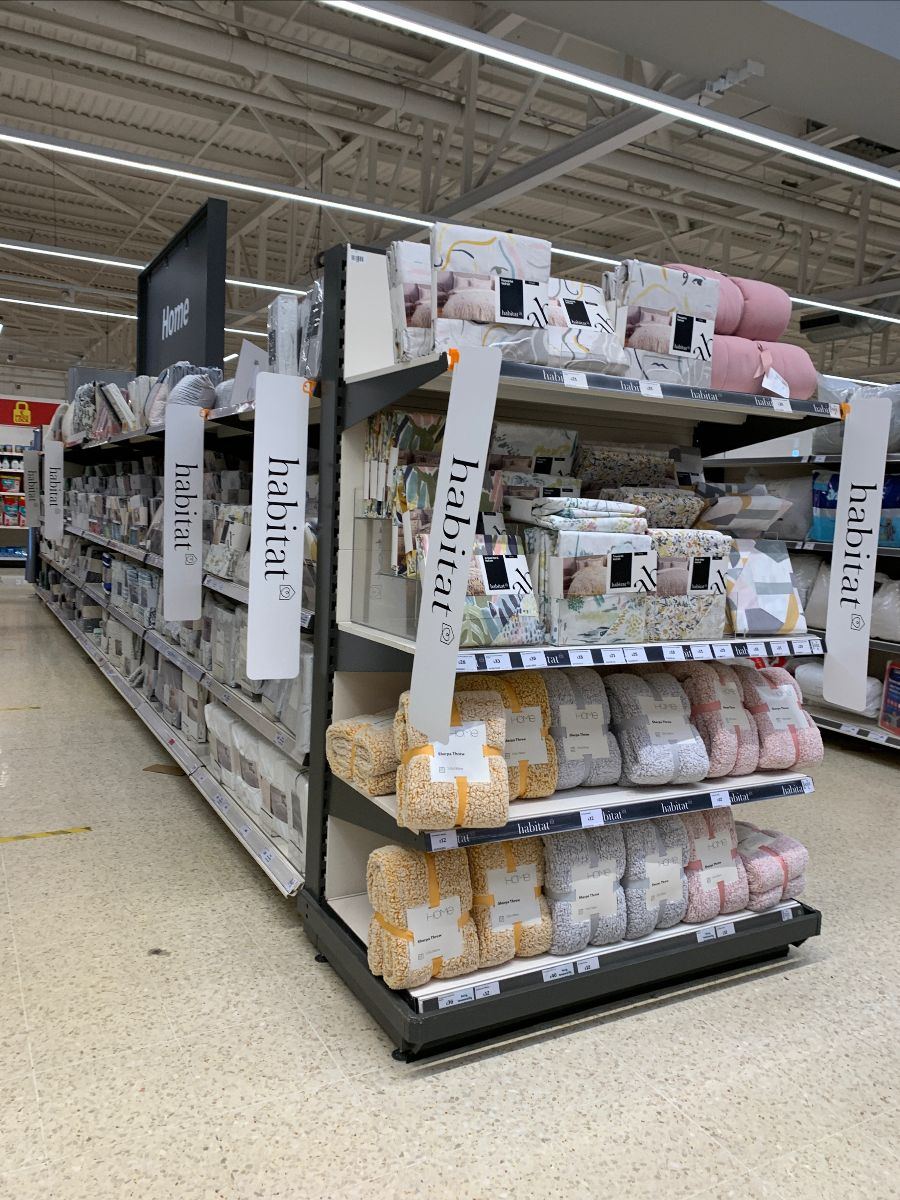
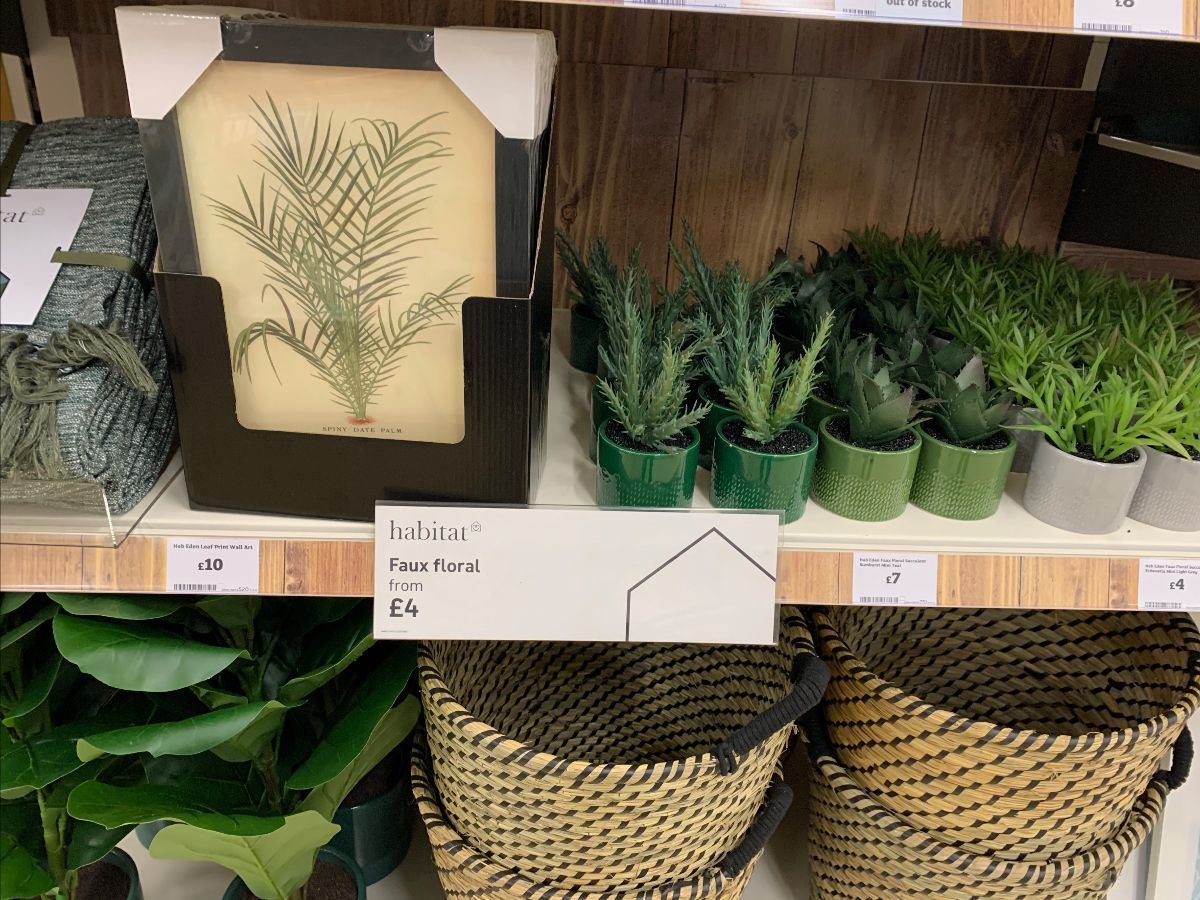
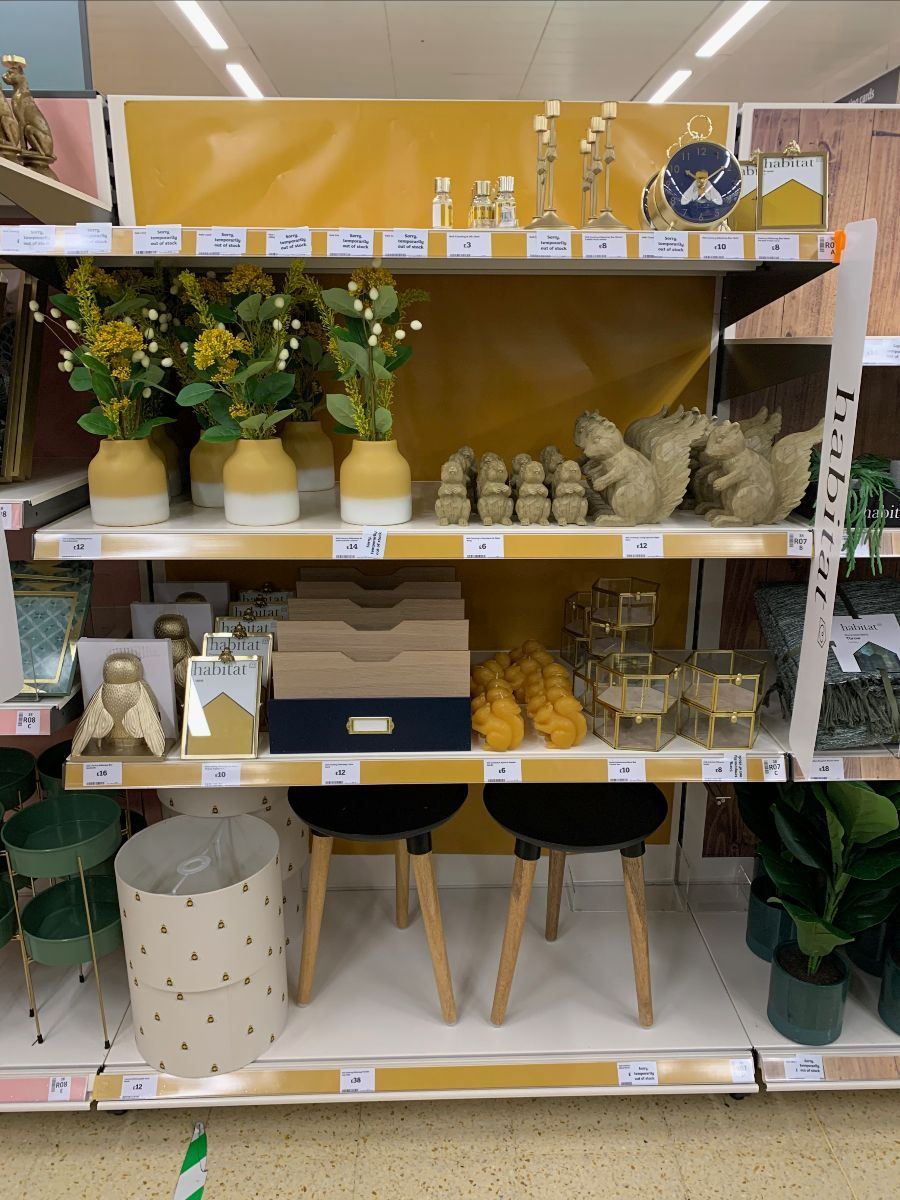
A few supply issues naturally with the issues in Dover, other ports, plus the challenges with containers globally.... However, it's nice work and for supermarket shelves.... The range isn't bad.
However the price points are high, whether this range can ever justify the shelf space remains to be seen....
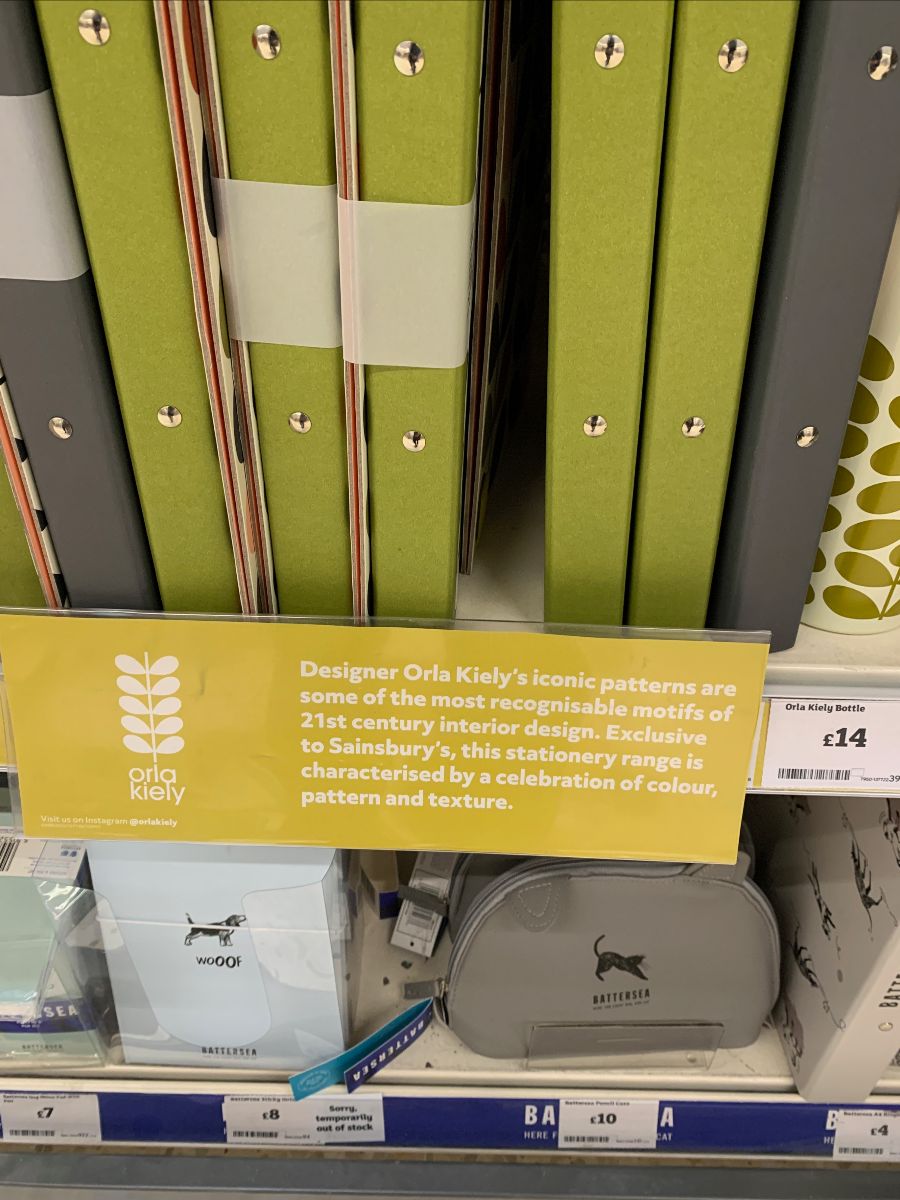
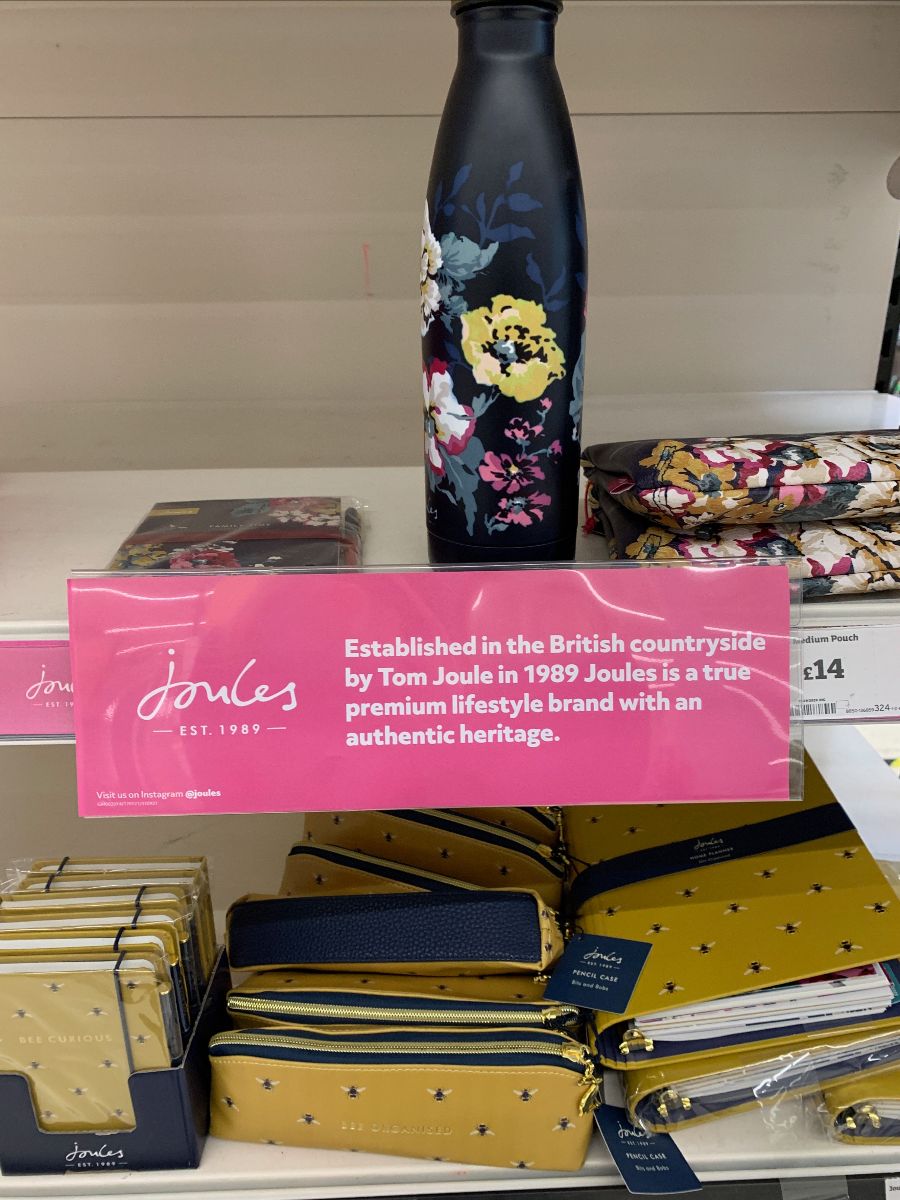
What JS will fare better with is their range of collections where they collaborate with various designers, Target in the US do this to great effect and their collections are near famous now.
Sainsbury's have a good record of working with 3rd party designers to bring ranges to life, Orla Kiely and Joules were featured here, but others have been blessed with space in the past.
This feels like a logical way forward for Sainsbury's in terms of non food, their offer is often strong but the market is a challenge in this regard.
For stores with Argos, it still feels like they're trying to square the circle when ranges go to Argos and then what to do with the space left behind (namely Toys/Games etc are reduced in store when Argos arrives and is able to carry a more meaningful range).
However, non food is a part of the puzzle. Food innovation is a central plank of Simon Roberts strategy and it will be interesting to see what this means for customers on shelf, as the primary objective is executing that part of the strategy, which will then drive the non food growth.
At least, that is what they will be hoping happens....
From the Grocery Insight newsletter archive, first sent to subscribers on 4 February 2021. Steve now writes at read.groceryinsight.com. See also the blog archive and briefings.