Imitation is flattery?
17 February 2021
To subscribe to this service and benefit from our expertise
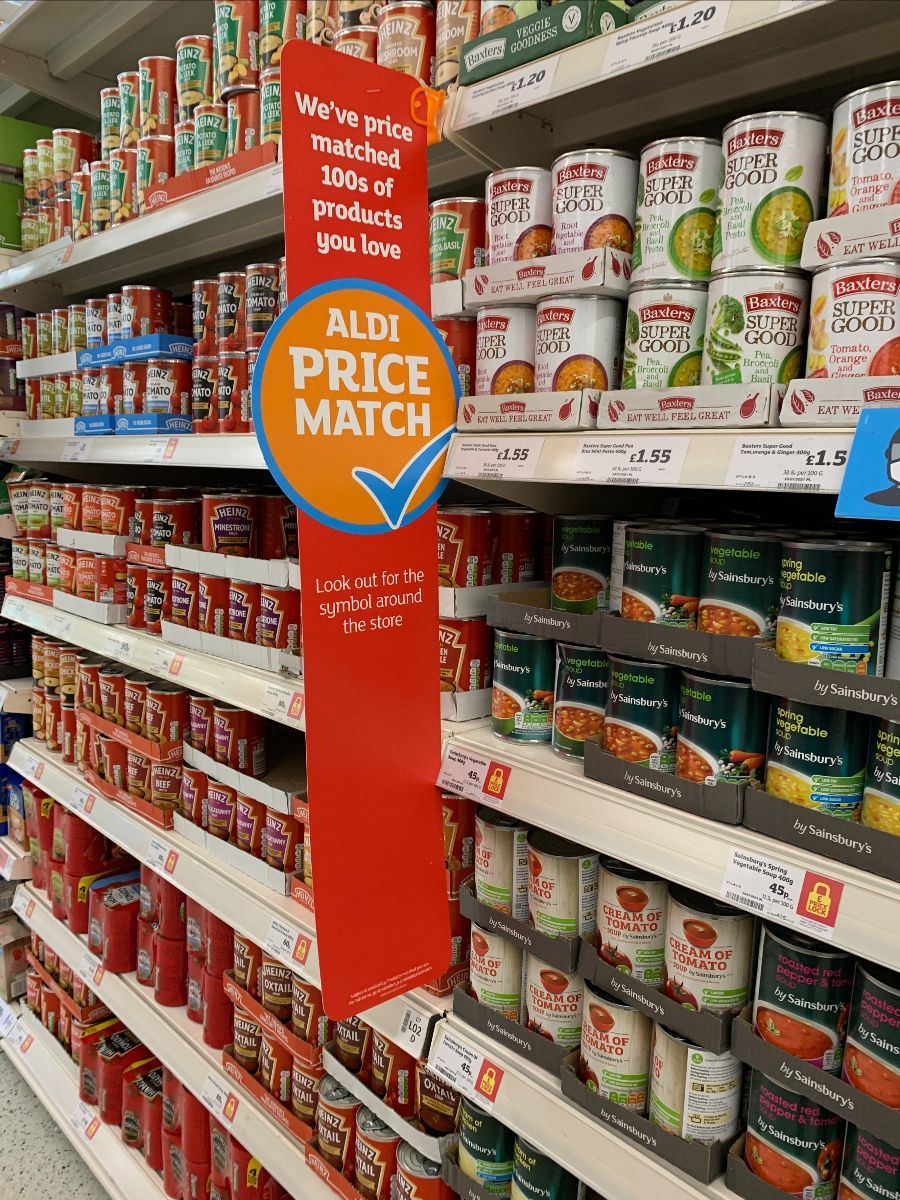
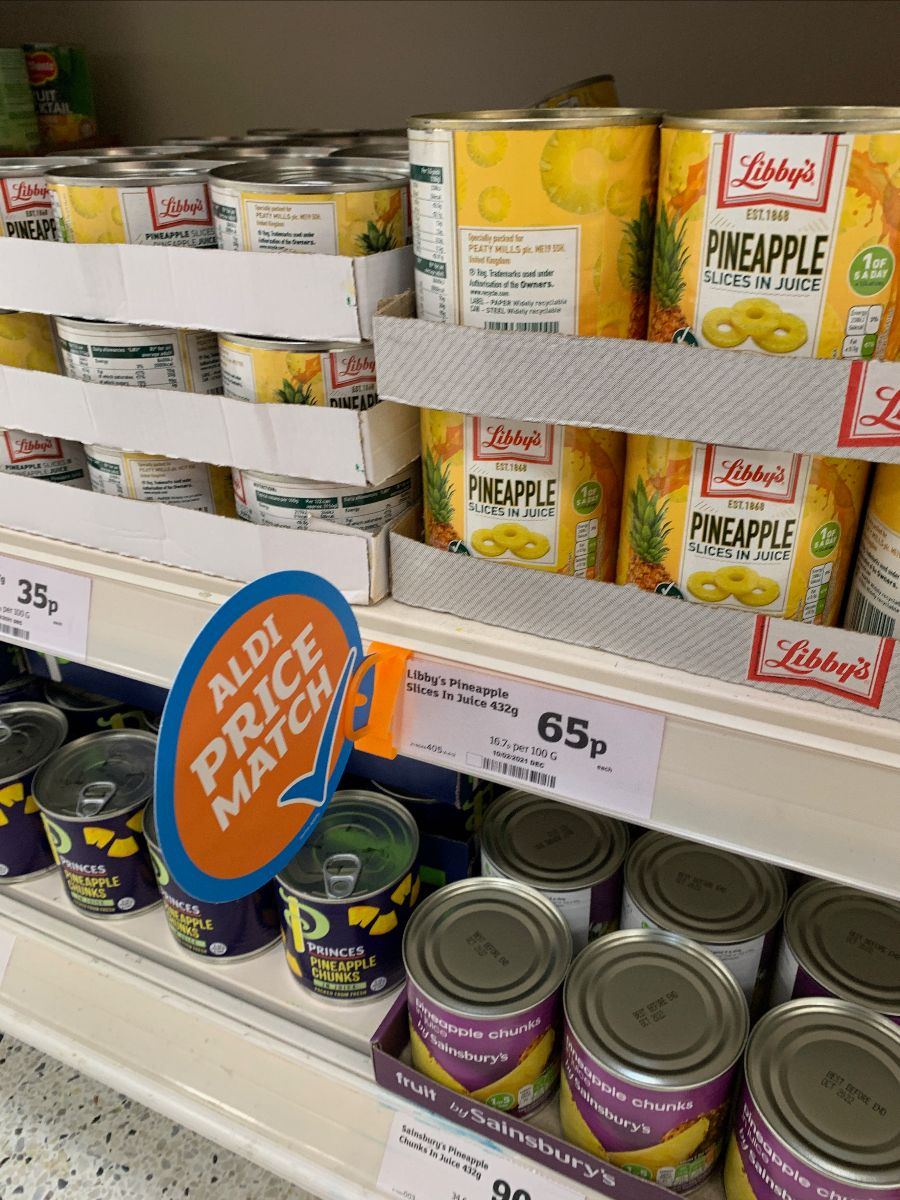
Sainsbury's landed their sidewinder to the market last week, with a launch of a scheme that aligns their value brands (replaced Basics of course with a stable of brands akin to Tesco) with the prices of Aldi equivalent products.
Value tier products in Aldi have steadily grown in recent years, with a number added in various categories, often to bridge the value gap between their mid tier (brand equivalent) and the value tier products elsewhere.
The memorable example given was that of Rice Pudding, the value tier product was often c. 13p in Tesco et al, whereas the Aldi one (just one, of course) may have been 40p, whereas Ambrosia was 79p e.g.
So Aldi compared their own label to the brand, which meant a sizeable saving, but for the family who relied on the value tier rice pudding as a low cost dessert then saw a price gap between Tesco and Aldi.
A negative one, thus, this product alongside others (Tortilla Chips e.g.) where the price gap was too great between Aldi mid tier and supermarket value tier, which then saw further lines introduced across the range.
Indeed when looking across the landscape, there are a fair few categories that now benefit from value tier products, especially within fresh and a further number in Frozen (at Aldi) that have converted from mid tier, to value tier, presumably to try and head off Tesco.
The basic premise of the Tesco work was relatively lengthy, with their work to reduce ranges, simplify plans, focus on eye level merchandising for own label (mid tier) and be more competitive, across the board.
Their introduction of various sub brands for value was of course, inspired by the farm brand ranges which replaced value in Meat and Produce, two categories that Kantar showed Aldi and Lidl had a tremendous lead in and also were the biggest cause of 'switching gains' (IE switching where you shop and what you then buy when you go to Aldi e.g.)
Despite the furore about the fact that Nightingale Farm wasn't in fact a farm (indeed, it was surprising to read that Aunt Bessie isn't personally producing her yorkshire puddings), the strategy worked and closed the gap on price with these lines unofficially matched with Aldi to reduce the price gap.
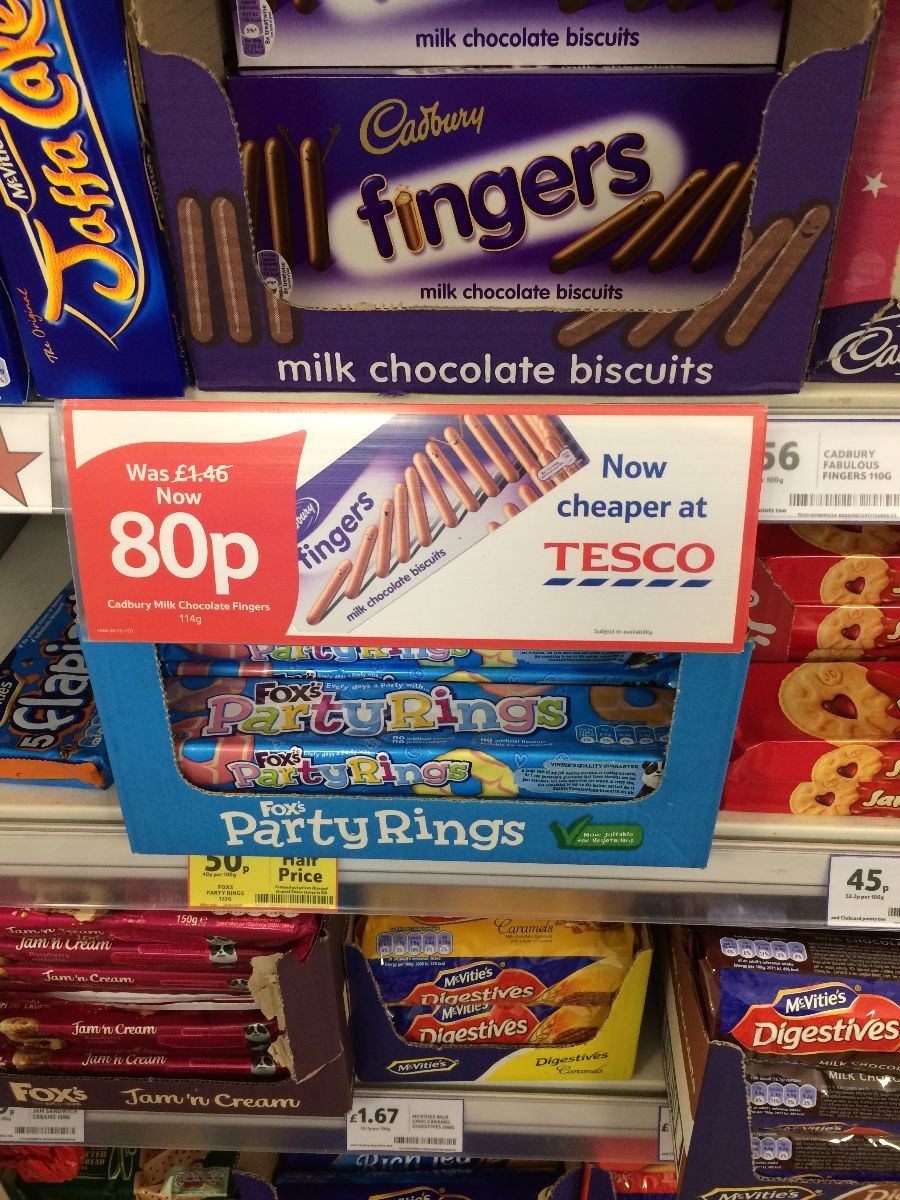
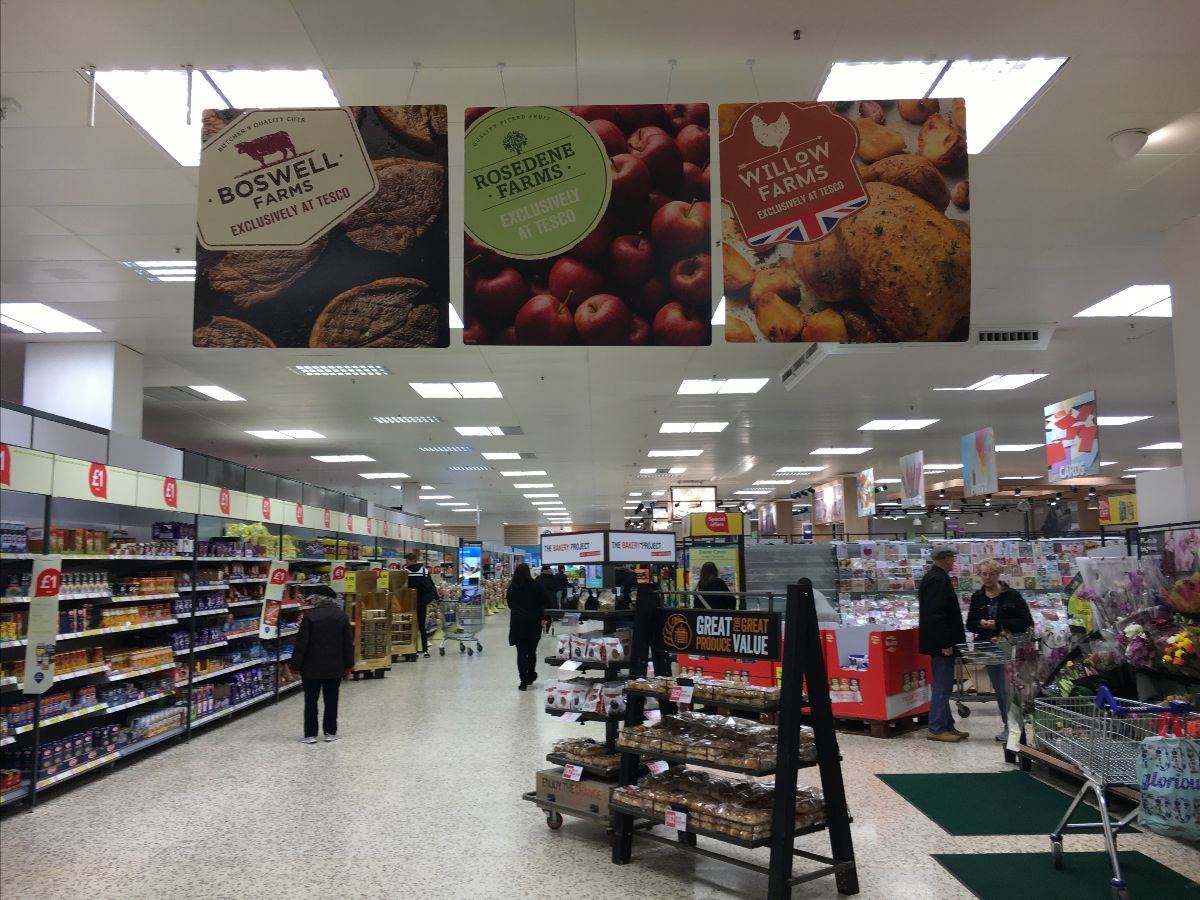
Initial salvos on price came via random assortment of brands that were reduced (looking at these, we joined the dots and noted they were all brands that were ranged in Aldi) alongside their first big move, which was the farm brands in Produce and Meat, replacing value tier.
Building on the Ireland success (similar plan, however the Irish business matched core mid tier to Aldi equivalent and highlighted this around the store with bigger price labels, following discount in on price) Tesco introduced a similar suite of brands around food, replacing the "Tesco Value" tier with a number of sub brands that harked back to the heritage of Tesco.
TE Stockwell e.g. in Tea and Lemonade alongside other authentic sounding brands in Cakes (Ms Molly's) and Creamfields (Cheese / Dairy, not the music festival).
All very similar to the Terry Leahy plan to deal with discount when the global crash occurred back in 2007/2008. Country Barn Cornflakes were the order of the day as these sub brands were added to the range, perhaps the only error was retaining the value tier as confusion did grow when reviewing the categories...
But the plan was set and these sub brands were uplifted, advertised and used to attract customers to Tesco with new packaging and low prices. Then the match came, with these products aligned to the Aldi equivalents and matched. Indeed, further matches have occurred with some mid tier products (Cereals e.g.) outside Value being matched on price too.
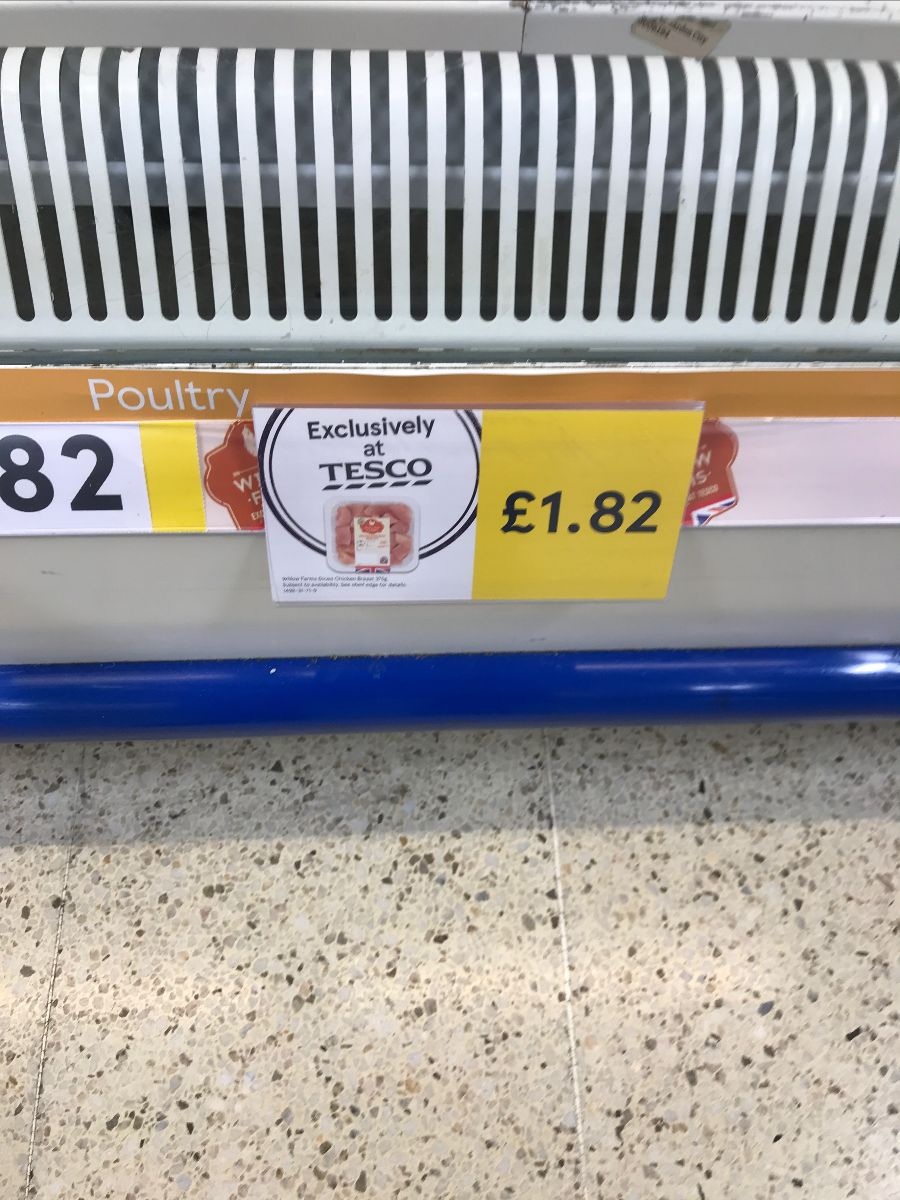
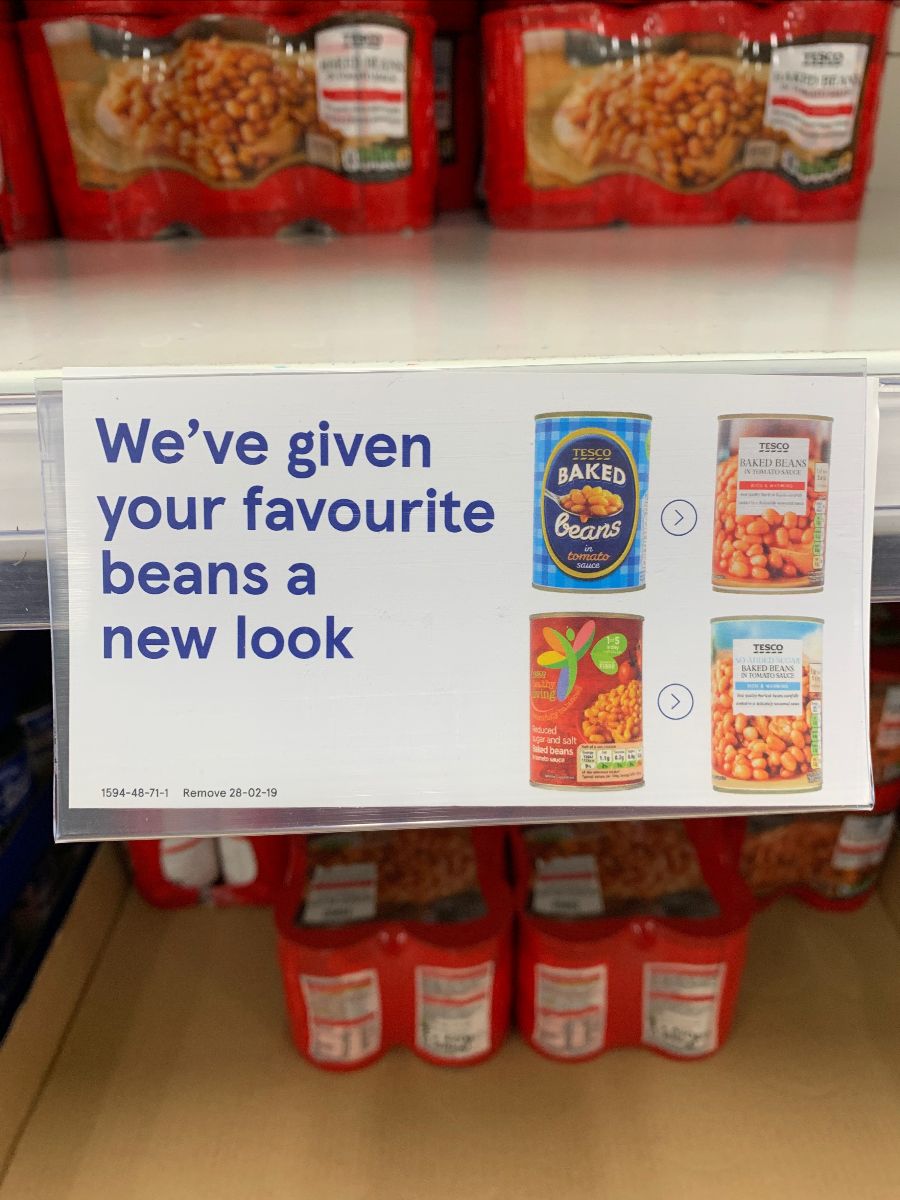
With own label continually differentiated too.
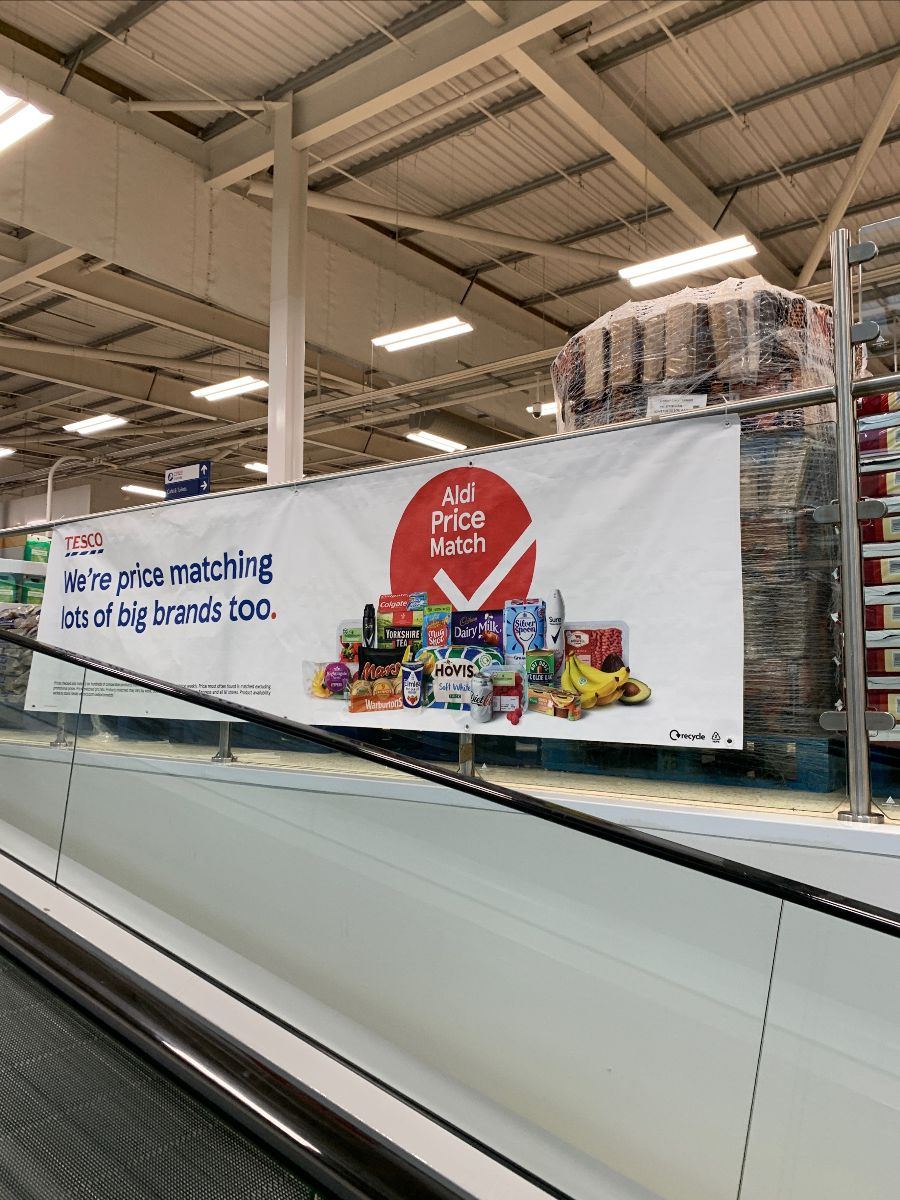
The work culminates in the scheme versus Aldi on leading brands and value products too.
By and large, Sainsbury's have aped the scheme with regards to their work to replace Basics with their stable of heritage based sub brands in the value tier. Lines like Stamford St (former head office) and Mother Hubbards (cupboard) are good brands to develop and they stand out well on shelf.
Whilst steering clear of any specific price matching (until recently) they were broadly never far away from the Tesco / Aldi products. Of course, Aldi stocking more brands, be it special buys or in the wider range itself means that suppliers can also find themselves footing the bill for any price matching (quite rightly too).
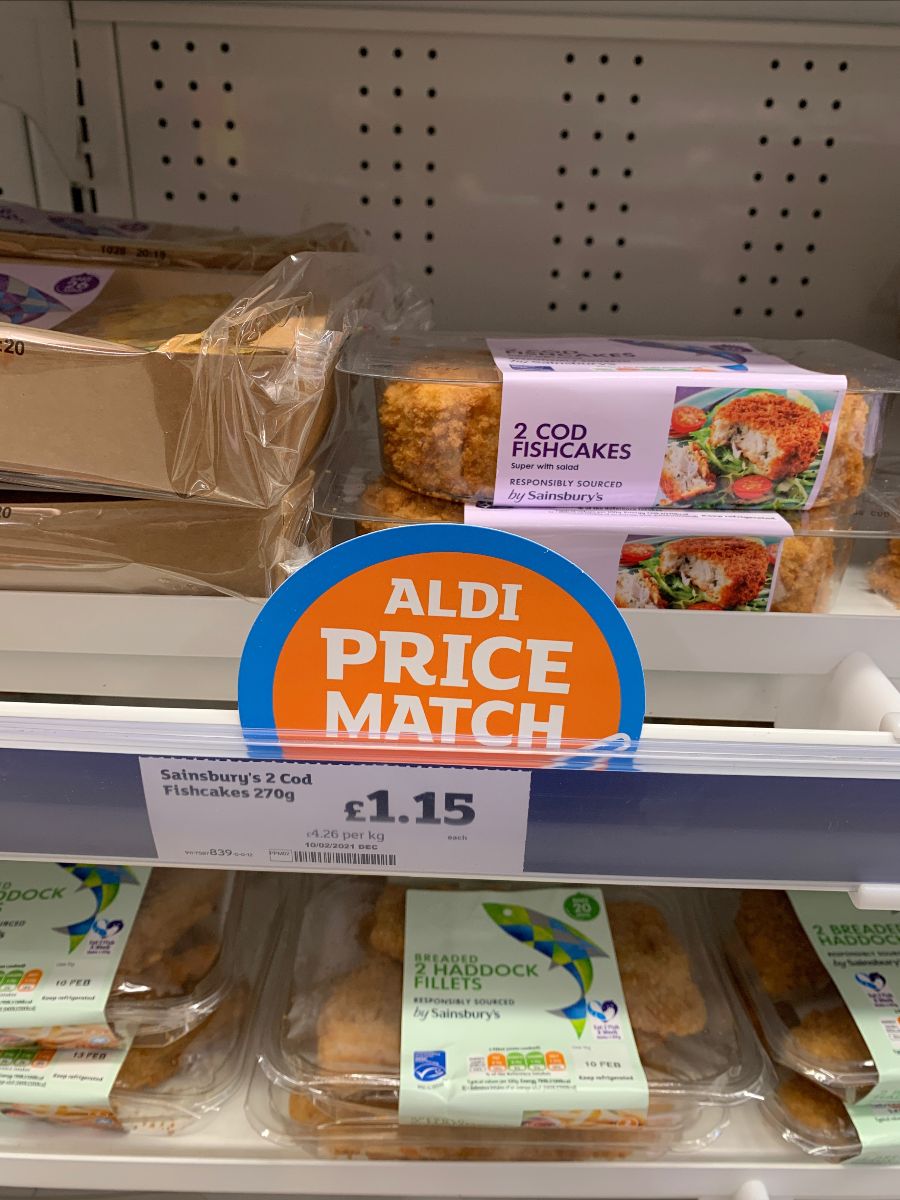
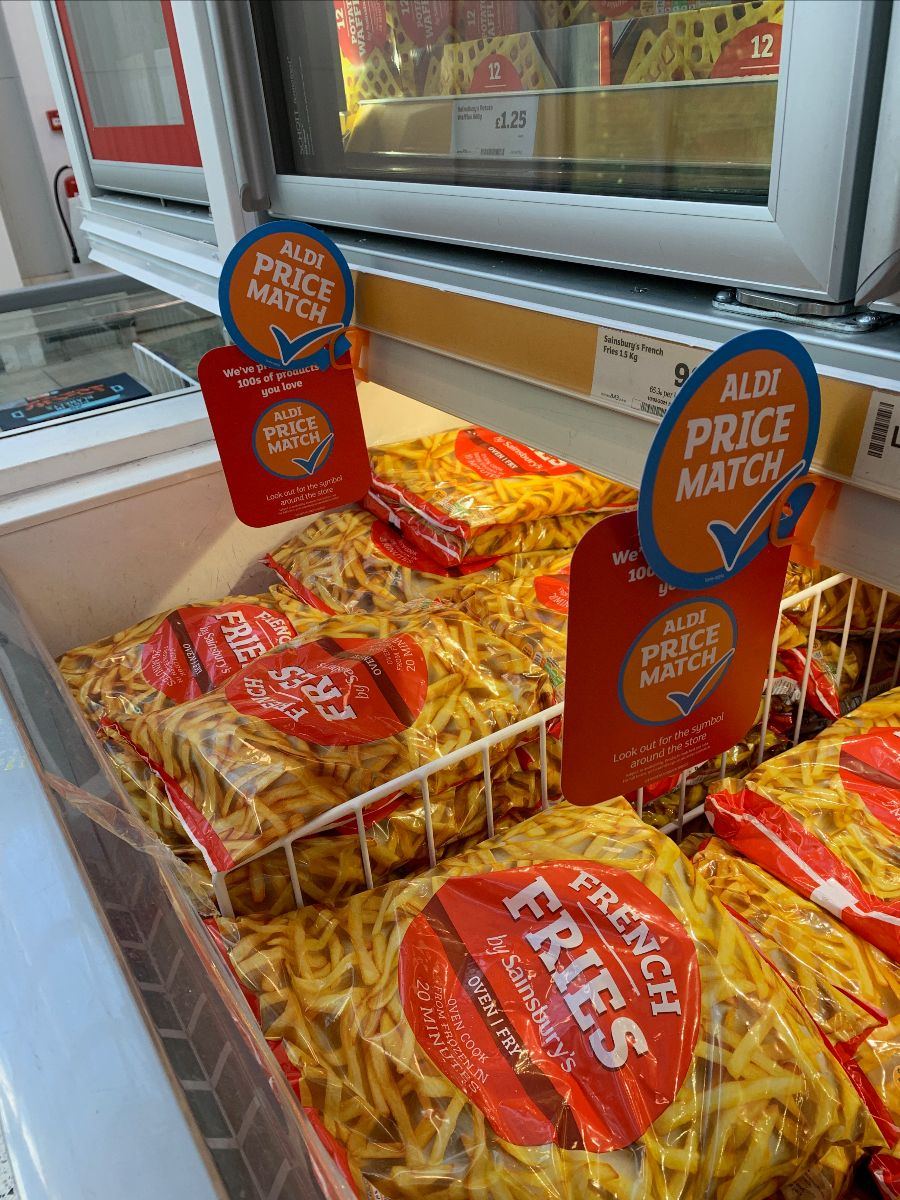
The interesting element with the Sainsbury's scheme is that some lines were dropped in price to match up, so whether we'll see a rotating number of lines in the matching scheme, with changes each 8 weeks, a la price lock? Or whether the whole value tier range is covered and thus remains 'in play' so to speak.
It's a smart move, given the work by Sainsbury's in the value tier anyway, however, questions always remain about the wider value proposition in any case. They are not as refined on value as perhaps Tesco are, but they have done so much good work in the past in this arena.
The challenge, as ever, is that it leads them wide open to unfavourable comparatives that Aldi will run in store, with overhead signage pointing to sizeable price gaps on premium products (usually).
Which can then skew price perception the other way, however, there is no question that the discounters, but notably, Aldi, are finding things much harder going in recent months given activity elsewhere.
Notably, Lidl are left out of this comparative and given their efforts to become a smaller version of B&M, with their food branded specials, WIGIG's everywhere and more shippers than one can shake a stick at... It makes sense.
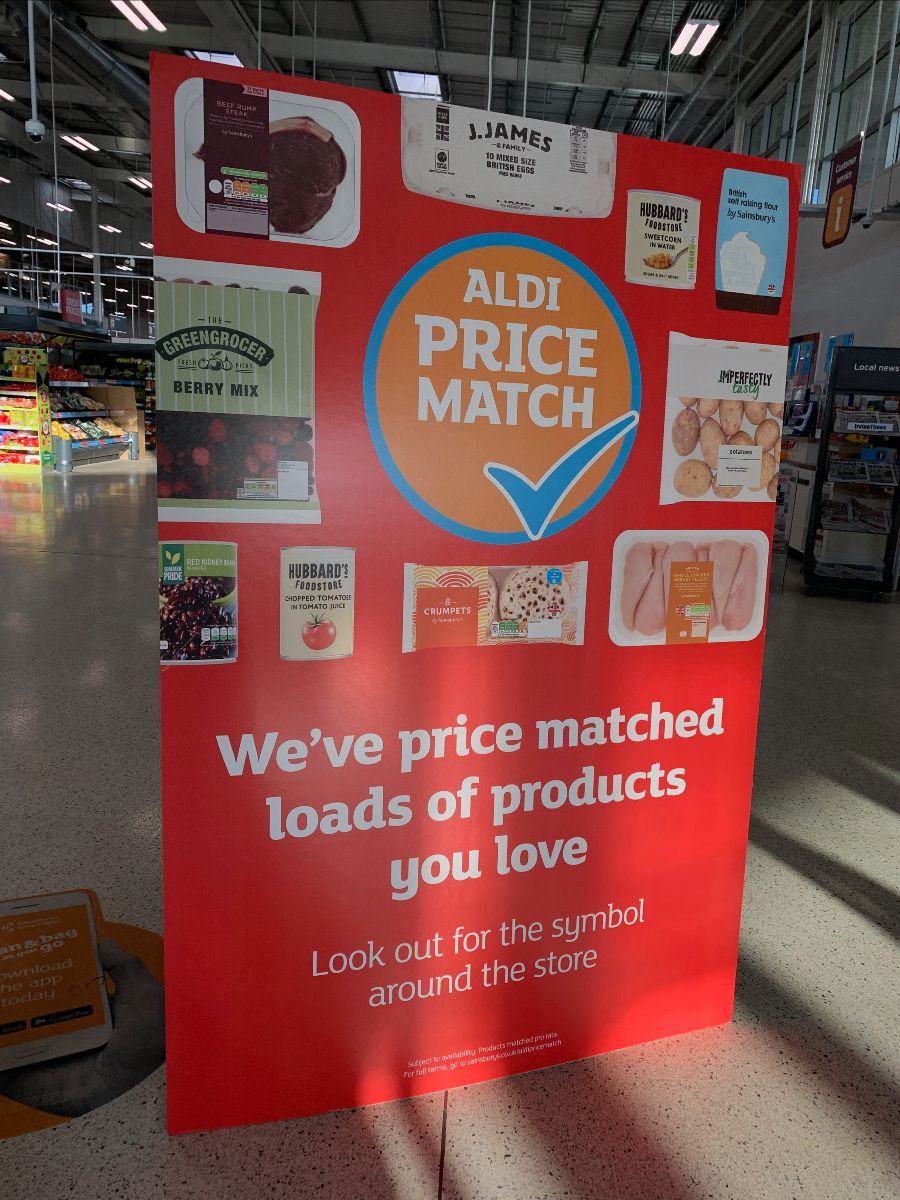
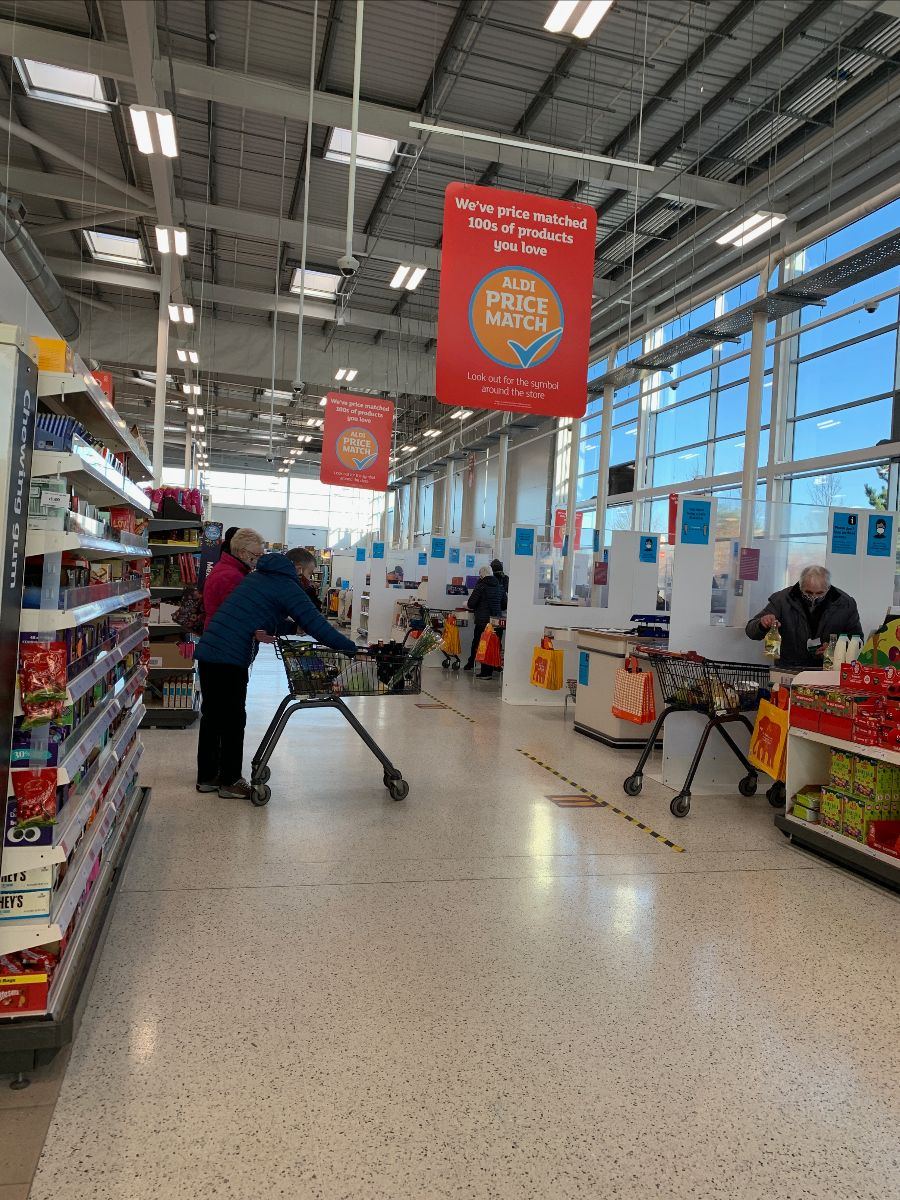
Signage for the price match scheme is almost identical to Tesco too, with similar wording and symbolism used to advertise the price matches.
From the Grocery Insight newsletter archive, first sent to subscribers on 17 February 2021. Steve now writes at read.groceryinsight.com. See also the blog archive and briefings.