Mere - Austerity retailing
16 August 2021
View this email in your browser

Key Takeaways
1) Mere will have a place in UK retail, given that there's space to occupy and the brands are always keen to boost volumes, whatever the damage to their own business. Supply will be challenging in the early days but range will be fluid.
2) It's austere retailing, very, very basic and even the scraped back Aldi and Lidl of pre recession were not as bleak as this.
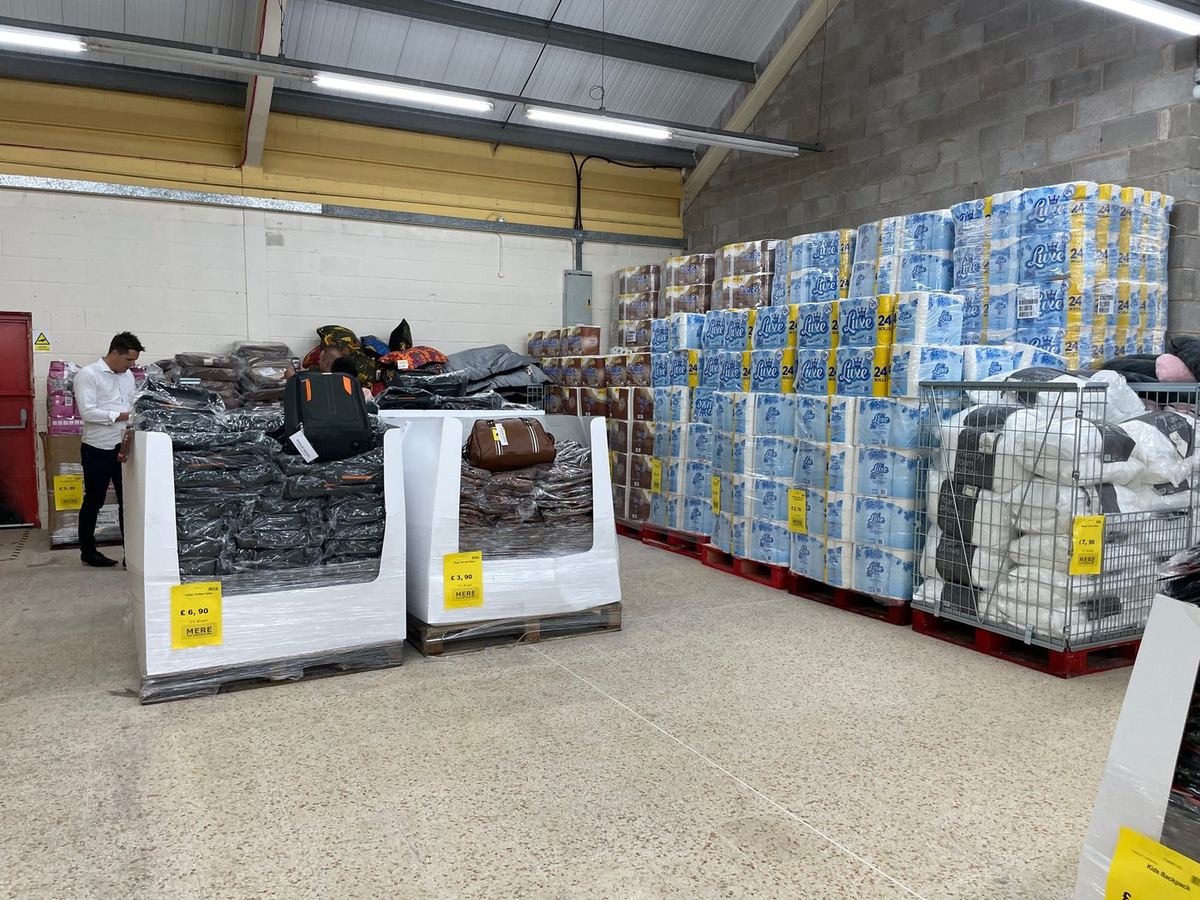
3) It's cheap though - one of the few places where a travel bag can be picked up for less than a 24pk of toilet roll.
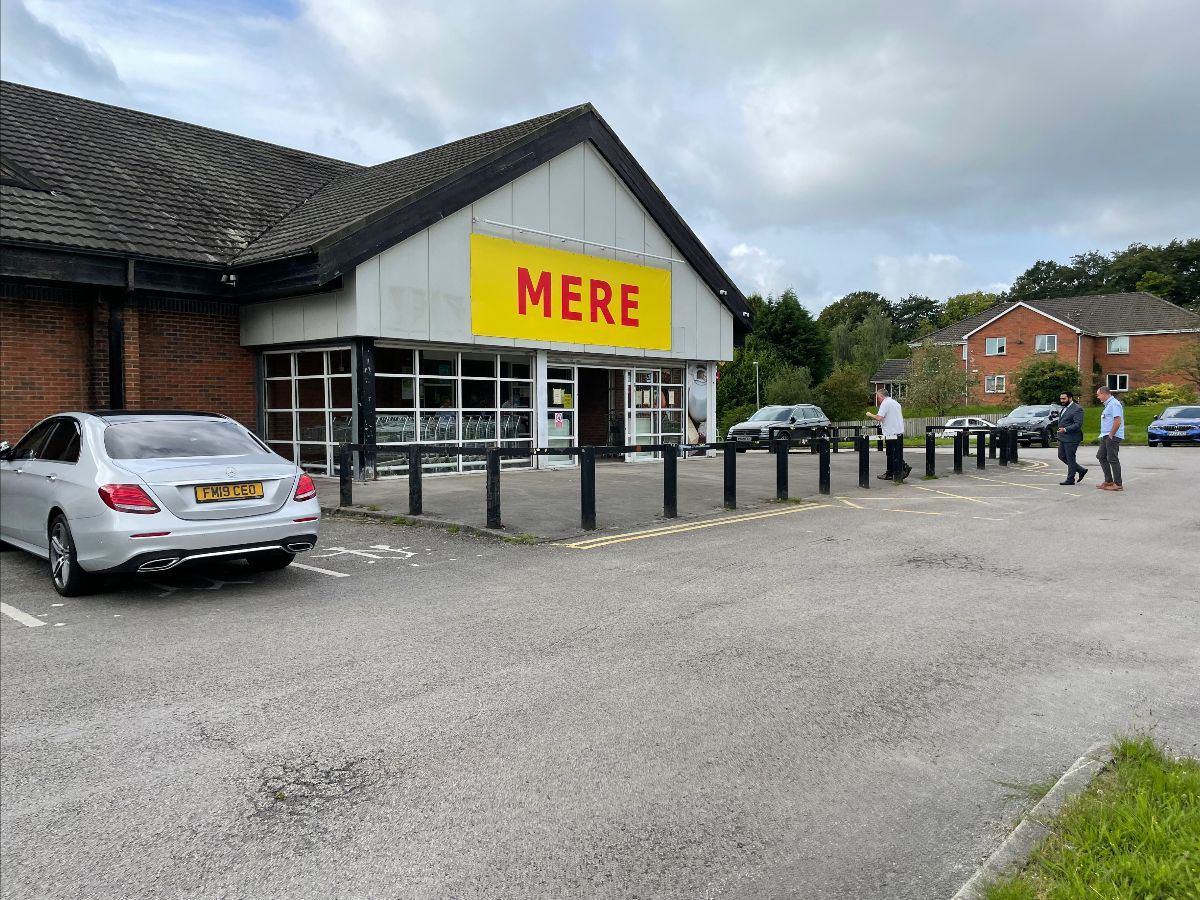
Mere - discount, the hard way. Discounters have evolved a fair way from the original inception of Netto, Aldi and indeed, Lidl in the mid 90's as a place you didn't want to be seen shopping in.
At school, you would be bullied if you brought a Netto bag in, despite the fact they were always far stronger than the traditional supermarket 'carrier' beloved by all and sundry.
However fast forward to post recession and the discounters were the new force in town, customers held their paid for bags up with pride at just how much they were saving versus the main rivals.
The larger supermarkets grappled with a changing customer sentiment around EDLP, in front of their very own eyes, it saw Phil Clarke as his Tesco recovery ran aground as they demonstrated a scattergun approach to value, focusing on 'down and staying down' before abandoning that for short term deals and fuel vouchers.
Only Asda got a semblance of a grip on the issue but alas, timing was against them as the Walmart US recovery took hold and funds were needed to recover the chain on home turf, experienced executives left and this, in 2013, remains the closest anyone really got to Aldi and Lidl.
Morrisons embarked on fresh format at the wrong time and then value fell off a cliff, both in terms of deals and value alongside the perception of said value. David Potts has worked hard to recover the chain in this regard and Sainsbury's, despite being stable and removing multibuys were still off the pace versus discount, but not as expensive versus their core rivals.
Dave Lewis and Tesco, with their longer term plan did get close and have gotten very close to Aldi, with reactionary tactics to the Aldi price match, seeing Aldi mid tier products packaged like the Tesco ones in Frozen to drive a comparative there.
Sainsbury's clearly inspired by the work at Tesco launched a suspiciously similar campaign that looks to have had some traction with the rebranded value tier products and the lower prices.
But still, discount reign supreme in terms of growth. Much of this is new space and Kantar is always skewed by market share = number of stores you have. They can't exclude new space so you can open a number of stores and then 'win' Kantar.
Discounters have been very space hungry in recent times and have opened a huge number of stores, some, just to take pressure off the existing store that was overtrading. But, in recent times, their sights have lowered and they're very selective about where they want to open now - however, these affluent areas (for the most part) are on every retailers wish list.
The pandemic did level up retail sales growth though. We saw discounters level off dramatically as their lack of an online offer (save for Aldi's click/collect offering) caught out as customers hunkered down in the pandemic and returned to larger stores given their online offer and 'safer' experience within a bigger store.
However as the pandemic has eased and vaccination rates have enabled some form of return to normal, both discounters have started growing again, showing that the discount bug is here to stay and their evolving offer (both Aldi and Lidl) continues to work.
Especially given their growing branded food offering and special buys, alongside their own label development, including more and more premium ranges appearing too.
Speaking of Netto. The growth of discounting was enough to persuade Sainsbury's they were worth another go, with their trial of stores ultimately ending in closure due to a lack of scale, back in 2014/2015.
You certainly need stores in the 600/700 number to get the scale moving for what is a very low margin business, Netto were never going to get there and Sainsbury's it appears, were reluctant to let stores be built further south than the M62 belt.
For Mere, that remains the challenge. Despite their austere surroundings and obvious entry point in the market. Can they get to scale quickly enough to make the numbers work?
Space shouldn't be a huge problem, given their ability to open anywhere. Not least judging by their first store in Preston, in a former Kwik Save / Nisa store on a housing estate.
Further openings in Caldicot (Waitrose sold out to Aldi here) and Castleford (one of the poorest areas in the country) give a window in to where Mere see their role in the UK retail space.
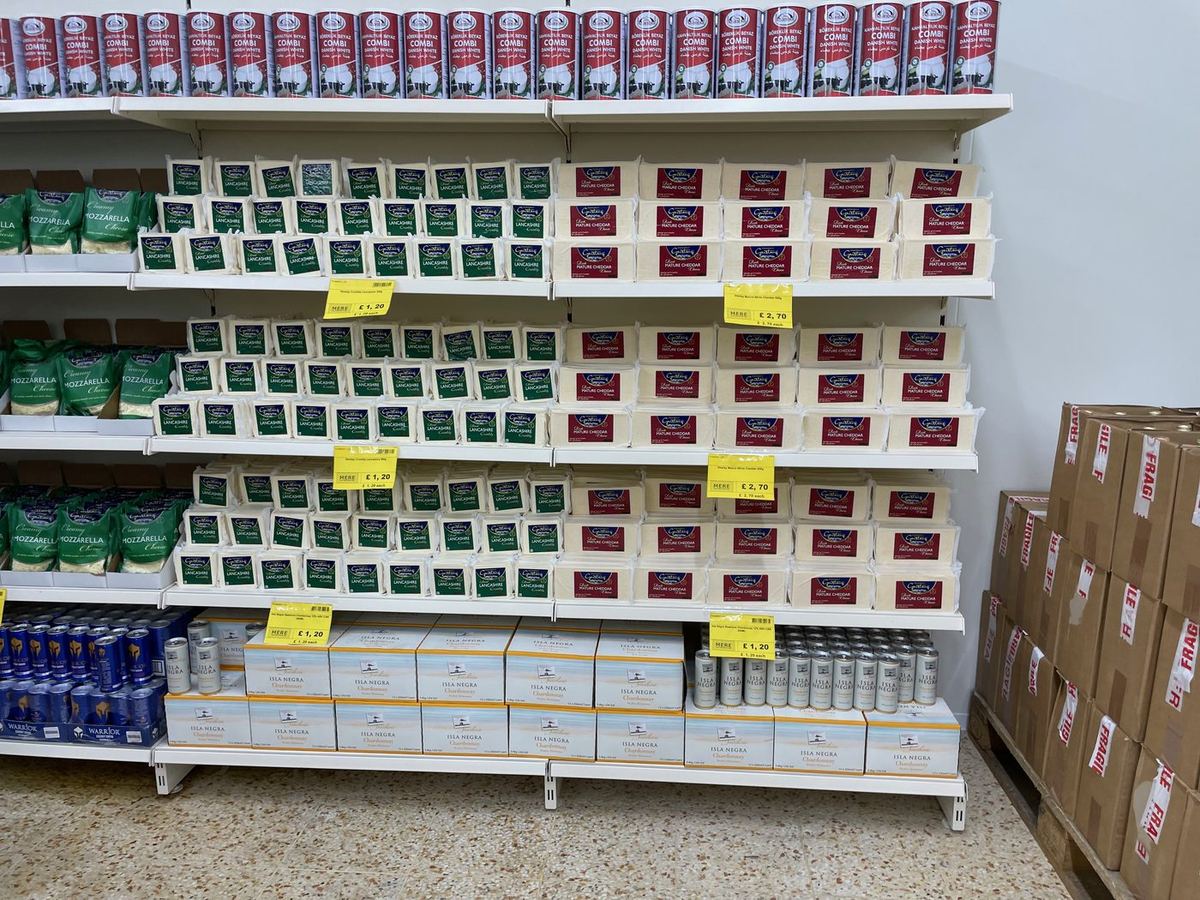
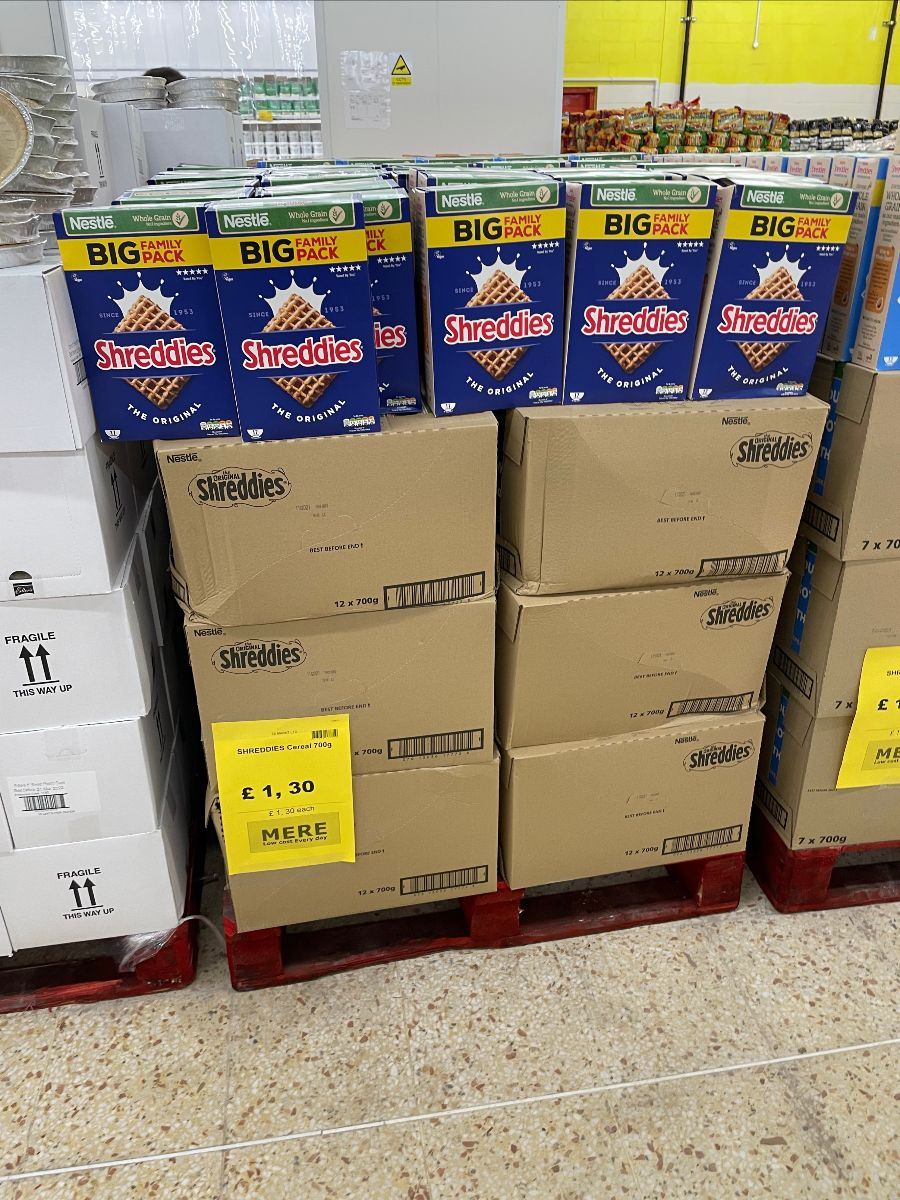
Range was eclectic as you'd expect - but some brands were seen, most likely via the spot / grey market - Pampers, Fairy, Shreddies and PG Tips were all seen alongside numerous other brands, some of which I had never heard of.
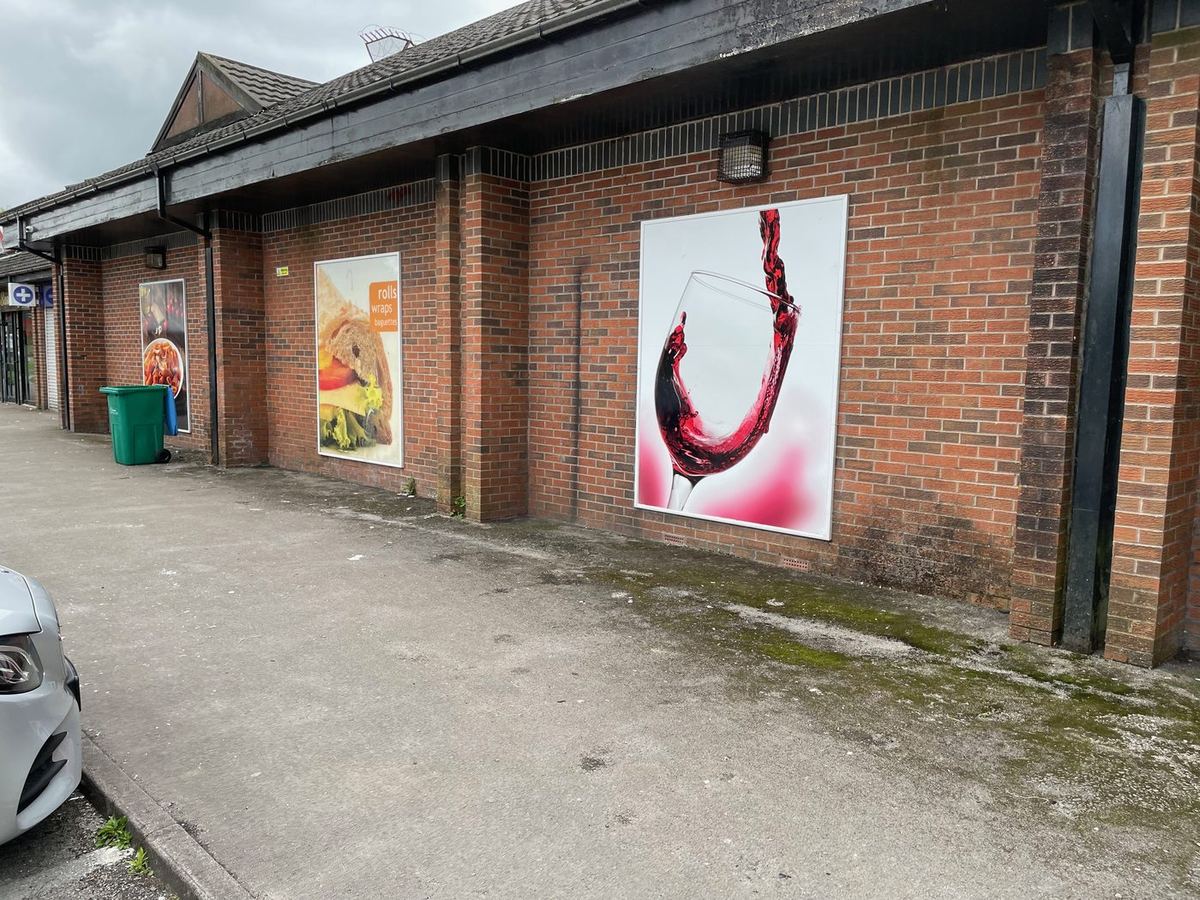
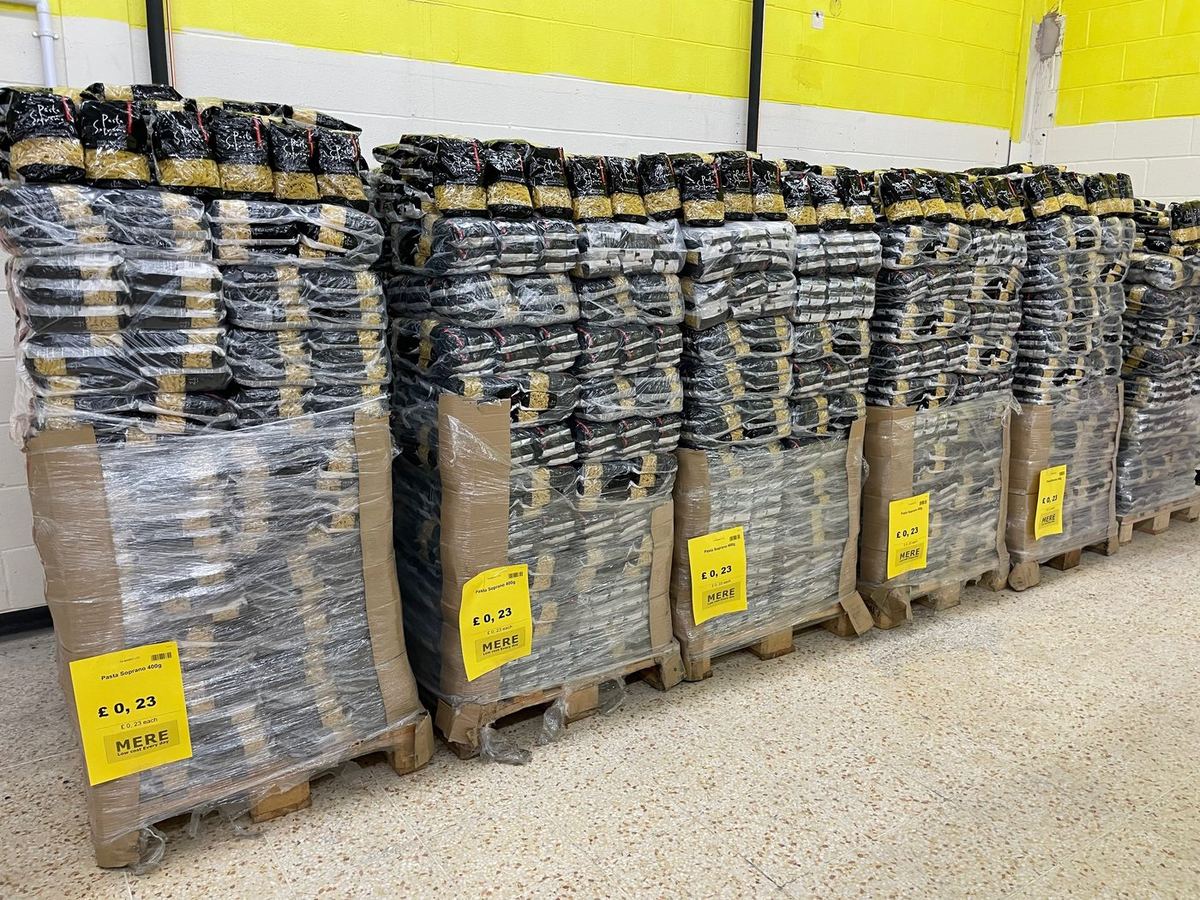
Pasta was just 23p, however it was a 400g pack, as opposed to 500g elsewhere.
With other lines such as Fairy are always beloved by these operators. It was plentiful in B&M and Home Bargains when they were growing too.
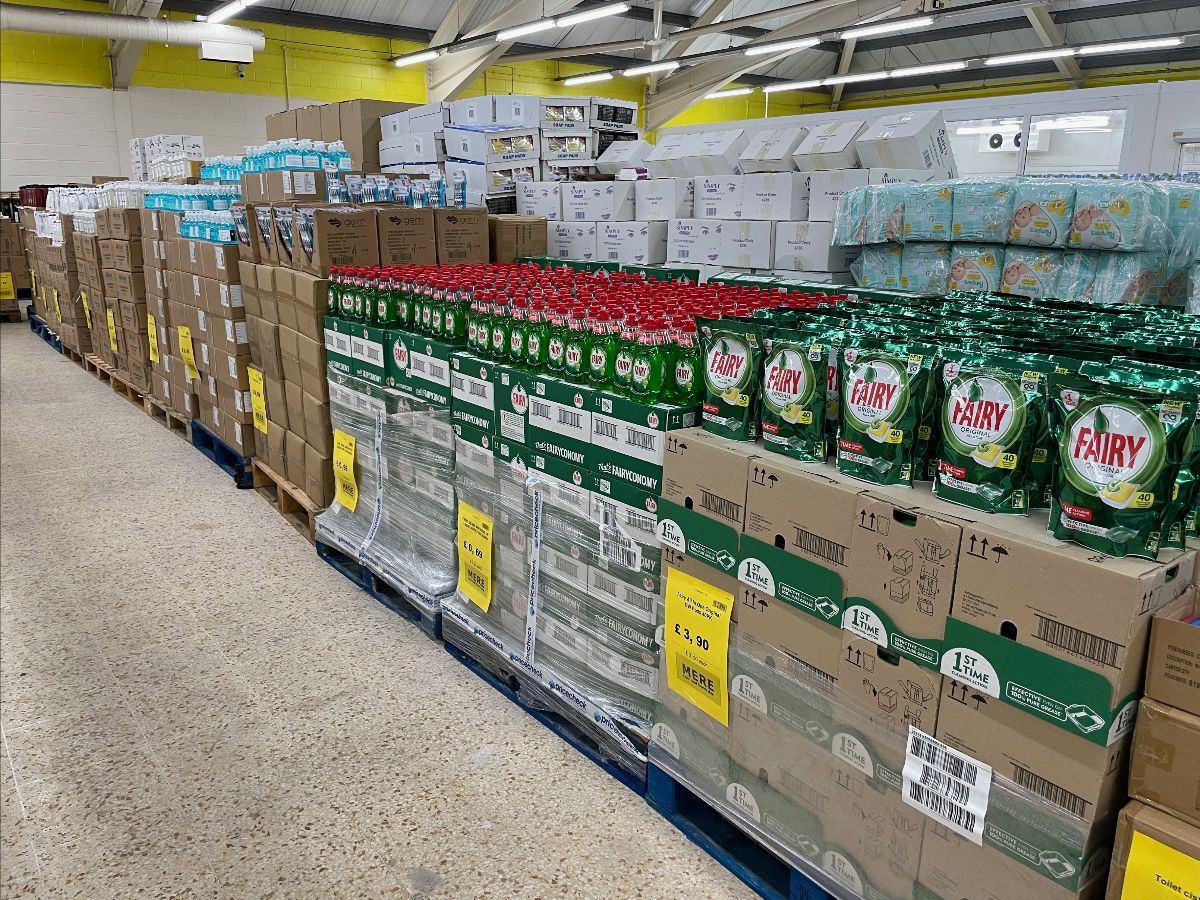
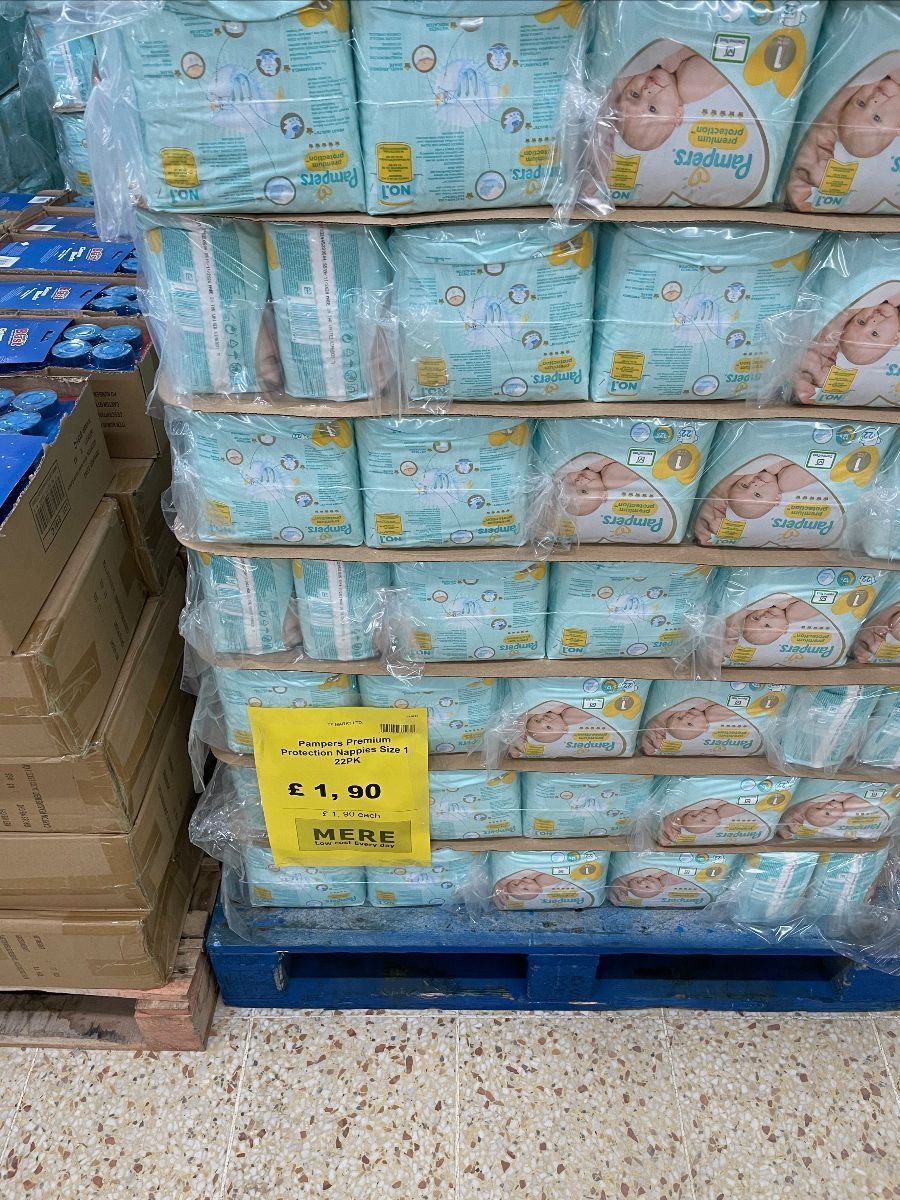
The wider store There wasn't a single piece of signage in store that wasn't a printed A4 yellow sign with the price attached to a pallet.
The only decoration was a yellow perimeter to the internals and there was no shelving, at all, bar in fresh foods, which was a walk in chiller.
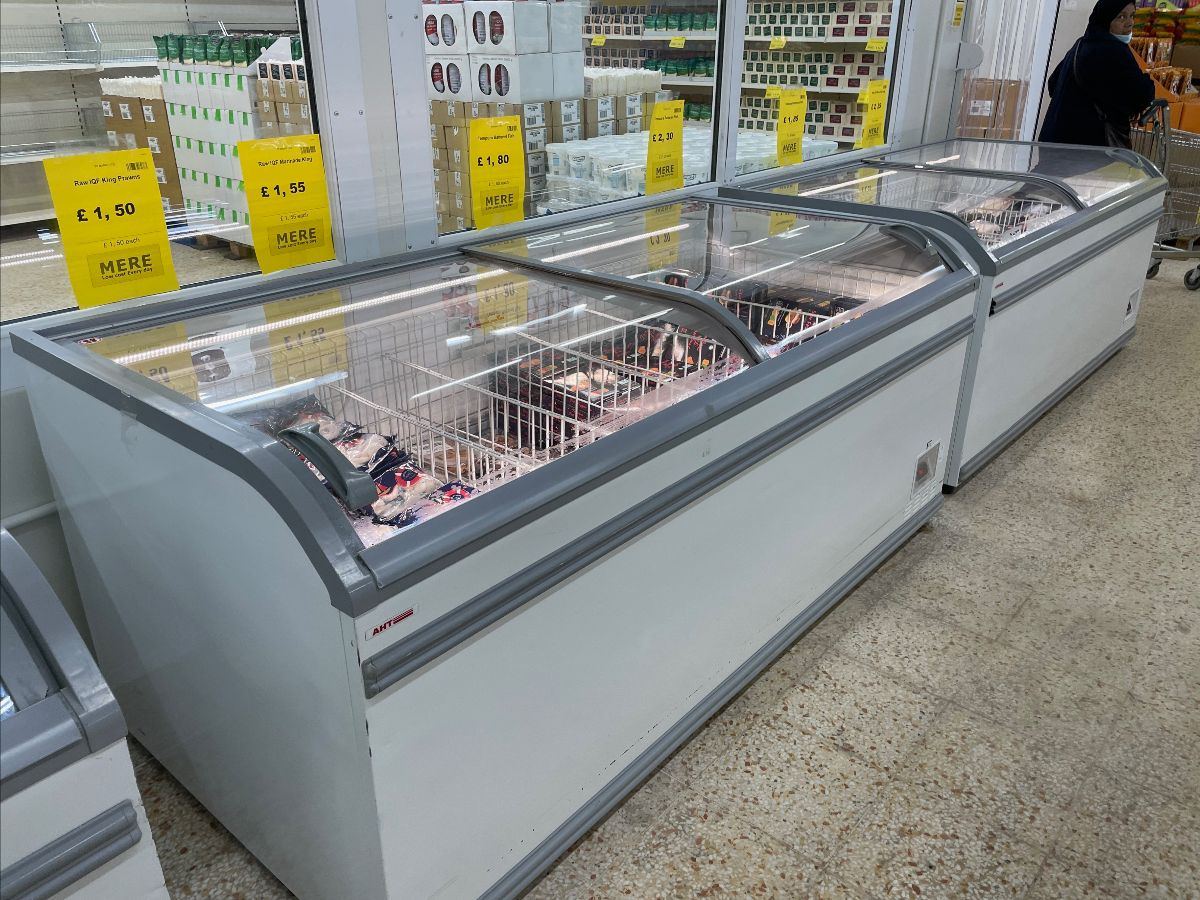
Frozen was 3 freezers like you'd see in Iceland, albeit, 1 was closed off.
The rest of it was a random mix of household, ambient and non-food with paper across the back wall.
Merchandising was literally pallets with the top layer opened, almost crudely in some ways, but the stock was cheap. Non-Food lines were also noted with colouring books, top trumps cards (in a shopping trolley near the checkout) and travel bags (cheaper than the toilet roll 24pk) also spotted.
They were strong in paper and toilet rolls, these adorned the entire back wall of the store, with non-food located near the 2-3 checkouts that were in operation.
Even the signage outside the store was a temporary banner they'd affixed with nails to the front. Not even a balloon arch for opening day and the signage next to the entrance was left over from the former occupant (Nisa).
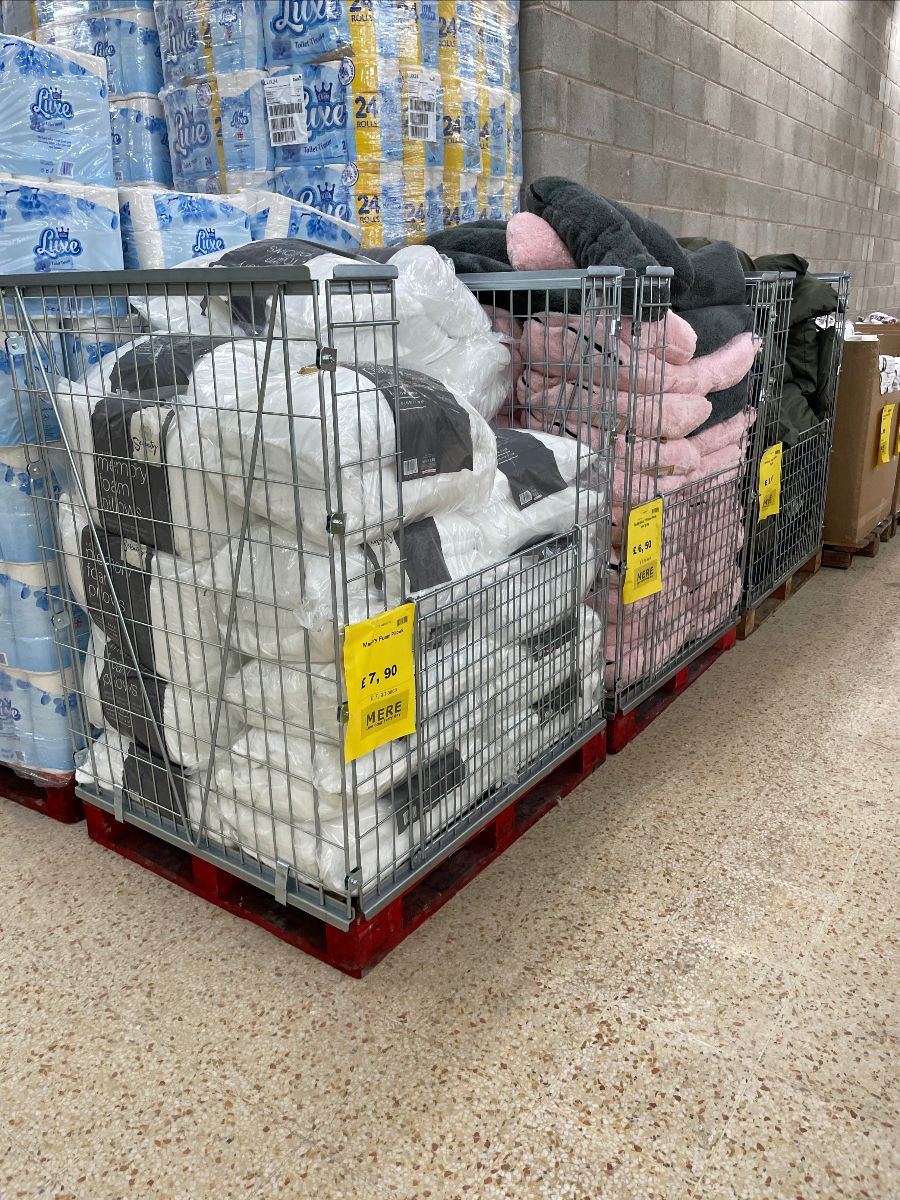
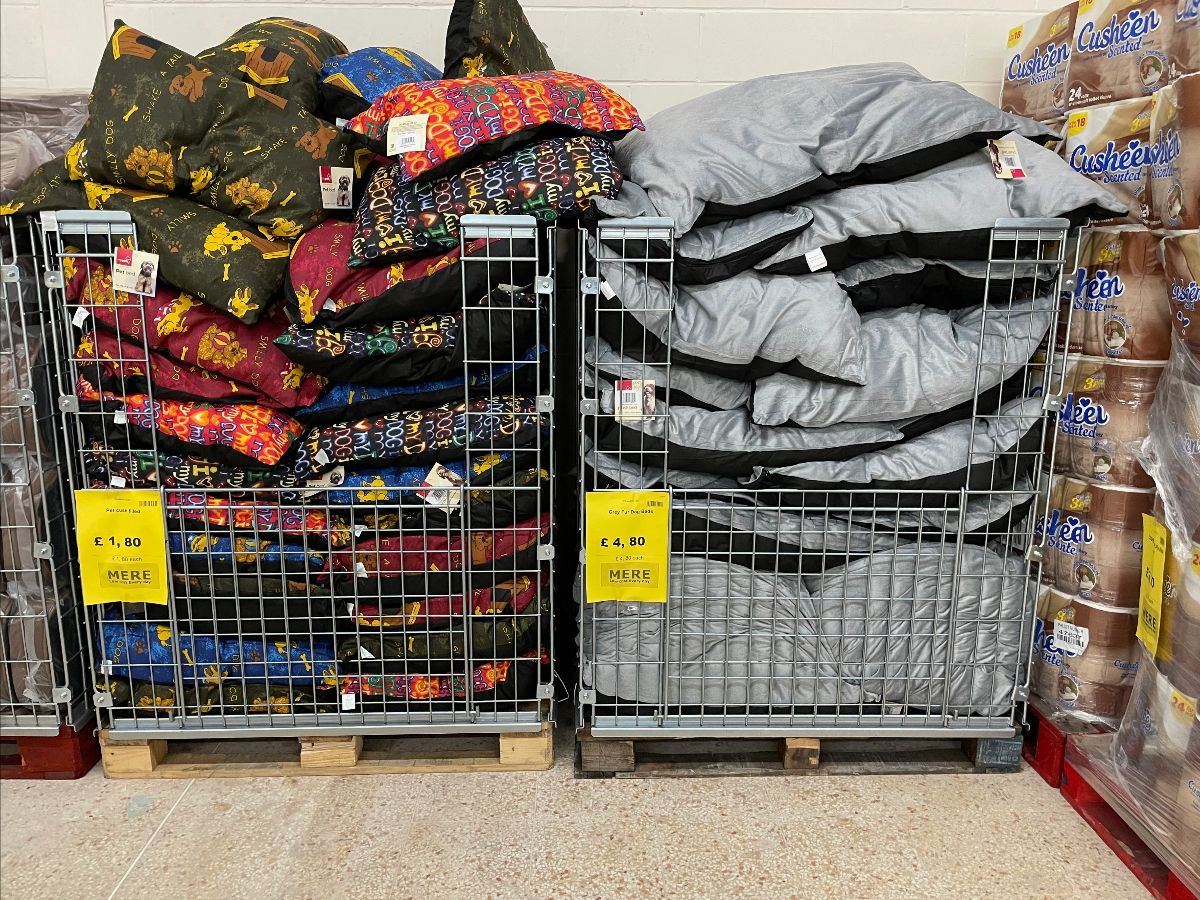
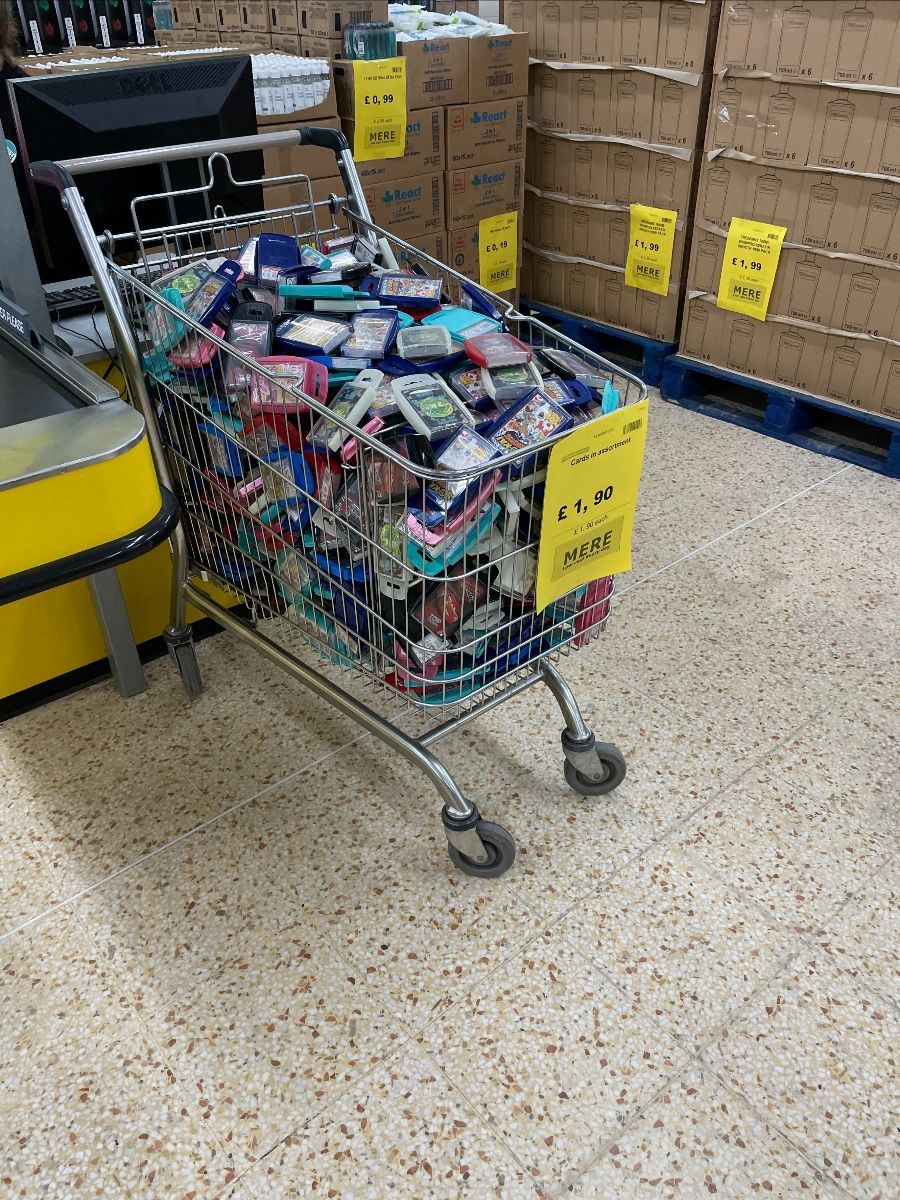
The general experience For opening day, it was quiet but a few customers came and went, there were a few other "suits" around and some interested suppliers and other buying groups one suspects.
It's a low rent model, they literally barely care about how the store looks, it's brutally hard discounting and they hope that the prices and the ranges speak for themselves.
Which they do, the prices are certainly low and if that leads to the lowest possible price, then for some customers, that is all that matters.
But Aldi and Lidl remain very low in price too and have a nicer store atmosphere, plus you can buy more there, almost a full shop across fresh, frozen and ambient.
Mere are in the Poundworld (RIP) bracket for me, not really Aldi/Lidl as they range such a random assortment of product and it's hard to see how you'd get any form of a 'shop' here, given their lack of fresh, fruit & vegetables and limited ranges in Frozen Foods.
However for other lines, they're cheap - anti bac sanitiser at 45p for example was a steal and their non-food ranges look like they'll offer great value and encourage that 'treasure hunt' mode of shopping where customers go in, not sure what they'll find.
For Mere? What next?
Caldicot? Castleford? Amongst others.
This store format will have legs and will work in selected areas, not just for hard pressed folk, but for other people who wish to save money and want to have a wander around and see what they'll find.
They are that cheap.
It'll win no points for the beauty of their internal environment, but it all feeds the narrative of rock bottom pricing so in that regard, it works for the customers.
That said - their competitor set isn't discounters, per se. In some regards there is overlap but in reality, they're far more in the Poundstretcher / Poundworld envelope given their lack of fresh and frozen ranges.
Nonetheless, with space appearing on numerous high streets and retail parks, their expansion should be watched closely. One can never write off discounters, or bargain stores, after what we have seen over the past 8-10 years.
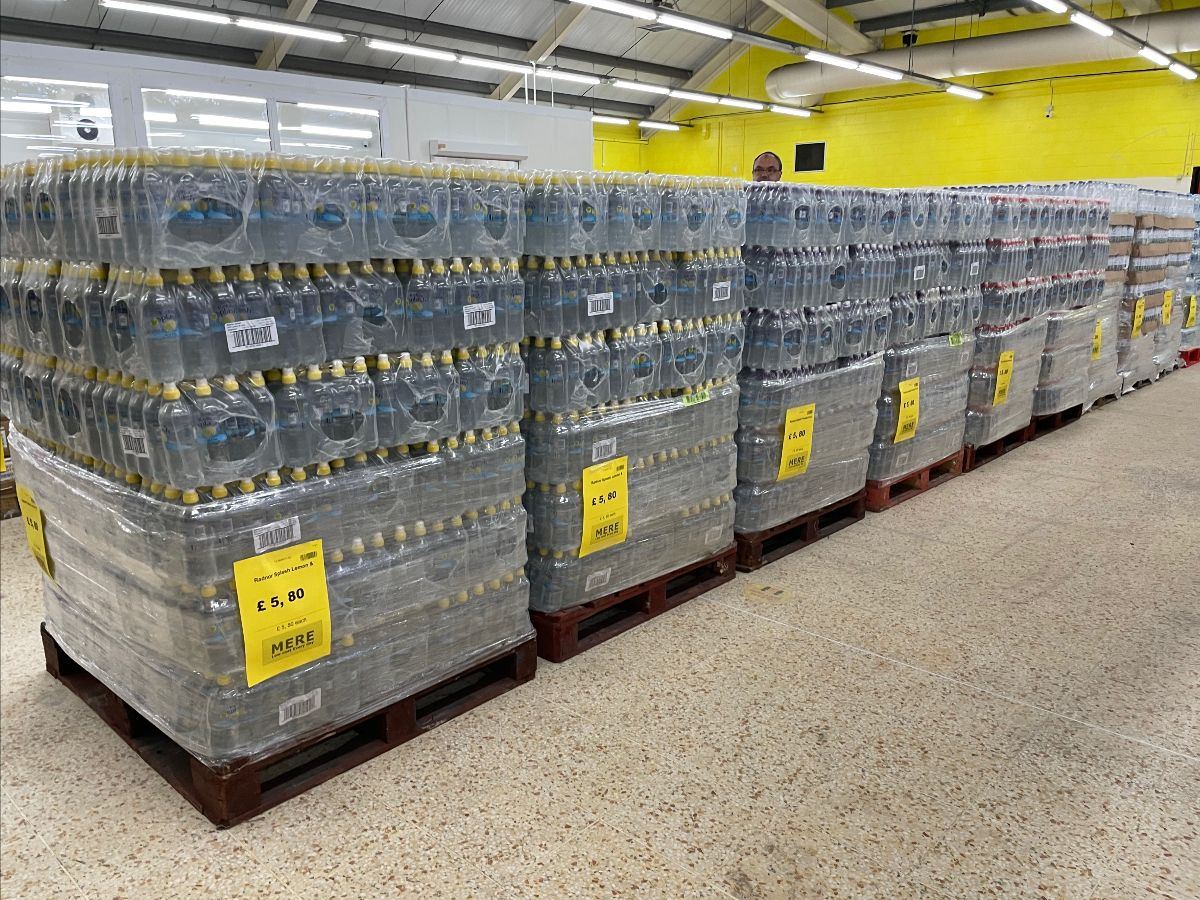
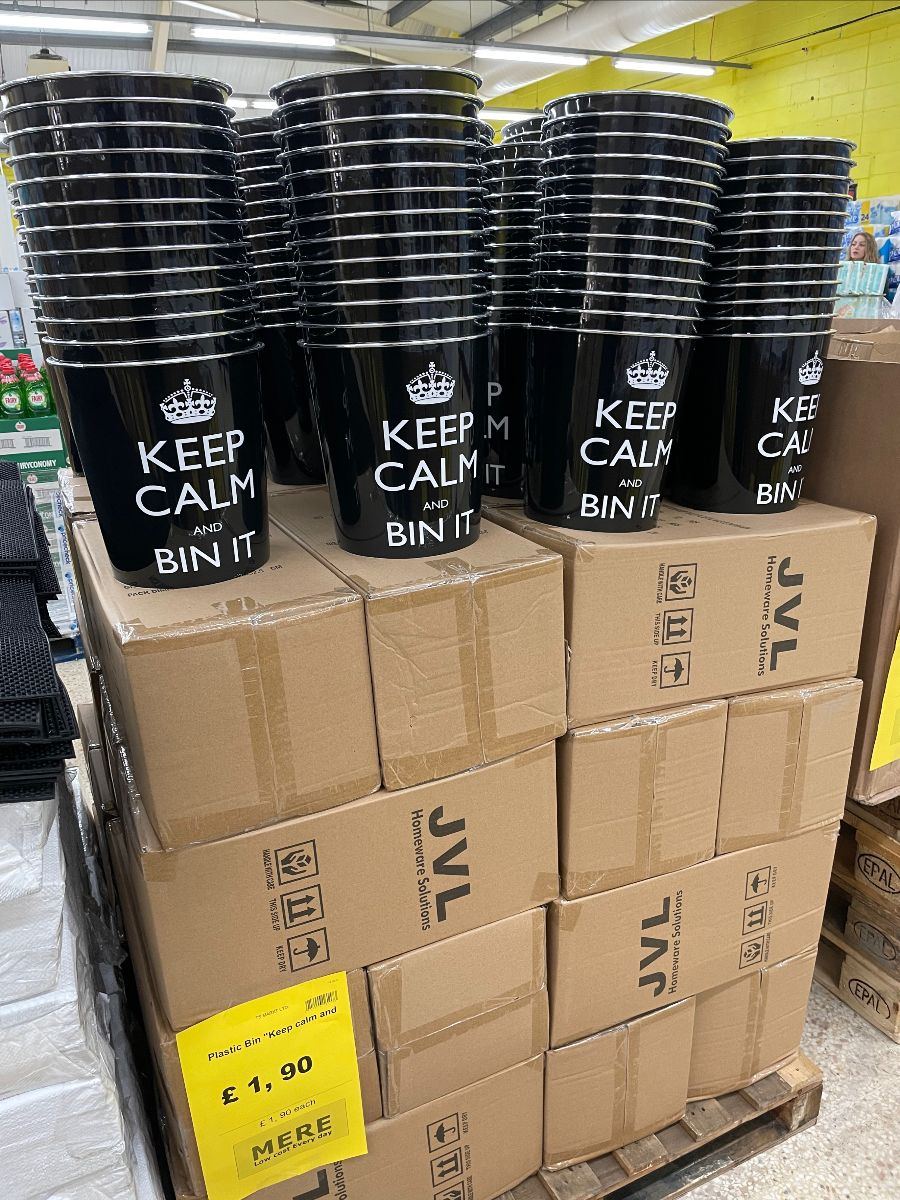
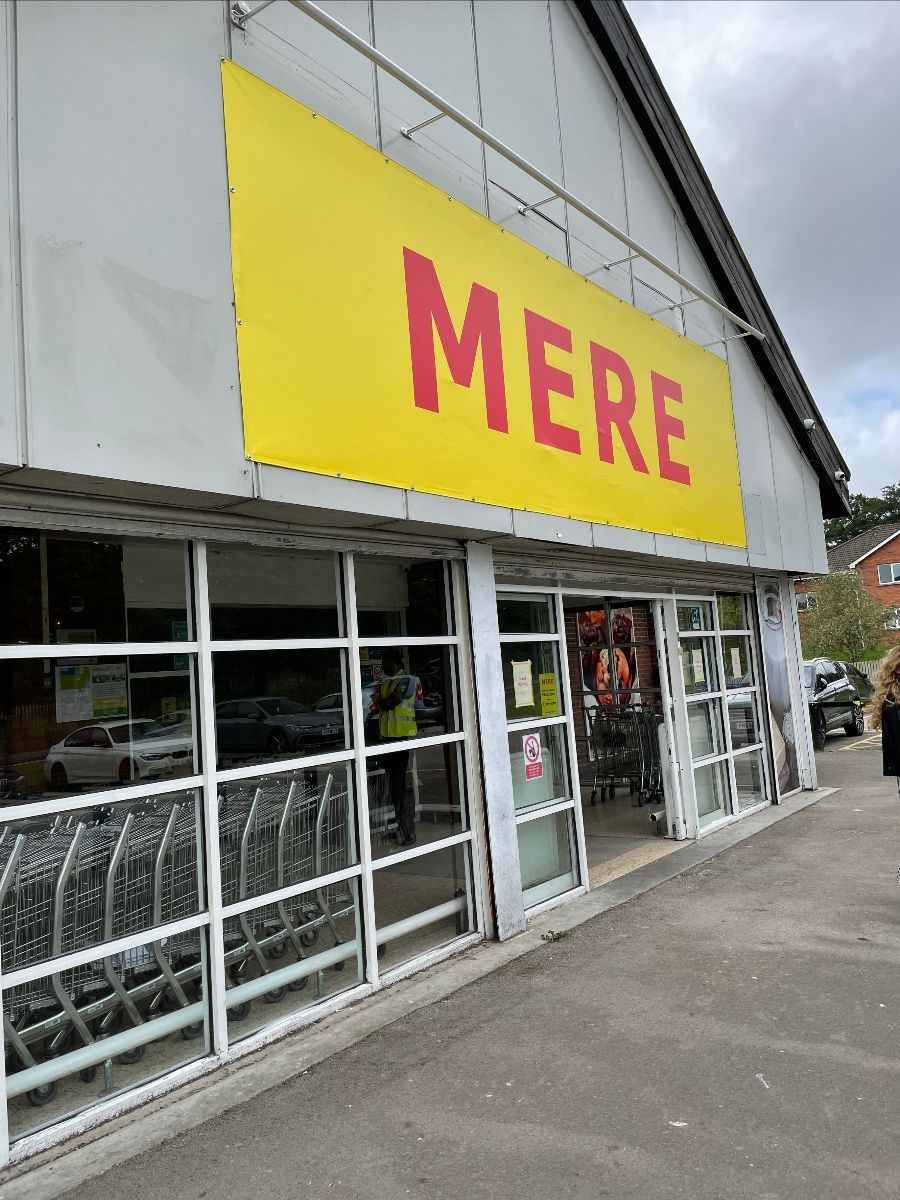
A basic store environment, sure but low, low prices.
That will work for customers, not all customers, but perhaps more customers than one would expect.
Scale is vital, quickly.
Next up - we're reviewing Asda
Not a subscriber to this service? Join today!
From the Grocery Insight newsletter archive, first sent to subscribers on 16 August 2021. Steve now writes at read.groceryinsight.com. See also the blog archive and briefings.