Sainsbury's - a new strategy in slides
11 November 2020
To subscribe to this service and benefit from our expertise
So for Sainsbury's, their investor day pre COVID gave little insight into the direction of the business, save some detail on the bank and wider debt questions. However, the half-year and Simon Roberts first appearance in front of the analysts and press gave a greater window into the future for Sainsbury's, and it looks as though food is at the forefront of things.
That isn't to say Argos isn't any longer, nor the wider non-food / clothing race has been folly. However, their plans were always likely to feature the high street estate being shrunk as it makes no sense to carry such a huge estate on high streets and in city centres (which in a pre-COVID time were dying anyway).
Add COVID to the mix and it's merely accelerated the decline and made companies look closer at what matters, what customers really want and how they wish to shop as well. It's clear that the lockdown (1) didn't help matters either, as the town centres emptied and some 160 odd of these Argos stores have never reopened post the lockdown, and will never now reopen either.
6 Argos in Homebase (I thought they'd all gone, genuinely) were also closed and it appears the plan for Argos is to reduce the stand-alone footprint to 100 stores - presumably where there is a strong store, or there isn't a nearby Sainsbury's that can cope / or is big enough. Of course, closing counters means that for some stores, where space may have been an issue for Argos now isn't the case. The other Argos stores will be integrated into a nearby JS and/or click/collect expansion within the convenience arm (which needs footfall, especially in the centres).
Of course, with the counters - there are numerous stores with shiny, new counters, and a large, new Argos too that have a different problem altogether with space.
The wider plan for Argos is then 27 fulfilment centres, dotted around the country (to be built FYI) to deliver the product to the customers directly one presumes, alongside supporting the stores also, with the additional Argos distribution network, depots and central functions are to be swallowed into the larger Sainsbury's chain. Downsizing of sorts, given the change in the customer profile and fewer stores, means less working capital, less distribution needed = more of a targeted approach.
It isn't a huge surprise of course and no one thought Sainsbury's bought Argos for the wide network of high street stores, it was clear the intended Asda merger would have seen stores integrated into Asda too, merely speeding up what was announced last week. Indeed, many of the larger stores have been a challenge, even going back to Argos being run by HRG.
The footfall was always driven by people pre-ordering, either online or in the catalogue at home, then going in to buy. They rarely, bought anything without preparing, so the additional products dotted around larger stores end up looking like some Del Boy trader has taken space to peddle his wares.
Last Christmas saw Sainsbury's Home branded lights in the checkout run (driving impulse purchases) but that muddied the brands further for me.. They never really knew what to do with all the space and with the improvements in technology and supply chain, it's then less of a justification for all that space, either in the front end of the store or the back/warehouse space.
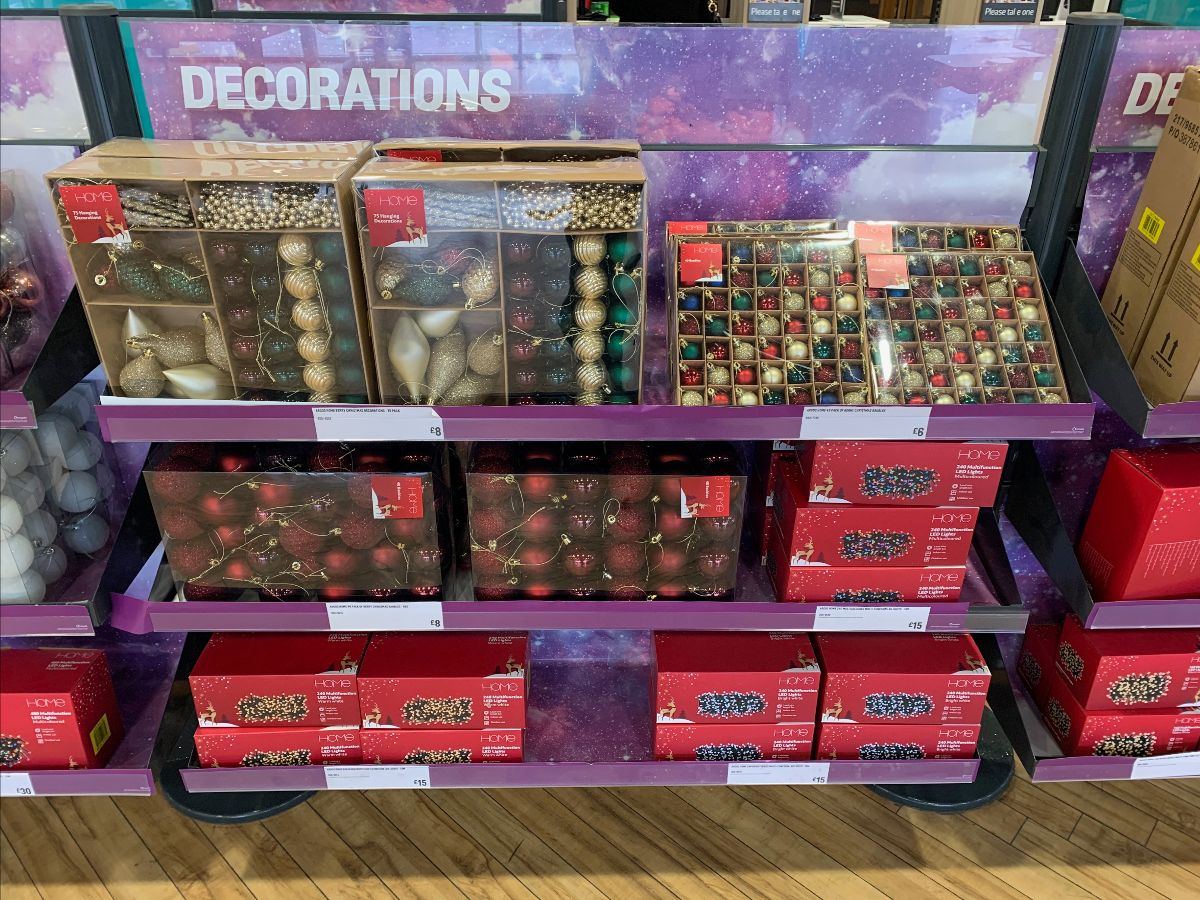
For Foods, there is a major focus by Roberts and his reshaped team to bring their innovation up to speed and also, enhance the quality of their own label. Of course, the brand has suffered a bit, not helped by stores going backwards - indeed, seeing Produce departments bereft of stock on a Saturday afternoon hardly inspires confidence in the chain being a quality retailer, however good your ranges may be.
Quality is in all parts of the retailer and it's an acceptance that their focus on costs, Argos integrations, non-food and the Asda merger/distractions became too much and they took their eye off the ball somewhat. The future brand's ideation is well intended, but the waste focus means that any product that doesn't sell, ends up in the bin and then the orders are rightly then cut back as it doesn't sell.
However that leaves stores having to deliver a champagne fixture on beer money, and for future brands, it's then hard to get any traction behind the work. Across the store, the niche brands have struggled for impact on shelf and that age-old problem of balancing up premium efforts with price focus means that you can go too much one way or the other.
Indeed, Christmas was the only time that saved the chain back in the dark days of the early 2000s when things were very bleak, but even the product range has struggled in the last few years. There was some innovation last year alongside new premium packaging also. but the year before, barely any change in ranges or product year on year.
The market is so competitive now and there's innovation everywhere you look, Iceland won Mince Pie of the year for 2 years running, for example, it's now big business, we know about discounters but look at Asda or Morrisons at Christmas and you're likely to be surprised at just how much innovation there is, across all tiers, but notably, premium.
Which is where Sainsbury's were always confident, mid-tier was a step above and priced accordingly and then the premium tier spoke for itself. A nationwide, more rounded M&S food if you will. However, M&S Food is stepping on the gas with Ocado and also their offer becoming more 'every day' with Market Specials at 65p in Produce and numerous ambient and chilled lines that are priced competitively also.
Add to the fact that they are the stars of Christmas with the pre-order and by becoming more mainstream, it adds pressure for Sainsbury's for the geographical overlap as much as anything else. Alongside the discounters (of course) and the wider market, Tesco continuing to improve generally spells bad news for everyone, but especially Sainsbury's given the geography and also, they're the largest retailer in the land.
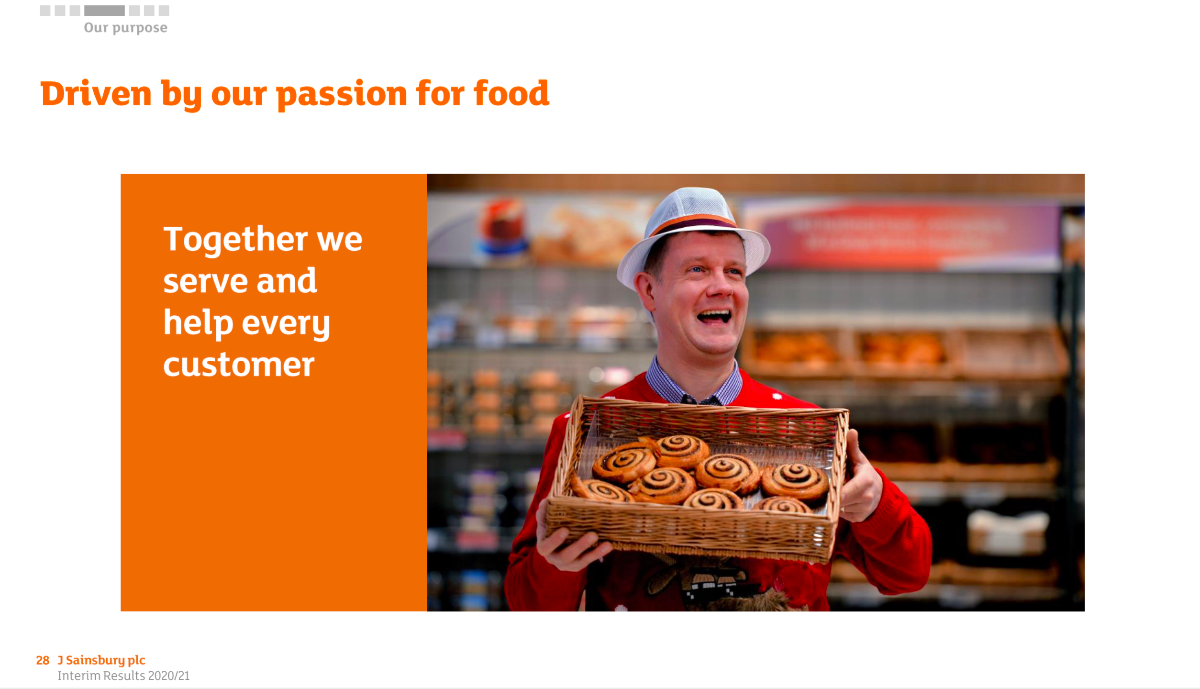
So for the results deck itself, some interesting points to consider, their food first strategy is absolutely correct of course as they come out of Argos, failed Asda merger and buying Nectar, plus Netto trial and anything else Mike "Harry Redknapp" Coupe got up to.
Notably, the first slide features a colleague in a Christmas jumper smiling, perhaps highlighting what a bad year it has been for the sector and the mask-wearing heroes that work within it.
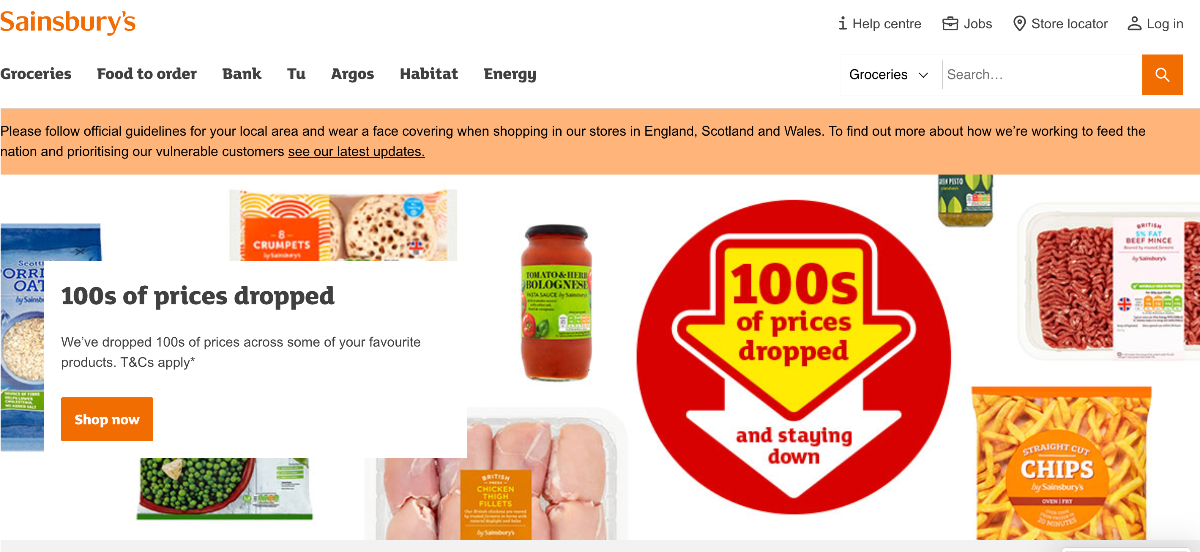
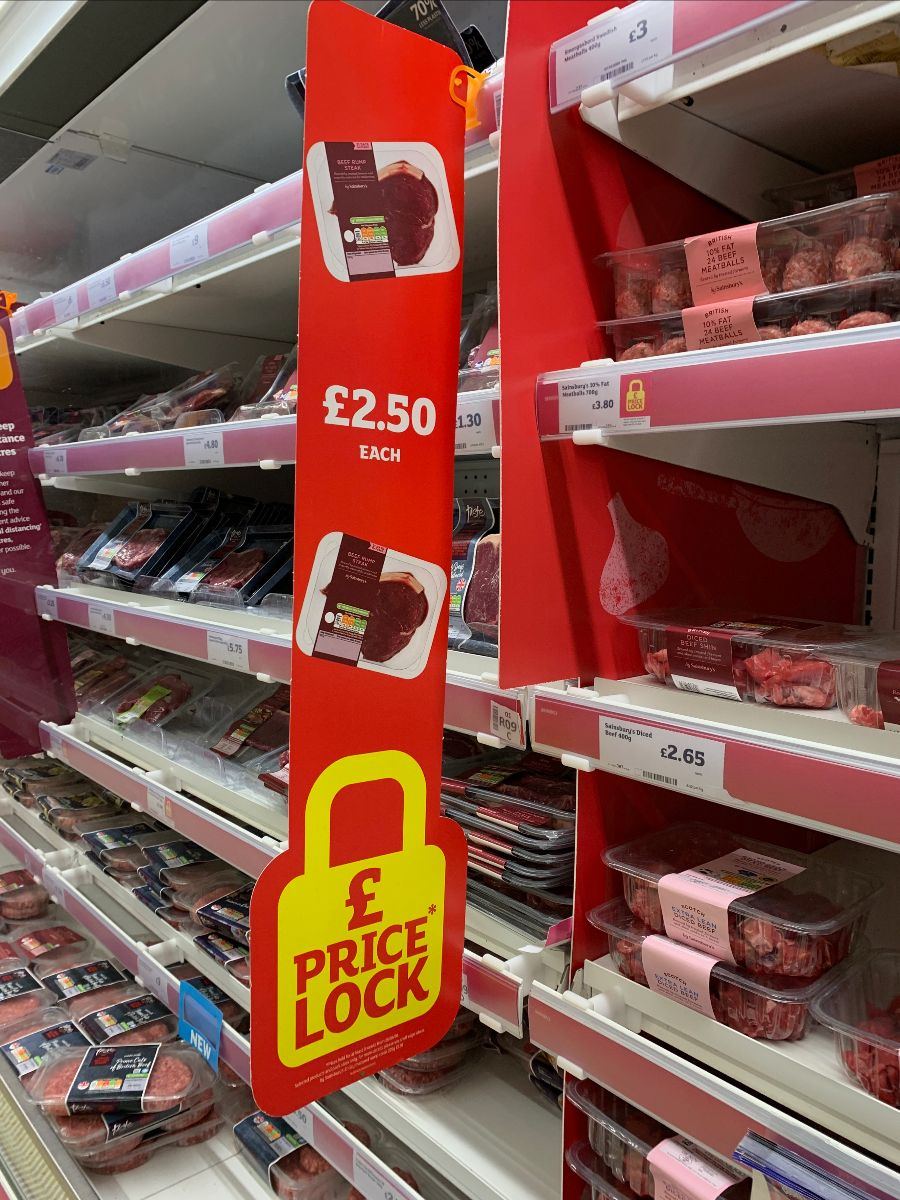
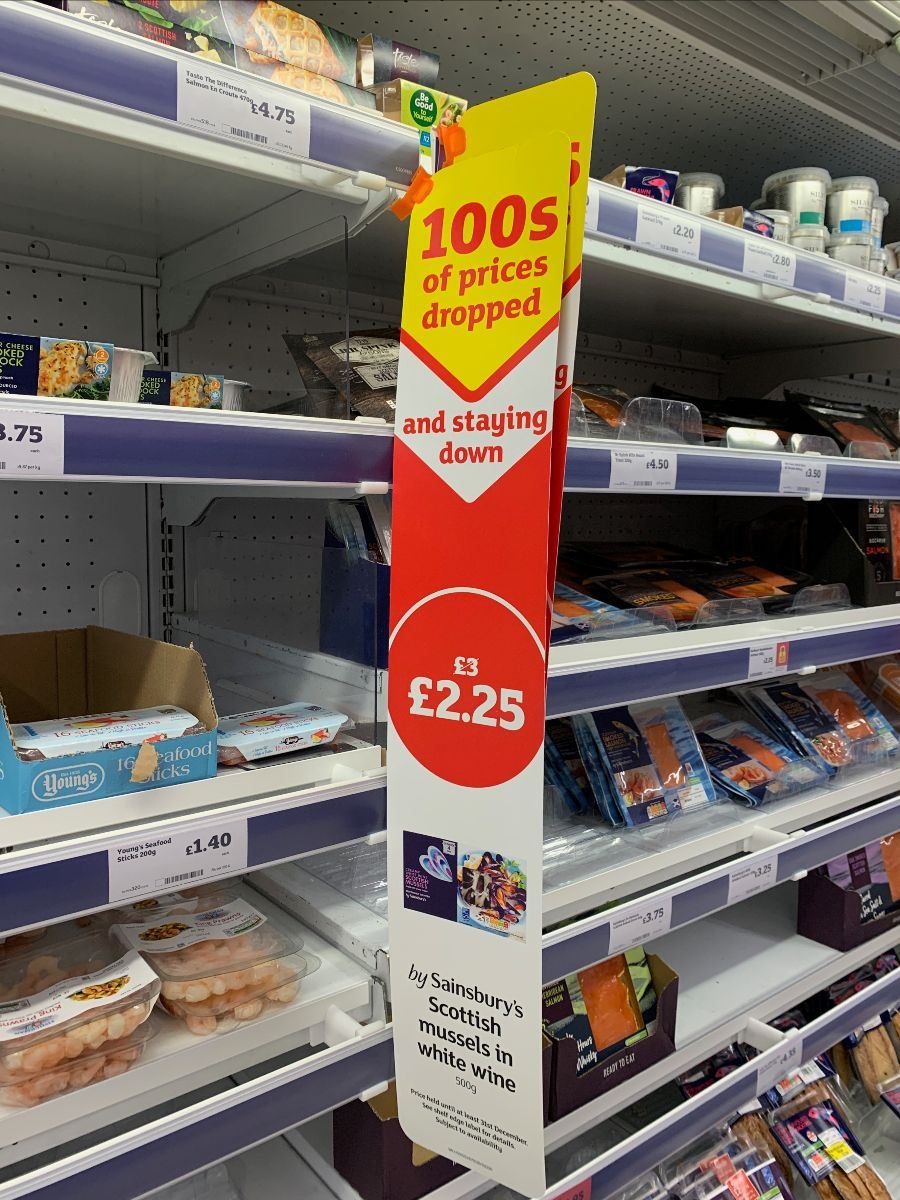
This is a screenshot from the website where we see prices dropped and then staying down, which looks like an afterthought and arguably, looks even more so on the signage. Price lock has been broadly successful for them but it still only highlights prices that are not rising but could rise when the period of time ends (namely 12 weeks).
However, it does allow the business to be very tactical and give their own label some much-needed focus in terms of exposure at least; however, whether this is price lock by another name, alongside price lock, or a different campaign entirely isn't clear. Also notable, via online, these prices end 31/12 so could rise in the new year.
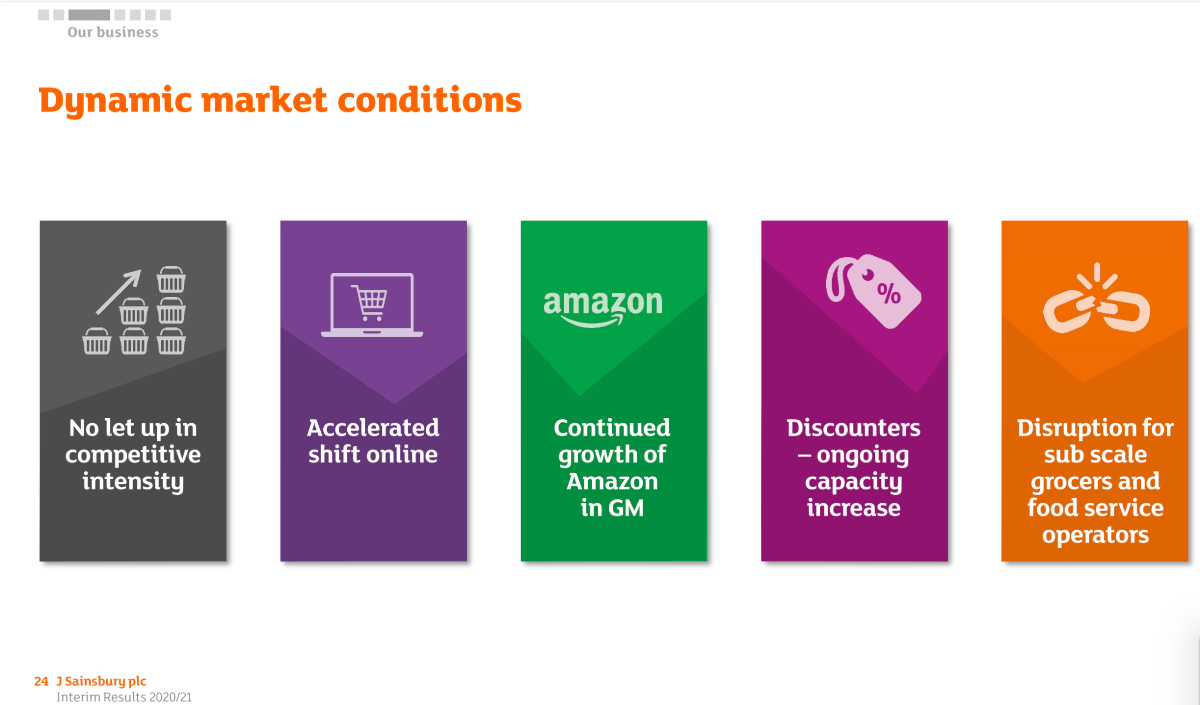
The mentions of the wider market have only increased in recent years by retailers, with Dave Lewis notably mentioning "german retailers" when they announced farm brands and german discounters later in the years too. Whilst the individual retailer is key and their own news is of course why everyone is reading the slides, to ignore the wider market and all that's occurring, especially with COVID is folly.
Amazon is spreading everywhere and their reach is felt all over, they are a phenomenal retailer and it's not really their fault that customers appreciate their wares, rapid delivery, brilliant customer service etc more than other retailers. They have their faults and challenges, but customers are not wrong in this case. Their formula works on all manner of categories and their principles are taking them all over, they're the first place so many people look for a price, adjudicating if it's good value in Argos e.g.
However they are not beyond reproach, increasingly, in some categories, they have turned in to what used to resemble the Tesco Direct website, with a myriad of brands, products and far eastern sourced imitation brands that are only sold on Amazon and have a high number of positive reviews that don't necessarily always seem quite right.
The value can be then unclear and the 3rd party sellers can impact the value proposition for Amazon as if they sell out, then a customer searching the site may only see slightly higher priced, 3rd party options which don't show Amazon in their best light. In some categories, travel adaptors, lightbulbs and similar sorts of lines are better via Argos, as they've 'curated' the range with their brands and other sub-brands, but not an abundance of all kinds of product from elsewhere.
Which makes it easier to shop as a customer, but that's just a couple of categories and you can't take on Amazon with those, Argos is a good performer but the growth of Amazon into all kinds of categories is worthy of a mention. Competitive intensity is relentless and even with COVID, we've seen competitive elements come through on safety measures and even charitable giving.
Online shifts have been accelerated and there's arguably 5 years progress in 5 months or so, certainly the expansion in capacity for picking and then in to click and collect across the market. Sainsbury's expanded their capacity, with a 102% rise in sales and Morrisons have gone from 3 sites for click&collect to over 260 in a matter of months.
Whether this will stick is another matter, but the profitability of the channel has always been questionable, given the added costs for picking, delivering and the infrastructure. Being able to meet the demand is one piece of the puzzle for online and that box has been ticked, the retailers will then need to look to build back better, with profitability being a consideration for all the new demand they've had to encounter.
One channel that hasn't been able to capitalise on the pandemic and the shifts online has been discount.
However, moves are on the way by Aldi to expand their reach with Deliveroo (although it's a limited number of products that can be picked and collected) alongside an online offering fulfilled by click/collect which is the best way to fulfil the demand of course, given the absence of a delivery network which is a significant cost. Of course, Aldi pushes their non-food offering online already via fulfilment partners too.
Lidl have shunned online entirely and show no signs of wanting to get involved either, there have been trials and experiments in other territories, such as Lidl Ireland (which appears more progressive in any case) but nothing in the UK yet. However, digital is growing as a channel and their loyalty app was developed for digital, directly.
For Argos, it's clear that the GM/Electricals market has moved online for a number of years and Tesco foresaw this by getting out of Tesco Direct and Click/Collect as well, given that online was growing and the fulfilment cost couldn't be justified - effectively losing £40m a year for footfall to the convenience stores and larger stores.
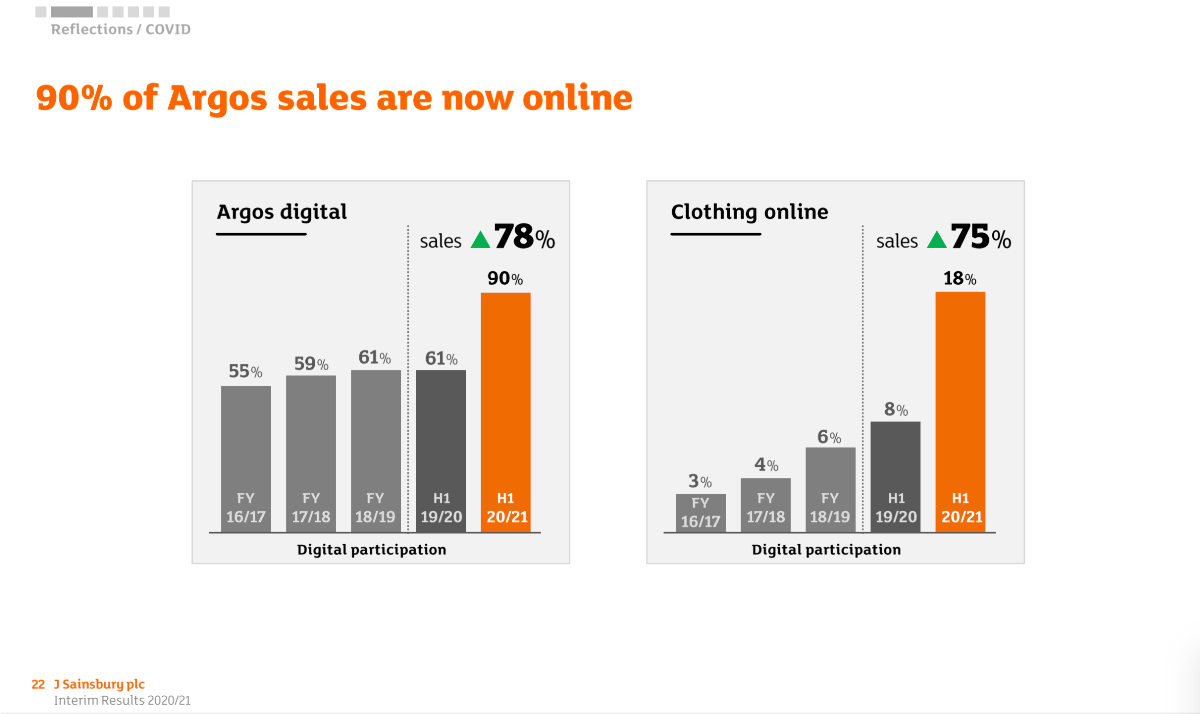
The shift towards online for Argos is unsurprising given the lockdown and the closure of the standalone stores, even those that are deemed good enough to reopen now, were in fact closed, meaning that customers had to order online, either for delivery or to collect within a Sainsbury's store.
So the shift to online is notable, but the reality is that customers if they wanted anything from Argos, had to order online as the 'shop in shop' Argos units were only open for collection purposes.
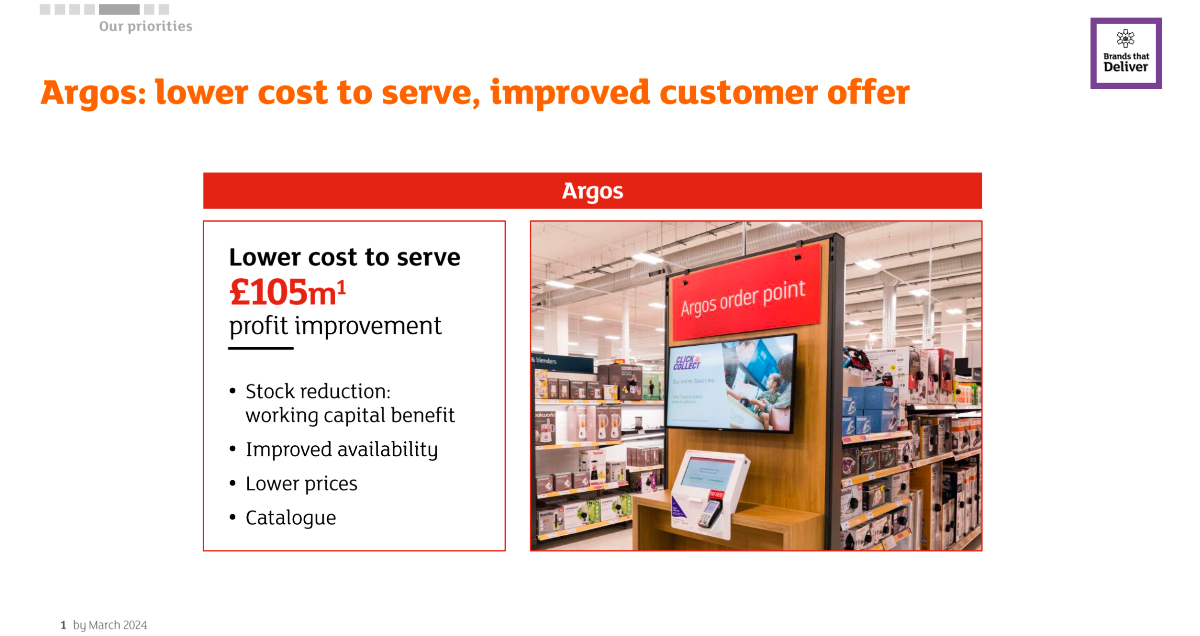
However; the cost savings that can be obtained by accelerating the shift to fewer stand-alone Argos stores can now be achieved and by the end, there are just 100 stand-alone stores, as noted, and with that, there are numerous savings around working capital, which can be directed to lower prices. Whether that means there is better availability (IE fewer stores to hold stock) is questionable, customers can elect when reserving stock to visit another store to collect their order, this can be useful if customers are near a number of Argos stores for example).
For Clothing - the situation has been difficult for a number of years for Sainsbury's and sales have struggled but efforts have been made to shift the category onwards, with new work in-store environments, especially in larger stores, or refitted stores such as Hedge End in Southampton.
Argos also started to carry some of the Tu clothing range on their website but this too is a hard sell, for a website in any case but also for one that typically sells Lawnmowers, travel adaptors, Toys and all manner of other things, Clothes become a difficult leap of faith, that said, the shift to online was notable but again, the context is that customers were not visiting stores in lockdown.
If customers were visiting stores, they were full of consideration about 'essential items' and what would deem that to be essential, for example, is clothing? Possibly not, so the online channel was the best way to get the product. It's highly likely that physical store demand was depressed significantly for all kinds of reasons, not least safety in terms of clothing.
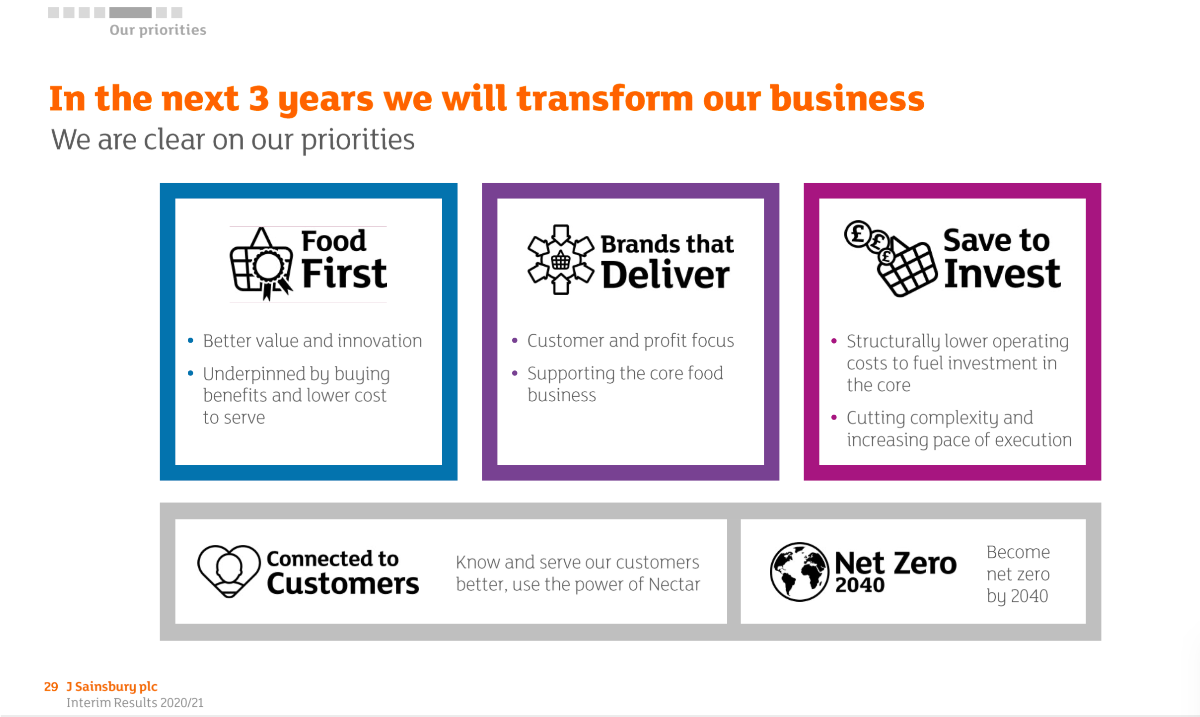
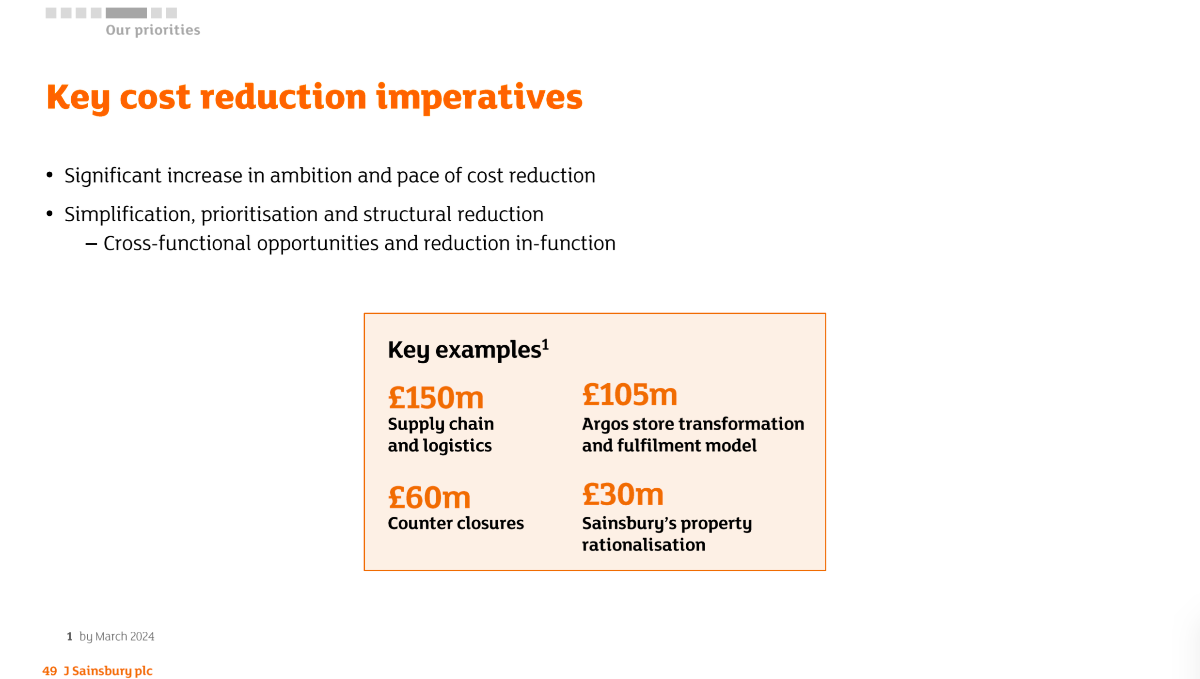
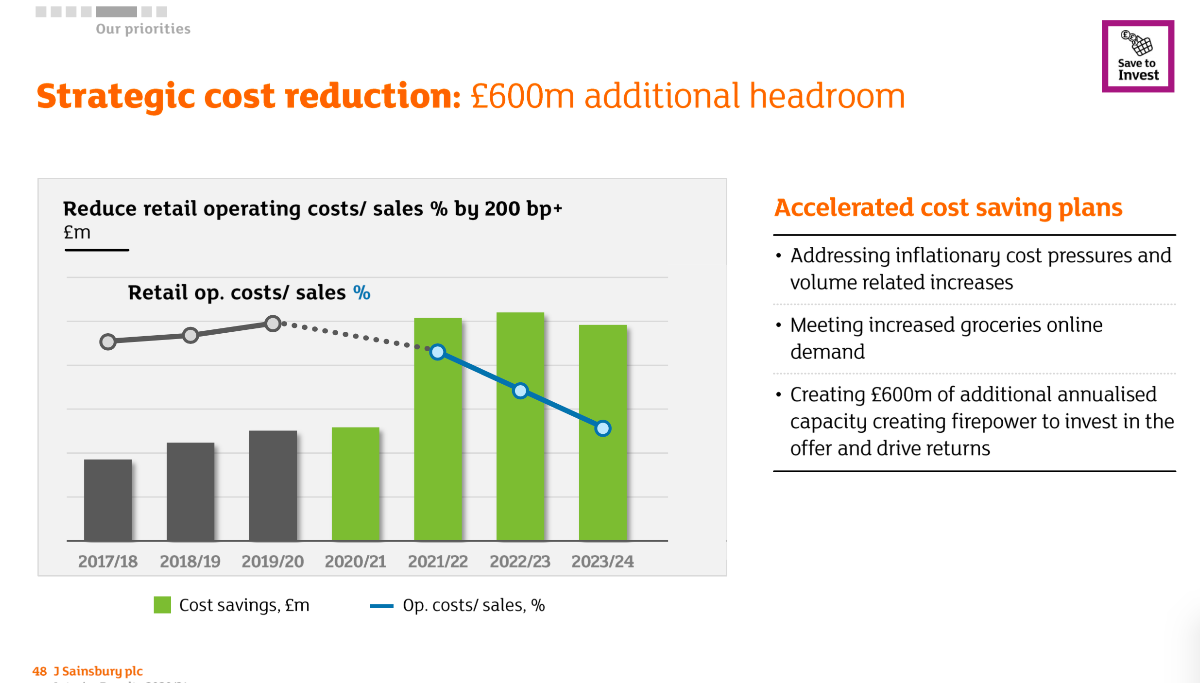
Further colour for the cost savings which are important to review of course, given the focus on reinvesting this money into the wider business and one, assumes, this phase of cost-saving work via Argos will have formed part of the original business case and COVID has just sped this process up.
A significant pace of ambition and pace of cost reduction can be concerning if hits the front end where colleagues are serving the customer, again. We know that this occurred with Sainsbury's in the relatively recent history with their restructure, whilst they have bottomed out and started to improve, it's still some way off what one expects in stores.
Within COVID, there is a degree of store standards that are lost a little, due to the pressures, however, that isn't going to last forever and any efforts to improve quality from an own label perspective has to be accompanied by store standards and a stronger baseline than we've seen recently.
The savings in the number are related to supply chain and logistics, which looks as though it will be related to the closure of the Argos supply chain and the transformation of the Argos store network and model, moving to a smaller hub model rather than an expensive, older network.
Counter closures - £60m saving but that's a one-time saving. It can never be achieved again and whilst some 3rd party operators will come through no doubt, it's a significant loss and again, it's confusing to talk about fresh foods, quality and then announce counter closures..... However COVID accelerated any plan that was clearly in mind here, the reality is that the savings were significant and there is never a better time to close them, given the negative press that closure in normal times would bring.
The surprising aspect is that no counters were preserved in terms of affluent stores, or better performing stores than others, they are all closed, without exception. One assumes that the Bakery counters (also not reopened) are to close but the other offerings - such as hot food, takeaway/pizza seemingly will remain open.
Certainly, the Pizza counter reopened and that perhaps showed the writing being on the wall for the wider counter offering, but as noted, once they're gone, they're gone.
Property rationalisation bringing in £30m may also see some areas of stores sold off or divested even. There is a programme of store closures currently going on and where the chain said they would close 2 stores this year, they're actually going to be closing 11 larger supermarkets, presumably where leases end. A number announced so far are in central locations, on the high street, as we've highlighted before and a sign of where the trade is going.
Any store that is located in a city centre doesn't even have online demand to save it. Online fulfilment is also difficult for such locations, delivery vehicles are difficult to accommodate with parking restrictions and poor road links alongside limited space in the rear storage areas. Equally warehouse space is tight and footfall in these stores can be high, without the high basket sizes which would impact customer flow, especially if there were online pickers and trolleys also clogging the aisles at the same time.
The movement of cost-saving and then reinvesting this is noteworthy; it's never really highlighted in such a clear way that the money will be reinvested around the business, notably against inflationary pressure and volume-related increases, but also into Groceries demand. A £500m war chest for the offer and drive returns - which either shows they're being prudent, or they are not really sure how the strategy will play out initially.
Volume related increases show that there is still cost in the supply chain that is stacked up and volume needs to move further, faster.
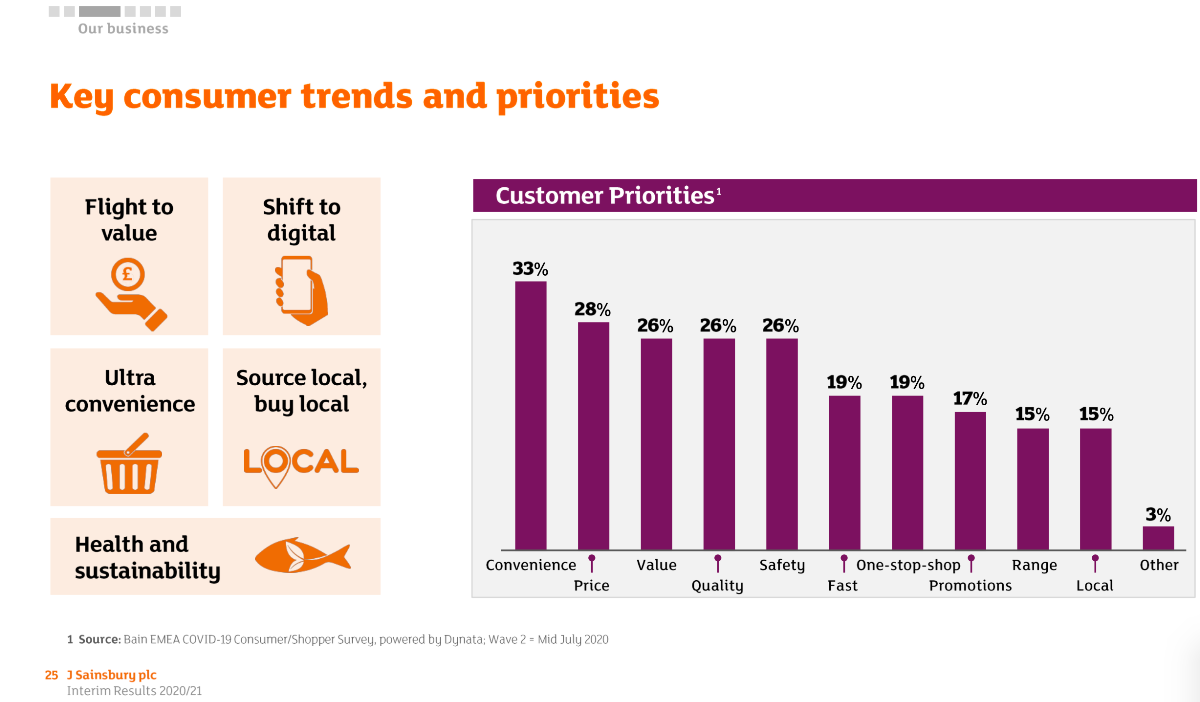
For their new plan of course; we can see that there are cost savings in the plan and then how that translates into what customers are saying to them, much has changed with COVID of course now but safety being up there is notable. Pre COVID - it would be nowhere at all.
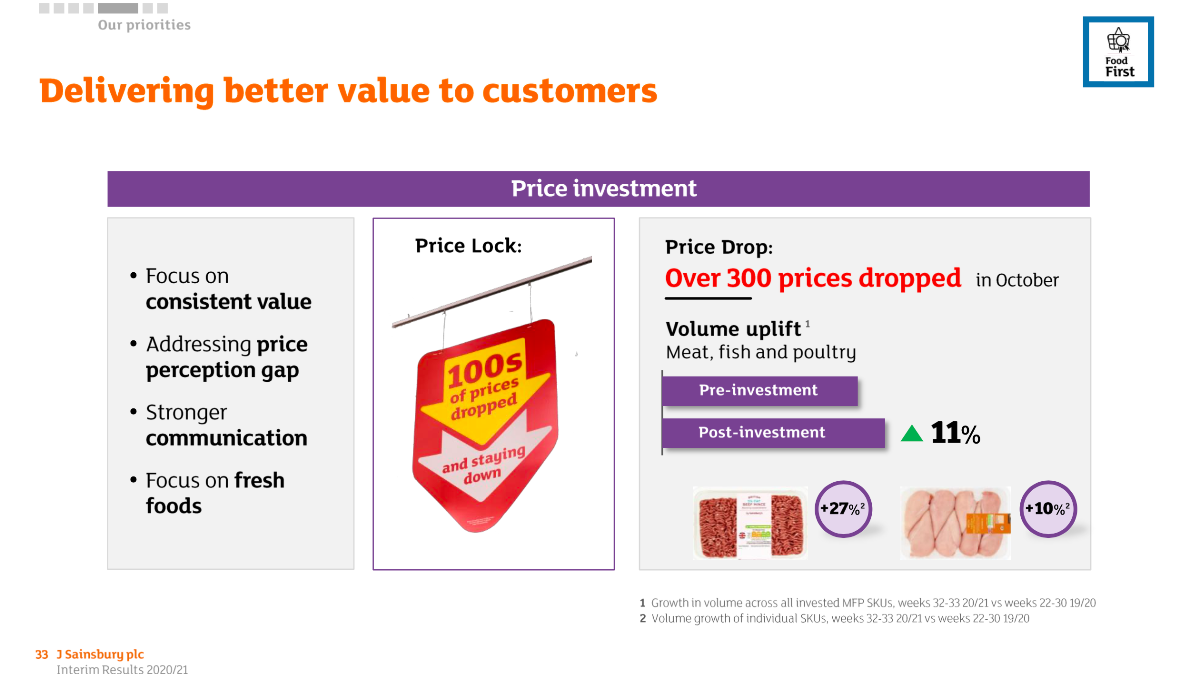
Price remains important but it's never just price, customers always mention the price. No one walks in and says 'I am happy I paid more than I needed to fro this". However, products can't go down to 1p each either. A concern is that for all the work on simpler value and the pioneering work on taking dishwasher tablets off 'hi/lo' and the multibuys abandonment, Sainsbury's are still struggling with their price perception, there must be something else fundamentally wrong.
Customers often point to buying local, it's a little like shy Tories at the exit poll, no one would say they'd rather local producers went bust, so they say of course I'll buy local. Then in-store, if it's expensive, or looks poor in comparison to something else, the throughput is lost. Indeed, some retailers think that Yorkshire Tea is an example of Yorkshire sourced and produced line (it isn't, it's a national brand).
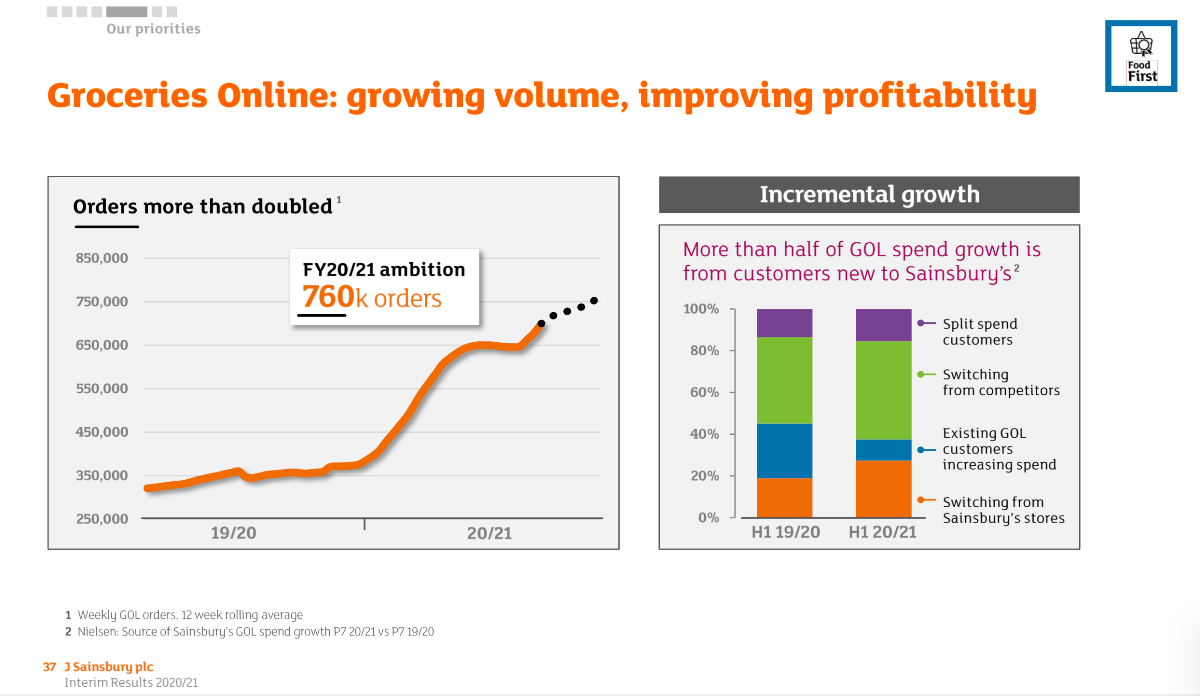
Groceries online also flying, again, the 'new' to Sainsbury's element isn't a surprise really. Customers, desperate for slots would take one anywhere and the vulnerable customer's list was also in circulation which helped matters in terms of obtaining new customers. The challenge is to retain these customers of course and not do anything to upset them, which means managing availability, delivery times and ensuring that product quality and value are clear and consistent.
The switch from competitors is perhaps representative of customers being unable to get slots with their usual retailer, important to note the fact but not get punch drunk on it either. Profitability is all-important here and still, we don't get the economics of it all. Improvements in picking and deliveries, alongside click and collect will help, but we are probably getting closer to stores being right-sized and combining a dark store picking operation for bulk, regular items (that are sold, there must be the 80/20 rule in force) without needing to visit the shop floor.
Whether customers on the flip side who buy from counters in-store, will change their online habits as a result once things settle down is another factor to consider. The in aisle offer now needs to be far stronger to ensure that counter shoppers are not without choice, lest they go elsewhere.
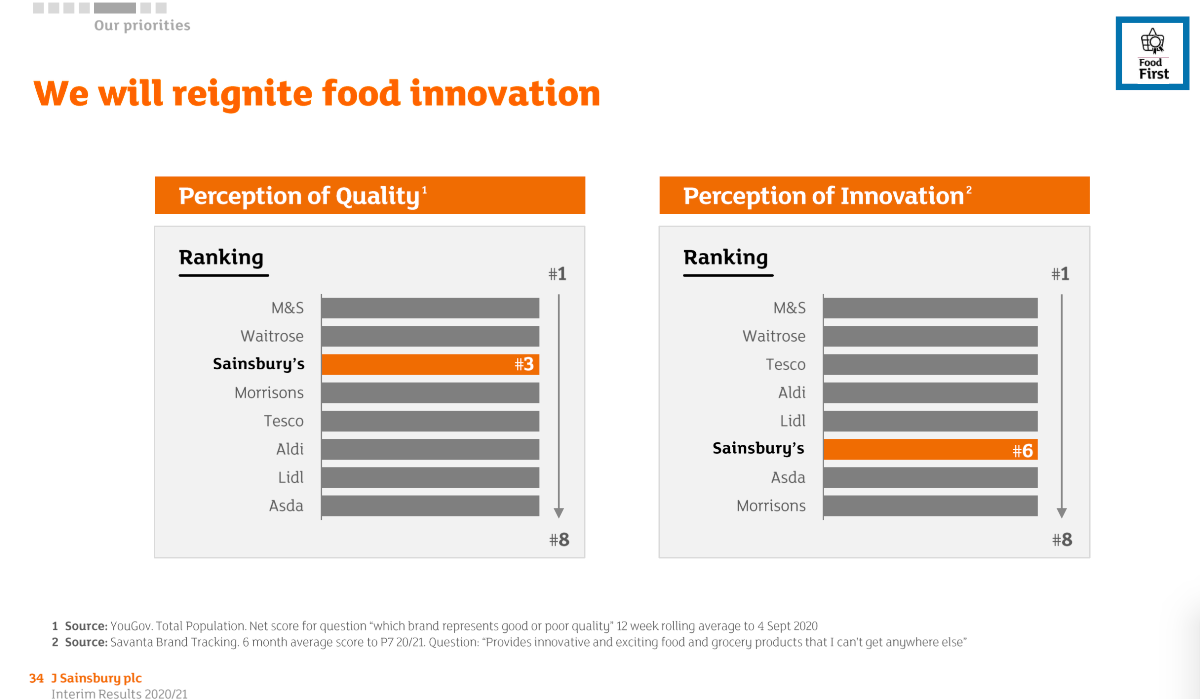
A major concern for all really, it was already known that Sainsbury's had let food slide for any number of reasons, there wasn't the innovation that we used to see and whilst they were in a state of flux, their competitors, both discount and the wider market, alongside M&S and Waitrose have continued to accelerate away too.
The chart offers the biggest window into where things have gone wrong but where the opportunity lies also, perception is the biggest challenge with Sainsbury's low down the list, just above Asda and Morrisons. Interestingly, discount, who seemingly copy everyone anyway are ranked higher which just shows how much the store atmosphere and environment matter.
M&S and Waitrose at the top of both charts, pleasing for those retailers. The perception of quality has held up for Sainsbury's but Morrisons are directly behind them, which would have been unthinkable a number of years ago.
In terms of their differentials, the portfolio of brands was well-intentioned but as we saw with Tesco in the Clarke era, it doesn't really resonate, especially when Godiva chocolate (e.g.) is then found for a cheaper price (albeit short coded) in Home Bargains for example. Those sub-brands and other 'exclusives' are often higher-priced and end up skewing the price perception on the shelf.
Arguably, at the cost of the own label too, where premium should be innovating under taste the difference, it's not and has barely won an award in recent times which would have been unthinkable in the years gone by.
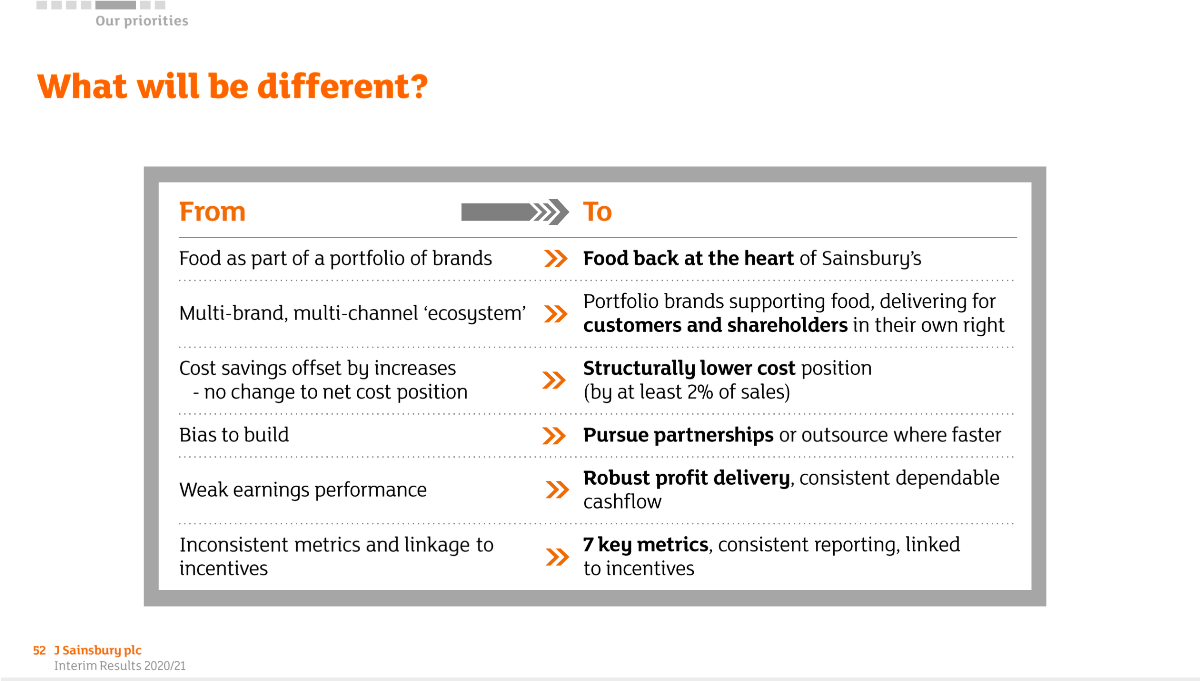
It's a remarkable thing to write down - on a strategy presentation, 'food back at the heart of Sainsbury's'. There wasn't any consideration that it had gone away, but there was evidence that the focus was on other things, with Argos, non-food growth and the rest.
A lower-cost position by at least 2% of sales was another noteworthy target. A significant saving and subsequent margin improvement, but the issue has remained at the heart for Sainsbury's for so long now. Pursuing partnerships/outsourcing where faster is also intriguing, over what exactly? There has to be a balance with saving money via outsourcing that it doesn't end up costing more money in the long run or impacting customers in the worst-case scenario.
Value remains crucial and there has been so much good work that has gone on, it's always hard to strike a balance between quality and value, either premium or otherwise. Indeed, enhancing the positioning and branding of the entry-level tier products means that you elevate those, but that can be at the detriment of other tiers.
Elevating premium tier products can then skew value perception, so it's a delicate balance....
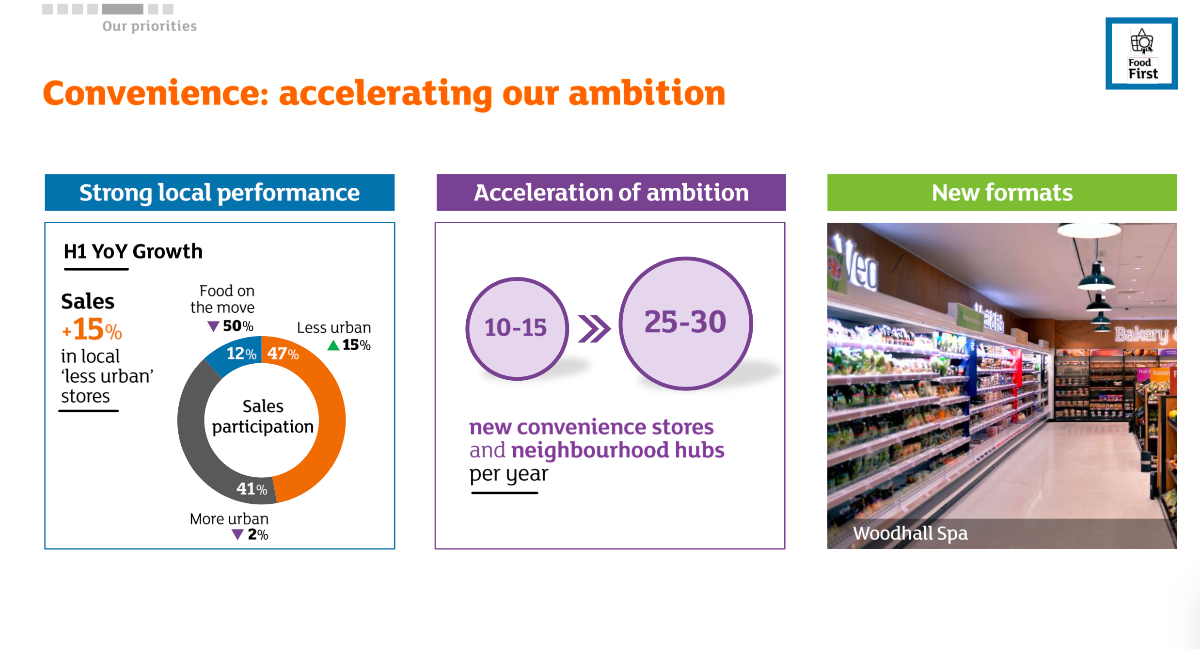
Convenience remains a channel that offers an opportunity for growth, even now, but the pandemic has impacted things significantly in terms of the central locations and the travel sites are also suffering from decreased footfall.
However there are closures in the estate alongside openings, this is nothing new, as the convenience channel churns a lot. Neighbourhood hubs are another noteworthy element within the Sainsbury's estate, the first has opened at Woodhall Spa and features an Argos offering within, these are crucial for the Argos repurposing of course and will drive footfall to the stores.
Neighbourhood stores may well look a different prospect given lockdown, the pandemic and all that goes with it, home working looks to be a future trend and thus, people working from home represent an opportunity albeit in a different format that they perhaps would have done maybe, a year ago.
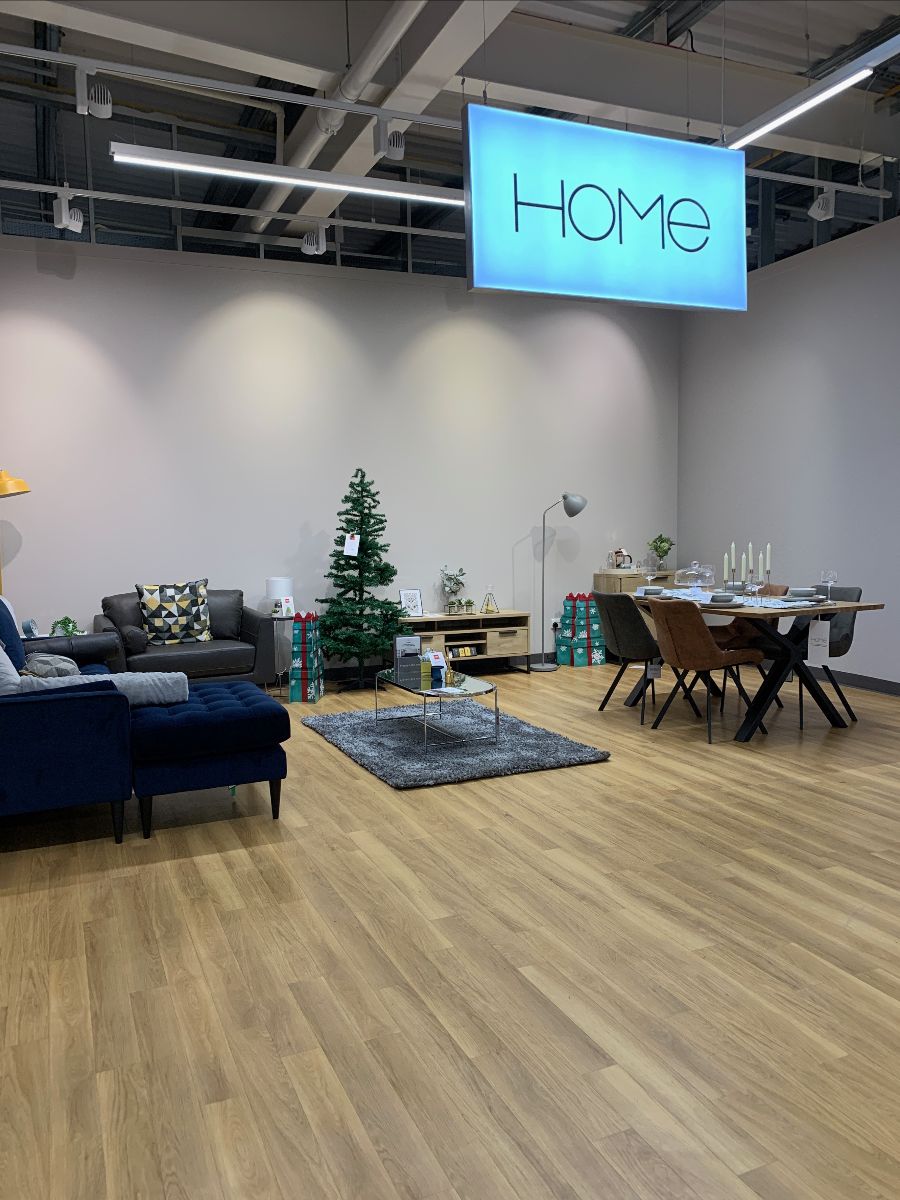
In stores, the home category in larger stores remains a concern, and how this fits together in Argos where there is an enlarged footprint, what should customers infer? COVID does make it hard for sure, however, how does this work?
The larger stores with their vast counter offer now closed and then a combined Argos and Non-Food / GM offering are blessed with space and how the chain can develop this offer is a key question.
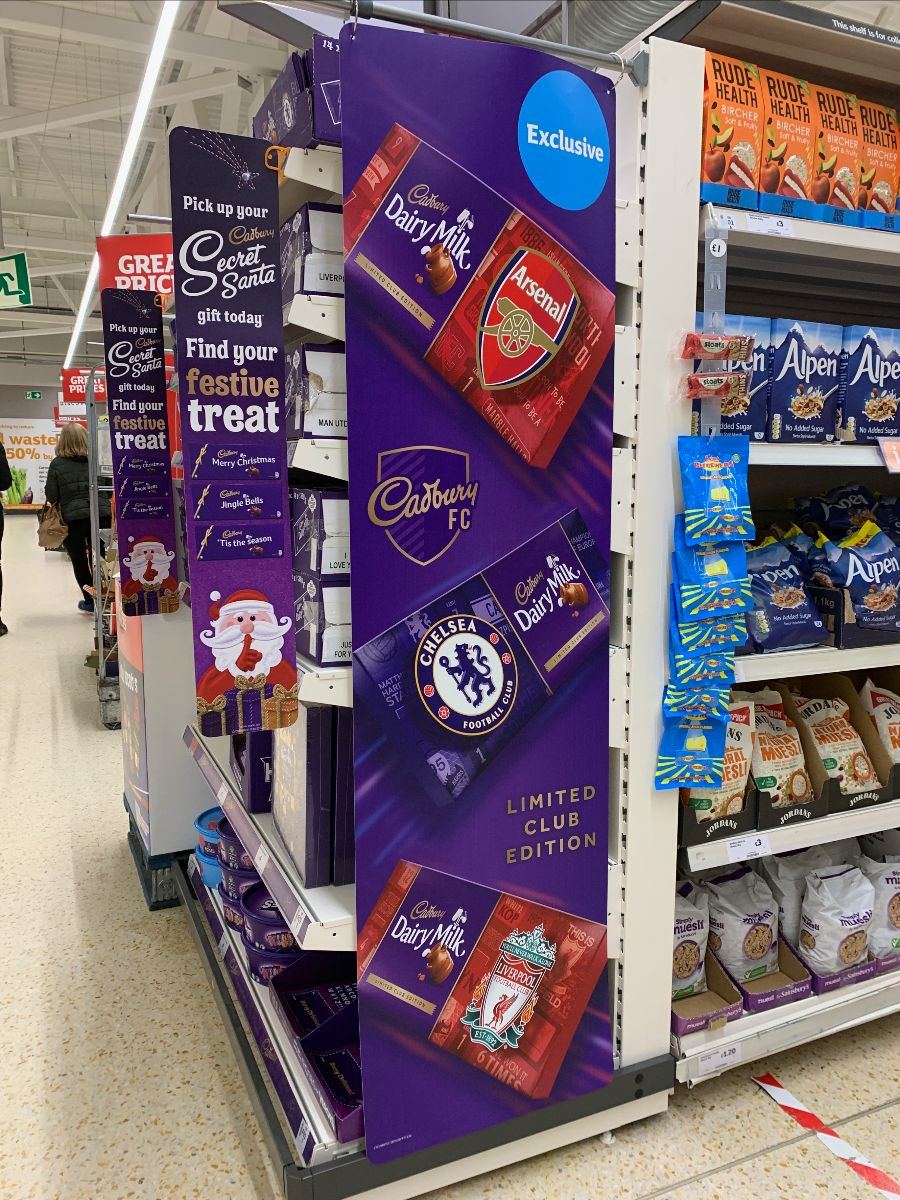
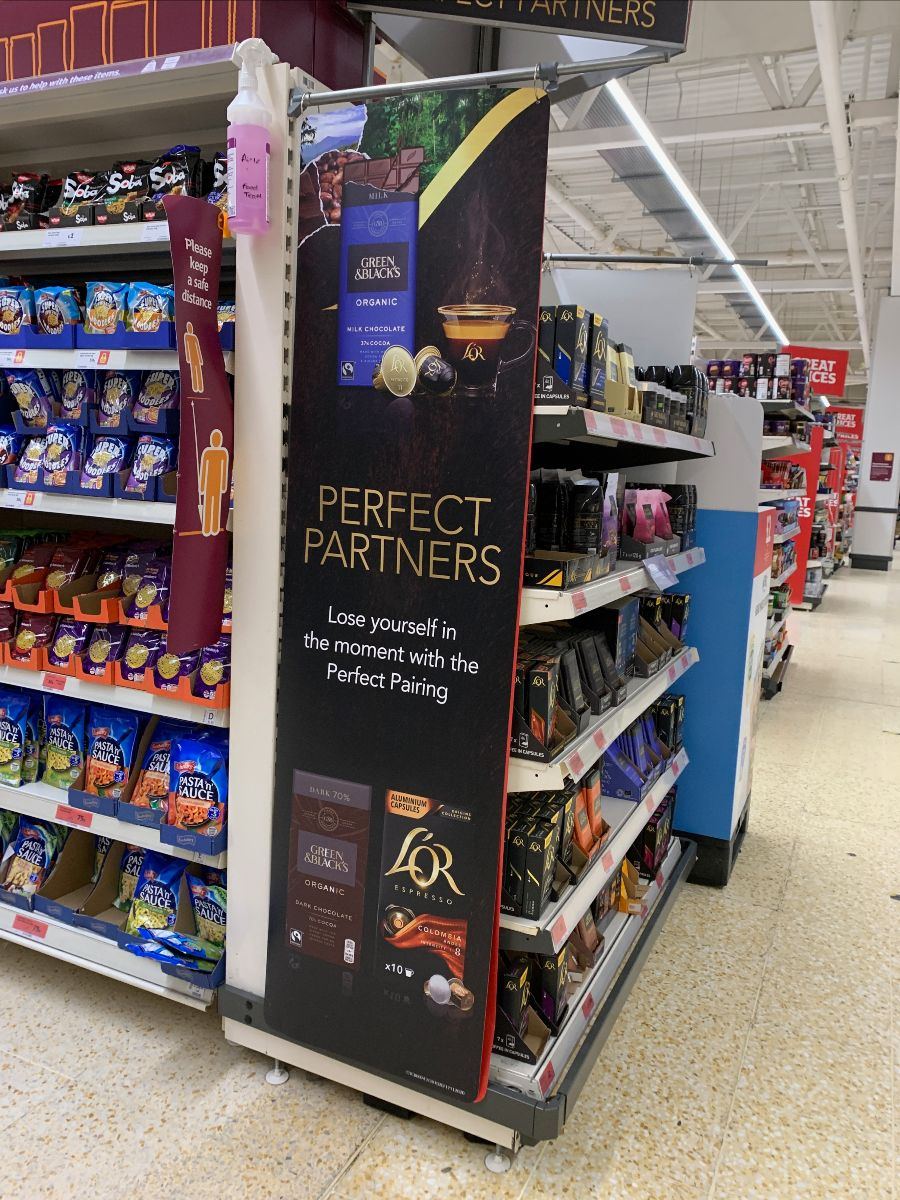
A key question when considering innovation is how new products get cut through in Sainsbury's. Clearly, customer perception is a challenge around innovation and what customers think about new products, they're happy with the quality but the innovation aspects are clearly a challenge.
Is it that Sainsbury's are not developing enough products within their own label? Is it that the suite of sub-brands hasn't been seen by customers to be equitable with Sainsbury's, rather the other sub-brands quality and brand. Alongside this, do the exclusive tie-ups (like Leon) take the limelight?
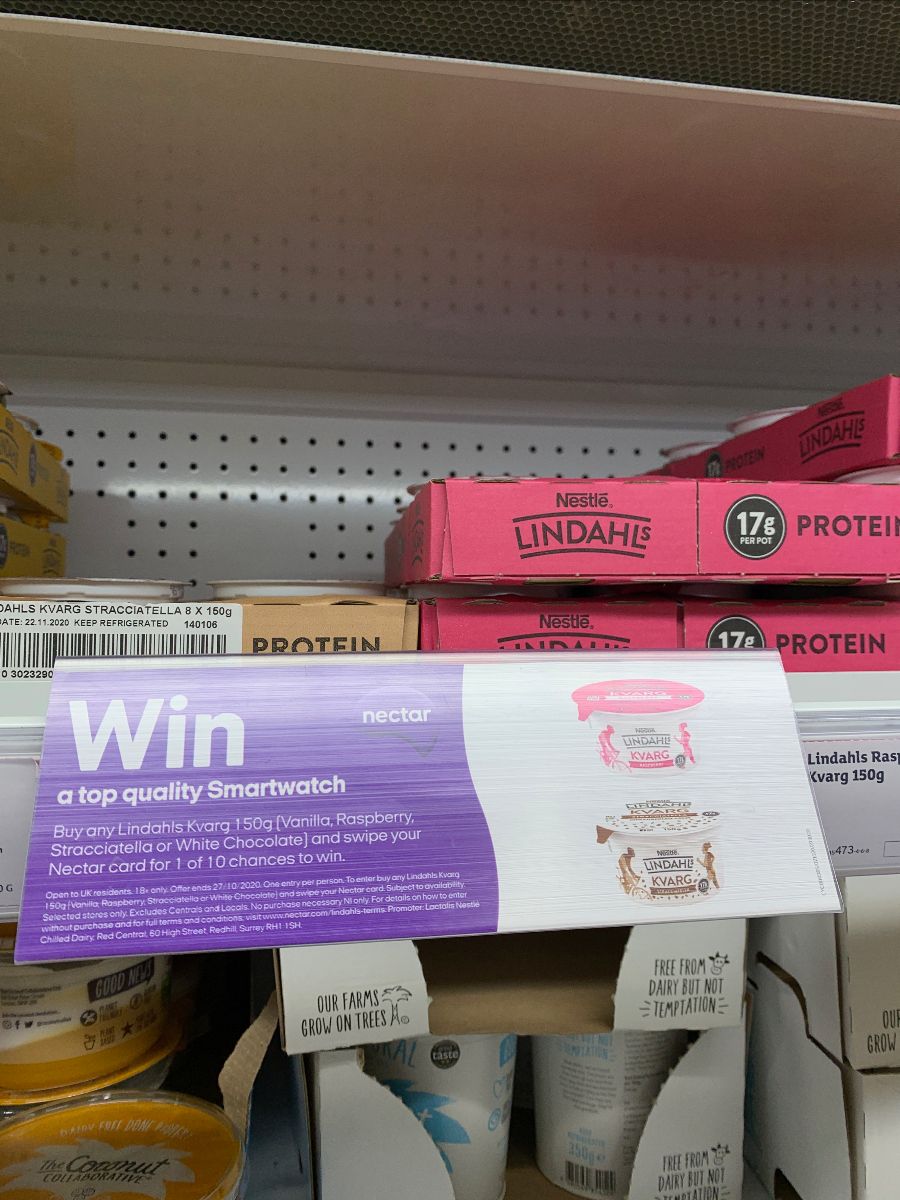
A combination of all manner of things one suspects, certainly the delivery at the shelf edge is everything. However, there has been a rise in commercial monies given over by suppliers to Sainsbury's, who were happy to oblige with space for branded units, ends and displays.
This is perfectly normal within the retail space of course, however one watches very closely given the rate in which this can appear around the stores. It's also representative of buyers/media teams who see the (£) signs then become over-reliant on the monies, filling a gap and meaning that income is generated for space.
However, this is, over time, addictive and starts to harm innovation and trading, with retailers becoming risk-averse, preferring certainty, with the commercial monies all but guaranteed if space is given over, or branded signage, or shippers etc. Where does it end?
Sainsbury's have taken a fair amount of commercial monies through their stores and whilst the monies have slowed this half-year (likely due to less of a spend from suppliers, alongside delayed Euro 2020 / Olympic games which would feature sizeable cheques for retailers) there is a trend for this to rise and the pointers for the Nectar partnerships shows this element is here to stay.
There's nothing wrong with this materially, loyalty is becoming ever more important with targeting via data aiding numerous efforts across retail. However, promotions via Nectar (a loyalty scheme) to customers who may not buy the product ordinarily is potentially confused..... The challenge is having the customers buy the product again and again of course.
Clearly, there are a few too many branded ends around the store that can detract from the core principles of retail and it's important income, assuming that it's balanced, measured and benefits the customer. Too much of it just doesn't do that......
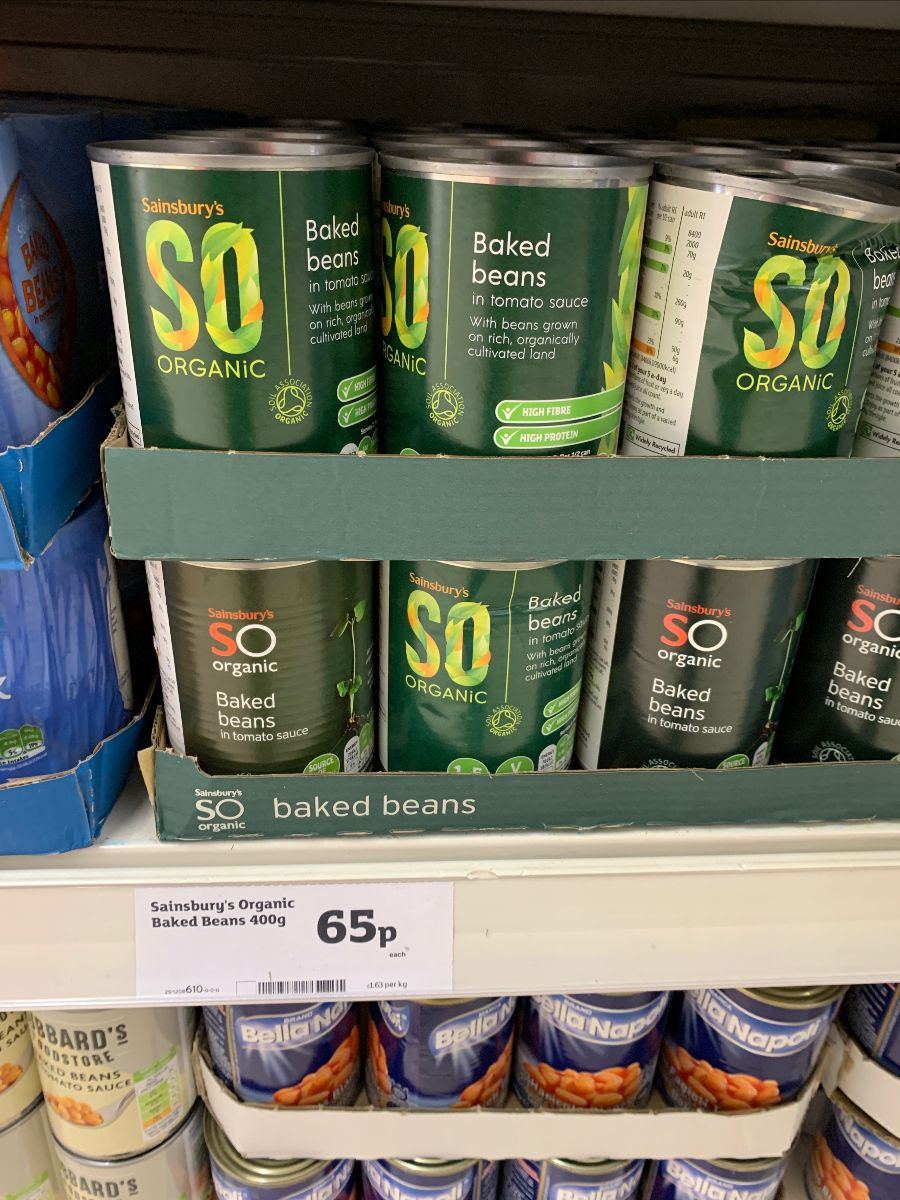
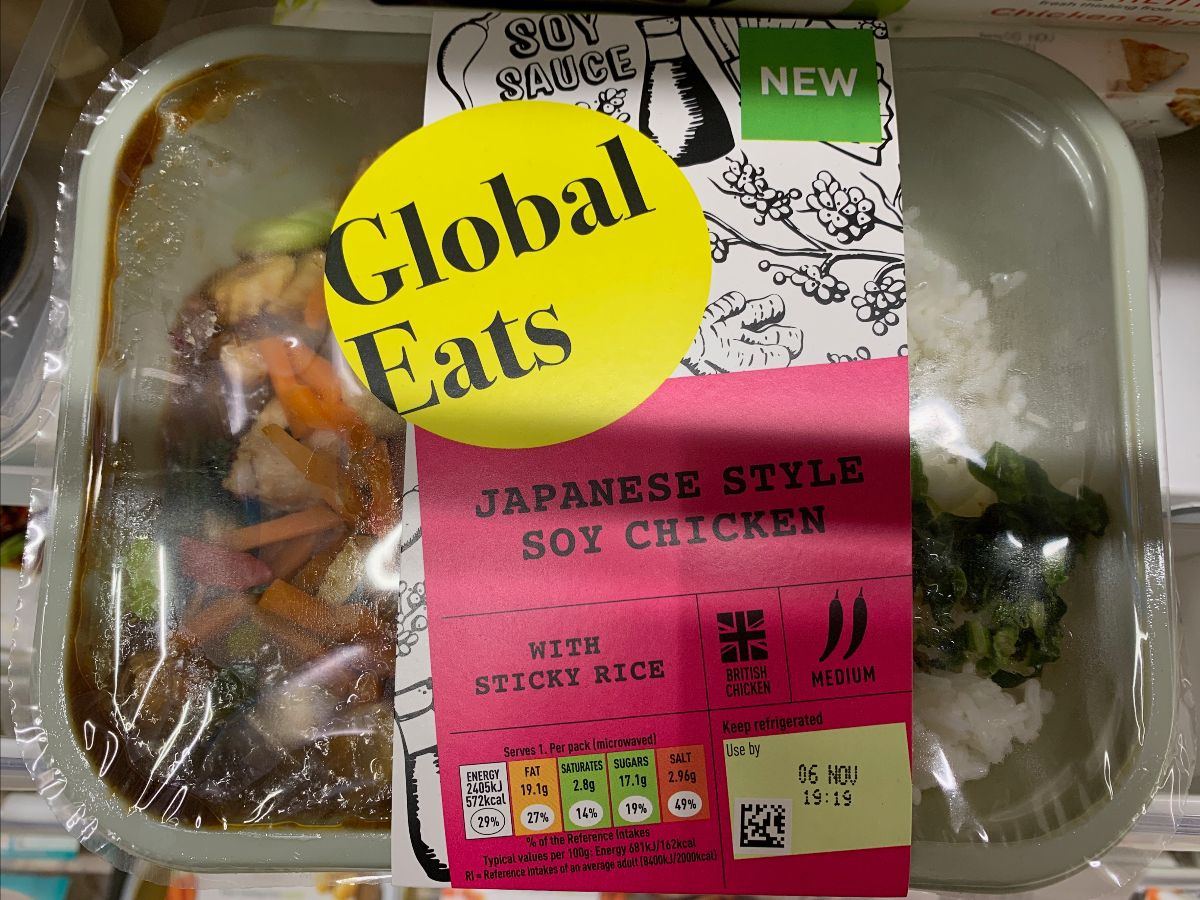
Own label developments will be keenly watched, of course, So Organic has been updated after a number of years, with the new look and feel noted on the shelf. Organic as a tier remains under-appreciated but I think a higher awareness of sustainability and food security means organic will become more important for customers.
Alongside their work on premium and updating the own label tiers, such as in ready meals (with the JS own label sub-brand, Global Eats featured here), the number of brands that have embarked upon tie-ups, either exclusive or otherwise does detract from the own label.
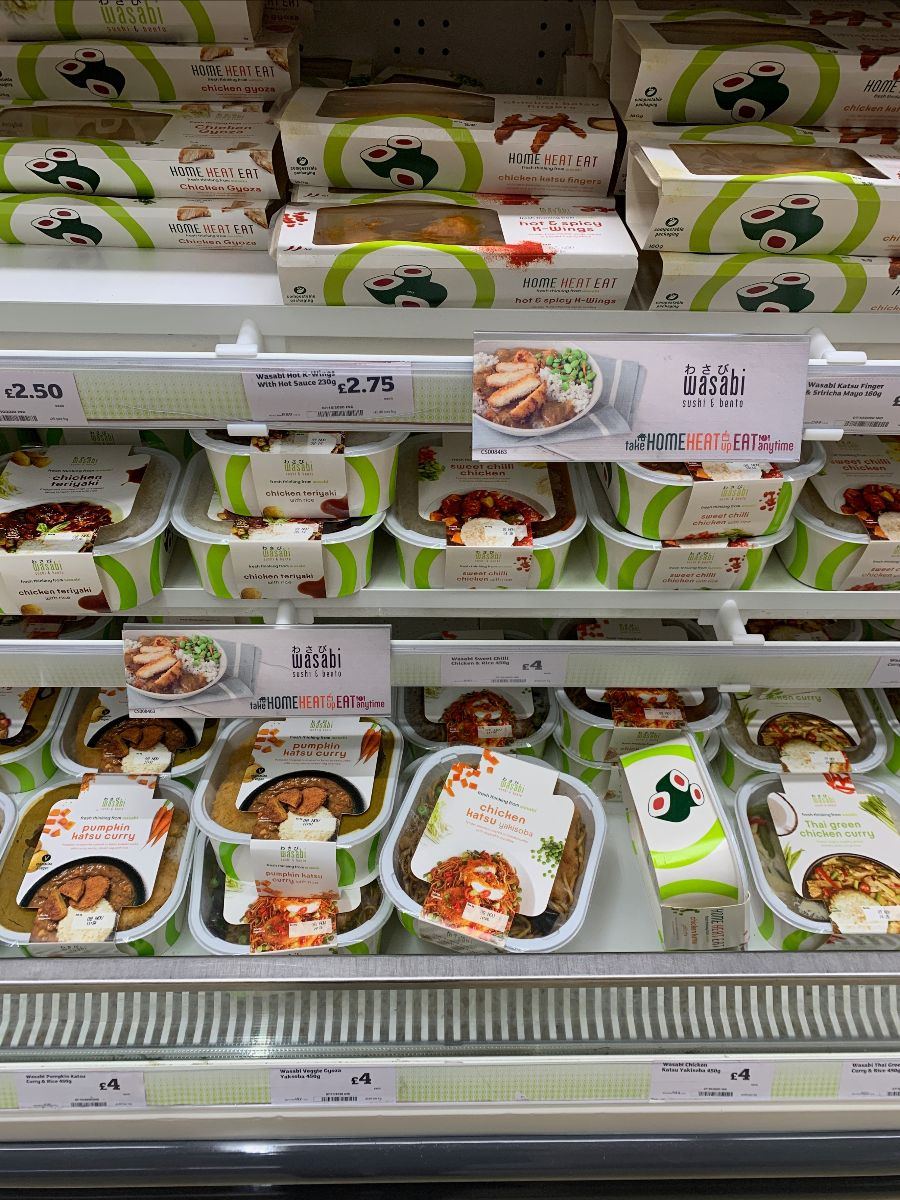
The Wasabi range is a good example of this, it stands out so well, strong branding, but isn't a JS brand as we know......
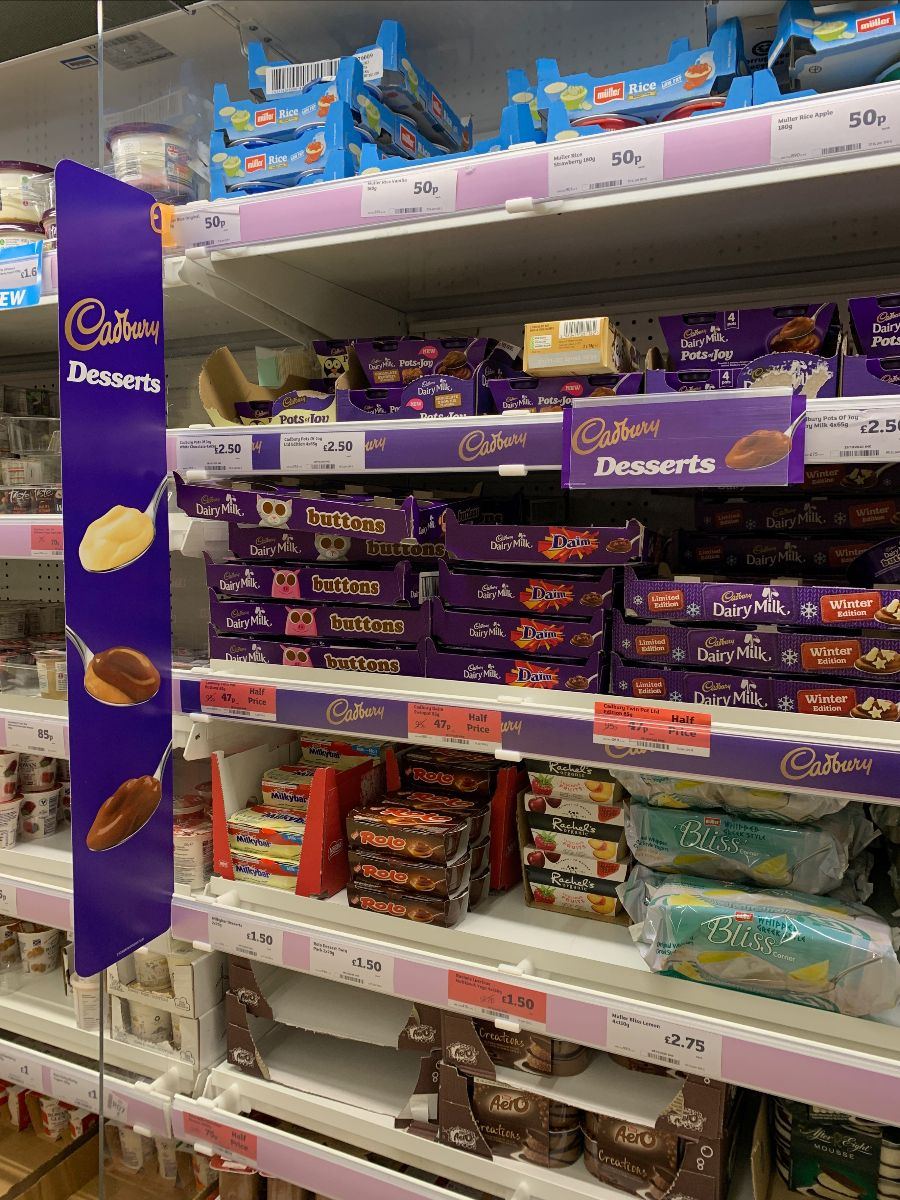
For all the commercial signage benefits and cases one can argue, I am very rarely a fan of it, retail is full of unknowns, so it makes sense that certainty is found where it can be, IE in terms of savings, anyone can calculate money saved by cutting X hours from a store for example.
However it's far harder to show what an investment will deliver, it's one of life's great unknowns of course. In the same way that sales are uncertain, range work is uncertain and how things are received by consumers is also entirely unknown, how will stores implement your well-intentioned planogram for example?
In the same way that commercial monies are guaranteed, it's monies from a supplier for signage, a deal or similar. Banked. However, where does one stop? In the examples above, we're about 3 stops where the 'end of the line' should be. It's purely branded advertising, nothing more, nothing less.
Not strategical, not customer-focused and not focused on their own label, unfortunately. Is this why the innovation and the new lines are perhaps not getting the recognition from the customers? Stores are just too noisy with branded signage, simply drowning out any other messaging?
To subscribe to this service and benefit from our expertise
From the Grocery Insight newsletter archive, first sent to subscribers on 11 November 2020. Steve now writes at read.groceryinsight.com. See also the blog archive and briefings.