Sainsbury's Q1
3 July 2020
To visit Belle's JustGiving page
The Bulletin - Sainsbury's Q1 2020
Another day, another quarterly update and Sainsbury's this week who provide a return to hugely positive like for like figures that we all thought had long gone, sadly, a global pandemic, lockdown and all that goes with it was the thing to bring them back. The challenge for Sainsbury's, like Tesco and indeed Morrisons and Asda is whether the growth in sales will keep pace once social distancing and the like stop being a part of things for the UK at large.
As we have covered, discounters and their smaller stores do suffer with social distancing and that means, fewer customers in the store and the negative perception of a queue outside the store (for people who are open to shopping elsewhere). However, for some customers, the queue is a sign of security and safety if they are a real loyalist to a discounter, or indeed, any retailer.
The biggest issue is where a customer visits a store and goes inside and finds near carnage, no social distancing, no one on the door and too many customers inside. That is arguably the worst situation a retailer could find itself in now, with safety being such a huge consideration for customers, whereas 6 months ago, it would have been nowhere on the customer radar when shopping.
One can only point to anecdotal evidence alongside first-hand perspectives, but Lidl has had no one on the door of stores when I've driven past recently (including a busy store in Lancashire, whereas Aldi, opposite, did). There are stories of other retailers getting it wrong as well, but the balance is there to be struck.
For Sainsbury's, my perspective alongside others is that they've been very, very strict with their management of things and have always counted people in and out and certainly, it feels safe inside with lots of signage, clean and clear aisles and tannoy announcements to inform customers of what's going on and to be aware etc.
The stories one colleague told me about customers shoving their trolley into her, swearing and being abusive in the weeks before the lockdown was grim, and there are stories to be told like that, across the nation no doubt. It's a stark reminder that people who were designated key workers are just that. On the frontline, the business has protected them with checkout screens and other devices but there is only so much you can do when dealing with the general public, customers or not. No one deserves or should put up with, abuse from anyone.
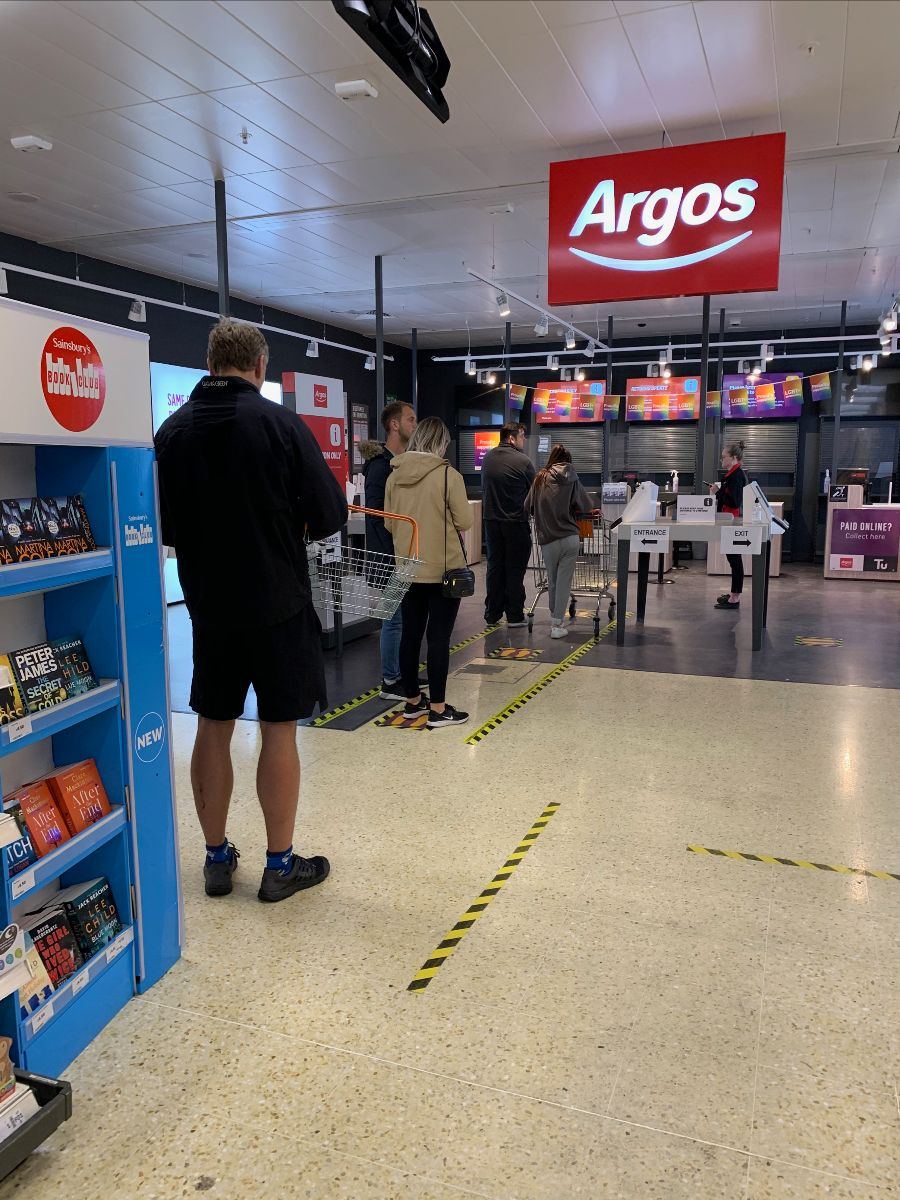
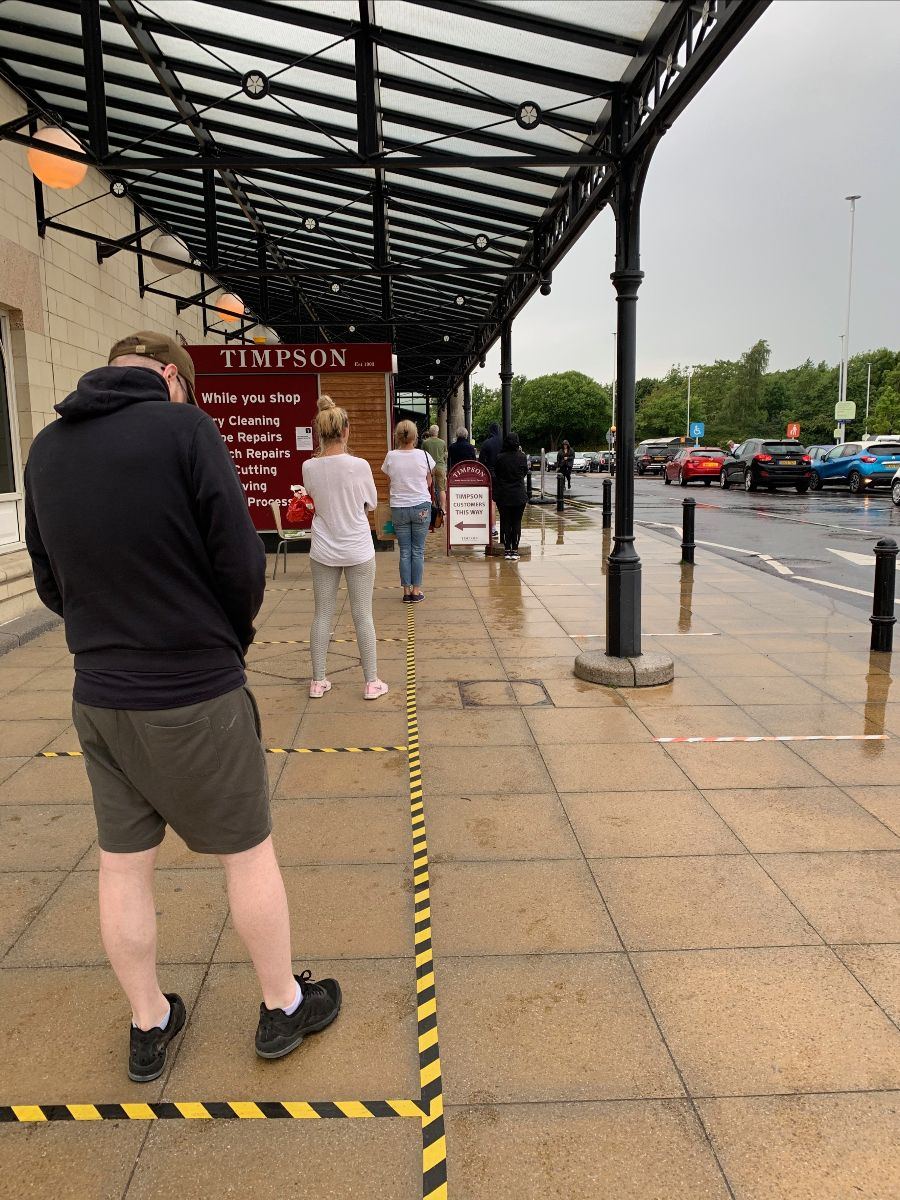
The lockdown and weeks after it meant that events like Easter and Father's Day to a large extent were lost in the calendar amidst general availability issues in numerous areas and concerns over essential purchases. As a result, lots of new lines, general activity on ranges and promotions were lost too. There is a sizeable gap now for retailers with the absence of commercial monies for large events like Euro 2020 and indeed, the Olympics which are postponed to next year.
But new ranges were unable to launch, or change at the height of the crisis due to colleague time being prioritised in other areas like filling shelves and depots were overrun with stock that needed to get to stores, but as things settle a little, we are starting to see some of the work and campaigns filter through.
Sainsbury's have worked hard on price for a number of years and were the first to abandon multibuys (followed to a point by others but not a 'rule' as Sainsbury's implemented) and indeed remove the hi/lo element of dishwasher tablets going to £16, only to be cut to £8 in a promotion that was 'half price'.
Work on own label followed and some of that, down the track, has followed Tesco, especially around layouts and priority in bays. Perhaps Sainsbury's have been over-reliant on commercial monies (Nectar campaigns and notably higher revenue streams from marketing spend) but broadly, they're a consistently priced operator.
Price Lockdown, far from being a tool to highlight that prices would rise after 8 weeks, has actually turned into another tool to offer price stability and this resonates with customers who want stable prices, they don't want prices to be up and down like a yo-yo, nor do they necessarily want to trade across brands based on what is on deal. Whereas, as we have discussed previously, discounters do well because if you spend £80 on the same items every week, then it'll be roughly £80 on your shopping each week, give or take pence.
For their results, Sainsbury's pointed to lower prices on a number of products (indeed, we have seen prices drop on the Tesco value brand products versus Aldi) and there has been a degree of work in other areas too, including Price Lock to remain competitive.
Like for like number was on par with others but includes VAT of course, where Argos naturally, have a lot of their lines with VAT included due to their nature, interestingly, the closed Argos stores (standalone sites) were included in the number to drag it down. Had they not been, the like for like would have been up at 19%, demonstrating the growth.
Clothing was poor, as expected, no one buys nice clothes to sit at home and bar the kids growing, no one else needed to buy clothes. This coincided with the 'buy' for Summer arriving in stores and the hope is, that holidays will occur so people will get out and spend on holiday clothes.
As is now the case for 2020 and beyond, with the 4-5 years progress in 3 months for online. Digital sales doubled, huge growth in online, click and collect popping up all over the country and digital sales more than doubling (helped by lockdown with Argos in the mix).
Online was +87% (crazy) and the fulfilment legs, if click and collect is taking a proportion of that, will be stronger than if it was all delivered. The labour to pick and pack the product is notable though, and still has to be accounted for. A huge number of customers were new to the chain and if those customers are impressed enough, they'll remain with the chain. The challenge is, keeping them happy.
Even Chop Chop, the rapid delivery service which launched then died a death almost gained in popularity with 1 city growing to 15 cities where the service was present, delivering groceries in record speed. Another example of just how fast food retail moves.
The Scan&Shop service is interesting as growth was seen as it eliminates the need for interaction at the front end (IE no checkout scanning, bar checks / tagged items / any issues) and you go on your way. Stores have had someone manning the area to encourage customers to sign up and presumably, the data then flows based on the customer purchases. Interestingly, some stores hit over 50% and this is notable because it can lead to checkouts being removed that are manned if people are doing their own scanning.
This leads to a lower cost to serve, of course, Asda has embarked on a similar strategy and have been rolling that to stores for a few years now, Tesco is also established in this area, of course, now aided by the pandemic, it seems Sainsbury's have converted shoppers as well.
Walmart has opened a store near their head office in the US, trialling only self-service checkouts, no manned front end, at all. That will be interesting to watch as they had scan&shop but seemingly removed it, and were unsure on self-checkout due to the impact on shrinkage (of course, last mover advantage means you learn, implement quickly, but can see the costs of doing, or not doing, clearly as well).
Another point was the difference between Tesco Express and Sainsbury's Local in results, convenience for Tesco performed well with a strong positive number, however, Sainsbury's with a greater leaning towards city-centre locations and transport hubs as well were -5%; neighbourhood locations performed well to offset the decline but it's a difficult one.
You wouldn't build an estate of stores based on a pandemic situation, things will recover as workers return but how quickly that will be, remains to be seen. The rents are not cheap in central locations either, but the drag will not be long-winded and they are probably, over the worst of that.
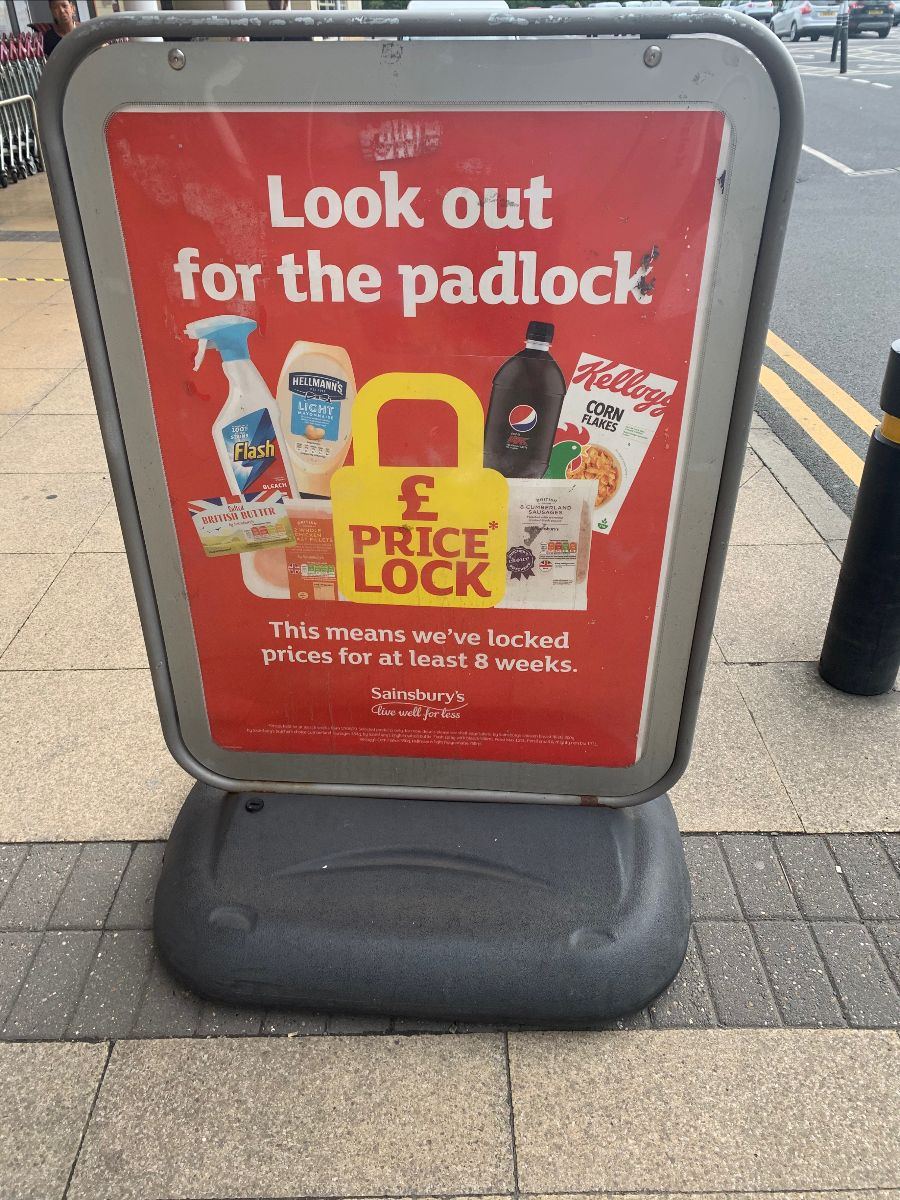
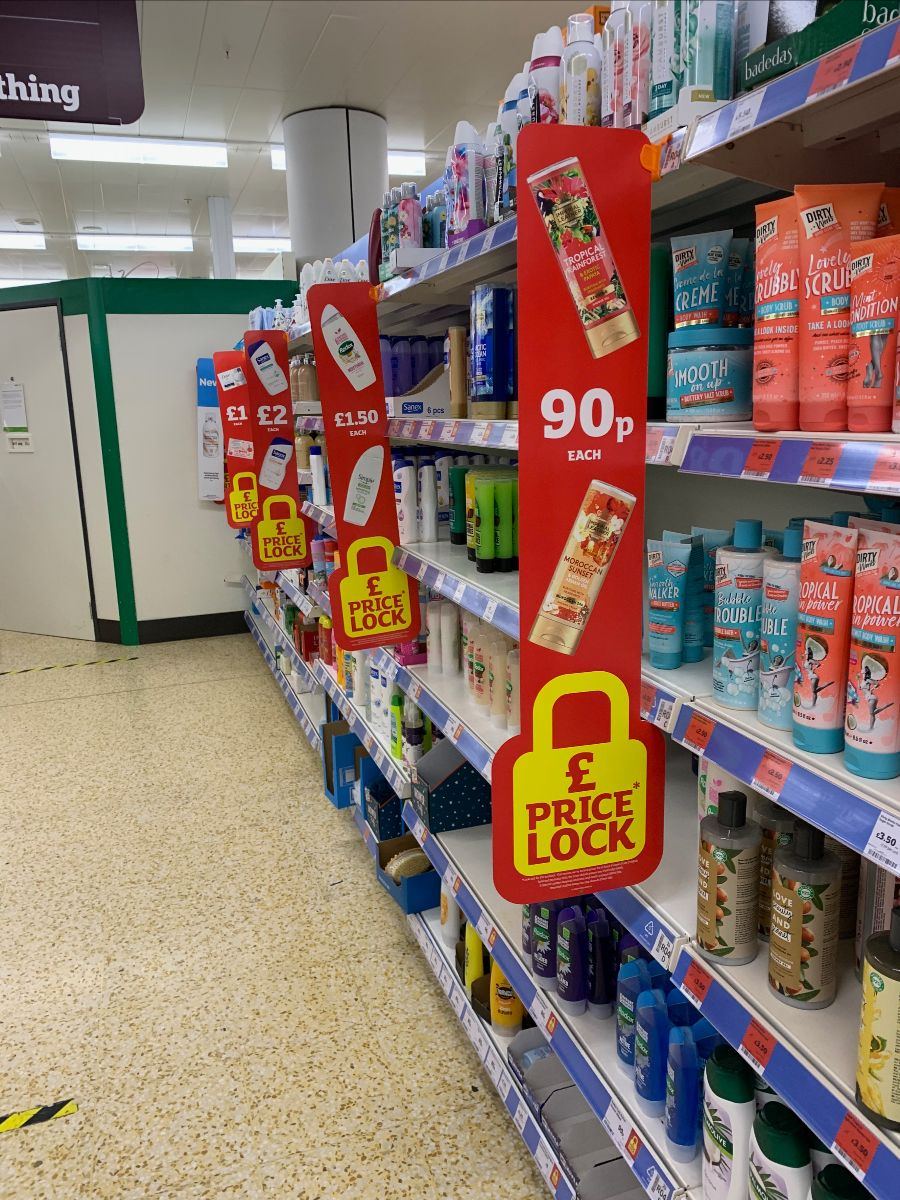
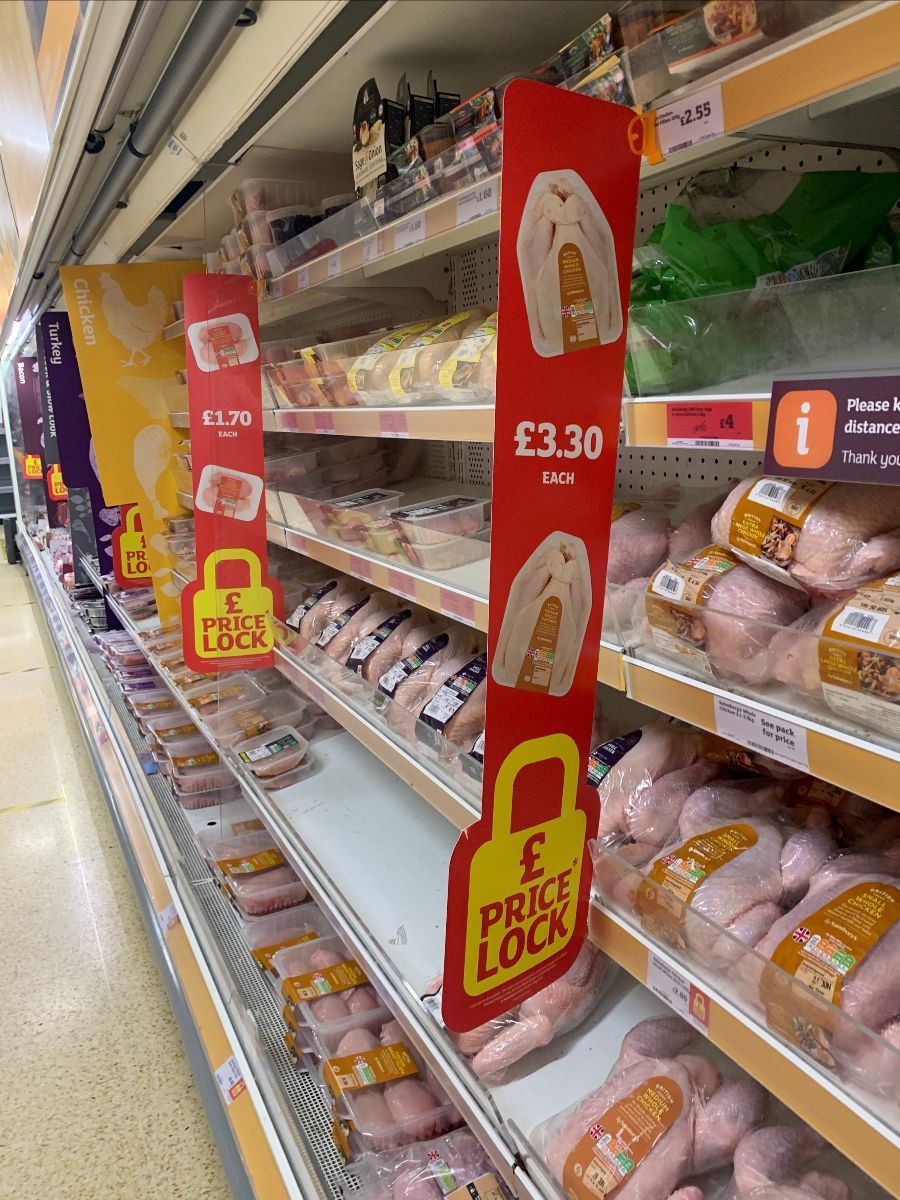
Examples of the price lock in-store; this also ran at a pandemic time with various products flagged as not rising. Post price lock (8 weeks) the prices can rise once more, but where stores have left signage up, accidentally, next to the product as the cycle ends. The rise has been 10p/20p at most.
It provides a level of price security for customers on key lines and allows the business to react seasonally too, relevant products can be featured to drive sales. A number of brands are included as well around the store which aids the value perception and also keeps the marketing money flowing too.
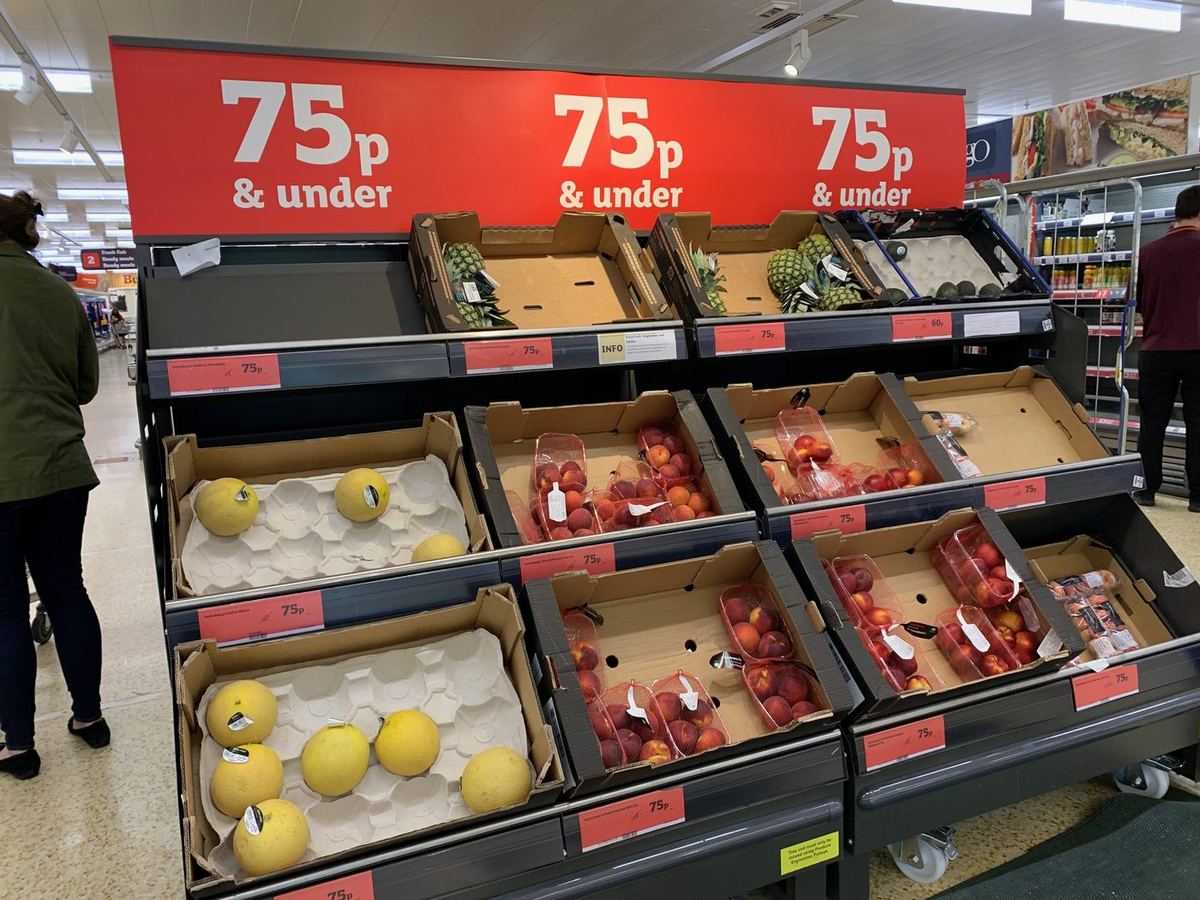
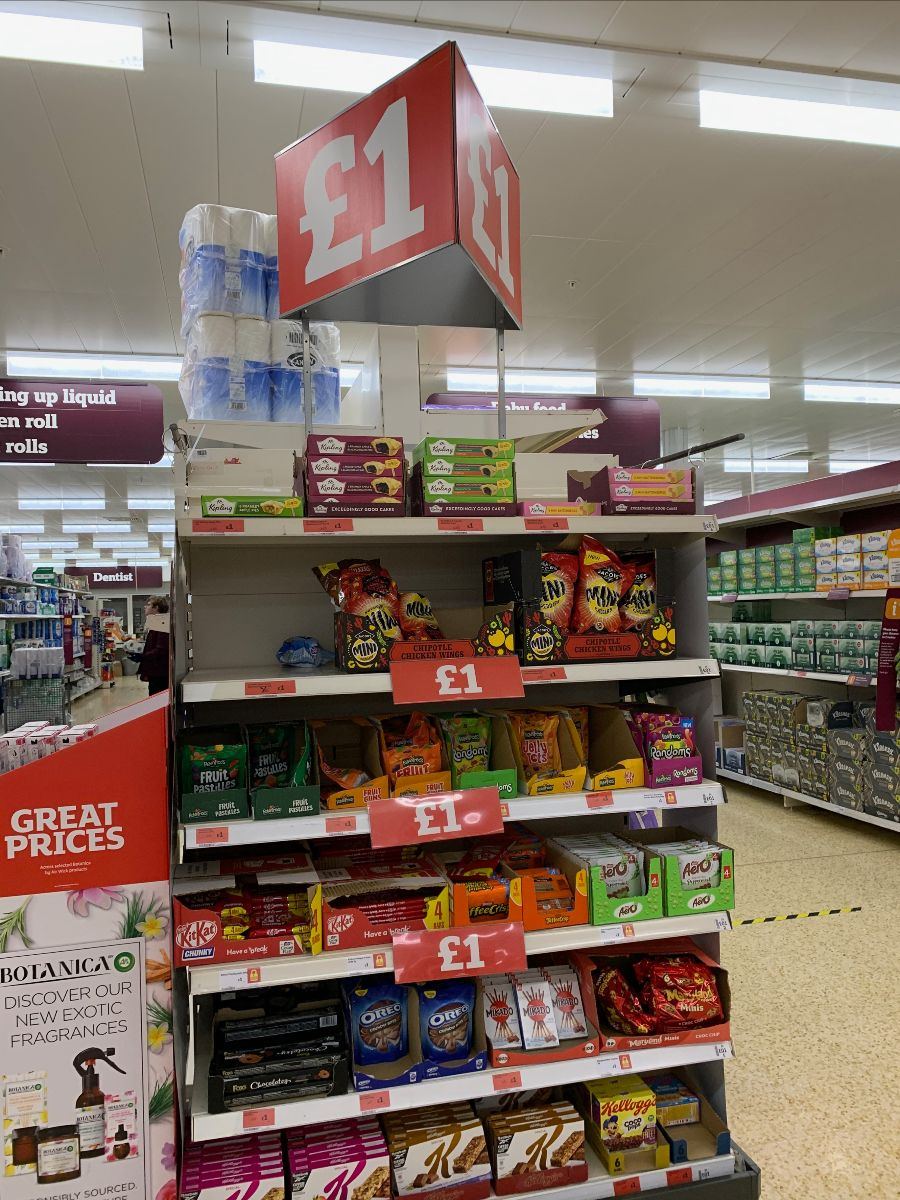
To enhance value, promotions remain key and whilst EDLP is to be aimed for, promotions remain important. Especially when you consider discounter growth in areas like ambient food and their 'B&M' inspired deals that continue to appear, growing their range, albeit on a special buys basis.
The ends in Sainsbury's are not all price-based, but more are these days, they did use to say they'd not need to do price based ends and could focus on missions, which is fine, but the reality is 'why not do both'? The fruit and veg price end is notable as it reflects on periodic price based activity at Morrisons and M&S notably alongside Tesco of course too.
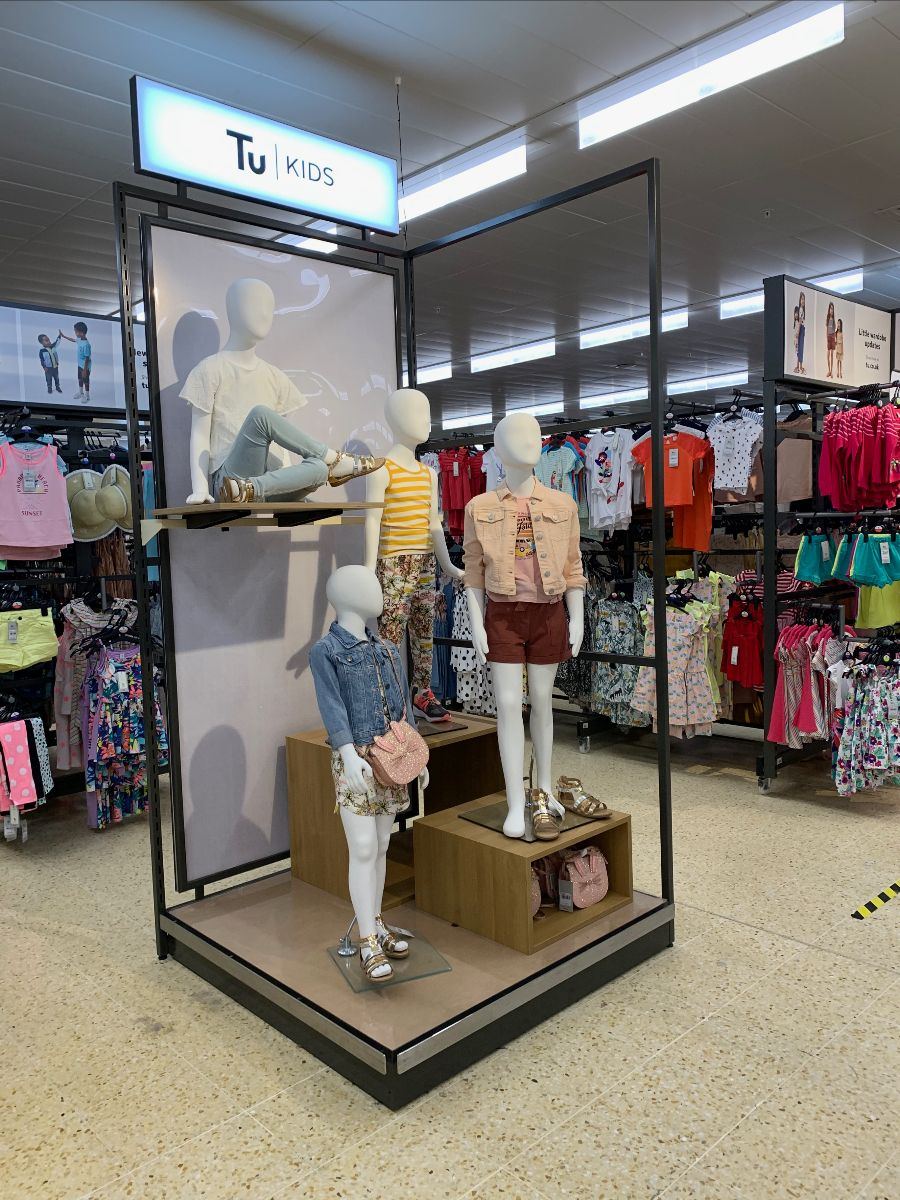
A nod for Argos who did very well in the pandemic and their mix is all-important. If it's all Nintendo Switches and TV's then the margins won't be great but for non-food, Summer based toys (we had hot weather in both April and May) alongside home furniture etc then it'll be better.
The move to get Argos into the non-food ranges in Sainsbury's is often confusing, standing 10m from an Argos implant whilst looking at Argos furniture in the GM aisles in Sainsbury's is needlessly complex and shouldn't happen. I felt the work at Selly Oak in non-food, trying to merge Sainsbury's Home and the Argos brand into fixture was clumsy, if anything, harming the value perception and making things less clear.
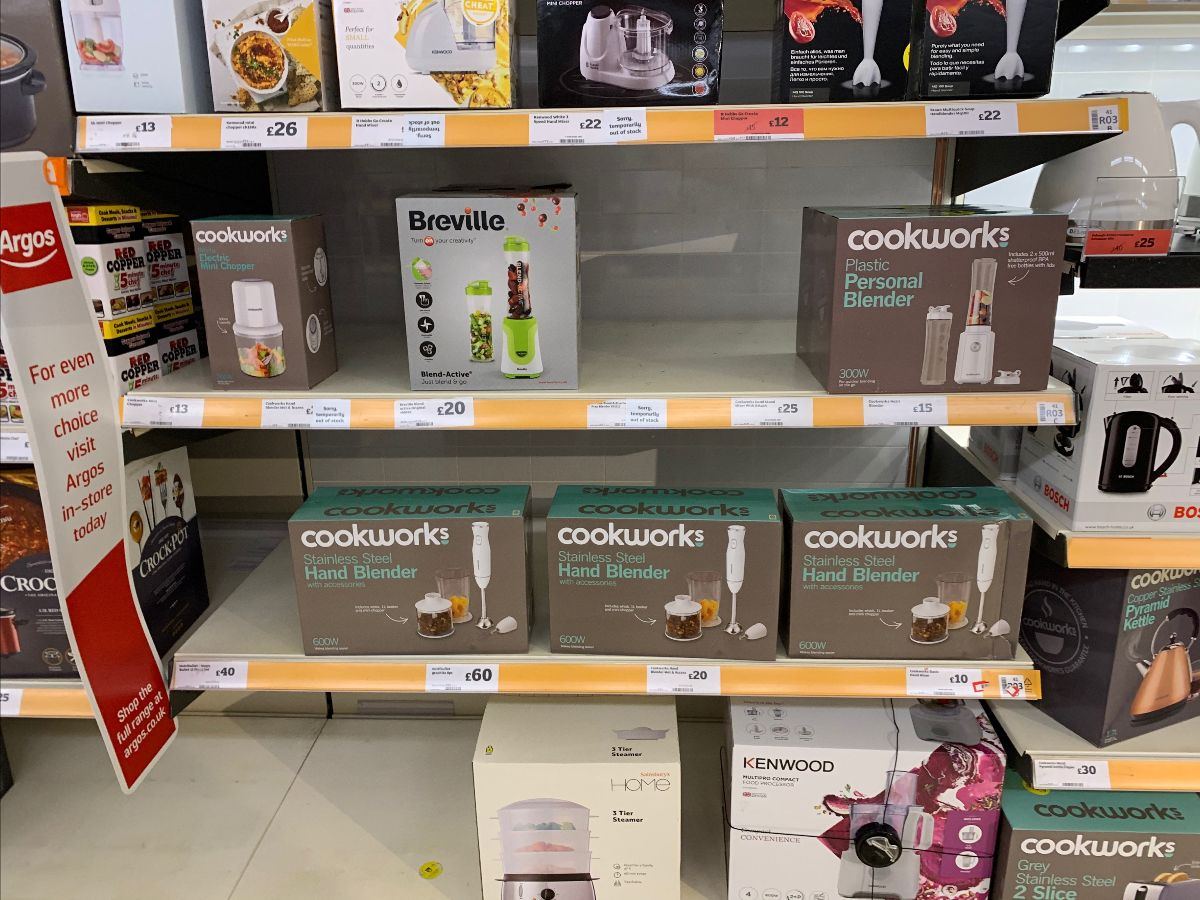
However Cookworks in the appliances range makes sense, this is an Argos brand and has been 'tarted' up somewhat to make it stand out on the shelf, gaining a greater share in this category aids the margin and makes perfect sense.
Nothing materially wrong with Clothing either, their work in refitted stores is softer and more 'clothing specialist' than 'supermarket retailer also selling clothes', however, the pandemic has trashed any form of strategy, or hope this year really. There's some decent work in the ranges and price points are often strong so it's a case of riding the wave and continuing apace here.
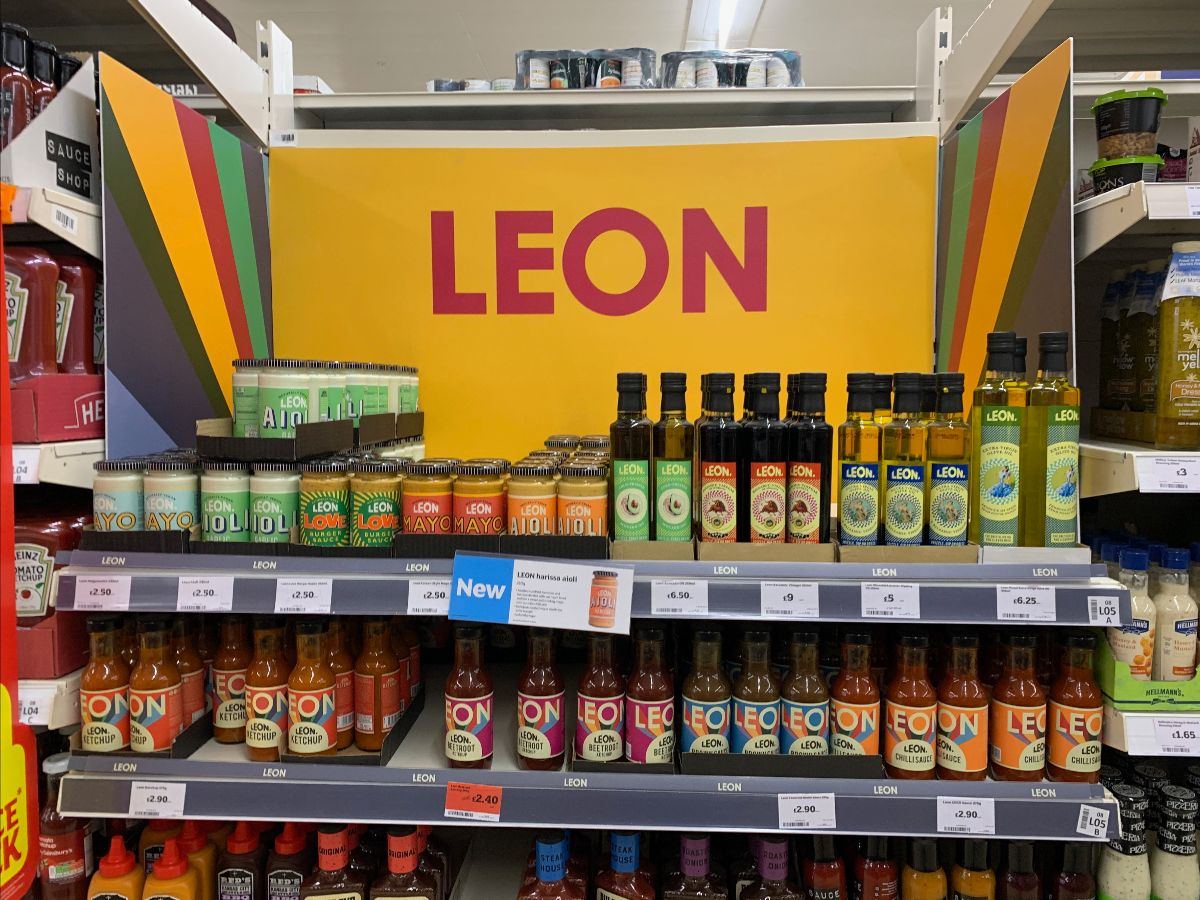
Leon is one of many brands that have appeared on shelf in store as part of the Sainsbury's strategy to bring brands and other little known suppliers in. The half bay works well and stands out for customers and it's another reason to visit the chain, if not that, then it'll likely drive decent incremental purchases for fans of Leon.
The strategy in other areas is questionable, high priced items with little brand equity and somewhat confusing messaging. But for Leon, great work.
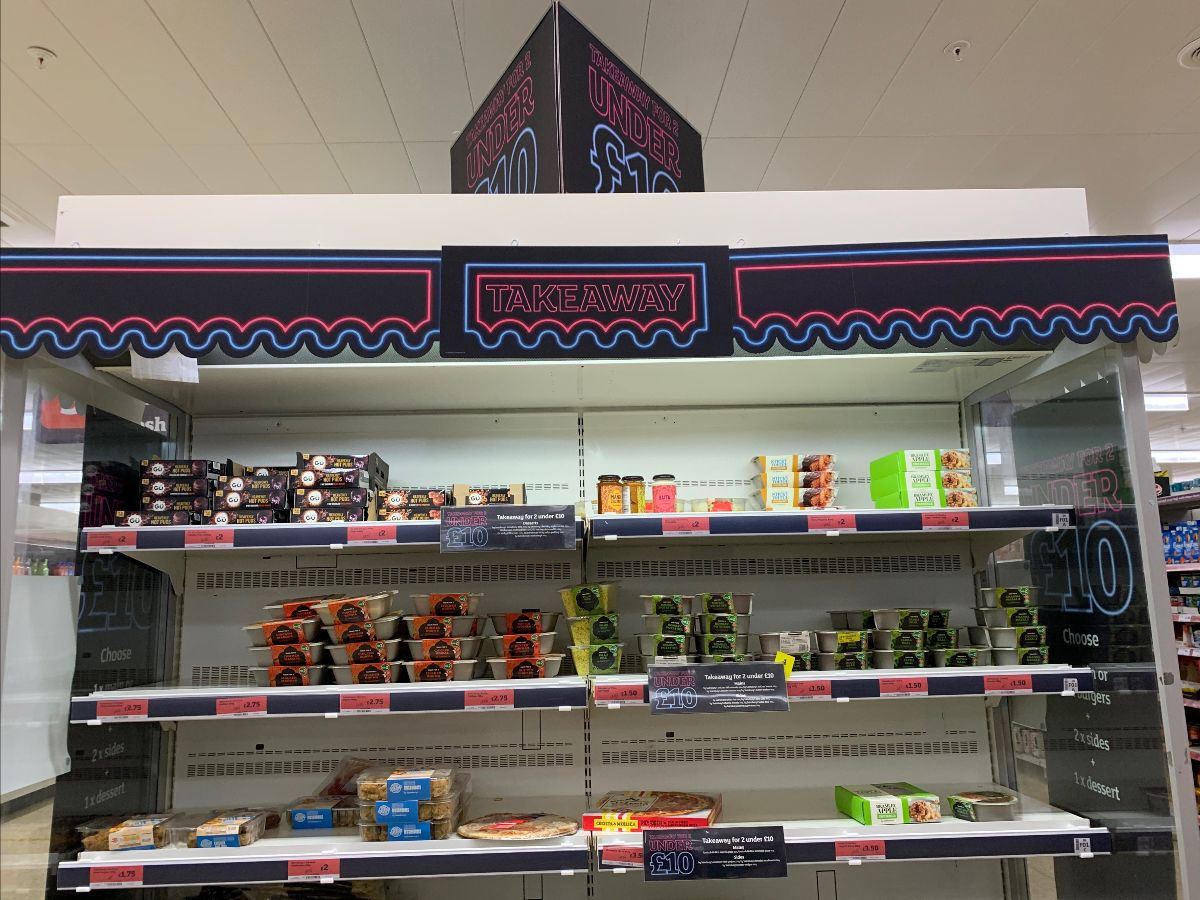
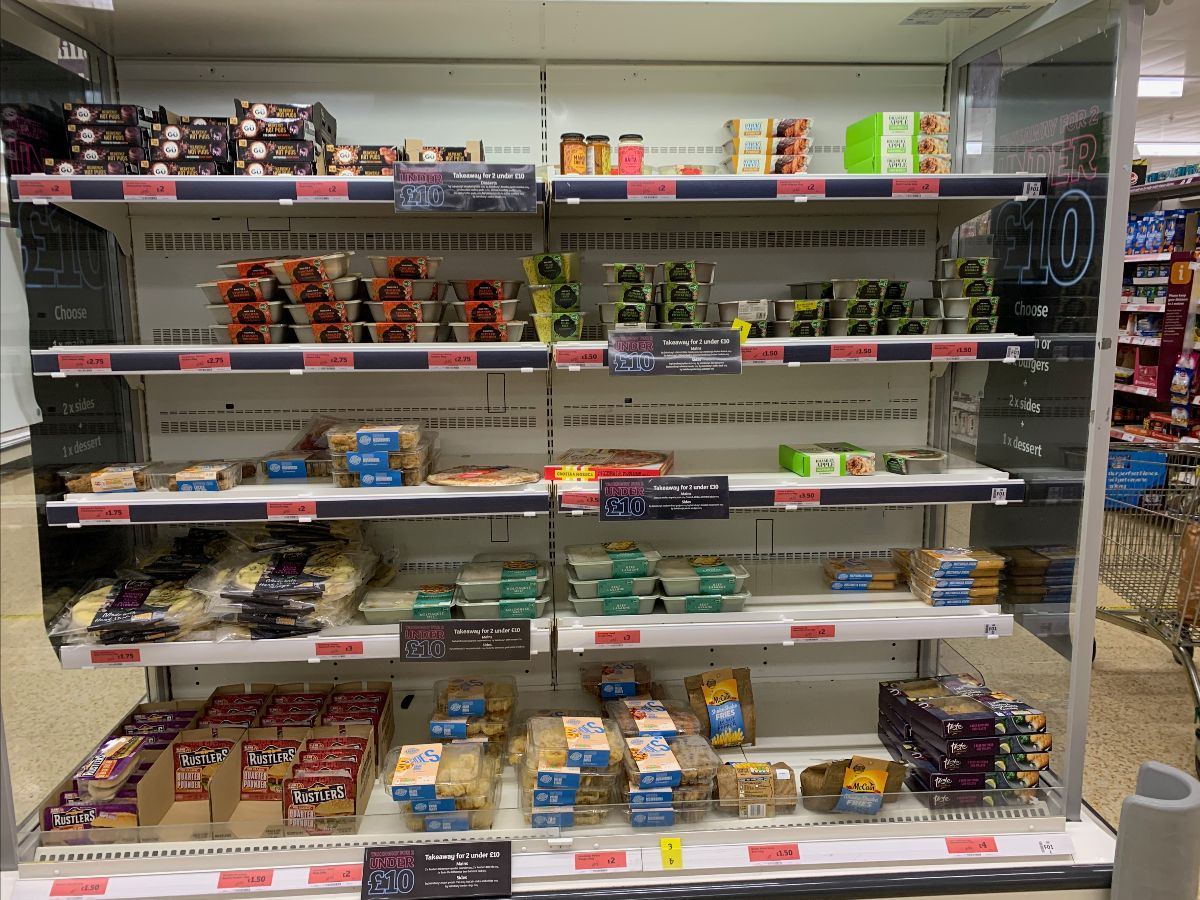
This end returned last week in fresh foods and it's perhaps the challenge when not doing multibuys; ends where items make up to £10 or less even, are very hard to execute, requiring customers to potentially stand and read, which in the current climate, they don't want to do.
The basic premise is that you can get a takeaway based meal for £10, or less, because the products that make up the takeaway add up to £10, or less, when buying one form each shelf, or however the offer is built up.
But the lack of a multibuy means the customer has to work this out, it's a nice idea, but ends up being overly confusing for me.
Also entirely questionable whether Tasters (microwaveable burgers) have any business forming part of such an end.
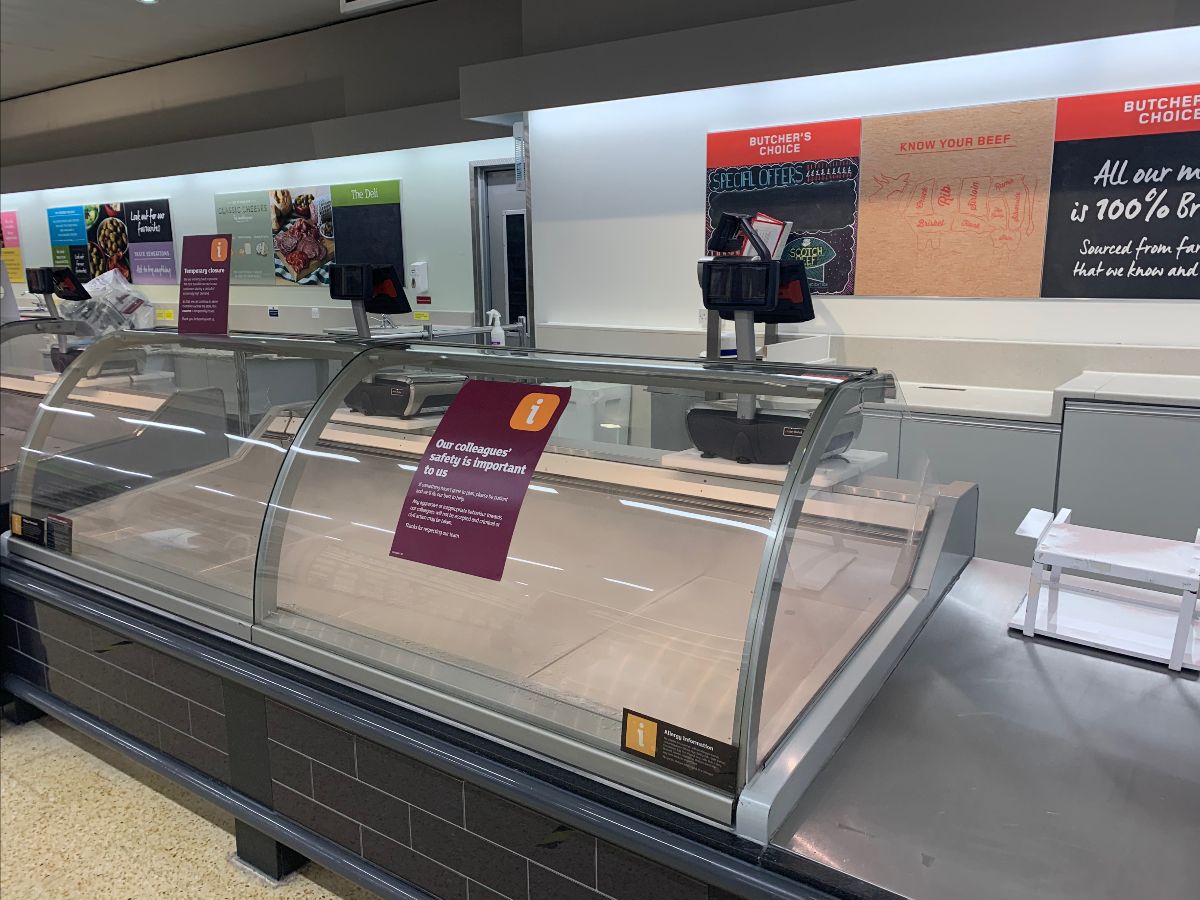
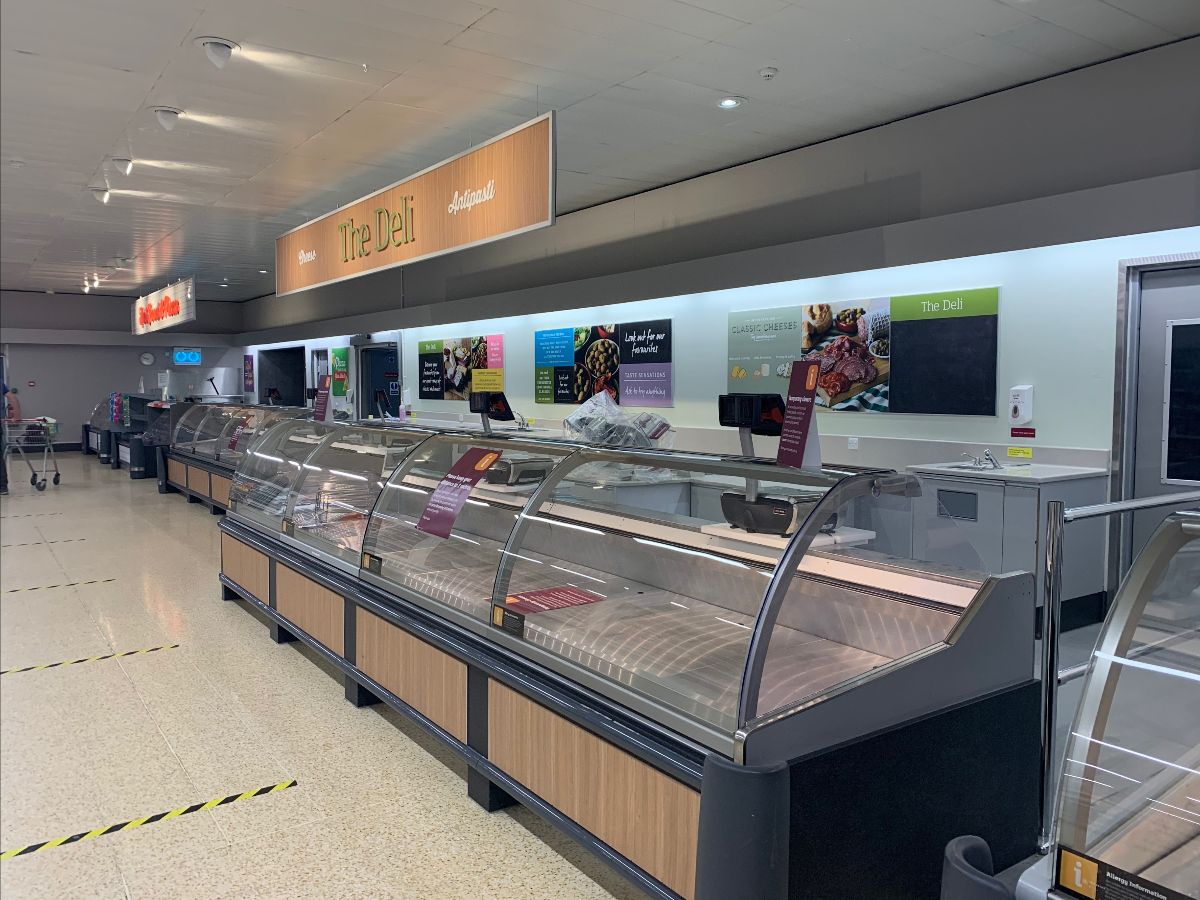
I noted that Sainsbury's said their Pizza counters were reopening, assuming the equivalent offer was unavailable in-aisle, and Sushi bars (3rd party) have also reopened in some cases.
But for other counters, there is no news. The entire counter operation was closed in pandemic season and quite rightly so, given the need for social distancing, customers having to stand and wait and the plethora of issues around open food, contamination and confusion over what was/wasn't correct to do.
Not just that, but let's remember the need to fill the shelves and all hands to be on deck, the counters were simply a complexity that no one needed.
Morrisons and Waitrose closed theirs (although both have reopened in various guises since then), Tesco had closed most of theirs permanently in 2019 and Asda announced a similar decision (bar Pizza) to close their offering and focus on 3rd party partnerships, like with Greggs(!)
It's difficult to know which way they'll go with it, the counter offering in Sainsbury's is broadly 'ok' with some areas better than others. The stores where trade is quieter, the defensive nature of any chain is to pull back on fresh stock being sent in, which then forms that chicken and egg scenario of 'not enough stock = poor sales but enough stock = losses are too high.
You can never drive sales without stock, but too much stock means the numbers become worse, as sales almost never catch up, or indeed, no one holds the line with the losses for long enough.
So the weaker stores end up with a counter that looks 1/4 full, at all times and customers are coached out of going to visit the counter, thus trade dissipates further. With the price activity in the aisle (especially in Tesco) versus discounters, the equivalent product (although not freshly cut) is often far cheaper so customers have even less of a reason to visit the counters.
The costs are significant given the counters have to be manned, standards have to be maintained and routines adhered to, in addition, the complexity of ordering product (full joints of Ham e.g.) and then accounting for that in-store (with waste/reductions) becomes cumbersome and additionally, these products have to be sourced, just for the counter and distributed with pre-packaged products as well.
So it's hard to make a case for these to return in their fullest form; perhaps a tiered approach based on store trade and specific days of opening (although that isn't without issue) in quieter stores, or a modified offer even as things return to normal is possible.
The biggest element is whether customers want to shop at a counter with the concerns over germs, handwashing and contamination possibilities with Covid19 (still entirely unclear). As ever, follow the customer! From a numbers point, and as Simon Roberts is new in the position, it may be a never to be repeated opportunity to close some counters and modify this offering.
For Morrisons, counters are a significant part of their offer with all the craft and skill that goes with it, so it's entirely appropriate that theirs have reopened and the point of difference is there to be exploited, as counters have a key part to play. Especially with the counter 'feeding' the aisle itself and the various differences in the offer at Morrisons.
Waitrose has a stronger offering and whilst they are making some changes (serve over Cheese for example) their customer is more open to a counter and all that goes with that offering, plus they wrap their loyalty scheme and instant discounts in with the counter trade too.
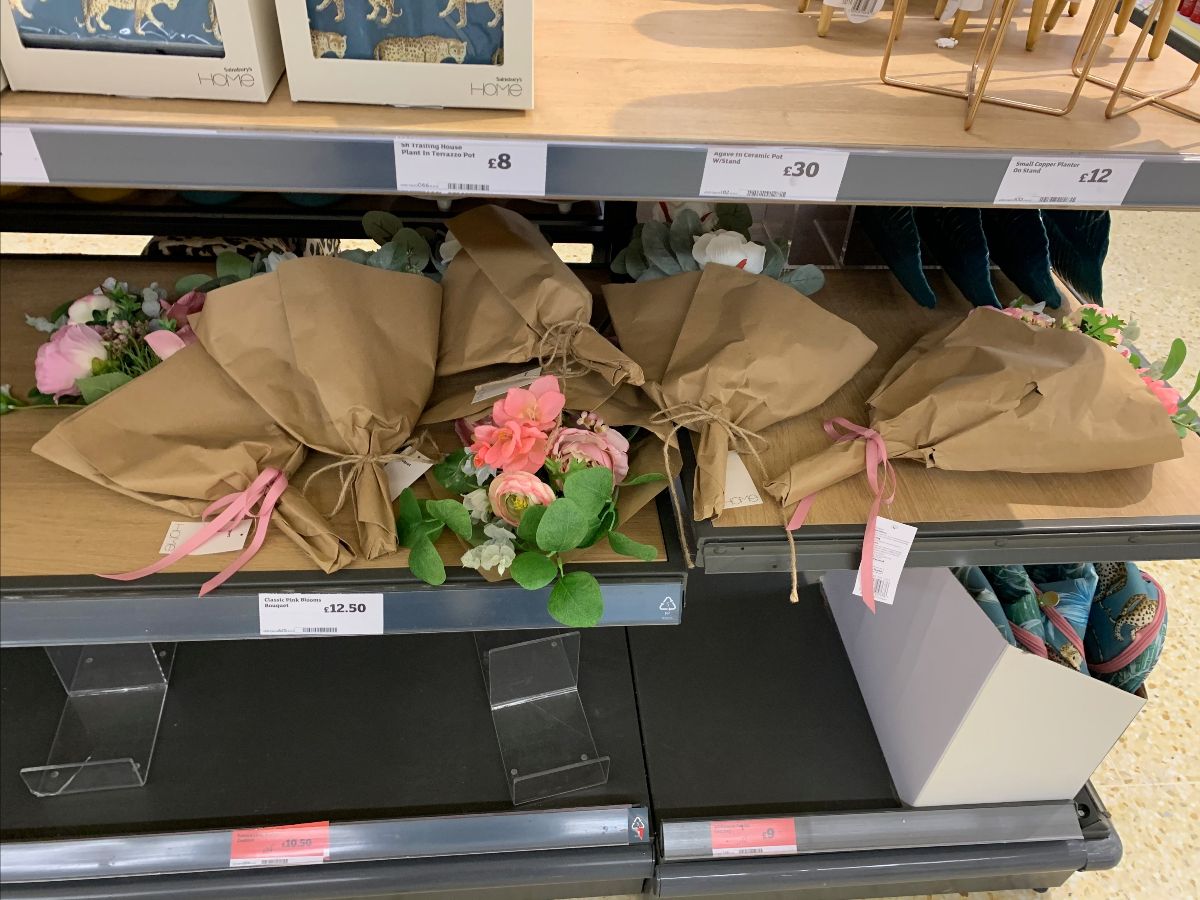
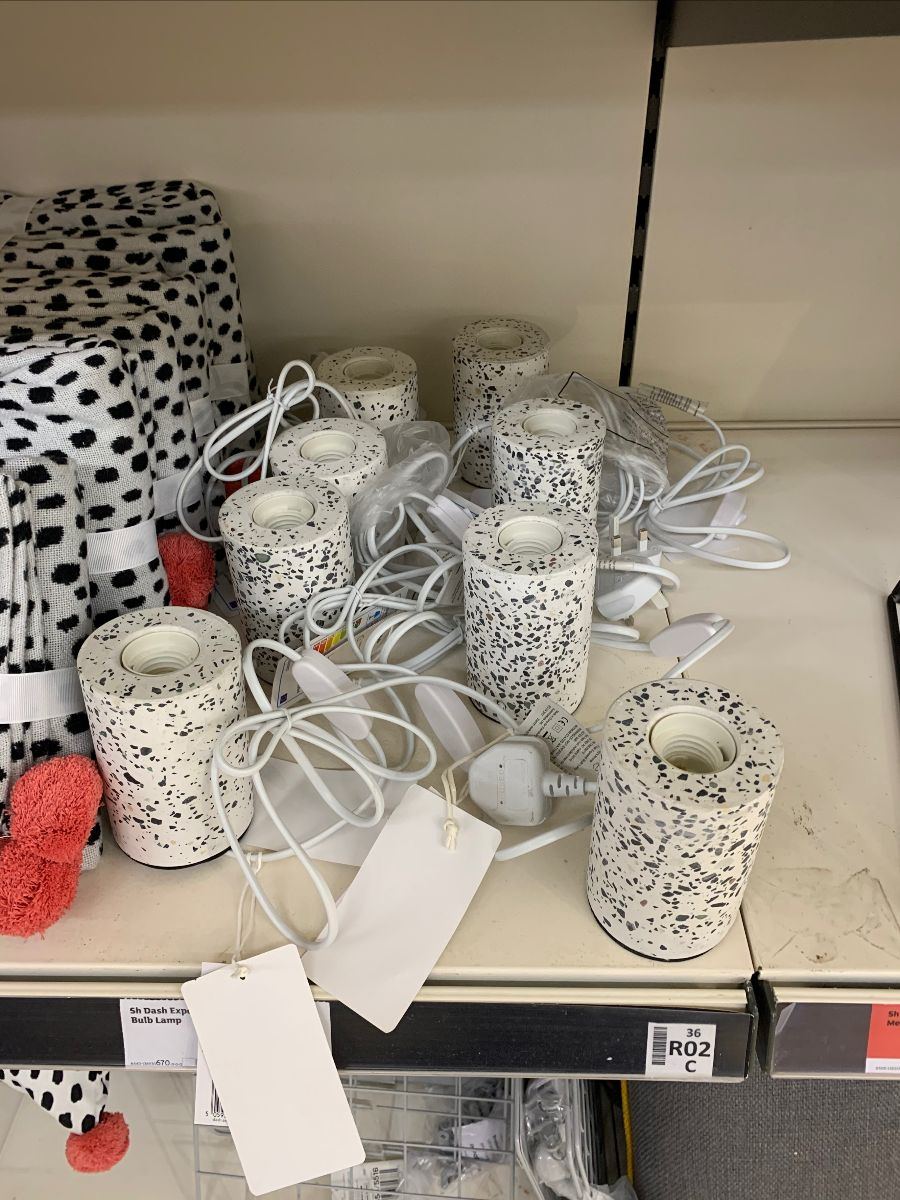
To finish on a somewhat stranger note; the Sainsbury's Home range remains a strong part of their world. They feature numerous interesting products and designs and the prices are often surprisingly good value, or clearly marked down by 50% in 3 weeks time.
There is often no in-between point.
The merchandising of both of these products struck me as odd, expensive, artificial flowers (their real floral category is often way below par too) at £12.50. But they're chucked in. The £3 bouquets are treated with more care, in defence of the store, how are they supposed to merchandise them?
Another example was the pot with plug for a light; almost clumsily put on a shelf with wires everywhere.
All the hard work in product design, packaging, sign off, approval, transport, logistics to get it to store and then overcome the greatest hurdle of all, replenished on the shelf...
For it to look like that.
A good quarter for Sainsbury's and skirted over the various 'good' they, and other retailers have done with regards to donations, looking after colleagues and feeding the nation. Propos (as the kids say) to them for all their hard work and a quarter of good sales as a reward, profits are another matter as Tesco illustrated but, a reminder, that things remain uncertain and no forward guidance was provided via Sainsbury's either.
Quite rightly as well. Decent agenda for Simon Roberts and his elevation has almost been missed entirely given the wider issues at play with regards to Covid19 but the handover wasn't terrible from Mike Coupe, but the elements of progression were offset by areas of stagnation and it was difficult to see at a high level, where one would take the chain if times were normal.
However, times are anything but normal and it looks as though things will not be returning to even a new normal for a long time yet, that will aid Roberts greatly as he shapes the chain and his strategy for the coming months and years ahead.
Book some time for a no obligation, strategy session.
From the Grocery Insight newsletter archive, first sent to subscribers on 3 July 2020. Steve now writes at read.groceryinsight.com. See also the blog archive and briefings.