Home Bargains - progression as ever
14 July 2020
To visit Belle's JustGiving page
Home Bargains - Primed for success
One of the stand out stories of success in the past 10 or so years has been the rise, and rise of discounters, but also variety stores which are stores which sell all manner of products and increasingly food based products too.
As we have seen with GSCOP, B&M and Home Bargains have now had to join the scheme and work within the rules of delisting and treating suppliers to forward forecasts and not cancelling orders at late notice. There was resistance, but both retailers are victims of success by having their grocery sales top £1bn, thus joining the scheme.
It's scarcely believable that both chains have grocery sales of £1bn and 8-10 years ago, you were certifiable if you thought they'd ever get to those heights. They always seemed to be companies that had a ceiling, where customers would use them for essentials but as times returned to normal, customers would pick more shopping up at a larger shop, or a discounter and reduce their reliance on the variety store.
For B&M; they were always more of a non-food, household and wider seasonal based retailer with a vast myriad of stores that are strong in various areas. They offered food but their range was limited and sometimes featured lines that were out of date and from other retailers, previously Carrefour and the Coop products have been sighted in there, although not in recent times and shippers from other retailers were often seen too.
Both retailers work well as 'clearance houses' benefitting from their popularity and huge footfalls alongside well-located stores on retail parks and other high traffic areas to take stock at near cost and sell on at a profit as part of their rotating special buys and deals. Typically, neither retailer has a fixed range and often, one-off lines can be found in the assortment which generates more 'interest' from customers who visit regularly, feeding into a treasure hunt feel in-store.
Their success has been a constant and their rollout of stores has remained constant too, for example, B&M did well taking a number of ex Homebase sites (keeping their garden centre signage outside too) and dropping their offer in over the top. Clear overlaps with DIY and Gardening in terms of the offer, but additional categories like household and health and beauty, with low priced, branded products are appealing to customers.
For Home Bargains, they have tended to build their own stores, often on new build sites and go from there; retail parks are crucial but some high street locations exist as a throwback almost to their days starting out as a bargain chain. Store sizes vary but newer stores can be relatively large and feature almost all the products a decent sized supermarket would carry.
Fresh and Frozen foods have been added to the assortment for an increasing number of stores, with Produce and Bread in the range for a couple of years now at least. The range isn't vast necessarily but offers a chance for customers to buy more with Home Bargains, especially with the lower prices and leading brands featured in the assortment.
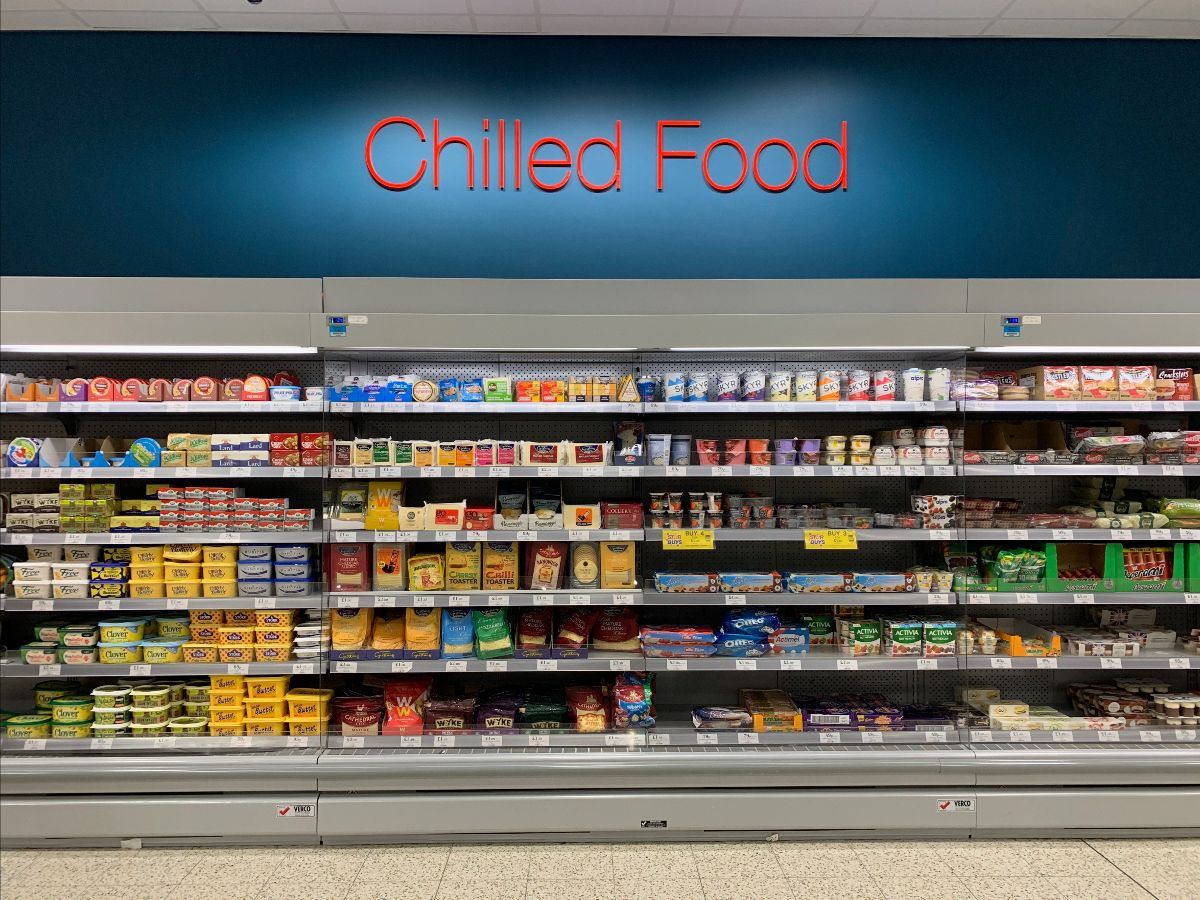
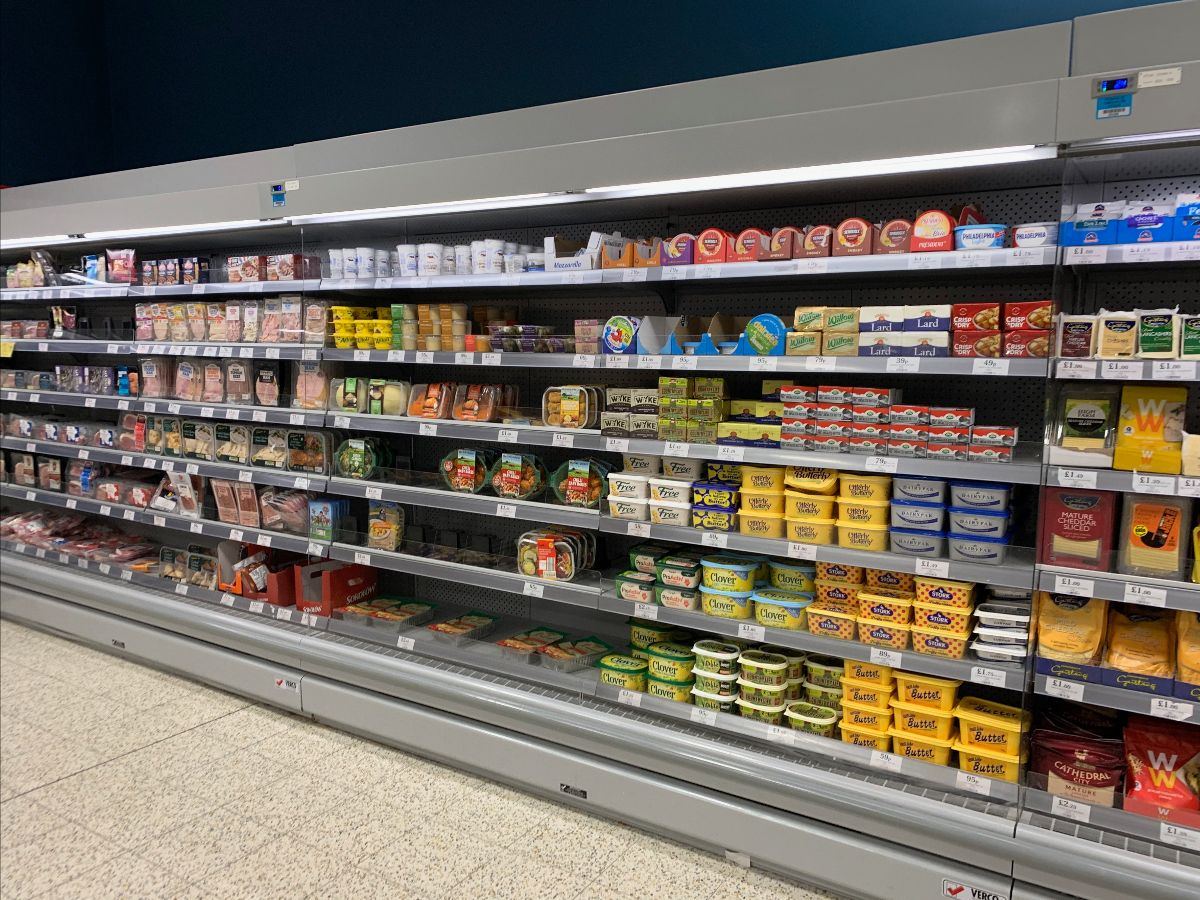
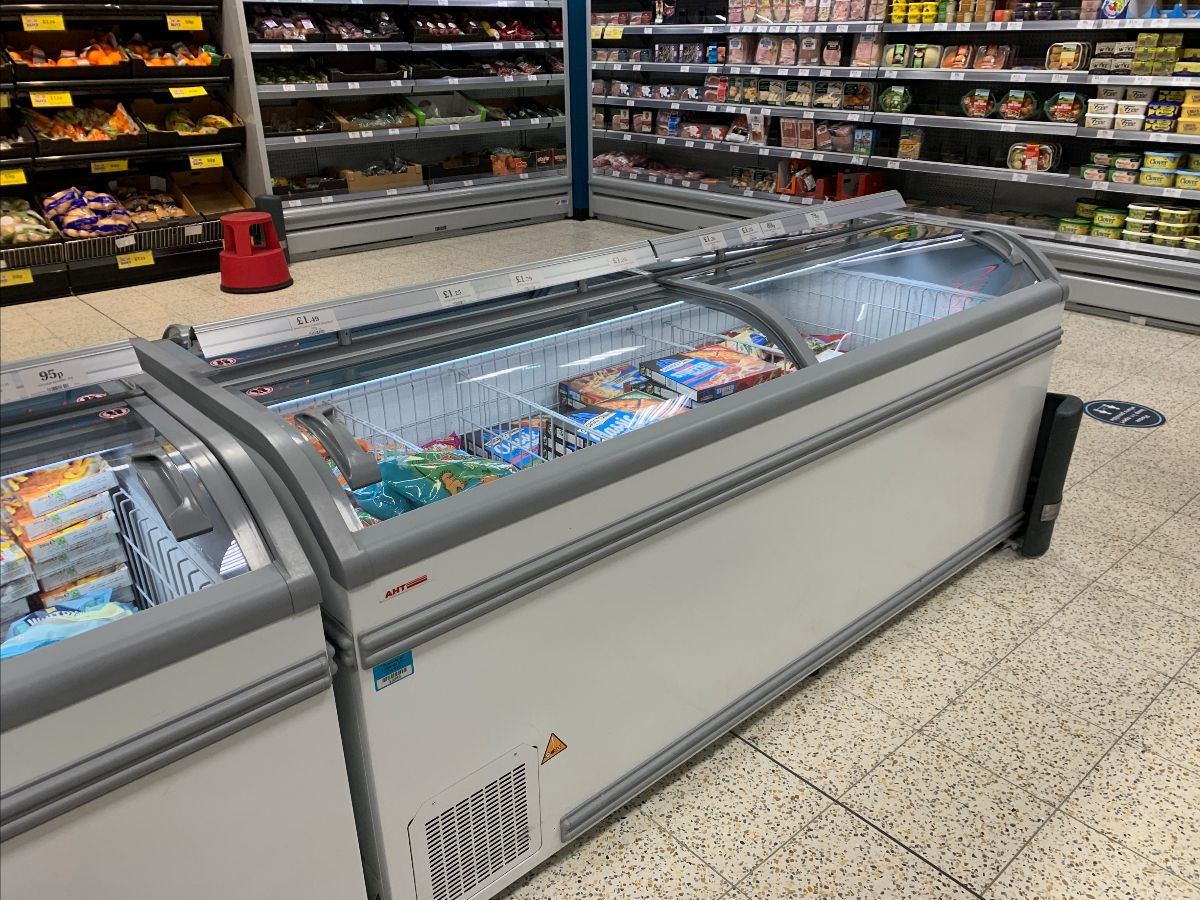
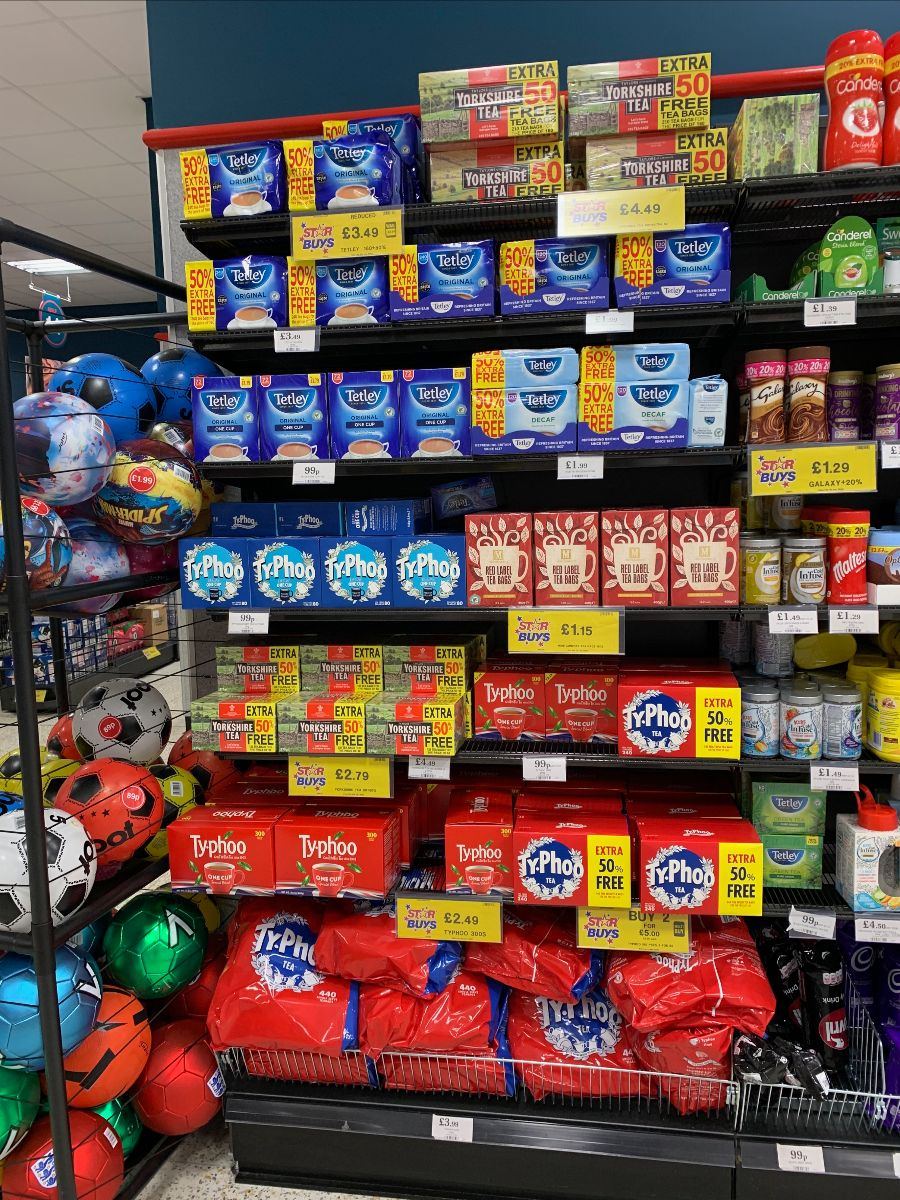
Food has been an expanded part of the Home Bargains offer; with a growing range in various categories with many leading brands moving into the space.
There is a further piece to come on leading FMCG suppliers and our thoughts that, to be honest, they haven't a strategy in terms of working the new landscape with discounters and indeed (although to a lesser extent) variety stores.
But we can see that various suppliers are wanting to get into this space with B&M and Home Bargains, their growth, and relative lack of growth in larger retailers, plus the rise of discounters with their predominantly own label range means that suppliers are struggling for growth and end up having to sell into variety stores at a lower price to suit the market.
But then, their biggest customers, the supermarkets can look foolish with the difference in price and customers are far from stupid, they know to compare and can look across the line and see that Home Bargains, and B&M are lower in price for the same product.
One way for suppliers to work around this is to offer the same pack size but utilise the 'extra free' mechanic on the value-added message to bring the same pack size as core retailers, albeit with 'extra free' or other non-typical pack messages/sizes.
Fundamentally - the customer knows that if they can't find a suitable product or deal in a larger store, they can visit Home Bargains, or B&M and find a branded product that will be of interest and will be of a good price to them. The challenge in supermarkets is that you are sometimes hostage to the special offers, especially on brands in key categories like laundry, health and beauty and Coffee/Tea.
The antidote to this is pushing on with good, own-label equivalents that are 'exclusive' by definition, to broaden the offering. This is what Tesco have pushed hard with, Sainsbury's are more in the space with this too and there needs to be a well-rounded offering, all considered. Not just special offers, as times have moved on and that is an old way of working to be quite honest, in the sector.
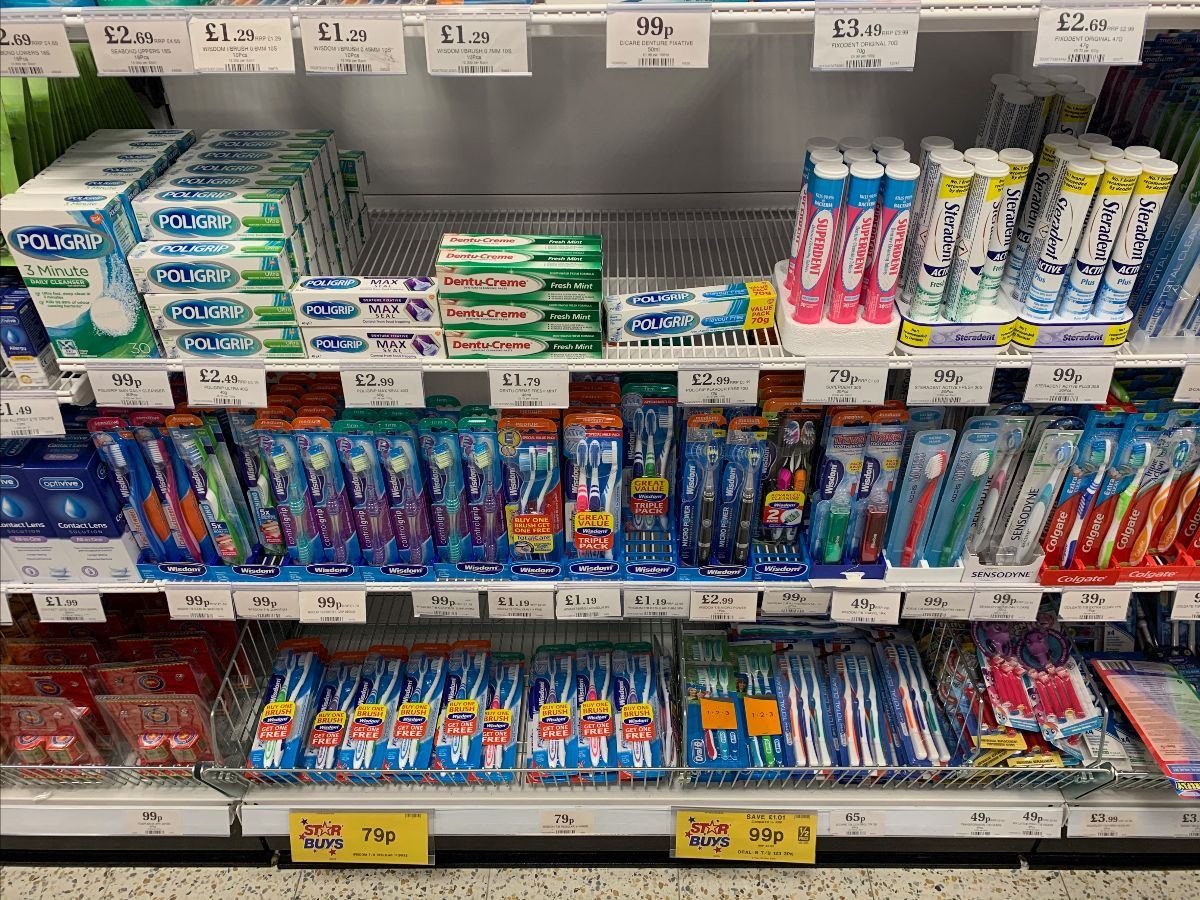
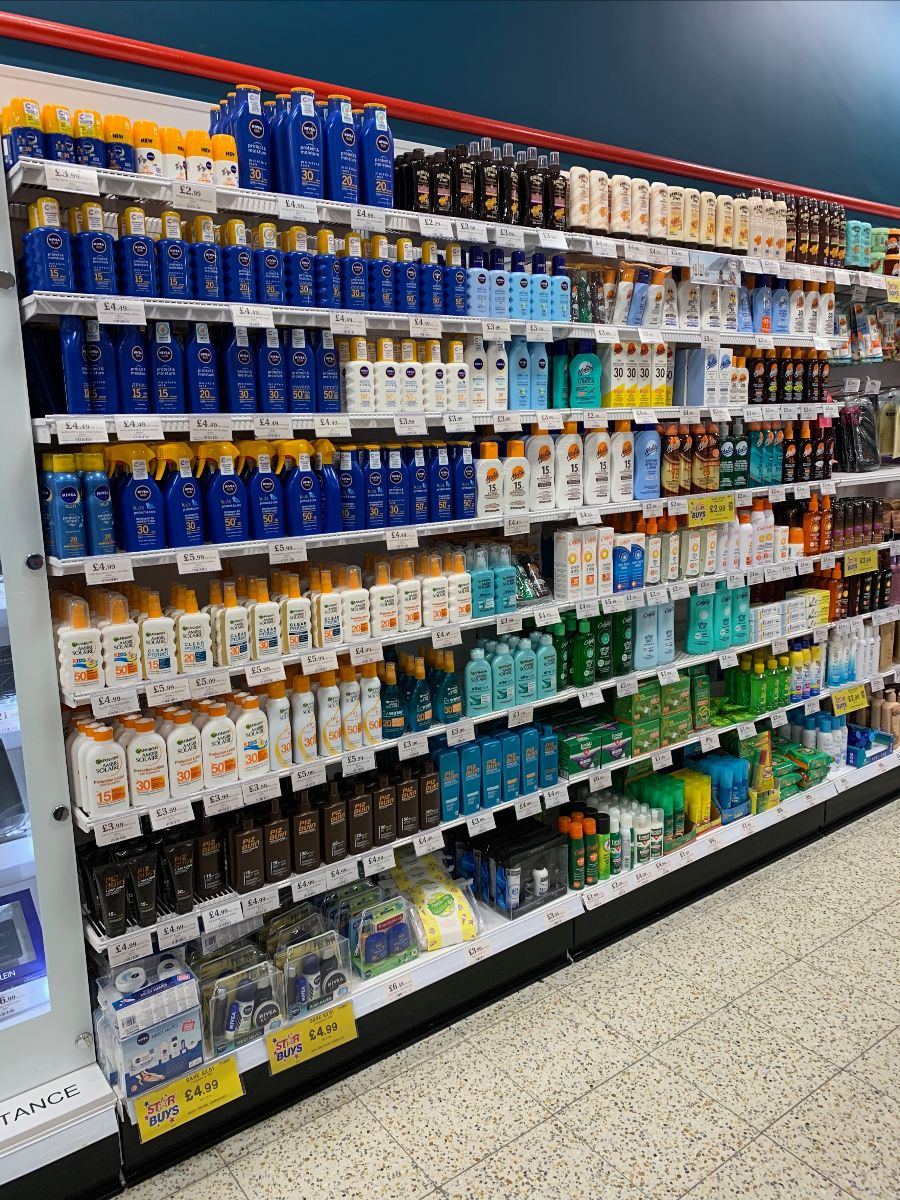
A key category for Home Bargains is health and beauty, leading brands alongside tertiary brands (IE less common brands that don't appear everywhere) are ranged with low prices across the piece. There are some lines that are regular (and these have grown) and featured everywhere all the time.
Other lines are 'one-off' and are picked up from all manner of areas/locations/places and sold in stores at a low price after being bought at a rock bottom price point. But broadly, the reliable value in categories that can be hi/lo elsewhere is a key winner for customers, especially with big brands in the range.
Even ranges like Suncare are lower in price and leading brands are vital, they have the consumer trust and the prices are low, not necessarily significantly cheaper than their rivals, but the range is extensive.
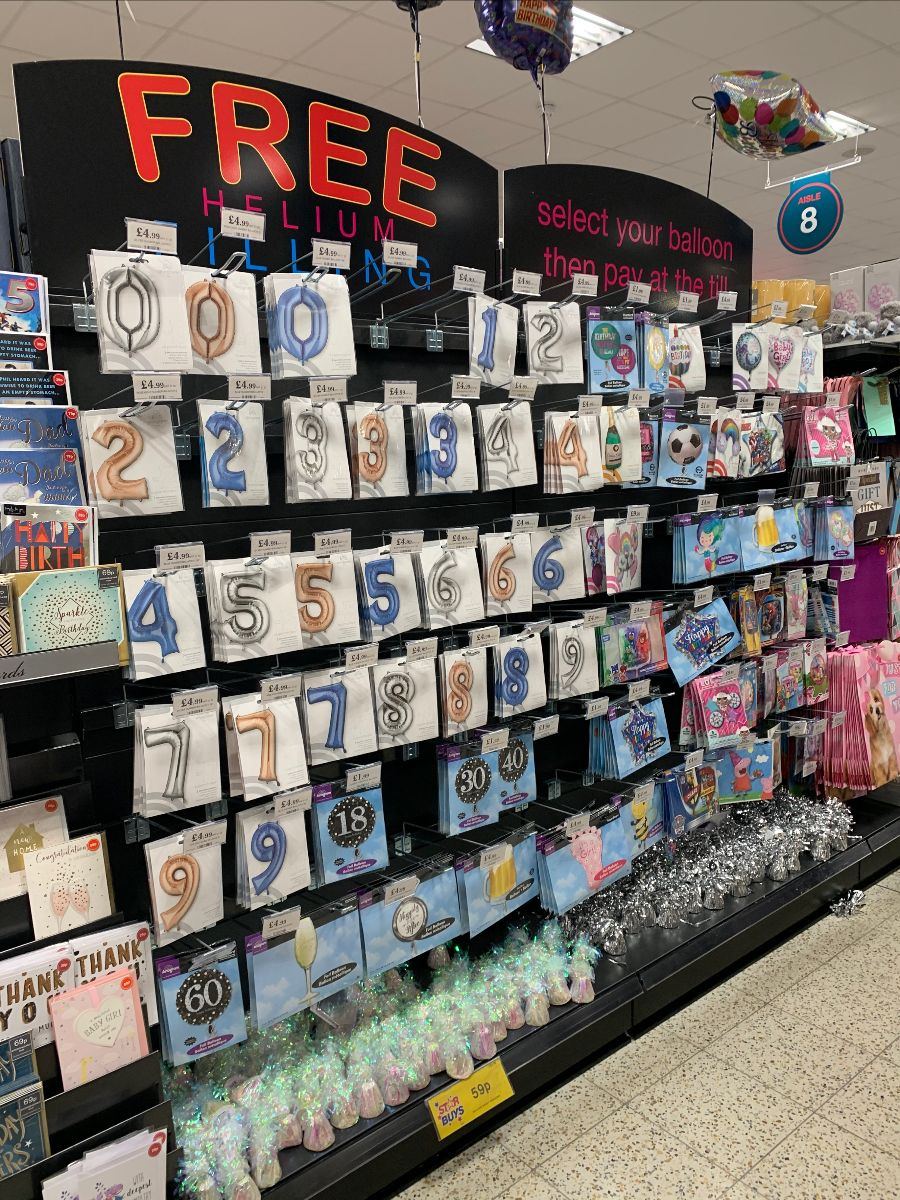
Balloons and inflation of Balloons is a new area for Home Bargains and their customer base is ideal for the balloon market, not just that, but the chances of new customers coming to the chain for balloons and buying other items - such as party hosting products, treats, gifts and other decorations are high.
Their value for money proposition speaks for itself and customers trust Home Bargains, so balloon inflation is a logical place to go and is a further service that will drive trade and traffic to the store.
Captive market and indeed, a driver for customer loyalty.
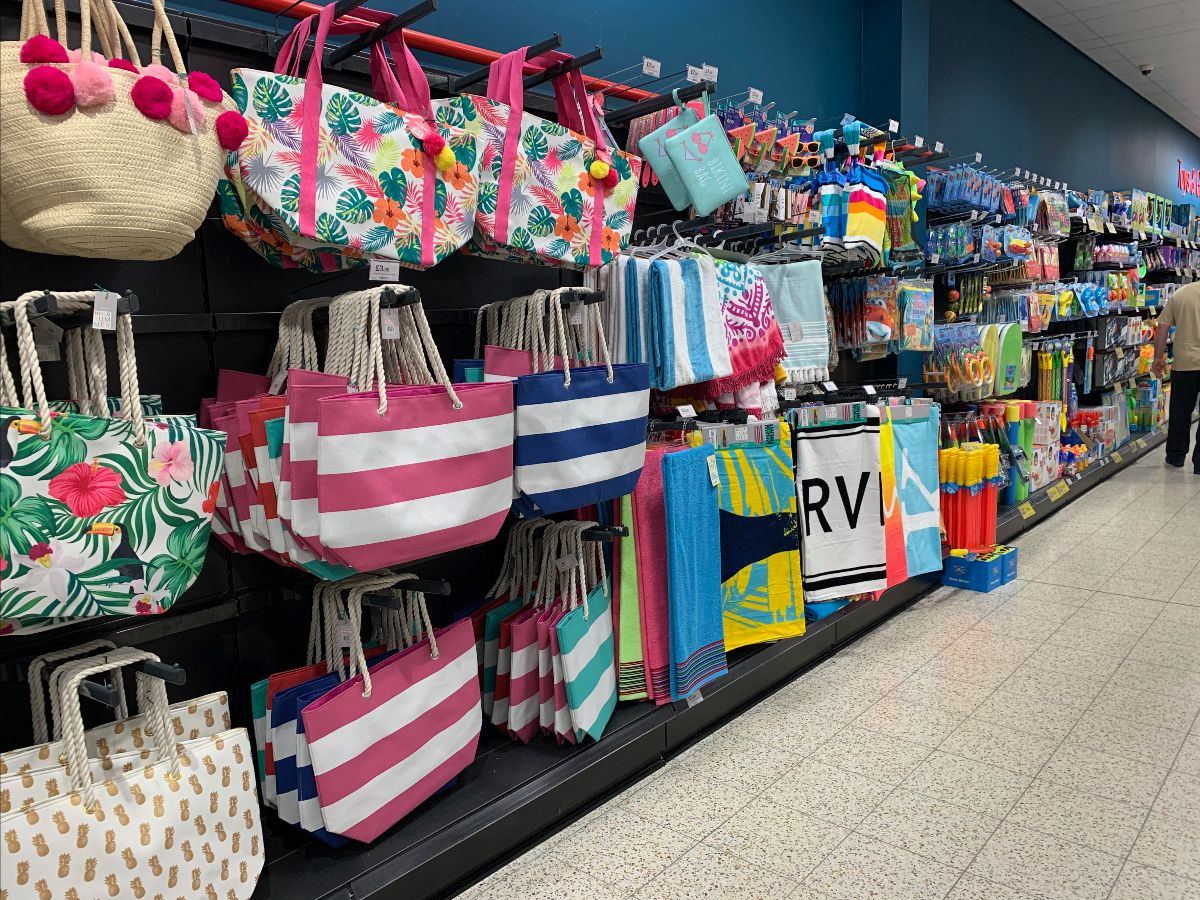
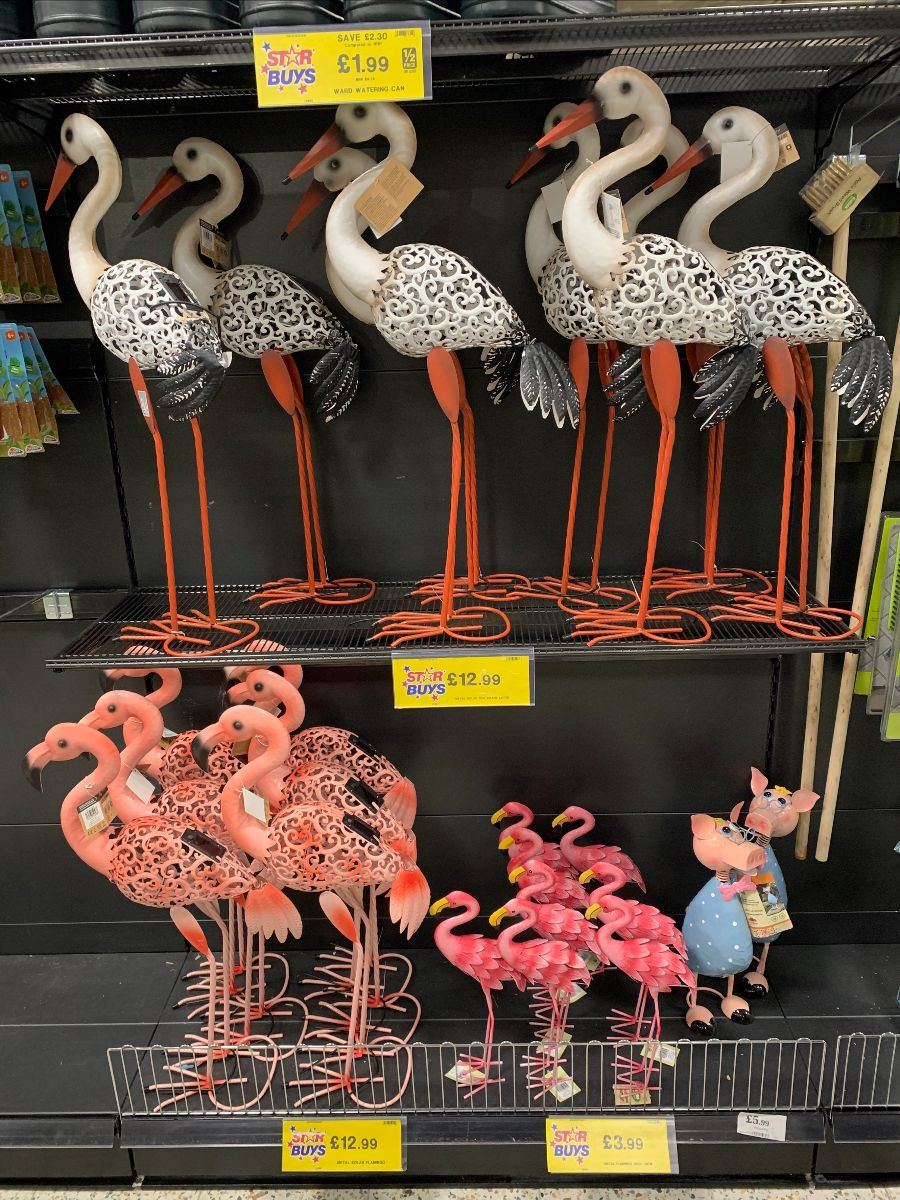
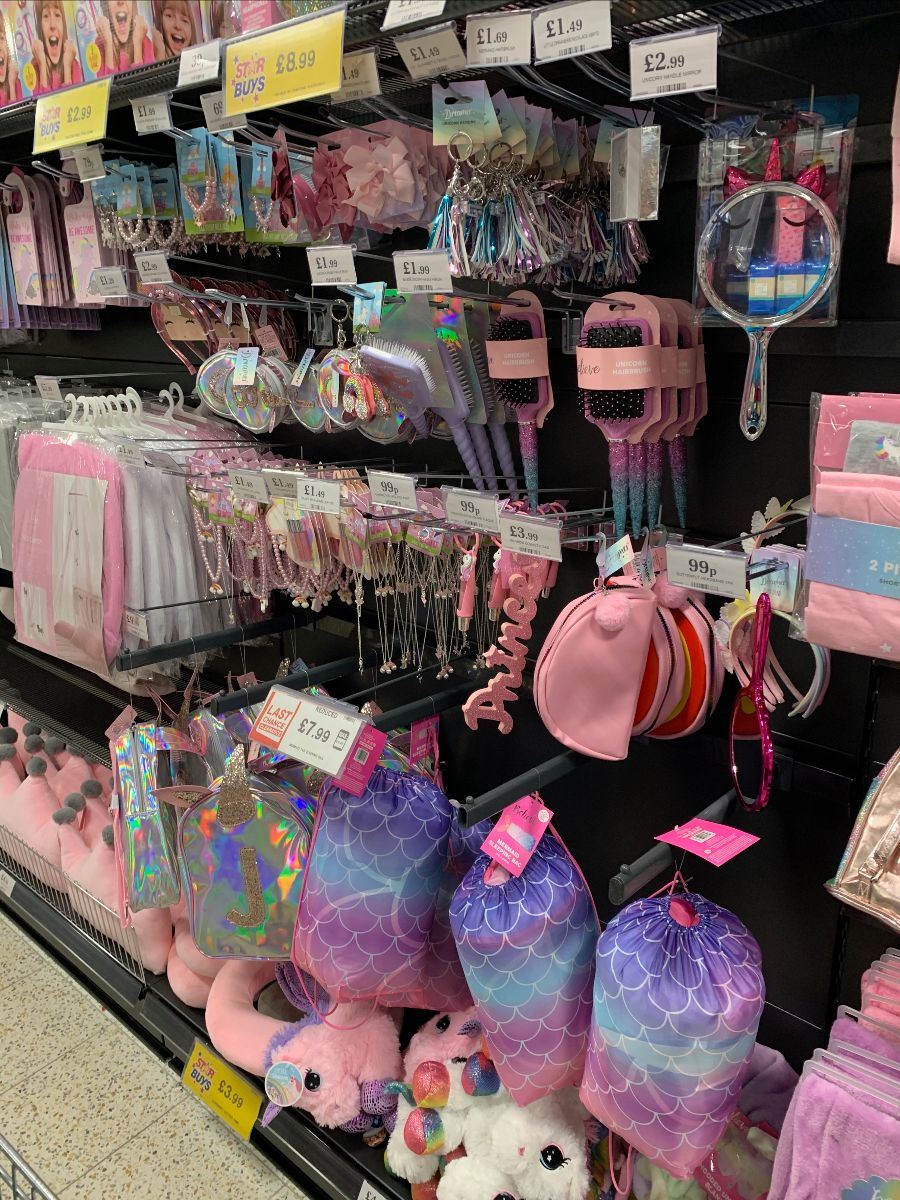
The changes in the travel rules will aid Home Bargains with their large travel range, as we can see here, lots of seasonal product that will be 'in and out' and replaced by further seasonal events (notably Christmas is a big event with expanded ranges of Toys) but the store also featured outdoor toys for the kids.
Seasonal is a massive game for Home Bargains and indeed, all retailers, but for variety stores. High footfall means more incremental sales, but the product range and low prices will see customers utilise Home Bargains as a destination store for their holiday/travel products given their lower prices.
Always bang-on-trend - the store featured pink Flamingoes and Unicorn based products as well.
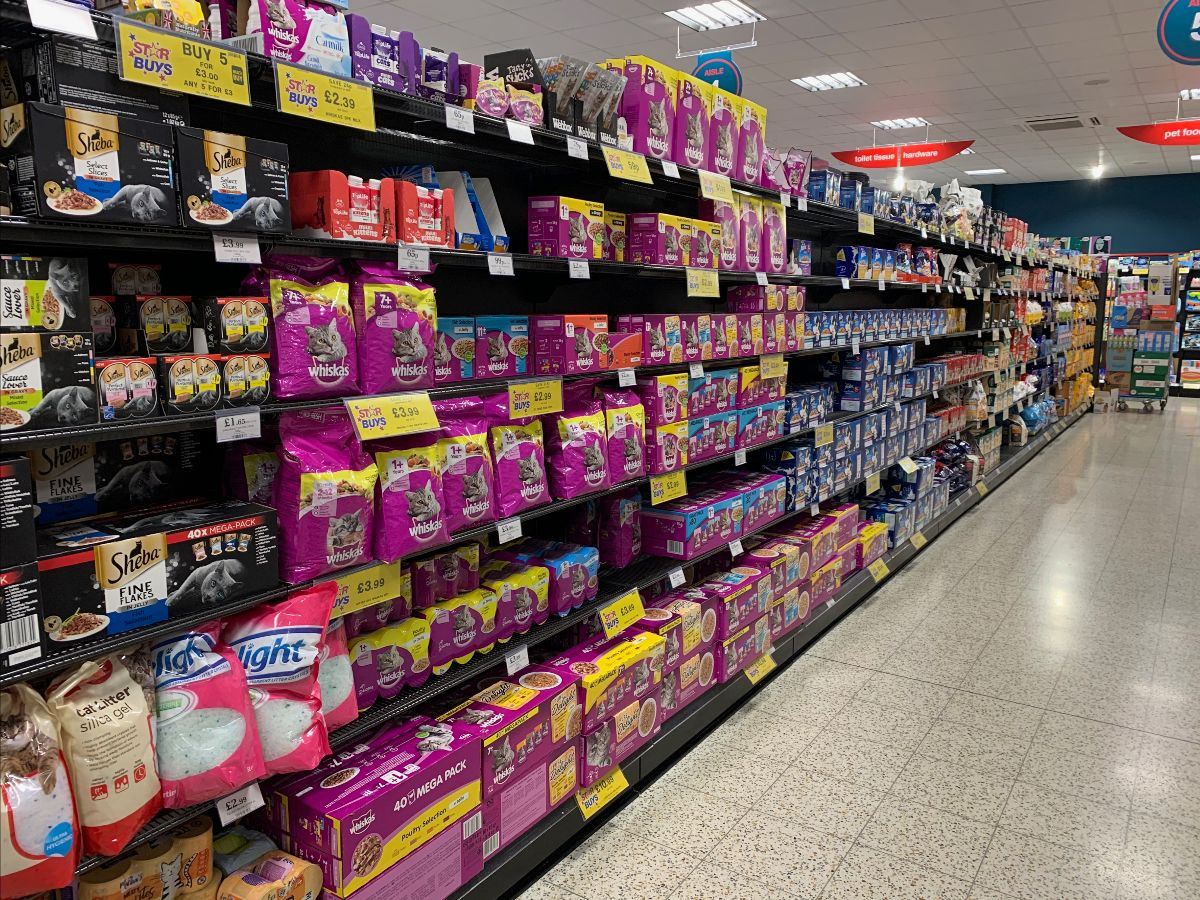
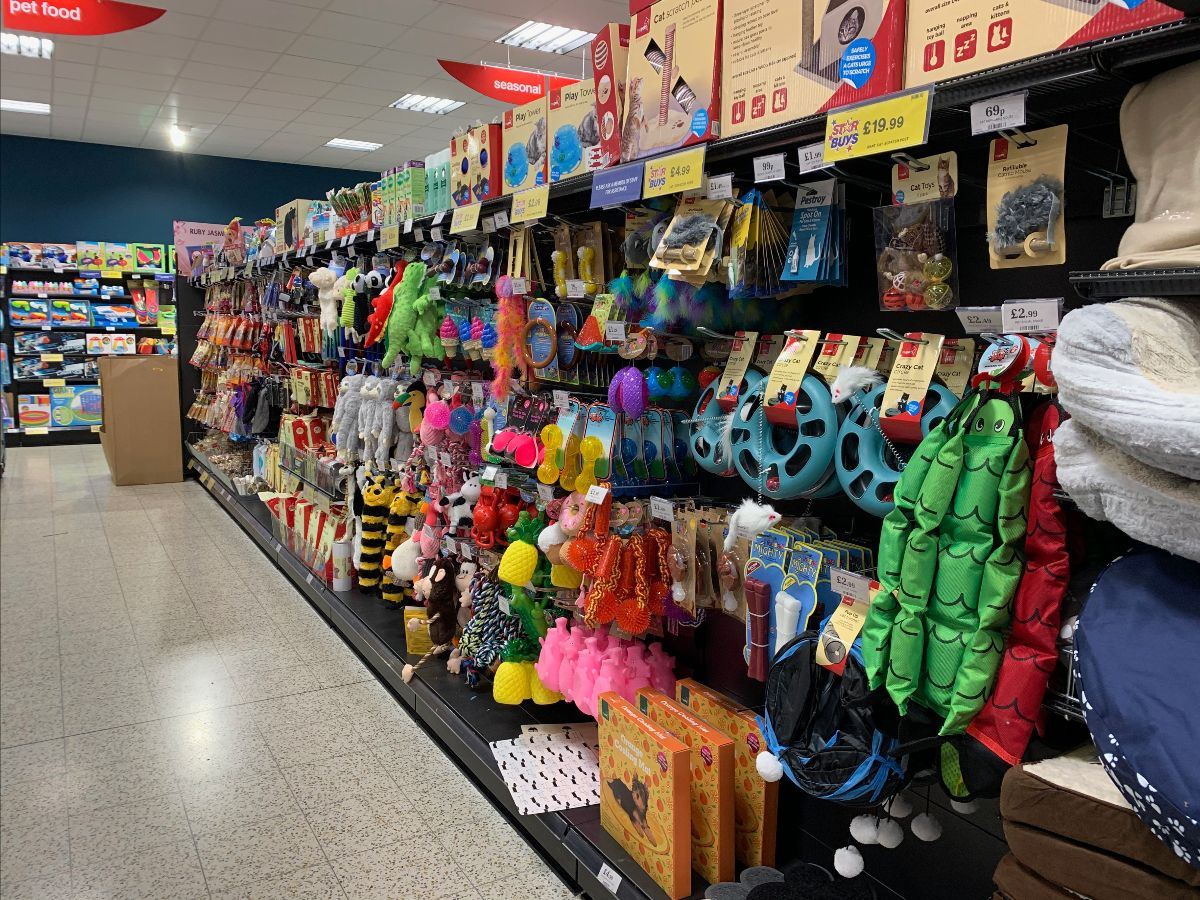
Pet is a category that is rapidly going on to my watch list for suppliers facing challenges, almost what has happened to retailers with discount and variety is now, down the track, turning in to established suppliers coming under fire as well.
The category suffers from lines often being delisted, too many similar flavours and pack sizes/types, the multibuys provide some value but there is a growing threat in supermarkets from own label, with Sainsbury's particularly putting a lot of work into the core quality of their own label last year.
Prices can be high though but you are often looking for a deal, or special offers to provide value and again, Home Bargains/B&M will exist to provide value or that element of 'treasure hunt' for customers will go to the store to look for something at a good price for their needs. Leading brands will be found in their range too.
For Home Bargains, this store had a full aisle (both sides) of Pet Food, Toys and accessories, reflecting the growth in areas like toys and beds that are often hard to merchandise in supermarkets, which aren't necessarily given the space in which to trade either. But Home Bargains is a place for a pet owner to visit, even if not looking for Food (perhaps preferring specialists like Pets at home or online even) but can find Toys/Accessories/Litter trays and liners etc at a good price in the aisle itself.
The range is extensive and both B&M and Home Bargains are strong here, plus discounters who will do well with their own label range too, putting the leading suppliers under pressure in this category as well.
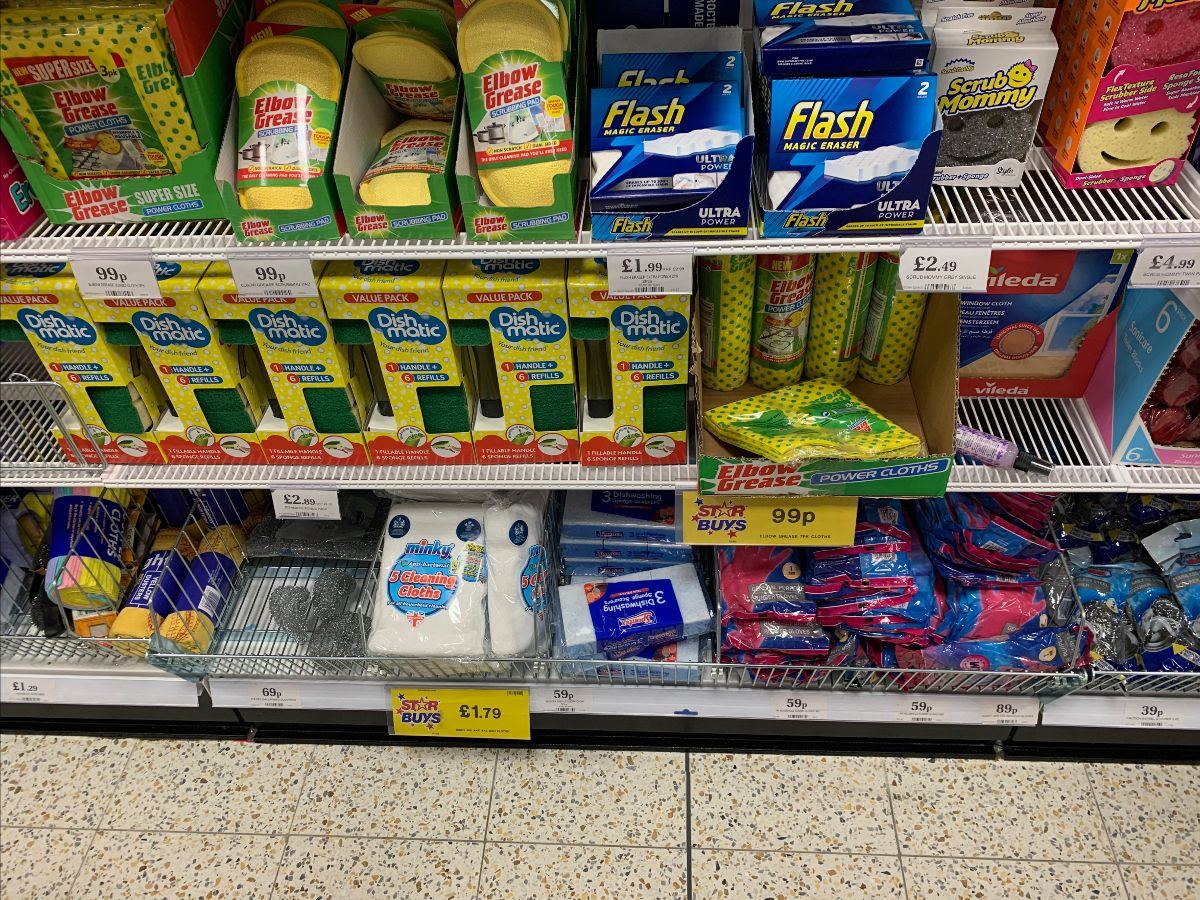
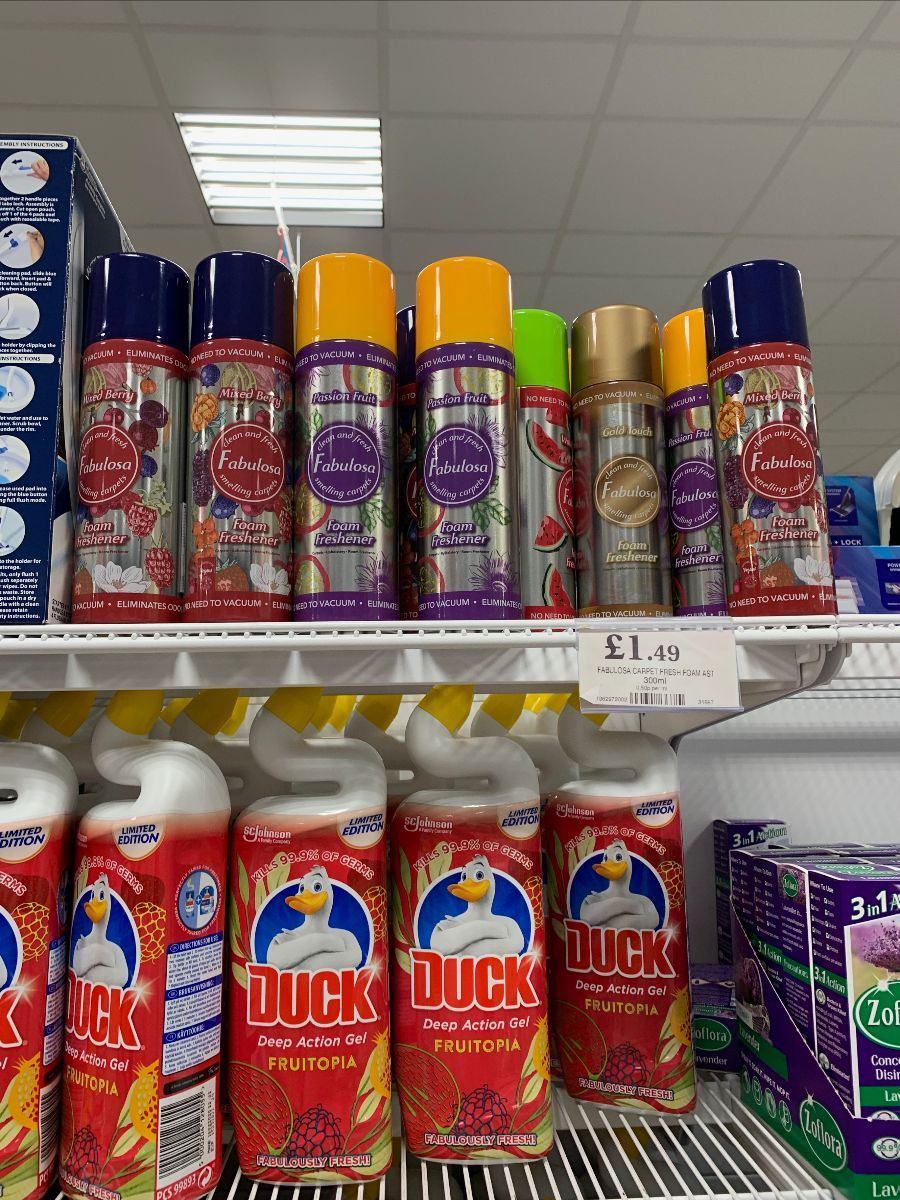
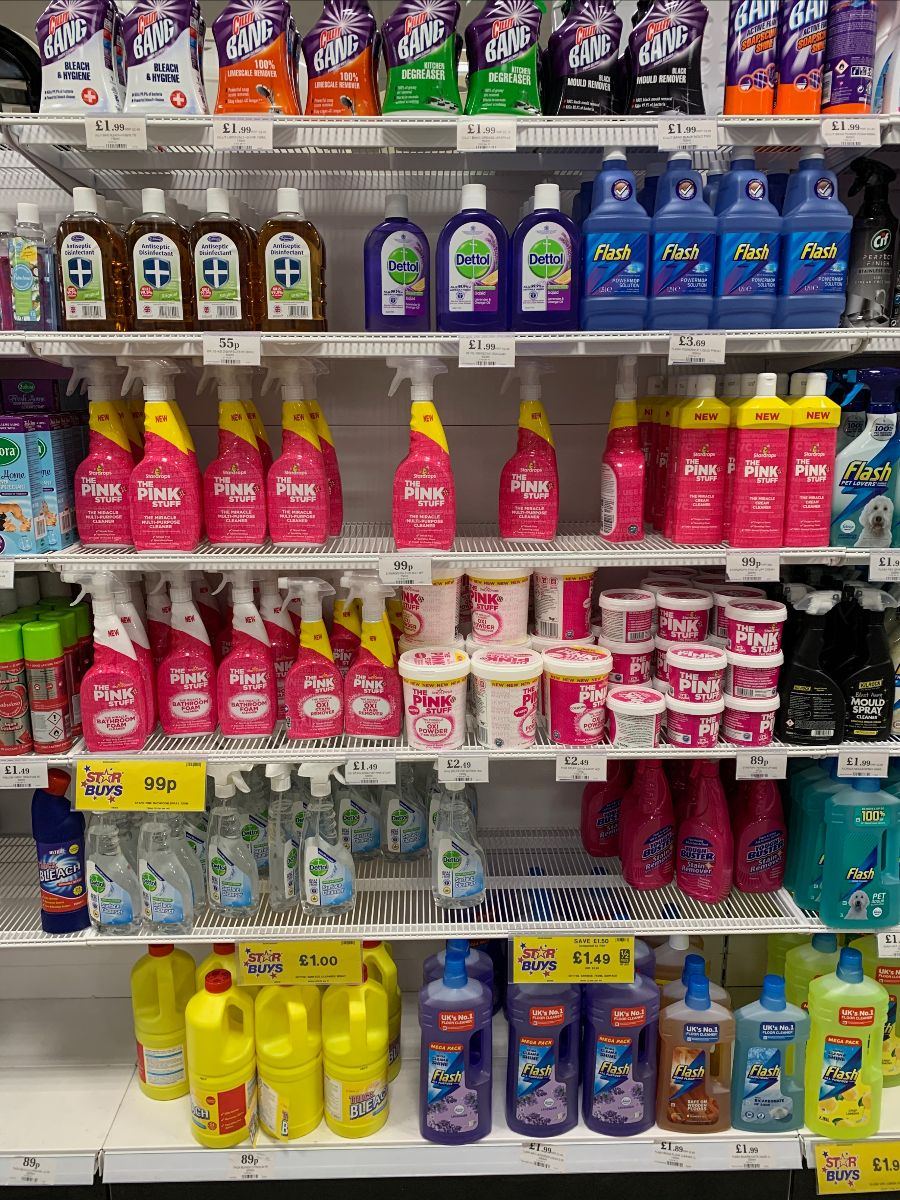
Another category of interest and one that was under severe pressure post-recession is cleaning and laundry, a space dominated by leading brands, but increasingly, own-label equivalents from supermarkets who are using their space to prioritise their own offerings in key bays and on eye-level shelf space too.
Home Bargains are strong here with leading brands seeing the growth and working with the variety channel (and discount on special buys at least) to take branded gondola end space and running various in-aisle promotions too, capitalising on the popularity of the variety stores in this category.
Again, it's low prices on leading brands that have got them here, alongside selling residual stock (from a pack size change for example) and now they're a force to be reckoned within the space, with Mrs Hinch (from Instagram) driving her followers to B&M, Home Bargains and the rest for various cleaning products to clean their homes.
The category has grown in relevance and importance for customers post COVID with everyone more aware of germs, cleaning, anti-bacterial and the rest. But this means customers are within the captive market and open to new products and within the assortment.
Home Bargains (and B&M) are not just selling leading brands at low prices, and the trust from customers is evident on value for money and thus, they are able to be marketed to.
Their speed to market with products and flexibility in ranges mean that they were the first to sell Zoflora (a retro cleaning product made famous by Mrs Hinch, of Instagram) the 'Pink Stuff' and recently, a South American cleaning brand named Fabulouso has gathered huge momentum (albeit owned by Colgate-Palmolive).
These products are found in Home Bargains (and B&M) and are bang on-trend, with other products gaining notoriety also found in Home Bargains and customers increasingly turn to these stores for a 'treasure hunt' almost, to find these products in stores. They're not always in stock or located in the same place and the products, sold in mixed cases (flavours/fragrances) which means that there's not always the same products there each time, either.
Elbow grease, cleaning sponges and various other products that can't be easily found elsewhere are also sold here and the depth of their range is very impressive indeed.
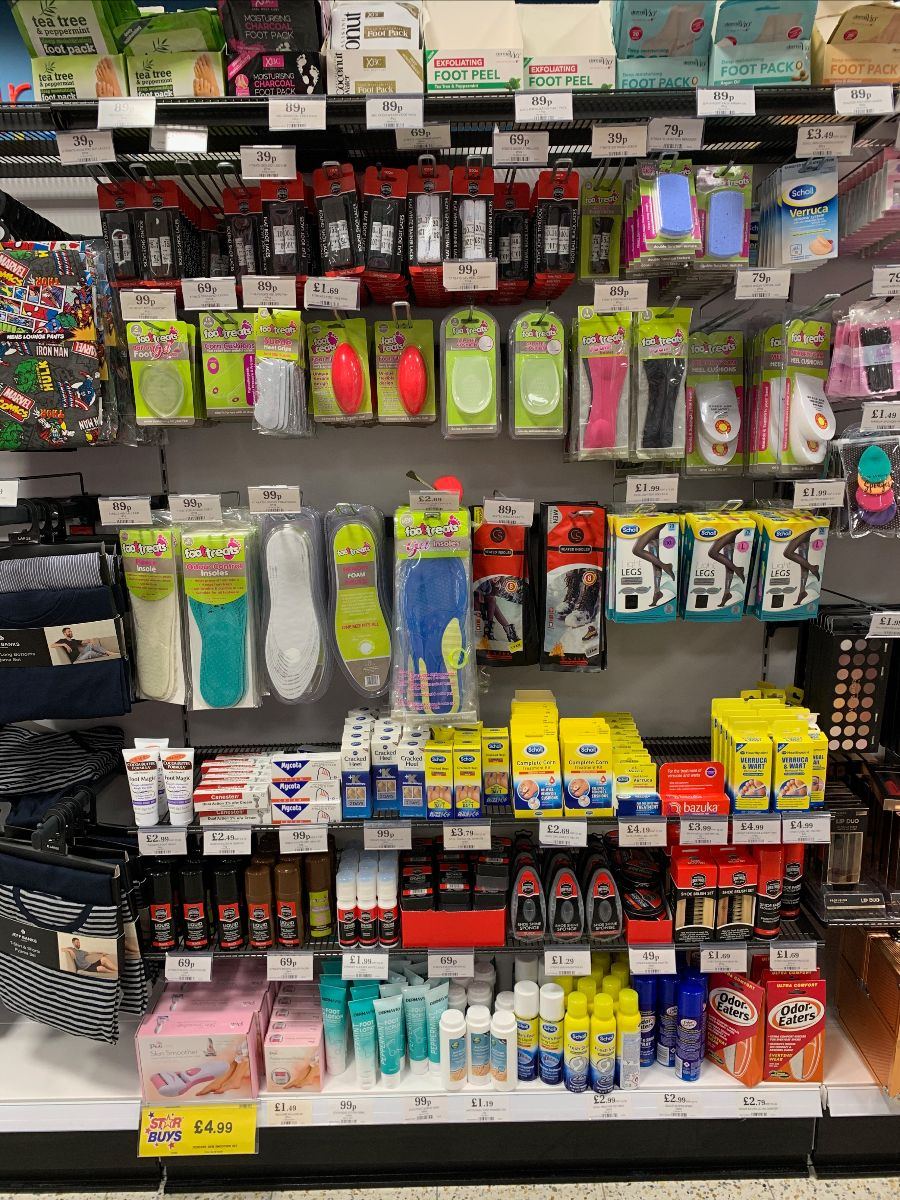
Even the category of Shoe care, in the image above, shows the breadth of range available to customers. it's significant and prices will be lower than equivalent products elsewhere, not a category as a key mission for a customer, far from it, but incremental sales? Absolutely.
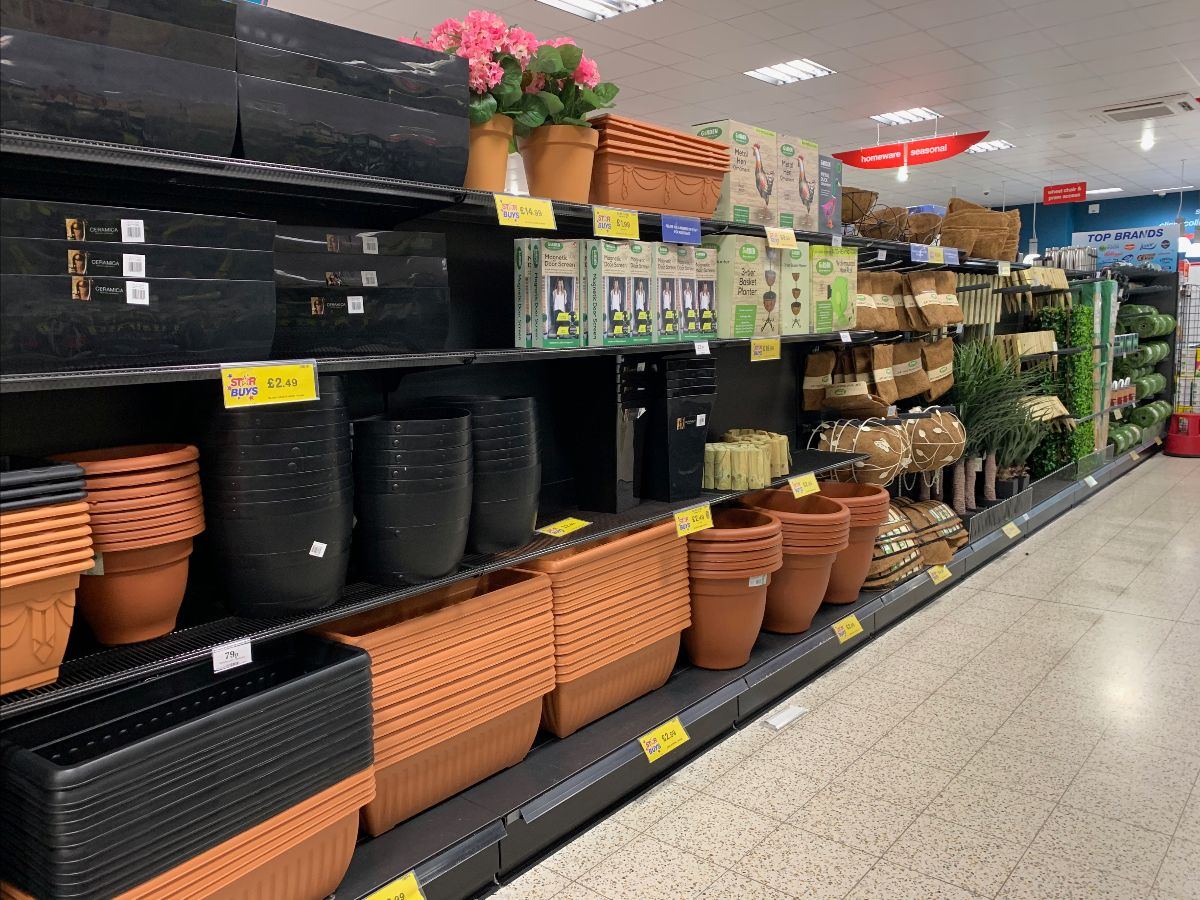
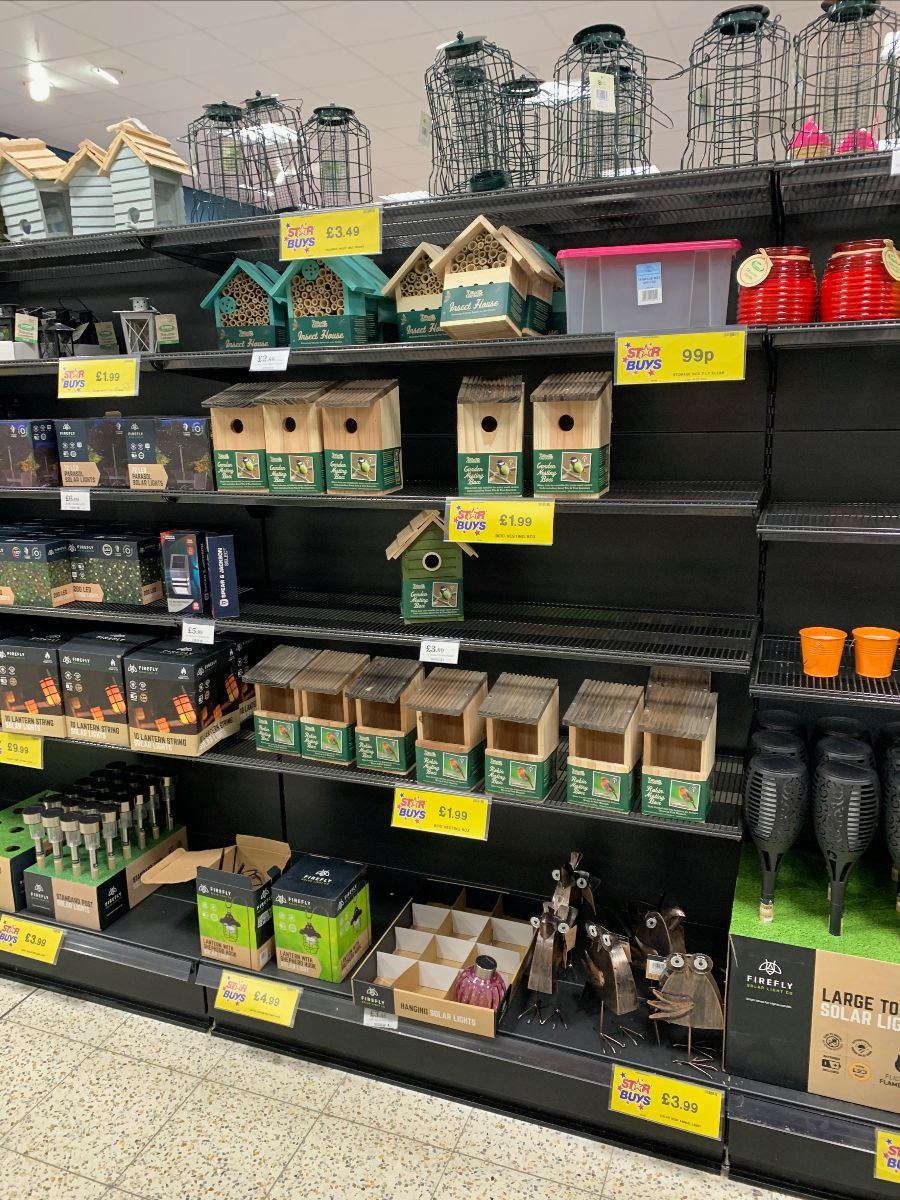
Following from seasonal strength in Summer and travel, gardening is also a key area for the chain and their assortment with various lines centred around pots, plants, garden decoration and a wide range of solar lights puts them in to direct competition with specialist chains alongside the supermarkets as well.
Again, a strong range like this isn't what the vast majority of customers would go to Home Bargains for, as a primary mission at least, but the incremental sales are clear for customers, already trusting the chain on value for money and quality.
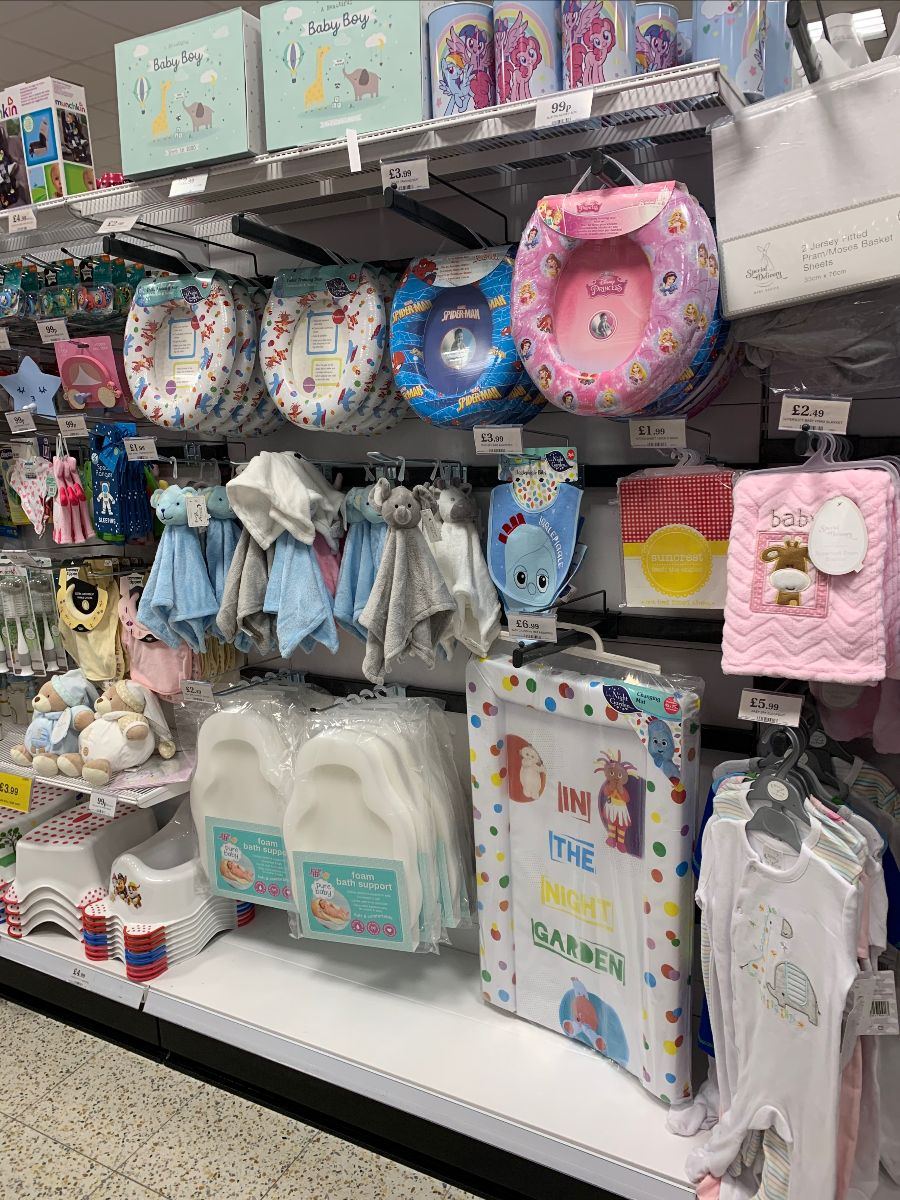
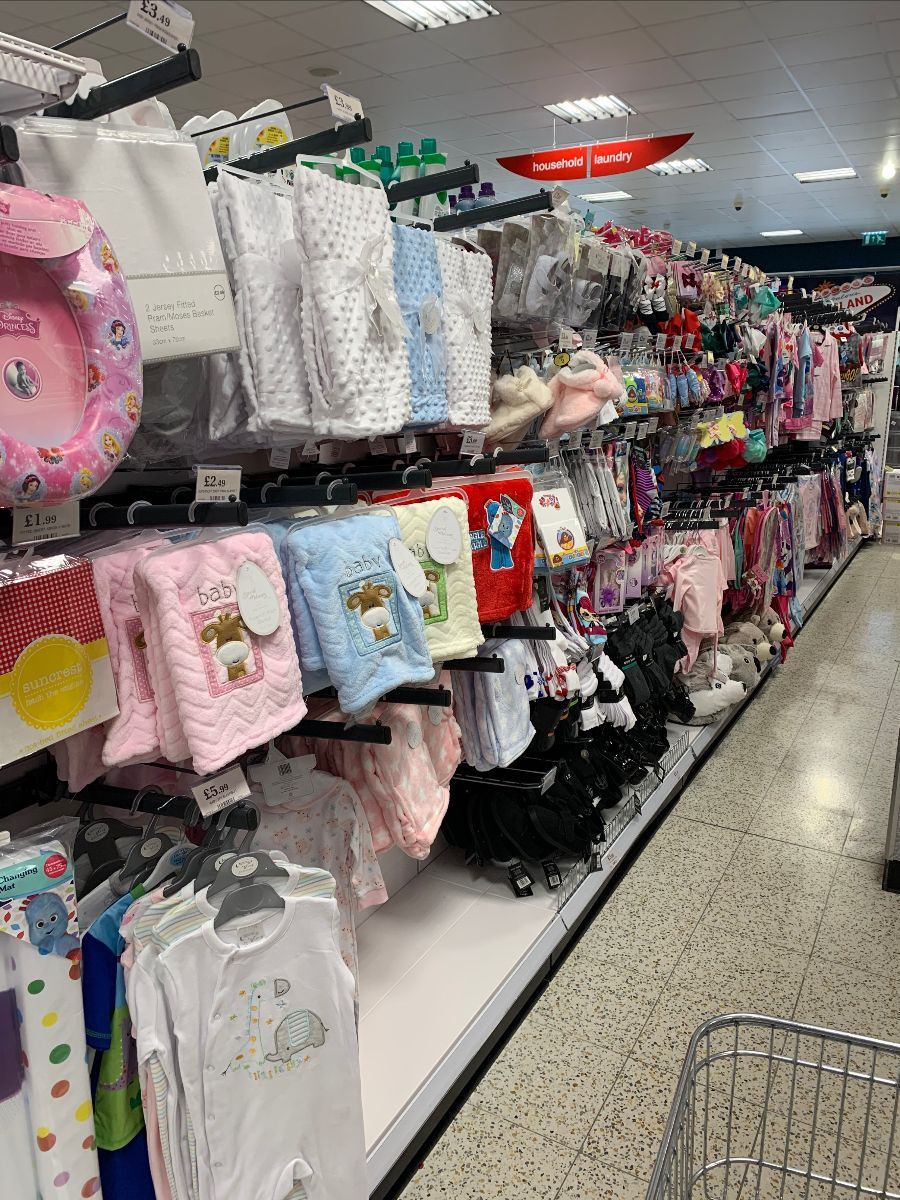
Another category of interest is baby clothing; the baby range is one that is growing in Home Bargains and B&M too. A vast range of products here and the key products of interest are ones that are licensed, IE Disney and other characters at a lower price than equivalent retailers.
These are products that offer good incremental sales for the chain too, also notable on the left on the image is a toilet training seat, never a mission for a customer to buy in Home Bargains - but one that would be picked up due to the price, especially as it's a Disney licensed product.
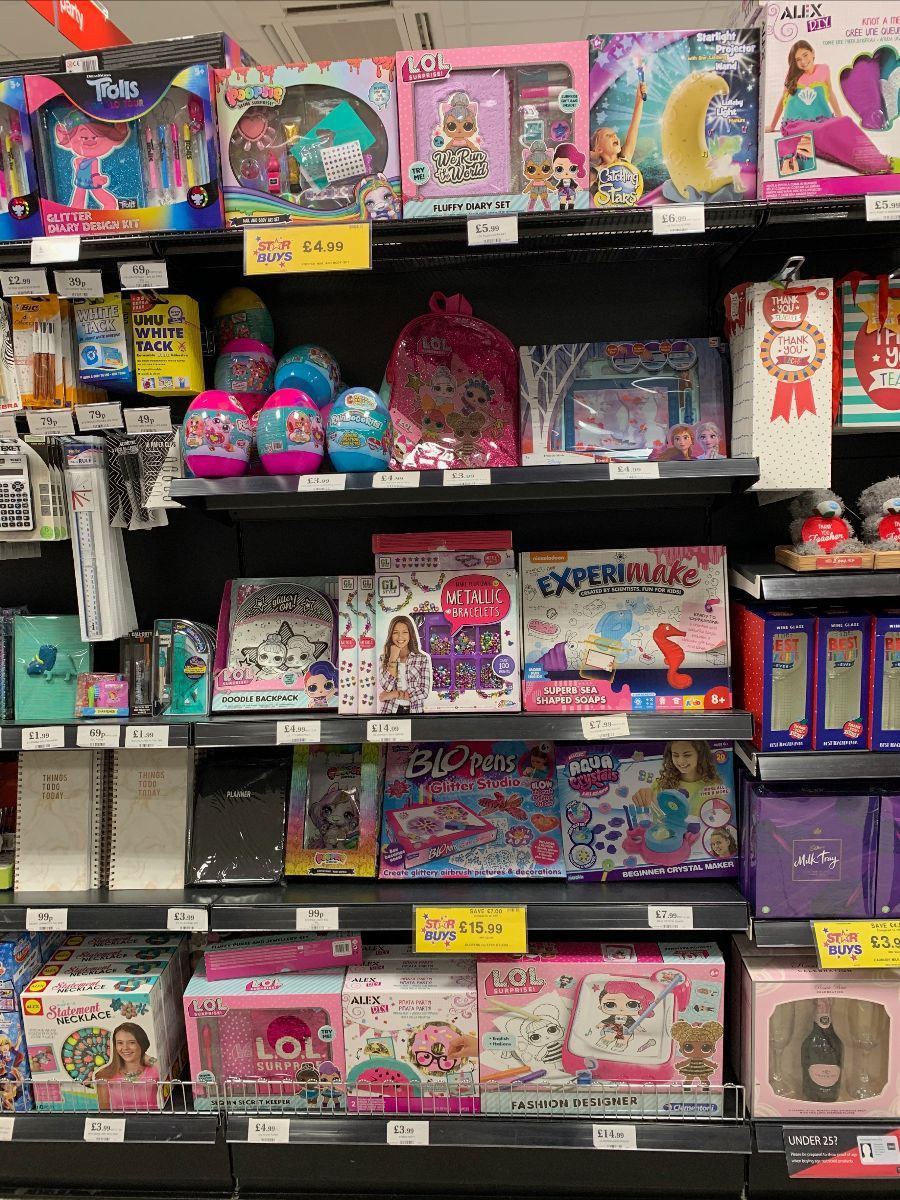
A key category for any retailer is Toys, especially when retailers are wanting to attract younger customers and families to shop with them. The loyalty of a family to a retailer is huge and their spend, as the family grows means they grow their spending with the chain, assuming they continue to meet their needs and provide value for money, quality, suitable range and assortment etc etc etc.
This has been true for time infinity and will continue to be the case.
Home Bargains are covering this angle very well, their range of Toys is on-trend, often featuring lines that are not found easily elsewhere (YouTube stars for example) and B&M notably are also excellent in this arena. It's effective footfall driving and their lower prices, on equivalent, branded lines versus elsewhere (especially the likes of Argos) means that the value proposition is clear.
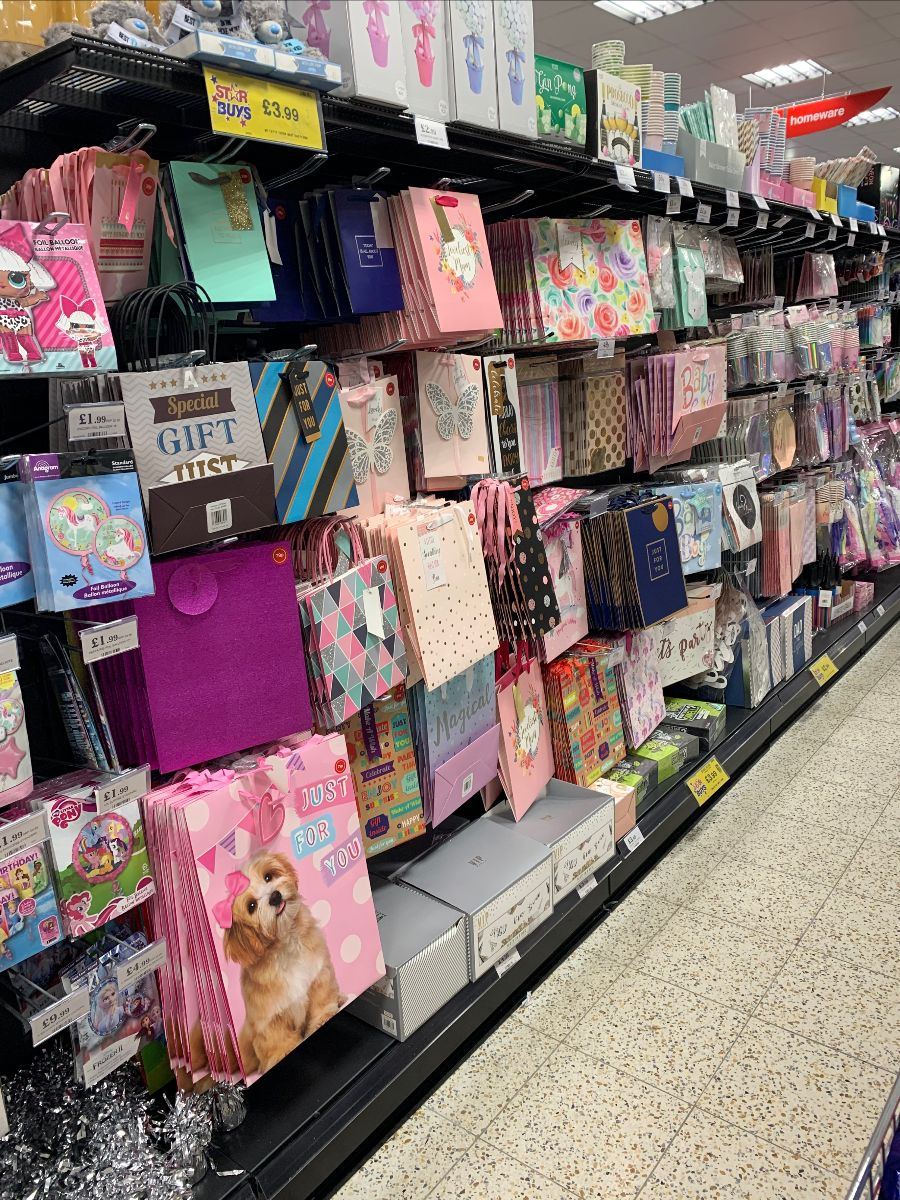
Gift wrap and gift bags are another key area, aligning with balloons and party lines very well, a strong range of gift bags and other decorative lines will provide further incremental sales and a 'fuller' basket for the customer, not having to visit multiple retailers.
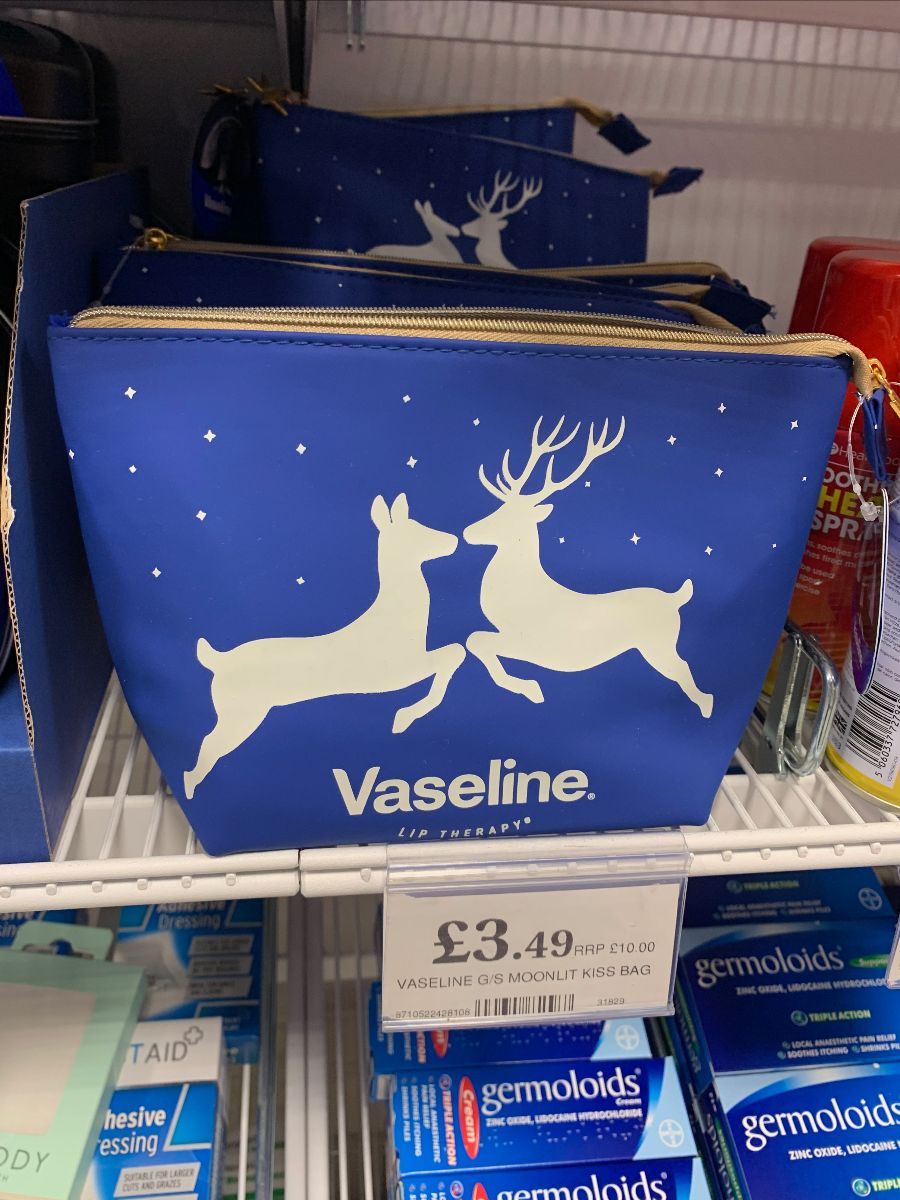
We touched on clearance before and that shippers from various retailers have been seen in-store, with lower prices than charged in the larger retailer. Often suppliers will shift the stock in to Home Bargains and B&M (alongside Poundstretcher in some cases) to clear through and the chains are happy to take this stock, moving it on quickly, for customers who want a bargain and also want leading brands at the same time.
Former Christmas stock was noted in the health/beauty range in June, which shows that they're able to clear stock through at lower prices, at all times of the year. Vaseline is Vaseline especially at £3.49 (but note that there's an RRP of £10) on this gift bag.
As ever, retailers don't work in vacuums and what Home Bargains are able to do, other retailers are able to do as well, watching the market, Instagram and the like to see how the trends are progressing and how retailers can tap into this for sales.
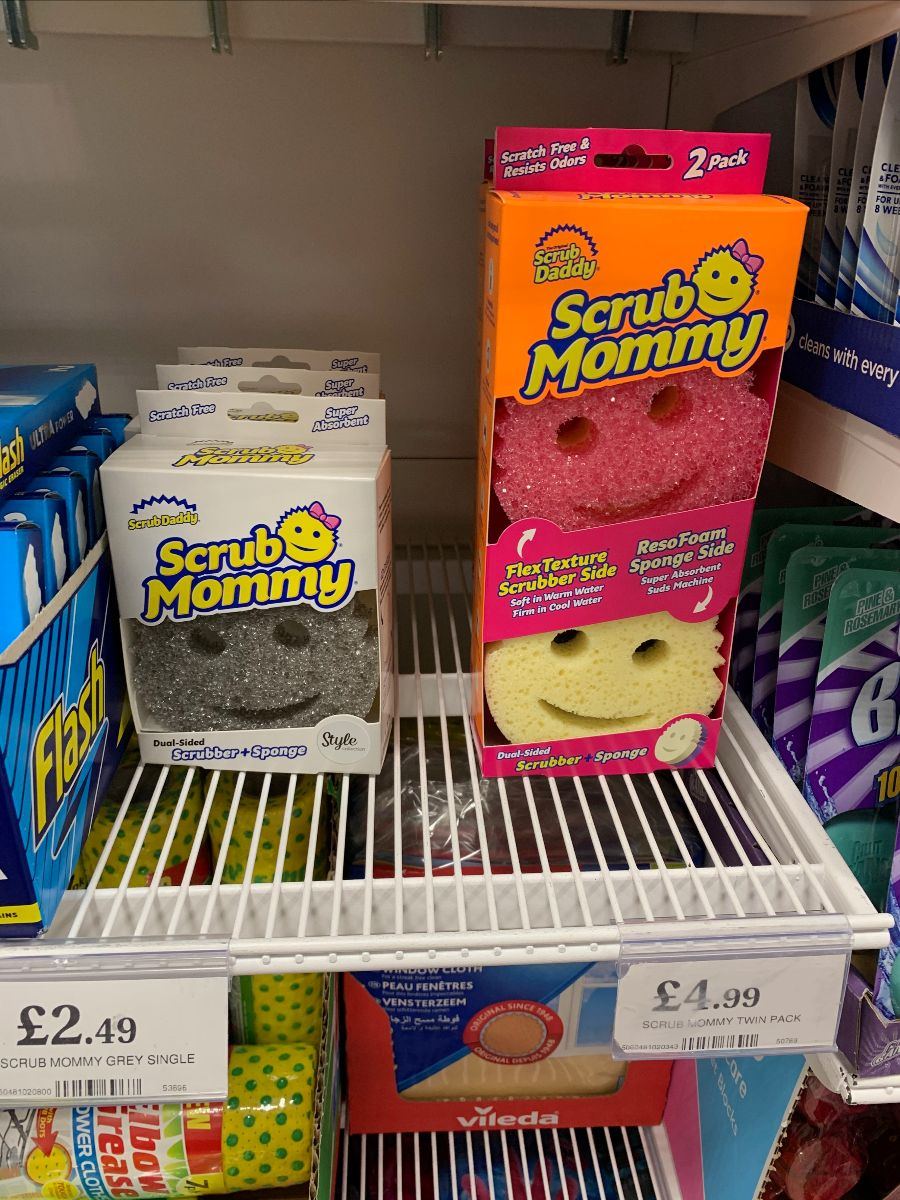
Scrub Daddy (and Mommy) featured above is one of the top-grossing products on Shark Tank (US Dragon's Den) and has sales of over $100m, despite the popularity, it's ranged in precious few UK retailers and none of the leading supermarkets to my knowledge.
It's on Amazon and it's also in B&M and indeed, Home Bargains as well. As is Scrub Mommy (depicted) and ranging lines like this, that are popular and in the customer's mindset = easy money.
When the recession comes, Home Bargains will be in great shape to pick up more trade with their expanded store locations and a growing number of categories as well. Often a misunderstood sector in UK retail, but variety stores are growing all the time and have authority in so many categories, they need to be taken seriously by everyone.
It's not just about Aldi and Lidl, far from it.
Book some time for a no obligation, strategy session.
From the Grocery Insight newsletter archive, first sent to subscribers on 14 July 2020. Steve now writes at read.groceryinsight.com. See also the blog archive and briefings.