Sainsbury's 'a real sleek machine'
11 June 2014
Typically (the retailers amongst us, do read ahead!) an ordering system relies in daily inputs from the store team, the 80/20 rule if you will.
That is the 80% is the product that is present on shelf, automatically reordering, selling etc works fine. However the exceptions - 20% require input.
Scanning gaps is a daily occurrence, as is counting the items that the store has too much of. This amends the system, telling it the problem lines and allowing a correction.
The reason for inventories / perpetual inventory being inaccurate versus real world are numerous; theft, delivery issues, not scanning correctly at checkouts to name but three.
Better routines (scanning gaps daily) meant better availability and lower stockholding, less cash tied up in stock and increased sales. Tying up working capital is fine if the item will sell, the issue is when it sits in a warehouse for 18 months despite having being paid for 15 months ago.
The theory that a fuller warehouse = better sales is wrong. Emptier warehouse > better sales and likely, better availability.
However, pre Justin King and to save admin time; Sainsbury's gap scanned twice a week which with a 48 hour lead time for deliveries.... Well, it led to gaps aplenty.
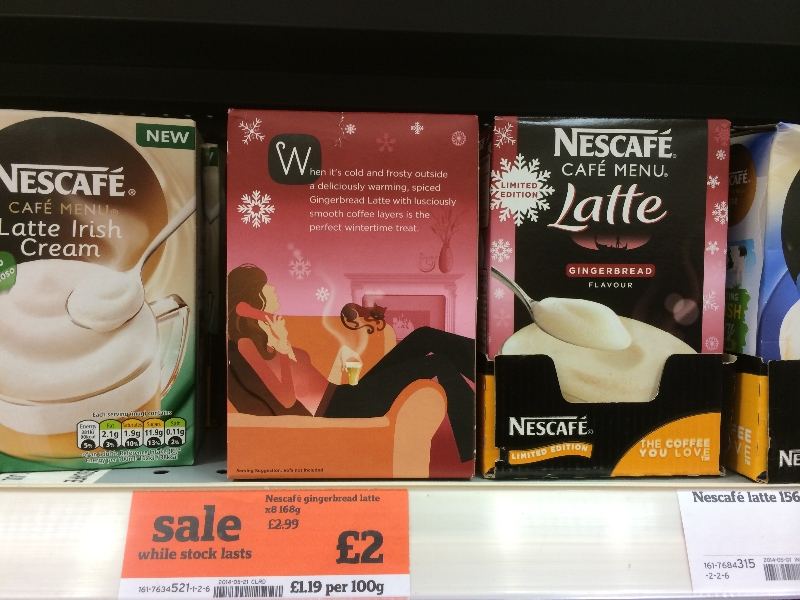
Oft forgotten about Sainsbury's were the write downs at the start of the King reign, absolutely necessary of course given the appalling automated distribution and accumulative issues, the business made its first ever loss.
Margins have never fully recovered, but the argument could be that Sainsbury's never properly traded on £600m profit in 2003 as the business was being primed to make that number through lower staff costs.
Another reason for the huge write down was the legacy of 'noncom' which saw a huge stock write off.
Non com was 'non ranged commodity', IE your store isn't ranged to sell this product, but distribution have sent a case by accident for example. These products had to be shoehorned into the display and then just sit there, sometimes for months on end.
Over time, this can become a huge issue; remember, the business has paid for this stock already so it becomes effectively 'dead stock', taking up valuable sales space.
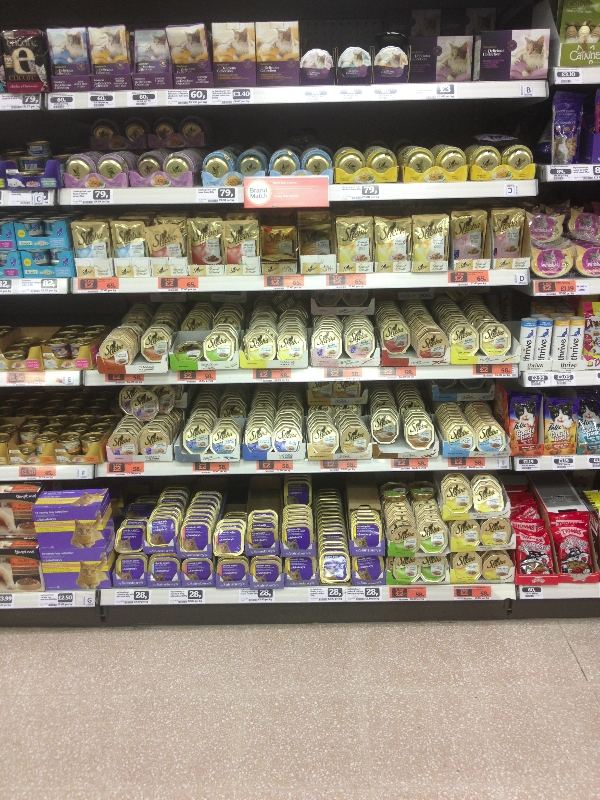
Part of that write down saw stores given a budget, and control to reduce items by up to 90% of their RRP if stocks warranted it.
Whilst Sainsbury's lost money, they returned some cash back within the business and cleared the decks, giving stores a level of empowerment.
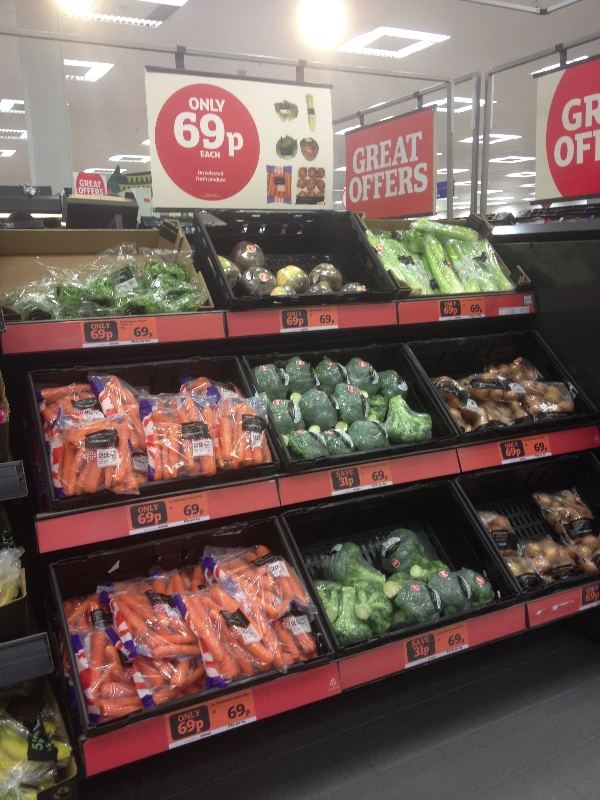
There are a number of snippets like that from the early days of Justin's reign, real common sense initiatives that helped the business massively. Didn't take long for momentum to grow.
I do wonder how many other retailers are storing up trouble with their excess stock, both non-ranged and indeed wider slow moving stock. It can be contained within typical clearance cycles but 'first loss is your best loss' and all that.
This is one of the reasons you can understand that Sainsbury's won't have many skeletons (if any) in the cupboard when it comes to Mike Coupe taking over.
Values are important to Sainsbury's, they trade off these well and it's their point of difference within the market. Whilst British meat is now 'everyone's game', Sainsbury's focus on good welfare sourcing for their meat too.
A big focus on Fairtrade helps capitalise on a niche for those well being citizens, those who don't have to worry about cutting back on food to pay the gas bill.
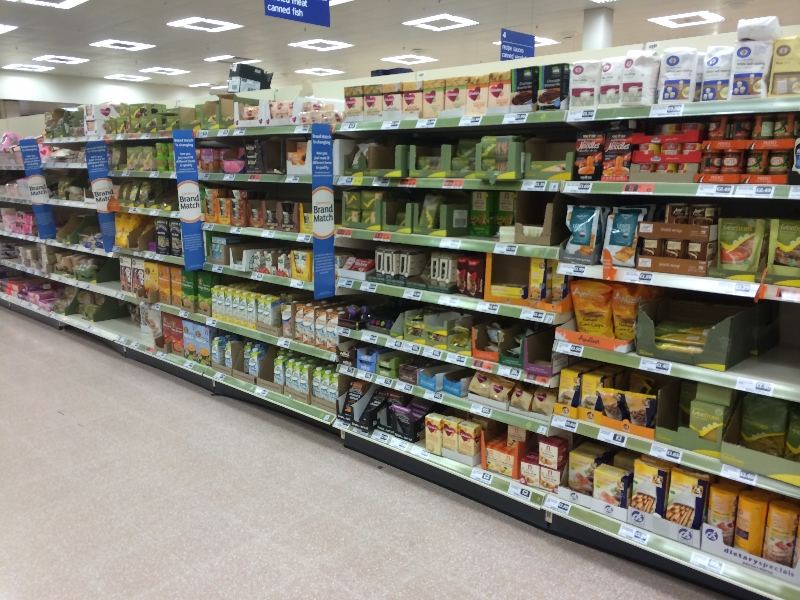
Similarly (above) the trend for 'free from' food has become ever more apparent in recent years, customers with wheat, dairy and egg intolerance have a severely limited product range in which to shop from.
On recent store visits, Sainsbury's had 5 full bays of free from, compared to 3 for Tesco and 2 apiece for Asda and Morrisons.
Sainsbury's continue to expand their range as it becomes apparent that customers are wanting the expanded range. For 'free from' fortnight recently, a cross category 5 for 4 deal was active.
Another trend is for 'home brewers' - Dolce Gusto, Tassimo and Nespresso machines and the capsules / pods are crucial, without those, there is no drink.
Sainsbury's have widened their range, presumably Nectar data indicates proportions of their shoppers possess a machine and therefore will buy the pods.
The product circled is Nespresso capsules, these are typically only available from Nespresso outlets but 'compatible' capsules can be purchased here.
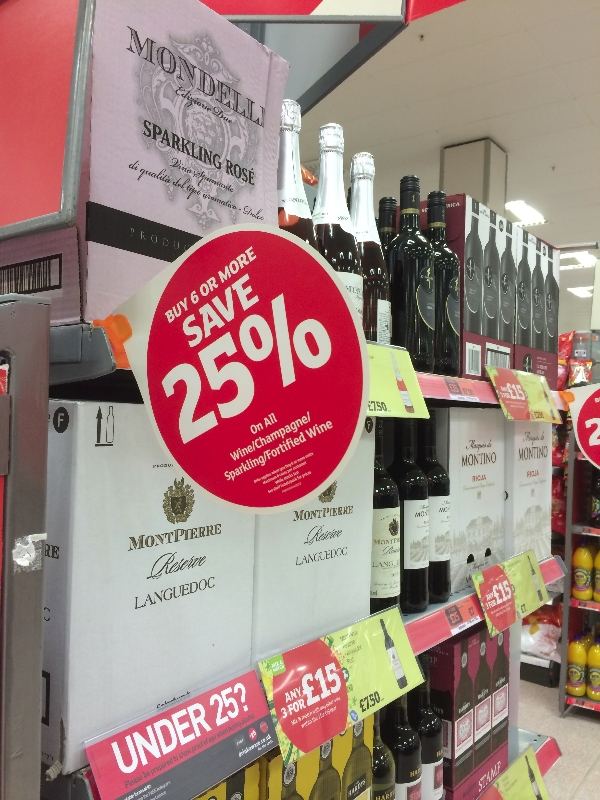
Promotions are part of the mix for Sainsbury's, like they are for all the major retailers, JS typically stay out of the major deals, preferring an even spread of deals across brands and own label.
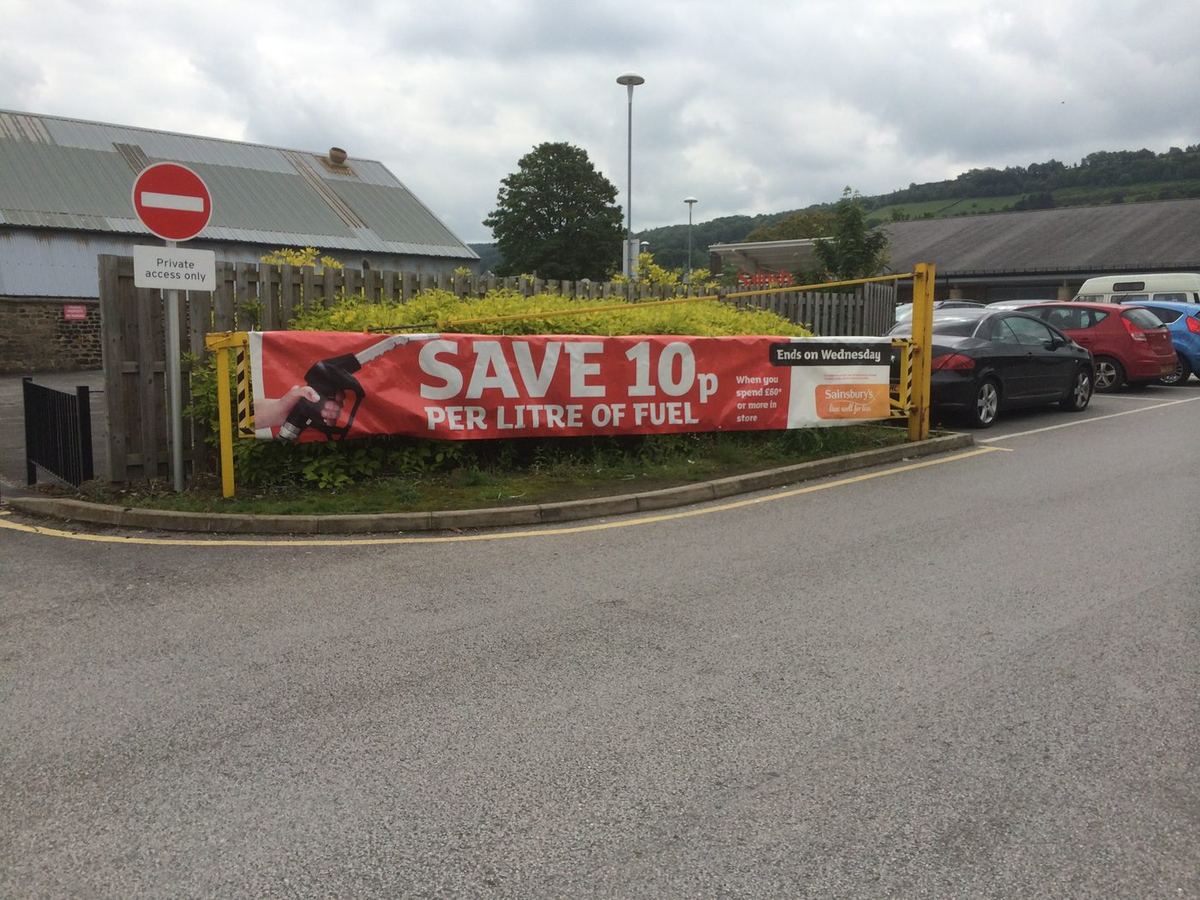
25% off 6 bottles of Wine is arguably as aggressive as they get, although they did run 10p off a litre of fuel twice in around 6 weeks too.
Brand match means they have to remain competitive on brands and deals, which can alter their promotional mix.
Their own label benefits from significant backing in store, much more than any other retailer. It's effectively a brand in its own right, and their Taste the Difference ranges continues to delight with another 10% rise in sales for Q1.
The focus on own label makes sense, its a huge differentiator, exclusivity (own label obviously), margins are greater and there is much more control over where, how, when it's sold.
This means there should be a level of confidence around the future for Sainsbury's, they can ill afford a price war, but is a 3.5% margin tolerable for the industry? Where everyone should be at?
Great focus on the own label in the above examples - a 'try me' message for Produce within the Produce category, and a great highlighting of the premium (good margin) Taste the Difference ready meal offer.
This is where Sainsbury's are unrivalled, ironically Asda are gaining strength in the Meat / Ready Meal categories by following some of these simple and effective merchandising tactics.
In a time poor society, customers have no interest in wading through displays to find the product they want, signage is vital to direct all shoppers to where they need to be.
Despite a well established online business, Sainsbury's have yet to move into the arena of food click / collect, until this week where they announced a deal with TfL to open up sites at 6 tube stations.
There appears to be a second mover advantage in the embryonic world of food click / collect, especially with the TfL sites becoming available. Tesco are very keen to get behind it, but take up has been relatively low.
One profitable(!) model could be the one trialing at Asda, eliminating any expensive logistical challenges.
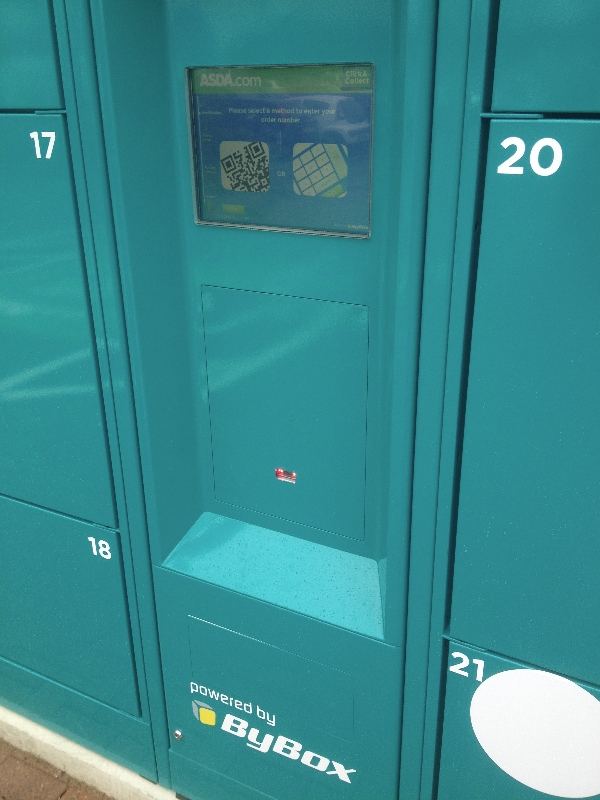
The shopping for this locker is picked in store (typical Asda shopping in Yorkshire / Leeds is done in a dark store) and then transported into the relevant locker doors as appropriate.
Customer arrives to the nominated parking bays outside the locker, pick up their shopping and leave, or pop into store for some bits they may want to pick themselves.
It's good for Asda - benefits them as they see a true availability picture from store, based on the subs on store based picking.
Secondly, eliminates logistics and that final customer journey - no drivers, van, fuel or tax to pay for this particular store.
The future?
From the Grocery Insight newsletter archive, first sent to subscribers on 11 June 2014. Steve now writes at read.groceryinsight.com. See also the blog archive and briefings.