New York, New York
27 February 2019

We have spent the last 5 days in New York City, looking at the retail elements that make up the market there. Given we visit similar places each year, it provides an excellent overview of how things are progressing, how quickly online is being adopted and the wider development of the area around the World Trade Center too.
First up - Amazon Go are heavily rumoured to be opening their first site in the Brookfield Place area of the City, downtown near the "One World" center site.
This is also near Wall St and the Goldman Sachs HQ which plays perfectly in to the 'on the go' / time poor element for the customers here. The store, if located in the center itself will fly given the popularity of the food halls there already.
Intriguingly, there is a decent sized Whole Foods over the road too in Triebeca. But providing that "Go" opens in the Brookfield place area, this will be a great location for the fledgling format.
Interestingly - there is legislation being looked at in a number of states to block stores who do not take cash. This would impact Amazon Go naturally, so it's one to watch going forward.
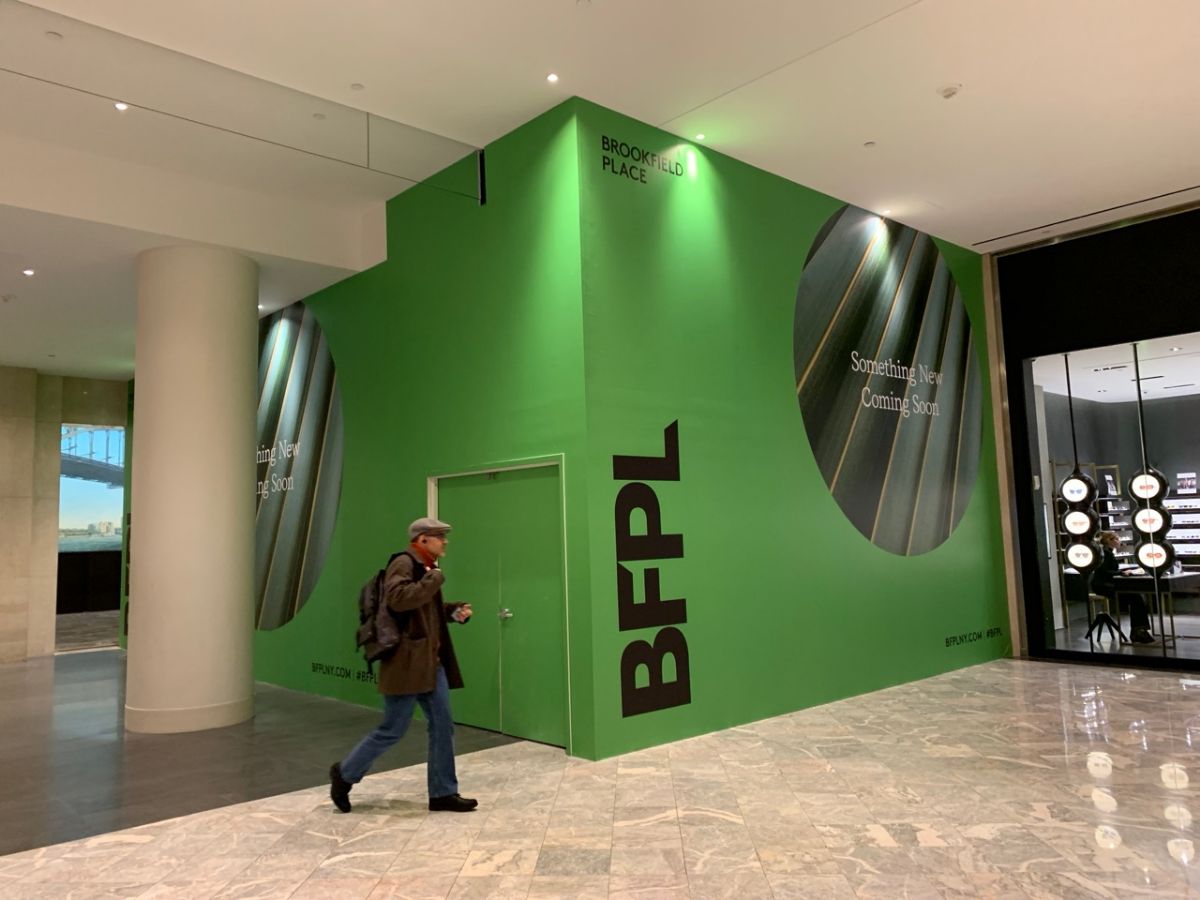
Could this be the location for the first Amazon Go store in New York? Brookfield Place has a number of retail outlets and perhaps one is reading too much in to it but the font on the "something new, coming soon" does look a bit Amazon / Whole Foods esque....
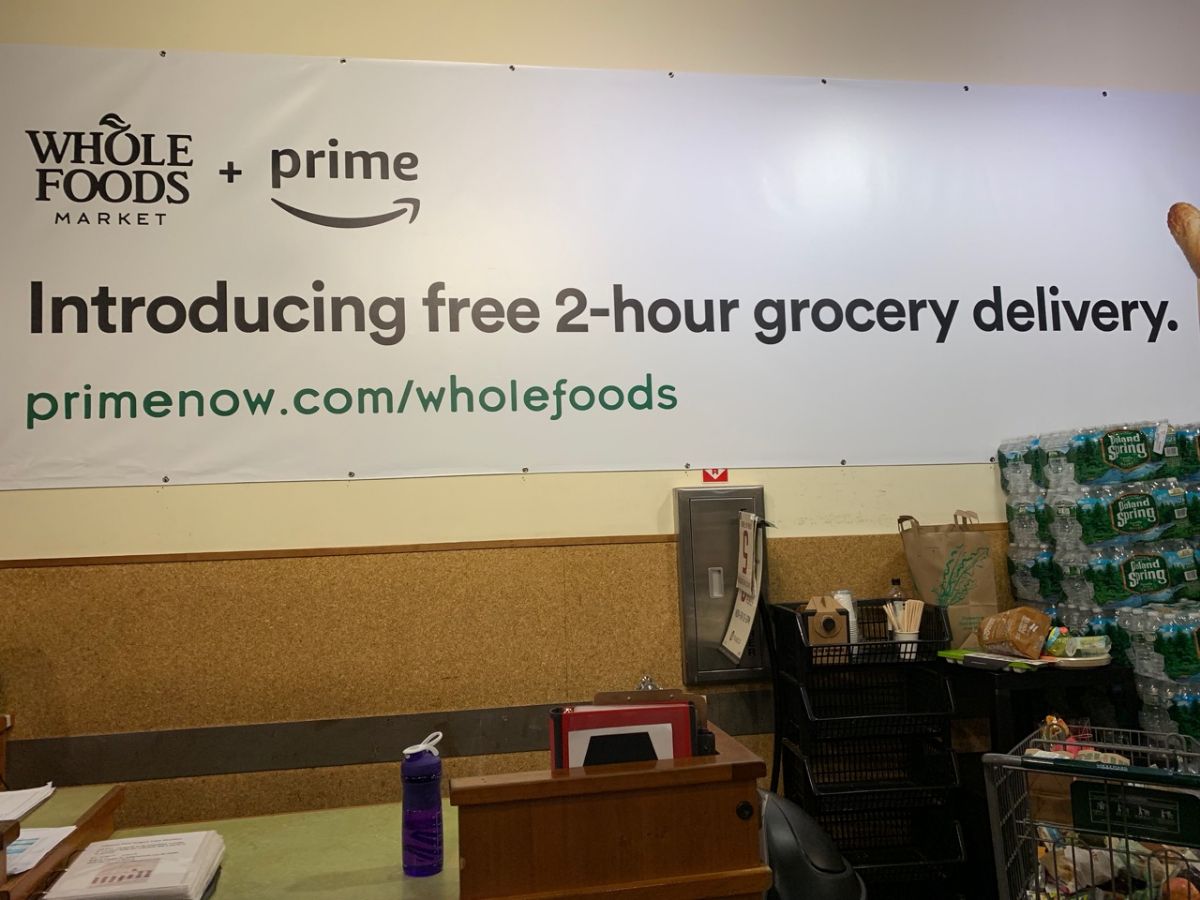
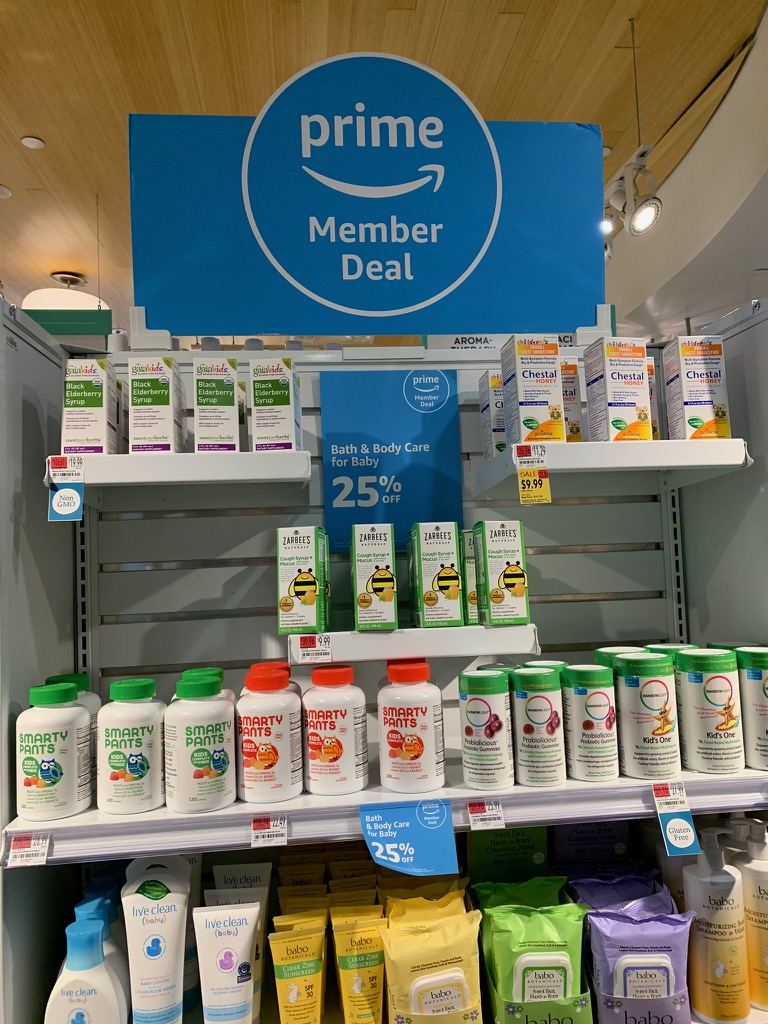
Amazon are everywhere in New York and their Whole Foods acquisition still shows slow progress and not a great deal of change, save for Prime deals everywhere and the enhancement of delivery for prime customers.
However the logistics of actually delivering the food in central NY continue to perplex and it's a struggle to understand how it'll be a) cohesive and b) profitable(?) There are numerous people with bicycles, push along luggage carts and all manner of methods to transport single orders to the numerous skyscrapers around the Tribeca store.
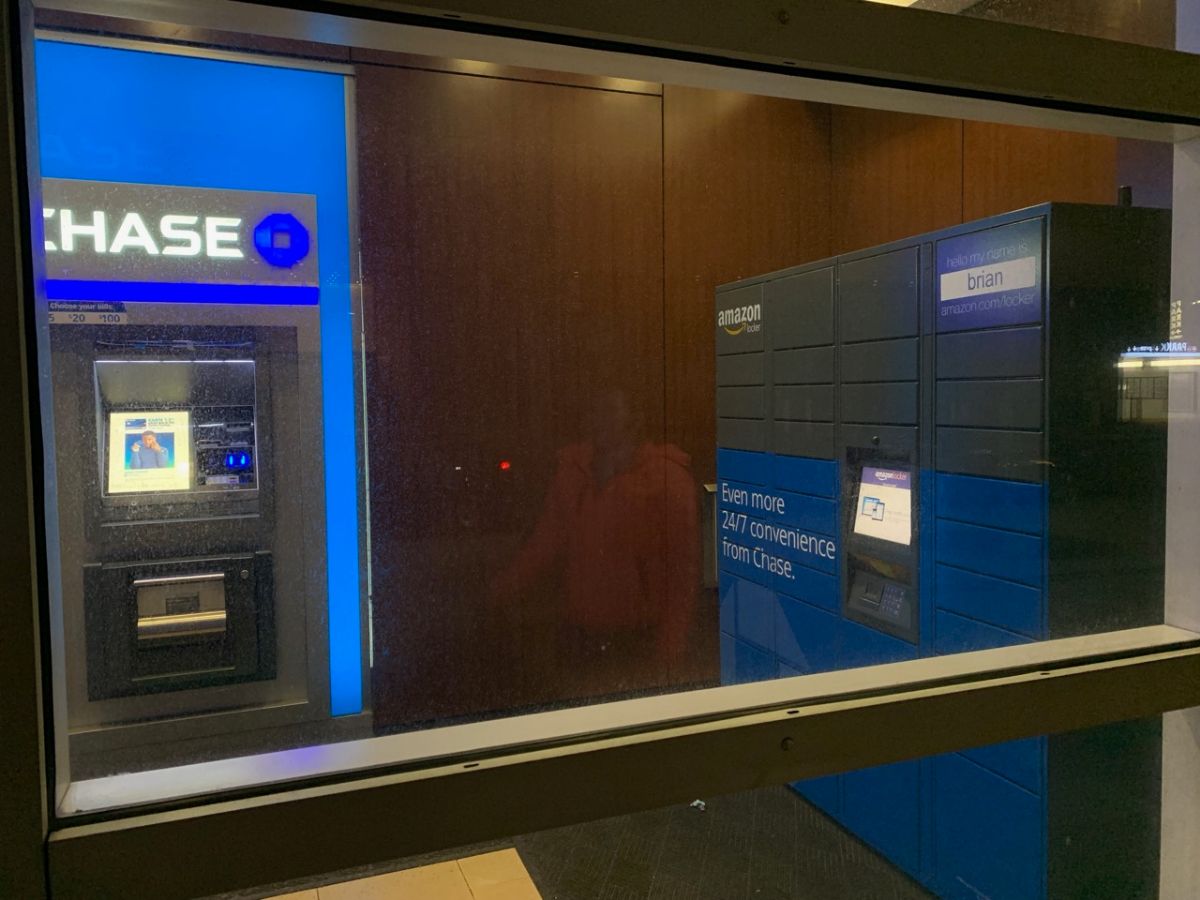
Another noteworthy point was the addition of Amazon lockers within the Chase bank (which is open 24/7 but sites numerous cashpoints and banking machines beyond the core opening hours).
In city centre locations, adding Amazon lockers to busy bank branches seems a good idea for footfall and to improve the customer experience.
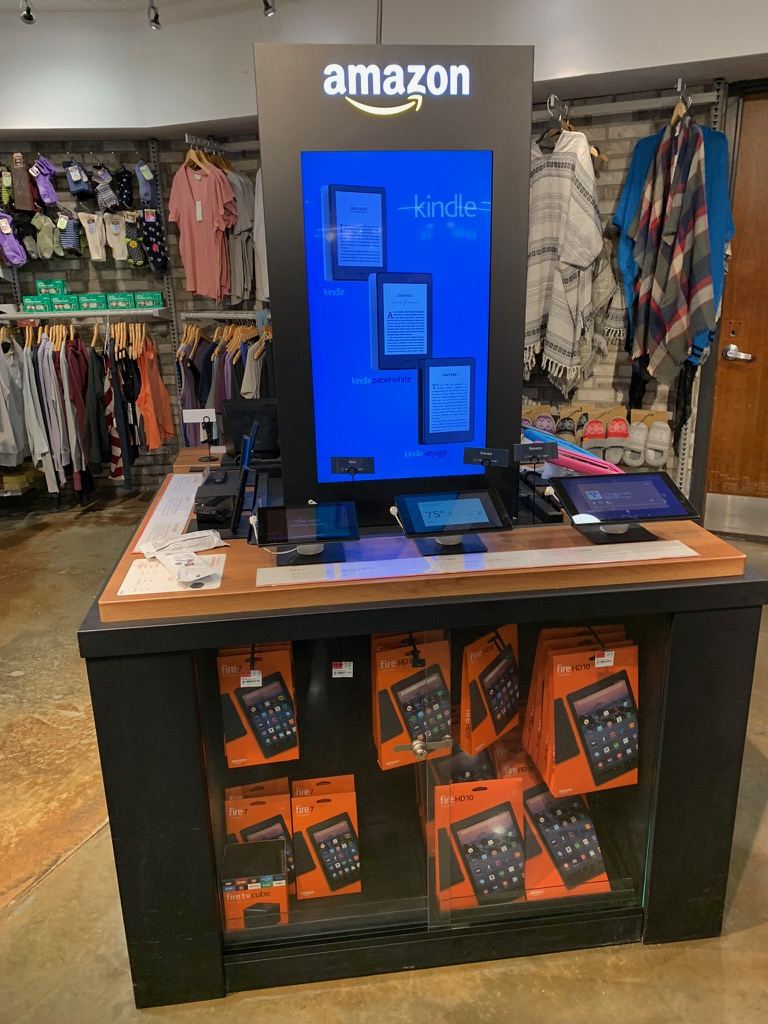
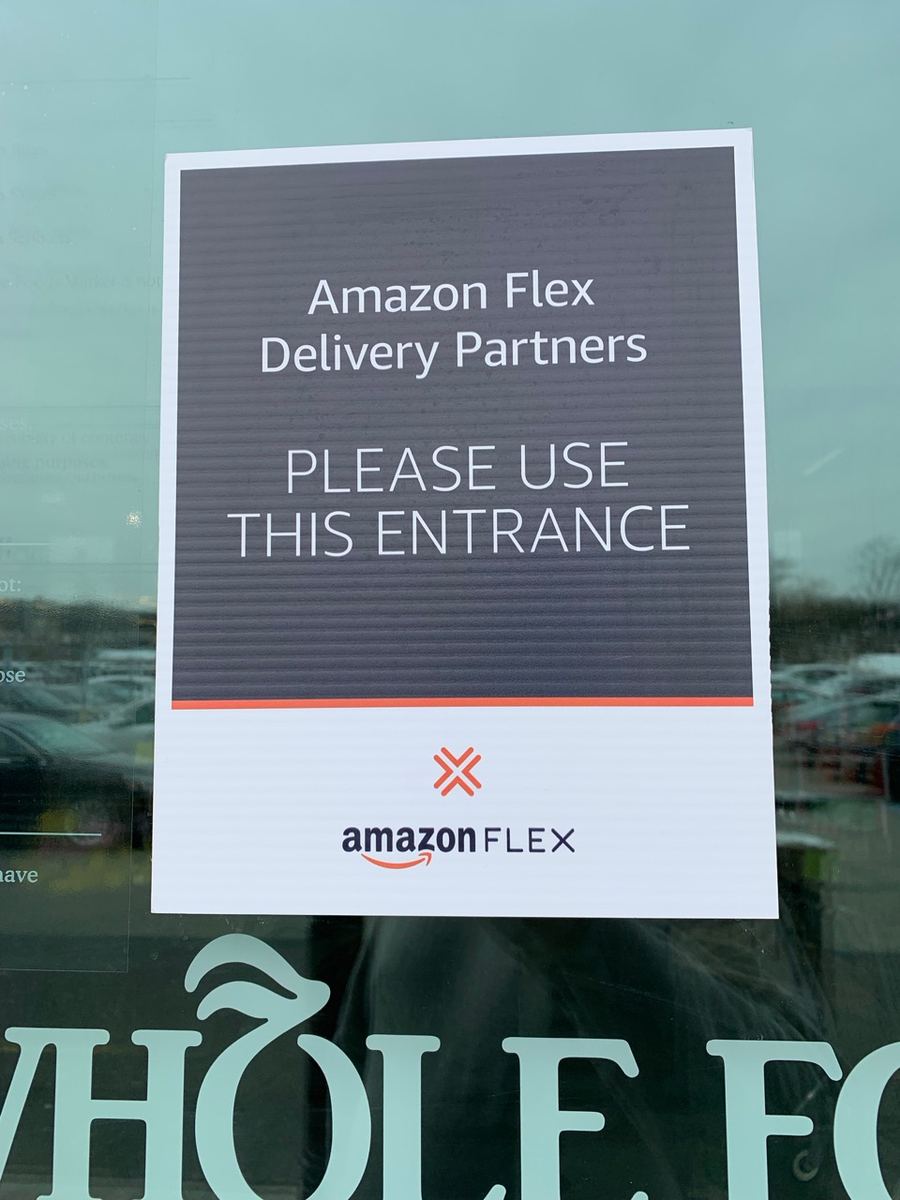
On the subject of Amazon; moving out to New Jersey and store visits in the townships near Jersey City itself, it was interesting to note that Amazon were making use of "Amazon Flex" drivers - their own service which offers people a chance to drive for Amazon on a freelance basis.
There appeared to be a number of drivers utilised for deliveries from this store in New Jersey, with an area set by for drivers to pick their deliveries and scan the relevant bags and boxes in.
It's interesting as Walmart have done similar in order to offer delivery for customers, but not have the burden of the huge costs incurred when delivering that final mile....
The challenge is that for a customer, the delivery driver is the only human interaction that a customer may experience so if the driver is a freelance who doesn't deliver great service - then the risk of a negative experience is huge and it's not easy for the retailer to recover that.
Facts remain that economically; the delivery element of online food makes little sense and the true cost incurred by a retailer in delivering far outstrips what is charged to customers.
So for the US retailers like Walmart and Amazon / Whole Foods; how to square that circle between delivery, loyalty from customers and making a return in a sustainable way.
Not easy. Hence why retailers have pushed their "Pickup" / "Collection" options which are cheaper to fulfil although still impacting the margin.
Whilst tech is always a point of interest for many; the reality is that whilst robots may well exist to fill shelves and serve the customers, we are still some way away from this being a reality...
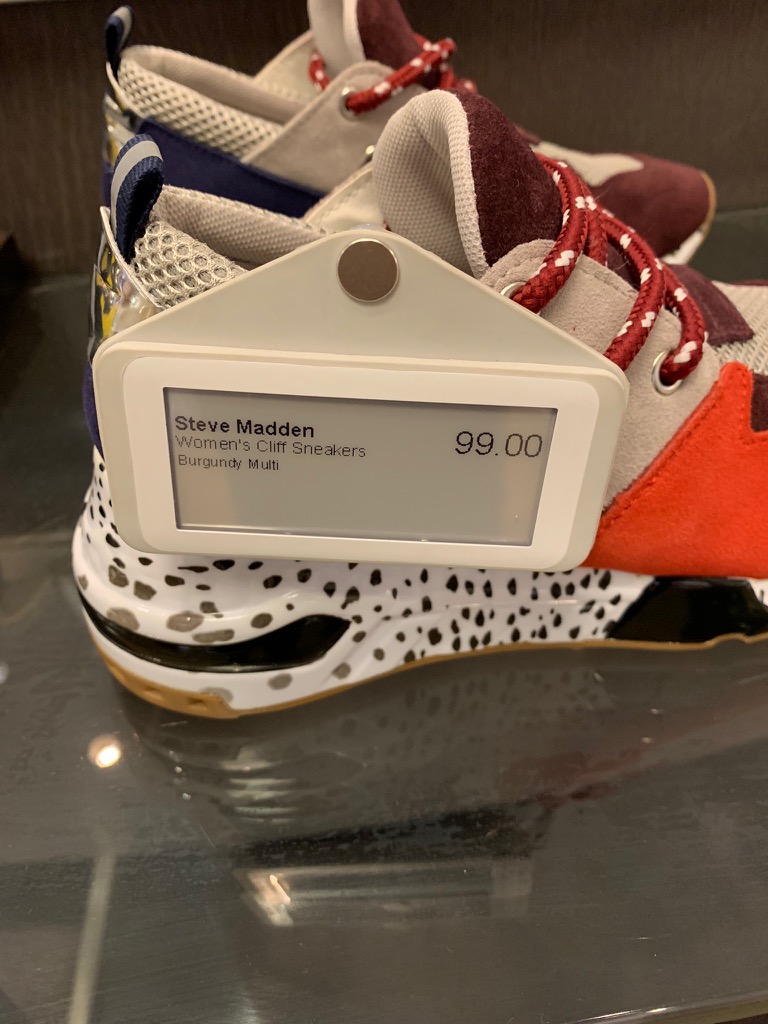
Costs, testing, sites, scale etc all hamper technology and then we end up with technology for technology's sake. However digital shelf labels displaying prices are a seemingly obvious way to utilise the latest technology whilst saving money on the efficiencies...
However to roll them out to a Walmart for example would deliver instant savings in terms of no changing of paper labels at a stroke, however the cost of one digital shelf label per product is astronomical, especially when one factors in the 4500 US store number on top.....
Macy's were using technology around pricing with digital labels on some pairs of shoes, showing sale discounts and the core price too. A vital cog in the Macy's wheel one would think, especially given their near baffling level of discounts, sales, "% off" etc.
Digital could help communicate value in a clearer way to customers and make them see the value they are getting, in some cases too....
In terms of Walmart and their wider world; the Asda / Sainsbury's deal looks to have been firmly kiboshed by the CMA which leases Judith McKenna looking for other ways to solve the problem in the United Kingdom and the overseas exposure.
That said (more to come on this too) the Asda problem isn't something that really needs to be solved necessarily.... Sure the market is tough and discounters are still wreaking havoc however Asda have recovered admirably under Roger Burnley and are now at their 7th quarter of like for like growth.
Whilst they are still pulling back from the nadir of -7%, they are performing well in a tough market and are taking share from other retailers, including Sainsbury's interestingly(!)
Is it a problem business? Not at all and Walmart have done well with the dividends and also the expertise that has transplanted itself over to Bentonville, Judith herself is testament to that but their online growth has been driven by numerous ex Asda people also.
But the market in the UK is stacked and it's hard to see how Asda would make a serious dent in the market without huge investment (but a zero sum game effectively) in the margin.
Organic growth is difficult as there's no one to acquire and the returns would never make sense in any case, not for the UK business as part of a wider world within Walmart...
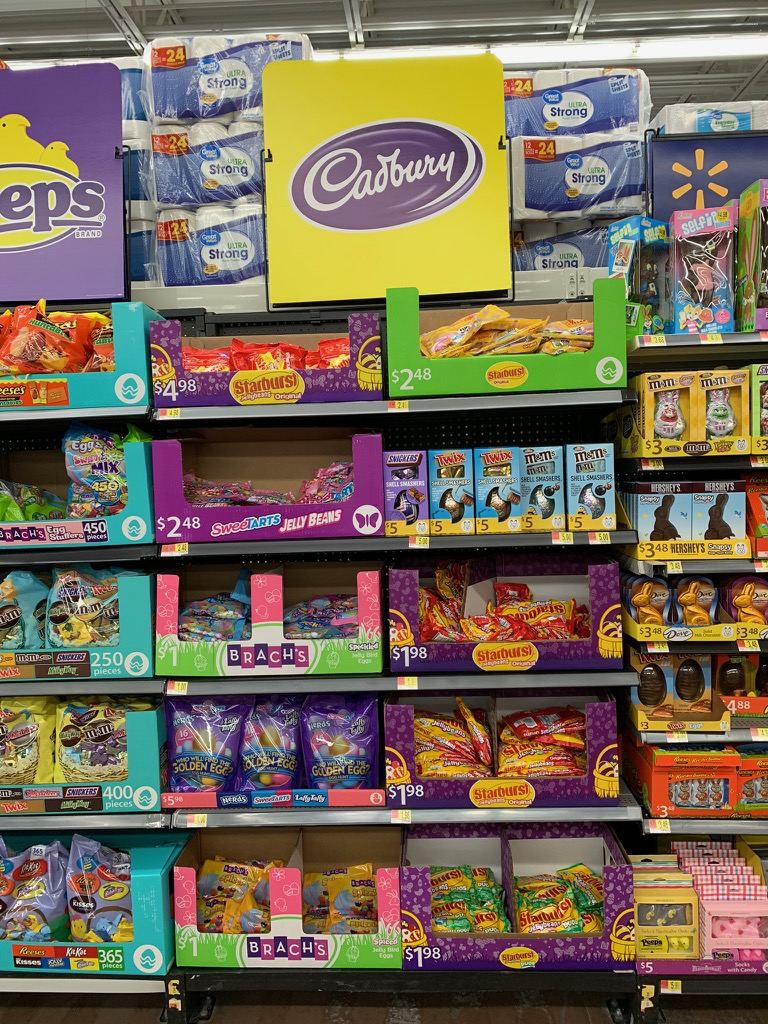
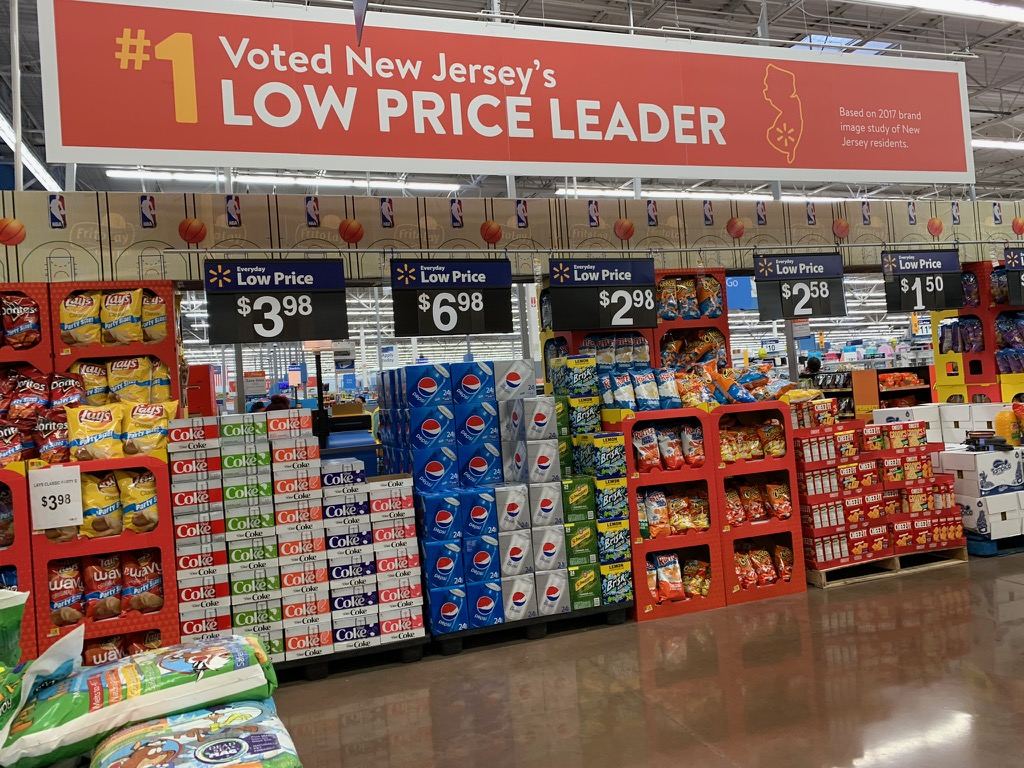
In terms of the US itself; Walmart continue to progress very well and their focus on store operations in the US itself has paid dividends (partly funded by the Asda ironically with their profit delivery).
However competition remains fierce; Target have also recorded strong sales growth and appear to be solving the online challenge with their various offers around 'same day' via Shipt, Restock which is regular order based deliveries alongside free 2 day shipping too.
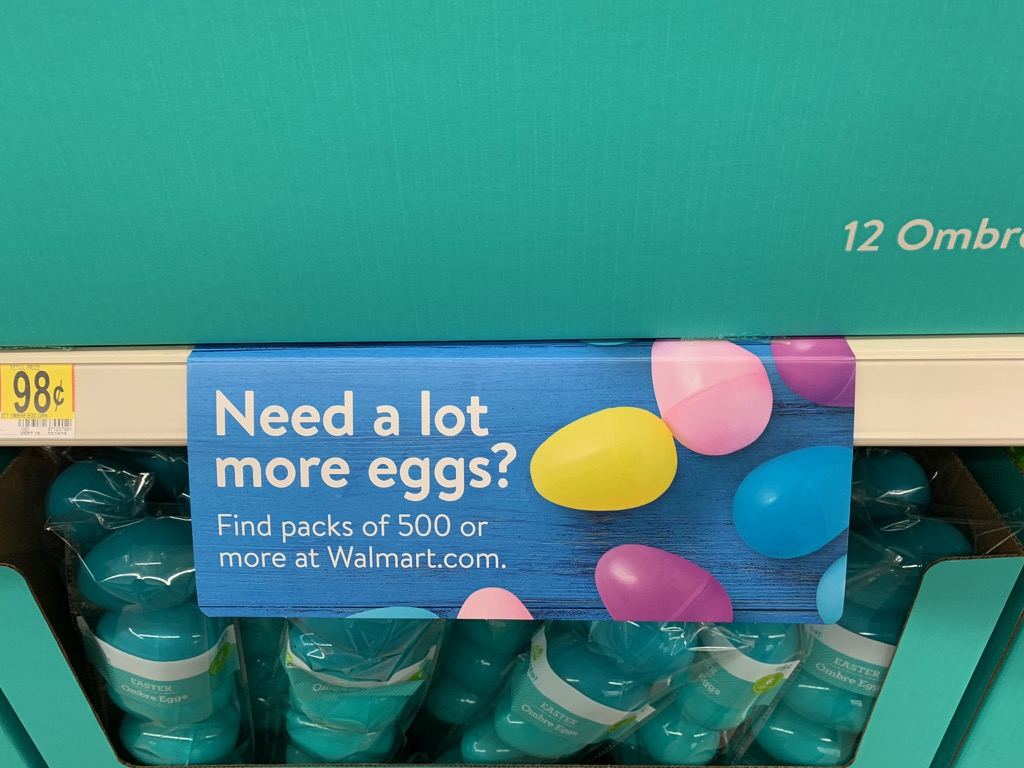
Walmart have blazed a similar trail with their Pickup offer, bringing online commerce to the store with their large pickup towers and arrival screens making it as easy as possible for customers to order online and pick up in stores.
However there is growth to be had with city centre locations and whilst profit may not be evident on larger shops with logistical challenges, operating a smaller footprint - like Target have in New York provides opportunity for more e-commerce linkage and also a chance to grow 1 hour deliveries and brand loyalty too.
However the returns are unclear; rents are far higher in the first instance and for big box operators - you have to be so good to be able to run smaller stores anyway...
For Walmart, it would be a distraction. However but what about acquiring another retailer? One that operates a different price hierarchy and operates entirely differently in a similar space?
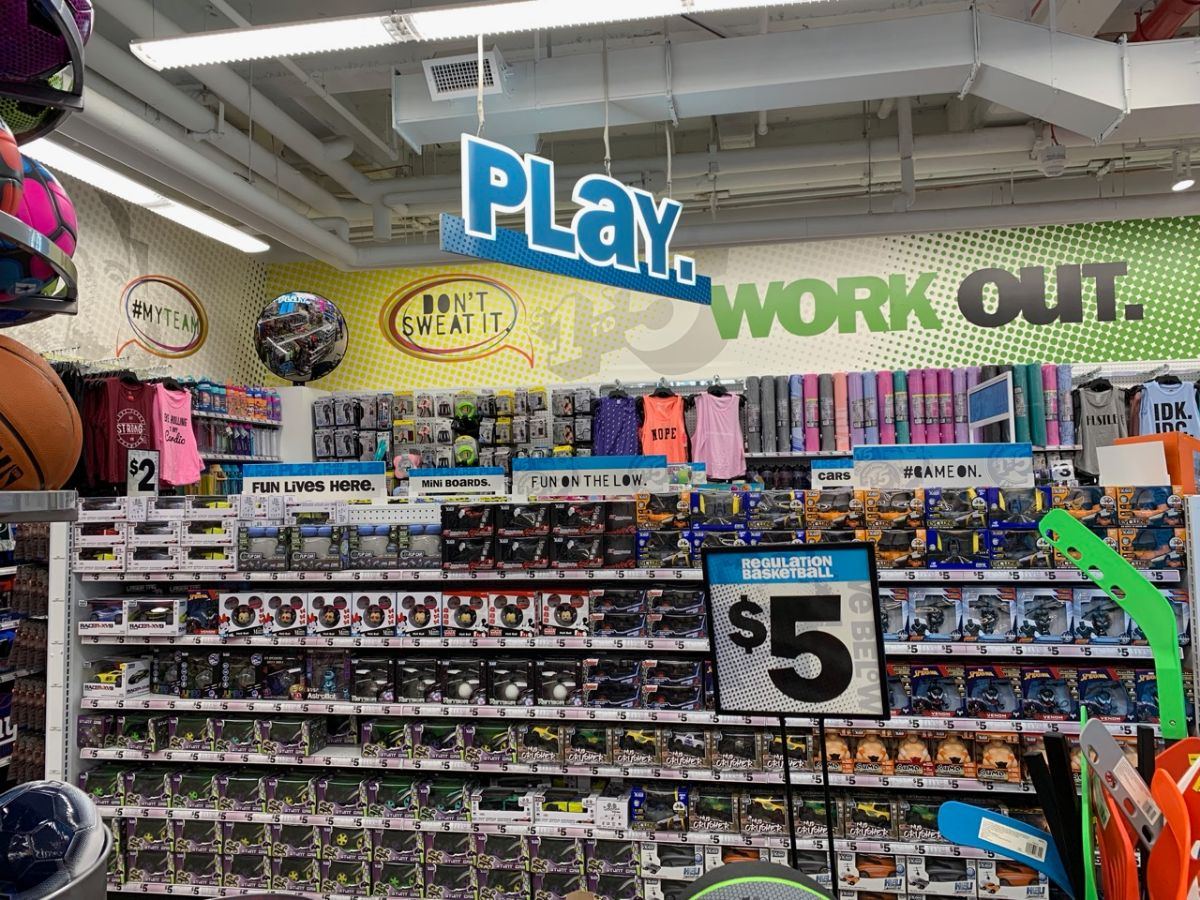
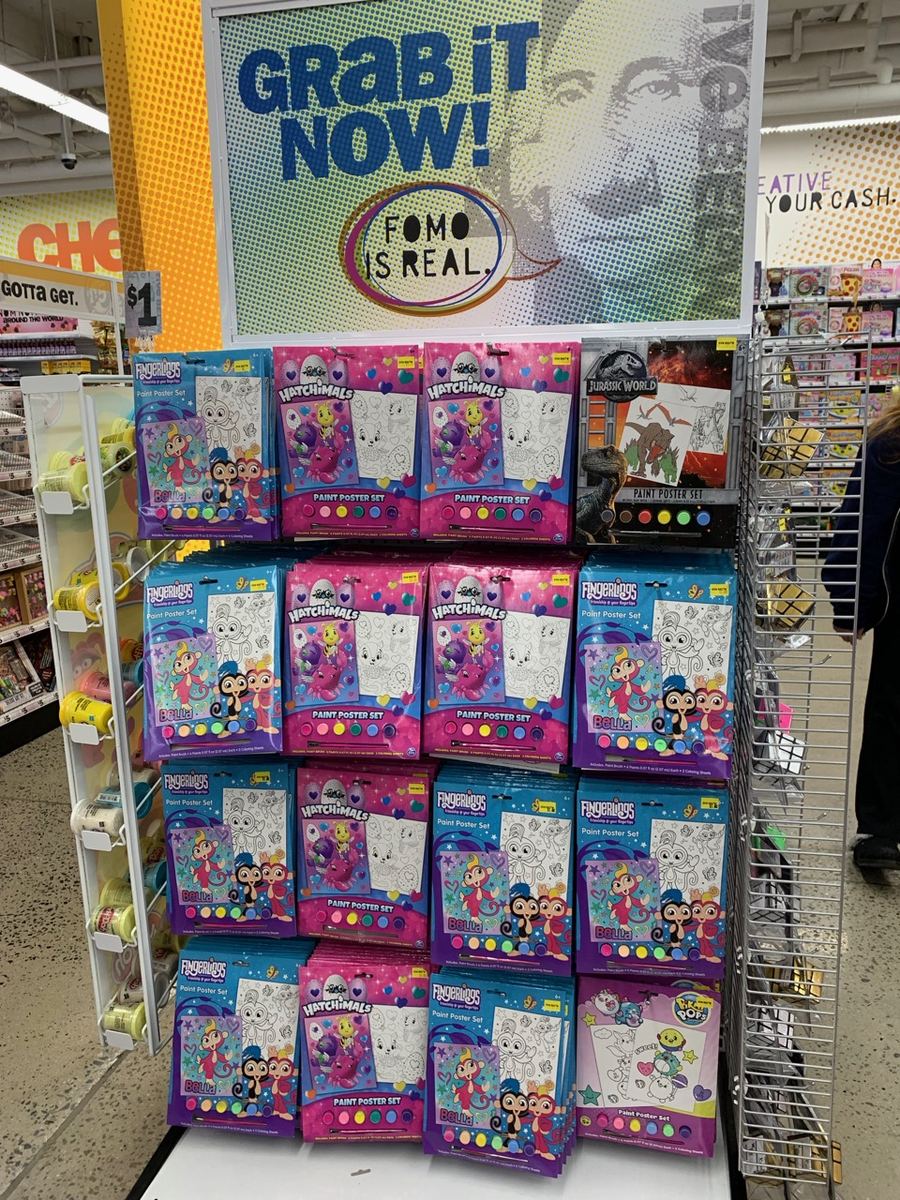
Five Below are a retailer who operate similarly to a Dollar store, albeit trading goods that are under "Five Dollars" - hence the name. The former Poundworld boss Chris Edwards is launching his "One Below" chain shortly which is based on the same premise.
The stores are brightly branded, merchandised very well and feature a whole host of popular products across key categories like Health/Beauty, Electronics, Games, Toys and "Sweet Stuff".
Leading brands are starting to appear in the ranges, showing that suppliers are taking the growth seriously. Alongside this, the chain is incredibly strong on seasonality - with lots of Easter and St Patrick's day merchandise noted in store.
So a chain in rapid growth; lots of overlap with the Walmart offer and very reminiscent of what Sam Walton would have had his early Walmart stores like - focusing on trade and selling.
The locations for 5 Below look to be retail park alongside some city centre locations; such as New York City where their flagship can be found on 5th Avenue no less.
It would be ideal for "Pickup" collections and offering click/collect in a smaller footprint which is unachievable for Walmart given their larger store focus.
Whether the numbers stack up is another matter, but a retailer that is on the up should be considered carefully, if only due to their model and locations that would complement the Walmart estate very well indeed.
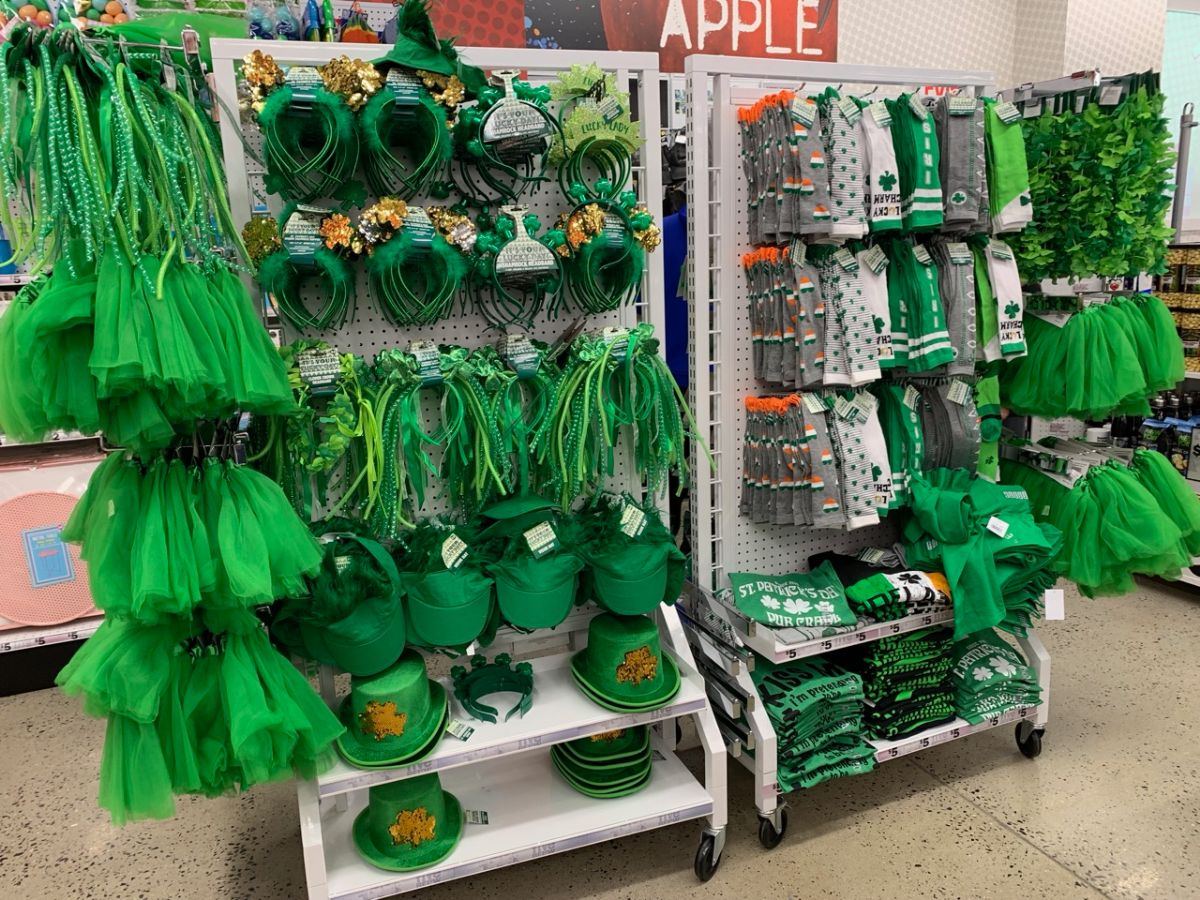
Walmart aside; there are some excellent examples of strong discount focused retailing here. Their stores are always busy, without fail and appear to be trading very well given the expansion plans too.
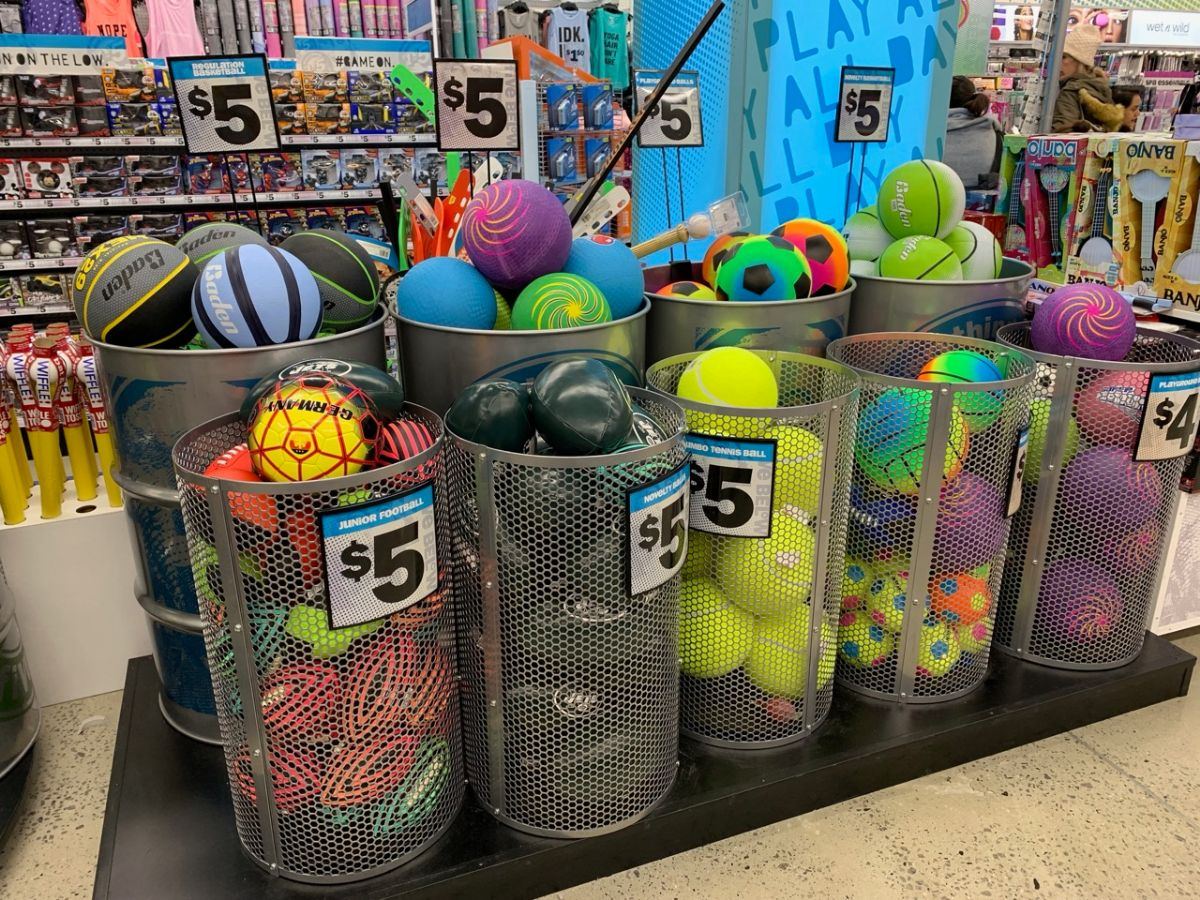
So there we have it, a brief overview of the New York retail scene; there's lots more to tell - particularly the Starbuck Roastery and the Dyson experiential store too.
We will make some of our New York observations available shortly also.
For those who can't get enough retail, our new podcast "all trained cashiers to the checkouts please" launched two weeks ago and is available on iTunes / Apple podcasts alongside Podbean too.
Please see the link below to subscribe; episode 2 is available shortly and will focus on New York, with episode 3 then looking at that CMA decision.......
Our podcast - Subscribe today!
From the Grocery Insight newsletter archive, first sent to subscribers on 27 February 2019. Steve now writes at read.groceryinsight.com. See also the blog archive and briefings.