Stock shortages, Online and Non-Food
22 April 2021
Enlighten your inbox, join today.
Why not visit our new website?
COVID has wreaked havoc with all manner of things in the world that we knew so well, the changes will be constant as we evolve to cope with whatever the new normal is, probably the same as it was before, albeit changing at short notice.
The fuller, longer term effects on young people, the prospects of jobs for those aged under 25 and indeed, our youngest people who faced 6 of the 12 months, out of school. When you are lectured for asking for 4 days off (out of 17) for a holiday, being reminded about how much just one day of school matters.....
Who knows what the effect will be on their perception of the world, of social interactions, mask wearing and the rest of it.
We have seen online growth remain constant but the capacity is now there for this to continue, but some of it, is temporary. I have looked at Sainsbury's with minor admiration for their ability to, like others have done, pop up a collection area utilising barrier fencing in the car park, rather than a fancy pod that just isn't really needed....
Admittedly, the absence of planning enforcement for such developments has helped and this relaxation should point the way forward for better ways of working, similarly with digital and all that goes with that.
Whilst non-food has moved online, in large swathes and continues to do so, with physical retail from Debenhams alongside the Arcadia estate (a huge occupier of space up and down the country) now strictly online only. The question remains about just how much non-food should be in physical retail.
The hybrid model, blending online and physical, employed to great effect by Next (for example) is certainly the future, but then relies on a policy change from the government to enact business rates that are equivalent to what the unit does / performs for it's owner/occupier.
The challenge for retailers is that they can end up being stung, with similar rates for retail properties but then an additional, uplift on distribution centres and then a digital tax, could spell trouble for the wafer thin margins.
A store estate as fulfilment is clearly a positive and Walmart are employing this to great effect with their 4,000+ store estate deployed to offer online groceries to the masses and enjoying huge growth at the same time.
I am reminded of a quote that I have just read in a book about Walmart, by Don Soderquist no less, where he talks about Bill Gates and the wider technological ambition that Walmart had, but is absolutely relevant now.
The first rule of any technology used in a business is that automation applied to an efficient operation will magnify the efficiency. The second is that automation applied to an inefficient operation will magnify the inefficiency.
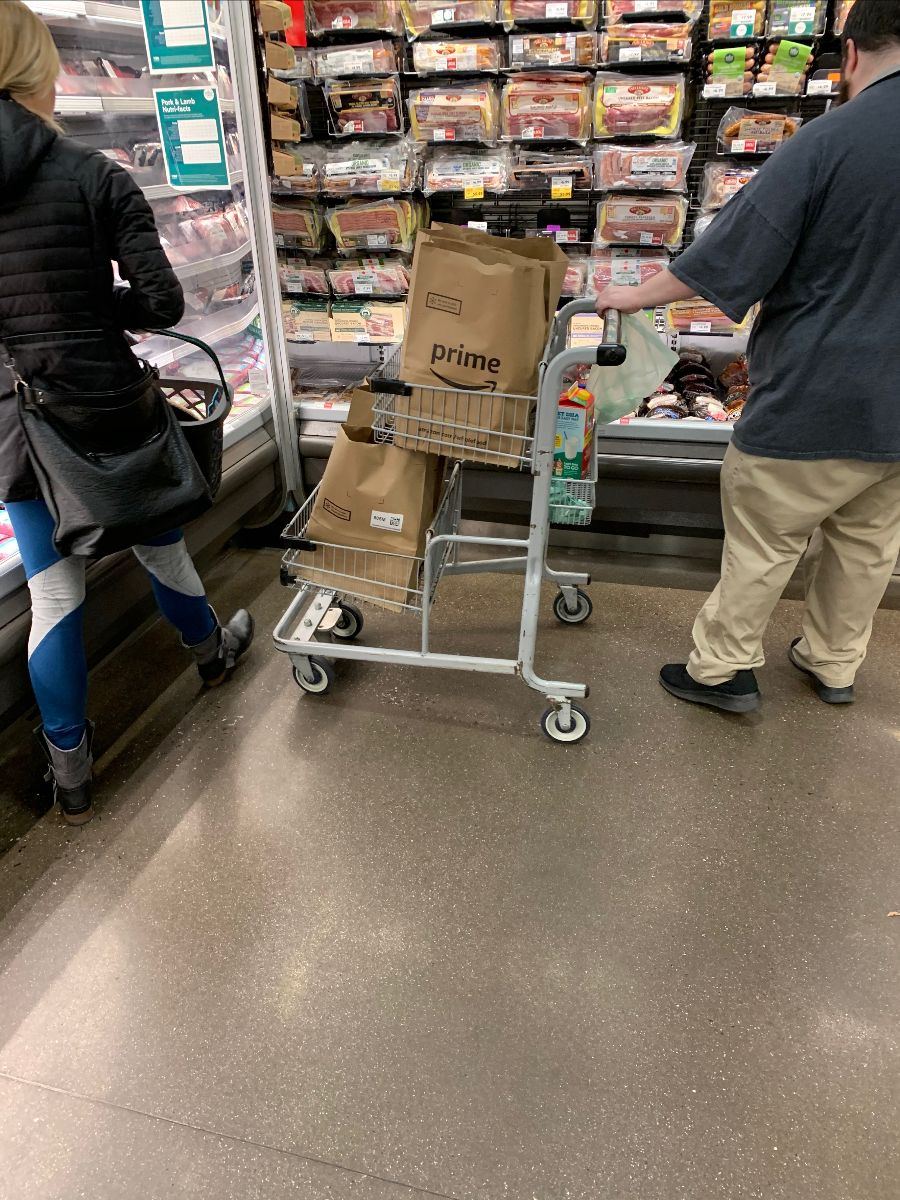
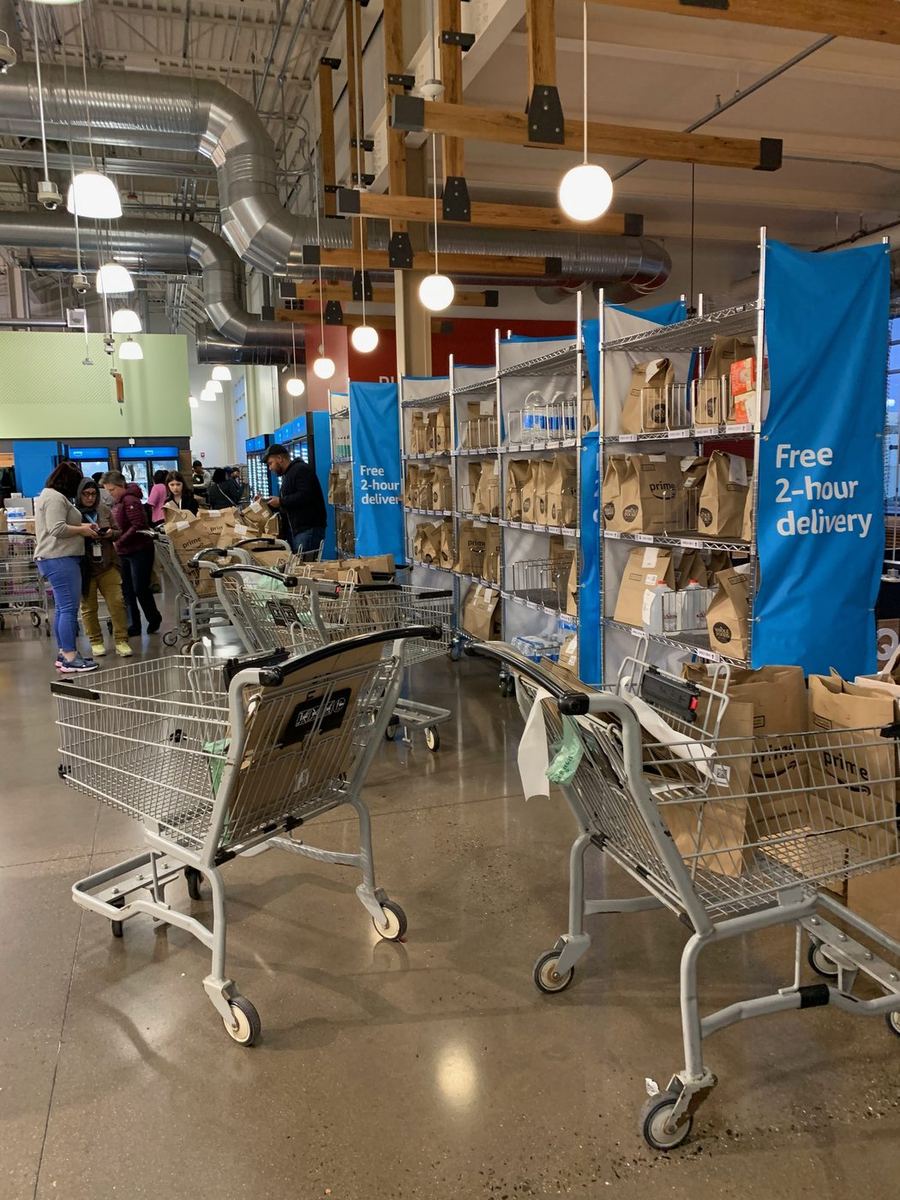
I hold up this Amazon Prime / Whole Foods example all of the time. Whilst the Amazon business is a machine, their acquisition of Whole Foods remains relatively puzzling.
Pushing the business towards a hi/lo strategy, without ever really resolving the fundamental issue around everyday low pricing and the value perception, which is known as "Whole Paycheck" for a reason in the US, remains inherently confusing.
Additionally, the usage of Prime discounts merely serves to drive Prime membership, which is fine, but the likelihood of this attracting new customers to the chain is remote, one would think. Given the popularity of Prime anyway, it probably only serves to subsidise the existing customers anyway?
The addition of mechanised fulfilment centres and the like, or UFC (urban fulfilment centres) as promised by Walmart and indeed, Tesco, who are ramping up their plans to add further 'back of house' work that will bring the costs down and improve fulfilment for the customer.
Whereas Whole Foods are built out and many stores will have little space, to deliver further improvements, versus say, Walmart, who operate stores that are over 200,000 sq.ft in some cases.
However, Amazon are used to working with a model that utilises hub/spoke methodology and a depot network, so whether plans can be developed to accelerate building such a facility and take pressure away from the stores.....
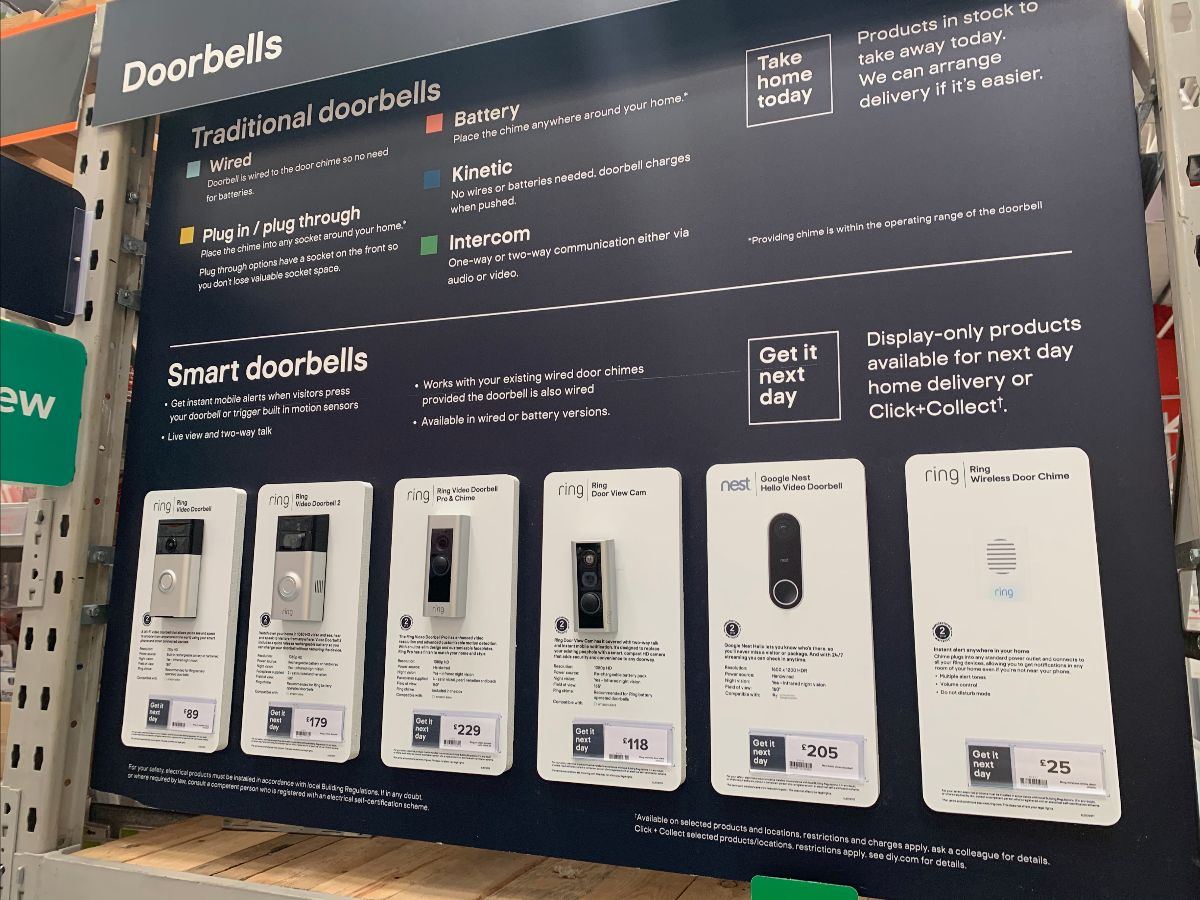
One category that remains somewhat beyond the reach of online, save for click/collect is DIY and the wider building supplies network.
Whilst happy amateurs (like oneself) can get by on Amazon with their myriad of suppliers and sellers, sometimes venturing in to a Screwfix with their hybrid online and click/collect model which works well, the experts require a bit more and indeed, as do more proficient DIY operators and professionals.
The move to online here will take the form of ease, IE a better click/collect model (the B&Q one is notably hard work), whereas McDonald's bring your food to your car, B&Q don't do so, despite one potentially buying a ton of product.
Why not aim to charge more for a 'bring to car service' for example(?) People want to save time and often, people will increasingly think about spending a little to save time, especially when they're spending hundreds of pounds. £5 for a bring to car service, with a dedicated area in the car park for said customers would be an improvement.
Smart doorbells in the example above; every single one was next day, which is fine. But Argos carry doorbells and can get them same day to you, assuming they're in stock. Either way, it's hard work to navigate from a customer viewpoint.
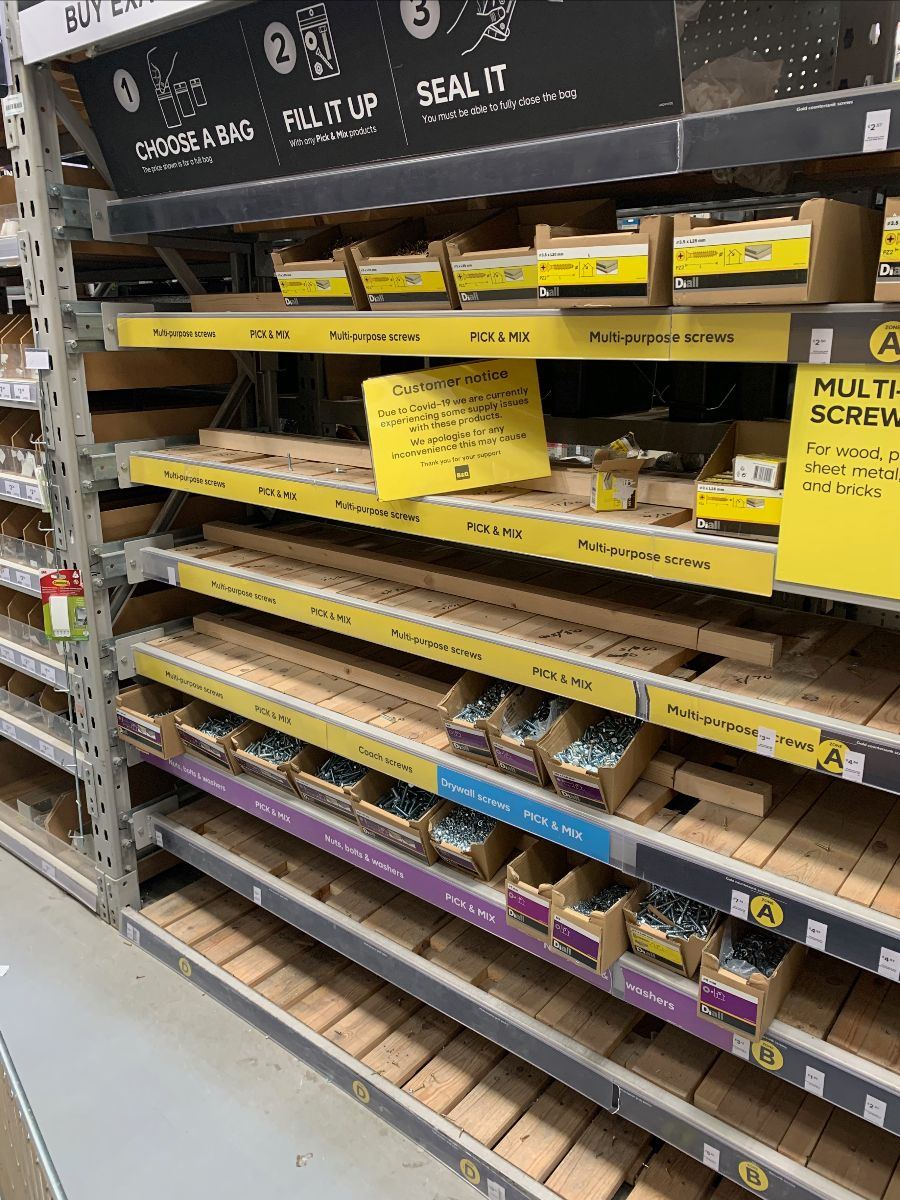
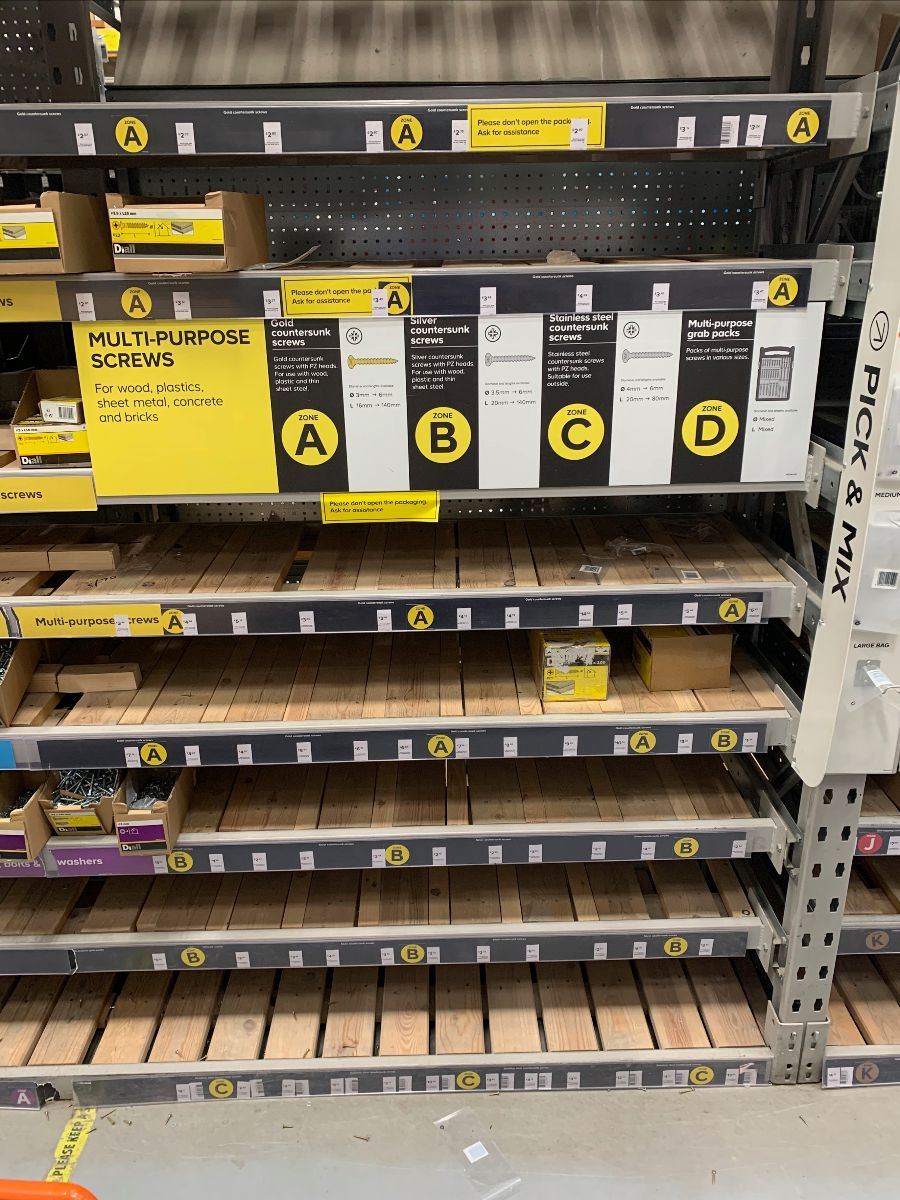
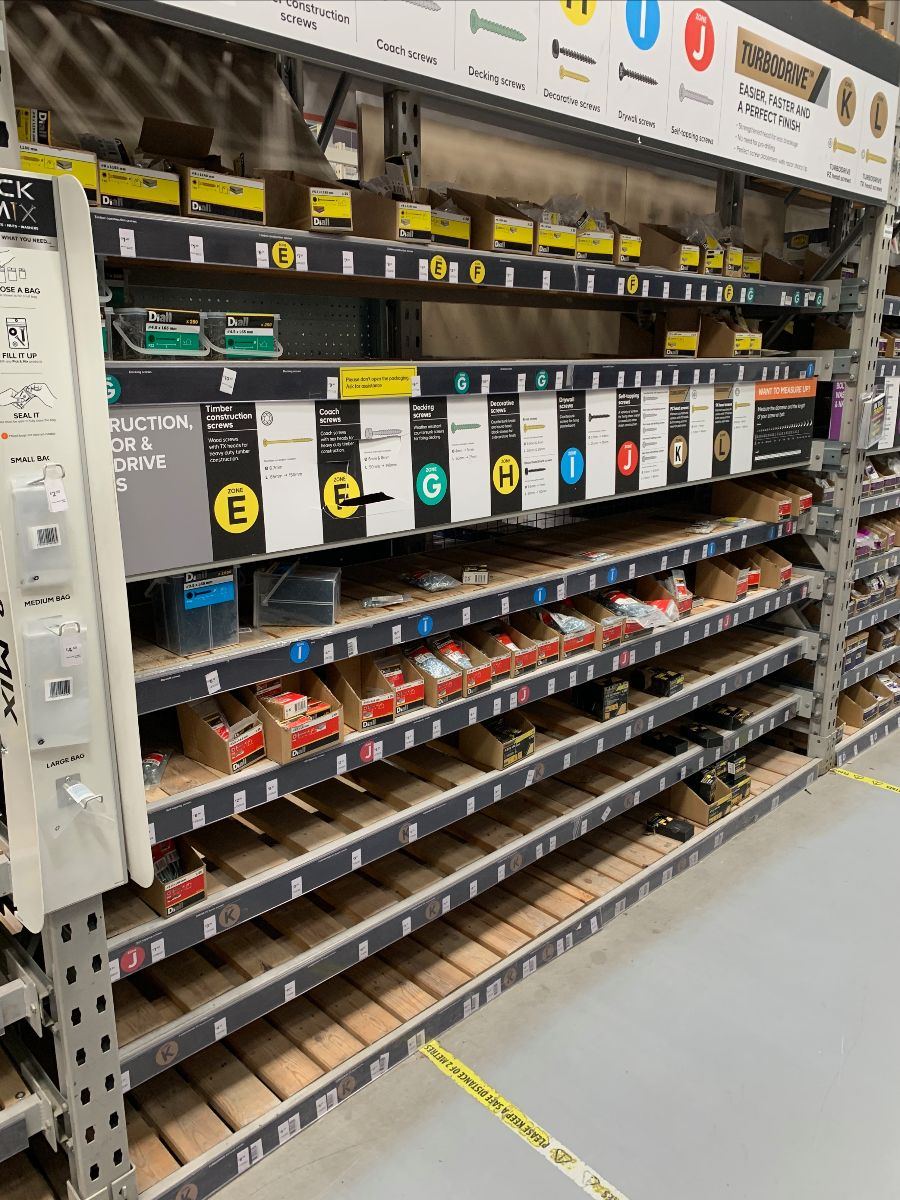
Whichever channel one uses to purchase products, there is always a need for stores and expertise. The screws and nails area in B&Q is a great example of this. Buying online means you end up buying more than what you need, or indeed, the incorrect size or shape purchased.
Being in person, for fixtures, or fittings purchasing is invaluable and people don't have time to wait for online, if they are in dire need of screws for a project, and just need to nip to a store to get what they need, to prevent their DIY projects from falling down.
Alas, there isn't any stock at the moment.
Indeed there have been issues with stock in this area since COVID kicked off, that was exacerbated by the high levels of trade, with the UK piling in to DIY outlets once they reopened to kick off their various projects (or indeed, finish off long standing projects).
COVID then impacted with the transport, production and sourcing of product all severely impacted due to the pandemic. But supply chains and long lead times were an advantage, as the impact wasn't seen at the shelf edge until the flex in the system disappeared and lead times became a real issue.
Then it's all very tight and gaps are evident and the demand is uneven, when they're in stock, customer purchase, in some cases, due to the lack of availability, they may buy more. Which then impacts the stock position further.
For DIY - demand has been uneven for a significant time with customers doing more projects than ever and indeed, trade customers being far busier with jobs, due to customers being at home more and thus not spending on holidays, or hospitality.
The increased demand then further impacts the situation, factories in the Far East have felt an impact on production due to COVID which then limits supply and this means that the stock windows and lead times are extended.
As the factories reopened (last year) and supply starts to move, the demand on ships and containers means that prices rise and the slots on the boats are harder to come by. All puts further strain on things...
COVID hitting when it did last year was helpful (well, the timing of it) as the Summer 'buy' of stock was on the way, or indeed, had arrived in the UK and some of it was most likely in stores via the Gardening and Spring ranges.
Looking ahead to a Gardening / Furniture viewpoint, the impact hasn't been necessarily felt until this year. When Brexit has also helpfully occurred and all the import issues and delays that go with it, alongside COVID delays due to transportation and logistics issues (remember the issues pre Christmas with testing of drivers..)
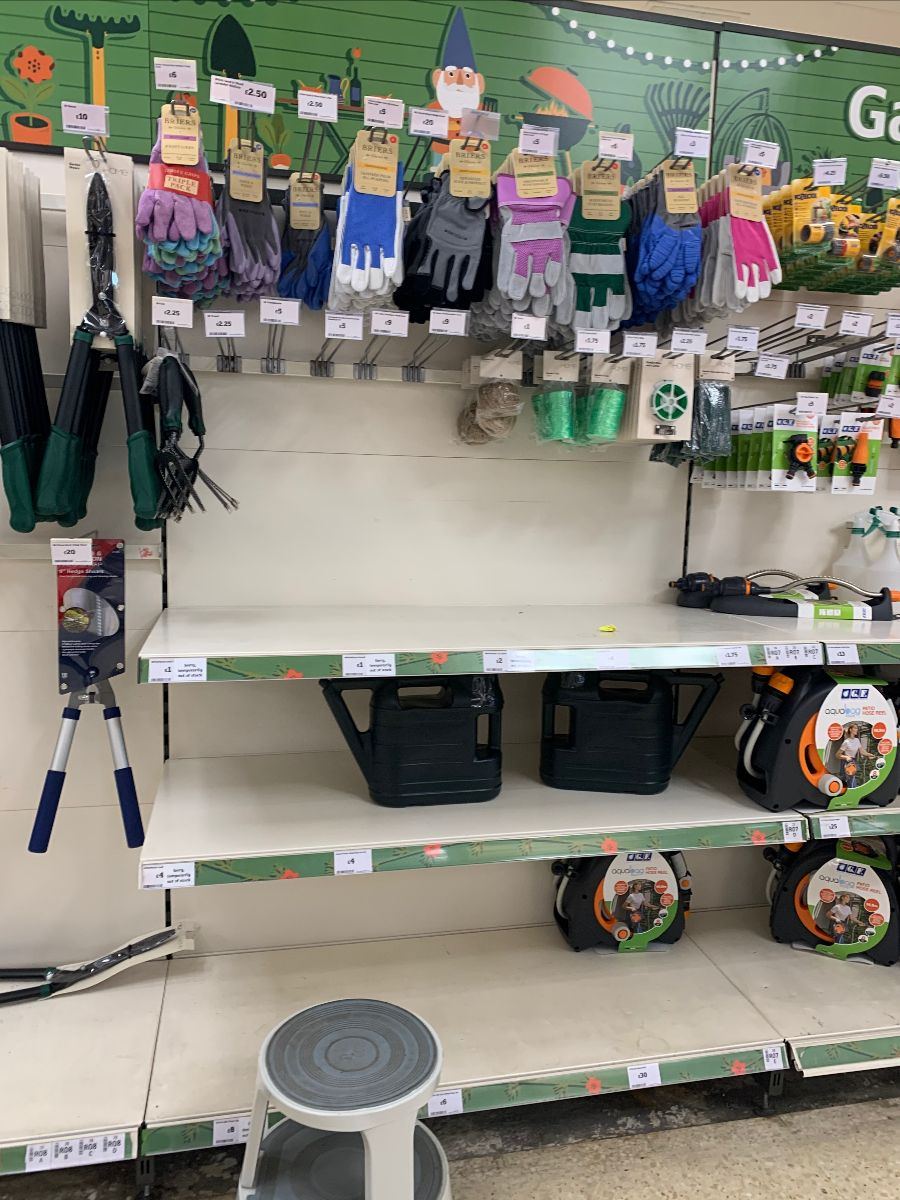
With gaps also notable in Stationery; even if there are issues with the Far East, these issues could then link to transportation of product, either arriving in to the UK (where there are delays, especially if arriving via Europe, first), even a few days adds enough to the transport time.
But if you add in the Suez canal delays, which may not be related to this specific challenge, but will likely be felt as the finely honed plan for transportation and logistics comes to fruition, then it's hard yards all round,
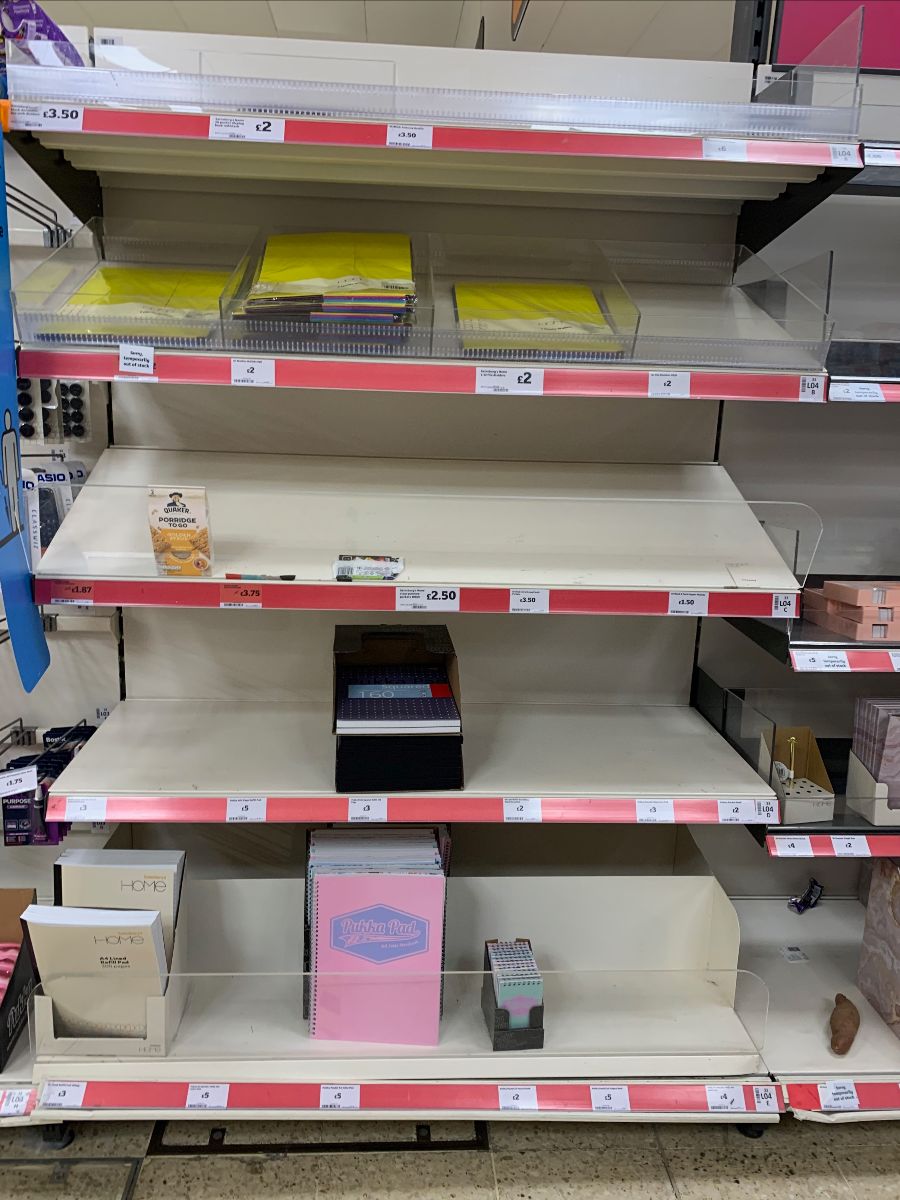
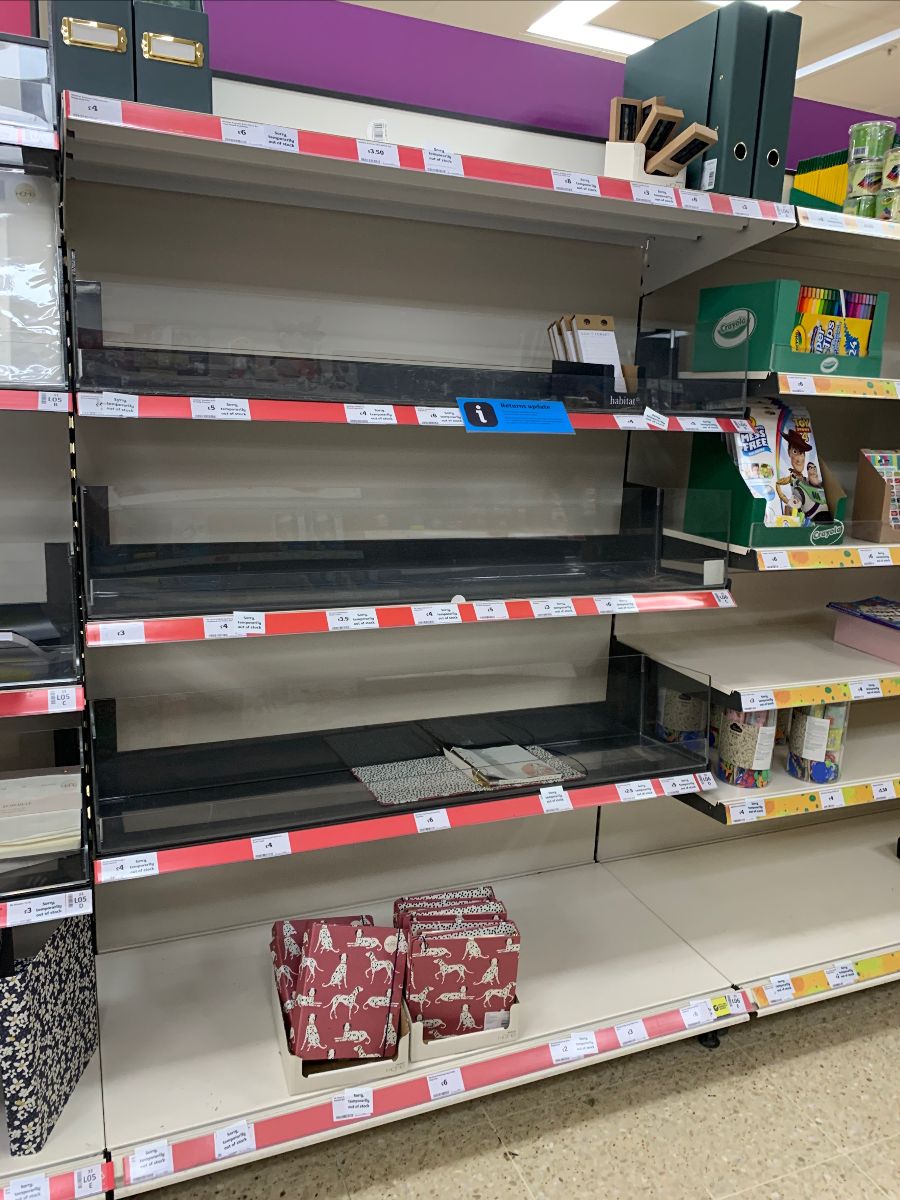
As we transport and travel through the coming months, it will be hard to foresee what other issues will rise to the top, however further availability issues are likely, especially with the 'just in time' model under pressure with issues with sourcing, supply, transportation which translates to availability.
This means that online, or offline, digital, or physical. Customers are being impacted and COVID / Suez canal issues are down to the wider world to deal with.
But Brexit related issues? All of our own doing unfortunately. Just check how many UK based retailers are now indicating they won't deliver to Northern Ireland....
From the Grocery Insight newsletter archive, first sent to subscribers on 22 April 2021. Steve now writes at read.groceryinsight.com. See also the blog archive and briefings.