Tesco - Cuts and new store formats
6 April 2017
So Dave Lewis lived up to his Drastic 'tag' recently and announced a major restructure of the central teams in order to enhance profitability and also further close the gap on Aldi one presumes at the shelf edge.
It's terrible for folk losing their jobs, and my thoughts are with them. It perhaps came as a surprise given that the business is out of the woods in terms of a recovery, like for like sales continue to look good and Kantar is also showing growth for the chain too.
However it's important to not let the grass grow, and the get the retailer 'fit for growth' which is often management speak for another round of restructuring and getting the business on a leaner footing for the times ahead.
There is little doubt that Tesco were top heavy post Philip Clarke, tonnes of people were promoted, seemingly from nowhere in to elevated positions, this is without the various business ventures that Tesco were undertaking.
Those ventures, Harris & Hoole, Blinkbox, Tesco family dining and the wider format development people all required additional people and externals who came in on varying salaries.
Clarke's era was a debacle in more ways than one, but the initial cull of the central office and combining two sites to one (at Welwyn) was just about trying to take the edge off things by the looks of it.
There is still a significant cost base issue to address and the whole 'fit for the future' mantra is absolutely right, if we look at it with a clinical business focus.
The human element is always sadder though, and with central teams including store support and the additional chains like One Stop (we presume) it will have a far reaching consequence.
If we look at the business holistically; it's a great deal less complex than the debacle Dave Lewis inherited.
The big fish are gone of course; Giraffe, Harris & Hoole and the like have all been disbanded and/or sold on. The people associated with those ventures gone too, however some of them will have been redeployed and it's likely that this is where some of the costs can be attributed to.
Generally, the best people are dispatched to projects and with that, comes a decent salary etc. So, one can assume that highly paid people are around the business in various roles post their displacement.
A restructure can identify people who are perhaps better suited elsewhere in the business, the upcoming Booker deal will also be a consideration of course.
If we consider the Bakery as a great example of where the costs have been removed, the store teams simplified which presumably should then follow to the central office.
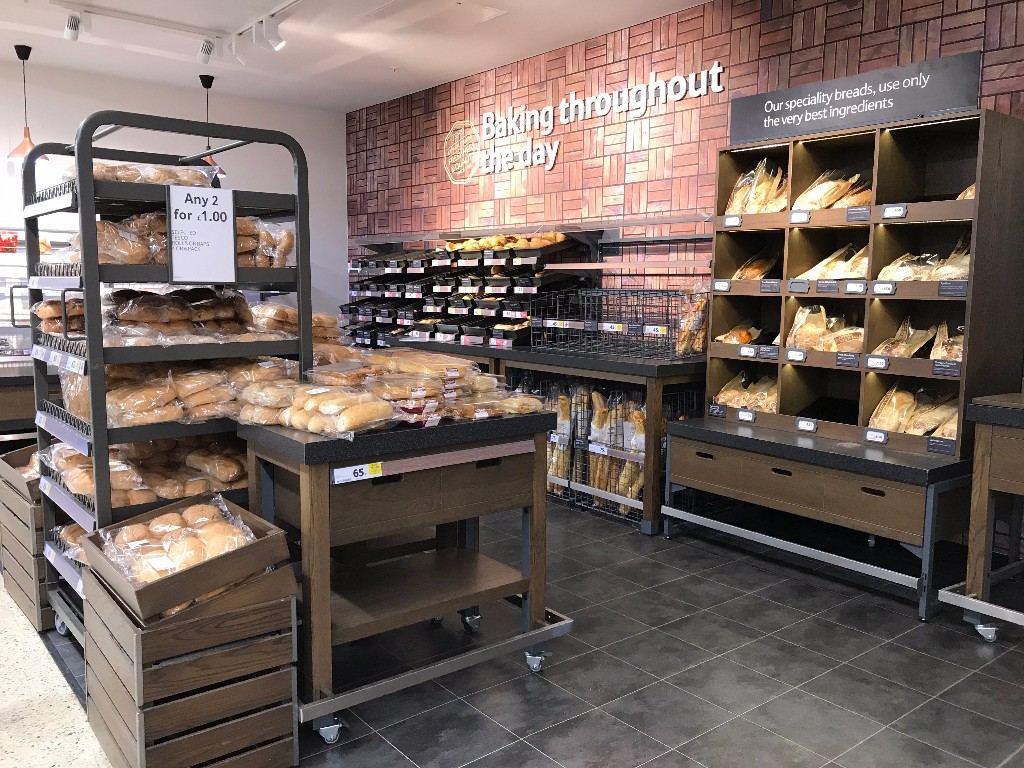
Bakeries within the M25 were converted to the Euphorium bakery / Project hybrid which looked impressive, but was fundamentally flawed. The wider Bakery has been sold on now, but those stores with the non scratch operation have the newer format Bakery (as above).
There is less of a need for the wider central team to support presumably, given the focus on reducing cost, simplifying ranges and the wider operation being reduced in terms of less scratch bakeries.
So a thought is given to the future of Bakery; and what that looks like from a Tesco viewpoint, with the future in mind and their workflow / changes to the category. Which are likely to be minimal and in any case, should be about taking the fight to Lidl in particular in this arena.
Consider the wider categories at large too, less range, less promotions and a simpler buying world mean less people and more standardised work - they hope.
However costs are one thing, but the sales line needs to be maintained. Tesco know from their past that you cannot cost save your way to prosperity.
Their own label push has been a major fulcrum of the Dave Lewis plan and it's incredibly impressive how they've rebuilt the value credentials of the business without a single '£500m price investment' or indeed a single second on television talking about lower prices.
However the customers are always judging you; for all the cost refinement and work on the Bakery offer inside the stores located in and around the M25, it still remains a challenge.
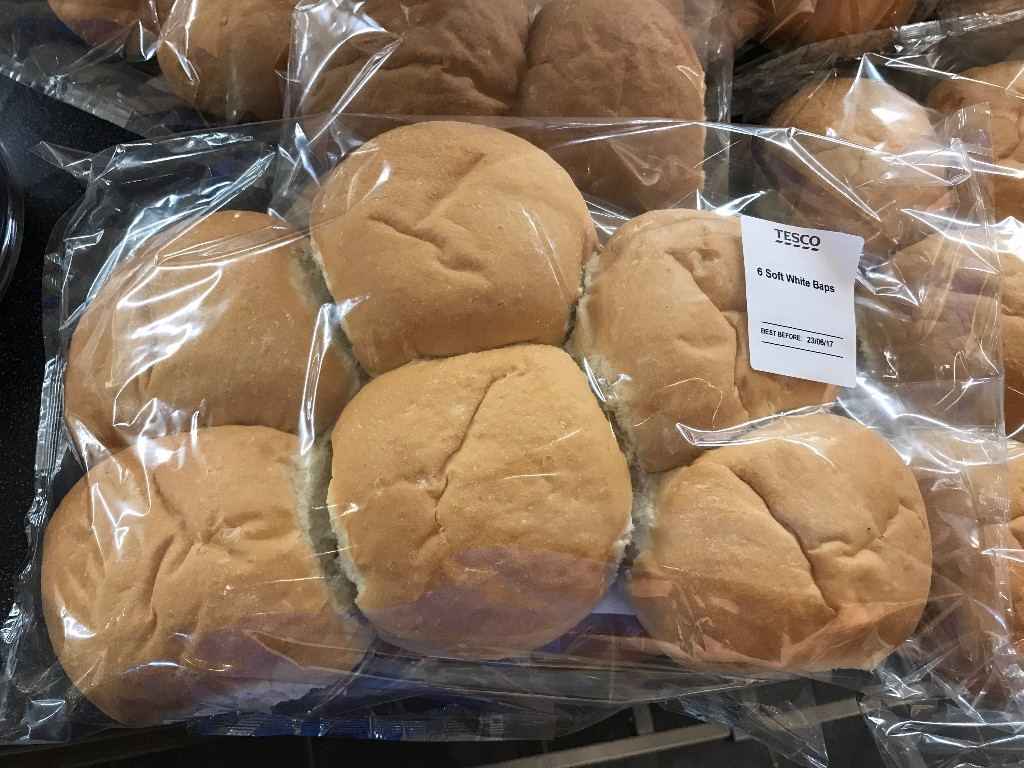
6 white rolls in the image above allegedly; not 6 misshapen pebbles.... The packaging isn't up to much either.
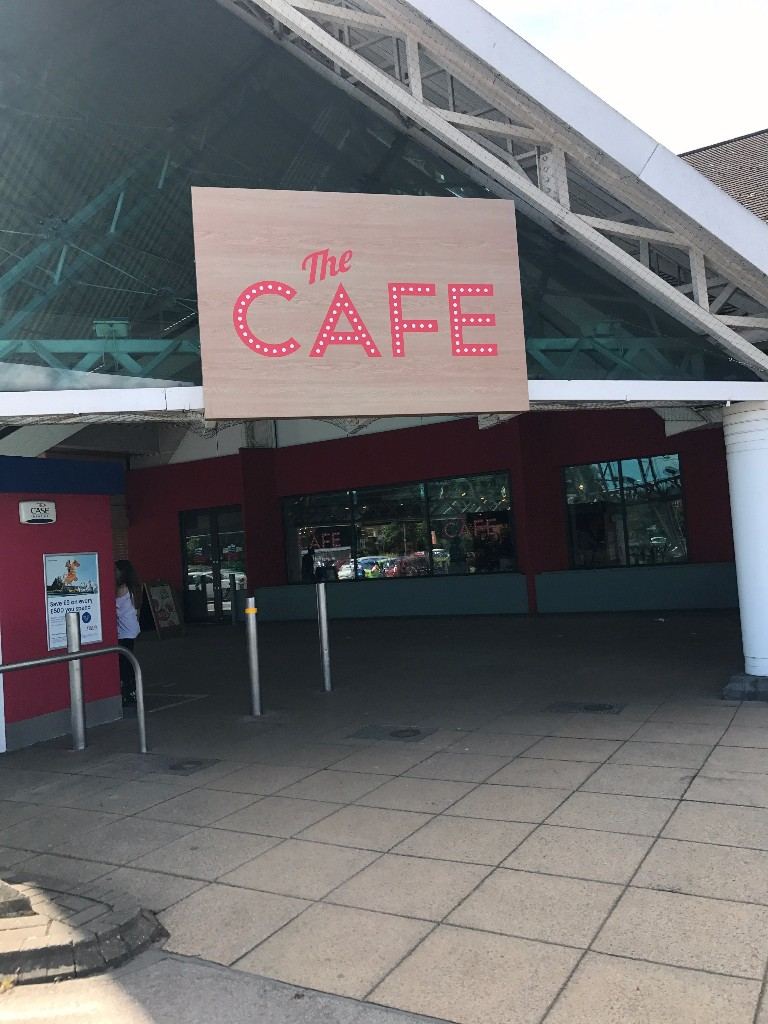
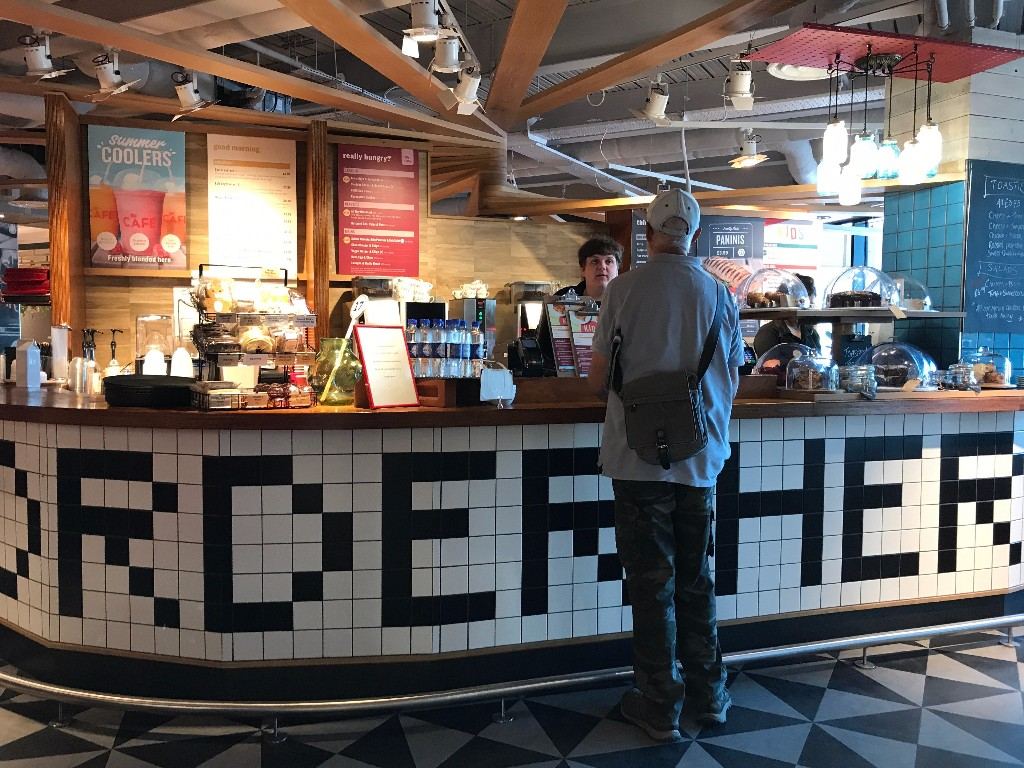
A recent visit to an Extra saw that Giraffe had departed those shores to be replaced by the Tesco Cafe, which in fairness is actually quite impressive as a concept in itself.
This is an area where there is a defined model and where the people required can be allocated, without the whims of management to acquire chains or further progress the offer...
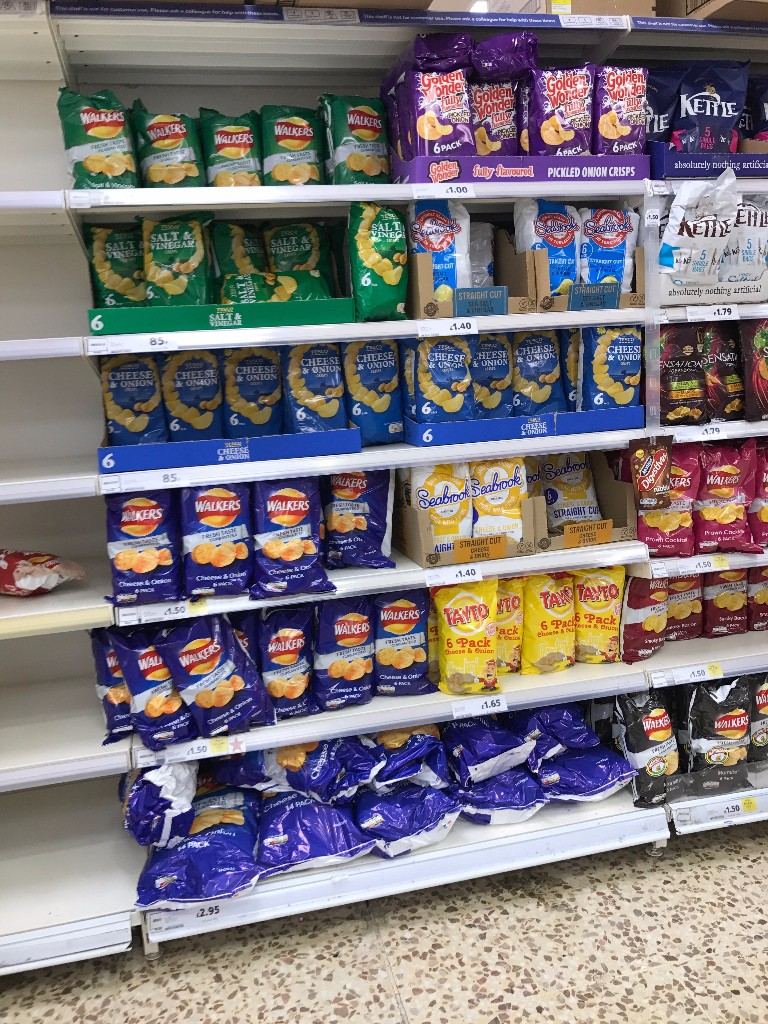
There is a simpler Tesco business in 2017; there has been a lot of work around simplifying the ambient and fresh ranges, assortments, layouts, store operations and with that, comes a reduction in the need for so much central support.
If we consider that the wider world continues to change, around deliveries, drones and who knows what else. There is a need for greater focus in other areas, and stores aren't necessarily always as busy as they once were.
Certain categories within the ambient world are less intense for trade, especially with discounters running amok and taking volume away.
Therefore whilst there will be a large number of job cuts, there is organisational work to undertake to merge categories / areas together from a buying viewpoint. There won't be a need for as many planners and buyers in certain areas, especially as things change so quickly in the market.
An example of this is perhaps notable in two categories; Home Baking and Spreads/Preserves.
Home Baking is in growth due to the Great British Bake Off but also the rise in allergy sufferers, alongside lifestyle electives (that is those who eat gluten free diets for a health benefit). Therefore there is a greater need for focus here, given the growth in category.
Not just that, but we know that discounters cannot compete on range in this category. So it's an effective differentiator.
Another area is linked to Home Baking is the Spreads/Preserves category which can also benefit from the health foods trend, especially around lines like Peanut Butter, with obvious health benefits.
A notable trend here is the emergence of other lines such as Cashew Butter, Peanut Butter based powders for smoothies and other health drinks.
Combining these categories with some additional resource to grow such categories is an option for buying, with some reduction in the teams, achieved by rolling categories and buying areas together in the same way they would in store management...
On the flip side; we know that areas like non-food aren't a priority for a Tesco in the new world, there won't be big stores opened in the same way they once were either.
So further reduction in non food resource looks inevitable. If anything, Tesco see themselves as a landlord for leading brands rather than operators themselves. Not only that but the lack of new stores opening means planners and the associated functions for store development will come under the spotlight, as everywhere will, given the pipeline and wider, long term strategy will be known.
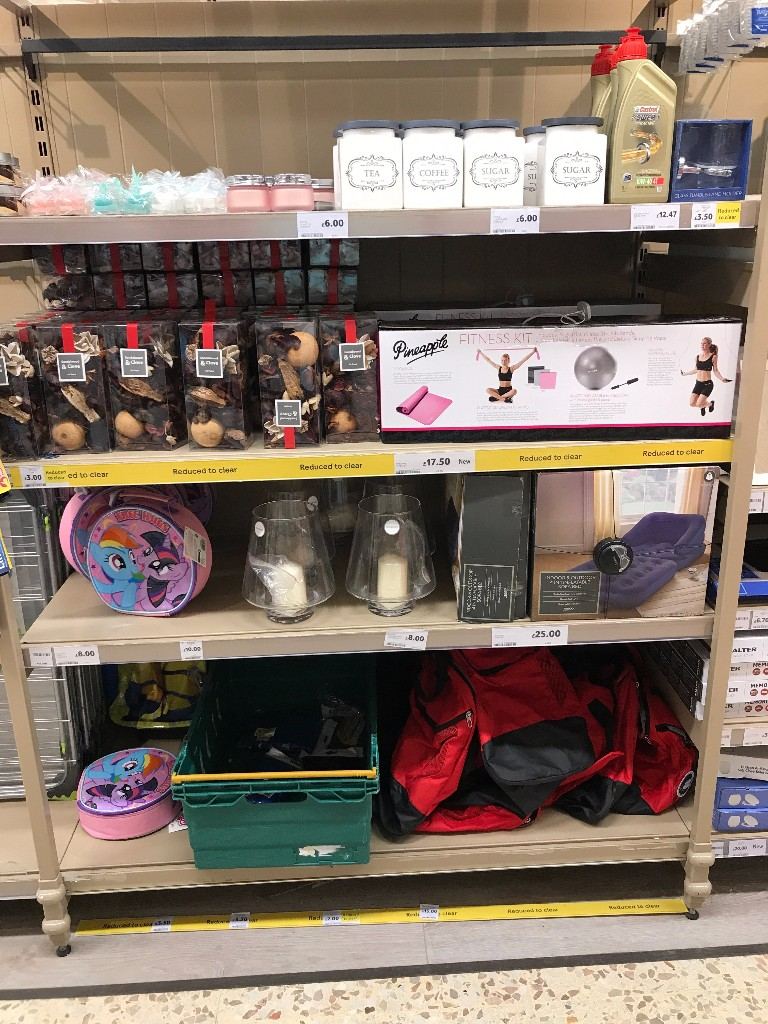
Non-Food remains a challenge in most stores; clearance remains in the fixtures, some new / some old. Ranges look tired and often the shelves are not as full due to the daytime fill changes.
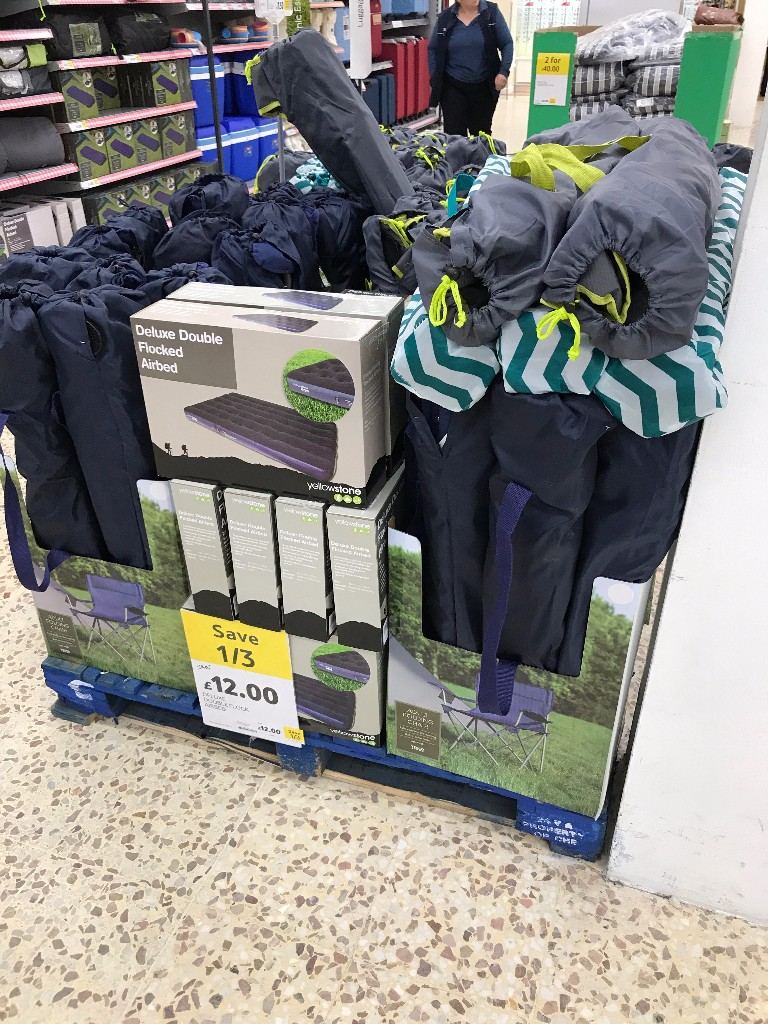
A standardised model brings less flexibility if there is a need to pull additional levers.
However Tesco have been on that journey of consistency for a number of years under Dave Lewis, so it is hard to see them deviating from their course....
It is never easy cutting costs, especially where people are involved. But the model on which Tesco is operated - standardising a number of formerly volatile areas around price, range and the offer means there are savings to be made on the core day to day job in hand.
They have at least tried to do things the right way around, not like in the older days where they'd cut numerous hours in store without any discernible change in operations. Just 'more with less'.
That won't be the case here one hopes, however there is a danger that the cuts go too far.
For all the standardised focus on the operation; retail by it's nature is unpredictable and volatile, needing people to be around to manage peak activity, Christmas and other strong trading periods are always a good 'stress test'.
It will be good for the bottom line, but Tesco need to strike that balance, ensuring that they're fit for the future without being so lean they're blown over at the first sight of a stronger wind.
One to watch of course, but the prospect of further restructures around the sector are inevitable as businesses shape up post discount, dealing with the wider living wage increases and the implications that has on the bottom line.
From the Grocery Insight newsletter archive, first sent to subscribers on 6 April 2017. Steve now writes at read.groceryinsight.com. See also the blog archive and briefings.