Tesco - 100 years of value phase 2
13 May 2019

When Dave Lewis started at Tesco, way back when, the world was a very different place, however one laggard of the market struggling has changed (Morrisons, to Asda, to Sainsbury's) but the continuum of discounters and their progression remains as true as ever.
Whilst there have been moves by numerous retailers to re-align value, talk more about everyday low prices, less deals, more round pound / save deals, less range, more focus on service and elements that drive differentiation.....
The discounters seem to continue to run along with growth near guaranteed. Their store 'box' when it pops up immediately takes sales away from nearby stores, neither Aldi, nor Lidl are afraid to 'self cannibalise' (although the logic of doing so with a large run of chilled foods and the waste that comes with it) to take pressure off nearby stores.
As the evolution of discount continues, we can almost see that they are moving in to premium in the same way they did in ambient grocery - aligning themselves with a far lower price than mainstream rivals and side stepping any concern about the 'matching' element of ingredients, "%" of Meat contained within or whether premium pizza's are truly equal.
The reality is that customers equalise the premium brands and immediately can see signage in store that showcases a premium chicken in Sainsbury's (as was the case) that is c. £2/£3 more per kg than Aldi.
Therefore the premium tier offers a great scope for growth in discount as customers trust the discounters on value and quality so 'why wouldn't you' buy premium products there too?
Kantar shows continued growth for discounters however the new store opening elements are not included, so it stands to reason that you can win on Kantar by just opening more stores. Both discounters have done plenty of store openings, so the underlying trade is never entirely clear, but their popularity is abundantly clear.
Their model is very difficult to replicate, especially when you're a Tesco who operate huge sheds with all manner of food, non food and clothing, built when times were good and growth was near unlimited.
However as we exited recession and a generation (plus) of a customers were re-aligned, understanding and appreciating 'EDLP' (everyday low prices) and also the fact that a relatively small box based store, located near their local Tesco with utilitarian lighting, displays and a core product range could offer a fair proportion of a weekly shop at a far lower price.
Philip Clarke's efforts at Tesco to 'price down and staying down' on 60+ items, Cucumbers et al were well intentioned but the problem was far, far deeper than that. The mere idea that a customer might want just one cucumber at a fair price, as opposed to 2 for £1 was so obvious it hardly needed pointing out, recession or otherwise....
However the business fell down on so many angles, despite reading the recession under Sir Terry and for a period actually performing well against the market with Finest meal deals and getting after discounter brands and Clubcard.... His predecessor; whilst inheriting a business that had been starved of investment and indeed, hours in some cases went down entirely the wrong path and set the business back years.
Tesco have oceans of data on customers, listening groups, panels and the reality was that this was all known at Tesco House. The discounter march was abundantly clear, yet Clarke abandoned discounter brands, went down a route of overseeing relaunches of categories in a local Extra store (as if he had the time!), headline grabbing initiatives whilst tickling around the edges and not taking on the root cause of the Tesco issue.
Namely; value for money and the perception thereof. Tesco had gone too far with poor value promotions, commercial income (as we know) was hugely important to the chain and the reliance on that hid the issue of sales growth being virtually non existent and also meant suppliers called the shots entirely in aisles up and down the store.
A tickle around the edges with price down and staying down was nowhere near enough as store standards went backwards, own label quality was average (at best) and the ill fated Finest relaunch which led to Christmas being far too expensive (Finest signage everywhere) and crucially, labels that used a font that was near impossible to read in some cases......
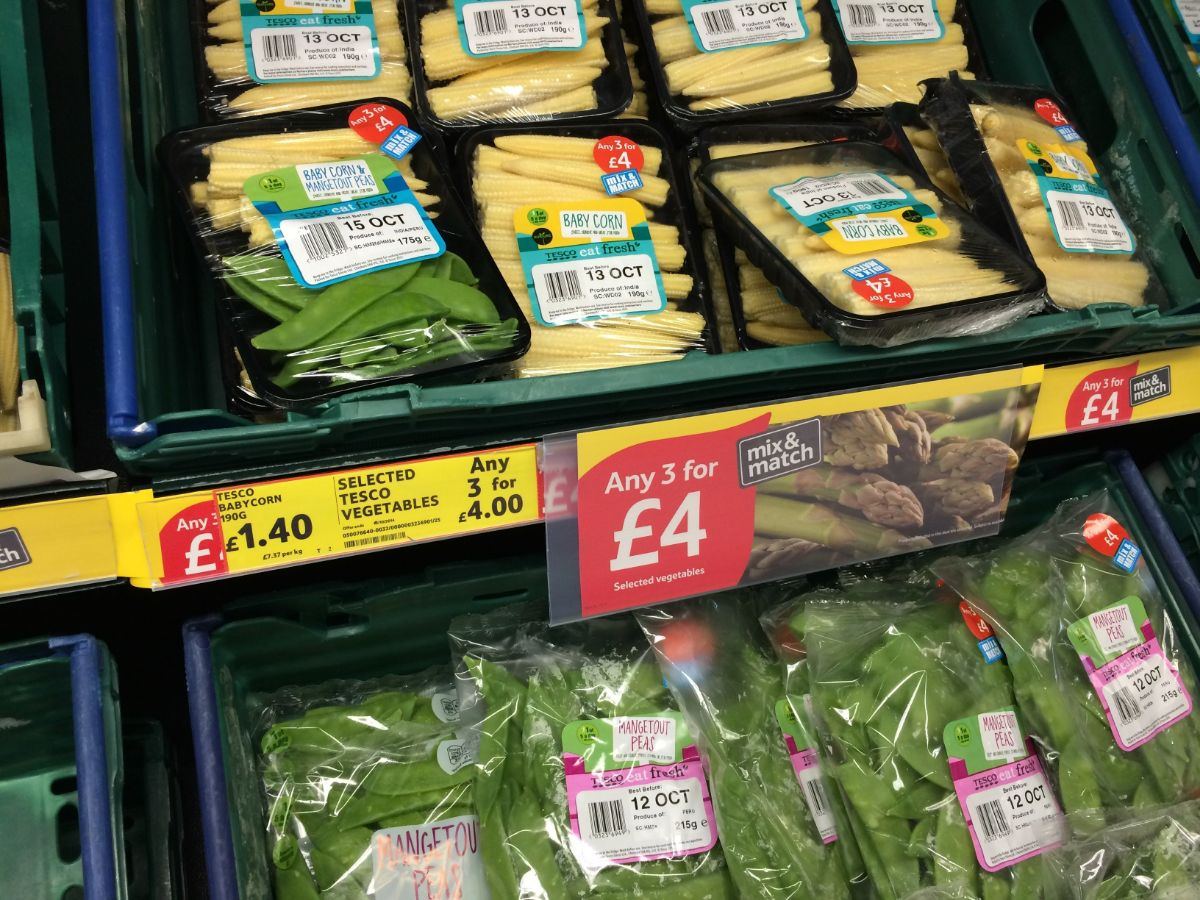 Irrelevant deals were endemic in times before Dave Lewis. 3 for £4!
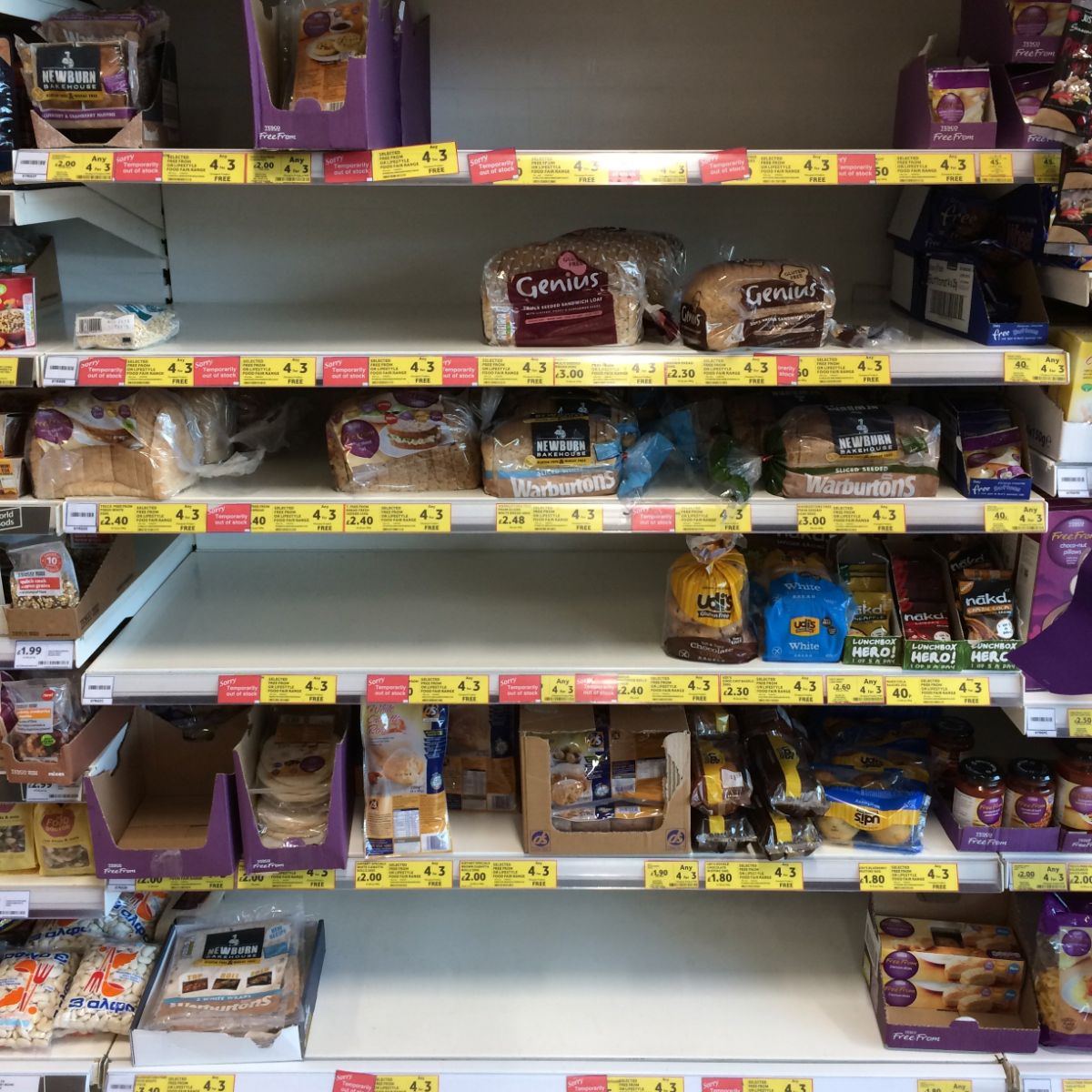 Availability was a common issue - Free From Bread a great case in point.
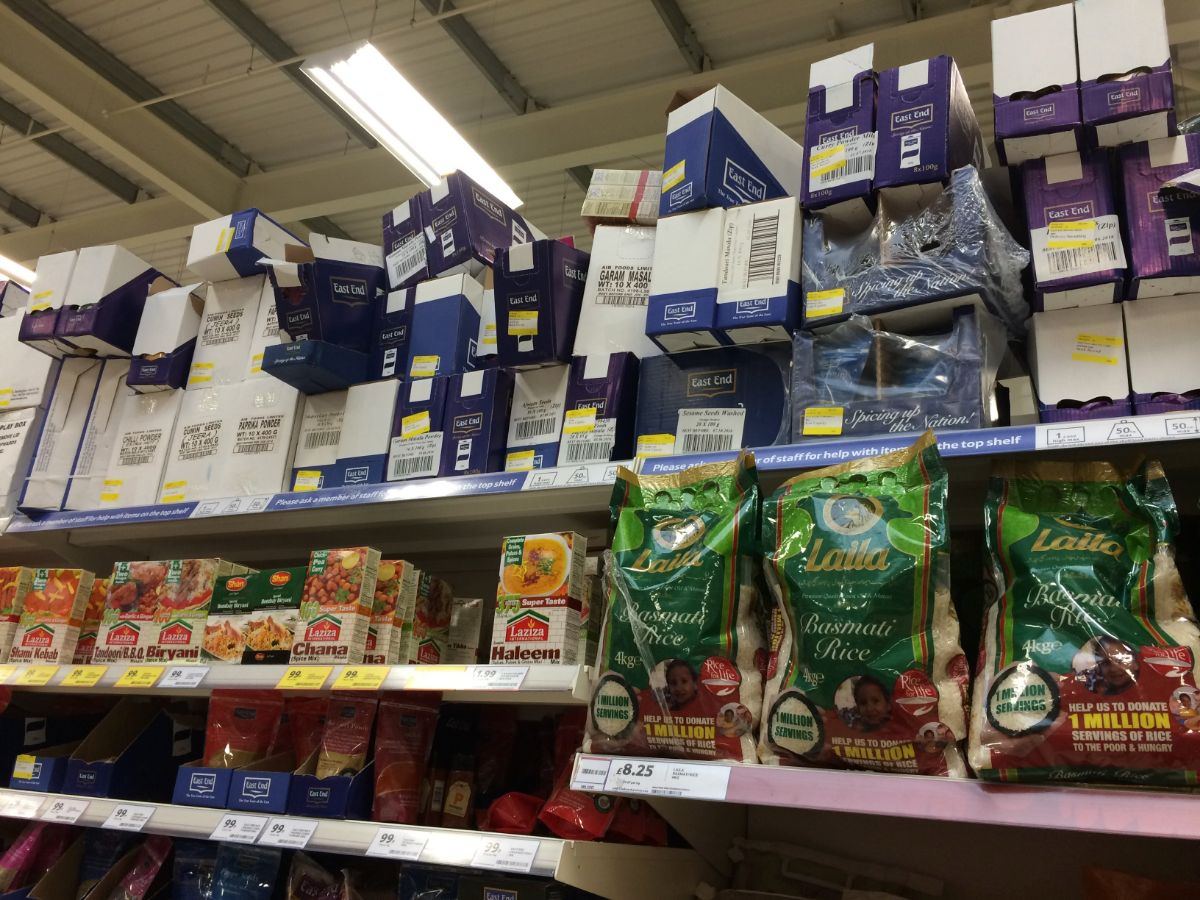 Process issues in stores meant that excess grew and availability worsened.
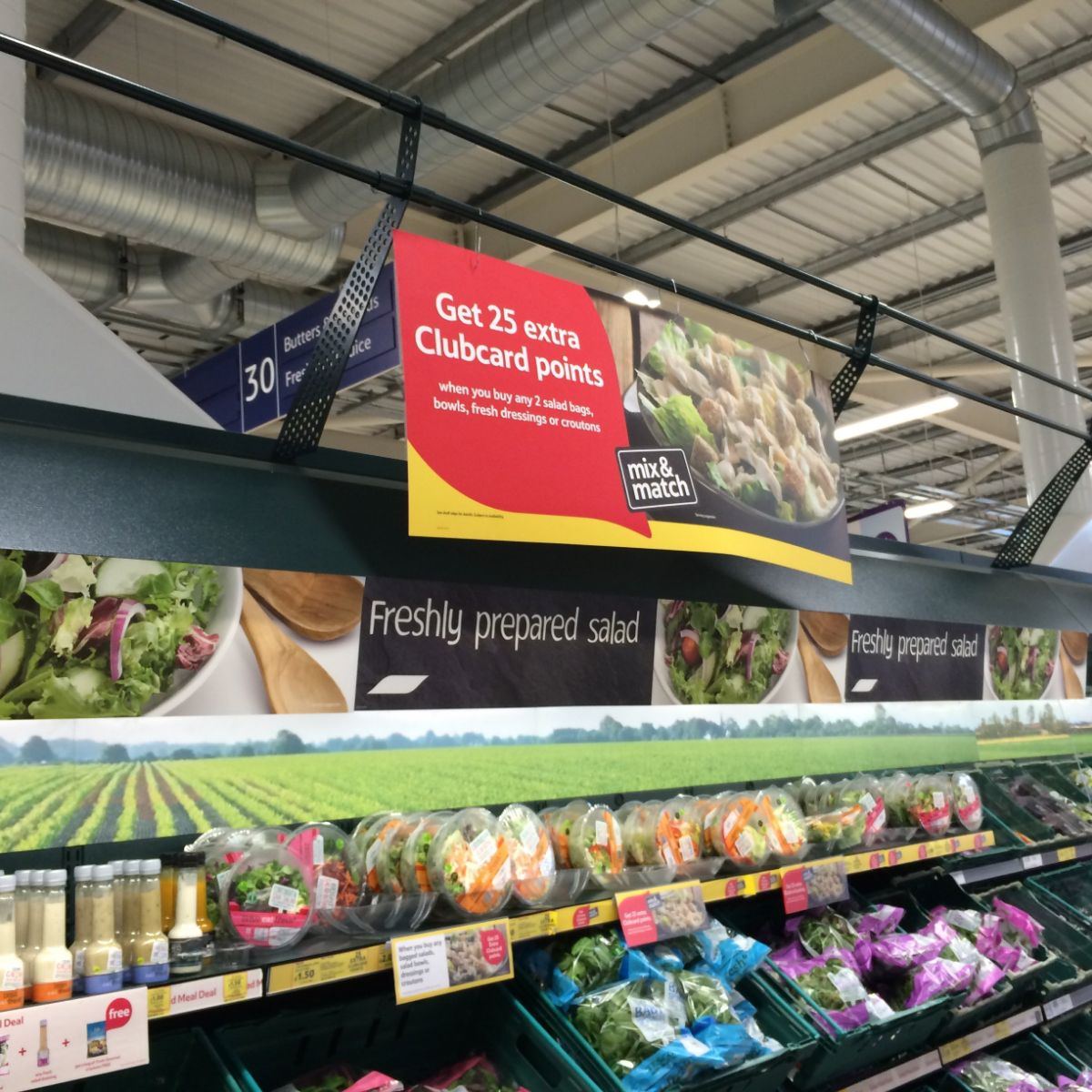 Another example of a promotion that offered little in the way of value for a customer but Tesco could point to as 'activity'.
Thus Dave Lewis came to the big chair at Tesco with value for money alongside a million and one other things to sort out for the chain. It was so bad, we often forget just how poor Tesco were.
Merely limping along one would argue, stores had one hand tied behind their back with gap scanning processes abandoned as shrink numbers were too high (cost save to prosperity?) Availability then suffered as a result and the hours in stores were nowhere near enough.
The first signs of value were tentative, hours were pumped back in to stores to try and recover for Christmas. Small signs appeared in front of selected products to either call out the price point or highlight a saving. It was slow progress though as so much else was wrong with the chain.
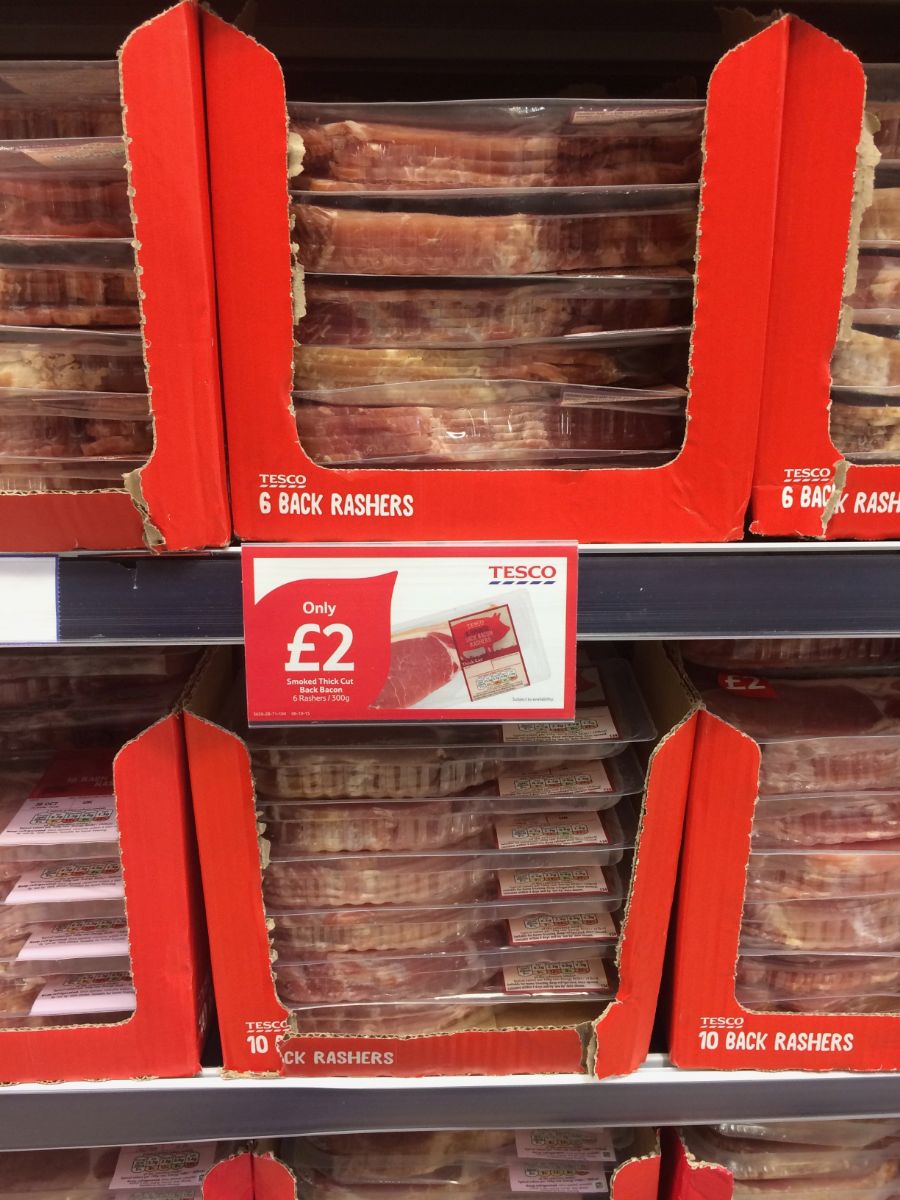 Selected prices were flagged post Dave Lewis arrival in 2014 to highlight value on own label, notably in Meat.
Fast forward through the ages and the chain has been busy culling ranges, culling the central structures, food counters, store structures, brand guarantee came and went and of course the move to return to some style of 'discounter brands' at Tesco, albeit with more heritage around TE Stockwell.
The major plank around a truly different value proposition was the top secret 'farm brands' / 'fresh food brands' that got the PR for the 'fake farms' whilst missing the point entirely that in key categories like Produce and Meat, Aldi and Lidl win huge market share and switching because they are demonstrably so much cheaper than the market.
Therefore lower priced Fruit, Vegetables and Meat/Fish are a good thing for customers, sidestepping whatever the brand may be named. Plus it was a move that defied logic really, certainly deflating your key categories makes it harder to stand still (you have to run faster).
But for Tesco to succeed as a business and return to prosperity, it was necessary to reset value parameters in these key categories. The data doesn't lie - Kantar showed customers buying a huge proportion of Meat/Produce at discounters - why?
It's own label dominant so comparatives are then down to price which was also out of line. There is a quality argument too but discounters do a great job in this arena. Low prices win through as customers don't want a multi buy to waste food, or have to spend £5/£7 when £3 will do.
So whilst an illogical move on paper; it was no good having a reasonably successful Produce / Meat category (albeit with the longer term outlook being negative due to discount growth) which then caused the Tesco business to suffer longer term too.
Therefore you have to tip your hat really for that shift; it precipitated the move for other discount brands to follow, replacing value and then allowing Tesco to reset the conversation between Tesco own label and the discount own label too.
Jack's is another example of where the heritage has aligned with the discounter push with the chain named in homage to the founder Jack Cohen. The discount chain remains embryonic but shows what ambition to take discounters on can do, it's a zero sum game in some cases though.
Essentially the business may be cannibalising itself at a large Extra to give sales to the lower priced (and margin) Jack's. That said, it's better to cannibalise yourself and have Tesco customers within the 'walled garden' akin to Apple with iTunes / iCloud and the rest.
Otherwise the alternative is that they disappear to Aldi, or Lidl alongside a fair proportion of the shop and then you're fighting over the scraps that remain.....
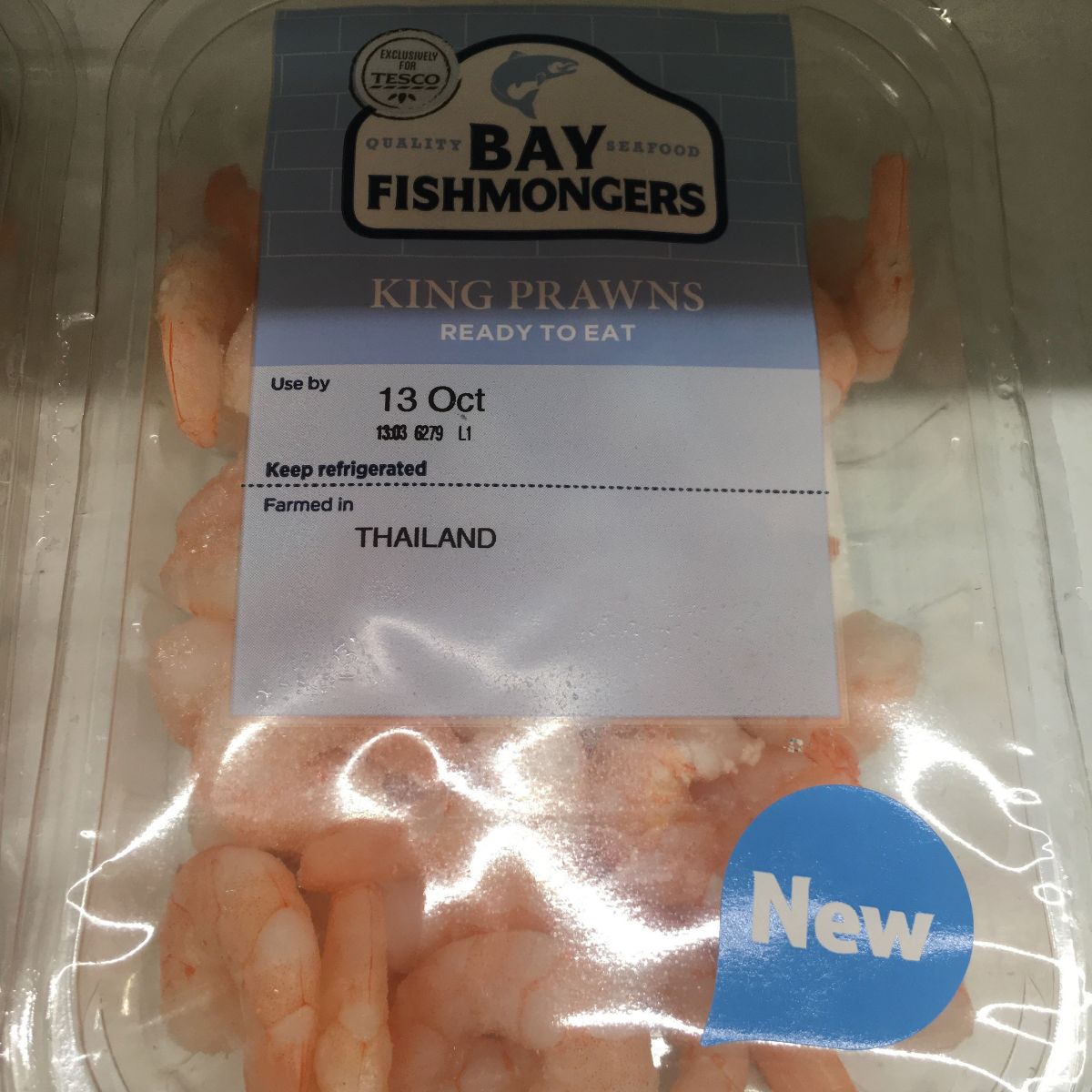 Farm brands were a hugely important element of value being re-engineered in Tesco.
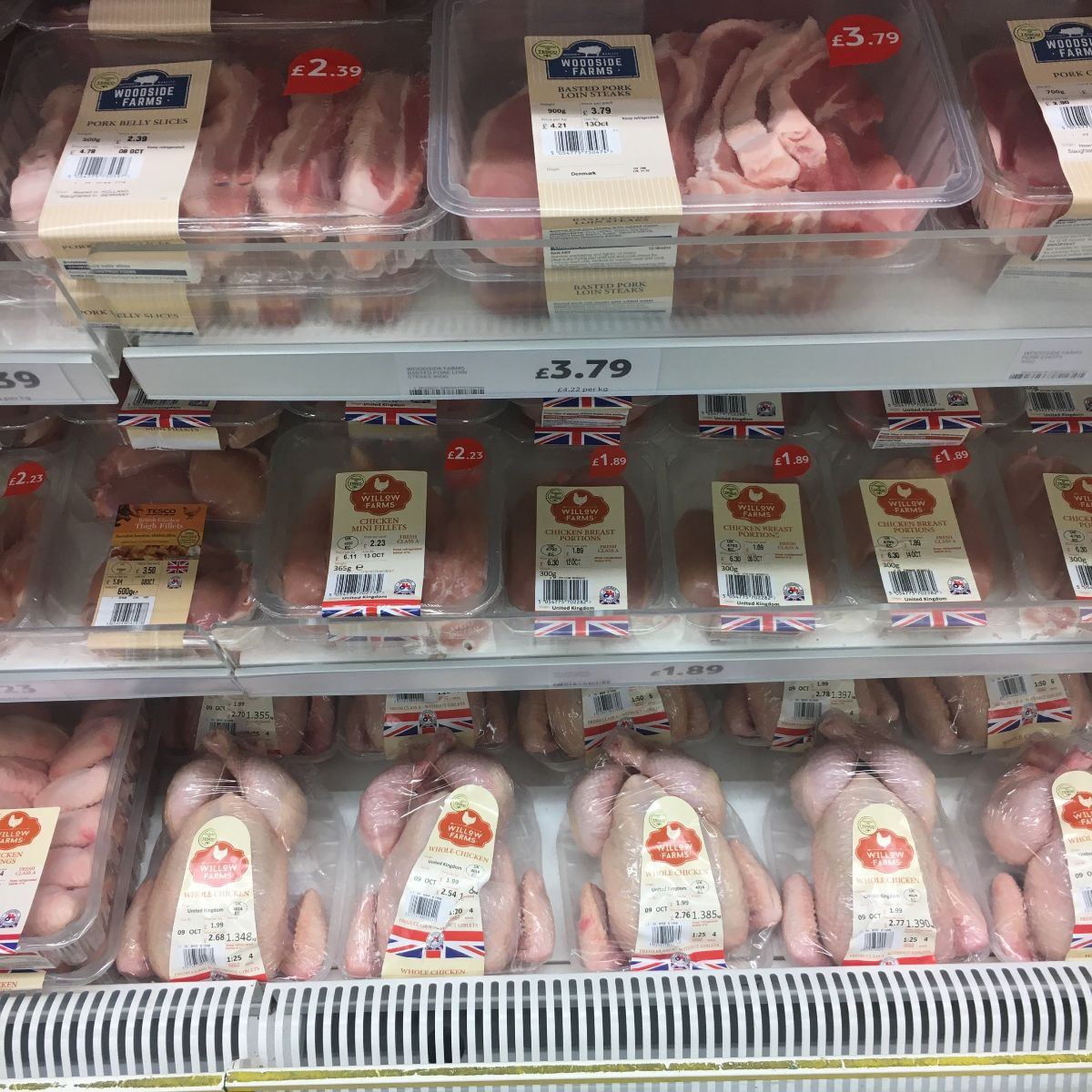 Low, low prices, matched to discounters in this new value/entry tier.
So to the 2nd celebration of the 100th year of Tesco value; the latest advert features luminaries such as Challenge Anneka (Rice) running in to a store from a helicopter, Morph and also Mr Motivator.
The brand is far stronger for Dave's efforts around marketing and resetting how the chain talks to customers. Trust is a huge part of this and you can't talk about price or value when you're not trusted by customers.
The plan has come together at key times and their price communications are strong in store for this event, lots of half price and big deals around, the Clubcard deals capture the headlines of course - this is a useful way to assess how the personalised offer mechanic may work in future (akin to Amazon Prime / lock in elements).
The customer needs the app and then scans it at checkout for the saving to trigger, there were some fair deals around electricals and televisions notably. Some bigger deals on Coffee were also noted, it's a nice way to provide savings and hopefully gain some valuable data on loyalty at the same time, certainly the loyalty picture is changing in retail.
Jack's arriving in store was also notable; there are a large number of products dotted around the event space and also in the former 'bargain' aisle where the various international brands, irregular pack sizes and the like sat to take on Home Bargains et al.
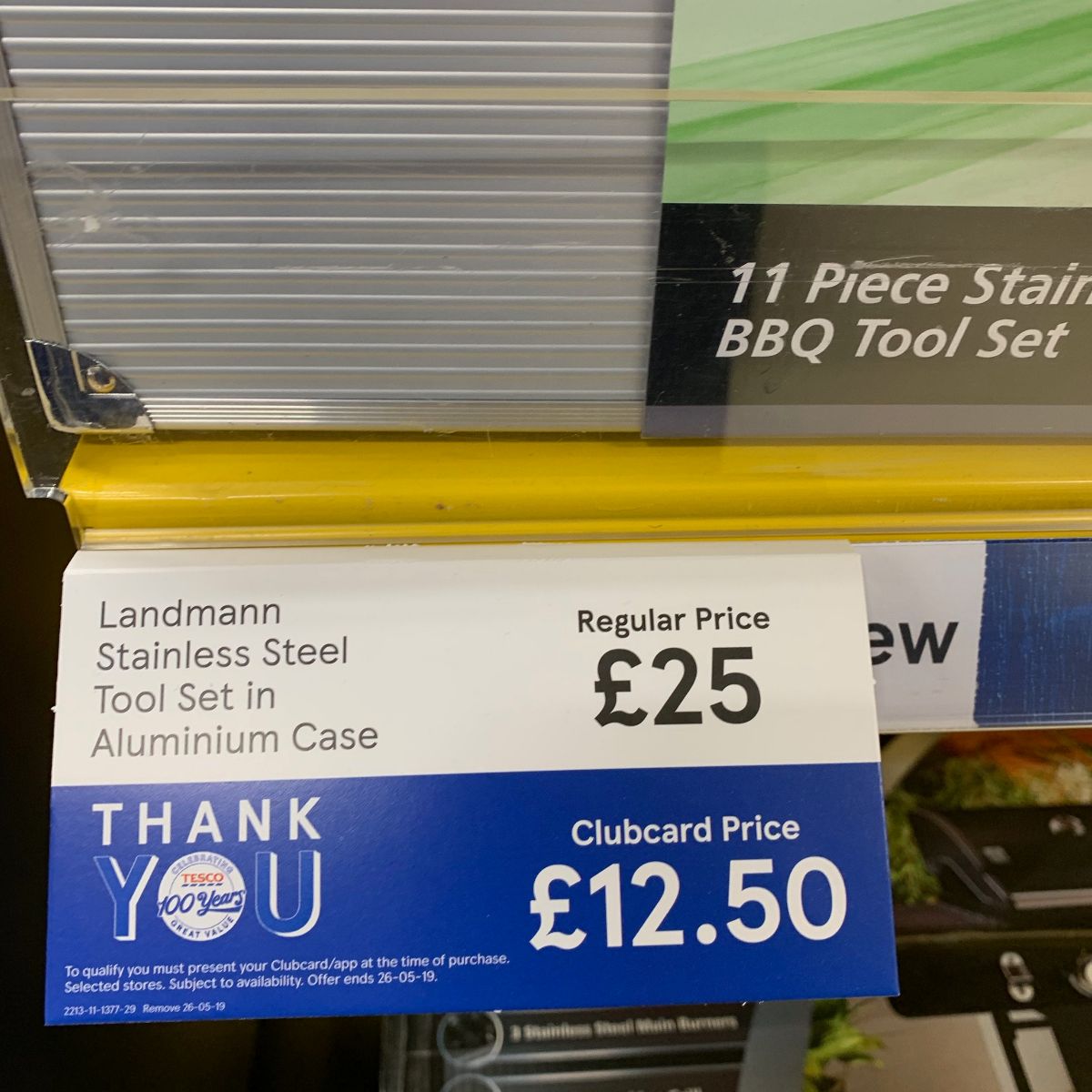
Notably strong deals at the shelf edge for Clubcard pricing; 50% off the BBQ tool set for example.
There wasn't an easy way to get the app, the QR codes would have been the most expensive in history had they been printed on the signage. I remain unconvinced customers use them in any case but nevertheless....
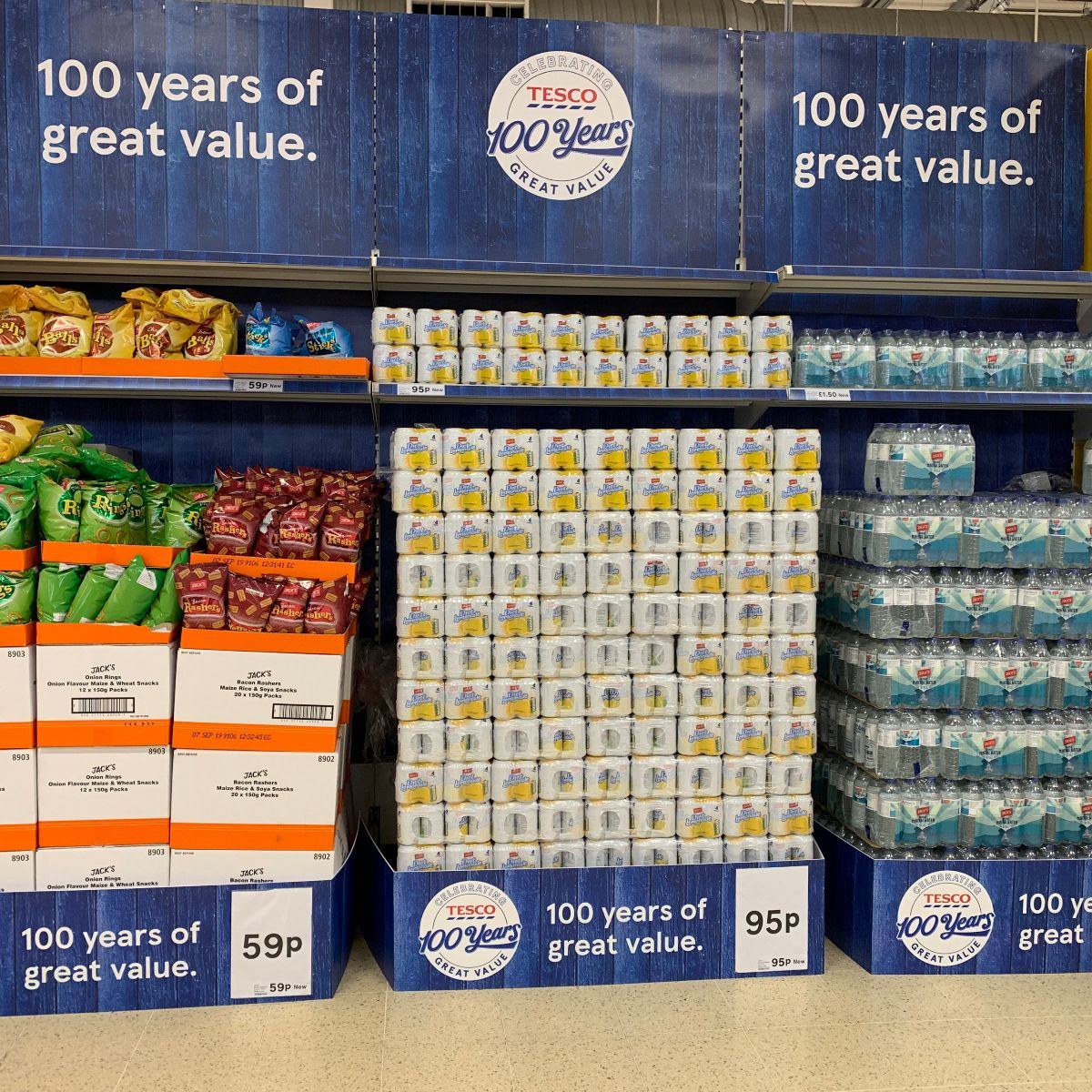
The seasonal space had shelving removed to allow full pallets of Jack's products to be sited here.
Brings the cost down for replenishment of course, naturally these products are cheaper than the core Tesco equivalent but to spread the word of the brand - it's not the worst idea ever.
Cynics may wonder if the volumes are low at core Jack's stores so moving this amount of volume around Tesco means they attain some decent discounts from suppliers for volume shifted and also solve a potential date code issue.... (plenty of shelf life on these lines though!)
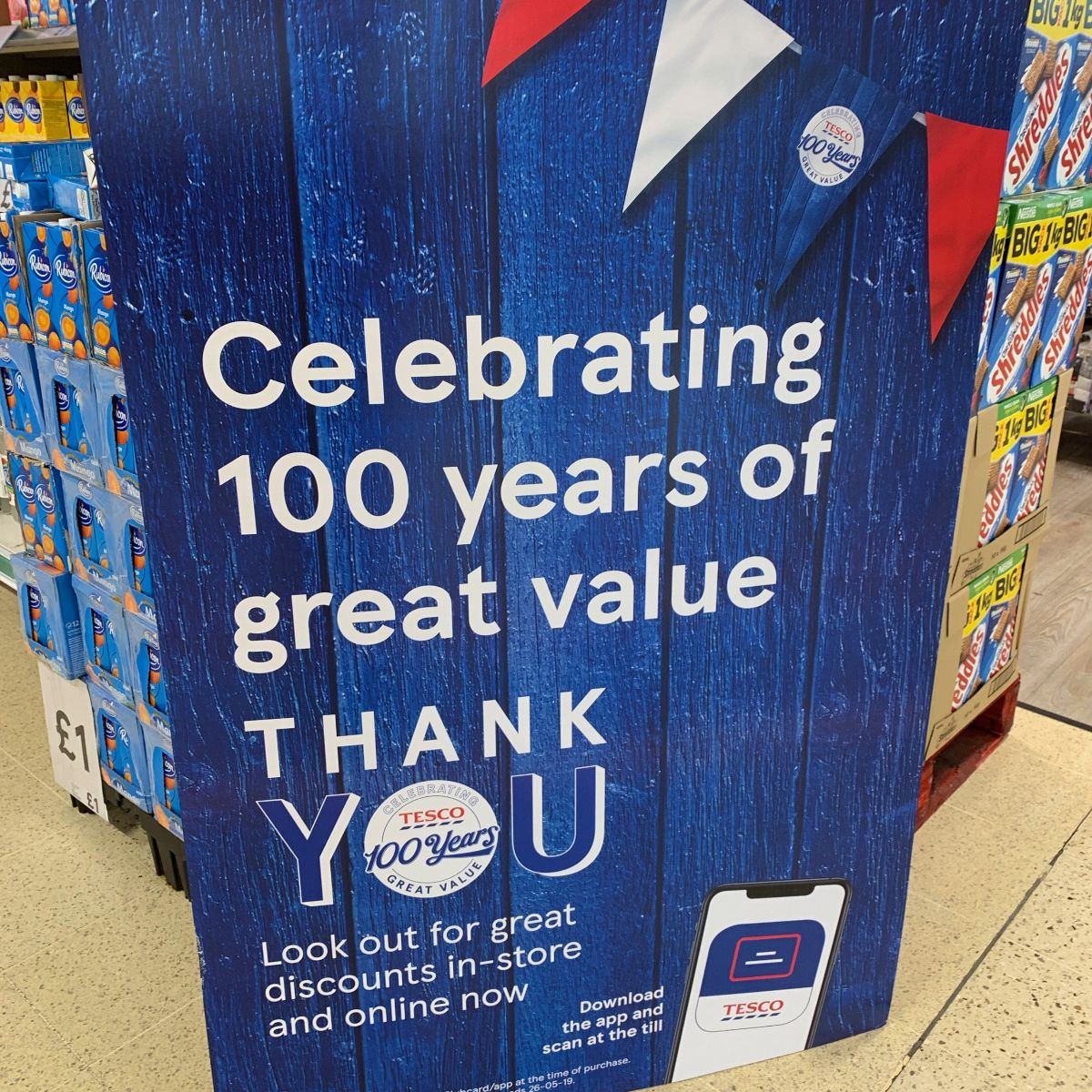
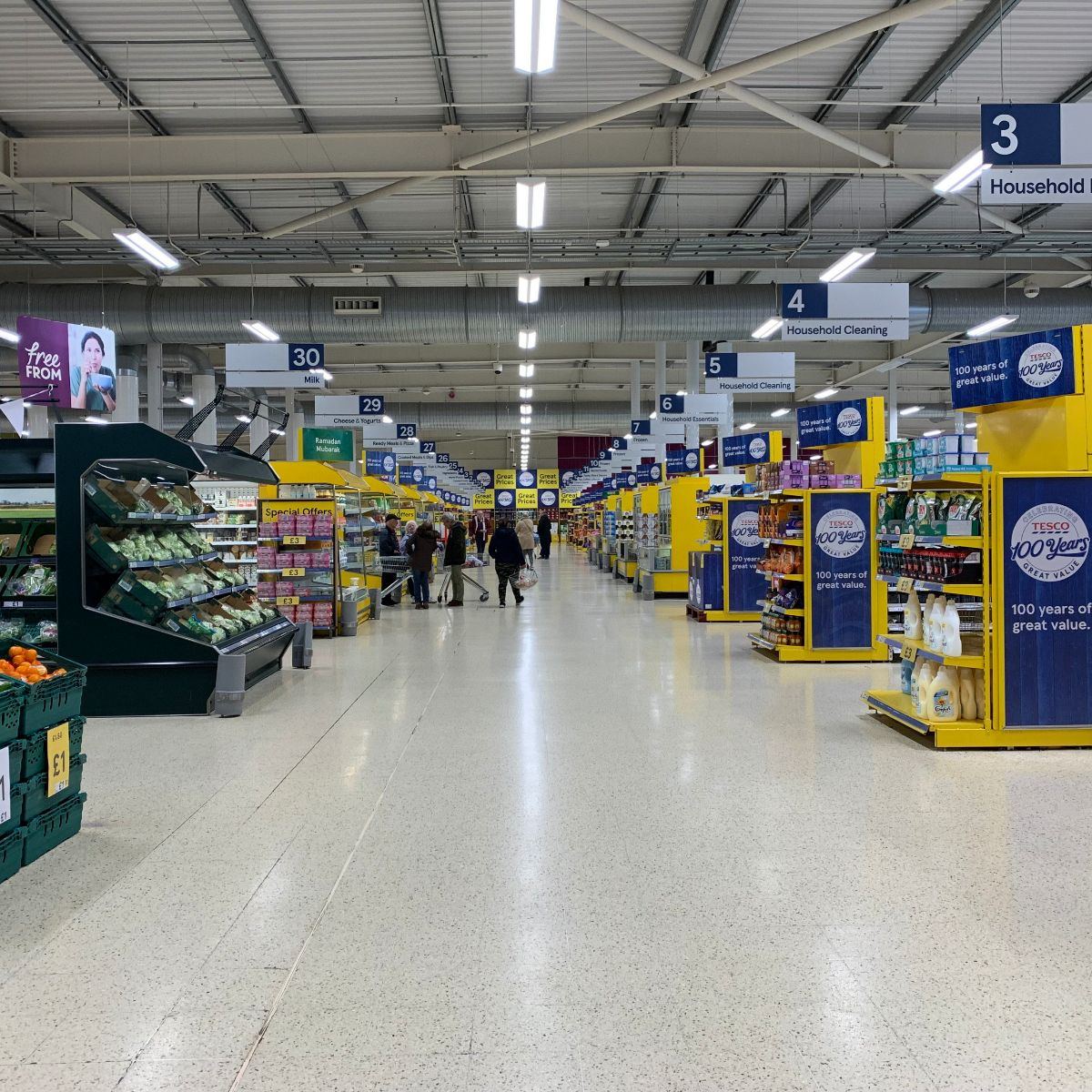
A nice clear signage package and the Blue highlighted the value nicely around the store. A 'thank you' to customers via clubcard with the deals and all appears rosy in the Tesco garden once again.
5 years ago, the story was much, much different and the value proposition was entirely unclear. A mess, like the rest of the business.
However now - things are far more secure and all credit to them for the work they've done against tough competitors and crucially, the discounters too.
From the Grocery Insight newsletter archive, first sent to subscribers on 13 May 2019. Steve now writes at read.groceryinsight.com. See also the blog archive and briefings.