Retail - It's all going on
19 June 2017
So it all kicks off in the market with the Amazon news Friday, it was only Thursday where Jeff Bezos himself was asking where he could direct funds for his philanthropic interests....
Friday they then purchased Whole Foods for a mere $13 billion dollars. However it's a very interesting move.
Those telling us that stores are dead and no one bothers any more look foolish, given that Amazon must see some future in stores as they're taking charge of a chain with a significant number of stores and a decent market share too.
The shares tanked in rivals as the market fear Amazon, but it's the uncertainty that really worries the markets. Amazon are unpredictable, happily make zero profits to enhance their share and pursue the customer experience over anything else.
Their move in to the London market with 'Fresh' has been a long time coming and has been operational around a year, without much fanfare really. Entirely unclear how it's performing, other than adequate one would suspect.
The benefit to Morrisons figures is perhaps a nod to their wholesale performance, but the wider picture remains unclear.
We haven't seen a big push on Fresh but they exist, Tesco and Sainsbury's have launched / soft launched their rapid delivery services to potentially stave off an attack.
But what will Amazon do with Whole Foods? Well, it will give them a decent store estate in the US and access to exactly their customer, the younger crowd who are very food aware and probably happily use Amazon for numerous products/services already anyway.
This will allow Amazon to bolt the Whole Foods offer on to their site and offer it via Fresh and the like in the US. Plus they can gain insights and start to experiment presumably with elements in Whole Foods that are via Amazon - Books for example.
The click/collect/prime store model is fascinating and suddenly Amazon have a number of fulfilment sites in the US that either already offer online shopping, or could do via Amazon.
If we consider New York, the online business over there for Whole Foods is incredibly busy. Doesn't seem the most organised I'll grant you, but it's busy.
Amazon can bring a lot of understanding and improvements to this model, especially in the high density areas and this is a development that will concern the other retailers.
The cross selling opportunities, IE Amazon lockers in Whole Foods stores and Whole Foods deliveries on the Amazon wagons is a major concern.
It's unlikely that Amazon will get involved in how John Mackey plans to run Whole Foods, nor will they be hugely involved in the day to day operation. They've said as much and their style isn't to jump in to a business they don't know a great deal about.
It works well for Mackey, he has spoken of his frustration with the activist investors forcing various board appointments and trying to force Whole Foods in to all manner of agreements. A prime example of those not understanding the business needing to stay out.
Amazon being in control will enable Whole Foods to become more Whole Foods. What does that mean? Well, their price structure in the US isn't favourable and they're known as 'whole paycheck' for their prices.
They are launching in to their 365 stores, which offer the own label and a lower cost store operation, less bells and whistles and less cost by the sounds of it.
However that won't solve the issue on its own, and their value proposition is in need of sharpening - especially as Lidl sharpen their pencil and begin the expansion across the East coast.
For London and the UK retailers, what about the 6 stores that Whole Foods have here? The London stores are a launchpad for Fresh perhaps? Especially if Whole Foods lines appear on the Amazon platform, adding to an already impressive haul from various retailers, including Morrisons.
Also let's not forget, Amazon do price differently to physical stores. So they may choose to reduce the Whole Foods lines down happily, in line with core ranges elsewhere perhaps?
This could be very interesting in the UK if they're able to utilise scale and make their wider offer competitive versus the likes of Tesco, Sainsbury's and even Waitrose.
In the US, it could be an effective way to reduce price perception woes. Selling via Amazon at a different price to in store, however it could also reduce footfall to stores with the value differential.
More scale and volume for Amazon can only mean one thing, benefits for the consumer.
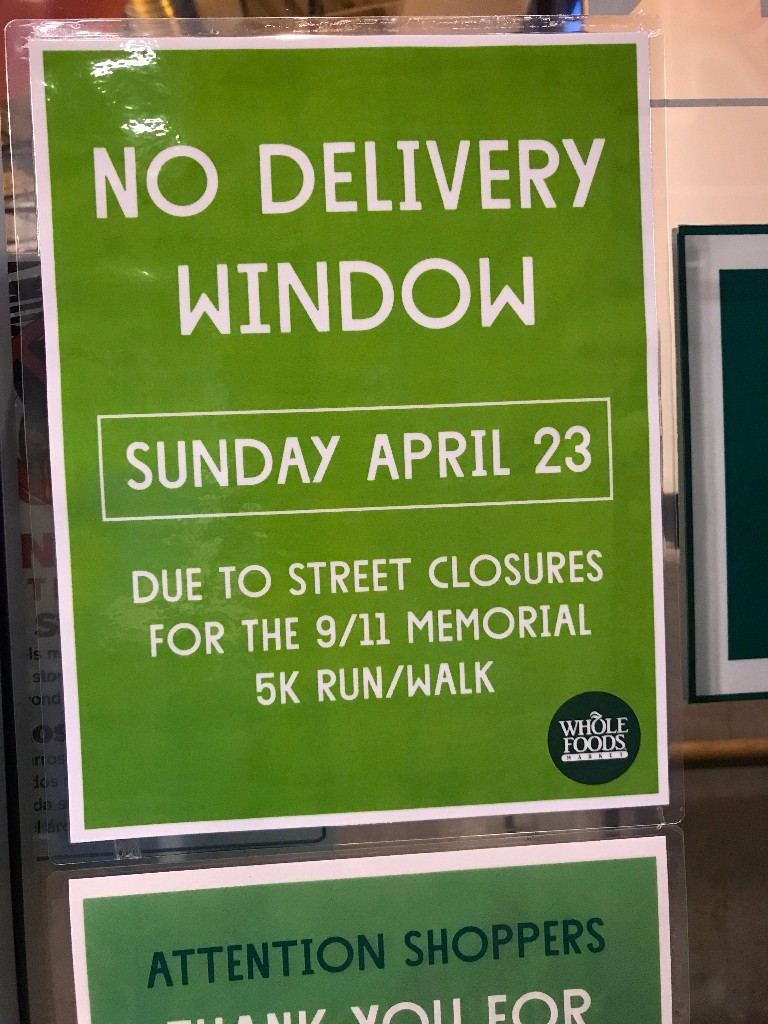
Issues with delivery in metropolitan areas like New York won't be easy for Amazon to solve.
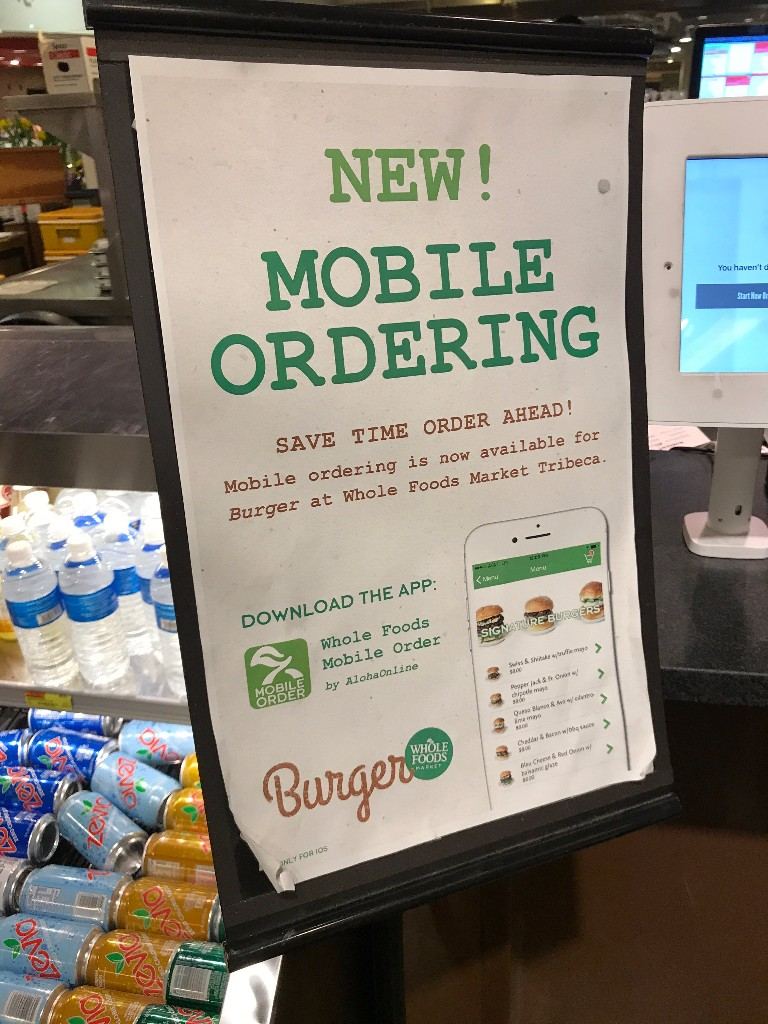
Tapping in to mobile ordering, taking on Uber Eats and Deliveroo part of the Amazon / Whole Foods masterplan?
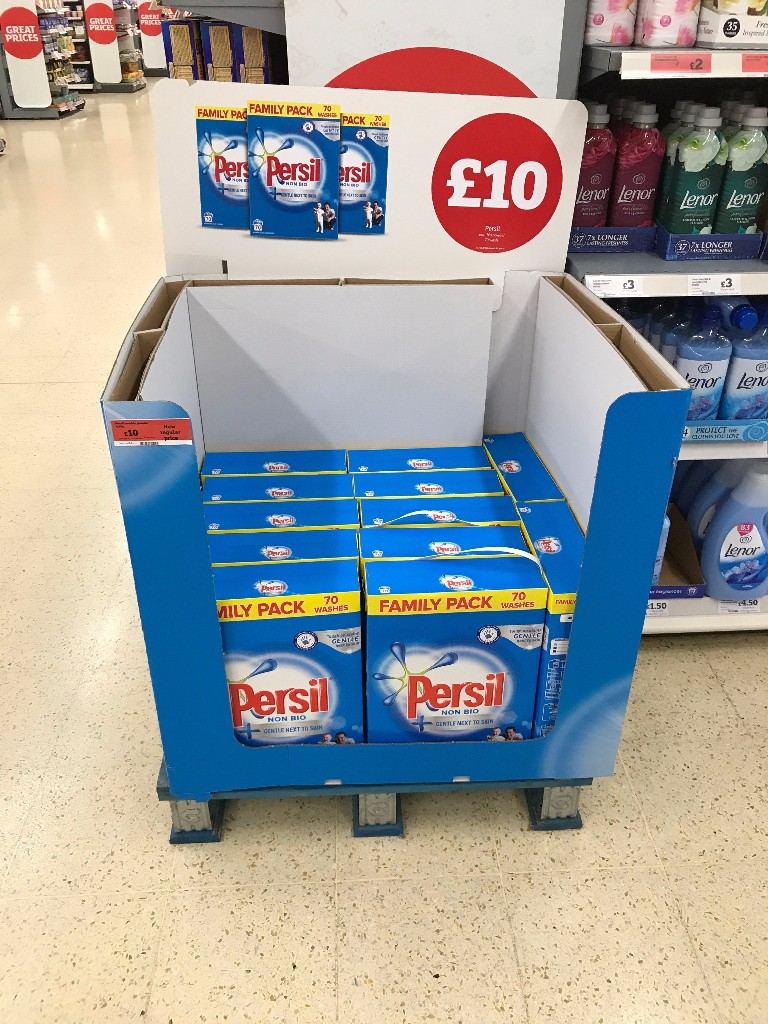
Less £10 price points with Nisa volumes?
The press are full of the stories around Nisa and their potential buyout, with both Sainsbury's and the Co-Operative in the mix for the chain.
It's an odd deal for Sainsbury's, I do understand the focus on convenience, franchise and the wholesale market being a new area for growth given the slowdown in non food and online to an extent too.
However Nisa are broadly speaking a business with few assets, bar being a symbol group retailer and supplier. Their quality credentials are not ideal and would their members push Sainsbury's lines in to their stores?
The price gap is negligible I imagine given the higher price of the Heritage range in any case, but do Sainsbury's want to push their own ranges in within some questionable independent stores...
Or is there a plan to revive an older brand, like Bells or Jacksons perhaps in order to allow some division between the main chain and the independents which range from good to bad.
That's assuming things go to plan, the members are not happy and there's talk of legal action. It seems a left field deal for Sainsbury's, presumably it's a 'Booker lite' deal but could fall foul of the same issues that could well force Tesco to divest some stores / brands / formats via the CMA.
The Co-Operative buying the chain would make more sense for both mutuals, given their similarity in operating model and also the governance. Plus the Co-Operative are well versed in convenience stores and are starting to get in to the franchised model alongside supply - with McColl's benefitting from the Co-Op supply deal with a number of stores.
It's interesting how the Booker/Tesco deal, the largest since Morrisons/Safeway in terms of the transformative effect on the sector has forced Sainsbury's hand here, assuming they're successful.
But it's another distraction.
Sainsbury's really do not need more distraction.
From the Grocery Insight newsletter archive, first sent to subscribers on 19 June 2017. Steve now writes at read.groceryinsight.com. See also the blog archive and briefings.