Morrisons / McColls and the wider wholesale sector
21 August 2017
COMING UP
Now: Mergers/Deals : Morrisons/McColls
Next: Market - A look at Asda
Later: What about Wilko?
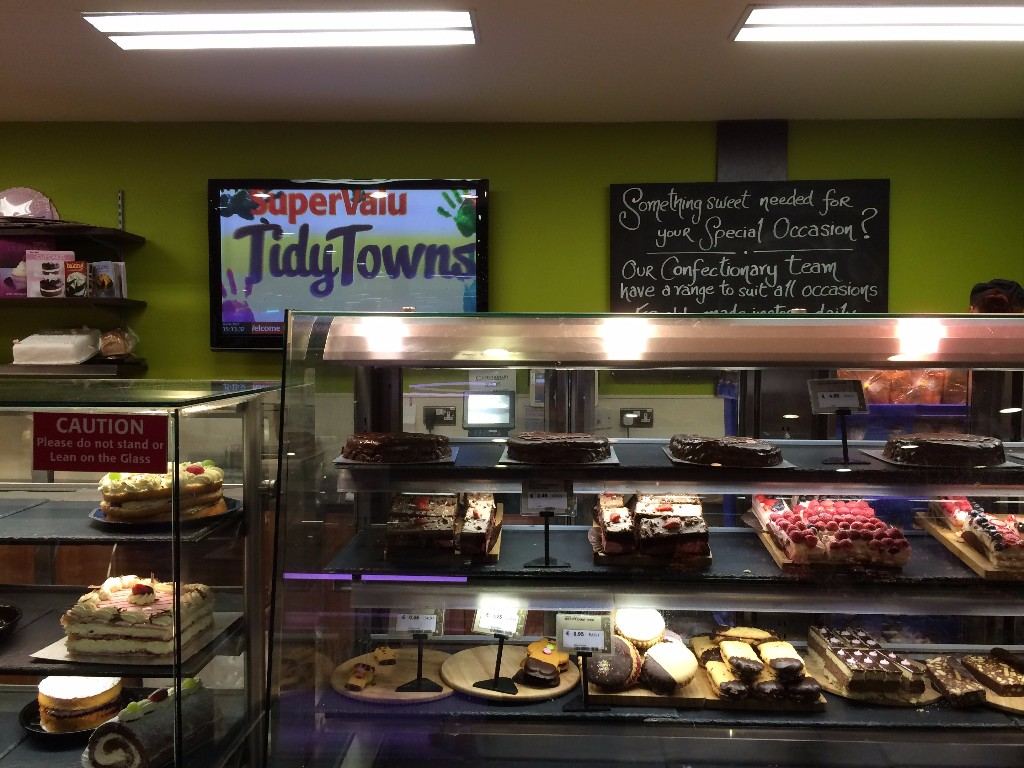
For anyone who has visited the Republic of Ireland, not only are you struck by how much better their fresh food offer is versus the UK, but also how their market is run by and large by franchisees.
At one of the largest retailers, Musgrave, Supervalu stores bar a few in the Dublin area are operated independently. Alongside the wider convenience chains that also have their owner-operators and push fresh foods heavily.
Within the UK, franchising for the main players has often seemed an obvious route for growth, but one littered with risk. Especially given the varying quality of some independents potentially harming the wider brand perception.
When you consider Booker (soon to be Tesco) operate Premier, Budgens and Londis which cater for differing demographics and standards with it. You can see the problem that Booker alone have with their own franchisees and the varying standards and offer that form part of this.
This is the challenge that the UK market faces when considering wholesale / franchising; a market that isn't used to differing banners in the first instance. Look at the furore that comes out when a story is rehashed about One Stop being owned and operated by Tesco....
Similarly independents running branded franchised stores isn't the norm either - how can the retailer bridge the gap and offer franchise/wholesale opportunities without using their own brand?
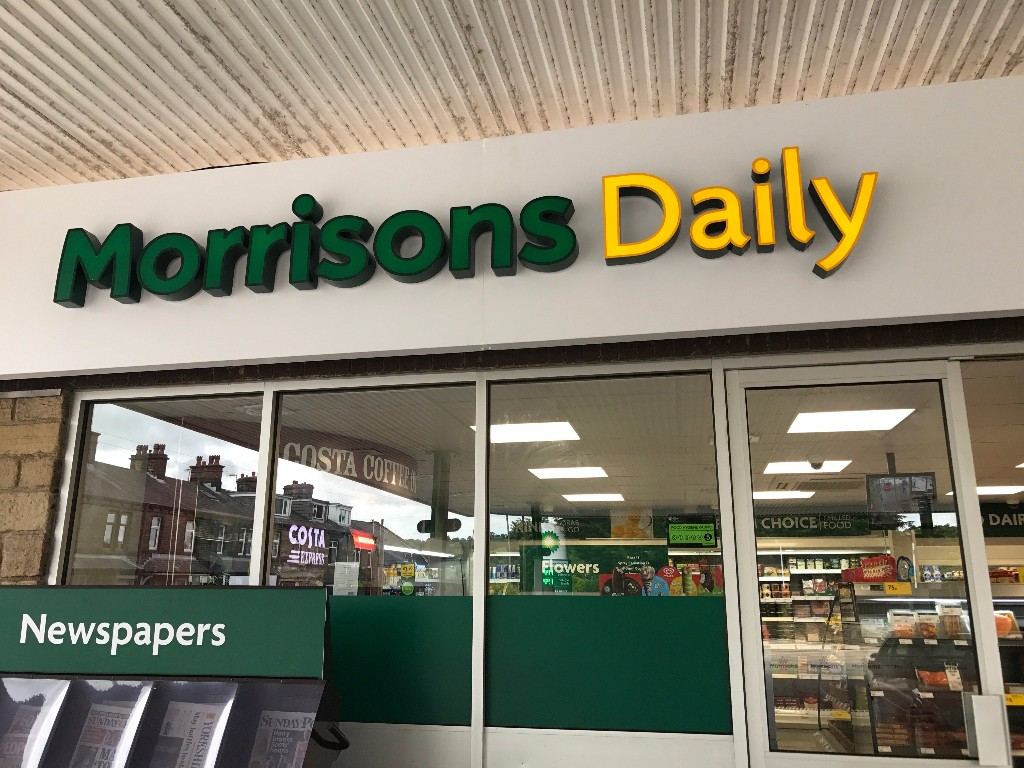
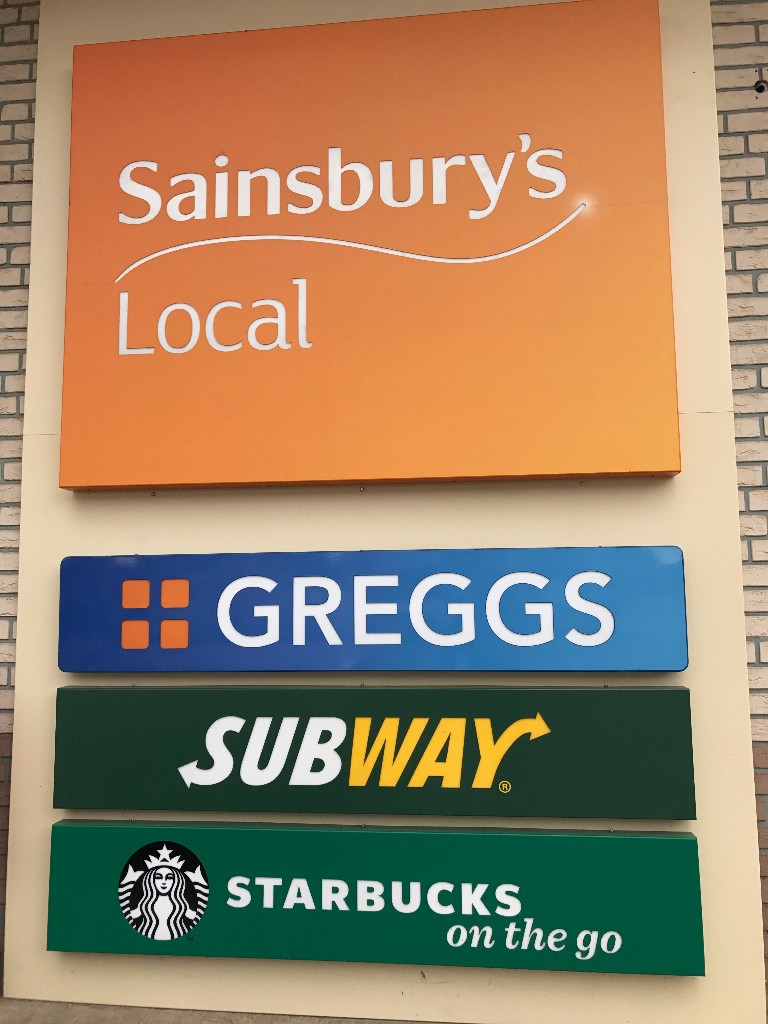
Well; retailers have started to move in to the franchising world via established partners or indeed going it alone within the forecourt world under a slightly different banner.
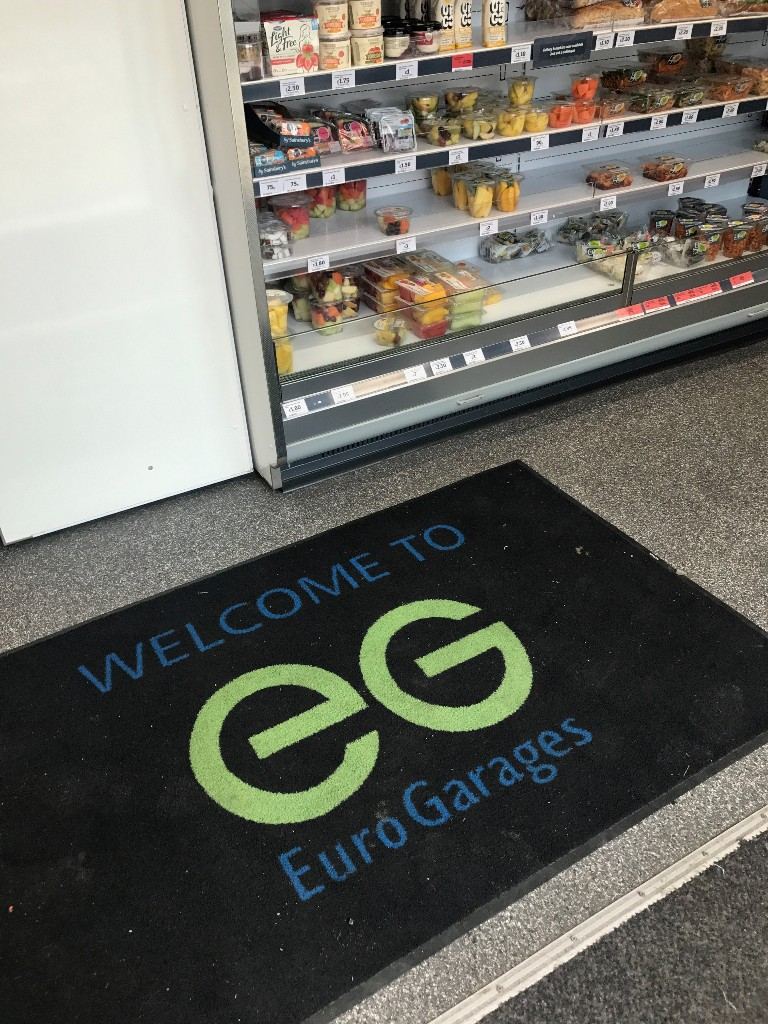
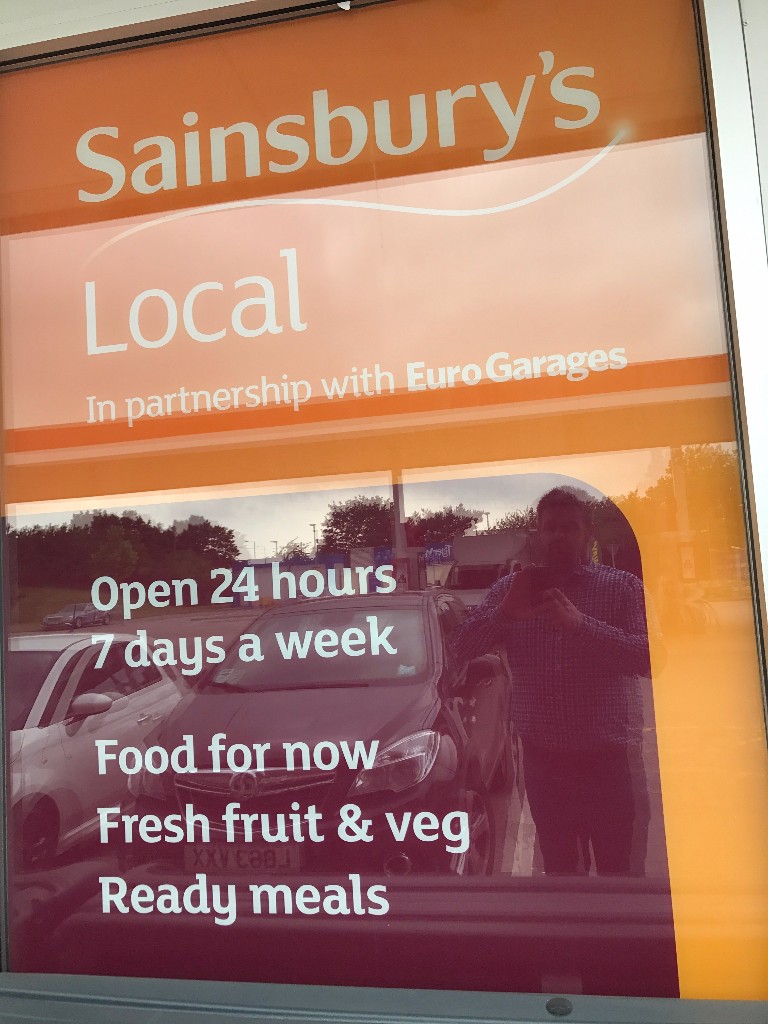
Sainsbury's have commenced a trial with the ever impressive Euro Garages who are a great partner given their experience with the various food outlets they run alongside a c-store, typically Spar.
The challenge for Sainsbury's within their model is the limitations of scale. Euro Garages are always expanding but the organic growth will be slow as you're reliant (as JS) on another partner expanding.
Even when refitting, there is no guarantee that Sainsbury's can get the scale this way either. Euro Garages are preferred as they're good operators so it means Sainsbury's don't have to bring back a former chain (Bells, Jacksons et al) to operate the franchise under.
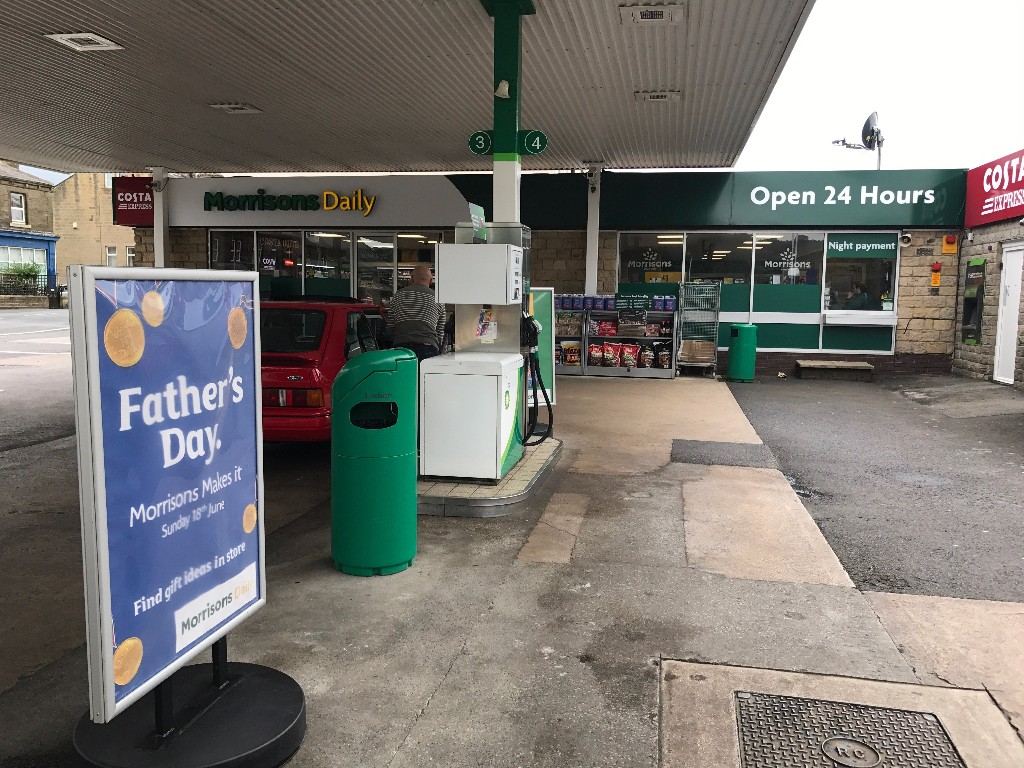
Morrisons have commenced two trials with the forecourt operators MFG and Rontec, although their MFG trial has ceased. Their Rontec deal is growing under their Morrisons Daily banner which stocks Morrisons products.
The risk with both trials is that there could be a link drawn between the concession and the wider chain. With a poor experience in store potentially harming the wider chain, similarly pricing / product quality could also impact.
It's a key reason for the price investments occurring in Express alongside core estate way back when Dave Lewis first started with Tesco. The theory was that customers who experienced Tesco Express would be unlikely to visit larger stores as Express had poor stores and were often higher in price too.
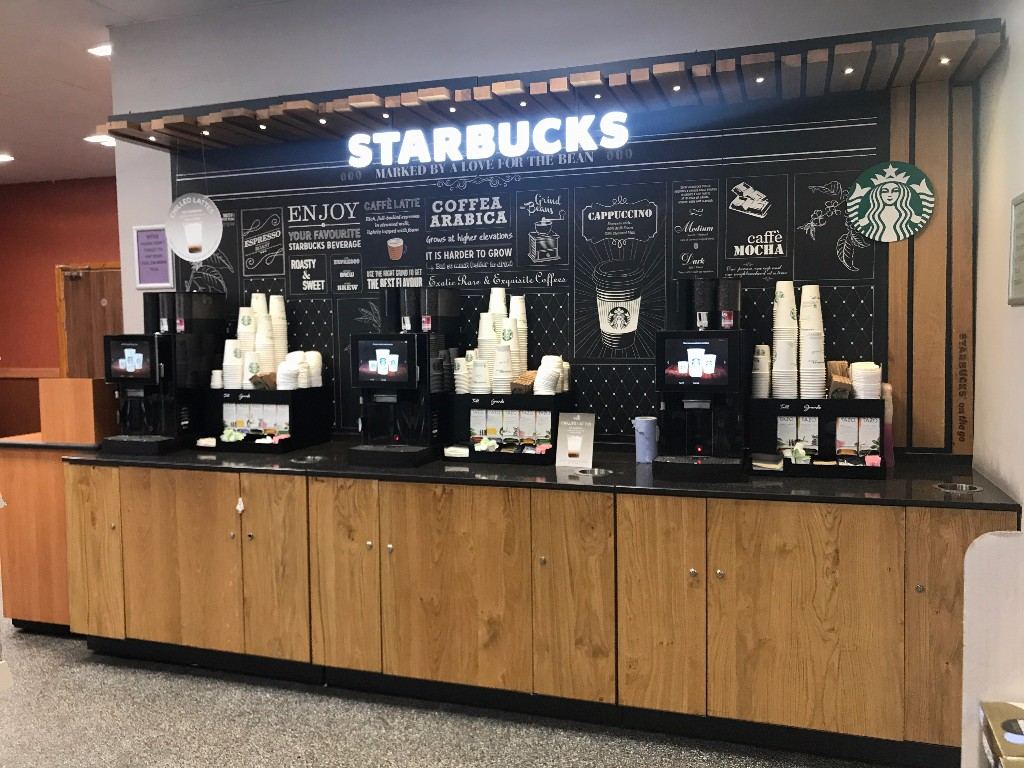
Starbucks counter in Euro Garages is another example of where their partnership with leading brands works well. Sainsbury's need more of these partners to expand their convenience arm.
This link between independents or other outlets potentially impacting the wider chain is a key reason for the Safeway brand being revived by Morrisons for their operation.
Similarly, Tesco owned One Stop have grown their franchise base by a fair amount, getting to 100 stores relatively quickly. This enables independents to benefit from a recognised brand name and wider own label package and also means that the Tesco brand is preserved and the independent retailers are able to trade with Tesco, albeit via One Stop.
Safeway was due to be the Morrisons brand for forecourts and the future c-store operation, however the deal with McColls means that Safeway is fully exclusive for McColl's for one year.
The deal is good for McColl's as it gives them a chance to energise their business post the takeover of the Co-Operative stores that were left over post the Alldays, Somerfield and anyone else's acquisition....
They've struggled with the Nisa brand and clearly Heritage (despite progression) is still struggling to find a quality angle alongside a price message too.
The switch from the Co-Operative products was too much in the acquired stores, which saw McColl's strike deal to get the Co-Operative products back in to stores subsequently rebadged as McColls.
When Safeway arrives, there is a need for McColl's to communicate what is going on to customers, the credentials behind the new ranges and the reason for those products being within the McColl's store.
As a wider deal for Morrisons, it's another example of them picking up volume that has been lost over the years to discount, without having to put down space or take a hit on margins.
Their wider food production facilities are impressive and there is a huge capability to further expand their production and volumes in to other retailers / avenues one would think.
In the older days, Dalton Philips pointed to Booths and McDonalds taking Meat from Morrisons, alongside Booker (believe it or not).
With the Seafood plant, Noodle house, Florist and other facilities producing Bread, Ready Meals and also packing Produce, there is more scope to driver further volumes through the chain.
Whilst Morrisons were very competitive within the tender process (if you believe the trade press), they're able to bring lower prices to the table given their controls at the supply side, even with raw material price fluctuations of course.
With Amazon, McColl's and also their partnerships with the forecourts, it looks like a decent business is being built off the back of this wholesale division, using existing infrastructure to develop in to new areas.
The key thing is the cost, it costs nothing to acquire this volume.
There aren't any acquisition or build costs, it's simply supplying a 3rd party and utilising the scale behind the scenes that Morrisons have always had.
Whereas the Sainsbury's links with Nisa seem entirely odd, it's understandable at a high level for the chain to look at boosting volumes by acquiring someone like Nisa.
However the brands are surely at odds? Plus would the intention be to trade Sainsbury's lines within Nisa? Or work in another tier / brand?
Whilst they have paused their decision until the CMA decision on Tesco/Booker is known, it does seem a little odd for Sainsbury's to be pursuing this and not overly strategical, not when you consider their longer term ambitions.
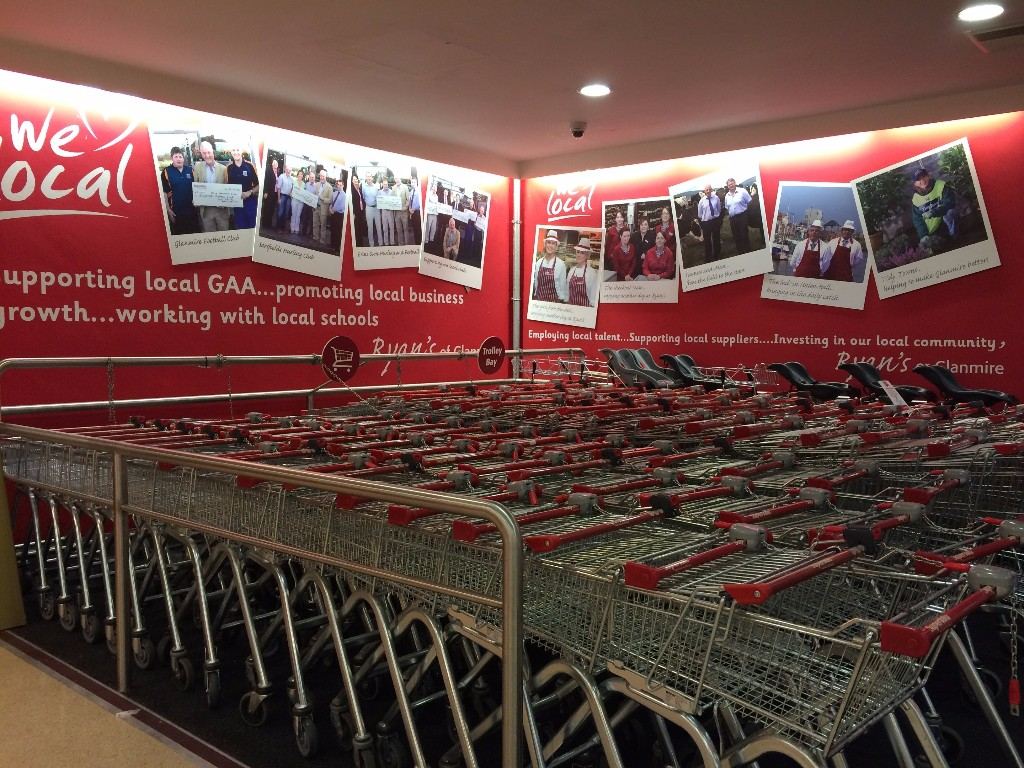
It's always tough for independents but the local work is vital; being in touch with local communities they serve is important.
The Irish retailers like Supervalu are really good at this, as evidenced above, great work on working with local schools and supporting local sports and businesses alike.
Whichever banner they trade under. Whoever supplies them.
In a flat market, with online exploited, convenience exploited and discounters running amok and food service not really ever driving profits.... Wholesale / Franchise looks the next well to tap so to speak.
All eyes on the CMA decision with Booker/ Tesco, it will kick off more consolidation one suspects.
From the Grocery Insight newsletter archive, first sent to subscribers on 21 August 2017. Steve now writes at read.groceryinsight.com. See also the blog archive and briefings.