Sainsbury's - in to growth
5 July 2017
Key Points
The Sainsbury's Q1 result was good (+2.3%) at a high level; with growth seen in the quarterly figure. The first such set of figures combined with Argos as a total overview and not split out.
However it was a long old quarter, some 16 weeks and incorporated several calendar events that would boost sales - Easter and Mother's day to name but two. Which Sainsbury's did flag and said like for like would have been +2% without this.
Interestingly; there were some events that were Sainsbury's specific and would have increased trade. Red Nose day was within the quarter which is a Sainsbury's sponsored event and drives trade with a range of merchandise and the Red Noses.
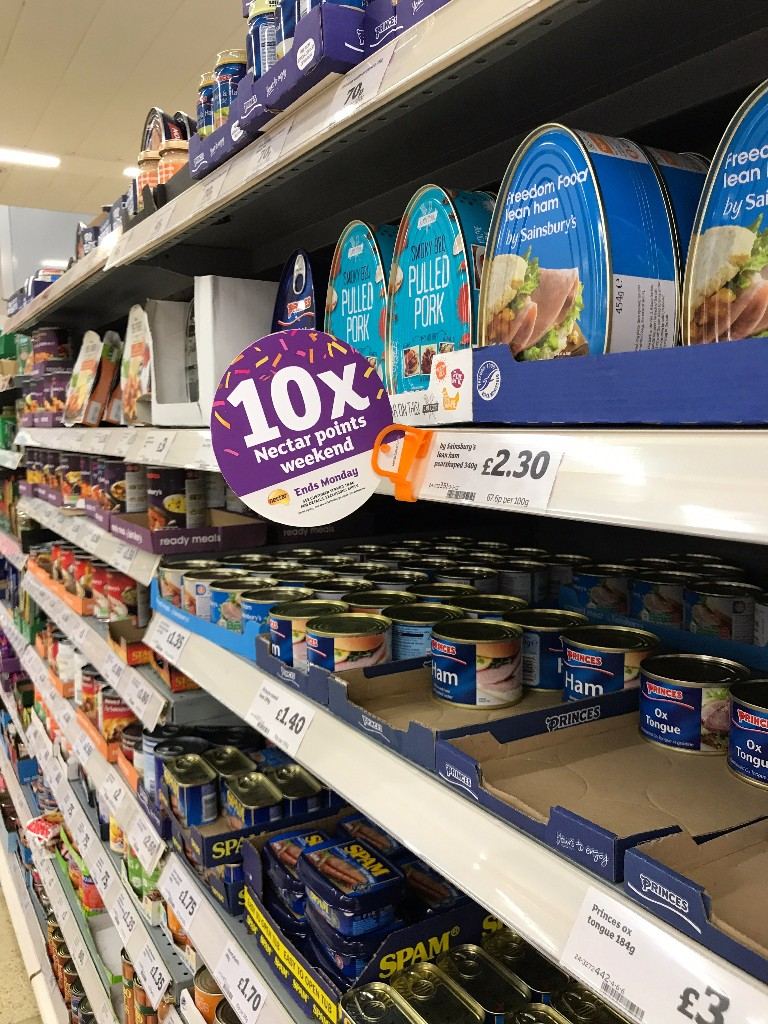
Alongside this, Sainsbury's also ran a 10x Nectar points event over Bank Holiday, and also had a Lego trading cards promotion which was exclusive to the chain.
The quarter was a good one for weather; given Summer kicked off and Sainsbury's flag strong sales on their Summer range, alongside a backdrop of inflation too......
The result needed to be positive really!
The Sainsbury's Q1 results yesterday show that the chain is back in growth at least; with a respectable performance in terms of their overall figures.
However there are a number of caveats to bear in mind which has seen this performance go from a respectable just under negative / flat to a relatively strong 2.3% Q1 result.
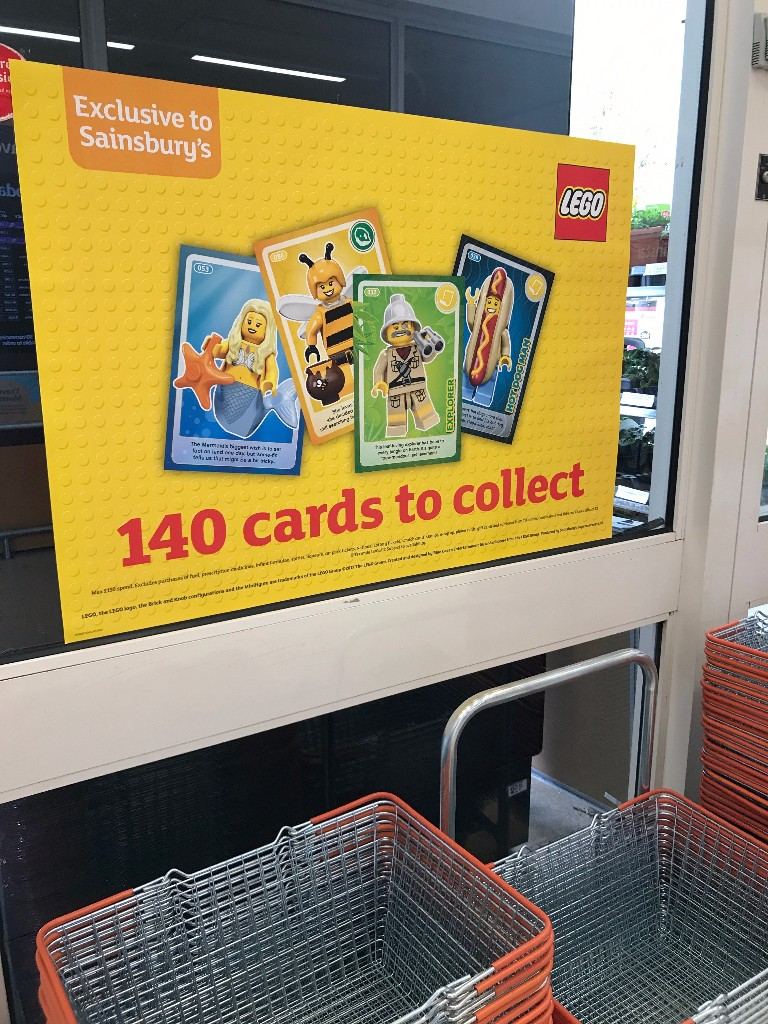
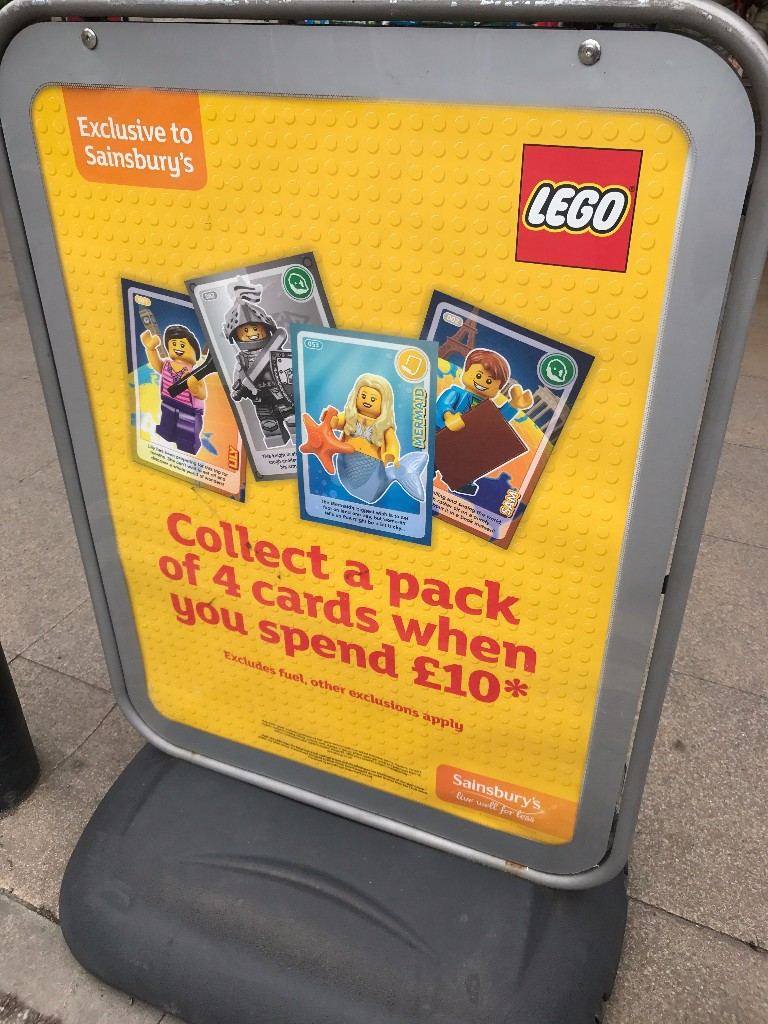
Firstly it was a long old quarter for Sainsbury's encompassing some 15 weeks, which also incorporated a number of seasonal events, Easter, Mother's Day, Father's Day alongside exclusive Sainsbury's events too.
The Lego promotion seemed to perform well with a number of kids collecting the cards, and the usual parents complaining on Facebook that they keep getting 4 of the same 'Glittery Mike Coupe' collector cards and could something be done about it.
For a short term sales boost, it's very effective as it drives sales to the stores, with parents switching their shopping trip based on the cards being available.
Unlikely to drive vast swathes of people to Sainsbury's for a full shop, but the top up shop may become an option.. It's a short term boost and effective, but does it drive longer term loyalty?
Perhaps not, unless they repeat it, but then it makes the like for likes harder to trade against. I remember the Disney collector cards that Morrisons did years ago as an example.
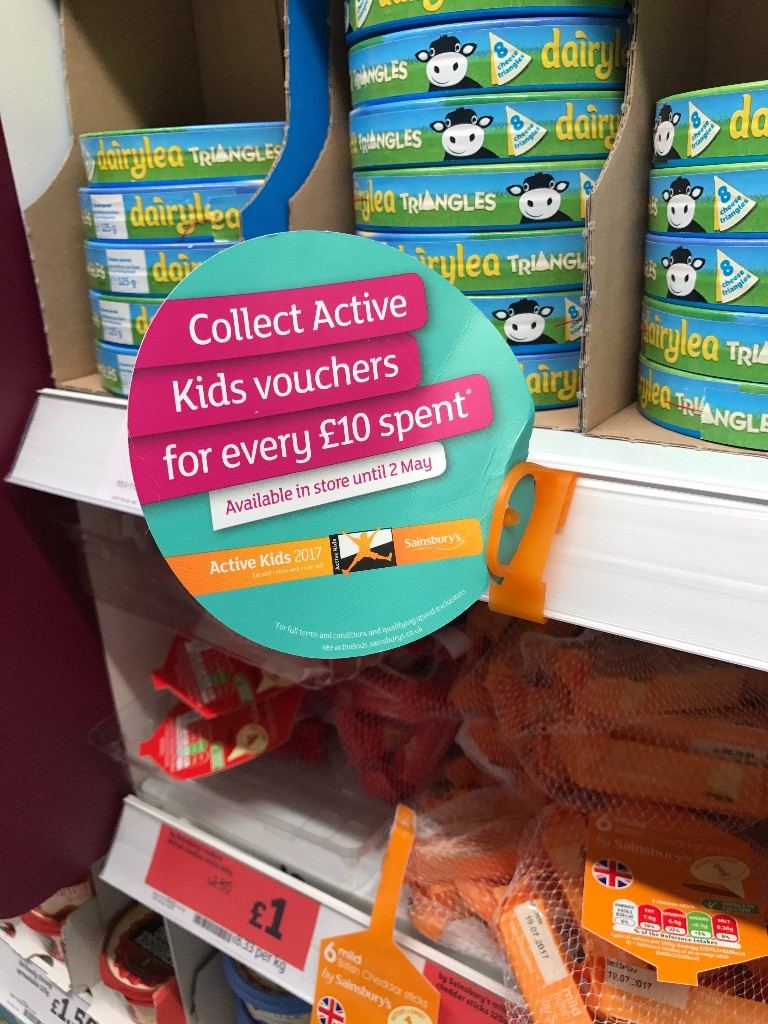
Active Kids was also running inside the quarter, although it ended in early May. Not overly marketed this year, but was another campaign they had running at the time of the quarter.
It's hard to see that this impacted, but it was under marketed too this year I felt. Barely a nod for it in stores which seemed odd.
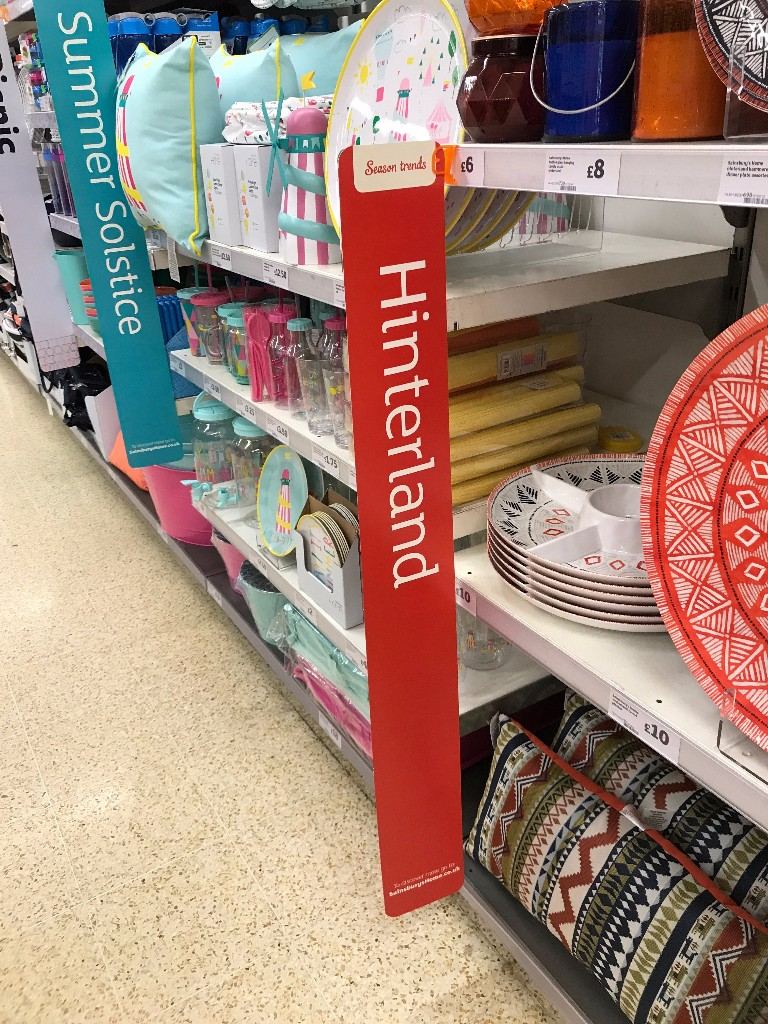
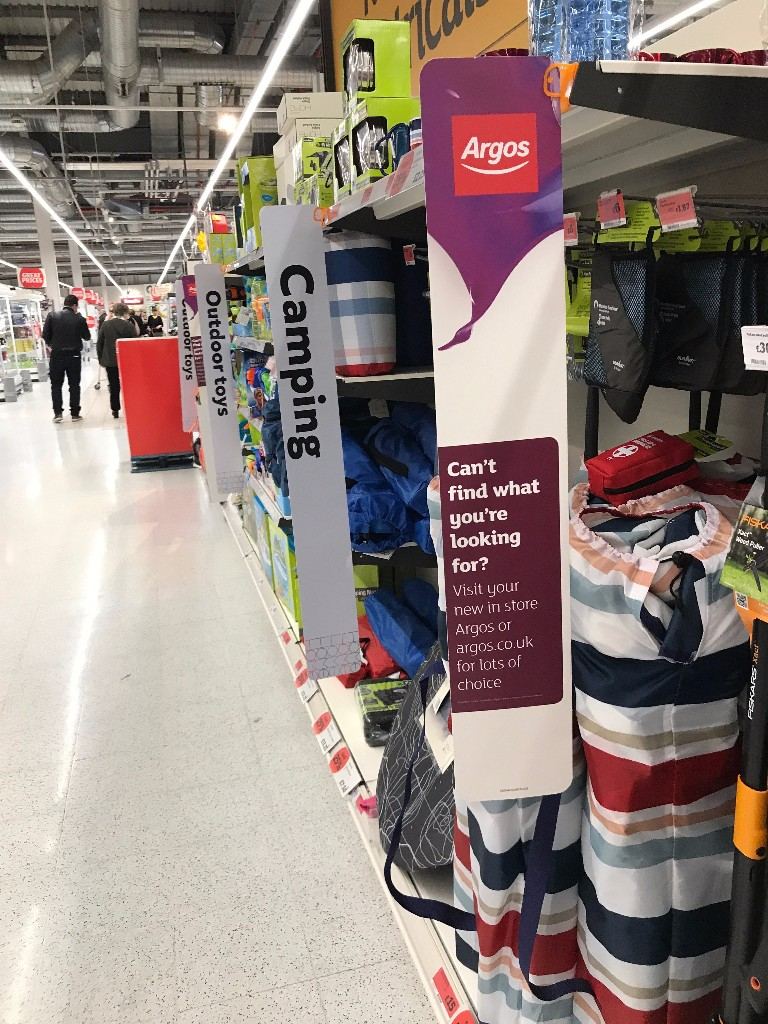
Non food always helps JS, even before the Argos deal they were rapidly sharpening their non food offering. The figures today incorporated Argos in to the wider JS world, so it's harder to unpick who is doing what, but the increased footfall from the Argos inside the Sainsbury's is still likely to factor.
However with that traffic coming to store, perhaps a bigger uplift would be expected, of course, you have to make customers excited about shopping in Sainsbury's... Which isn't always the easiest thing in the world to achieve.
The lack of multibuys has been talked to death on this service and in the wider press; like Tesco and their plan, you can see what Sainsbury's are trying to do with their lower, stable pricing and perhaps chanelling that discounter mentality too.
If you buy the same things each week at a discounter, then the bill will broadly be the same amount give or take a few pence. Sainsbury's have tried to do the same by taking away deals on ambient bar 'save' and hopefully driving people towards a more stable price on their own label.
Of course, they're not immune from price rises and data used by Bloomberg showed they'd put a number of prices up between January and March, whereas Tesco had barely moved any.
In terms of their wider offer; their core target market remains the Southern based shopper in all likelihood. They're still a dominant player in the south and their roots are there too, market share is still far more significant in the southern area.
Therefore a national approach can be difficult, further north in Scotland and anecdotal evidence from customers up there is that their stores are often very quiet. Aldi and Lidl reign supreme in the north due to their lower prices, that's without Asda and Morrisons who are also a) based up there and b) have a significant presence too in those areas. Indeed harking back to my days in stores some 10 (ten+) years ago, there weren't too many northern stores around doing mega money back then.
That's not to say that Sainsbury's should sell off all their stores in the north, not at all. The volumes are valuable and selling stores to rivals would be questionable to say the least, but it does make things intriguing when looking at a wider picture.
Harking back to the days of adjustable pricing for affluence and the like? Not quite, but the recent election showed the north/south divide in greater clarity than anything else. We know things are different further south, retailers having adopt one size fits all for consistency is important.
However there has to be a consideration for the local market too, Morrisons working hard on bringing local lines to their stores for example, Tesco were always very good at this too.
Sainsbury's less so, never really big players in local sourcing / ranging so they're late to this game and have to find something that works all round.
Their promo masterplan is easily ripped up in the north by discounters then Morrisons and Asda who have always been heavily promotional on the branded lines.
So quite the conundrum for Sainsbury's; but they have a plan which is consistent, however they lose out on the perceived value versus other retailers, especially around that 'full shop'..
Plus seasonal events like Christmas; a lack of multibuys really affects the chain, especially with direct rivals like M&S, Waitrose and co all offering various multibuys.
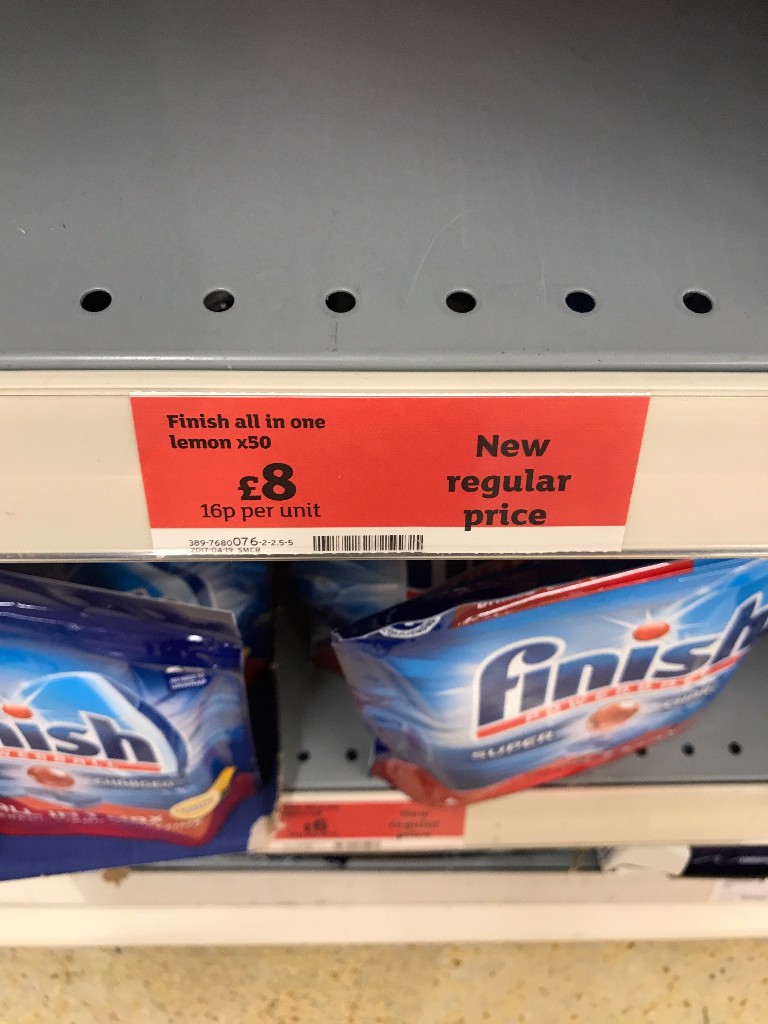
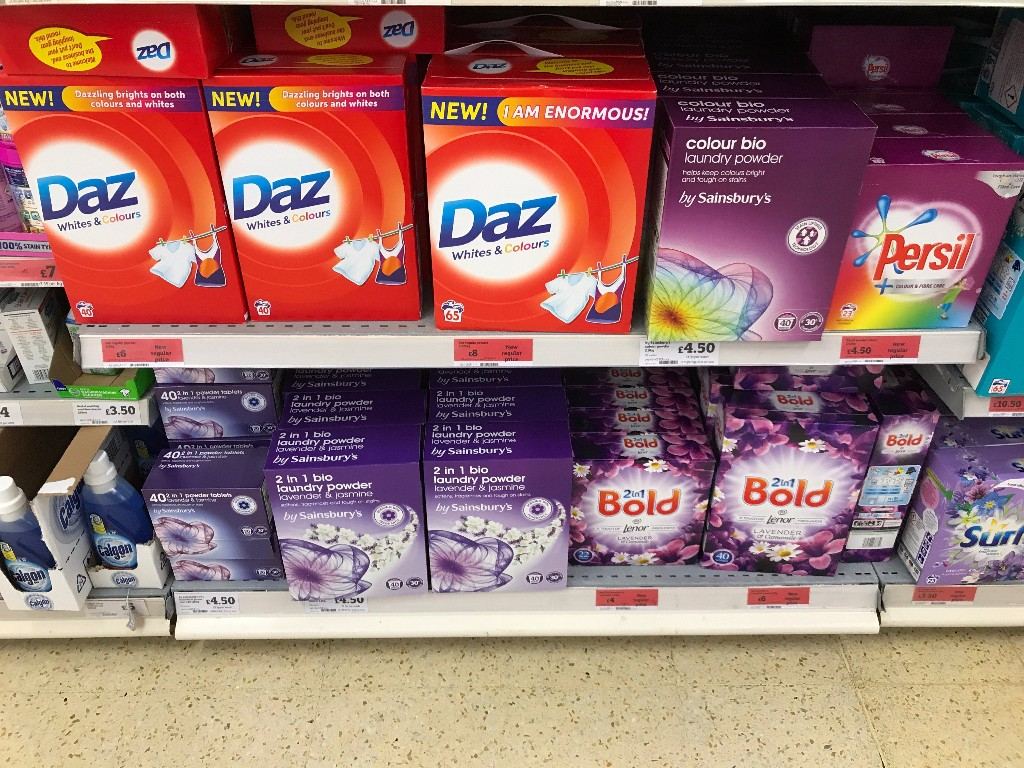
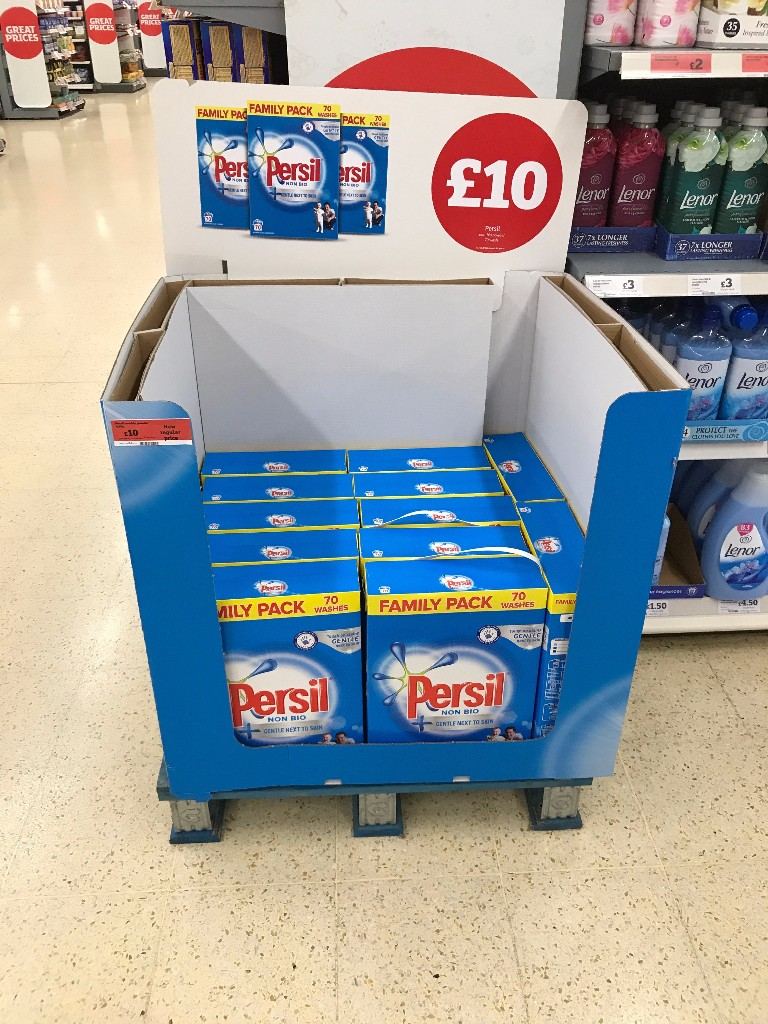
Some lower prices were noted in Household in the quarterly period; further investment in the category as Sainsbury's have pulled out of multibuys. However the market has typically gone towards a lower promotional price in any case, so the further investment here is more about flattening the wider shopping basket.
The challenge here of course is that customers shop around, and check the big four if they're needing to purchase powder, toilet rolls etc with some basing their choice of store on where the 'big pack' deals are.
Therefore Sainsbury's have to be on point inside these categories to ensure they can attract the floating shopper. Interestingly, the floating shopper can also switch parts of their shopping around - visiting the likes of B&M and Home Bargains for household products accordingly.
Flagging £10 Persil is a fine balance within the EDLP model; it's a lower price than others, but then it's not a price that you'd cross the road for either.
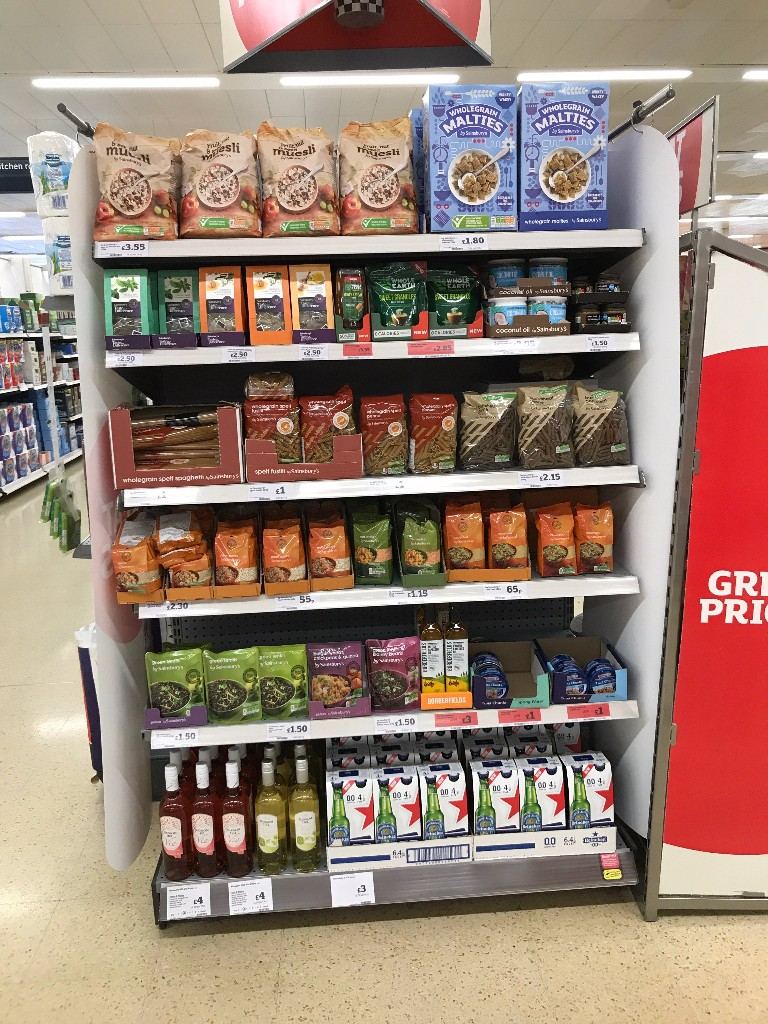
With no multibuys comes less inspiration for the gondola ends, in the older days these would dominate the store, flagging value with big deals.
Solid ends featuring promotions, all lines on 2 for £3, or Buy One Get One Free for example. These have all but gone these days and with Sainsbury's not having promotions active, bar 'save' means the ends are a hard ask to make compelling.
Therefore there is a need for more diversity in the ends, inspiration, own label, health etc. An example above is of a wholewheat / health end - the problem is that there's no marketing to explain what's going on.
Value comes at the customer in so many ways around the store; a poorly merchandised end is a waste of space in effect.
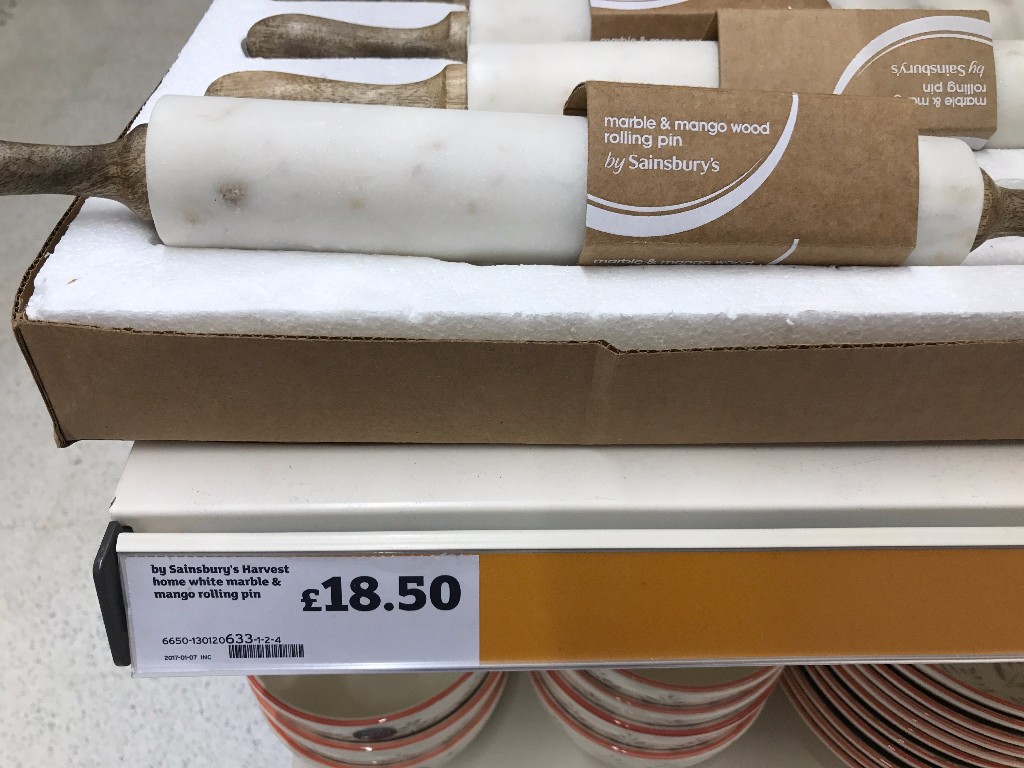
Speaking of value. Marble and Mango rolling pins at £18.50.
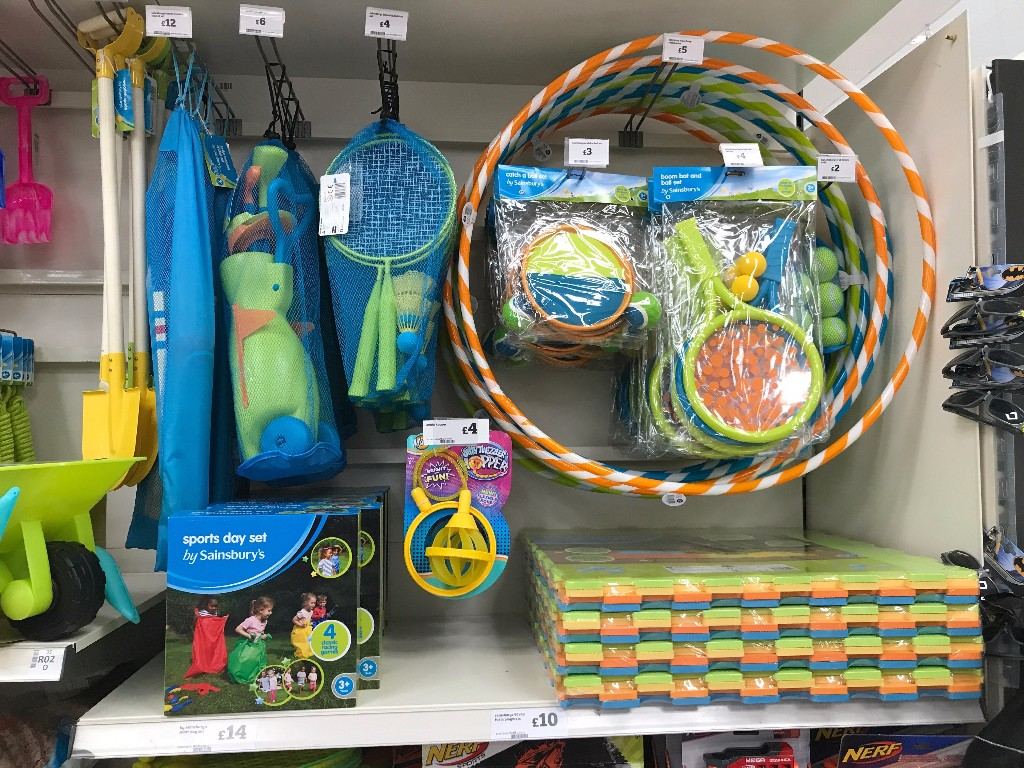
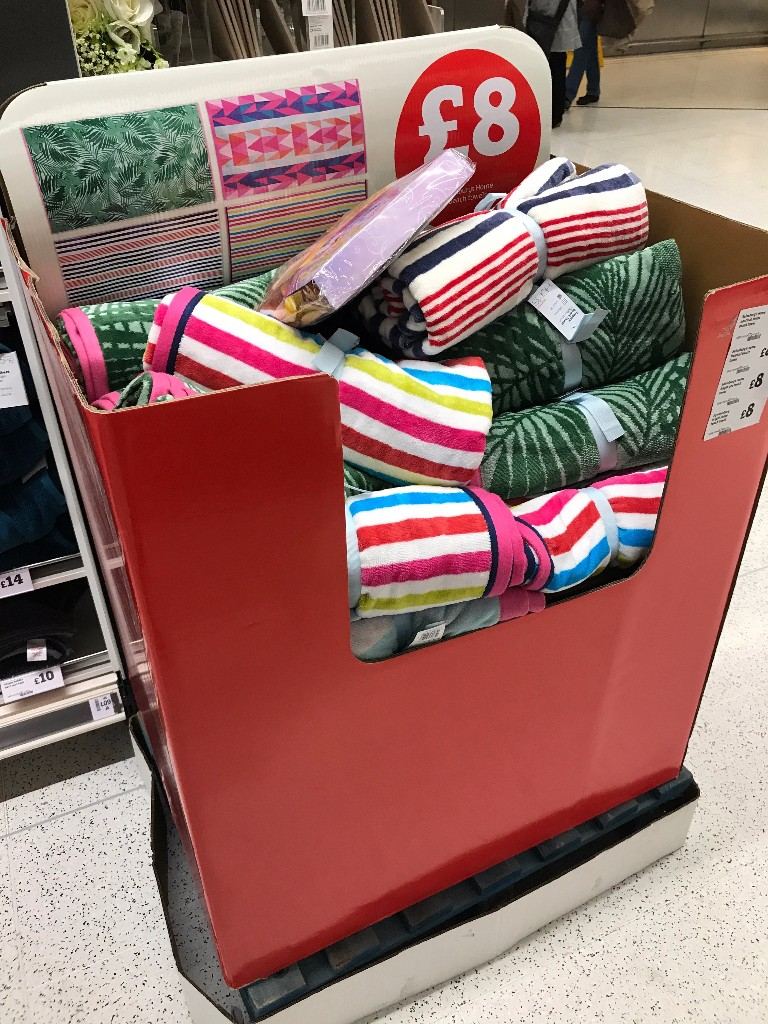
But non food remains the star of the show, and with the Summer months as part of this quarter, it will have boosted sales and their refreshed ranges will continue to aid sales, particularly as they integrate Argos and Habitat.
Their work for Summer was very impressive; with some of their price point a little high, but their wider collections were good. Showing that they continue to impress in this arena, with food also seemingly sharpening up around the store.
However that question around value remains, but with Argos driving additional footfall. Sainsbury's can perhaps ride the storm, however Sterling weakness and Brexit will concern.
Their next quarter perhaps won't be as favourable to their trading calendar, so there'll be a hope for some more Sunny weather to boost the sales line!
From the Grocery Insight newsletter archive, first sent to subscribers on 5 July 2017. Steve now writes at read.groceryinsight.com. See also the blog archive and briefings.