A nation of decorators & the future is....
17 June 2020
The Bulletin - Retail's future and B&M trading
So as we move to the news feed, firstly, thank you for your kind words and donations to our appeal for the hospital, both Mrs D and I were moved and your kindness means so much to us, so thank you, once again.
In terms of the market, where do you start? Of course, non-essential retail opened up Monday and we didn't join the hordes of analysts artificially boosting footfall and taking pictures of queues because, well, it's like trying to tell the time by counting the clouds.
Queues (socially distanced ones) are great to see for retail but it means nothing for November, or December or indeed when the job cuts start to hit home. There will be so many changes to retail and I am making a list of the ones to think about but some headlines:
* Experiential is all but dead This spells big trouble for the non-food retailers who thought this would save them (it wouldn't have, it would have merely delayed the inevitable, but still). Especially John Lewis who are laden with stores without inspiration and now minus the various services they were betting the house on.
Not just that, but their refit programme has been canned due to COVID and costs associated, but some of their stores are very old hat and a refit for one of these must be pushing £10m a time.
It's not just John Lewis of course, but there's lots of trouble ahead for the market here. The moves by Sharron White so far make sense and if anything, only serve to amplify the questions around what was Charlie Mayfield doing?
Assume we get a vaccine that works, the challenge wouldn't stop there as customers would be uncertain, distance is now a good thing and people won't want to get too close to people who are fitting their dresses, or offering style advice, even if the customer is vaccinated.
Who do you trust? Safety, amazingly, is now one of the biggest drivers of choice for consumers.
You won't know this because those survey companies do not deviate from their core questions and thus, the same answers but to variable degrees are generated, depending on the economy.
Whether experiential will have retailers wanting to take a chance on it as we navigate out of Covid19, whenever that may be remains to be seen. The bigger question is, how many retailers will be around to utilise experiential when we do navigate out of Covid19?
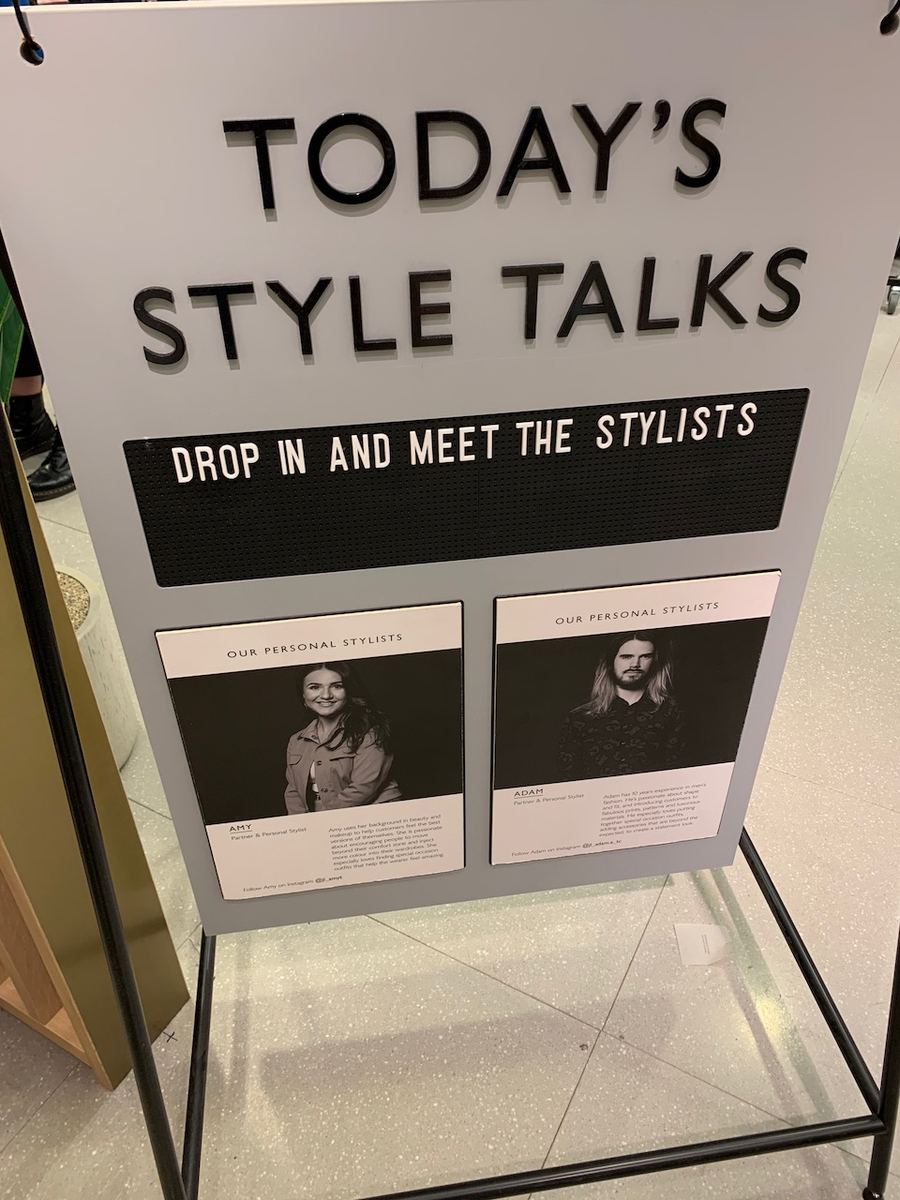
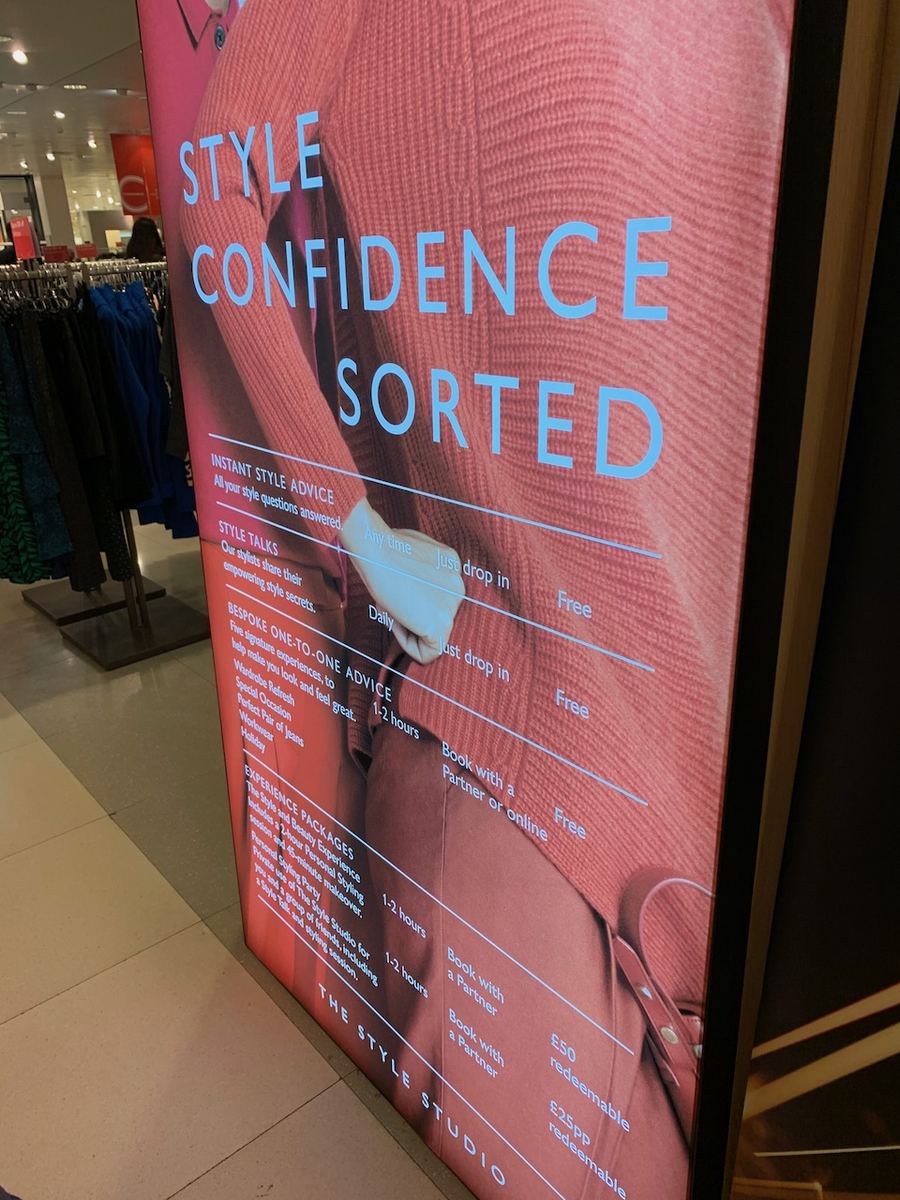
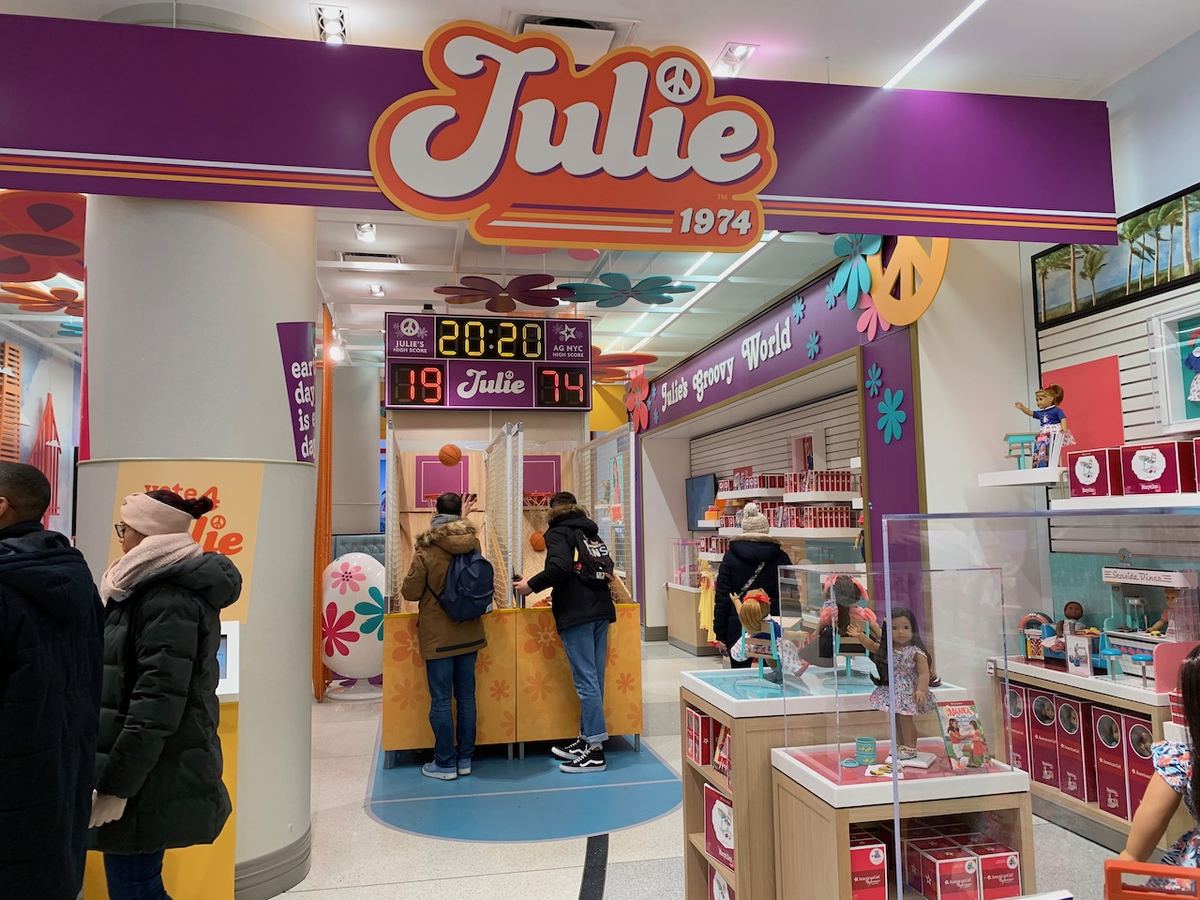
See below for John Lewis stylists - hard to manage and 'intimate' appointments are unlikely to be favoured by customers, even with precautions. Plus American Girl in New York, an inherently experiential playground for kids of all ages. How can this experience be managed in a way that is safe, without losing the identity of the chain?
A changing set of priorities: The challenge for the market, analysts and investors is uncertainty, we'll see lurches up and down as the future is so uncertain, add in Brexit and things look even more uncertain.
Covid19 is a huge challenge for everyone and going forward, as things are under control, everyone must be vigilant to ensure no second spike, but cases will rise as lockdown is eased, there is no doubt.
For customers, we saw a generational shift towards discounters and away from large retailers, stores and promotions in 2008 and beyond, the rise of Aldi and Lidl and attempts by Netto (and ongoing by Tesco) to introduce new discounters to the market too.
For customers, their choices of where to shop are driven by various mechanisms, many of which we do not understand. Retail is basically about managing a huge set of variables and customers are unpredictable and make choices that are sometimes, irrational. Yet they are the lifeblood of the organisation.
So if you add an event like Covid19 into the mix, it becomes harder, or does it?
Everyone now has to think more like a customer, especially in retail and think about the choices we make, and why that may be. Habit? Convenience? Cost? Preference? No real thought process? Automatic? Many words that describe shoppers and where they go shopping.....
But thinking as a customer is easier with Covid19 because we are all at the mercy of the virus that spreads indiscriminately, whilst it's mild for some, it's not for others and the only tool we have to fight it (save hospital visits and drugs) is handwash/soap and the regular washing of our hands.
It's a leveller and customers will make choices around where they shop and how they shop based on 'fear' in many cases quite frankly, although that will dissipate as lockdown eases, alongside a reduction in the government's dystopian messages on TV and other stats, like positive test results and death tolls, fall further.
Thus when the lockdown was announced, social distancing didn't actually appear in stores until later in March, early April even. There was still the chance to run into store and experience Black Friday in America, albeit on the pasta aisle. But as social distancing came in and customer numbers were limited and queues formed outside the store, this presented a customer with a choice.
Do they try and pick a quieter time, or do they pick a quieter store? Indeed, the economics are now flipped with stores on the breadline, with rising business rates (eliminated for a year), rises in the national minimum wage (still occurring) and falling sales (now reversed to an extent) now potentially becoming appealing as customers either choose to drive to another store (many stores have numerous competitors nearby) or indeed, picking a quieter store as the customer knows they're able to get around a bit easier.
The quieter store then receives a benefit of trade via customers feeling safer, or even if they're able to get around a bit easier. Social distancing management and the 'safety' for a customer then becomes very important and a driver of store choice. Which is remarkable when you think that 'safety' wouldn't have even featured 6 months ago on a customers radar when deciding where to shop.
Of course, with a huge number of people on furlough and workplaces only really reopening en masse from June 1st, there hasn't been such a thing as a quieter time given that a huge number of working-age adults were off work and could shop at any time. This led to an unpredictable trade pattern and made it difficult to customers to ascertain when they should go shopping to avoid a queue outside the store (inside, broadly, assuming the numbers are managed, things are easier).
There are other factors, price and value, quality of product etc but the playing field is broadly levelled in this respect and whilst discounters are cheaper, they are also known for long queues outside stores (and car parks in peacetime) as they themselves say they open stores nearby to take the pressure off a store that is overtrading.
The value proposition is also notable as the stock shortages and challenges around availability meant that a number of special offers and deals were taken away, leading to a more EDLP approach by retailers (not necessarily, as low as discounters but still). Customers are choosing between a queue outside a store, or a feeling of safety once inside (especially if no queue outside) versus quality, price and choice alongside safety and ease of navigation. Or a blend of all components.
Which makes things difficult as a retailer, given the management of stores is variable anyway (retail is unpredictable by definition) and management of social distancing and queue management in stores is a matter for local management, alongside everything else.
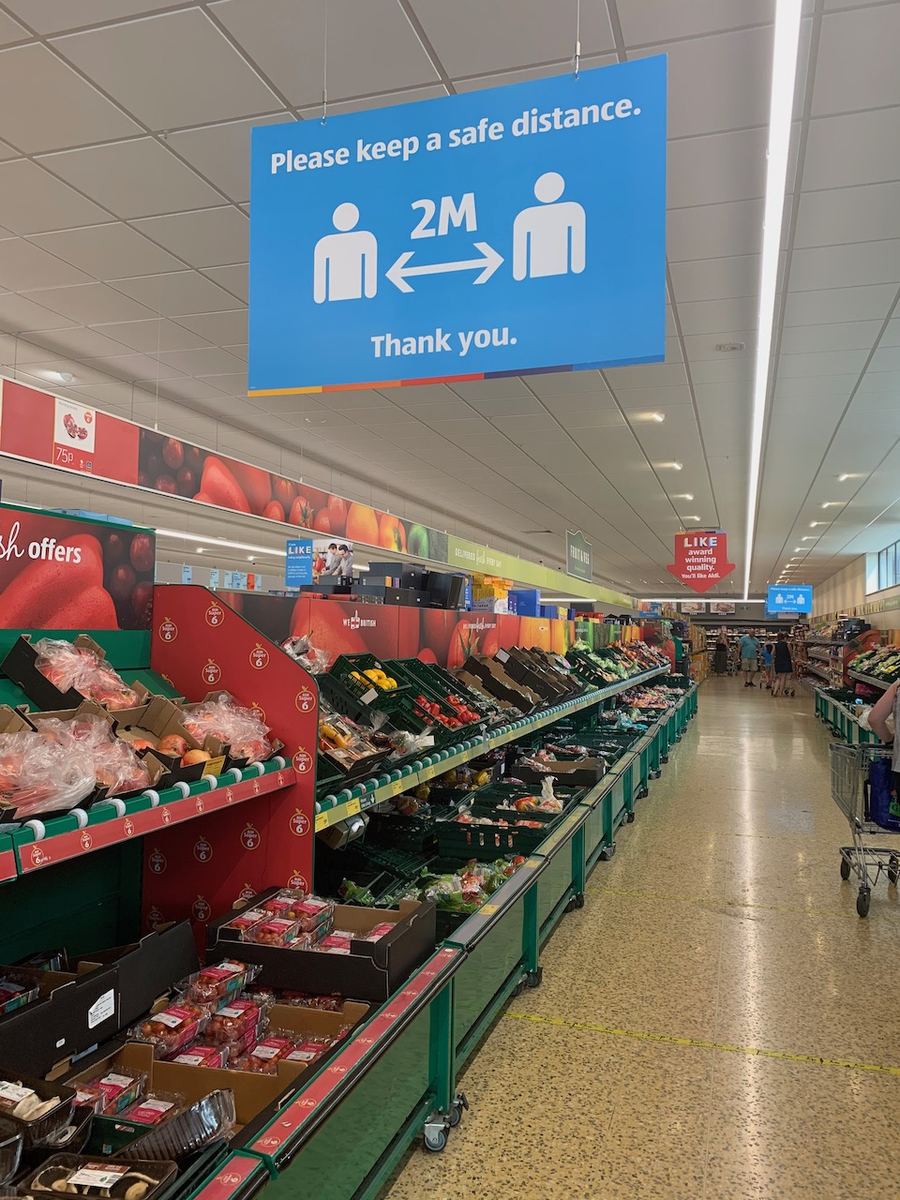
See below for Aldi - social distancing signage in-store, even with reduced traffic, there are pinch points and customers who still want to take a short holiday when picking their Wines and Spirits for the week. Limited customer numbers must harm the efficiency for the chain, as the store is unable to trade as much it would have done, pre-COVID.
Queues outside both M&S and Sainsbury's, both of which were not the barrier they were believed to be and moved quickly. One queue outside Sainsbury's then saw a further queue outside the in-store Argos when collecting a parcel, no collection slots perhaps exacerbated this situation.
When visiting Sainsbury's a matter of weeks ago, the socially distanced queue stretched almost right around the car park.
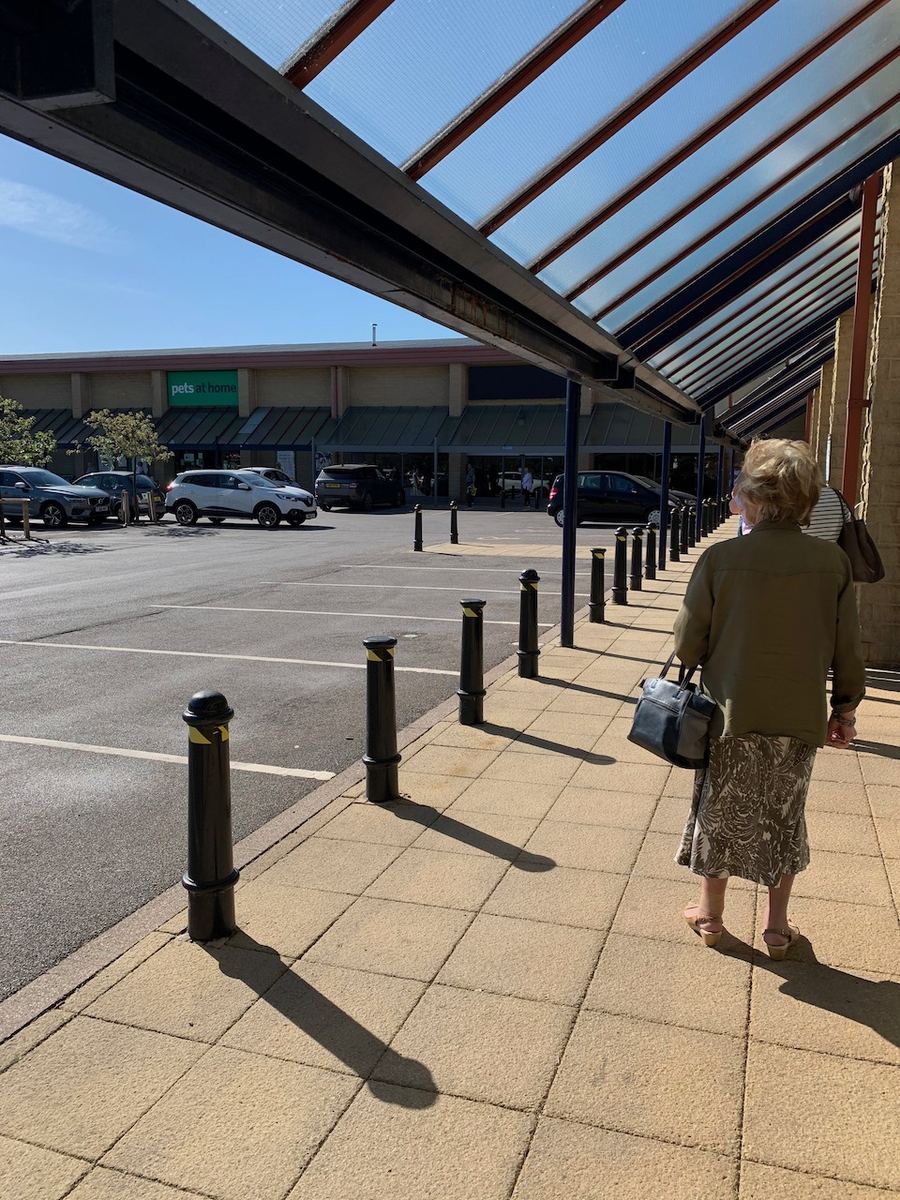
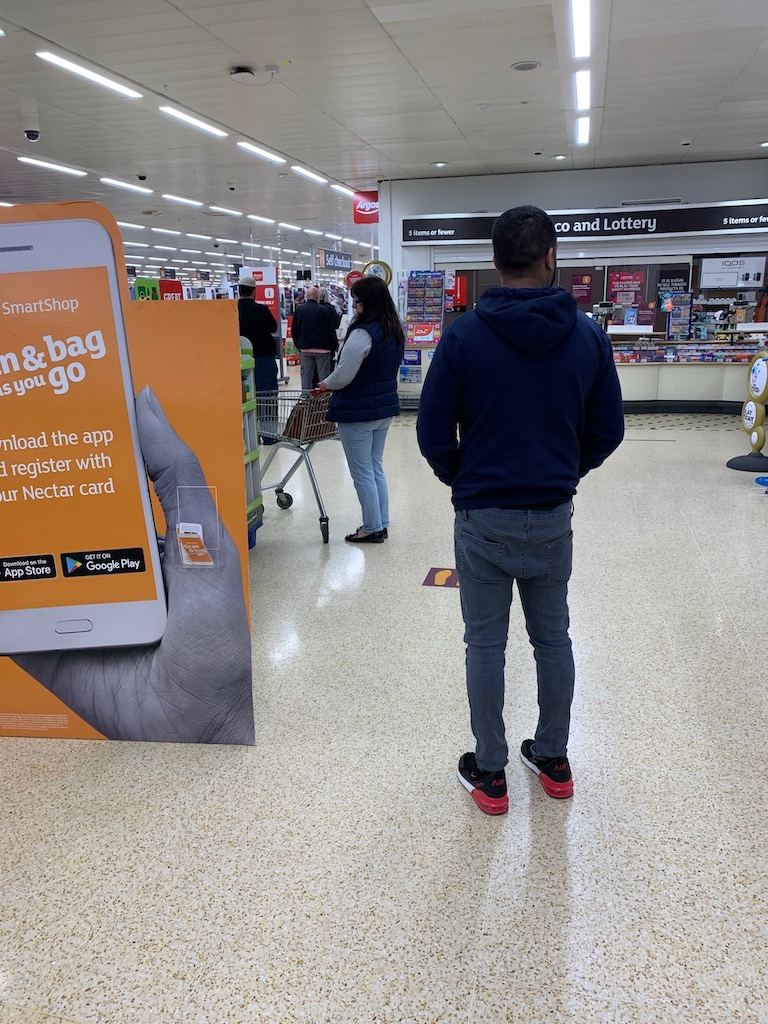
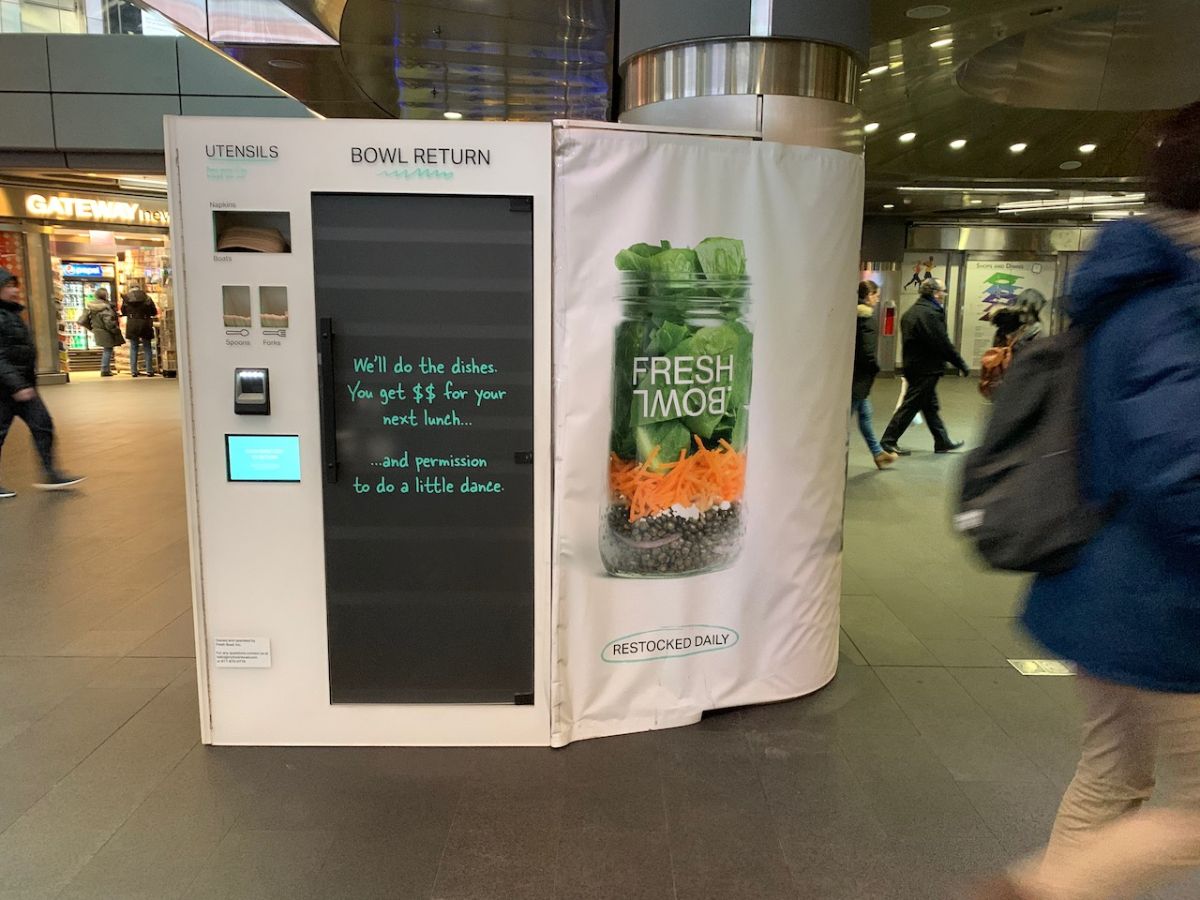
Nouveau innovations such as this vending machine bowl system in New York City are now under severe pressure thanks to Covid19. Who will want to return a bowl, or use a bowl that has been returned? Customer awareness is heightened around transmission and it's so serious that Starbucks is not accepting reusable cups at the moment. Who will want to use the vending machine in a busy commuter hub that has been touched by various people?
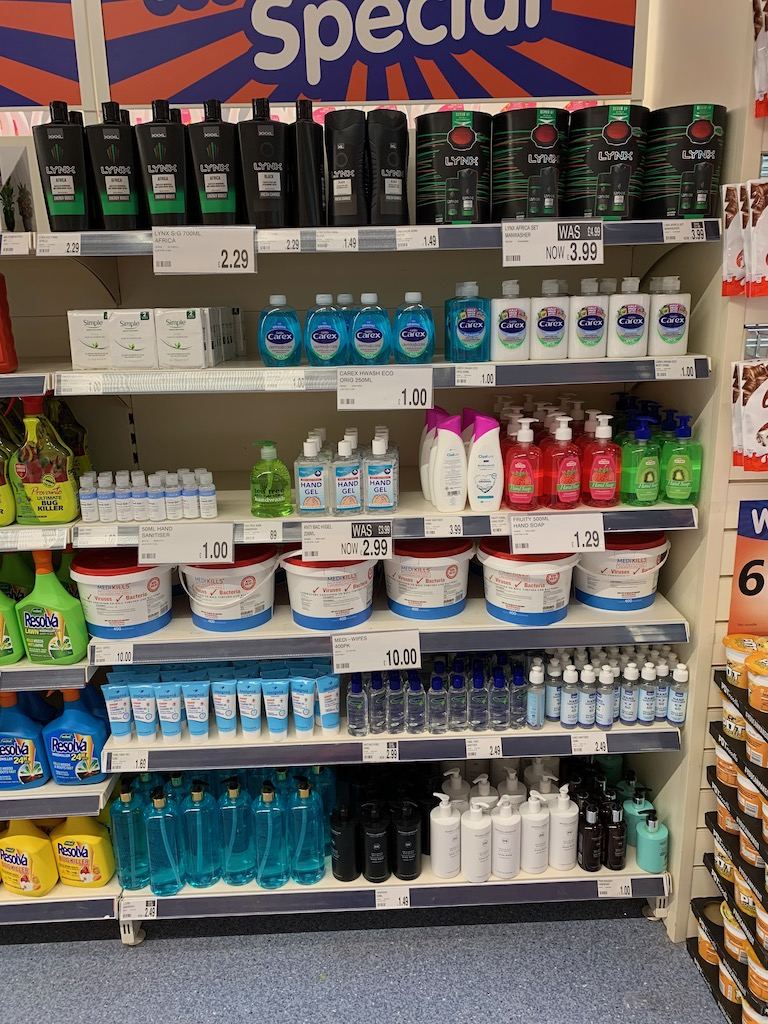
For B&M; reactions have been mixed and the feedback anecdotally, on the ground is that queue management and social distancing inside has been variable, to say the least.
Certainly, when visiting both stores, you are at the mercy of customers anyway, but navigational signage isn't always plentiful and sometimes stores can be too slow to get someone on the door to manage the numbers inside.
It all adds cost to the bottom line, in terms of headcount around the store and then they're not able to push the stores as hard either. Given the lower customer numbers via restrictions plus the factor of customers knowing there's a queue outside, or they had a bad experience last time and won't go again in the near future.
They opened as an essential retailer and despite a clamour not to open non-food given they were opening to sell groceries, it was all open and quite rightly too. The weather was excellent in April and May which aided the boon for gardening and B&Q, who took their time and have an excellent social distancing policy and routine in-store have also done well in this space.
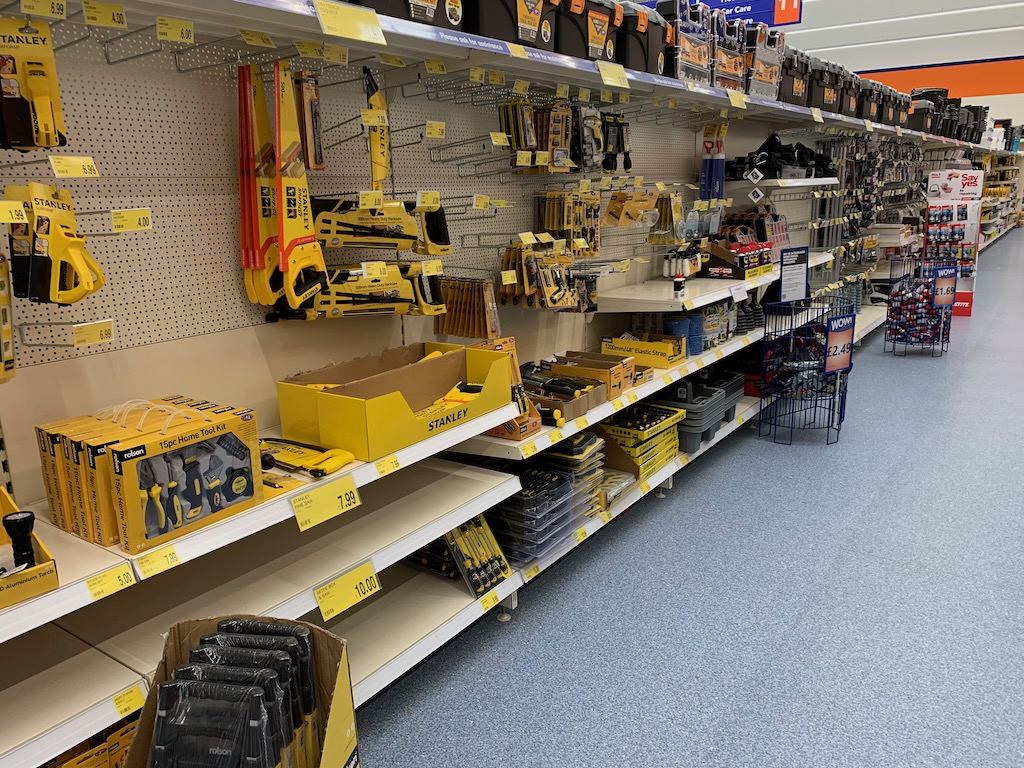
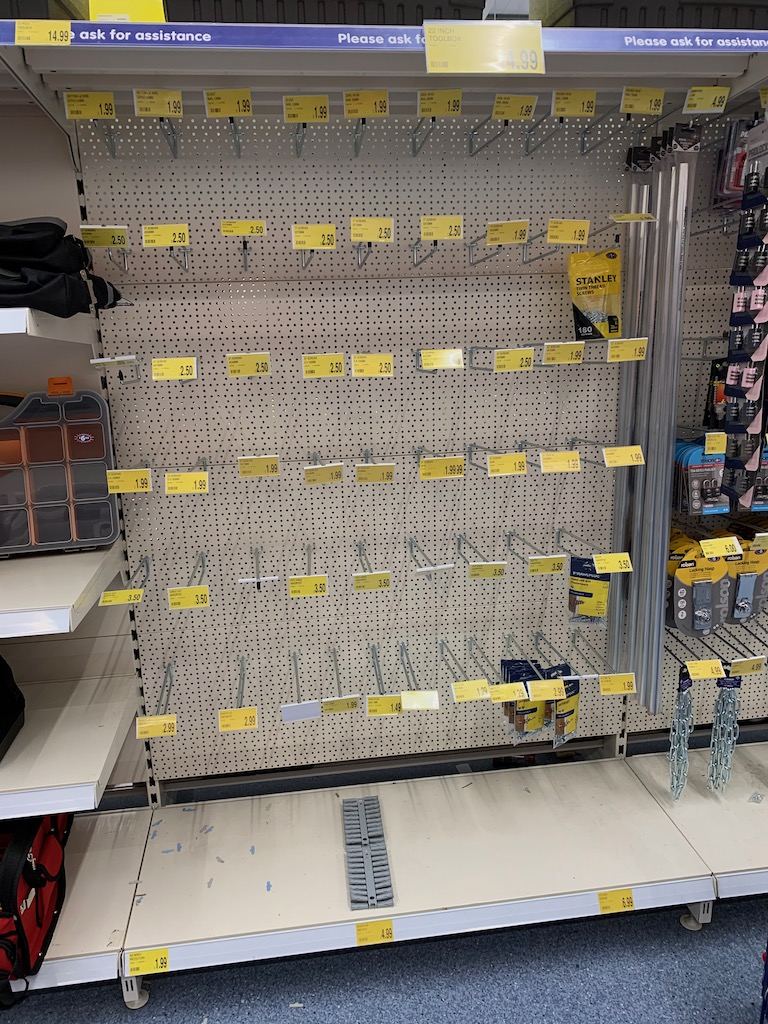
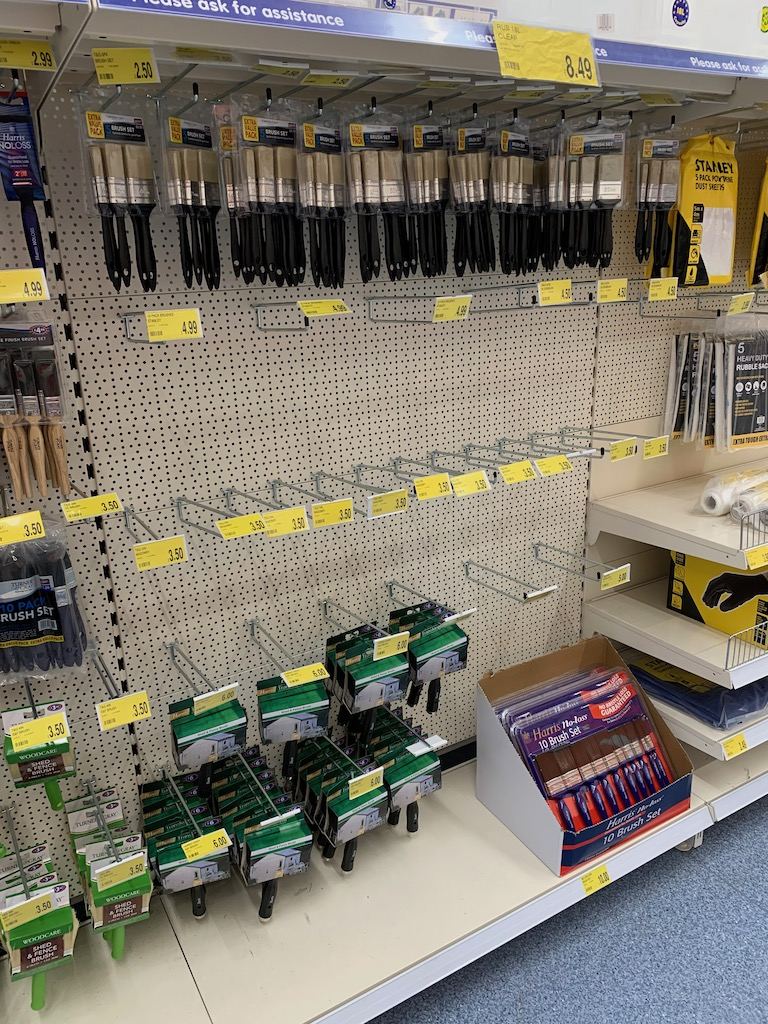
But for B&M in terms of the trade pattern, as B&Q have shown, British folk have wanted to get on with gardening and decorating and that, alongside supply chain challenges (imports of Paint e.g.) alongside accessories (Far Eastern produced in many cases) led to a spike in demand that couldn't be managed until things settled to normal.
In addition, DIY products, screws, nails, wall plugs and tools of all descriptions were missing, although availability had started to return to normal, it just shows the level of trade that has shifted towards home improvement and gardening products as well.
There were numerous gaps on show in store last week, showing where the trade had shifted to, with various rollers, paintbrushes and other lines completely out of stock. In addition, Paint was better but there were large gaps in key areas - outdoor paint for example.
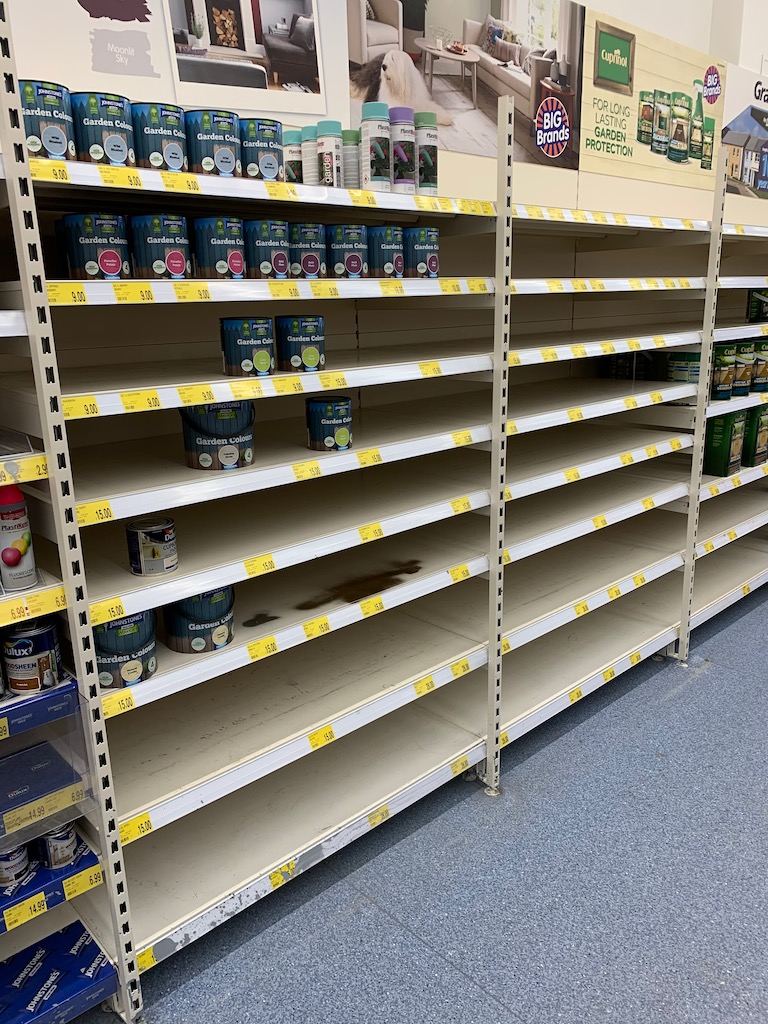
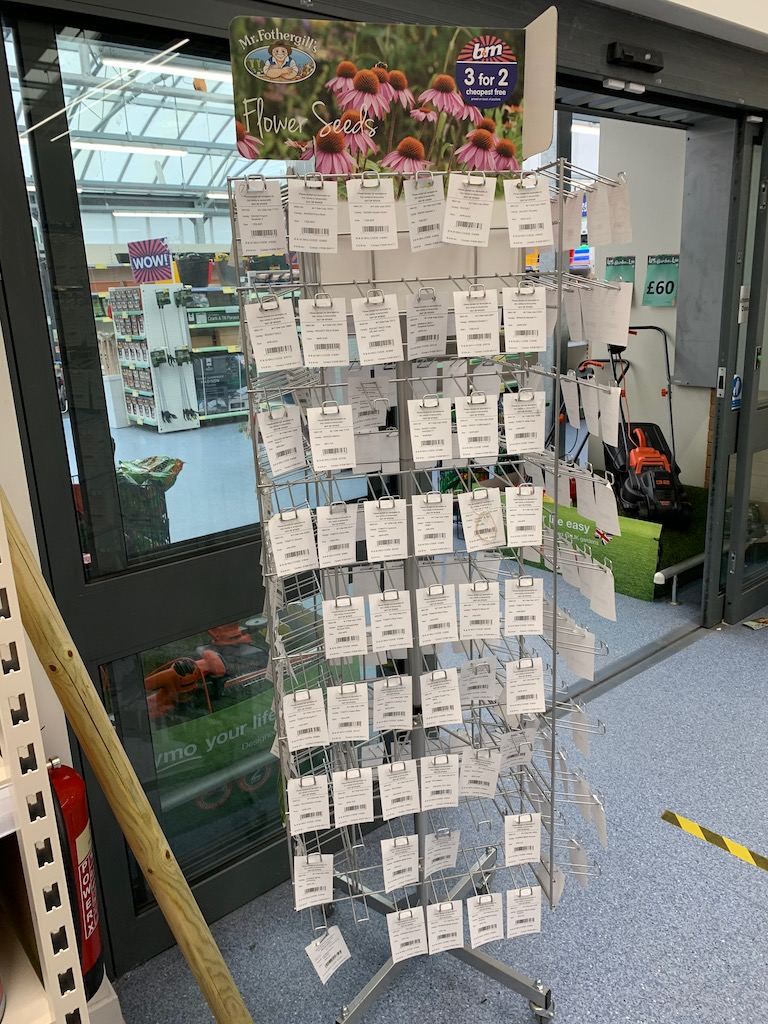
Seeds were also near completely blown out, gaps across the range. Typically, these are filled by 3rd party reps which means that replenishment and ordering hasn't happened due to lockdown and store traffic being limited. But customers took advantage of the good weather, sorted their gardens, their homes and started a 'grow your own' programme seemingly.
Where the government failed to get people to pick fruit and vegetables en masse for the nation, it appears that customers were one step ahead of this with trade very strong in seeds from lockdown onwards, with the good weather also helping.
The safety element inside B&M has been variable and social distancing has been enforced, where possible but there have been long lines around the car parks of some stores too. Ultimately, the future remains bright for them due to their vast range and strength in a number of areas.
However, the absence of the Summer getaway will hurt their margins with luggage already 50% off and various other holiday lines unlikely to shift without markdown being applied. However, a shift in trade to DIY, Gardening and non-food (for home improvements) could well offset that.
More to come on B&M, and Home Bargains and their work with branded suppliers, alongside a great deal of work under their own steam too.
Stay safe and stay alert(!)
From the Grocery Insight newsletter archive, first sent to subscribers on 17 June 2020. Steve now writes at read.groceryinsight.com. See also the blog archive and briefings.