Lidl - loyalty card introduction
20 August 2020
To subscribe to this service and benefit from our expertise
Lidl - loyalty live
Loyalty cards were used relatively extensively in the last recession and slowdown by Morrisons (and Tesco) to fight back against discounters, the ill-fated Morrisons 'match and more' scheme allowed the customer to bank points based on if discounters were cheaper (alongside everyone else) on comparable shopping.
5,000 points equated to £5 and there were tales of customers racking up thousands of points without understanding how, or why. But they were happy and understandably, the scheme was changed, then ditched by David Potts in favour of a more refined scheme.
Tesco in their dark days was also trying to use Clubcard for shoppers to entice them in, Clubcard boost allowed customers to multiply their vouchers for higher spends on other areas of the business, in addition, various extra points based deals were noted around the store too.
These made little sense and the now famous 20 extra points when buying two Iceberg Lettuce perhaps summed up, in one promotion, where the business had gone so badly, badly wrong.
Asda has never done loyalty of course, due to their Walmart parent and the focus on low prices, a smart move but then, it does disallow the wealth of data that a loyalty card gives you.
The science behind loyalty isn't in the loyalty, the intention isn't to get customers to shop with that retailer, the measly points per £ spent is near irrelevant unless you are a big shopper with the chain. The reality is that a loyalty scheme enables the retailer to entice more loyalty from people, using the data obtained from each transaction via the card swipe.
It provides a window into shopping habits, favoured products, identifying customers with a new baby, for example, growing families, dietary habits, free from customers and allow cross-selling (pet insurance for customers buying cat food for example) too.
Each customer is then placed into a group of customers (dictated internally) whether it's growing families, affluence, value-driven etc and watched with various parameters noting they've stopped shopping at the chain (vouchers sent out) or loyalists rewarded with vouchers on products they buy the most.
In the more recent history, retailers have been able to use tech to better target deals, vouchers and promotions at customers, alongside the prospect of 'beacons' and other technology that would enable direct, personalised offers to the customers iPhone.
Further expansion in digital with apps, digital coupons, Tesco moving to a model of loyalty cardholder only deals, as did Sainsbury's when they relaunched Nectar all seem like good ideas.
However, do they appeal to the occasional shopper? Is loyalty ever going to resonate with those customers? They still have to download an app and perhaps register a loyalty card in the first instance, so it becomes difficult.
Discounters don't have anything like this for a reason, they're simple. Where they have done vouchers (in the dim and distant past) and indeed, more recent past, Lidl notably has used Daily Mail and other such media to offer £5 off £40 and drive sales of the paper, and also trade, to their store. Indeed, other retailers with loyalty cards are still using the same tactics around spend/stretch (IE stretch spend to trigger the voucher) albeit directly to customers who are loyalty customers, receiving these deals by post.
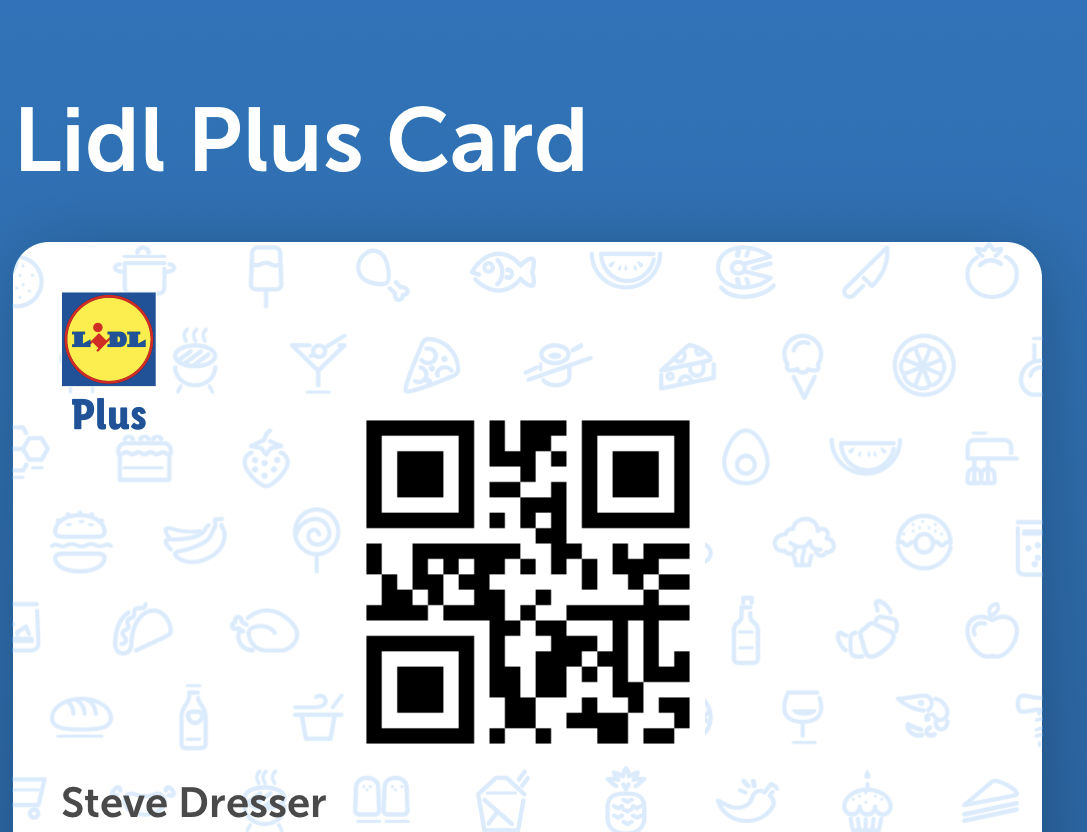
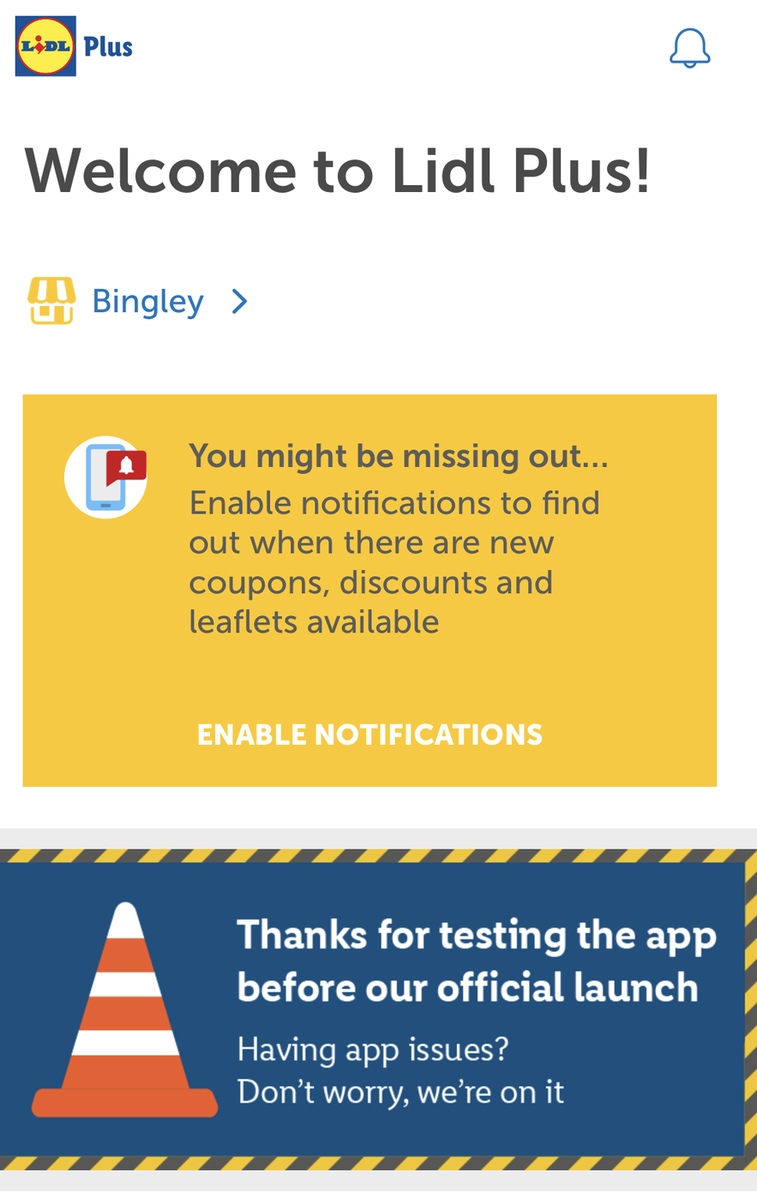
It's never worked for discounters as it represents an extra cost to run such a scheme, Lidl however, has launched their loyalty app recently and with it, offering a £5 off voucher alongside weekly offers and selected products on deal too.
Lidl offer similar for their loyalty card scheme when they open a new store, with customers receiving a card that they scan and either they get a product free, or money off to support the store with the opening. Interesting tactic and perhaps offers more in the way of data using the card, plus they can target specific postcodes too - an interesting move given the increasing competition whenever they open a store, sometimes near other discounters themselves.
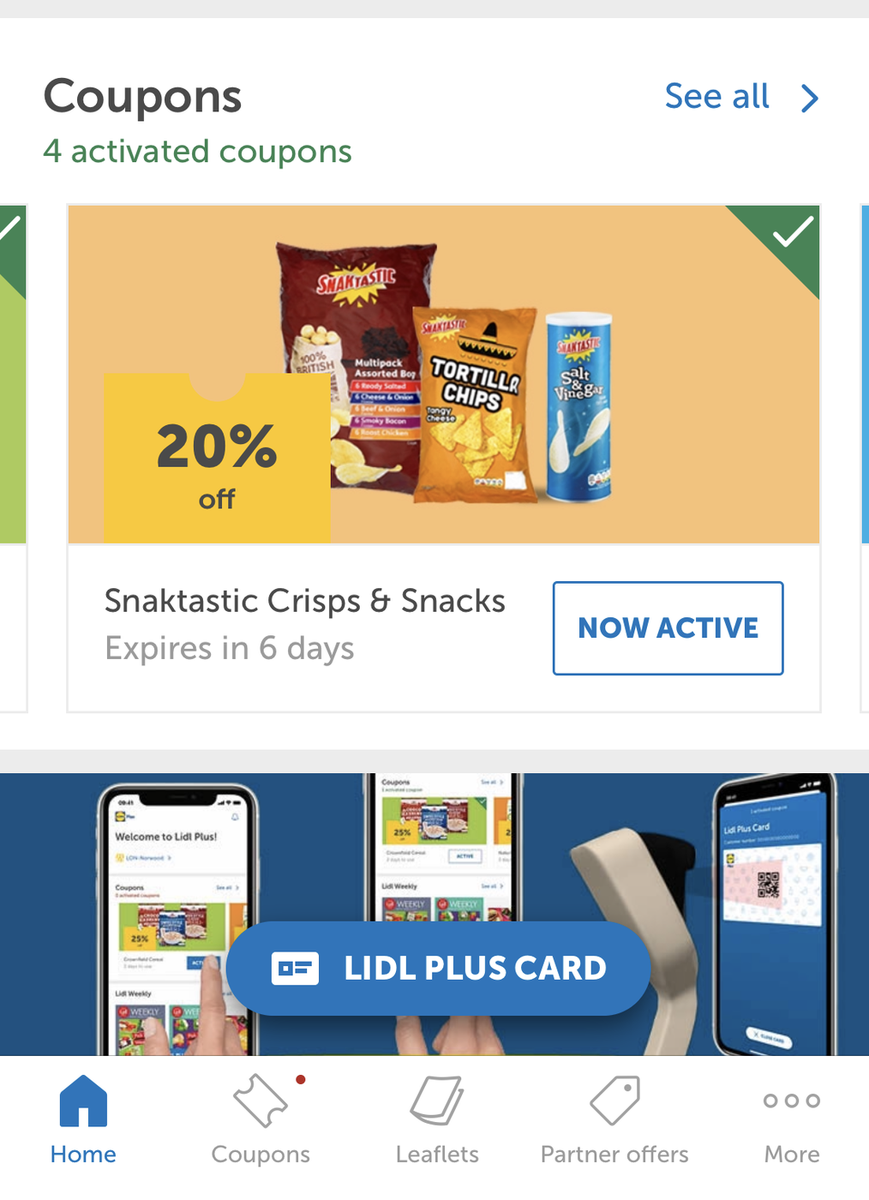
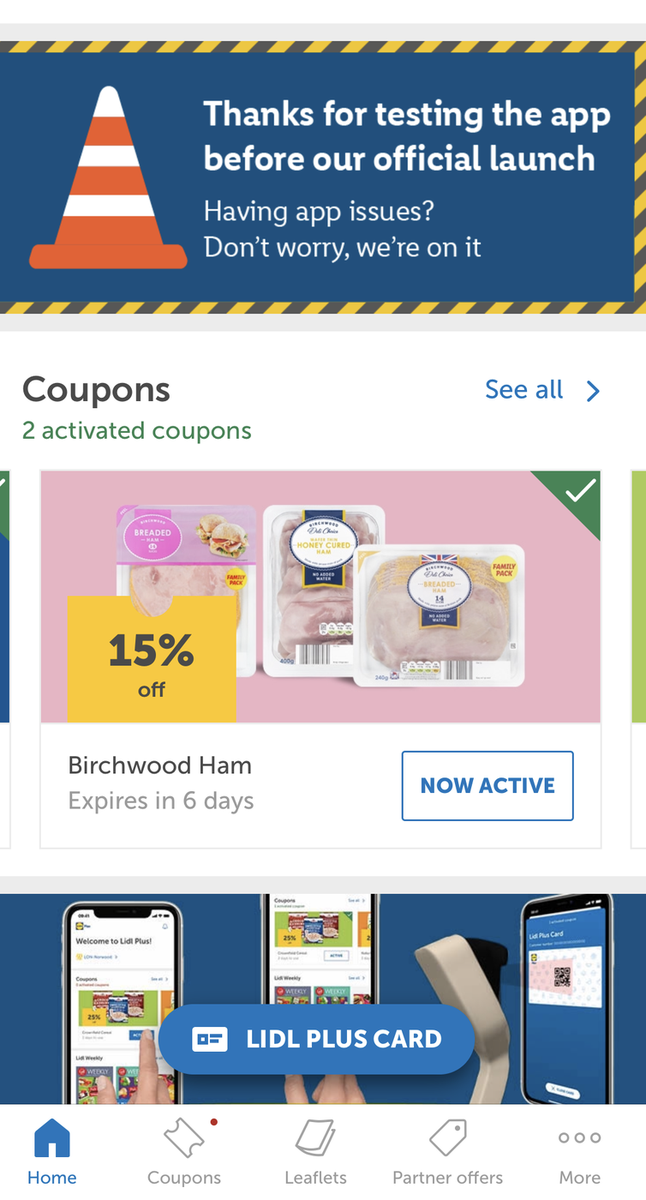
The lack of store signage is perhaps explained by the fact that the app isn't even fully launched. yet, when downloaded, Lidl thank you for testing the app and helping to fix issues.
It appears friendly enough and easy to navigate, register and sign up. Notably, the offers can be activated and the £5 off £25 voucher is a big pull for shoppers. There are numerous other deals and presumably, as the data grows, they'll be able to target the users better around what they're buying and even shift more product themselves too.
Indeed, the app features a digital element for the card, no 'real' card available which cuts costs notably and this is helpful given the COVID elements and concerns over germs and transmission of the virus. So it works well, in terms of customer sentiment as well.
Naturally, the app will enable Lidl to save on the money they spend on advertising in the press, with vouchers, which will be put into the app and there's less of a requirement to then sell papers in stores (Aldi ceased selling papers last year in-store) as well.
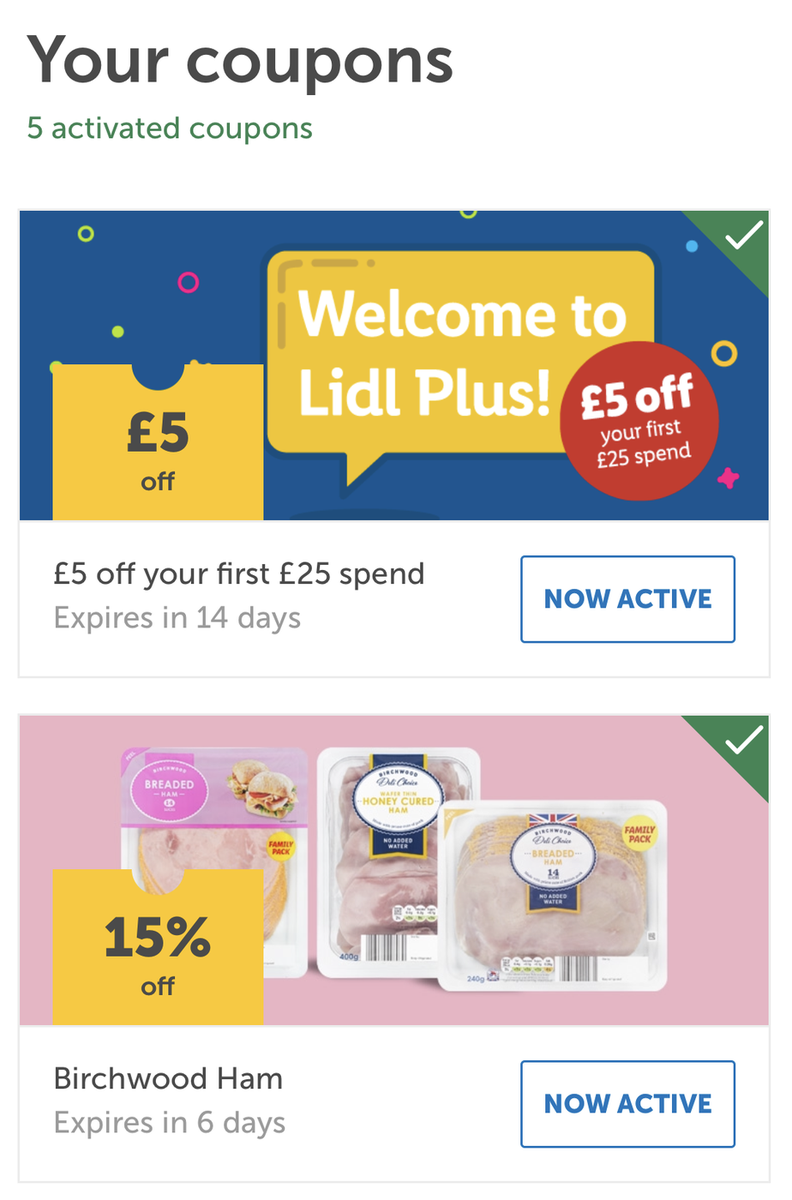
So:
- Digital - Ease for customers.
- Pick your offers - activate from a selection, but likely to drive spend.
- Low cost - Operation feels lower cost given their reduction (likely) in spending on media spend, however you are reliant on customers installing and using the app, so it could be that the link with Daily Mail etc continues.
- Loyalty data flowing to Lidl, likely to be very useful given their rise (and rise) of brands and other tertiary brands in their specials range.
The trick is relevant offers that are uploaded weekly, and keeping that trigger spend (IE x off x) realistic so as not to dissuade customers.
We'll take a look at loyalty in the coming weeks as it's an important tool for customers, and retailers, but the recession will see the data put under real scrutiny as everyone tries to decode customer behaviour. Technology is aiding loyalty cards and apps, but it's just one part of the picture, price, availability, product quality and numerous other factors still play a huge part.
To register for a free trial of this service
From the Grocery Insight newsletter archive, first sent to subscribers on 20 August 2020. Steve now writes at read.groceryinsight.com. See also the blog archive and briefings.