Christmas 2017 - Tesco
8 January 2018

We have a 'huge' Christmas report available soon
2017 Christmas - Key Market Themes:
A 'safe' Christmas, not many signs of 'excessive' premium.
Discount very strong on premium, less core own label in seasonal.
Price / value vital - 20p/25p/30p Produce again.
Clearance has been evident everywhere, despite less risk taking.
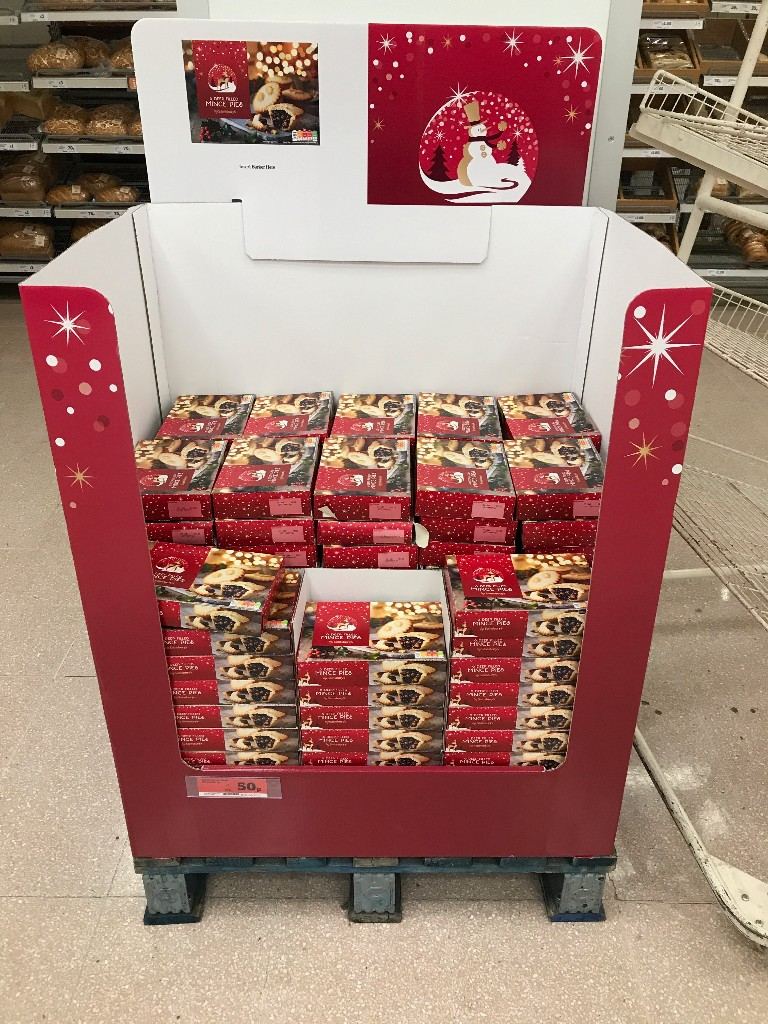
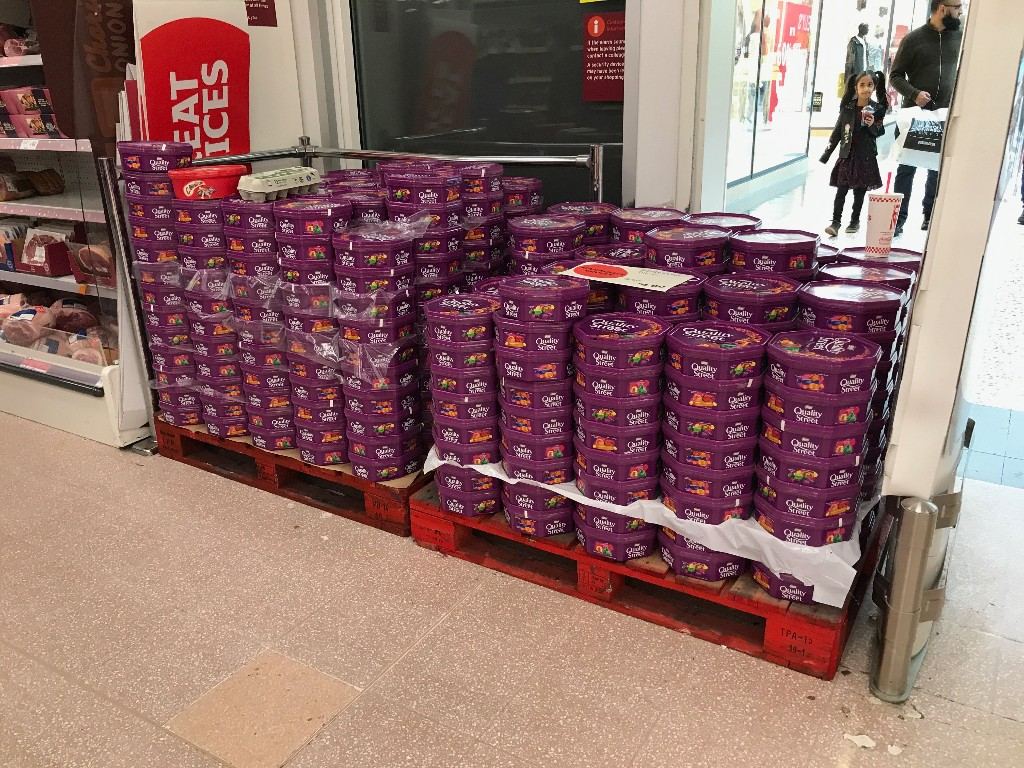
Lots of clearance in Chocolate Tubs/Tins. Value/Weight issues?
Fierce competition on Toys within the sector.
So Christmas 2017 has been and gone and we now look forward to a week of results that will shine a light on the market and how the various retailers performed in food over Christmas.
These emails will cover the fortunes of the ‘big four’ from my perspective this week, before discounters come in to focus alongside Iceland too.
Then it will be important to wrap up the entire market and look at the higher end of the space - Waitrose and M&S and we'll find a space for the Co-Operative as well.
A fuller report will be produced, expanding upon these emails with more imagery and rounding up the market with deeper insight shortly.
To register your interest, please click the link and let us know!
It’s certainly true that Christmas, whilst a major opportunity for retailers to grow spend isn’t ‘like it once was’. Premium lines are still important for customers but there just isn’t the opportunity there once was here. Add Brexit and the associated squeeze on spending power, and it becomes even more difficult.
In the older days, Sainsbury’s particularly picked up trade from customers who were perhaps dissatisfied at their core supermarket offering, and chose to go there for their treats, given the heritage that Sainsbury’s had for being a little more premium than the rest.
The challenge for Sainsbury’s and the wider market in terms of the ‘big four’ at least, is that discounters have changed the landscape dramatically.
Not only are Aldi and Lidl cheaper on premium equivalents, sometimes significantly so. They also do range lines that aren’t seen elsewhere and therefore, are able to have a range that stands on its own two feet so to speak.
It’s far and away more than just a ‘copycat’ range of what Taste the Difference, or similar did the year before.
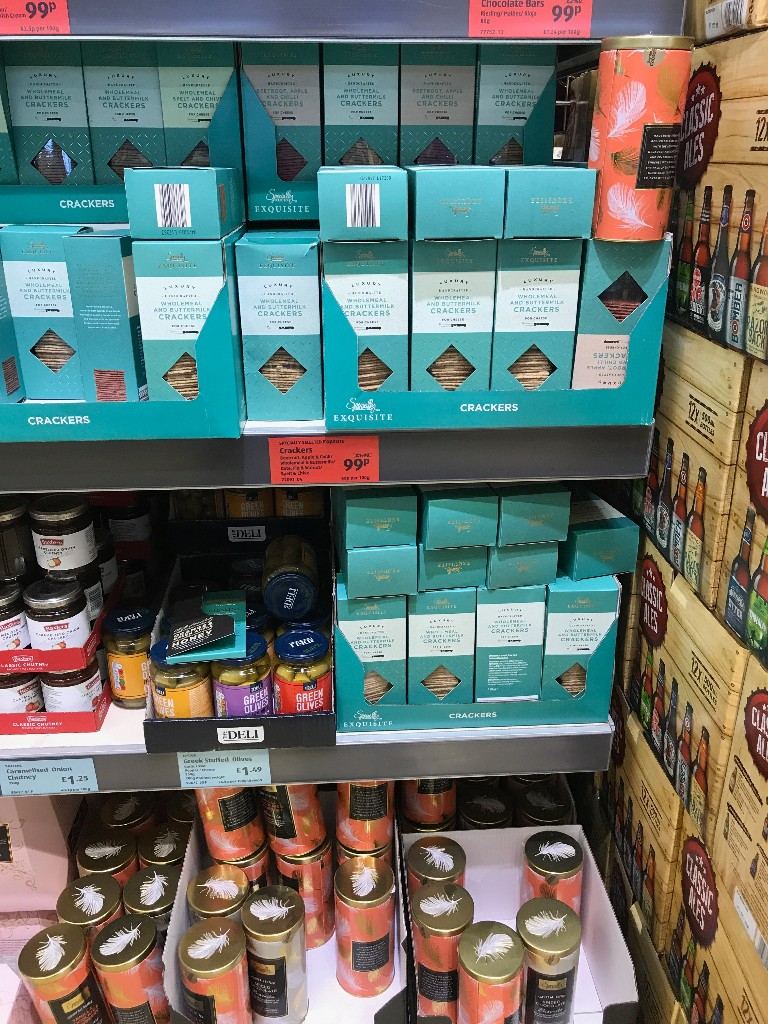
Aldi continue with their Exquisite (Premium (x2)) label to further enhance quality credentials. This range is seen at both Christmas and Easter.
Fresh Foods remains a key battleground and as I mentioned on another email around ‘trends’, the market probably needs to rethink some of the traditions that retailers have for Christmas.
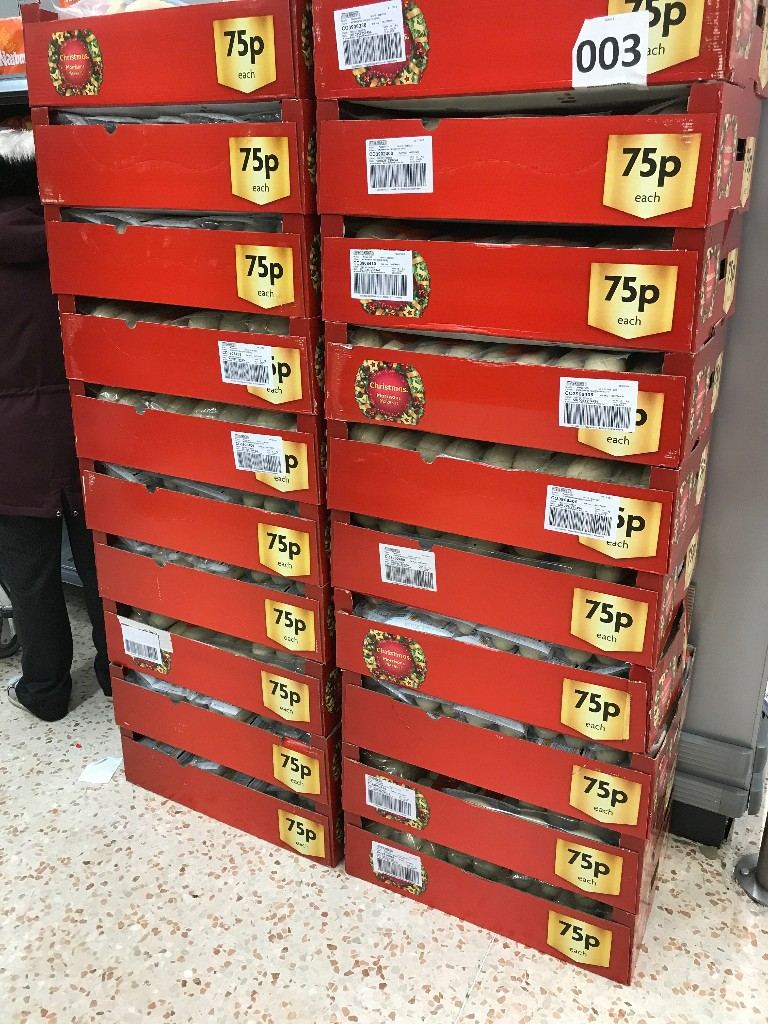
Part baked Bread is no longer a necessity, most of the younger customers to stores won’t have a clue what you use it for. With shops open on Boxing Day now (and some on Christmas Day), it needs to be left back in 1994 really. There are excess levels of it everywhere.
Gingerbread houses rose to fame via the discounters when they first rose to prominence (they likely had them before that, but no one shopped there). The entire market then got stuck in, offering pre built ones, or the chance to lose the will to live on Christmas Eve and build one with your kids, using Icing to glue the structure together…..
Lots were left around the market post Christmas, it has been occurring for a couple of years now. At £5 for a pre built one, another area where customers find it easy to cut back I feel.
Another note was around Christmas desserts, with the focus all on food waste and indeed, smaller pack sizes to aid customers who want to spend carefully and waste little. The GIANT special Christmas desserts that appear in stores on / around the 20th December (what a tragic fact) are not really ‘right’ for all customers.
It’s another area where customers could well have cut back, considering the unit price for a giant Trifle, Chocolate Pine Cones (minimum pack size 4), or a fresh Cream Yule log (to feed 14) can be north of £8…. It becomes a challenge for retailers to find a middle ground, catering for customers who don’t want all that product, only for half of it go in the bin.
There were variable levels of clearance in this category this year, but the price points and subsequent pack size mean it can be a real ‘lose/lose’ for customers.
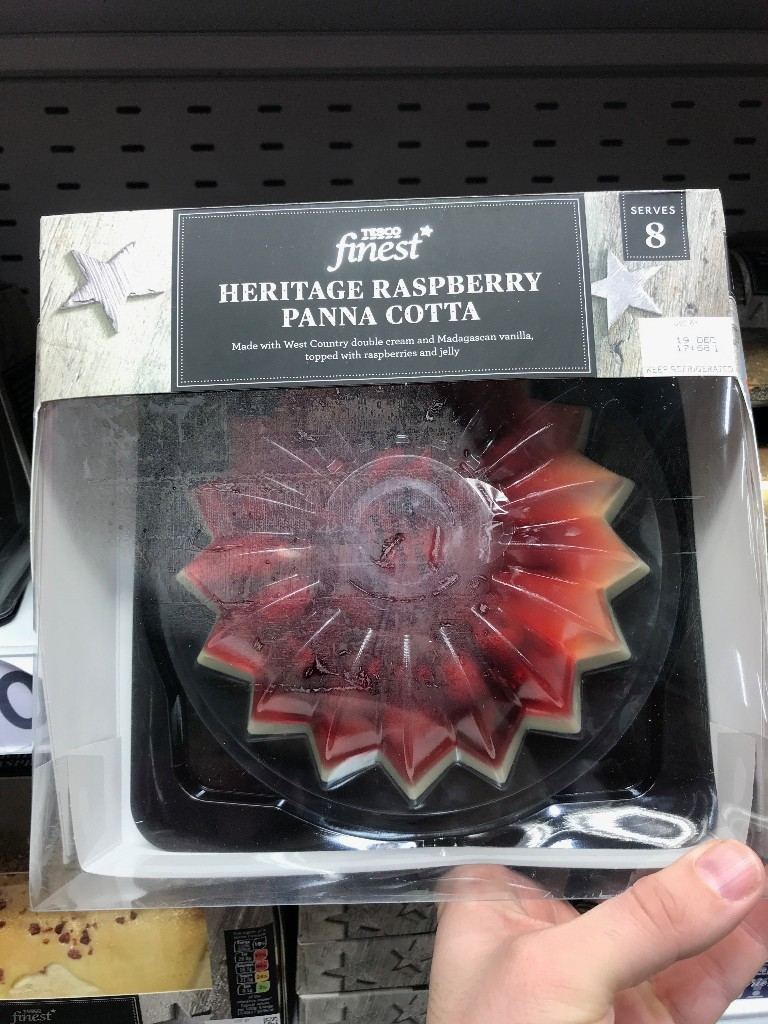
Great product below - a Panna Cotta but 'serves 8'?
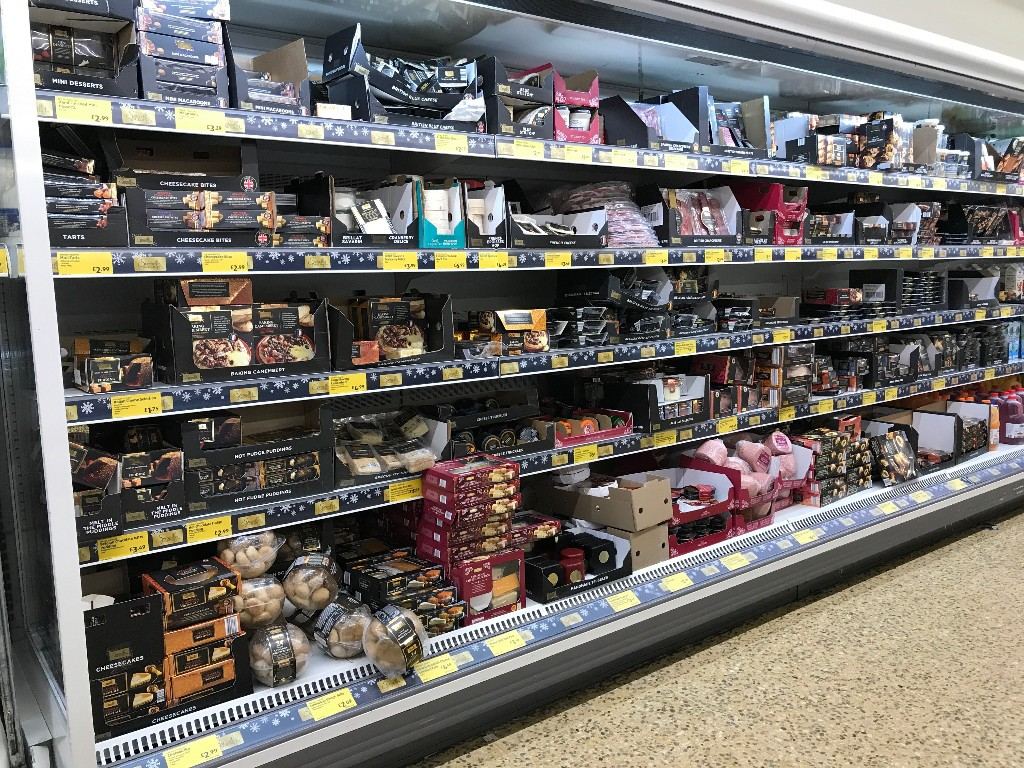
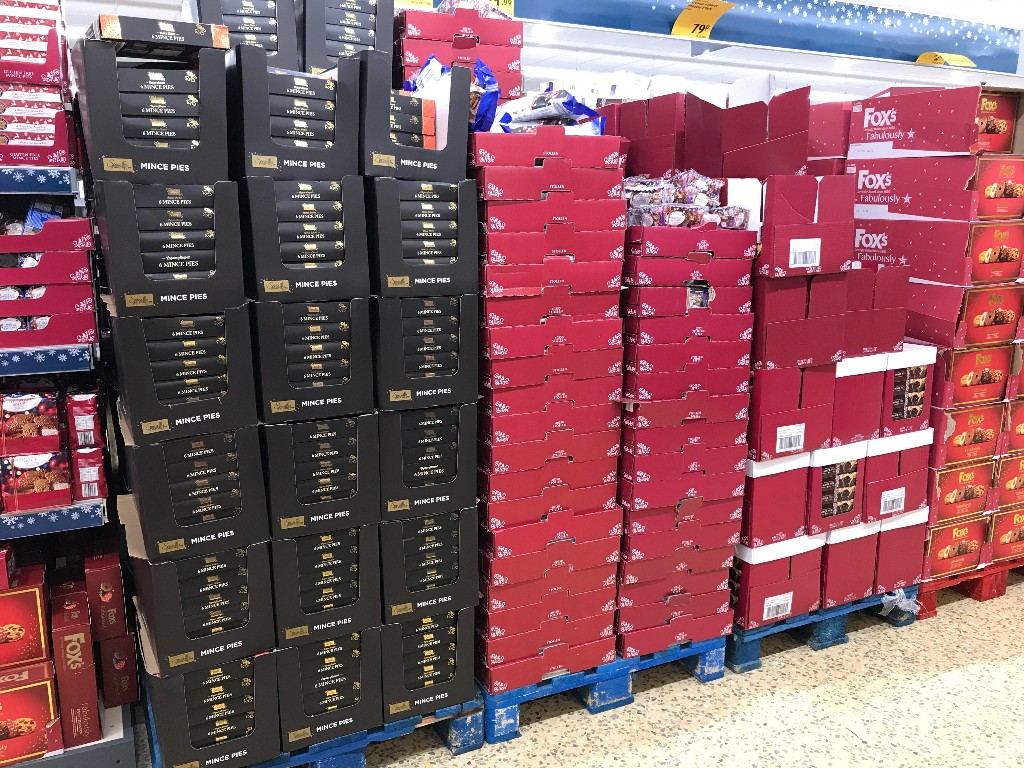
We know that Aldi and Lidl also expand out of their core space for premium at Christmas, they utilise space in chilled and ambient to grow their ranges of premium and have numerous compelling products to choose from.
It’s easier for customers to stretch their spend as they’re in Aldi/Lidl doing their core shop and can therefore access these premium products. It’s also great for the discounters who are able to grow basket spend with a wider range of premium.
However, sales claims from discounters are often taken with a pinch of salt. Especially since there isn’t the equivalent data that we get from listed players. ‘Record growth’ is true, however a ‘record number of stores’ is also true.....
I also feel that Aldi probably had a record number of premium lines in their range for Christmas this year too.
They didn’t seem to push on with the core ranges as much, this does make sense given the fact no one likes to get the Aldi biscuits out for relatives.....
Or maybe some do.....
With fierce completion in all areas at Christmas from discounters (including Iceland) and the fact that customers are facing wages and benefits not rising but all costs are… Who would be a food retail CEO?
Tesco
Q3 - Roughly to 26/11
Christmas - Between 6/7 weeks to c.6/1
One suspects Dave Lewis rather likes being a food retail CEO , parachuted in early to rescue an ailing Tesco, it’s easy to forget how bad they once were. He’s done a sterling job in just over three years in stabilising the chain with a number of initiatives and crucially, making the business far more competitive versus discounters but also versus their mainstream rivals.
Not everything they have done is right, but for a short term industry where talk is often prioritised over 12-18 months of pursuing a strategy to improve own label share and taking the results on the chin… They’ve done a lot more right than they have wrong.
Not bad for the former Unilever man, who left ‘home’ to join Tesco, rather like a loyal member of the backroom staff leaving a successful football team. After turning around an ailing giant and returning them to some semblance of glory, whether he will return ‘home’ (or indeed, want to) to take the reigns of Unilever once Fergie (Paul Polman) retires remains to be seen…..
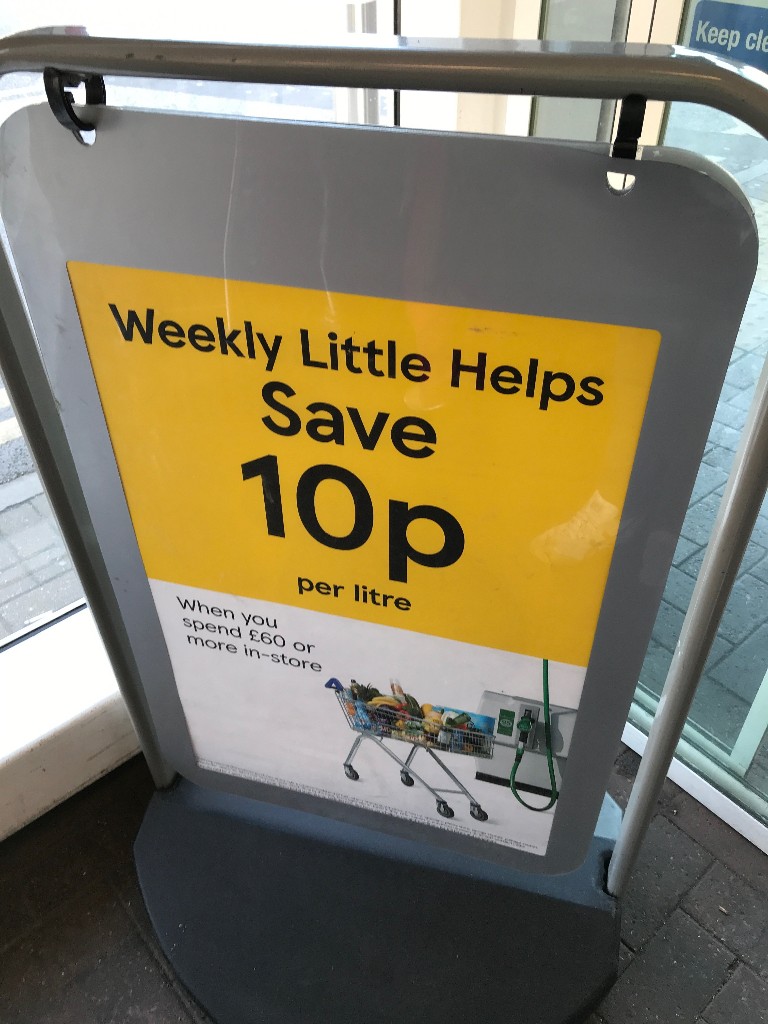
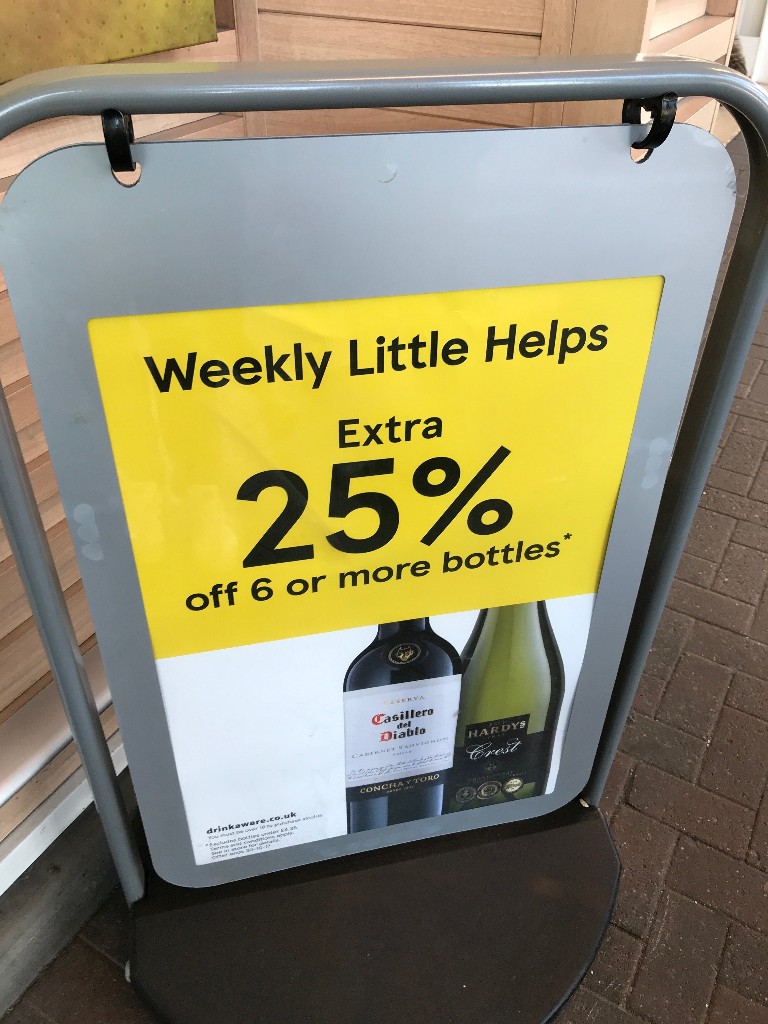
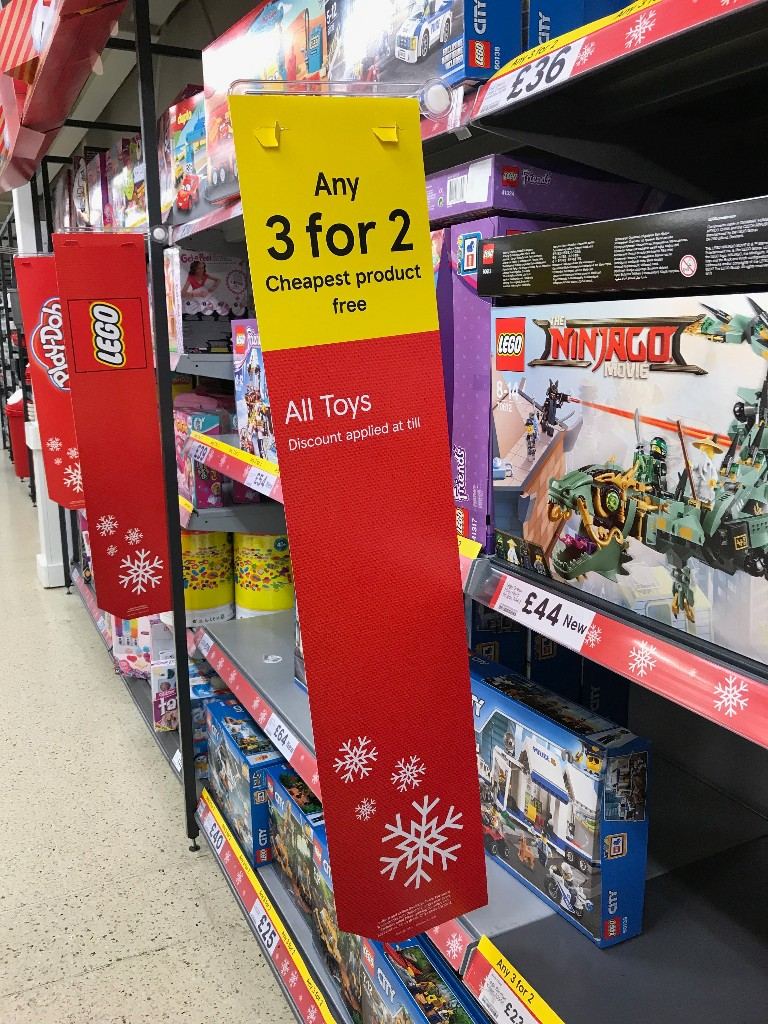
A store visited on 27th October had all three deals (above) active.
The Tesco results are split in two parts, their quarter 3 results (to somewhere near 26/11) are being reported alongside some 6-7 weeks of Christmas trading after that, momentum from Q3 will fuel Christmas naturally….
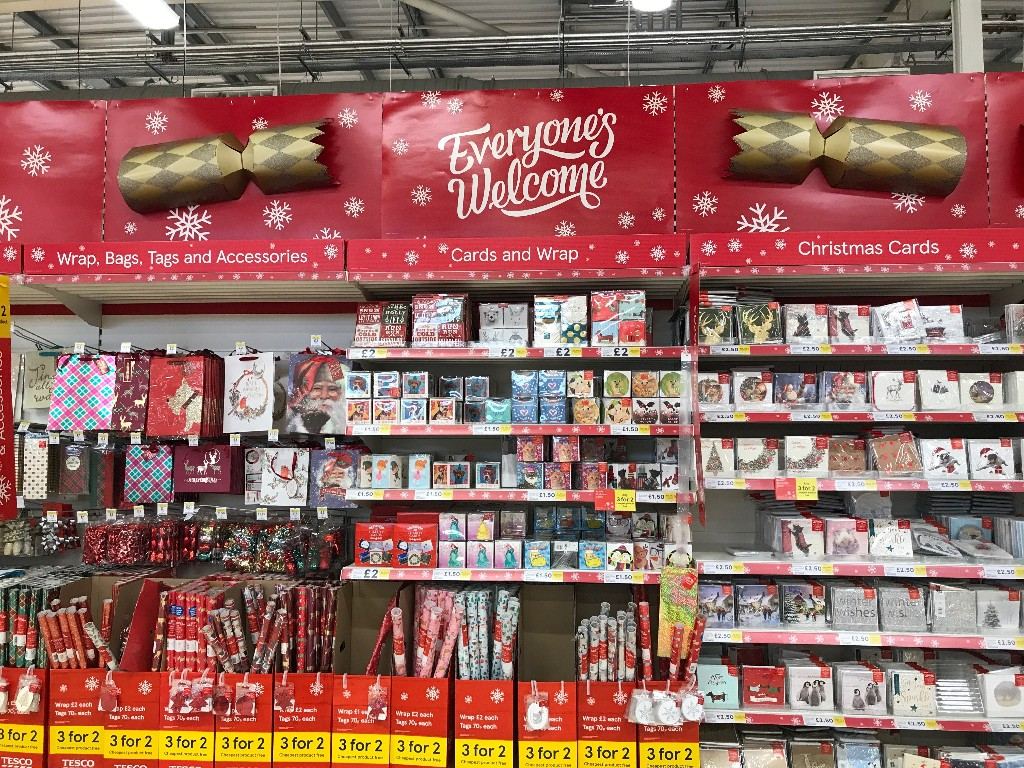
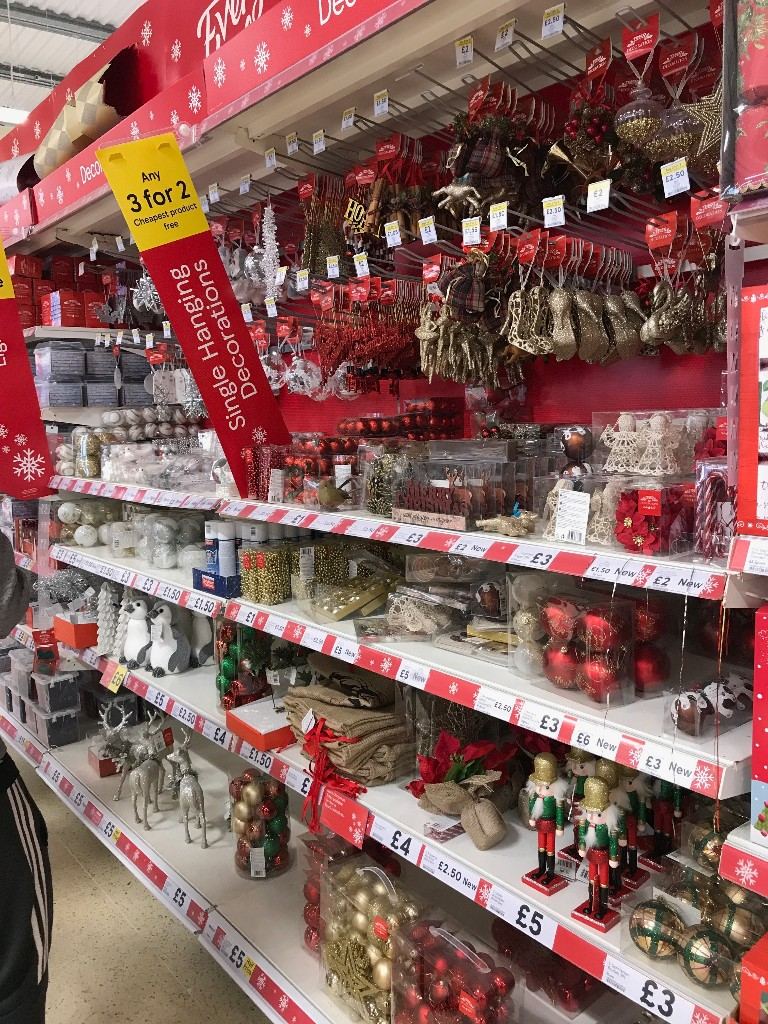
Tesco were in great shape for Christmas and their offer made sense around the store, strong signage ‘highlighted’ areas for Christmas and they had a compelling range of gifting items, decorations and food too.
Within Q3, and Christmas really, there are two themes, “Events” and “aggression”. This was a favourable quarter for any retailer to report on, given calendar events like Back to School, Halloween, Bonfire night and the start of Black Friday all boosting trade.
Christmas spending would also have featured in the period given that ranges started to appear from early September, and there was a half term school holiday in the mix too.
So a good trading period in terms of events, alongside a really aggressive plan from Tesco around their wider promotional deals. Within this period, Tesco ran ‘Save 10p off a litre of fuel on £60 spend’ for 3 consecutive weeks, the longest ever period for such a deal I believe.
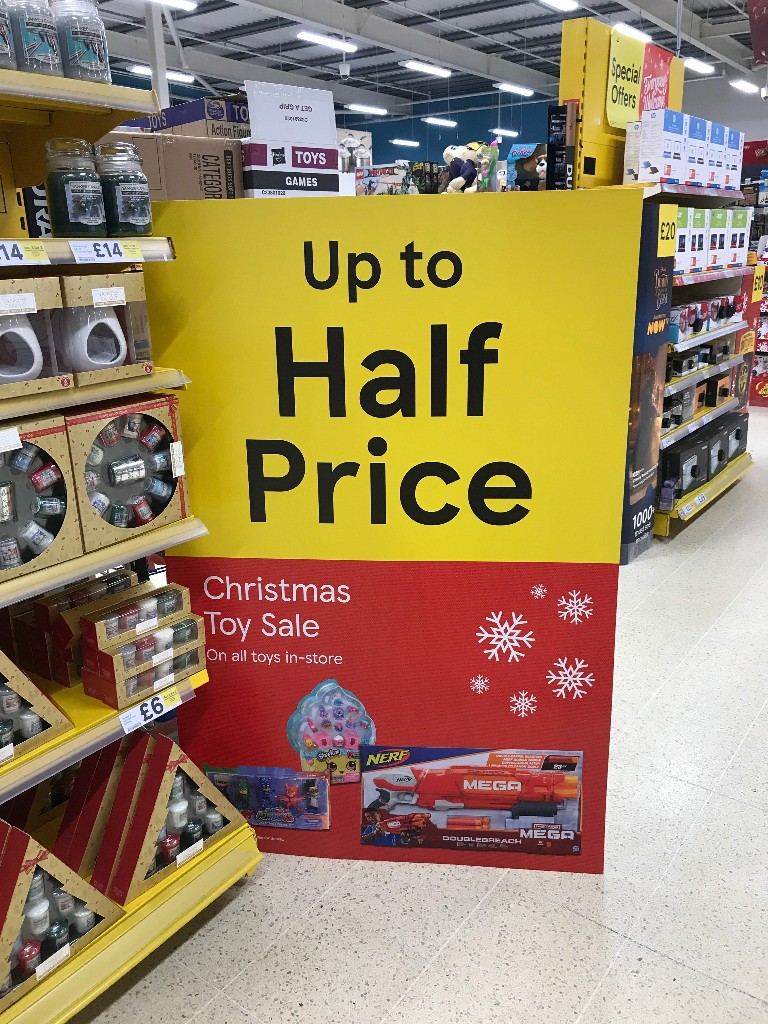
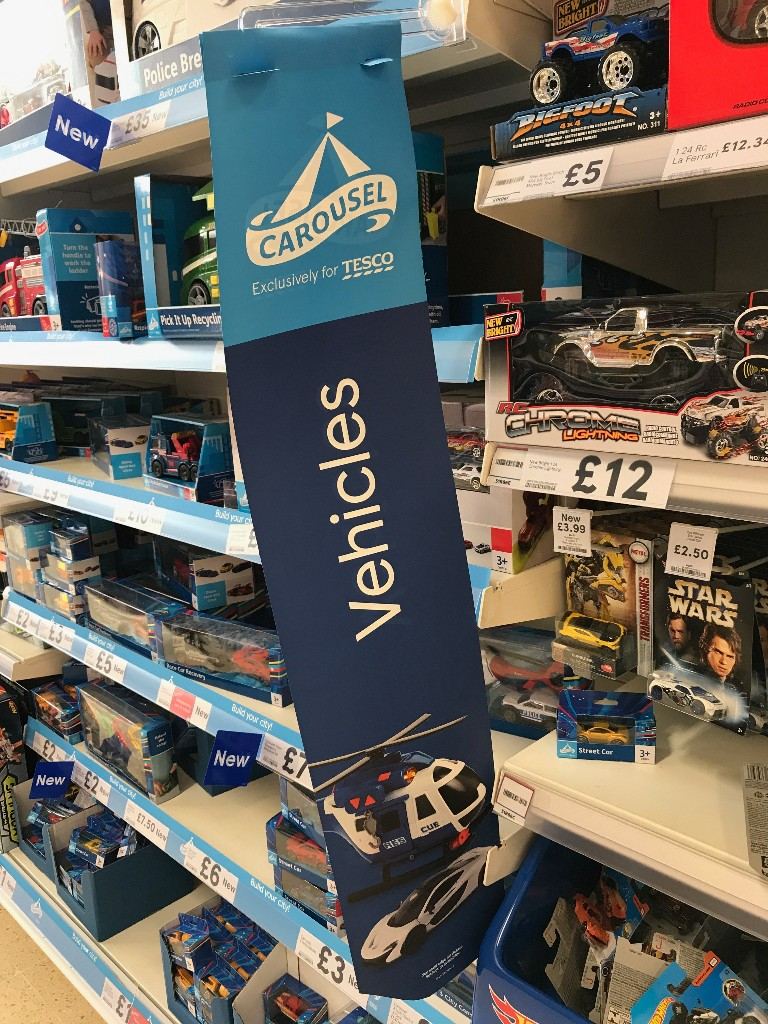
Within Toys, a key battleground for retailers this year, Tesco didn’t chase Argos down on price matching / beating this year.
They did however push very strongly on their ‘Toy sale’ and ‘Toy event’ in Q3, alongside a 3 for 2 promotion too. Pre Christmas week, they had an ‘up to’ half price sale active.
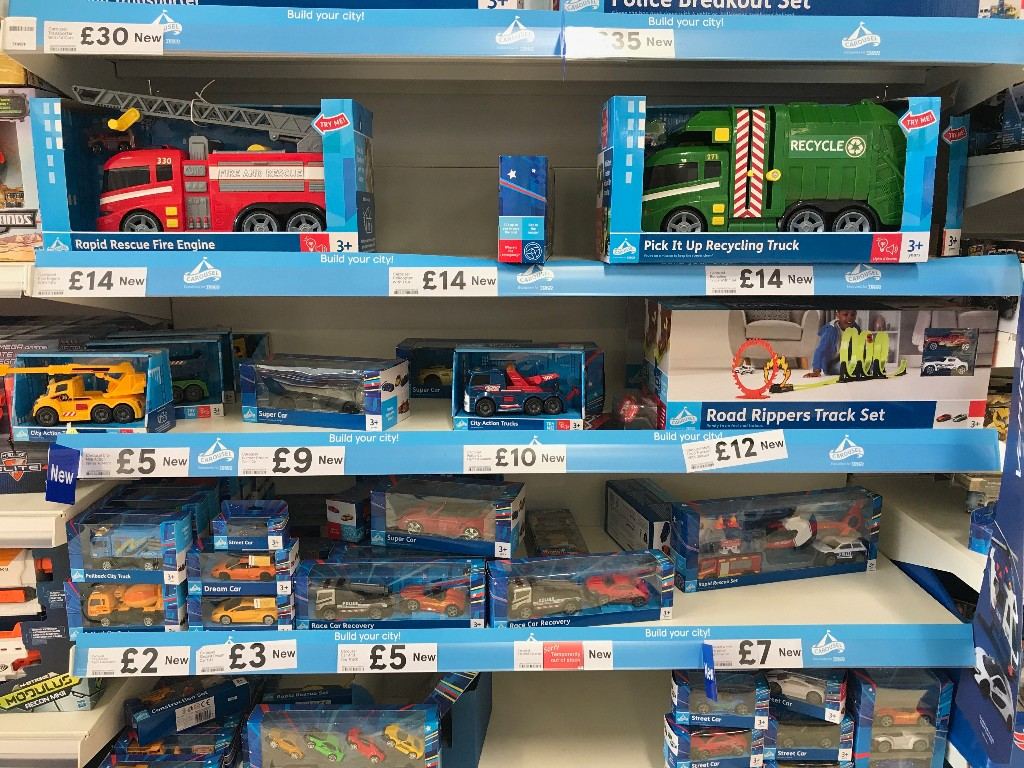
Aside from their deals, Tesco also relaunched their own label Toys (Carousel and Emmi dolls) within the period, meaning there was a new range, with signage ready for the peak Christmas period.
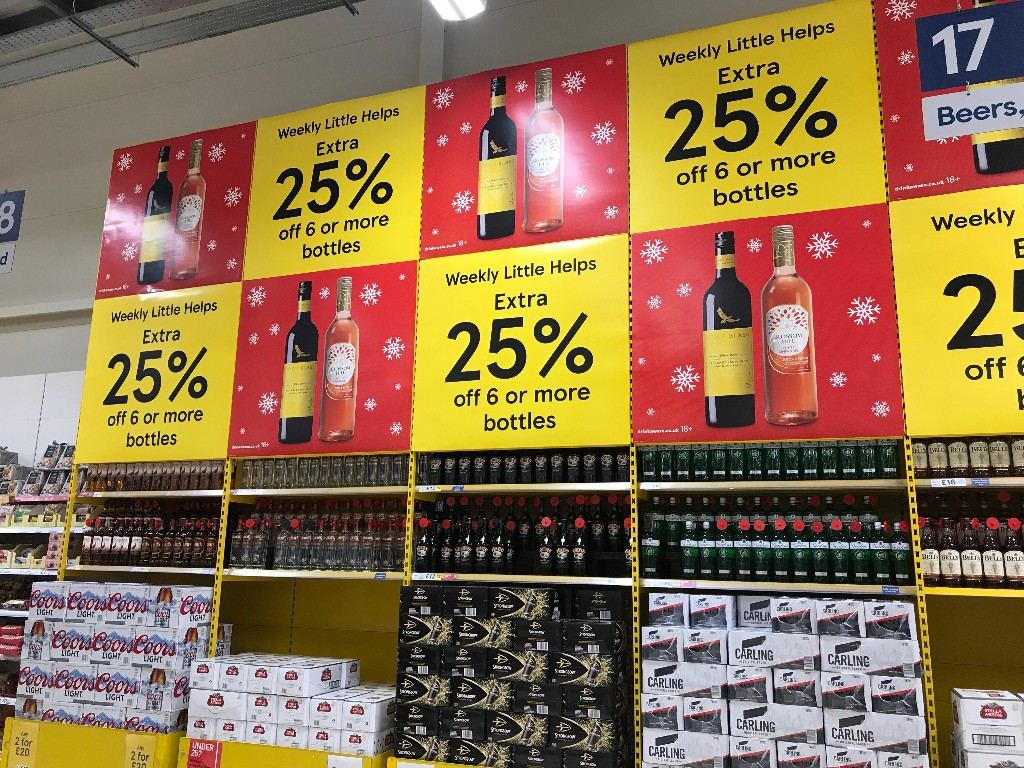
Capitalising on their ‘everyday low prices’ in Wines seeing an end for the 3 for £10 and other deals, Tesco ran their wider ‘6 bottles / Save 25%’ deal very frequently throughout the year, it was running twice in December, even on the 18th December.
Tesco were more aggressive this year within Wines, prompting reactions elsewhere - particularly at M&S and Waitrose and also Sainsbury’s.
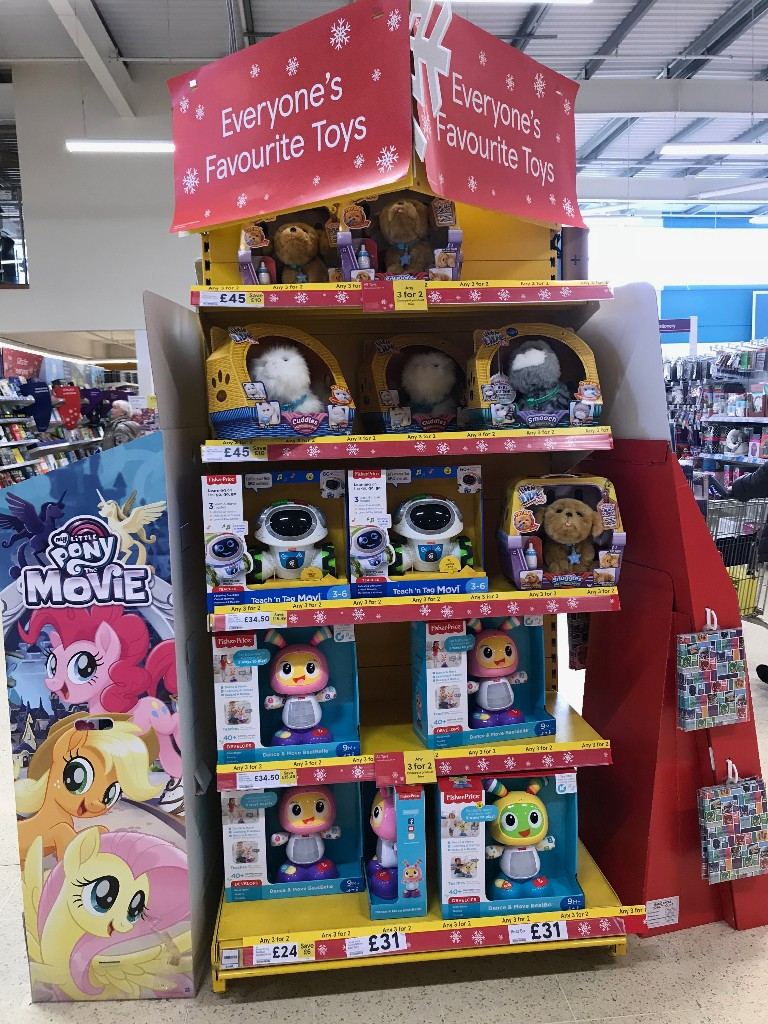
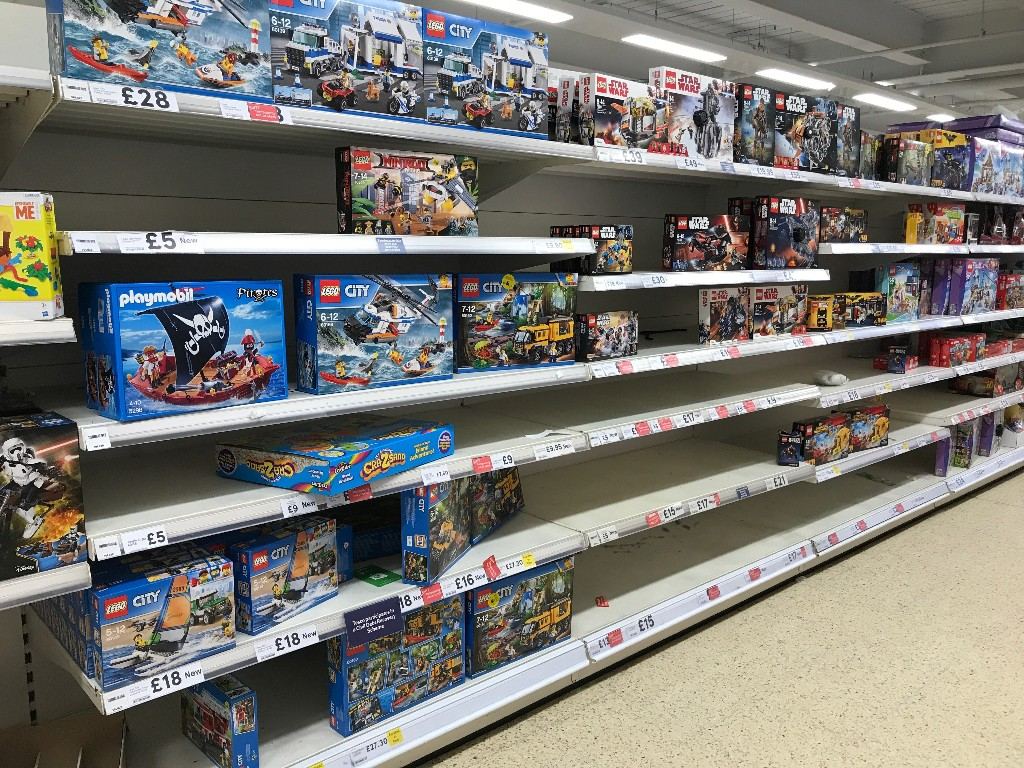
However their Toy sales were not all plain sailing, with operational changes meaning that this area is no longer filled on nights to save cost, gaps were evident across the category as the sales increased in line with the promotion....
A cost saving on paper is always easy to prove, but as ever, the primary question post Christmas, or indeed any trading period is 'how much more could you have done?'
Disappointing levels of availability post Christmas meant that sales were missed.
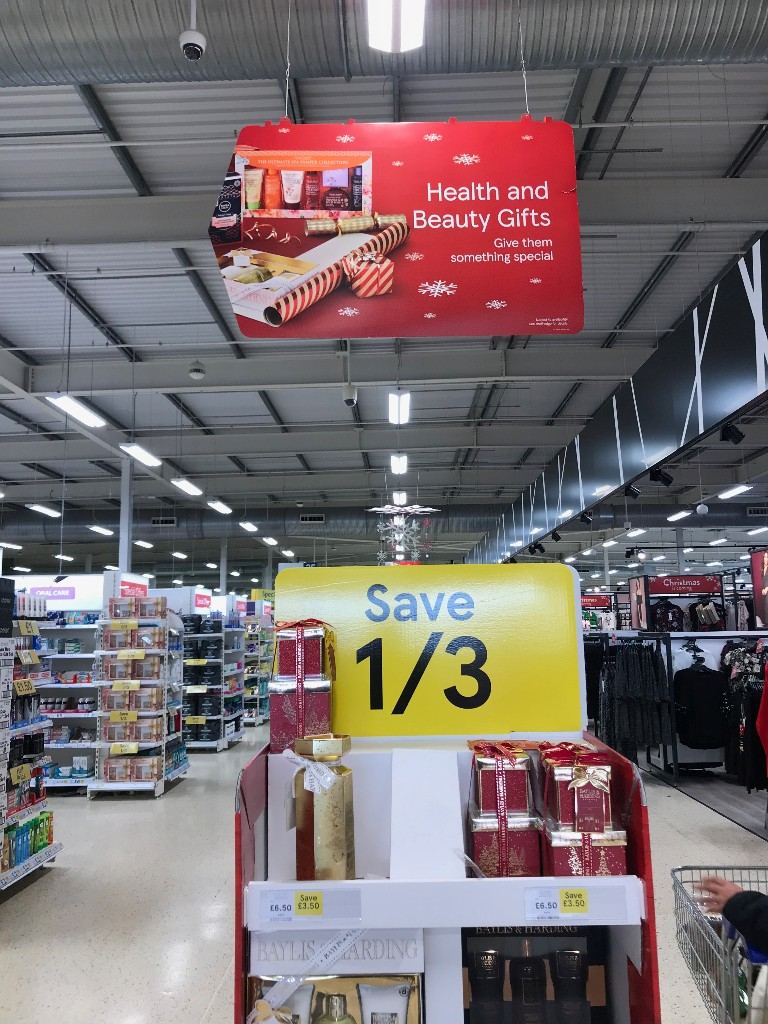
An unexpected area of strength in 2016 for Tesco was Health & Beauty gift sets. Tesco launched with ranges at half price or better and remained at that level throughout the period.
Boots have been on 3 for 2 for an age within gifting and essentially both cornered, and crucified themselves on this range / mechanic.
In 2017, they landed on Save 1/3 and only dropped to half price on two occasions as part of ‘weekly helps’, which would have aided the margins. However given the business had several examples of new activity, namely fuel, 25% off Wines and changes in their Toy deals… It’s whether any investment was just moved around instead.
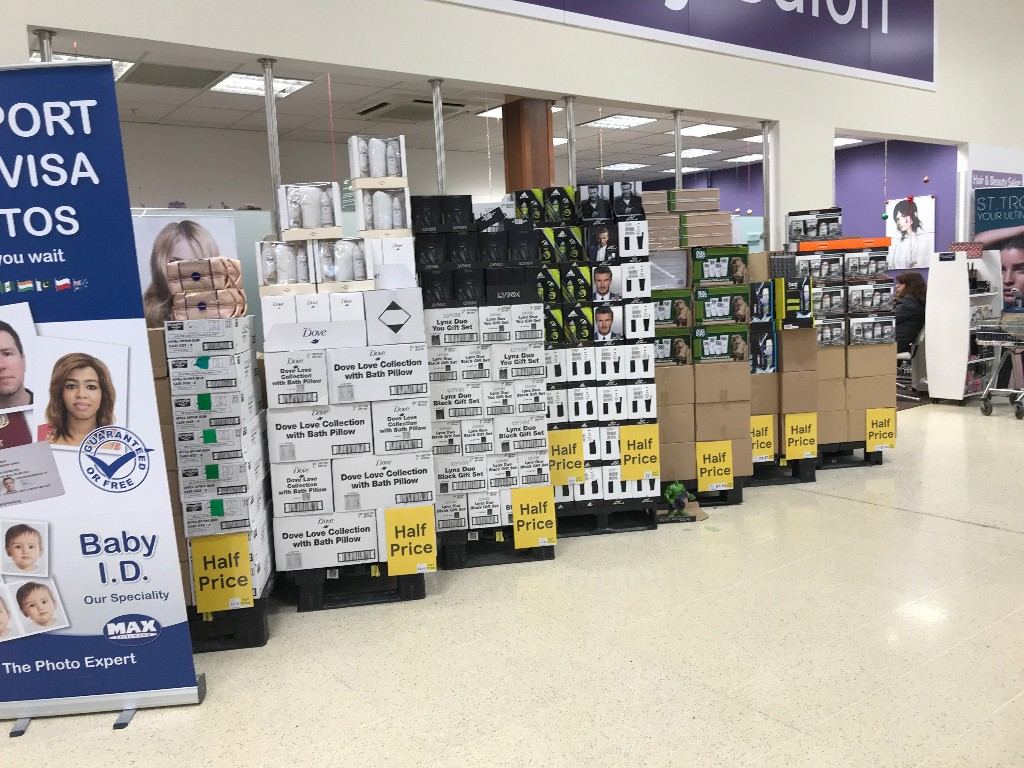
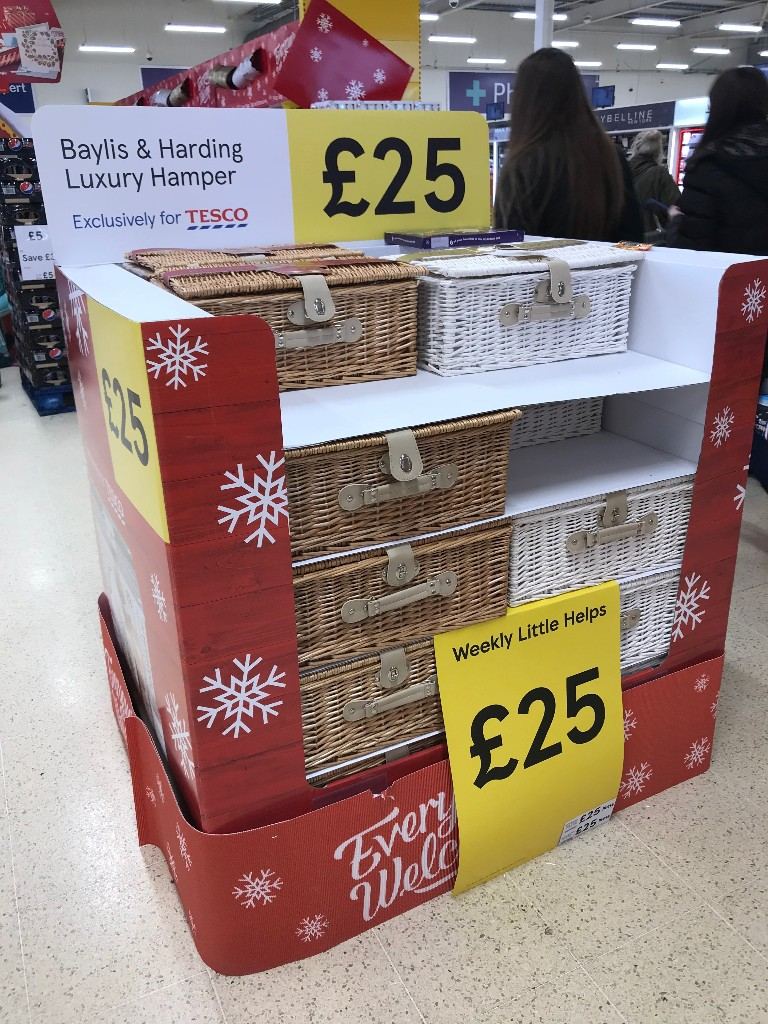
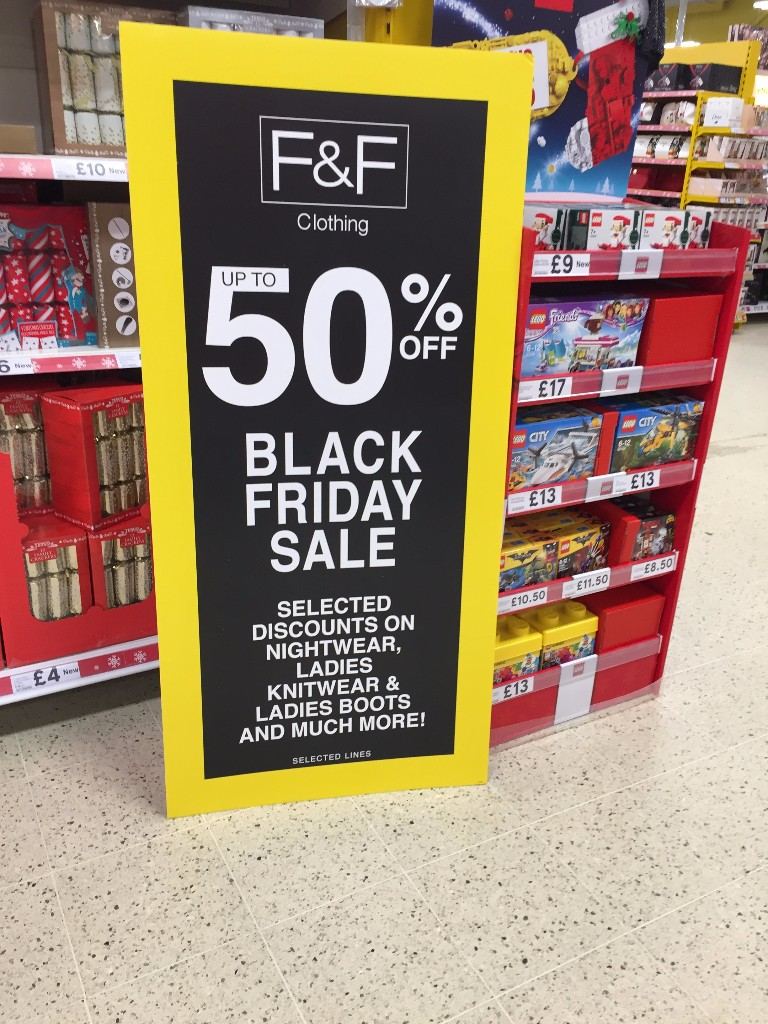
Black Friday was an event that Tesco took part in, but didn’t necessarily push on with, certainly not back to those mini riot scenes over a TV with £80 off. However they were pushing heavily on clothing this year, with the category being split up and discounted accordingly.
Tesco also had a range of Electricals on offer which would have both brought spending forward from Christmas and also provided a boost from customers who were in the market for a new Television or Games Console.
However we know that customers are finding discretionary spending hard, and this impacts the wider GM / Electricals market significantly. It’s likely this year that Black Friday was literally an ‘early sale’ that saw customers invest in November, rather than December, or waiting for the January sale stock to appear.
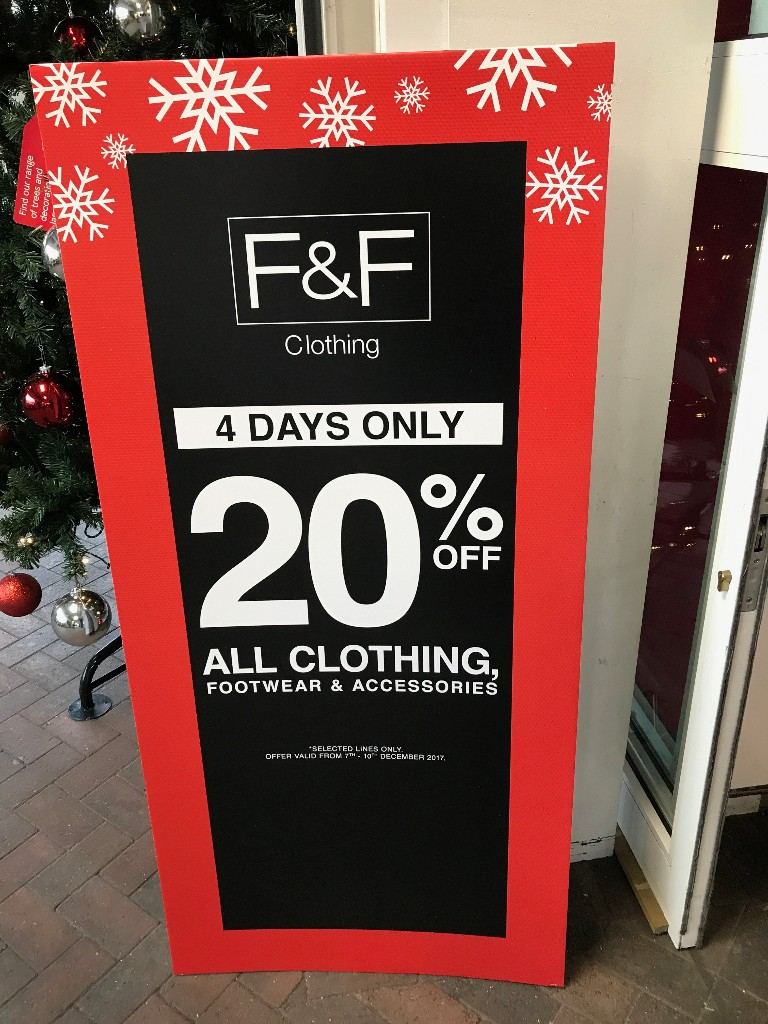
Tesco also ran a 4 day, 20% deal on Clothing in December to boost sales in the run up to Christmas.
Tesco had a strong package for Christmas, good signage and a strong event aisle space too.
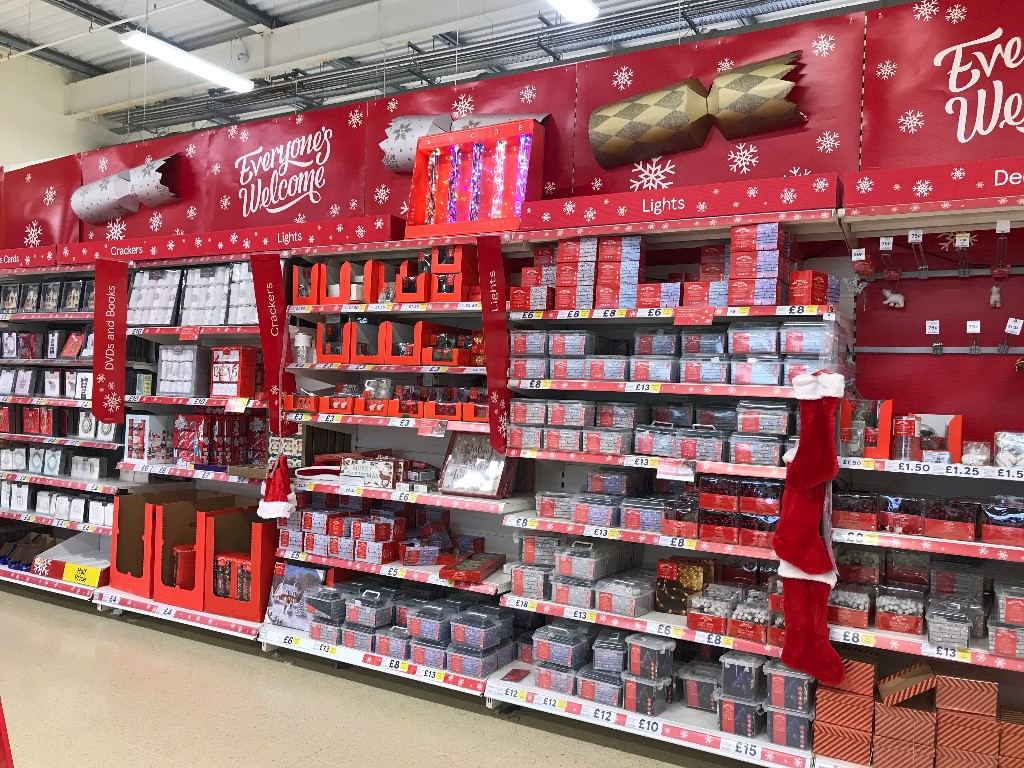
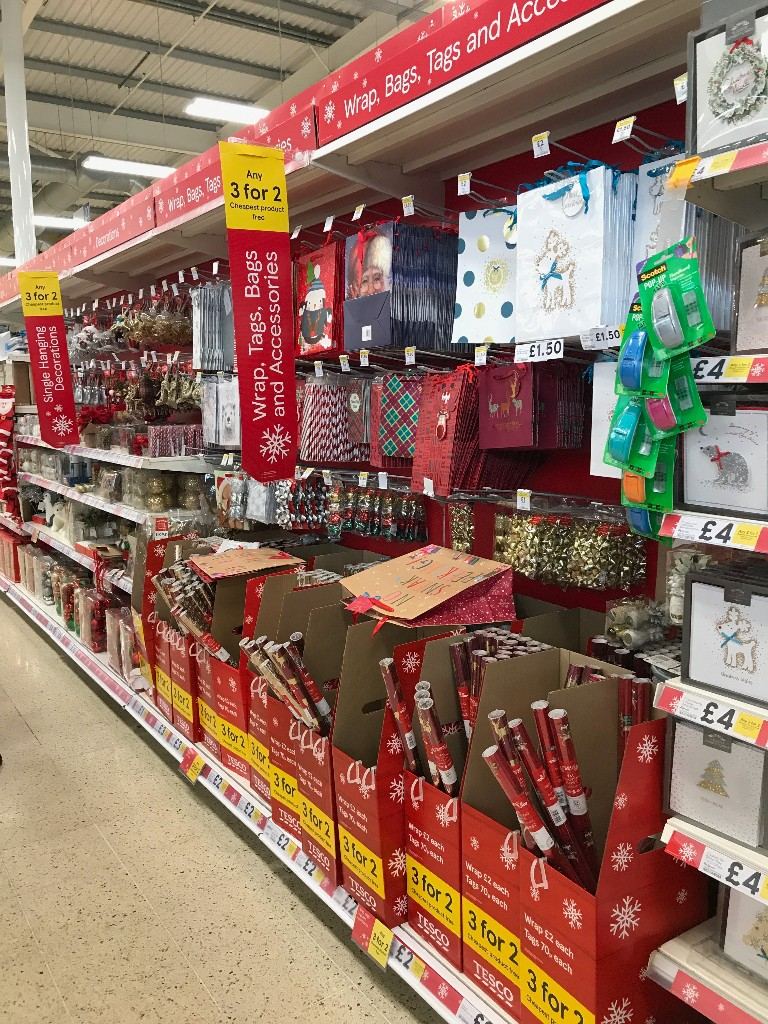
There was nothing wrong with the Tesco Christmas decorations, Gifting, Cards, Wrap range this year. All these joined together well, launched well and traded very strongly throughout the period.
Tesco had well timed deals, cutting Christmas decorations in price near the time everyone put their Trees up for example. Cards and Wrap were on a 3 for 2 deal from the start of the range arriving which would have driven trade too.
There is a wider question around the range left over in store, customers were tightly budgeting this year and areas such as Decorations and Lights were heavy in some stores (not just Tesco either).
Price points I felt were in line, but it was more that the customers weren’t biting, anywhere… If we think about Christmas lights in isolation, the market has moved towards a ‘plug free’ solution which utilises LED technology, meaning they’re longer lasting in any case.
Therefore with the plethora of options that this technology brings, customers do not need to buy lights every year (however, I wish someone would tell this to my wife who accumulated enough lights last year to illuminate Blackpool).
When a customer is looking at their spending, this is an area to suffer. Decorations are likely to be re-used from the previous year without many new items given spending power is diminished.
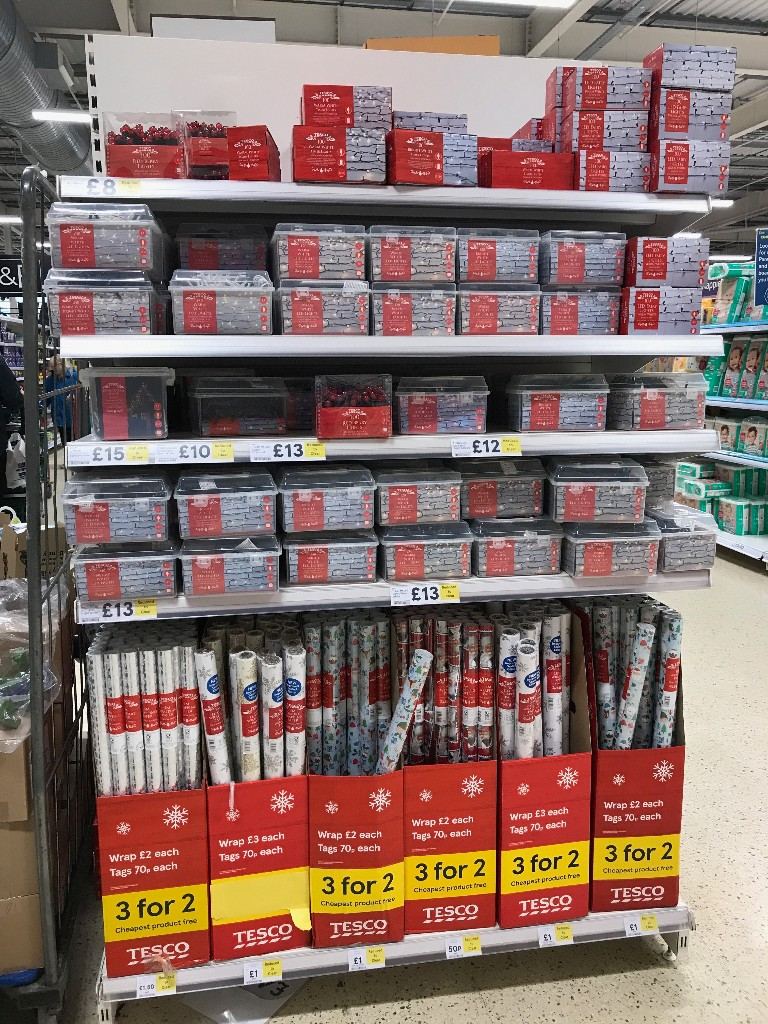
Lights left over post Christmas, is the challenge that customers buy LED lights that last longer, retain brightness and simply need new Batteries? Therefore where is the incentive to buy more?
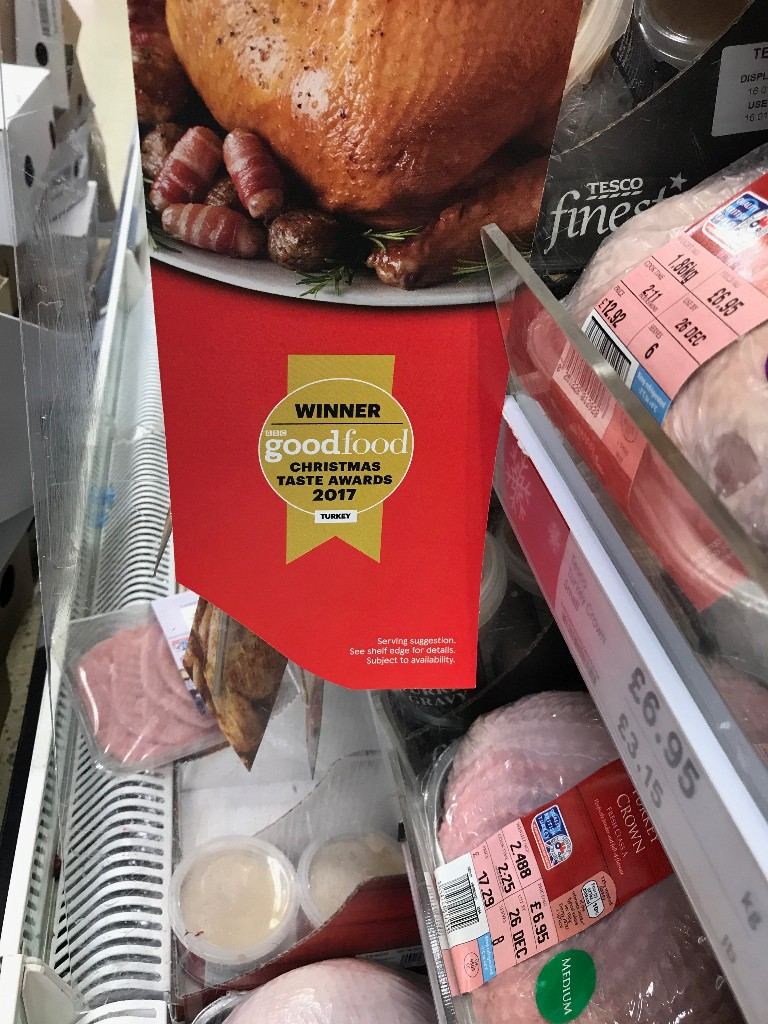
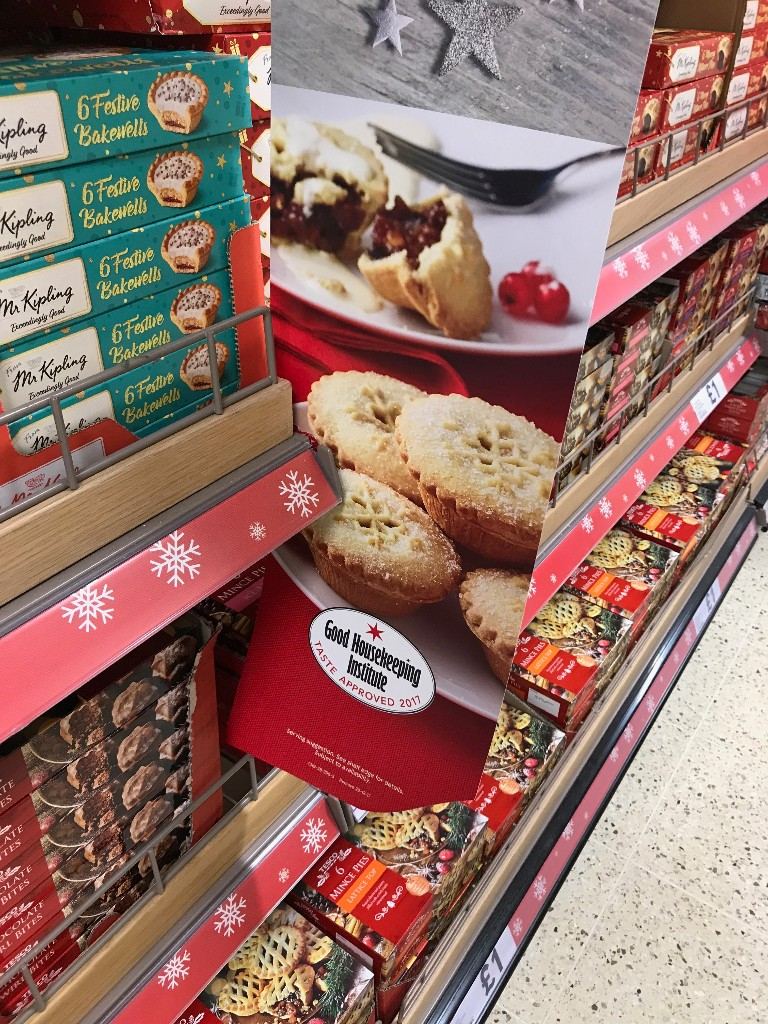
Tesco were strong in Fresh this year. Measured on Finest in terms of the ranges and offered enough on value to appeal to all customers.
Tesco also did well on award winners this year, flagging their Turkey winning a ‘Good Food;’ award and also their Mince Pies were ‘Good Housekeeping’ winners too.
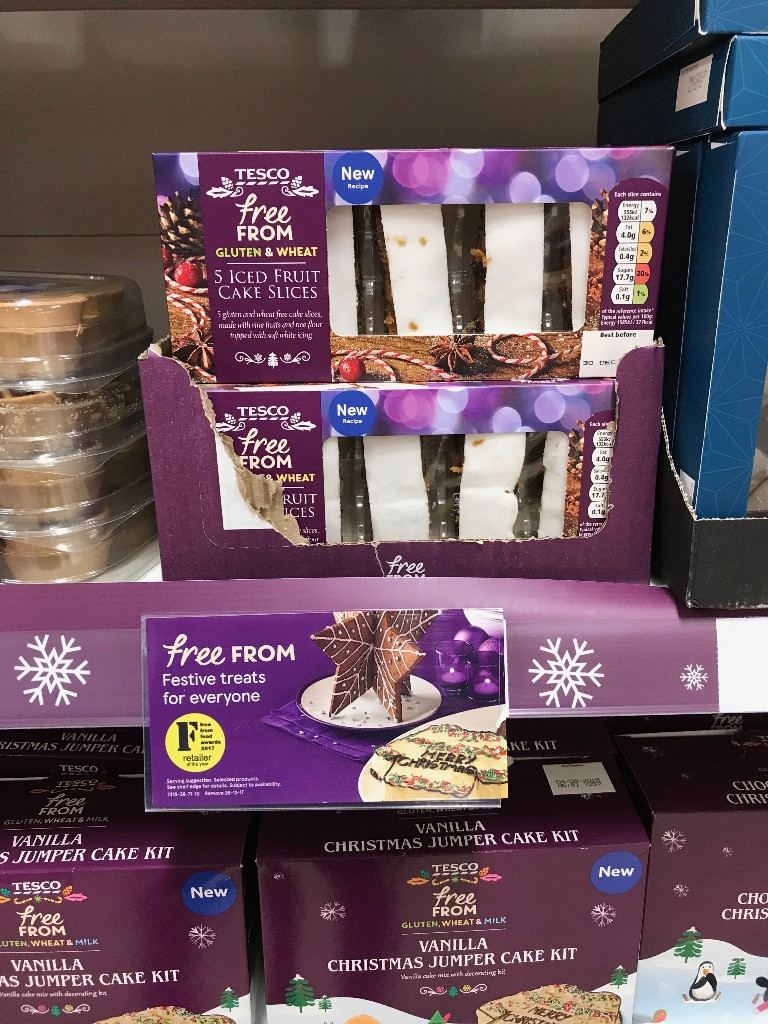
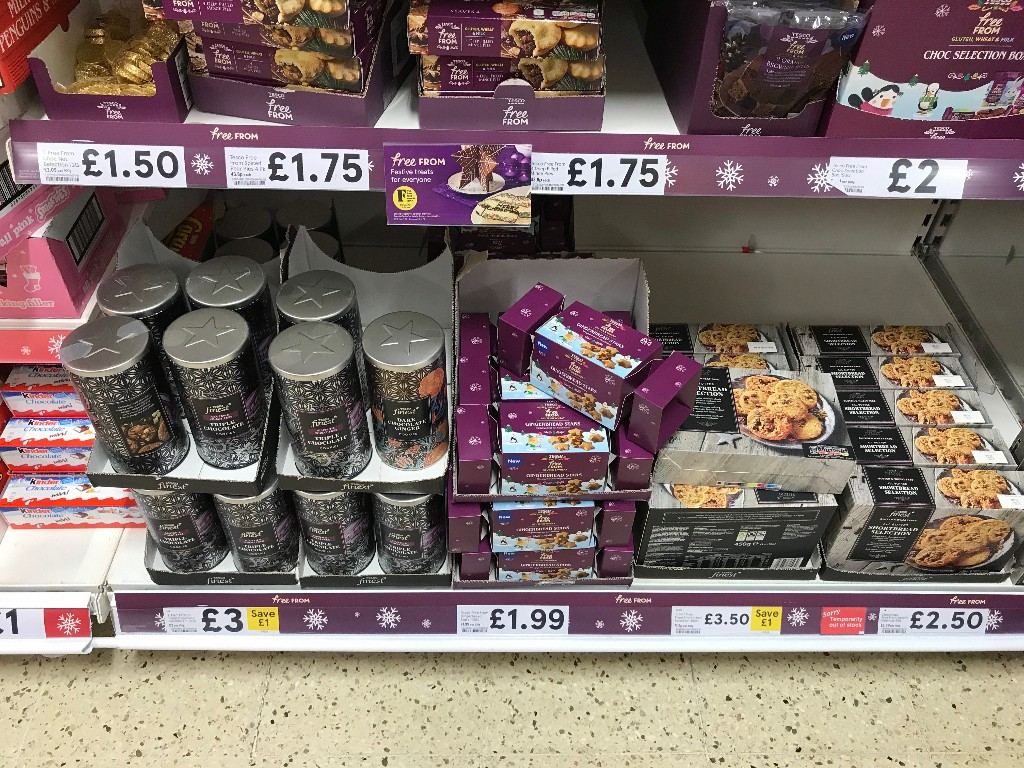
There was a full bay of ‘Free From’ products inside their seasonal space this year, meaning customers with allergies were able to shop the seasonal aisle for their own range of products. Many of these were Tesco own label and some were Finest, which shows where the premium own label could grow to.
Customers with allergies are habitual and generally find themselves shopping at the same sort of places, given their knowledge of the products and what does/doesn’t affect them. Tesco continue to get this category right, and that’s only good for the longer term loyalty of customers.
The ‘Turkey gate’ complaints captured all the attention but I wonder what the complaints are like, year on year? Sure it was in the national press as it’s always akin to literally ruining someone’s life is ruining Christmas Dinner, but that doesn’t equate to any particular issues around quality.
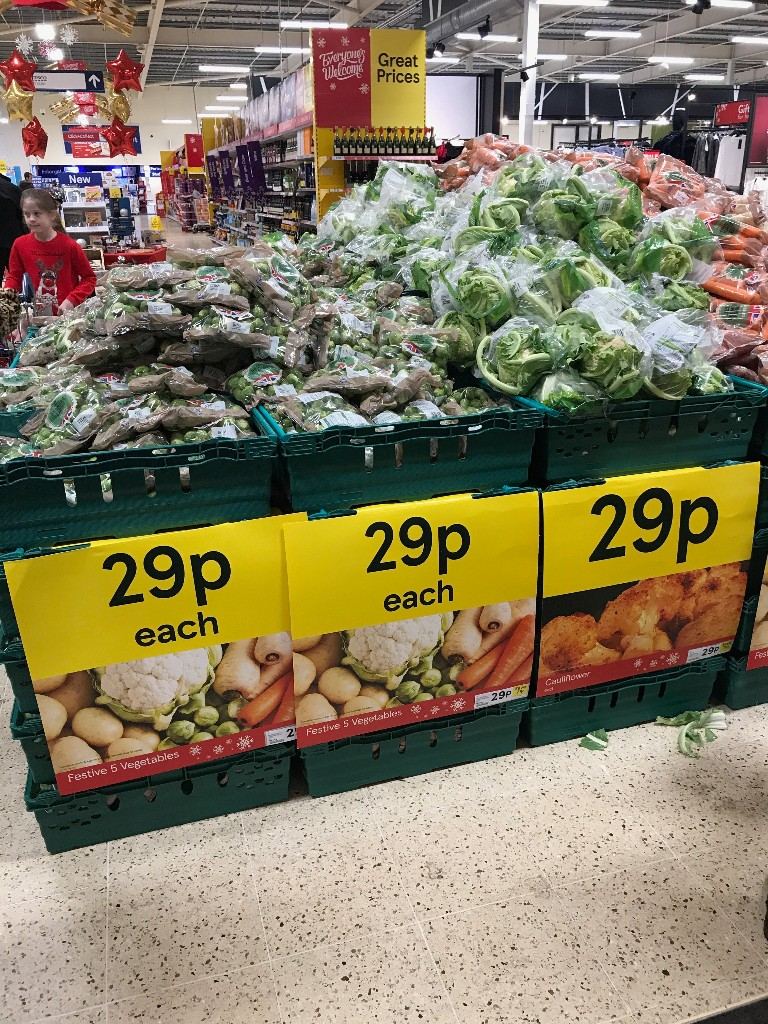
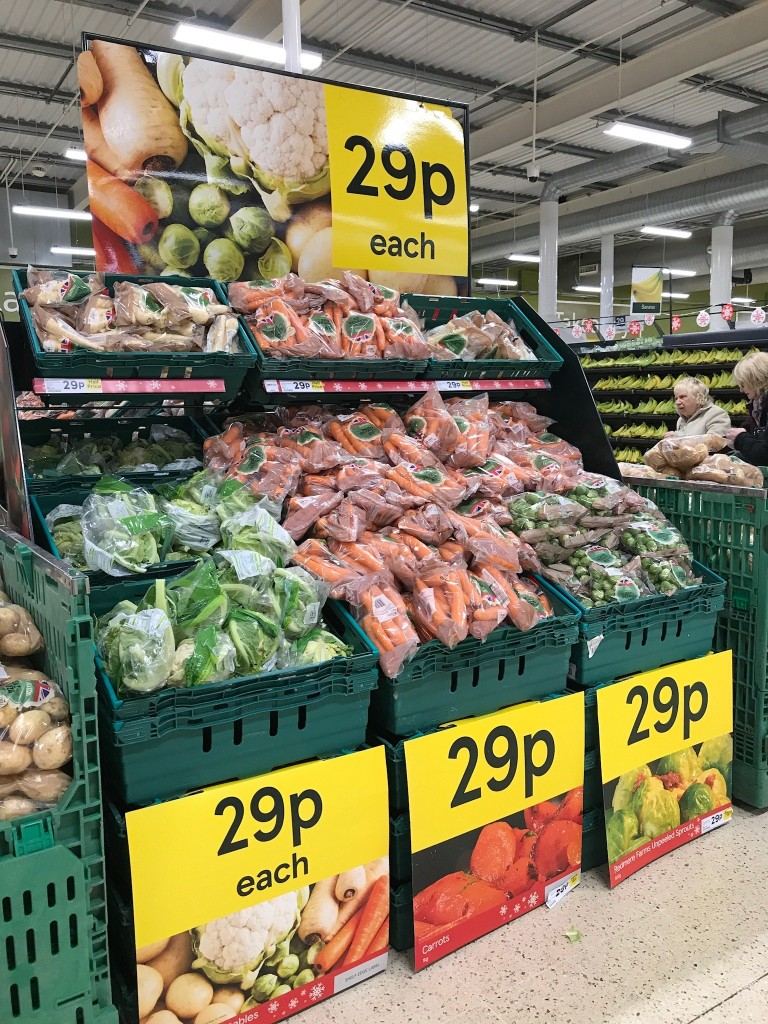
Produce was once again strong, with the Festive Five priced at 29p. Tesco used Farm/Fresh Food brands to push this range, but they didn’t go to the lower levels of 20p Asda or 19p discounter.
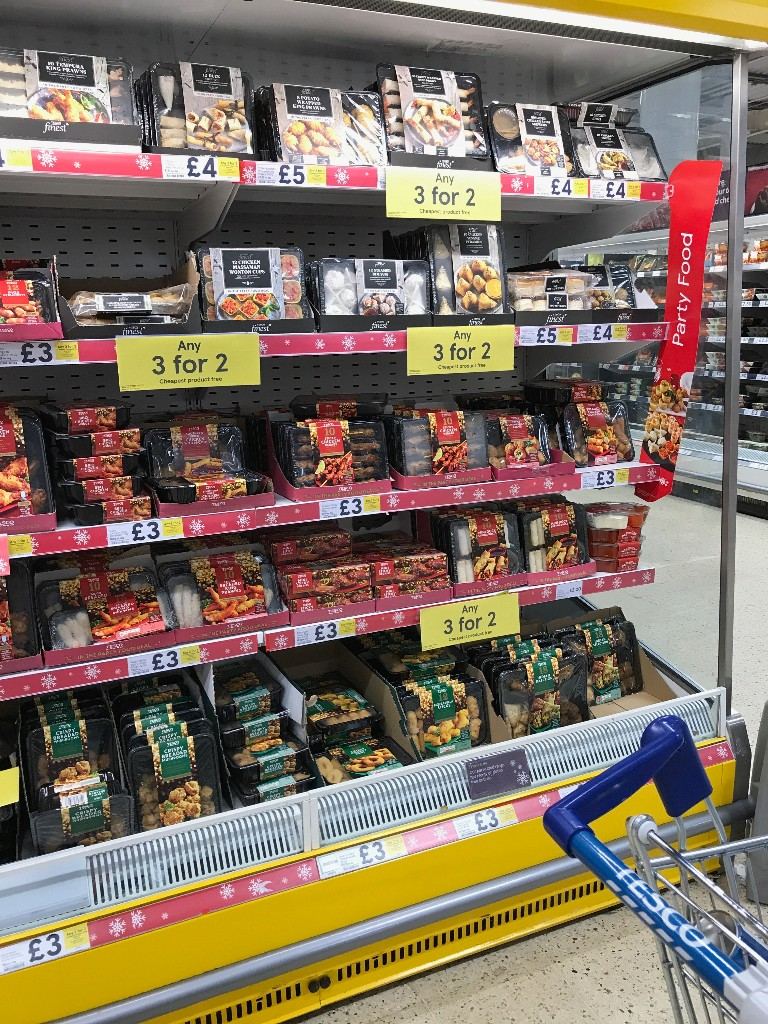
One area of excess for everyone, but notably for Tesco was Party Food. You could barely get a mini burger in a Tesco beyond Christmas last year, yet this year, there is ample stock around the stores I’ve visited.
Greater volume via Tesco to maintain availability? Or another sign of that customer spending slowdown?
2018 will be interesting for Tesco as whilst they traded well, wider economic conditions make the outlook difficult.
The main headline of interest is the finalisation and integration of Booker in to the Tesco world. Dave Lewis was more than a little miffed that all the focus was on c-stores and not on the wider ‘strategic elements’ of this deal which must centre on the ‘eating out at home’ sector.
It’s clear that we will see movement here, there was a mention of the largest 100 Extra stores getting a Booker outlet to benefit from more convenient locations and to boost scale and ultimately, sales.
That would make sense, but there is a lot for Tesco to improve in conjunction with Booker, namely their poor delivery metrics and wider fulfilment challenges. There will be savings to be generated which will likely see some site closures and rationalisation one would think.
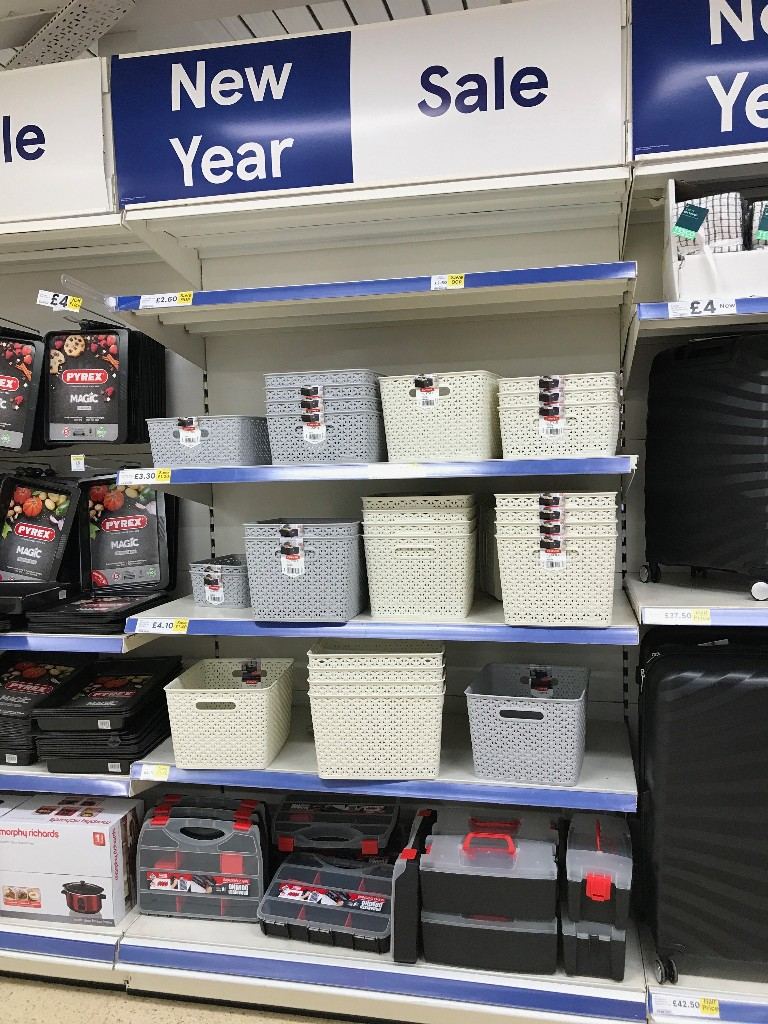
Costs are a major focus for 2018 for Tesco and indeed the wider sector as that living wage looms large and needs to be paid for. We’ve seen a step down in store standards across the industry in recent times as retailers battle to compete with discounters and also to reduce their fixed costs…
However this is acceptable as long as it doesn’t impact the customer, of course that can be a “Narnia” based challenge but it is possible. The customer really isn’t interested in case rates, elimination of night shifts and why the retailer has done it. They’re annoyed if they can’t get their shopping at 9am because the delivery was late and there’s one to work it however.
Retail by its nature is unpredictable, customers don’t behave logically, nor do they book appointments or call ahead to tell you they’re coming in. It’s all about being the best you can be at any one time and nigh on eliminating the ‘piss off’ factors (I try to find a better phrase but this one works)…..
Therefore, Tesco need to strike a fine balance... Their success has come due to the fact they’ve stopped messing around and started to staff the stores properly, doing away with the continuation of gradually reducing the hours budget but not reducing any task associated with running a store.
However there has been an element of ‘death by a thousand cuts’ as they closed depots, changed some departments to filling through the day (with predictable results) and other changes around stopping task to save cash.
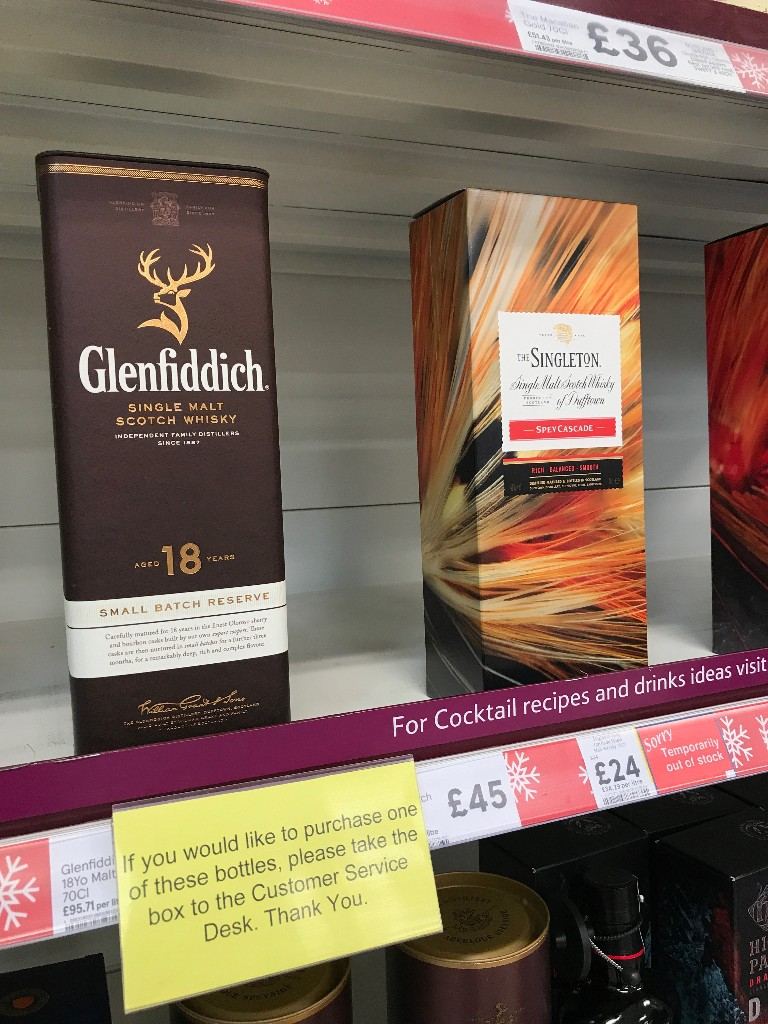
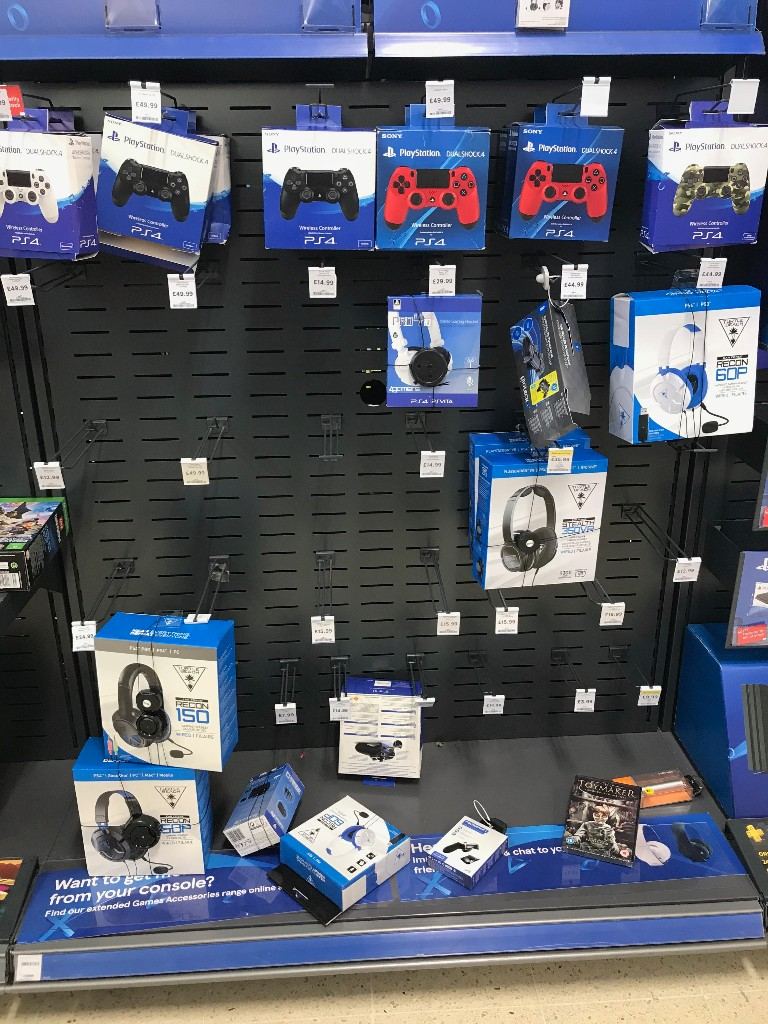
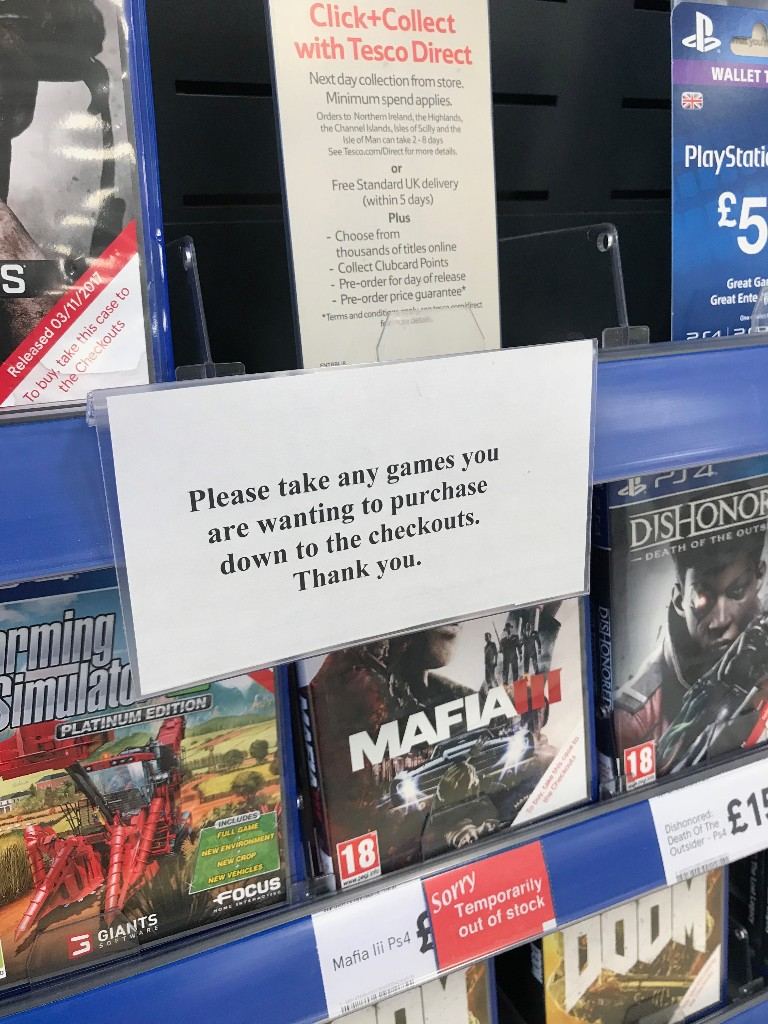
Because whilst well intentioned, and indeed saving cost, poorly thought out examples, or a lack of focus / attention in store means that it will harm sales.
But Tesco should report decent numbers, inflation plays a part of course, but the reality was that a number of lines were still very competitive for Christmas in the market - despite the cost price increases everywhere.
Tesco were in good shape for Christmas, linked together well and provided good value all around the store.
They were also very aggressive on their deals, running numerous deals that weren't run in 2016 which will see a boost to the numbers.... However that can make 2018 difficult......
But too much future talk(!) There's a lot ahead for Tesco in 2018, starting with the Booker integration and the wider prospects for the enlarged company.....
A 'huge' Christmas report is available soon - request info
From the Grocery Insight newsletter archive, first sent to subscribers on 8 January 2018. Steve now writes at read.groceryinsight.com. See also the blog archive and briefings.