Morrisons - Reasons to be cheerful
9 March 2017
Subscribe to this service here!
For those time pressed, post the release there's a bit below on the history, inheritance and the 'now'. A little later post the results and what not.
In terms of key headlines:
Profits and like for likes up for the first time since 2010/2011. Dividend also up, debt down significantly. Working capital improvement of £360m and free cash flow of £670m.
Fuel also performing strongly, a clear hook to get customers in, with Cafe also doing well for that reason.
Metrics around price and customer sentiment are rising.
No new supermarkets at all this year, a small number next year.
Despite 1 opening and 5 minor space extensions via 'Fresh Look' refits, there was a -48.000 sq.ft space reduction vs. year before.
Business now lapping positive growth which is growth, on growth.
Lots of scope for further improvements around productivity, ordering is going to all categories and lots of talk about enhanced work between manufacturing and logistics which will mean simpler work and less labour.
Trials to start on hand car wash and a tyre fitting concession in stores.
Trial for Doddle Click/Collect 3rd party is rolling out as trial successful here.
Online is noteworthy, Ocado have developed their tech for an in store pick.
Unclear whether Ocado have actually sold this elsewhere or whether it's new and they could use IP (Publix were spoken of before, as were other overseas outlets).
Morrisons to launch that this year, still a number of areas north and south not served by Morrisons, despite Ocado.
Forecourts - Rontec partnership for 40 more stores under Morrisons daily (franchise) with the Motor Fuels Group trial not proceeding further. Safeway presumably around at some stage for folk to buy in to and use.
Commercial income was far lower in terms of marketing (£) - £52m (vs. £260 yr before) with the bulk made up by volume based rebates (£257m vs. £143m year before). Sign of growing business but also trading back to the core - Sir Ken's favoured method was a rebate. A small percentage as 'value of sales expensed' as pointed out in release.
It's easy with Morrisons to forget what a state of affairs they were when David Potts took over, empty shelves, a brand that was struggling for identity and their main ambassadors were Ant & Dec.
Dalton Philips had taken over at entirely the wrong time really, Marc Bolland rode the crest of the wave post Safeway and Sir Ken (RIP) noted that 'people who did the work didn't really get the credit they deserved'.
Bolland then hot footed it to M&S making Ken's phrase of 'never trust a Dutchman', used when organising produce warehousing in the hook of Holland in the 80's worryingly prophetic.
Dalton Philips then came in, backed by Allan Leighton, having done a decent stint at Loblaw's but also WalMart Germany where the business was in meltdown before a sale to Metro group was clearly going to bring new ideas.
However, with record profits and the adoring City very pleased with the health of the business. It was remarkable how his reign aligned with that of David Moyes at Manchester United. Taking over a grand old club with the legendary figure in the background, almost on a hiding to nothing whichever way he went about things.
Life is a series of 'what ifs' and I've always been of the belief of turning 'what ifs' into 'so what'. Actions speak louder than words. Philips decided to push on into strategical areas like online and convenience given the growth levels - however it took time, and money to do so given the opportunities available and the 'last mover' advantage.
Convenience was another area where Morrisons grew, trying organically but ultimately over paying for good sites and then having to get scraps post Blockbuster and Jessops. Even with a good site, the building wasn't set up for food retail and it became ever harder to get the returns.
Most of you reading this, given the situation of Morrisons, near £1bn profits, solid but unspectacular stores and no presence in online or convenience, on paper, via Harvard case studies would have perhaps done the same.
Expanded into those areas to future proof the business. However the move to 'fresh format' with the misting veg and other fresh ideas and influences were well intentioned but ill timed. The market was changing and discounters were really starting to come to the fore, had Philips invested a fair chunk of that record profit take in to lowering prices - it could have been a different story.
But alas it wasn't to be, Morrisons ended up flip flopping into marketing strategy after marketing strategy, convenience struggled to get scale and an estate given there was no one to take over and online performed ok, but the deal struck was hugely advantageous to Ocado.
The net result was a business that was struggling when David Potts took the reigns some two years ago. Well known to chairman Andy Higginson but was a one club man.
Steven Gerrard if you will (albeit with more titles) having spent 39 years at Tesco, then a bit of advisory as he departed Tesco pre the Philip Clarke 'slam things into reverse and fire every gun to get something going' strategy.
It's been a progressive two years for Morrisons, and today's news of profit and like for like growth for the first time since 2011 is a welcome boost.
What has been going on in store?
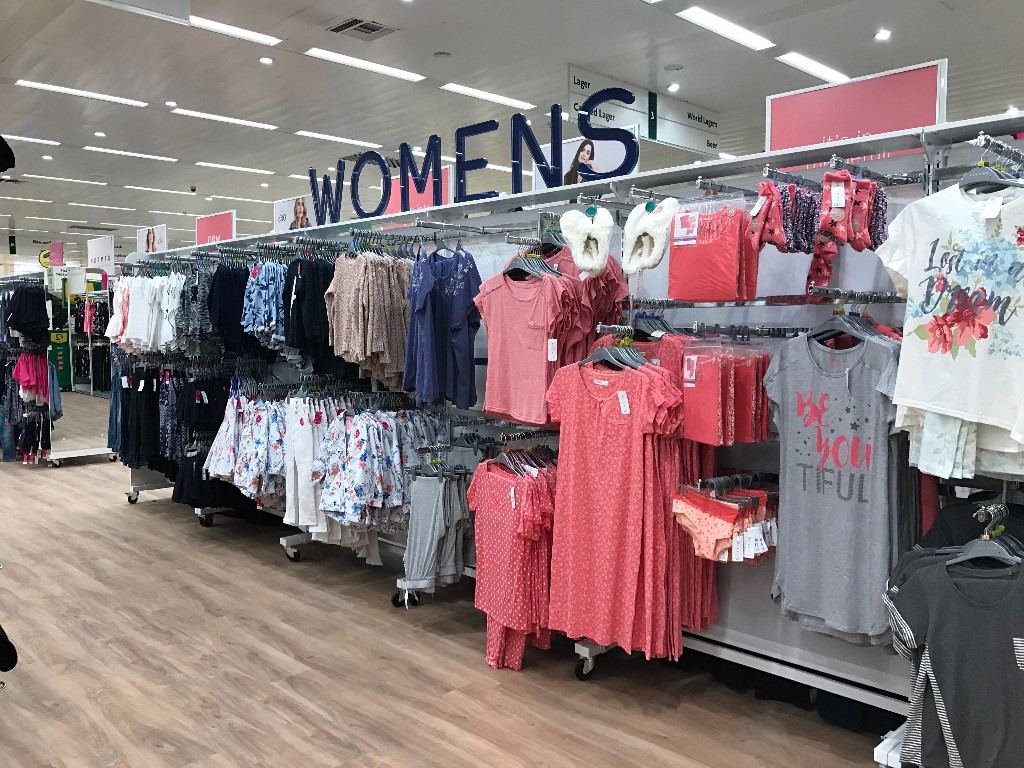
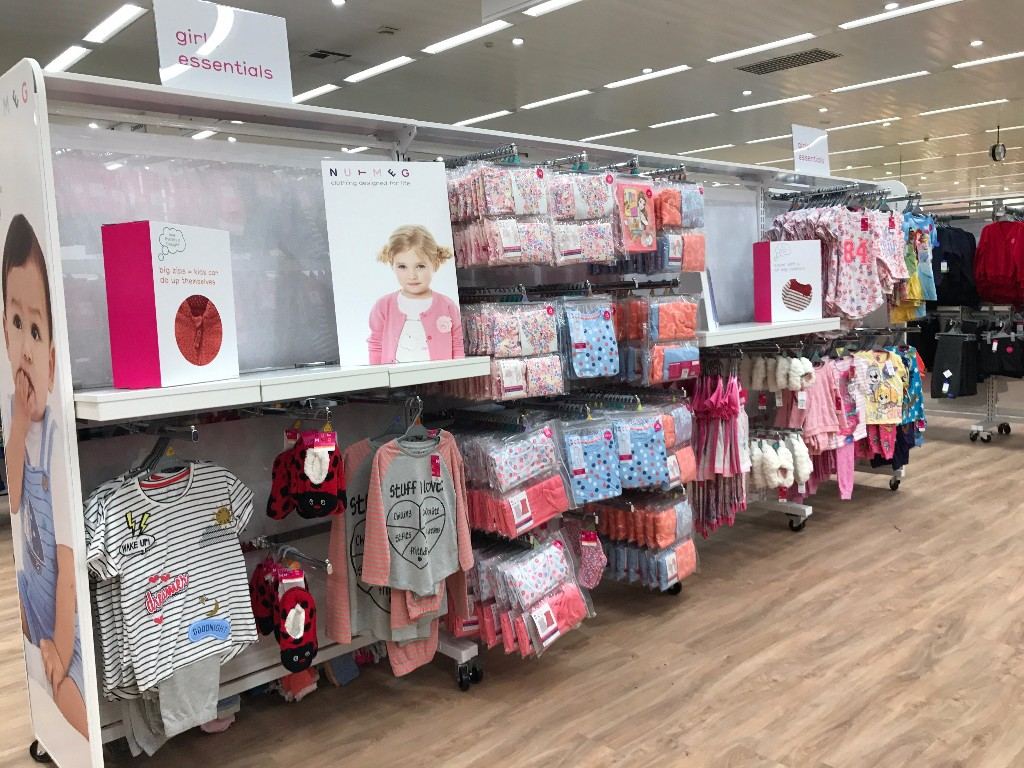
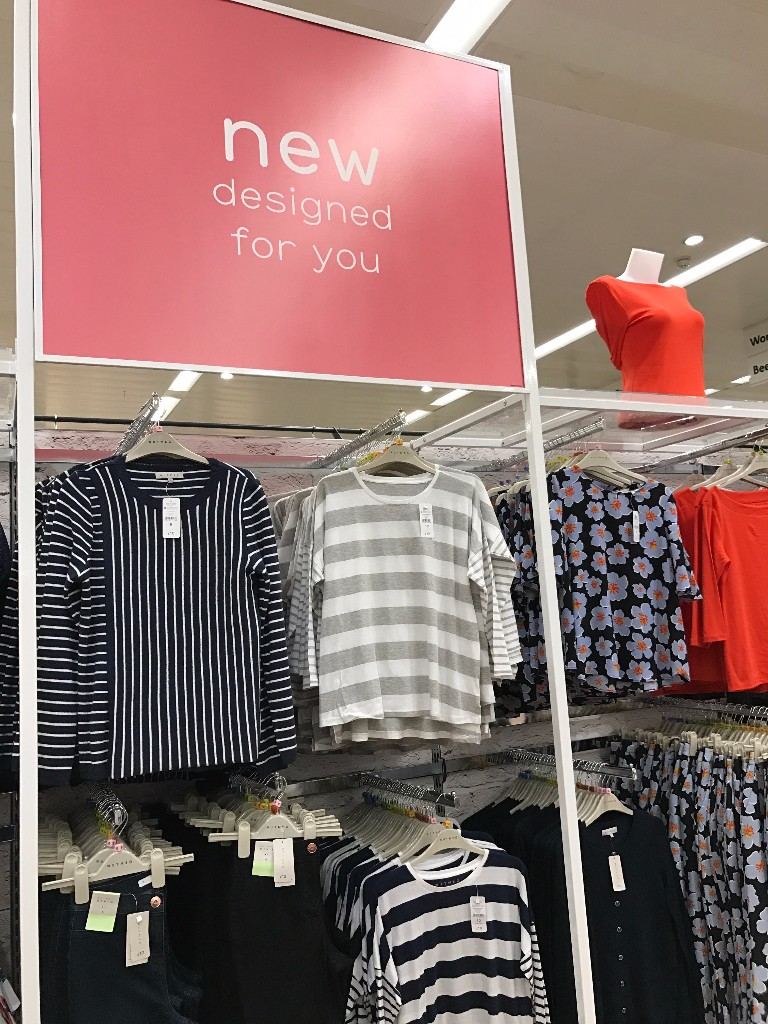
One of the things that has been kept on within the business is Nutmeg, the clothing brand initially designed for kids has now expanded into ladieswear.
Most of the stores have a range now, with the larger outlets getting the ladies collection too. An impressive push and good margin too, the core job remains broadly the same in Morrisons - fresh food, Market St and low prices but areas of good margin growth - like clothing are capitalised upon.
It's 'easier' perhaps for Morrisons to do this, again on paper it's obvious but the reality of developing, sourcing and ranging lines is entirely different. But there is still a lot of scope out there.
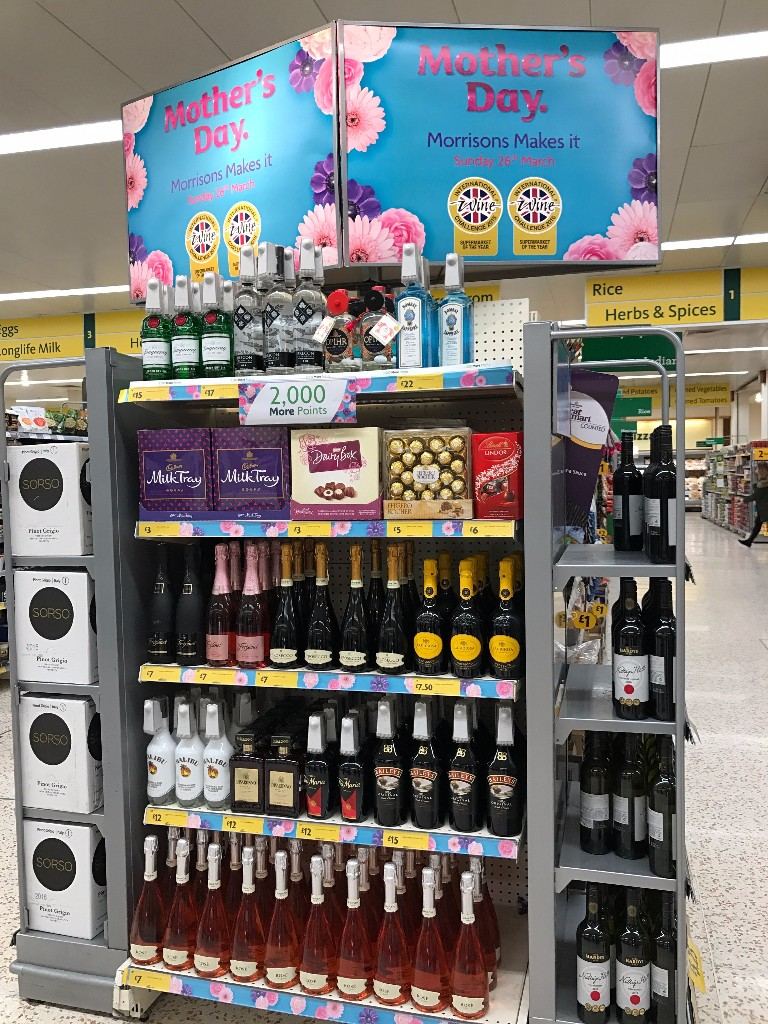
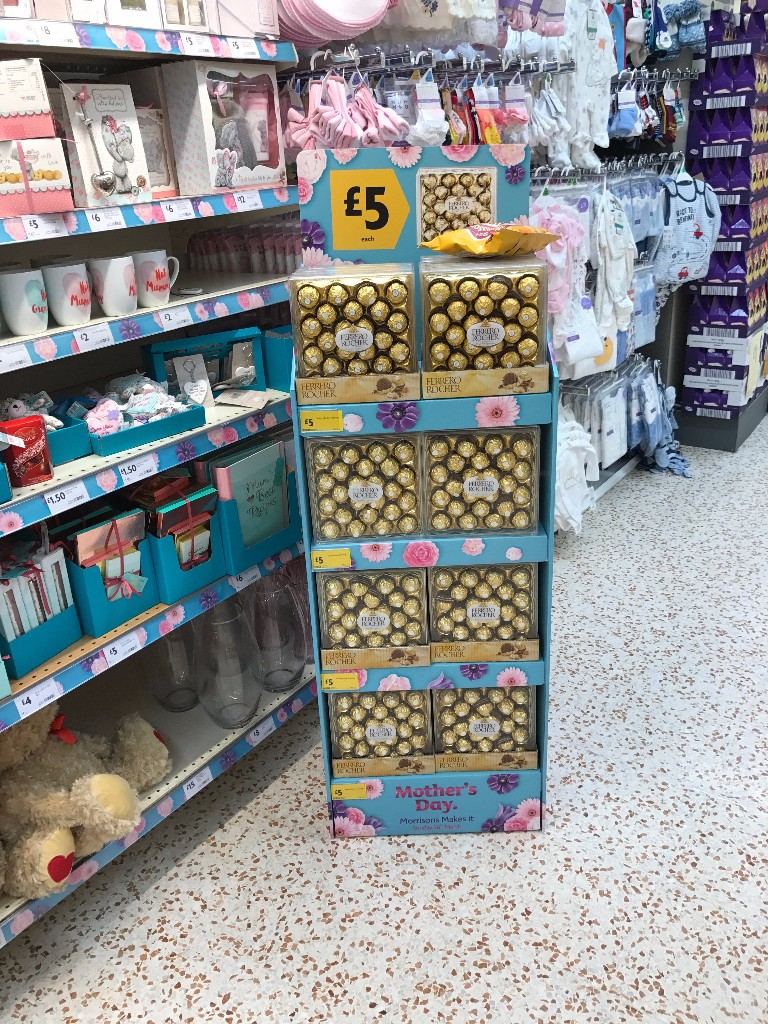
Events are another area of increasing strength, 3 years ago, the Valentine's day offer was 1 bay wide alongside about 10 other events in aisle.
Now that, alongside other calendar events like Mother's day are traded throughout the shop and linked together - hand made Cakes, shippers alongside a strong event aisle package too. It's an area where Asda used to be ever so strong (and are once again becoming stronger) and indeed where Tesco have gained their share is on events.
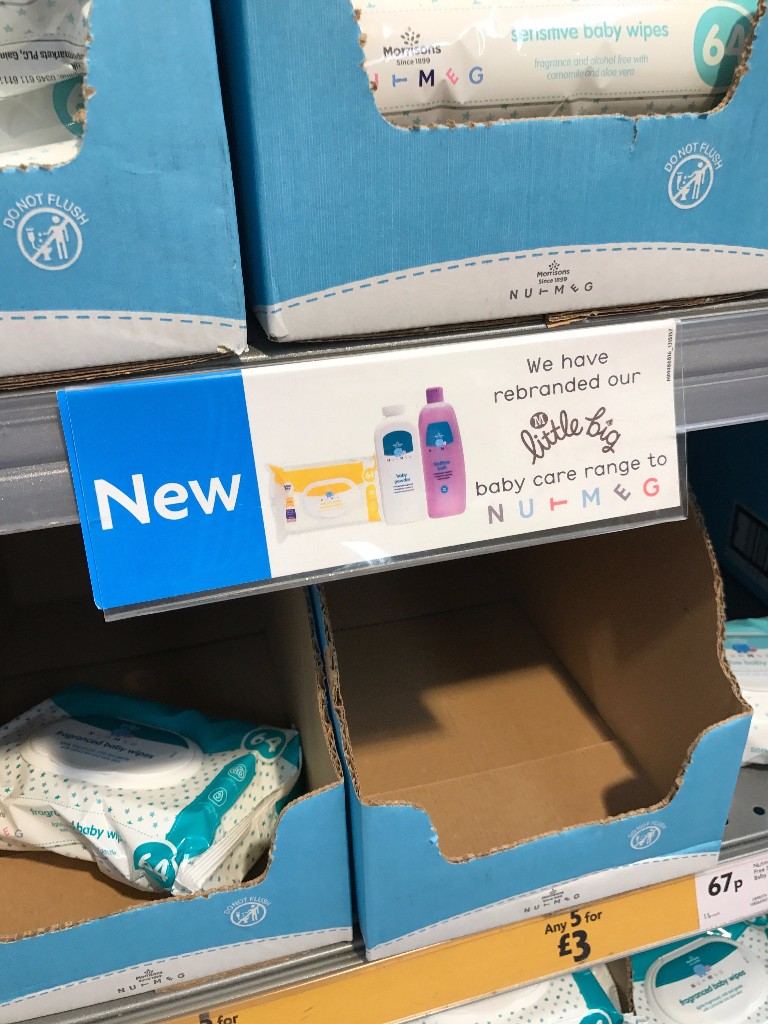
With the Nutmeg brand extending to baby - further enhancing the range and as we know, baby is a hugely important category in any case. Further added to this case is the Aldi development, adding own label baby milk to the range...
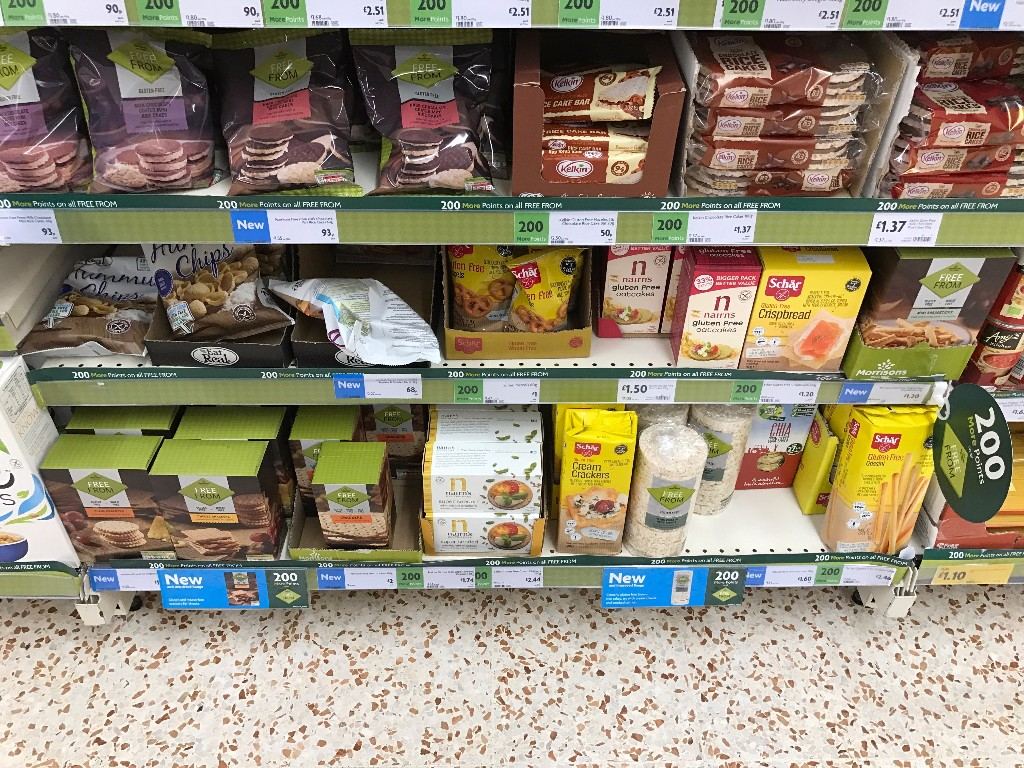
Whilst expensive, repurposing and remodelling space is worthwhile, especially with the space growth over and the refits now being a real opportunity to a) defend against discount but b) repurpose shops for the modern day customer.
That is, bringing more space to categories like Free From which is in huge growth both with dietary needs and also those with lifestyle choices, not to eat gluten.
Morrisons have expanded free from twice now and either physically added more space or indeed moved the range to a more prominent location.
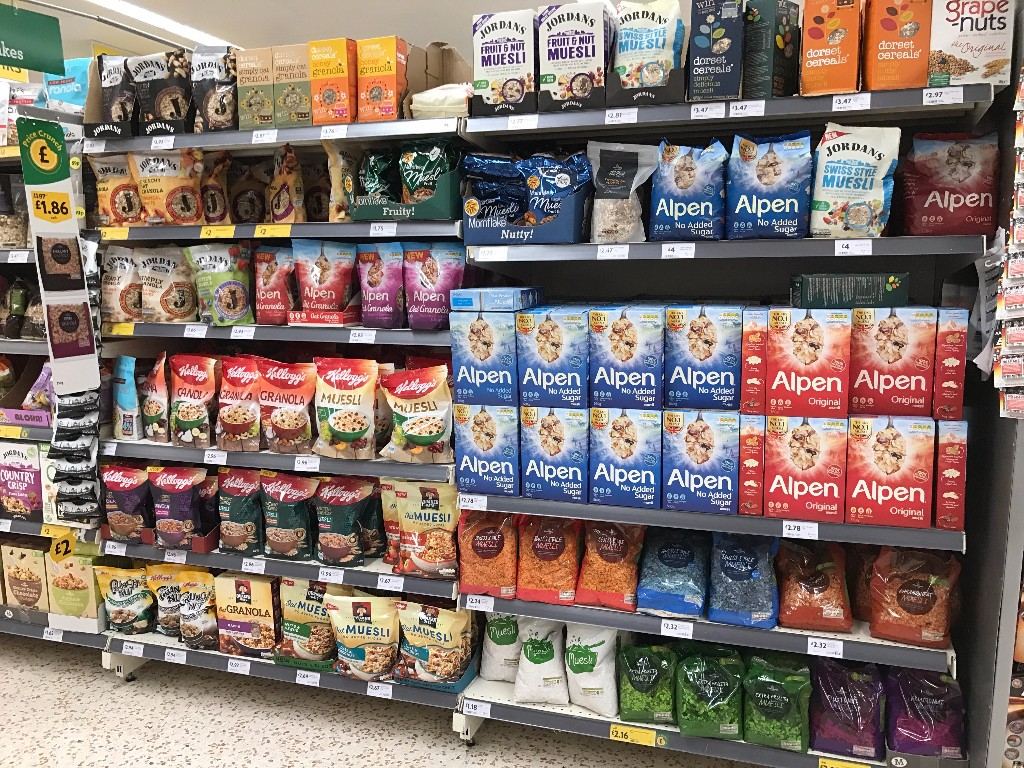
Whilst not representative, availability is hugely improved. The ordering system is cloud based and uses forecasting data to improve the sales forecasts and eliminates the variability of the order pad.
Where a colleague was experienced and good at ordering, it was perfect to minimise excess and maximise sales with the knowledge used by the order writer.
However when hours reduced, colleagues left and sales fell, it became difficult. Orders were either written in the canteen (back of envelope method) or done by one person for about 11/12 aisles. Growing excess stock and harming availability.
Therefore a level of standardisation in ordering isn't anything 'wow'. Indeed it's been in the UK retail market for 20+ years now, but realising this 'saving' and implementing the order system are two different things entirely.
Rolling the system to fresh foods will only enhance the store availability piece. Consider the fresh system was implemented in 1987, for 100 stores... You can quickly see the problem faced here, and crucially, the costs incurred maintaining a system looking after 4 times more stores than initially intended.
Any new ordering system / IT development comes with a risk, especially with 490 odd stores to contend with, it's not a small estate which means business risk is maximised.
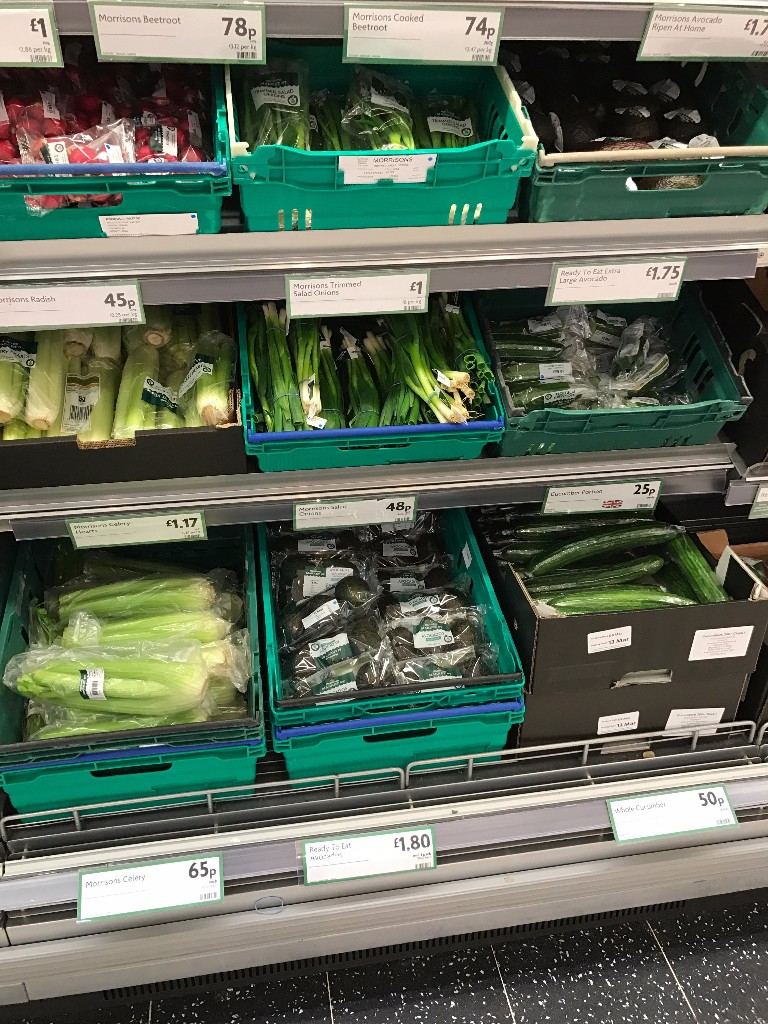
The opportunity is within the Morrisons gift as we know; there is ample scale for further value enhancing mechanics via the vertical integration alongside franchised petrol stations and also the increase in the Morrisons daily forecourt model.
Similarly there is scope in digital, shelf labels even were noted in the release and the technology is there, but the cost can be prohibitive. There is a tipping point though, living wage rises may well be that point.
Certainly removes legal aspects, more can be done to advertise price but it also reduces costs. Consider the cost of paper, holders, printer ink and time to do all of the above on that one bay.
On paper it's easy, but the costs x 20,000 items x 490 shops (far more if a Tesco let's say) and things get a little more difficult.
Results are a solid foundation, the low hanging fruit is one element but plucking it and benefiting is another thing entirely. Developments in ordering and the delivery of better availability and less working capital being tied up is an actualised benefit.
It is one thing seeing these opportunities, but the plumbing needed to make it happen, for colleagues to understand and learn a new 'way' entirely and also, crucially, for customers to not see any negative and only experience better availability is another thing entirely.
Out of the critical ward but interesting that it's 'just one year' according to David Potts. Clearly, there is an appetite for far more within the business.
Certainly with the interim period, there's more low hanging fruit to be plucked with relative ease, addition of online pick, developing the clothing offer all represent good growth opportunities. That's alongside the ongoing strengthening of their offer.
As ever, Brexit is mentioned everywhere and the release contains business risk and Brexit understandably features all over that. The manufacturing plants will be at risk of inflation but it can be controlled with great volume and scale, it's a risk but Morrisons can mitigate that risk due to their control.
Similarly the wider market; Morrisons are gaining, so someone is losing out. Asda are recovering well and do represent a risk, as do discounters given their ongoing expansions too.
One can never stand still in food retail, doesn't look like Morrisons are going to languish this year. More plans and much more to do it seems.
Good set of figures from where they, like Tesco. Sometimes worth remembering just how bad things had got at both retailers when looking down the line...
From the Grocery Insight newsletter archive, first sent to subscribers on 9 March 2017. Steve now writes at read.groceryinsight.com. See also the blog archive and briefings.