The Co-Operative - a price campaign
7 February 2018
Click here for a free trial for this service

I'd like some help with Events / Images / Insight....
We have numerous report packages available.
There is to be a new tiered service launching for the Grocery Insight newsletter service. Existing subscribers will still get the same content and insight as you always have done, albeit with a greater focus on more regular, focused emails to maintain our unique perspective.
We are developing a tiered access service that will offer regular price analysis across the market on a selected basket of goods, alongside deeper insight by the way of our longer emails where wider industry matters are considered.
In addition to this, we're able to offer further added value for this tier, including analysis around reporting periods with the analyst presentations dissected to review performance and offer Grocery Insight's take on trading performance.
Subscriptions will remain unchanged until you renew, and your regular emails will continue as before. To express an interest in joining our premium service, please do get in touch.
Express Checkout - Co-Op Price
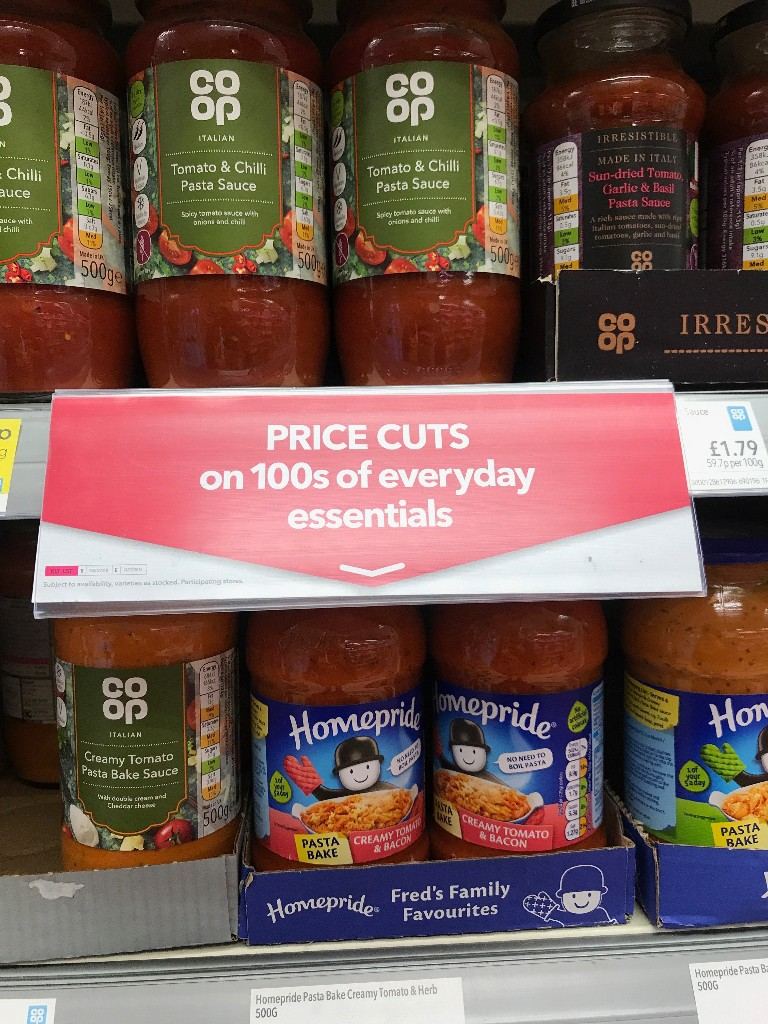
Price cuts went live around a fortnight ago.
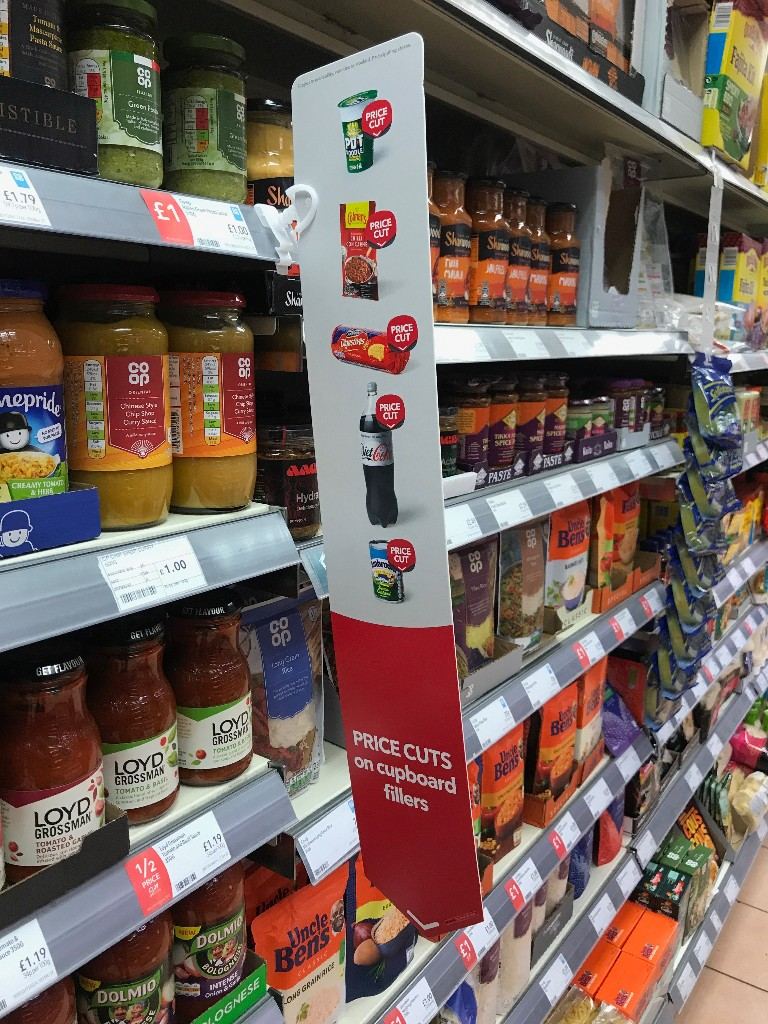
Signage points to 100s of essentials that are cut in price.
A notable push towards everyday low price.
There are some own label lines featured within the raft of price cuts.
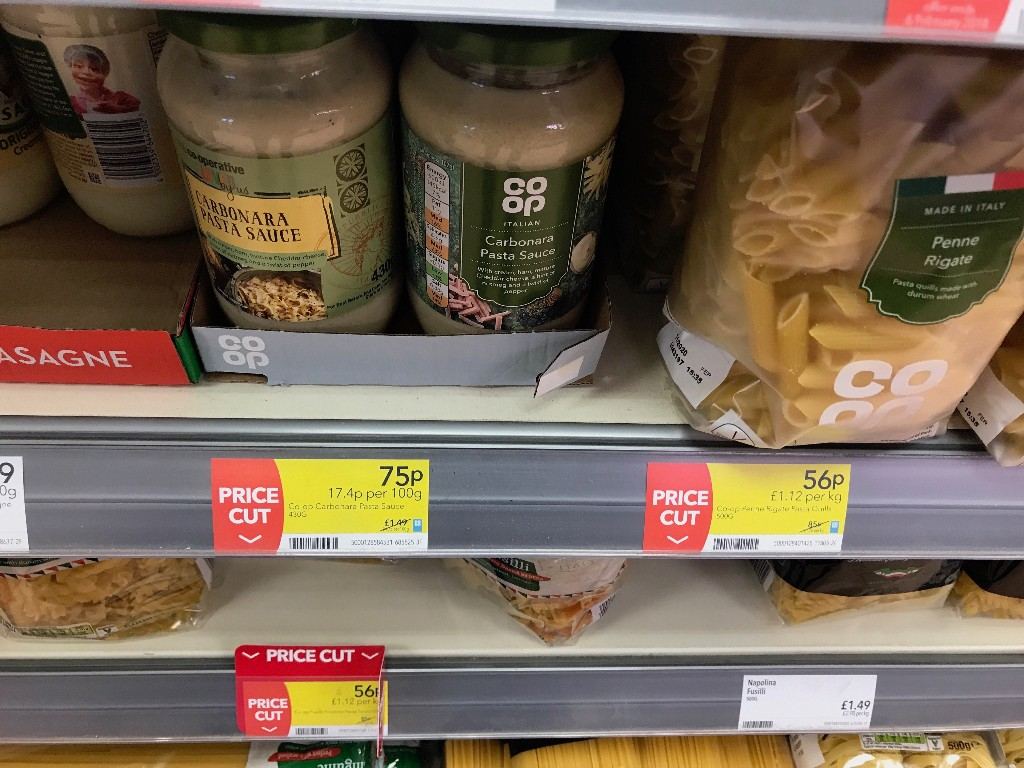
Pasta has been cut in price, which now puts the Co-Op c.25p cheaper than JS.
Our emails after a brief hiatus continue with incorporations of the trading picture at discount and also the Co-Operative and those premium retailers - Waitrose and M&S...
The marketplace continues to be dynamic and the behaviours in the sector are not all necessarily working towards the customer. Are major retailers defaulting back to numerous promotions as a way to boost the top line growth?
Has anyone really got an answer to discounters growth? Or, perhaps more accurately, is Kantar now less relevant as it doesn't take in to account the Safeway volumes via McColl's for Morrisons, or indeed, Tesco and Booker?
A trend that we have seen in recent years for a number of reasons is the rise of convenience retailing, and the need for good operators who offer enough to customers, without overwhelming them. Differing missions and complexities make it an unforgiving place as Morrisons M Local and then My Local found out.
Whilst not in the league of the Irish c-store operators (fresh Sandwiches in every store), the UK has some decent convenience stores, however predominantly it's low risk retailing without much focus on bells and whistles and more on being relevant and not being too expensive.
Price is a challenge for the subject of today's email - the Co-Operative. They have done some really good work in recent years around their stores, particularly with the recent rebadging to their 'old' new logo.. However they are not a Sainsbury's Local or Tesco Express, part of a far bigger chain and as such, have a perception (and reality) of being more expensive than those peers.
There also can be a challenge around volumes, lower basket sizes means there isn't always the volume to support a shift to lower prices versus a larger store operator like Tesco, or Sainsbury's.
Tesco Express have done a degree of work on their value proposition within their convenience stores in recent times, we have seen a number of prices lowered across the estate since Dave Lewis joined the chain.
Another notable trend is that Tesco Express generally get the same level of deals on some products versus the main stores, not a weaker deal variant (2 for £5 rather than 2 for £3) which all serves to improve the price perception of Tesco to a customer.
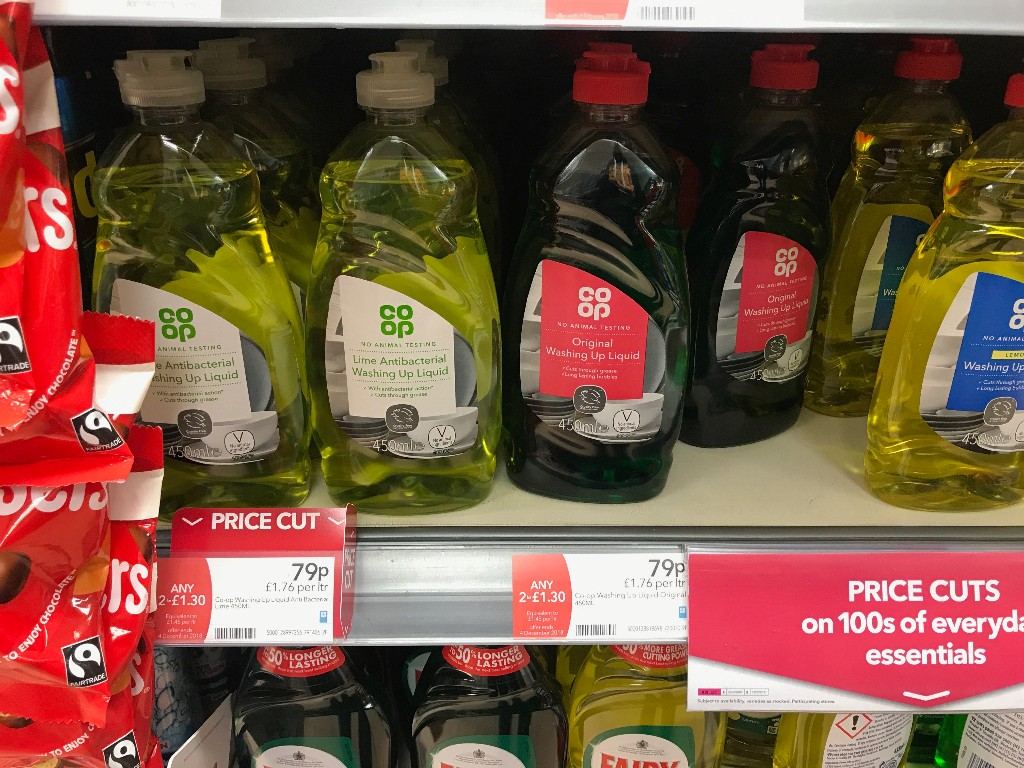
Yet the Co-Operative have struggled with value, their operation as a c-store retailer doesn't always aid that. They are also heavily reliant on deals and promotions to highlight value to customers, the base prices are high in some cases whereas others, there is a degree of competitiveness.
If we consider the last meaningful price campaign, 'Fair and Square' pricing way back in the Steve Murrells regime. This focused on putting KVI (known value items, IE the ones you'd ask the Prime Minister the rough price of) down in price along with some own label focus.
Steve Murrells even spoke about stopping 'insult pricing' which was accurate, you can charge a price premium (to an extent) but there is a tipping point too....
The KVI strategy works well, but inflation always plays a part and volumes are high on these lines, so to sell at a loss can be disastrous. You're relying on people picking up other lines whilst in store... Not always easy when customers are in and out.
So, any price movement has to be concerted and filter across the store, ensuring that a) it's not overly promotional in nature and b) insult pricing is significantly reduced, especially on an EDLP basis.
Consider price cuts on Milk and Bread (great) but then the rest of the store is high in price, some lines are only worthwhile on deals.... You're eroding price perception further, and also harming margins too. A lose/lose.
Convenience retailing means that promotions, especially multibuys can be harder to make work given the fact that numerous people will walk to the store, therefore they have no transport, how do they transport all their goods home?
Budget conscious shoppers (there are plenty, even in well to do areas) won't necessarily have the £5 for the 2 for deal in Laundry. However good the deal is.
Especially if that price is inflated / higher for a deal - say £3.50 - £4...... So it's a real balancing act, perception of price is never just about cuts in a specific area, or on lines like Milk.
Sure customers talk about Milk pricing, and Bread pricing a lot. But there's little point in cutting those but then having Dishwasher tablets (off deal) at £14 core price, or £7 on promotion for a 80 pack....
With few other options.
Value is everything, everywhere. At all times.
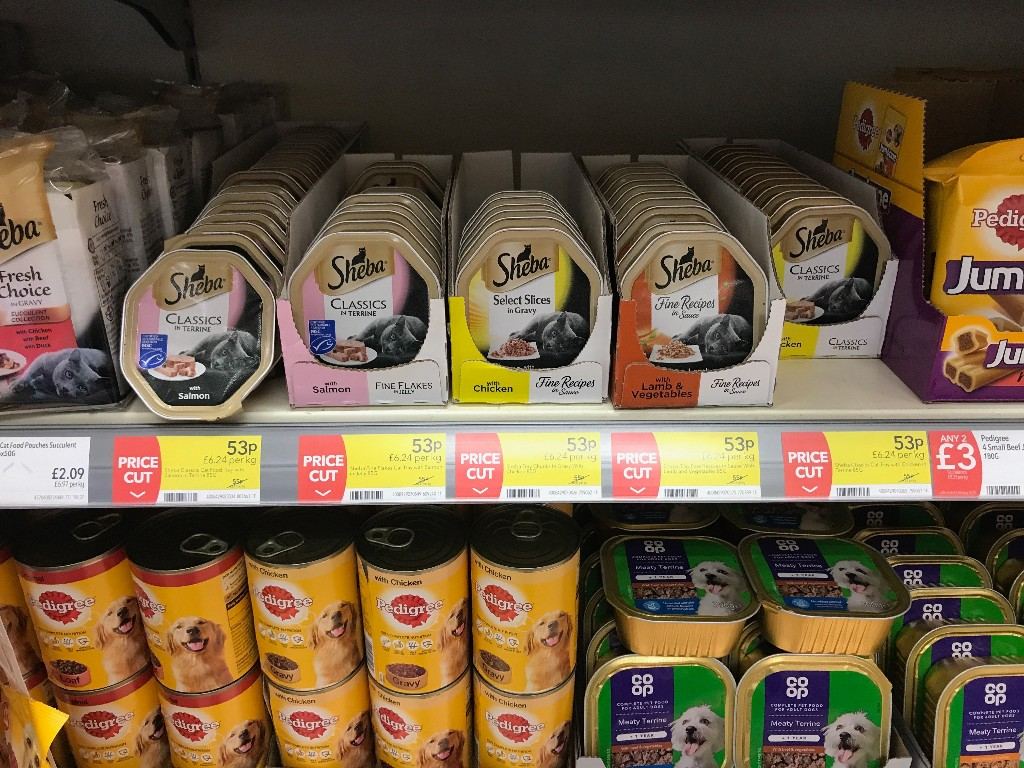
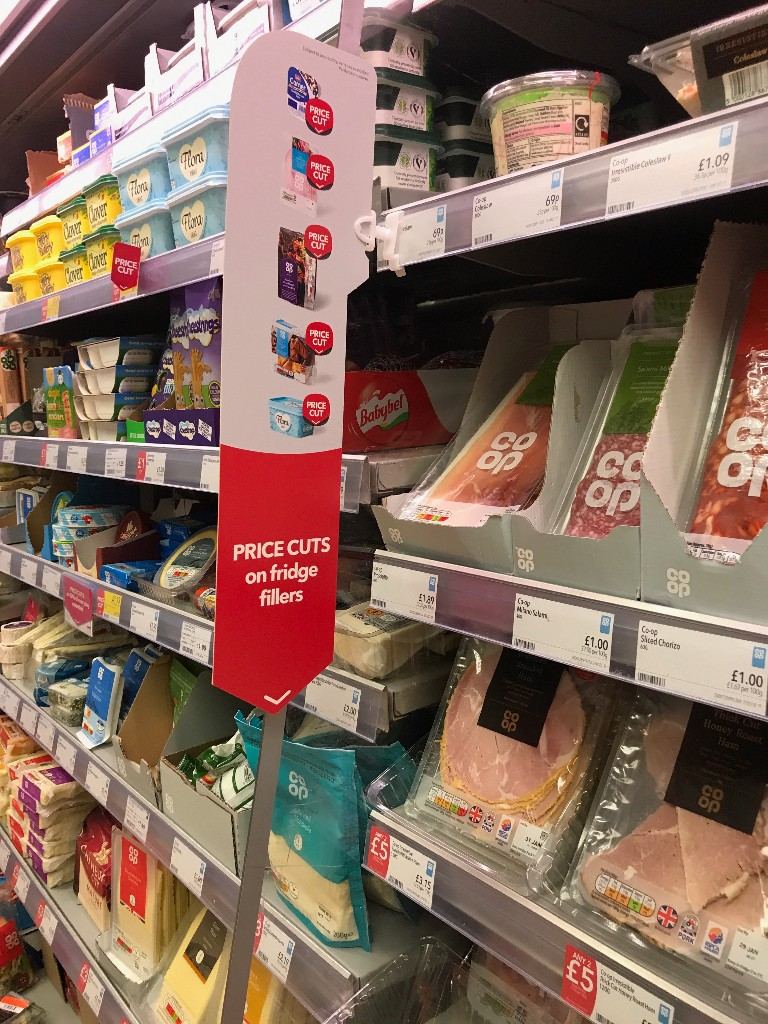
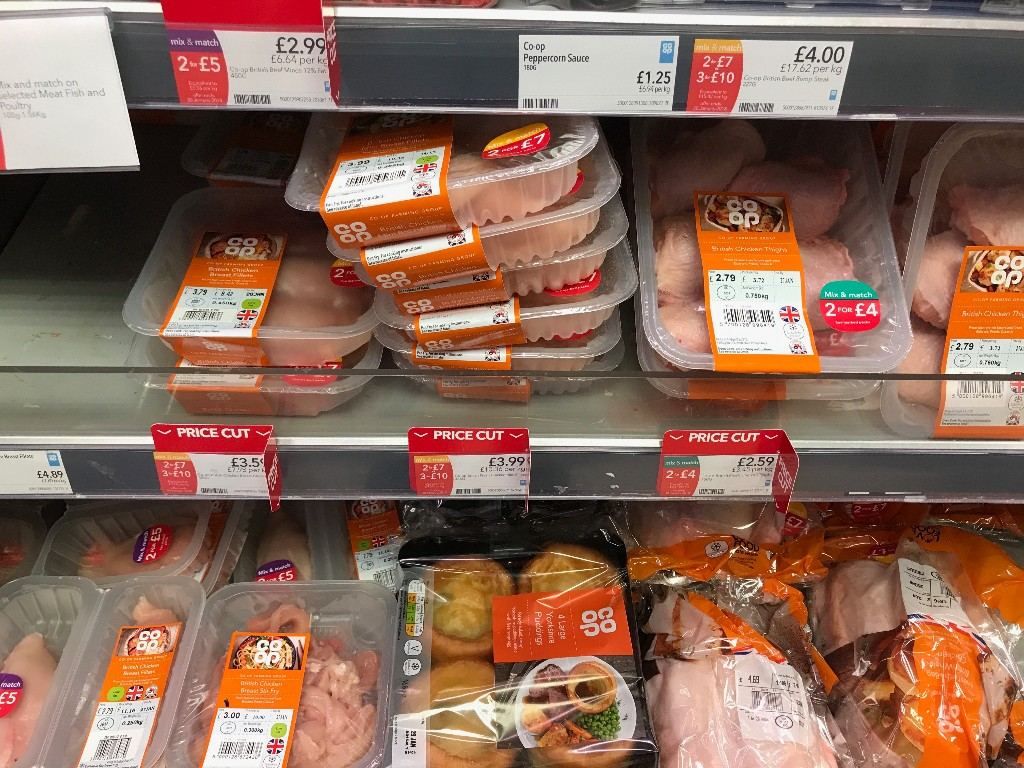
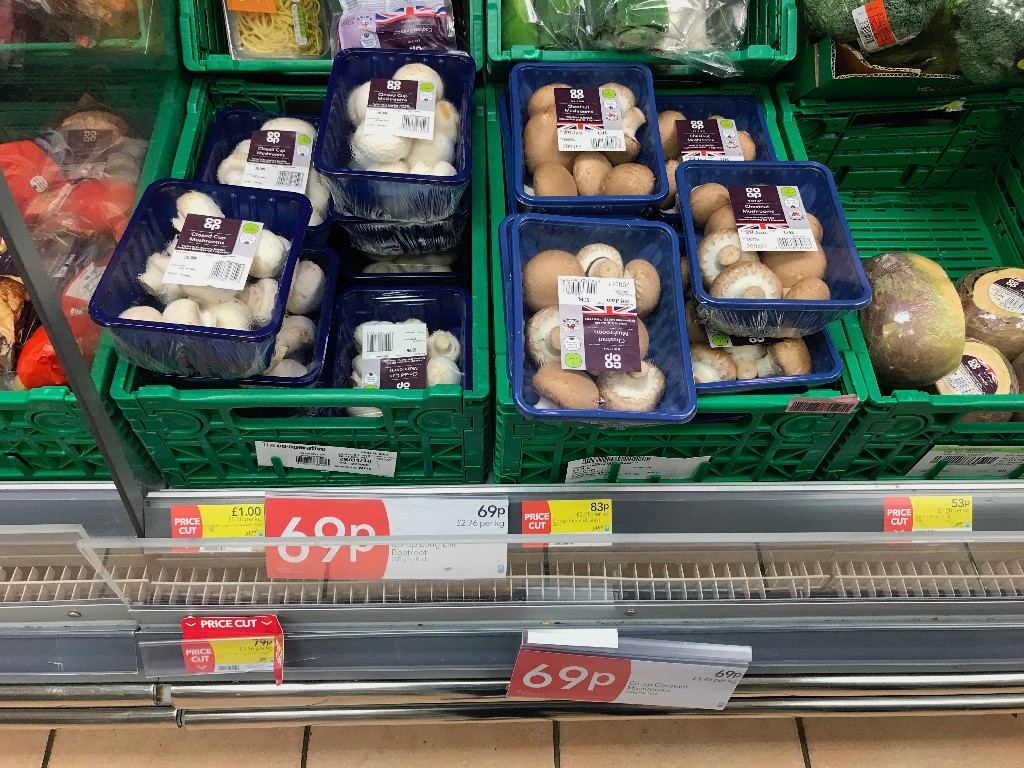
Some of these price cuts are signs of us coming out of inflation with fresh foods benefitting from various drops, especially in areas like Protein and also Produce.
There are also some cuts around the store that aid the customer in terms of their mission based shopping, Pasta for example goes down to 56p which is well within the market parameters at other retailers.
Becomes an option for the evening meal, is there something compelling in Sauces on price/value? Is the Mince a good price? Good quality? It quickly adds up!
There are also price cuts on Bread, which is a key line for customers and it's a big one to get right, especially given the comparable nature of that product across virtually every other store.
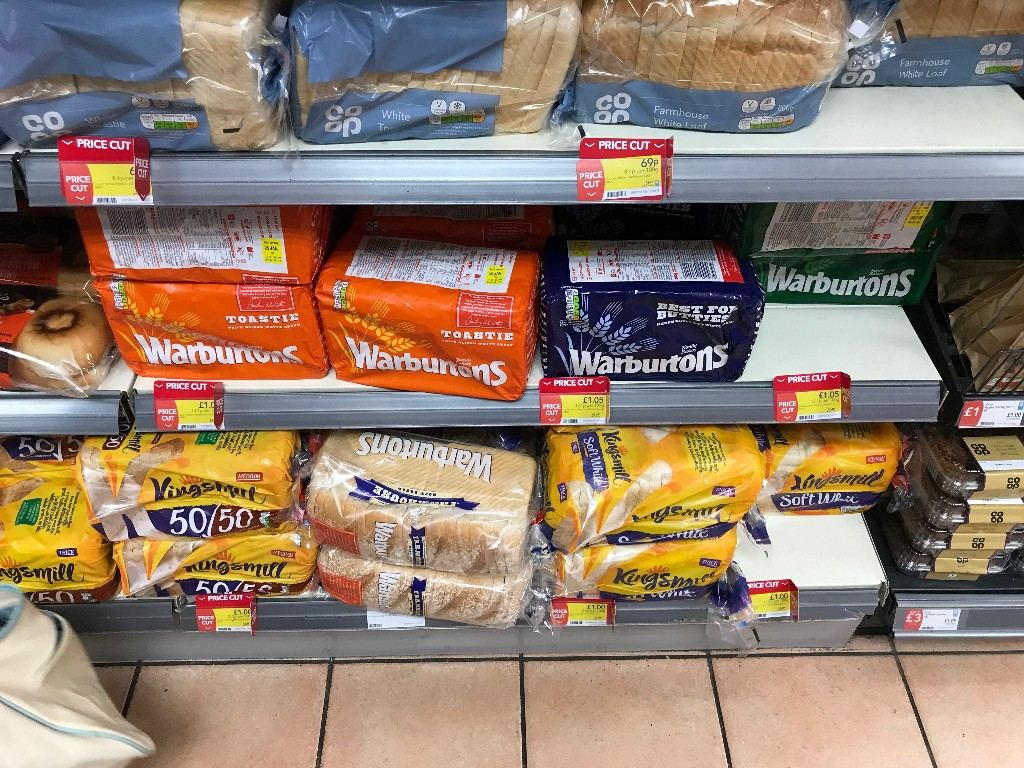
Some brands are featured in these price cuts too, which can confuse when there are overlapping promotions within the category that drive value too.
Do customers pick the deal? Or are they looking at the new price cut lines?
Here the Digestives are dropped to 95p, which is the most popular line and a good price point. The rest of the range remains at the higher unit price and on a deal. My thought would be to either drop them all to 95p, or retain the price point and go for a permanent deal even?
The challenge is that customers don't always want two, or have £2 to spend on Biscuits... Especially within the convenience channel.
Sainsbury's would point to their strategy that eliminates multibuys and therefore this issue, there is some mileage in this. However there are too many complexities and nuances that make cutting all multibuys the 'right' thing to do for the customer I feel.
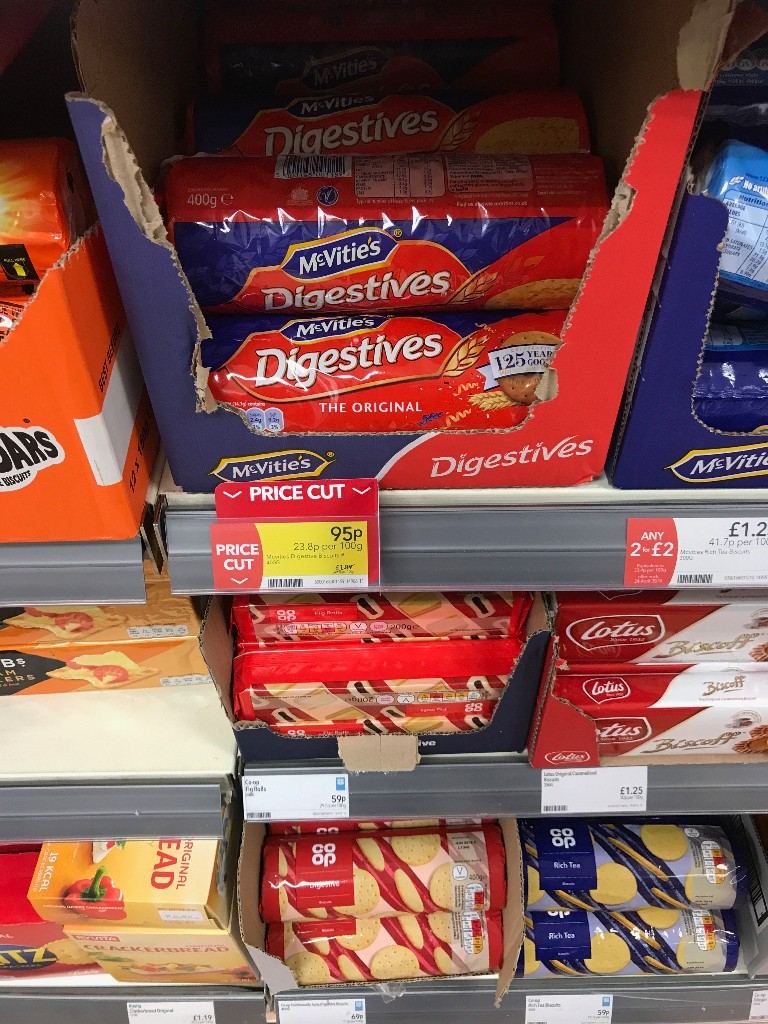
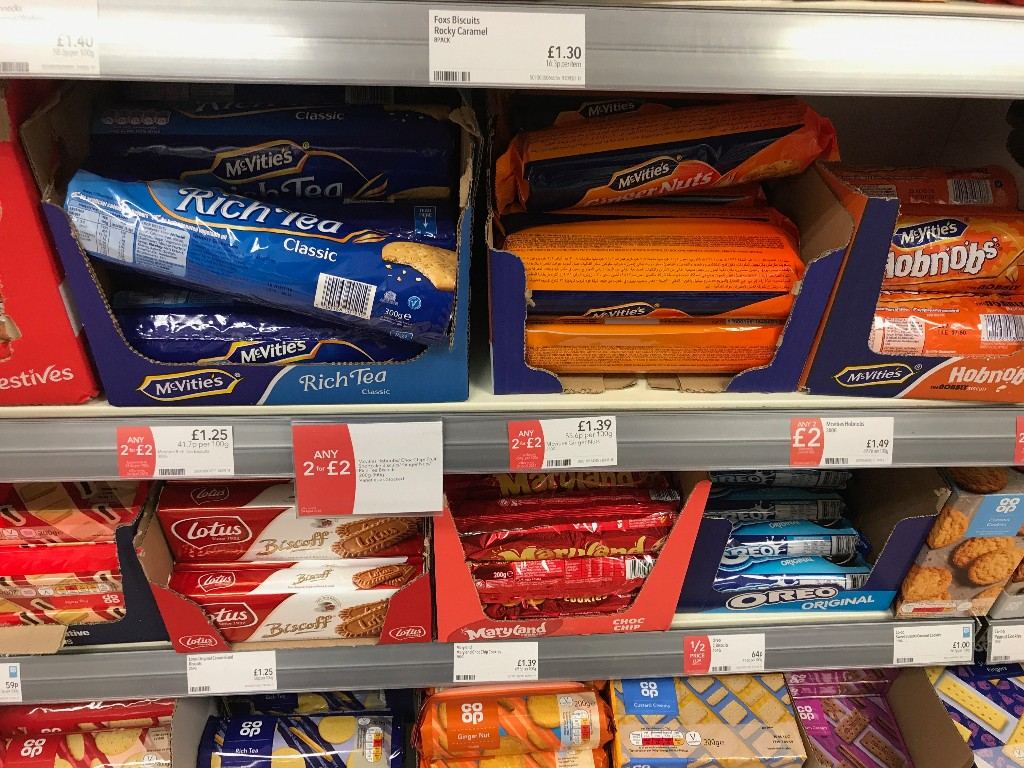
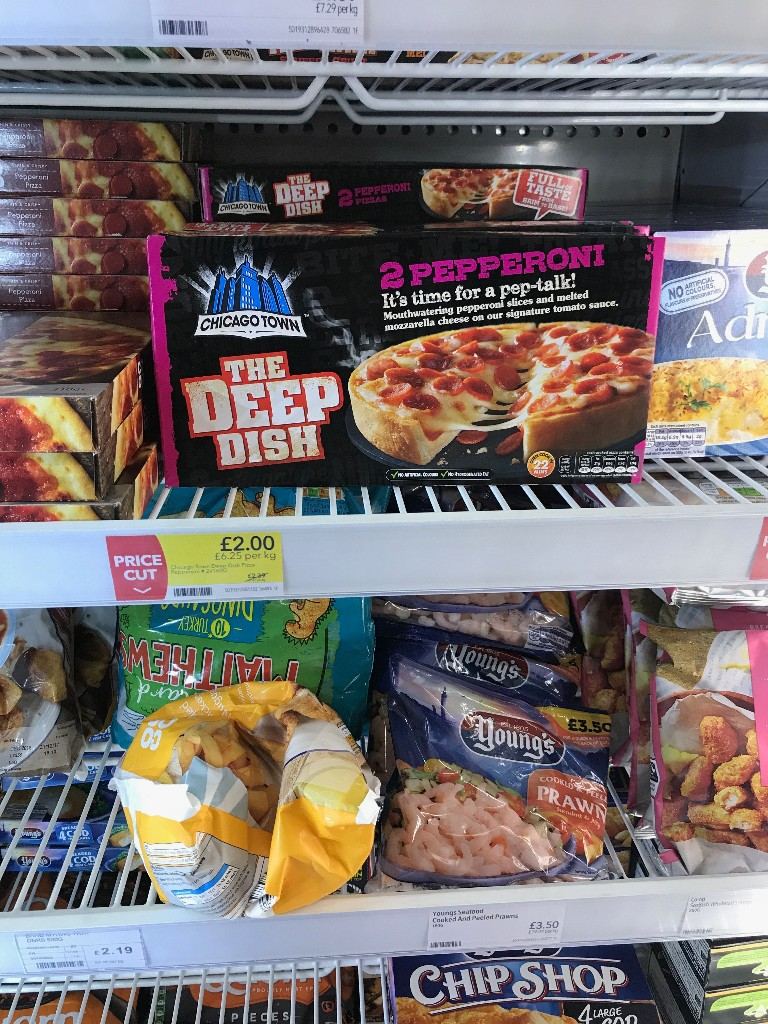
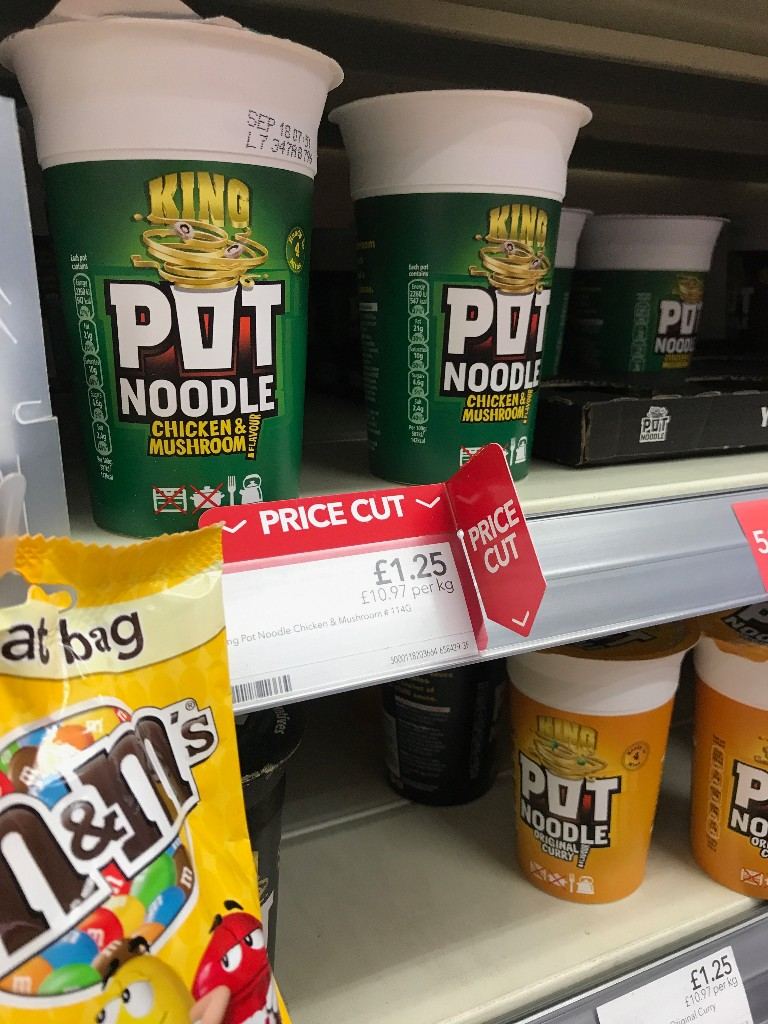
Cuts in other brands around the store were noted too, £2 for the Chicago Town Deep Dish pizza (a classic convenience line and often on deal).
King Pot Noodle another good example.
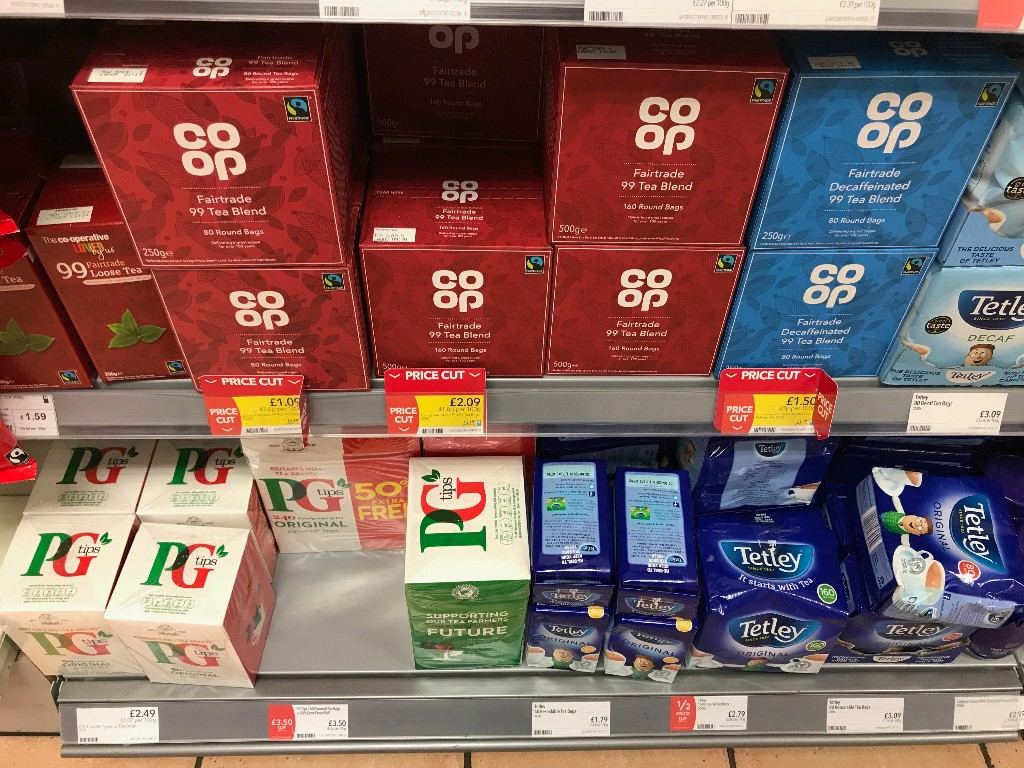
Own label was included in the cuts, but outside that core Fresh area that is own label dominant, where else did cuts fall? Well, own label Tea was one area where the price was reduced.
Tea/Coffee are good examples of where the likes of B&M gain share, as they always have some variant at a low price. Even if it's 'extra free' pack sizes...
There's always a lower price somewhere in those stores, therefore category can suffer from 'hi/lo' pricing and reliance on deals, rather than pushing the lower priced own label.
Pushing own label price cuts in Tea is a good decision, especially as if the Co-Operative Tea is to the customers liking, it's a reason for them to visit the store, as they can't get it elsewhere.... Well, not until Nisa come on to the main stream later this year.
The challenge is then getting the volume up to match the loss in sales value (via that price cut) which relies on great availability for the customer.
But for a price campaign, it's tangible and relatively exciting for the chain who have chugged along nicely, revamping their identity, sharpening stores and improving their quality perceptions too.
Better store operations have a lot to do with this, generally stores are fuller and cleaner than they ever were. This helps the wider perception of the brand, price remains a challenge but this campaign helps as it targets categories that have risen with inflation or indeed, features lines that convenience shoppers want.
A fair amount of road to run on around reducing deals, harmonising ranges and the wider complexity within but that is part of a longer term play in any case. Rome wasn't built in a day.
Customers will appreciate the cuts, stand out ones in areas like Pasta were notable, alongside Meat, Produce and areas of Ambient.
It's never just about what price the Milk is........
Did you enjoy this email? Sign up for a free trial
Seasonal reports are available, email for a sample
From the Grocery Insight newsletter archive, first sent to subscribers on 7 February 2018. Steve now writes at read.groceryinsight.com. See also the blog archive and briefings.