Waitrose - where from here?
14 March 2018

It was a tough year for Waitrose when looking at their financial results and one that you look at and think they're heading in to a turnaround despite having never really been a basket case in the same way that Asda / Morrisons were, or others have been in the past.
Indeed had the John Lewis bonus remained at a decent level of near 10% then we perhaps wouldn't have heard as much about the woes at Waitrose.
Profits were hit by price investment, not passing inflation on to customers on key lines, restructuring and a write down on stores that are trading poorly or impaired versus the book value. Recently, this has been down to discounters opening nearby which can hurt many retailers as volume disappears down the road to Aldi or Lidl.
Which is probably partly true here too, given that discounters are really pushing on with premium and also, crucially, targeting those more affluent neighbourhoods to open up in. Which then directly impacts Waitrose who trend above the marketplace and discounters are significantly cheaper.... As we know.
However increased business rates and increasing staff costs mean that store economics are changing all the time, which saw 6 stores close in the year too. But writing down stores; where margins trade lower is difficult for Waitrose to recover as their business is intrinsically not one that is centric towards price.
There has been a drip feed of charges and cuts with Waitrose restructuring again and credit to them for this, given the partnership based model being more difficult to force through restructures... However further charges on sites not being developed and £42m the year before on sites they were no longer building weighs heavy too.
It's curious timing as this 'heavy lifting' has been done by the likes of Morrisons, Tesco and Sainsbury's a number of years previously. So Waitrose whilst coming around to property write downs have also hit worsening economic headwinds, rising staff costs and business rates too, why did it take so long?
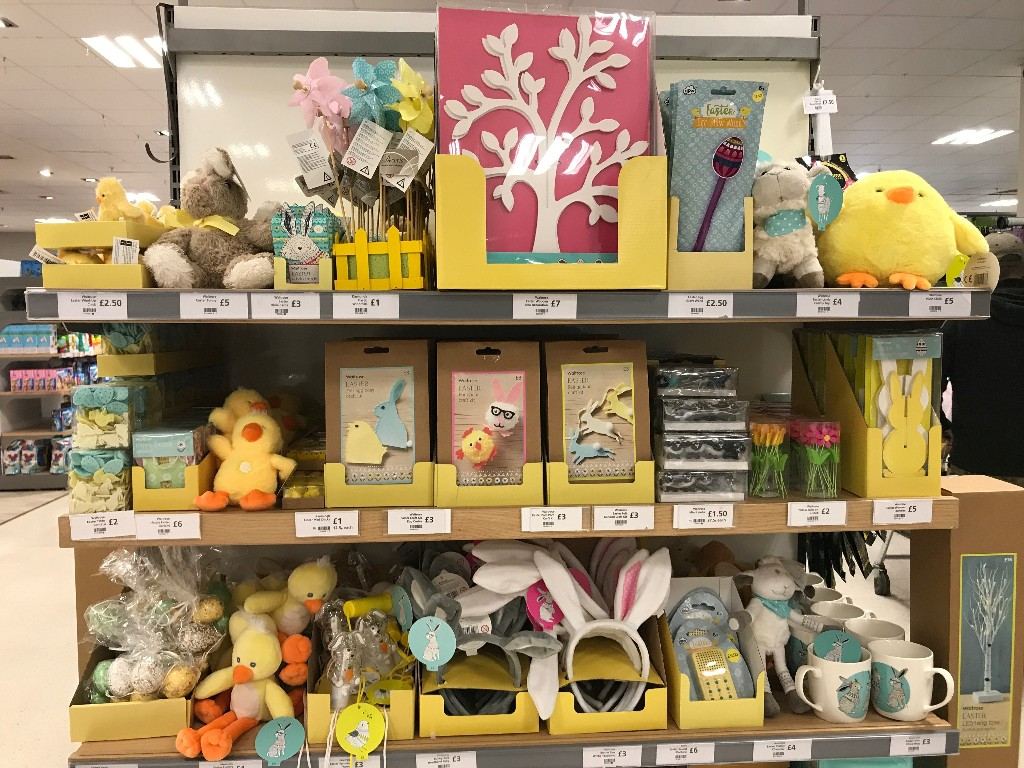
Anyway; they are where they are and taking steps to recover the business for the future.
A major component of the Waitrose profits slump was the investment in gross margin both in price (Essential Waitrose investment totalled £17m) and also in mitigating Brexit impact, with Butter flagged as one that had swung enormously where the retail price hadn't moved.
Intriguing that some of the non food lines weren't shown as the impact here would dramatic one would think. Butter, as a commodity was one that swung massively in the recession and became a bellwether product for price on its own.
Never easy as Waitrose, a high end grocer to be mainstream and compete on price across the core basket, but this is what they have to do. The challenge is that Butter, whilst rising in price was in fact coming out of record lows in any case (price was as low as 82p pre Brexit)...
So those commodities (and Salmon, with the issues around lice and supply) aside, £17m sunk in to Essential was a gamble to lower prices but has it paid off?
It's not entirely clear, given that Waitrose were talking about a longer term game and one that hasn't yet really seen the volumes pick up dramatically. They have picked up, of course they have but it's not clear whether this is as good as what was expected.
The problem with price cuts on Essential was that it landed in September which is a decent time for the calendar, but overlapped with Waitrose's own half price event on brands - meaning that initial impact was lost.
Then a challenge around how long you leave the messaging up in stores for becomes apparent, as missing the initial impact as a 'better' promotional cycle was running then running in to October (Halloween) and November (very much a time for considering Christmas and extravagance) means that the message didn't impact as effectively as I felt it would.
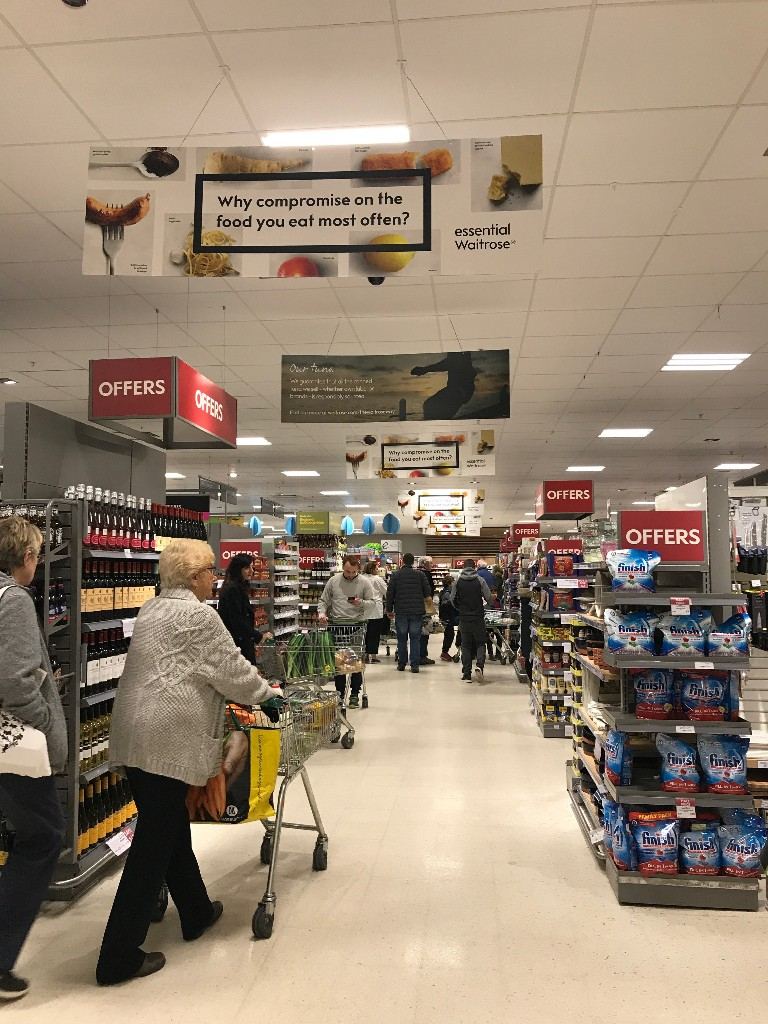
Big mentions of the Essential message over the weekend with the central aisle featuring numerous mentions of the 'why compromise' message.
However it doesn't relate to lower prices specifically and one could argue that if you went from buying premium tier 'One' products to the Essential range, with this strapline, you were compromising....?
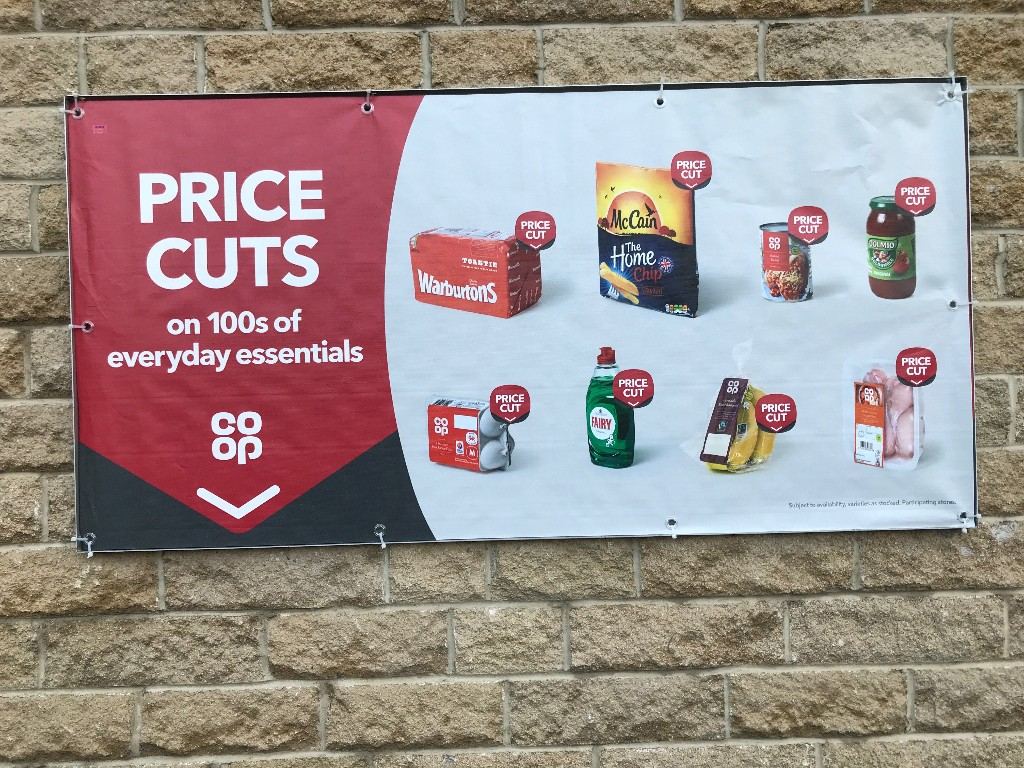
Whereas the Co-Op price cuts campaign recently was far more impactful, with branded products alongside own label brought down on an EDLP basis.
In an upcoming newsletter (alongside M&S Food, Home and Clothing and everything else planned in!) we'll review the prices of Essential versus the market. Have they remained the same? What about that versus the rest of the market?
Plus discounters, who of course are cheaper (although the gap is narrowing) versus the big four, let alone Waitrose and M&S.
Essential when it landed under Mark Price worked brilliantly as it filled numerous range gaps in ambient, was an entirely new tier that either saw products change to 'Essential' or introduced as a brand new product.
This meant that customers could experience Waitrose and find various lines at the vast mid tier appearance, sub brand and price for the first time. Therefore making this change worthwhile as it opened the chain to the masses.
Sure some 'outraged of Berkshire' were disgusted in areas like Canned Veg where they had to be seen to 'slum' it and buy tinned Carrots like the other folk were, but broadly it worked well.
However it's a lever that can be only pulled once in reality, you can not then launch another range each time you need to sharpen value credentials for customers.
Therefore it was harder for Waitrose this time to be stronger on price, so they cut prices across this range but it didn't have the impact I felt versus the rest of the noise in the market.
Sometimes, such price cuts can only serve to highlight the higher price the customer had been paying. It's never easy as Waitrose to talk about price as it's a battle they'll never win versus the likes of Sainsbury's, let alone Aldi and Lidl who are in the mainstream, in the affluent areas and really pushing premium lines at lower prices too.
If you add inflation in to the mix, wages not rising with inflation, rising fuel costs and the fact that some customers will be earning just above the rate for child benefit to be cut (for example) then it's all adding to disposable income being rapidly reduced.
Despite some people's apparent wealth/affluence, they too have to make choices around where they save money. Sure they may live in a nicer house, better area, drive a nicer car but are ultimately exposed to the same economic challenges that everyone else is.
The only thing that changes is the decision tree (IE ditch Waitrose and go try Morrisons, or Aldi) and numbers change (Decision to save money for a holiday this year, rather than we've not enough for food, energy and the car this week).
This in particular presents a problem for Waitrose.
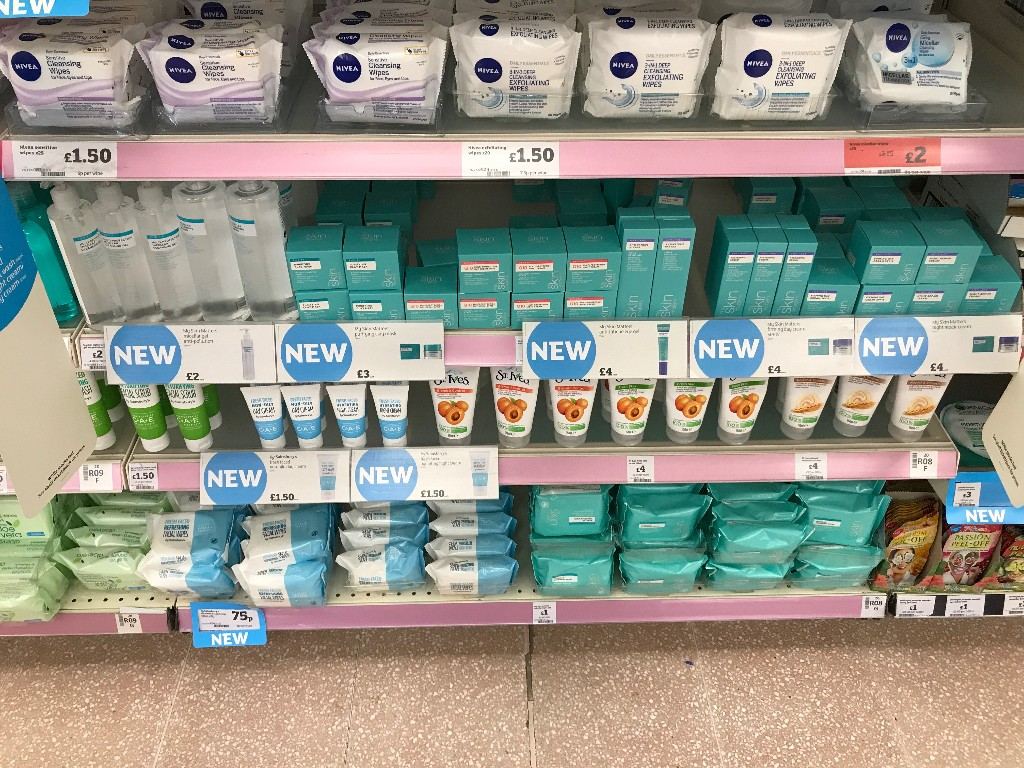
Sainsbury's have really blazed their own trail with their exclusive sub brands in areas like Health/Beauty. A territory that Waitrose don't do too badly in, but should be owning in reality.
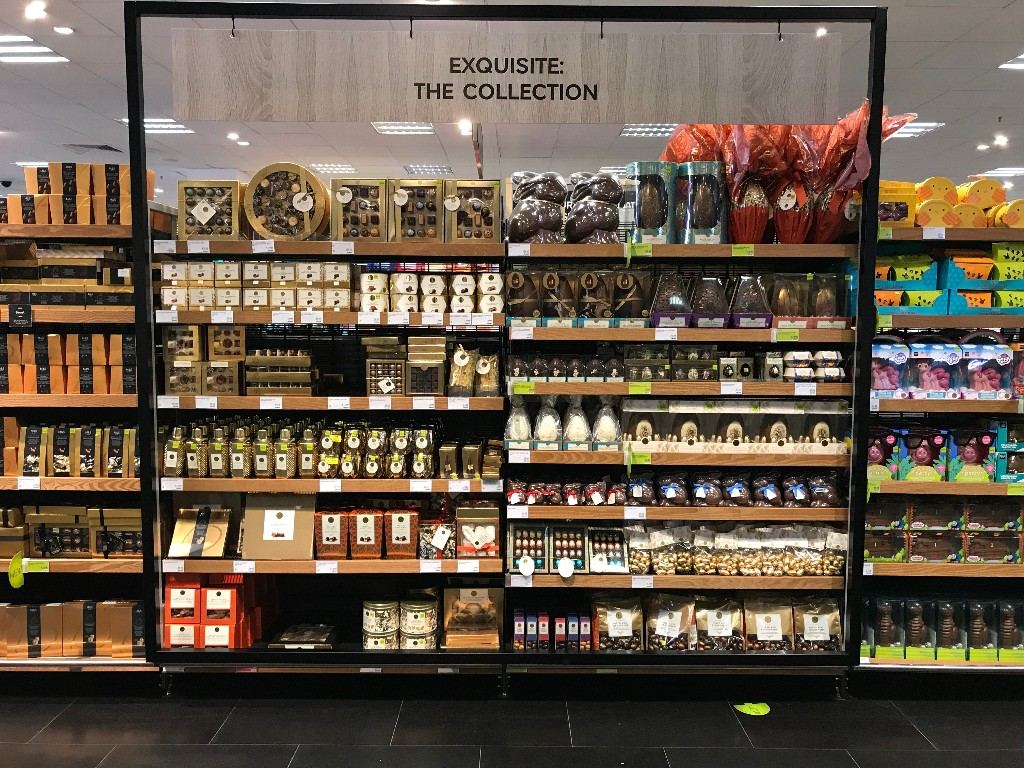
Some work has been done on ranging and new lines, however despite progress versus their former disparate and hard to understand hierarchy. The pace still feels slow and they're not at the forefront of 'new' in the same way that M&S are.
Sainsbury's (often critiqued on this service) are really stepping on the gas in the mainstream around health, veggie alternatives for common lines and have capitalised on Slow Cook as a trend and grown sales very well here too.
Waitrose can look at M&S and compete, they're the benchmark for all taste tests and ranges. Sure, that's great. However the mainstream market, Sainsbury's particularly are showing how it should be done and leading the way in many areas.
Why are Waitrose not hammering home their advantage (customer base of foodies / affluent areas etc) on Butternut Squash lasagne sheets and the like?
Innovation is sorely needed to be called out too, Tesco for example with Wicked Kitchen, their new Vegan range are another retailer to really progress their offer and represent true innovation to get customers through the doors.
More is needed from Waitrose around own brand to make it compelling, as they can't buy Waitrose branded products anywhere else.
Apart from Ocado, but you get the picture......
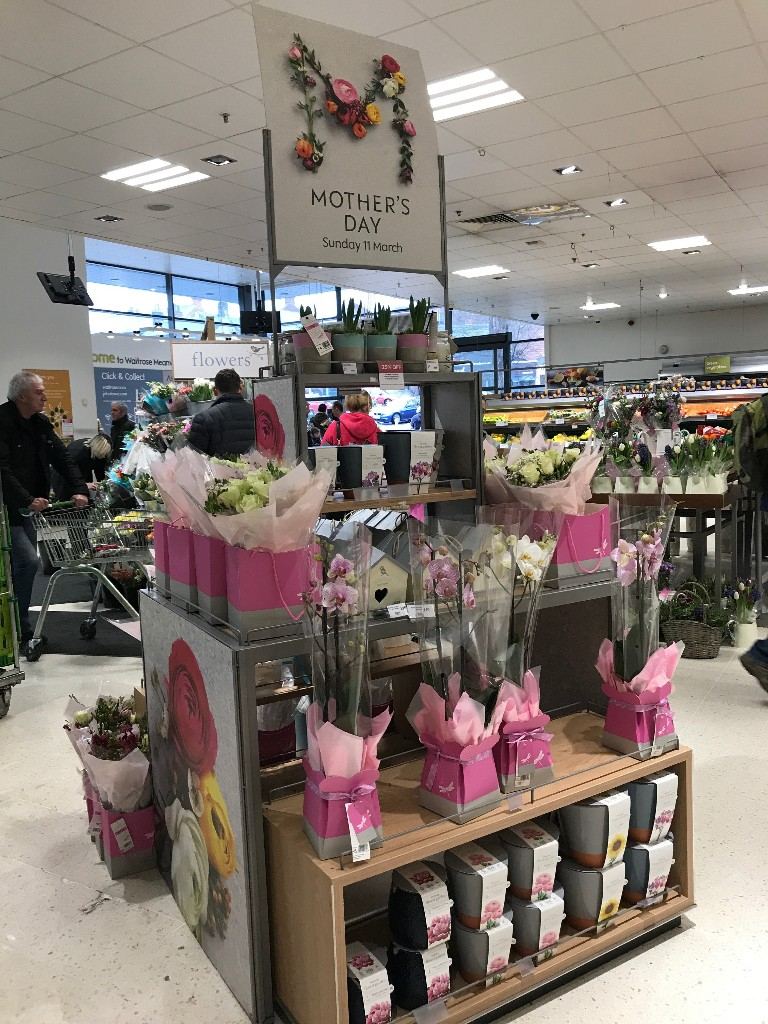
Mother's Day looked good in Waitrose I felt, strong offer for the event.
However if we turn to look at the Waitrose offer, as we always like to on this service. Look under the 'rocks' so to speak as any retailer should do.....
Considering the retailer's own role in the situation they find themselves in, it's always amazing to see just how they are presenting themselves to customers.
Plus any challenges identified internally can be remedied far quicker than dreaming up a strategy to take on the might of Aldi.
The economy, competitors and customers are always constant, they will always be around and having to be dealt with. It's how you respond to those challenges, whilst maintaining, or growing sales, remaining true to values and being different....
Perhaps most importantly, ensuring profits are growing too.
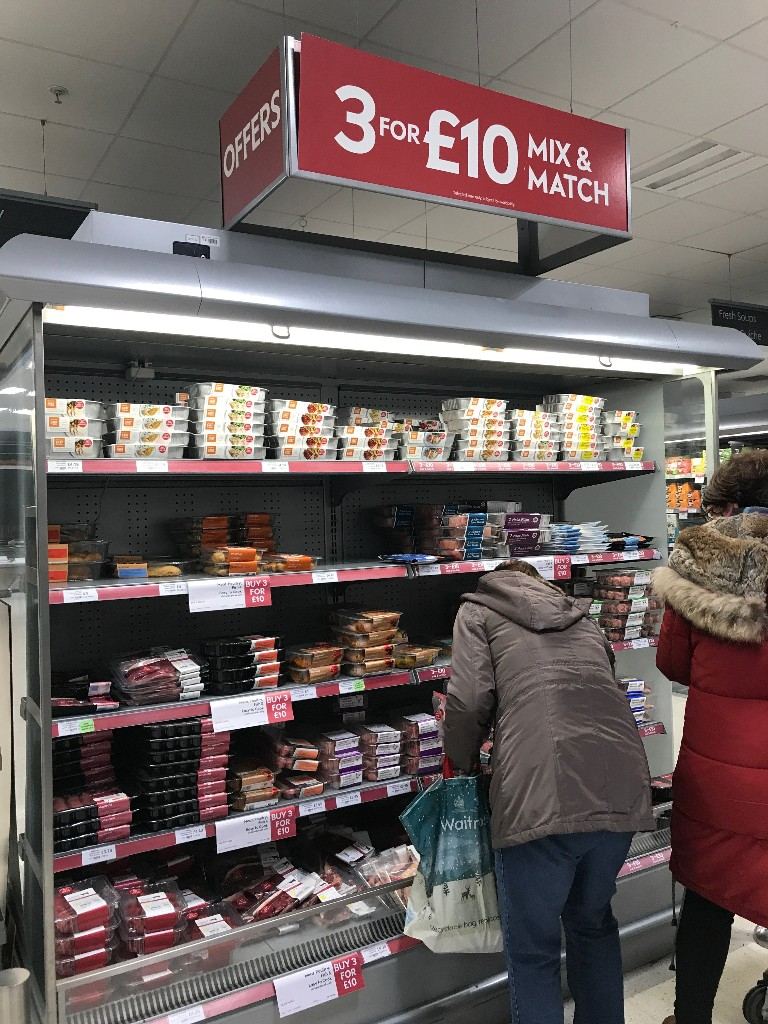
Is 3 for £10 still a valid mechanic in the marketplace? £10 can be an expensive promotion but retailers can be reluctant to let it go given the great revenue it can generate.
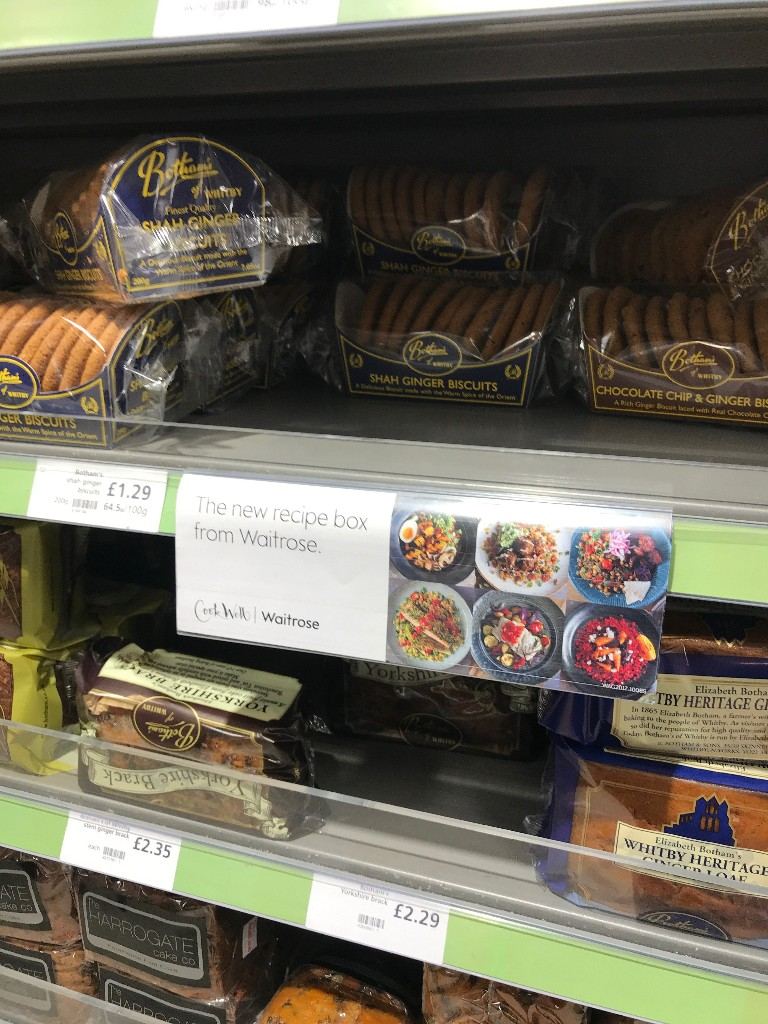
Whilst critical of Sainsbury's abandoning their multibuys in the mainstream, you can understand their reasoning and it joins together as a strategy for them at the very least....
If anything, with the current state of play in the economy and indeed wider value proposition, you could argue that M&S need to go this way due to their 'expensive' promotions like 3 for £7 on meals as an example.
Waitrose are another retailer who need to review their promotional strategy and it's arguably the biggest barrier preventing them improving their value proposition.
Perhaps it's ironic that as they launched this raft of price cuts across Essential, they were running a half price event on brands that nullified the impact of the campaign massively.
Beyond that, to call out prices you have to then bear in mind what others are charging in the market, as highlighting a cut of 20p but still 40p more than the wider market doesn't stack up...
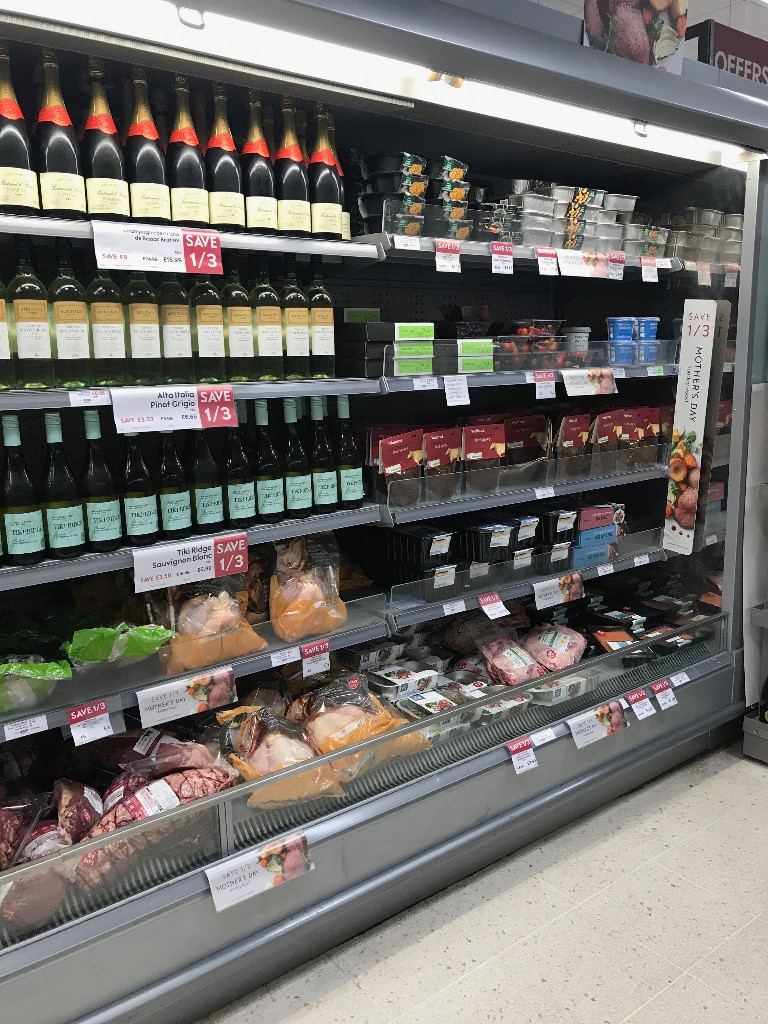
Save 1/3 on Mother's Day wasn't a bad promotion on the joints and some good merchandising to aid sales. The wider event from Waitrose wasn't too bad either, it worked well in store.
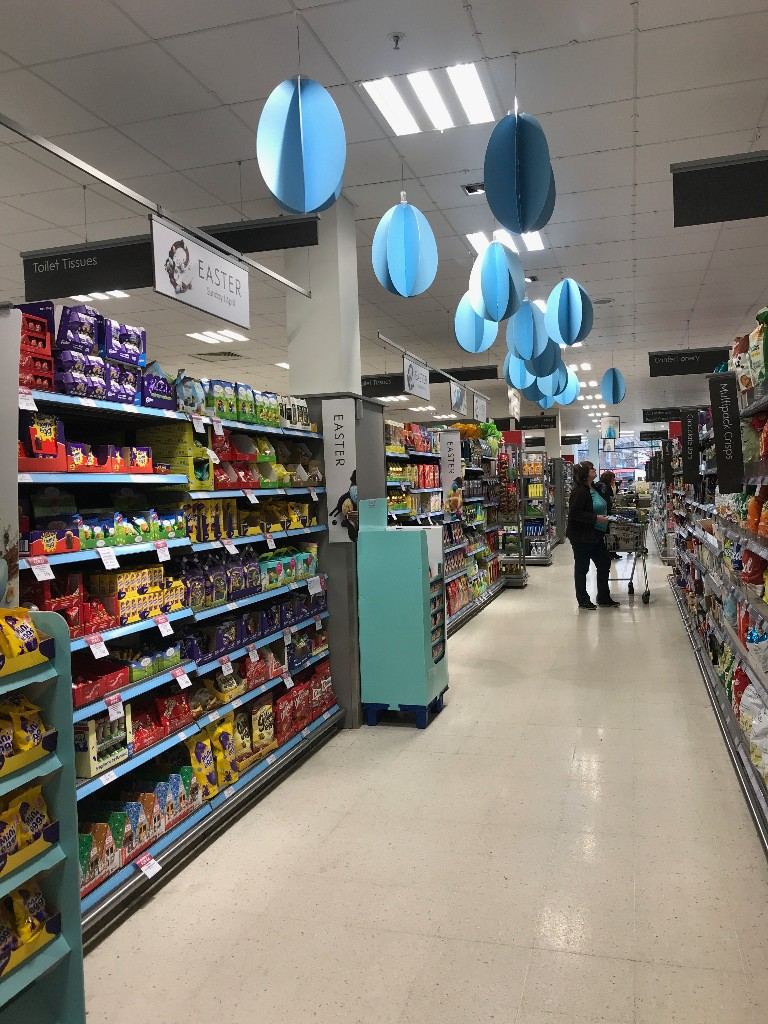
Unsure if these are supposed to be Eggs hanging in the aisle?
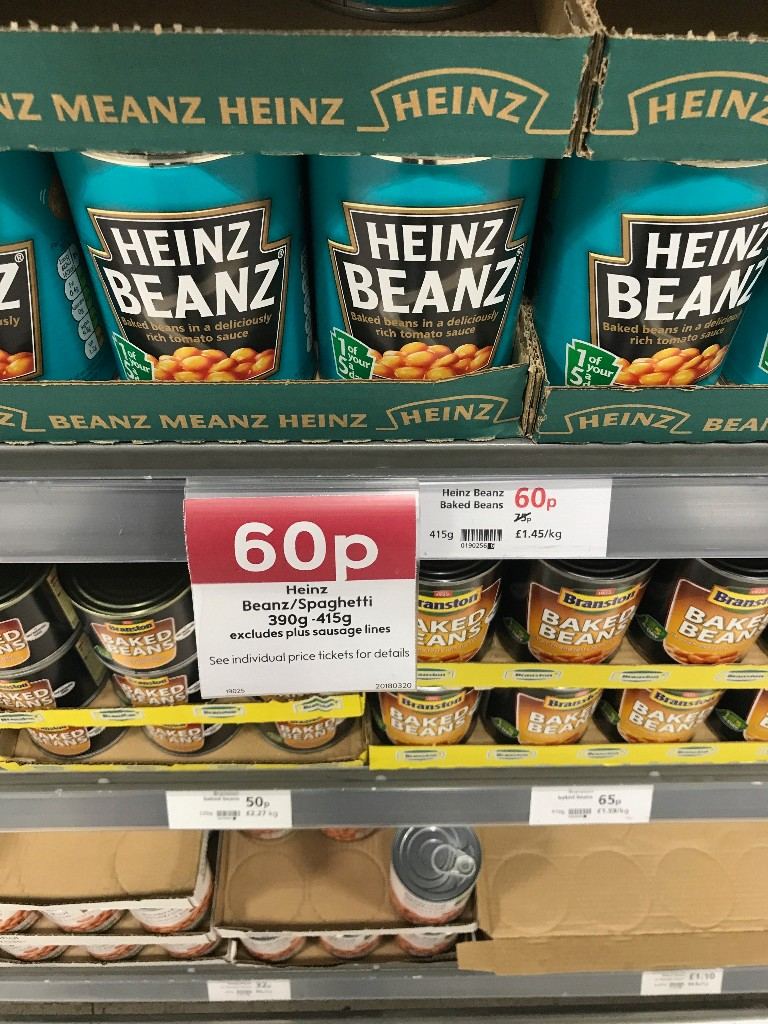
A decent deal in store here on Heinz, within the category, the customer will see this deal on the larger tins of Spaghetti and Beans and be relatively impressed...
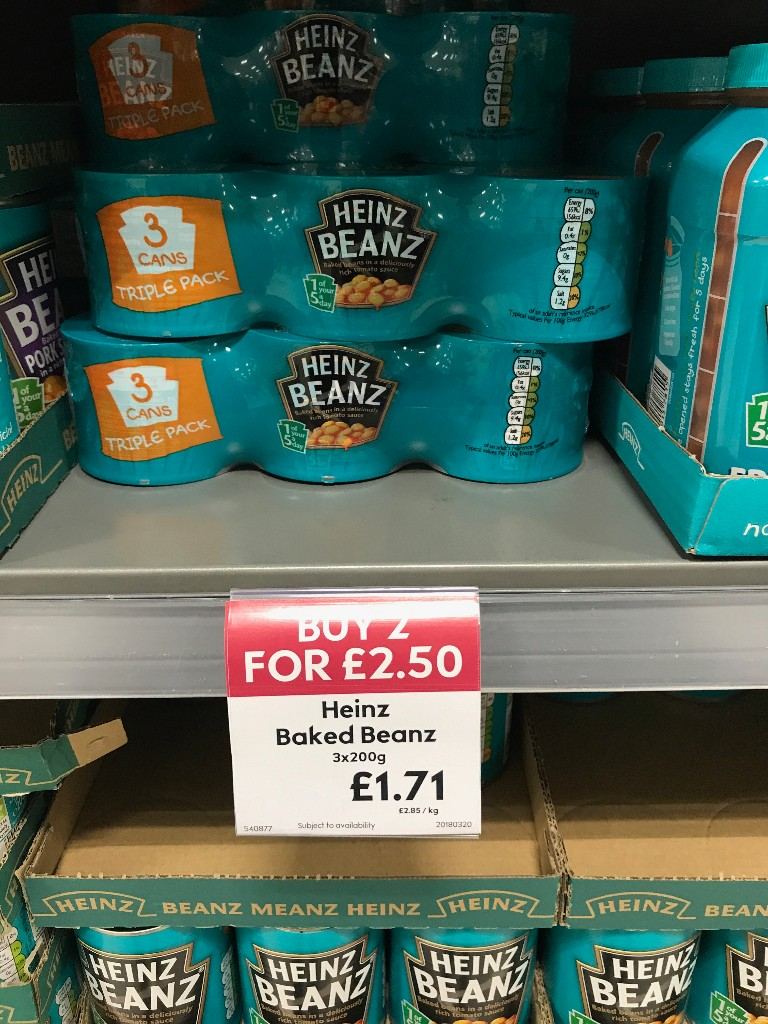
However the 3x200g (smaller tins) packs are on offer too, 2 for £2.50. Why? It's not even a price cut to confuse, it's a deal that isn't too bad but requires 2 to be purchased.
It weakens the value proposition as you then have to work out if the 60p for 415g (15p saving) is better than getting 6 smaller cans for £2.50.
60p for 1x 415g can or 600g (3 smaller cans) at £1.71.....
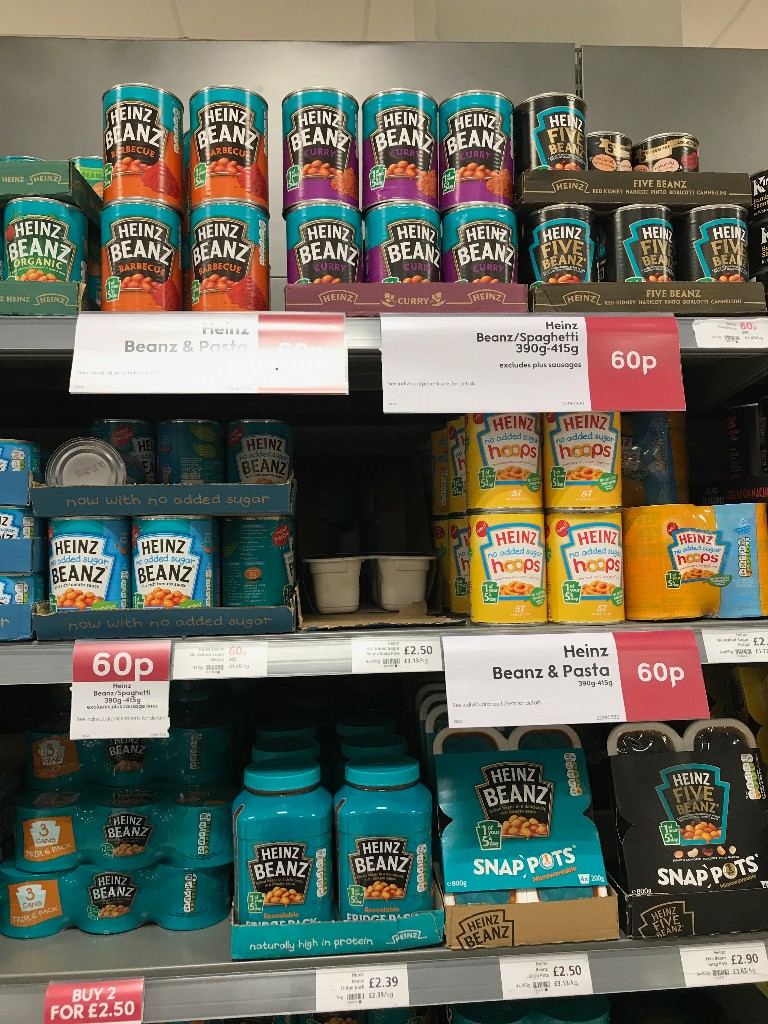
I believe when you walk around a Waitrose store, customers are bewildered by the plethora of deals which make it near impossible to work out where the value is.
Therefore whatever price campaign is active in Waitrose, the level of deals on shelf actively harms the value proposition. Customers can be left looking at two deals, on the same brand of product albeit different sizes and then getting their calculator out.
Why run so many promotions? It's a hard drug to get off commercially but also there then becomes a misconception that deals are needed to continue to push the sales line but with the level of deals increasing, the customer can not see through the fog.
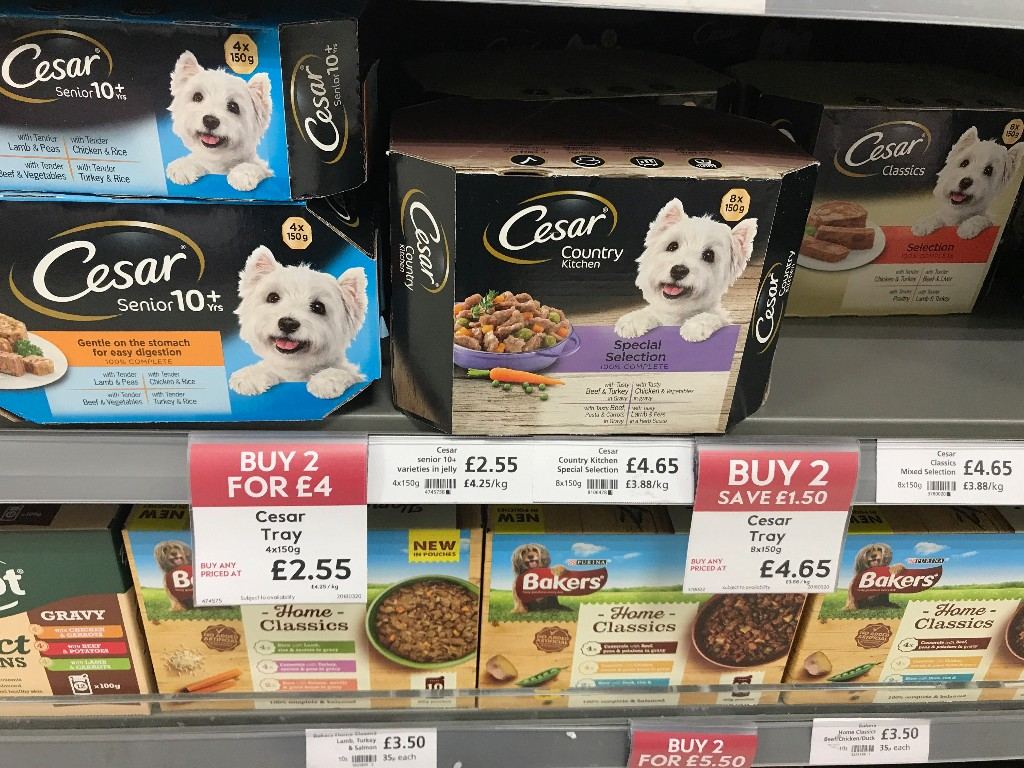
It is as though some of these deals are done to test mathematically, different sizes and products mean prices do differ.
By why mix the currency of the deal on products that are adjacent? It's 2 for £4 for the 4pk product, but then buy 2, Save £1.50 for the larger 8pk.
When in reality it should be 2 for £7.80. Or work harder and put it at 2 for £7.50.... Why confuse the customer?
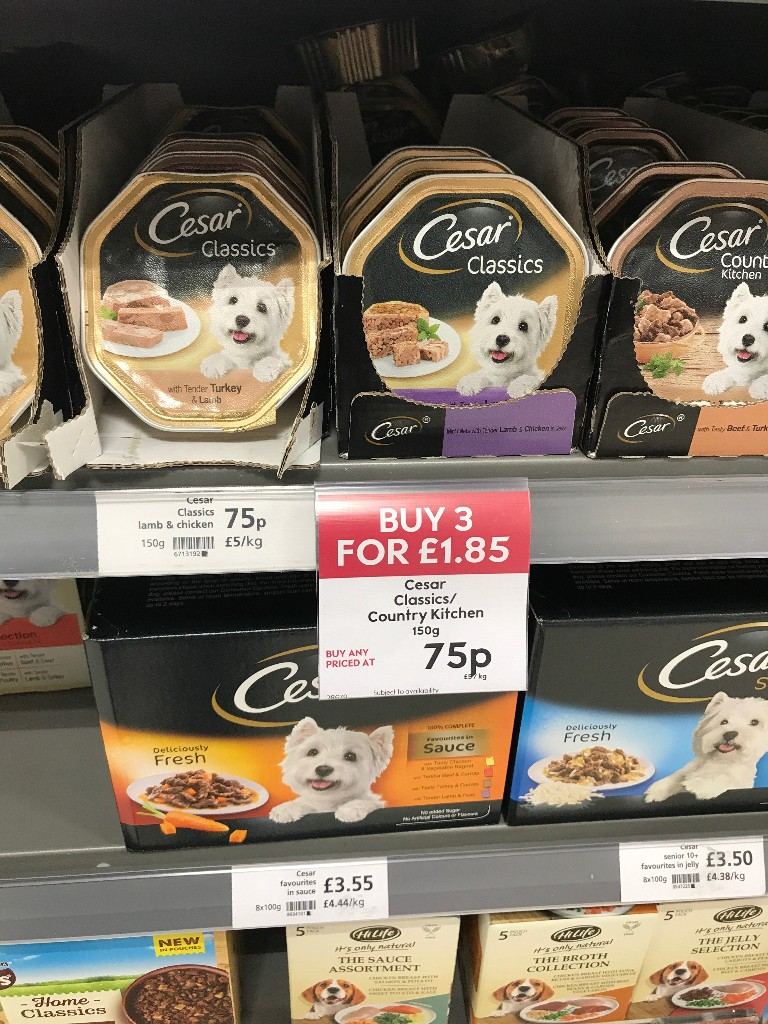
Not content with the multipack confusion, there is also a deal on the single trays at 3 for £1.85. The 2 for £4 on the 4pk is better value, but 3 for £1.85 is a good price if you wanted to mix/match products.
Again though, it shows how a non savvy shopper would be bamboozled at the shelf edge and potentially walk away as the 'best' deal is not clear enough.
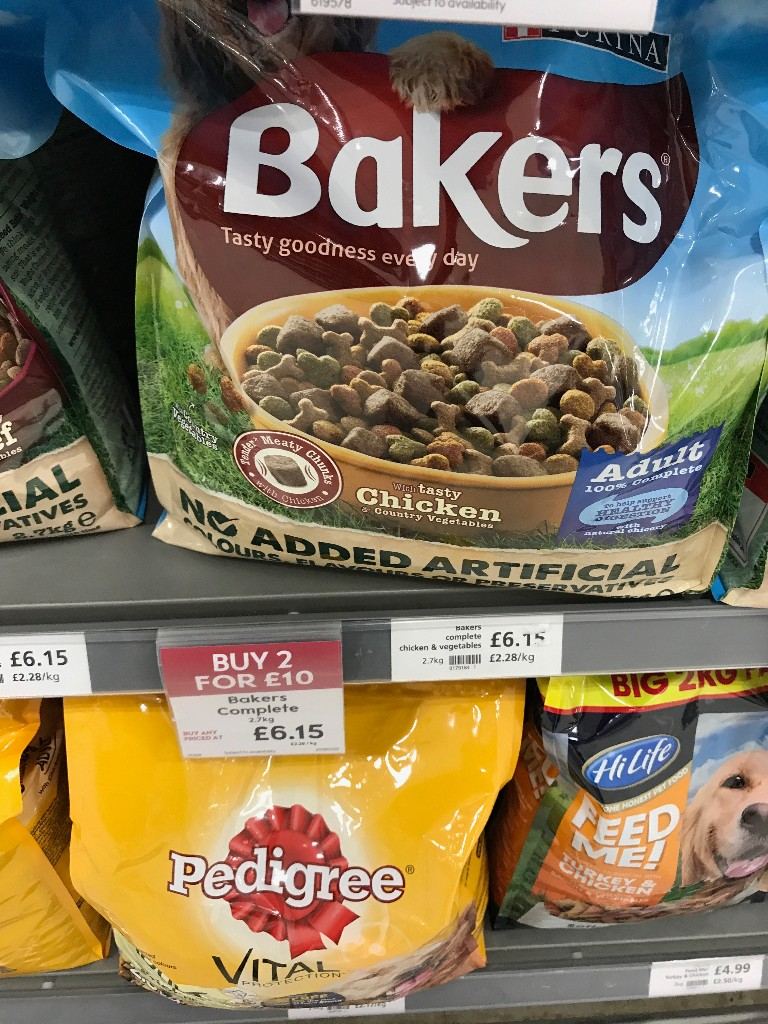
In terms of being 'expensive' and being focused on price, a 2 for £10 deal on the large sacks of Bakers Complete is a good example of this.
Why not invest in a lower price - £5? The problem with a 2 for deal is that it can be hard to keep on sale (given the lack of shelf space for large sacks).
Plus whilst Waitrose customers are affluent, not everyone is, not everyone has, or indeed wants to spend £10 on dog food plus getting it home is a logistical challenge for anyone without a car.
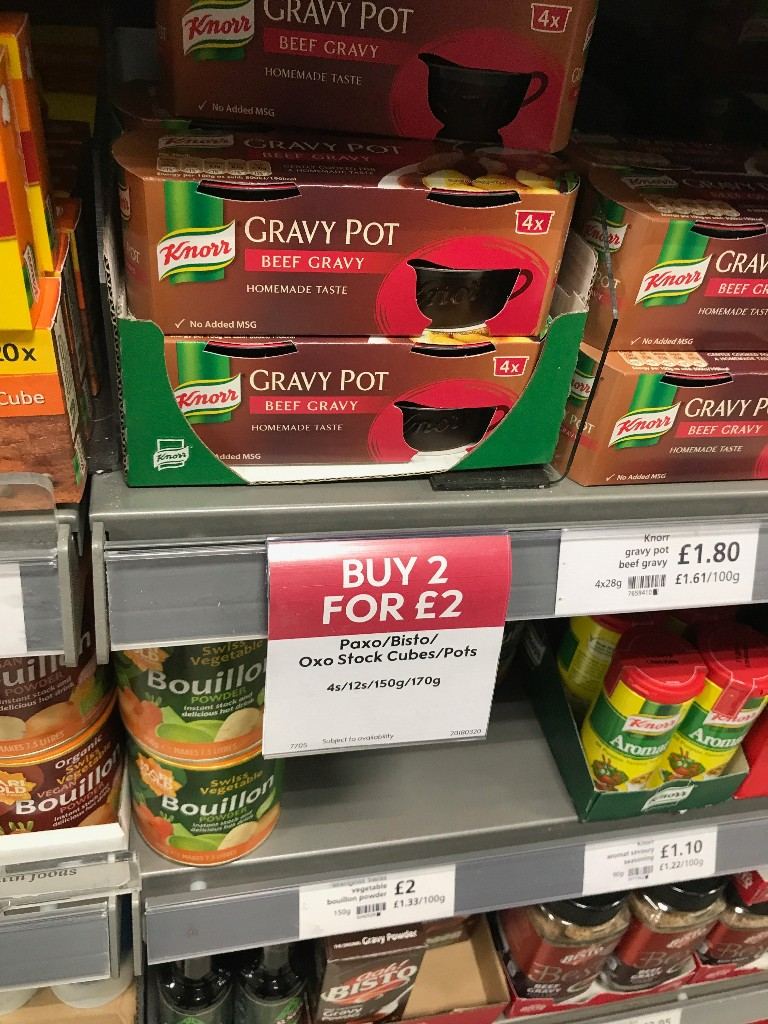
Systems are improving at Waitrose and a new system release will aid availability, running numerous deals is hard work for any ordering system, given run down levels as a promotion ends.
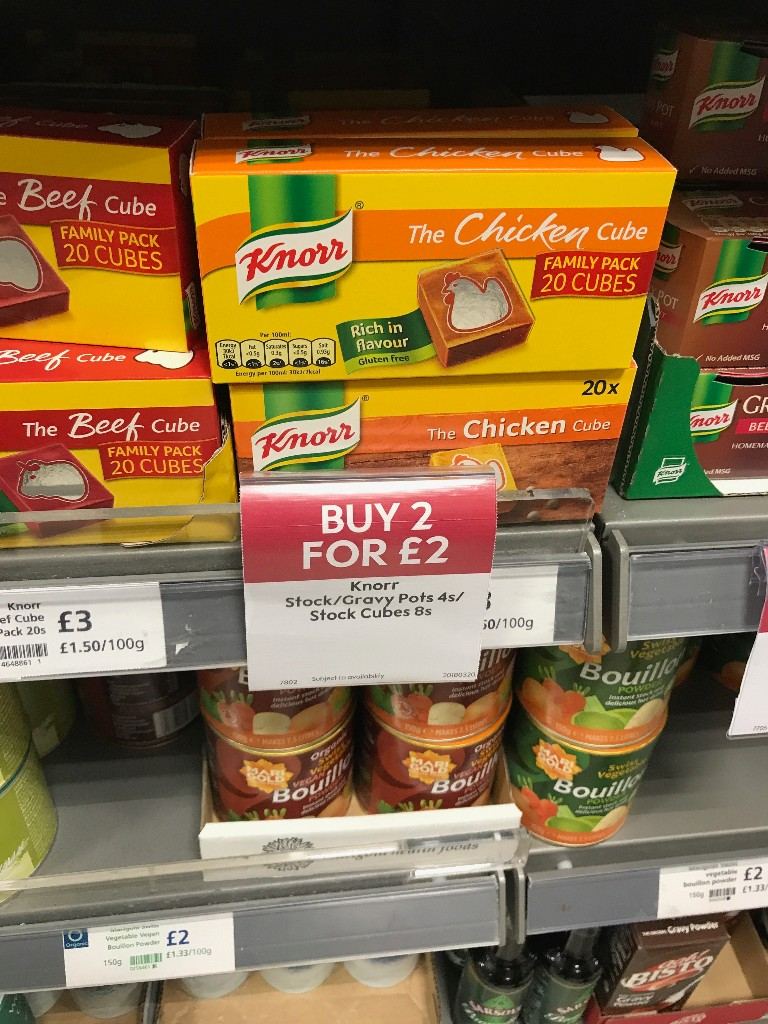
The communication of complex deals across a number of products like Stock Cubes is challenging too.
2 for £2 deals like this benefit from having a number of products eligible for the offer, however the signage doesn't show that Knorr and Bisto/Paxo are on the same deal.
Sure a sign is placed in front of the Knorr, reading Bisto/Paxo (which will confuse customers anyway) but these deals need to be all encompassing in their approach to make it clear around 'mix/match'.
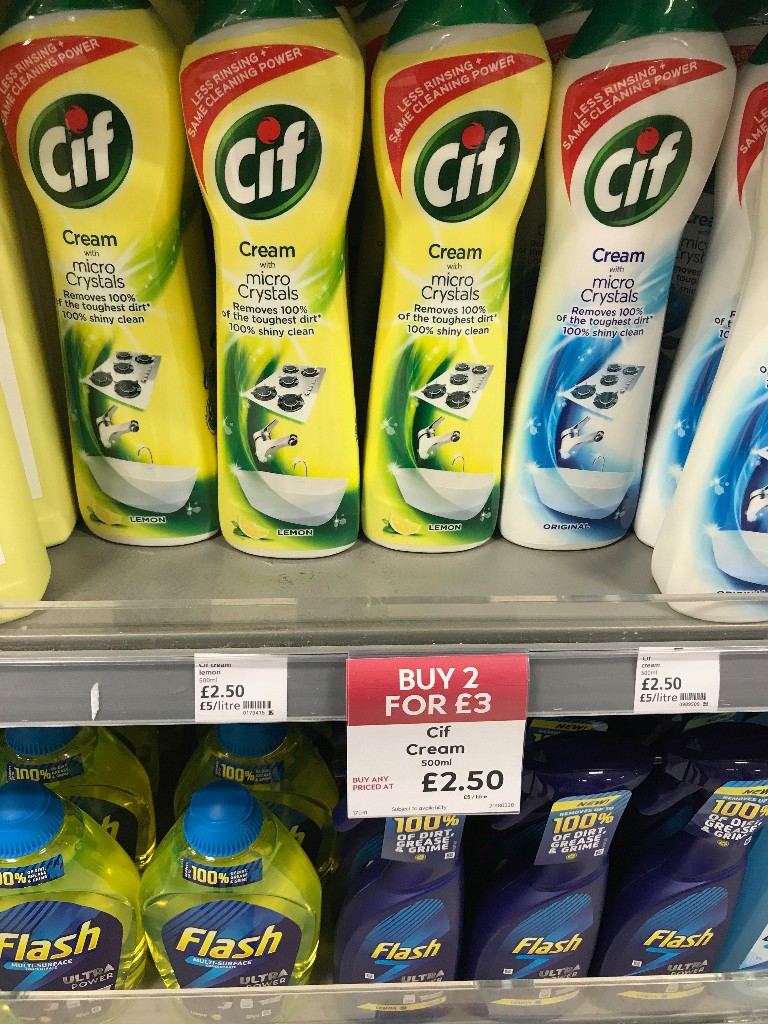
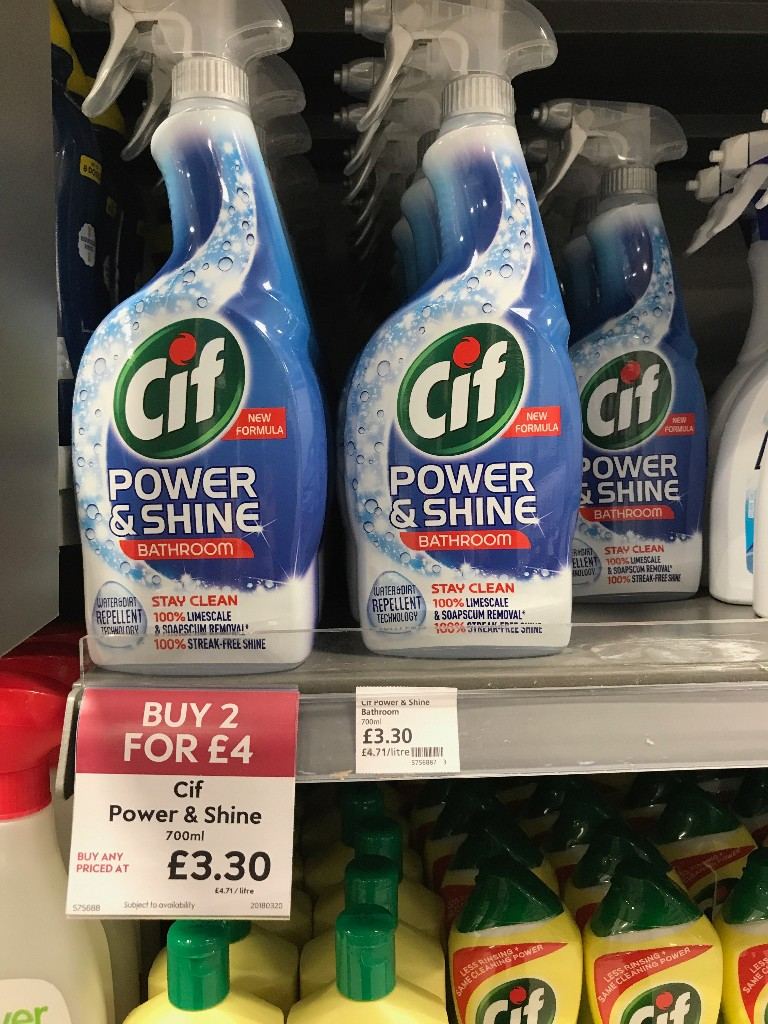
Another example of a deal that should be mix and match, Cif £3.30 and also at £2.50 but on 2 for £3 / £2 for £4 respectively. Putting these on one deal that over arched the Cif range would improve the overall value perception.
Otherwise customers are having to buy 4 products for £7 to benefit from the deals. Means it becomes expensive.
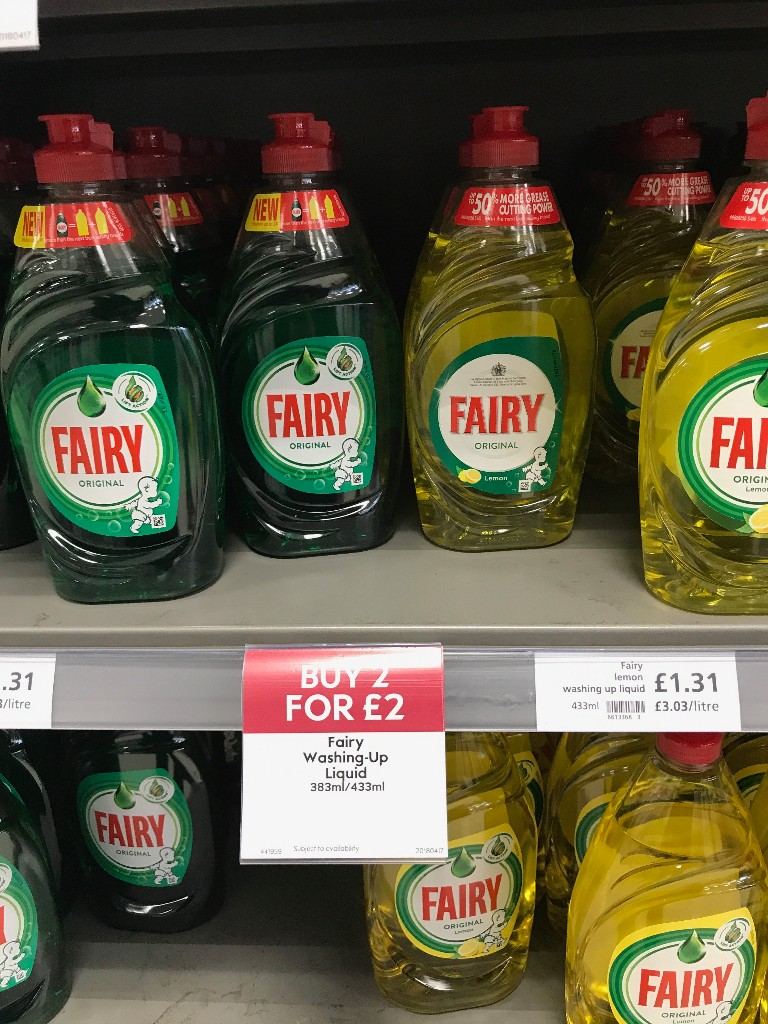
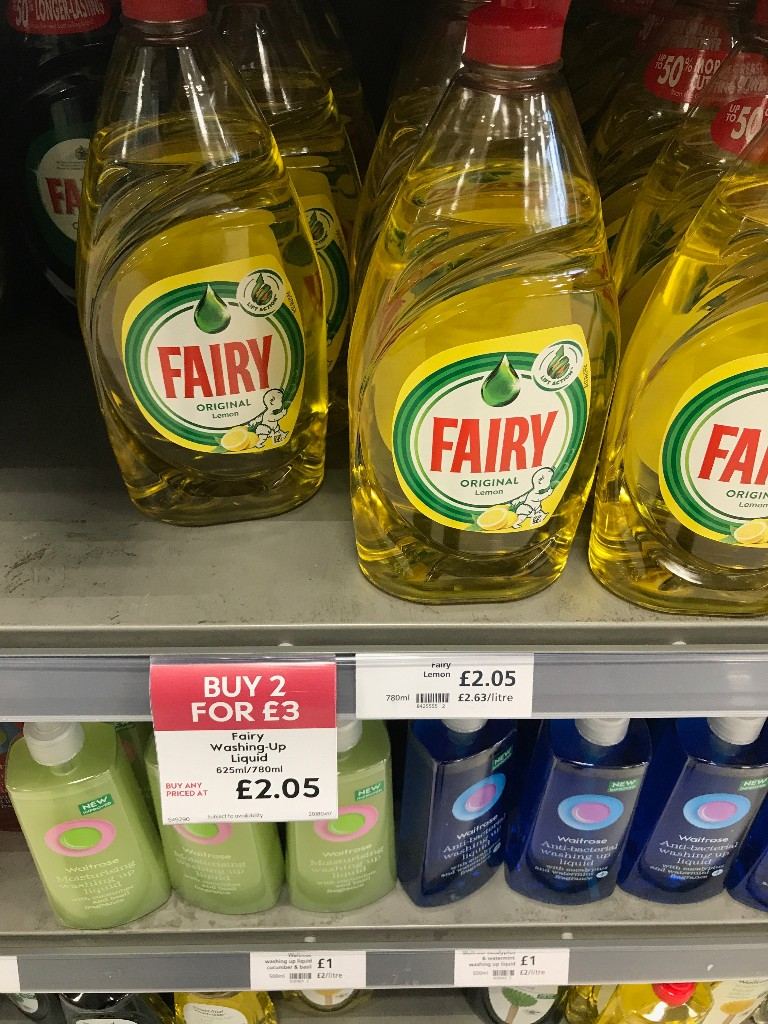
The confusion around cross deals extends to products that are from the same brand but different pack sizes, also then on different deals...
So where is the value? It's entirely unclear whether 2 for £2 or then 2 for £3 is a better deal. Of course, doing the maths it becomes clear, but why should customers have to?
All it does is force customers to look closely at all prices, then they draw conclusions about said pricing. When it should be far simpler.
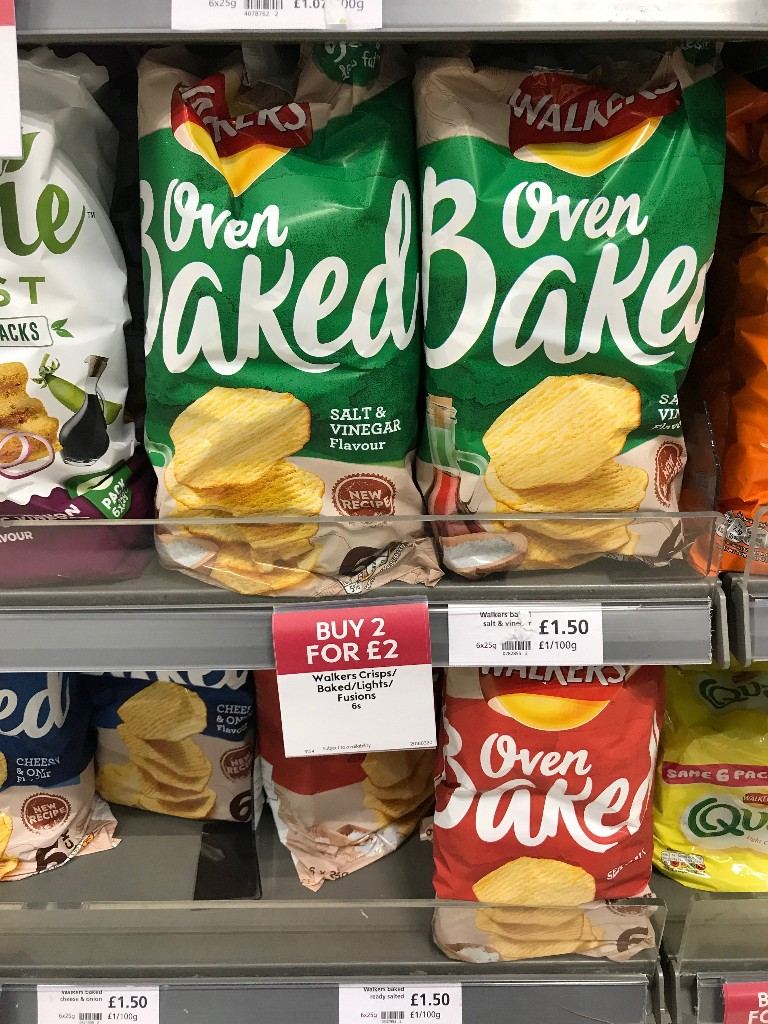
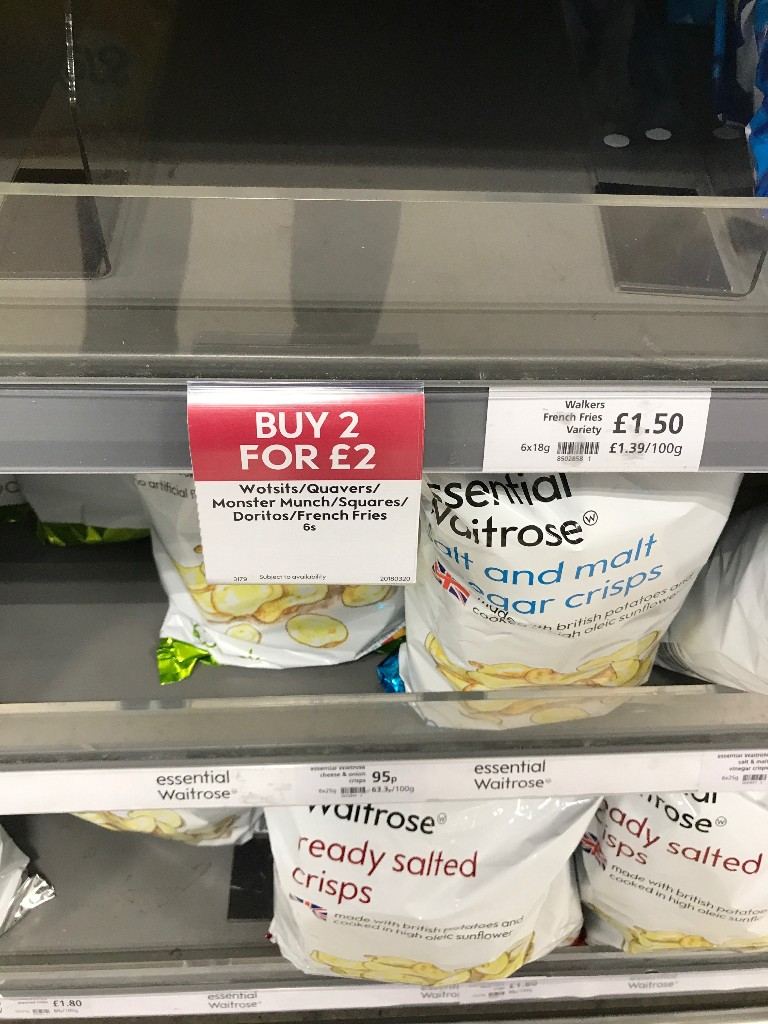
Further examples of confusion in category here for customers, Walkers brands on 2 for £2 but Wotsits are seemingly not included on the same deal as the Walkers branded lines.
Why? Just weakens a deal that could be stronger encompassing everything across the range.
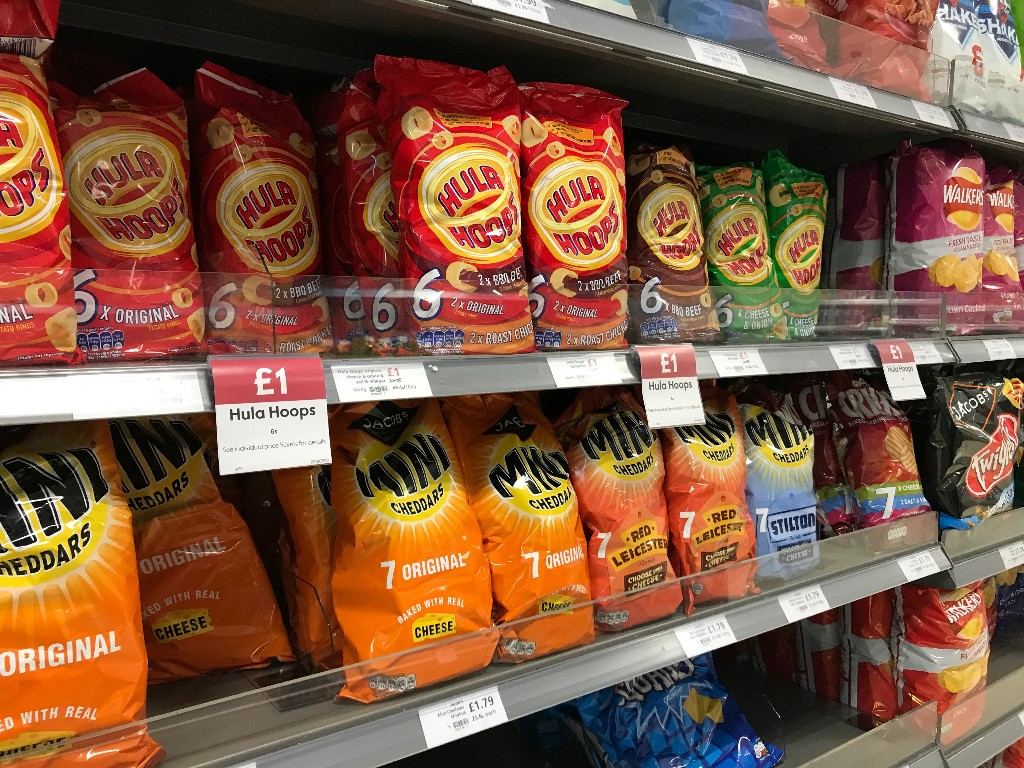
Added to that, Hula Hoops are then reduced to £1, although a different owner ultimately. Why are these not on a similar deal, or the Walkers not on a £1 deal too?
It becomes so very difficult to shop in many categories in Waitrose due to the sheer number of promotions and thus, very difficult to see where the value is.
I am of the belief that once you increase dwell time in fixture and force customers to start working things out, they're in to the price per 100g / 100ml, it then forces them to start questioning everything.
The problem isn't only the price of Essential Waitrose, it's the plethora of confusing deals that Waitrose are themselves running in their own categories and confusing things.
Deals are a hard drug to get off, some buyers only know one way to buy and it's working with brands to put numerous deals on the table for the customer.
Those days are coming to an end, competition is fierce and there has to be a push towards lower prices alongside a package of deals.
The volume of deals, alongside 'pick your own' offers (until recently), vouchers from the MyWaitrose card means the business is essentially buying share.
It's confusing for customers and Waitrose are perhaps the only ones to be still offering BOGOF's!
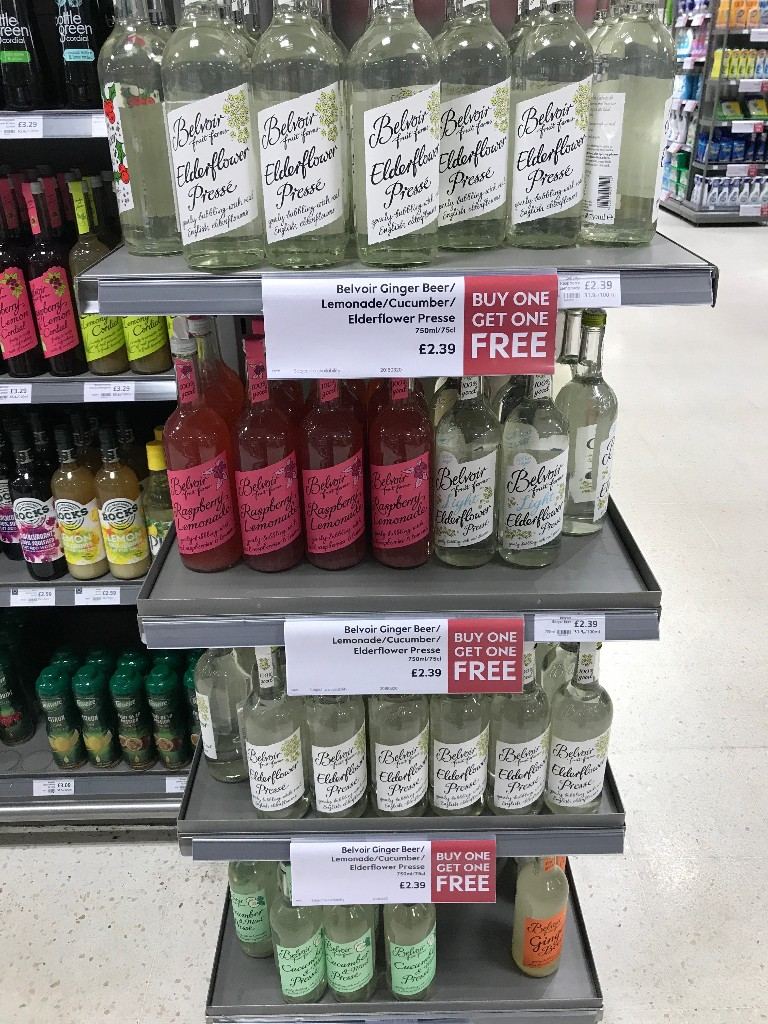
It's not broken for Waitrose and there's lots of upside, but there is a real need to reduce deals around the store rather quickly.
Not only is it confusing customers but it's not sustainable in the long term, actively harms price perception (nullifying any investment) and makes the price perception worse than it actually appears.
Less deals, more focus on price and perhaps, more focus on less deals. Allowing ranges to breathe and understanding their competitors are the likes of M&S and Sainsbury's, alongside discount.
Therefore why run as many deals as Asda?
Did you know? We produce in depth, periodic reports.
From the Grocery Insight newsletter archive, first sent to subscribers on 14 March 2018. Steve now writes at read.groceryinsight.com. See also the blog archive and briefings.