Asda Loyalty in trial
26 October 2021
View this email in your browser

Key Takeaways
1) The loyalty trial is in both Birmingham and Yorkshire and appears to follow the format of cash benefits, rather than points.
2) The challenge for Asda is that it was ever thus; how can the circle of loyalty and money back later be squared with the hard pressed Asda customer needing a discount now?
3) There are some operational elements around how to accurately showcase the lines that are on discount with the app too. You have to look at the app to see the savings, which is another hurdle to simplistic value. However, the 'missions' are effective to grow spending.
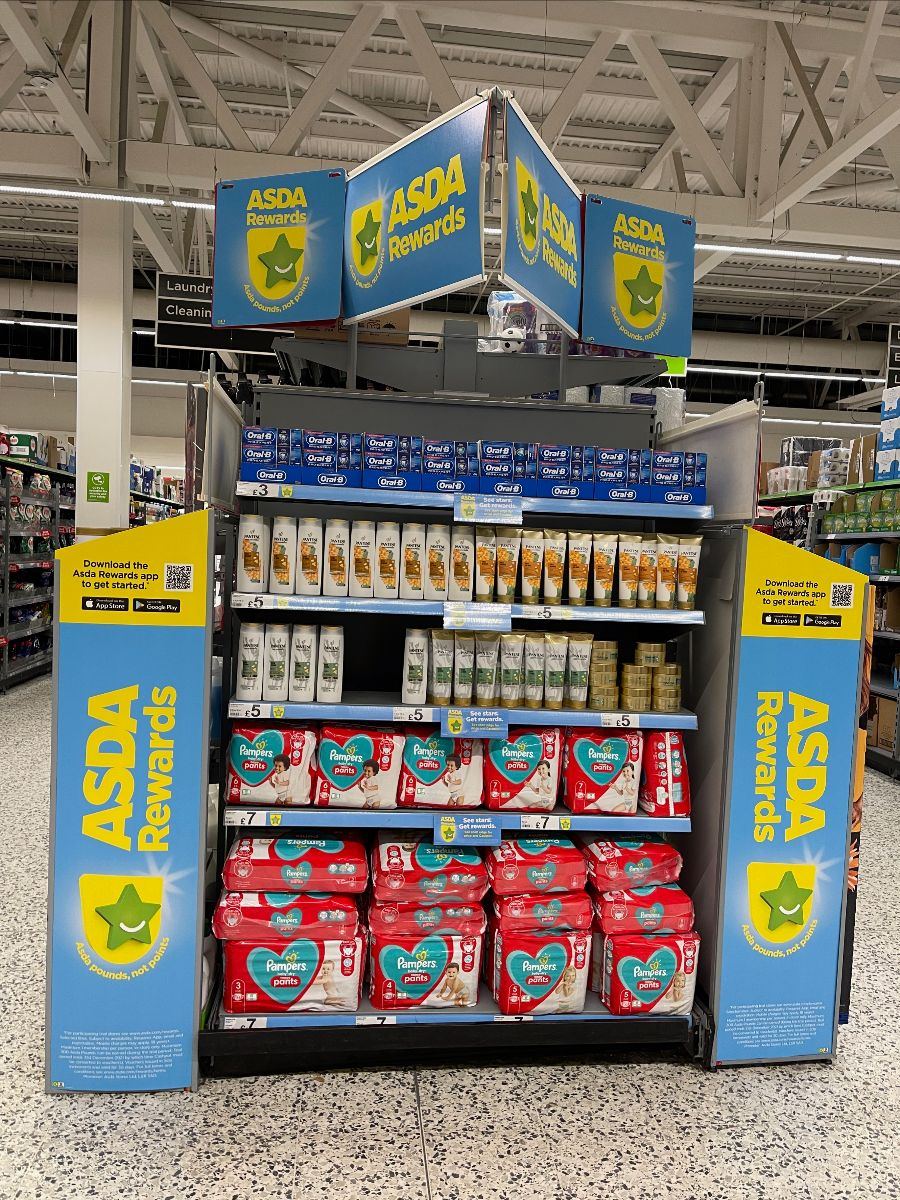
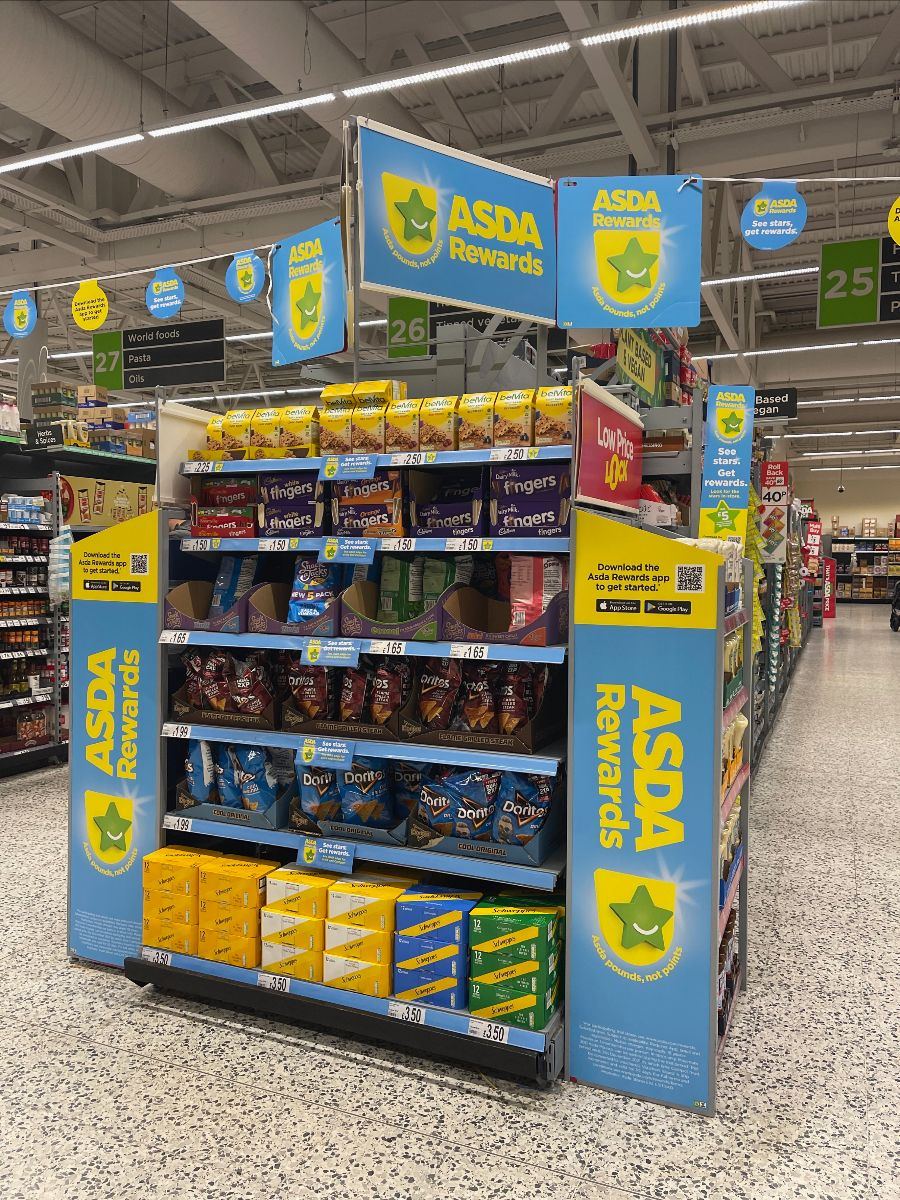
Asda Loyalty - why now?
Whether Walmart and their anti loyalty card stance meant that Asda were unable to do a loyalty card, despite the market all offering varying types, or that the time is just now, given the takeover and the developing technology is unclear.
However, the initial trial has been with colleagues and now this has moved to a soft launch with customers around both Birmingham and Yorkshire based stores.
The movement towards loyalty is noteworthy as Asda have always been very anti loyalty for a number of reasons. It doesn't equate to EDLP at the shelf edge, it's a cost that needs to be absorbed somewhere and the customer wants a discount now, rather than later.
Equally, savings schemes around points never really helped the loyalty cause and the addition of the 'cash pot' and cash based savings in the new Asda loyalty scheme do make more sense perhaps, but the ongoing questions about it being right for the Asda ethos remain.
Data is valuable via loyalty
There is no doubt that the loyalty benefits are obvious with the data sets that any loyalty card brings, the insights and information that a loyalty scheme generates are also obvious.
However there needs to be a sustained data source, IE enough customers in enough stores to make it meaningful. Time is then needed to adjudicate the data and ensure that purchase data and decisions are valid, given time to understand trends and bumps in the road.
But that is only 20% of the battle, perhaps even less. The beauty of any loyalty scheme is the data scientists and mining that goes on, with algorithms and the like. Thus, targeting customers for a whole variety of reasons and putting them in to a whole host of internal categories.
But the 80% is the grunt work that is undertaken to generate insights to be proud of and improve internal viewpoints and insights, more grounded in data and research when decisions are to be made.
Not just about data of course, but that is a huge part of things and then can be added with gut feel, input, trends and all the rest of it to make better decisions for the longer term.
DunnHumby for example do the Tesco loyalty scheme and have exported their work to numerous retailers around the world. That's the key - who is crunching the numbers?
Indeed, are the numbers worth crunching? Not yet, it's too small and indeed it will take time for meaningful insight to come through, even when the scheme is launched fully. You're always hostage to users 'swiping' their loyalty card to get the data and Tesco Clubcard prices are so successful for this reason.
Tesco Clubcard
You almost have to be a moron to not have a Clubcard in Tesco now, given all the promotions (bar food to go £3) are clubcard only. I mean, why wouldn't you have one?
Quid pro quo: that means that more customers are swiping/using their loyalty app now which means the entire dataset flows through, to get those promotional prices.
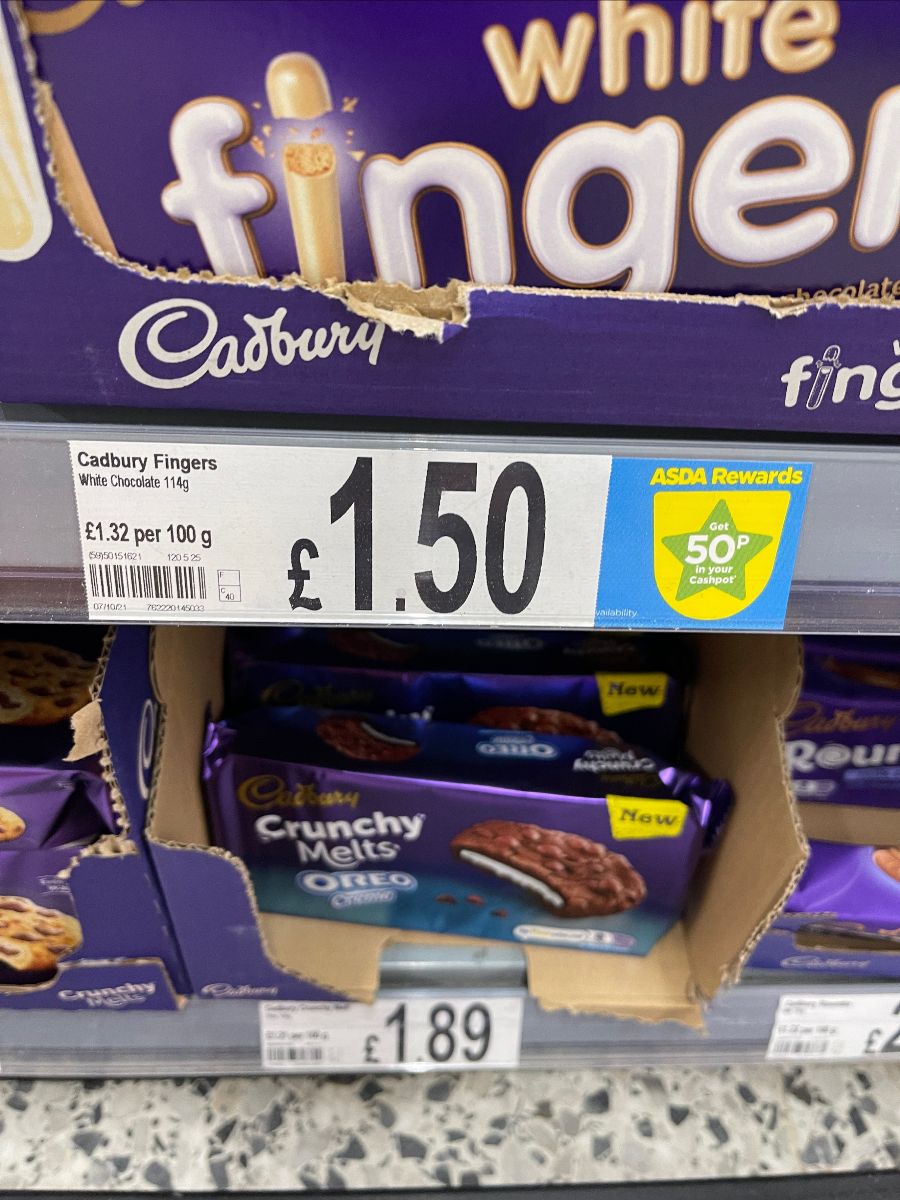
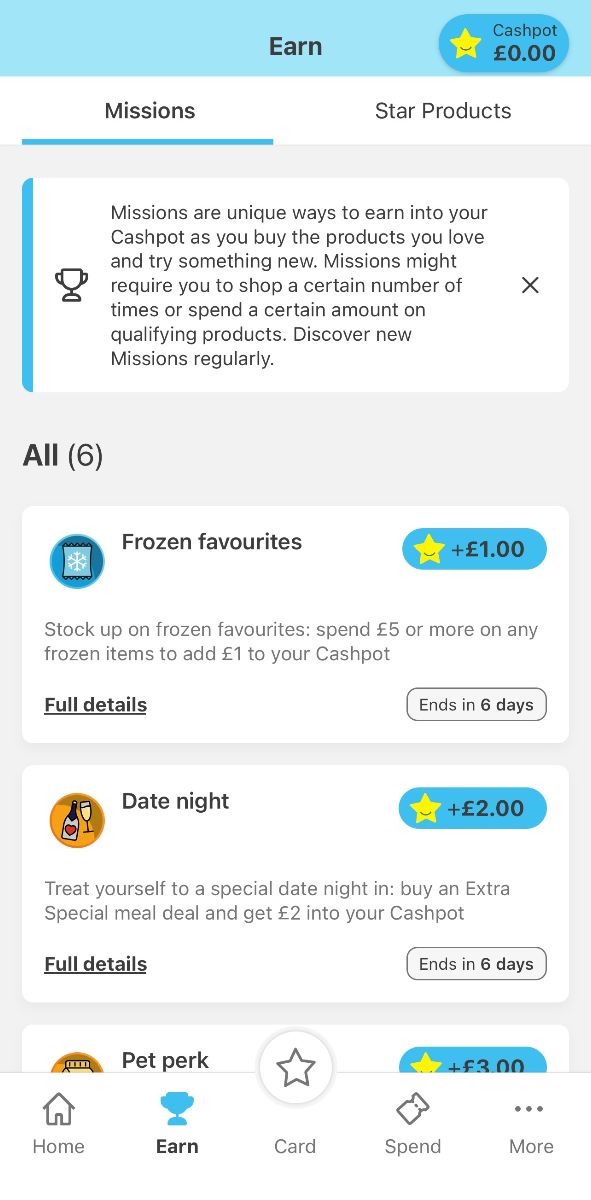
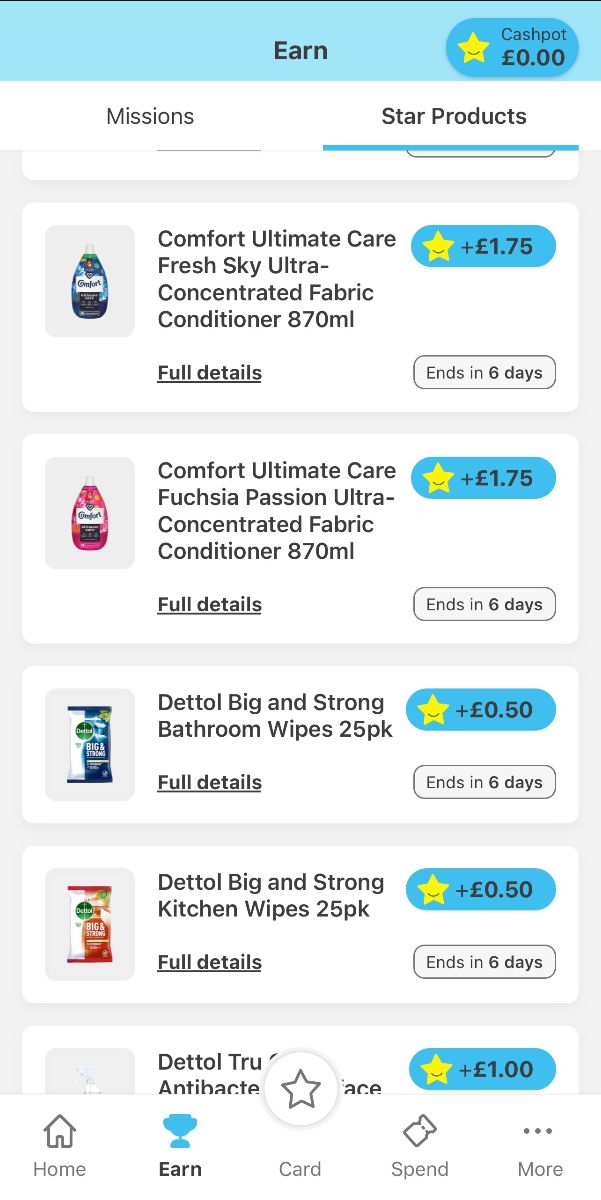
Asda have a similar ideation with loyalty prices based around the 'cash-pot' with savings given back via the app, rather than at the checkout. Hopefully driving further interest from customers with the missions, where one can spend £5 on Halloween confectionery and get £1 back, for example.
This could be valuable for trade driving, minimising markdown around seasonal events and also, driving sales with vouchers - Indeed, customers get £5 when they spend £20 on their first shop with the new loyalty app.
Asda are strong on scan & shop where you use a handset, or a mobile phone to scan your shopping and bypass the front end (almost). Potentially linking this with the app is another way to drive engagement and ensuring that the customer gets involved with loyalty to unlock these additional services = more data.
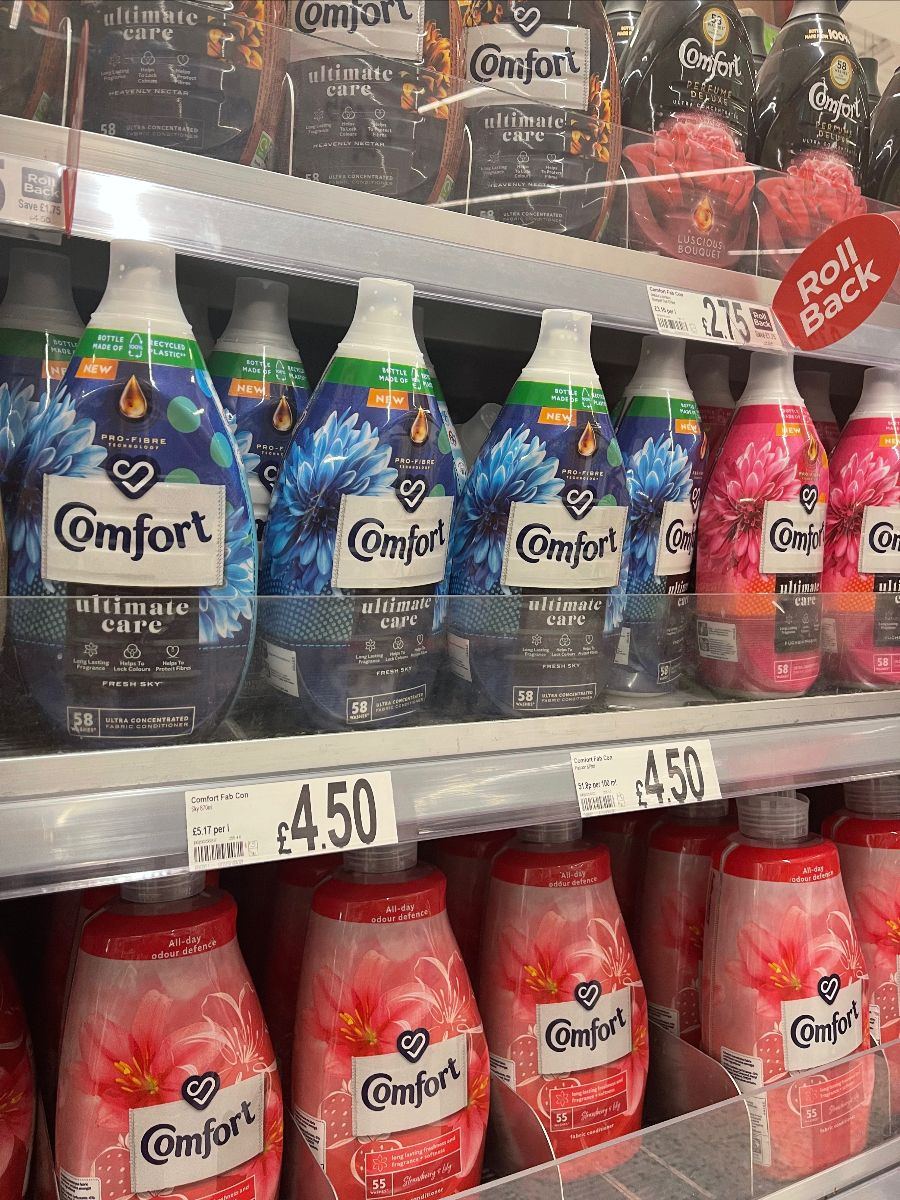
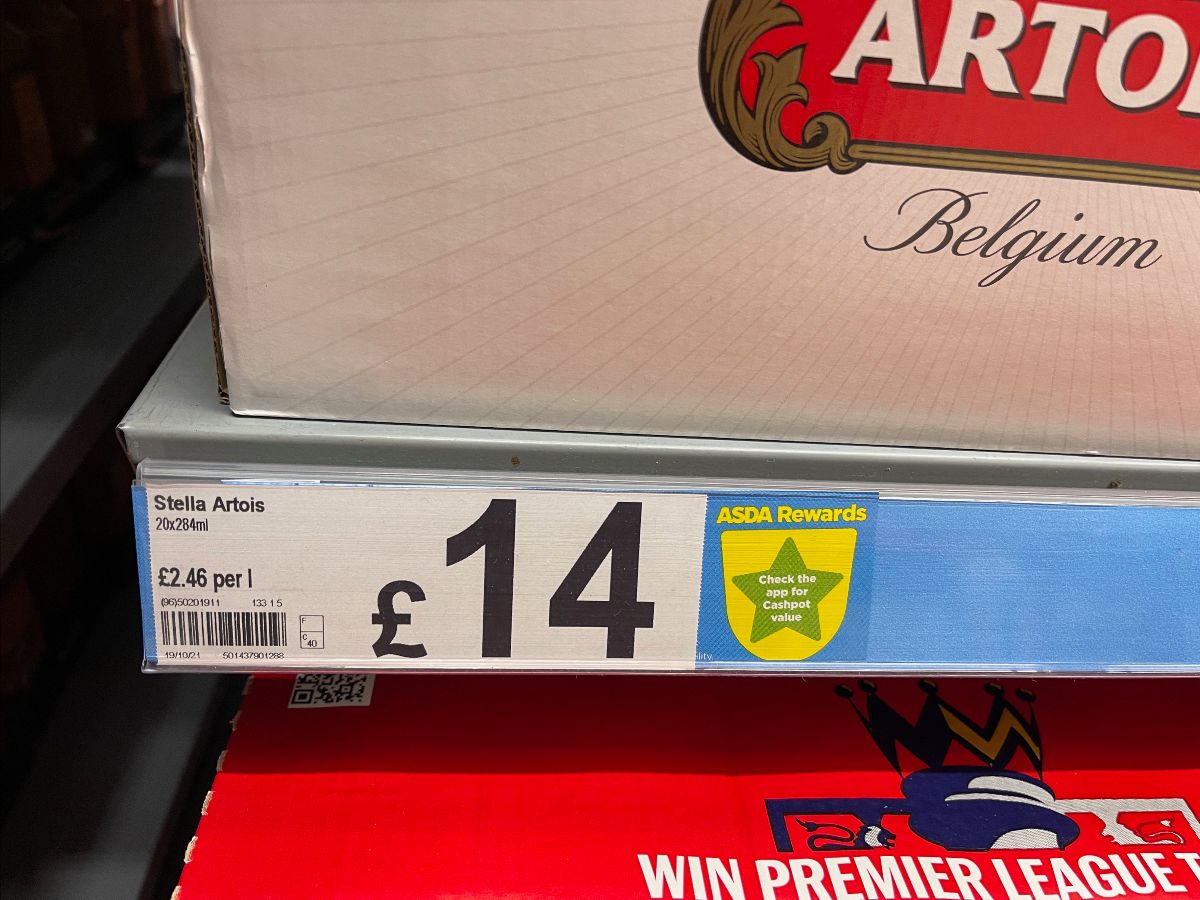
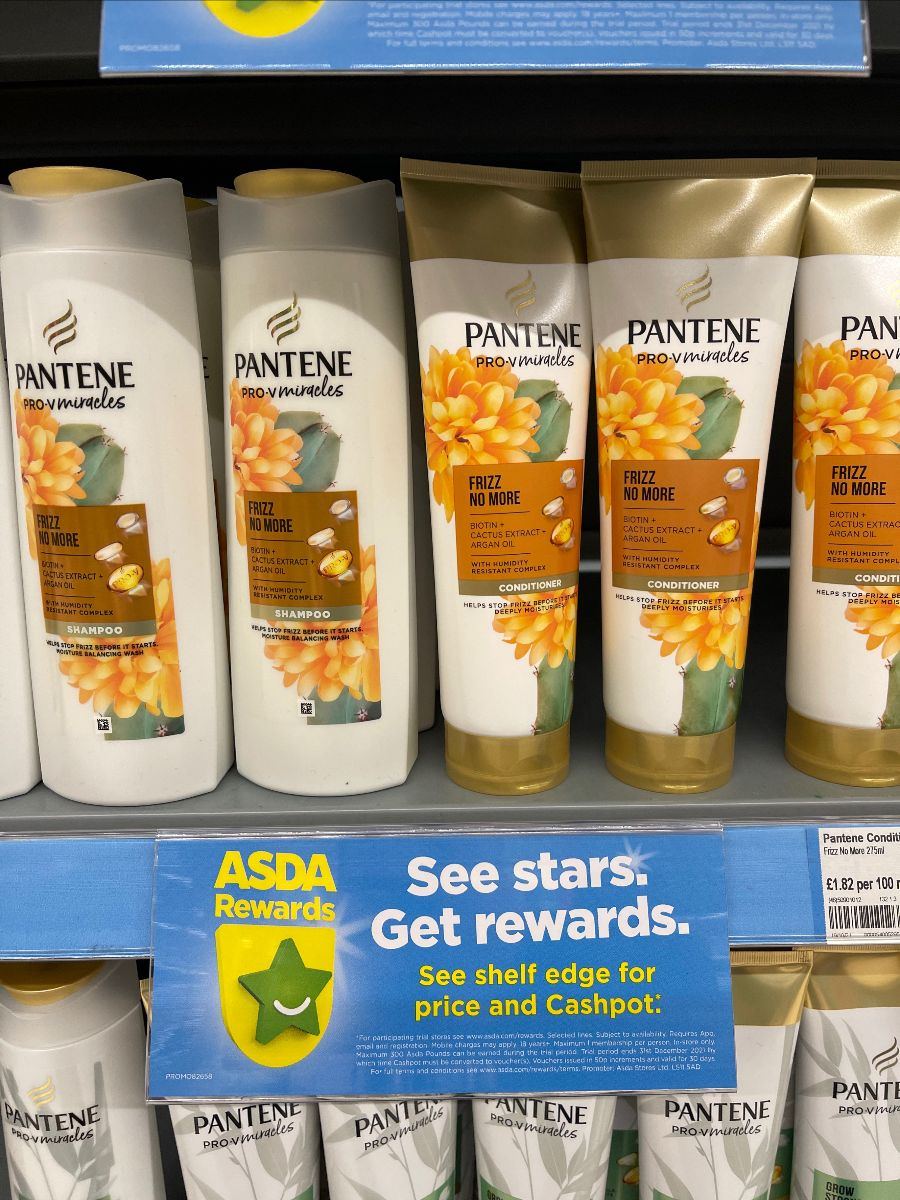
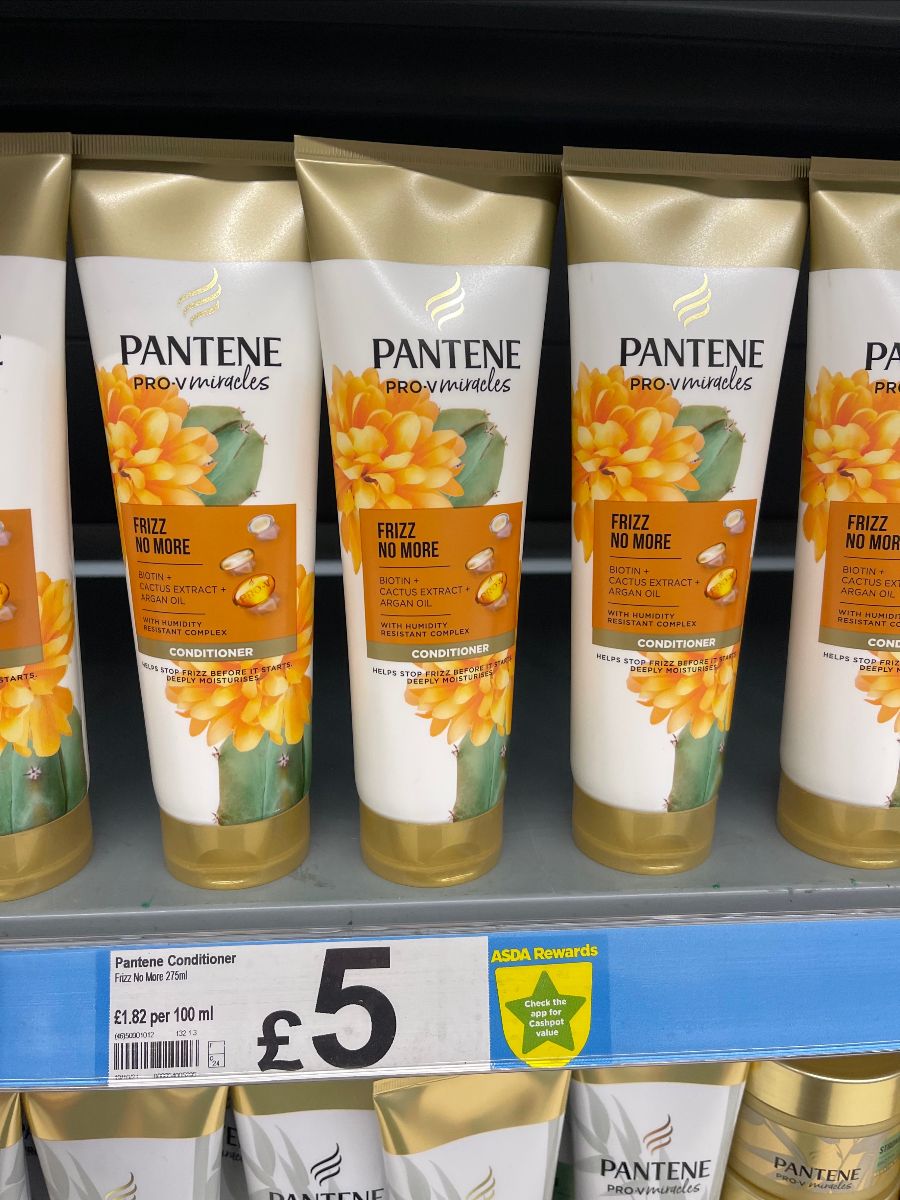
The loyalty elements need to be clear though; without an identifier on the shelf edge; the customer has no idea to check their app and thus, there's effectively no promotion here.
To have a good loyalty scheme; you need so many components as we have discussed above and indeed, time is a key part of this.
Crucially; the customer adoption is vital. Customers have to get it, understand that it's worth having and how it helps them. Despite the app being free; 'digital real estate' isn't cheap.
Customers have tonnes of apps and have to be engaged, in order to utilise it and for it to form part of the decision of where to do their shopping.
As the old adage goes, loyalty is a race Asda are relatively late to. But to grow a giant tree like your neighbour has; you can only plant the seed today to try to get there in the future....
From the Grocery Insight newsletter archive, first sent to subscribers on 26 October 2021. Steve now writes at read.groceryinsight.com. See also the blog archive and briefings.