Retail By Email - Issue 471 - Asda pushing on
5 April 2022
View this email in your browser
Retail by Email - Issue 471 - Asda pushing onThe recent results from Asda within the first year of the “new world” (so to speak) with regard to the ownership by EG/TDR passed without a great deal of fanfare.
There were some noteworthy elements in the presentations to the investors (that we do not see, of course). However their press release indicates that sales for 2021 (ex fuel) were +0.6% versus the former year and on a 2 year basis, positive 4.3%.
Interestingly, despite online being +75% vs. pre pandemic, Asda saw online sales fall 5%. Which points to a real challenge for the market around over supply of slots, especially given the growth in q-commerce operators and then the supply deals via Tesco with Gorillas and Morrisons with GoPuff.
There is very little challenge for Morrisons working with GoPuff, they’re barely in any city centres and they don’t have their own convenience network, either.
Tesco have their own Whoosh service which is rolling to Express stores but the partnership with Gorillas is likely a smart volume based move alongside the ability to utilise space and attract a decent rent, given the q-commerce folks are merrily spending capital that investors are giving them,
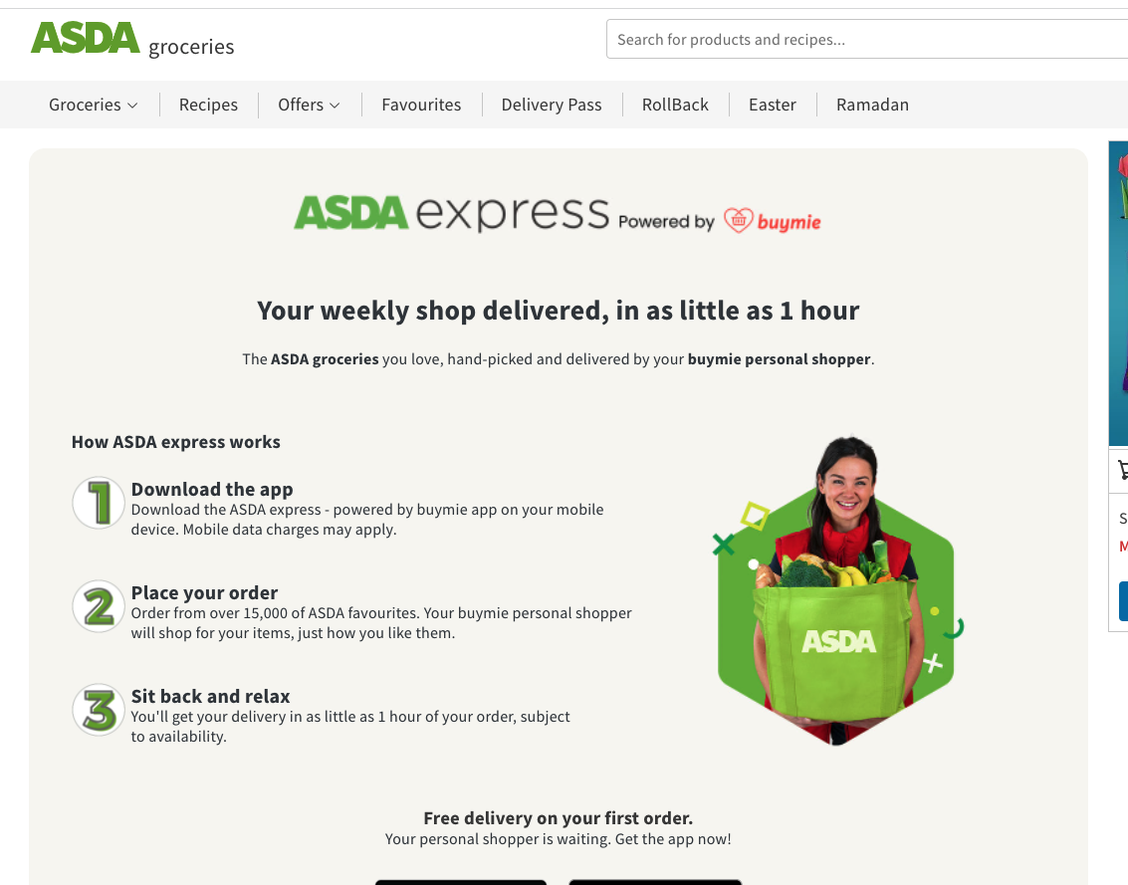
Asda have also slowly moved in to the q-commerce space with partnerships with Just Eat alongside a recent move in Leeds to work with BuyMie. An Irish company who are offering a 60 minute delivery turnaround on a relatively large choice of products.
Let’s have a look at this, and the work ongoing in stores too.
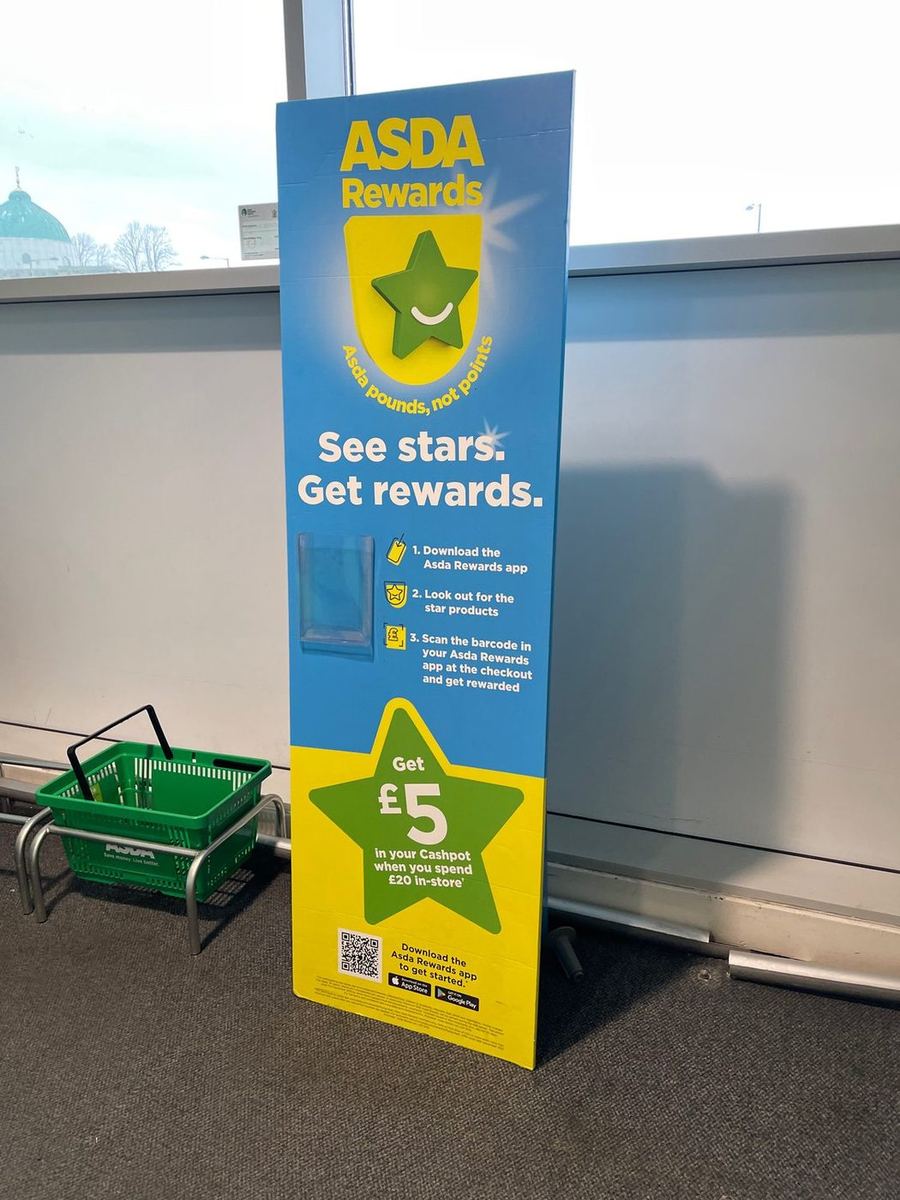
Asda Rewards loyalty scheme is also rolling to more stores; it’s an interesting scheme as it offers activities for customers; (Missions) that generate rewards in terms of cash for your cash pot (on the card).
The challenge remains where the value is in cash pot savings, rather than the saving at the shelf edge. Are customers going to be interested? Especially given inflationary pressure and the cost of living crisis?
Their extra missions are ideal; IE spend more on Produce and receive cashback work well and the scheme should have more upside than downside.
Plus useful data mining possibilities also.
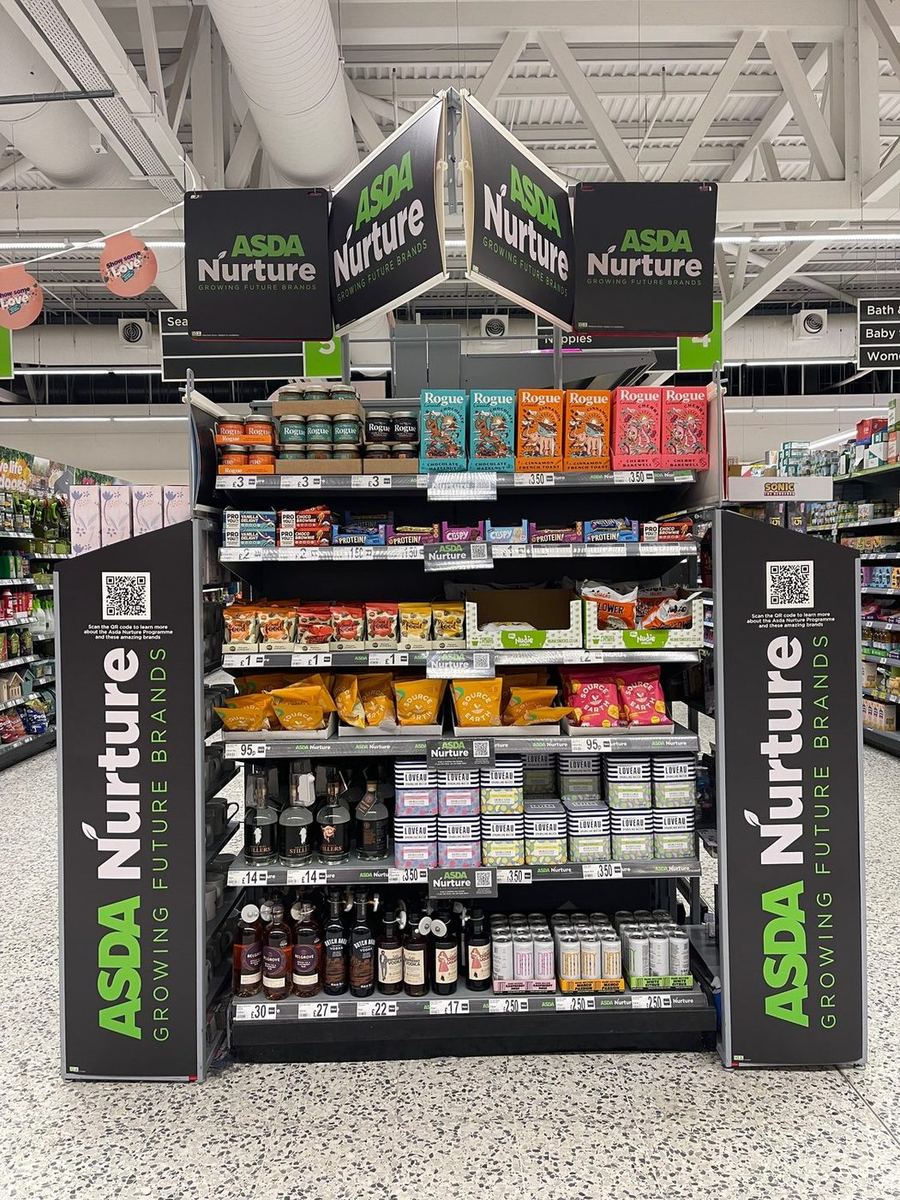
Asda Nurture is another strong piece of work and will allow smaller suppliers to get in to a larger supermarket. However there have been availability issues and this needs an owner in store. Where does the top stock/overstock go, for example? Especially when the products are located just on the end (seemingly).
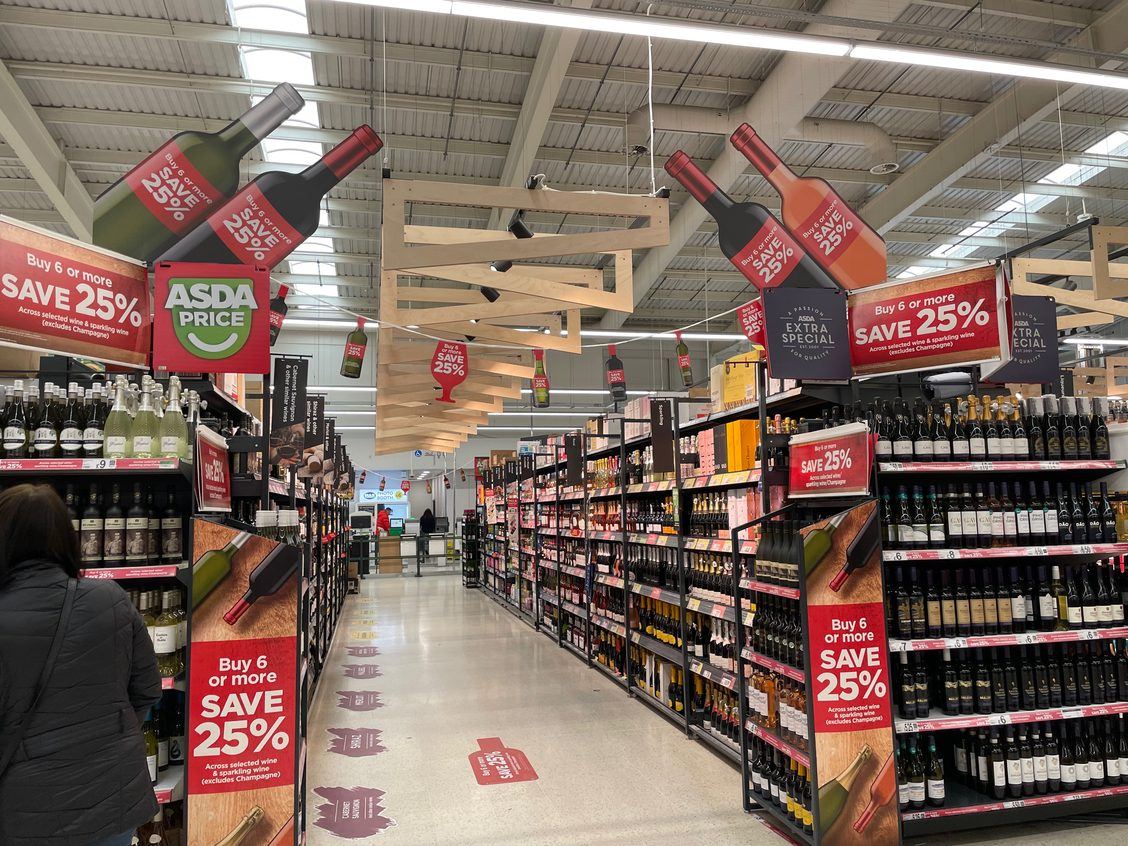
Going back to their results: Grocery (alone) fell 0.5% on a like for like basis, although their wider uplift in sales is due to the strong sales in clothing and seasonal ranges.
The UK was still suffering from lockdowns in the year comparative so again, we won’t see the true impact of COVID and the ownership changes until we overlap years where restrictions were in place.
Q4 was impacted for sales. The lockdown the year before (2020) meant that comps were high due to customers being at home. For 2021 - there were no additional restrictions (bar the ones Boris sort of implemented) but Scotland did put restrictions in place, it was a bit of a mess, all considered.
Thus sales being -2.9% can be explained away (in part) due to changes in restrictions and tough comps. An even handed comparative will see no restrictions, which 2022 should also bring us (bar Scotland/NI/Wales!)
Versus the 2 year period; sales are +4.6% so the uplift post COVID remains.
However rising costs, inflation near rampant and the impact on customers spending power and a need to manage household budgets, all eyes are on discounters and how they may look to capitalise here.
Probably by doing more of the same, in all truth.
Premium ranges were also strong for Asda; with Extra Special +28% versus the former year, again a nod to their work here.
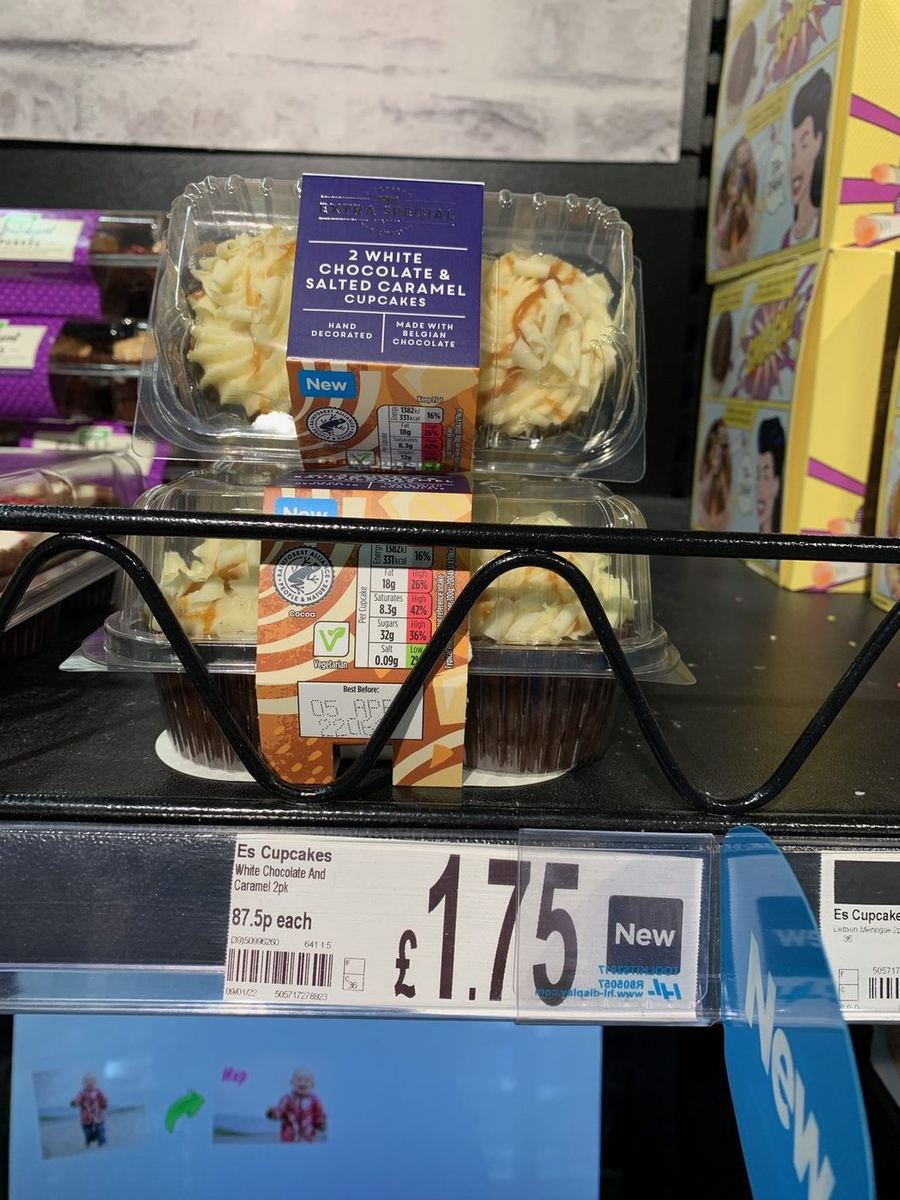
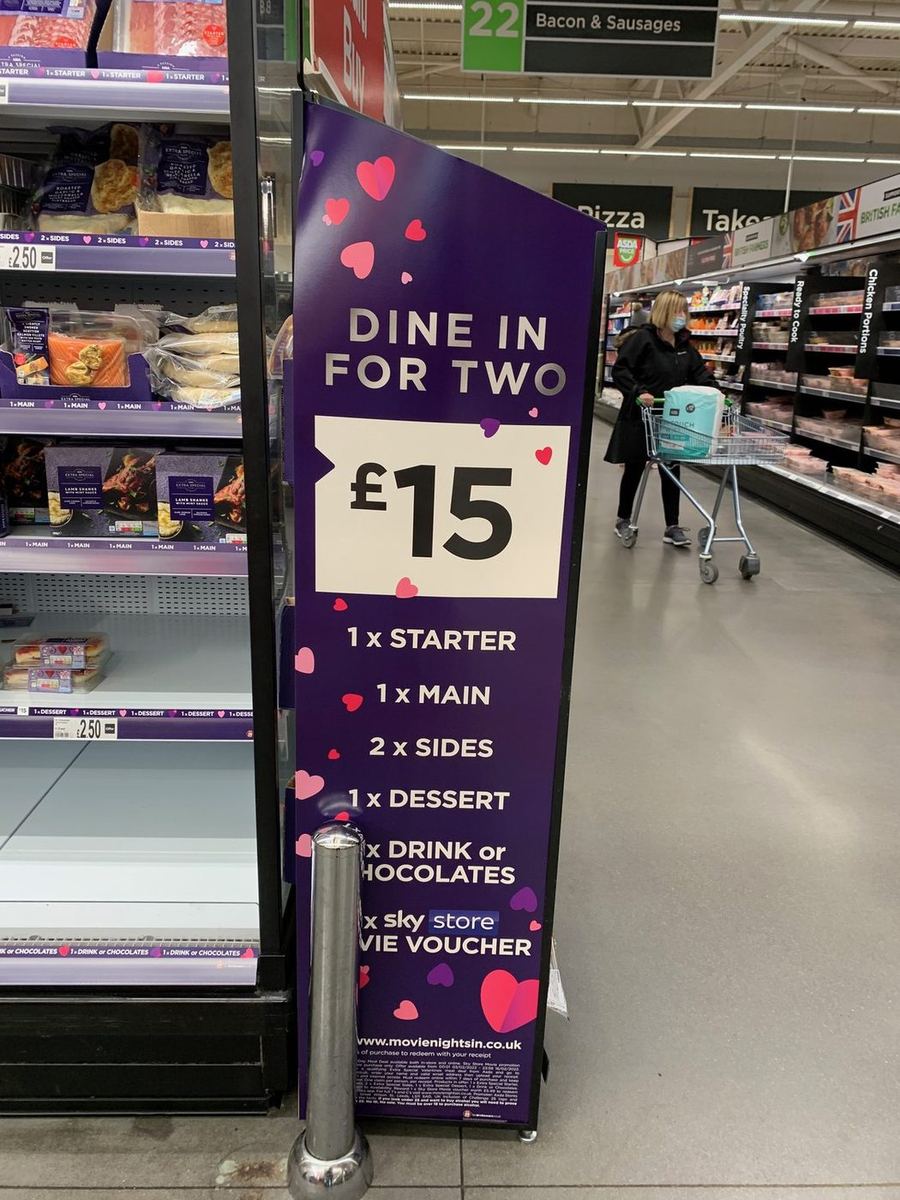
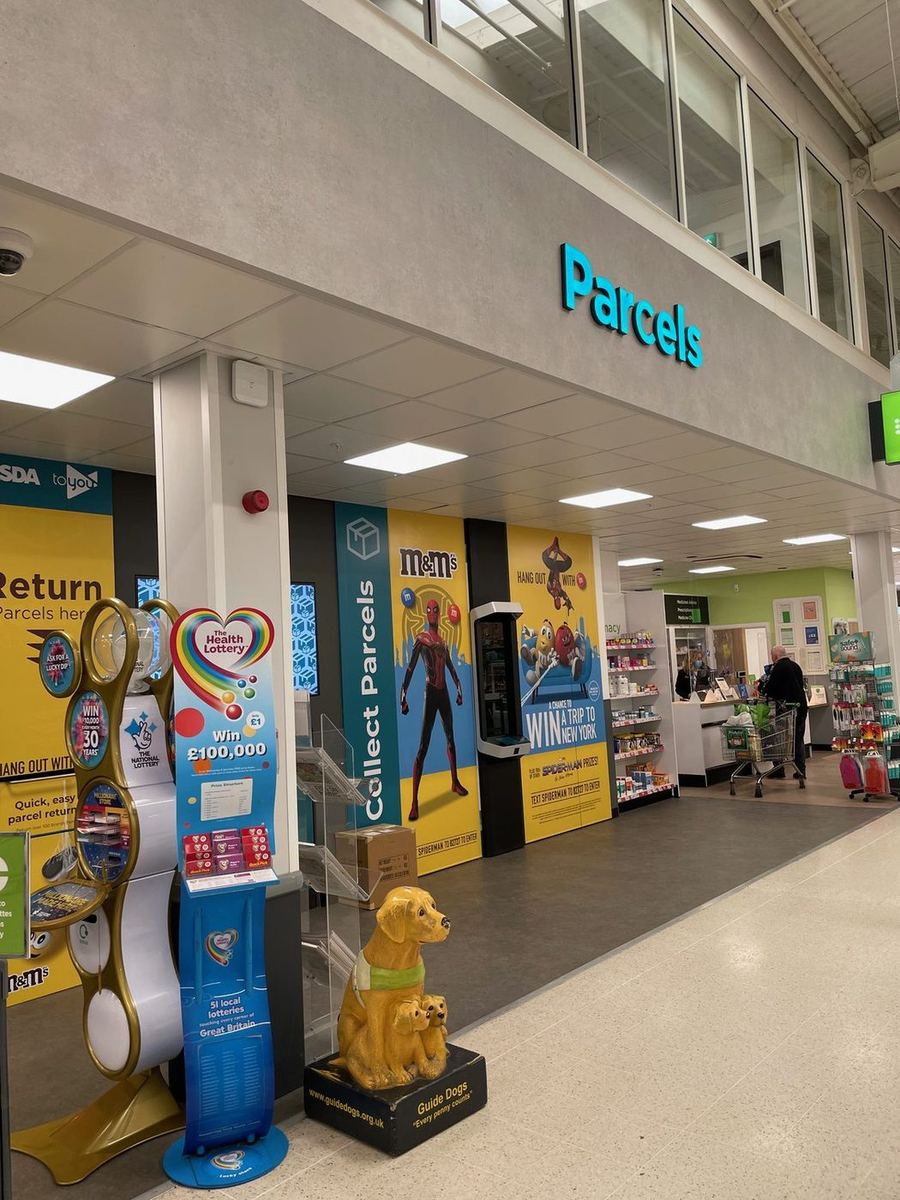
Also of note for Asda are the partnerships that the Issa brothers have added to the Asda offering, especially given their experience in working with 3rd party brands at Euro Garages.
There is a lot of mileage here as the chances of increased sales are real; especially from a footfall viewpoint and indeed, the space utilisation is another appealing element too.
Alongside refitted stores featuring more “services” in greater focus, like click and collect which offers footfall opportunity, especially for returns.
Cooplands (regional bakery recently acquired by the Issa brothers) is another one that could well drop in to the Asda stores.
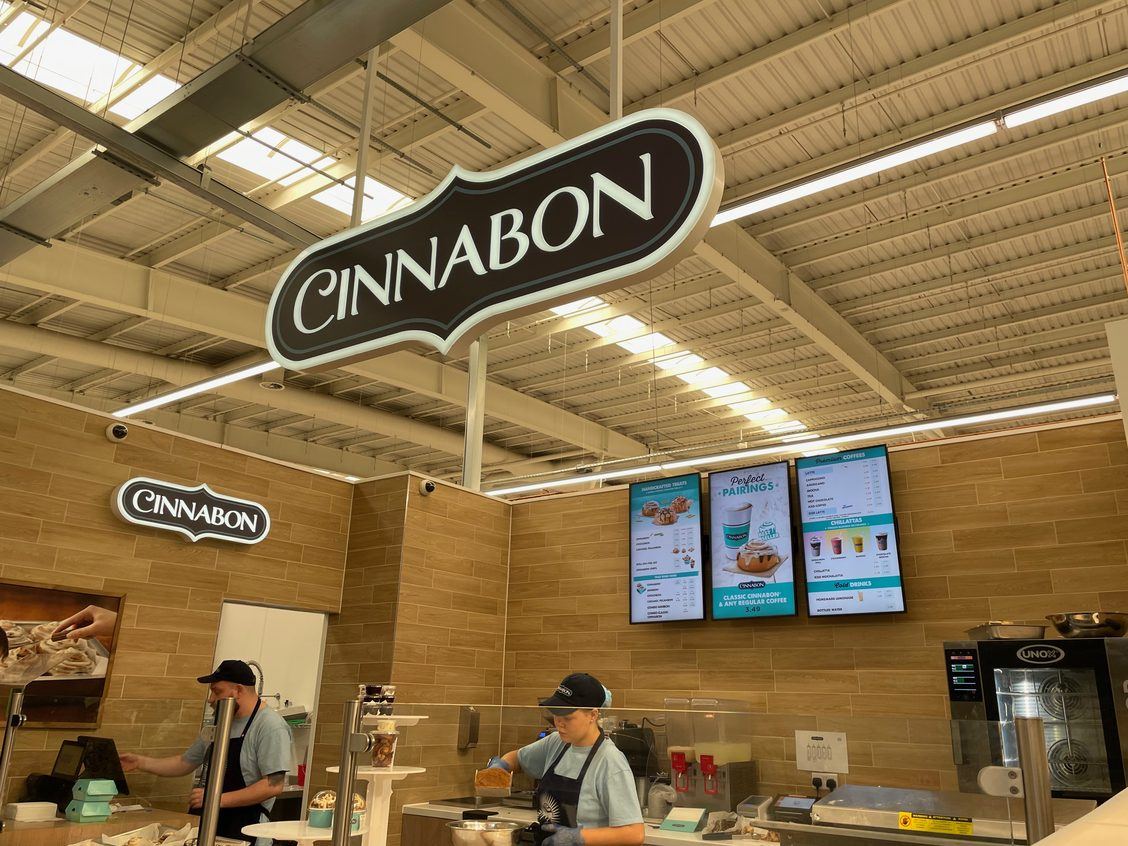
It remains the case that I have yet to see a “bad” EG site and that is testament to the Issa brothers approach and how they run that operation.
They clearly see the value in store standards and a positive experience for customers, it’s expensive to do in modern Grocery retailing but is sorely needed.
After all, no customer (online or otherwise) actively wants to shop in a bad store, whether the impact of this can be tracked or otherwise, it’s not relevant.
It’s good practice (and good karma) to run the stores in the right way and customers appreciate relatively tidy shelves and not shopping in a store that looks as though it hasn’t been filled for a week.
We have seen some uptick in store standards at Asda, especially in terms of availability and on Produce too.
There has been a real focus on product, packaging and quality with more people around and better, stronger signage too..
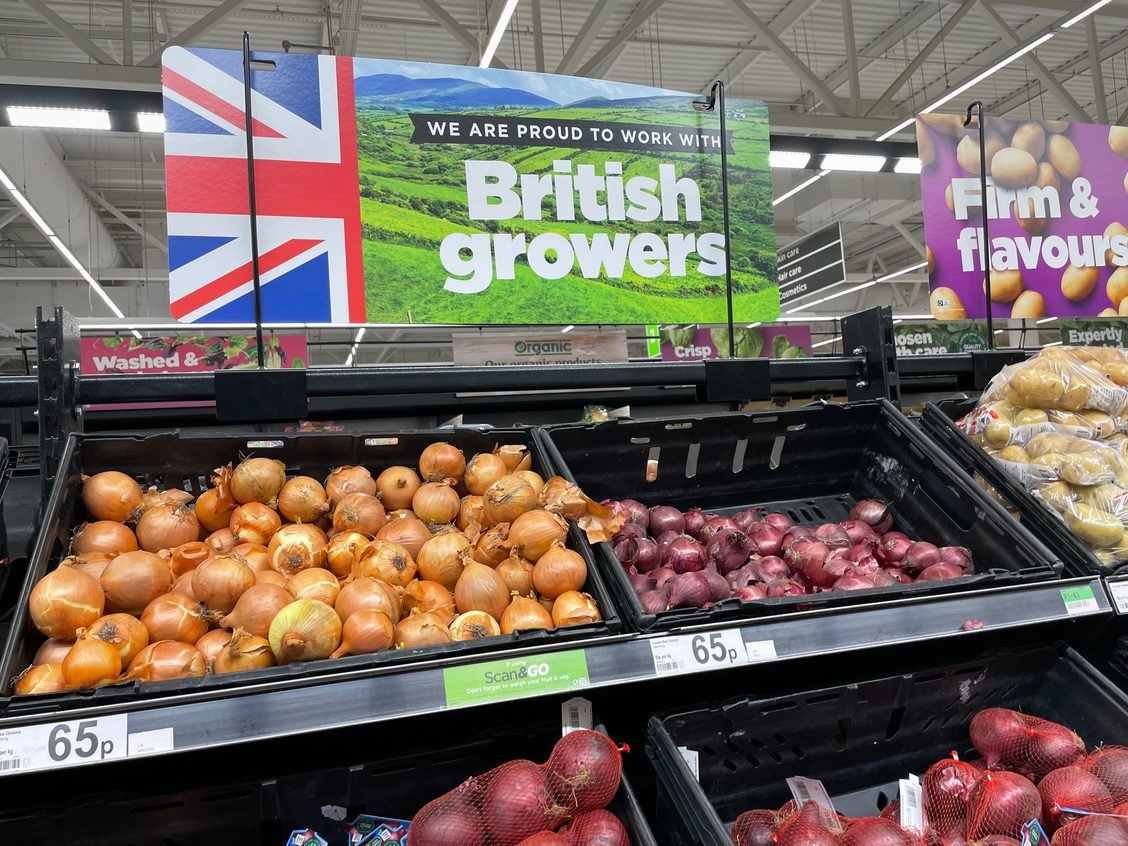
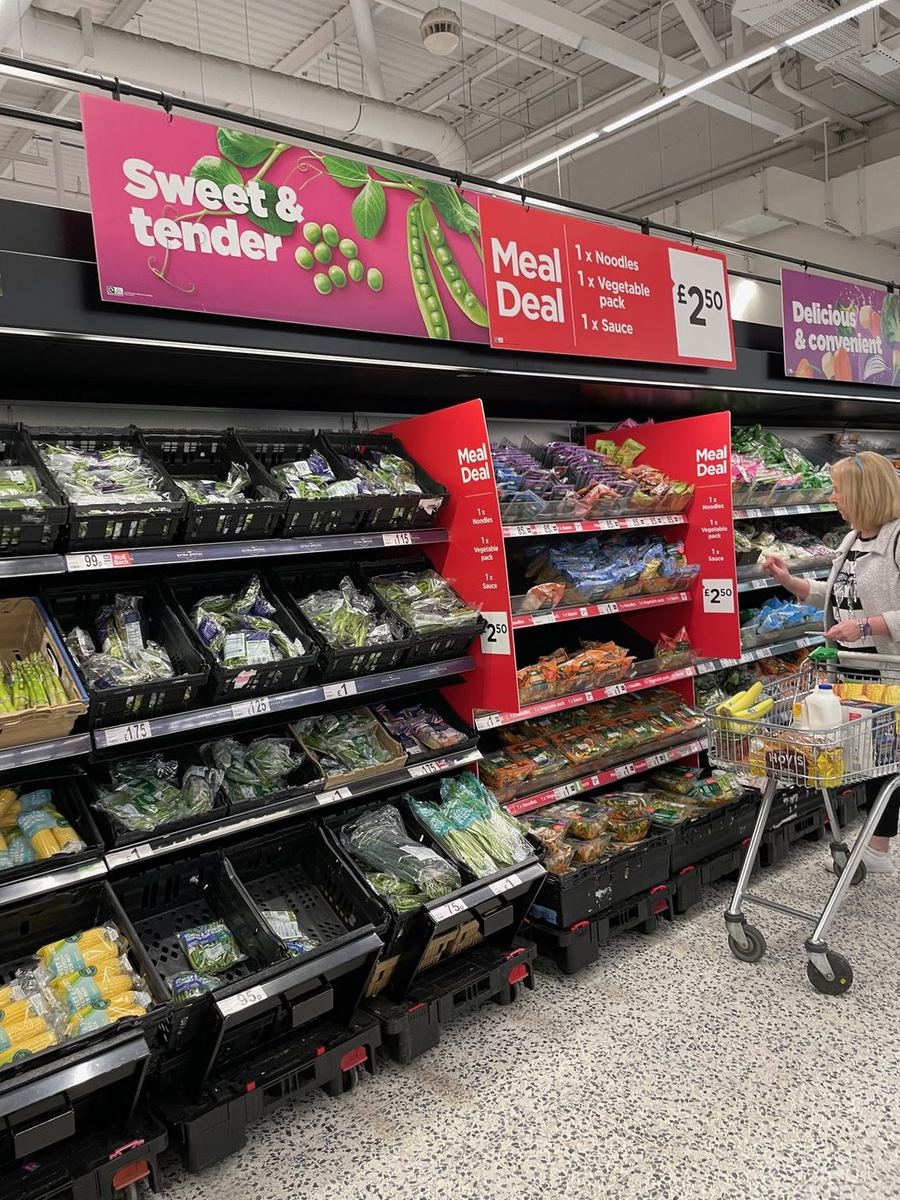
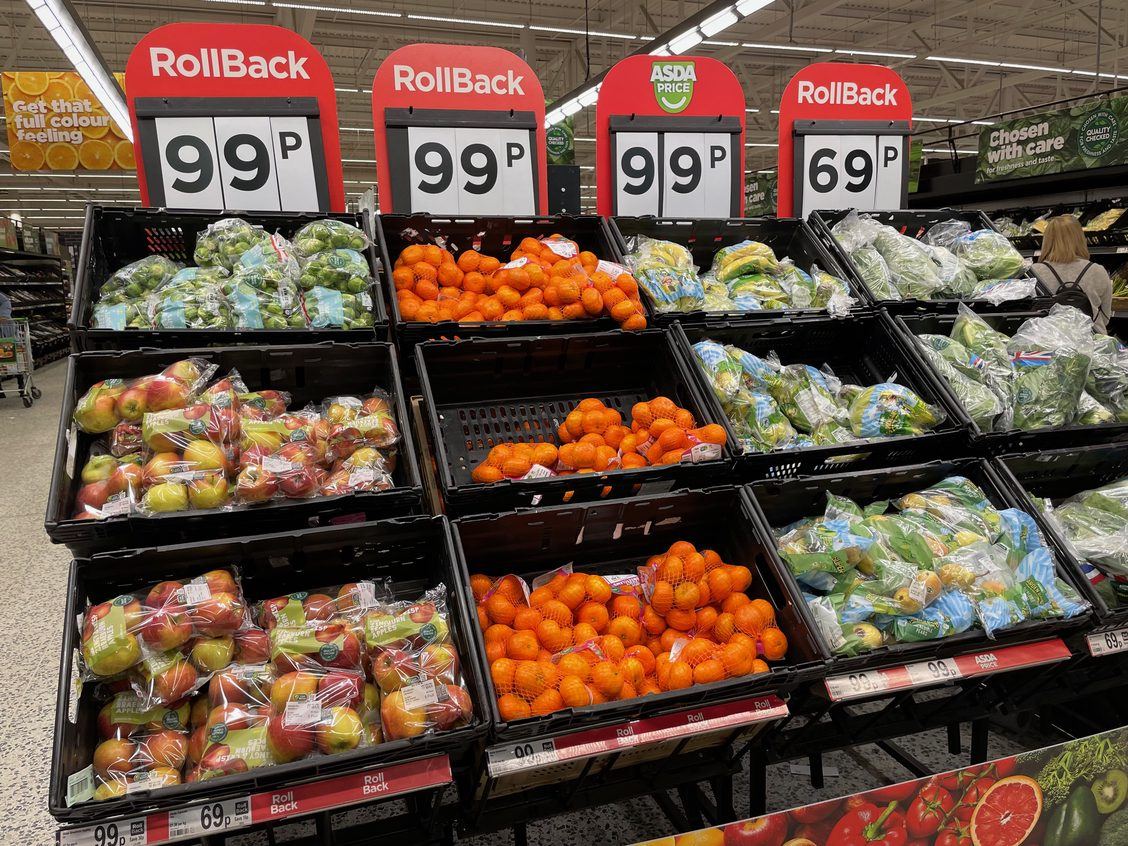
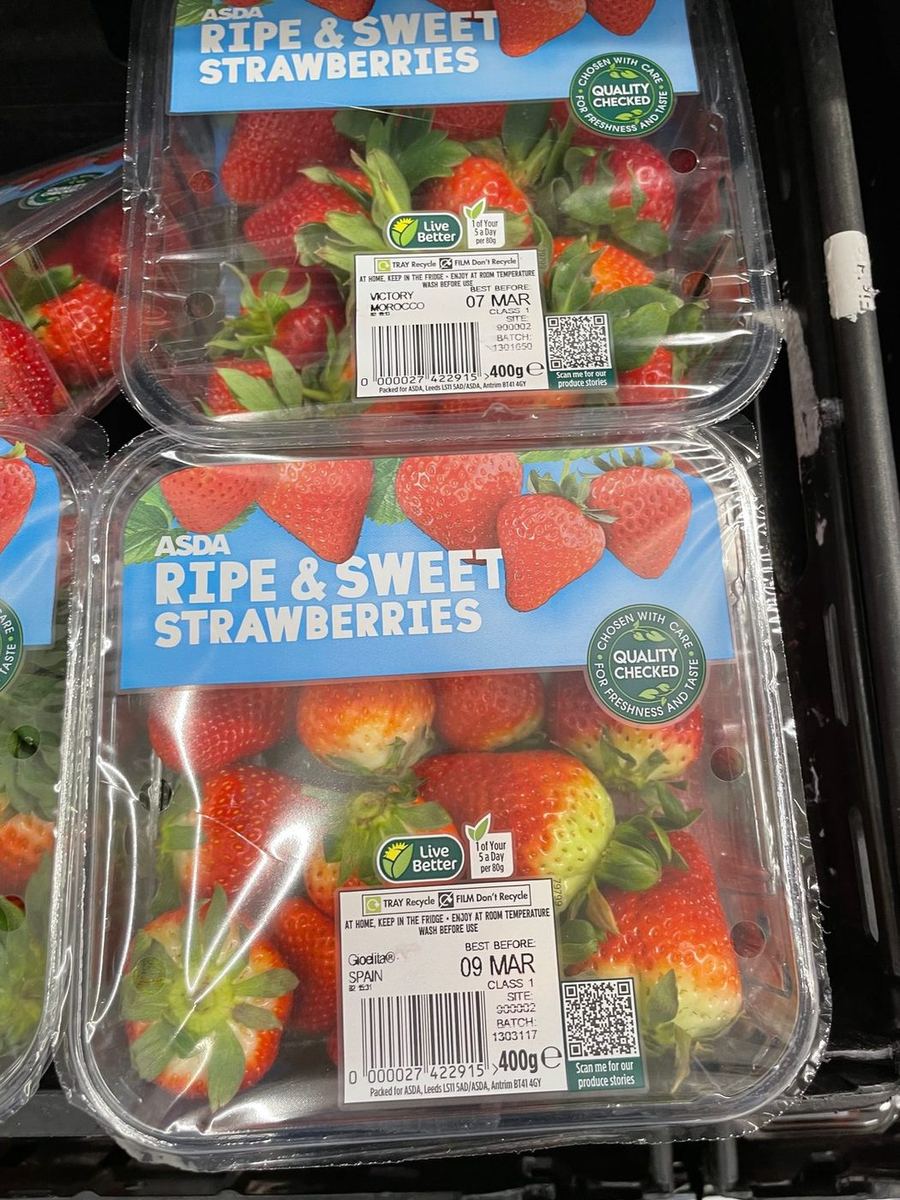
The focus here can only help matters; especially given that Kantar(?) presumably as nodded to by Asda is tracking that they’re now ahead of the market on Produce.
It’s a stark improvement and customers appreciate it; however, it becomes the case that quickly, this is the standard that customers then expect and any deviation or drop, is equally noted and can see the customer have a negative opinion of Asda for Produce.
When it may have been an off day, or that they’re still better than Sainsbury’s (eg) but that’s the way the retail world works. Customers are unforgiving.
Their new value range is also a positive move and shows that Asda are going against the grain, not adopting a “me too” like Sainsbury’s versus Tesco.
Instead they’re unifying their new expanded range under one banner “Just Essentials” which is a good brand name and the packaging is in non corporate yellow.
This stands out very well too. The Waitrose protestations are nonsensical in truth as there’s no real store overlap and the Waitrose range isn’t value, either, it was designed to give a unifying presence for Waitrose in every category.
Over on Twitter; the range received a positive reception. This is rare as the social media site is a brutal old place for the most part.
The new range spanning some 300 products will be well backed in store when it lands and the timescale of which to land this is impressive.
It’s another nod for the entrepreneurial focus and speed that the Issa brothers have brought to the table.
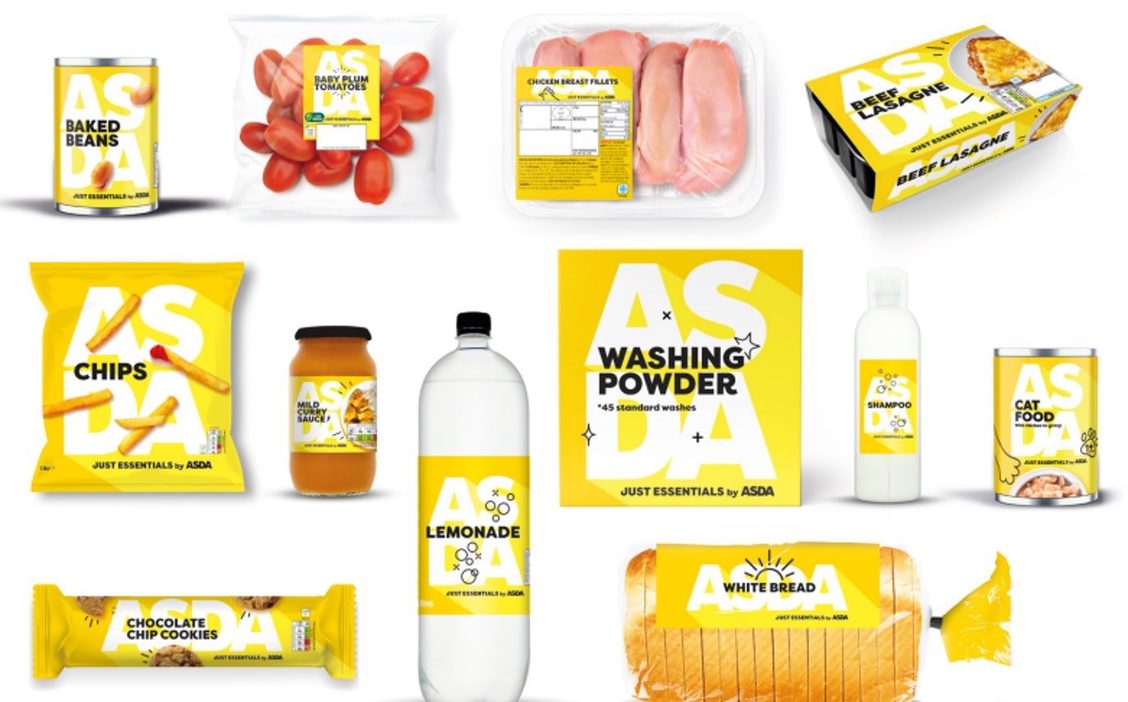
Just Essentials will replace a disparate (it has to be said) Smartprice brand that had struggled for notoriety versus the good work that has gone in value tier lines across the marketplace.
(pic via Asda). This range lands next month.
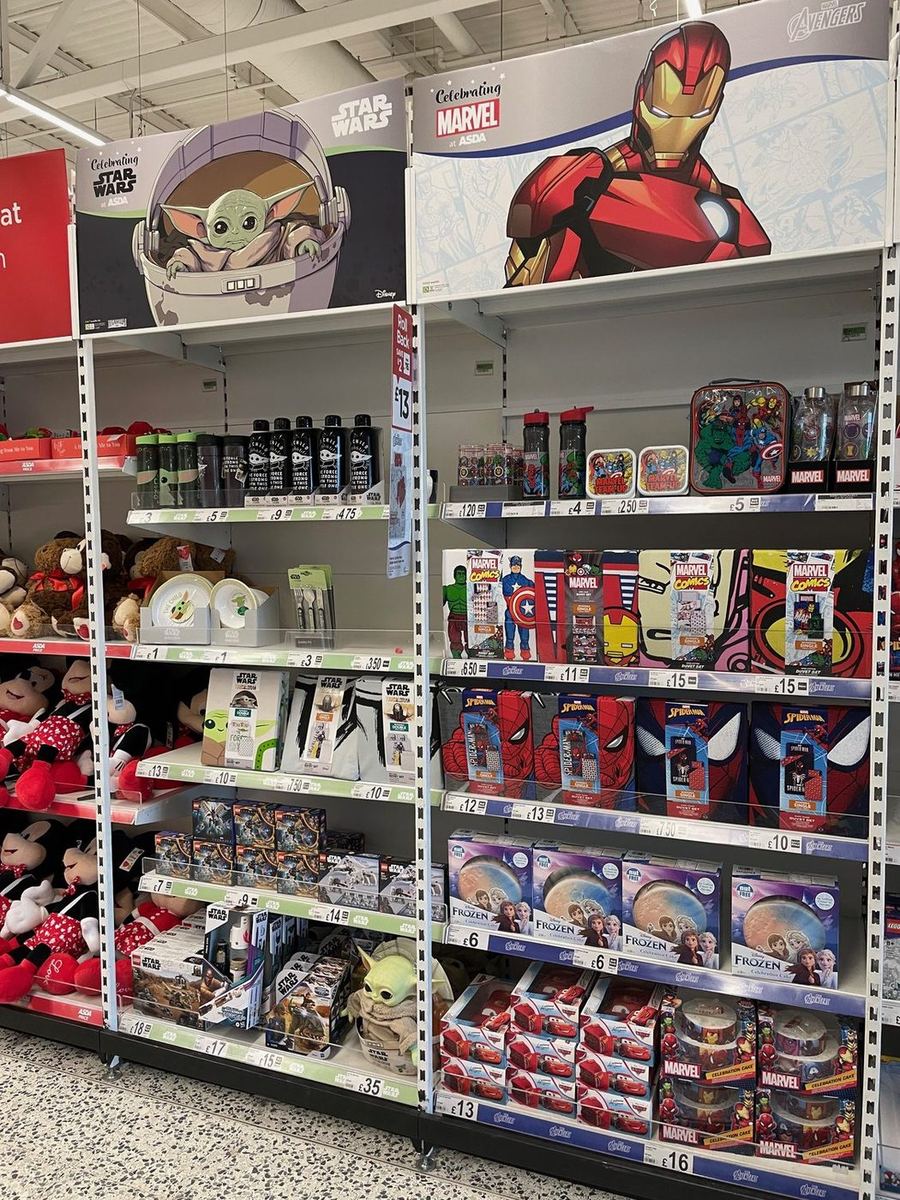
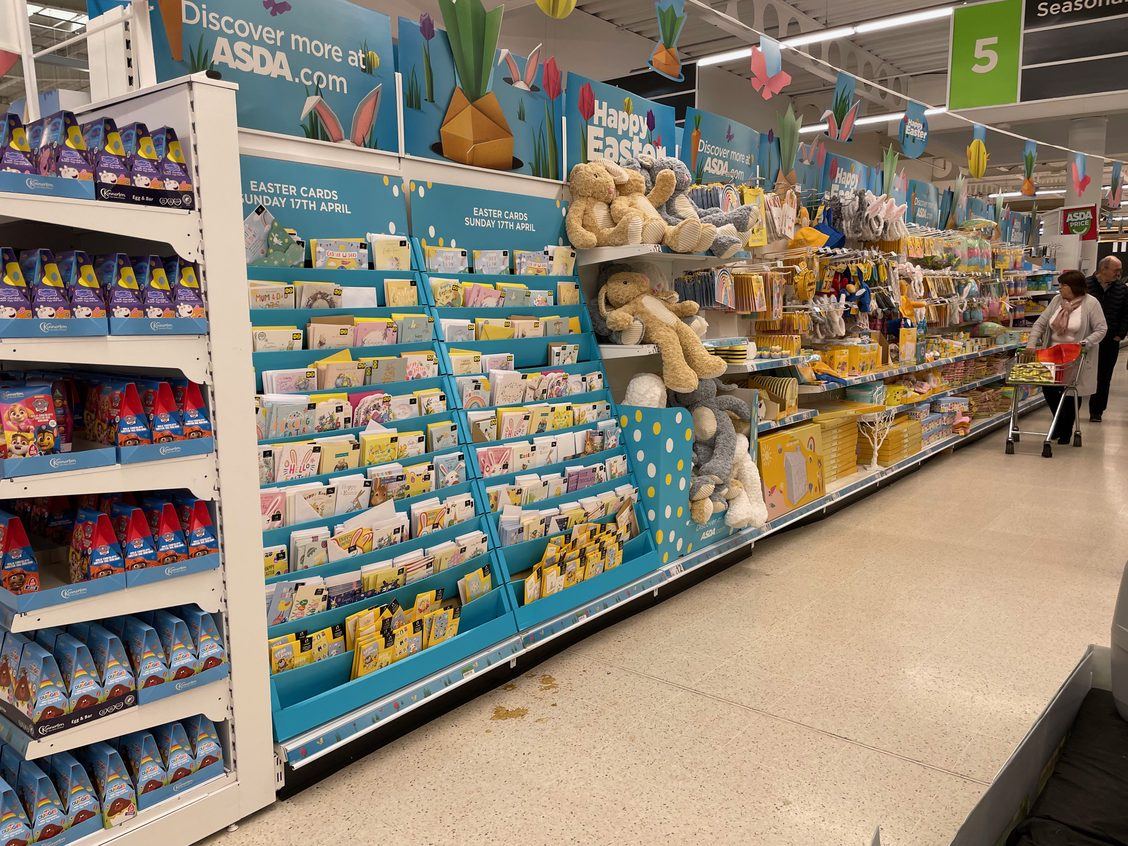
Seasonal campaigns have been strong for recent events; Disney focused event alongside Easter (as above) worked well. There is a greater focus on crafts and toys this year for Easter.
Another example of the focus moving away from just Chocolate Eggs given the obesity issues facing the nation and indeed, children particularly.
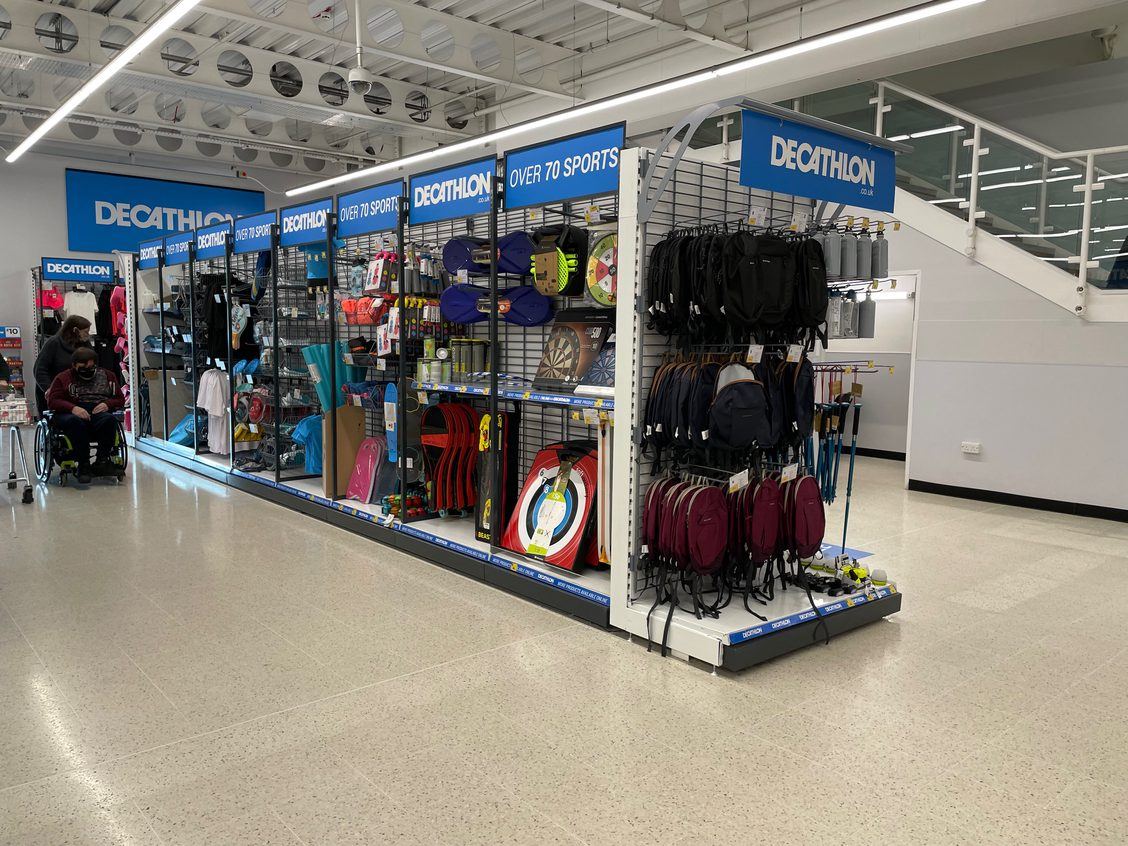
For concessions and 3rd party brands - we see more Decathlon implants popping up in refitted stores, these tend to occupy an aisle or two and add more depth to the overall shopping trip.
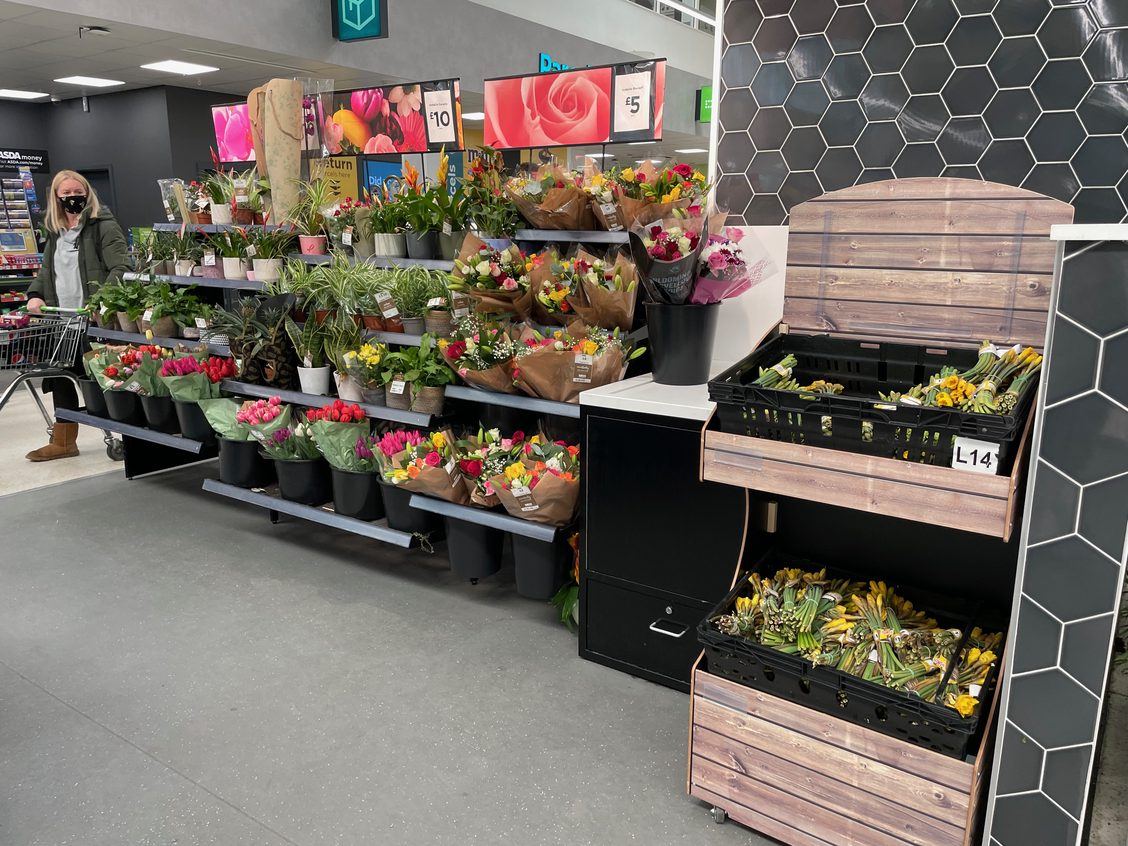
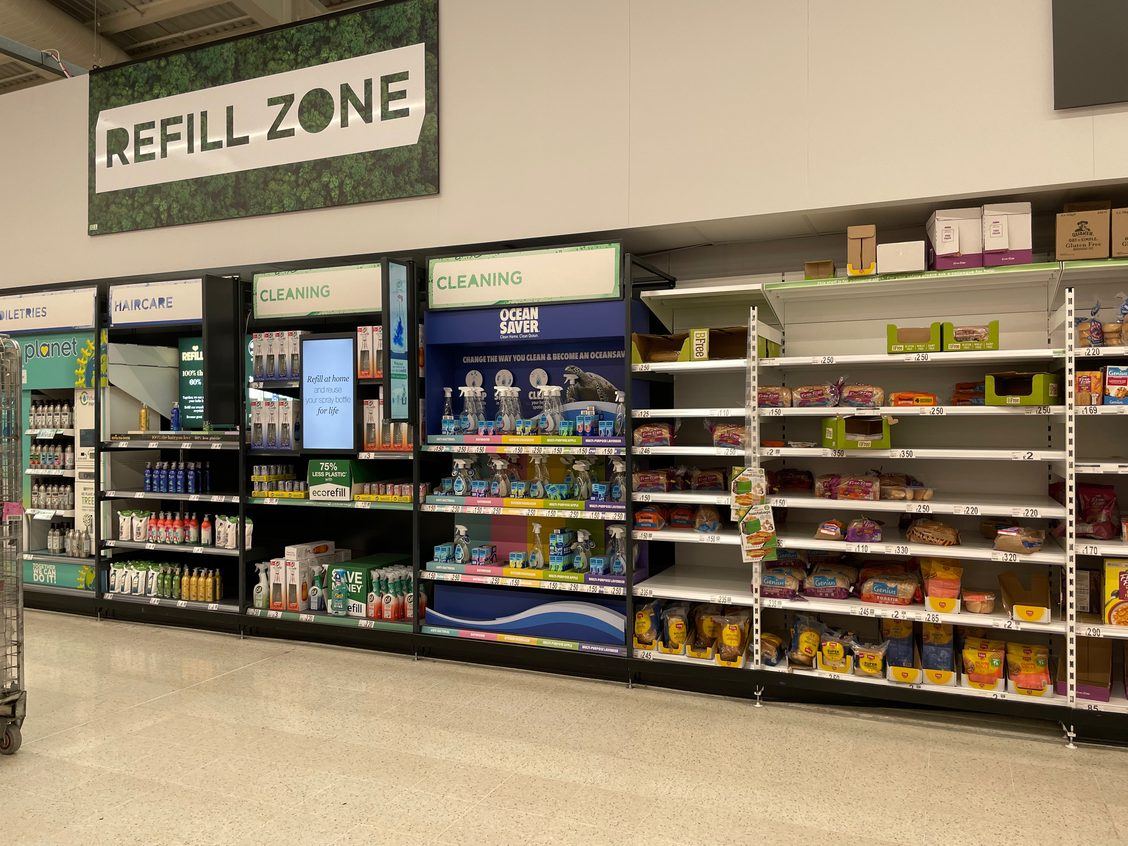
Overall for Asda; they look to be in better shape than some others based on store standards and visits. It is looking like the new leadership is providing some impetus around more innovation and the expansion of refits (which Asda have always been relatively good at) and notably on standards too.
The challenge (as ever) are sales, then profitability. The second one is arguably more important now the business is under private equity ownership.
But there is more time and no parent to ask big questions, or take a dividend each year.
It remains the case that no retailer has been able to cost cut their way to prosperity/ Yet the growth in the market has continued to come from labour savings and bigger stores, more online and then opening more space.
Everything reaches a tipping point.
There are benefits and drawbacks of all ownership types. The PLC is hardly a long term game so private ownership via a PE backed model has a reasonable chance of succeeding, like anything else.
However consistency is key and the early days from Asda look positive at least in terms of standards. However their market positioning is (and has always been low prices) so the emergence and continued growth of discount is problematic.
Especially with the current backdrop of price rises, inflationary pressure, real impacts on living standards and energy price rises too.
The heartlands overlap between discount and Asda is also a challenge.
But a relatively unusual focus (through retail history) on standards and doing things differently in relation to driving footfall, using more 3rd party concessions should be a positive move in these early days.
However - food retail is a brutal game and longer term, there are questions around what to do on price, what the brand may stand for, own label, associated quality, the list goes on and on.
But for the early days, with a pandemic and then inflation, a war in Ukraine affecting supplies, prices and energy alongside everything else.
It’s a solid enough start for Asda, but the waters will only get choppier.
Want to find out more about our services for the wider retail market?Subscribe to this service and benefit from our quarterly market presentations too.
From the Grocery Insight newsletter archive, first sent to subscribers on 5 April 2022. Steve now writes at read.groceryinsight.com. See also the blog archive and briefings.