Retail by Email - Issue 469 - Value is for ever
11 March 2022
View this email in your browser
Not a subscriber? Join our insight service today.Retail by Email - Issue 469 - ValueInflationary pressure buildingFurther price rises on Petrol and Diesel will hurt spending power more.
Prices were already sorely under pressure due to the various pent up costs in the supply chain post COVID, with transportation costs rising from the Far East alongside general demand outstripping supply. Add the UK based challenges with Brexit and immigration and the pay increases to haulage drivers and due to the shortage in skilled people hasn’t helped the cost base, either.
Added to that; the labour shortage then became apparent especially in food production. This wasn’t helped by Brexit and the change in immigration rules, alongside the additional time that had to be built in to supply chains, given the friction at the border.
Meaning that the “unknown”of Brexit, changes in border regulations alongside a global pandemic (and challenges with absence for COVID & isolation) meant it was hard to know where to focus time and efforts as a retailer, or a distributor/producer, over the past year or two.
I have often said that if this current scenario was invented to test a business and their resilience plans; the current elements that are playing out, at the same time, would be dismissed as being too unrealistic.
But we are where we are.
The situation in Ukraine is another concern and will not help Energy prices or the Oil price - two components that pile pressure on the “futures” for commodities and lower confidence for the longer term.
The issues facing Ukraine impacts their Wheat exports and that feeds in to the price of feed and of course, that means further pressure on the costs in the supply chains.
As we know.
Fuel is key and any price rise here impacts everyone, as we have noted and discussed time and again. Growers, suppliers and retailers then have to pass the costs on.
But what are we seeing on the ground in stores around value?
Of course, we do not see price rises explicitly advertised on the shelf edge, but we do feel it, of course we do. Everyone does. Has that gone up? I’m sure that was £1 last week.
But it’s always intriguing to see whether retailers are opting for price stability versus tactical promotions and campaigns.
Slow and steady versus short term gain?
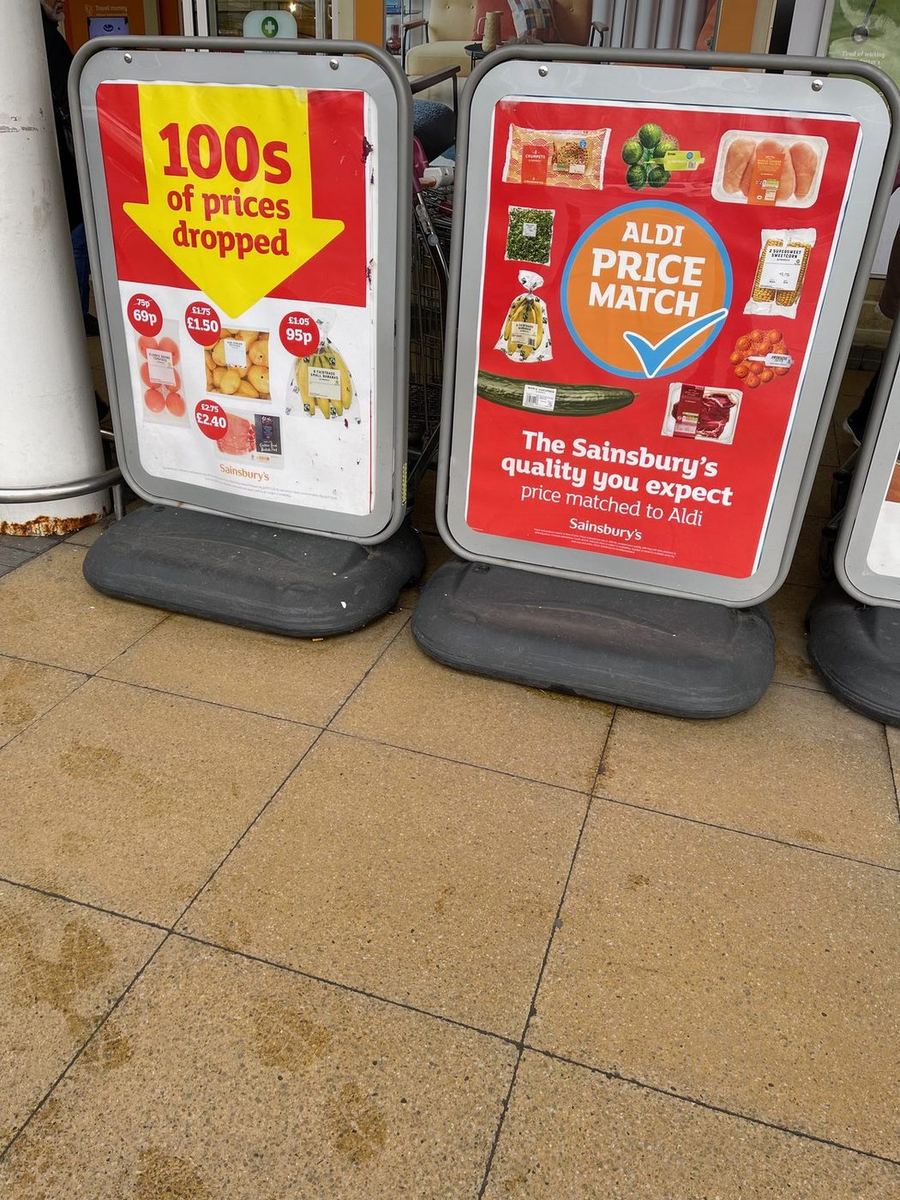
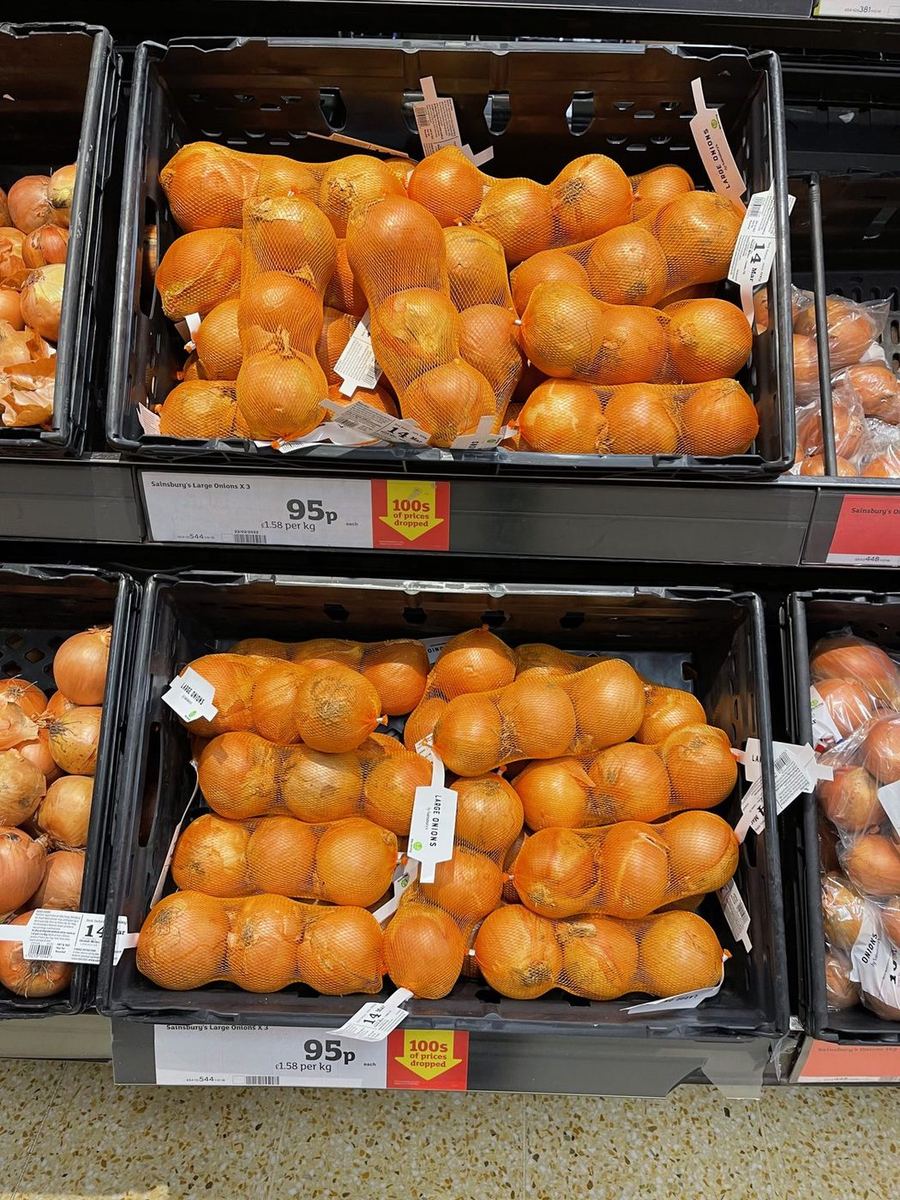
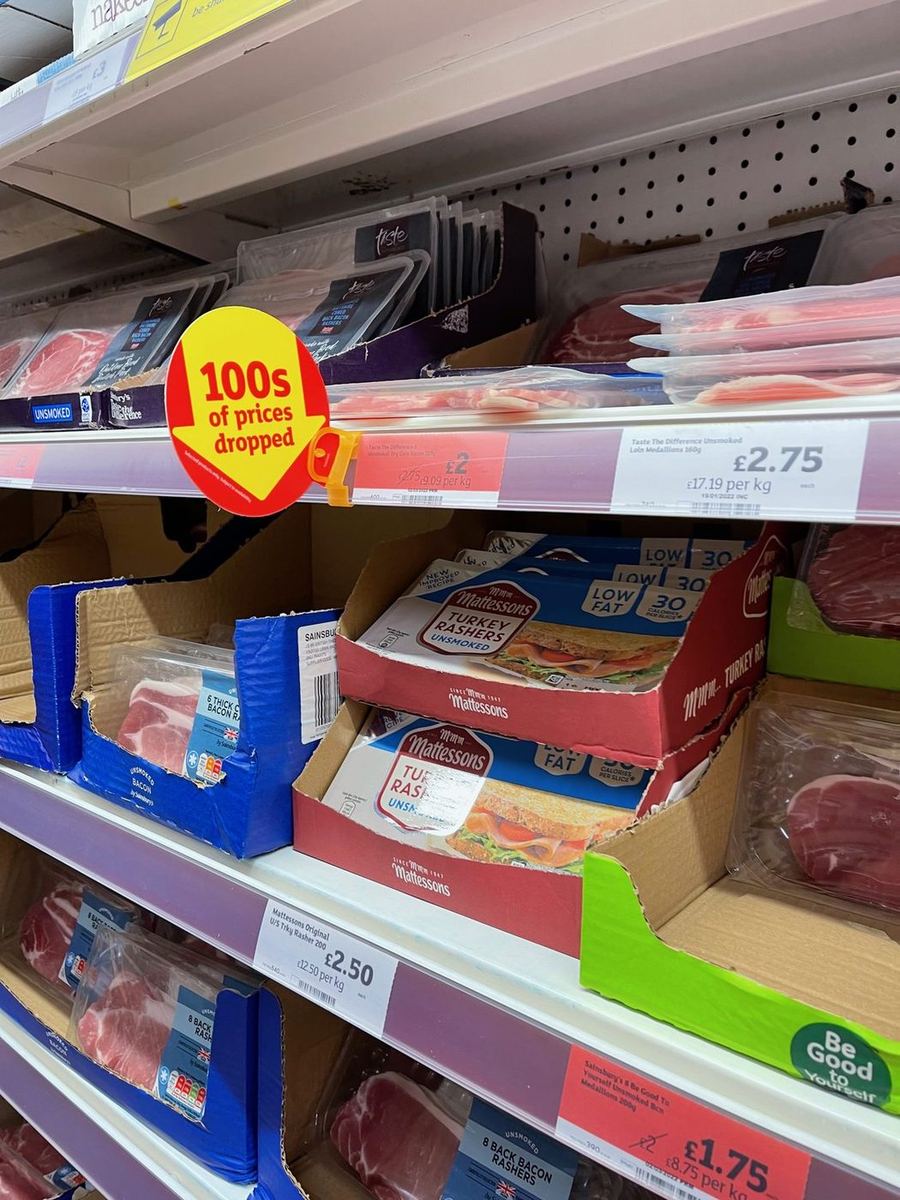
Sainsbury’s have landed their “100’s of prices dropped” campaign which was notable, given that prices are rising everywhere else.
But for Sainsbury’s; it’s yet another price campaign which alongside the Aldi Price Match (weakened to 150 fresh items from the c.250 or so when it launched) pales in to comparison against the Tesco comparative which tracks ever more products.
They also have Price Lock of course, so there’s a definite feeling of driving value in Sainsbury’s, with the latest campaign focused across Produce and Meat, also.
Notably; last week saw the news that Sainsbury’s were closing most of their Cafe operations in store in favour of a food hall style offer. This is via Ranjit Boparan and his stable of brands (Carluccio’s / Ed’s Diner etc).
But this is surely another marker for the chain just diminishing its own offering in favour of cost saving? The food counter closure without any discernible plan for the space (as evidenced by the WIGIG deals area) highlighted this. Now a Cafe closure (65 remains open, the rest close within the month) yet not all stores will receive either a Starbucks, or the food hall offering.
Even for the stores that do benefit from the new offering. Despite the closure taking place this month, the roll of the new offer will take 3 years.
Food first strategy? Feels very much like “we’re closer to Aldi and Lidl but we’re still more expensive and we’re giving fewer reasons to visit, too.”
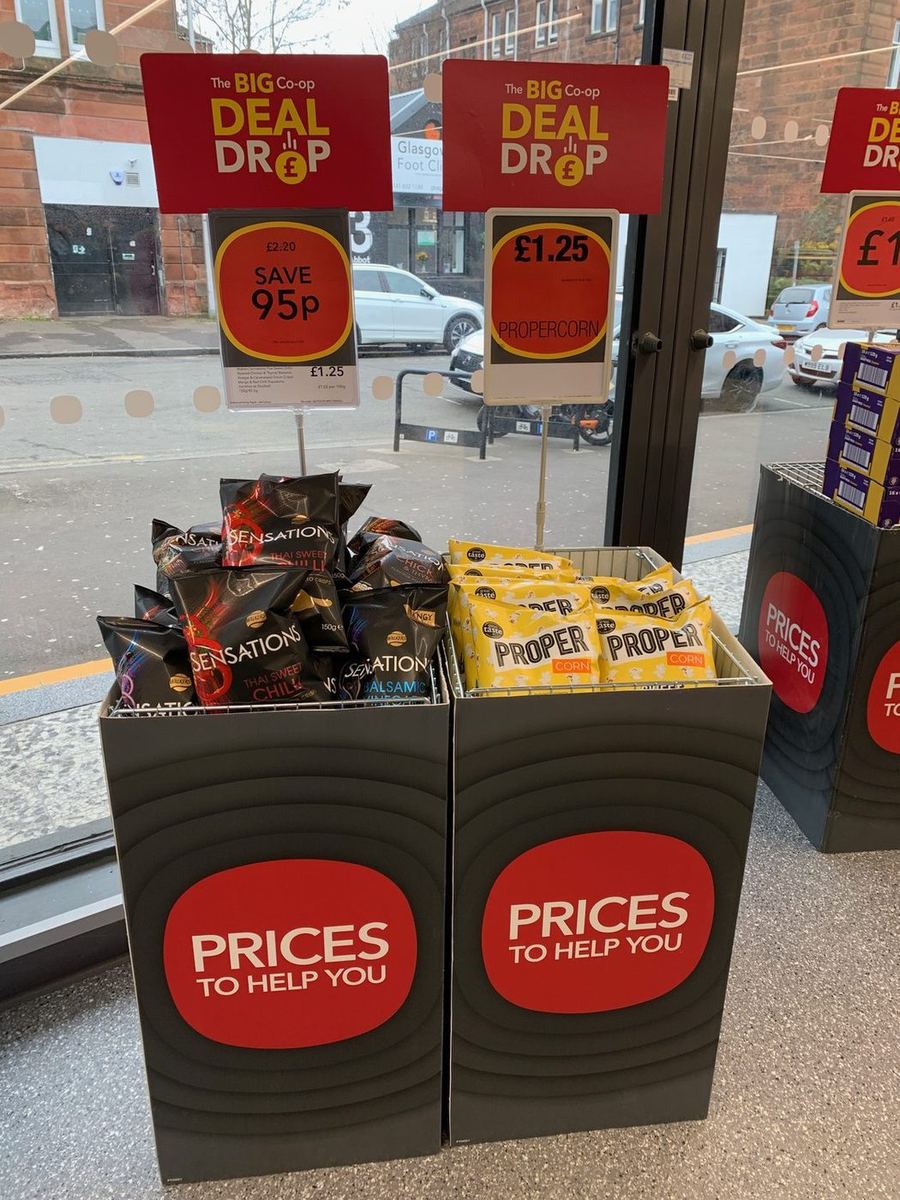
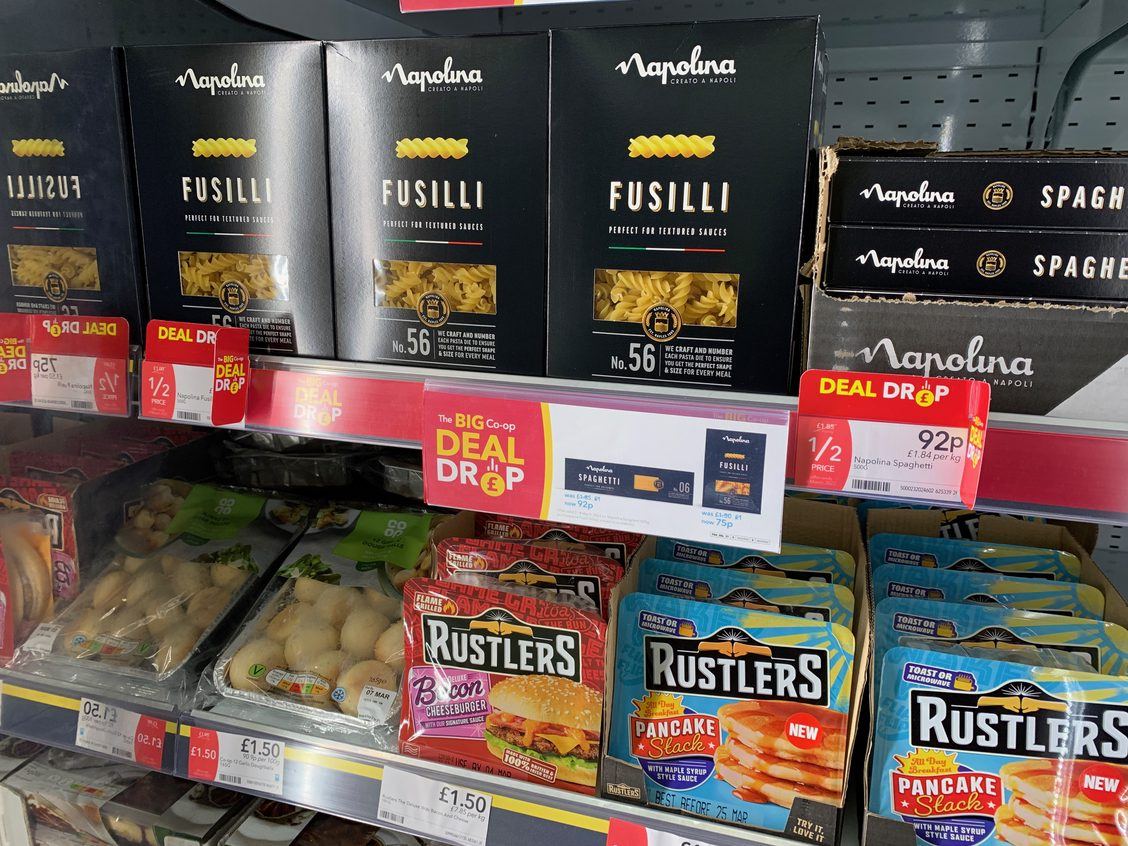
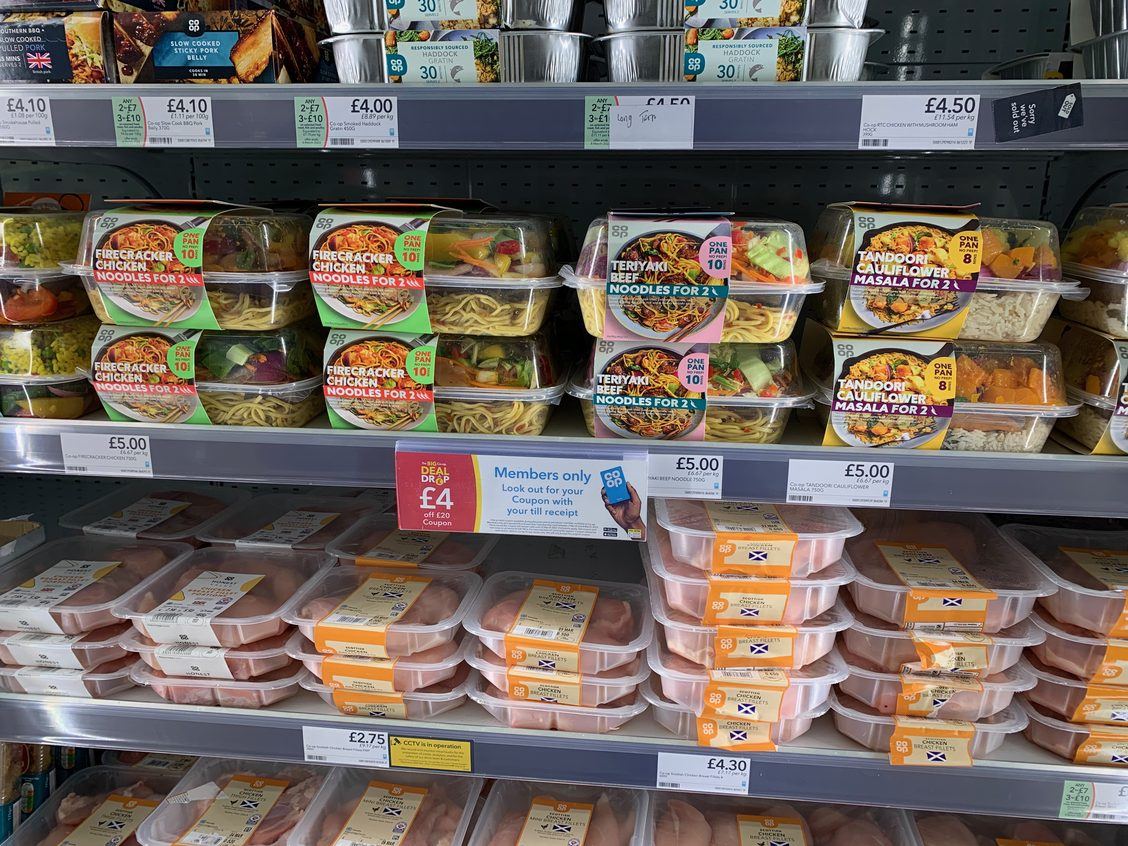
The Coop have seen their Kantar figures fall significantly due to the ever shifting landscape, customers were shopping local due to COVID, then they changed to a bigger store, or online.
Alongside this - the closure of city centres more than once via COVID saw sales in these stores fall off a cliff too, has it recovered yet? No.
This meant their comparative figures were then a real mountain to climb, it’s not that they are doing lots of things wrong, per se. Far from it.
However they were hardest hit for the longest with availability problems in the Summer of ‘21. We had the fall out from the HGV driver challenge alongside a whole host of other factors that impacted store availability.
Alongside the supply chain woes; system integration hasn’t worked as well as intended which compounds the issue further and has led (in part) to some of the availability problems they have faced.
They’ve pivoted too with online offerings via Amazon and Deliveroo and their recent price campaign that’s landed - focusing on Deal Drops has stood out very well, alongside their loyalty offer for customers (£4 off £20 spend) notable.
Certainly feels much stronger than previously and should provide some impetus, especially as we return to some form of normality.
The push towards “loyalty only” deals has been pronounced at Tesco; who, like the old days have been leading the market on EDLP, price stability and loyalty only prices for an age (it seems).
But other retailers are playing in this space too. Iceland have had their Bonus Card for some time and now they’re in the mix with a number of loyalty deals of their own.
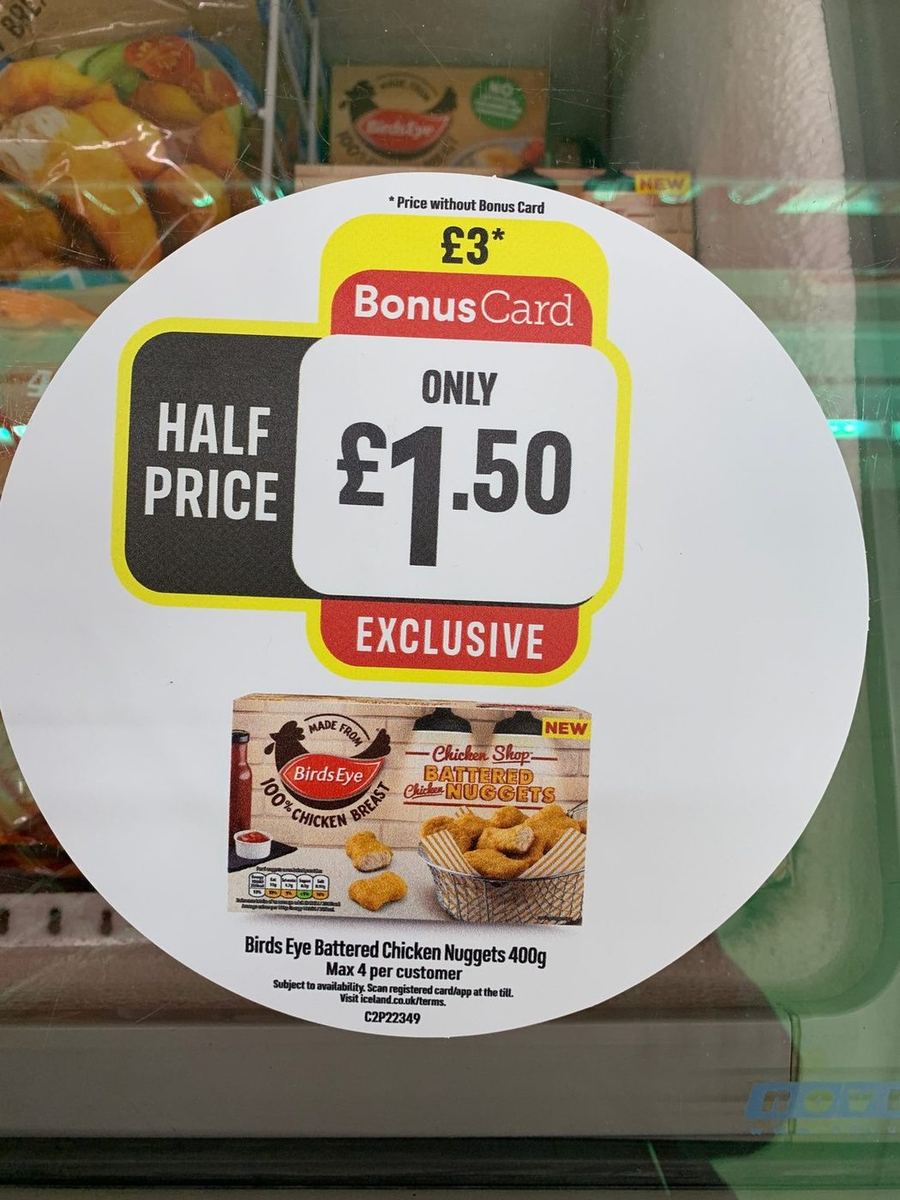
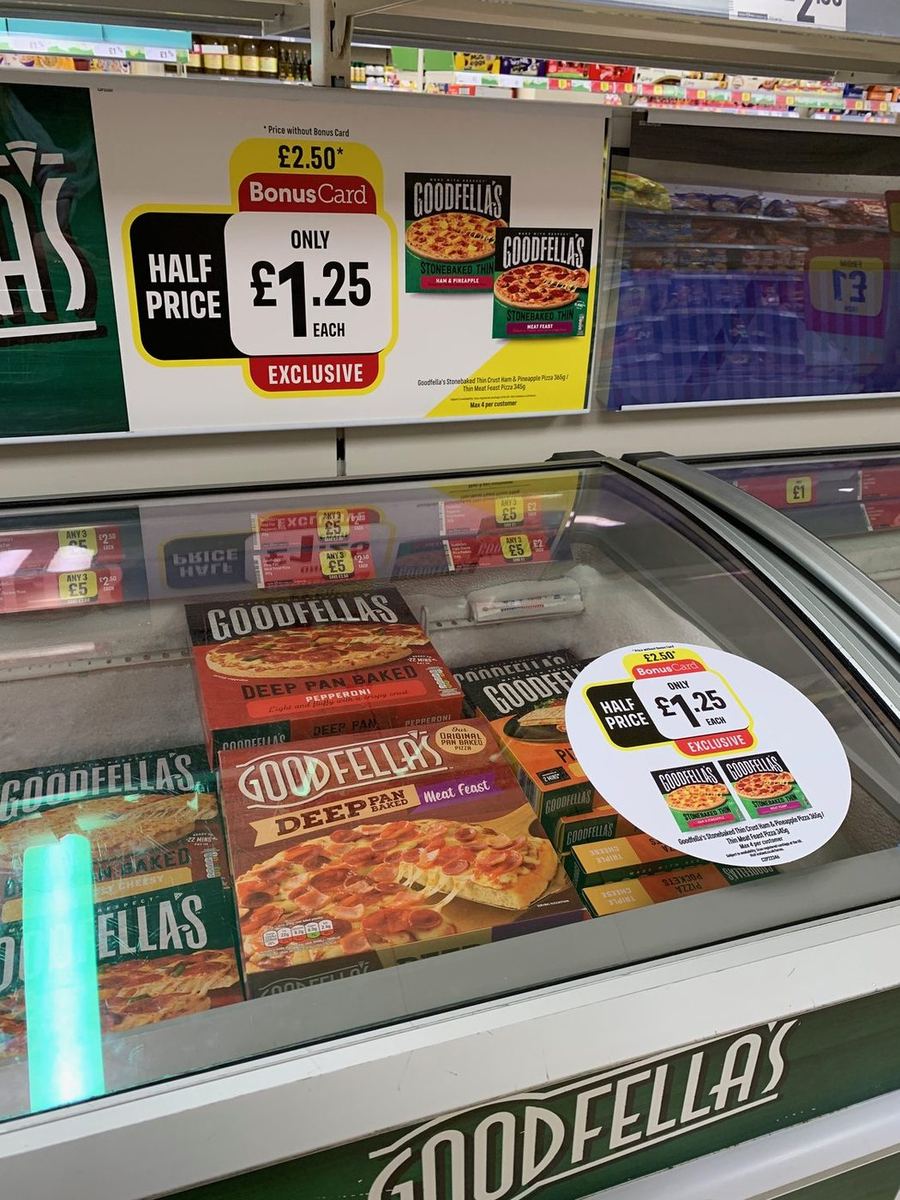
Alongside this - there is a number of core deals that are strong around the store; with foyer promotions and a huge number of exclusives as well.
Exclusive partnerships with TGI Friday’s, Chiquito, Slimming World et al has driven the perception of Iceland northwards in terms of “newness” and exclusivity too.
They’re unparalleled in terms of their value proposition in Frozen Foods and in Fresh and Produce also. They’re also sharpening up but there is a challenge with volumes, alongside inflationary pressures too. The headwinds are always felt in Fresh Foods first and the rise in Wheat prices (futures) will not help.
Loyalty only deals will drive swipes and yield better data too for the chain.
Tesco as the market leader has dominated value for the past few years in terms of their pivot towards EDLP and we have seen the growth in share, repeat customers plus discounters taking a bit of a beating as well.
Their long term plan has played out via farm brands, a revamped value tier range matched up to Aldi products and then further price matching expansions in to other leading brands, mid tier products in selected categories (I’d argue those are the ones where share is lost - Bakery & Cakes etc).
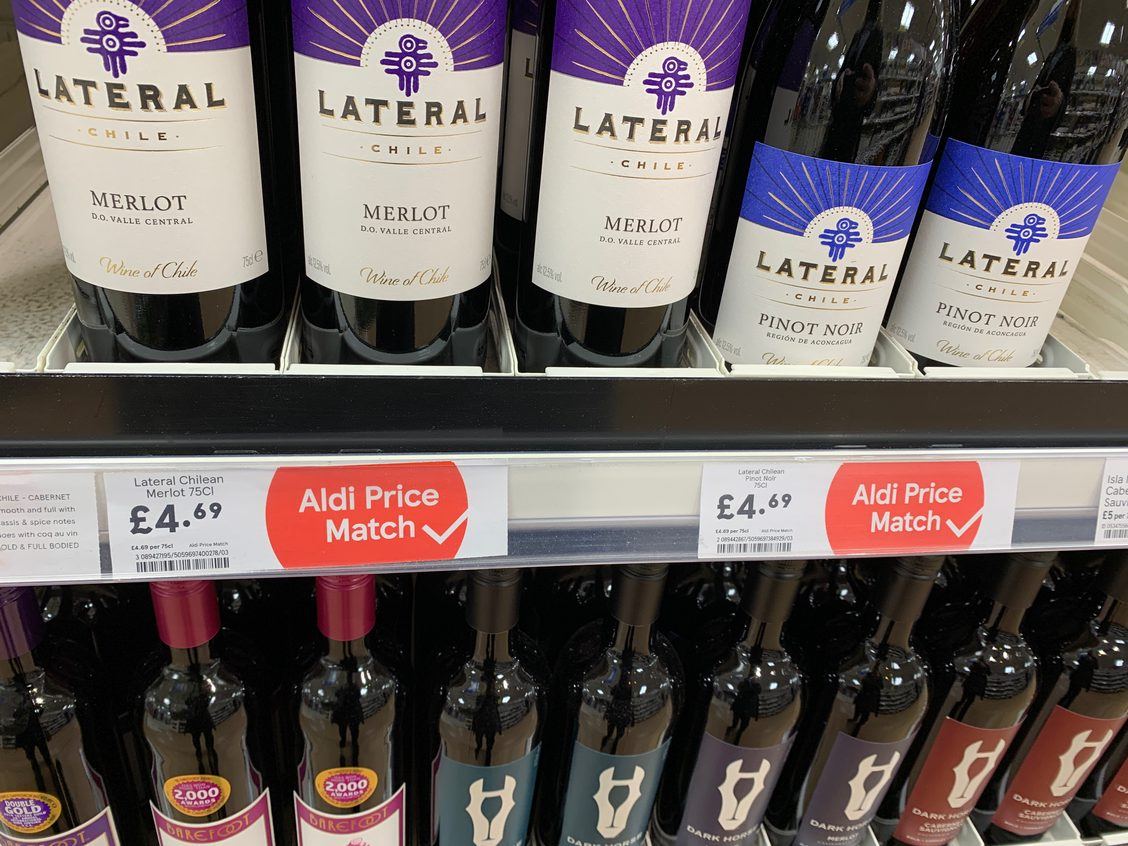
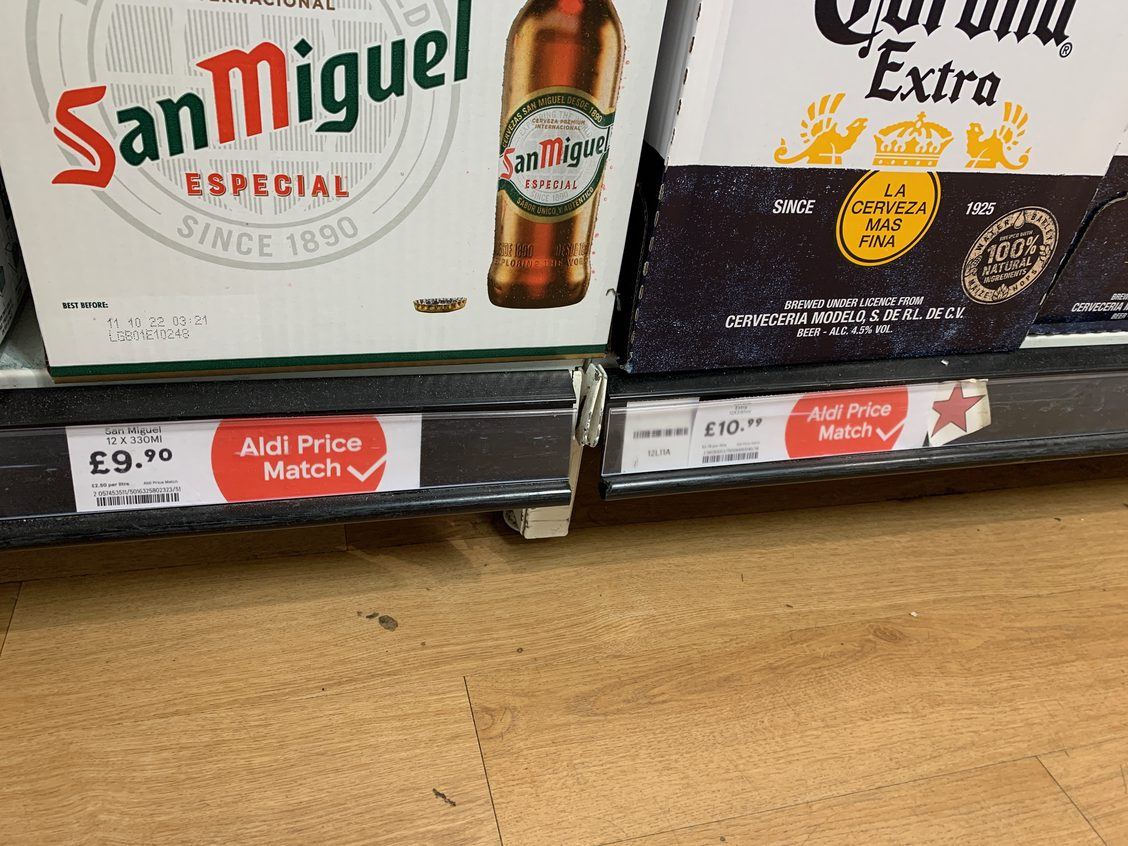
Recently we have seen more price matching signage in Wines (Scotland in this image, hence the higher price) but also in large pack Beers/Lager which is what we see in discounters. The leading brands are often dropping their branded Lager/Beer in to their special buys area year round, or for key events.
Tesco then match these over the week. Similarly with Colgate; where a recent issue between the supplier and retailer (Colgate and Tesco) lead to the absence of the product from Tesco shelves on a temporary basis, at least.
Colgate was the sole Toothpaste product in Aldi for a long while and presumably that led to a lower price via Colgate for Aldi.
But Colgate has has risen twice in the discounter in recent weeks and now, an own label Toothpaste has appeared in the Aldi range also. Colgate meanwhile has steadily returned to the Tesco shelves.
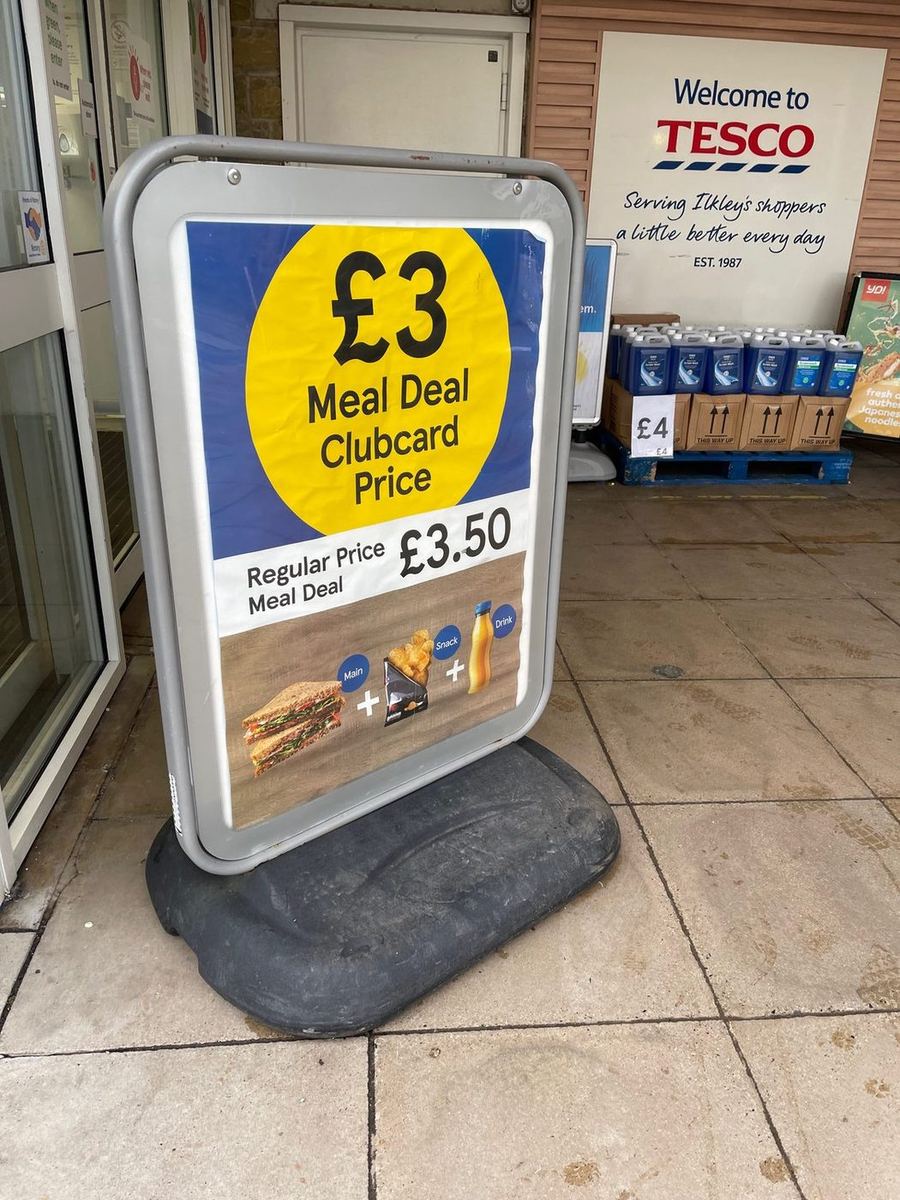
Another part of the Tesco strategy has been the loyalty only prices via Clubcard, these have been steadily rolled out across the estate and in to Express too recently. The meal deal (food to go) were not included in Clubcard prices promotion initially, due to the fact that convenience customers typically don’t scan their Clubcard for a whole host of reasons.
Whether it’s time poor, they’ve forgotten, whatever. Convenience swipes are always lower.
But the price change means that anyone now not using their Clubcard now pays an extra 50p for their meal deal. It’s not a huge rise by any means, plus all customers can now have a hot drink via the in store Costa Coffee machine through the meal deal now, even without a Clubcard.
For loyalty only deals. I never thought Tesco would go fully across the board but it’s worked ever so well.
Alongside their low prices versus discount and driving Finest over the top to enhance the margin and provide customers with some additional luxury outside the core “shop.”
Of course, with loyalty - those customers can then be added to the Tesco eco-system and targeted with money off vouchers and targeted savings too, if for any reason, the customer goes to shop elsewhere
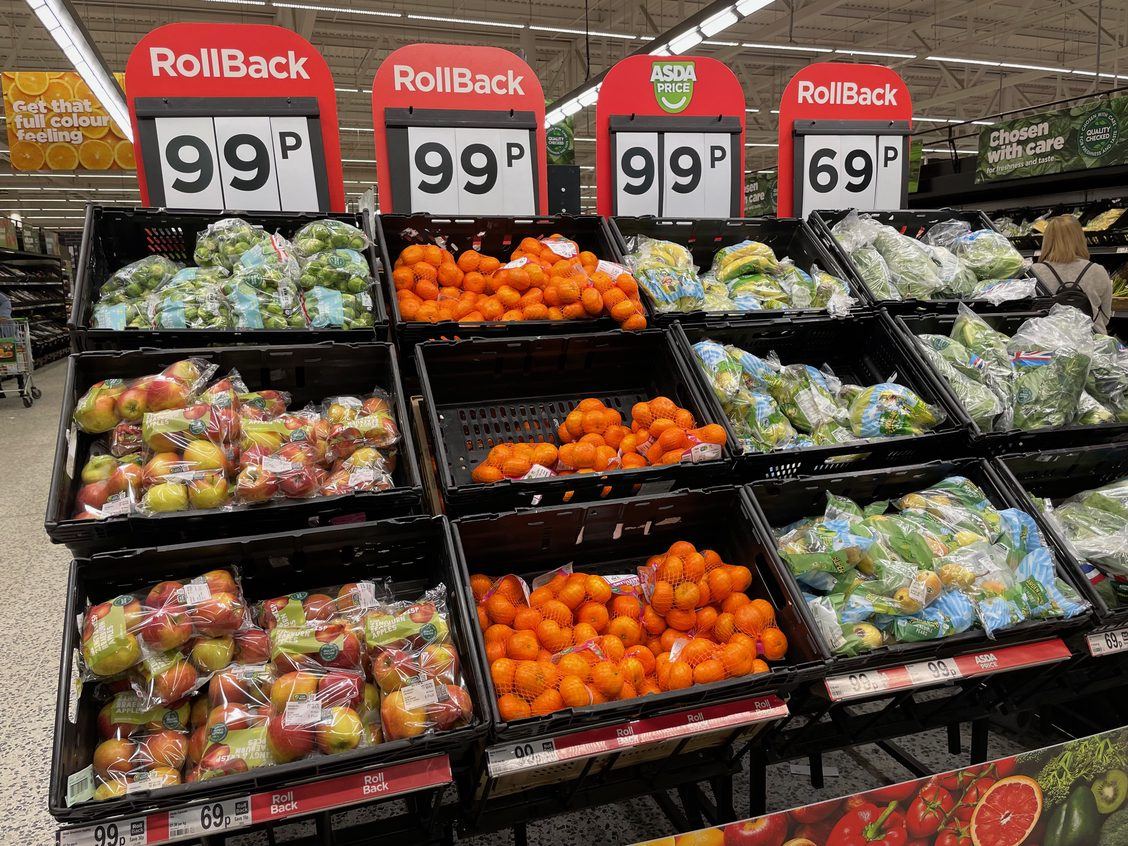
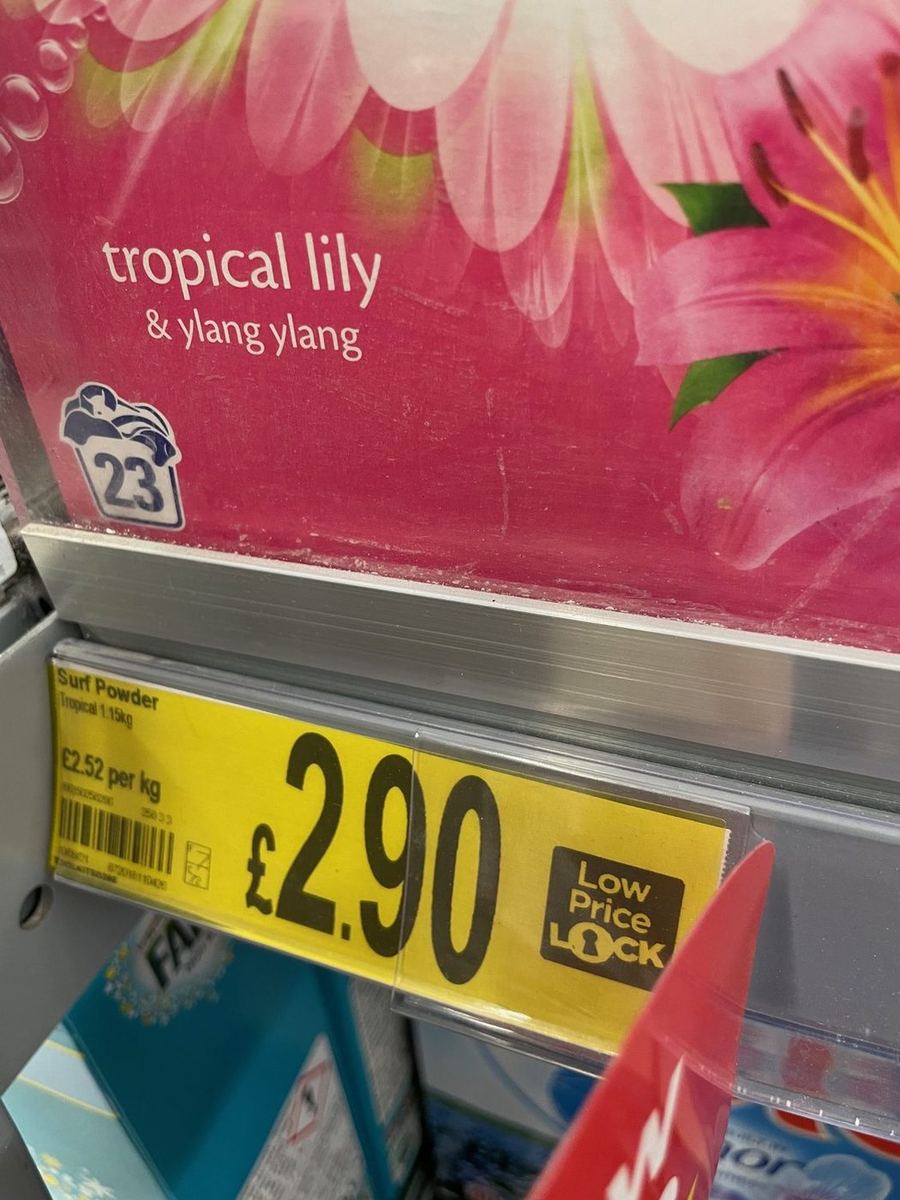
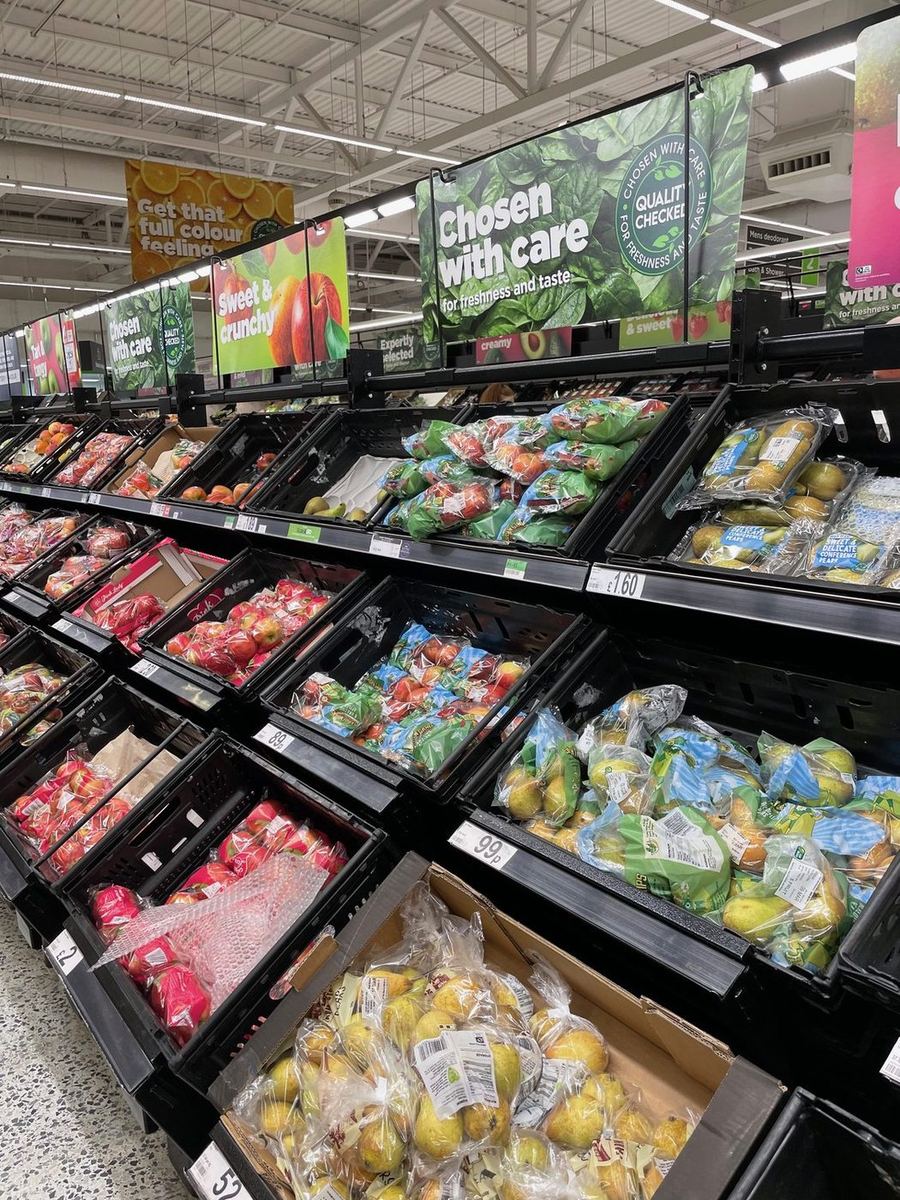
Asda are renowned with their low price offer and their unbroken Grocer 33 price win (although Tesco are pushing hard ). Their tactics remain consistent via Asda Price and Low Price Lock too. (selected lines)
Asda are also using more money off focused messaging - such as “50% off” and other value based mechanics also.
We will have more on Asda next week but their work in Produce, notably, is significant both on standards and around the value proposition too.
It remains the case that I have yet to see a bad Euro Garages forecourt, they’re always weed free, stores are clean and tidy and well stocked. If the Issa brothers can transplant some of that to the Asda business then they’ll be well set for the future.
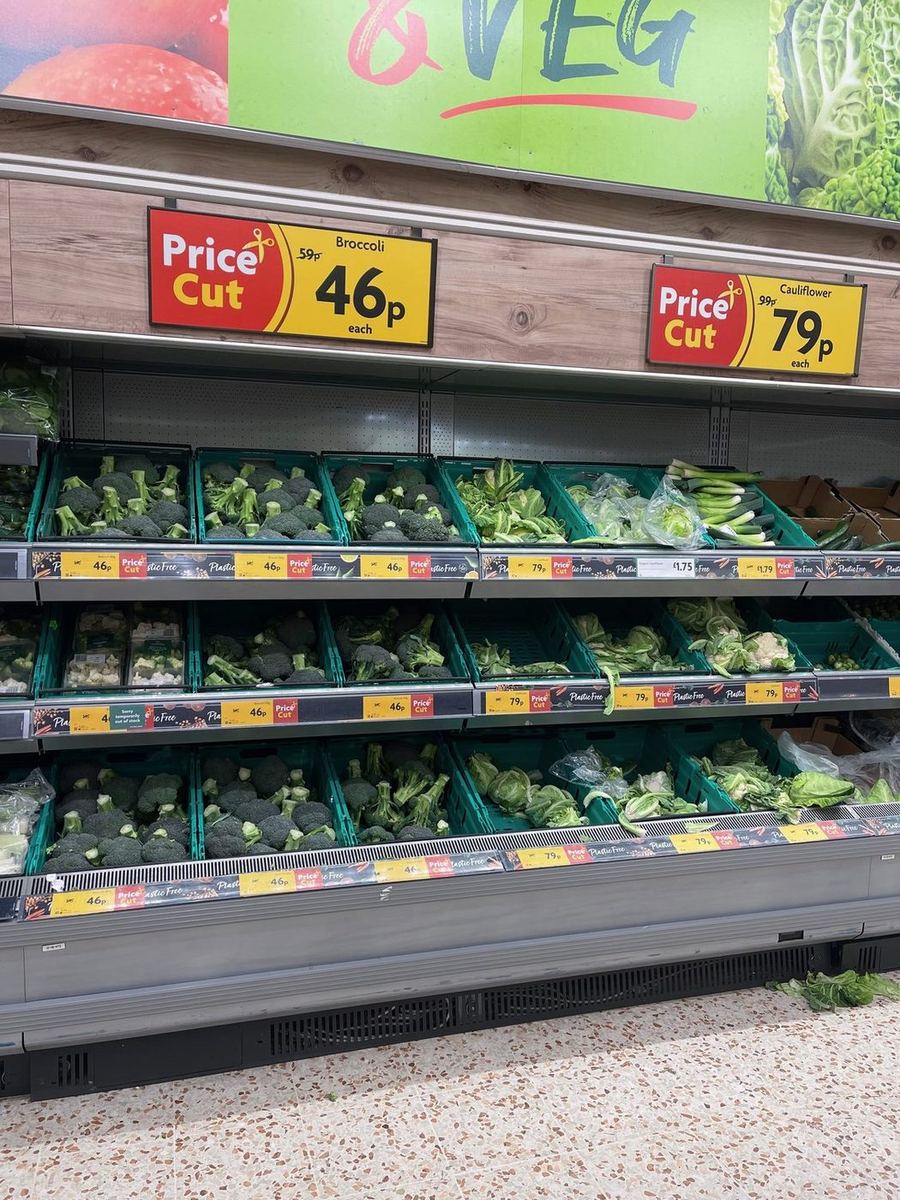
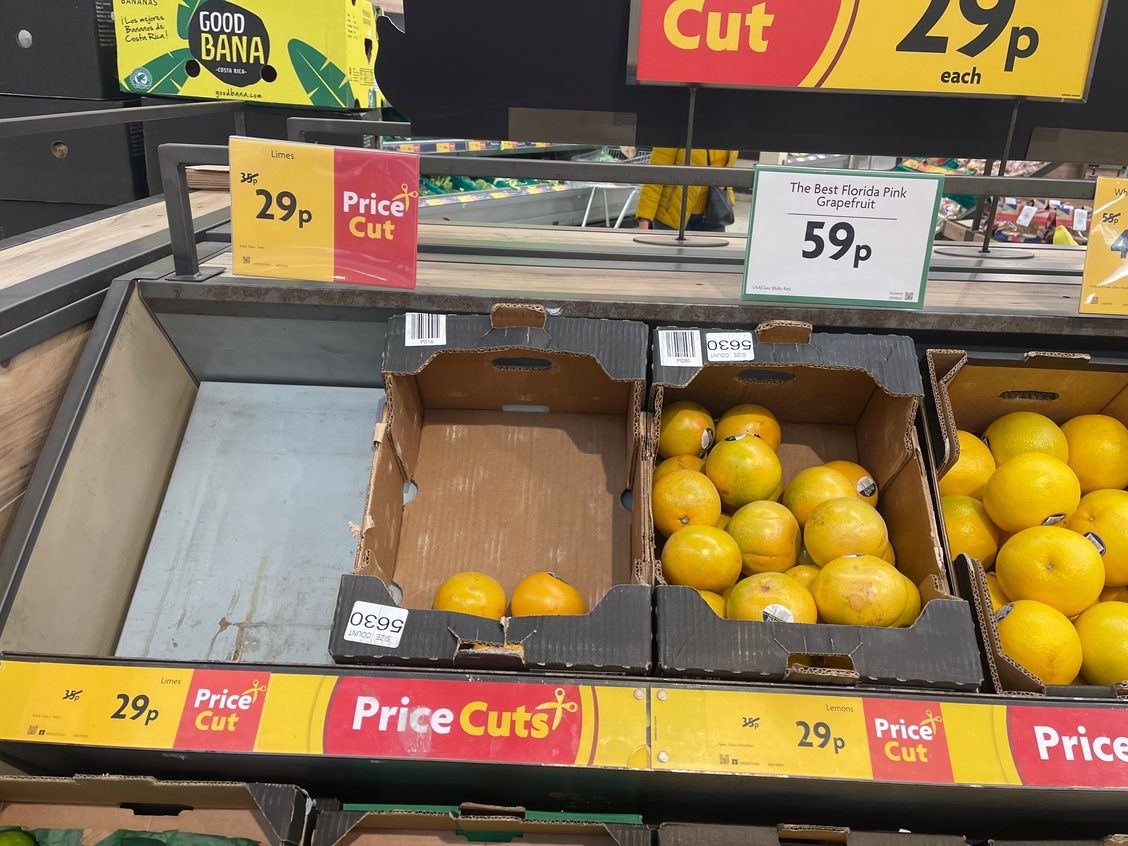
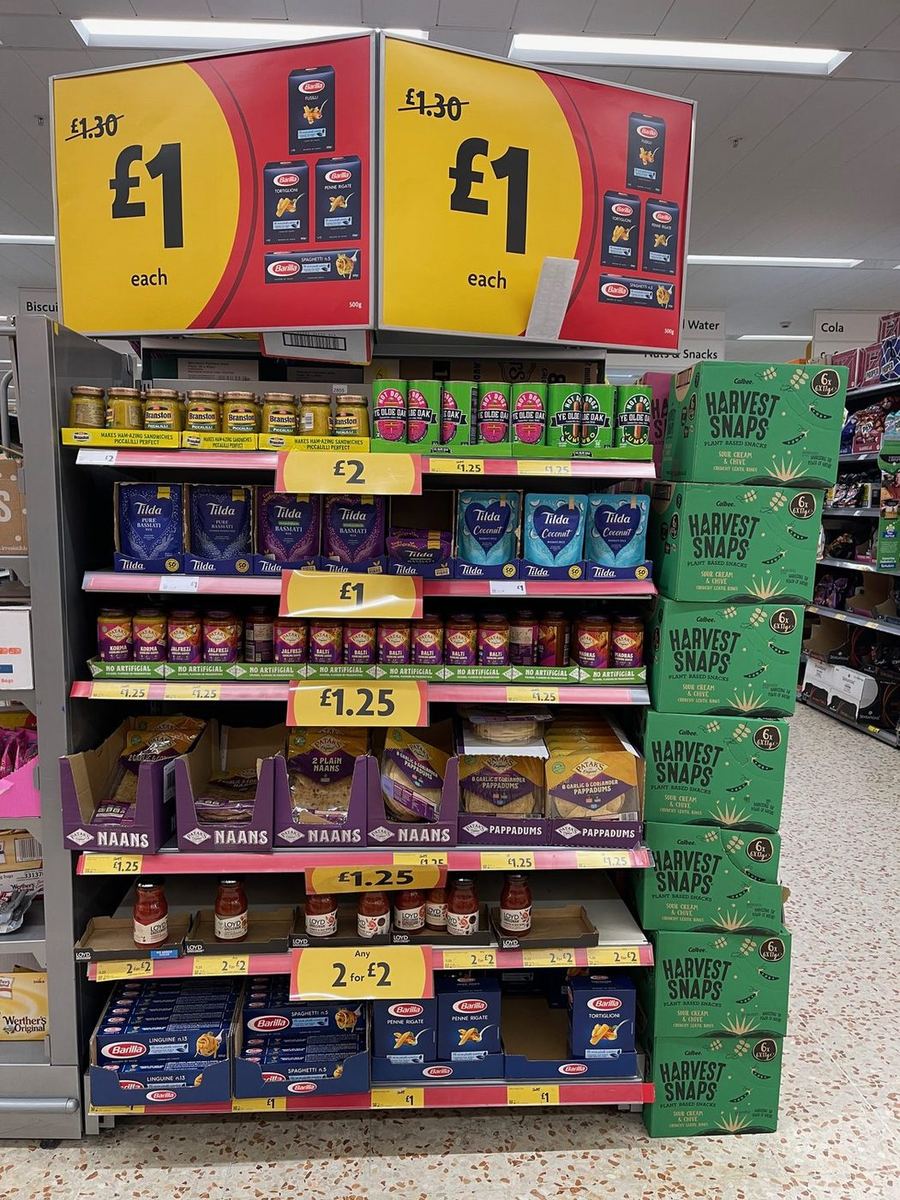
Also in Private Equity ownership (although not yet fully ratified via the CMA) are Morrisons and their value campaign and proposition is still heavily tactical with fuel vouchers recently (7p off with a £40 spend) active in the market.
Loyalty has been slow to roll further with some targeted promotions now active, however their former popular scheme centred around collecting points for a £5 voucher was lost and this was a blow for loyal customers.
It’s always a hard task to persuade customers that personalised prices are better than collecting points, especially when the scheme has been so popular, for so long first with fuel and then the store too.
Consider that both Sainsbury’s and Tesco still permit customers to collect points alongside personalised prices/deals. They can then utilise points off their shopping or convert to 3rd party retailers in the form of vouchers.
The challenge with personalised deals is that they have to be correct for customers. Otherwise loyalty turns in to a disloyalty scheme.
Especially if customers receive money off for products that they just don’t buy, or don’t prefer.
Around the price points and campaigns. Morrisons have undertaken lots of work around Produce with price cuts in the category.
There are numerous price cuts elsewhere also, but the Produce is the epicentre of the price cuts so far. reflecting the importance to customers and the activity in the market, too.
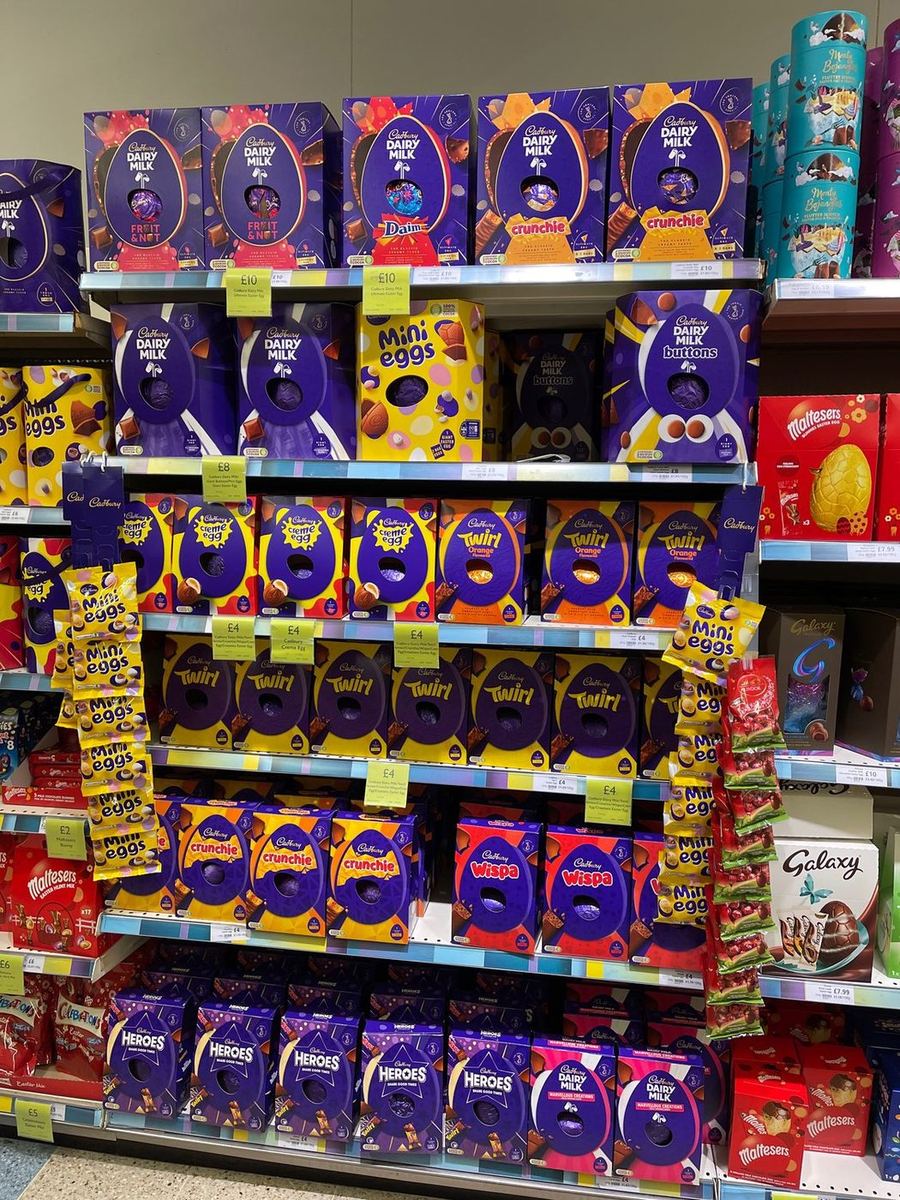
Waitrose have had a very rocky start to their new loyalty scheme (that is actually an old scheme, albeit more personalisation this time around).
The new scheme is digital only which immediately alienated lots of customers who are not “digital native” and thus they have no way to access the vouchers or savings.
Their former loyalty scheme was free hot drinks (the queues in London stores, getting their freebie and leaving was crazy) but there have been changes to this and the free newspaper offering also.
In addition - there were loyalty only prices at the shelf edge for customers and customers could log on ahead of time and select their promotions from the ones that were available.
For the price sensitive customer. Waitrose is not the place to go, at all. The challenge for Waitrose is that they’re at the higher end but their core value can often be found wanting; thus they are over reliant on promotions.
These are often brand led which leads itself to commercial income which helps their bottom line. As noted, they are very promotionally driven with big branded deals at set points in the calendar year.
If we look at the offer itself. Whilst they haven’t done anything on the “Remarksable” style overarching campaign like M&S, they are highlighting products with EDLP style price points in Green signage.
But whether these are low in price; or whether they’re just a fair price versus the marketplace is unclear. But they are trying to highlight some form of an EDLP price point to customers.
But they’ll never lead the value market, nor should they aim to do so. But they have to be careful they’re not too far out of line on easily comparable products (key volume indicators - Produce, Meat, Milk, Bread etc).
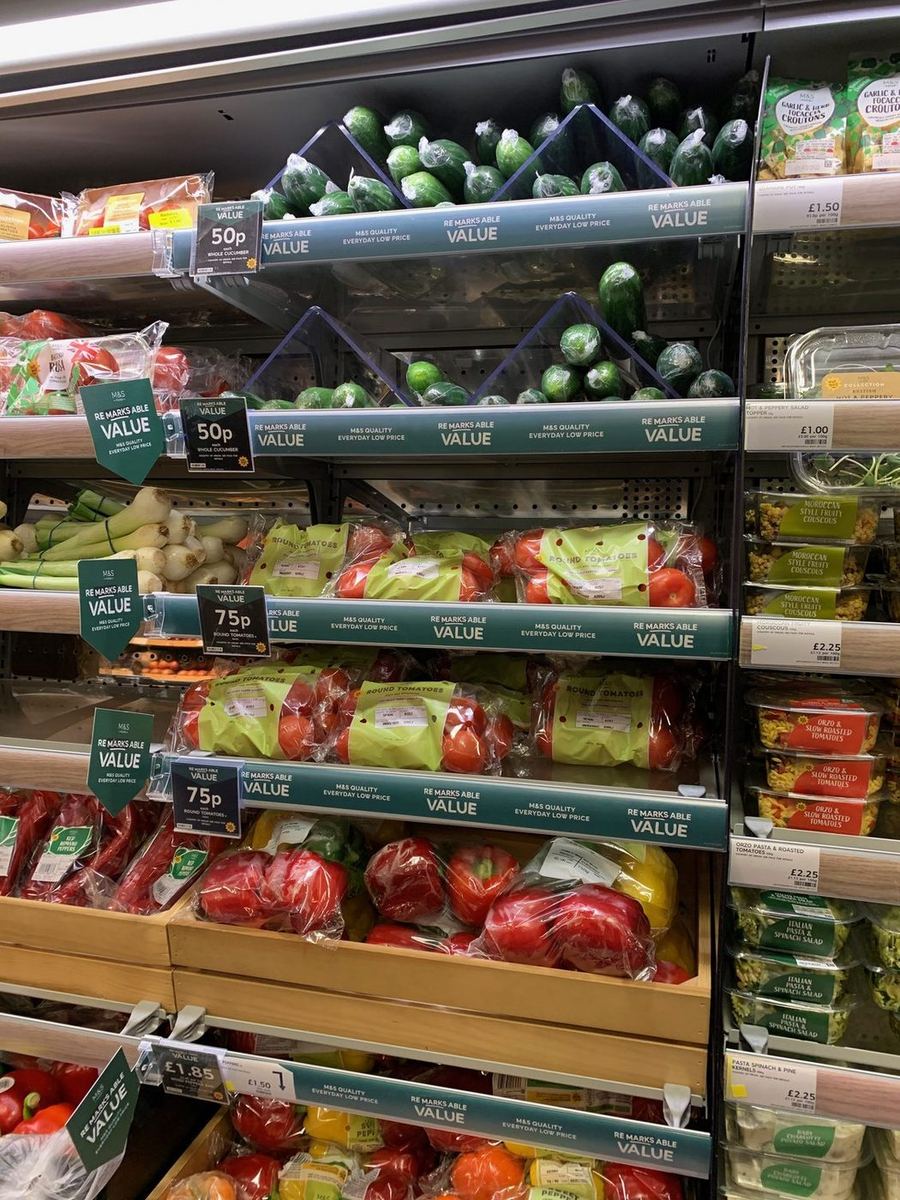
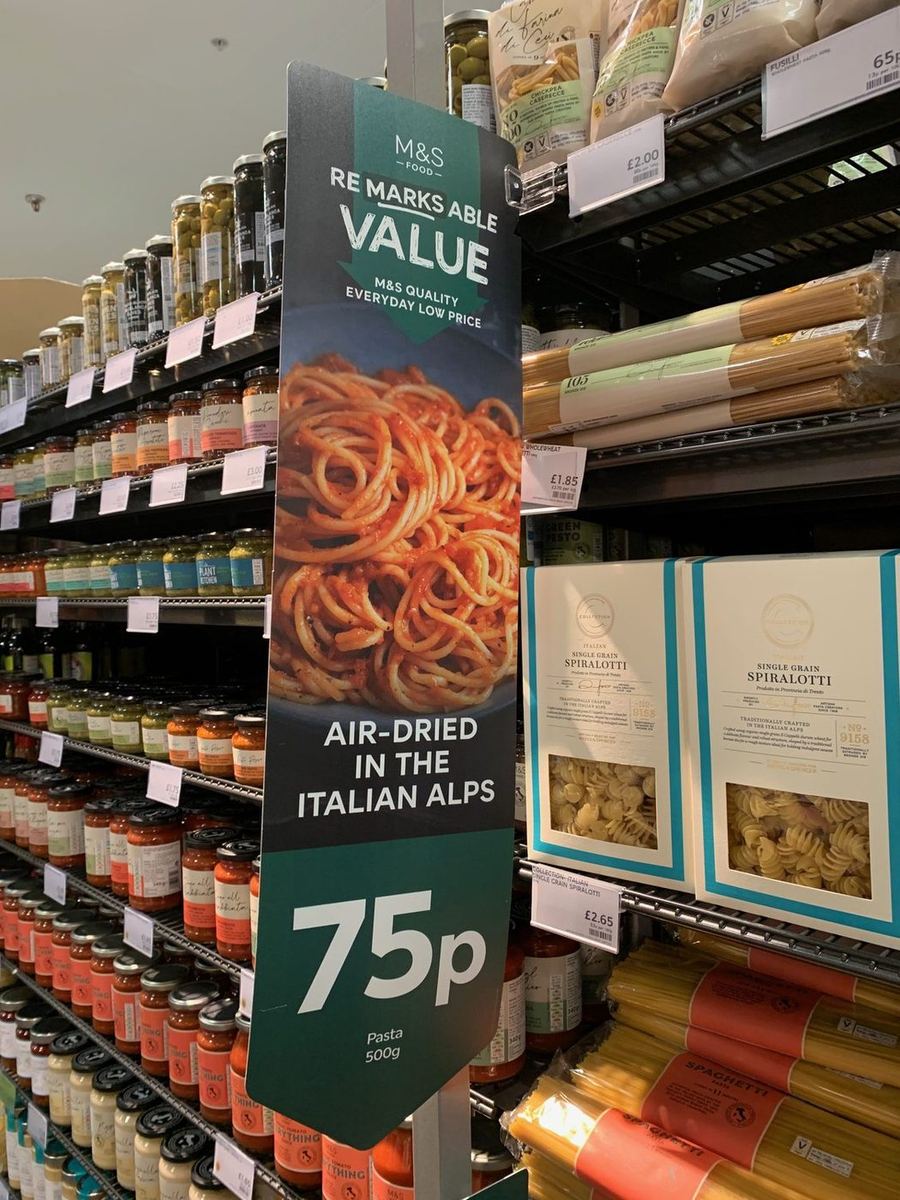
M&S will never lead the value market and this isn’t their role in the market. Their “Remarksable” value campaign has resonated well and they highlight these products around the store and reinvigorate the signage regularly to keep the message “fresh”.
The focus is on fair prices on core products utilising bold signage to highlight this to customers. It’s about highlighting regularly purchased products to customers and these are sold at a ‘fair’ price.
It’s not market leading, nor does it have to be.
This reassurance on products that are regularly purchased at a fair price point then “frees” customers to view the wider range through a lens of value reassurance, driving premium sales and other meal solutions, for example.
This drives sales in other areas, especially with customers already in the store and M&S having such a strong reputation for quality and innovation.
The recent shift to add “remarksable” in the non-food space was notable too.
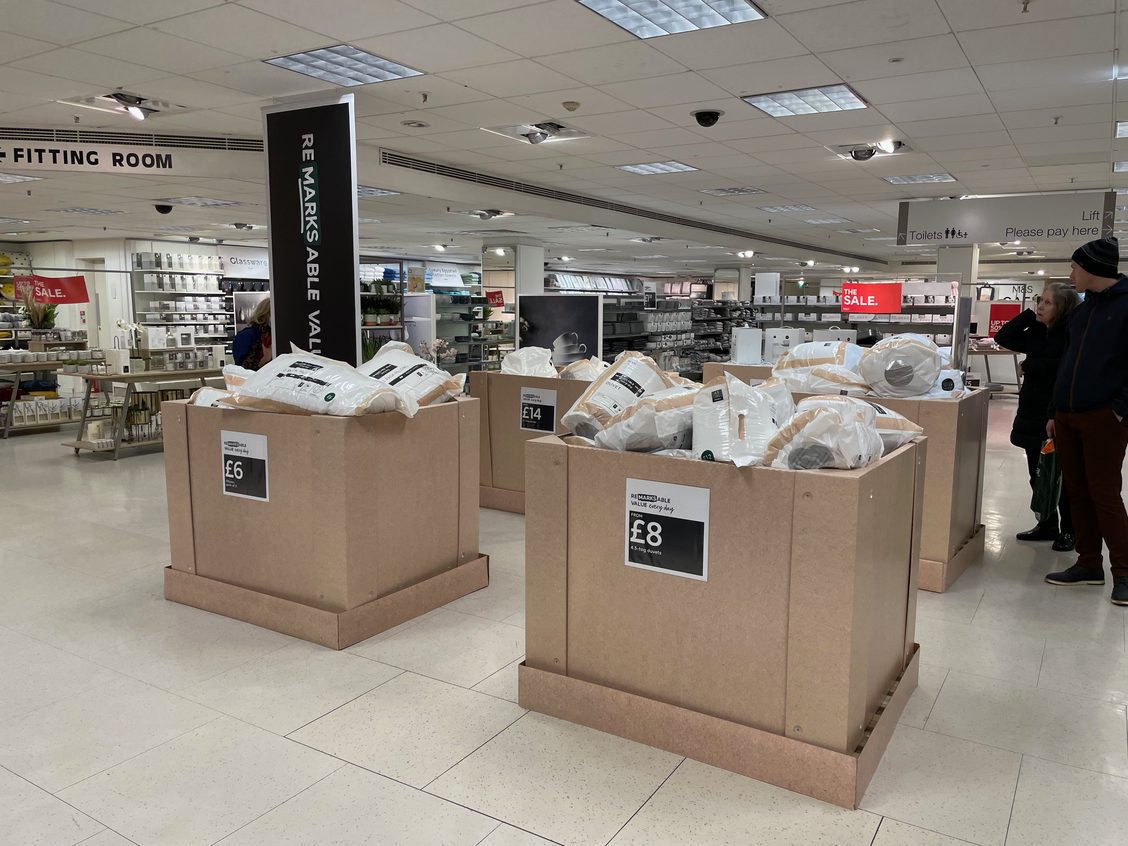
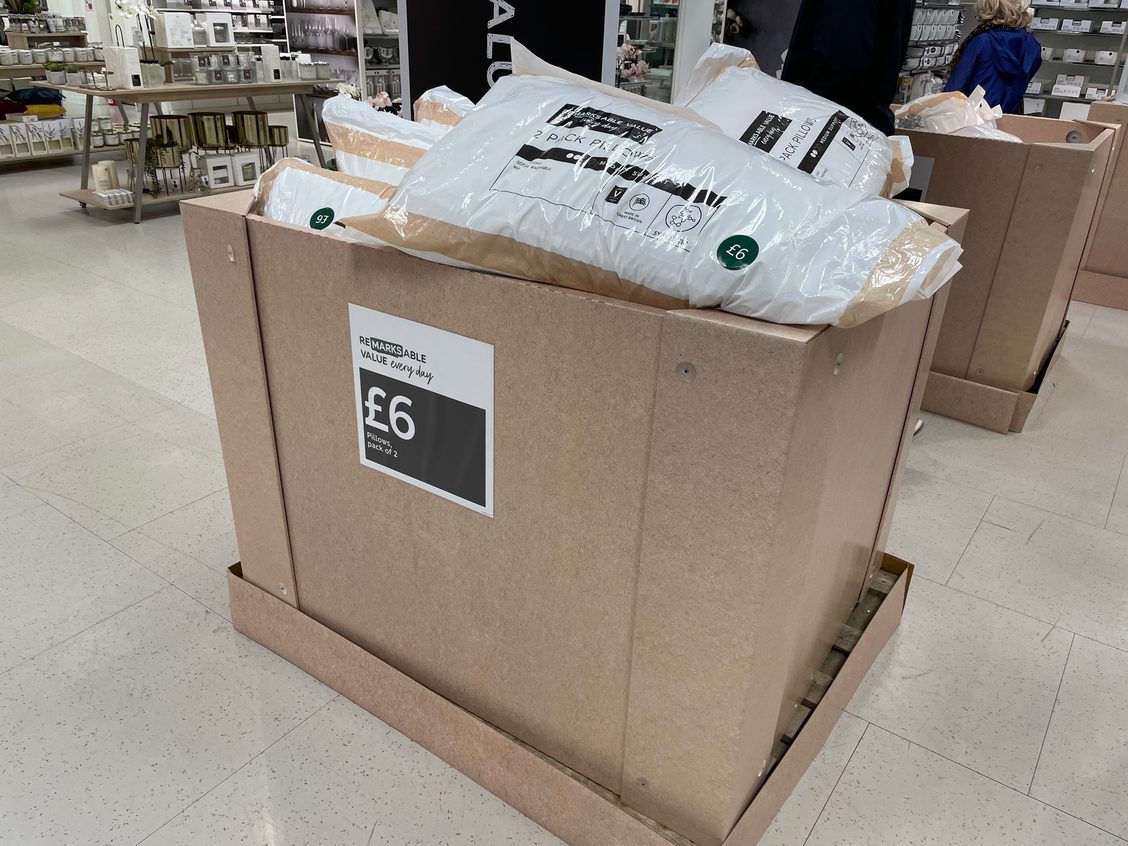
Whatever happens on the jiggery pokery around value for money in the wider retail market, loyalty offers, personalised deals and EDLP style pricing model.
Other elements are crucial and have a huge hand in where the prices move to.
Especially if Fuel keeps rising at the rate it is, then consumers will face even more pressure on discretionary spending power.
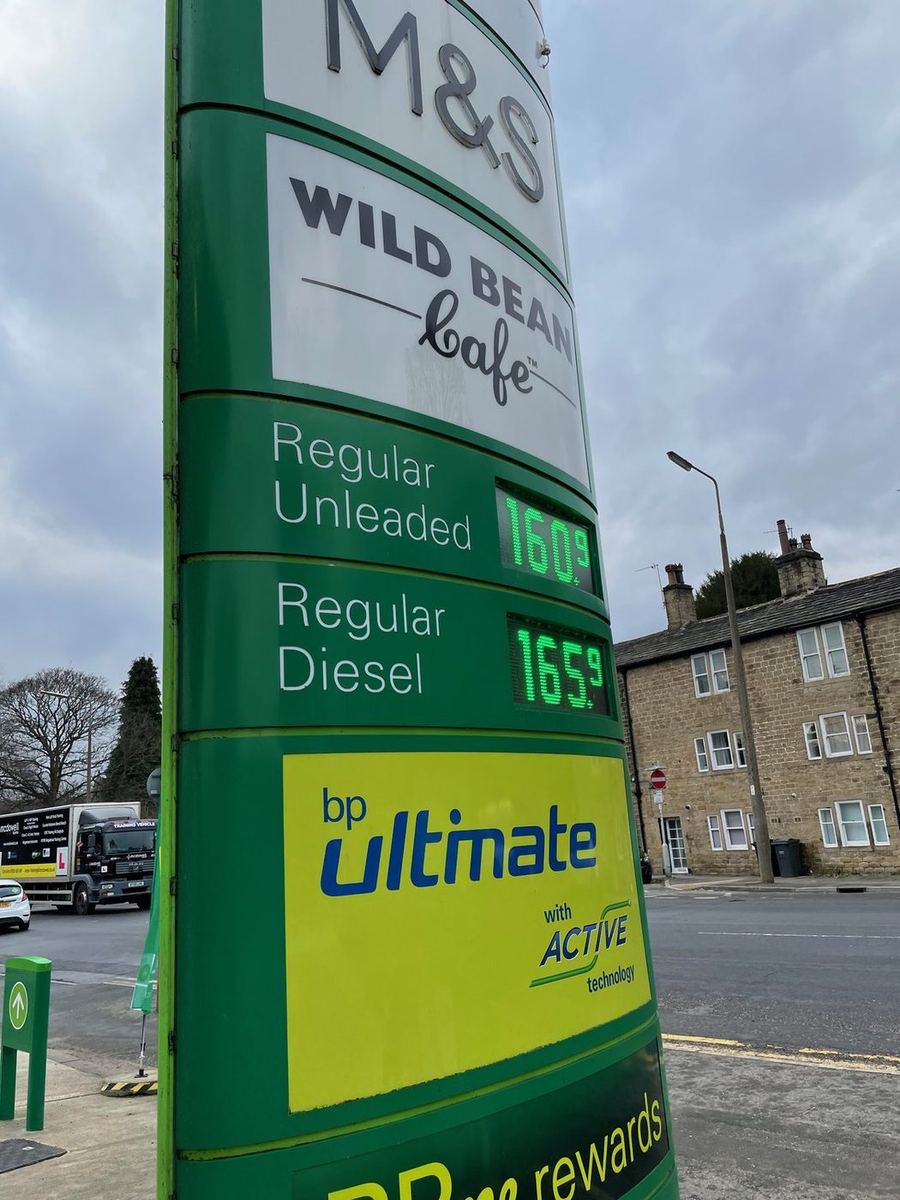 Want to find out more about our services and the wider retail market?Subscribe to this industry leading insight service, today.
From the Grocery Insight newsletter archive, first sent to subscribers on 11 March 2022. Steve now writes at read.groceryinsight.com. See also the blog archive and briefings.