Retail by Email - Issue 474
5 May 2022
View this email in your browser
Find out how we could help you understand the market at this unprecedented time.Retail by Email - Issue 474 Home Bargains v AsdaInflation isn’t going away and with the prospect of an interest rate rise alongside even higher inflation being predicted, it’s only getting harder.
It’s not good news for consumers and the campaigns by Asda and Morrisons last week will look relatively lightweight for what’s coming down the track one suspects.
Wheat is on the rise; as is Sunflower Oil (shortages of Oil are now commonplace alongside buying limits) due to the conflict in Ukraine impacting exports.
We have already seen Diesel rise due to the Russians producing some of this fuel for Western Europe too. Another price rise that’s unavoidable but more costs that the consumer can’t avoid, either.
Wheat prices rising has serious impacts for animal feed (The Times indicate that Chicken may go higher in price than Beef!) and the prices of other products rise too.
Sunflower Oil shortages are also problematic for numerous food categories that use Oils; Crisps (potatoes fried in Oil) suddenly have to face in to huge price rises.
But the general availability of Oils being poorer also drives the price further northwards.
It’s not just a case of simply switching to Rapeseed oil (eg) as some may think; there are a whole host of considerations and everyone is trying to source alternative oils to Sunflower, at the same time too.
If you add to this cocktail with the rising costs of energy and petrol too.
It’s another nightmare.
Food production needs “the lights on” and stores consume a fair amount of energy (chillers, lighting etc etc). As does food production, with large factories requiring power and people (with the general shortage of employees a known challenge which will have to lead to higher wages).
Further pushing costs up, again.
Then you have the logistics of moving everything around, which relies upon petrol/diesel and the higher paid HGV drivers due to the shortage of numbers last year.
There is an obvious productivity impact here too.
Because a driver is paid £10k more per year, it doesn’t meant he can suddenly drive two trucks, or drive the same one any faster……
Costs building everywhere and already; we starting to see it really impact the shelf edge pricing (the last resort) alongside a weakening of promotional deals too.
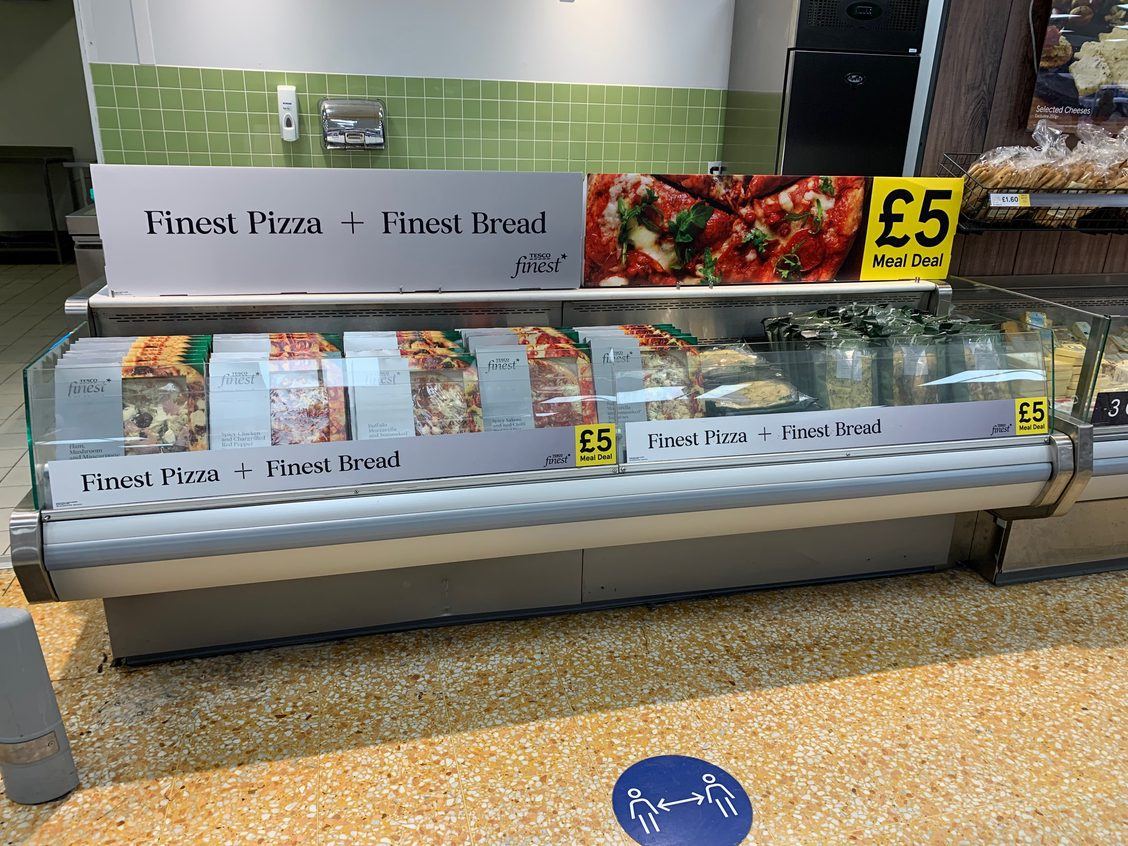
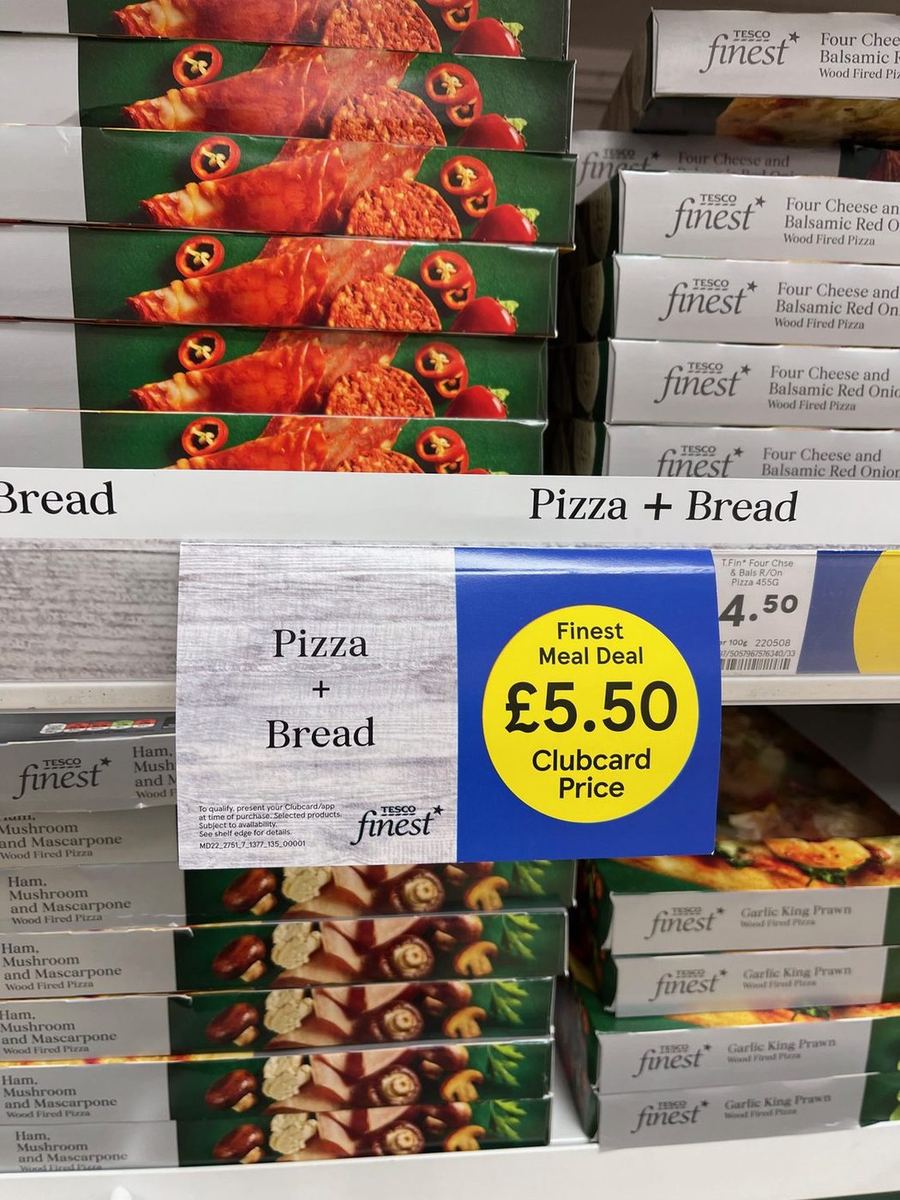
We are Starting to see multibuys rise in price too.
The Finest pizza and bread deal in Tesco up from £5, to £5.50.
More expensive for the customer (just) but a noteworthy change nonetheless.
The challenge for Tesco is their value proposition is centred on loyalty, so their deals have to be absolutely on point too.
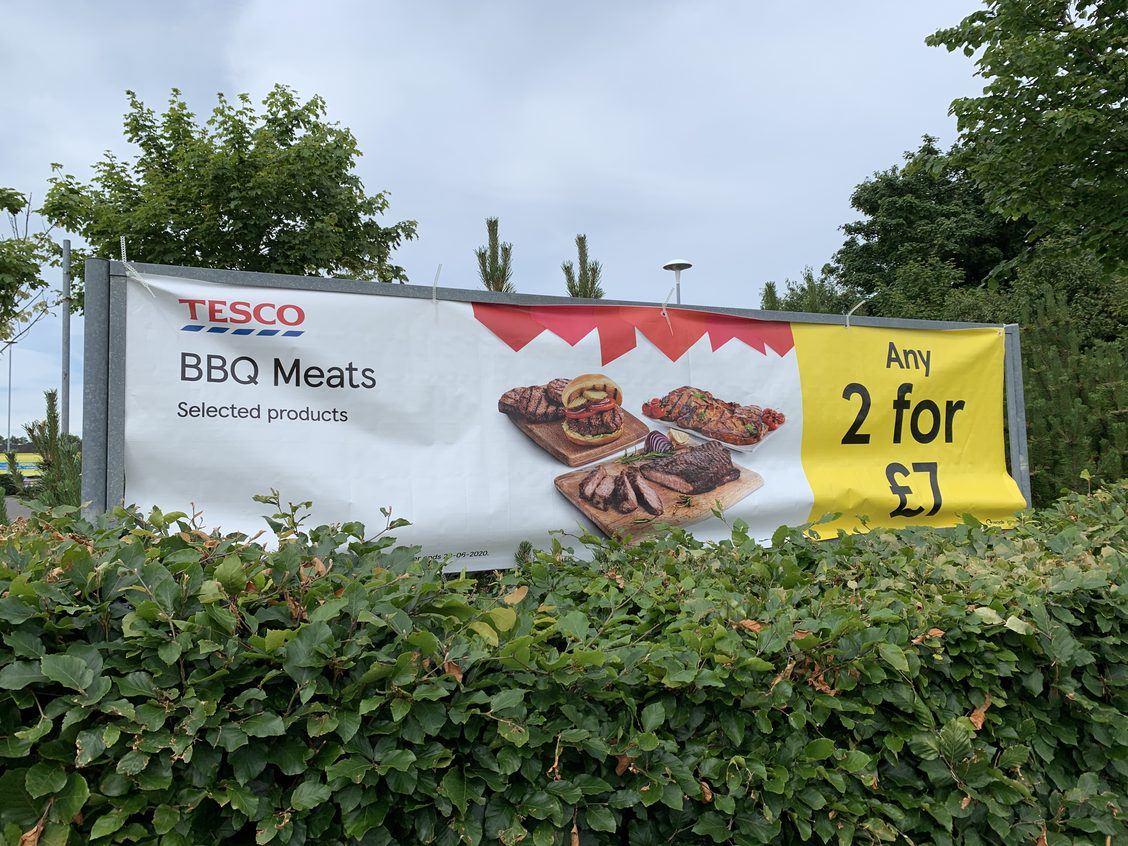
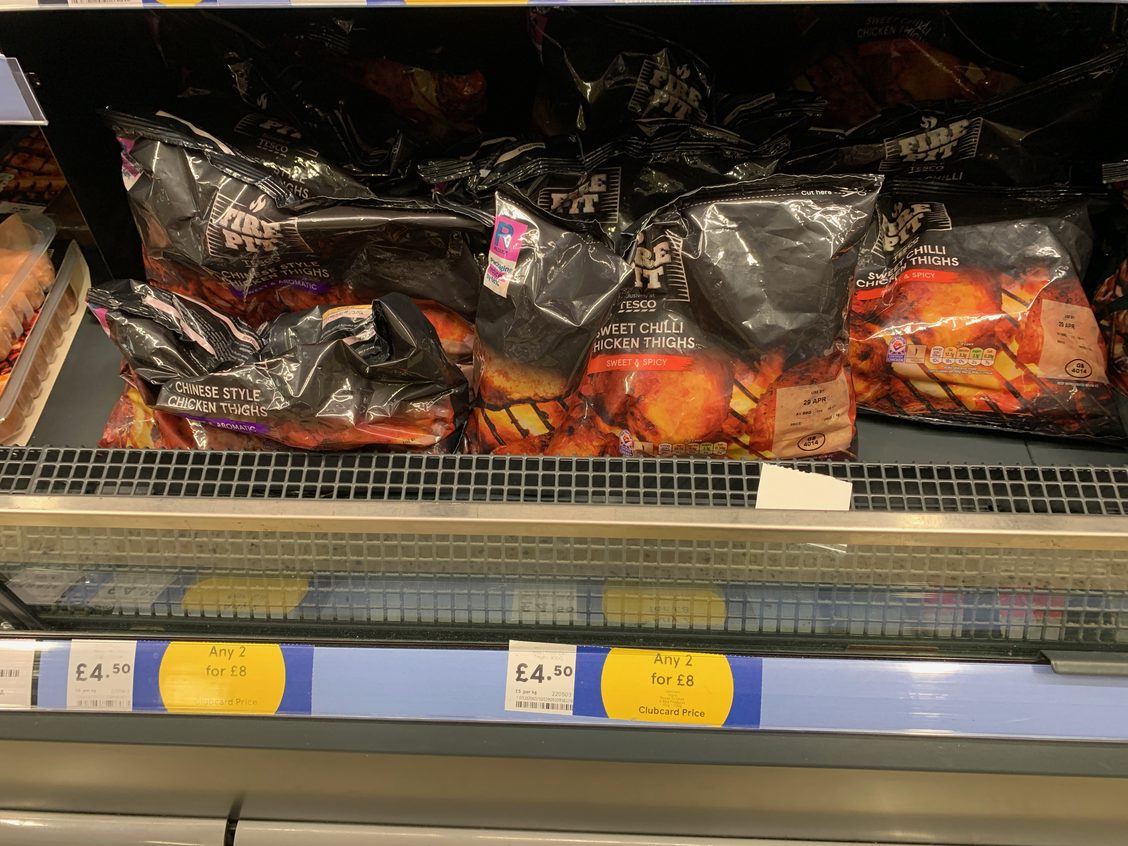
Tesco BBQ range has been 2 for £7 for the past 2 years, but 2022 sees it rise to 2 for £8.
It’s a challenge around raw materials rising in price and indeed, the ongoing cost pressure that’s present in Poultry too.
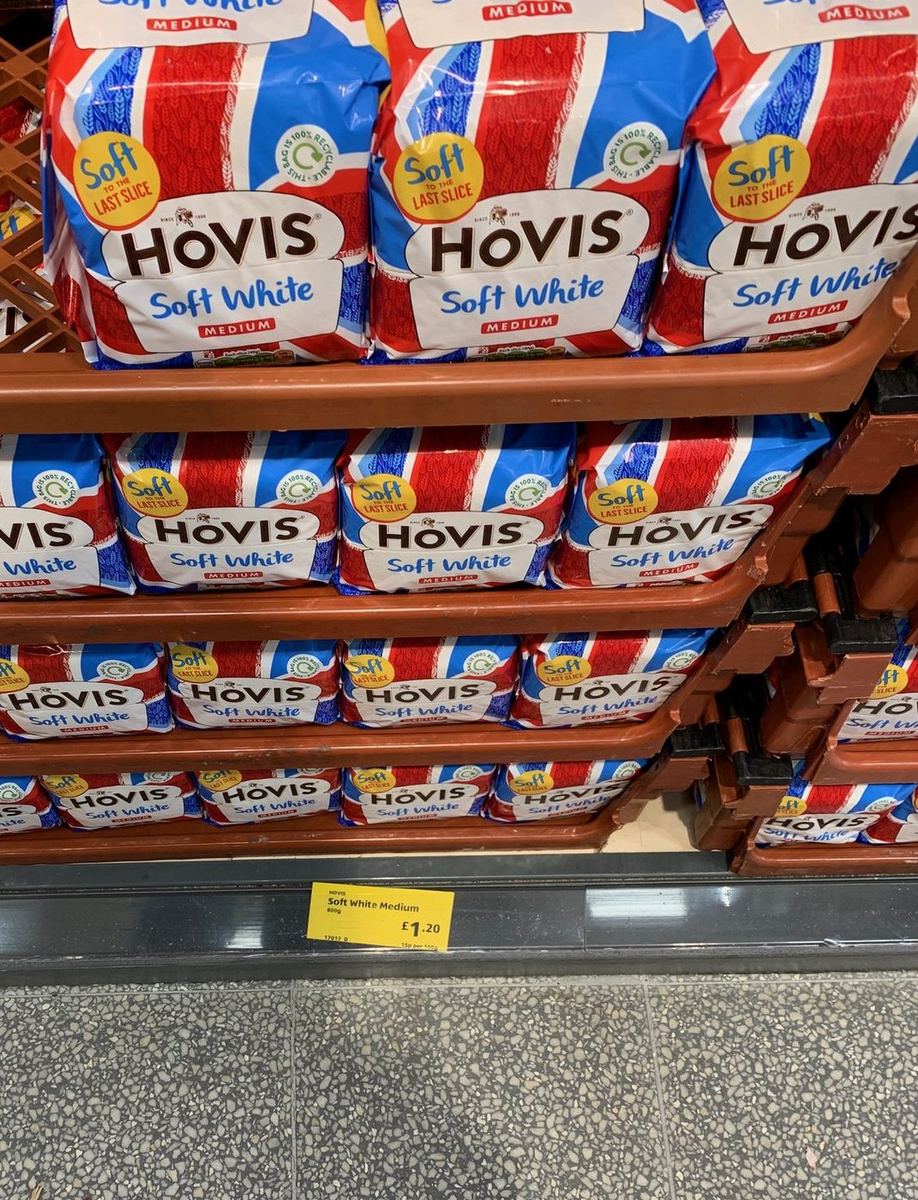
Bread is also starting to rise, with Aldi now up to £1.20 on a loaf of Hovis (historically 99p/£1) with the KVI (key volume indicators) so important around price movement.
Anything that sells in huge volumes has to be shifted if the costs rise and drive the purchasing price up. Otherwise you end up selling at a loss, or close to a loss.
Hence why everyone tracks Bread, Flour, Bananas and Milk so closely. More rises will have to come in these areas due to the various cost challenges being faced into.
The challenge is - customers notice…..
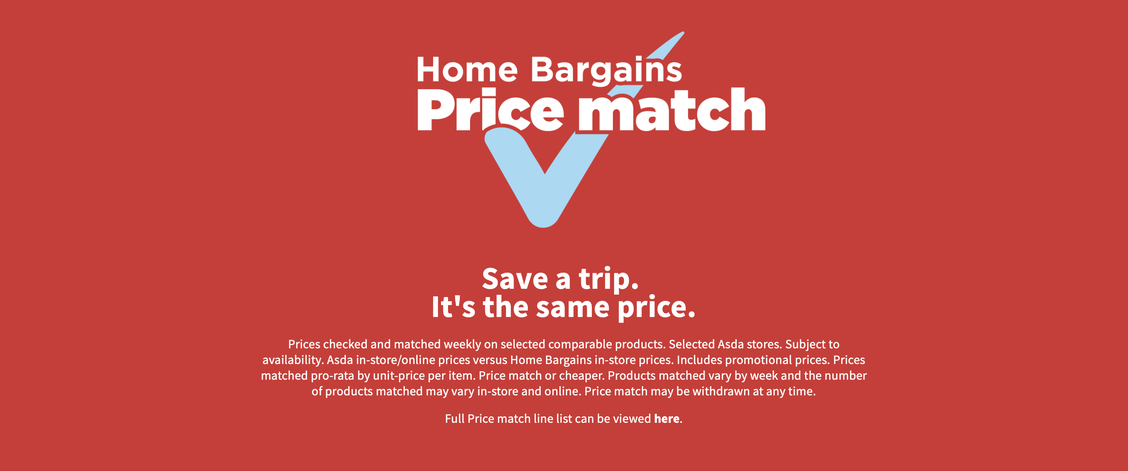
Retailers who should perform well with the inflationary pressure are the ones who established themselves in the “Great Recession” of 2008-2012 (or so) as being simple, low price operators who genuinely save the customer money.
B&M and Home Bargains to name but two (Aldi and Lidl, also) and we’ll focus on these in coming issues of Retail by Email, looking at their offer and why they appeal to customers.
It’s clear that both B&M and Home Bargains locations, on retail parks and increasingly operating larger stores themselves present a real threat to the ‘basket spend’ at a large retailer.
Consider that both B&M and Home Bargains are places were you may go in for a “wander” or with an idea of some things you’d like but end up spending £100 on things you weren’t even planning to buy there.
Plus they have a fair amount of non-food too, home furnishings, household lines and Toys. Plus they’re strong seasonally too. All areas of concern for the other retailers.
That is £100 that isn’t going in the till at the “other” shop, which may be Aldi or Lidl (which is why we have seen both retailers add numerous brands in their special buys space) but equally it could be Tesco, or Asda.
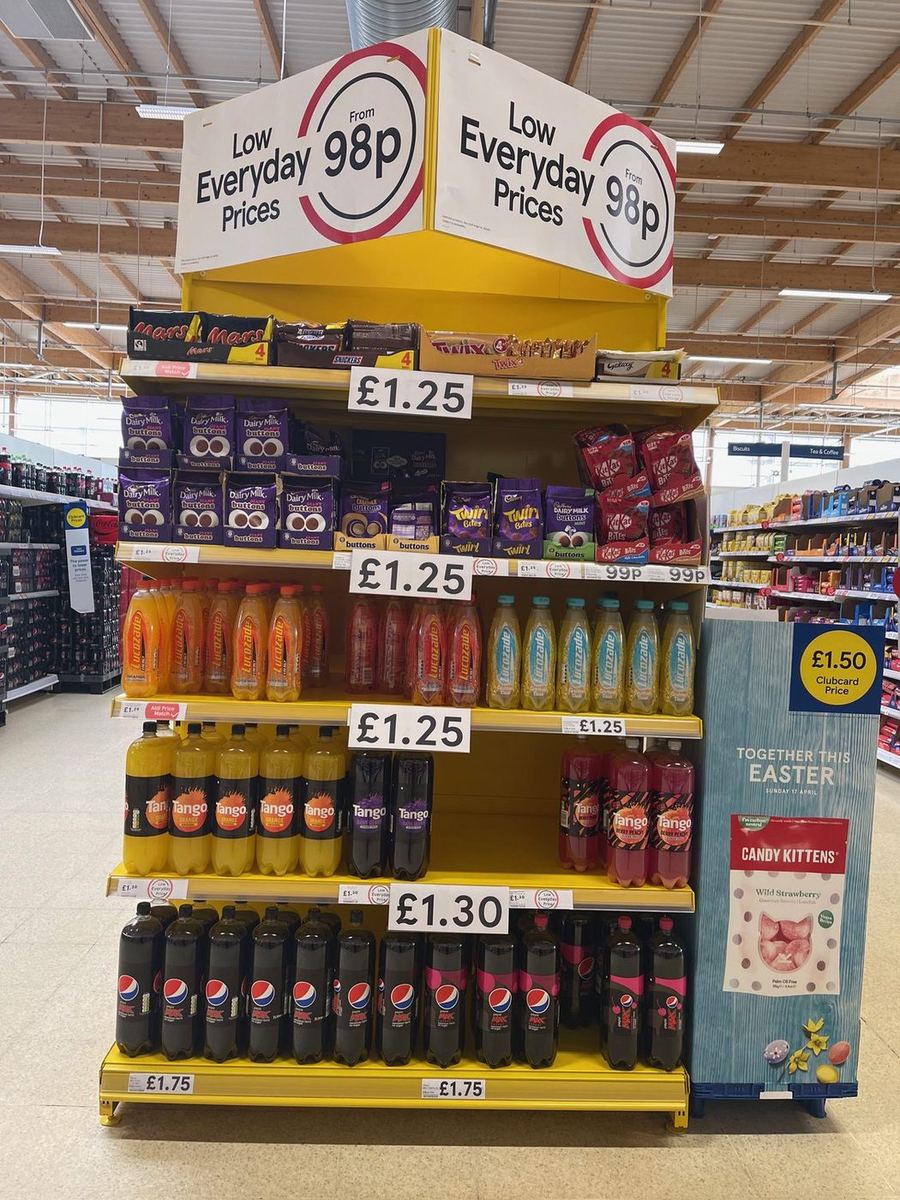
Tesco have worked hard at matching up to these retailers; with their “Low Everyday Prices” work in Health & Beauty and increasingly in ambient categories more recently.
Although the scheme is not explicitly against B&M and Home Bargains; the inference is there given the presence of the campaign signage in categories where these discount retailers are strong.
So for Asda to call it their price matching online is interesting, the lines that are compared are as you would expect - Health & Beauty and Pet lines initially but the beauty of Home Bargains (and B&M) is their ever rotating ranges too.
So comparing on these lines is a start, but it can only be a starter versus their increasing strength on the high street and in retail parks up and down the country.
More on the variety discount retailers next time around.
It’s a noteworthy nod from Asda of the threat that these retailers offer as we continue to transition through some difficult times for consumers (and retailers too!)
 Want to find out more about our services and the wider retail market?Subscribe to our industry leading insight service, today.
From the Grocery Insight newsletter archive, first sent to subscribers on 5 May 2022. Steve now writes at read.groceryinsight.com. See also the blog archive and briefings.