Lidl strong on value
18 January 2022
View this email in your browser
Retail by Email - Issue 462 - LidlLidl, like Aldi have taken the plaudits on Kantar due to their record growth, aided by store openings, of course.
But the reality is that their sales line has remained pretty solid throughout and their growth remained strong thanks to their offering of value alongside a strong private label.
With more brands than perhaps Aldi would stock, both in the core assortment and also via the special buys space too. Alongside a wide variety of promotional mechanics, “pick of the week” and the rest.
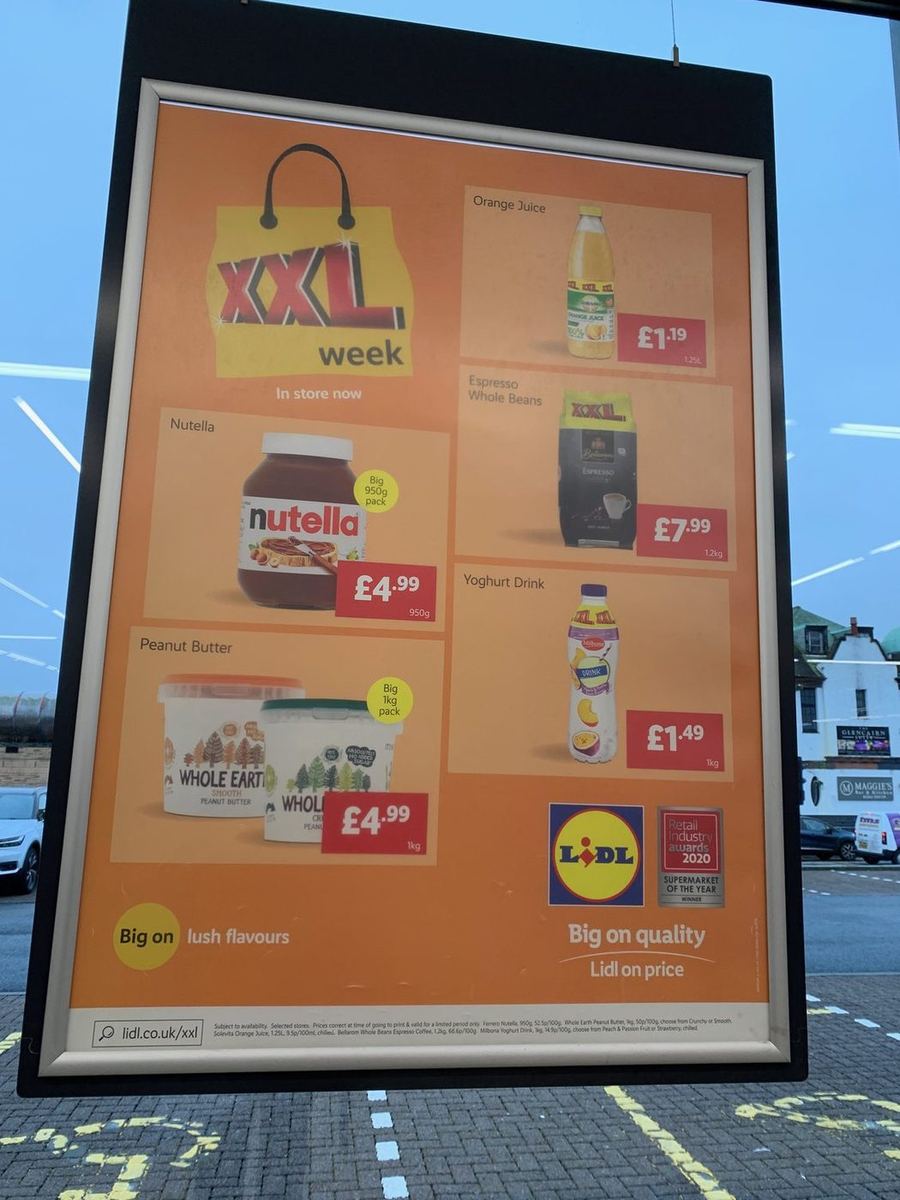 Value at Lidl.
As inflation bites and customers will start to see the real impact of high fuel prices, energy bills (post Winter) and a general rise in the cost of living. This all hits them directly in the pocket. Fuel especially, given that there is no escaping this if you want to fill your car. Discounters will be hoping to pick up trade once again from the larger retailers, aided by consumers wanting to make savings.
A lot has changed in the retail landscape since the last recession (if you think of this time post COVID as a similar ‘event in time’) and the larger retailers are no longer laggards in a high priced, promotional centric world.
Pockets of it remain and by no means are Asda, Morrisons or Sainsbury’s suddenly at the altar of pure EDLP, but they’re far better. Tesco are the ones who have moved as close to EDLP as you’d think possible for a UK based retailer.
Tesco have found great success imitating the model that their Ireland business embarked upon, facing huge market share losses and a business that was bereft of confidence (and customers). They price matched Aldi across a huge number of own label products; with an overlay of meal deals (driving value) and enhancing premium (encouraging customers to spend more) too.
It worked! Their like for like figures went from -6% in Q3 14/15 to -1.2% a year later with the figure then turning positive a quarter later. Even though the like for likes didn’t turn positive, remember, they reduced hundreds of prices so the all important metric was volume, IE we are selling more, for less.
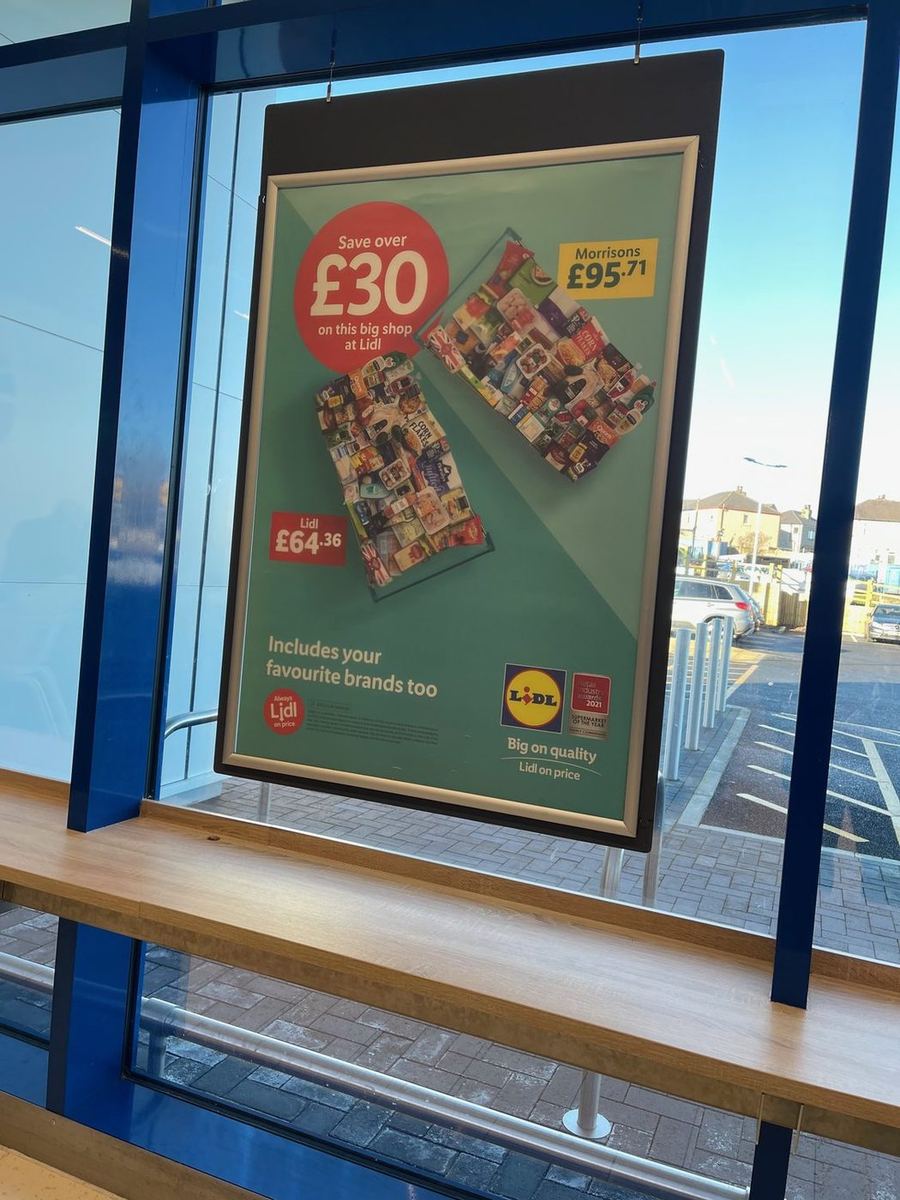
This has worked very well and you only have to look at the switching gains versus Aldi and Lidl to see that for the UK business.
Whilst Lidl are left out of direct comparatives by both Tesco, and Sainsbury’s. Lidl typically price match to Aldi in any case, no discounter wants to be the most expensive on directly comparable products after all(!)
The complexity is in rotating specialsWhere things become a little more nuanced is the ever revolving special buys, which rotate twice weekly and can feature a myriad of events, with everything from horse riding accessories to the latest in Vegan products.
But does this add complexity to the model? Of course. These products rotate and are temporarily ranged so are not counted within the 1800/2100/2500 permanent lines but drop in and out as they sell through.
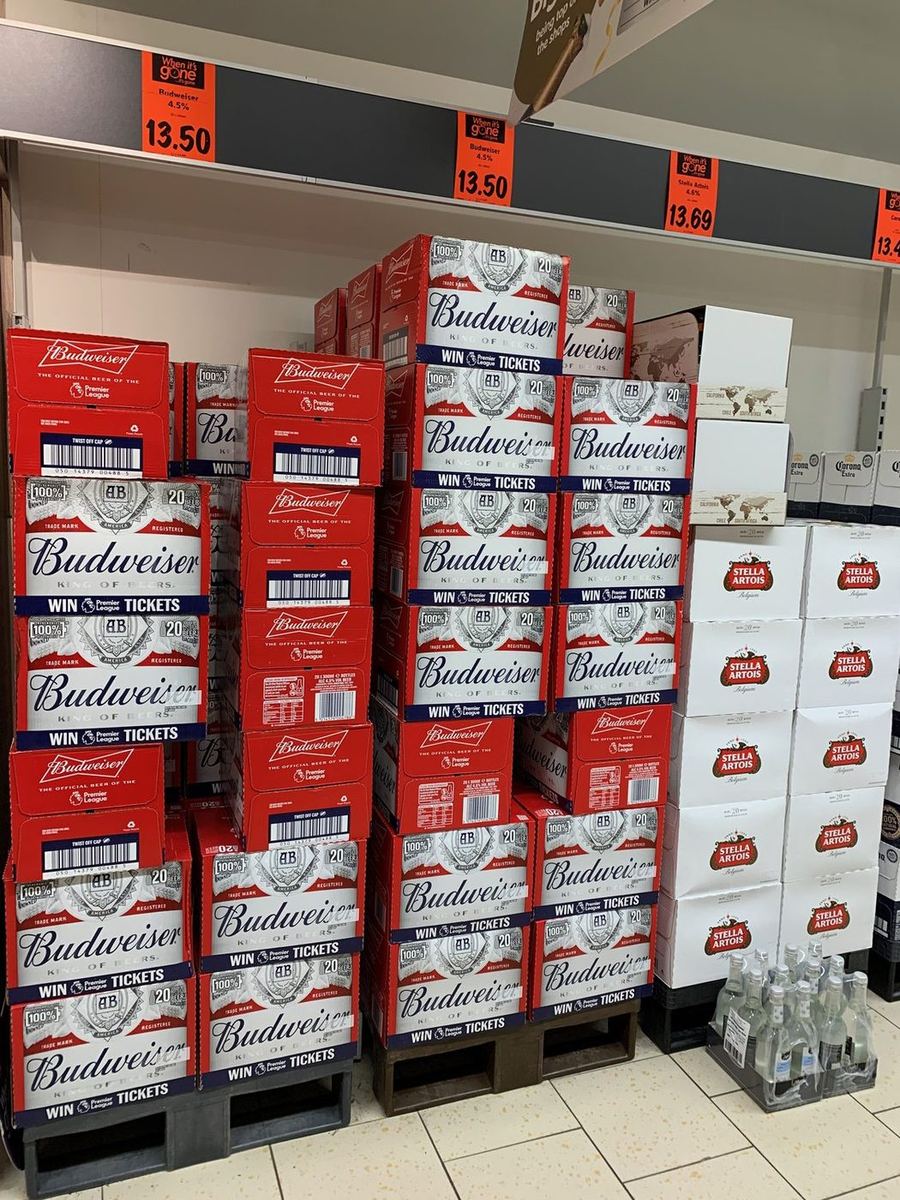
However, they still require managing in store and Food/Beers/Wines can take longer to clear due to the volumes on offer. Therefore some fixtures end up crammed full of stock…
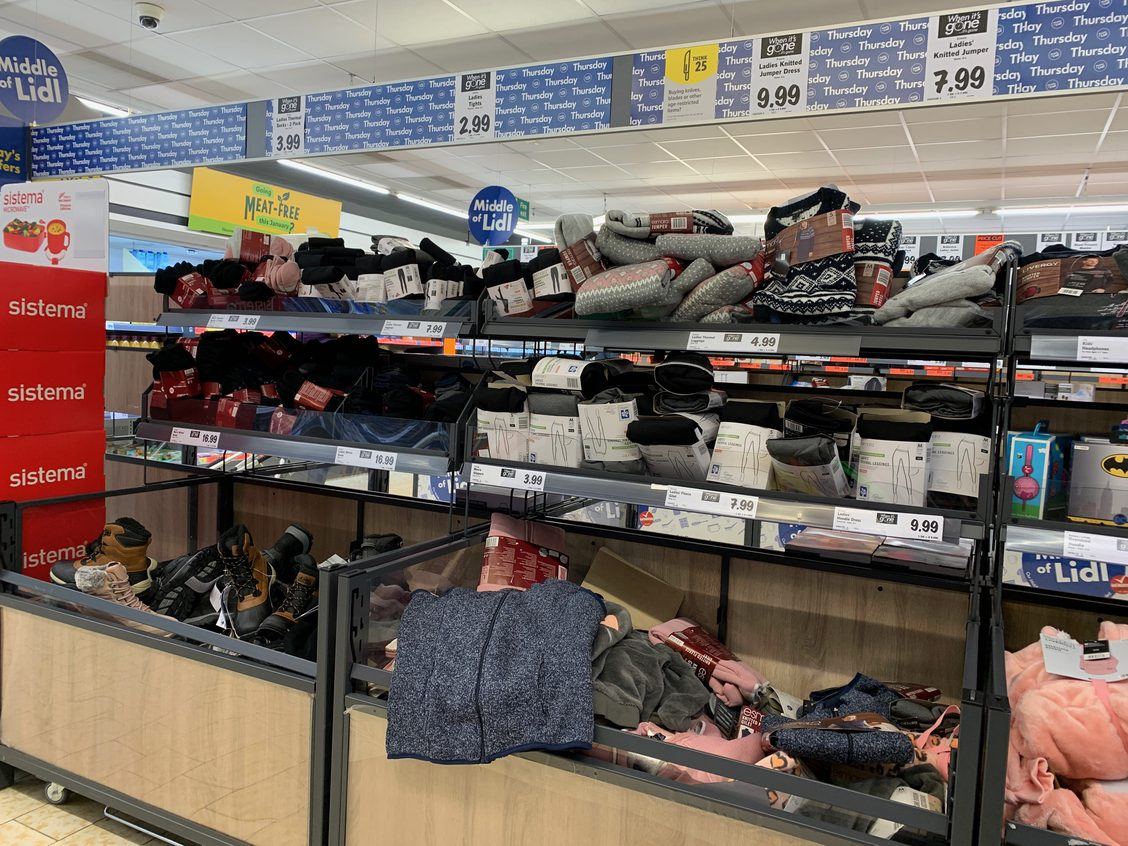
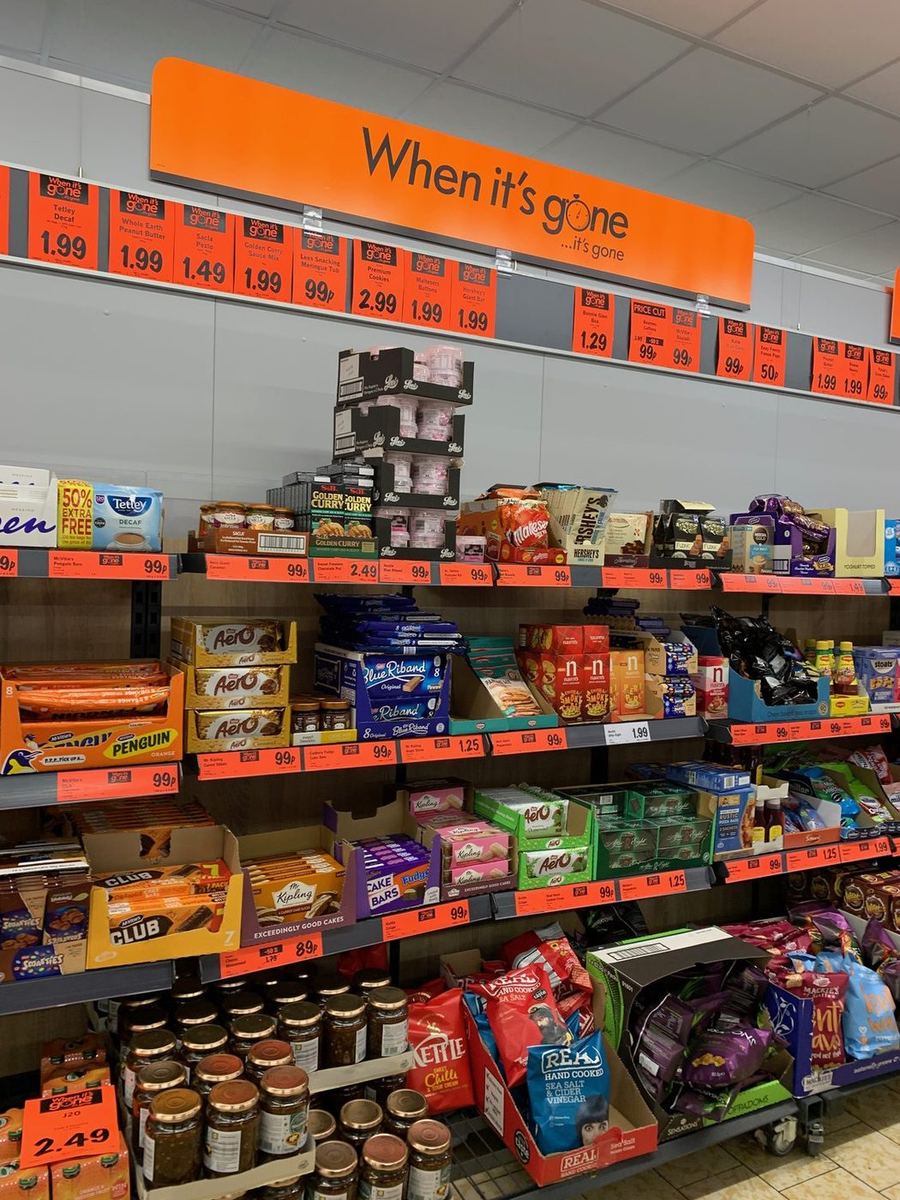
There’s always the risk of a bay of “doom” like this one.
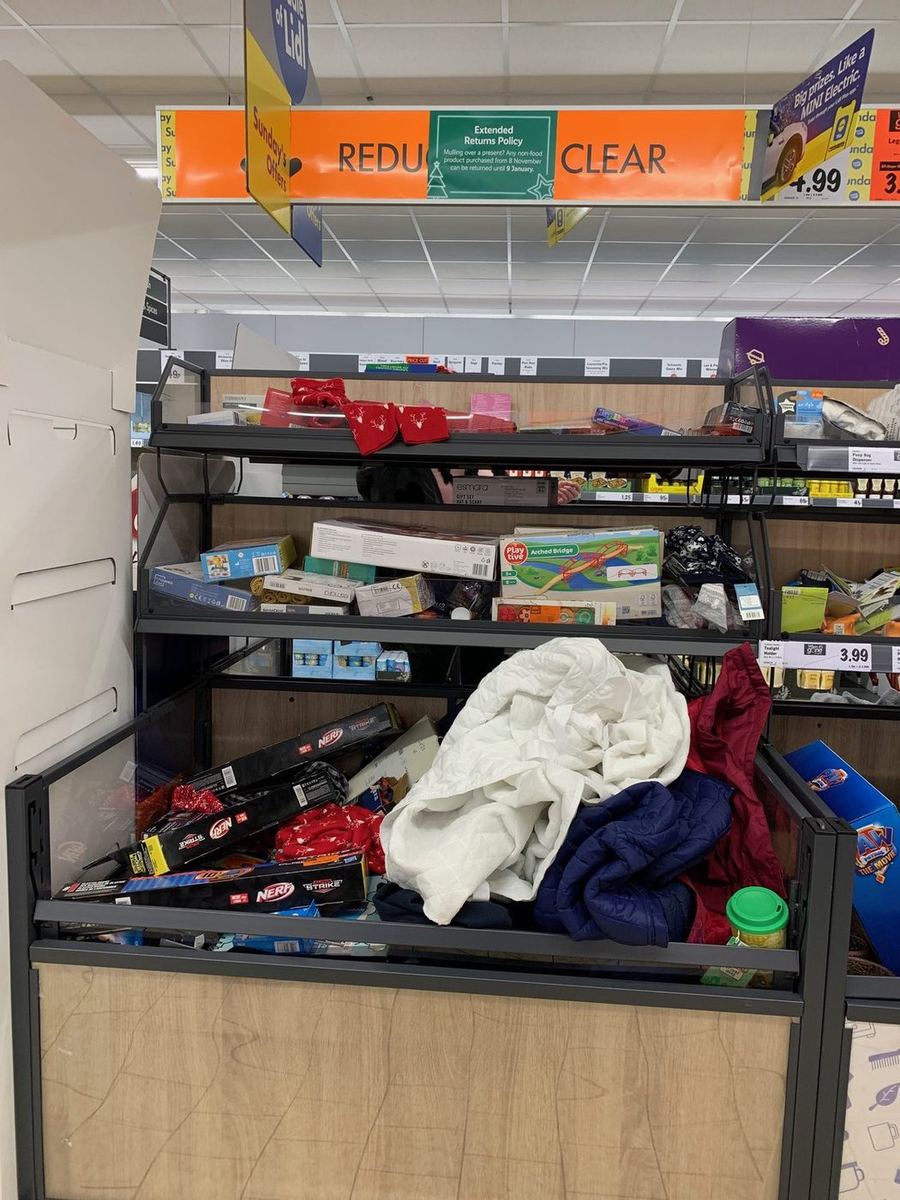
For the past 24 months or so, Lidl have slowly added more and more physical shelving to the centre of their store offer. We have flagged this too. It allows them to merchandise more food based products and perhaps reduce the non-food exposure (where lines can be very slow moving).
These Food items sometimes themed. IE American week - so Pancake syrup and cookie kits etc appear, or the current Vegan focus, with plenty of Vegan lines from various brands too.
Often though. They are B&M lite in their approach to ranging these items. Featuring anything and everything via brands to try and entice the customer to spend more money with Lidl. Aiming to take. spend from a larger retailer, or rather than then going to a B&M, or Home Bargains.
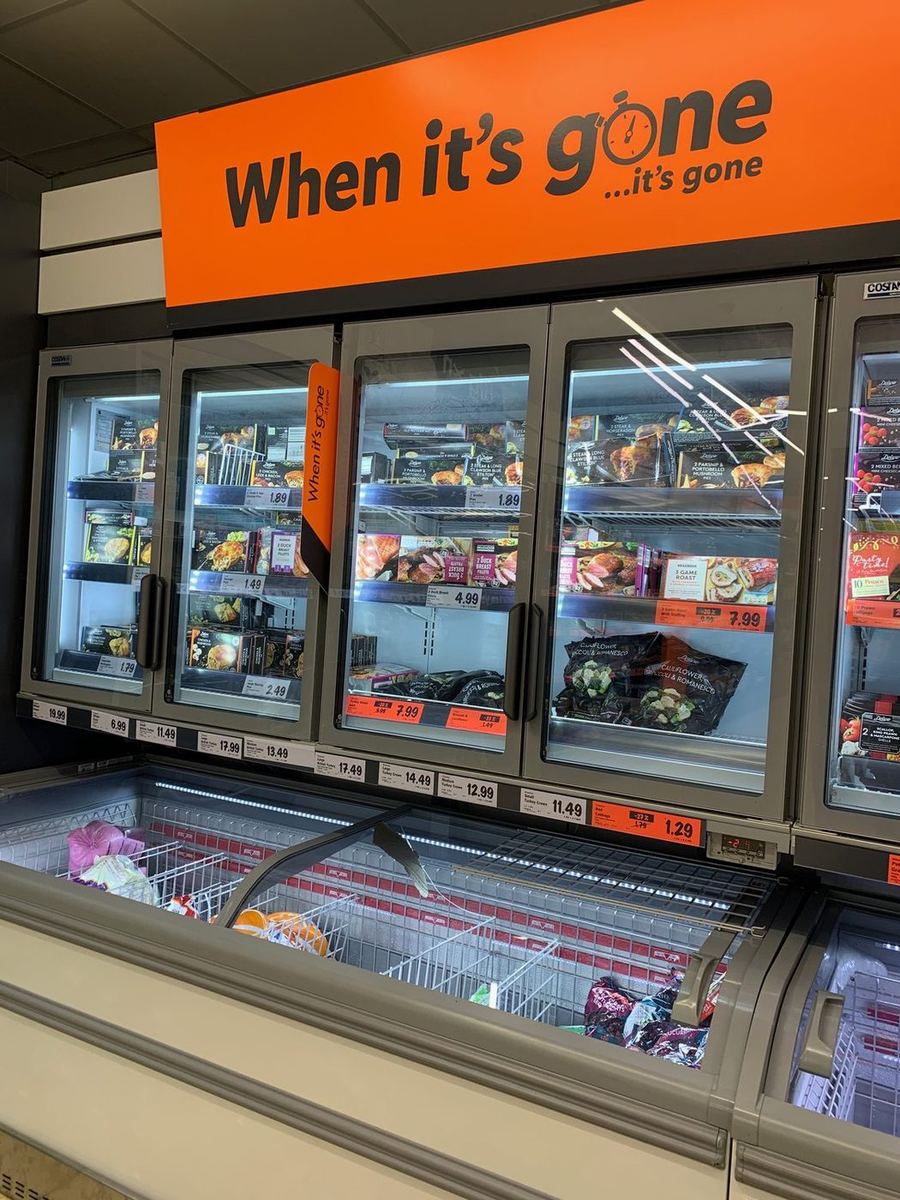
Both Fresh Foods and Frozen Foods also benefit from this strategy of adding low priced, branded special buys too. Frozen features a huge number of special buys in their own freezer no less.
Presumably this is designed to attack Iceland but also Home Bargains who may share retail park space (or be located nearby). Home Bargains (and B&M in some cases) have a growing Fresh Foods and Frozen Foods range too
As 2022 was ushered in, Lidl have landed a number of brands within their now famous “99p event”. This represents strong, simple value to customers and drives traffic to the store too. Alongside stretching the spend from existing customers too.
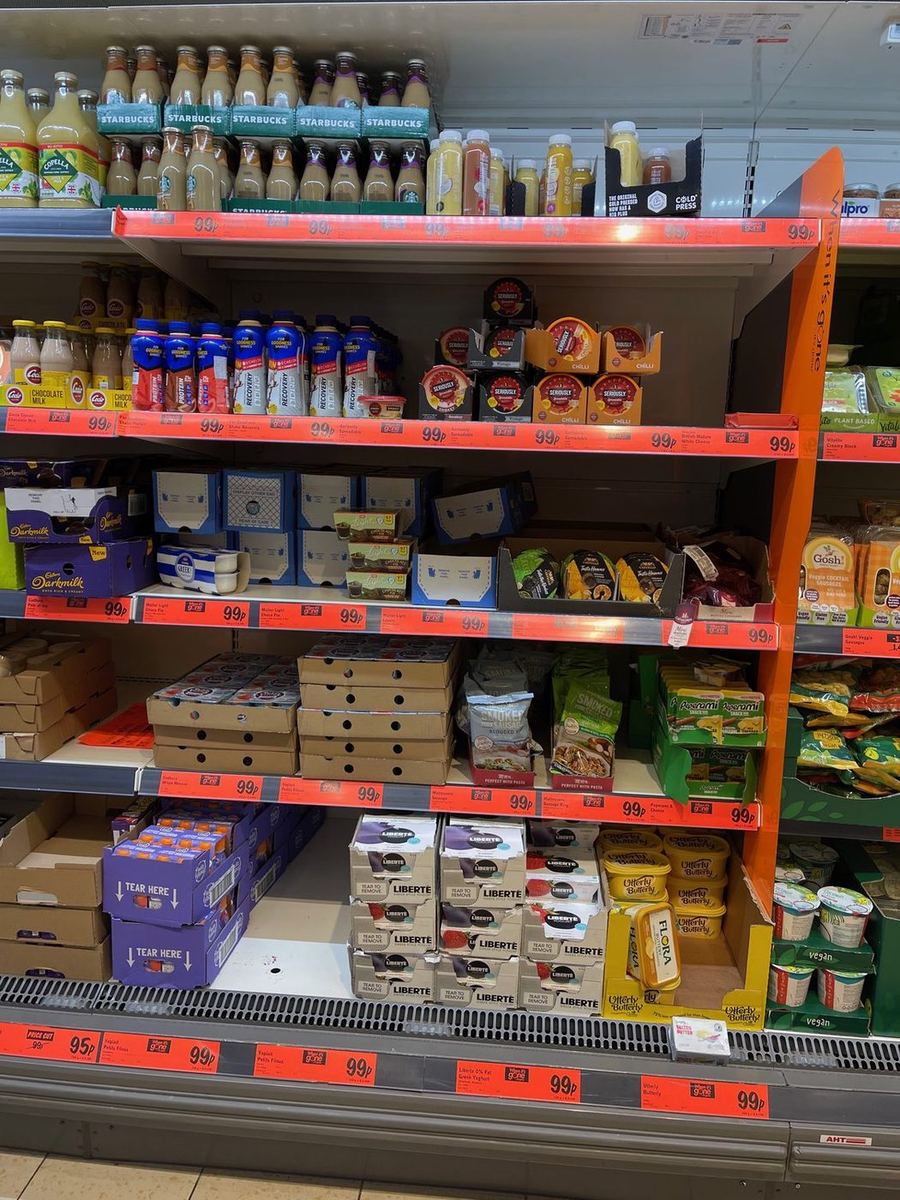
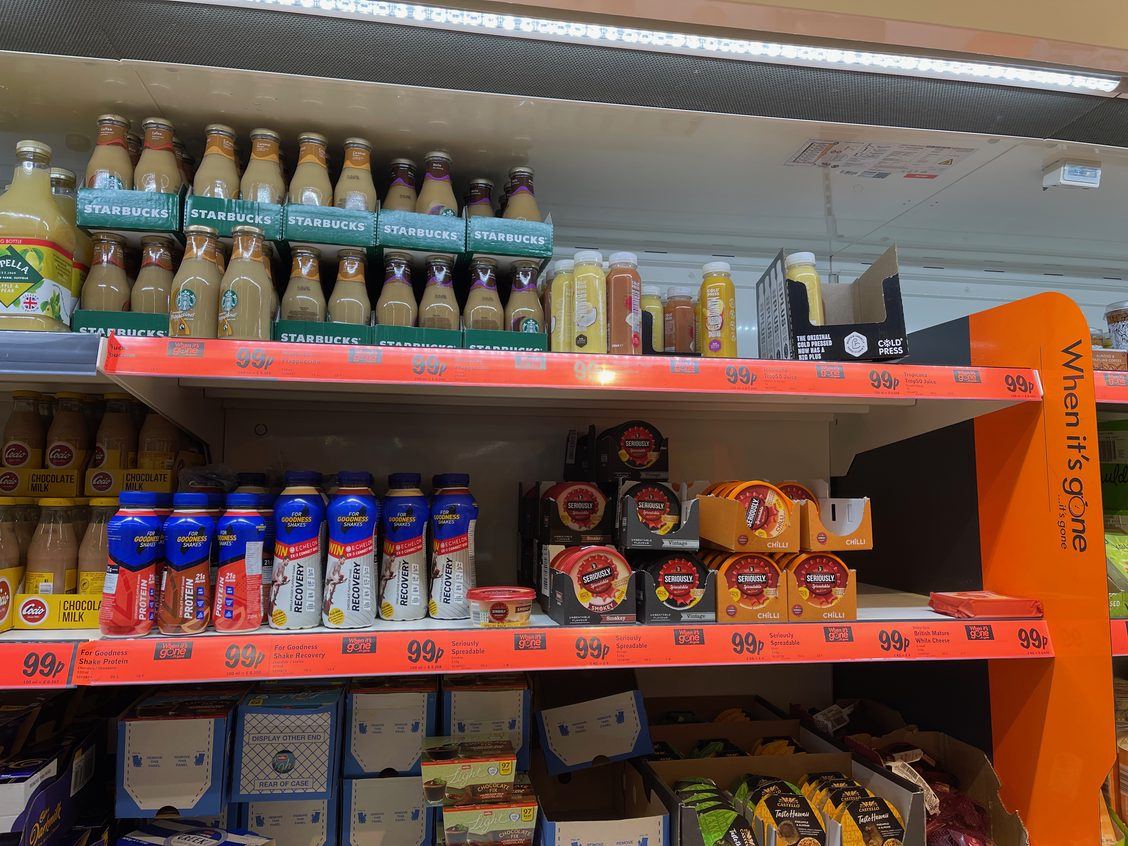
Ambient have also benefitted from a number of products at the 99p price point. Shippers are featured too! We have spoken about branded shippers previously and how Lidl will merrily drop these branded units across the stores and trade them at low price points.
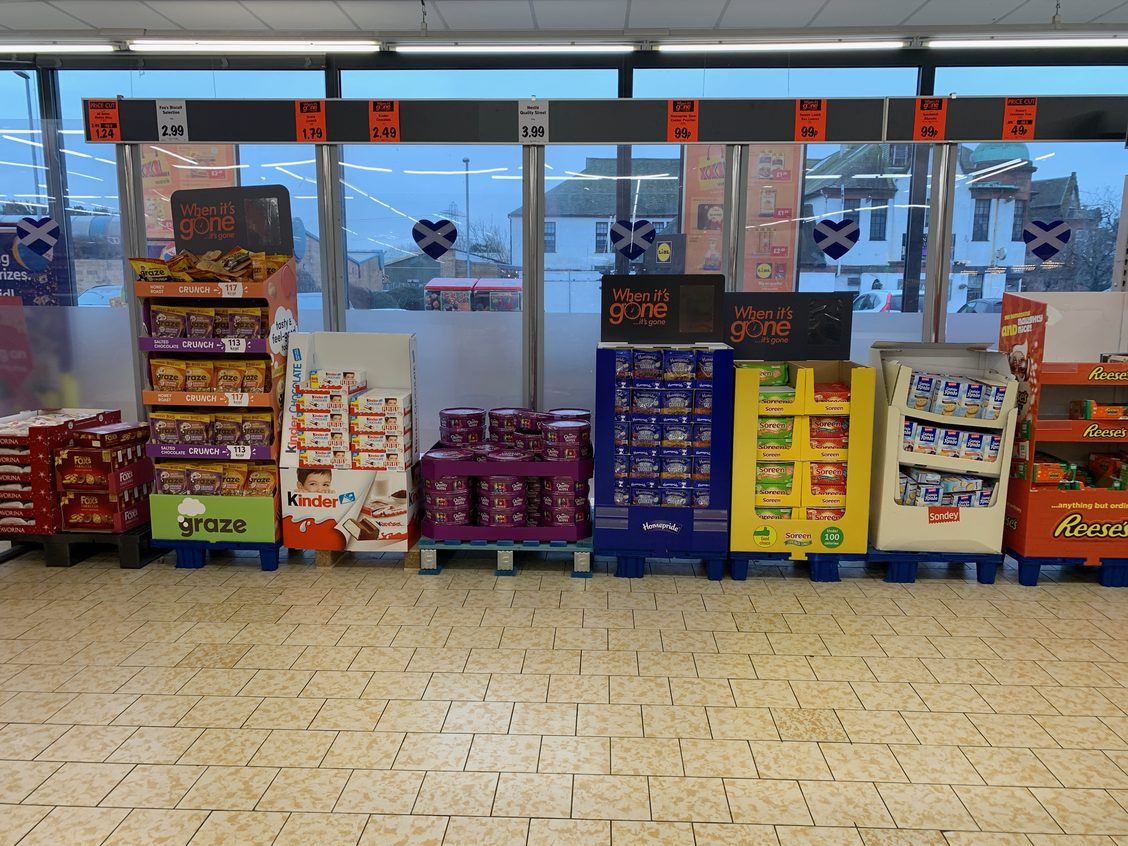
These lines are not necessarily themed for an event (some can be, IE Christmas or Easter e.g.) but Lidl is trying to grow their basket size via a greater range of special buys via the brands.
These do not “officially” count towards the SKU count for the chain, rather these are rotating special buys. But there is little doubt that the overall number of items for sale (food) at any one time in Lidl has definitely risen and this is also likely aiding their Kantar figures, also.
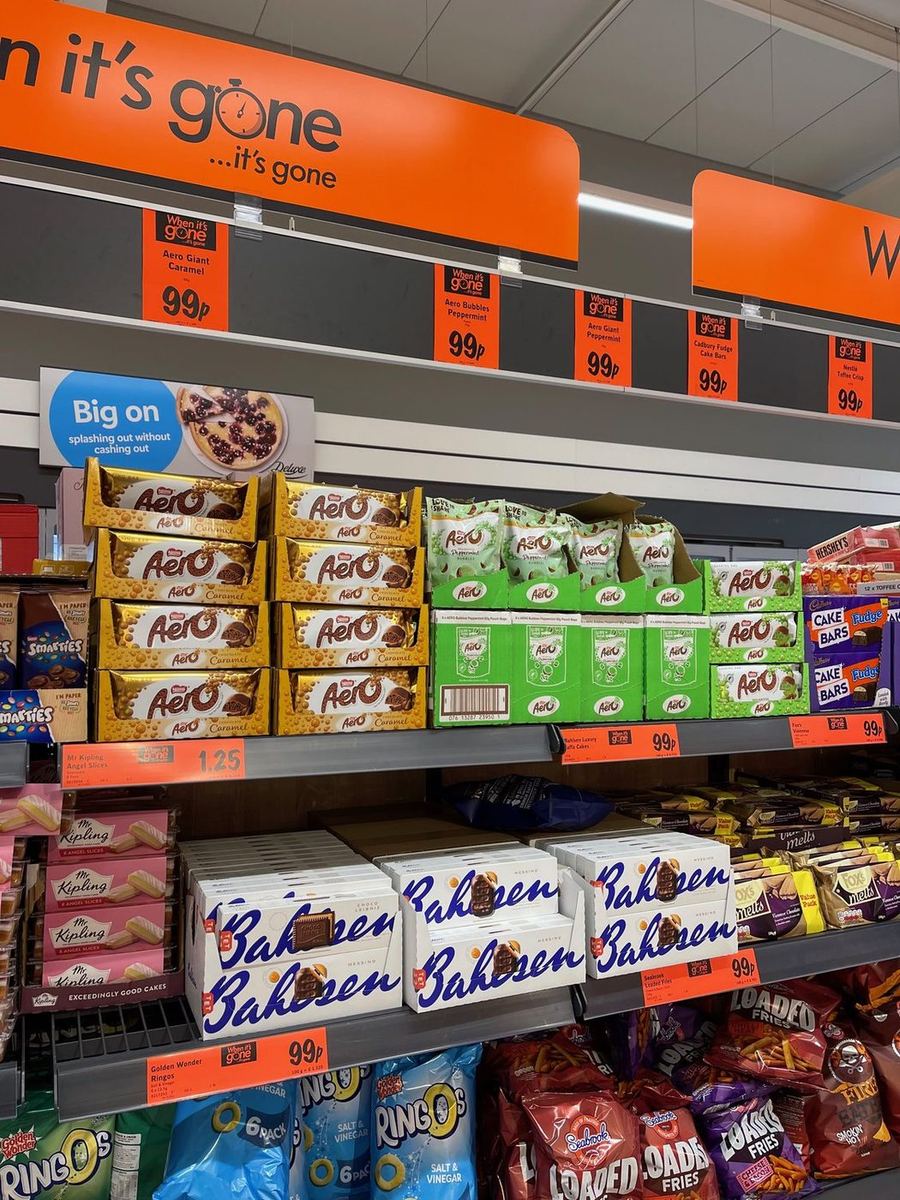
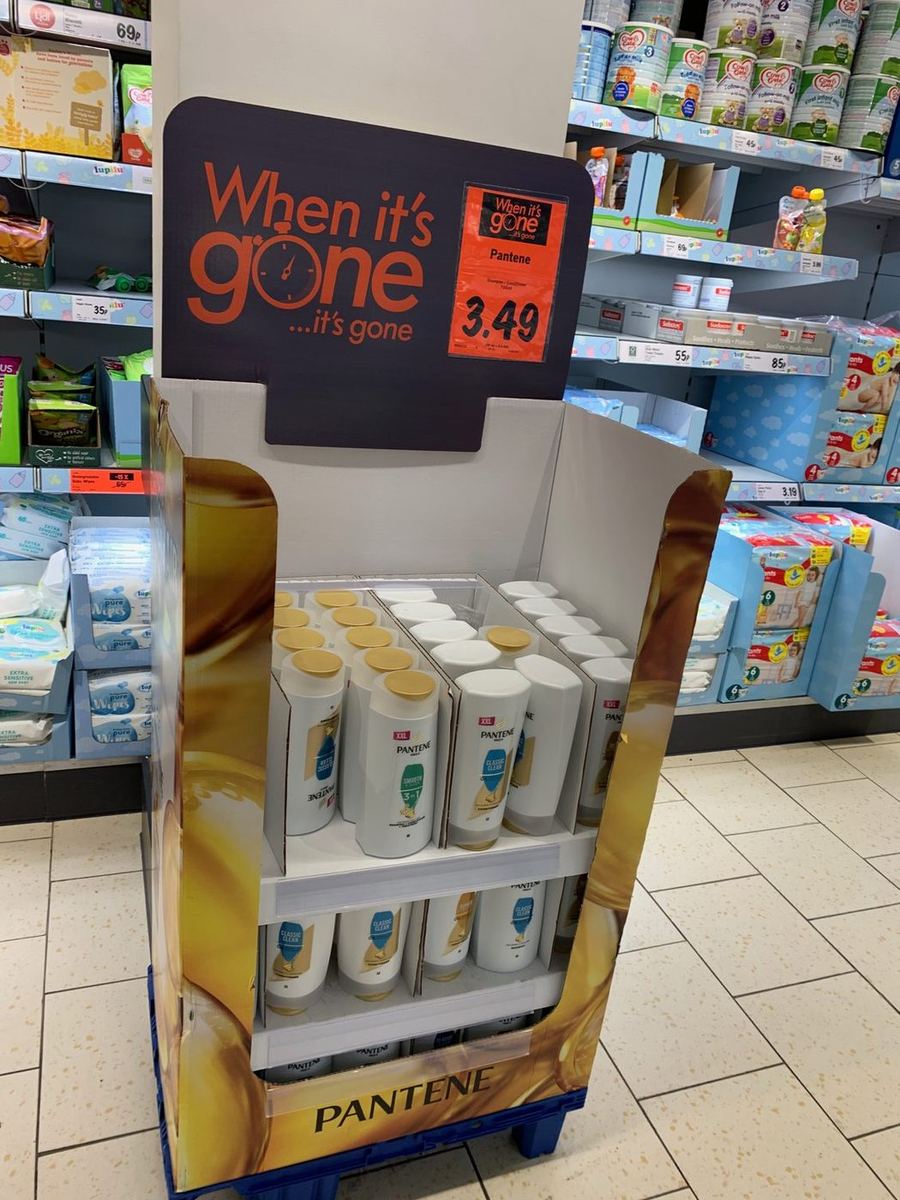
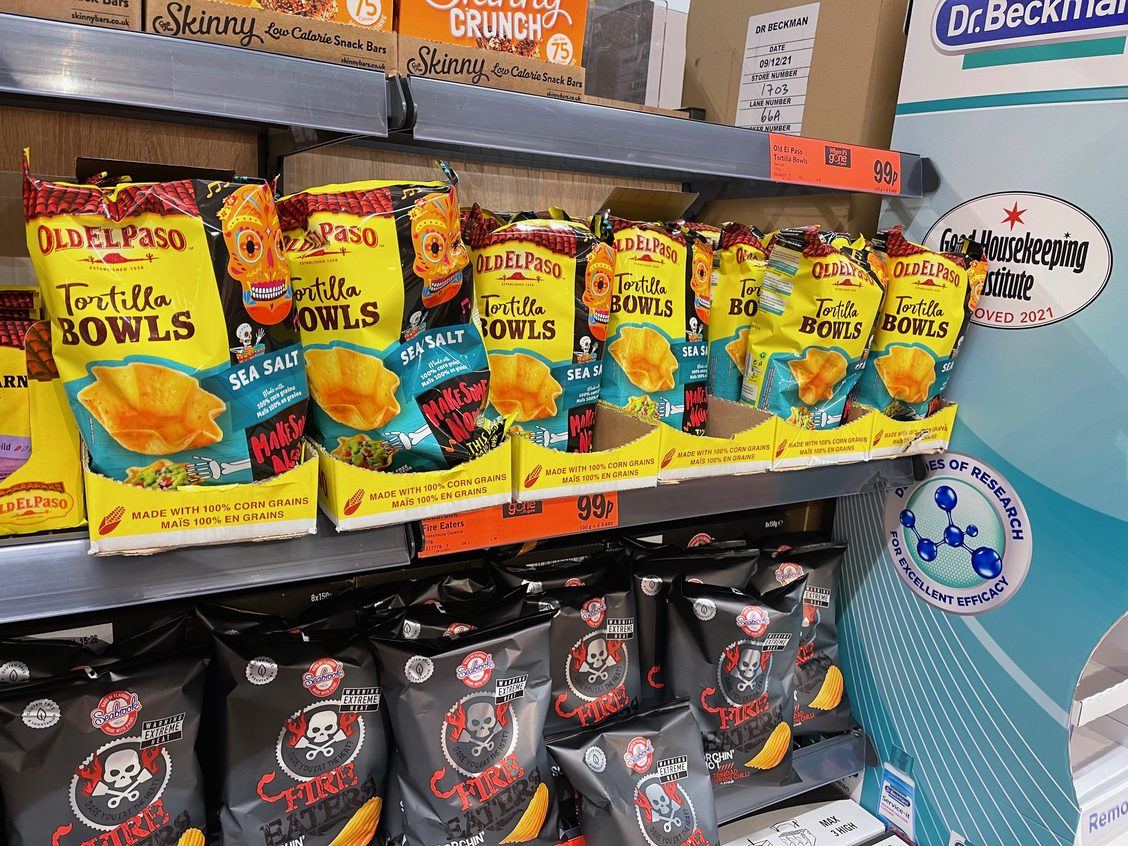 What about Beers, Wines and Spirits?
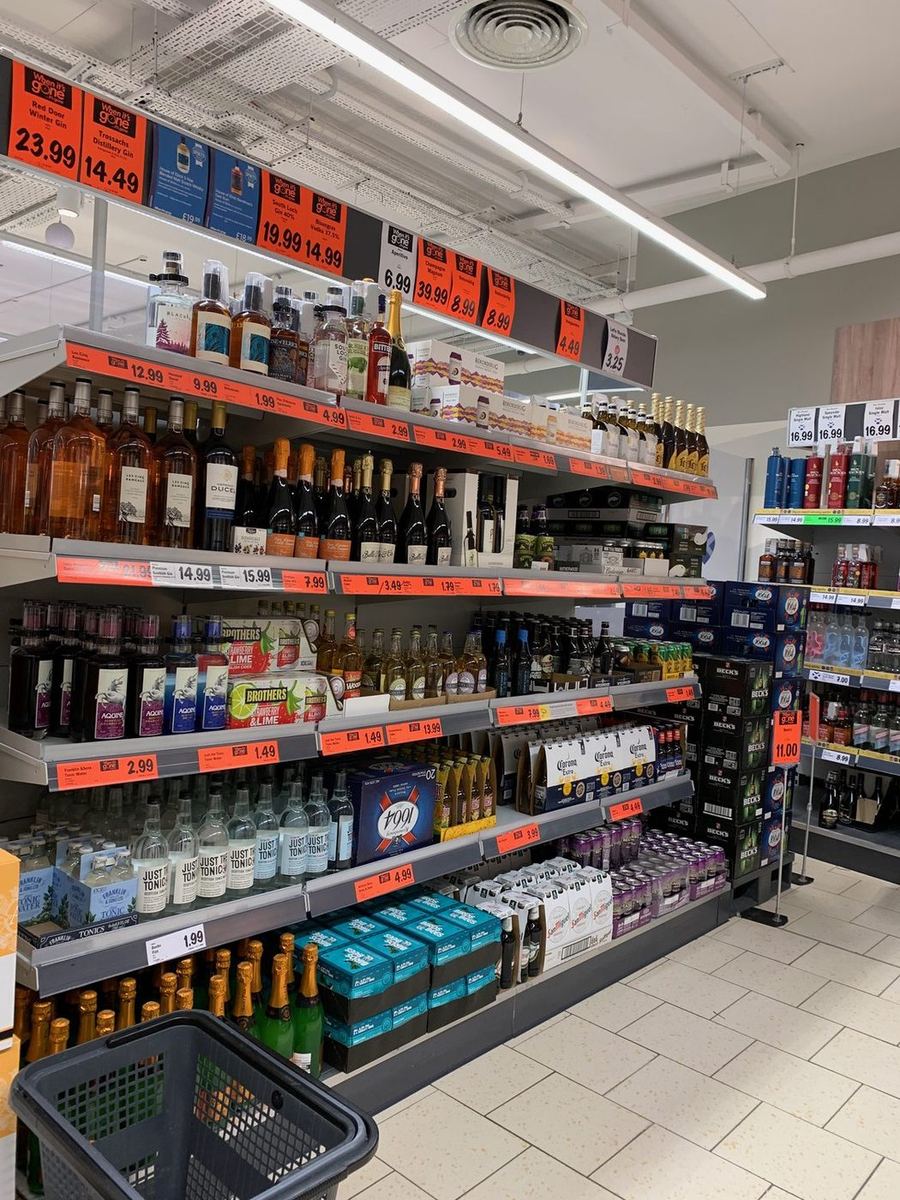
There is also additional range added to the Beers, Wines and Spirits category ahead of key events, such as the England football team in a major tournament alongside Christmas.
Orange labels denote WIGIG lines (when it’s gone, it’s gone) meaning they’re temporarily ranged lines, sold and done.
For seasonal events it does work well. Enabling Lidl to flex their space and utilise trading space for branded/boxed Beers/Lagers that sell better than own label equivalents at Christmas.
This despite their best efforts to drive trade to own label (which are often equivalent in taste). Their Wines perform well and they rotate the offering here with their ‘festive / spring / summer / french etc collections’.
 Looking ahead
Lid are well set to capitalise on the trend for customers to revert to discount to save money. It’s worth (as a customer) shopping at Lidl, even for a few essentials. You’ll likely be able to pick up other bits and pieces and save money too via the myriad of products in special buys and on shippers.
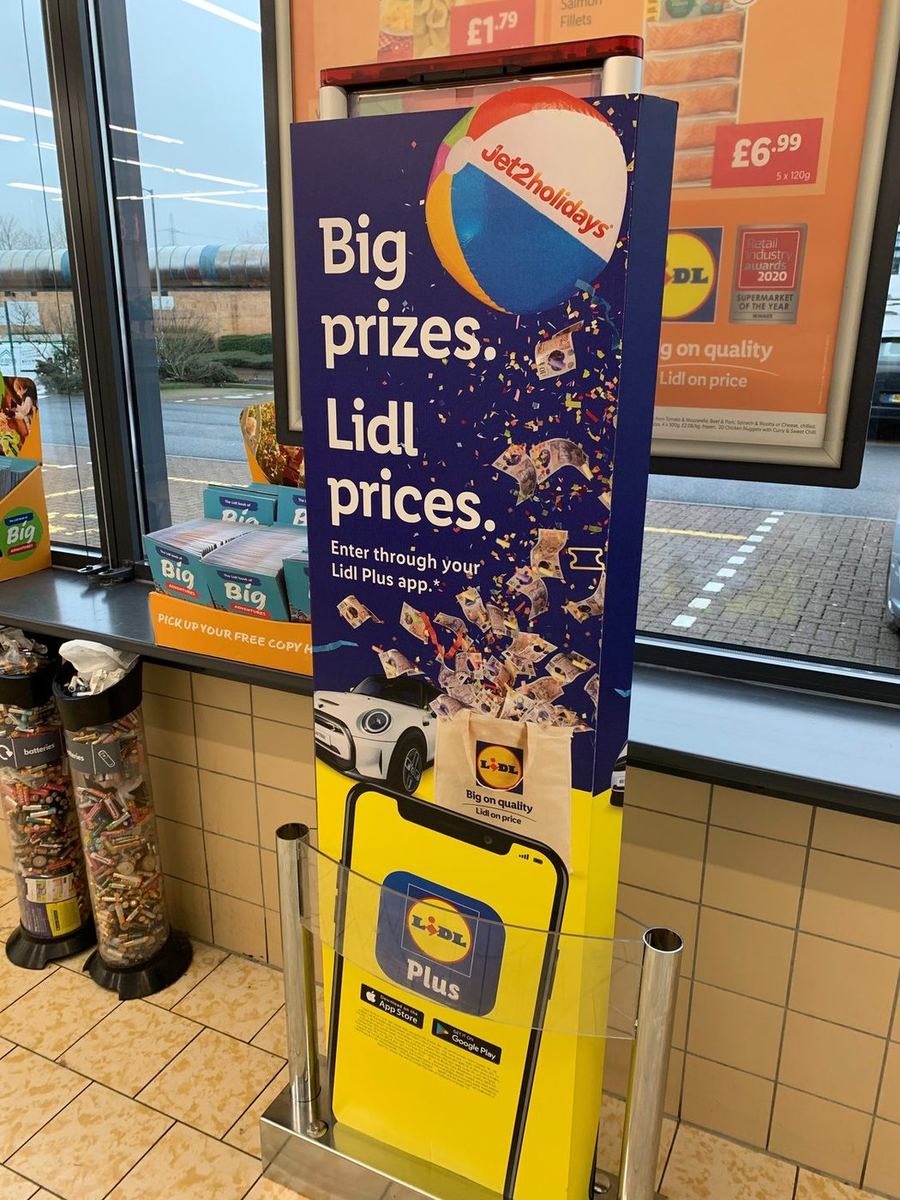
Plus if you’re a loyalty customer and using their app. You’re able to collect money off vouchers for certain products and be rewarded for your spending too. There is a competition for customers too in January, giving them the chance to win a prize every time they shop.
The benefit of any loyalty scheme is that it enables the retailer to target customers effectively. For example - lapsed shoppers (IE those that have not scanned their app for 1/2/3 months) can be identified and given specific money off vouchers to get them back to stores.
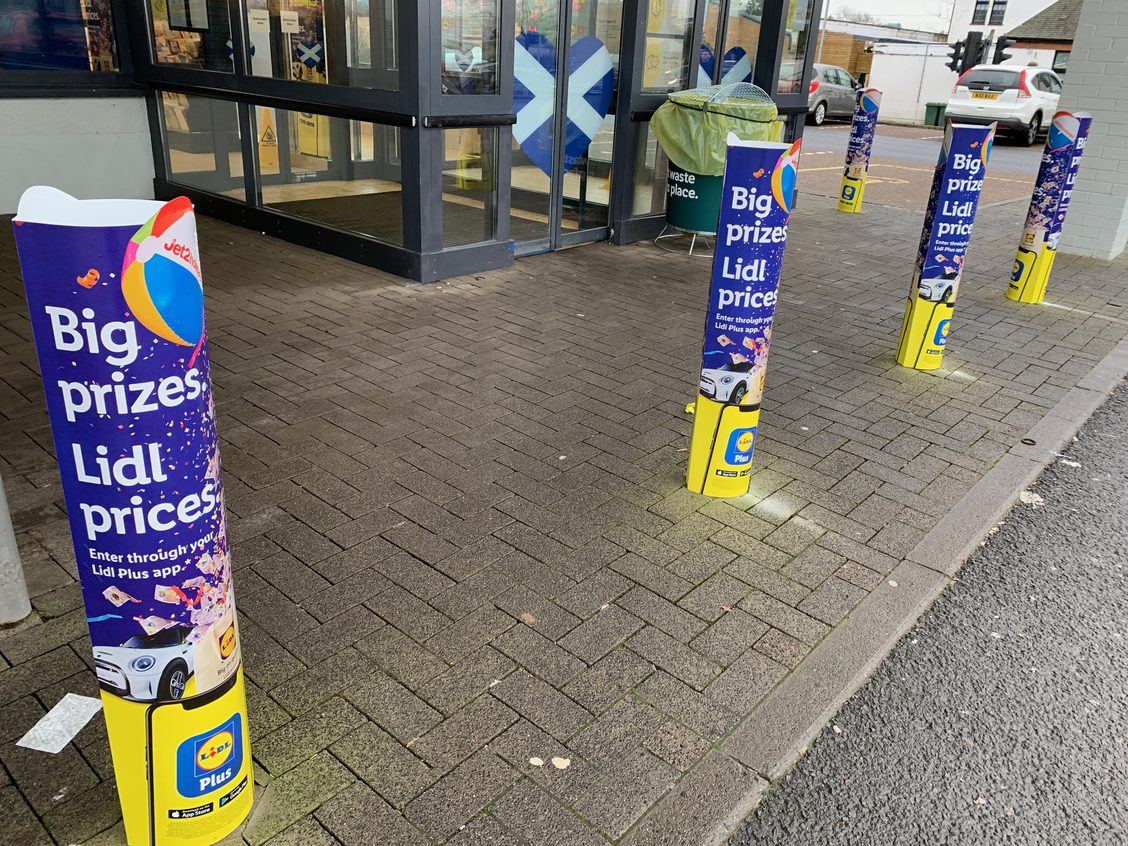
Competitions are always good even if a little short term in focus. The chance to win an electric Mini is appealing to customers and could drive some trade. The reality is, it just makes the like for like next year an even bigger hurdle.
Not that privately owned Lidl have to worry about like for like sales necessarily, but it’s a good barometer of where you are heading. It’s likely a useful footfall driver for customers to go to Lidl and see what they’re about.
The key thing (of course) is that customers are not appalled with what they see. No one wants to make a special trip based on incentives, only to be confronted with a store that looks like it hasn’t been filled in a week, with queues at the checkout and a general feeling of despair to boot.
But that feeling (or the risk factor) isn’t exclusive to Lidl, either……
They’re definitely aggressive enough are Lidl and look in good shape to capture further market share, and spend, given their set up and ability to utilise brands on a rotating basis and at low prices too.
Want to find out more about our services and the wider retail market?Subscribe to this industry leading insight service, today.
From the Grocery Insight newsletter archive, first sent to subscribers on 18 January 2022. Steve now writes at read.groceryinsight.com. See also the blog archive and briefings.