Issue 485 - Asda - Going Well
12 December 2022
View this email in your browser
Retail by Email - Issue 485 - AsdaThe takeover by the Issa brothers of Asda has been somewhat turbulent to say the least, and there’s certainly no accusation of the brothers not doing things “their own way.”
Indeed, they have run the business without a CEO for a significant period of time and have seen change at all levels of the management chain. Long serving people left, perhaps understandably, given their tenure and the opportunity to do something new.
Others found themselves out due to the changes and that’s the prerogative of the ownership, a new broom sweeps clean after all. The brothers have been busy in the “transfer market” and new recruits have come from all over retail.
Ken Towle came in from Nisa to run stores (ex Tesco), with the finance department soon to benefit from Michael Gleason (via Morrisons) who has been tending to his garden.
Further hires from Tesco (Kris Comerford) have bolstered the commercial department and the new regime looks to be getting plenty of things done.
Indeed - the pace of which the brothers wish to progress has been a challenge, with the difference of running a juggernaut like Asda, versus a smaller scale petrol station chain immediately obvious.
It does take longer to get things done, due to the size of the chain and the complexity of the operation. But the focus via the brothers on store standards and utilising 3rd party partnerships is already starting to bear fruit.
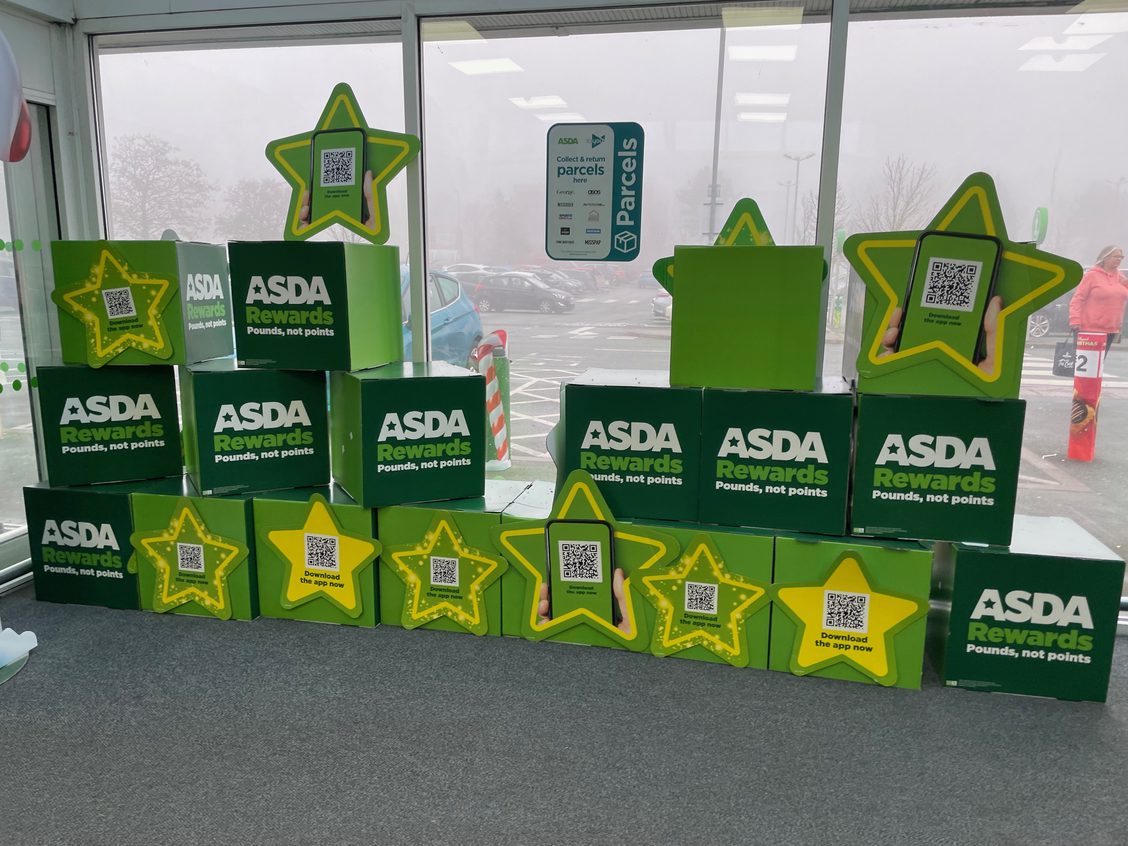
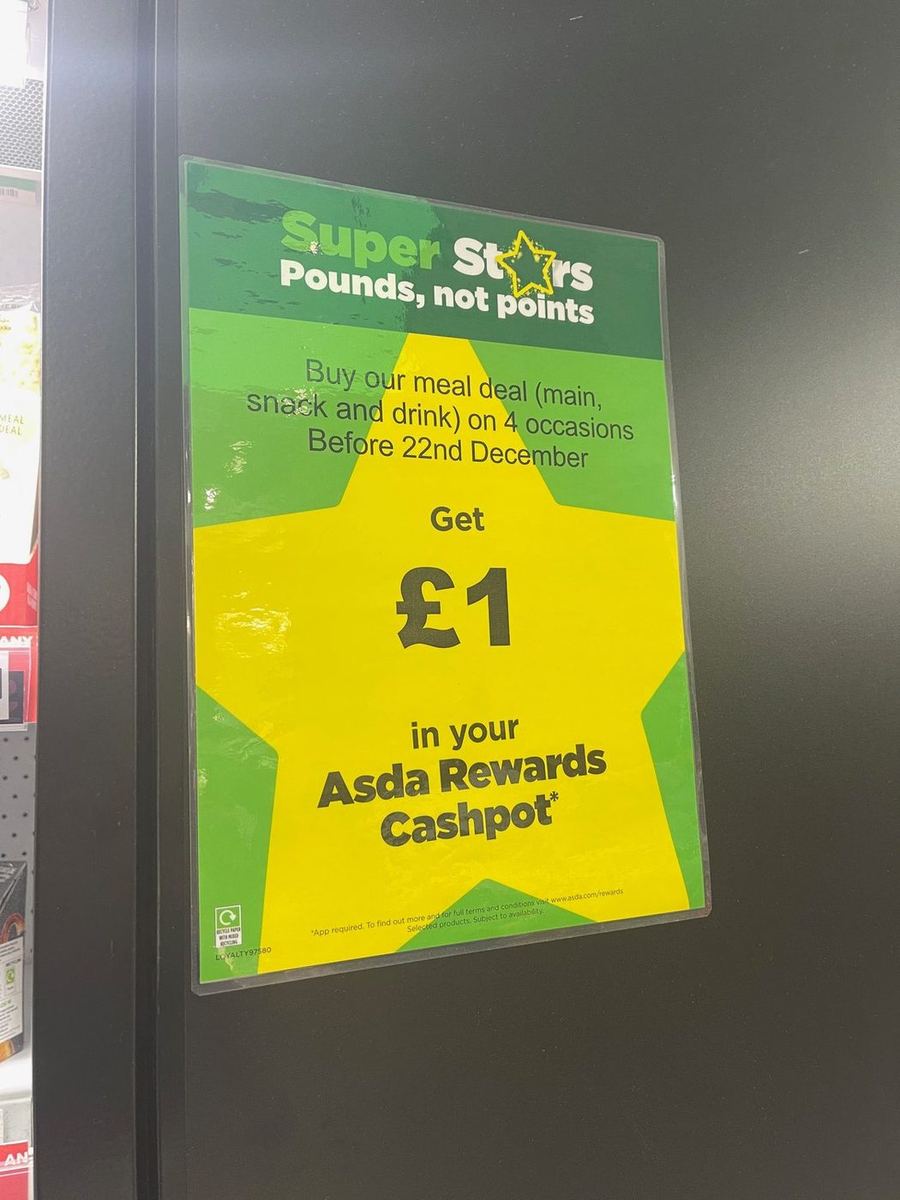
A key reason for the success of Asda has been due to their loyalty scheme, which is nationwide after a successful trial. The Rewards scheme allows customers to complete “missions” (such as buying 5 portions of Fruit/Veg over a month) for a cash reward.
The customer is then able to collect their cashpot rewards and redeem them off a shopping bill in the future. Some of the discounts are on products whereas others, IE £5 back when spending £50 on Spirits, are linked to a bigger spend.
It has been a big driver of loyalty for Asda and definitely captured the mood of the customer. Several missions reward you for shopping with Asda, without it being anything that a customer necessarily needs to interact with.
It has been a major piece of progress for Asda and their customers, too.
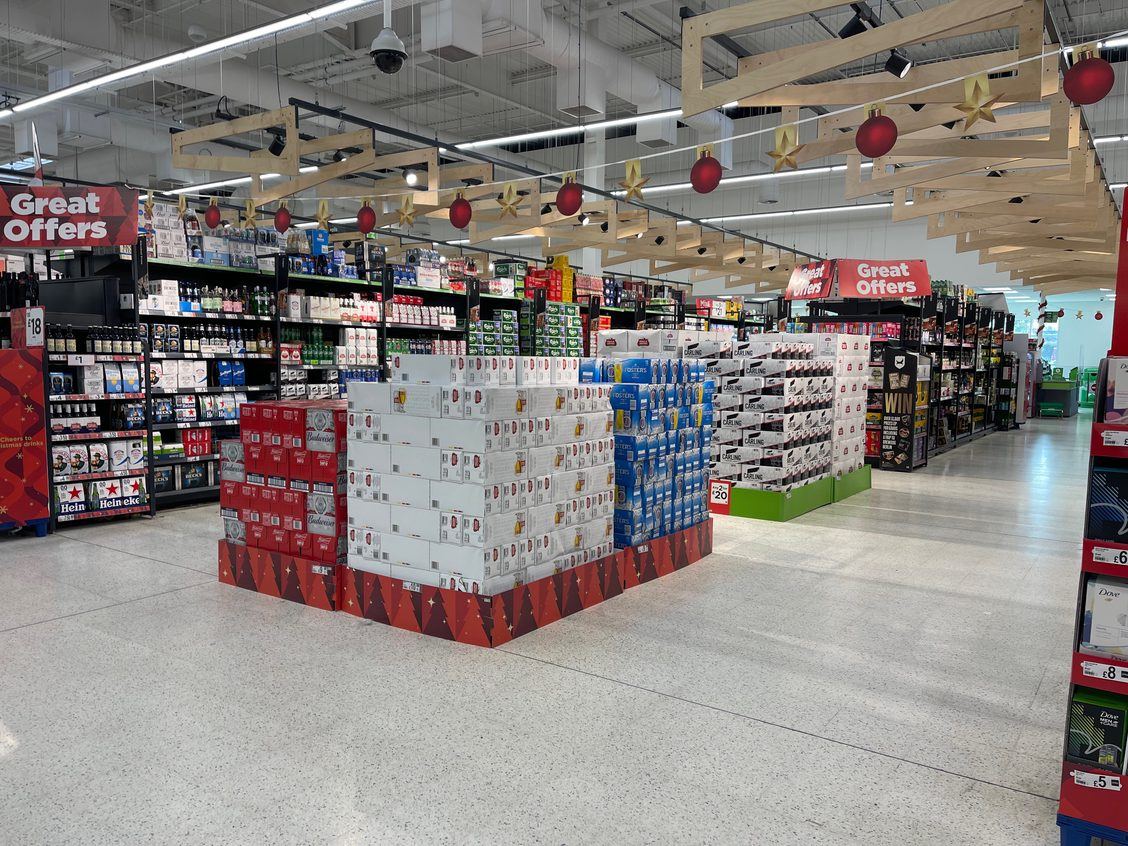
Stores are moving on too. Standards remain strong and I have yet to visit an EG (Euro Garages, owned by Issa brothers), that was poor.
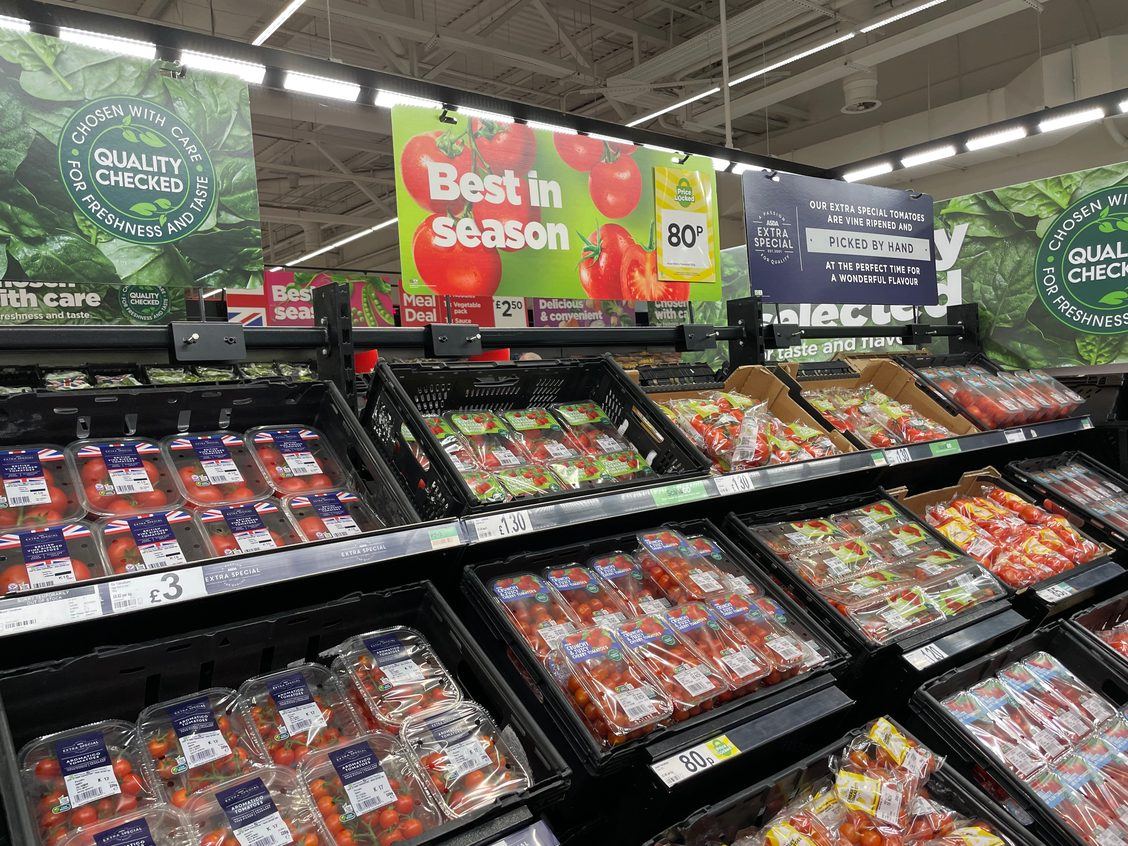
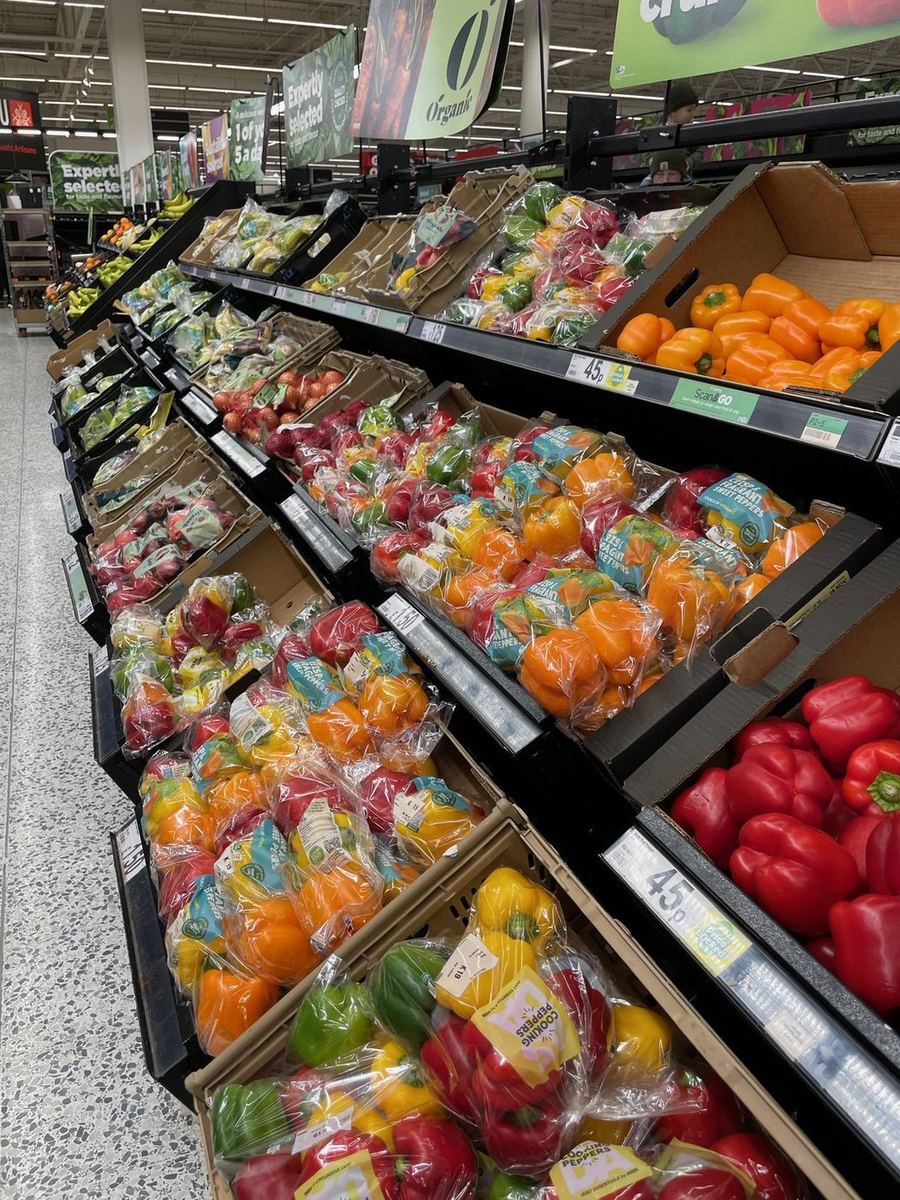
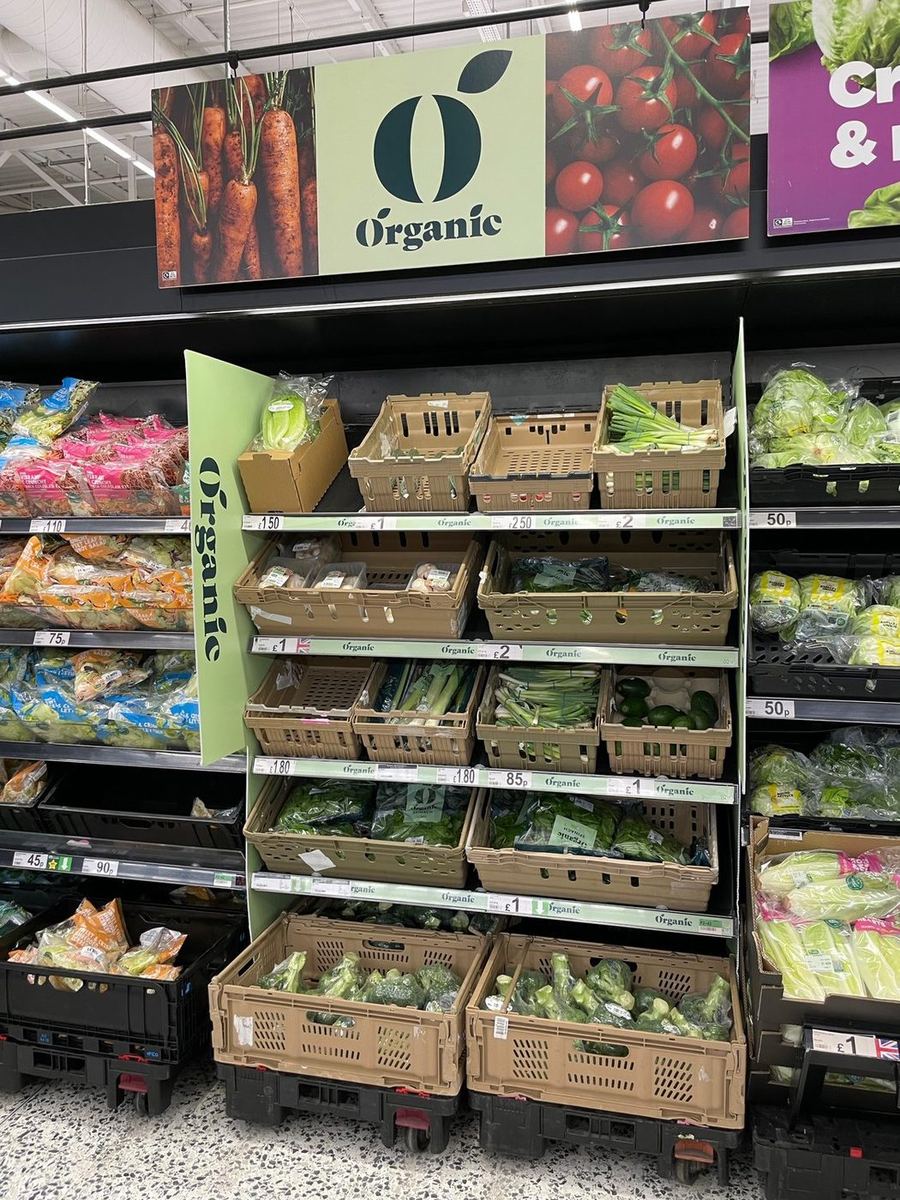
Their focus on standards has been notable across many categories; especially in Produce where price, quality and merchandising standards remain strong.
Ends in Non-Food were strong for Christmas and things linked together well for the main event, especially with their Elf advert that landed well.
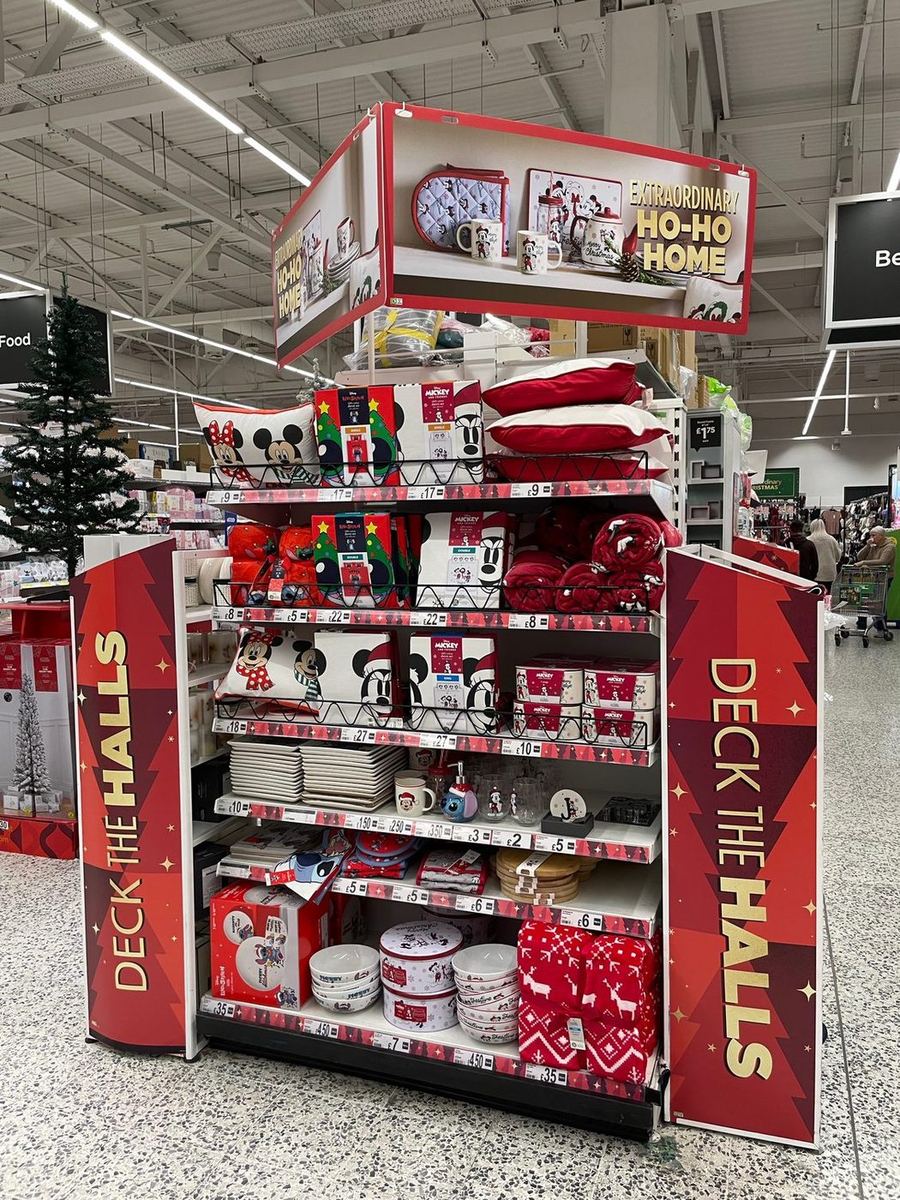
Further work on ensuring that space in larger stores is given the 3rd party operators, or indeed, in to growth categories continues apace.
Indeed the boom of healthy living has seen a range of Vegan/Plant based products with supplements / athleisure land in the Health & Beauty space.
Further partnerships like this continue to roll out and are important to drive trade to the categories.
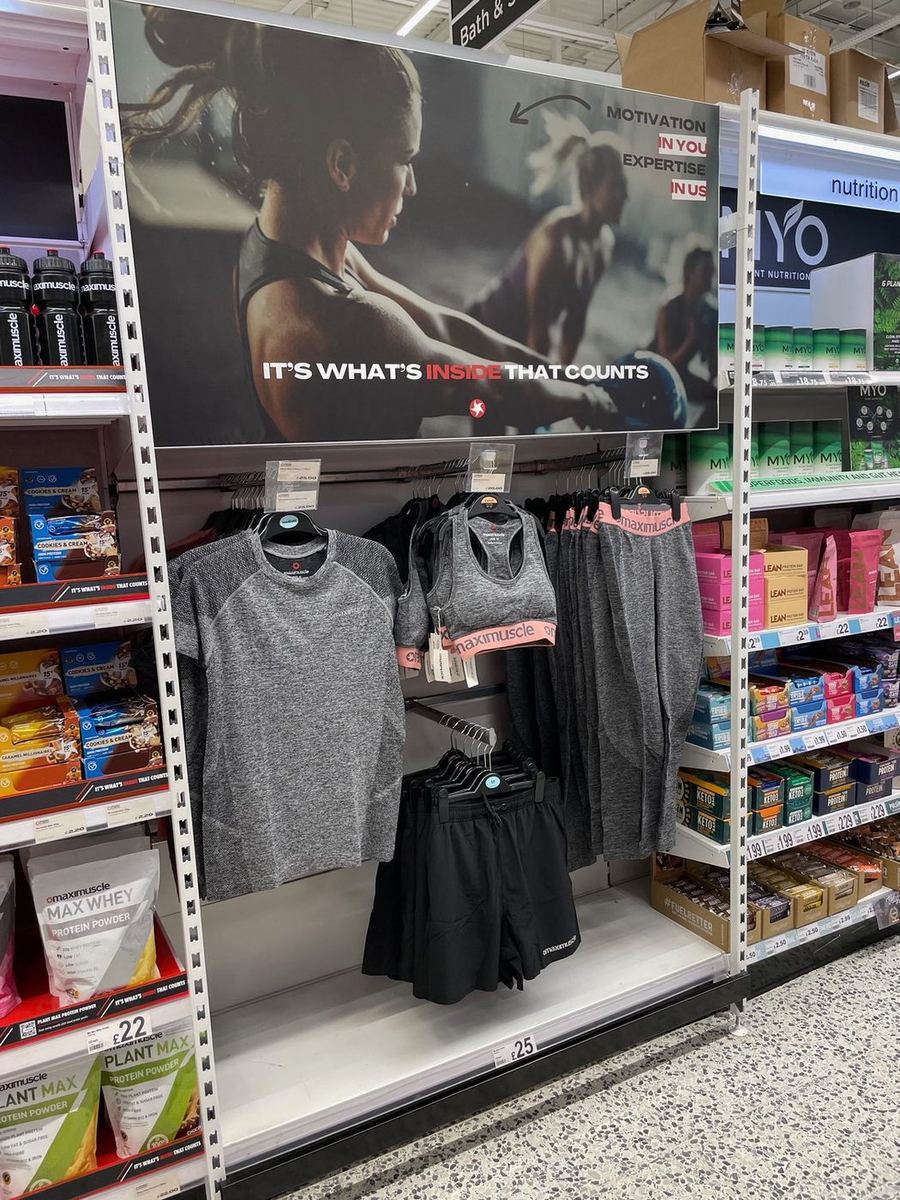
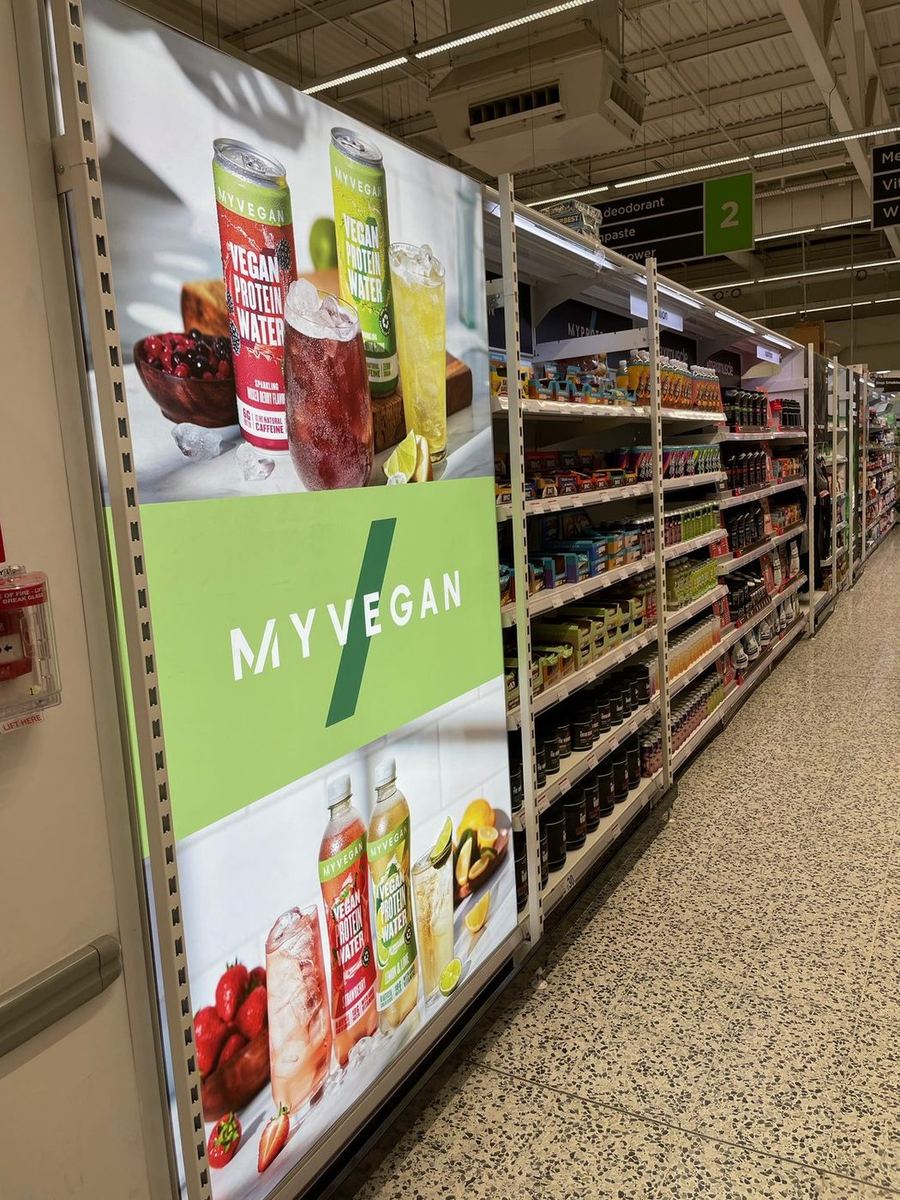
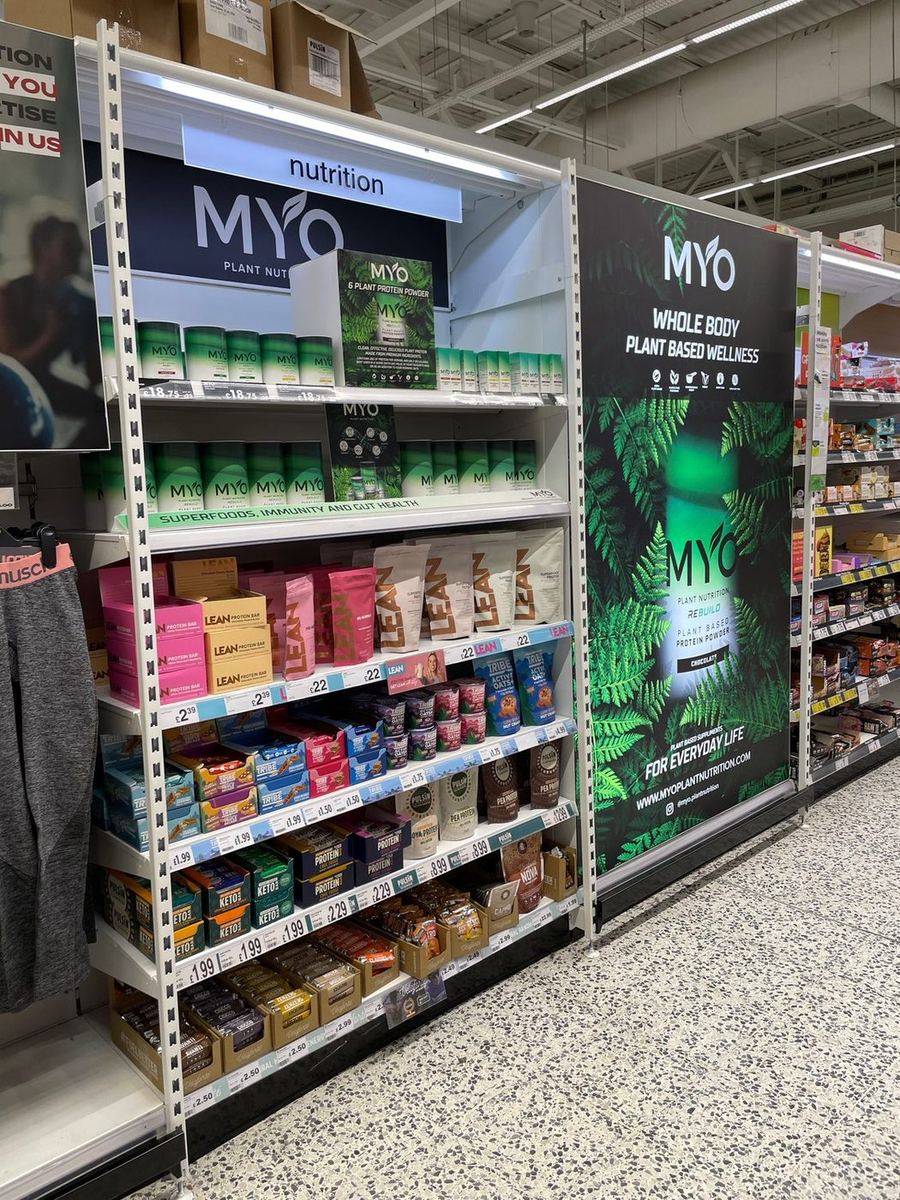
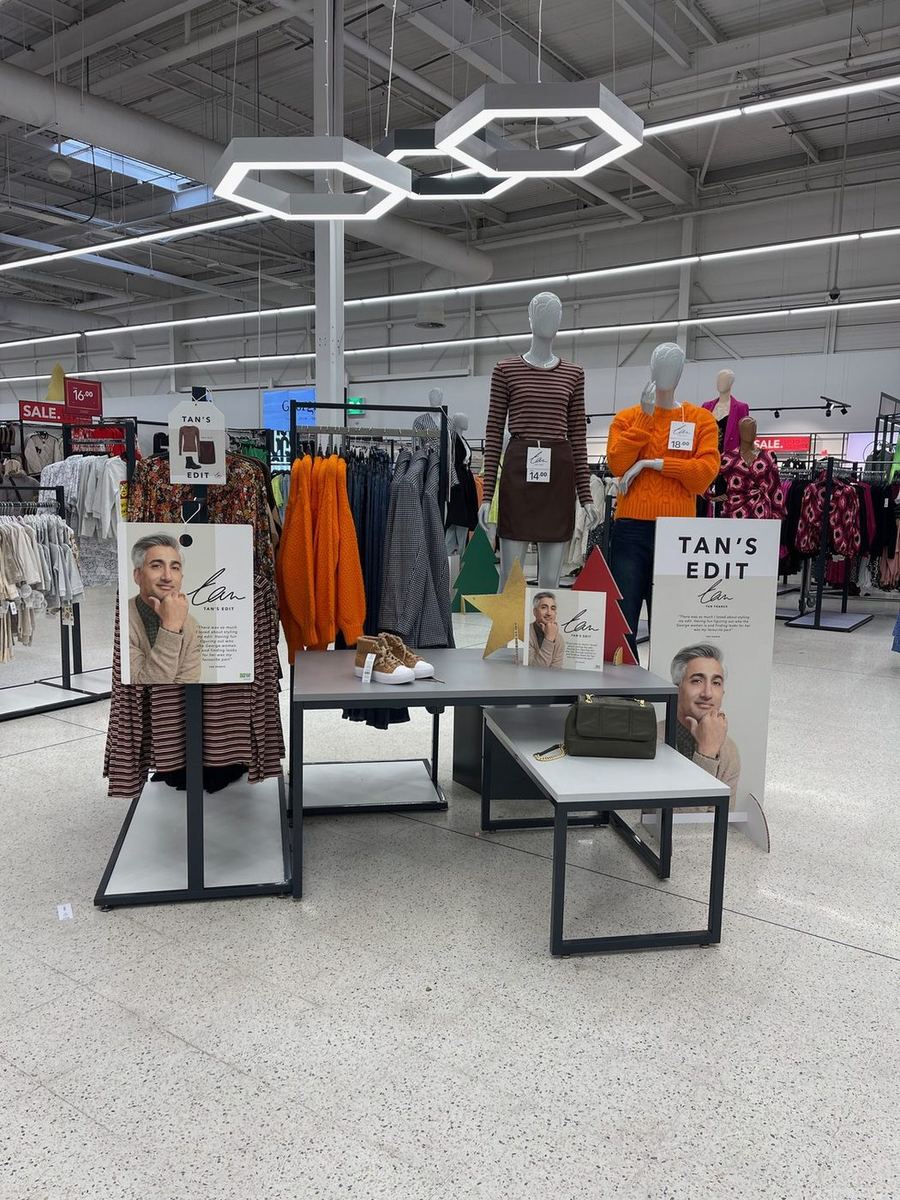
In Clothing; there is a strong own label via George already, but Asda have been busy with the 3rd party partnerships. This is alongside their own tie ups with Jacqueline Jossa, Stacey Solomon and the rest.
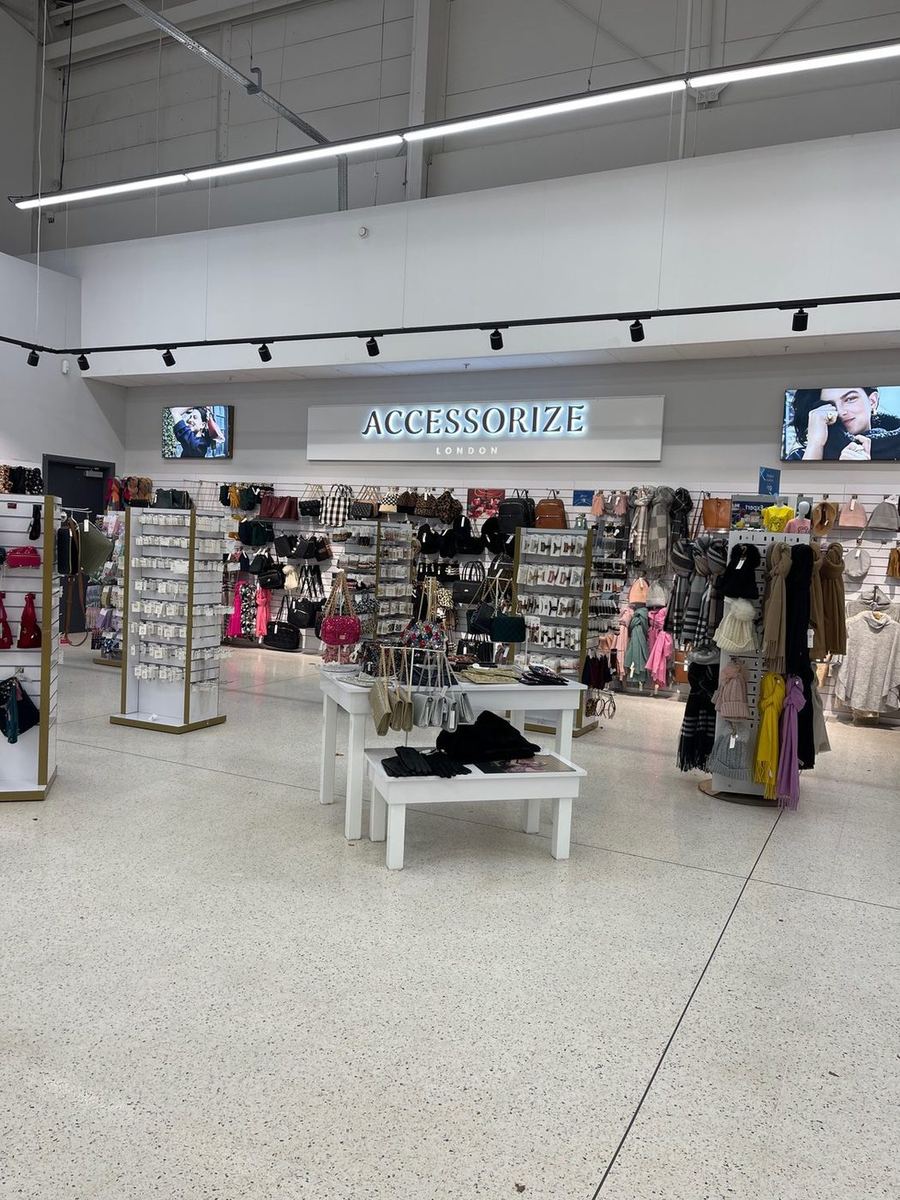
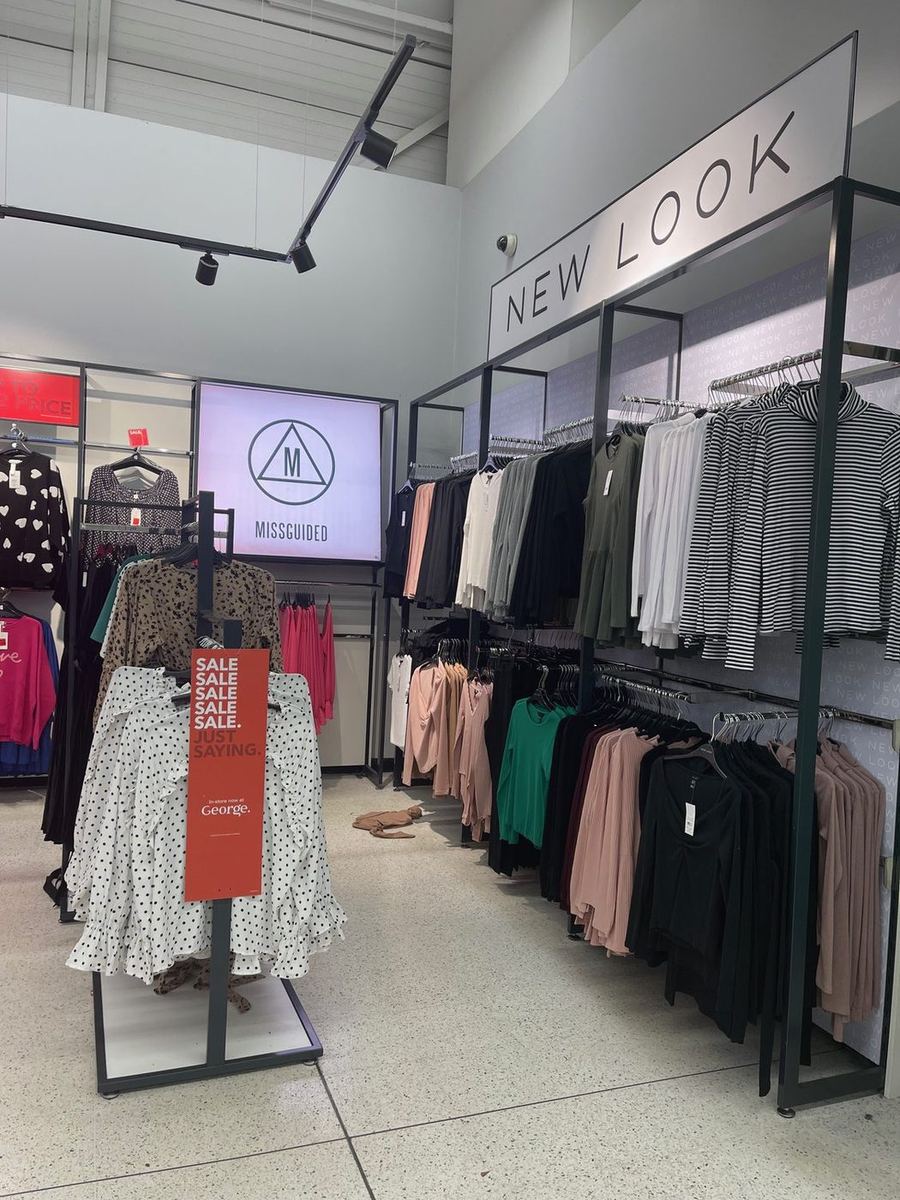
Some stores feature concessions via Decathlon in Sports and then Accessorize and New Look over in Clothing. Alongside some of Asda’s tie ups with other industry figures too.
These partnerships remain important because it allows Asda to ensure they can get a return on the stores that are blessed with space.
Indeed, it also drives further trade in terms of click and collet and the footfall this brings.
The work here remains strong and a key footfall driver in general.
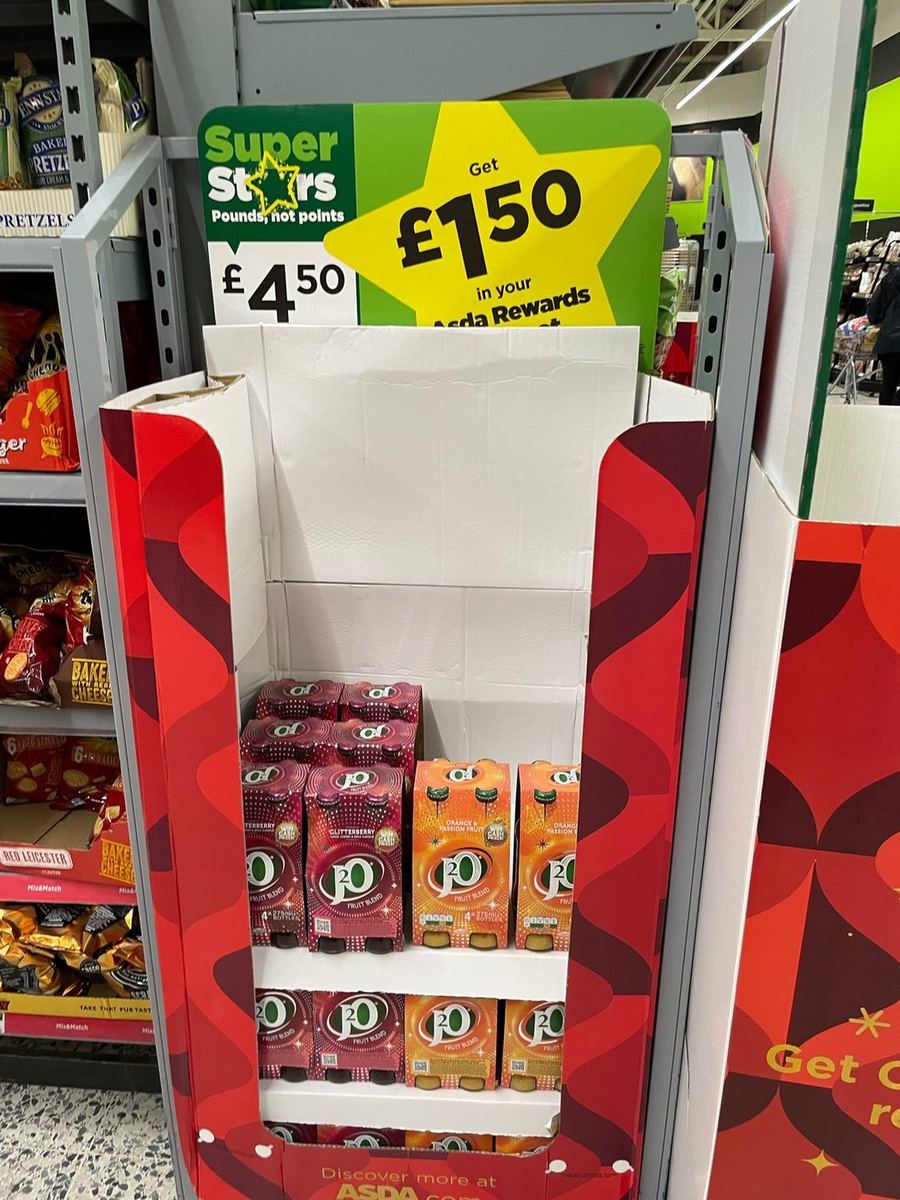
Around Foods; there remains a good focus on Christmas, with standards strong. Asda Rewards were featured on shippers, with a customer receiving £1.50 on their cashpot if they buy J20.
However, there is a school of thought that customers would want to benefit from that saving immediately, so pay £3 for their J20, rather than £4.50(?)
Either way, that cashpot build does drive further footfall for customers to come and spend their cashpot.
Plus we know the customer always spends more than their cashpot in any case.
HFSS remains an ever growing issue in stores; with the legislation driving stores to move products around for “show” almost.
It’s hard to see how the legislation helps anyone, but it’s easy to see how it hinders everyone. Especially retailers, especially as it’s now Christmas, with stock everywhere.
The legislation is harder to justify when you realise that Beers/Wines and Spirits are not covered (as highlighted previously) so featured space = alcohol.
Retailers can only work in the confines of their environment but what is anyone supposed to do? The legislation makes little sense, is full of anomalies and we, as an industry, need to think again.
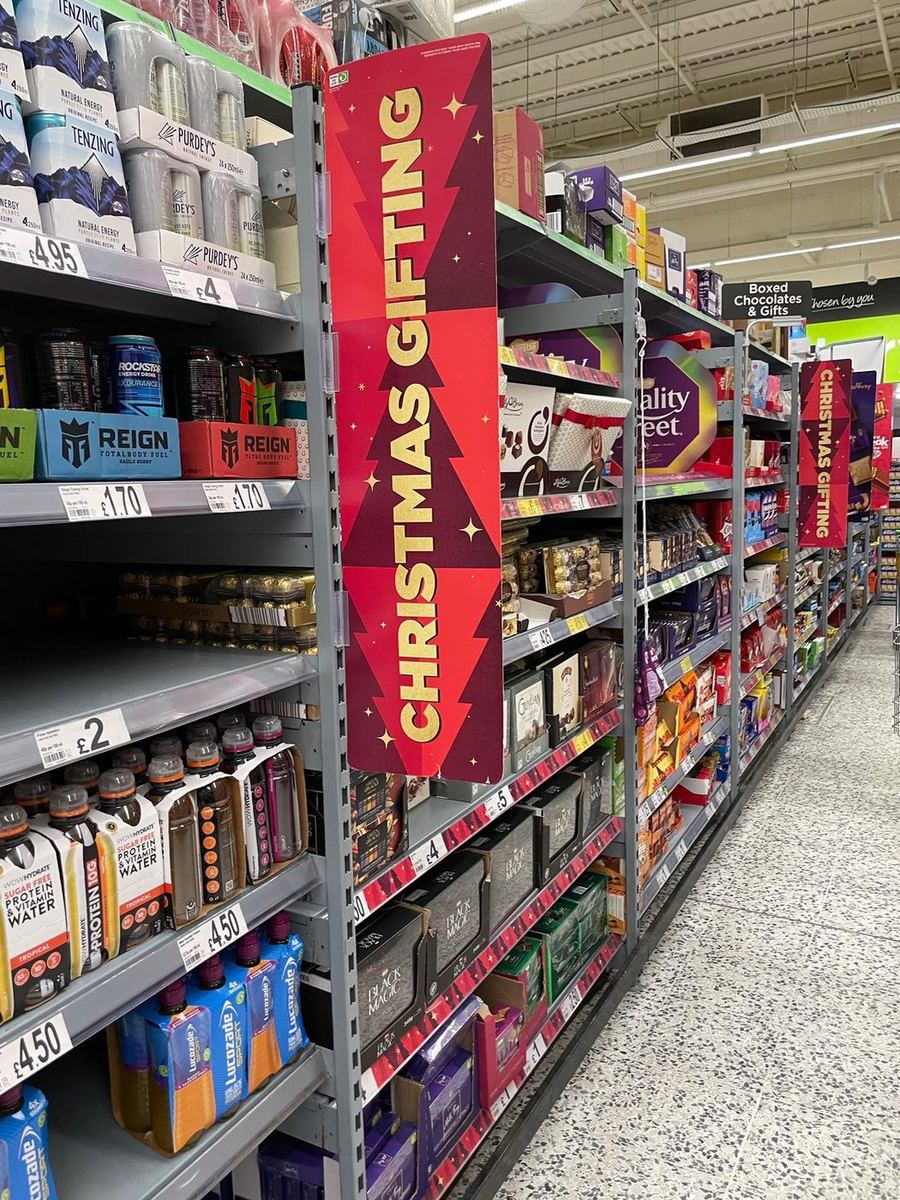
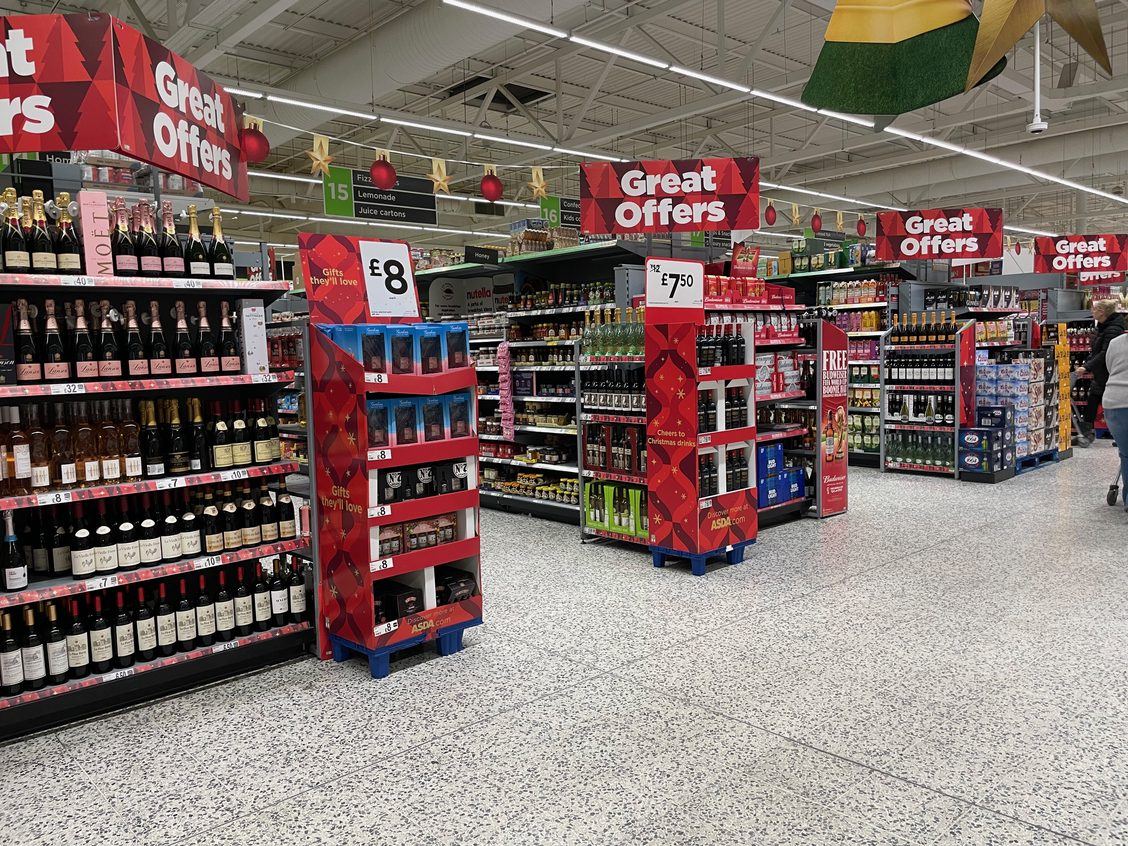
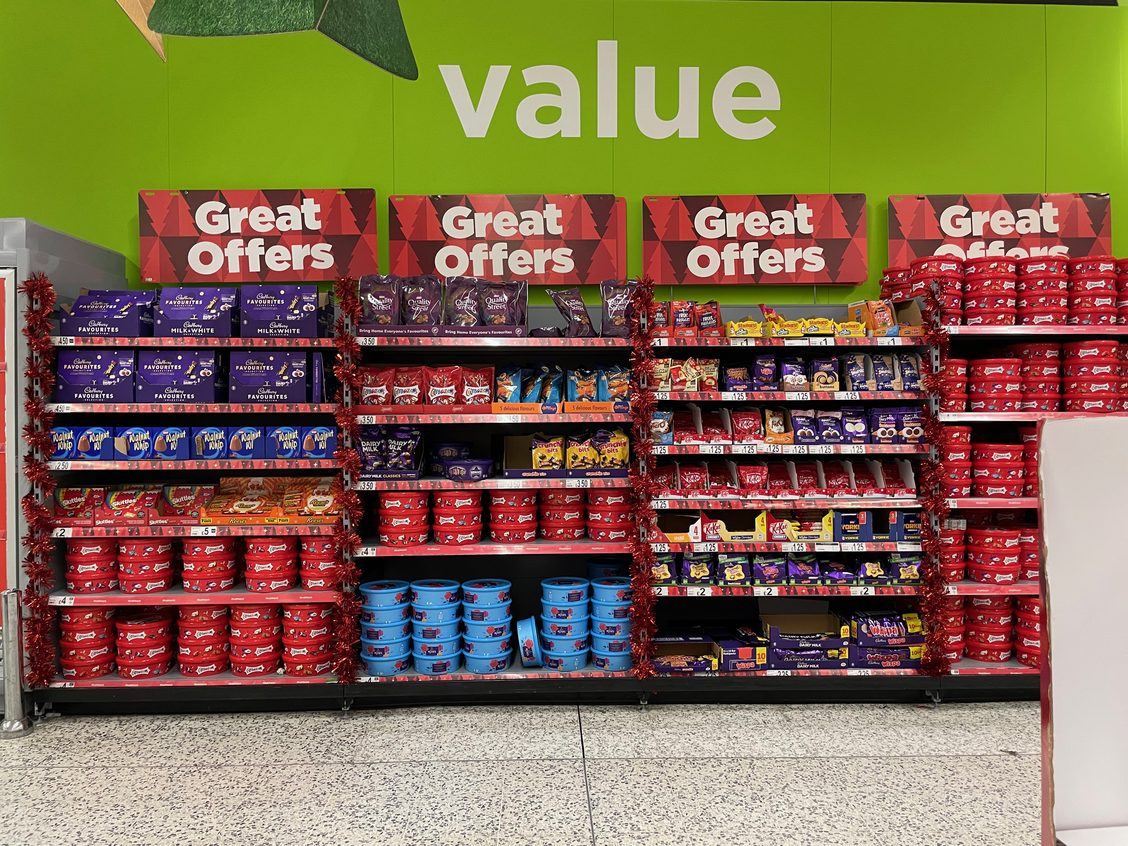
HFSS means most of the activity for Confectionery (amongst other categories) takes place in the aisle. Although, there are numerous examples of Confectionery now located in front of Fruit & Vegetables.
This is because the legislation permits this, but not the siting of said product by the front doors. Baffling.
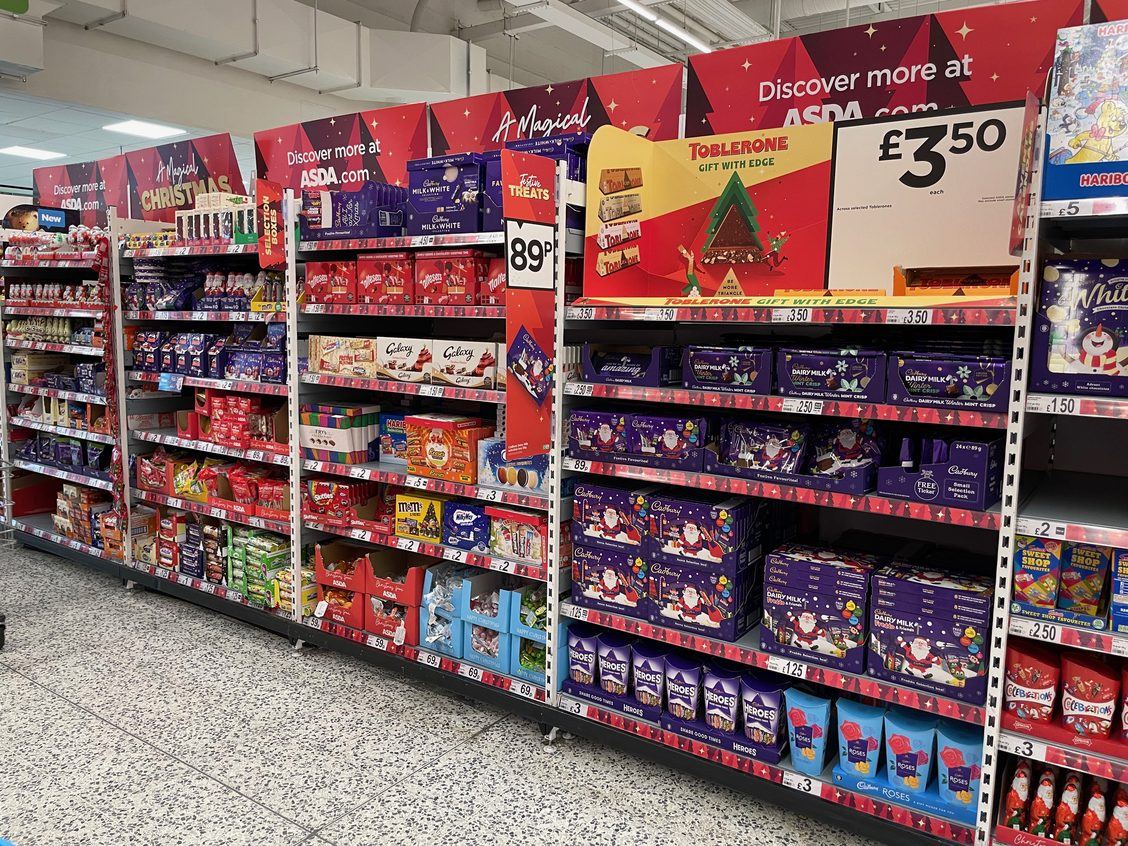
The aisle of Confectionery in Asda has seen a rise in the number of pieces of signage located within. With leading brands highlighting their wares on a permanent basis with shelf stripping and signage featured.
More of this to come no doubt; as the aisle becomes the key battleground for sales.
However, HFSS means a lot of activity is focused on the aisle from a store replenishment perspective also, which isn’t efficient.
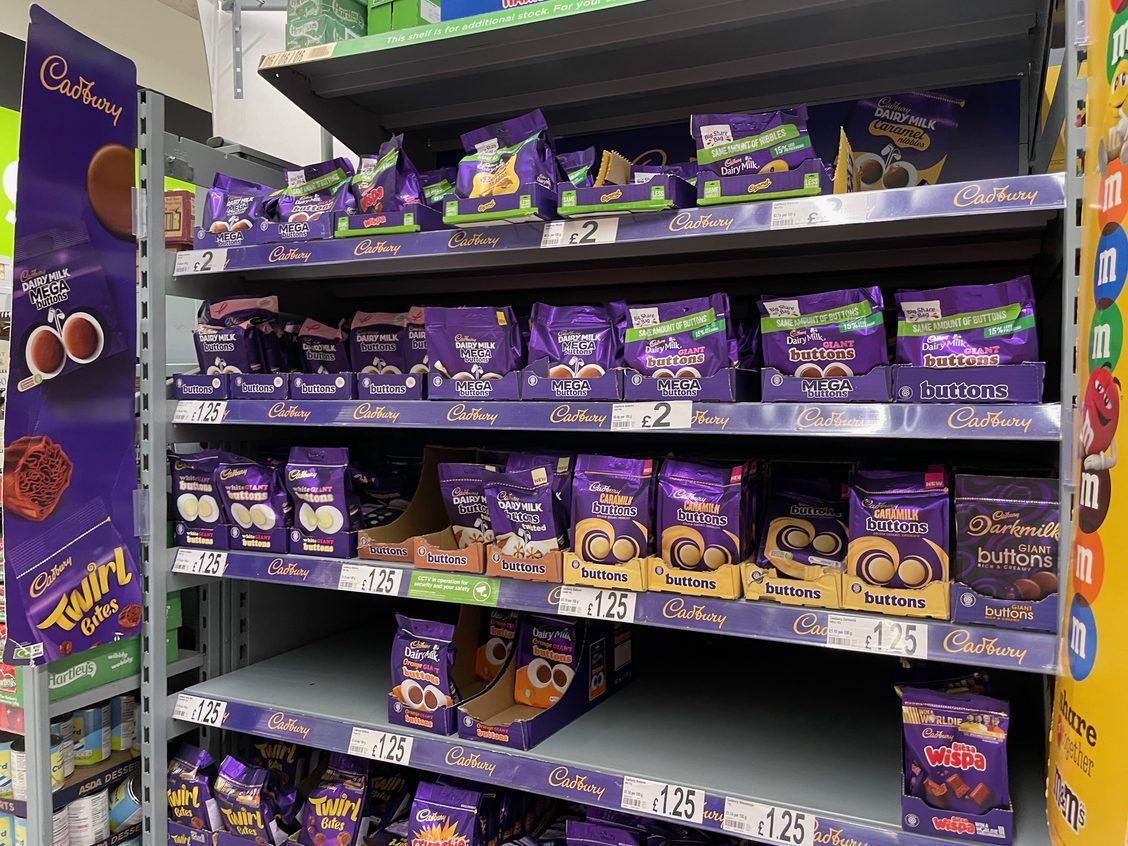
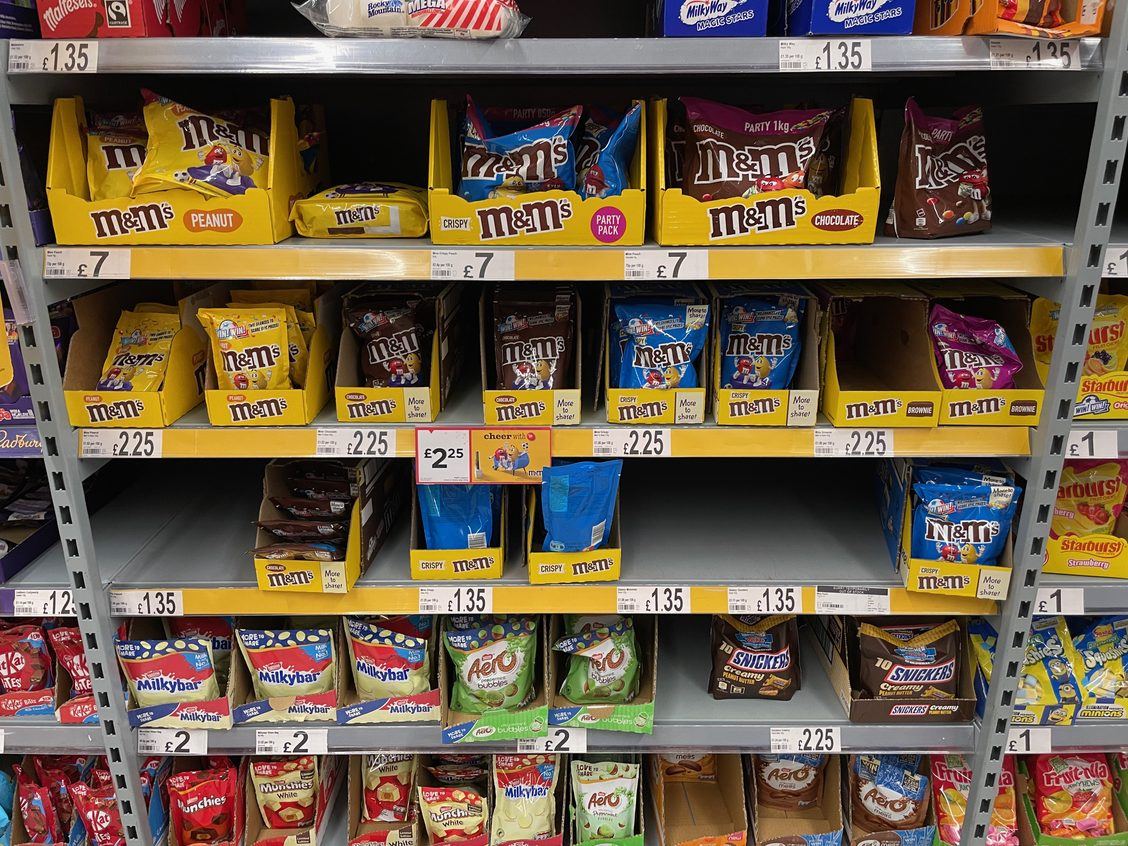
HFSS also brings value space being repurposed for Confectionery; which again would have been given over to Beers/Wines in the past. This is permitted in the regulations because it’s not part of an “aisle”.
We will likely see more space movements as retailers look to protect their sales line with similar moves.
The challenge for retail when looking at obesity is that you follow the customer, more needs to be done on health but it’s challenging. Customers want to lose weight, everyone knows how to eat healthily but it remains the case that obesity is rising.
For the legislation not to look at takeaways selling cheap meals to the masses, especially ones near schools, is a major own goal.
As noted; Produce is a cornerstone of the new strategy and uplifted signage, layouts, price messaging and standards have all helped in this regard.
It’s so easy to set a positive example around freshness and quality when looking at Produce as a starting point.
Packaging has been uplifted and the whole category is benefitting from more people working in and around the area.
Retail remains simple. It’s really not difficult.
All in all, Asda are in a strong position for the Christmas run in and are diversifying away from purely price led messaging too.
They have a lot more to talk about in terms of loyalty, product quality (plenty of award winners) and value as well.
Plus their strategy is lending itself to rolling out smaller format stores, which we have seen with their “Asda Express” format…
We will look at this next time to understand what the future holds here, is 300 stores an achievable target?
If you include some of the Euro Garages forecourts, absolutely.
Which then spells bad news for the Spar, and the other independent operators.
The Issa brothers have built a strong team and have rebased the business (already performing well) in to one that’s in good form.
Looking across the M62 at Morrisons and the turmoil there, with rising interest rates and a sales line that’s fallen through the floor. It looks like the Issa brothers and TDR capital got a very good deal indeed when acquiring Asda.
Want to find out more about our services and the wider retail market?Subscribe to this industry leading insight service, today.
From the Grocery Insight newsletter archive, first sent to subscribers on 12 December 2022. Steve now writes at read.groceryinsight.com. See also the blog archive and briefings.