Asda - Plastic trial in Leeds
21 October 2020
To subscribe to this service and benefit from our expertise
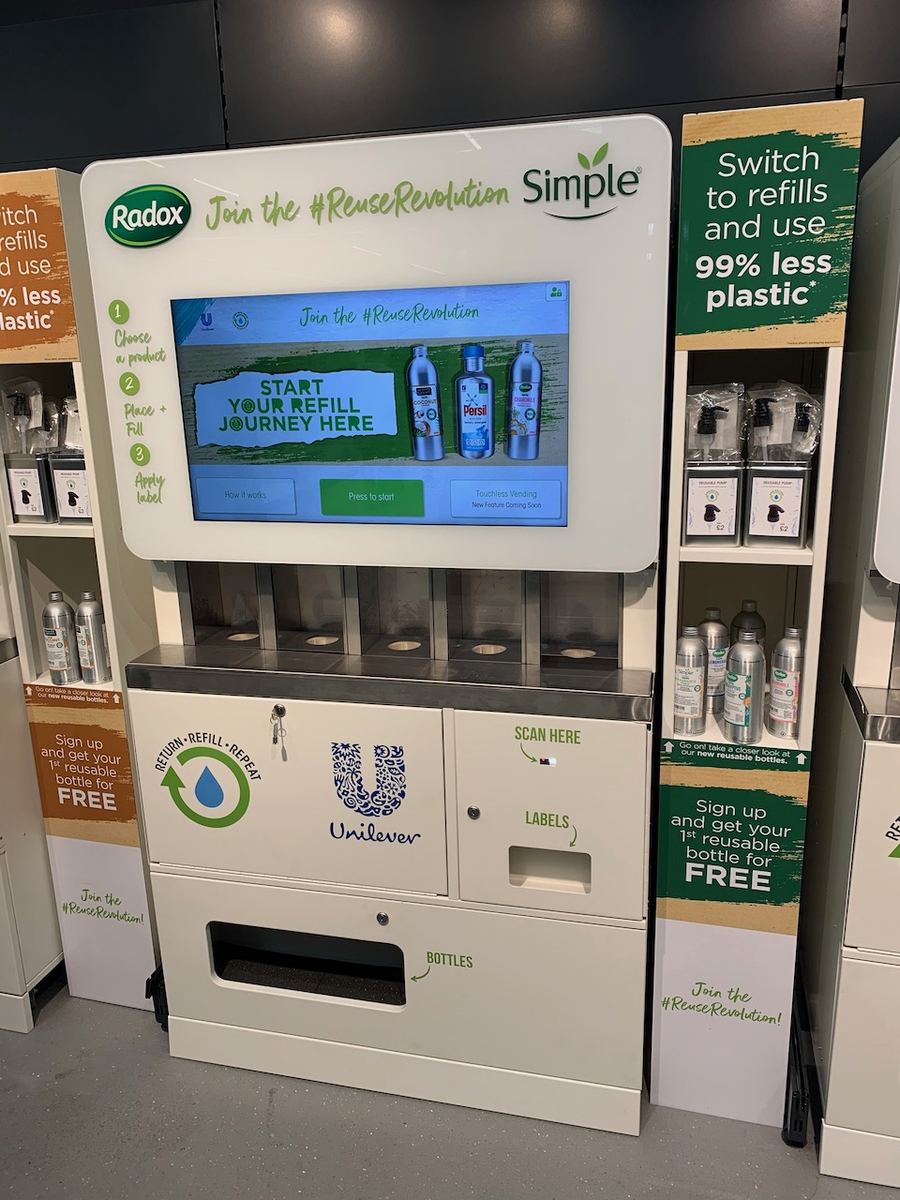
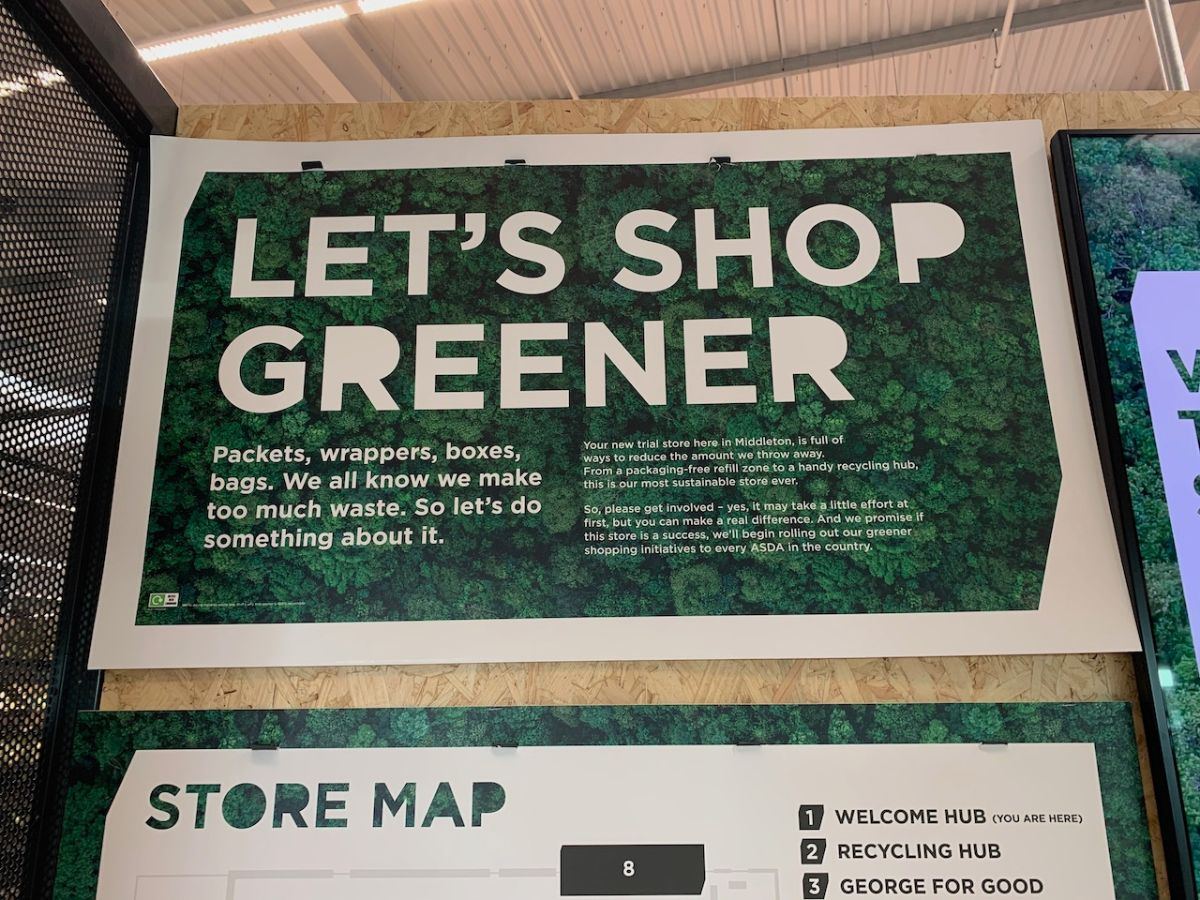
Asda has launched the sustainability and reducing waste trial store in Middleton, Leeds. The store itself is quite new, having opened in 2014 and this update to the store touches a number of areas around the store. The main event is the loose foods and refill area that features machinery to dispense various laundry and health/beauty products with work from leading brands - which is unlike anything we've seen elsewhere.
The refill area has taken former space of some former food counters that are now closed (with Takeaway and Hot Food receiving a revamp alongside this.
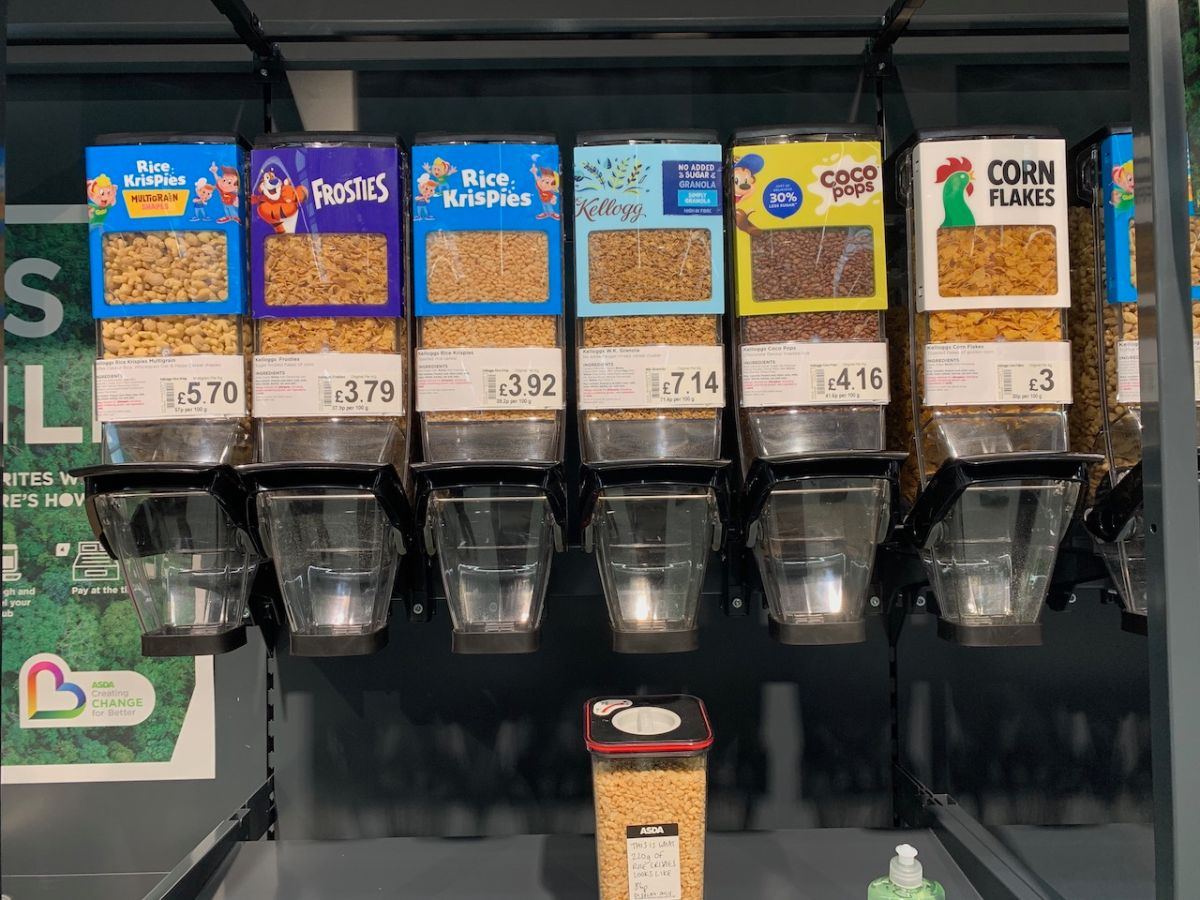
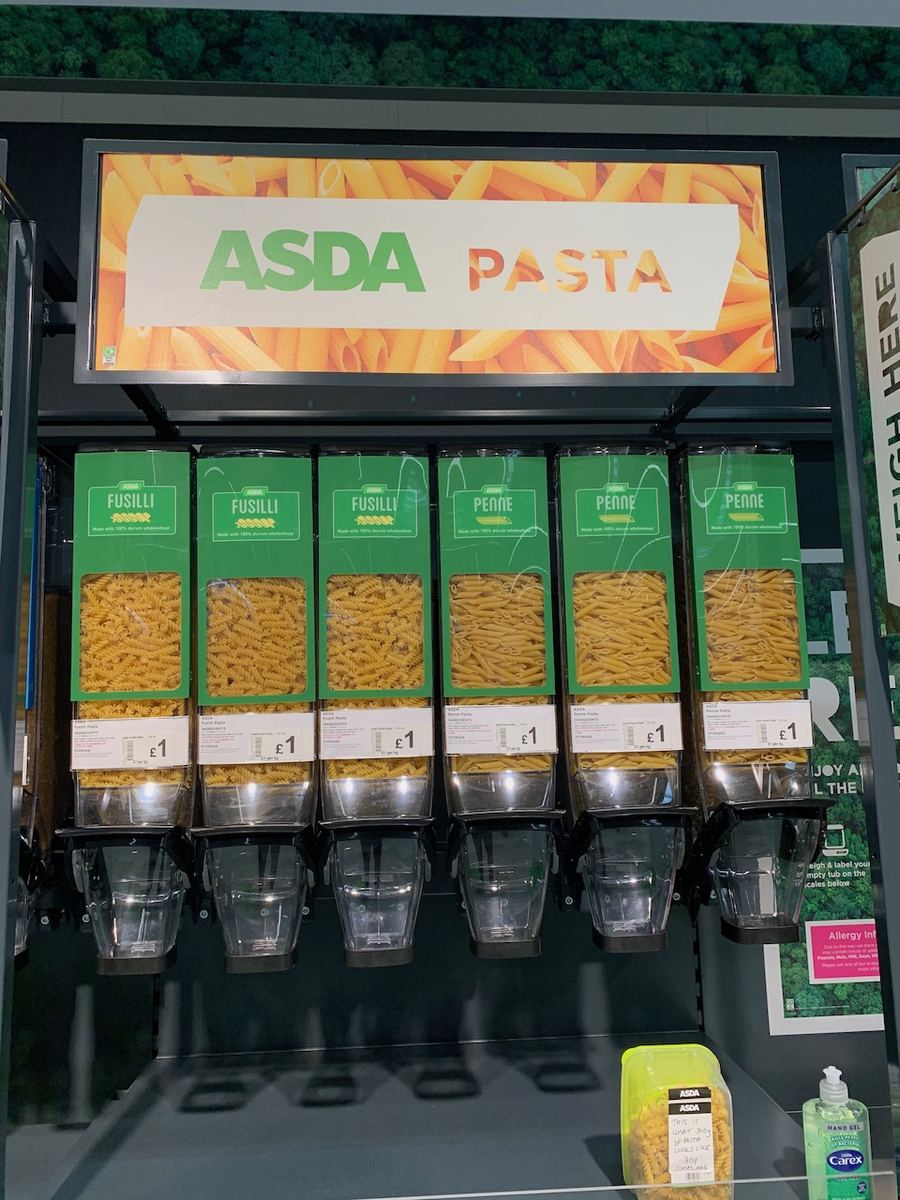
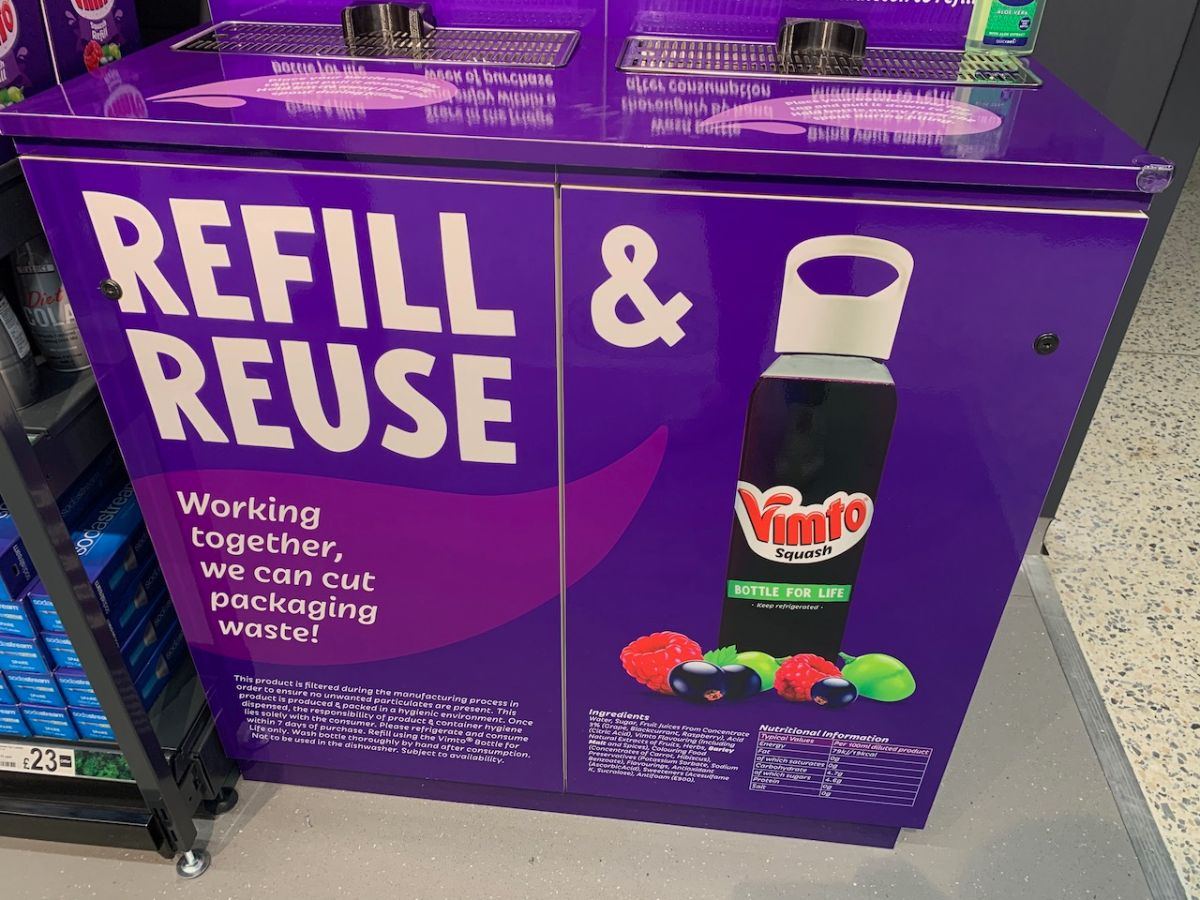
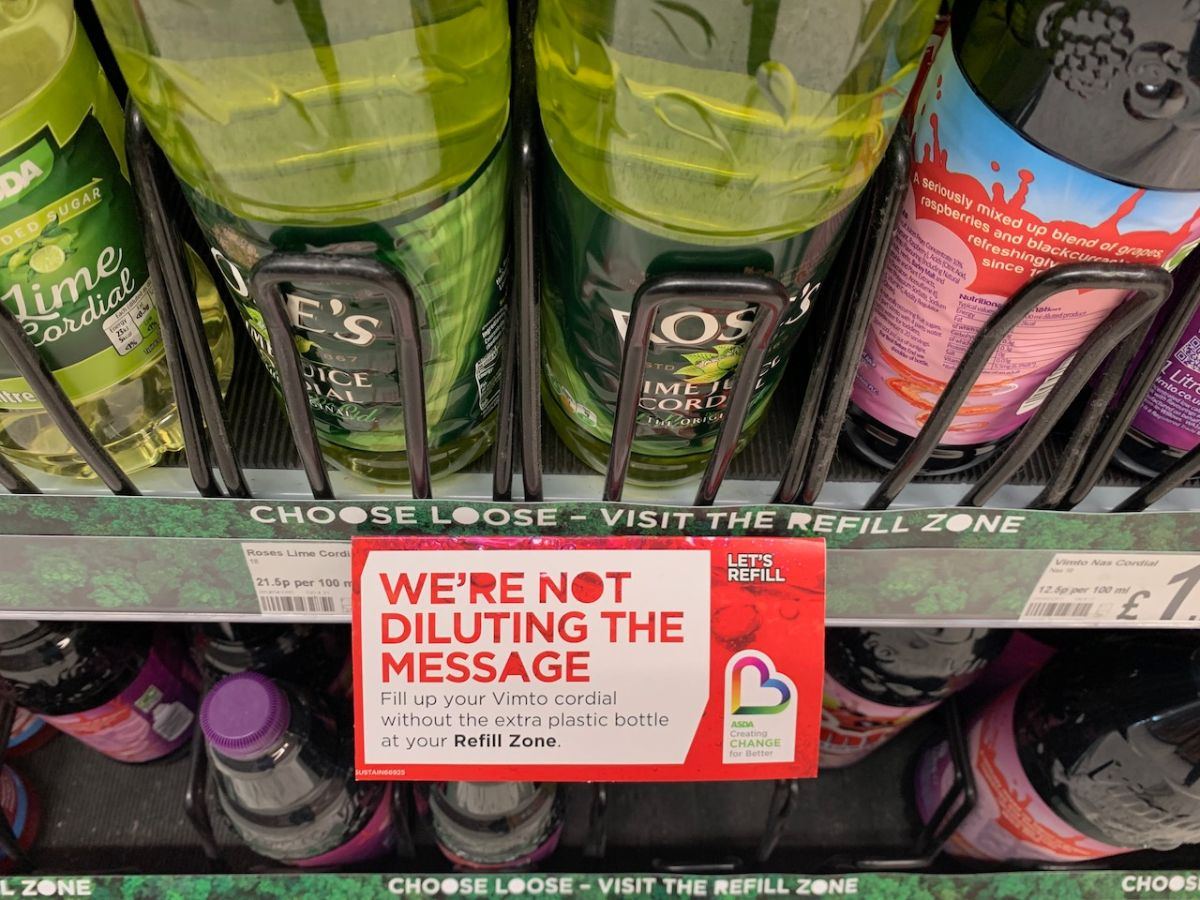
Own label is also featured with Rice and Pasta available in loose form alongside Vimto (no less) offering a chilled cordial squash (to be consumed in 7 days).
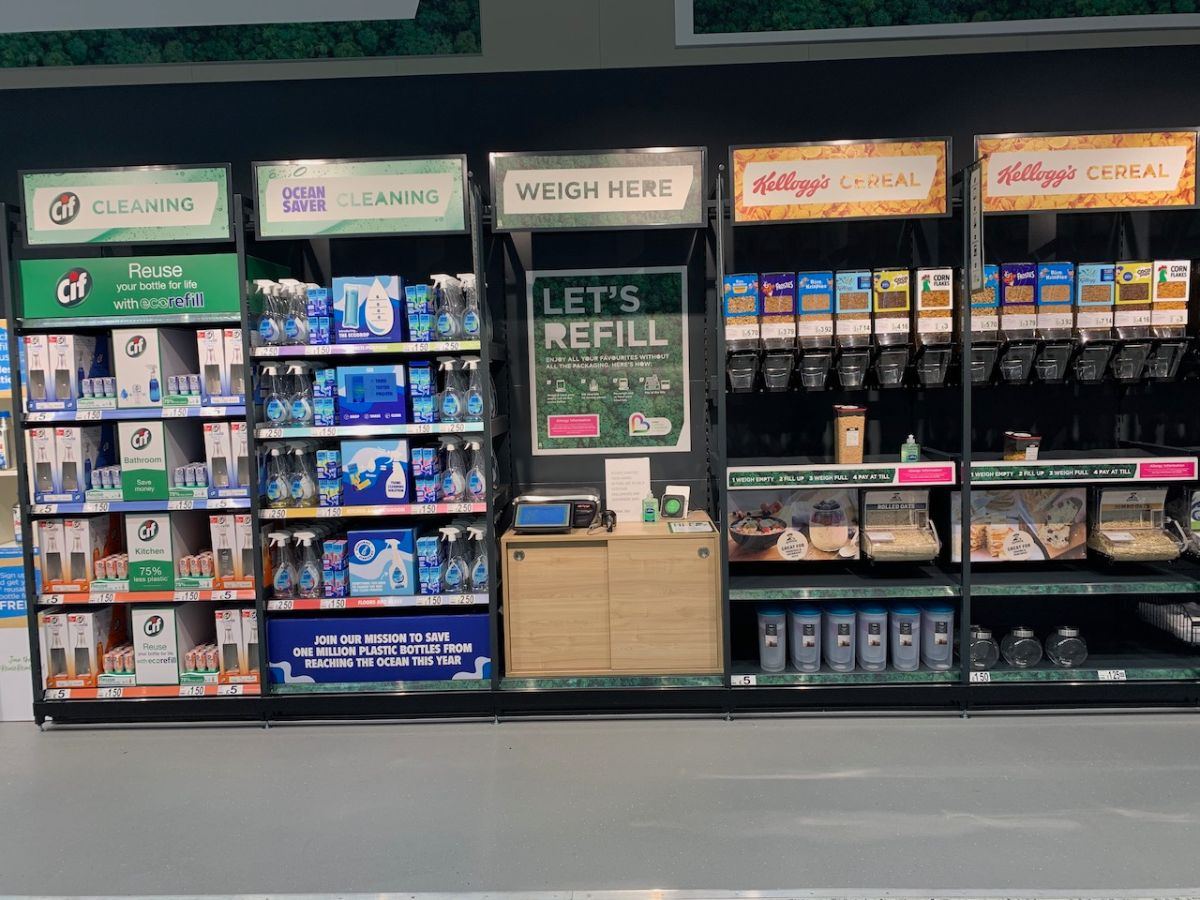
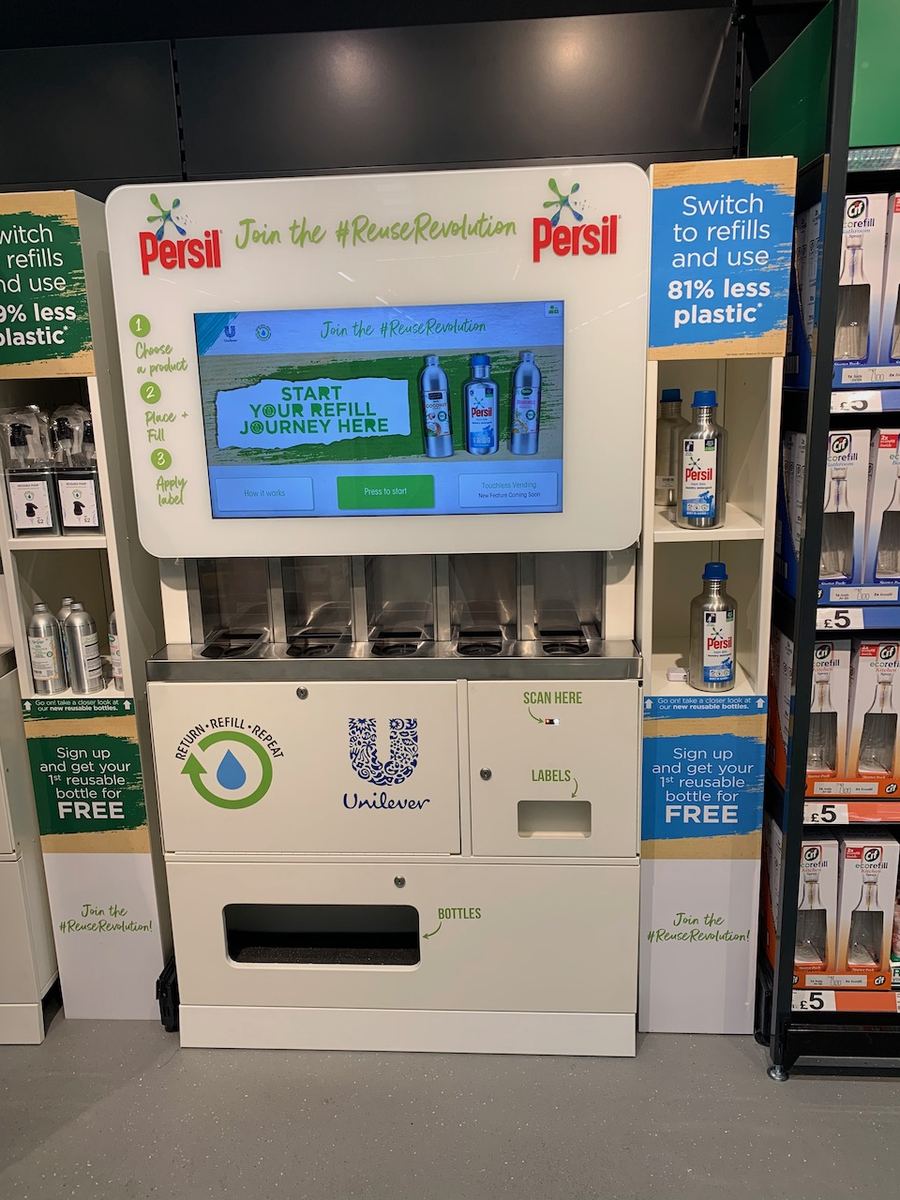
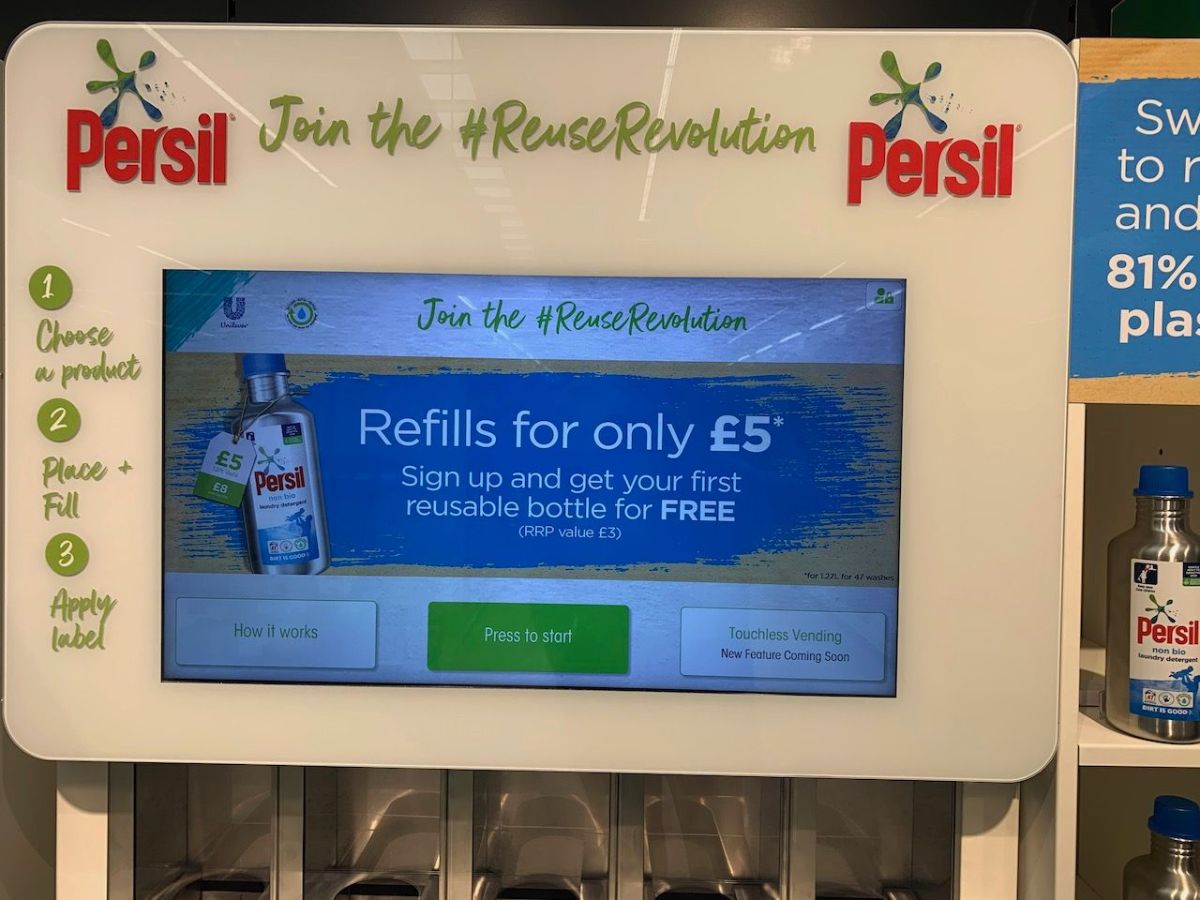
The machines were sadly in and out of action due to their popularity on day one, there are numerous elements with the machines that work well. You link the bottle for Persil with your mobile and once registered and when you return, the machine recognises you and informs you of how much plastic has been saved by your actions.
In addition, the drums powering the machine hold 12 litres each, there are 5 slots and these presumably, can be refilled by colleagues too. So there's real scope for capacity here. Once empty, they're filled over in Leeds and returned to the store.
Only Unilever brands are featured within the machines with Simple. Radox, Persil and even value staple Alberto Balsam are featured. One feels this may take time for the customers to adapt to use it, the value message is strong though and the equivalent costings (even on Coco Pops, 1kg was over £4 which is very strong) are good.
The challenge for any trial is scale but customers are open to this, whilst the trial has paused for COVID and all that went with it, for Asda to get something like this off the ground is even more impressive given the cross functions and 3rd party work as well.
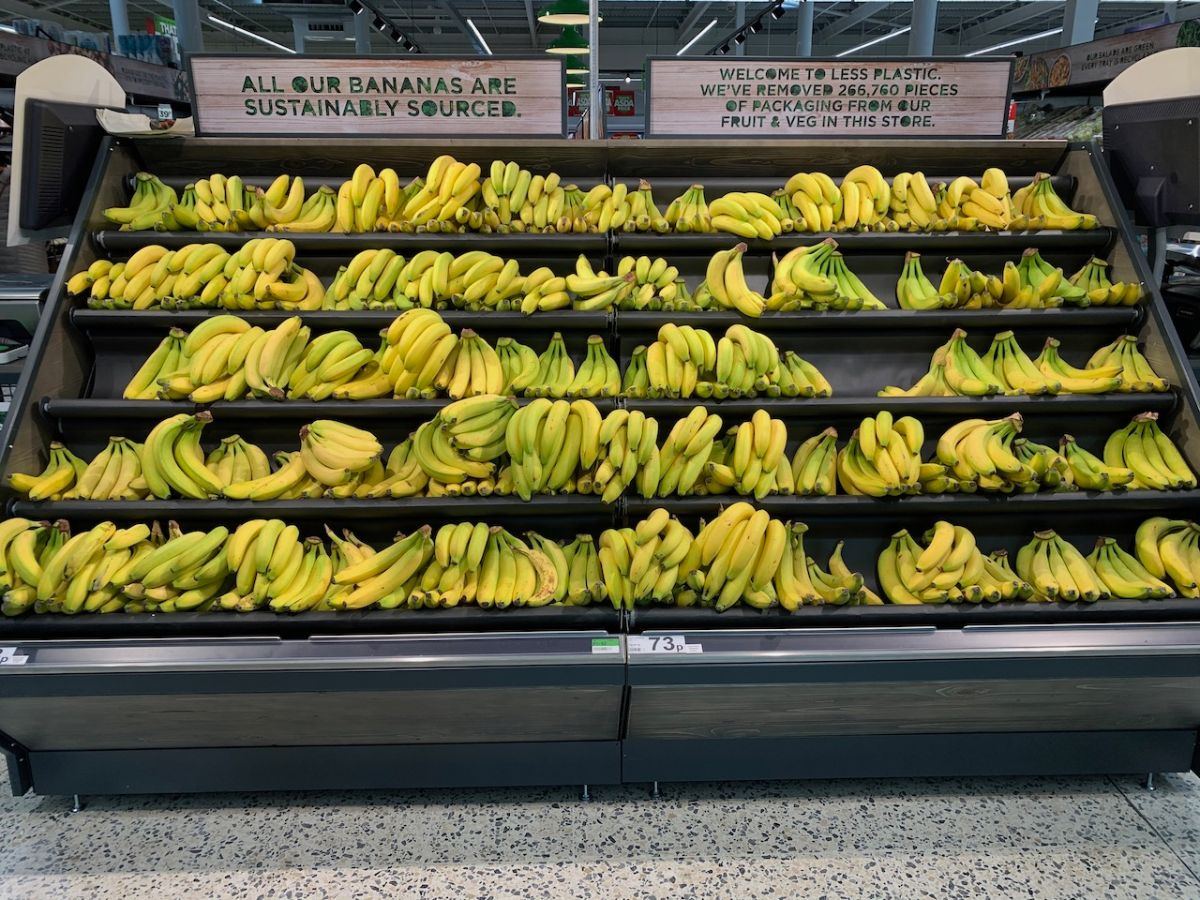
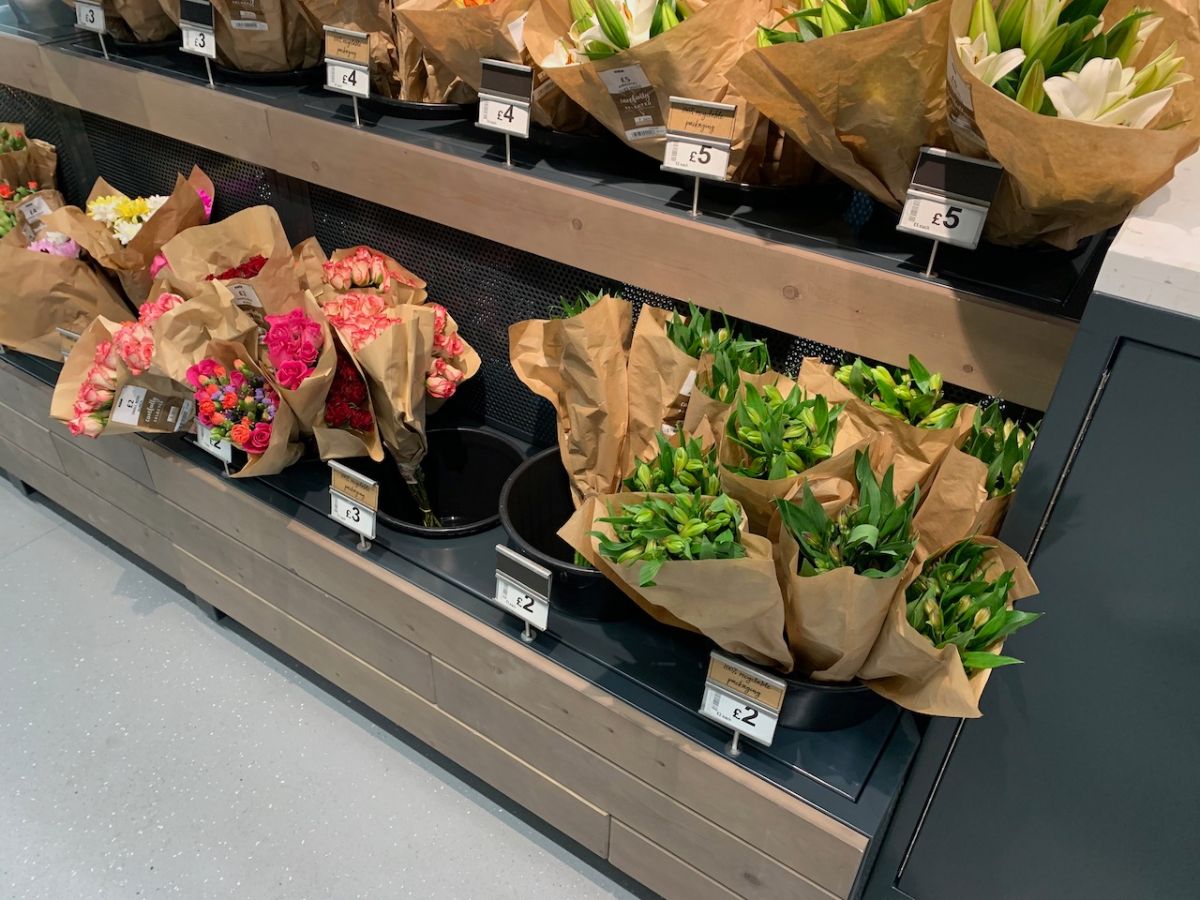
It's not just machines and refill foods, of course, there are numerous other elements around the store that work well. Produce is an obvious beneficiary with less plastic in the category and more of a focus on loose items. A number of products are sold 'naked' and floral also features paper wrap rather than the usual plastic.
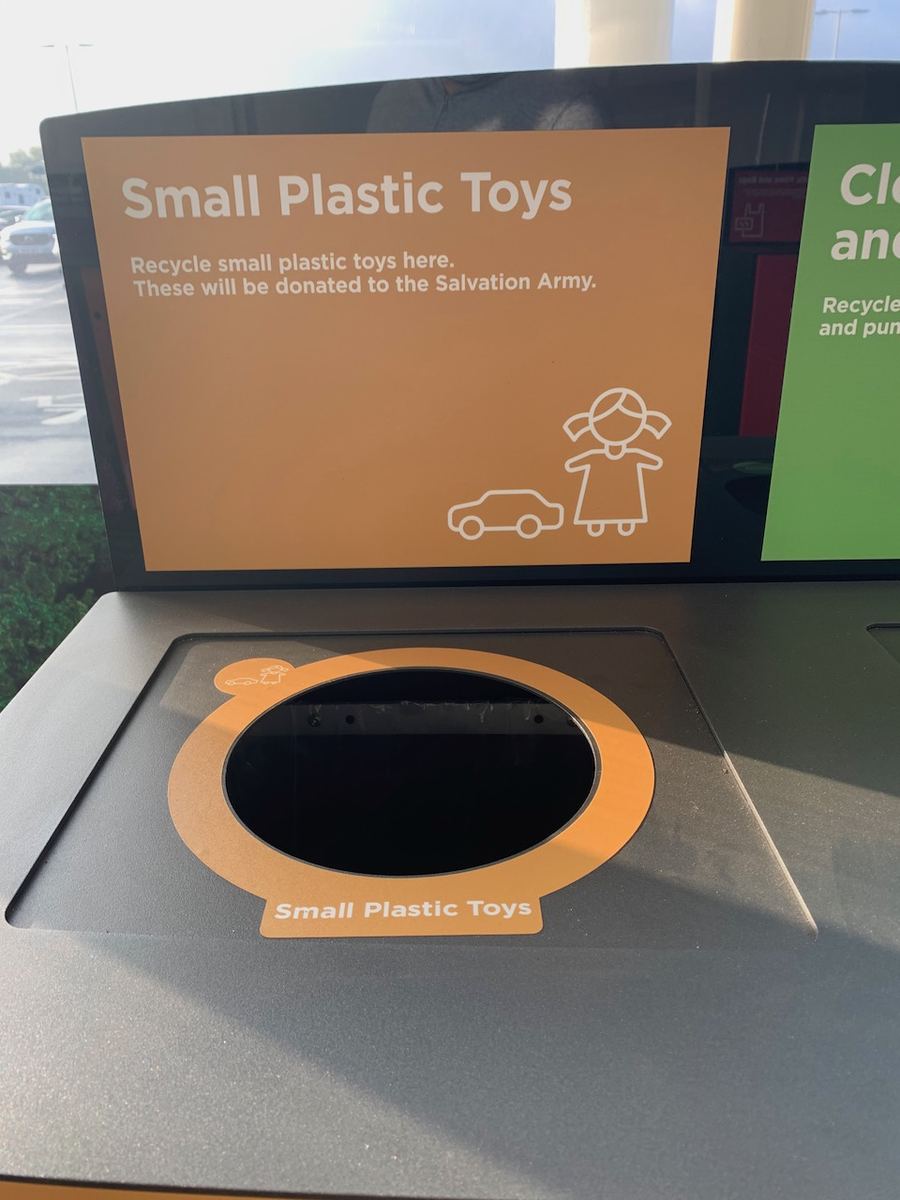
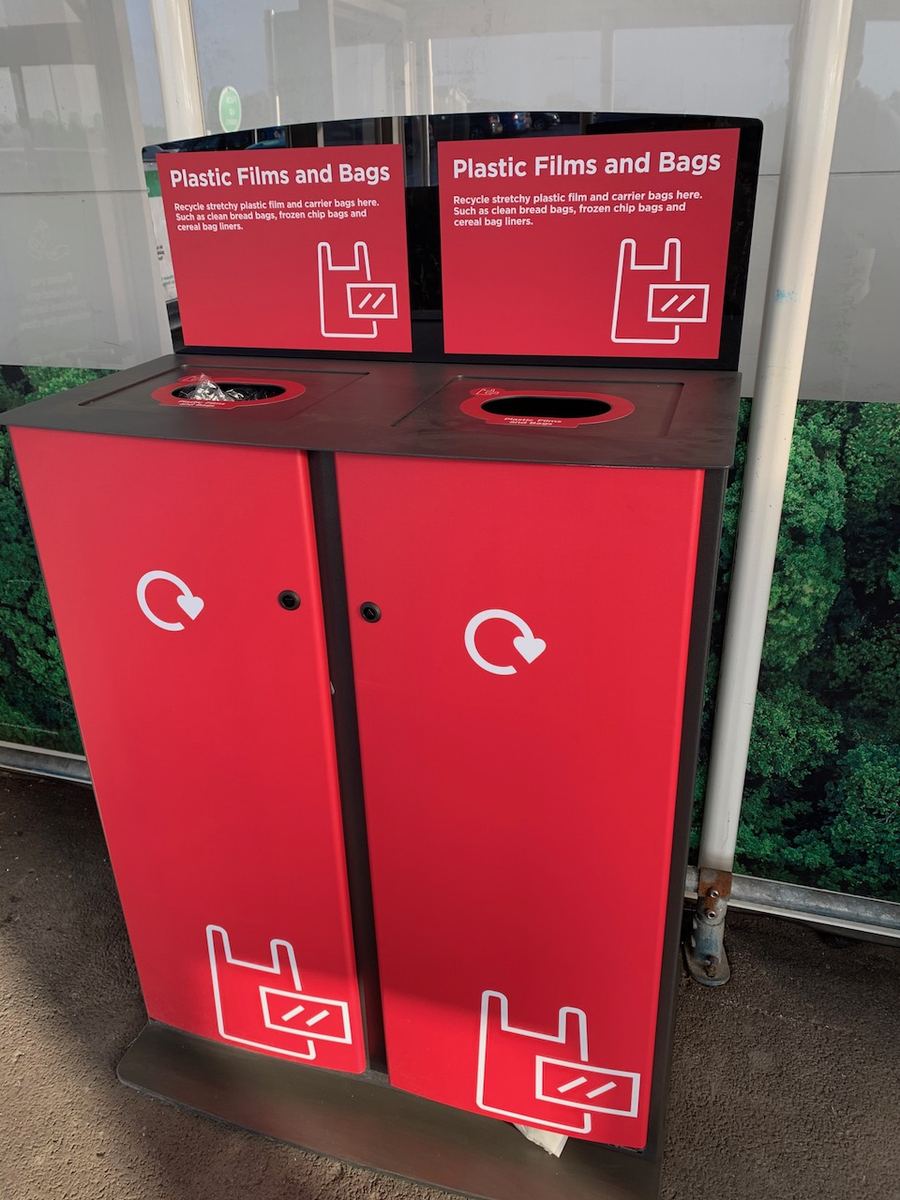
The store has converted a trolley bay as well, near the entrance to a recycling hub with all manner of bins for all manner of products that can be recycled, toothbrush tubes, plastic wrap from biscuits and even small toys could be donated for the Salvation Army (who had a base in the corner of the store for donations).
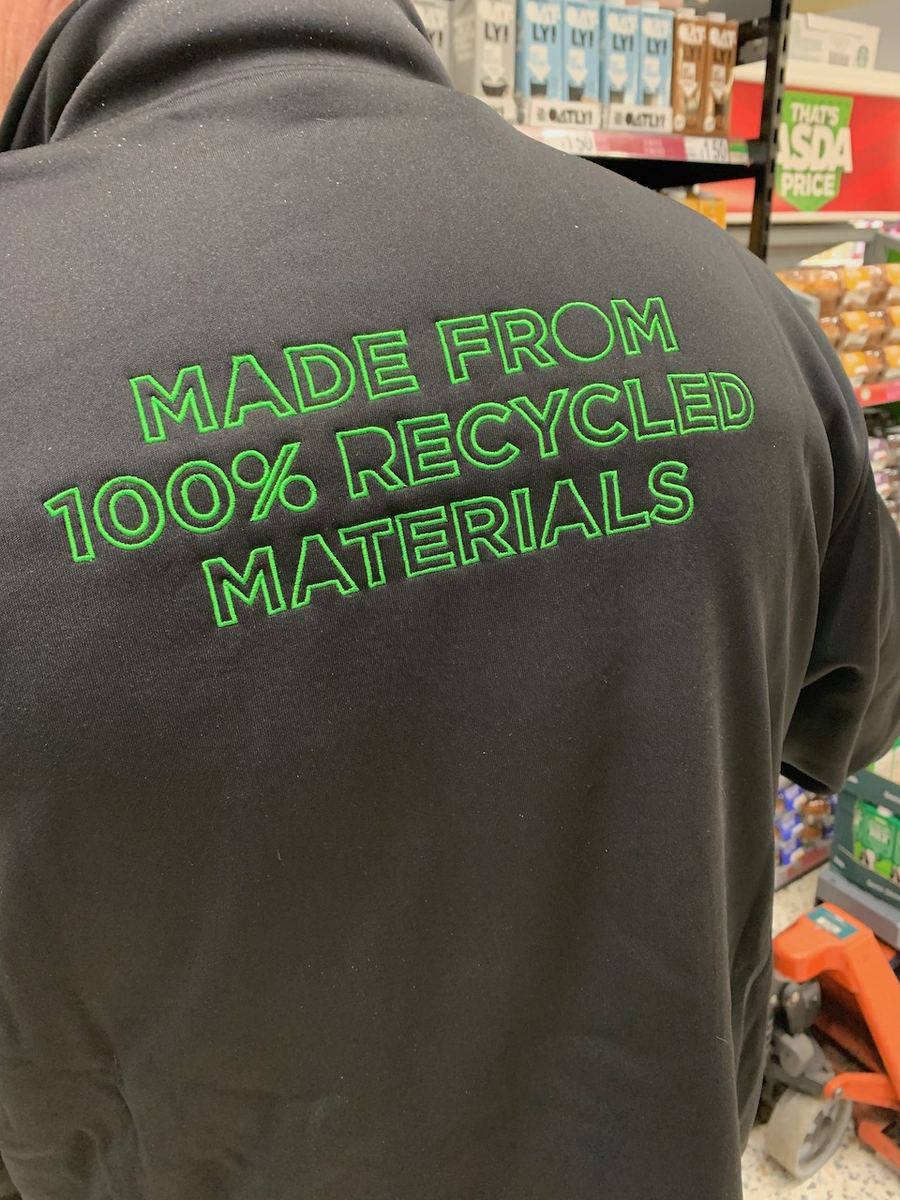
Colleagues also benefitted with new uniform (a la Walmart) that was made from recycled materials, the colleague told me it was much warmer than former coats he'd been provided.
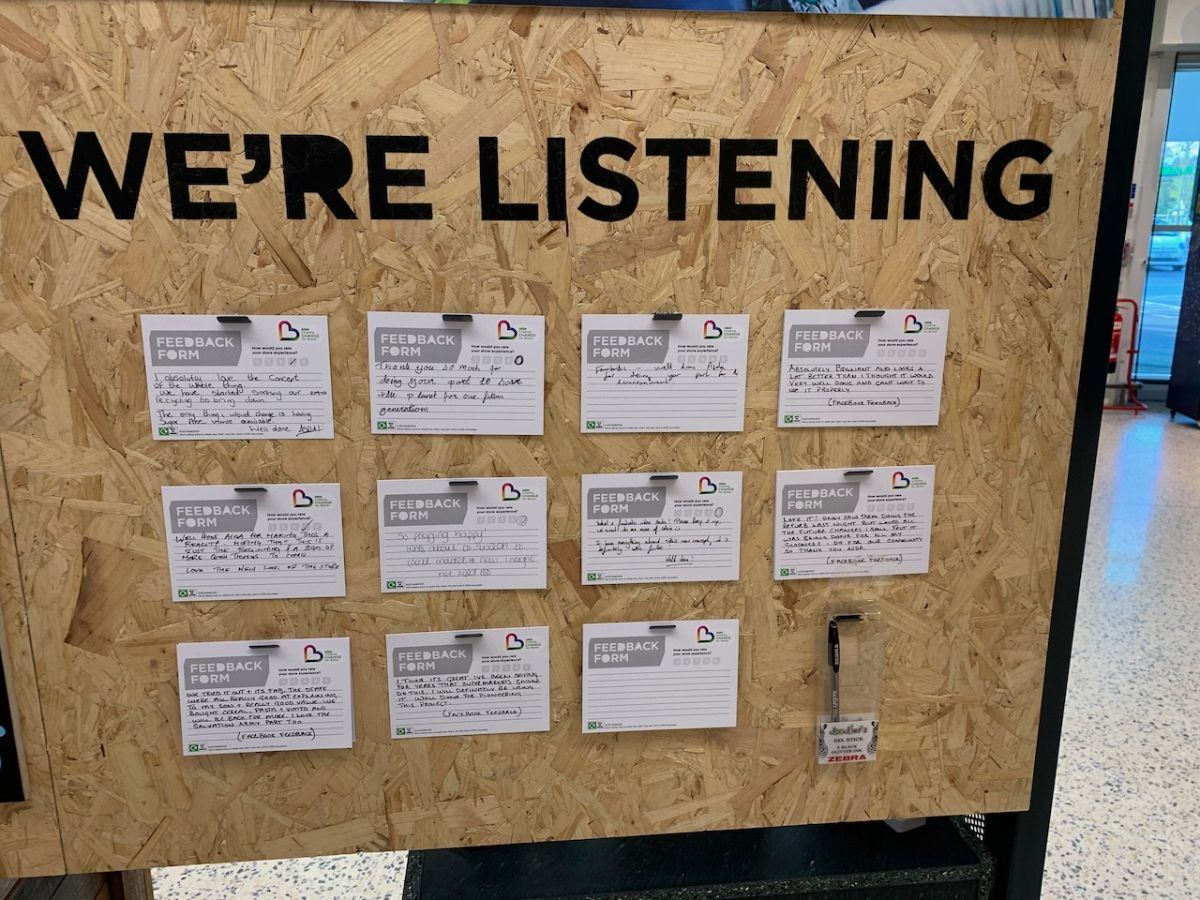
Comment cards were provided for customers to put their feedback on the store and the general thoughts around what was going on, it's an emotive issue and Blue Planet has done more for this movement than perhaps anything else I can remember.
In addition, the store map highlighted the various workstreams around the store, some areas were purely advertising - IE Cereals had signage to alert customers that they could buy loose if they wanted to.
Other areas featured advertising around recycling packaging and other work that was going on, of course, a lot has gone on before with ready meal trays changing to be 100% recyclable and it's important that work such as this isn't forgotten either.
But it's a journey, the issue has taken years and years to build up and we realise now there's an issue. But everything takes time in the supply chains and even without COVID delay, it's lengthy.
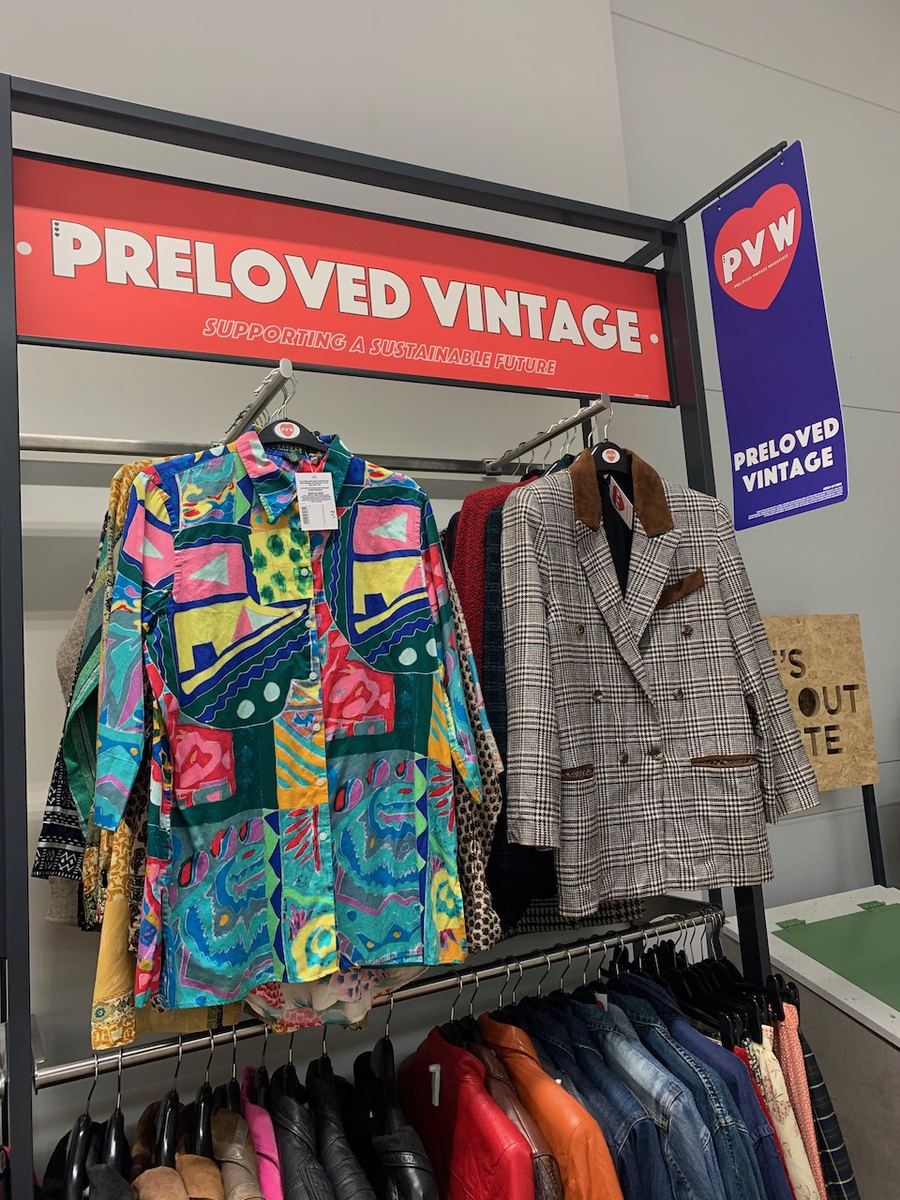
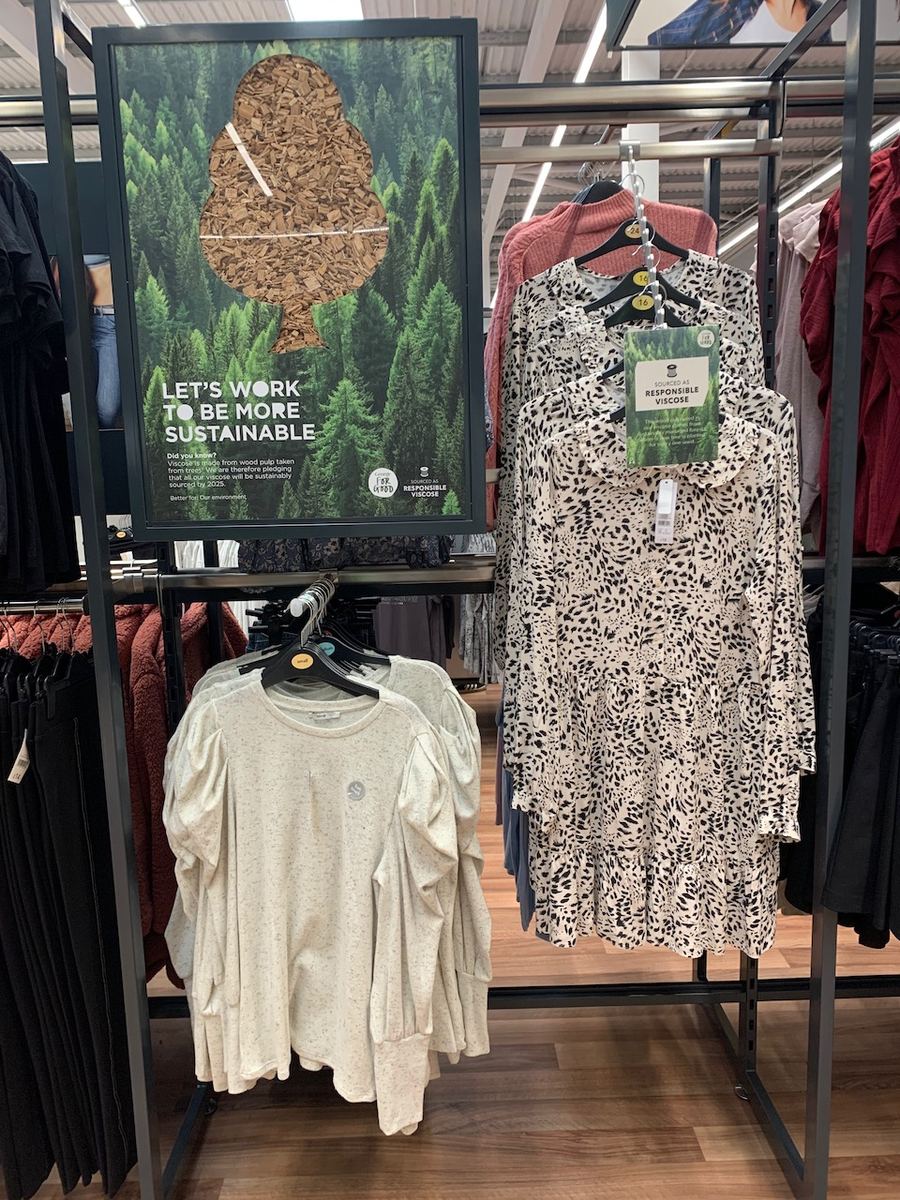
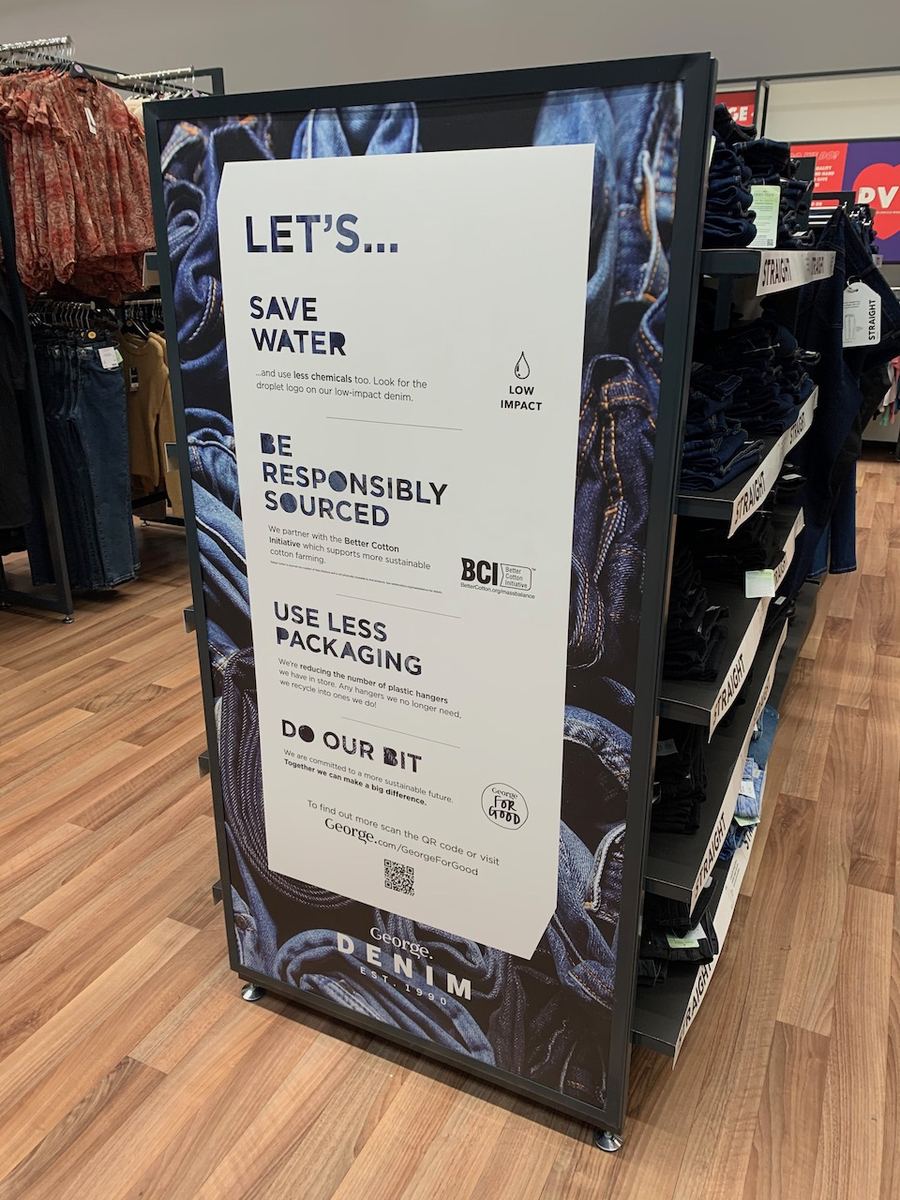
The most impressive area, I felt, was in clothing where George had done a tremendous amount of work on sustainability alongside reducing waste, recycling coat hangers (obvious waste when one thinks about it) and focusing on their wider impact - such as saving water and sourcing, which is a huge part of things as well.
The preloved vintage area was very much on trend and something that chimes with customers, when thinking about reducing waste, it's about recycling more, not just about reducing plastic use.
Which, whilst the plastic reduction is important, it won't ever go away, not completely. We still need it in many ways, but how we reduce waste overall adds to the overall aim of being kinder to the planet.
A great piece of work from Asda and the introduction of brands to the refillable space is noteworthy as it will need a combined effort, COVID may have delayed the introduction of this offering, but it's a step in the right direction.
The trick now is to progress trials and roll out to more stores, where it's possible as customer appetite is there, the novelty is there, but then, does it translate to regular purchases? How do retailers and suppliers ensure that it does and how, more importantly, can the 'value' of shopping this way translate to value for money which will become ever more important with the COVID inspired recession and all that goes with it.
Overall, a great piece of work. As ever, customers will be the judge.
To subscribe to this service and benefit from our expertise
From the Grocery Insight newsletter archive, first sent to subscribers on 21 October 2020. Steve now writes at read.groceryinsight.com. See also the blog archive and briefings.