Boots and loyalty
4 February 2022
View this email in your browser
Retail by Email - Issue 464 - BootsBoots for sale and loyalty prices.It looks as though Boots are up for sale and given their owner, Walgreens has enough issues of its own in America (ahead of the curve, at least). It’s no great surprise.
Walgreens, like Boots, is a chain of pharmacies that boasts locations that other retailers can only dream of. But, like CVS, their stores are often poorly ranged, merchandised and stocked and their main source of revenue (prescriptions) means they’re not really incentivised to really drive the retail side like they perhaps should…
In terms of the Boots sale. What was a bigger surprise is that the names linked with it are the likes of Tesco(?) Surely there is no chance Tesco would get involved with an estate made up of all kinds of formats, locations and often multi city locations.
The myriad of rent based agreements, certainly legacy ones are a nightmare to unpick too. There was an M&S that closed via their ongoing programme of renewal to reduce their reliance on the legacy, town centre sites that had 3 separate landlords.
One for the warehouse, one for a staff room and corridor and another for the store itself (if memory serves). Boots would be similar and the integration of that in to another retailer would be such a resource drag, it’s not worthwhile.
One could undersand Asda as the Issa brothers absolutely love buying businesses and have been very successful in doing so. But the competition elements for any larger retailer must be considered.
Especially when you consider the takeover for Morrisons is completed but the new regime are not able to be fully involved yet due ot the ongoing investigations by the CMA.
That sales pitch for Boots aside, whoever looks to acquire them needs to sort out their core offer. What do they do? What do they do well?
Superdrug have cornered the youth market with their focus on TikTok, Instagrammable shots in store and their social media campaigns, Boots on the other hand serves an eclectic audience with a variety of store locations.
Their offer is often confused, they’ve still got photo booths. Albeit they’re now self service but the footprint remains the same. So it’s far too big. Clothing is in partnership with (now defunct) Mothercare and is quite frankly, abysmal.
Not just in terms of the layout but the display kit and general focus on a key area is non existent. Why bother?
Their prices are generally very promotionally dependent; you can often find insult prices as a result and that means that customers struggle with the price perception.
They have started to move towards EDLP (everyday low price) based pricing but this has been slow and the execution at the shelf edge has been inconsistent.
Where it’s present - the signage is almost too much and “blinds” the customer. As ever, the deals are key. Promotions or bust.
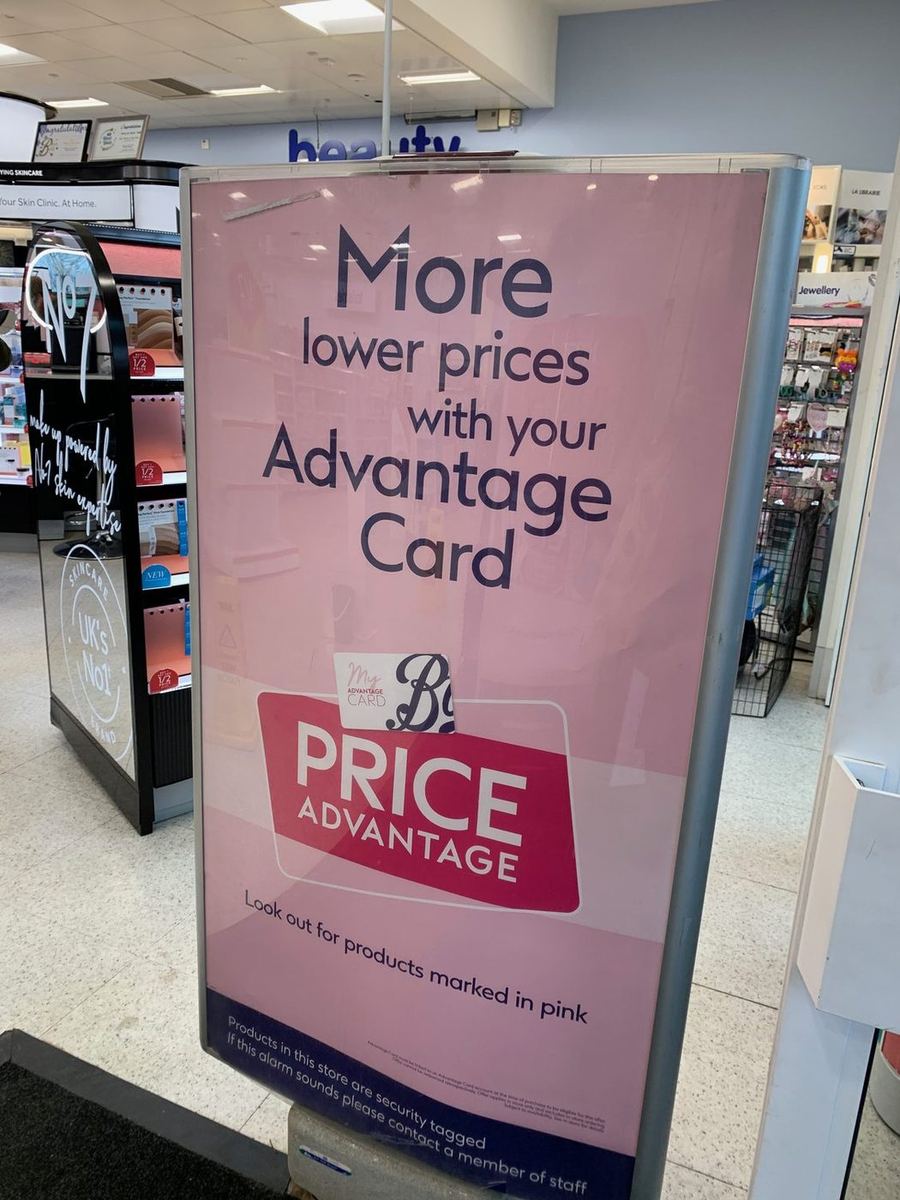
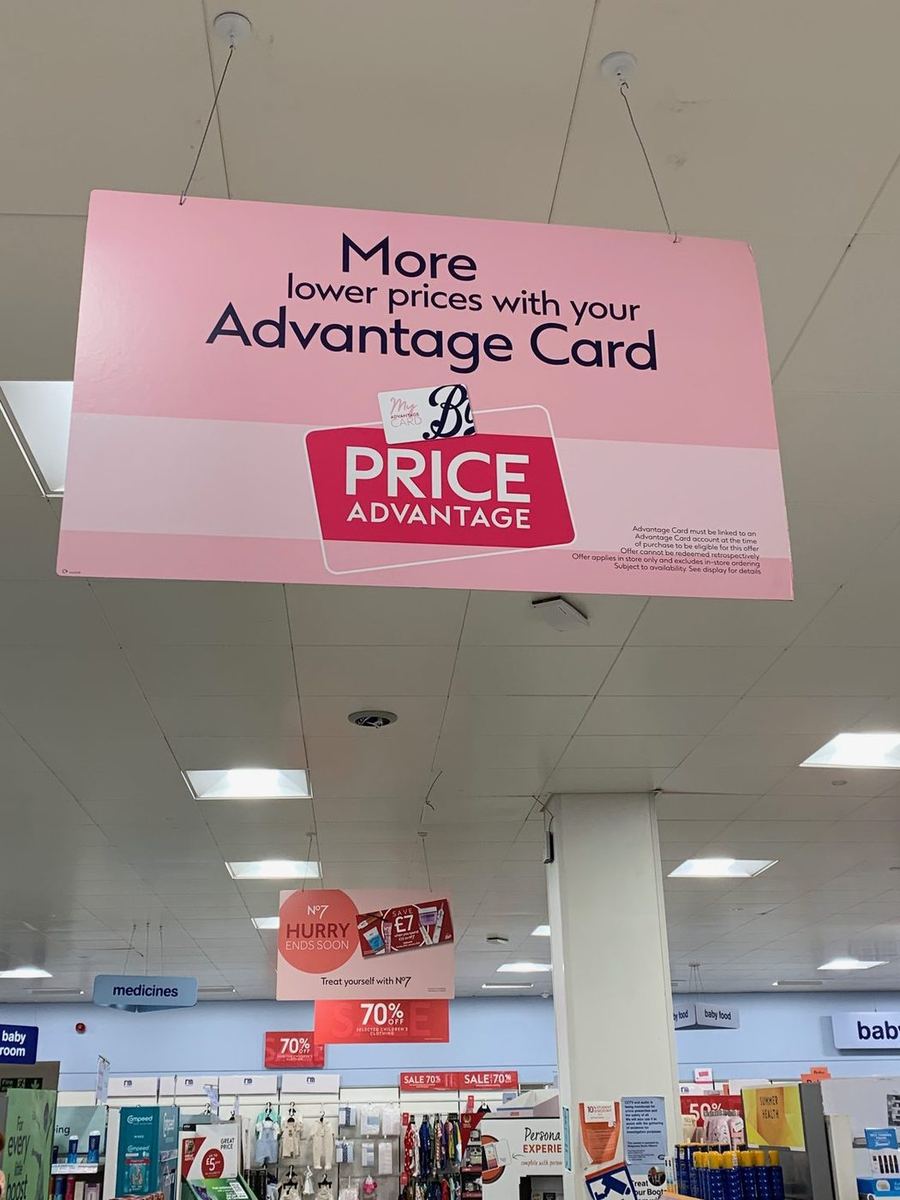 Loyalty > Price Advantage
We have seen that loyalty can be used very effectively for the customers, especially with “exclusive” prices. Tesco Clubcard being a great example of how to do this successfully, without overloading on apps, algorithms and the rest.
Because we know, that loyalty schemes can drive “disloyalty” as an unintended consequence when “selected deals” are utilised. Because with a wealth of data, if a customer is pinged to be offered 20p off a product they bought once, they feel under valued as a customer.
Loyalty only “deals” then become anything but a positive, because the customer is having to be told they’re irrelevant.
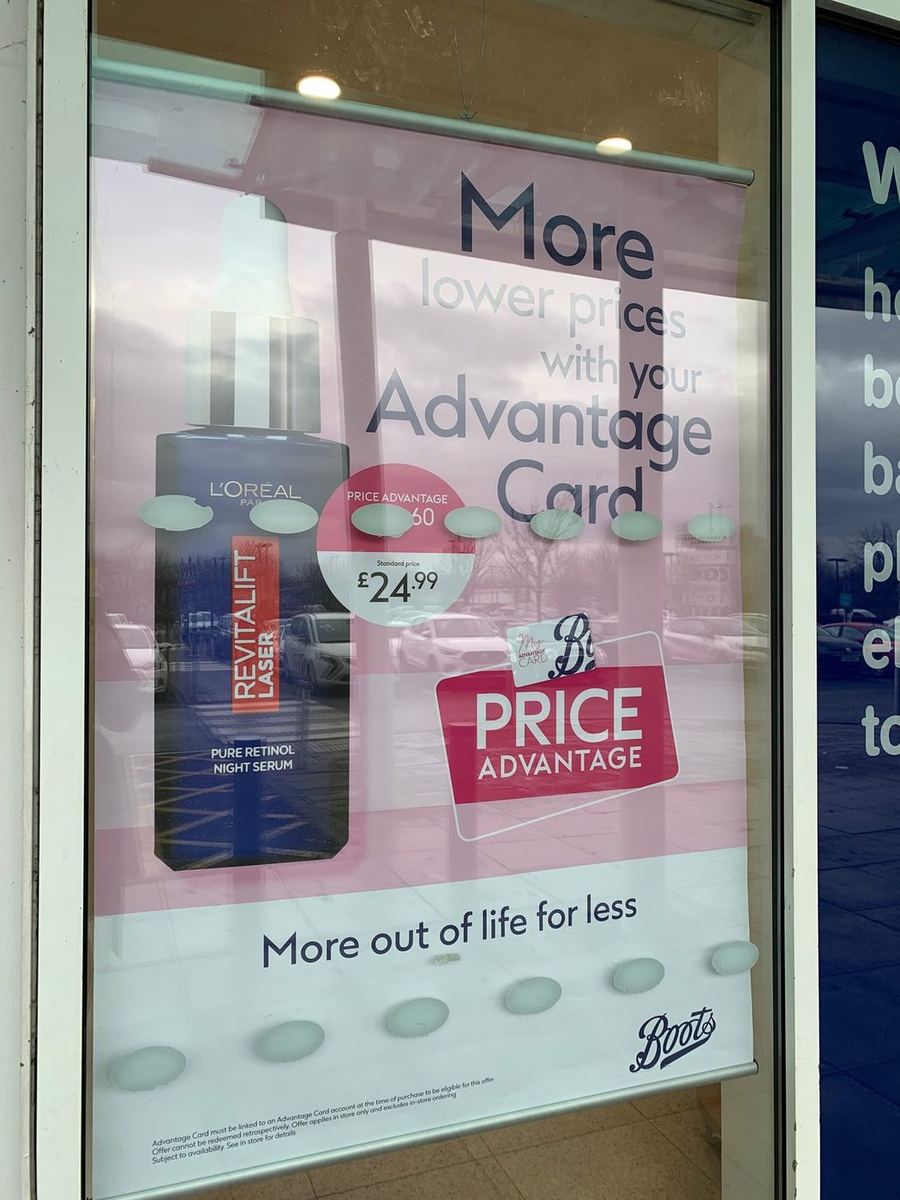
Whereas changing the impact to the point of purchase, as Boots are doing here (and as Tesco have done) means that the customer can get involved and isn’t penalised for being a loyalty customer/member.
Those who are not loyalty members are “punished” as they have to pay full price but the deals are strong so it become an almost no brainer. So for Boots, they’re working on rewarding loyalty customers by giving them the promotional prices, as Tesco have done.
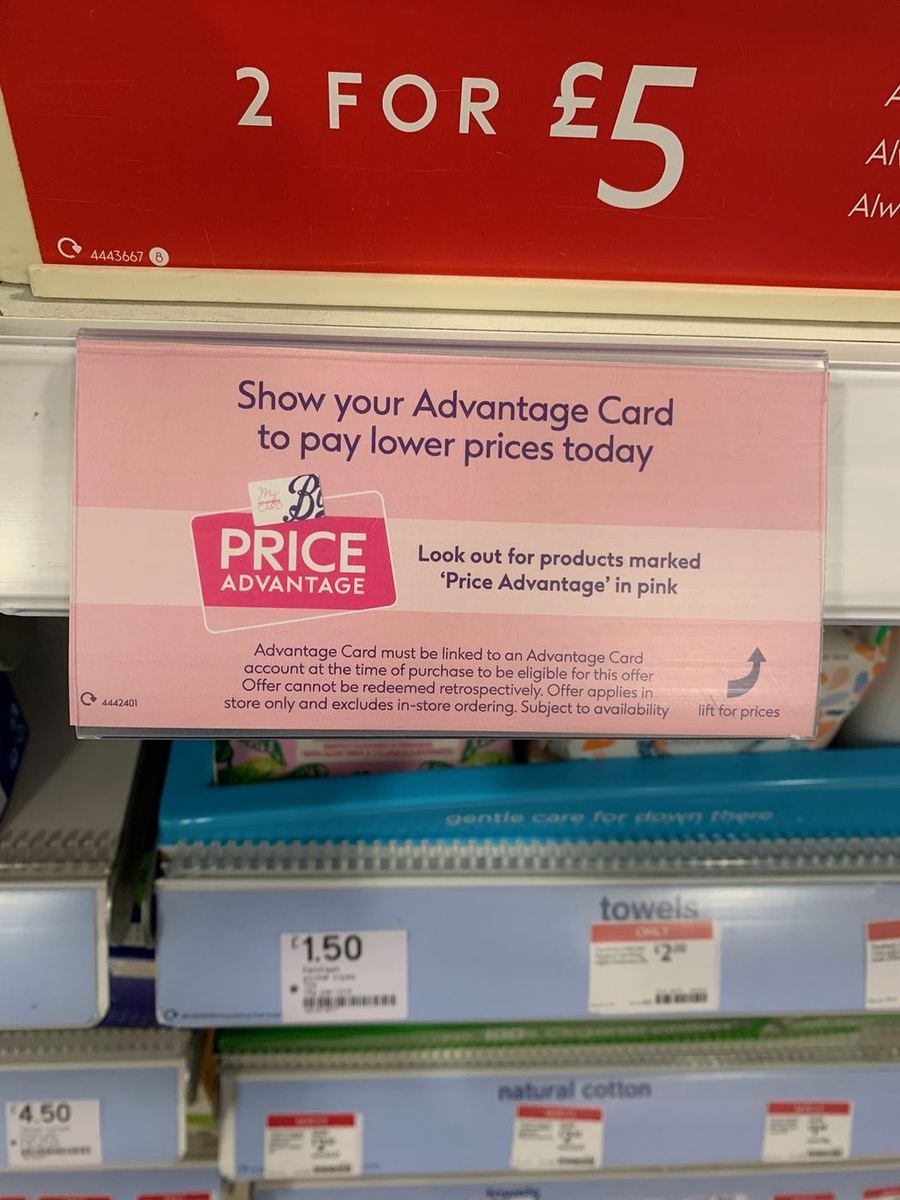
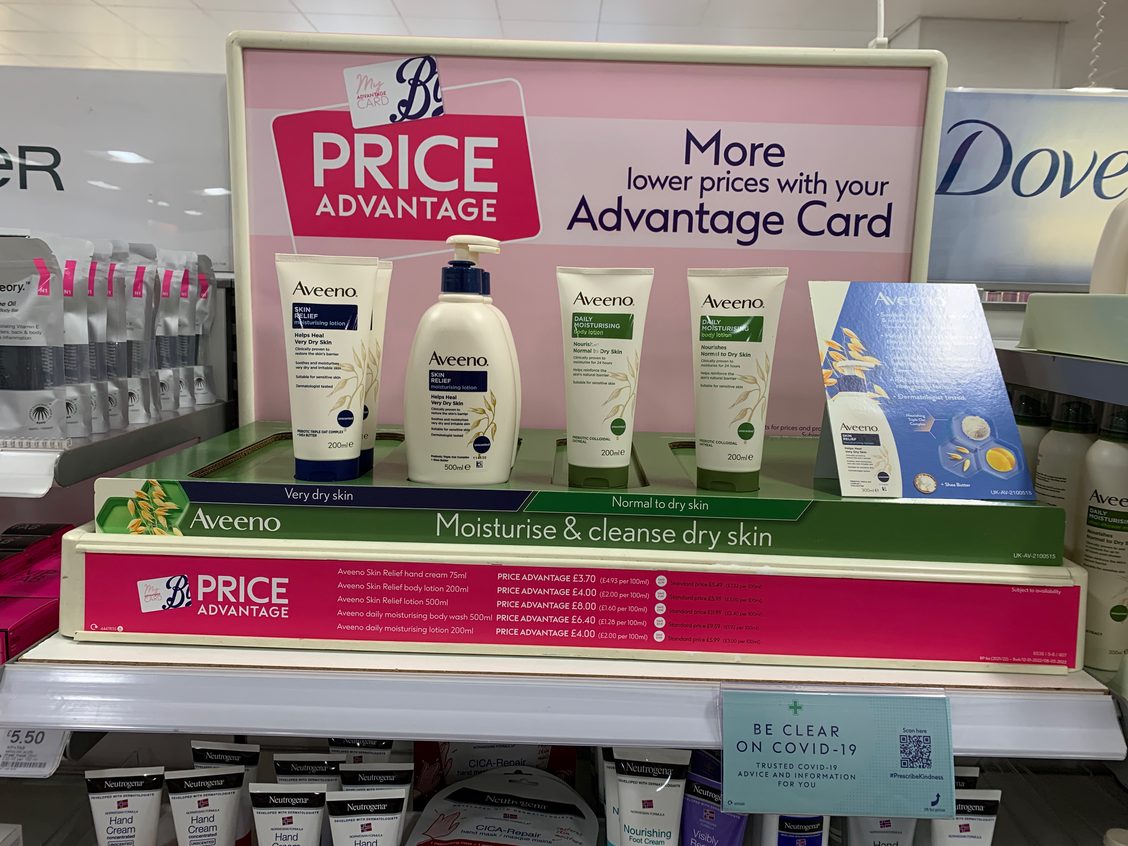
This drives the data northwards in terms of richness and allows a greater window in to purchasing habits, which then, assuming the data science, algorithms and the rest are aligned…
Means that better data leads to better ranging decisions, better decision making on the behalf of the customer and tailored ranges in the stores that require them.
Not an easy task at the best of times and adding in such huge datasets is also a challenge, but assuming that the back end data science is up to the task, it gives a greater window in to the realms of possibility and opportunity, also.
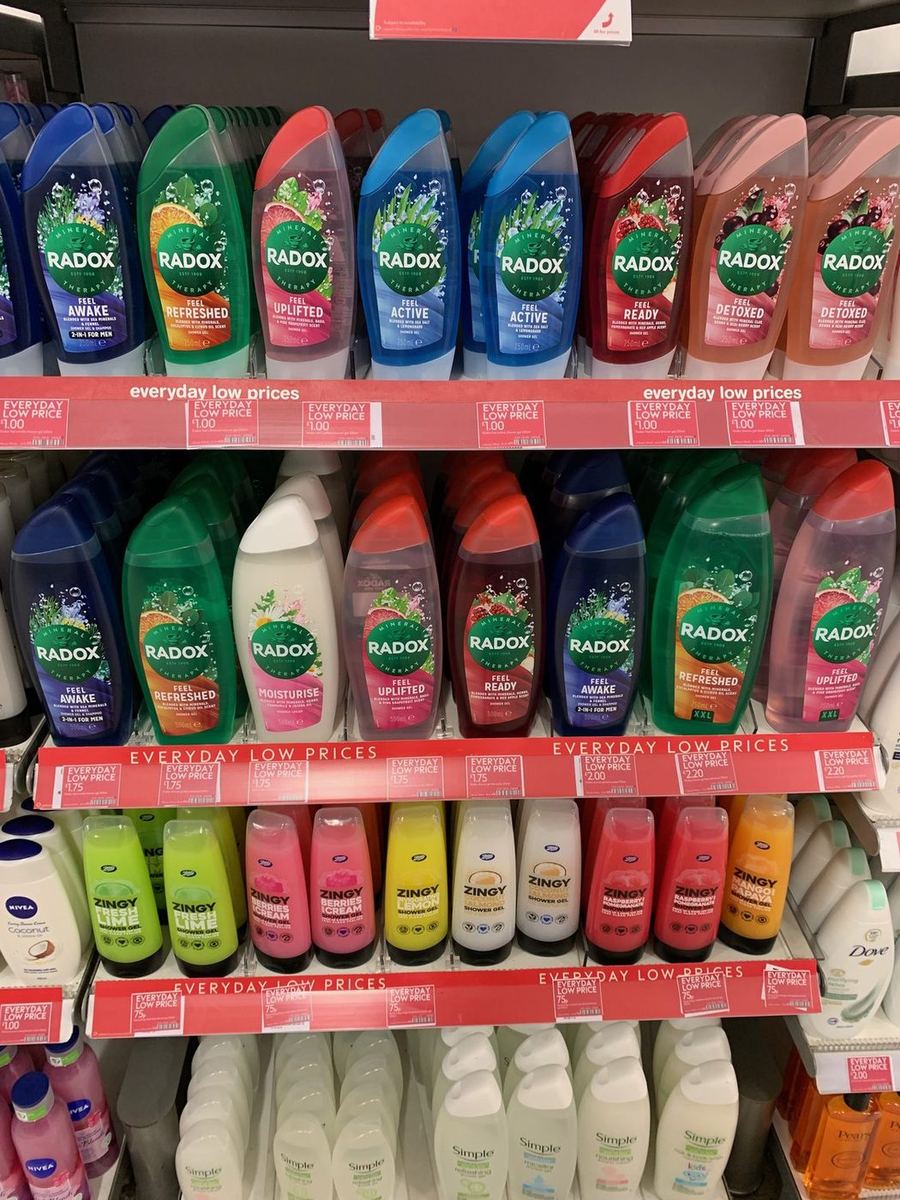
The fabled ELDP (everyday low price) display. Almost blinding. Doesn’t really make a statement outside the strapline. Are these permanent? Is it a best price? etc etc.
Overall, it’s a tough business out there and Boots have the locations that many retailers would kill for. That said, they have a fair number of locations that aren’t exactly destinations and that’s the challenge that faces any new owner.
Alongside their online operation which, if described as slow, would be kind. Often delivery takes too long and click and collect can be far sharper, given their locations (of which there are thousands).
There’s scope for a new owner to improve the operation but it will take huge amounts of work and transformation to do so.
The “price advantage” utilisation with their loyalty scheme is a smart move, no question. But as always, there is a great deal of work to do for Boots.
Want to find out more about our service offer?Join our members only service, here.
From the Grocery Insight newsletter archive, first sent to subscribers on 4 February 2022. Steve now writes at read.groceryinsight.com. See also the blog archive and briefings.