467 - Sainsbury's back in the meal deal space
16 February 2022
View this email in your browser
Retail by Email - Issue 467 Sainsbury’s back on multibuys.One of the most stoic moves by a retailer in recent times was the Sainsbury’s abandonment of multibuys. I tip my hat to them because they at least stuck to their guns with this strategy.
All too often we see new ideas and strategies cast aside without a second thought by retailers, over and over again, short term growth is prioritised over a longer term play.
Whilst I felt that Sainsbury’s nullified themselves in some areas by not running multibuys, they at least stuck to their guns with it.
The challenge is that in some areas you do need a multibuy because ironically, the supplier has effectively devalued their own product. Muller is a great example here. No one pays 70p for an individual yoghurt and customers look for some form of deal, somewhere in the market.
The actual unit price becomes near impossible to adjudicate and thus; multibuys are required to drive volume. With the Sainsbury’s strategy, they reduced the price of Muller yoghurts to 40p to give a promotional price.
This meant the customers didn’t have to buy the deal at 10 for £4 for example to get this price.
That works on paper, but stores and retail is not traded on paper, it’s real life. Customers who were accustomed to multibuys might have generated a negative perception of Sainsbury’s around value.
That said, Sainsbury’s did also move away from Dishwasher tablets rising to £16 from a promotional price of £8 which was a great move for price stability.
Sainsbury’s very much kick starting the movement towards EDLP as a “rule” for the market and despite their limited margin (versus rivals). They should be applauded for sticking to their guns on this and indeed, largely sticking with it, even today.
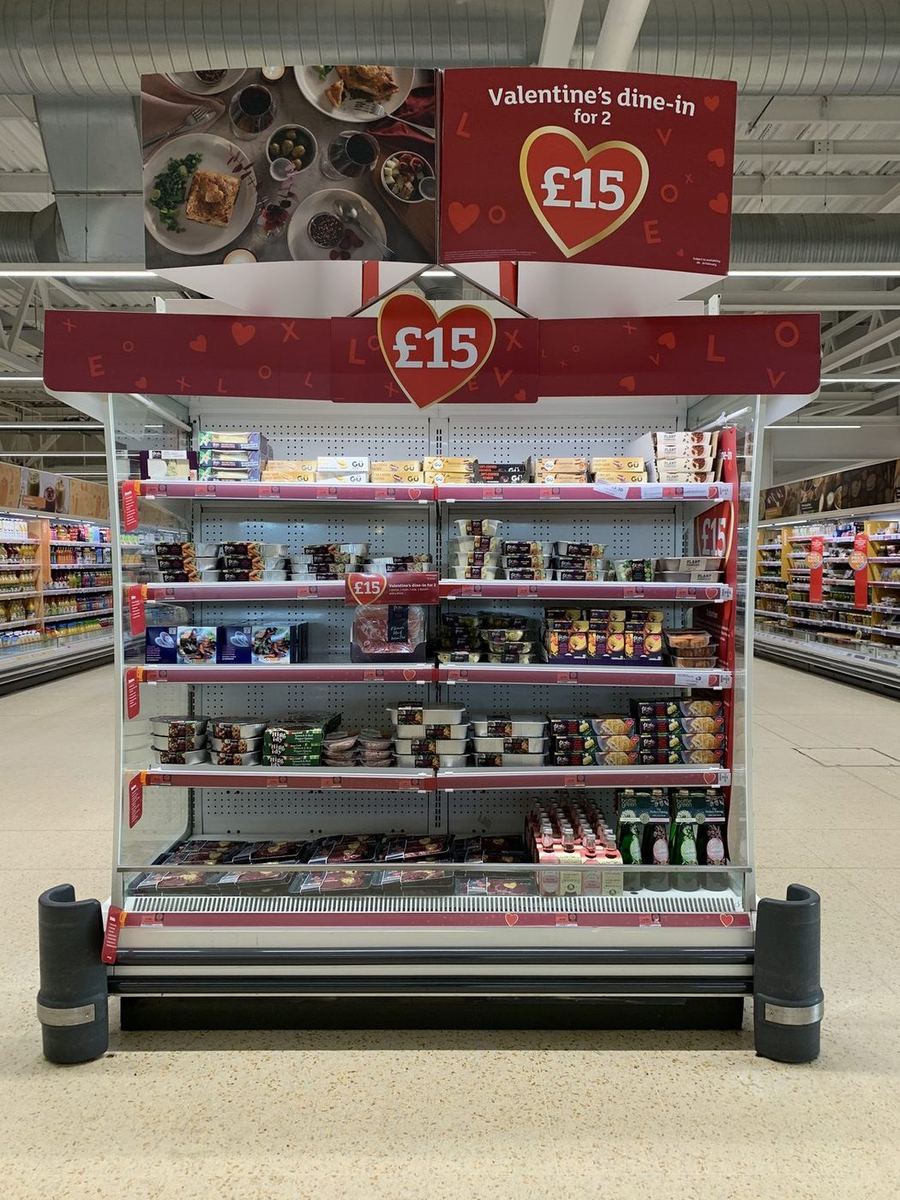
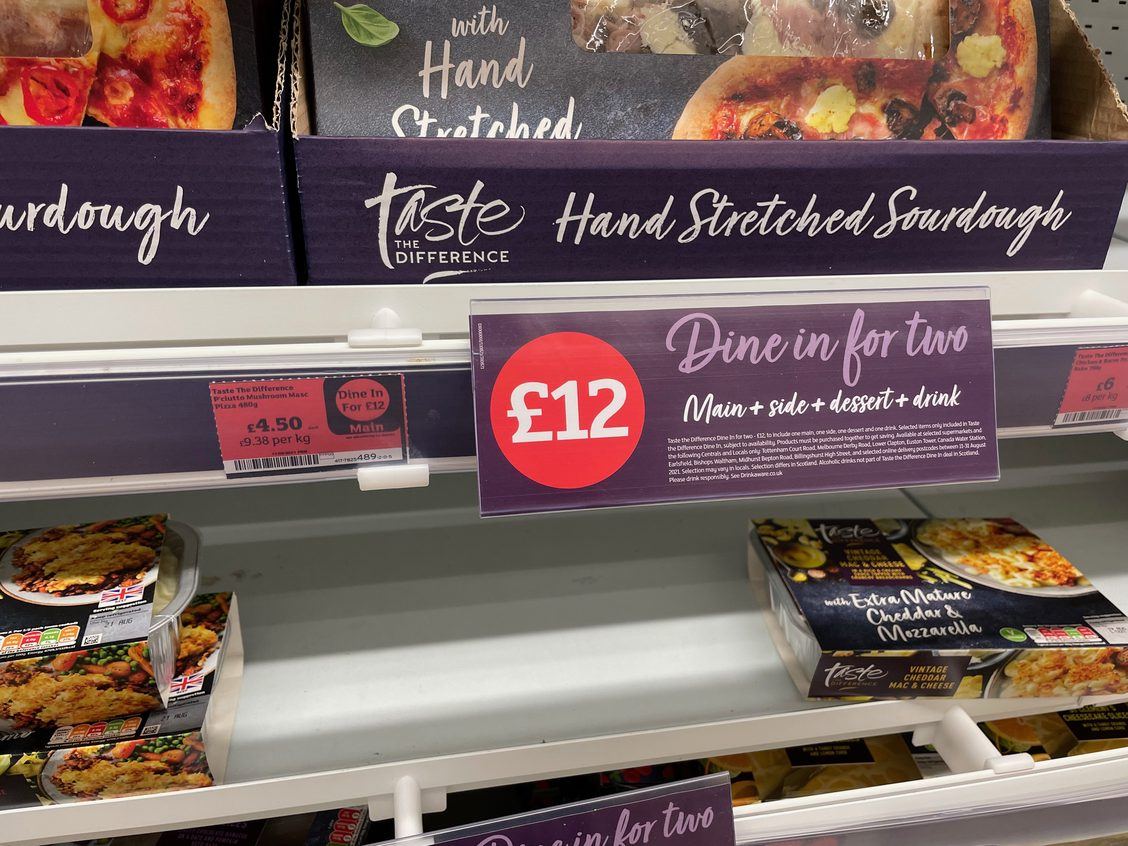
That said - the absence of multibuy deals becomes a challenge when coming up against the wider market. Take the meal deal for example; there is a real magnetism for a customer shopping across a full fresh “end” and getting the dine in experience for £10/£12/£15/20 (Valentine’s Day).
The solution, when presented in this way aids the customer greatly.
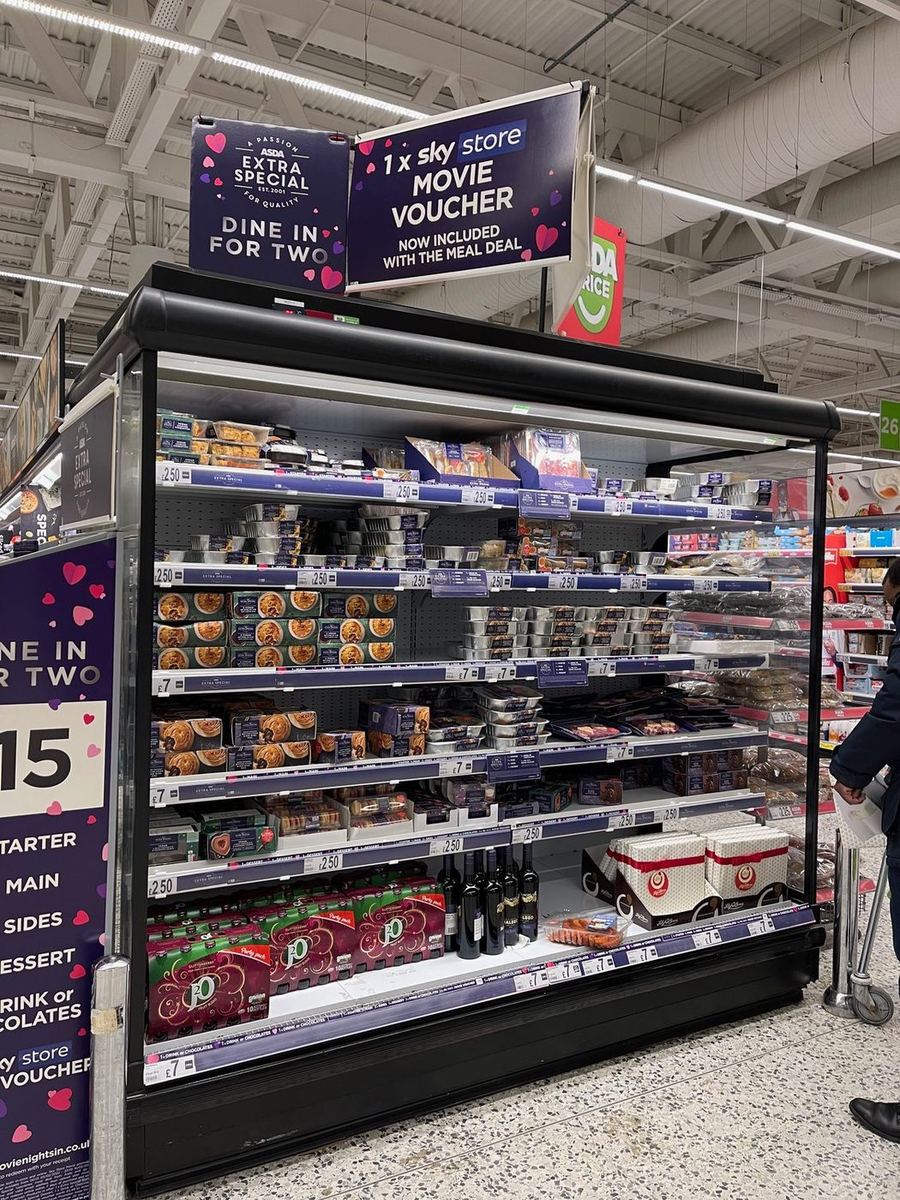
The illusion of the saving is secondary. Of course, there is a saving given the higher prices when buying items individually, but there is a feeling of value because the customer can get a starter, main, side and dessert/drink for the one price.
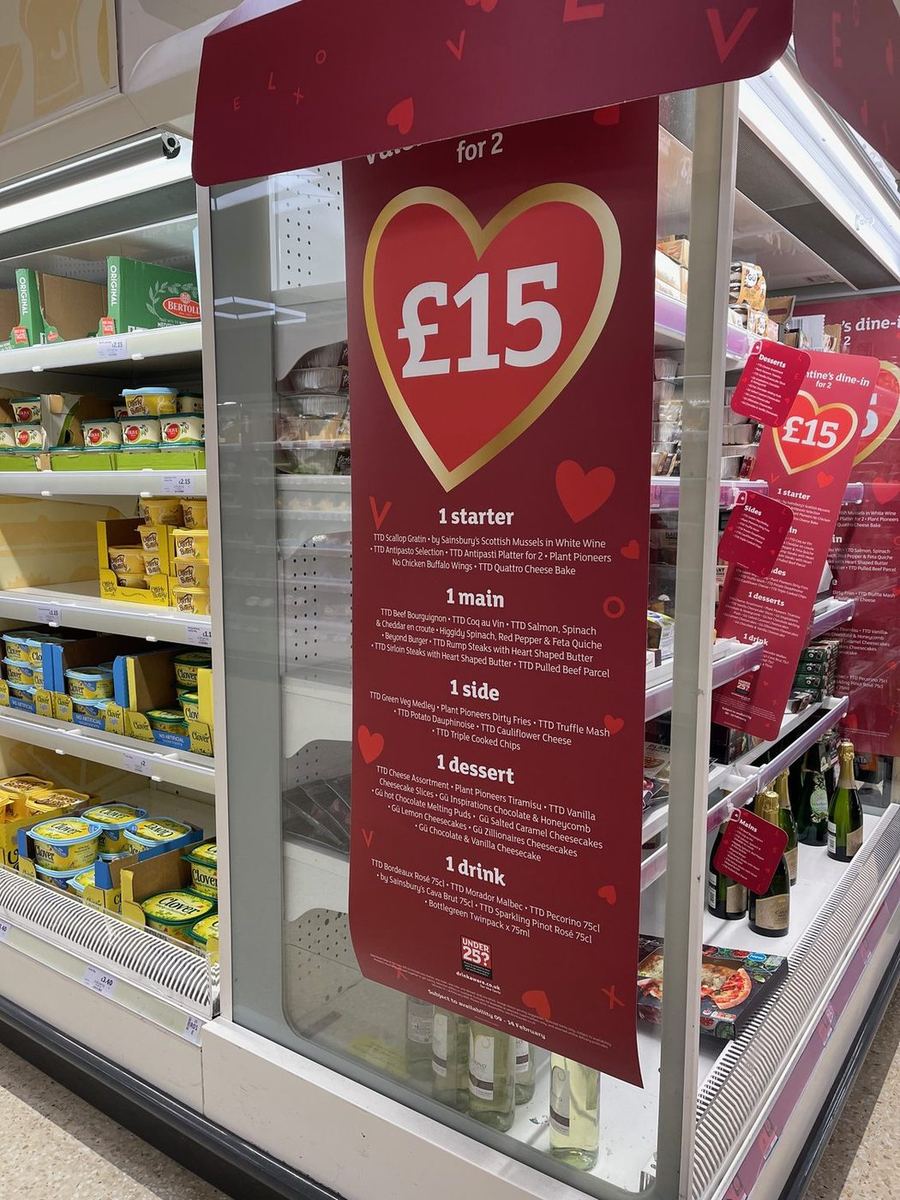
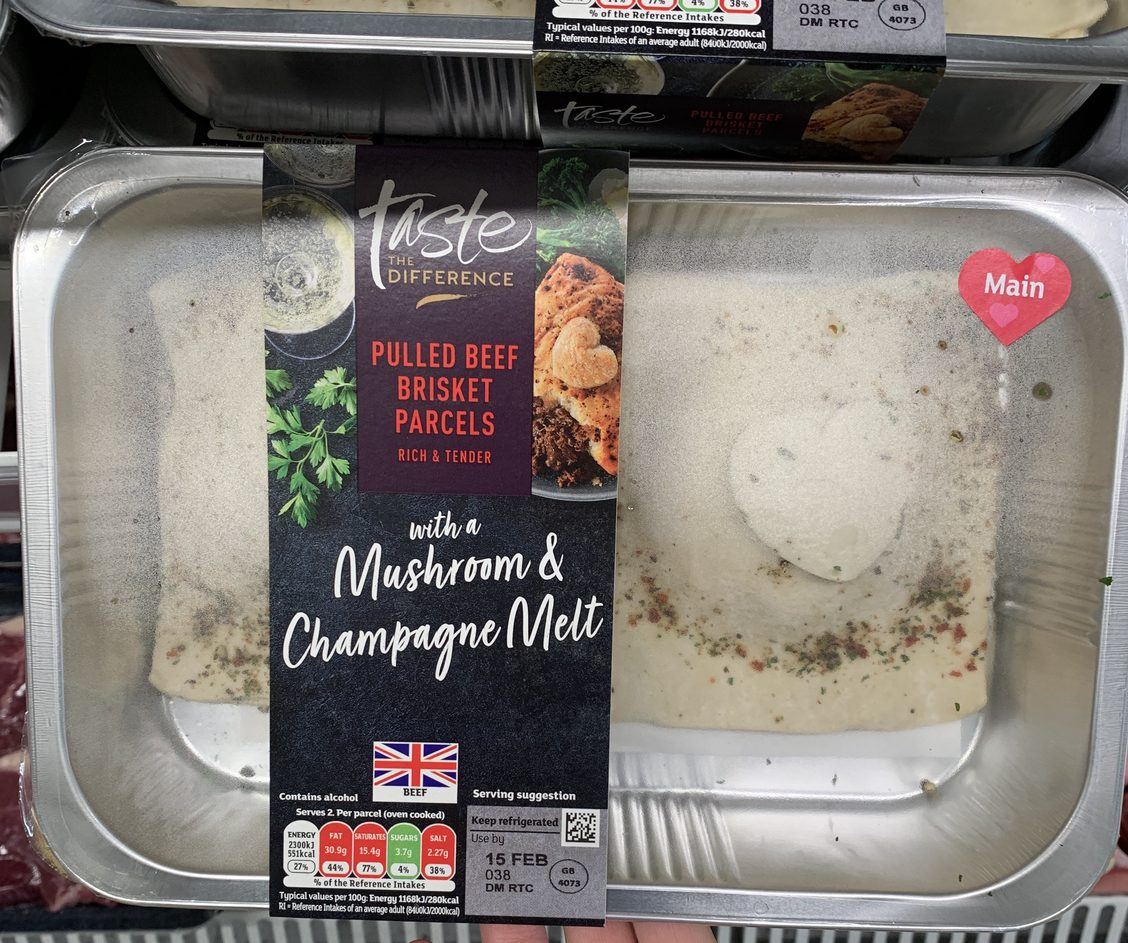
Sainsbury’s used to trade their Valentine’s end and drive an individual price point but it wasn’t as powerful. There was no overarching deal / reason to buy the different components and thus drive the volume.
Formerly - Sainsbury’s invited customers to buy items to make up a meal deal (Main/Side/Dessert etc) on the one end. This would equate to £15, or less when buying each item.
But there was no “saving” on the receipt at the checkout and there wasn’t a feeling of ‘getting a “deal”. This nullified Sainsbury’s somewhat versus comparative deals elsewhere.
The Meal Deal did return to stores before Valentine’s Day in Sainsbury’s, with a £12 premium tier deal showed that this competitive edge is required.
Especially when the market is so strong around such deals.
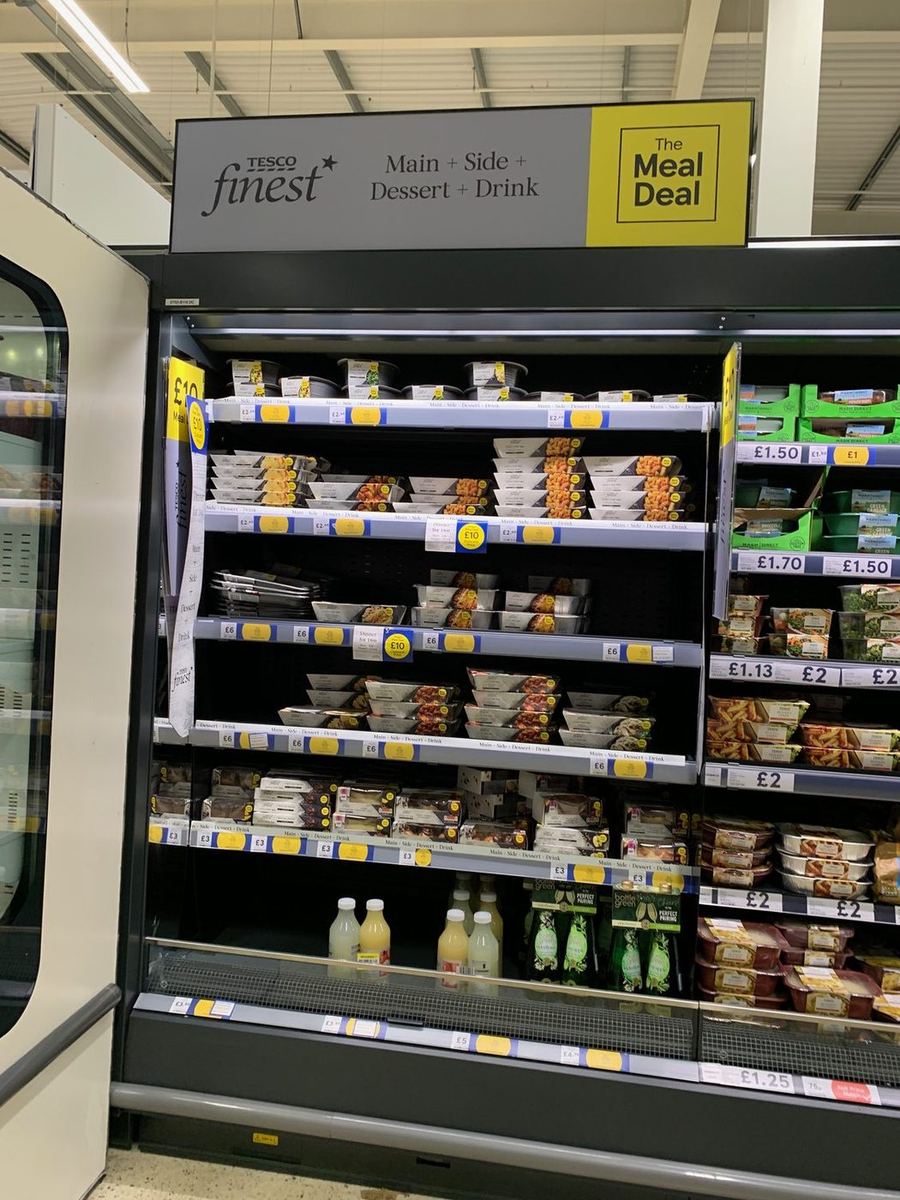
Whilst a noble exercise to not utilise multibuys in Sainsbury’s - the lack of a multibuy deal in Sainsbury’s paled in to insignificance versus the wider market who were pushing Valentine’s Day deals at £15/£20 with various additions such as Wines and Chocolates too.
You’ll see below - the Sainsbury’s deal from last year was a “£20 and under” promotion; which invited customers to buy various items from the offer and this deal would equate to £20 or less. Not as bold as a fixed price dine in!
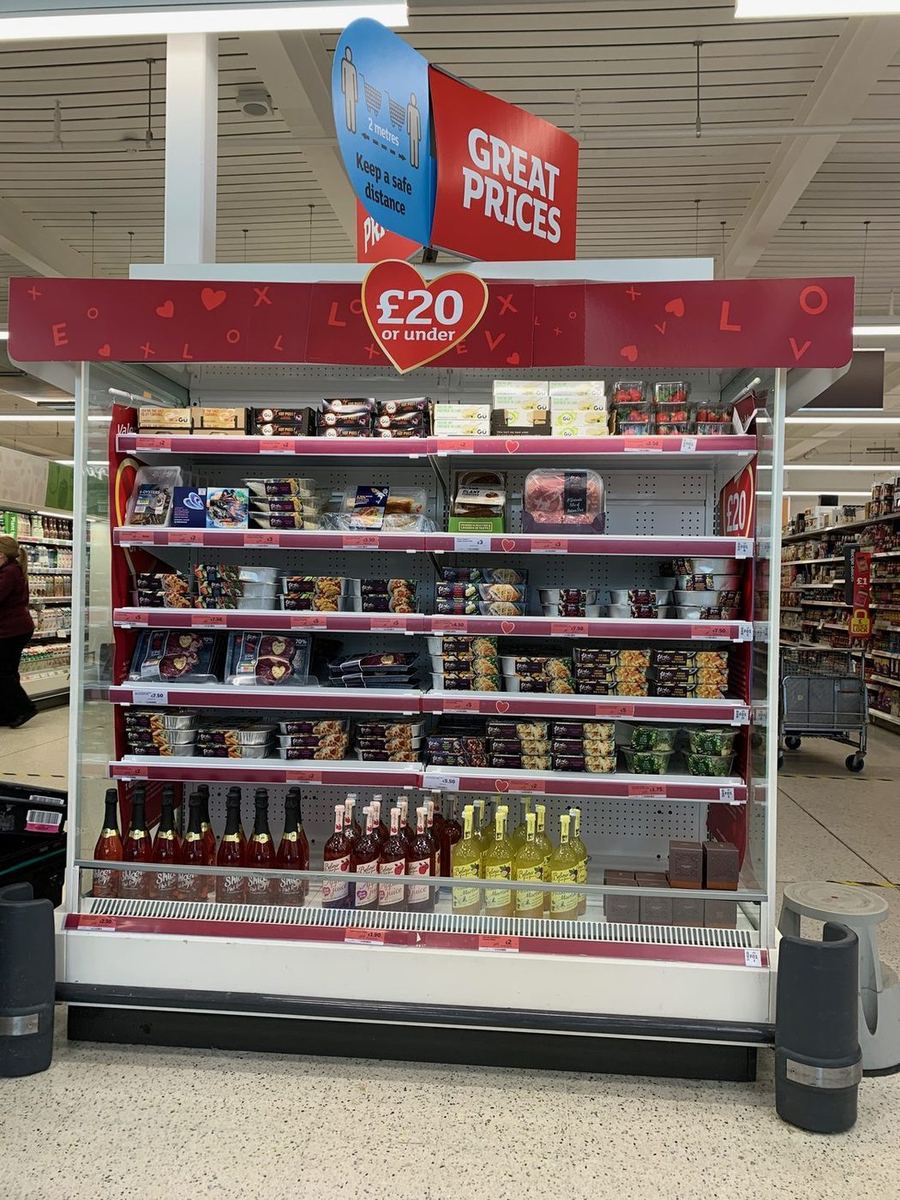
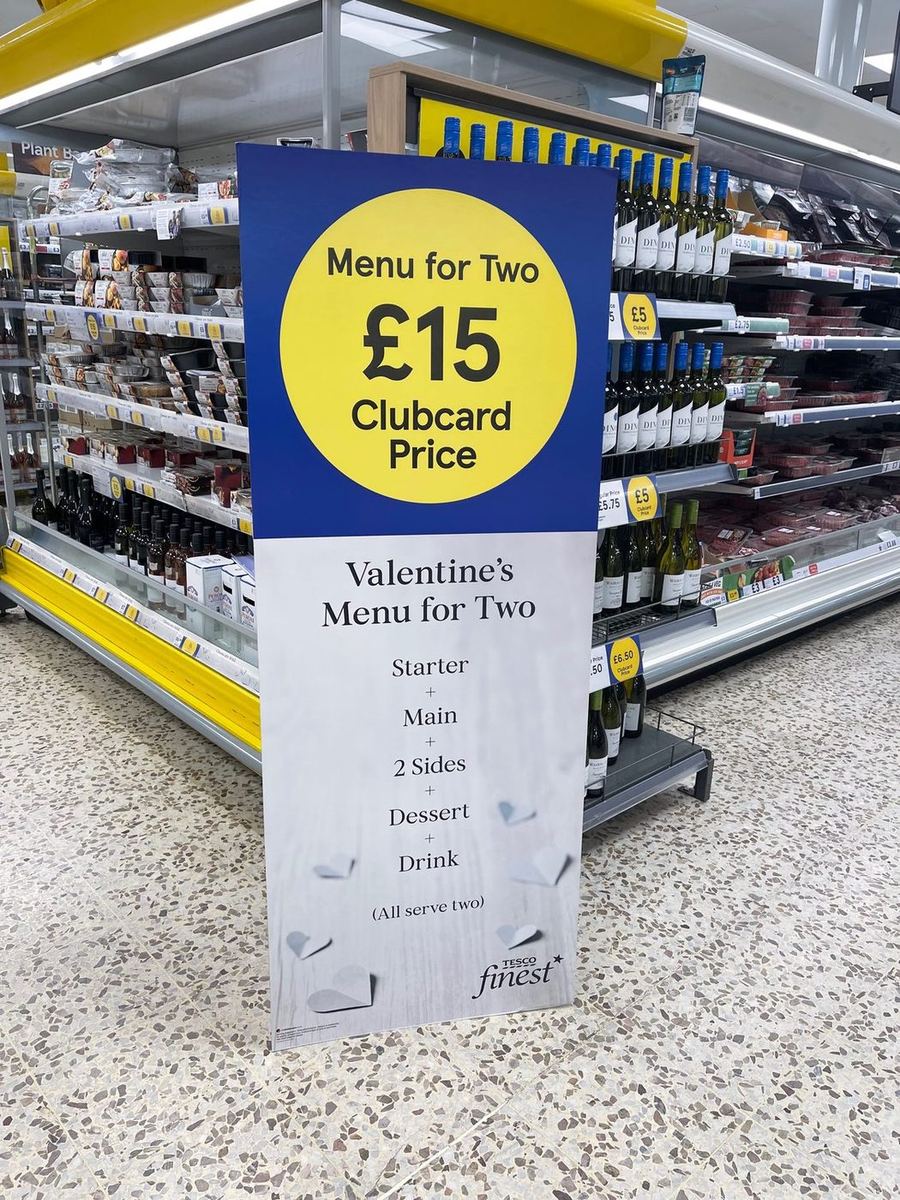
Where Sainsbury’s did a £20 and under deal last year, this year, they pushed a £15 meal deal alongside Tesco, Morrisons and Asda for Valentine’s Day.
With both M&S and Waitrose pegging their deal at £20.
Multibuy strategy in Sainsbury’sIntriguingly the internal ban on multibuys didn’t last long in non-food with Batteries quickly put on to a multibuy, as were lightbulbs in Sainsbury’s.
Then to drive trade; Buy 6, Save 25% was rapidly implemented post the failure of the Asda / Sainsbury’s merger to drive trade (alongside fuel discounts too) and this is clearly a multibuy, of course it is!
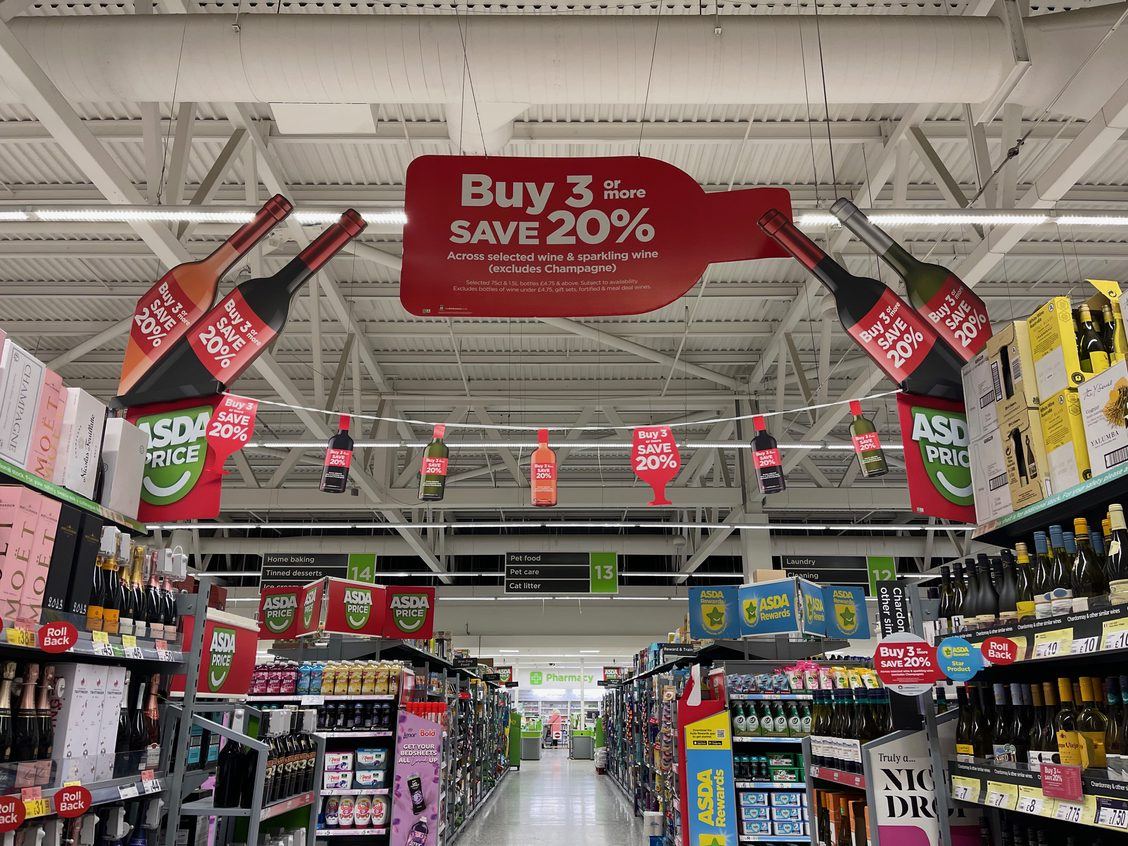
Asda have landed a Buy 3 (or more) Save 20% deal in WInes.
The critique is that a multibuy like this drives the prices upwards; that whilst you save 25%; the unit price of each bottle of Wine has increased so the saving isn’t strong.
But Sainsbury’s side stepped that and introduced Buy 6, Save 25% given the market were being so competitive on Wines.
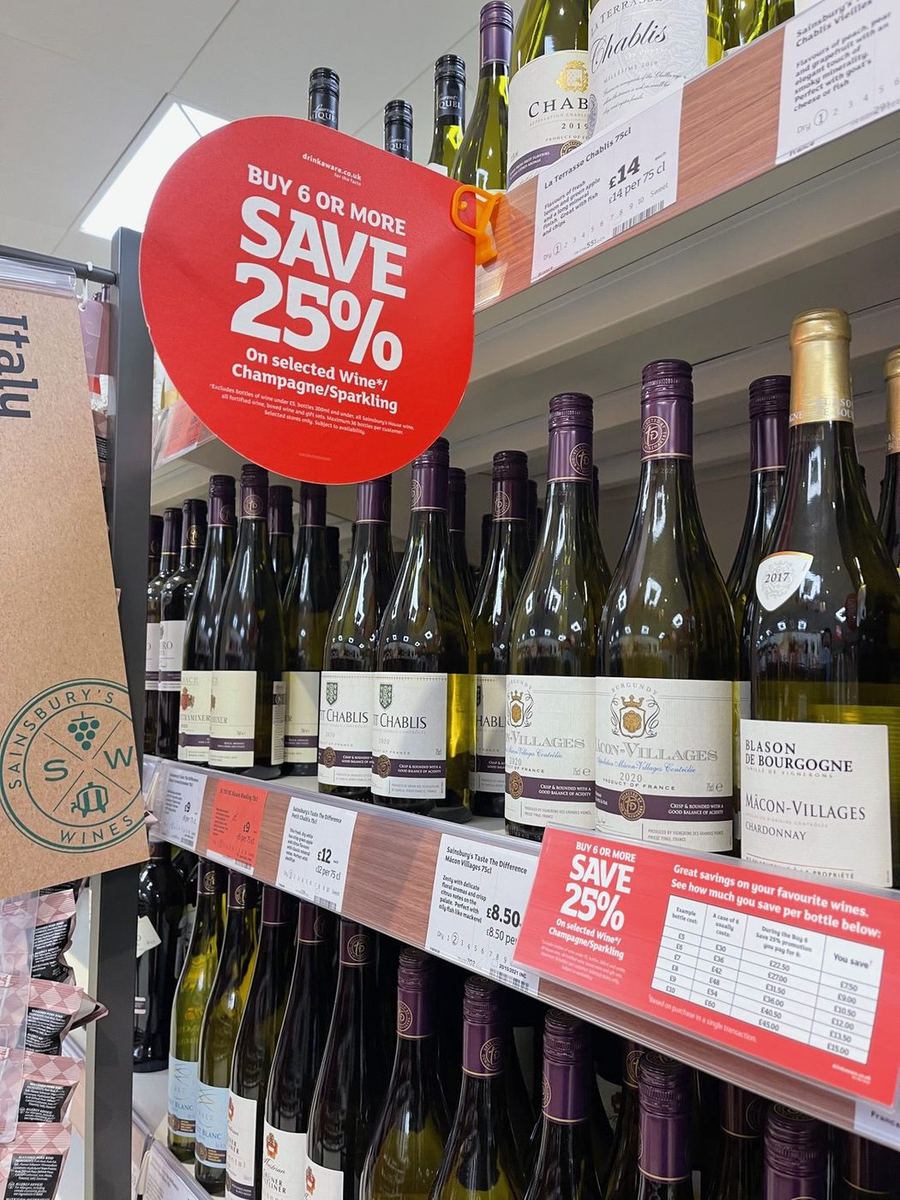
For Sainsbury’s - landing their Valentine’s meal deal is a step forward for their offer and a nod that they’re becoming more competitive, too. £20 last year (non deal) to £15 this year (deal).
Sainsbury’s also traded Wines for 3 consecutive weeks in December (a long, old period by any stretch) and continue to be aggressive in terms of their promotion too.
Trading Price Lock and their Aldi price match (realigned with 150 items in Fresh Foods notably) heavily since the turn of the year.
Clearance post Valentine’s DayPost Valentine’s Day - the key is clearance. How much floral is left over? It was a difficult year for the event; it seemed as though value was hard to obtain in the marketplace with inflationary pressures playing a big part.
Clearance is very much 75% (at least) and like Halloween, there isn’t a great market for Valentine’s flowers post event.
Sainsbury’s were struggling here (yesterday) with a fair amount left post event. It’s not an easy event to forecast given the COVID impact and very difficult to understand whether people pulled back, or went for it in 2021 (and before).
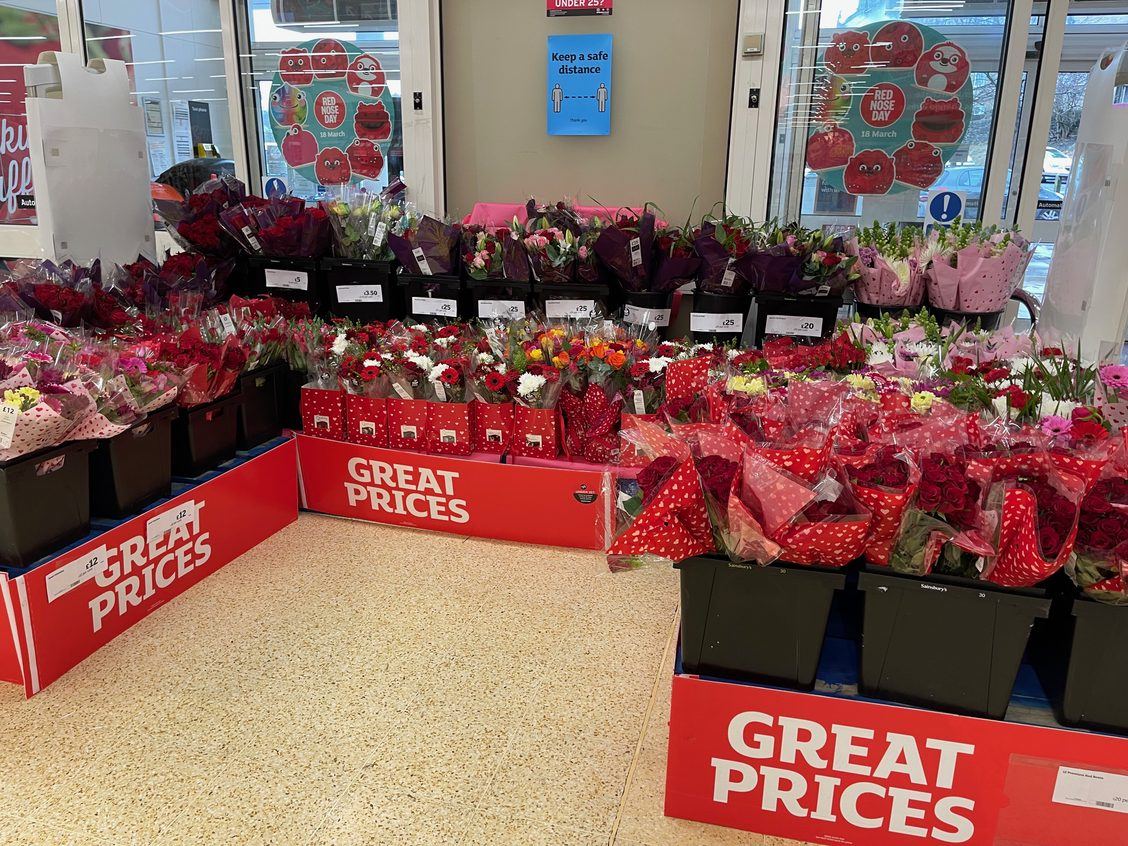
Another notable element is there is a growing trend for Roses that are not Red; there are campaigns and hashtags for “Pink being the new Red” and a move away from traditional Red Roses.
Another factor to consider is the pressure that consumers are under; both in terms of Fuel and Energy prices rising and only more price rises on the horizon.
Even if they’re not currently feeling the pressure directly, there will be one eye on their budget and customers may have decided to rein in spending for Valentine’s Day, in terms of Floral and ‘giving’ Cards etc.
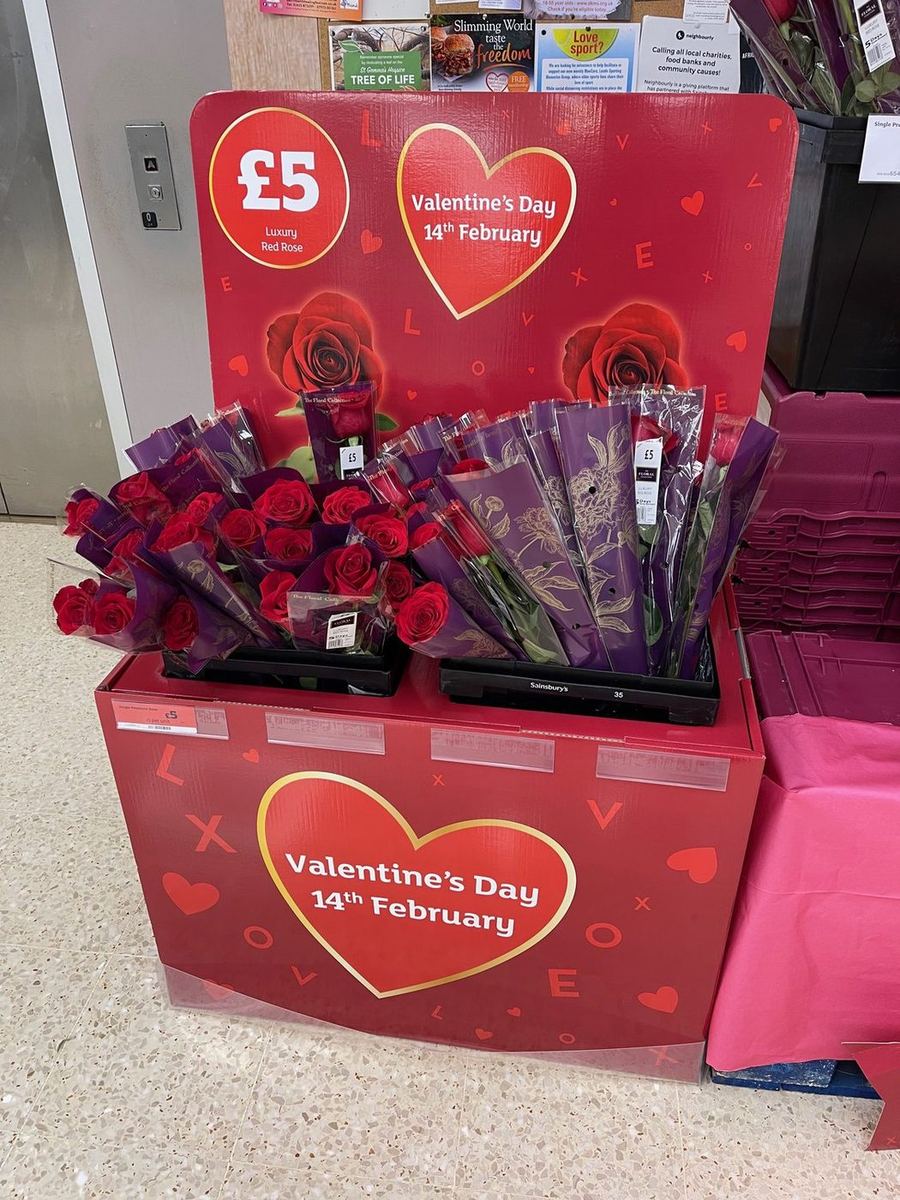
£5 for a single Rose stem was also notable; a good unit to trade Floral from also but the prices felt higher this year, and whilst Sainsbury’s made a welcome return to the multibuy space.
The general feel is that a fair few stores across the landscape were left looking heavy on Floral amongst other lines too.
A flash in the pan? Reflective of a trend around consumers pulling back on event spending? COVID shopping habits changing so customers used a variety of retailers, including independent florists? Or a bit of everything?
I suspect it’s a bit of everything. It’s just another marker of the fact that the market and demand will remain spiky as we leave the COVID impacted time and return to a new ‘semi’ normal.
Want to find out more about what Grocery Insight can offer?Why not subscribe to this industry leading insight service.
From the Grocery Insight newsletter archive, first sent to subscribers on 16 February 2022. Steve now writes at read.groceryinsight.com. See also the blog archive and briefings.