Retail by Email - Issue 481 - Tesco
8 August 2022
View this email in your browser
Retail by Email - Issue 481 - TescoConsistency is hard wonWhen Tesco were struggling, they lost the plot in numerous areas, but store standards were a key challenge. Their focus on saving, over serving hurt them in stores with poorly maintained, poorly filled stores offering questionable value for money.
Their recovery under Dave Lewis was as much to do with the recovery in stores as it was with the rebranding effort. Plus the improvement in value for money, too via value brands, price matching and the rest.
This focus continues today and Tesco have put the hard yards in to this work, redefining value and ensuring they’re “match fit”. Vital work ahead of the slowdown, recession and heaven knows what else we are walking into.
Customers are not going to “Cross the road” for a retailer who is figuring out what they’re doing and losing share. Going in to this “in form” is absolutely vital.
Tesco are in good shape in the majority of areas, but they have to be so careful they don’t lose the plot in stores.
Because old habits die hard.
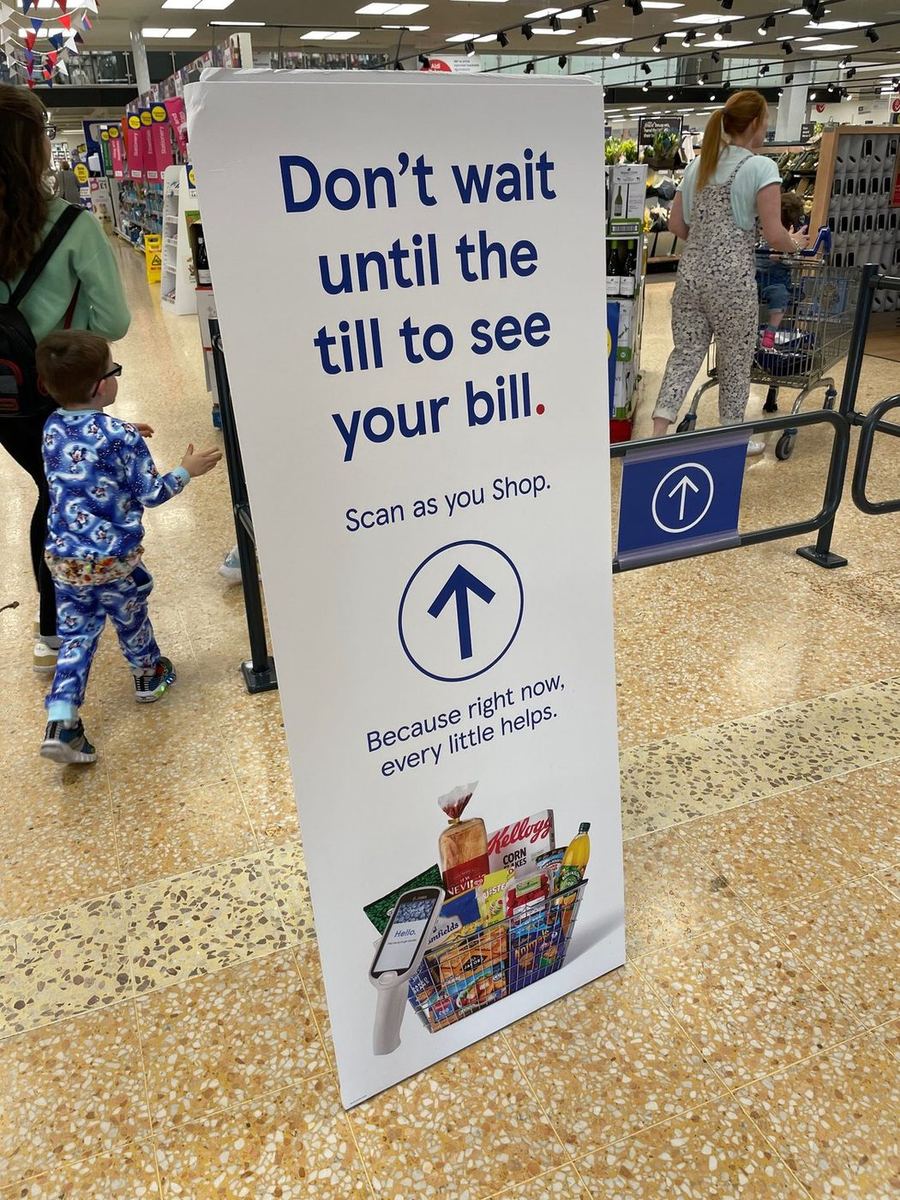
This is strong work on the benefits of scan as you shop, indeed, there are a number of stores losing checkouts now. These are to be replaced by larger self scan checkouts and more self scan stations too.
A key benefit of self scan in this budget driven world is that you can see the bill “totting up” as you scan items. This means no embarrassment at checkout and provides reassurance for the customer.
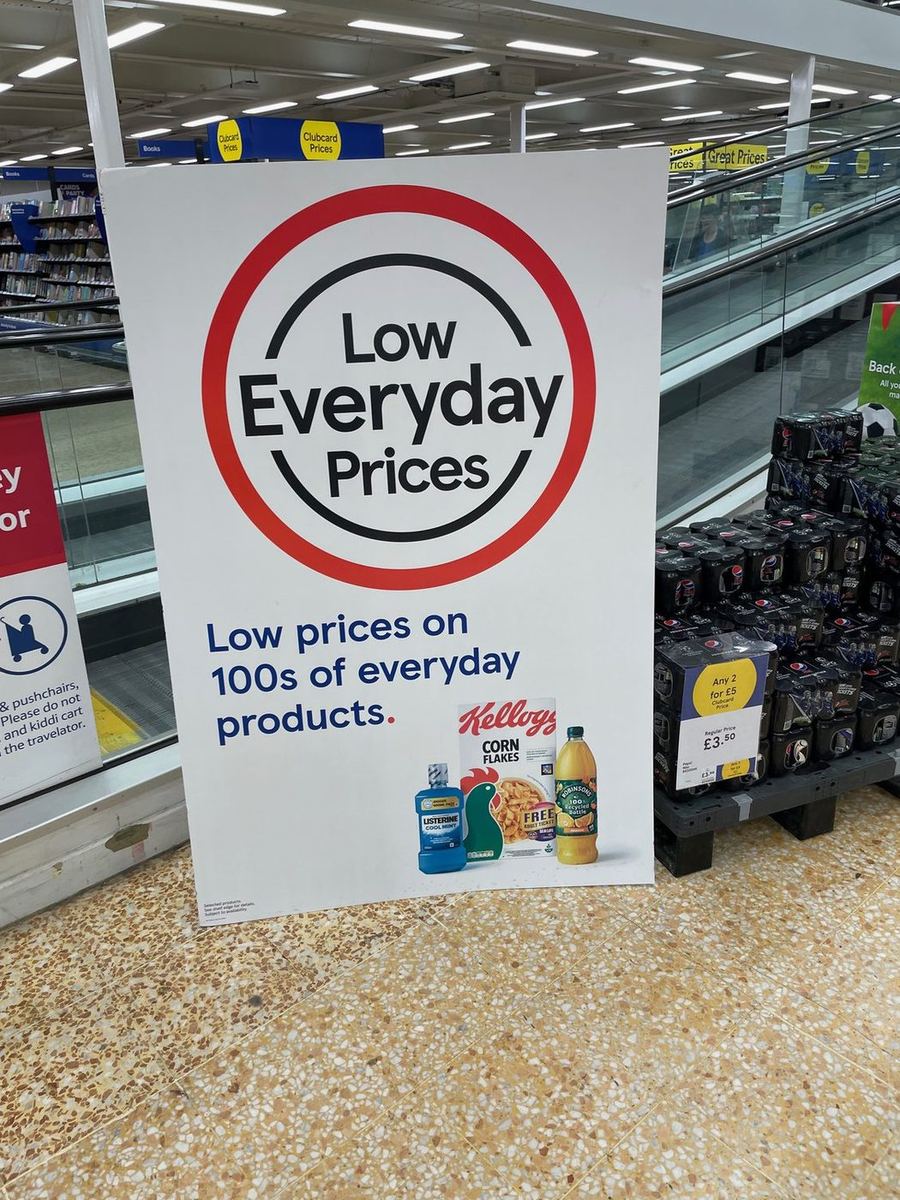
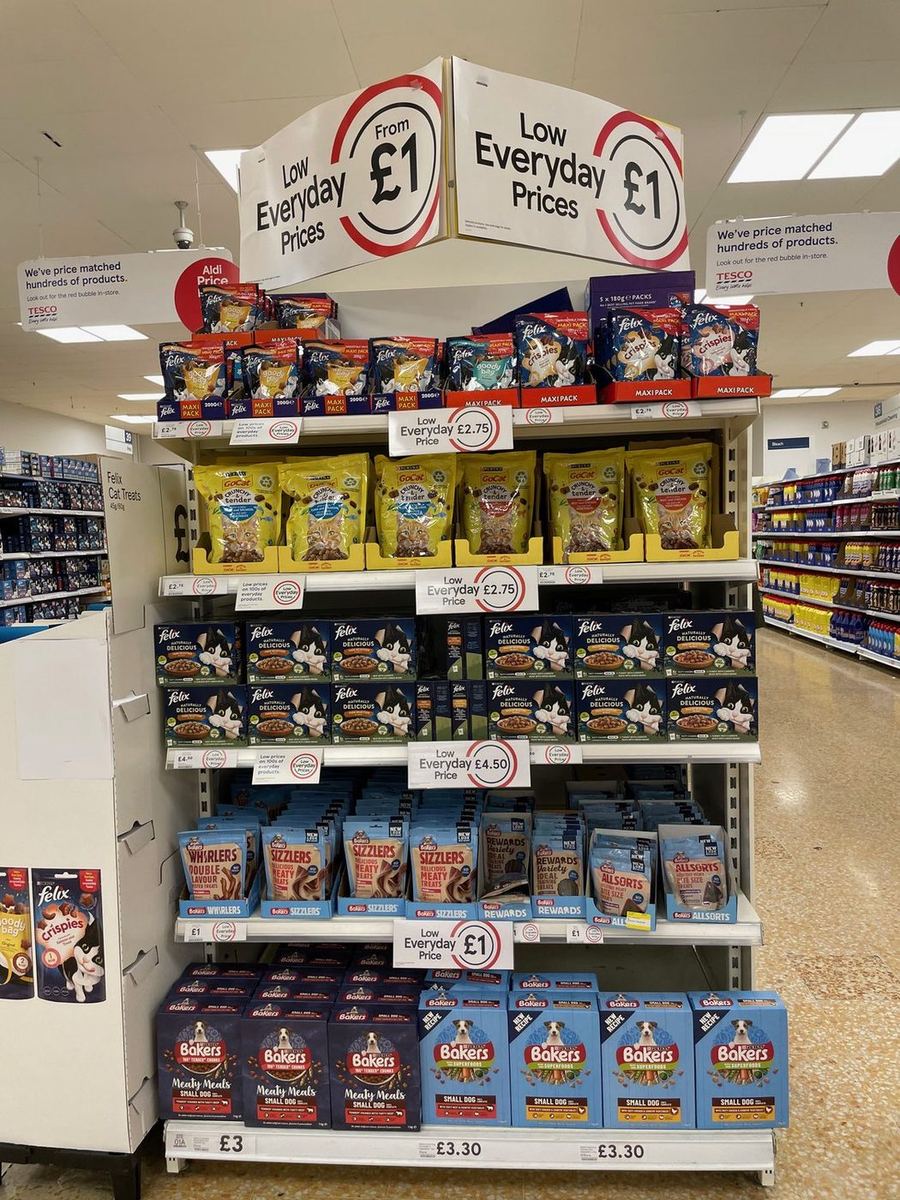
We have seen Tesco working hard on price across a number of battlefronts, with Everyday Low Prices highlighting various brands.
These are matched to Asda, Home Bargains and perhaps B&M also. Key areas in Health & Beauty, Pet, Household (Laundry et al) and Confectionery alongside wider Grocery all matching up to price points in the market.
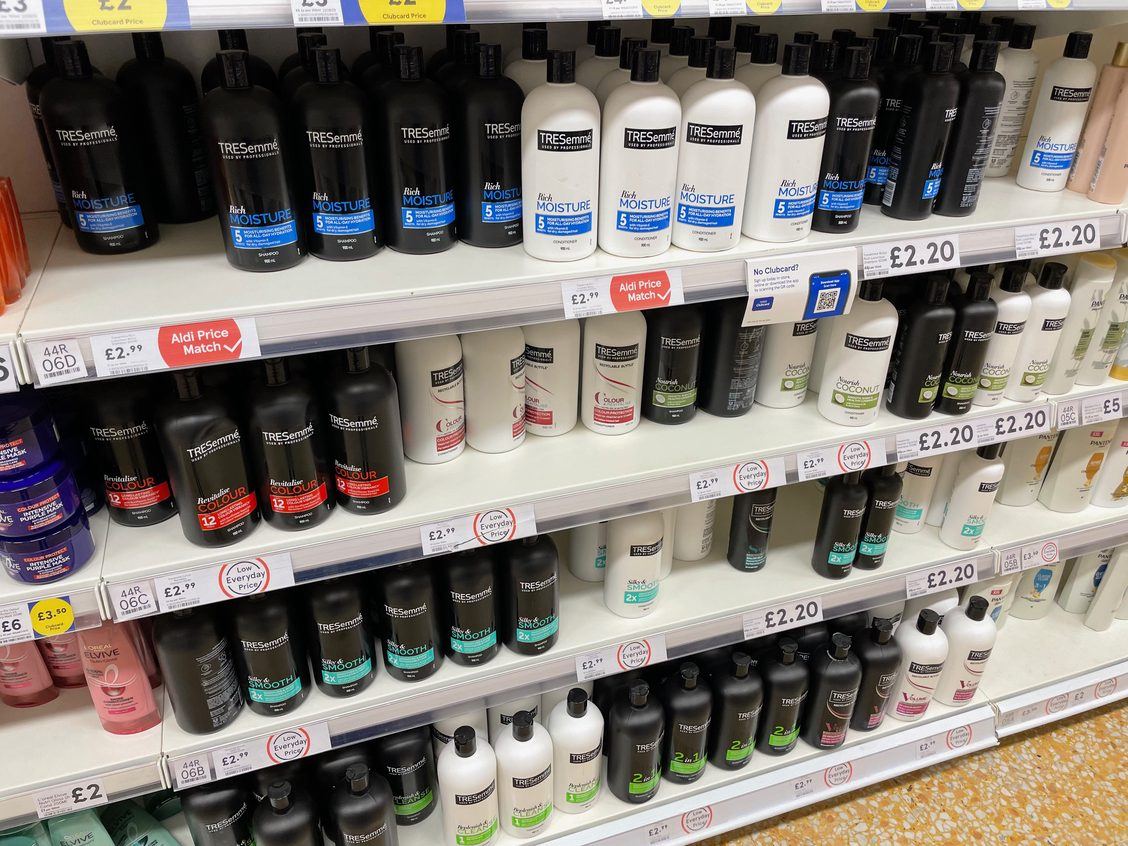
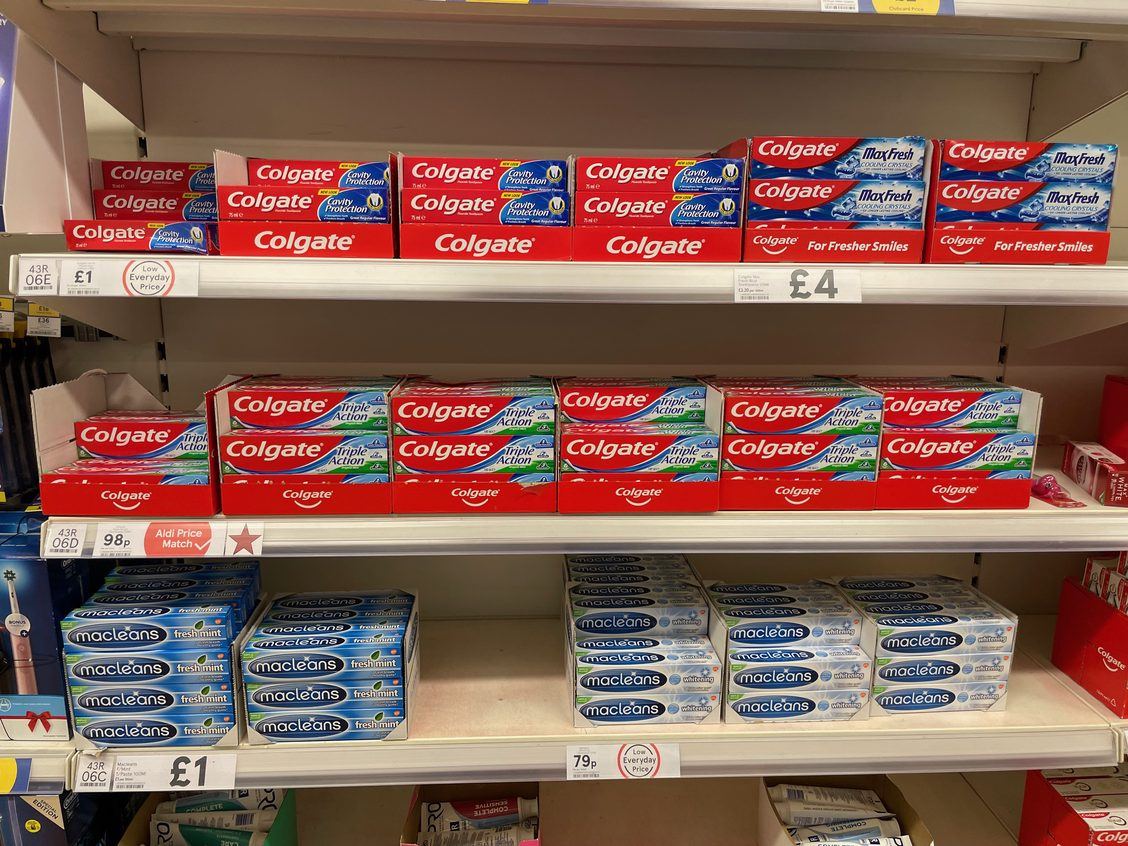
Signage is strong around the store, especially in key categories, Health & Beauty notably so where Aldi price match is also making an appearance.
Branded lines such as TreSemme are flagged against Aldi (who are presumably selling on a limited basis). Old friend/foe Colgate is also flagged against Aldi price.
The Heinz dispute ended relatively quickly with price rises noted across the market (including Tesco) albeit, presumably, Tesco’s action mitigated some of the impact.
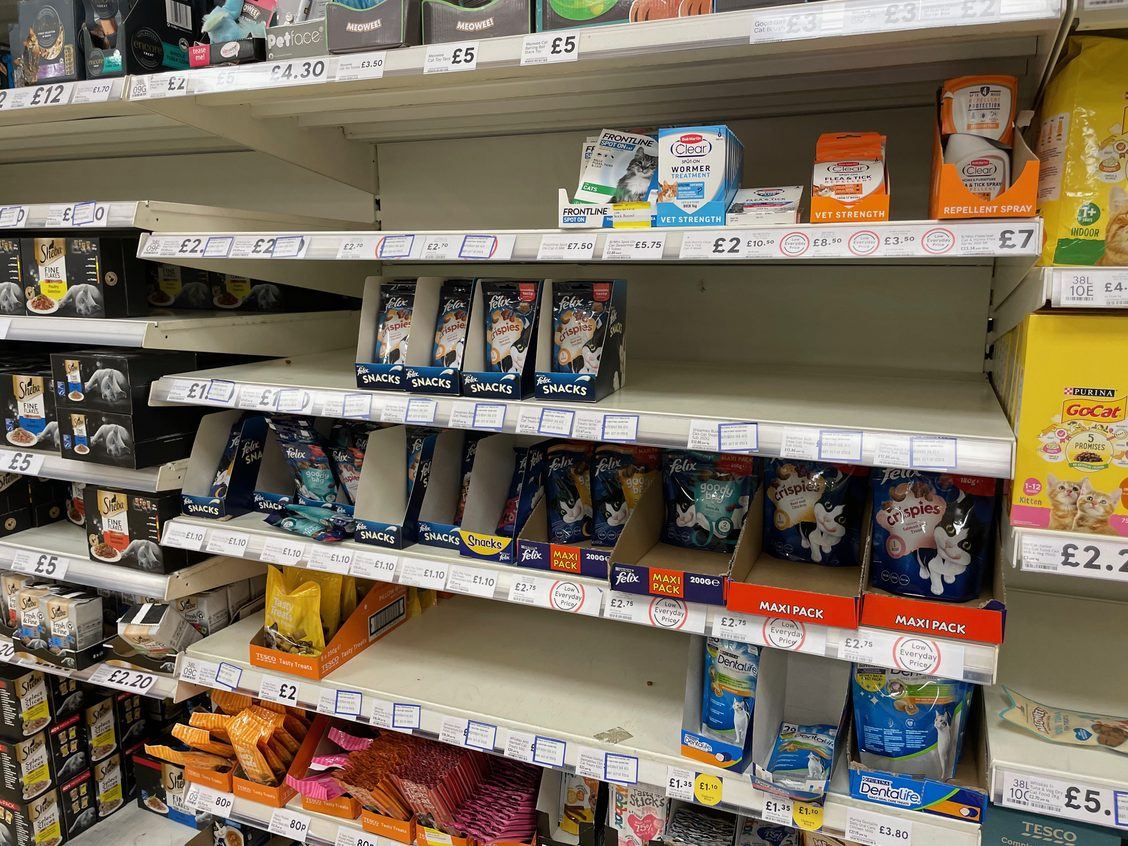
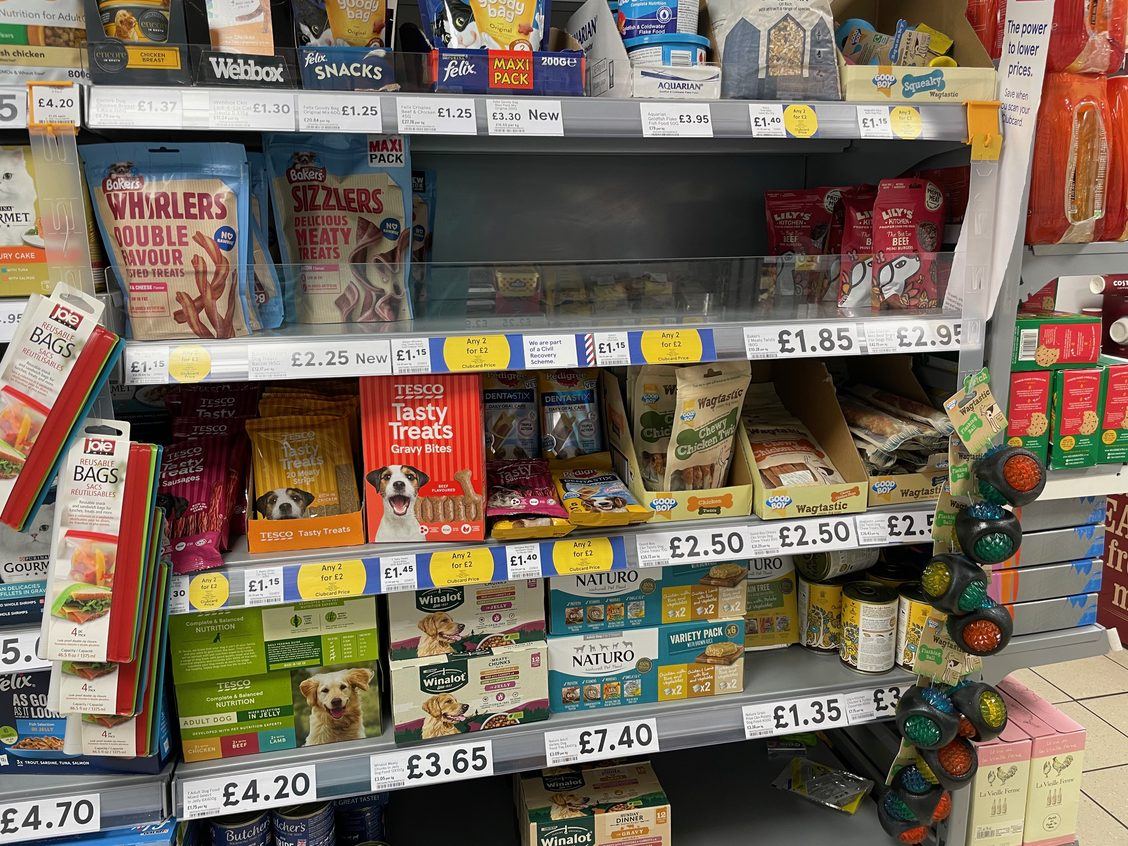
However the Mars/Tesco pet dispute shows absolutely no signs of ending, in fact, shelf labels have now been removed in numerous stores. This shows that these products may well not be coming back to stores, perhaps ever.
Gaps persist in the Pet categories with other products facing over the gaps on a longer term basis. Indeed in Tesco Express; there is an absence of former lines that were supplied by Mars. Instead, there is a presence of other brands here.
For the wider Tesco piece; Saturday morning is a great time to adjudicate a store, especially ahead of a busy trading day.
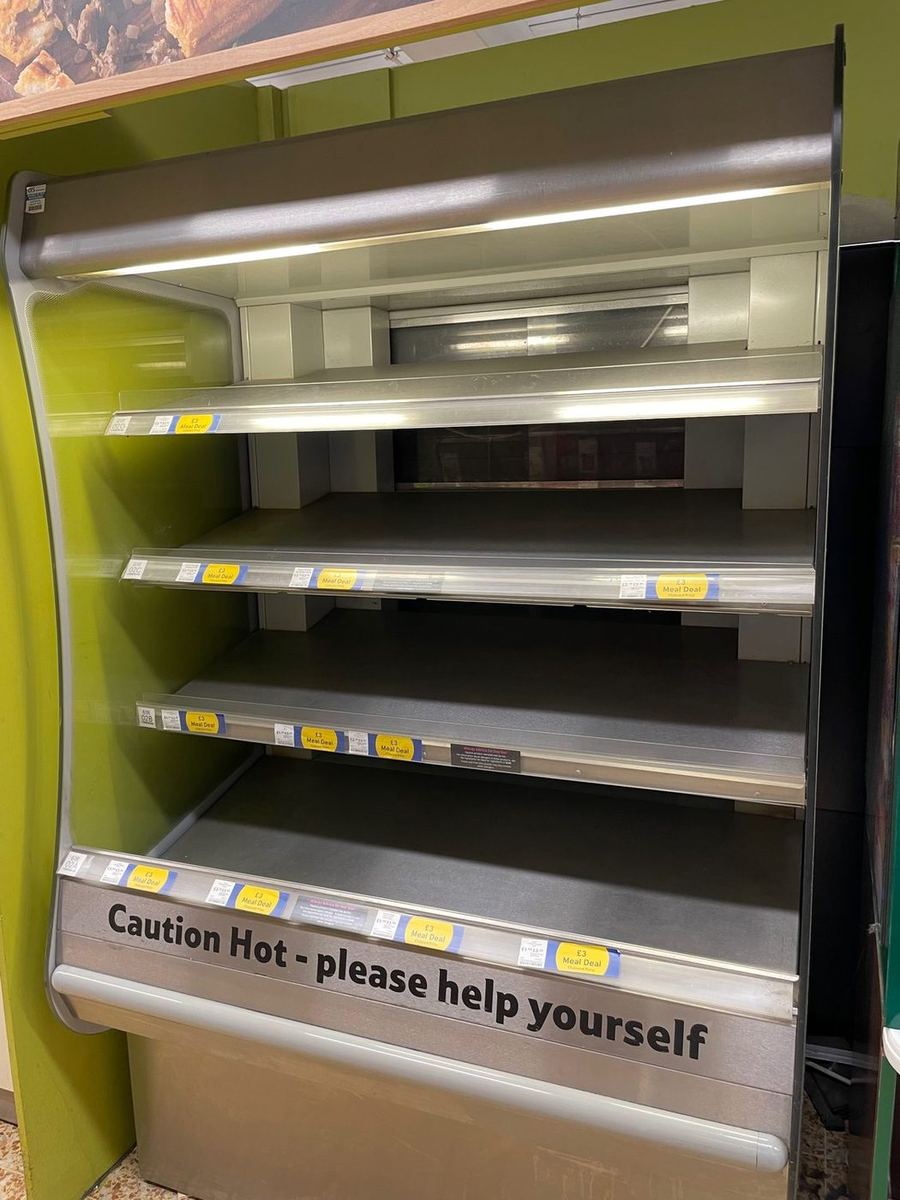
But the lack of a hot food and salad bar offer was questionable. It’s likely this space is defunct and no longer in use (salad bar at least) but the hot food is purely missed sales.
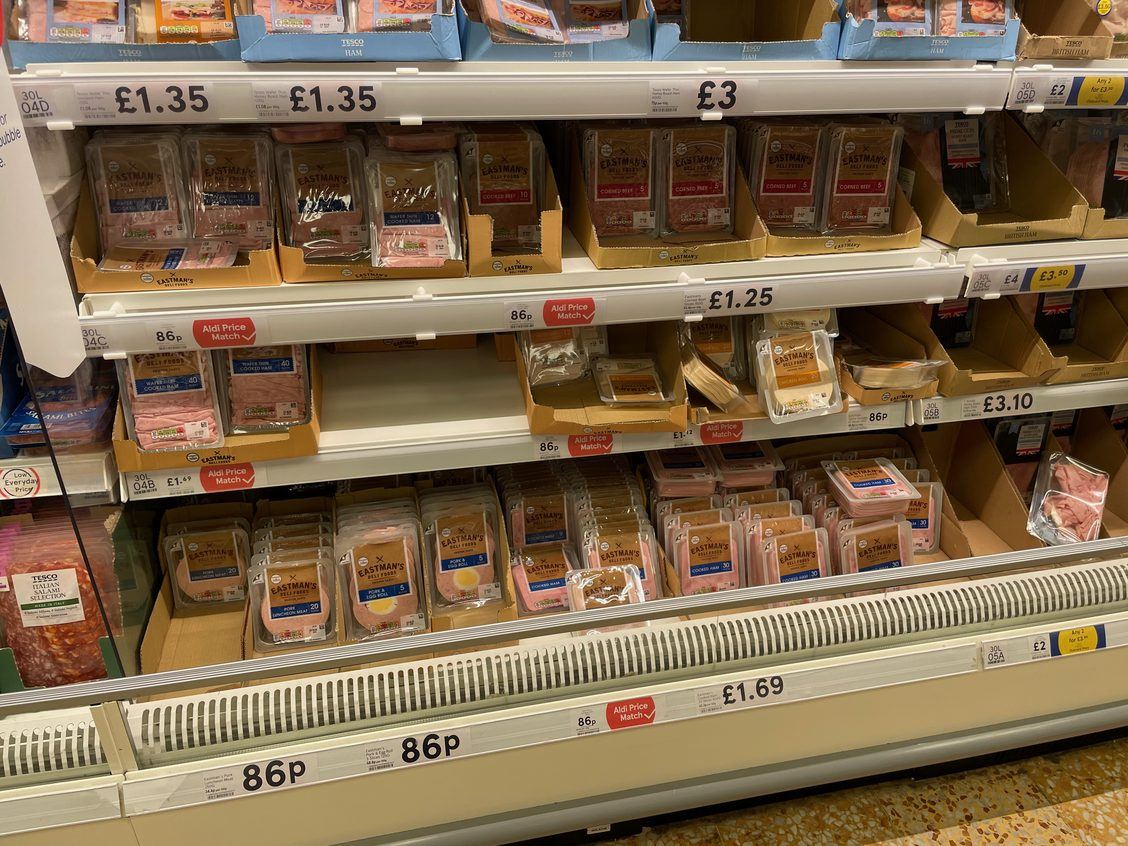
Price work in Cooked Meats remains strong, a very important category for discounters when they are establishing a price based foothold.
It ticks the boxes from a discounter viewpoint too. Predominantly own label category, often promotional centric (IE 2 for £2.50 / £3) for customers to get the value.
Whereas Tesco have worked hard on the EDLP aspects here to nullify discount somewhat.
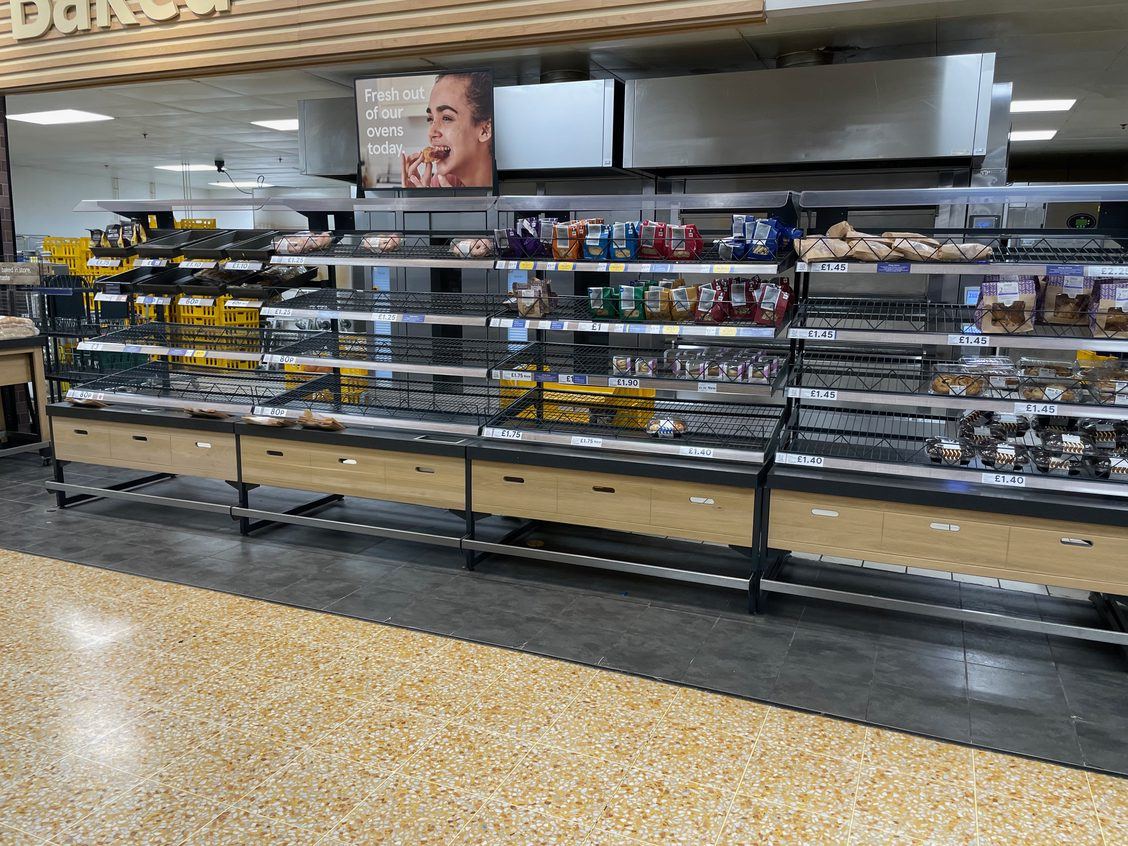
The Bakery was also disappointing, for a Saturday morning. It was near inexplicable. Perhaps pointing to a wider system challenge.
However, customers are not given 10% off their next visit to compensate, so no excuse is really applicable.
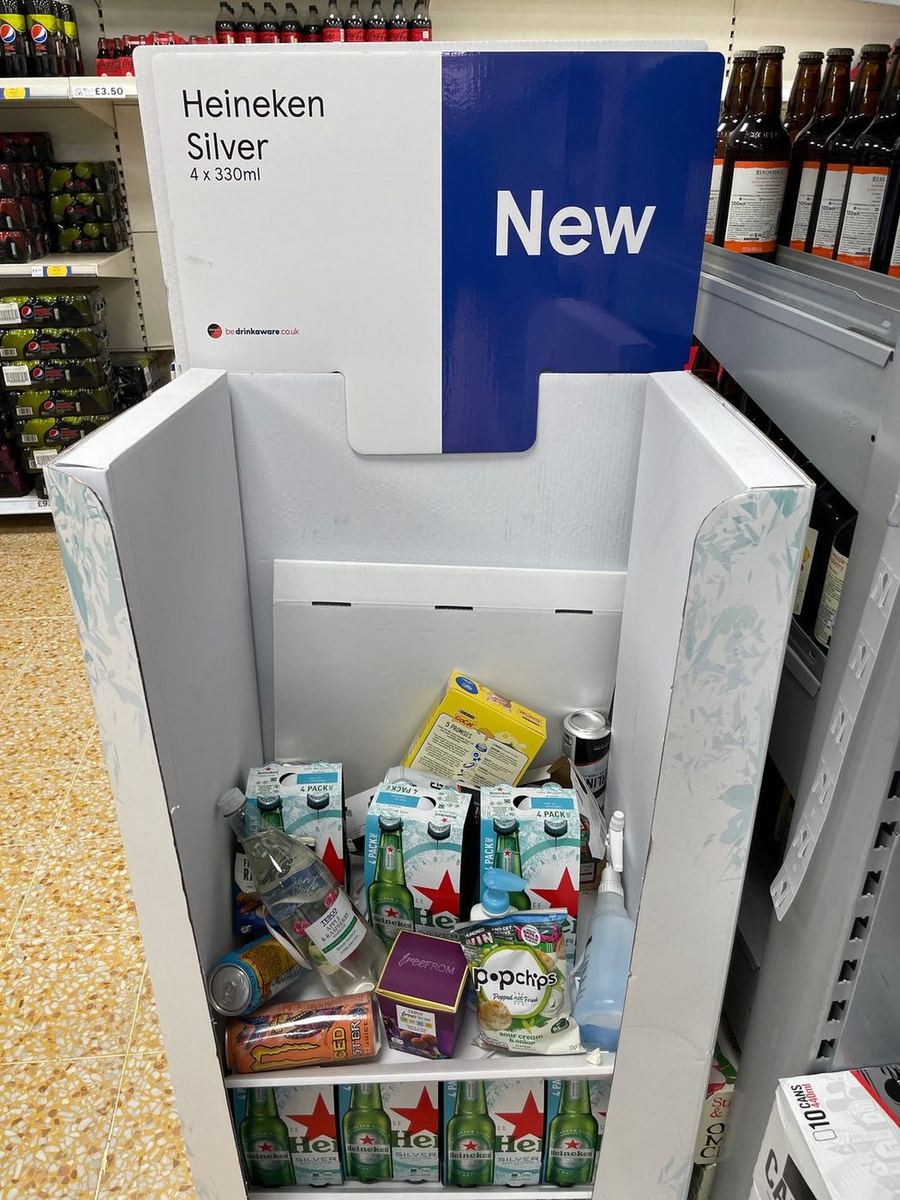
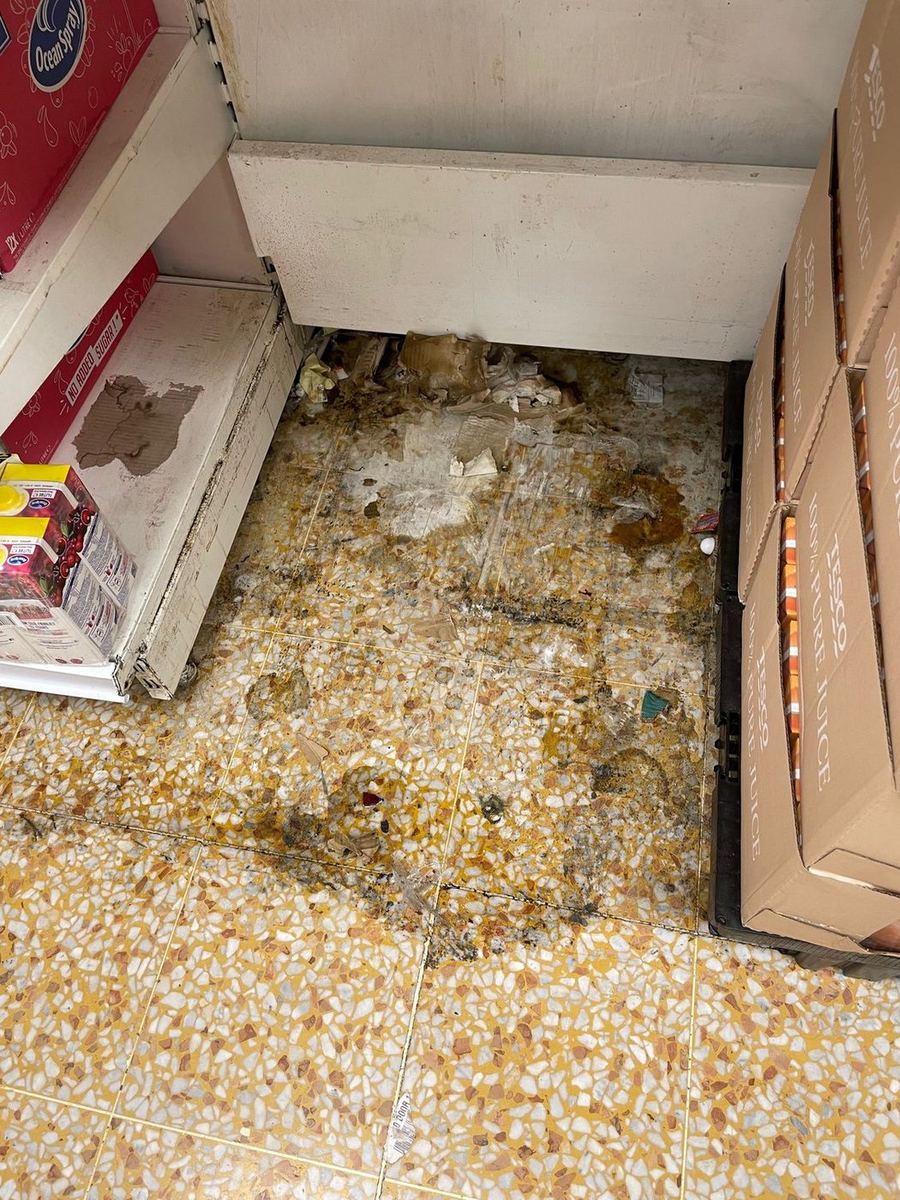
This is where the concerns start to creep in. The labour model for any supermarket is tied to “items scanned” through the checkout. It doesn’t make allowances for a sales number, rather items = people needed.
The system also doesn’t make allowances for large stores either.
This can mean that the labour model of today (ones that are tied so tightly) to save money for retailers on the operating model. These have no “give” or “flex” for anything else.
Just replenishment and basic tidying (sometimes not even that) (overnight e.g.)
Which means that if sales are lower than the store size (typical budget, or otherwise).
The colleagues are not able to touch every area of the store, this leads to areas being missed by colleagues due to time constraints.
Not that this is occurring here, but it does point to an issue with elements being “missed”. Cleaning for example, this is a food store, so it’s hard to square the circle with this and the sale of good quality food.
There’s always time to clean and maintain however, especially if the store is being walked every day, which isn’t occurring here, necessarily.
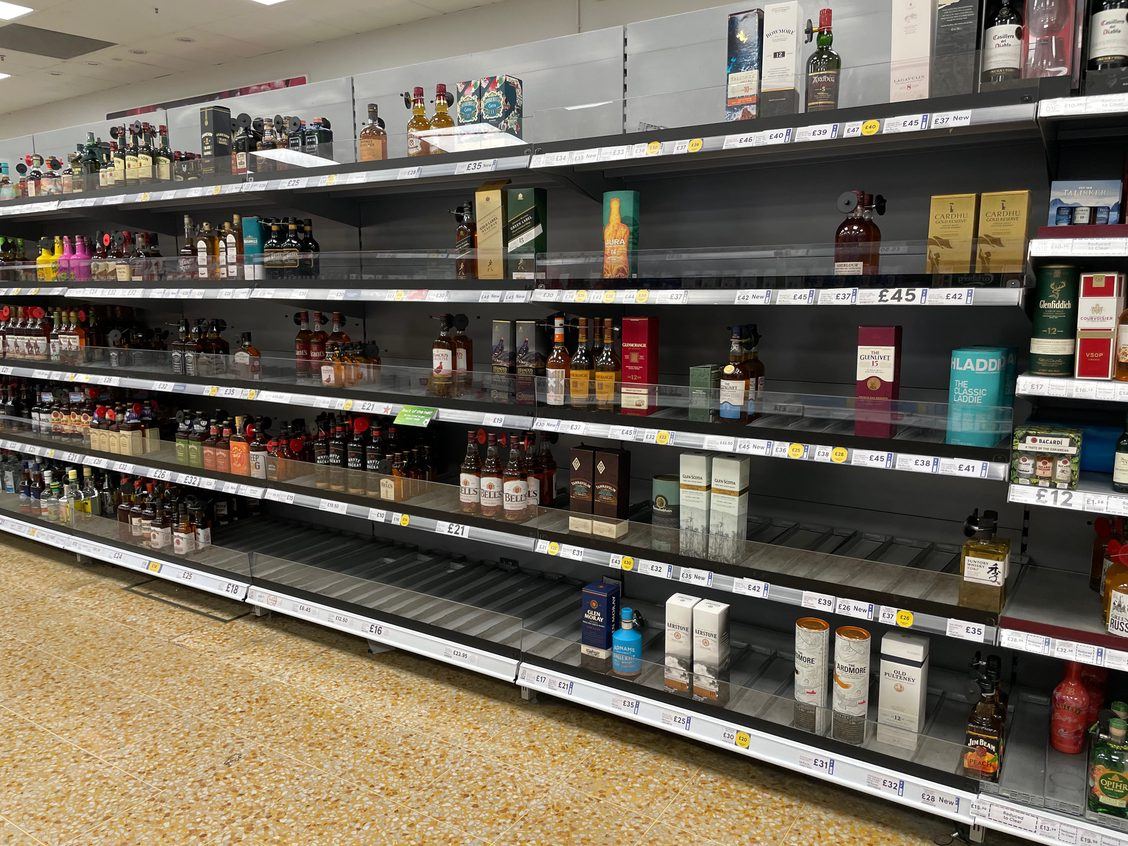
Shrinkage was another focus for Tesco in the days of yore, which is fair. Stock loss is rife and the tougher economic conditions mean that theft is on the rise. The Police are often uninterested in attending such thefts.
Which has led to a rise in the number of attacks on shop workers (for example).
The absence of many Spirits here is a sign of restricted fill and moves to limit theft, but it also harms sales too. Sometimes stores entirely remove the range and force customers to go to the customer service desk to buy said Spirits.
But in reality, do customers do this? It’s a barrier and makes it harder to sell for stores. The balance is sorely needed between shrink prevention and sales, not sales prevention to reduce shrinkage.
Technology can play a part here, I am sure.
However, one has to watch the rules changing, because what’s high value today at £20 or higher, becomes £10 or higher next week.
Then the customer is impacted. Again.
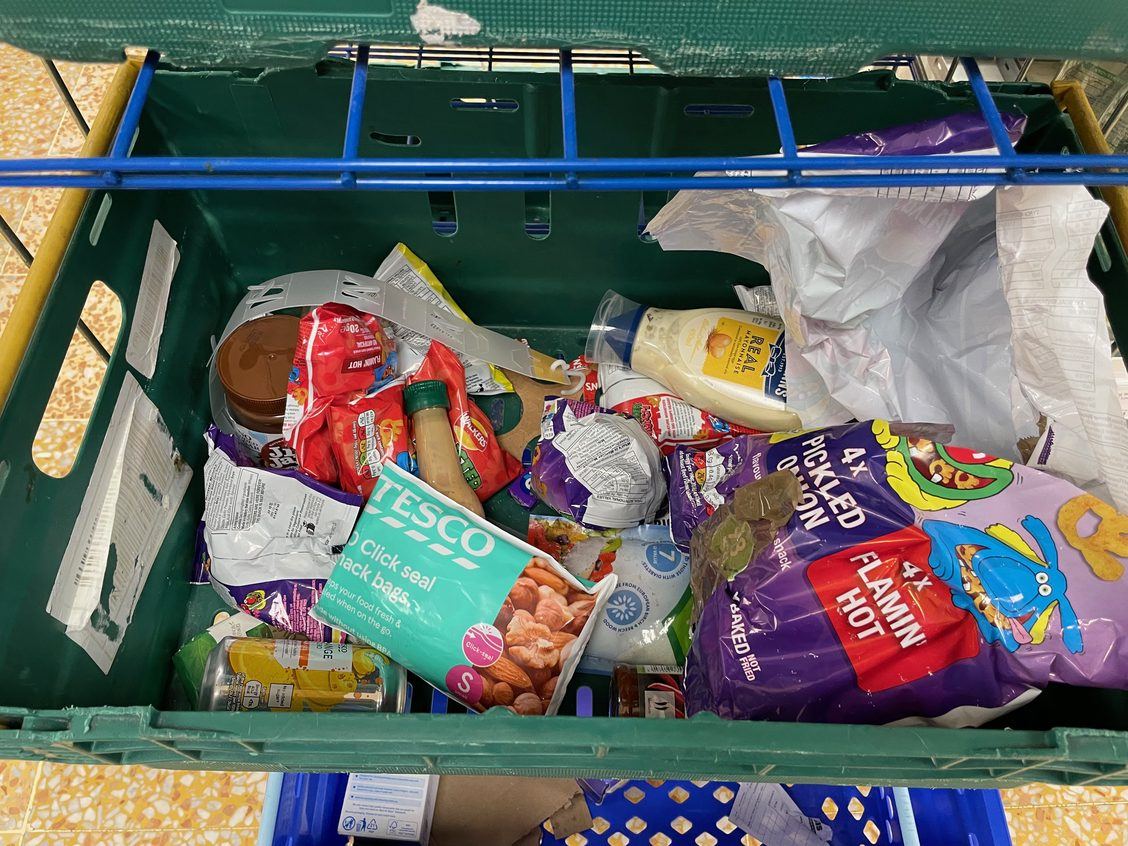
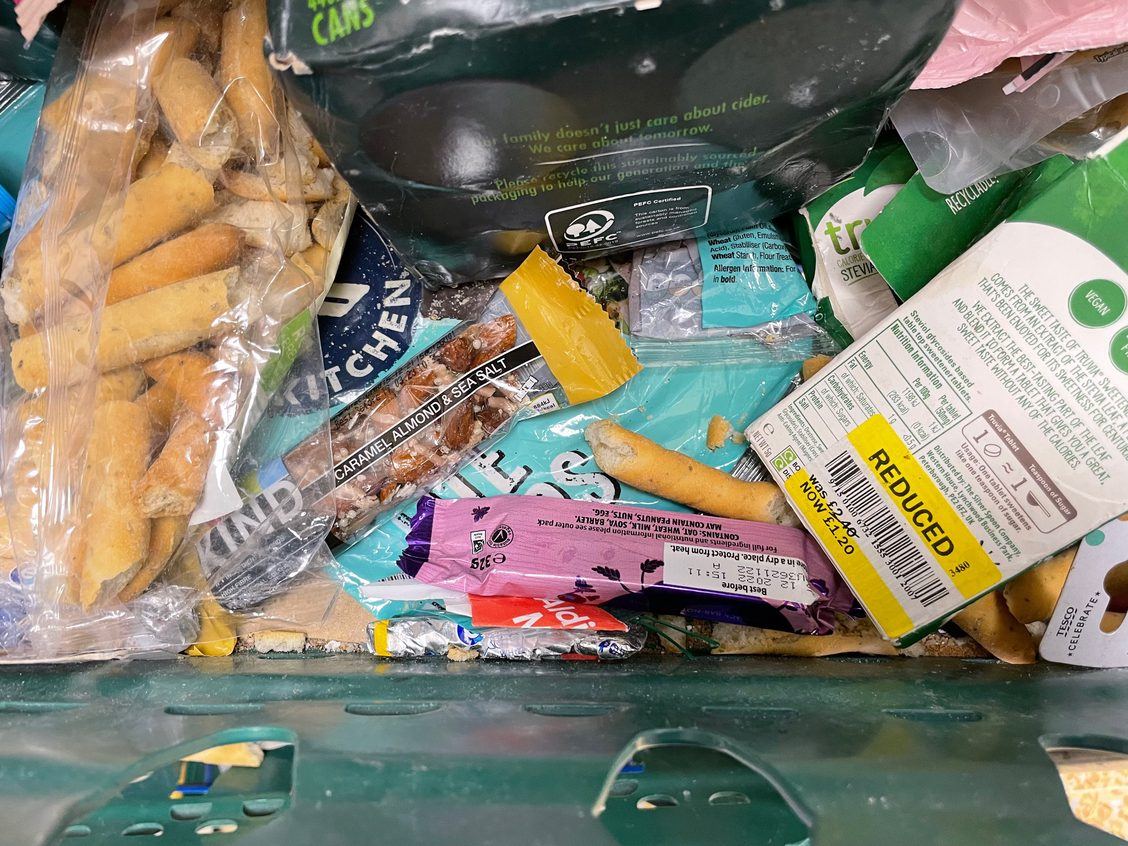
This is almost like a Tesco of 2014 era “greatest hits”.
The cage of clearance lines (whilst necessary) is always a good barometer of how a store is being run. Broken packaging and other lines that are saleable makes sense, but without management - it always turns in to this dumping ground.
The slide can’t be allowed to start in to poorer standards, however low the prices are.
Because, as ever, good retail is about doing a number of elements well.
It can’t just be about low prices. It’s never just about low prices.
Tesco just need to be careful with the stores. We know where this path to poorer standards and an obsession with shrinkage ends up.
That path is well trodden and it certainly doesn’t end at customer.
Want to find out more about our services and the wider retail market?Subscribe to this industry leading insight service, today.
From the Grocery Insight newsletter archive, first sent to subscribers on 8 August 2022. Steve now writes at read.groceryinsight.com. See also the blog archive and briefings.