Tesco - More of their 'brands'
19 June 2018
Tesco in focus today with their results strong on Friday. Sidestepping the huge gains by Booker which can make the wider, more important result of the core business look stronger overall... It was a good set of results and the continued work in Ireland is notable too.
It was a decent set of results and the more important notes were not the top line numbers, rather the plans behind the numbers that are progressing throughout the year.
The most noteworthy element was their "Project Reset" phase 3 which focuses on own label with some brands disappearing according to the press. Fake news? Sure Kerrygold and Yeo Valley may be losing some lines in fresh foods, but the notion that there's a wholesale(like it?) change in their strategy is false. It's just part of the core cut and thrust surely?
We know that Heineken and Kingsmill have disappeared in previous category reviews, only to return a year later. (Category reviews happen year in, year out in every retailer). It's just part of the cut and thrust of the market. The difference is that Tesco have changed their mentality on range, they are preferring to push their own label and these ranges are given prominence on shelf.
Driving a level of exclusivity, as after all, you can only buy Tesco own label, in Tesco.
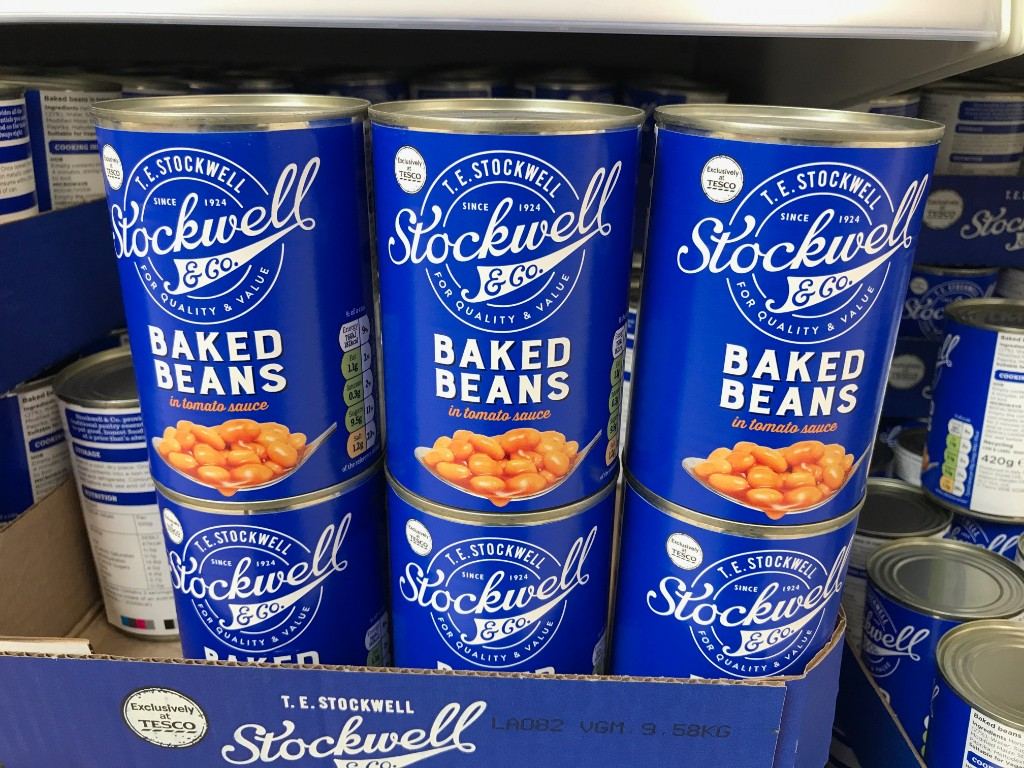
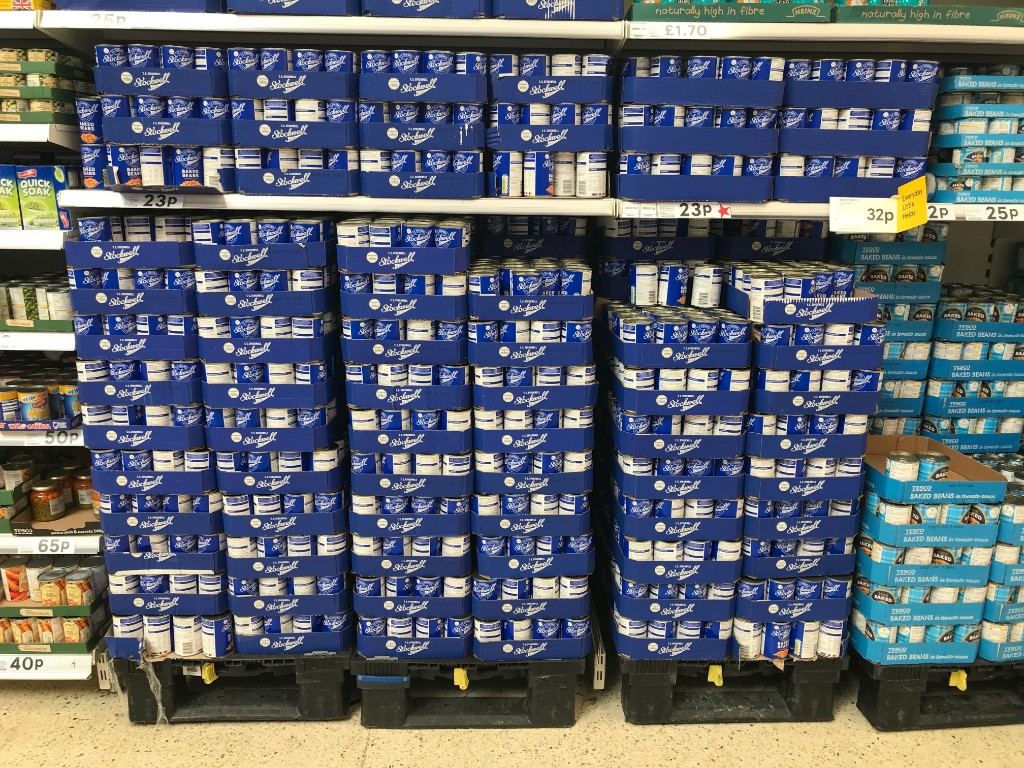
Examples of their work in developing 'exclusive sub brands' has seen value Beans change from their Value branding to the 'TE Stockwell' brand, these Beans are now down to 23p (from 25p) which is equivalent to the Aldi (value) price.
Both Aldi and Lidl have a number of lines around their ranges that are value / entry tier products, designed to provide value in some areas where retailers are strong (Bread, Tortilla Chips e.g.) or where the value gap can exist between the value product and then that of discounter core range = brand equivalent.
Rice Pudding is a good example of this; where the value tier product in the old days in a Tesco e.g. (2015) was c.15p, the own label range (Tesco) was 55p for example and then Ambrosia (Tesco) would be maybe 80p. Therefore Aldi own label Rice Pudding own label would be 50p or so, cheaper than own label but there was a much cheaper alternative in the bigger retailers.
Therefore Aldi added a value equivalent to provide a comparative for customers who may buy Value Rice Pudding for the kids for example. It's not a hard and fast rule, but these are examples of how Aldi/Lidl decided to range value products alongside their core.
Although discounters pitch their core ranges as brand equivalent; in their minds at least. Certainly the marketing links this together with own label and branded lines often compared on signage overhead.
In terms of the Beans in Tesco, their core range is now priced at 32p, with the Value / private brand some 9p less at 23p. The question is that with a 9p gap, do Tesco aim to reach critical mass with their 'value' brand 'TE Stockwell' and then remove the mid tier own label entirely?
There is volume to be achieved in this case and a major question around the introduction of other brands (not necessarily, TE Stockwell, which is linked to Tesco) is that, is the aim for these to end up in Booker and thus grace the shelves of the local Premier, or Budgens?
It's clear that this strategy centres around 'winning together' and if Tesco are competitive with better prices and differently branded value products, in key categories, they can win share from both Aldi and Lidl and convert shoppers to doing a fuller shop with the chain.
We know from 'farm brands' that these products are popular and continue to grow share and volume for Tesco in Produce and Meat. However they are hugely deflationary in the category, so there is a price to pay for competing with Aldi and Lidl in these key categories.
Despite that, it has worked; narrowing the price perception has been key in own label categories like Produce and Meat as the 'sacrificial lambs' almost. Meaning that customers feel they are able to 'afford' to shop at Tesco.
Further work in other categories, alongside brand guarantee has meant that this improvement in value perception has continued.
The emergence of new 'value tier' with private brand products in categories such as Cooked Meat and Frozen (notably) alongside other high volume lines (Flour, Jam, Bread) could show that Tesco view these categories/products as the 'next step' in pushing back against Aldi and Lidl.
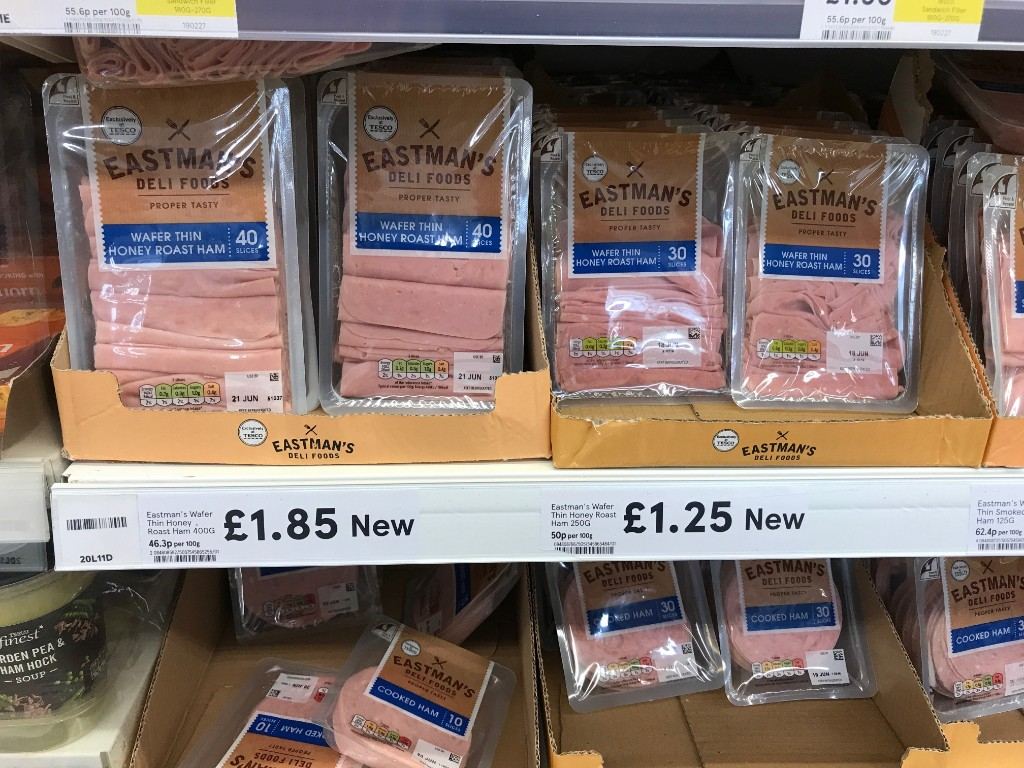
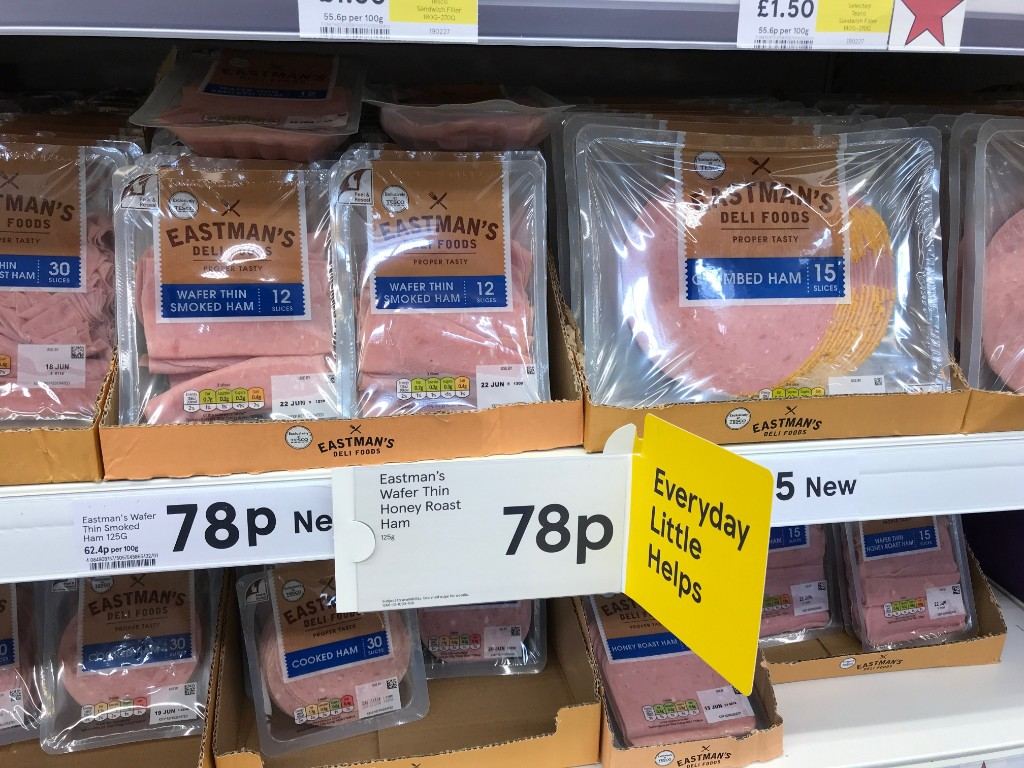
It does stand to reason that Cooked Meats (benefitting from a great number of "Eastman's" branded sliced Meats, increased beyond the former Value tier.) is a category that Aldi and Lidl both perform well in, given their lower prices (driven by a promotionally intensive category in the multiples) and strength in continental meats too.
Plus the category is a bellwether for parents, Ham is a staple sandwich ingredient, so parents shopping at Aldi (plenty of families do) are immediately drawn by lower prices on Ham for example.
This drives positive price perception across the rest of the store within discounters, quality is then proven in the eating and that 'doom loop' for a big retailer, seeing their share of shop disappear to discounters beings.
Outlining that, makes it even stranger that the big retailers have been so slow to react to the charge by discounters. Tesco did move to EDLP in Cooked meats as part of their category review in recent years, the addition of Eastman's is the next stage in this strategy.
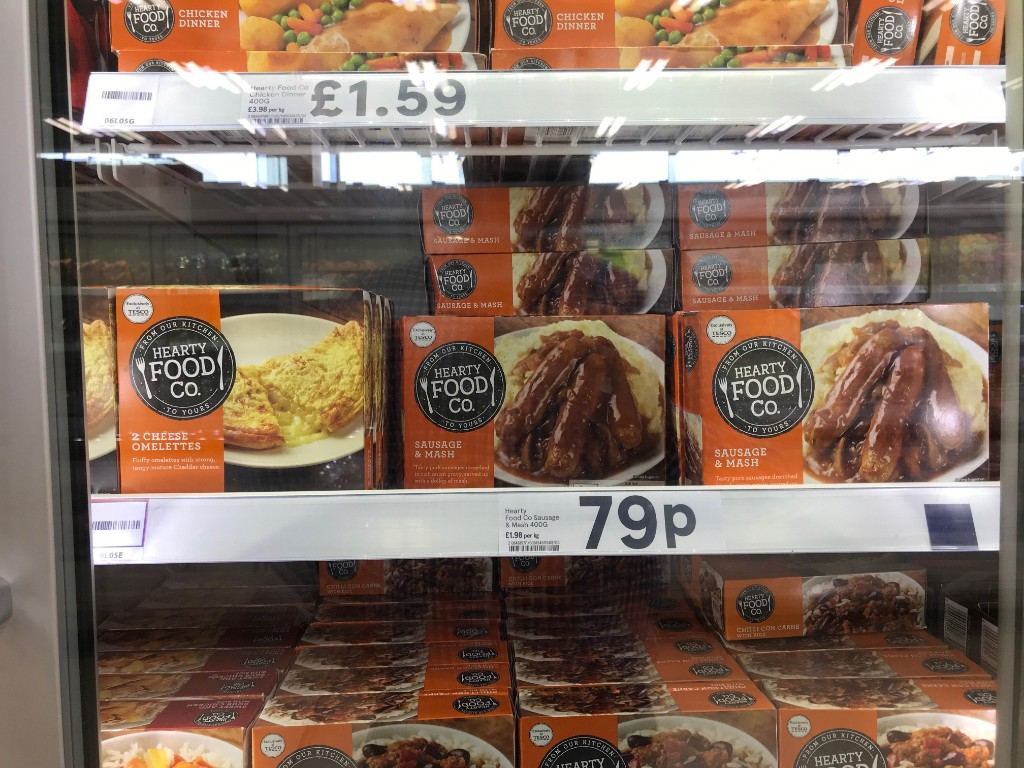
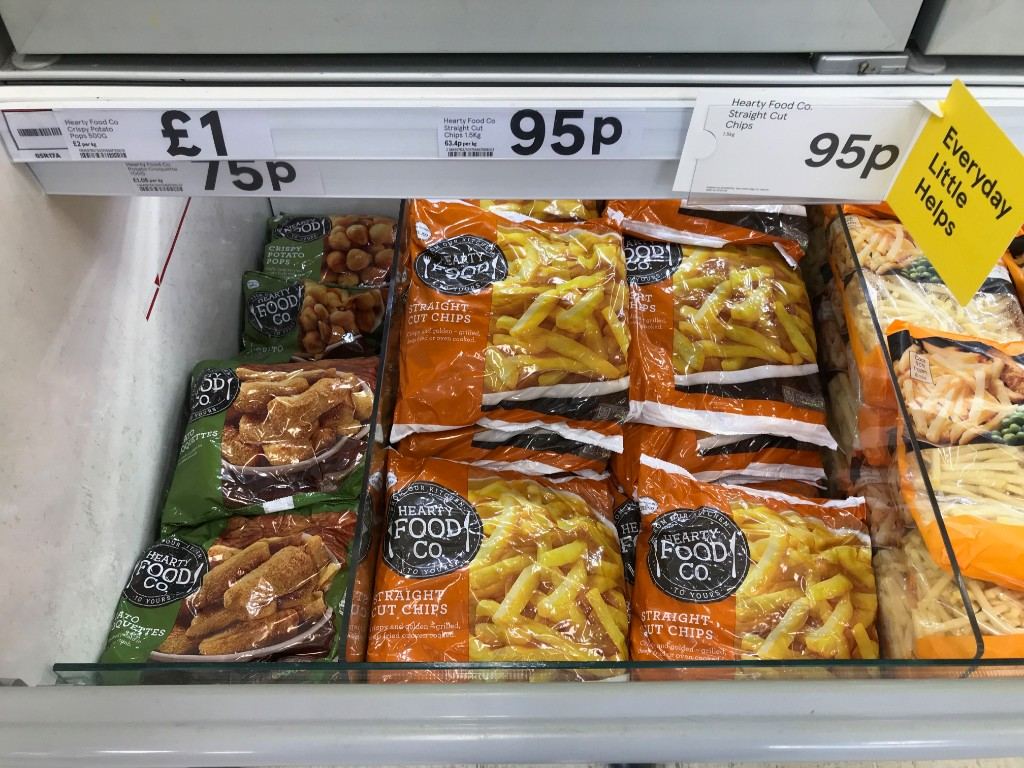
Hearty Food Co. is another brand that Tesco have developed and added to various categories so far. Fresh Foods (breaded Chicken) alongside emergence in cooking ingredients (Pasta and Pasta sauce) showcase that the value product immediately looks stronger on shelf and carries a presence too.
There is also the chance that discounter customers would compare these products against the Aldi own label, which can be more expensive (as a mid tier) versus the Tesco value tier 'rebranded'.
Not equivalent in terms of hierarchy perhaps, but they're both own label products nonetheless.
Aldi say that their own label washing up liquid is truly equivalent to Fairy for example? Can they do so? Well, they do, and bypass any supermarket mid tier in the process.
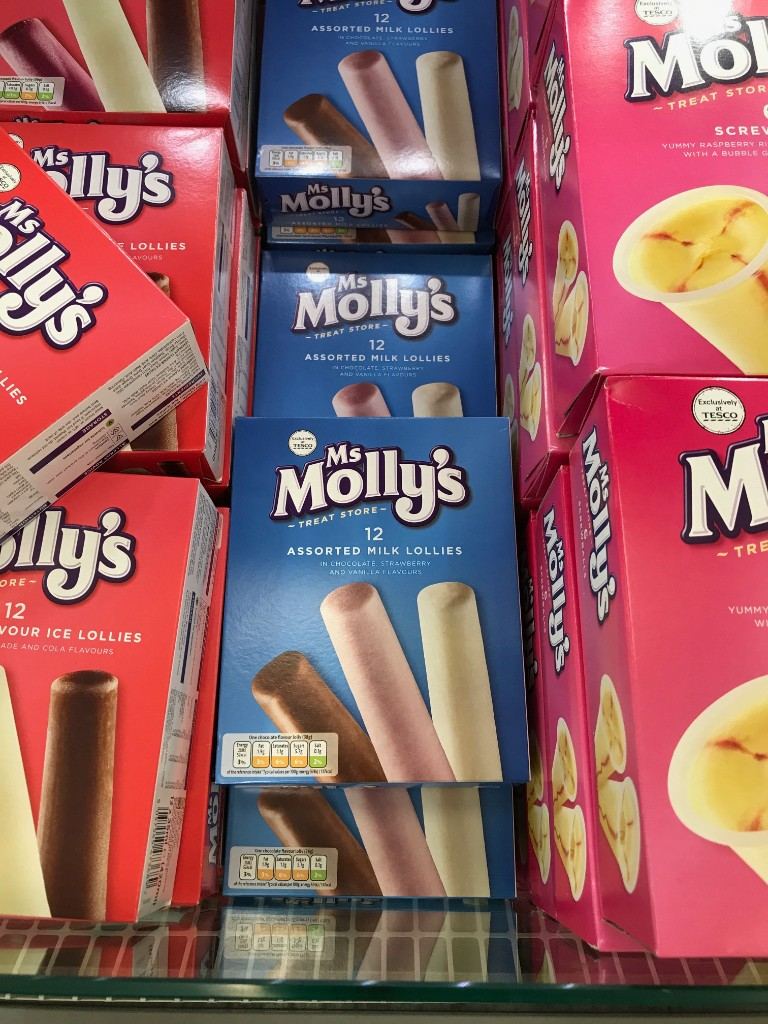
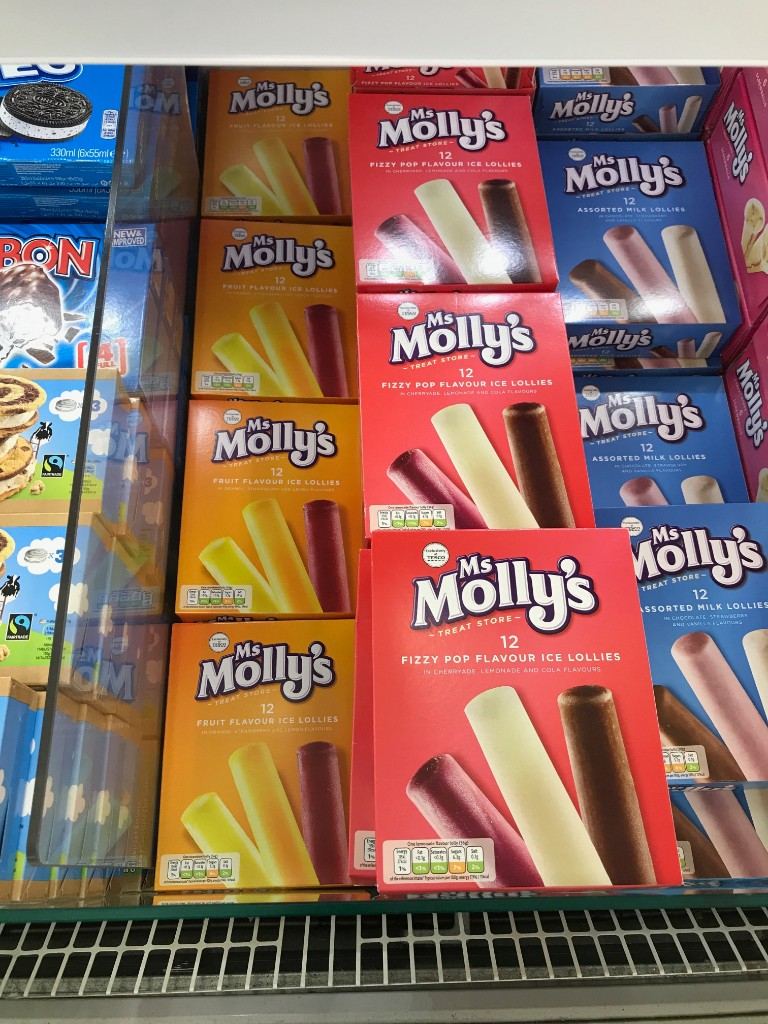
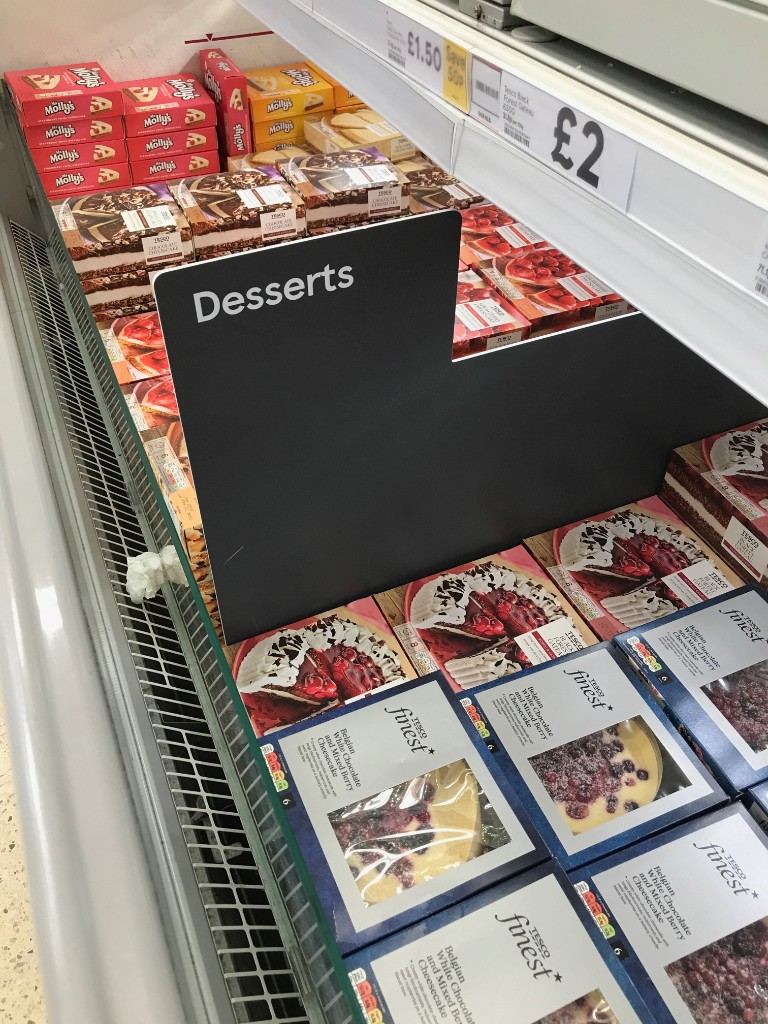
Frozen looks to be the category that benefits from numerous new 'brands' via the Tesco work. Ms Molly's is a well branded product that stands out well on shelf.
One component of work that Tesco have worked well on, aside from these brands is that they have placed their own label products at eye level, or prominent places on shelf. Allowing customers to see these products and make decisions based on price points and packaging.
Not just shelf placement which was perhaps the case in the older days, where brands dominated.
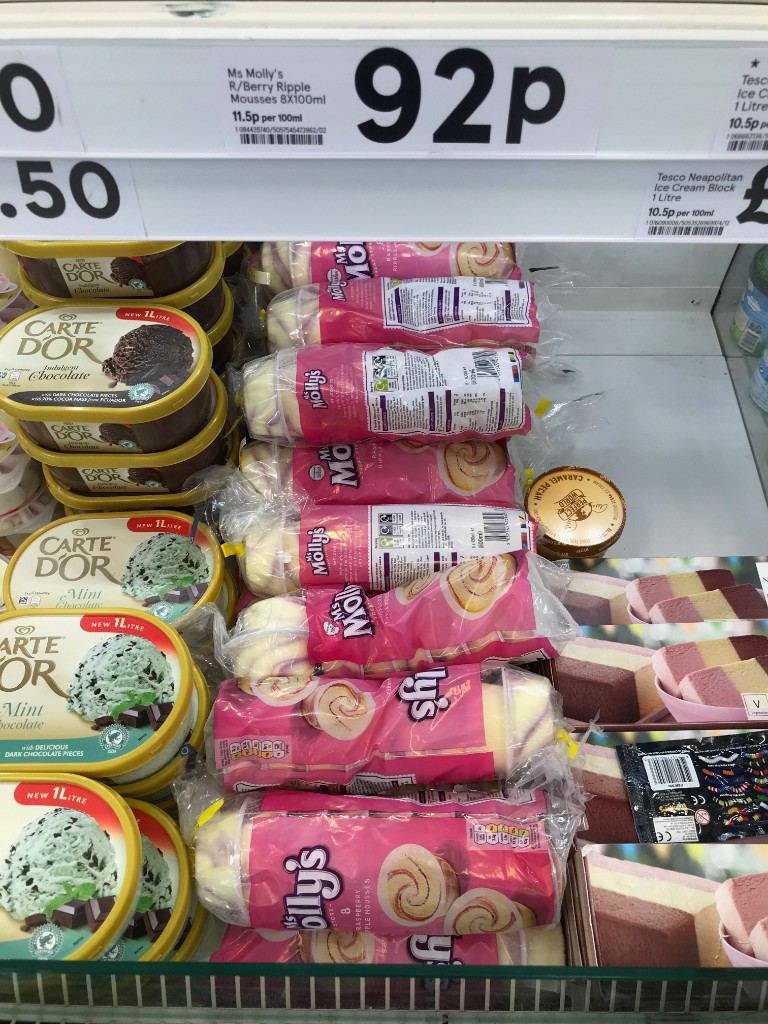
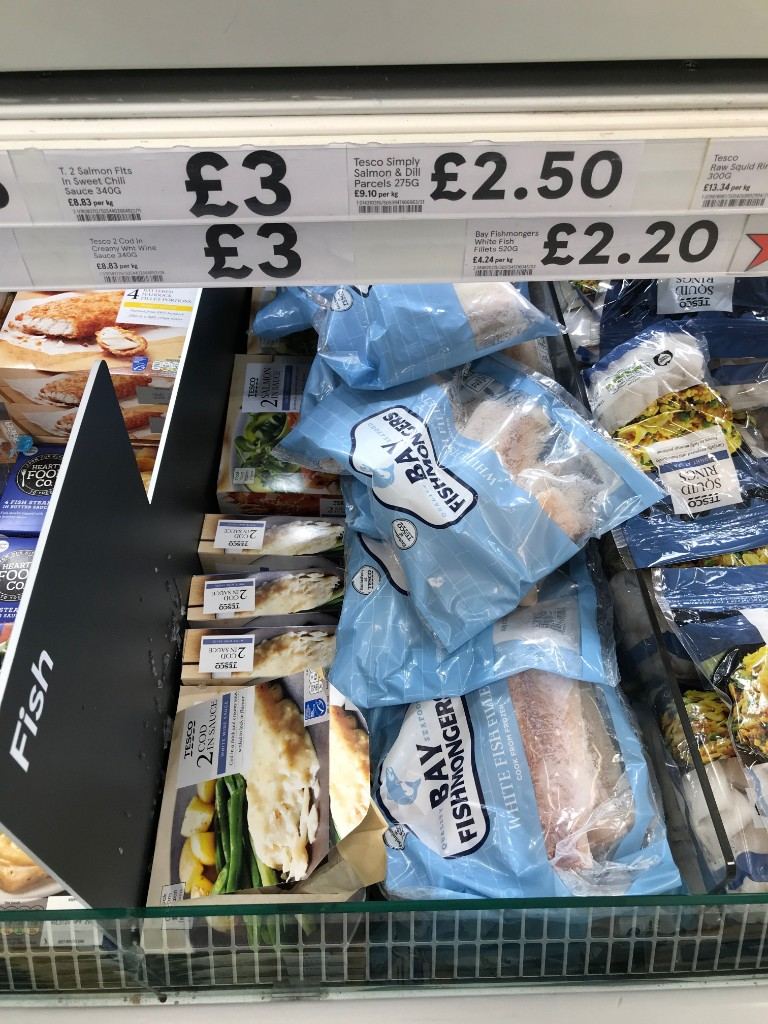
Frozen Foods adds a number of 'sub' brands, Hearty Food Co, Bay Fishmonger's add a presence in this category, alongside others. Ms. Molly's is noted in chilled desserts (new lines replacing value in Trifles) and also a significant number of products in Ice Lollies and similar.
Frozen is a key category for the discounters; they're able to change the range seasonally to keep things relevant (Roast Potatoes out and Wedges in for Summer e.g.). Within this; the plethora of Ice lollies and other lines that appear for the Summer means that parents are under pressure to keep costs low, especially with the kids being off for 6 weeks and emptying the fridge after 2 days.
Iceland have also seen good growth figures despite being a prominently Frozen foods based retailer. Heron Foods are coming to the mainstream now B&M are in control and indeed, B&M are adding Frozen Foods space to stores at a good rate.
Tesco have sharpened up the category in time for the peak season with new ranges, new products and new signage too.
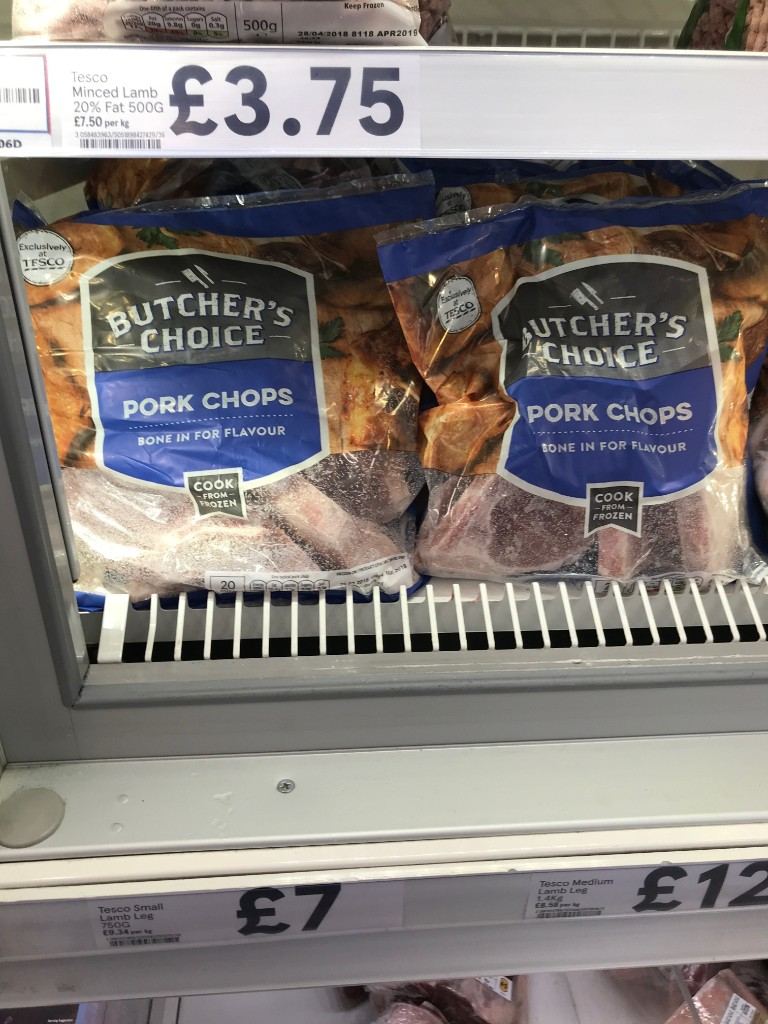
Butcher's Choice Meat, replaces Value in Frozen and for the better. Value packaging and Meat is not a strong combination and the proof of the pudding is in the Produce / Meat success around 'farm' / fresh food brands.
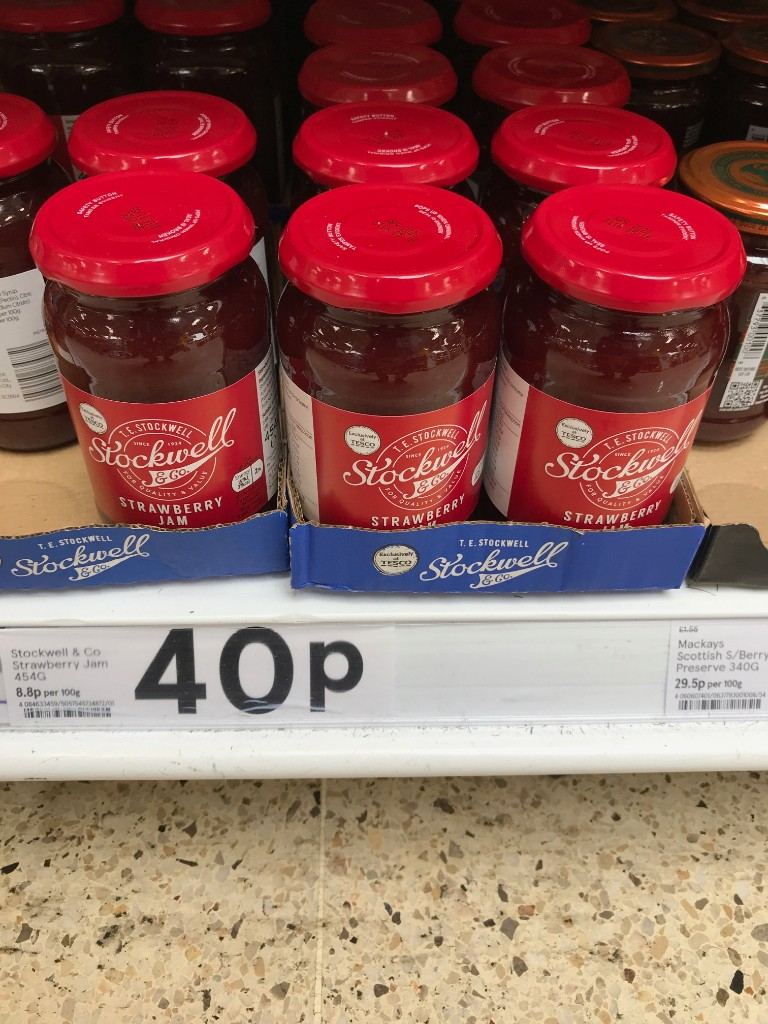
Jam is another product that has converted to the new TE Stockwell branding, a sharper product once more and adding a level of cohesion by seeing this 'brand' appear in more than one area.
So, the fake news is just that. Tesco have an own label strategy and are progressing through that. Some brands are caught in the crossfire but that's part of the game we're in really.
The notable element of these 'house brand' lines is that they are cheaper and in some cases, are better looking than the core own label. Deflationary aspects can be a problem but if improving volumes and sales via the 'full shop' is the aim then this works.
However the question is; can you actually remove the mid tier own label in Beans (for example) over time if the volume swings in to the TE Stockwell sub brand? Thus retaining price leadership (in a customer's eyes) over Aldi and Lidl?
It's interesting and not necessarily easy for discounters to defend against, marketing value products as 'sub brands' in their own right means they are cheaper than Aldi/Lidl mid tier equivalents. Assuming a customer takes it that way and makes that link.
Another point is the potential for some of these lines to appear in Booker, the TE Stockwell looks like a Tesco own label, features the 'heritage' based own label and also flags 'exclusive to Tesco'.
However greater volumes could be achieved by pushing 'farm brands' and the other products shown via Booker warehouses thus into the likes of Premier and the other fascias.
Potentially meaning a further investment in price as a benefit..... All very interesting indeed.
One thing is for sure, the Dave Lewis strength of brand creation and curation is coming to the fore in these categories.
From the Grocery Insight newsletter archive, first sent to subscribers on 19 June 2018. Steve now writes at read.groceryinsight.com. See also the blog archive and briefings.