Lidl - Onwards and upwards
19 June 2019
Lidl have been chugging along very nicely in the UK market for a number of years and like Aldi, they have a shinier new store format (Lidl were quite the pioneer with this model) and are also expanding in to smaller store formats in central London....
Whilst Aldi have opened Kilburn and then moved to Balham, which are more high street in terms of London, Lidl acquiring Tottenham Court Road Sainsbury's to open a store in such a central location represents real ambition from the chain.
Whilst this store will no doubt be markedly different from the core Lidl (even those in Clapham et al are modified to reduce reliance on Frozen Foods etc), it will be as much about perception, educating the customer and potentially opening the door to a delivery based trial similar to that in Dublin.
It's clear that growth will be harder for the discounters in the coming years, they're not reaching saturation just yet but sites are harder to come by and as such, both Aldi and Lidl want to crack areas of London that are difficult to find sites for, but lucrative regardless.
Therefore a 'city' format makes sense; if one travels to Dublin, or indeed Edinburgh - you can see high street Lidl stores and my first visit to Dublin back in 2015 showcased that Lidl are often happy to be a tenant in locations that you wouldn't expect in the UK - the basement of a university accommodation block for example.
As Lidl have pushed on with their store opening programme; stores have opened on all manner of sites, even rebuilds of existing stores. Where the old unit is destroyed and the new store is built in its place. The 'new' store in Skegness (way back in 2015) was an example of this and one of the first 'future' formats of its time.
One of their latest stores is in Bingley, near my manor and was much delayed until it finally opened in May 2019. There is, as ever, a link with the wider retail world as it was due to be a Sainsbury's who bought it from Bradford & Bingley way back when. However the site went to rack and ruin but JS, who didn't commit to the site and then pulled their opening plans when the recession hit and the space race went to reverse...
So they flattened the site and put it up for sale where it remained until Lidl bought the site sometime in 2017, but their pipeline is long so there remained some time before it was open. Access (from a main road) looked to be a major challenge but they've done a good job and created plenty of car parking spaces.....
Let's see what's occurring in store alongside that new strapline!
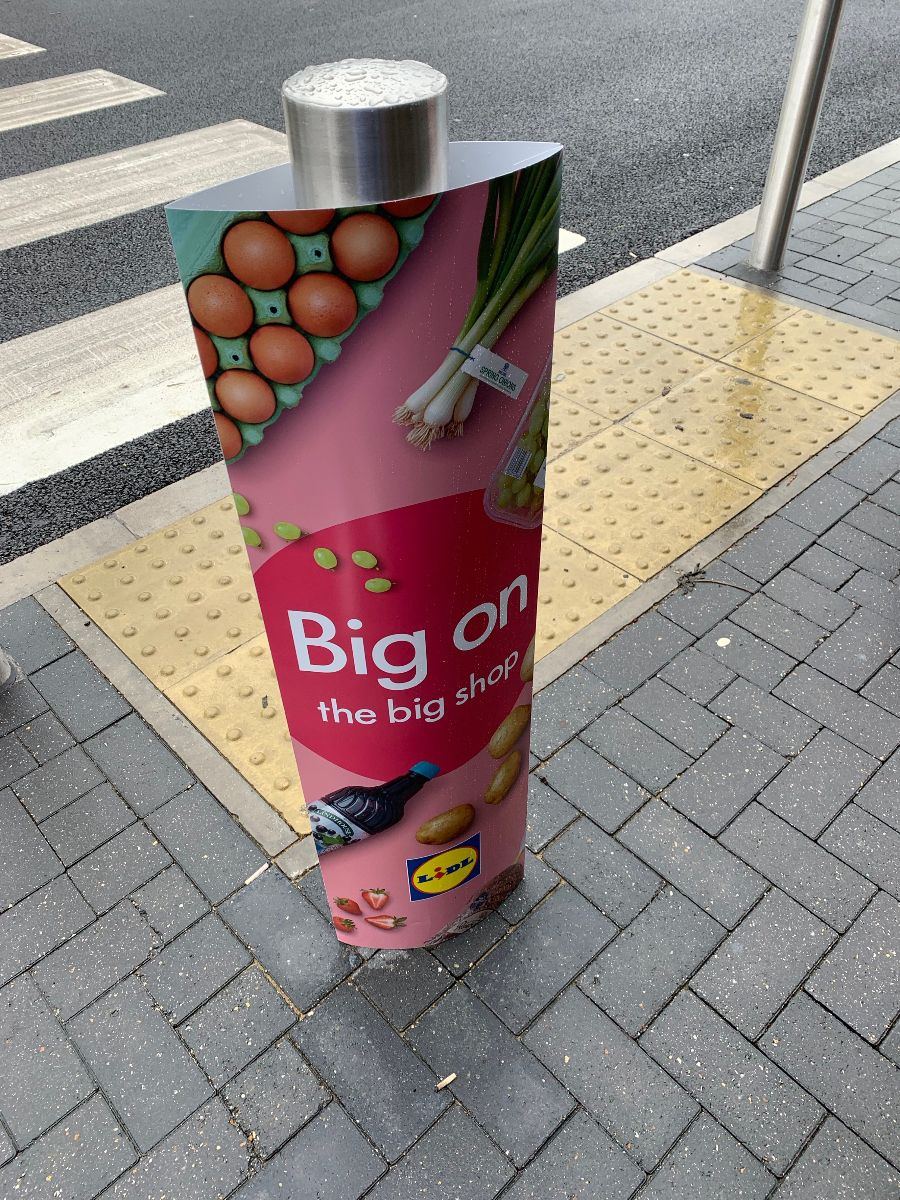
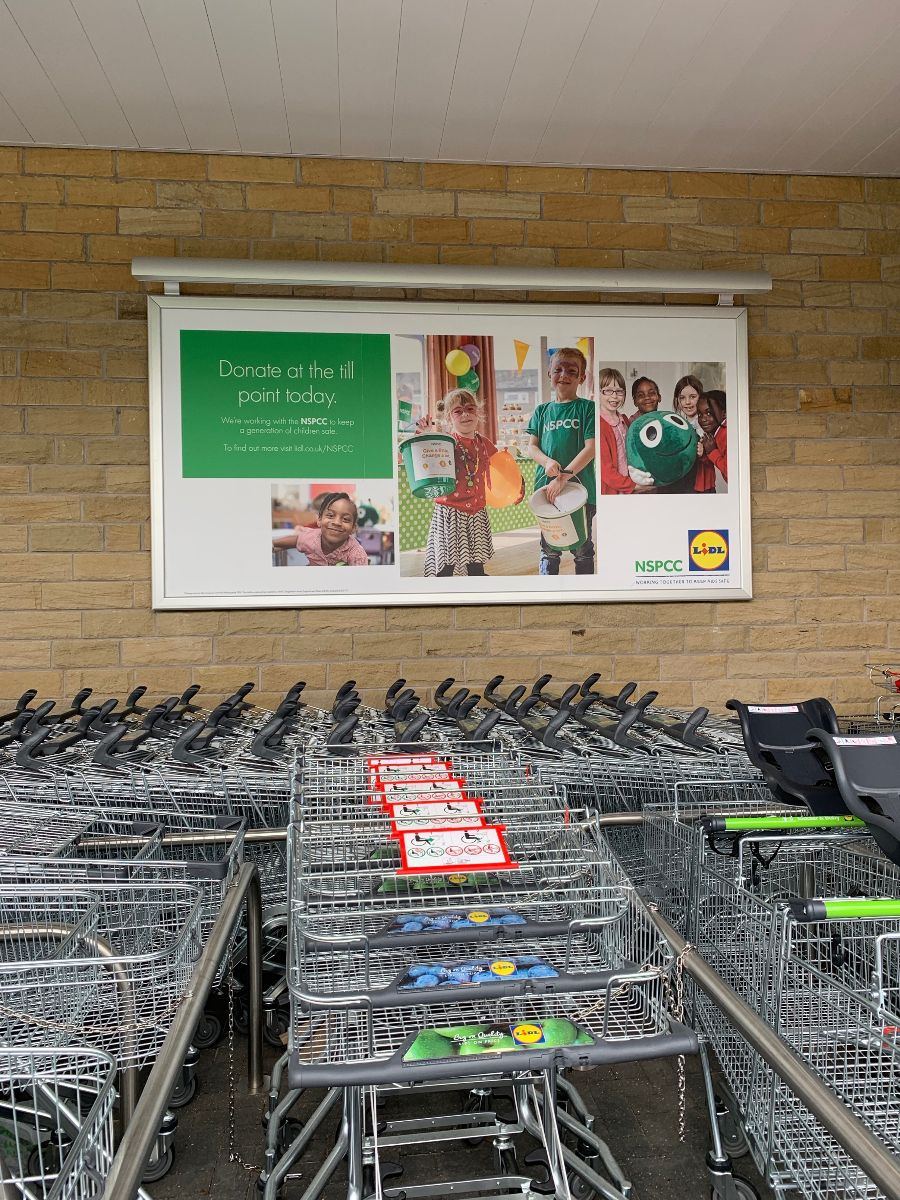
Plenty of charitable elements in the store as a whole but their link with the NSPCC is well marketed and offers numerous ways to get involved, till point donations being one of them. Car park bollards were used to advertise 'big on' (the big shop) which could perhaps indicate that the Lidl range is such that a full shop can be done.
To be fair; 'big shop' is probably 75/80% of the basket and discounters, even pre range growth to premium etc certainly have always offered this.
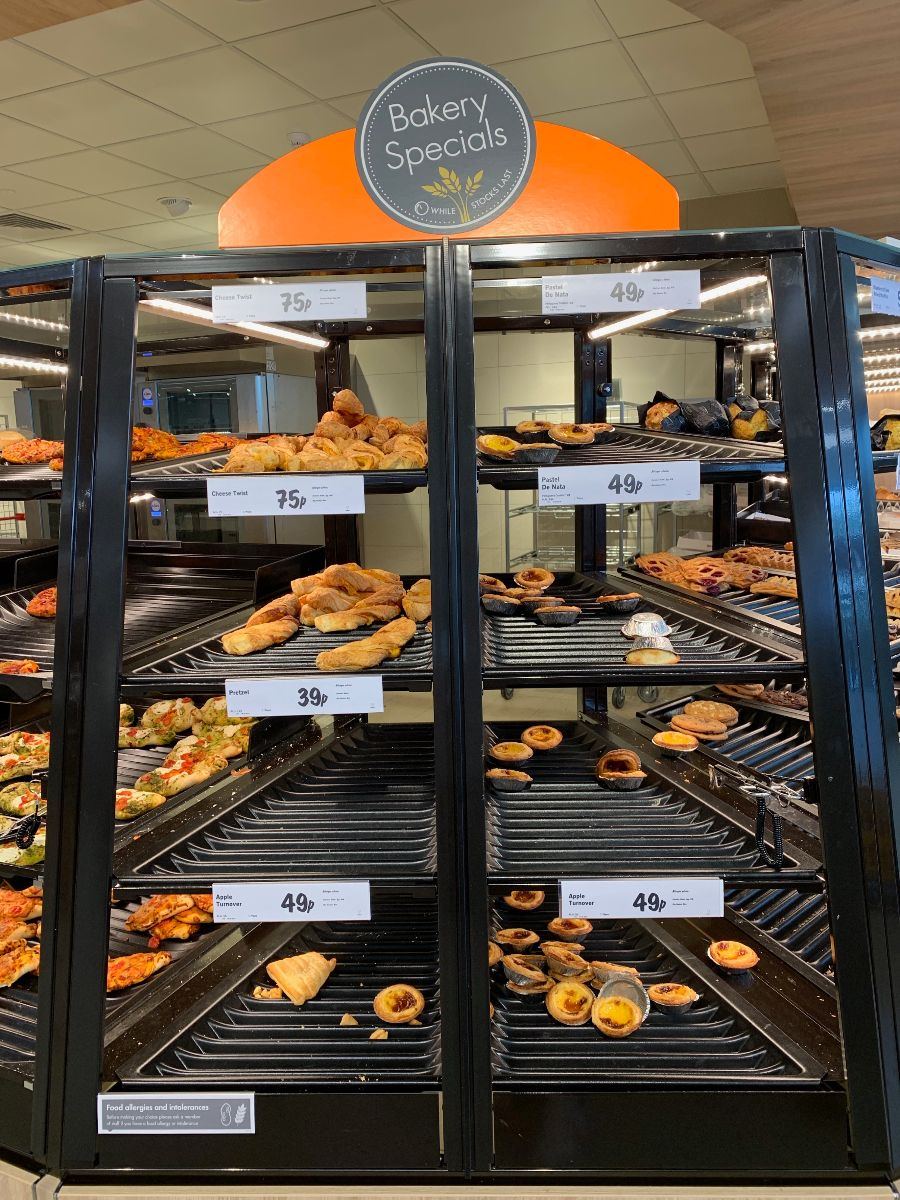
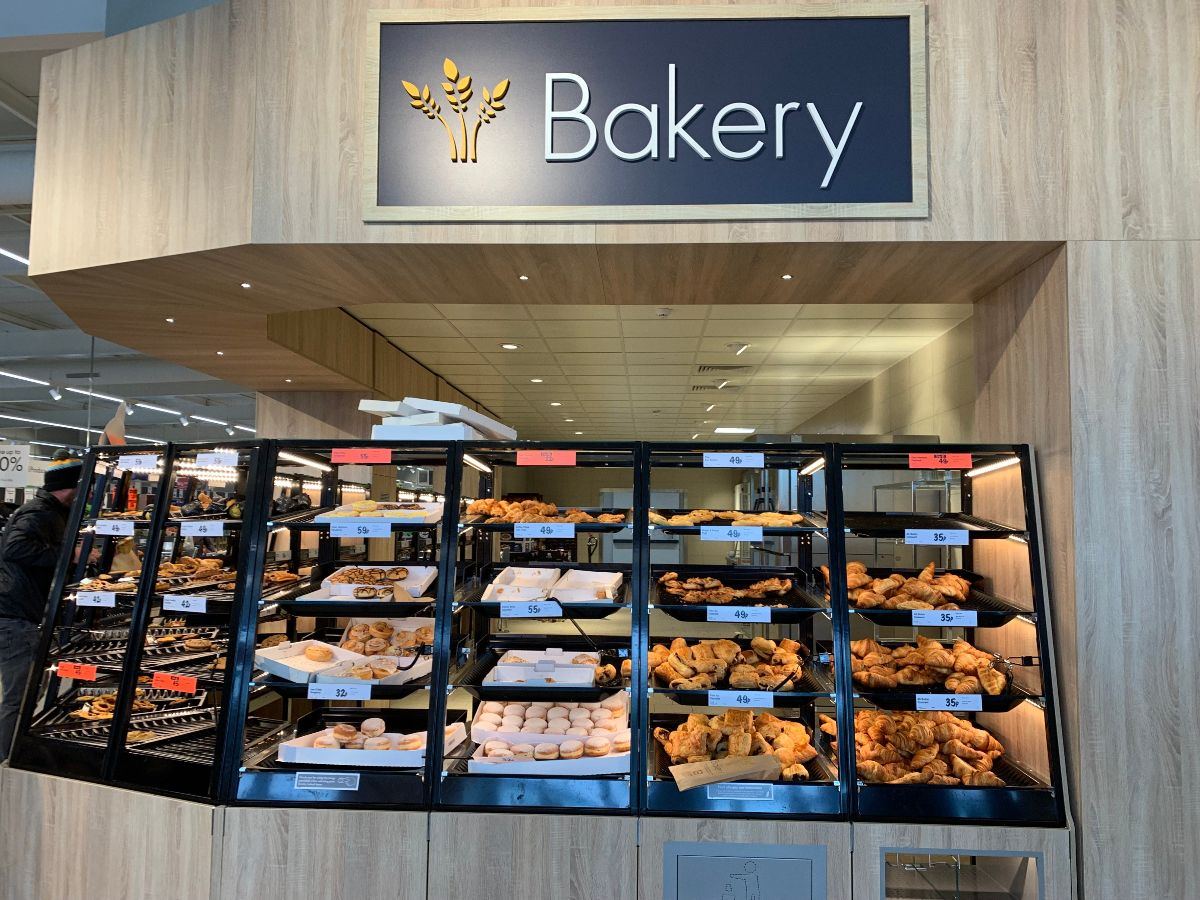
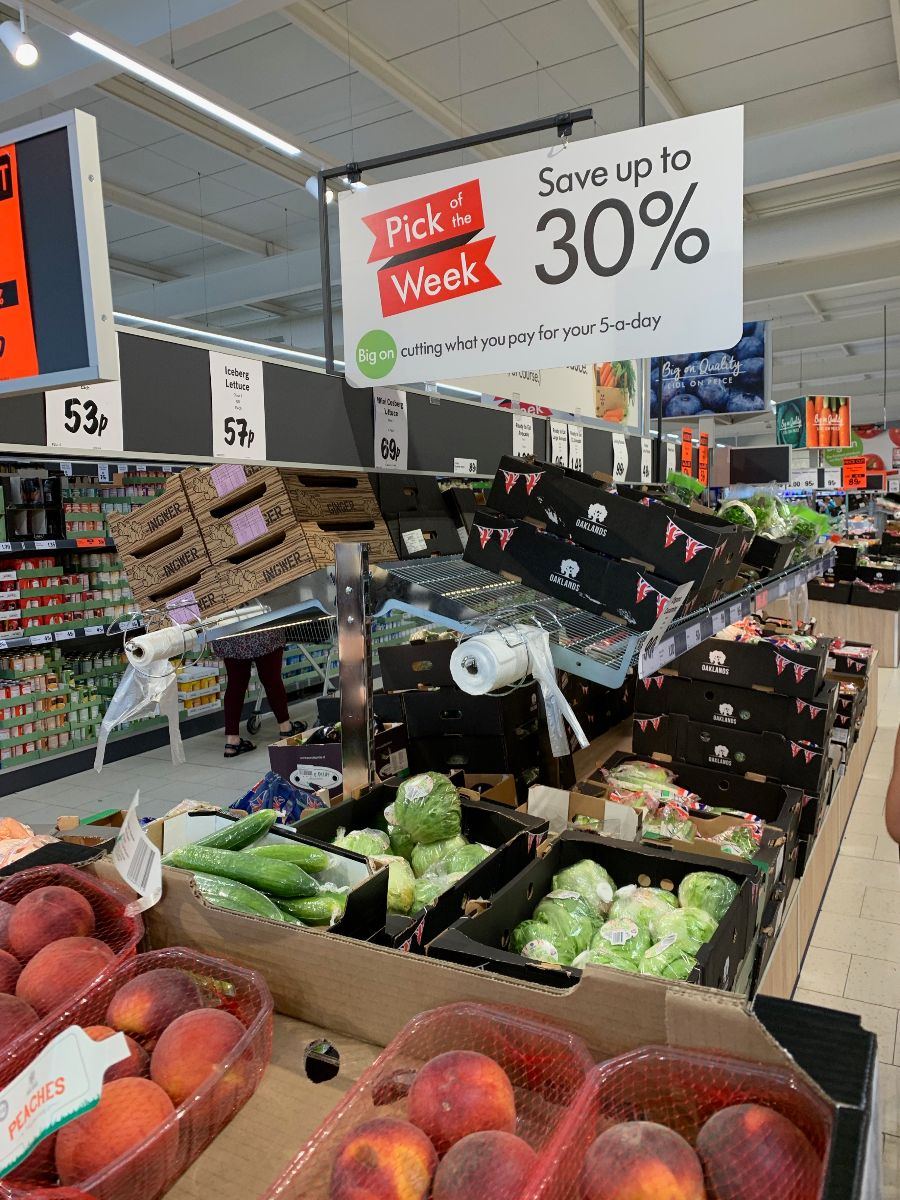
Promotions are a key part of the Lidl armoury and this is where they differ from Aldi in a sense of the 'make up' of deals. More promotions, Bakery deal of the week, Wine offer of the week and a number of 'pick of the week' deals too (similar to Aldi).
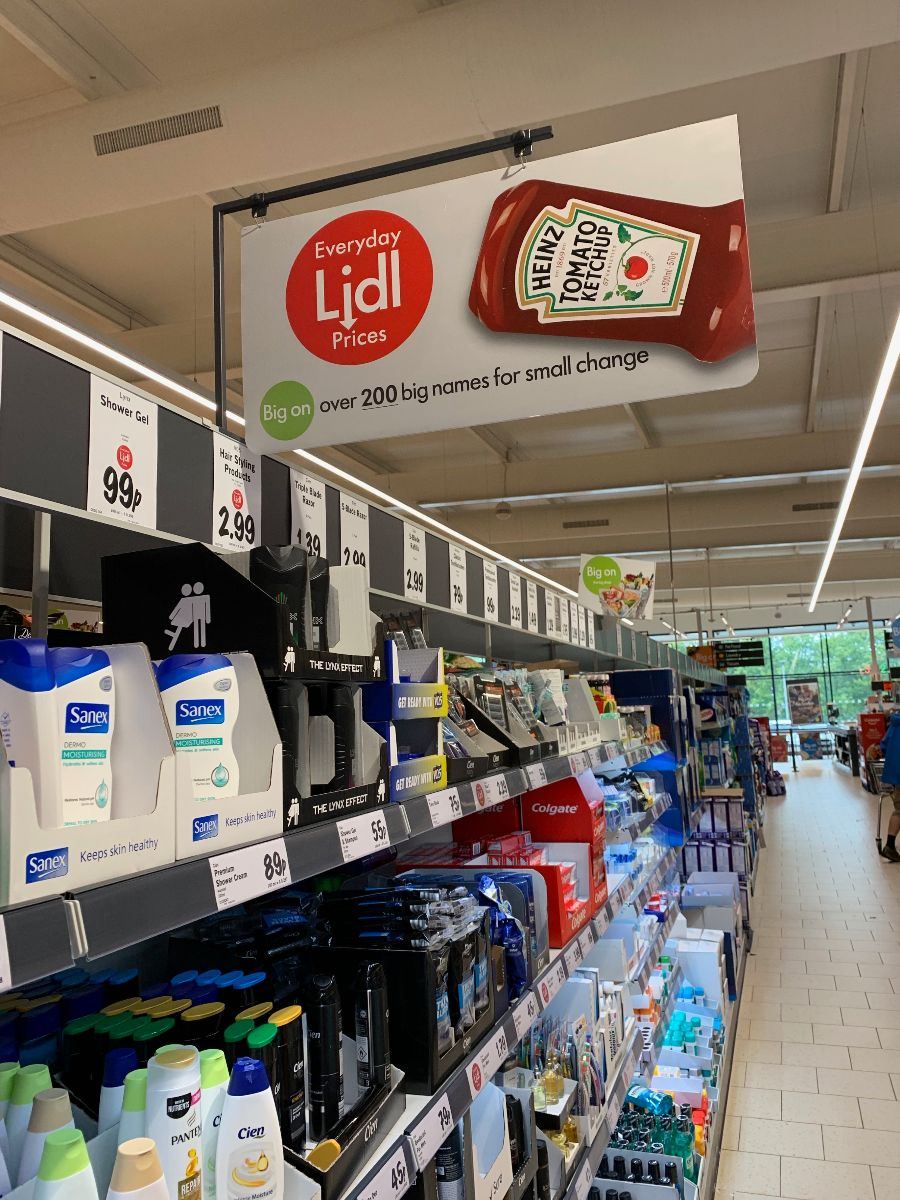
But Lidl run multibuys too, although these appear to have slowed in recent months with a focus on the EDLP element, especially on brands (Pringles at £1.39 all day, every day versus cheaper at Tesco, if on deal e.g.)
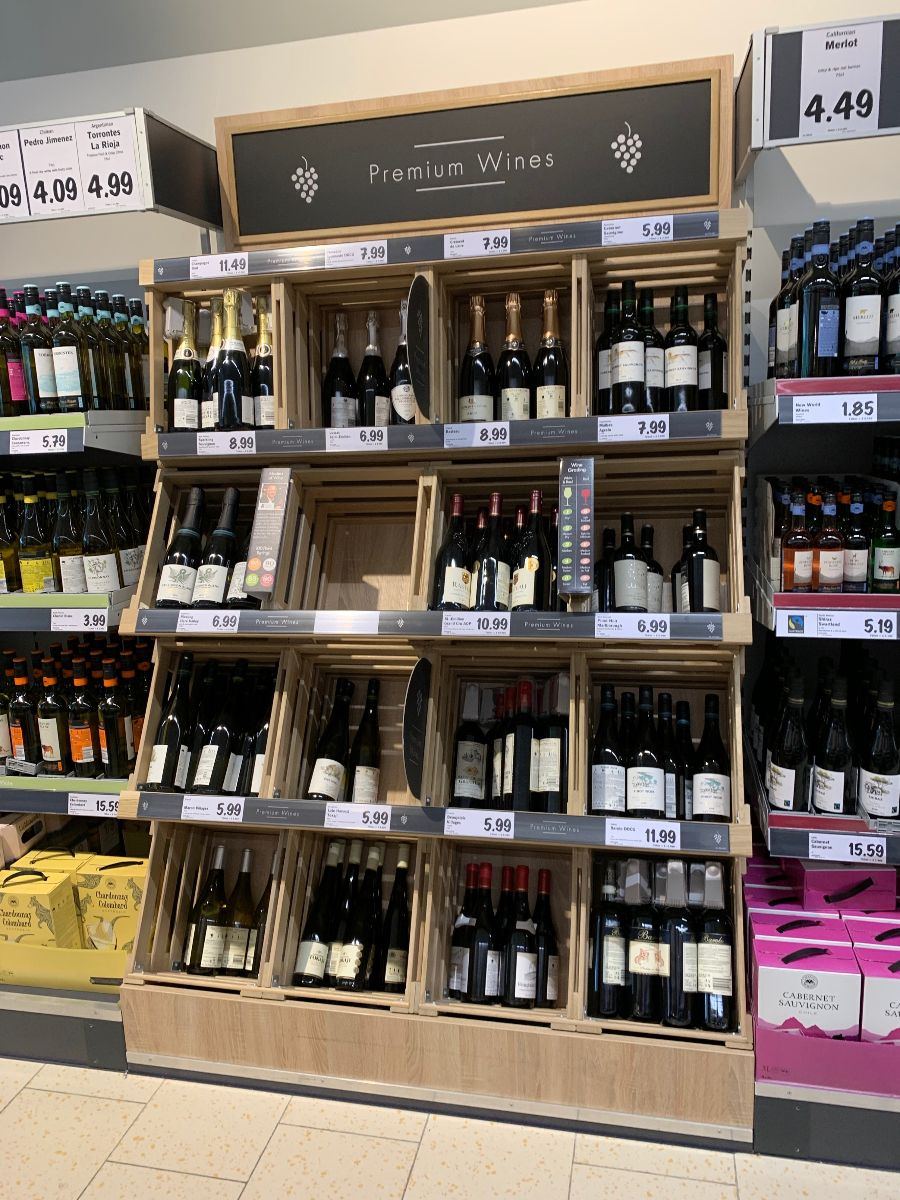
Alongside cheaper Wines; there is a premium fixture for higher end wines to drive some margin. £11.99 Wines are noted for example which is likely far cheaper than equivalents in higher end retailers.
Certainly a featuring in the Daily Mail e.g. will see this range propelled to the forefront of customers minds in any case.
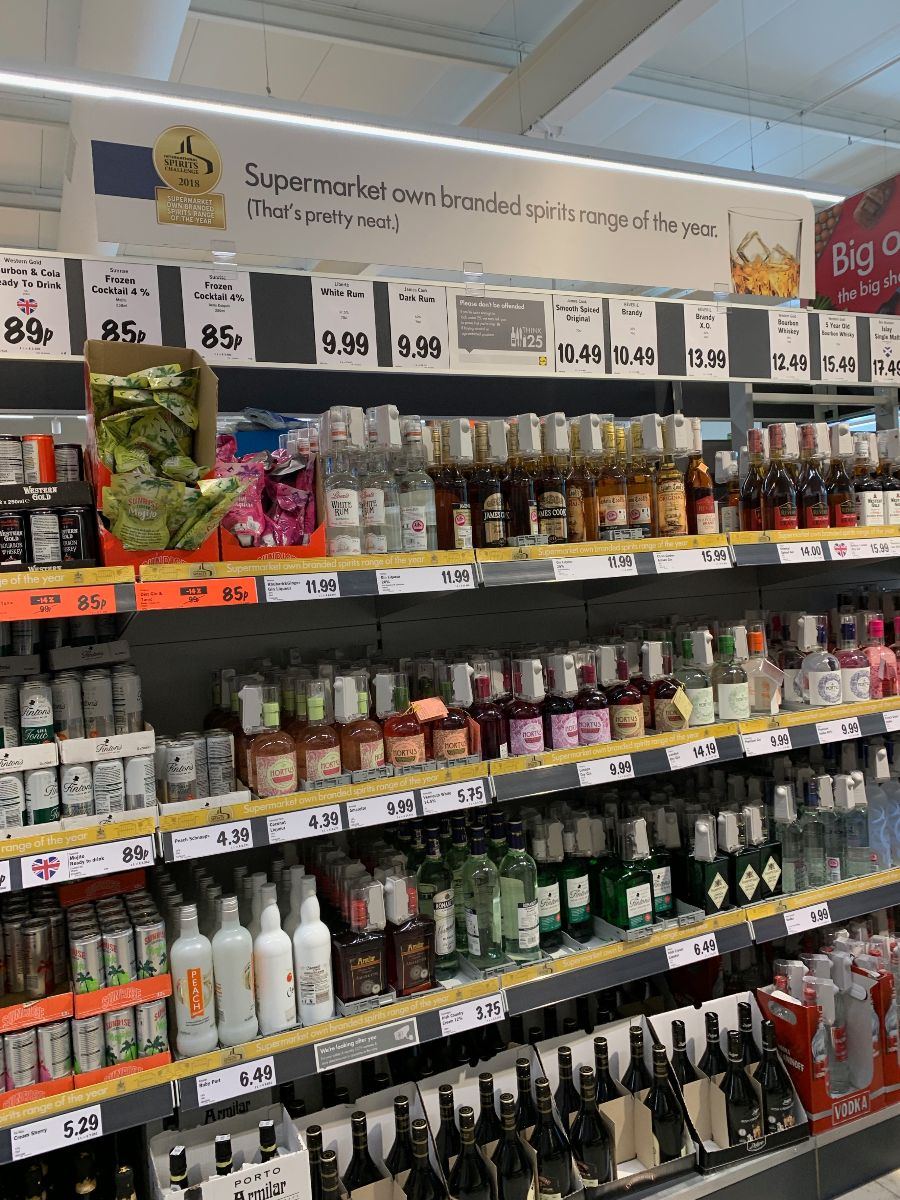
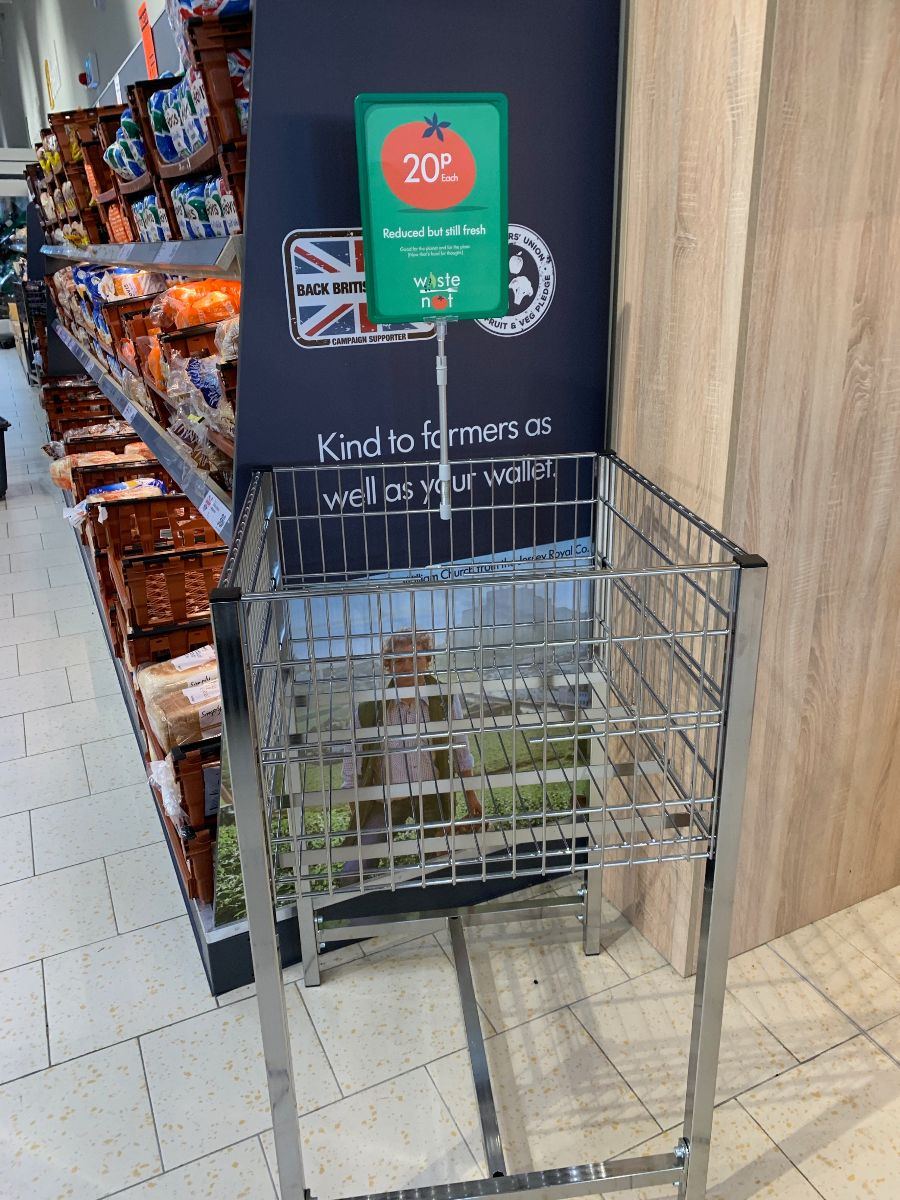
There is a relentless drumbeat of messaging around the store and this has remained the case for many years, the biggest change for Lidl was their in store signage and tone of voice changing to a friendlier, more approachable style.
Awards are ever important, underline the quality / price balance and then the waste not message means that customers are able to purchase bags of product for one low price.
What does that do for inventory though? It's a manual system for Lidl so they must have a way of managing it, but they spin the reductions in to a positive message around food waste in any case.
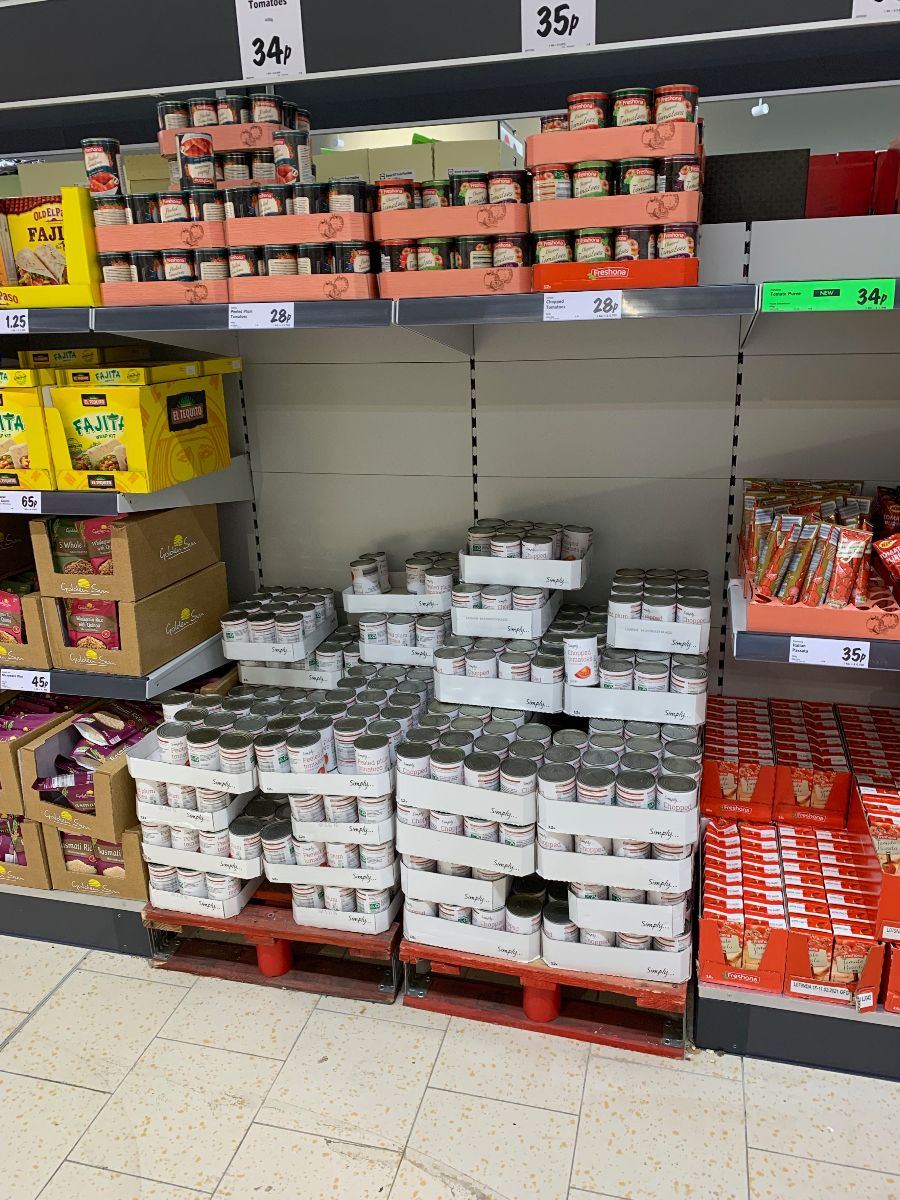
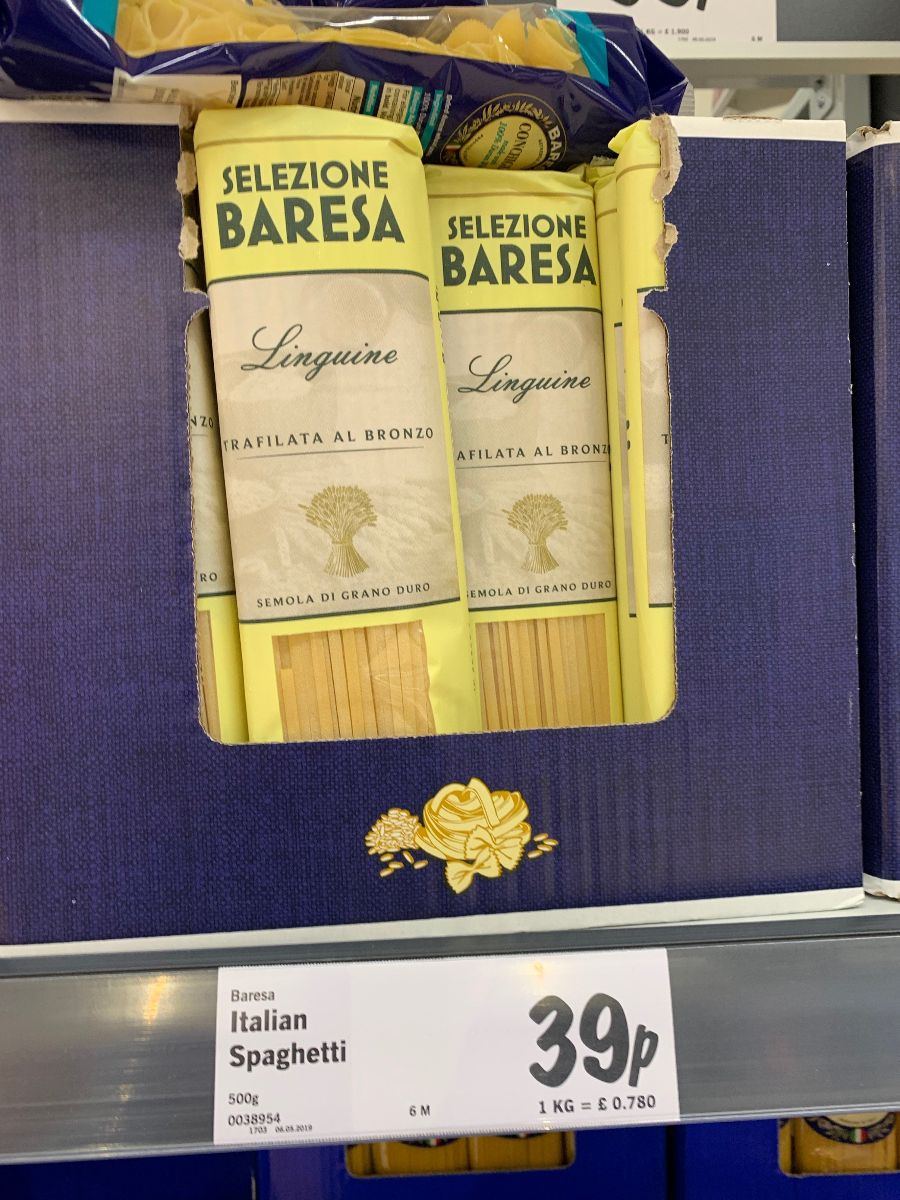
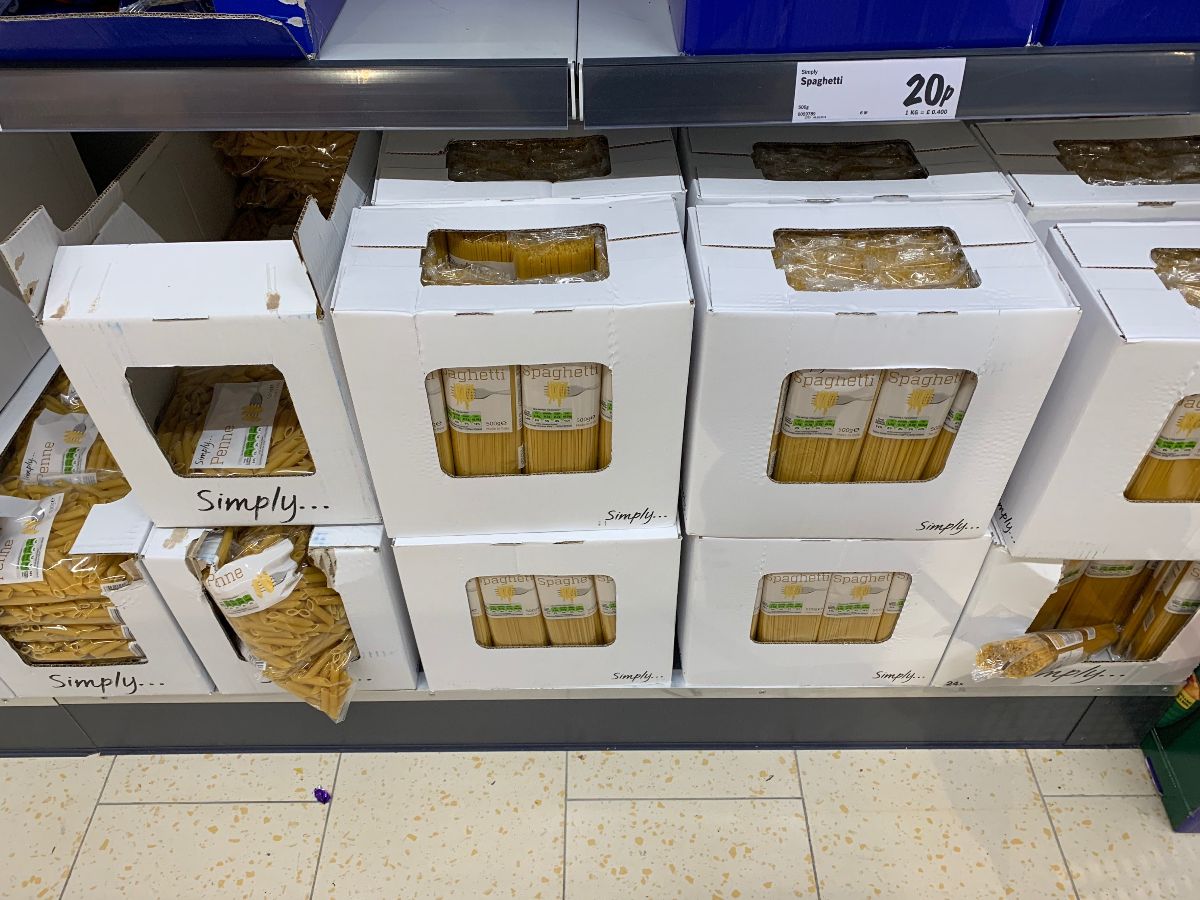
Private ranges continue to be strong and there appears to be more brands around. Value tier is a real area of contention at the minute, Tesco have disrupted things a great deal with their value brands and the reintroduction of a number of sub brands.
Lidl have always had a core stable of value lines; Pasta, Rice Pudding and a selection of other products. Certainly dried Spaghetti stands out well with strong shelf presence versus the core own label (which also looks well on shelf).
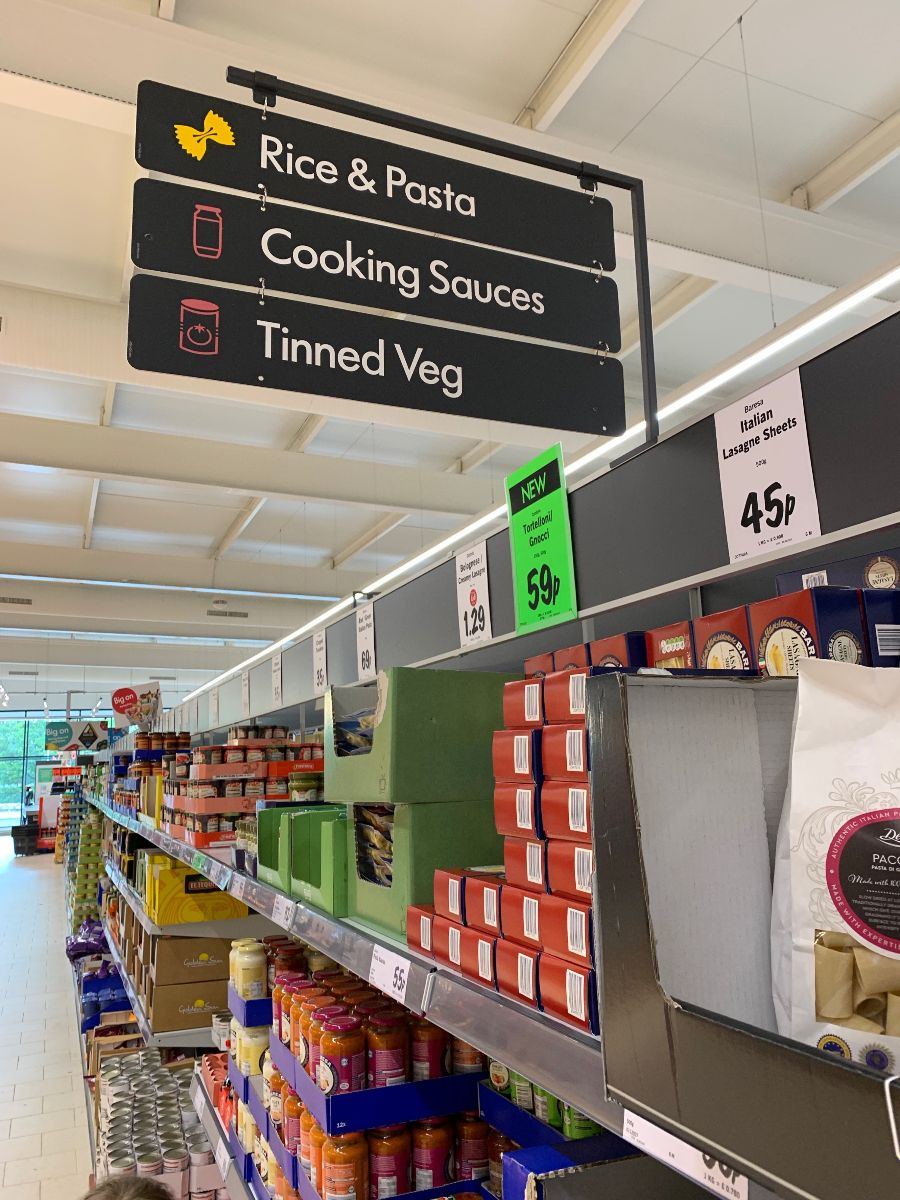
Signage in aisle worked well - another example of their softer tone featuring graphics etc. Also a marker for their larger stores is that they feature so many products that divisional signage is necessary to split the categories.
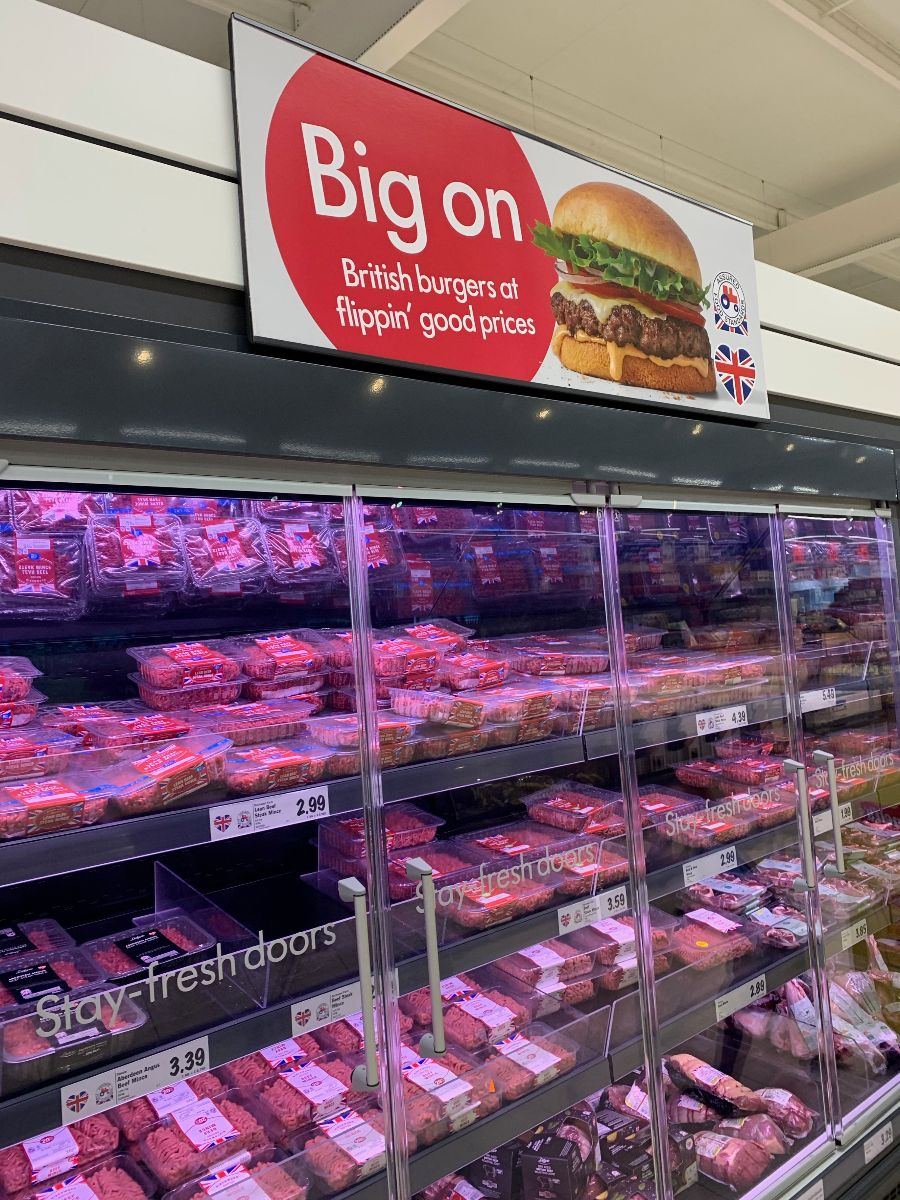
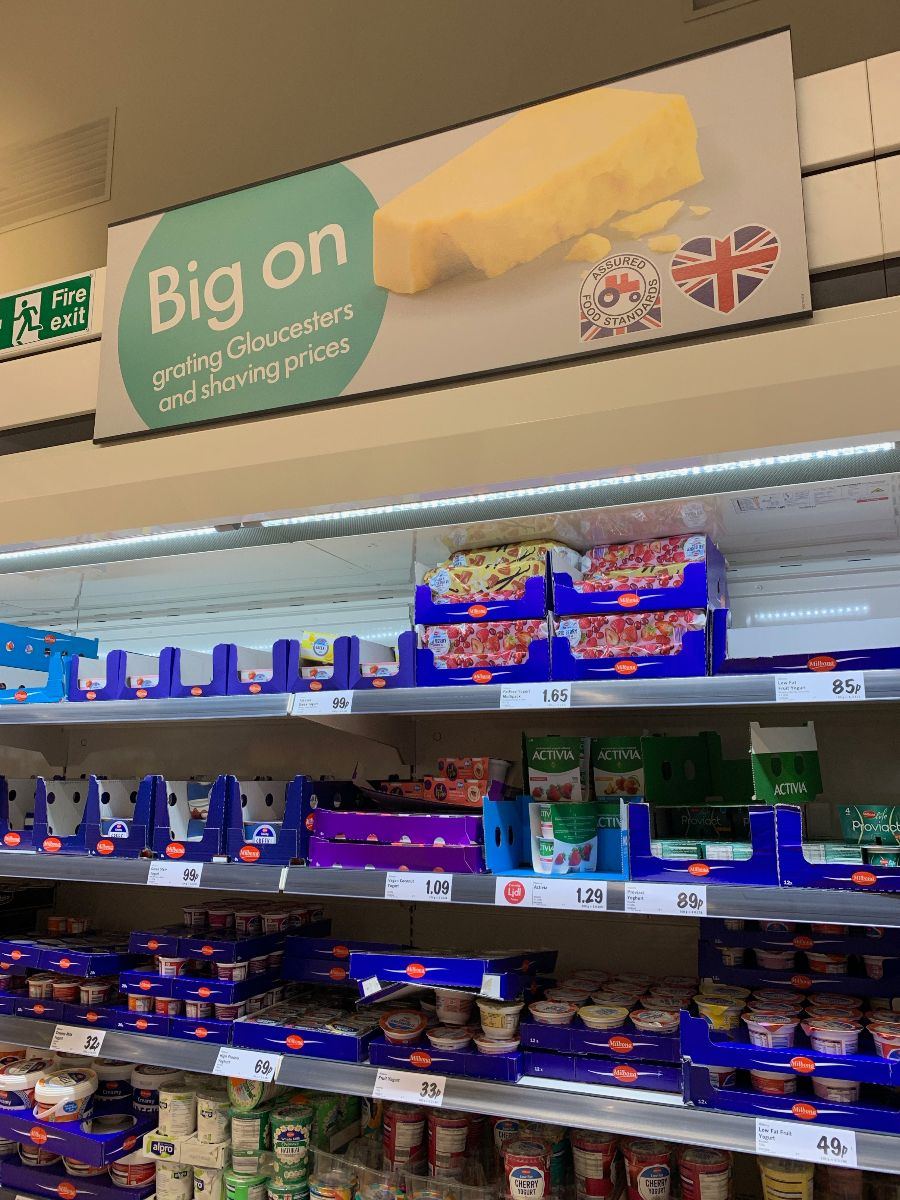
The new agency featuring "big on" works well across the store and certainly impacts, following #lidlsurprises was no easy feat but the 'big on' is a similar sort of message with a focus on the fuller shop (range increase?)
Also notable that they're able to turn the messaging to the various provenance elements, product quality and awards (of course) that they've won.
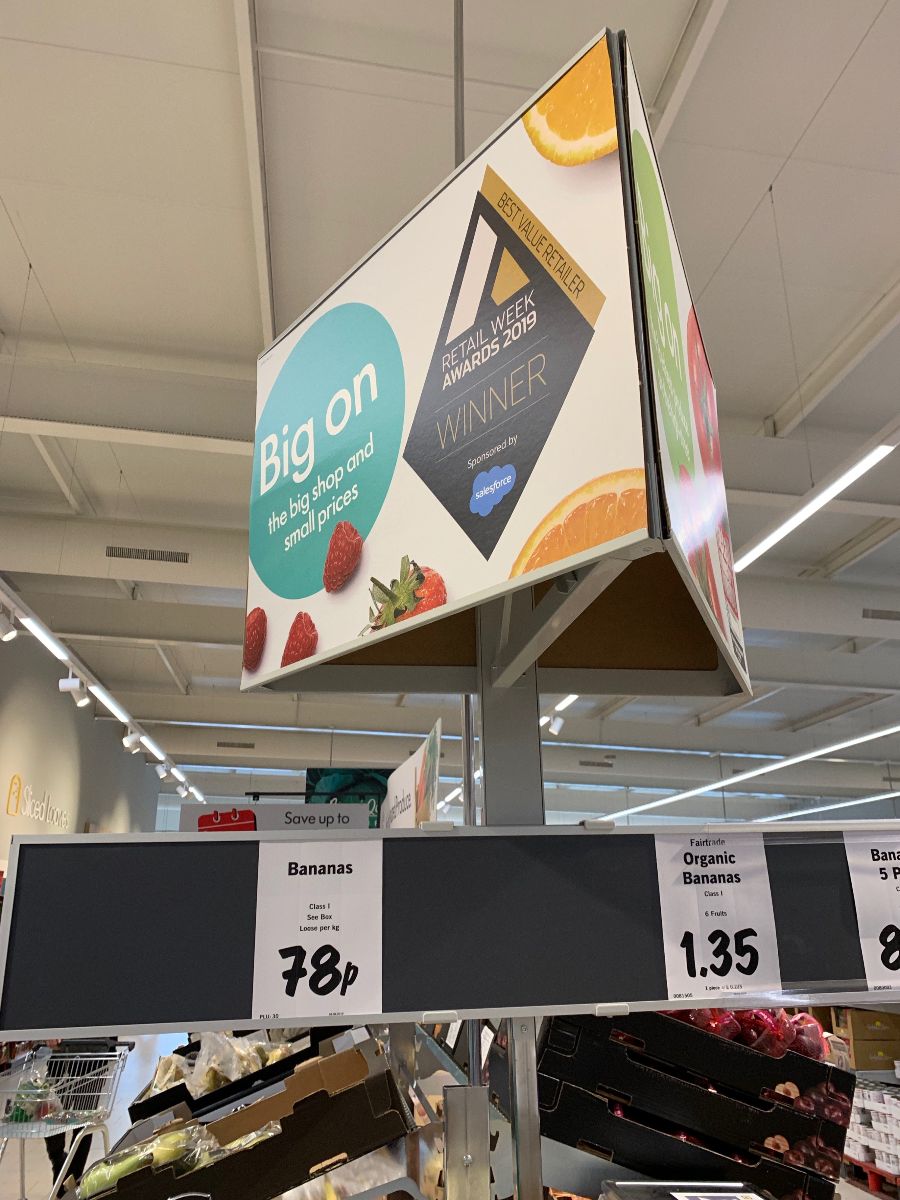
Such as the retail week awards winner 2019 for best value retailer (sponsored by Salesforce).
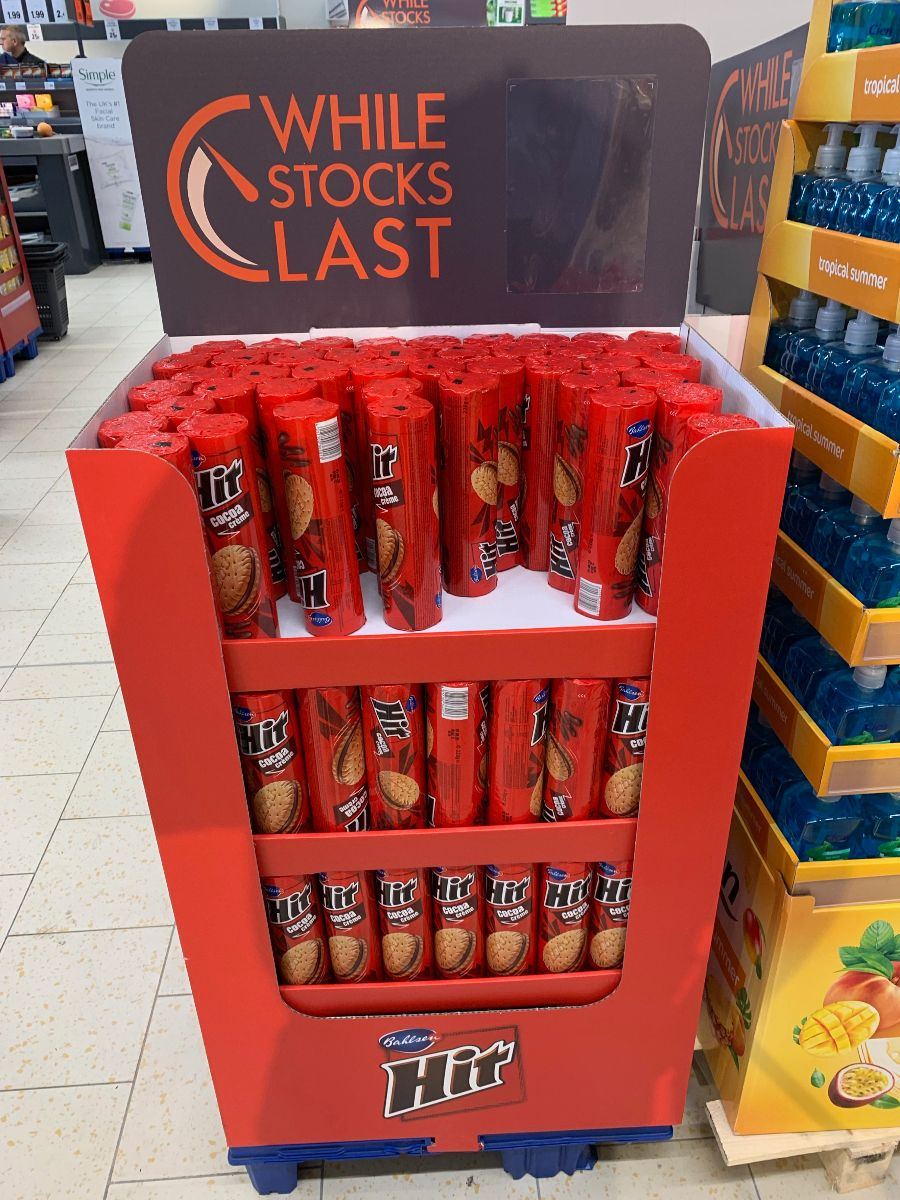
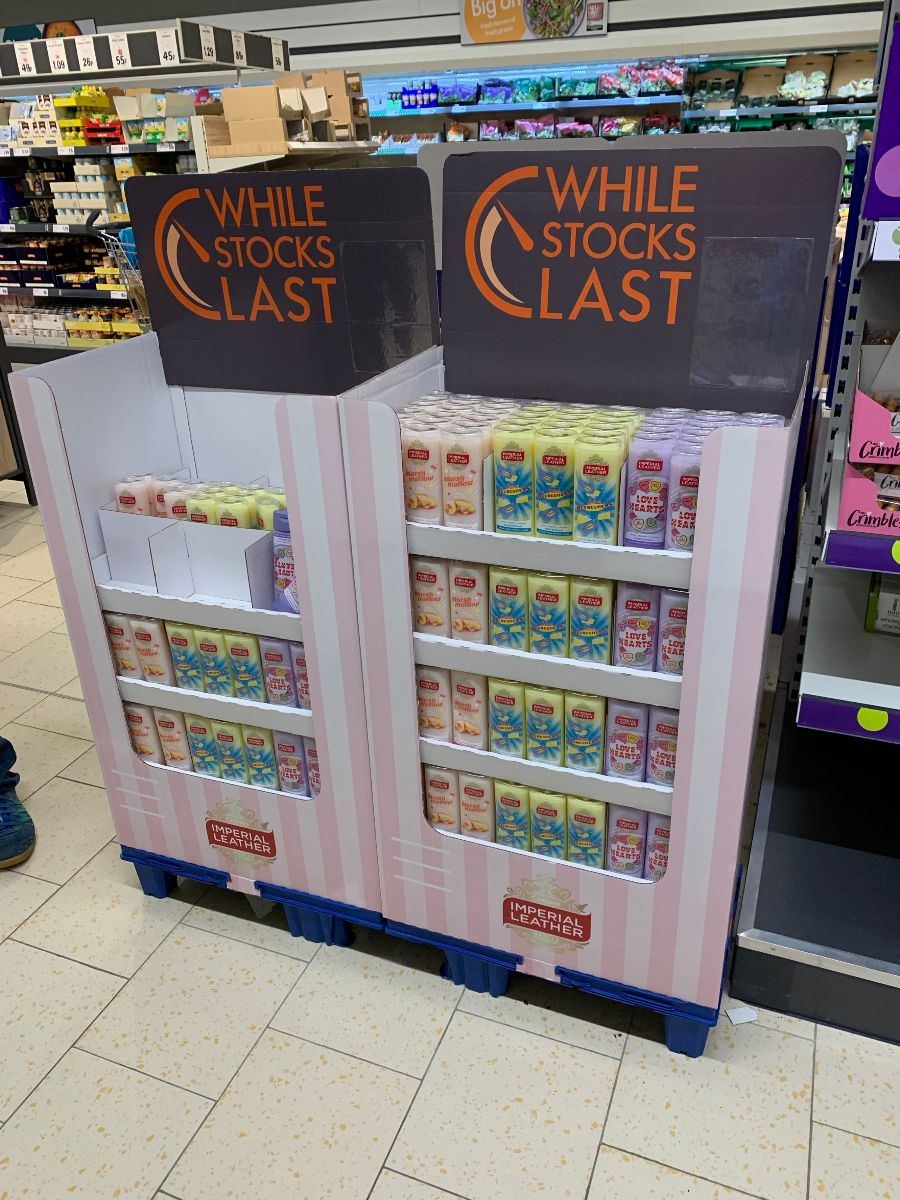
Shippers aplenty have been noted in Lidl; adopting a B&M strategy when chasing down sales growth and the suppliers are certainly playing ball, with a plethora of shippers around the store.
Pricing appears to be an issue with many shippers featuring no signage at all. However the prices are typically good, but you have to price them regardless.
That said; it's a driver of growth for their business is the proportion of branded sales growing and it spells trouble for the larger retailers who rely on branded sales in many categories.
Notably - it also means Lidl are able to compete effectively with the likes of B&M and Home Bargains who must take some sales away from discounters for those shoppers who prefer to shop around - especially with the proximity of many of the retailers. Namely in Bradford - where there is a retail park with Aldi, Home Bargains and B&M Express all sharing a retail park.
Any new space is typically occupied by discount retailers as they're the ones who are growing...... So these cross competitors are the new normal....
But what does that mean for the mainstream?
From the Grocery Insight newsletter archive, first sent to subscribers on 19 June 2019. Steve now writes at read.groceryinsight.com. See also the blog archive and briefings.